
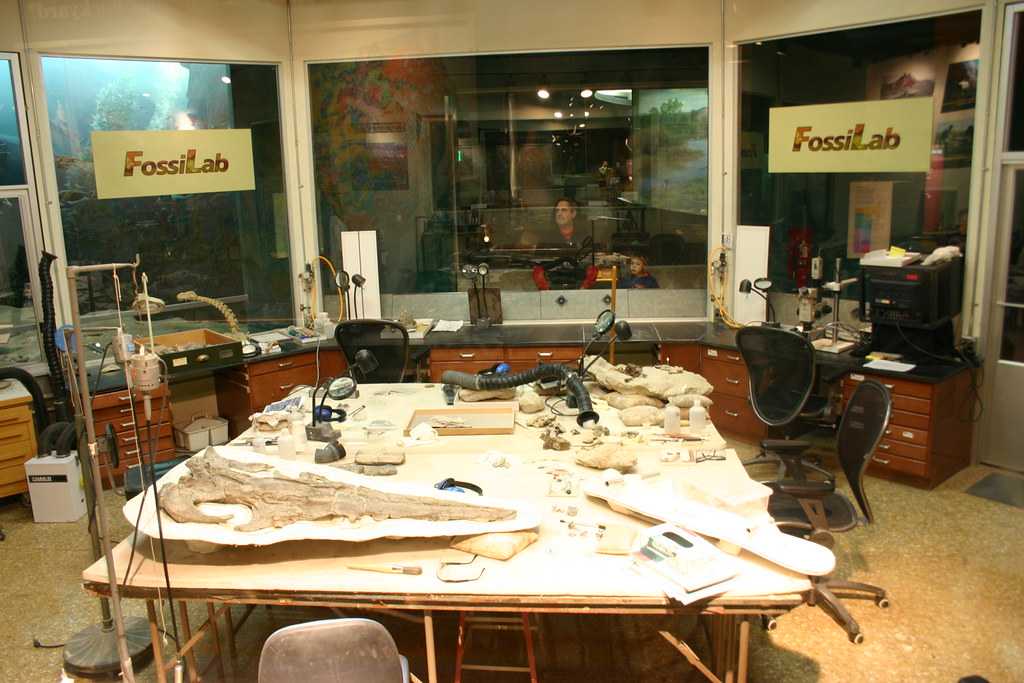
Every so often, one fossil changes everything. Not a whole bonebed, not a famous skeleton mounted in a museum, but a single, stubborn piece of the past that refuses to fit what we thought we knew. Scientists love those troublemakers. They force us to redraw family trees, rethink how animals moved, or even question when a major group first appeared.
What is wild is how much you can squeeze out of just one specimen: a tooth, a jaw, a feather, a footprint. With the right tools and a bit of obsession, that lonely relic can tell stories about climate, behavior, extinction, and evolution that entire textbooks missed. Here are ten of the most powerful kinds of discoveries that came, quite literally, .
1. Rewriting the Family Tree of Life
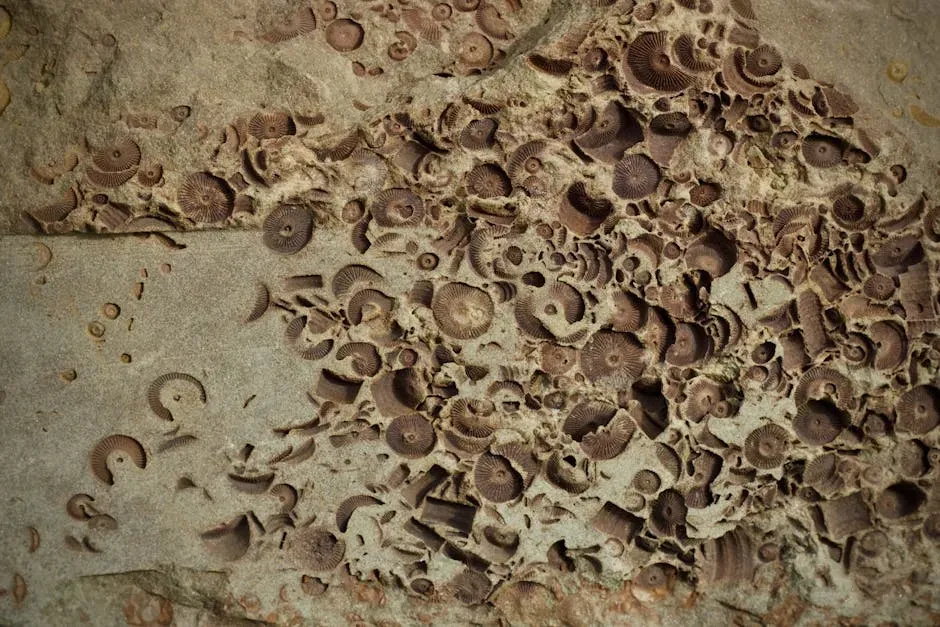
Sometimes a lone fossil shows up and basically tells scientists: your family tree is wrong. A classic example is when a transitional fossil appears that bridges two groups we thought were very separate, like the early bird-like dinosaurs that blurred the line between birds and non-avian dinosaurs. One beautifully preserved skeleton can suddenly fill a gap that looked like a canyon.
When this happens, researchers use dozens of tiny features – shape of the hip, arrangement of the teeth, structure of the skull – to plug the new fossil into massive evolutionary analyses. I like to imagine it as adding a missing piece to a gigantic, ancient family WhatsApp group: once that one cousin shows up, you finally see how everyone else is related. can force scientists to redraw branches, move ancestors around, and sometimes admit that a group evolved earlier or in a different place than they believed for decades.
2. Pushing Origins Millions of Years Back in Time
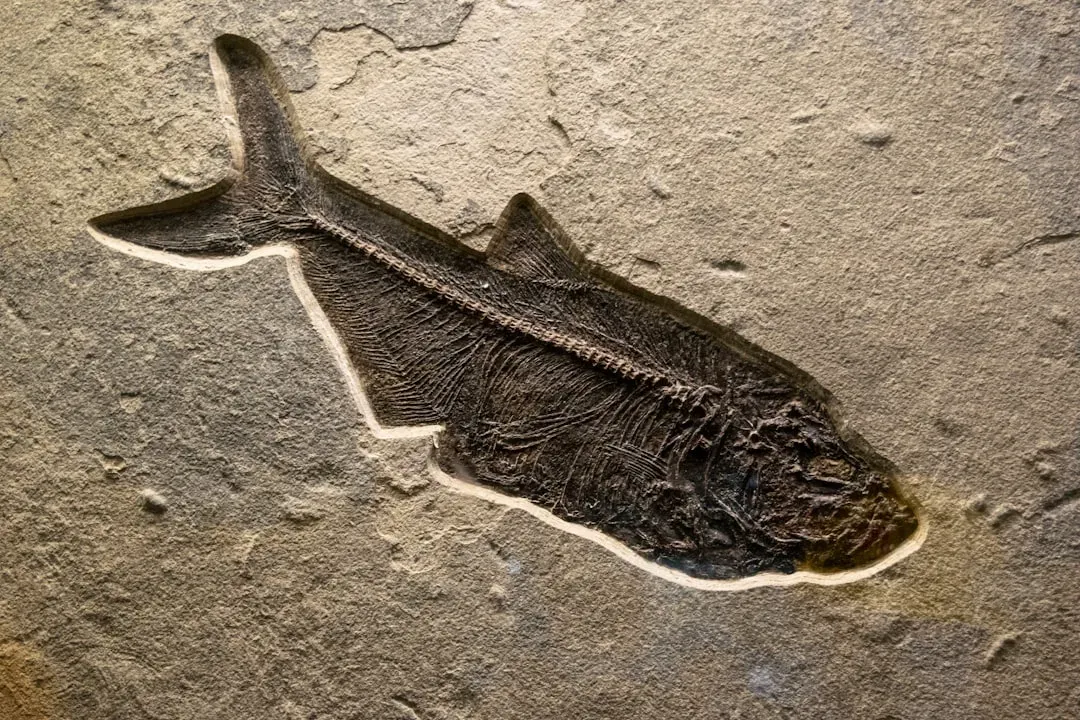
One of the most dramatic things can do is shove the origin of a group far deeper into the past. You might have heard about discoveries where a fossilized jaw or tooth shows that mammals, flowering plants, or some major group of insects existed tens of millions of years earlier than the previous oldest record. Suddenly our neat evolutionary timelines look way too short.
This kind of fossil is like finding a crumpled ticket stub in an old jacket pocket that proves you were at a concert you barely remember from years ago. By carefully dating the rock layers around it and analyzing its anatomy, scientists can say, with cautious confidence, that a whole lineage was already around by that time. It does not just add one species; it stretches the entire timeline of that branch of life, which then changes how we think about climate, ecosystems, and who was interacting with whom back then.
3. Discovering Entirely New Types of Creatures
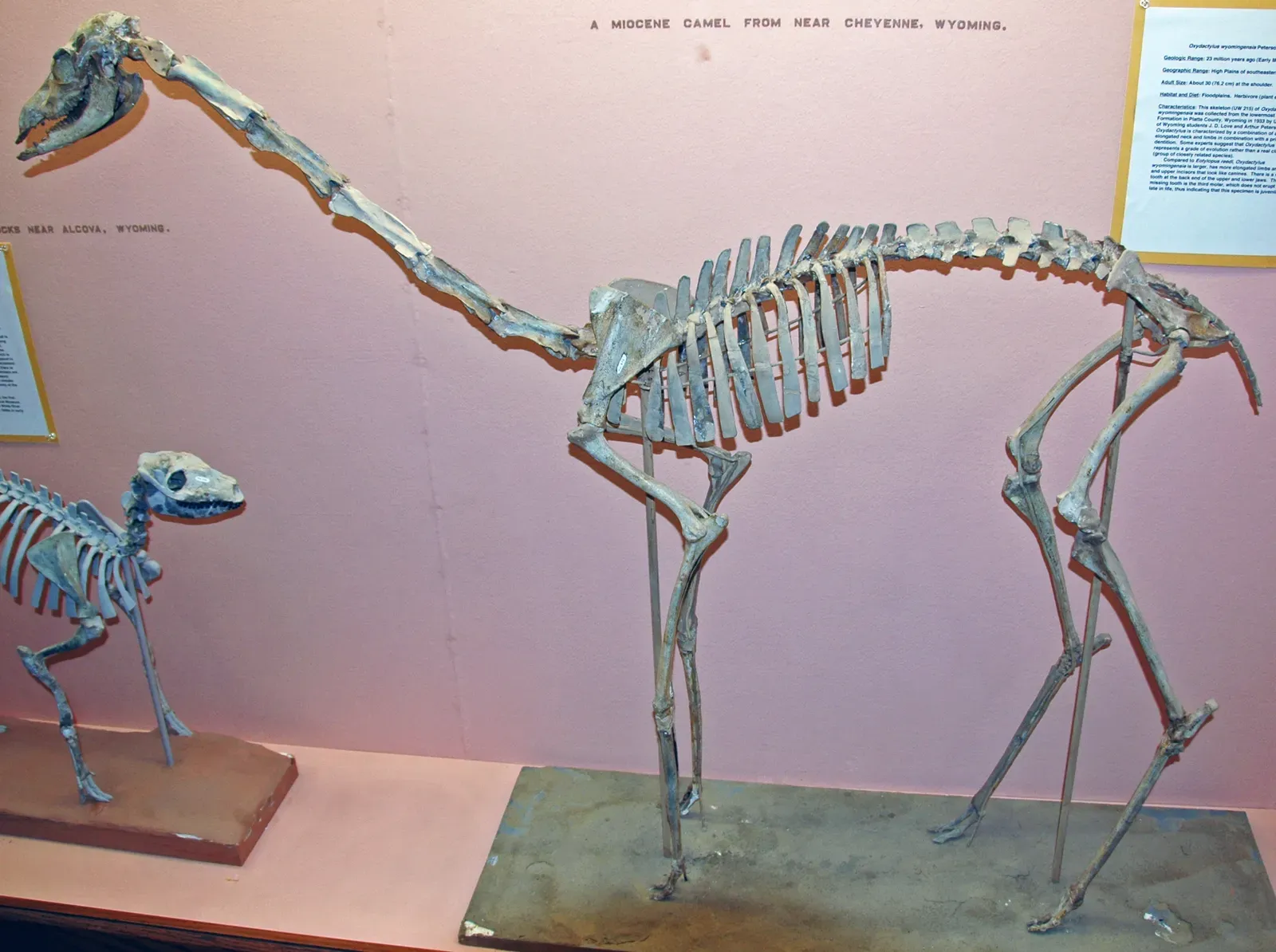
Every named fossil species starts somewhere, and surprisingly often it starts with exactly one specimen. Sometimes that specimen is so weird, so unlike anything alive today, that it forces scientists to create a whole new genus or even a new family. Think of the first time paleontologists dug up a truly bizarre marine reptile or a dinosaur with elaborate feathers and strange head ornaments. At the time, they had just that single fossil on the table.
This is where the line between bold insight and over-interpretation gets thin. With only one fossil, researchers have to decide: is this really something new, or just a strange individual from a known group? They pore over every ridge and socket, comparing it to collections all over the world. When the evidence holds, that lonely fossil can become the “type specimen” – the official reference for a new species. It is a bit like naming a whole fashion trend based on one incredible outfit someone wore once, then realizing later it really did start a movement.
4. Revealing Surprising Behaviors from Bones Alone
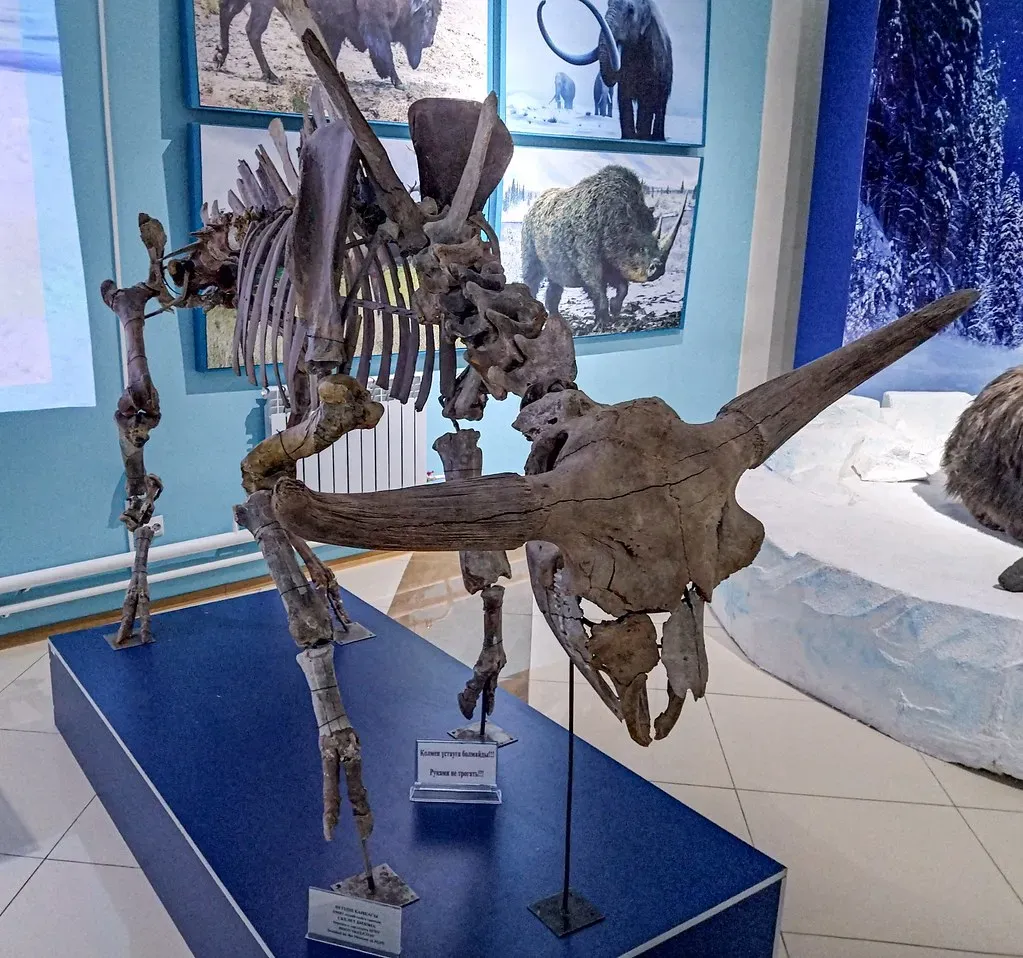
You might think bones can only tell you what something looked like, but a single skeleton can sometimes whisper how it lived. Take fossils that show healed fractures, tooth marks, or arthritis. One specimen with a badly healed limb suggests the animal was injured but survived long enough to recover, which in turn hints at behavior: maybe it could still hunt, or maybe its group cared for it. That is a big leap from just “this animal had bones.”
Other times, tiny clues like muscle attachment scars and joint shapes show whether an animal could climb, dig, glide, or sprint. with a specialized claw or an unusual tail club can reveal a way of life we never suspected. As someone who has stared far too long at CT scans of bones, I am still amazed at how much “behavior” can be extracted from static skeletons. It is like reconstructing an entire movie from a single still frame, but with physics and comparative anatomy as the script.
5. Capturing Moments of Death and Drama
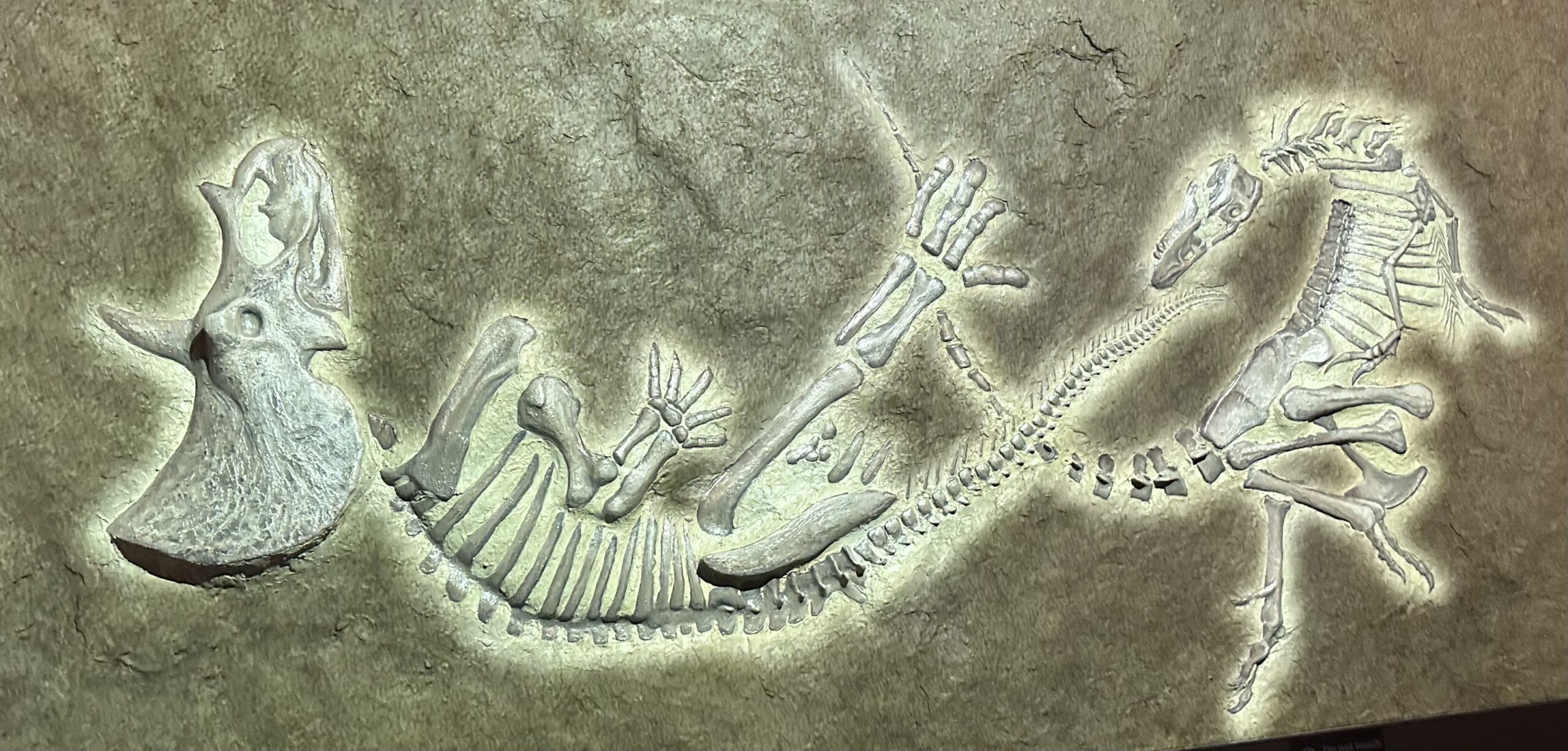
Occasionally, one fossil is less like a biography and more like a crime scene. There are specimens that freeze a dramatic moment: an animal caught mid-swallow with prey in its throat, a predator and victim preserved locked together, or a fish with stones or plants still in its stomach. With one fossil like that, scientists get a snapshot of a behavior that would be almost impossible to infer otherwise.
These are the fossils that feel uncomfortably intimate. You are not just seeing an animal’s anatomy; you are witnessing its last seconds. The orientation of the bones, the contents of the gut, even the surrounding sediment tell a story about how it died – maybe a sudden ash fall, a mudslide, or an underwater landslide. From a single moment frozen in stone, researchers can reconstruct predator–prey relationships, feeding habits, and rapid environmental catastrophes. It is gruesome, but in a way that reveals real lives, not just specimens.
6. Showing That Feathers and Fur Go Way Back
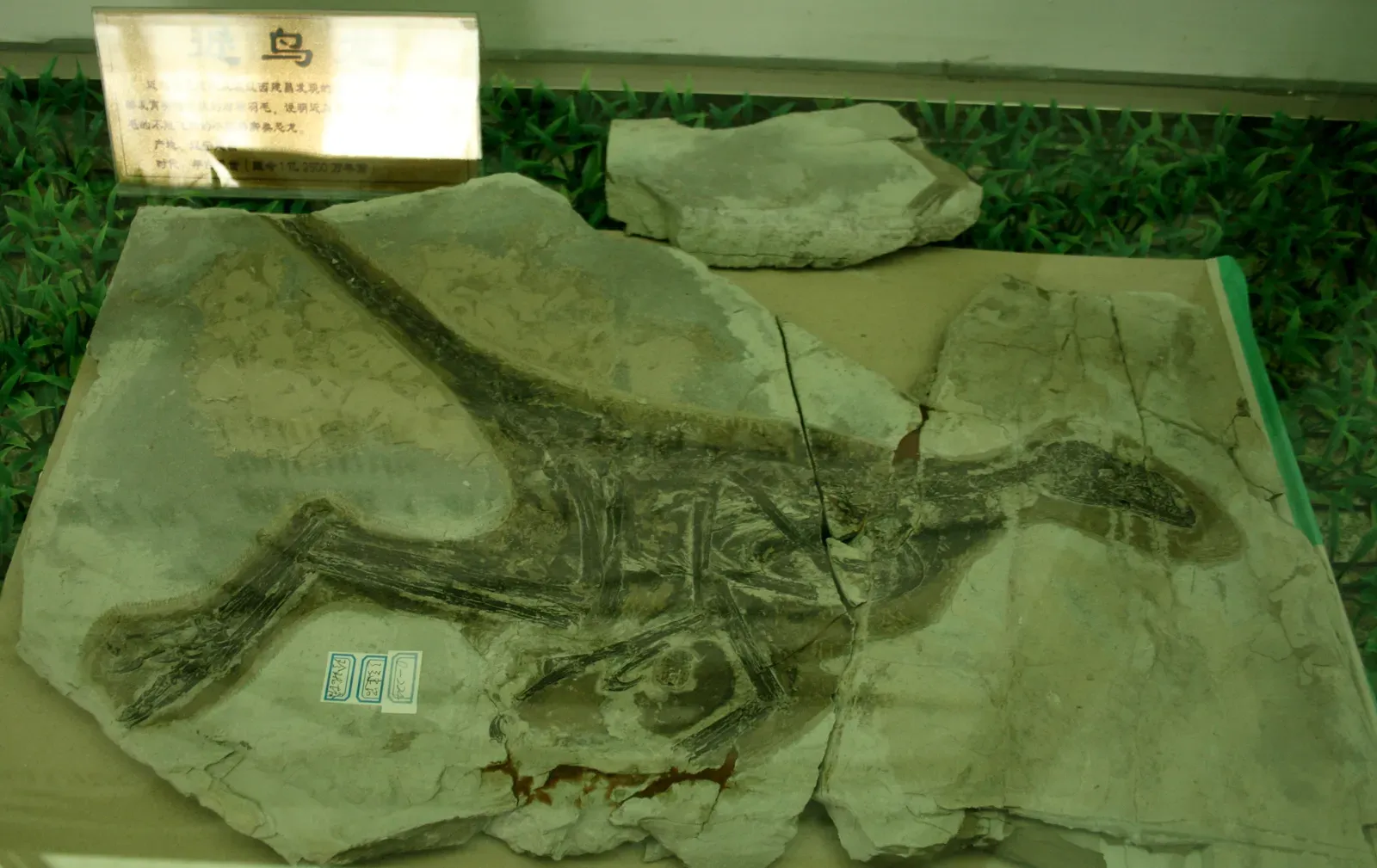
Some rare fossils preserve more than bone: they hang onto delicate traces of feathers, hair, skin, or soft tissues. Just one feathered dinosaur fossil was enough to radically change how scientists pictured many theropod dinosaurs. Instead of scaly, reptilian monsters, they suddenly became fluffier, more bird-like, and in some cases downright elegant. From one specimen, entire illustration styles and museum exhibits began to shift.
When skin impressions or preserved filaments show up on , researchers can infer insulation, display structures, and sometimes even hints of color patterns. Under high-tech microscopes, pigment-bearing structures can reveal whether an animal was darker or lighter in certain regions. It is crazy that you can go from a bare skeleton to a partially reconstructed coat or plumage because one animal just happened to die in the right mud at the right time. That one stroke of geological luck can rewrite the look and feel of a whole lineage.
7. Reading Ancient Climates from Teeth and Shells
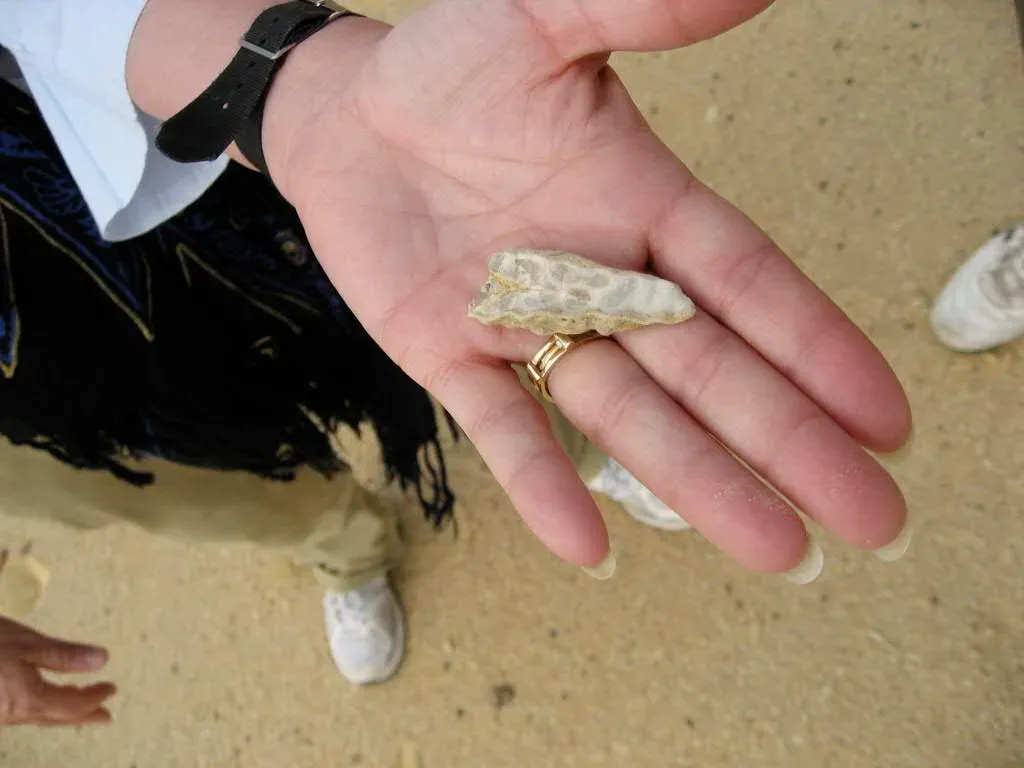
Even one tooth can double as a tiny climate archive. The chemistry locked inside fossil teeth, bones, and shells records the water and food the animal consumed. By measuring the ratios of different isotopes – slightly different versions of chemical elements – scientists can estimate ancient temperatures, rainfall patterns, and even whether an animal lived in freshwater, coastal, or fully marine environments. It is like a built-in weather report from millions of years ago.
Remarkably, this works even when the fossil is fragmentary. A single well-preserved shell from a marine invertebrate or a single mammal tooth can offer detailed data about the environment at that time and place. When you add that information to what is known from plants and sediments, it fills in climate maps for entire regions. One lonely fossil, properly analyzed, can shift our understanding of how warm or cool the world was and when climates started to swing toward the extremes we see recorded in the geological record.
8. Mapping Ancient Migrations and Hidden Ranges
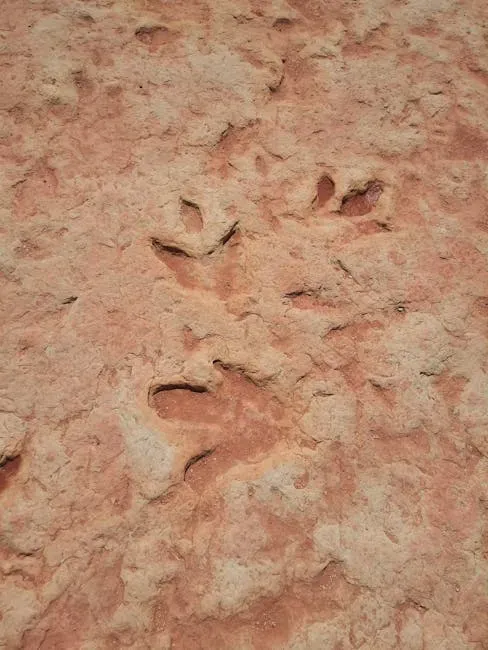
Finding one fossil in the “wrong” place is like spotting a familiar friend in a foreign airport. If scientists discover a species in a region where it was never seen before, that single find can expose huge gaps in our knowledge of where animals actually lived. It forces paleontologists to consider long-distance migrations, land bridges, or whole ecosystems that have left almost no other trace.
Often, this happens when a bone or tooth from a well-known group is found on a new continent or in rocks of an unexpected age. Suddenly, the story changes from “this group evolved here and stayed put” to “this group roamed far, maybe crossing ancient seaways or mountain chains.” One out-of-place fossil can suggest that continents were connected differently than we assumed, or that animals were far more adaptable to different climates and habitats. It is a powerful reminder that the fossil record is patchy, and a single discovery can flip the map over.
9. Revealing How Extinctions Actually Unfolded
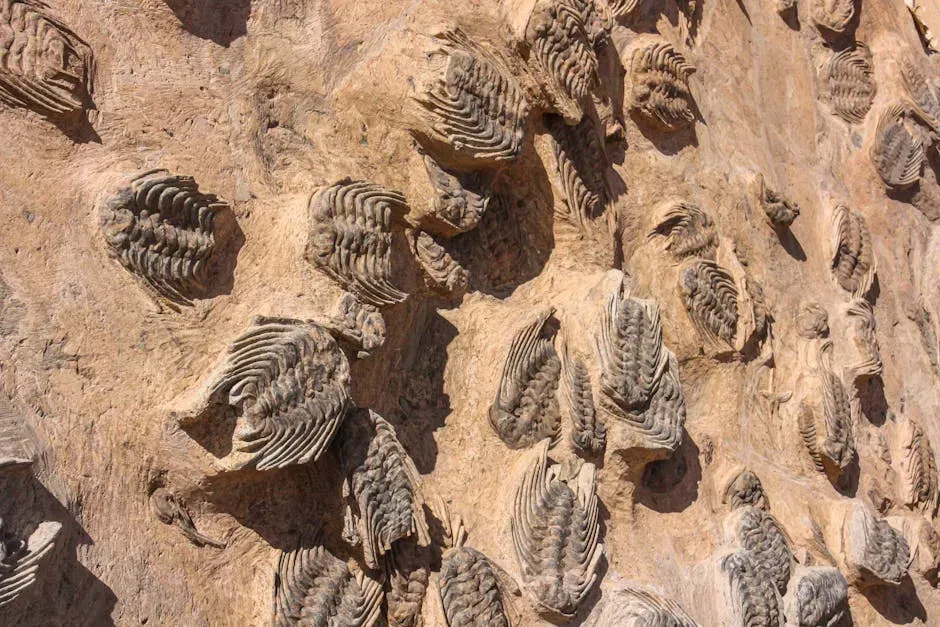
Extinction is usually told as a sweeping, global story, but close to a major boundary can sharpen that story’s ending. For example, finding one dinosaur species in rocks right up against the layer marking a mass extinction event tells us that group was still around until very close to the end. That goes against older ideas that some lineages were already dying out long before the big catastrophe hit.
These “last appearance” fossils act like the final page of a chapter we only thought we had finished. By carefully dating those rocks and checking which species vanish above that level, scientists can argue whether an extinction was sudden and brutal or stretched out over many smaller crises. One well-placed fossil can tilt the debate toward a rapid collapse instead of a slow fade, changing how we think about vulnerability, resilience, and what might happen if our own biosphere is pushed too far.
10. Testing Technologies That Change the Whole Field
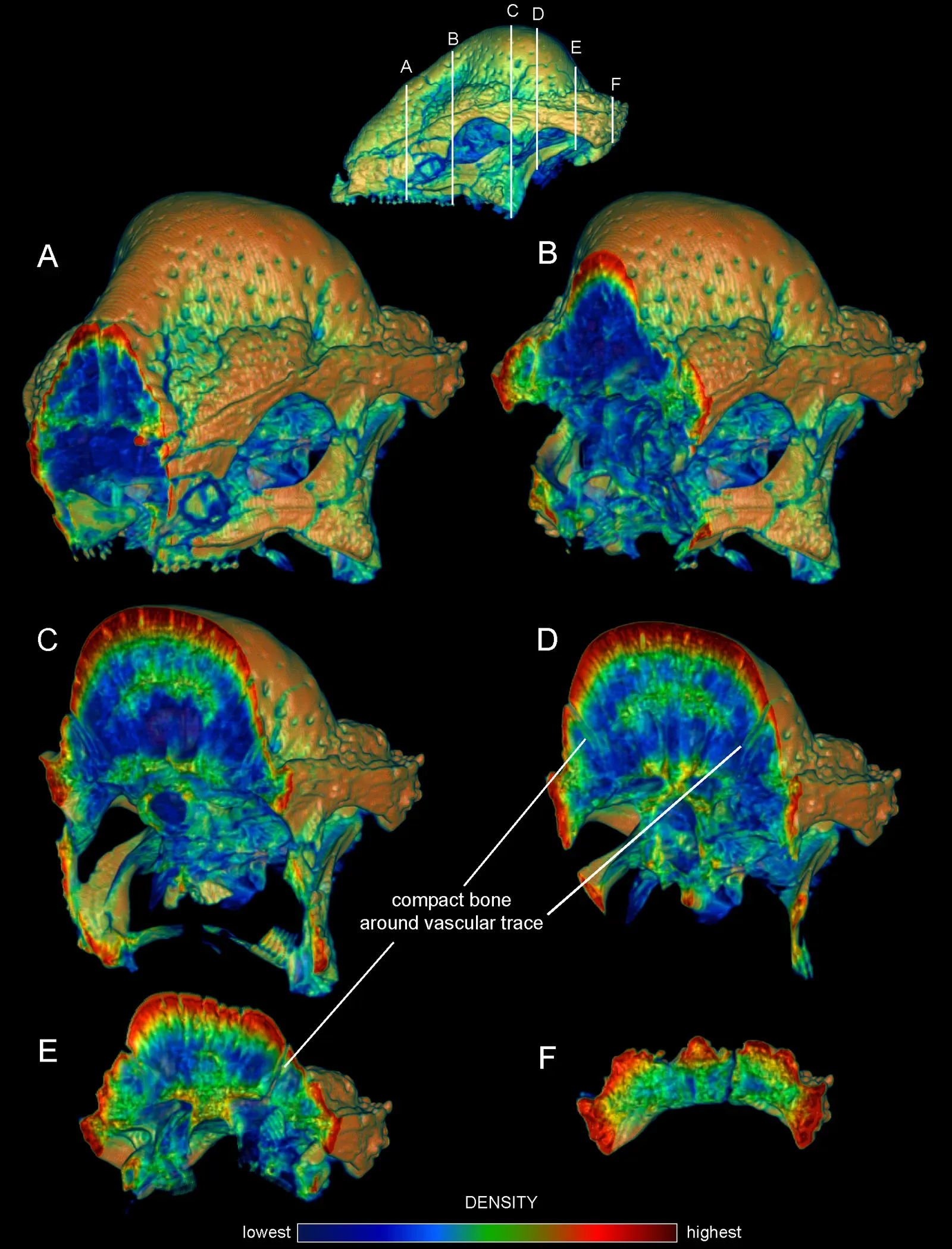
Sometimes the most important thing about is not what it is, but what it lets us try. A uniquely well-preserved skull, for instance, might be the first tested with ultra-high-resolution CT scanning or synchrotron imaging. That one specimen becomes the guinea pig for a new method that later gets applied to hundreds of others, unlocking details that were literally invisible before.
From virtual brain reconstructions to microscopic wear patterns on teeth, a pioneer fossil can open an entirely new way of asking questions. Once the technique proves itself on that specimen – showing, say, detailed inner ear structures or tiny blood vessel channels – it suddenly becomes standard practice across the discipline. Ironically, that one fossil may fade into the background of public attention, but its role as a technological test case quietly transformed how we see almost every other fossil afterward.
Conclusion: One Bone, Big Responsibility
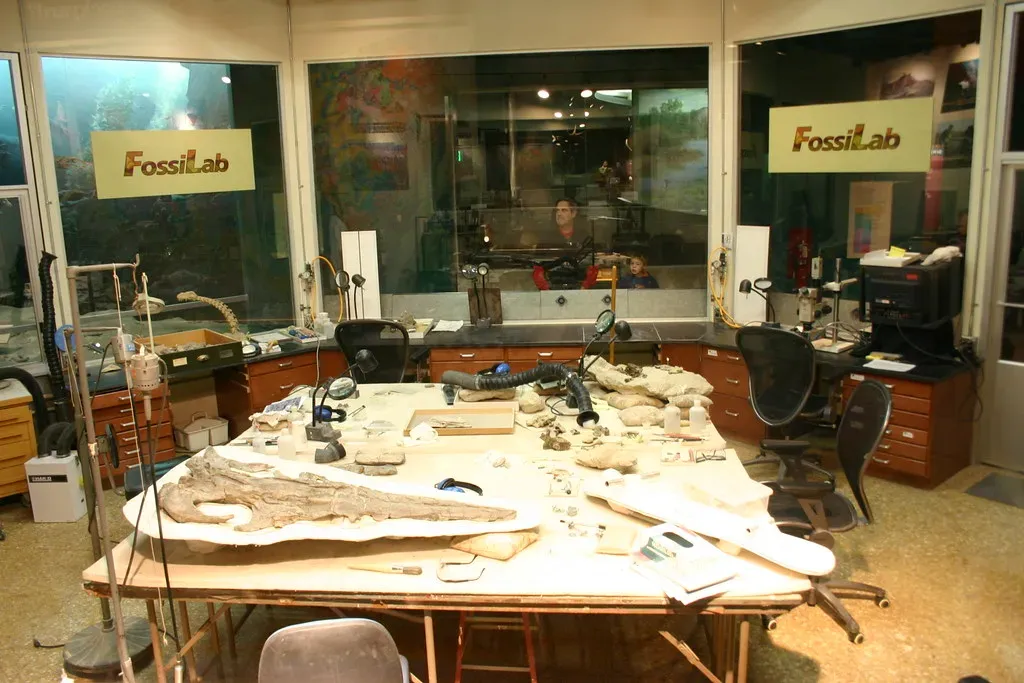
I think the most striking thing about all this is how much weight we put on single fossils, and how careful we have to be about it. On the one hand, they are game changers: one jaw can push a group’s origin back by millions of years, one feathered skeleton can flip our mental image of an entire dinosaur clade, one climate-sensitive shell can nudge ancient temperature estimates up or down. On the other hand, we are always one new discovery away from having to walk some of that back.
In my view, that tension is exactly what makes paleontology so compelling. A lone fossil is not the final word; it is a loud, surprising voice in a very old argument, and good scientists treat it with both excitement and skepticism. When you hear about a headline-grabbing specimen, it is worth asking not just what it reportedly shows, but how solid the evidence is and how much we are inferring from a single data point. The real magic is not that one fossil “proves” anything forever, but that it sparks new questions, new searches, and new ways of looking – until the next stubborn piece of stone shows up and turns the story upside down again. Did you expect to carry that much power?