
Most people picture the Bone Wars as a swashbuckling tale of dinosaur discovery – two brilliant scientists racing across the American West, unearthing Stegosaurus and Triceratops for the history books. That version makes it into textbooks because it’s the comfortable one.
The real story is uglier, stranger, and honestly more fascinating: a cautionary tale about ego destroying evidence. Behind the fossils that made it into museums lies a trail of dynamited quarries, smashed skeletons, and reputations set on fire by two men who valued being first over being right. Here’s what paleontologists actually say happened when Edward Drinker Cope and Othniel Charles Marsh let their rivalry outrun their science.
#1 – Entire Fossil Quarries, Blown Up on Purpose
This wasn’t accidental damage. This was policy.
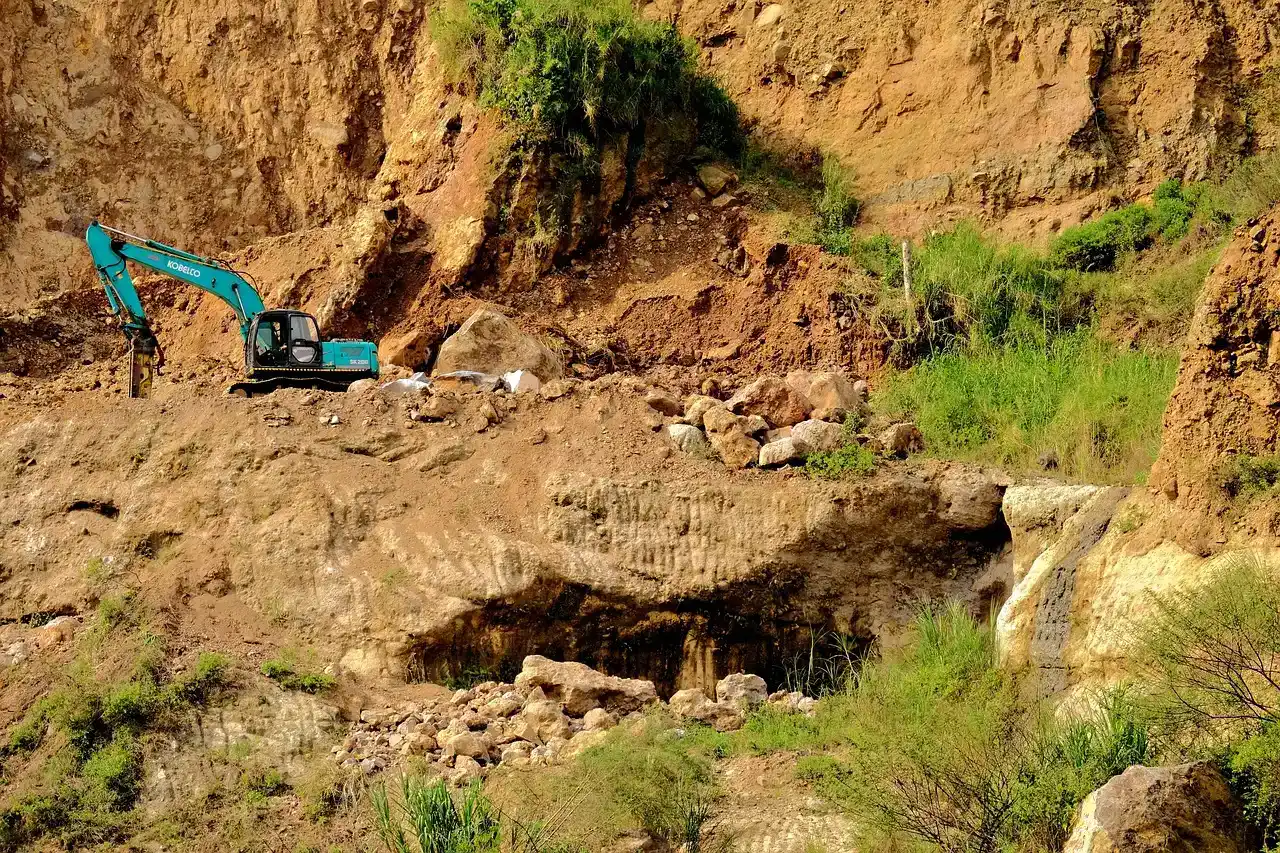
When Marsh’s crews finished working a site, he didn’t want Cope scavenging what was left behind. So Marsh issued one of his most drastic orders yet: dynamite the quarries once his teams were done, on the theory that it was better for fossils to be destroyed forever than to end up in Cope’s hands. This wasn’t a one-time fit of paranoia. It became standard operating procedure at some of the richest bone beds ever found in North America.
Fast Facts
- Marsh ordered crews to dynamite quarries once excavation was complete
- The goal was denying Cope any leftover specimens, even at the cost of destroying them
- This became standard practice at some of North America’s richest bone beds
- Historians still can’t calculate the full scope of what was lost
The practice was so widespread that historians still can’t calculate the true damage. When teams finished excavating a site, they sometimes dynamited whatever remained just to keep the rival’s crews from finding anything. Valuable fossils were smashed rather than surrendered to the enemy. Think about that for a second – specimens that had survived 150 million years underground were destroyed in seconds by men who called themselves scientists. But that’s nothing compared to what happened at #2…
#2 – Fossils Too Heavy to Carry – Smashed On the Spot
Sometimes the destruction wasn’t even strategic. It was just easier than losing.
Marsh used spies and coded messages to keep tabs on Cope’s movements, and he ordered his own field teams to destroy any fossils they couldn’t physically carry out. If a crew couldn’t haul a specimen out of the badlands, the answer wasn’t to leave it for someone else to find later. The answer was to make sure it could never be found at all.
Marsh’s field collector Reed documented this directly, reporting that he had destroyed all the remaining bones to keep them away from Cope. This is the part most textbooks gloss over: the “greatest fossil hunters in American history” were also, by their own team’s admission, systematically annihilating fossils rather than risk a rival getting credit. Field crews up and down Como Bluff followed the same playbook. But wait until you see what this rivalry did to actual scientific credibility at #3…
#3 – Cope’s Reputation, Torched Over a Backwards Skeleton
Here’s the mistake that haunted Cope for the rest of his career.
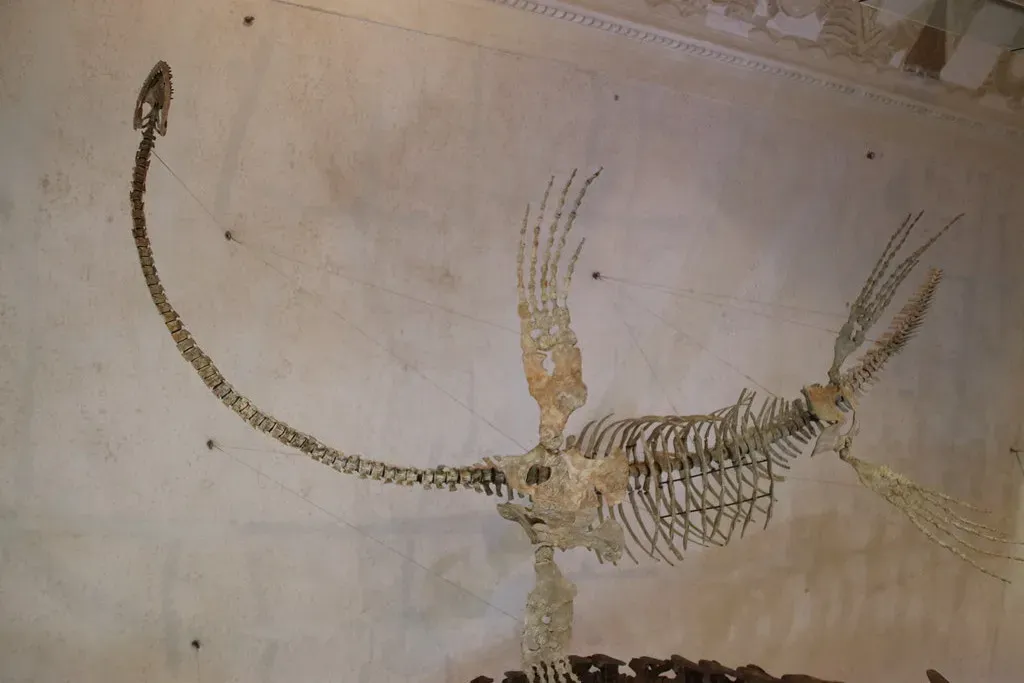
In 1868, rushing to beat Marsh into print, Cope reconstructed a marine reptile he named Elasmosaurus. In his excitement, he made a crucial error: he put the skull on the wrong end of the animal, attaching the head to the tail instead of the neck. It’s the paleontological equivalent of drawing a car with the steering wheel in the trunk.
The embarrassment only got worse from there. Mortified, Cope tried to buy up and destroy every copy of the scientific journal that had published his mistake. It didn’t work – the damage was already done, and Marsh made absolutely sure everyone remembered it. Cope literally tried to buy back an entire print run just to erase his own error. Rushing to publish had cost him something no correction could fully repair: credibility. But Marsh wasn’t innocent either, as #4 proves.
#4 – Marsh’s Own Blunder Created a Fake Dinosaur
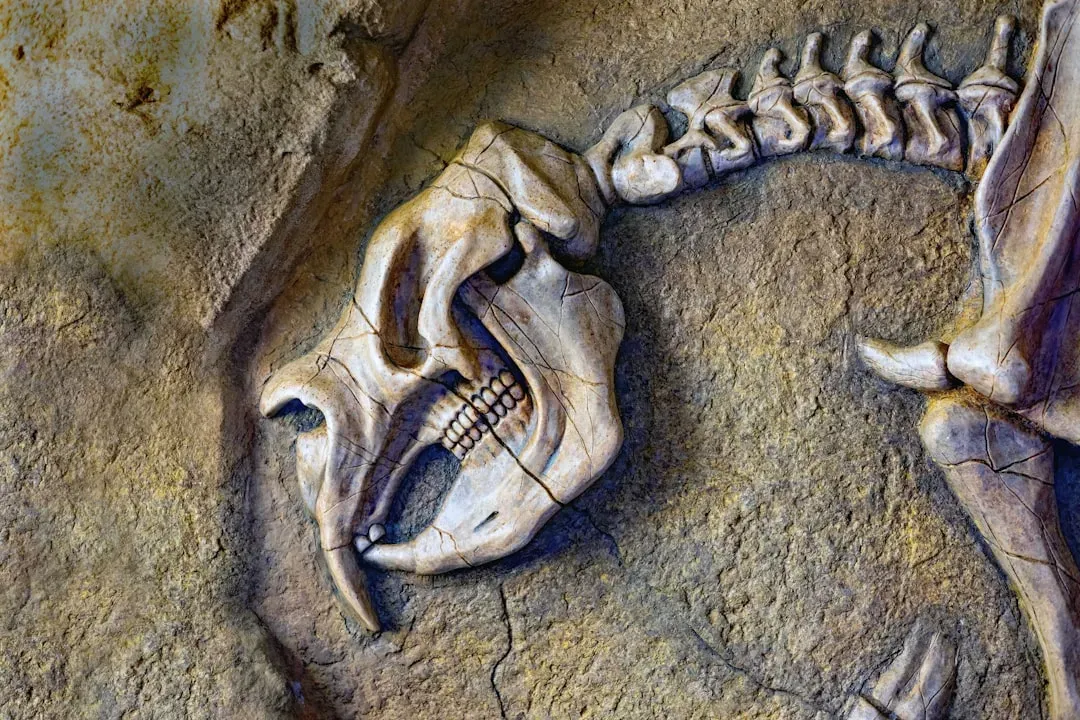
While mocking Cope’s mistake, Marsh made an error just as sloppy – one that confused the public for over a century.
In 1877, Marsh discovered a long-necked dinosaur and named it Apatosaurus. The specimen was missing its skull, so he guessed one had come from elsewhere and attached it – except that skull actually belonged to a Camarasaurus. A couple of years later he found another long-necked skeleton, failed to recognize it as the same species, and gave it a brand-new name: Brontosaurus. It was really just an Apatosaurus, this time with the correct skull attached.
Quick Compare
- Apatosaurus (1877): Correct skeleton, wrong skull – borrowed from a Camarasaurus
- Brontosaurus (1879): Actually the same species as Apatosaurus, just with a different skull attached
- Camarasaurus: The species whose skull got mistakenly credited to Apatosaurus
- Result: One dinosaur, two names, and a mix-up that took decades to sort out
Here’s where it gets genuinely wild: the mistake wasn’t caught for decades, and “Brontosaurus” became one of the most famous dinosaur names on Earth despite being scientifically invalid. Later paleontologists corrected the error, but both names stuck in public memory anyway, which is why you might still hear “Brontosaurus” today even though it technically doesn’t exist. A rushed guess about a missing skull turned into a museum-brand dinosaur – proof that even “settled” dinosaur names were often just improvisation under pressure. But that’s nothing compared to what happened between Cope and Marsh personally, in #5.
#5 – A Genuine Friendship, Reduced to Ashes
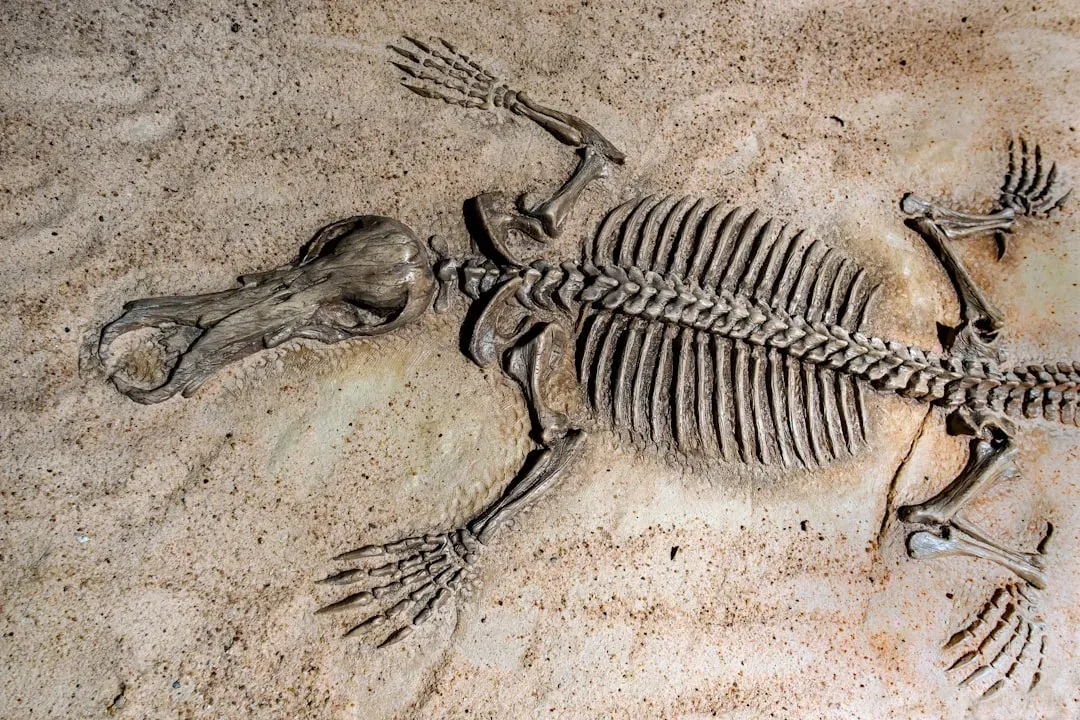
They didn’t start as enemies. They started as friends who admired each other.
Marsh and Cope met in 1864 and got along well at first, despite very different upbringings. They even collaborated early on, naming species after one another as a show of mutual respect. That goodwill evaporated almost entirely within a few years.
They shared a mentor, a passion for discovery, and a devotion to the young science of dinosaur bones – but from their very first joint dig, the work was already tangled up in competition and bad behavior. By the time the rivalry peaked, it had escalated into a vicious letter-writing campaign, with both men rehashing old grievances and trying to publicly destroy each other’s reputation. With Yale’s prestige behind him, Marsh generally landed the harder blows. Two men who once studied together in Europe ended up spending decades trying to publicly humiliate each other in print. It’s a controversial take, but many historians now argue the friendship’s collapse did more lasting damage to paleontology than any single destroyed fossil. Speaking of damage that spread far beyond the two of them – see #6.
#6 – America’s Scientific Reputation, Torched Overseas
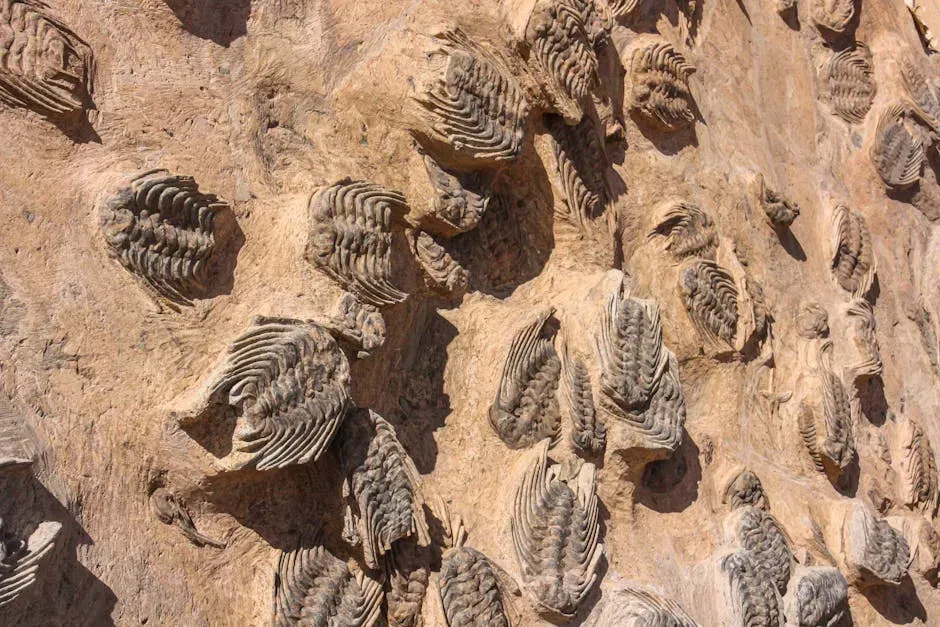
The fallout didn’t stay in Wyoming and Colorado. It crossed the Atlantic.
The public humiliations between Cope and Marsh gave American paleontology a bad name in Europe for decades. European scientists, accustomed to careful, peer-reviewed methodology, watched two Americans publicly accuse each other of theft, bribery, and fraud in scientific journals – and they were not impressed.
European paleontologists were reportedly shocked by the crude behavior on display, and the negative effects lingered long after both men were gone. This is the part that rarely makes the highlight-reel version of the story: American science, as a whole, paid a reputational tax for two men’s personal vendetta. The fossils they found put American paleontology on the map. The way they found them nearly got the whole field laughed out of serious scientific circles. But the collateral damage went even further, hitting a man who wasn’t even part of the feud – see #7.
#7 – Joseph Leidy’s Career, Collateral Damage
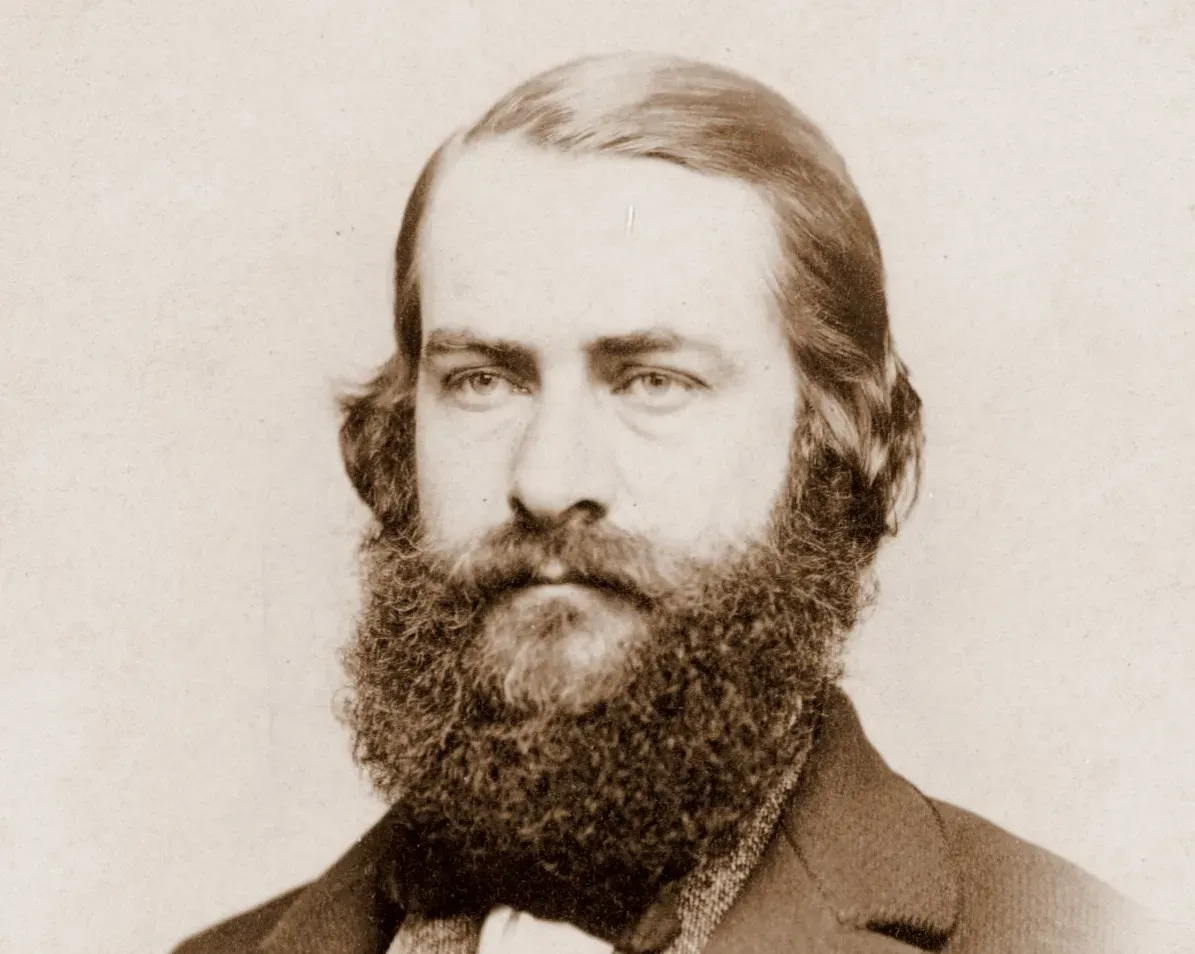
Before Cope and Marsh, there was Joseph Leidy – the man widely considered America’s founding paleontologist. He didn’t survive the crossfire.
As the Marsh-Cope rivalry intensified, Leidy simply abandoned his projects in Wyoming. He didn’t have the appetite, or the funding war chest, to compete with two men willing to bribe railroad workers and dynamite quarries for an edge.
Worth Knowing
- Joseph Leidy is widely regarded as America’s founding paleontologist
- He worked in Wyoming’s fossil beds before Cope and Marsh escalated their rivalry
- He lacked the financial backing to compete with two well-funded rivals
- Rather than engage in the feud’s tactics, he quietly stepped away from the field
Unlike his rivals, Leidy didn’t have the money to keep pursuing fossil hunting, and he had no interest in getting tangled up in a personal war. So he quietly quit paleontology, and the world largely forgot about him. The man who arguably founded American vertebrate paleontology was pushed out of his own field by two rivals with deeper pockets and fewer scruples. That’s not ancient history trivia – that’s a scientist’s entire legacy getting steamrolled because he refused to play dirty. And the men who did play dirty didn’t come out ahead either, as #8 makes brutally clear.
#8 – Both Men’s Personal Fortunes, Wiped Out
Neither man walked away rich. Both walked away broke.
Toward the end of his life, Cope was so financially ruined by the rivalry that he sold his house and moved in with his fossil collection. He reportedly slept on a cot surrounded by the very bones he had spent his family fortune collecting.
Marsh fared no better despite his Yale backing. He spent his final years in poor health, and just one month after he died, roughly 80 tons of fossils were shipped to Washington, D.C. to settle his debts to the government. Eighty tons of fossils – essentially his life’s work – had to be surrendered just to cover what he owed. This is the detail that gets left out of the “great scientific rivalry” narrative: both competitors bankrupted themselves chasing a prize that, in the end, neither could actually keep. But even their science itself didn’t escape unscathed – see #9.
#9 – Reliable Scientific Records, Buried in Errors
Rushing to publish doesn’t just risk embarrassment. It corrupts the actual data future scientists depend on.
Cope, in particular, was prolific but hasty, and many species named during the Bone Wars later turned out to be duplicates or outright misidentifications – a direct consequence of racing to claim credit. Multiple names for the same animal. Descriptions built on fragments. Guesswork dressed up as classification. All of it eventually had to be untangled by generations of scientists who came after.
The scale of the mess is staggering: it reportedly took scientists more than 50 years to properly examine and describe the hundreds of fossils left behind in the rivalry’s wake. Half a century of cleanup work, just to sort out what two men got wrong in their race to publish first. Modern excavation protocols – meticulous documentation, careful extraction, rigorous peer review before publication – exist partly because of the mess these two left behind. But the final cost, the most personal one, is #10 on this list.
#10 – Their Own Health and Legacies, Consumed Whole
By the end, the war had eaten the men who started it.
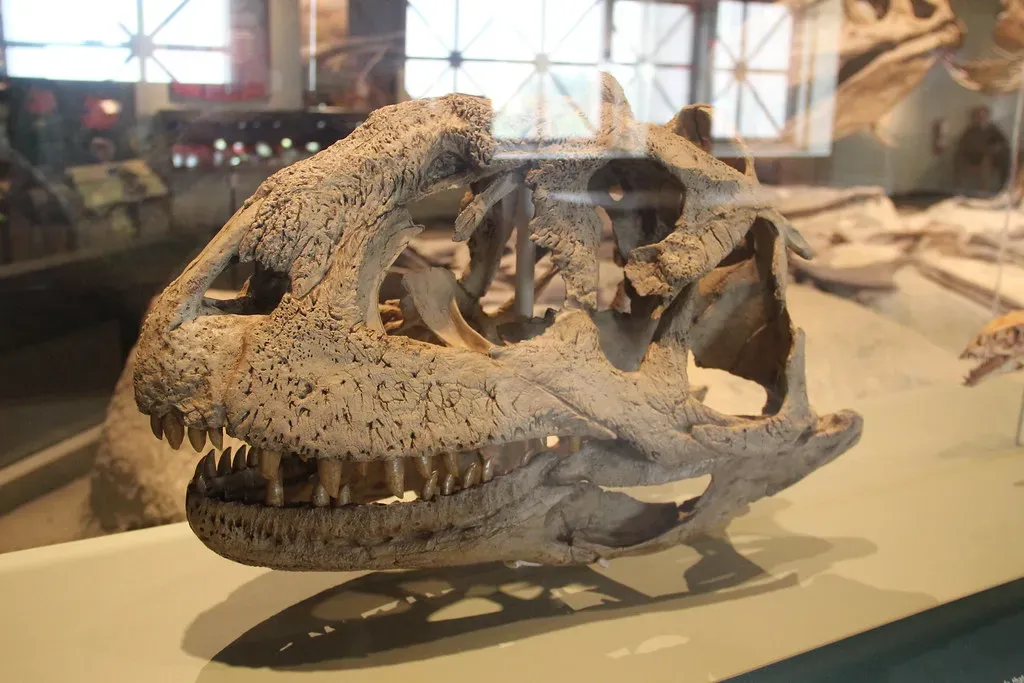
Cope died on April 12, 1897, at just 56, from kidney failure and other ailments, nearly penniless and surrounded by the fossil collections he’d spent his fortune assembling. In one final act of competition, he willed his own skull to science and publicly challenged Marsh to do the same, so their brain sizes could be compared after death. That’s not scientific dedication. That’s a rivalry so consuming it followed a man past his own grave.
At a Glance
- Cope: Died April 12, 1897, at 56, from kidney failure, nearly penniless
- Marsh: Died March 18, 1899, at 67, after years of declining health and debt
- Both men died within two years of each other
- Both left behind reputations tarnished by decades of public feuding
Marsh outlived his rival by two years, dying on March 18, 1899, at 67, his final years marked by declining health, mounting debt, and the slow realization that many of his rushed publications were riddled with errors. Their feud left both reputations in tatters, and both men died relatively young, with little money and fewer friends. Two men who could have been remembered purely as pioneers instead spent their final years broke, bitter, and defined by a fight neither could win. That’s the real ending most people never hear.
The Bottom Line
The Bone Wars gave us Stegosaurus, Triceratops, and dozens of dinosaurs kids still learn about today – but that’s only half the story, and honestly, it’s the easy half. The harder truth is that two brilliant men let ego override evidence, and the fossil record, the scientific process, and their own lives paid the price.
Dynamited quarries. Faked skeletons. A friendship turned into a decades-long smear campaign. If you ask us, the real lesson of the Bone Wars isn’t “look how many dinosaurs they found” – it’s a warning about what happens when speed matters more than accuracy. What do you think – does the science they produced justify the damage they caused to get it? Drop your take in the comments.