
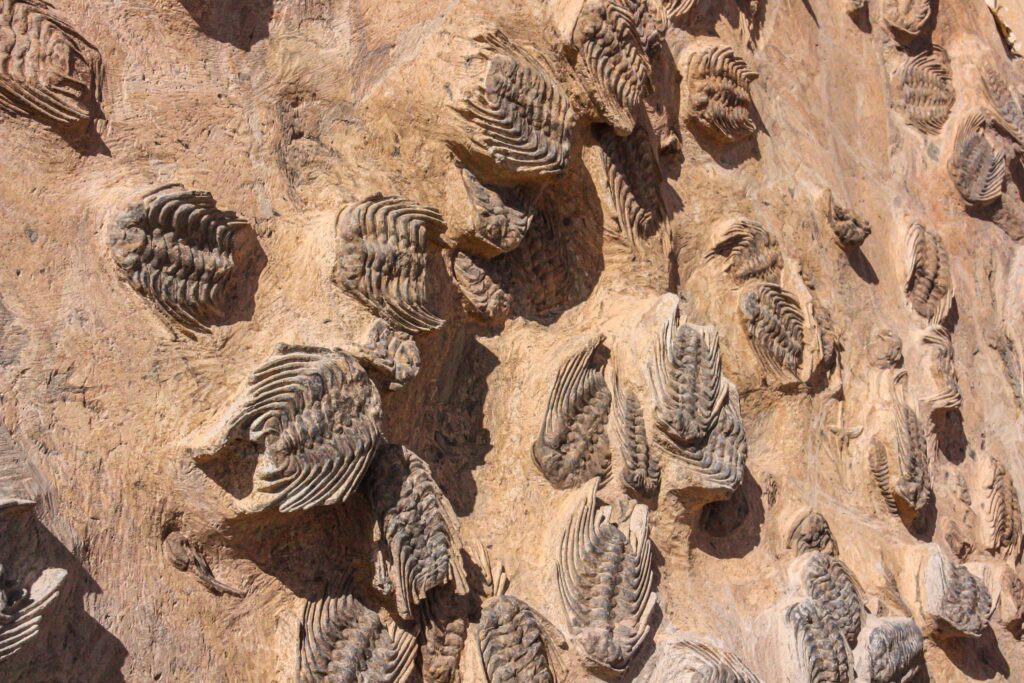
A horse stumbled on a loose rock in the Canadian Rockies in 1909, and the accident that followed quietly demolished nearly a century of assumptions about how life on Earth actually began. Paleontologists had built entire evolutionary timelines around fossils with shells and bones, because soft tissue almost never survives 500 million years. The rock that horse kicked loose held something else entirely: bodies, guts, eyes, and appendages preserved in stunning detail from creatures nobody had ever imagined.
What came out of that shale wasn’t a slow, orderly march of evolution. It was chaos, experimentation, and body plans so strange that trained scientists reportedly laughed out loud at the fossils sitting in front of them. Most people still picture evolution as a tidy upward line toward complexity. The Burgess Shale says otherwise, and once you see what it actually revealed, you won’t look at that clean textbook version the same way again.
#1 – It Proved the Cambrian Explosion Was Real, Not a Fossil Record Illusion
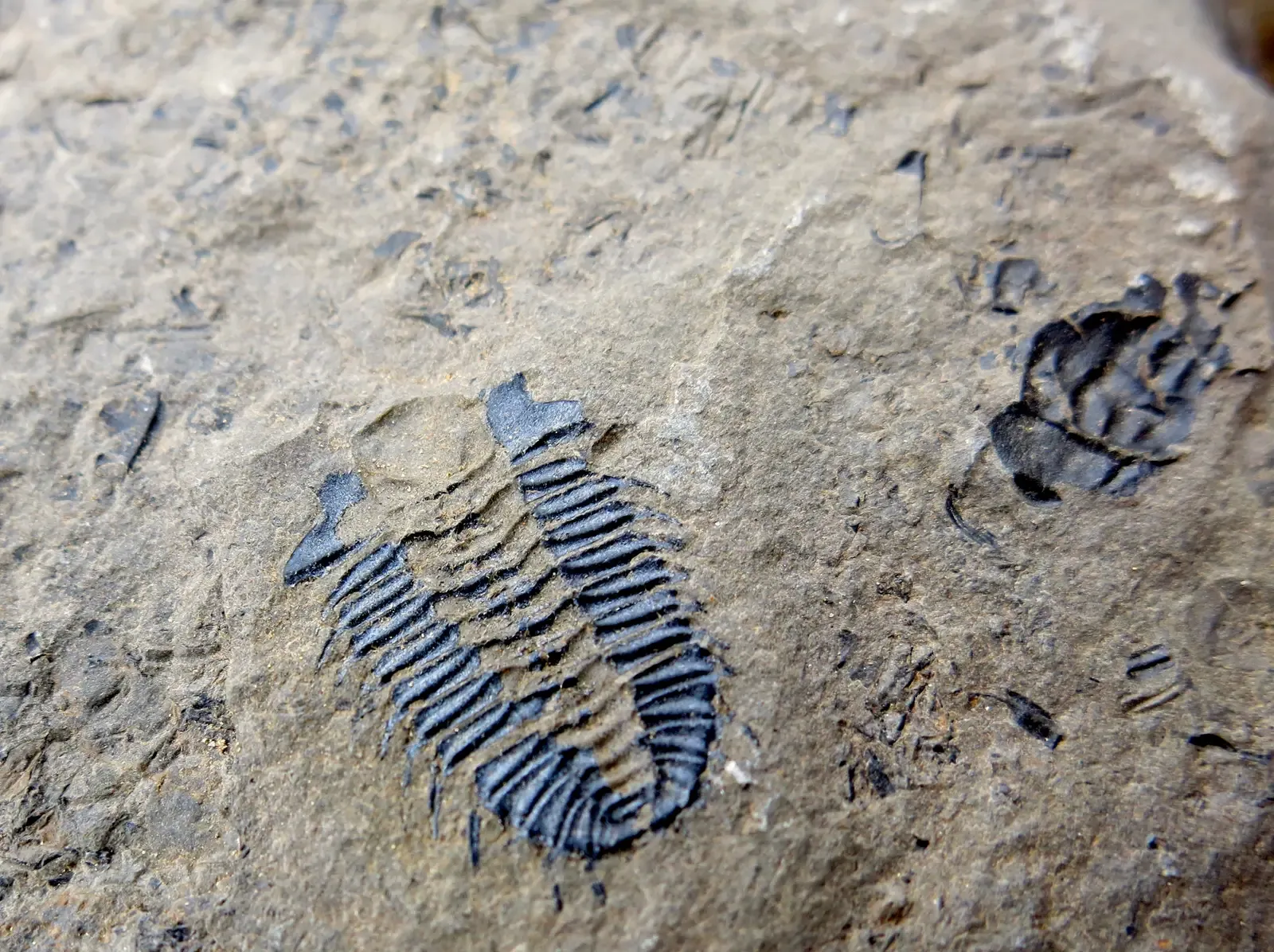
For decades, skeptics argued that the sudden appearance of complex animals in the Cambrian period was just a gap in the fossil record, not an actual burst of evolution. Hard shells and bones fossilize easily, but soft bodies almost never do. Critics assumed complex life had existed long before – scientists just hadn’t found the proof yet.
The Burgess Shale shut that argument down cold. It captured a host of hard-bodied and soft-bodied animals appearing within roughly ten million years, an eye blink in geological time, right at the tail end of the Cambrian Explosion. Its rare preservation of soft tissue filled in exactly the gap skeptics kept pointing to. The explosion wasn’t hiding – it was real, fast, and unprecedented, and this fossil bed is the receipt.
Fast Facts
- The Burgess Shale formed roughly 508 million years ago, deep in the mid-Cambrian period.
- Charles Doolittle Walcott discovered the site in 1909 near Yoho National Park, British Columbia.
- The deposit is now a UNESCO World Heritage Site, protected as one of the most significant fossil beds on Earth.
- More than 200 species have been formally described from the site since its discovery.
#2 – Anomalocaris Taught Scientists They’d Been Studying Three “Different” Animals That Were Actually One
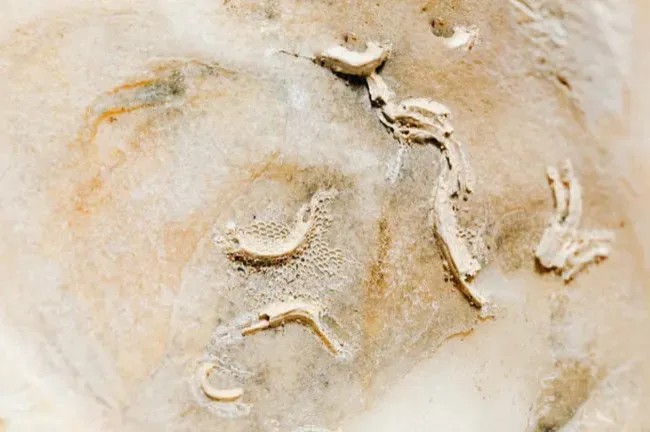
This might be the single most embarrassing mix-up in paleontology, and it’s a masterclass in why soft-tissue preservation matters so much. Anomalocaris, the meter-long apex predator of the Cambrian seas, was originally misidentified as several unrelated species entirely.
For years, its grasping arms were classified as a species of jellyfish. Its round, plated mouth was labeled as a different jellyfish. Its body was filed away as yet another creature altogether. Only when complete specimens turned up did paleontologists realize they’d been staring at pieces of one enormous predator the whole time, a discovery that proved complex predator-prey relationships existed far earlier than anyone had guessed. An entire apex predator had been hiding in plain sight, scattered across three fake species for decades. But that mix-up is nothing compared to what happened with #3.
#3 – Hallucigenia Was Fossilized, Described, and Illustrated Completely Upside Down
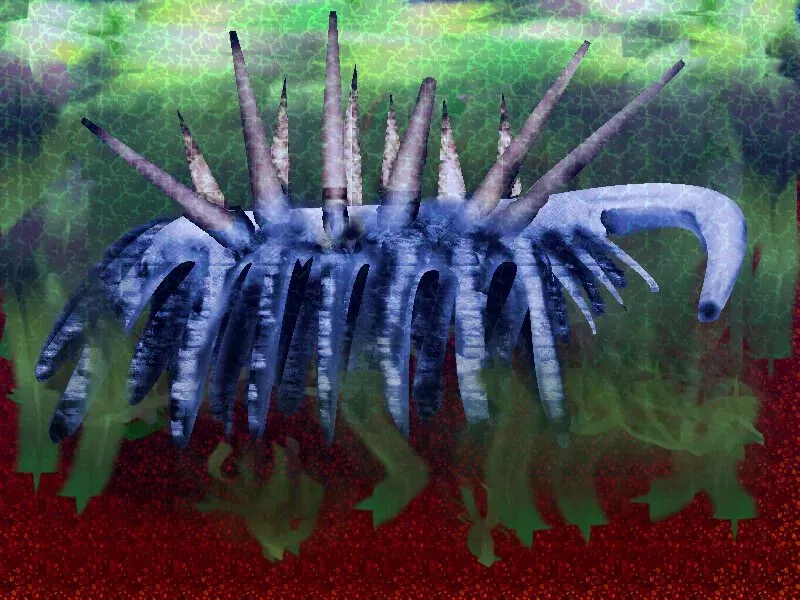
Few mistakes in science history are this visually embarrassing. Hallucigenia, one of the Burgess Shale’s strangest residents, was originally reconstructed walking on rigid spines while soft tentacles waved above its back like some kind of alien.
Researchers had the entire animal flipped. Reanalysis in the 1990s showed it actually walked on soft, squishy lobopod legs, with defensive spines pointing upward along its back instead. What looked like impossible stilt-legs were spikes, and the real legs had been mistaken for spines. For nearly two decades, museum illustrations worldwide got the anatomy of an entire species backwards. That wasn’t a minor footnote either – it changed how scientists understood the way this animal moved, fed, and defended itself in every diagram that followed.
#4 – Opabinia’s Five Eyes Made a Room Full of Scientists Laugh Out Loud
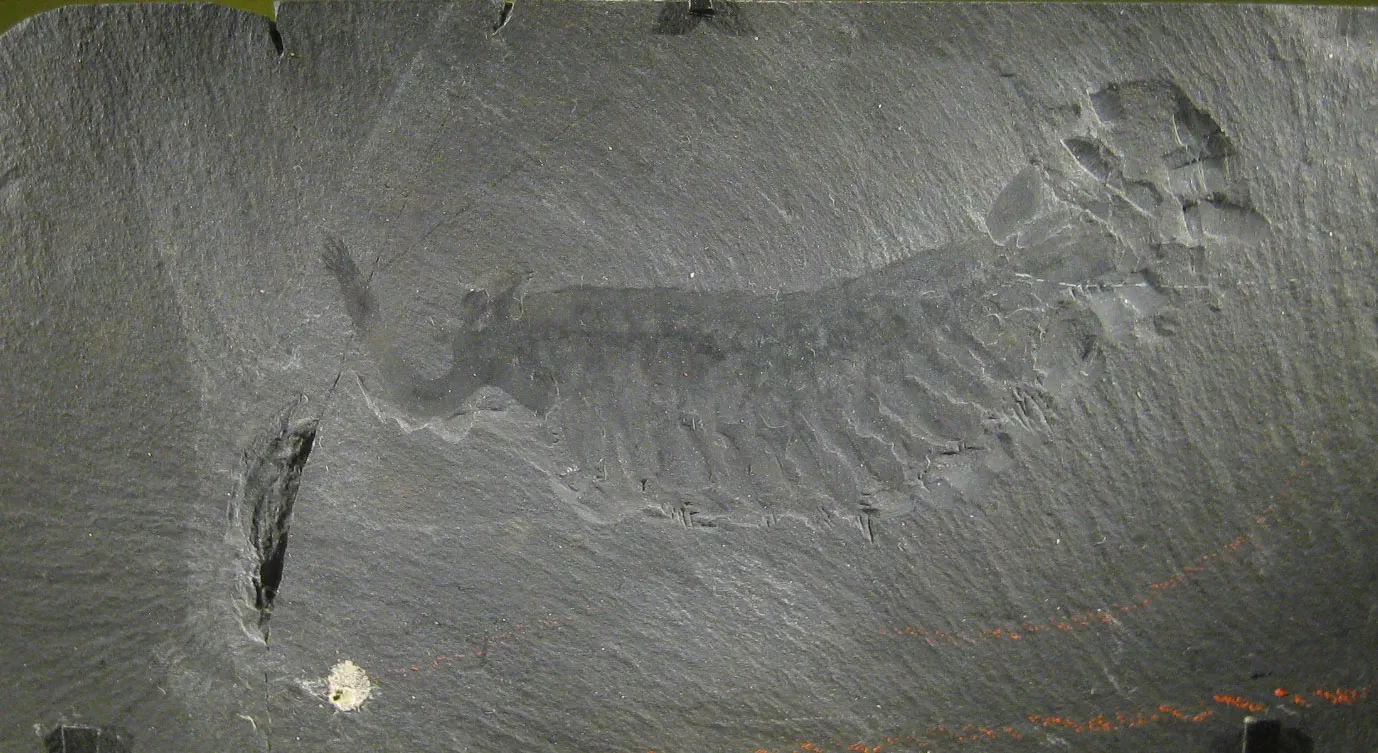
Sometimes evolution is so strange that trained experts can’t keep a straight face. When paleontologist Harry Whittington presented his reconstruction of Opabinia at a scientific conference in the 1970s, the room didn’t respond with polite academic interest. It responded with disbelief, and reportedly, laughter.
Opabinia had five mushroom-shaped eyes stacked on its head and a flexible, claw-tipped proboscis that shoveled food into a mouth facing backward. The reconstruction was so bizarre that some in the audience assumed it was a joke. A working paleontologist’s serious scientific presentation was mistaken for a prank. Decades later, researchers still can’t agree on exactly where Opabinia belongs on the evolutionary tree, and that unresolved mystery is part of what keeps it scientifically important.
#5 – Pikaia Pushed Back the Origin of Backbones by Tens of Millions of Years
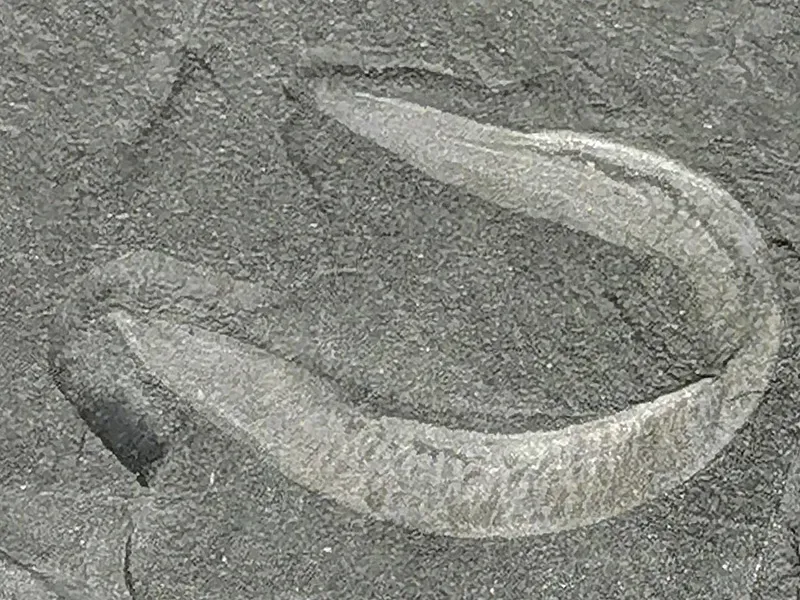
Before the Burgess Shale, nobody had solid physical evidence of what the earliest ancestor of every backboned animal on Earth – including humans – actually looked like. Pikaia changed that, and it’s barely the size of your finger.
This inch-and-a-half-long swimmer carried a flexible spinal rod called a notochord, making it the earliest known chordate, the group that would eventually branch into every vertebrate alive today. Every fish, bird, reptile, and mammal on Earth traces its lineage back toward something that looked roughly like this unassuming little swimmer. It’s a humbling thought that our entire branch of the animal kingdom started out this small, this fragile, and this easy to overlook.
#6 – Stephen Jay Gould Turned the Fossils Into a Referendum on Whether Evolution Is Random or Inevitable
This is where the Burgess Shale left the lab and entered pop culture, and it’s still argued about today. Paleontologist Stephen Jay Gould used these fossils to make a genuinely unsettling case: evolution isn’t a predictable march toward complexity. It’s closer to a lottery.
In his 1989 book Wonderful Life, Gould pointed out that nothing about Pikaia’s biology marked it for greatness or even survival, especially next to the terrifying, dominant Anomalocaris. The sheer range of wildly different body plans in the Burgess Shale convinced him that chance, not destiny, decided who made it and who didn’t. Not everyone agreed – paleontologist Simon Conway Morris pushed back hard on Gould’s conclusions – but the fact that this single fossil bed sparked a decades-long debate about the nature of evolution itself tells you how much it mattered. If you rewound the tape of life and hit play again, there’s a real argument that humans might never have existed at all.
Quick Compare
- Stephen Jay Gould: evolution is contingent and unpredictable – rerun the tape and everything changes.
- Simon Conway Morris: evolution converges on similar solutions again and again, making certain outcomes far from random.
- What’s really at stake: whether intelligent, humanlike life was ever likely to emerge at all, or just got lucky once.
#7 – Walcott Made a Massive Classification Error by Forcing Alien Body Plans Into Familiar Boxes
Charles Walcott discovered the Burgess Shale, but his interpretations of what he found were often wrong in ways that took generations to correct. He was working with the only framework available to him at the time – existing animal groups – and that framework simply wasn’t built for what he’d uncovered.
Walcott tended to cram his strange new specimens into familiar categories, labeling odd creatures as arthropods or annelids rather than recognizing them as something entirely new. It took decades of re-excavation and reanalysis before scientists realized many of these animals didn’t fit anywhere on the existing tree of life. A world-class scientist spent years forcing genuinely novel life forms into taxonomic boxes that simply didn’t fit. That slow, humbling correction became one of paleontology’s most important lessons: sometimes the data is right in front of you, and the old framework is the actual problem.
#8 – Marrella Revealed That the “Most Common” Animal in an Ecosystem Can Still Defy Classification
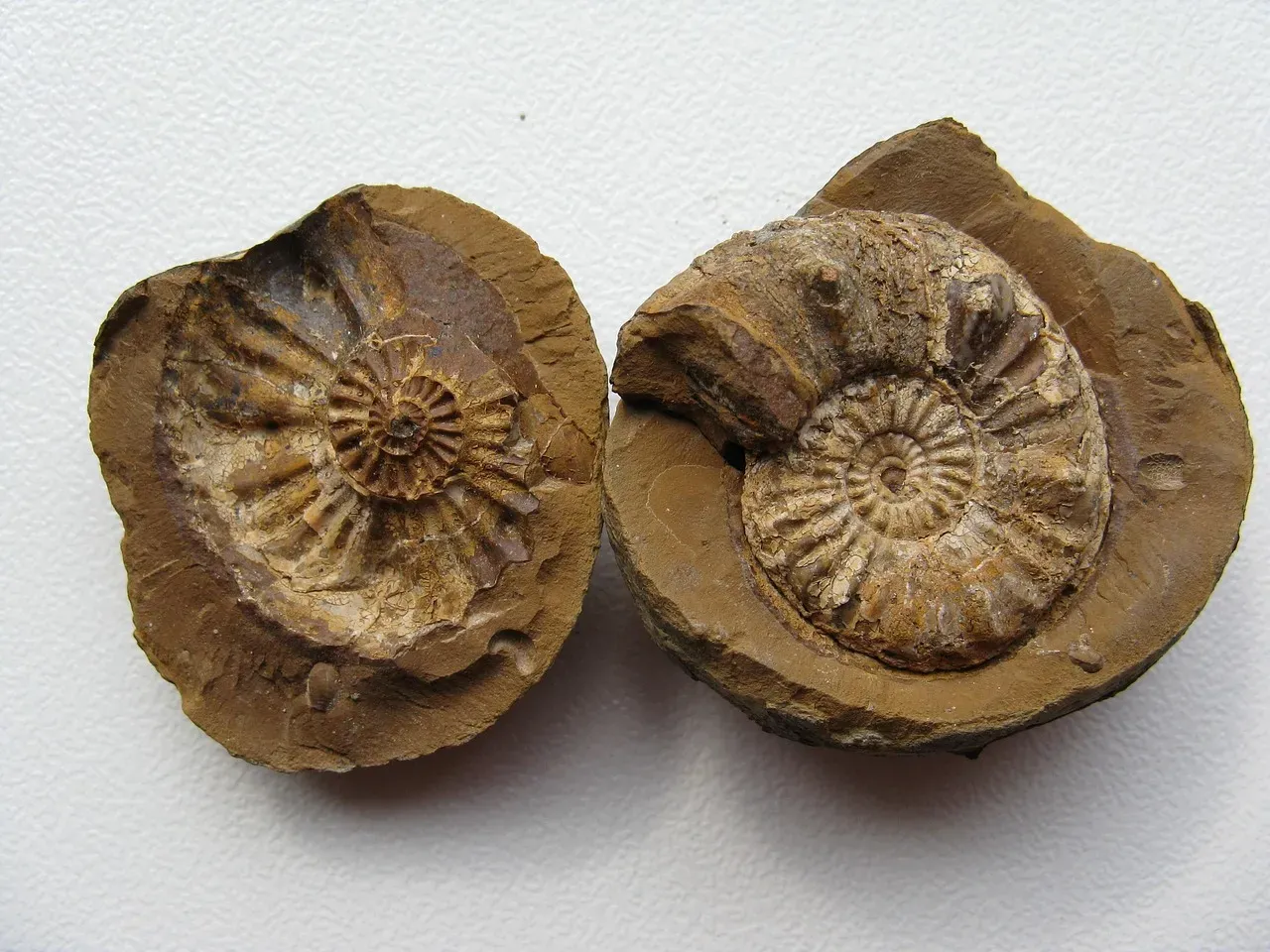
You’d think the single most abundant fossil at a famous site would be one scientists fully understand by now. Marrella proves otherwise, and it’s a quiet reminder of how much diversity still slips through science’s tidy categories.
Nicknamed the “lace crab” despite being neither a crab nor especially lace-like up close, Marrella is a small, delicate arthropod with a shield-shaped head and long trailing spines. It’s the most common fossil found at the entire site, with thousands of specimens studied over the decades, and yet its evolutionary relationships remain genuinely unresolved. The most numerous animal at the entire site still can’t be slotted neatly into a modern classification. That’s an uncomfortable fact for anyone who assumes science has already sorted every branch of the animal kingdom into a clean family tree.
#9 – It Proved Predator-Prey Arms Races Started Much Earlier Than Anyone Assumed
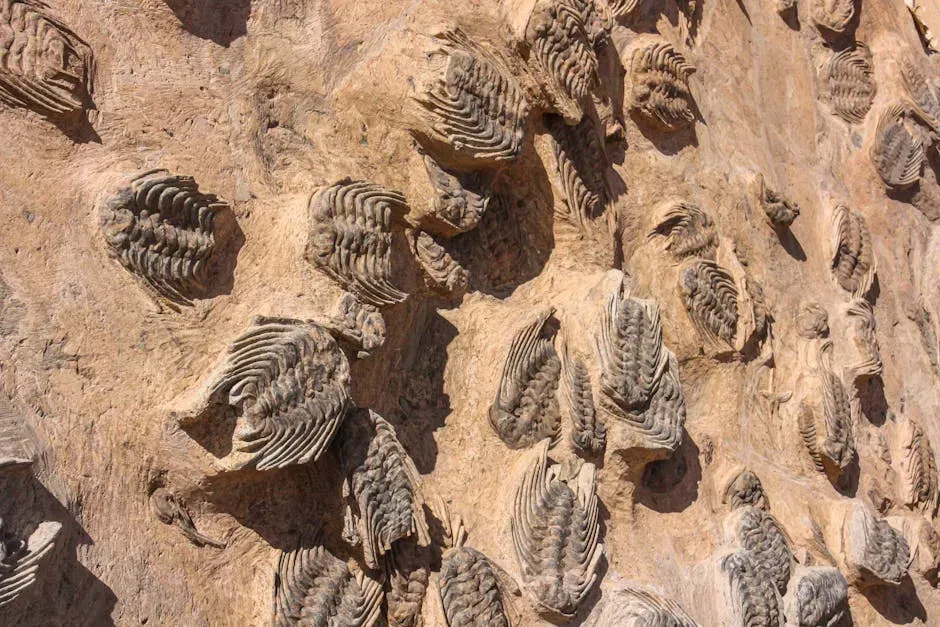
Older textbooks used to imply that early Cambrian ecosystems were simple – filter feeders, grazers, maybe a scavenger or two, with nothing resembling a real food chain. The Burgess Shale destroyed that idea almost immediately.
The site preserved the first comprehensive snapshot of a mid-Cambrian community, capturing predators, grazers, suspension feeders, scavengers, and detritivores all frozen in the same preservational moment. Anomalocaris alone confirms it, with grasping appendages and a crushing, circular mouth built specifically for hunting. Defensive spines, armor plating, and camouflage strategies show up throughout the fossil bed too, proof that the pressure to eat or be eaten kicked in almost as soon as animals got complex enough to compete. The Cambrian oceans weren’t a peaceful nursery of simple life – they were already a battlefield.
Worth Knowing
- Anomalocaris grew up to a meter long, making it the largest known predator of the Cambrian seas.
- Its circular mouth was ringed with overlapping plates built for crushing hard-shelled prey.
- Some Cambrian trilobites show healed injuries consistent with failed predator attacks.
- Spines, armor, and camouflage-style body plans show up across multiple unrelated lineages in the same fossil bed – a sign the pressure to survive predators was widespread, not rare.
#10 – Most Cambrian Diversity Is Invisible Without Sites Like This One
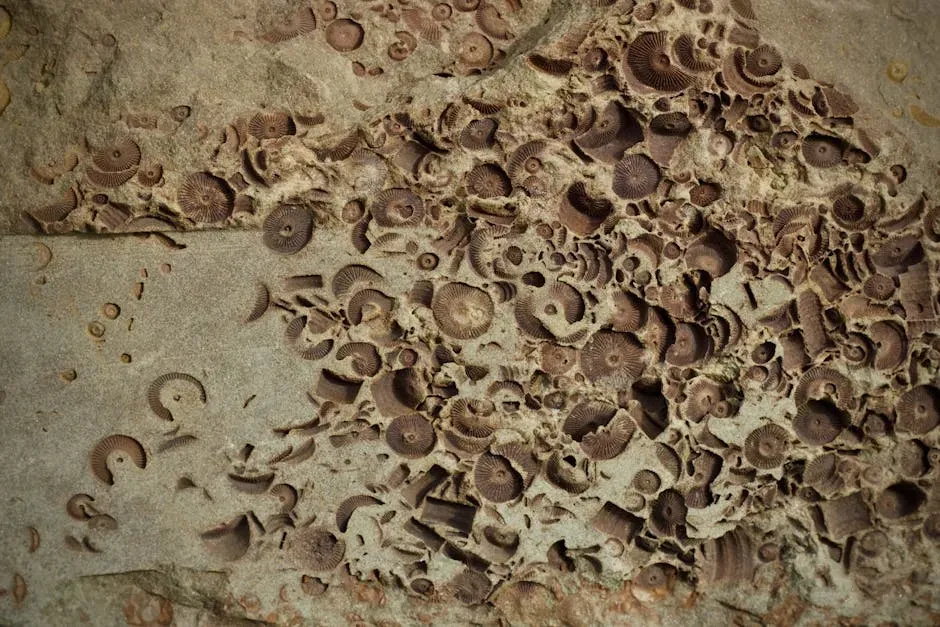
Here’s an uncomfortable truth the Burgess Shale forced scientists to confront: almost everything we know from “typical” fossil sites is skewed toward animals with hard parts. That means our picture of ancient life has always been incomplete, possibly by a staggering margin.
In modern marine environments, animals with mineralized shells or skeletons only make up a small slice of total diversity – most creatures are soft-bodied and simply don’t fossilize under normal conditions. Compared to conventional deposits, Burgess Shale-type sites give a far more complete picture of what a real Cambrian community actually looked like. Every “normal” Cambrian fossil site you’ve ever heard of is probably missing 80% or more of the actual animals that lived there. That’s a massive gap, and it means paleontology’s picture of early life was built on a fraction of the real story until this shale came along.
#11 – Other Sites Around the World Confirmed It Wasn’t a Freak Occurrence
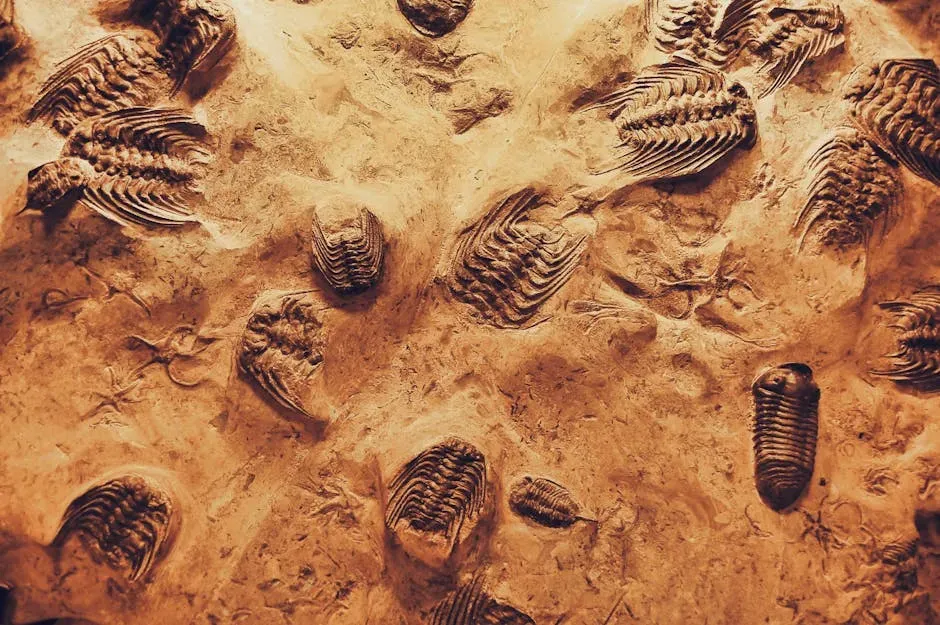
Skeptics could have dismissed the Burgess Shale as a bizarre one-off, an unusual pocket of preservation that didn’t represent anything global. Then more Burgess Shale-type deposits started turning up on other continents, and that argument collapsed fast.
Similar sites have since been found in China, Australia, and Greenland, each with its own unique cast of ancient creatures, helping scientists piece together a global picture of early animal evolution. The most significant of these is the Chengjiang biota in South China, discovered in 1984, and some researchers now argue it may eventually rival the Burgess Shale in scientific importance – a genuinely controversial opinion among paleontologists who’ve spent careers championing the Canadian site. This wasn’t an isolated fluke – it was a worldwide pattern hiding in plain sight, just waiting for the right geological conditions to reveal it.
At a Glance
- Burgess Shale – British Columbia, Canada; discovered 1909; roughly 508 million years old.
- Chengjiang Biota – Yunnan, China; discovered 1984; slightly older, around 518 million years.
- Emu Bay Shale – Kangaroo Island, Australia; a distinct early Cambrian community with its own predators.
- Sirius Passet – North Greenland; one of the oldest Burgess Shale-type deposits found so far.
#12 – Modern Technology Is Still Rewriting What We Thought We Knew
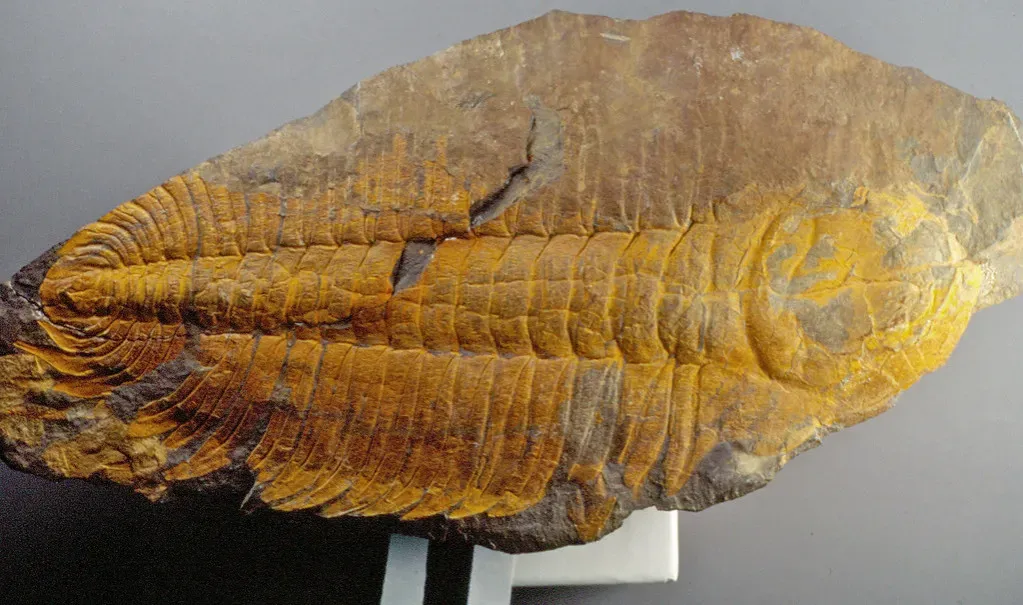
You’d assume a fossil bed discovered in 1909 would be fully “solved” by now. It isn’t even close, and that’s arguably the most important thing the Burgess Shale ever changed: the assumption that old fossils eventually stop yielding new information.
Electron microscopy and CT scanning now reveal anatomical details invisible to the naked eye, while chemical analysis of these 500-million-year-old tissues has uncovered clues about ancient metabolism, diet, and even the original color of certain organisms. Specialized cameras capturing different wavelengths of light are pulling fresh details out of fossils that have sat in museum drawers for over a century. Fossils untouched for generations are still producing brand-new scientific discoveries today. That proves something bigger than paleontology alone: sometimes the answers were never missing, we just didn’t have the tools to see them yet.
The Bottom Line
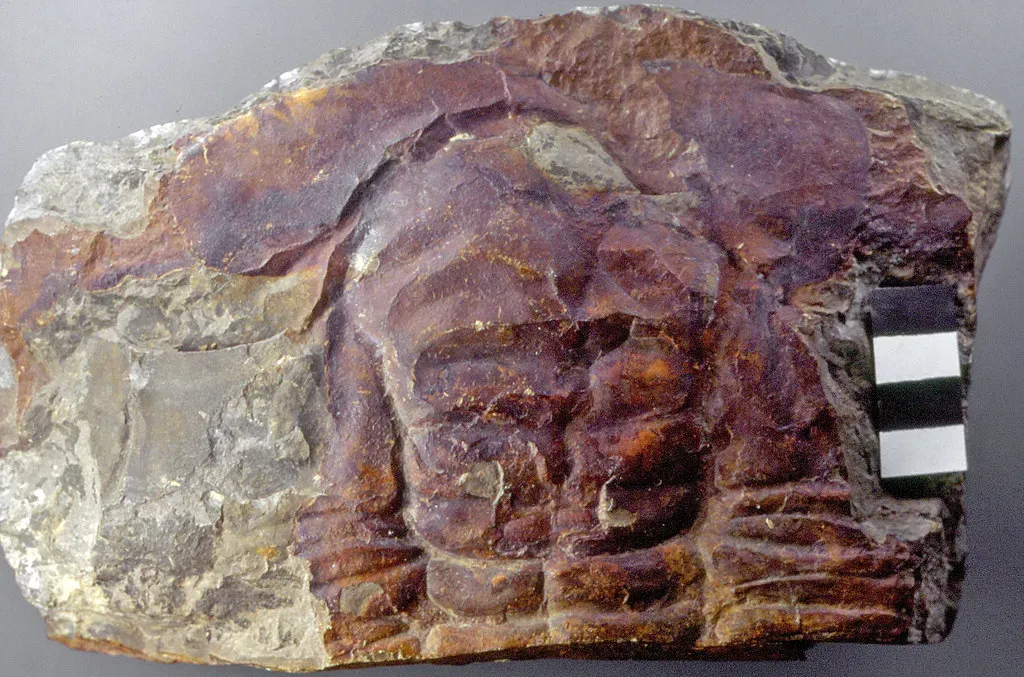
The Burgess Shale didn’t just add a few new species to the record – it forced an entire rewrite of how evolution actually works. It proved the Cambrian Explosion was real, exposed how badly scientists initially misread creatures like Anomalocaris and Hallucigenia, pushed the origin of vertebrates back further than anyone expected, and revealed that most of Earth’s ancient diversity is probably still invisible in the fossil record.
If you ask me, the most underrated finding on this whole list isn’t a single weird animal – it’s the realization that our entire understanding of “normal” fossil sites has always been dangerously incomplete. That should bother more people than it does. Which discovery on this list genuinely surprised you most? Drop it in the comments.