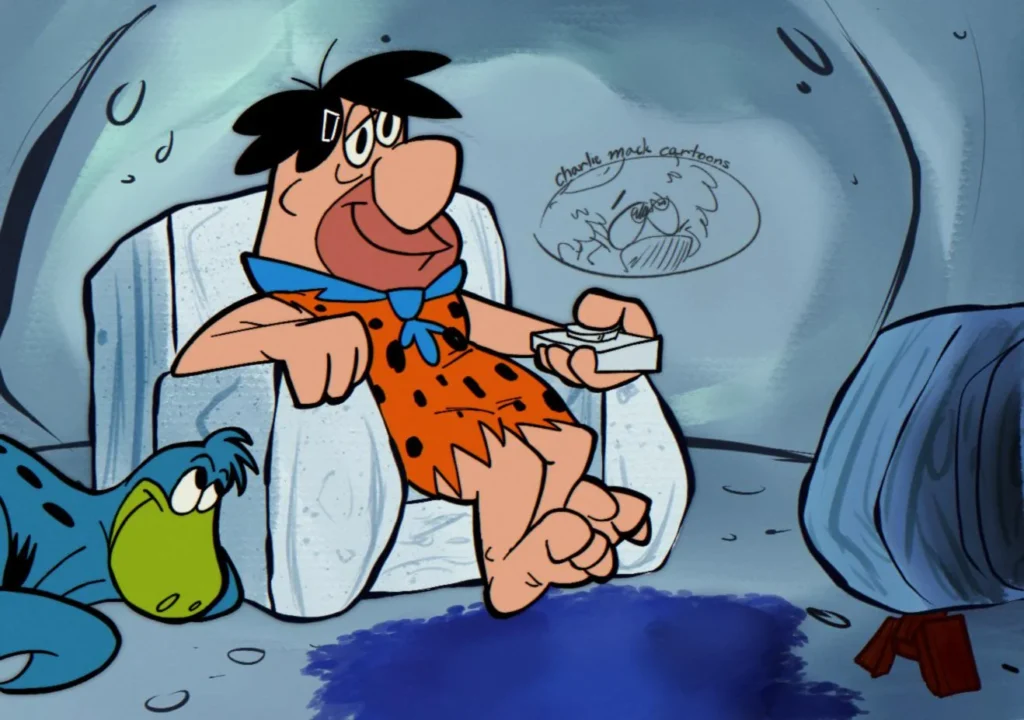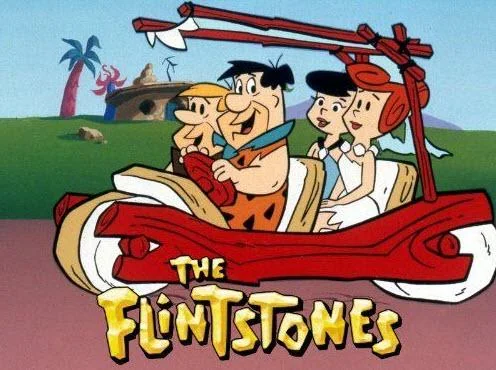
There’s something oddly comforting about a cartoon that insists cavemen had traffic jams, office jobs, and a pet dinosaur that doubled as a garbage disposal. The Flintstones did not just bend history; it gleefully steamrolled it with a stone-age steamroller and then used that steamroller as a dishwasher. And yet, instead of complaining, generations of us curled up on the couch, laughed, and came back for more.
From a scientific point of view, the show is a beautiful disaster. It mashes together time periods, species, technologies, and social norms that never coexisted, then wraps them in a catchy theme song and a slab of bronto ribs. But inside those mistakes is a revealing snapshot of what people in the mid‑twentieth century wanted from the distant past: not accuracy, but a mirror that made modern life look silly, relatable, and just a little bit ridiculous.
1. Humans and dinosaurs living side by side
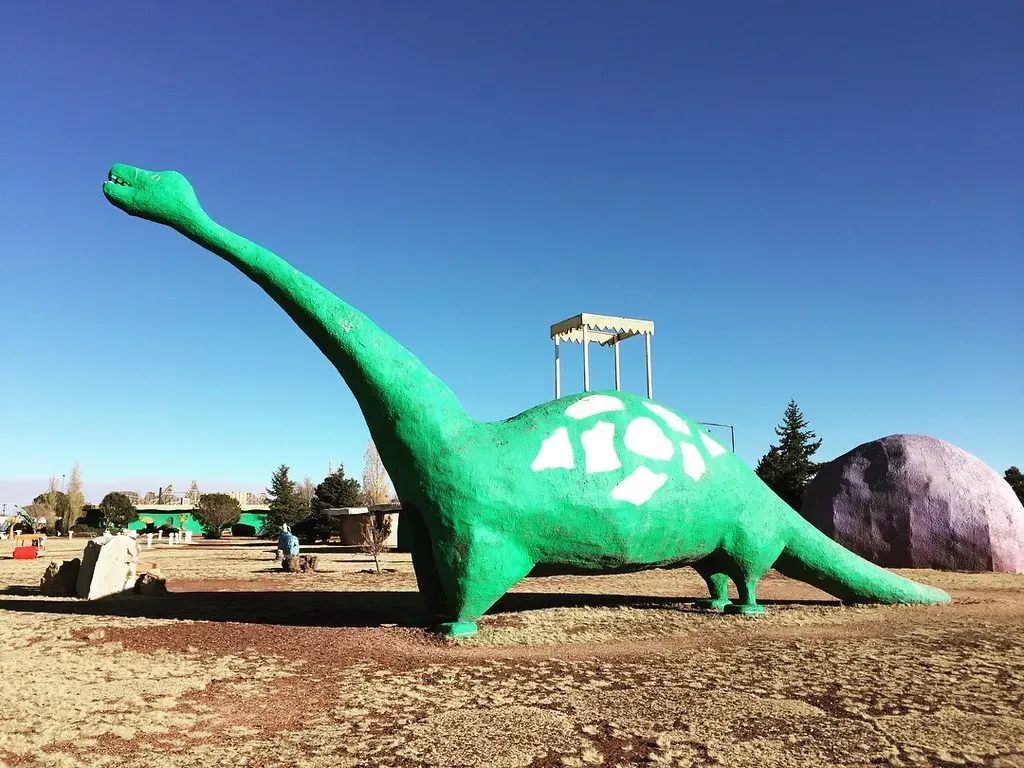
Let’s start with the big one: humans and dinosaurs never, ever shared a neighborhood, let alone a split-level house in Bedrock. Non‑avian dinosaurs died out around sixty‑six million years ago, while anatomically modern humans only show up in the fossil record about three hundred thousand years ago. In other words, by the time humans arrived, the T. rexes and brontosauruses had already been gone for tens of millions of years.
The Flintstones throws all of that out the window and gives us dinos pulling cars, serving as construction cranes, and snoring at the foot of the bed. Scientifically, it is laughably wrong, but emotionally, it works because it puts our favorite prehistoric creatures into familiar roles. Kids get dinosaurs without the horror, adults get a playful parody of suburbia, and everyone forgets that the real timeline would have made Bedrock a very lonely, reptile‑free place.
2. Stone‑age suburbs with mid‑century American values
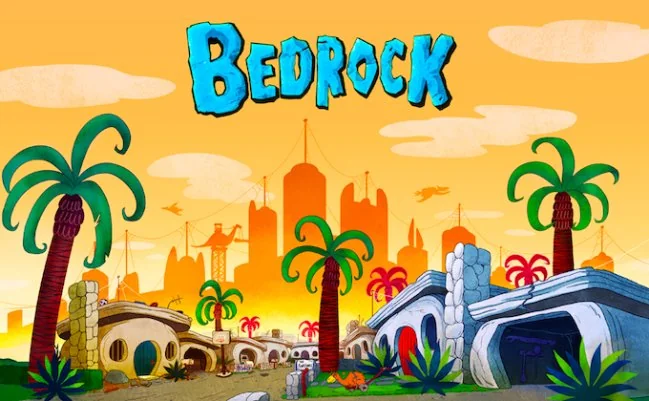
Bedrock looks less like an ancient settlement and more like a 1960s American suburb that just swapped plastic for granite. You have nuclear families, gender roles straight out of an old commercial, nine‑to‑five jobs, and a boss who is always yelling. Real prehistoric groups were mostly small, mobile bands or early villages, with social roles often centered on survival rather than office politics and golf outings.
The show basically reskins postwar America in animal skins and calls it prehistory. That is wildly inaccurate from an anthropological point of view, but it is exactly why viewers connected with it. You were not really watching “cavemen”; you were watching your own neighborhood, your own job frustrations, and your own family dinners, just reimagined with stone houses and pterodactyl record players. It let people laugh at their own lives without feeling personally attacked.
3. Complex technology “powered” by animals and brute force
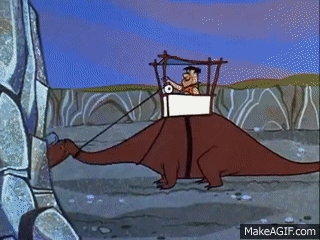
Prehistoric societies were incredibly inventive for their time, but they did not have blenders, cameras, washing machines, and vacuum cleaners made of live animals. The real technological leaps of the Stone Age were things like controlled fire, stone tools, clothing, and eventually agriculture and pottery. That is impressive and world‑changing, but it is a long way from a dinosaur‑operated garbage disposal or a living pig under the sink sucking up waste.
The Flintstones exaggerates our everyday machines into clunky stone contraptions, always with some poor animal doing the hard labor and breaking the fourth wall with a tired expression. It makes zero sense scientifically, but it perfectly captures how dependent modern people are on technology. The joke lands because deep down we know that under every sleek appliance is a lot of unseen effort, complexity, and energy use. Turning that into a squawking bird who sighs that it has the worst job is both wrong and brilliant at the same time.
4. Fashionable outfits that never changed

Real prehistoric clothing, as far as we can tell, was practical and heavily dictated by climate and materials: animal hides, plant fibers, simple ornaments, and later more sophisticated stitching and weaving. Styles would have varied regionally and changed slowly with new techniques. They definitely did not come in neatly cut, brightly patterned, one‑shoulder dresses and cartoon neckties that looked freshly purchased from a stone‑age department store.
Yet the Flintstones characters wear the same iconic outfits episode after episode, like prehistoric action figures that come with just one accessory. It is silly, but it gives the show an instantly recognizable visual language. When you see that orange and black spotted dress or Fred’s blue tie, you know exactly who you are dealing with, no historical context required. Fashion accuracy never stood a chance against the power of a consistent, toy‑friendly character design.
5. Monolithic “caveman” culture that never evolved
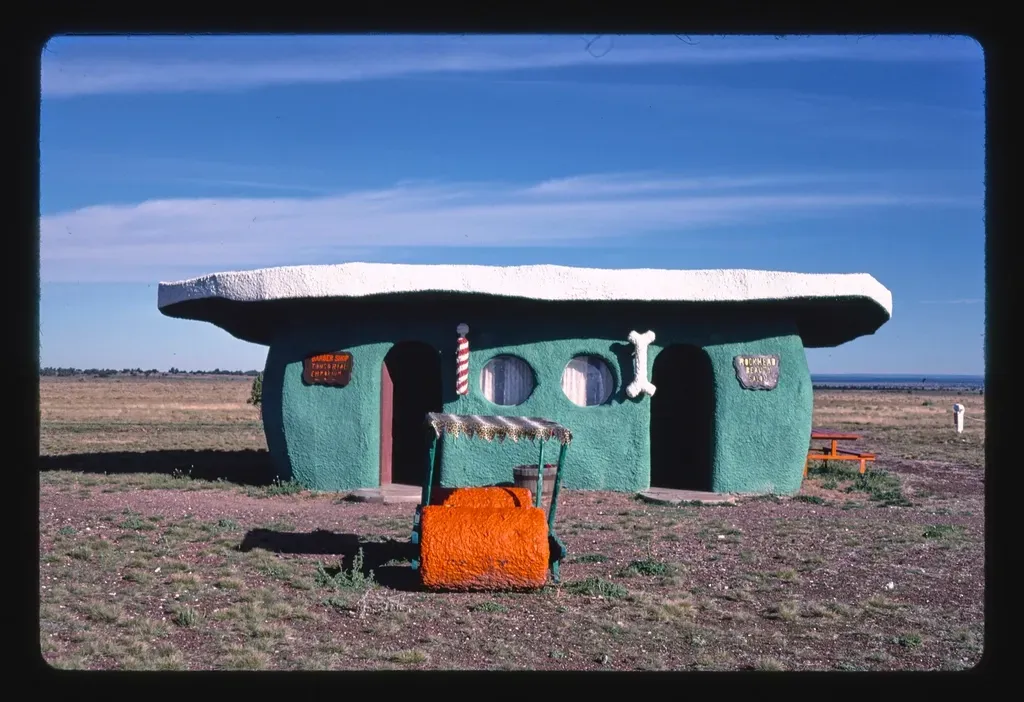
In The Flintstones, Bedrock feels frozen in time: same houses, same jobs, same jokes, year after year. Prehistoric reality was the exact opposite. Human societies shifted dramatically over thousands of years as tools improved, climates changed, migrations happened, and cultures rose and faded. The Stone Age alone spans an enormous time frame with incredibly diverse ways of living, from small hunter‑gatherer groups to more settled villages with early farming.
The show flattens all of that into a single, eternal “caveman” culture where everyone more or less lives the same way forever. Historically, that is a disaster, but narratively, it keeps things simple and cozy. As a kid, I never wondered what came before or after Bedrock; it just felt like this stable, goofy little universe where nothing truly changed. There is a kind of emotional comfort in that stasis, even if it totally erases the rich, messy story of how humans actually adapted and evolved.
6. Safe, sanitized prehistoric animals
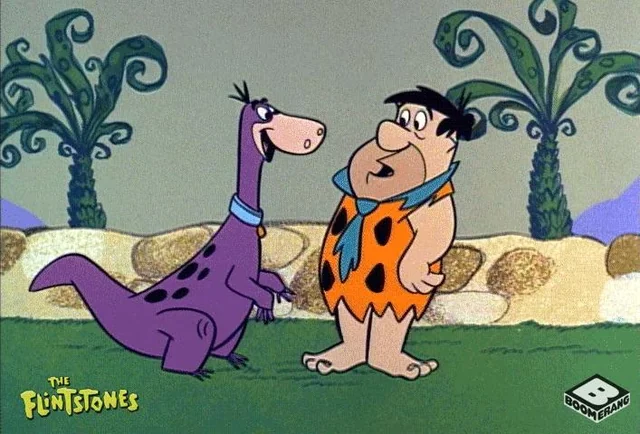
Flintstones animals are basically oddly shaped pets with jobs. Dino is a lovable, dog‑like dinosaur, saber‑toothed tigers are grumpy but manageable, and all kinds of creatures happily serve as lamps, lawnmowers, and record players. Real Ice Age megafauna were powerful, sometimes dangerous animals trying to survive just like humans, not eager domestic companions ready to help you clock in at the quarry.
By turning wild animals into cuddly co‑workers, the show strips away the harshness of prehistoric ecosystems. You do not see starvation, competition for limited resources, or the risk of being hunted yourself. Instead, you get punchlines and goofy sound effects. It is inaccurate, but there is a reason we loved it: kids do not watch cartoons hoping for a lecture on predator‑prey dynamics. They want the thrill of a mammoth in the living room without having to think about tusks, trampling, or extinction.
7. Stone architecture that looked straight out of a housing development
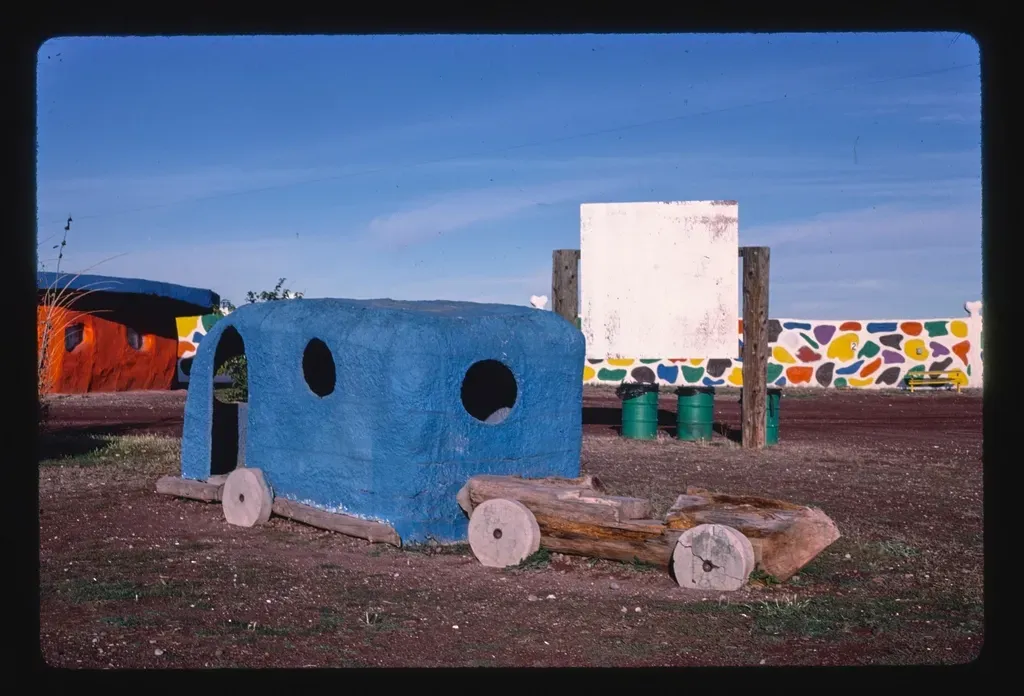
Bedrock’s houses are basically modern bungalows recast as stone shells, complete with windows, doors, garages, and tidy yards. While some prehistoric structures used stone, many early shelters were made from wood, bone, mud, or other materials, and often looked nothing like our contemporary suburban homes. Concepts like a personal carport or neatly separated rooms would have been alien to most early human communities.
The show’s architecture is less about archaeology and more about mood: it wants you to feel like you are visiting a familiar neighborhood, not a distant, strange world. And it works. Those curvy stone houses feel like a quirky version of something you could actually live in, which lowers the barrier to entering the story. We sacrifice realism, but we gain immediacy and relatability, which is exactly what a family cartoon is aiming for.
8. Office jobs and a punch clock in the Stone Age
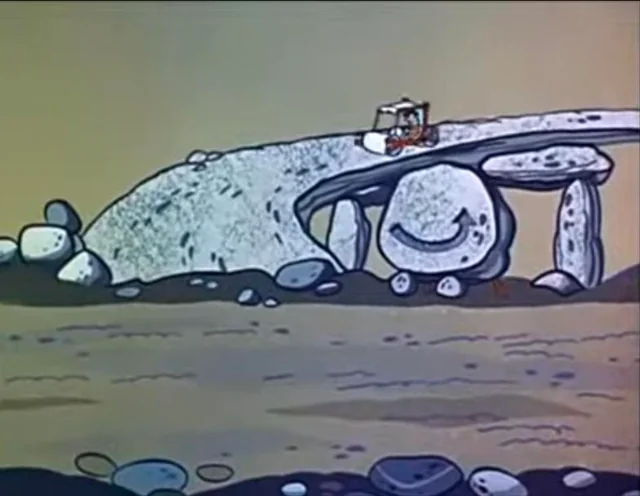
Fred Flintstone’s job at the quarry, complete with a boss, a punch clock, and the classic sliding down a dinosaur whistle at the end of the day, is one of the show’s most famous running jokes. But prehistoric people were not employees; they were members of small groups who hunted, gathered, crafted tools, or later farmed to keep the community alive. There were responsibilities and roles, but no timecards, no human resources department, and definitely no after‑work bowling league sponsored by the quarry.
The idea of a nine‑to‑five caveman is historically absurd, yet it is the heart of why so many adults related to the show. I remember watching it as a kid and only later realizing it was basically a cartoon about work stress, bosses, and family budgeting wearing a Stone Age mask. The scientific inaccuracy becomes a vehicle for social satire, turning the daily grind into something you can laugh at instead of just endure.
9. Instant, universal language and modern humor
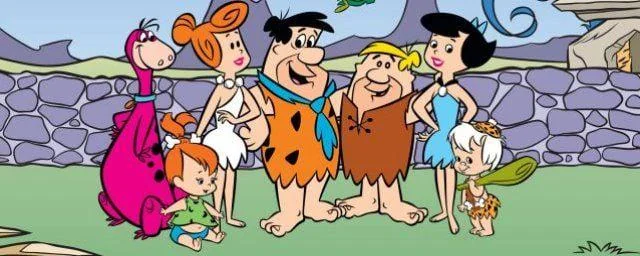
In Bedrock, everyone speaks the same language, cracks contemporary jokes, and understands modern references, just with a bit of “stone‑age” branding slapped on top. Real prehistoric humans would have spoken early languages or proto‑languages that we cannot reconstruct in detail, and communication across different groups would have been anything but effortless. Humor, slang, and even body language would have varied widely across regions and time.
The show ignores all of that complexity and hands its characters fully formed mid‑twentieth‑century speech patterns. It is wildly anachronistic, but from a storytelling point of view, it is a shortcut to connection. You are not struggling to understand some distant, alien people; you are hanging out with your neighbors who just happen to use a stone phone instead of a rotary one. That makes the past feel less intimidating and more like a playground for jokes.
10. A completely stress‑free view of survival
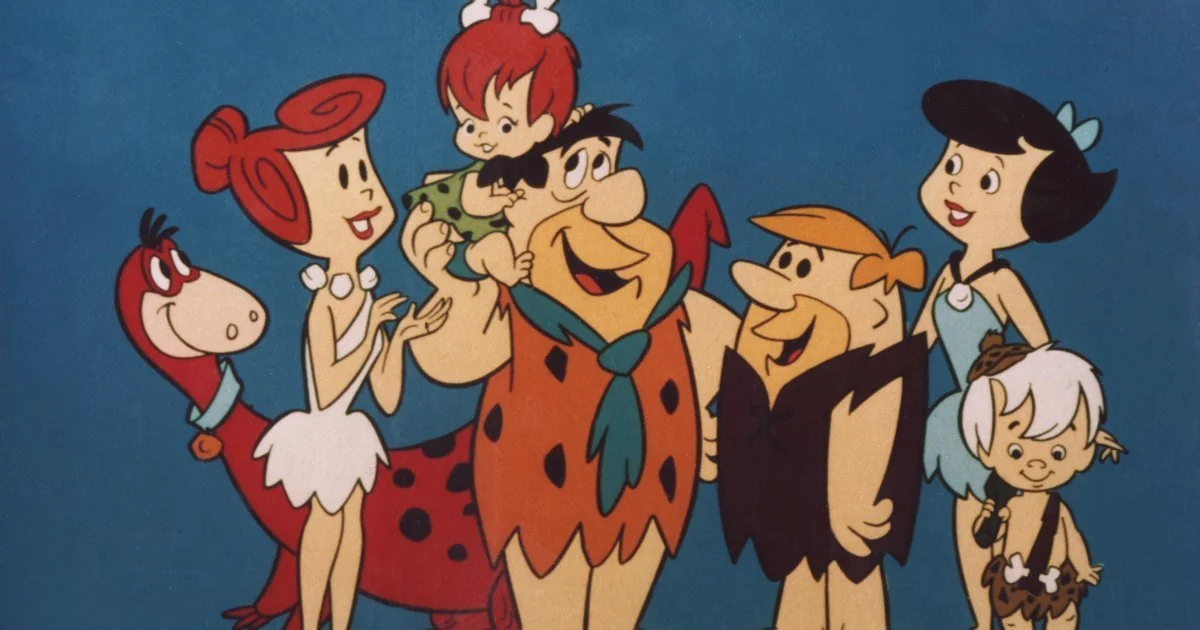
Perhaps the biggest thing The Flintstones gets wrong is how easy life looks. Food is always on the table, danger is played for laughs, and survival never feels like a real concern. Actual prehistoric life was physically demanding and often precarious, shaped by climate swings, scarce resources, and constant adaptation. There was ingenuity and community, but also hardship, illness, and the very real possibility that things could go badly fast.
The show wraps all of that in a warm blanket of sitcom comfort. You get arguments, mishaps, and comedic disasters, but nothing truly threatens the status quo. As much as that distorts the truth, I think it is part of why we adored it: sometimes you want history to be a safe stage where people in funny outfits work through familiar problems. It is not accurate, but it lets us peek into a softer, kinder version of the distant past, where the worst thing that happens is your stone TV breaking right before your favorite program.
Conclusion: Why all this wrongness still feels so right
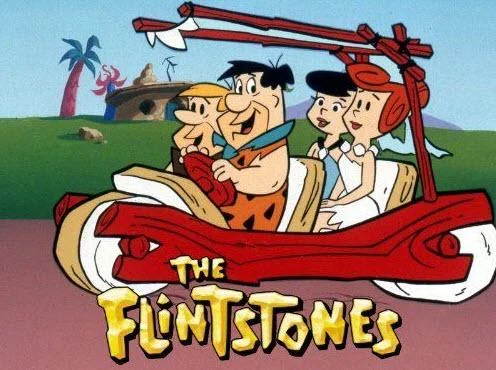
If you stack The Flintstones up against what we know about prehistoric life, it collapses like a badly built stone house. Humans and dinosaurs never met, suburban routines did not exist, and nobody was clocking in for a shift at the quarry with a bird‑powered time punch. Yet in spite of all that, or maybe because of it, the show carved out a permanent spot in pop culture and in a lot of our childhood memories.
To me, the magic lies in how unapologetically it uses prehistory as a funhouse mirror for modern life. It is not trying to teach anthropology; it is poking gentle fun at commutes, chores, bosses, and consumer culture by dragging them millions of years into the past. We loved every second of it because, underneath the dinosaur cranes and stone cars, it was really about us. And maybe that is the real question The Flintstones leaves behind: when we picture “the past,” are we actually just drawing a slightly sillier version of our own world?