The thrill of scientific discovery often comes from the most unexpected places. Some of the world’s most significant fossil finds weren’t the result of carefully planned expeditions, but rather happy accidents that changed our understanding of life on Earth. From construction workers striking ancient bones to children stumbling upon prehistoric treasures, these accidental discoveries have shaped paleontology in ways no one could have predicted.
These chance encounters with the past remind us that scientific breakthroughs don’t always happen in sterile laboratories or on formal digs. Sometimes the most extraordinary finds come to light when someone was simply in the right place at the right time, with the curiosity to recognize what they’d uncovered. Let’s dive into these remarkable stories of accidental fossil discoveries that rewrote the history books.
The Canadian Miner Who Found a Dinosaur Rosetta Stone
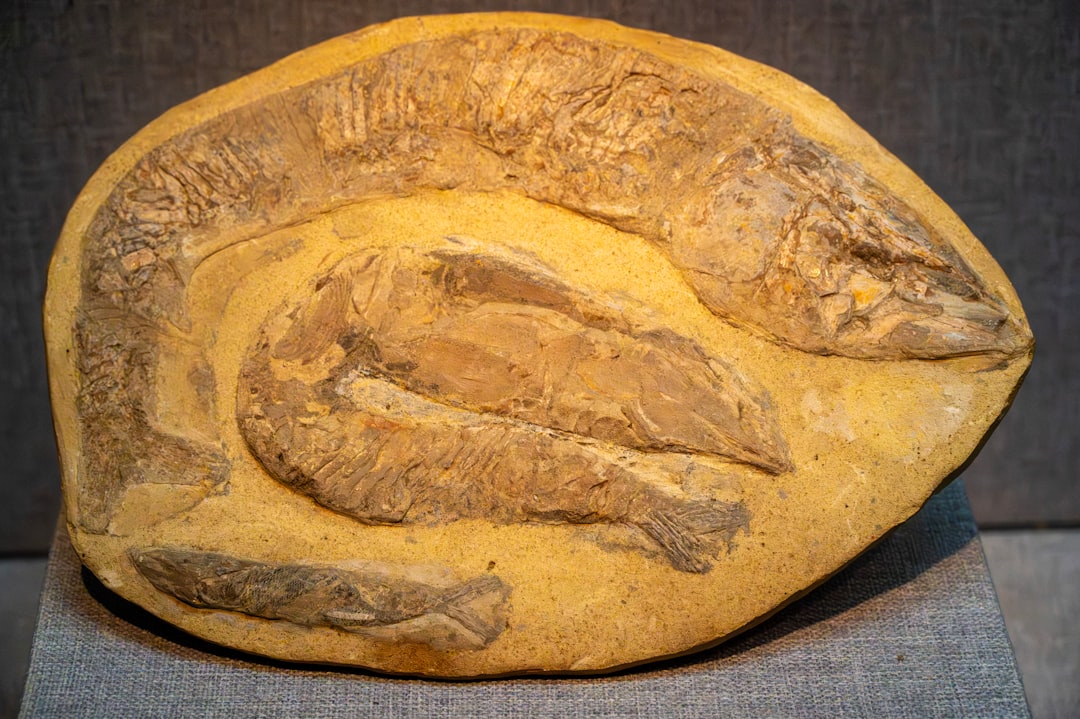
In 2011, an excavator operator was digging away in an oilsands mine in Alberta, Canada, when he saw something weird in the clump of dirt he had dumped to one side. Upon closer inspection, he saw a diamond pattern on what looked like a rough textured piece of rubble and knew he’d discovered something unusual. And what a discovery it was – the most well-preserved armored dinosaur fossil ever found, as well as the oldest fossil ever discovered in Alberta.
On the afternoon of March 21, 2011, a heavy-equipment operator named Shawn Funk was carving his way through the earth, unaware that he would soon meet a dragon. The 110 million-year-old fossil of a nodosaur preserves the animal’s armor, skin, and what may have been its final meal. This extraordinary specimen would later be dubbed the “Rosetta stone for armor” by paleontologists because of its unprecedented preservation.
Sue Hendrickson’s Broken Down SUV Led to T-Rex Fame
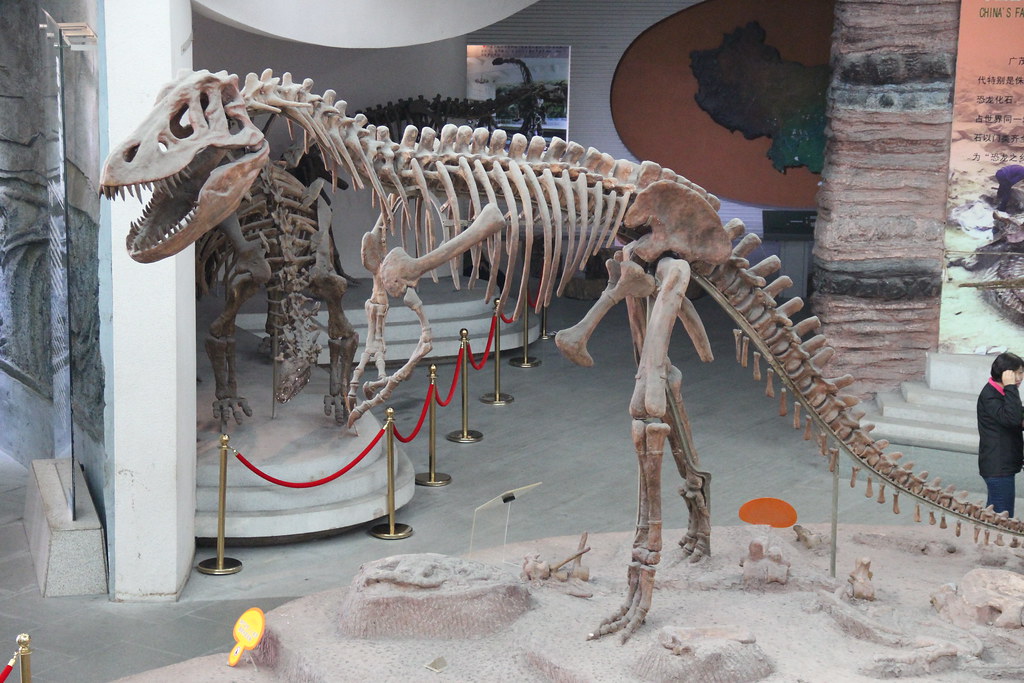
On August 12, 1990, Sue Hendrickson, a fossil hunter with the Black Hills Institute of Geological Research, set out across the scorching plains of western South Dakota to explore an outcropping of rock while her team worked on fixing a flat tire. Hendrickson spotted a few large vertebrae jutting out of an eroded bluff and followed her hunch that there were more beneath the surface. In the end, it took six people 17 days to extract the dinosaur’s bones from the ground where SUE was discovered.
Sue (stylized: SUE), officially designated FMNH PR 2081, is one of the largest, most extensive, and best preserved Tyrannosaurus rex fossils ever found, at over 90 percent recovered by bulk. FMNH PR 2081 was discovered on August 12, 1990, by American explorer and fossil collector Sue Hendrickson, after whom it is named. What started as a simple car repair turned into one of the most significant paleontological discoveries of the 20th century.
The Nine-Year-Old Who Discovered a Missing Link
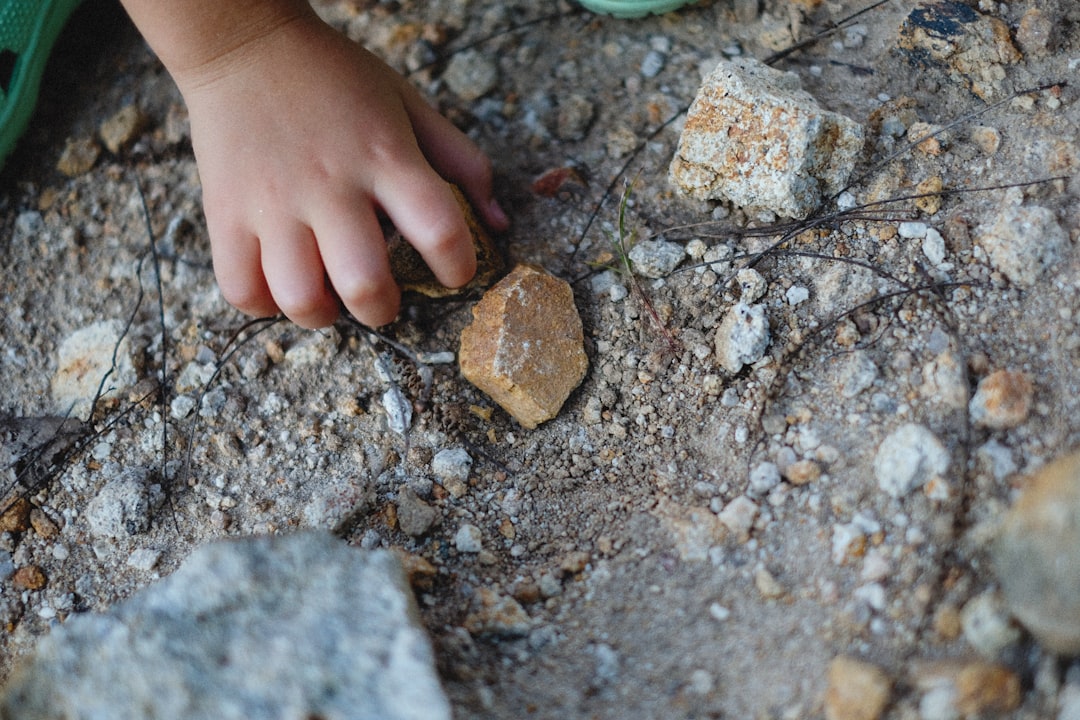
The Malapa site, South Africa’s “Cradle of Humankind,” was famously discovered by nine-year-old Matthew Berger as he chased after his dog. This discovery wasn’t completely unexpected, but the finder of the fossil was. Lee Berger of the University of the Witwatersrand was surveying South Africa’s Malapa Cave with his Witwatersrand colleague Job Kibii when Berger’s 9-year-old son Matthew announced he had found something: a rock with a hominid collar bone sticking out. Additional excavation led to the recovery of two hominid skeletons dating to nearly two million years ago.
The older Berger decided the skeletons represented a new species, Australopithecus sediba, which is a leading candidate for ancestor of the genus Homo. This accidental find by a child has become crucial evidence in understanding human evolution, bridging the gap between earlier hominids and our own genus.
Construction Workers Uncover a Giant Sauropod in Portugal
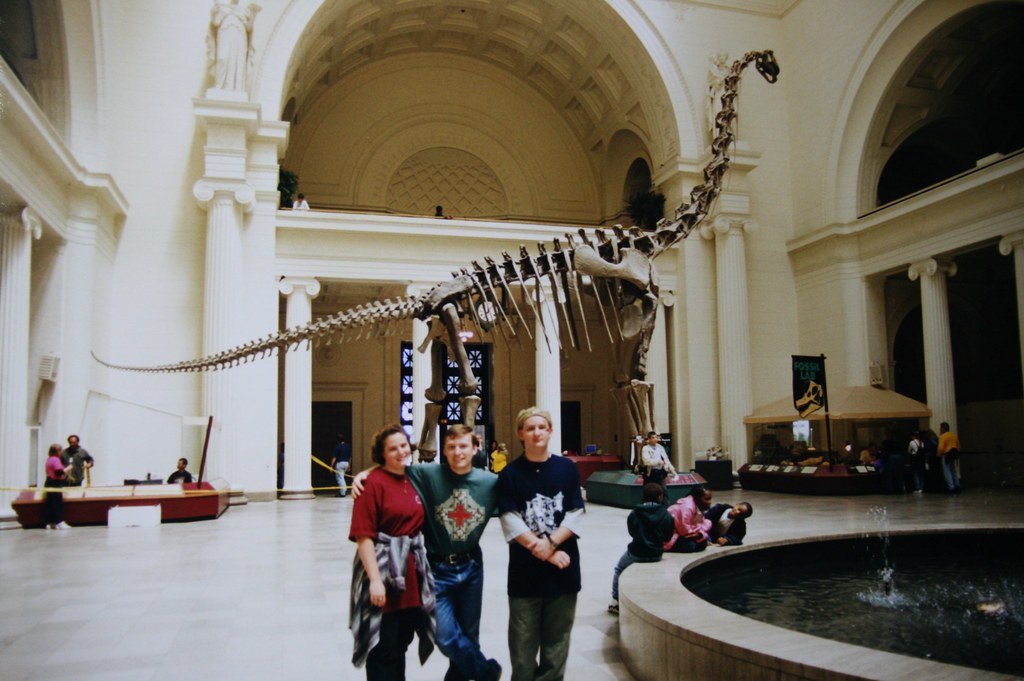
In 2017, a man was overseeing construction on his property in Pombal, Portugal, when he noticed bone fragments sticking out of the ground. He got in touch with local scientists, who began an excavation that would last far longer than anyone thought. It was announced in 2022 that the bones belonged to an 82-foot-long (25-meter) sauropod that lived around 160 million years ago.
So far, the vertebrae and ribs have been uncovered, and the excavation is continuing. The ribs are each almost 10 feet (3 meters) long and the largest ever sauropod ribs discovered in Europe. What began as a routine construction project turned into one of Europe’s most significant dinosaur discoveries, showing how prehistoric giants can still surprise us today.
Mexican Road Workers Strike Mammoth Gold
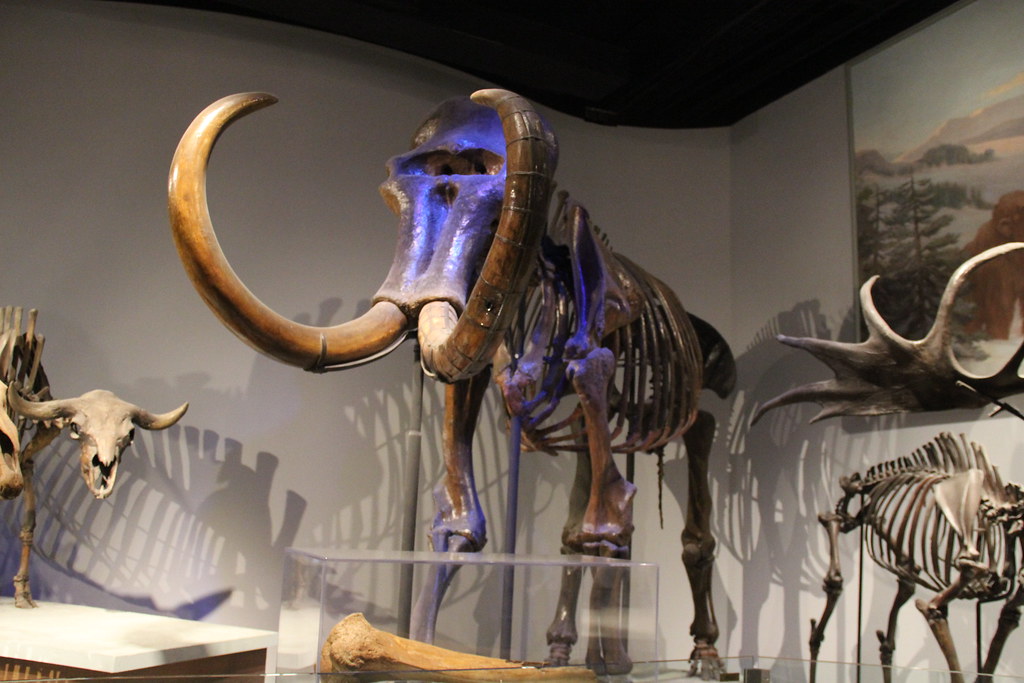
In 2016, workers installing a new drainpipe just outside Mexico City made a massive discovery. As they dug into the road, their tools hit the remains of a 14,000-year-old mammoth that weighed around 10 tons (9 tonnes) when it was alive. The construction crew had no idea they were about to unearth one of Mexico’s most significant Ice Age finds.
This accidental discovery highlights how urban development can sometimes reveal the ancient past beneath our feet. The mammoth remains provided valuable insights into the prehistoric fauna of central Mexico and the environmental conditions that existed thousands of years ago.
The First Neanderthal Found by Limestone Quarry Workers
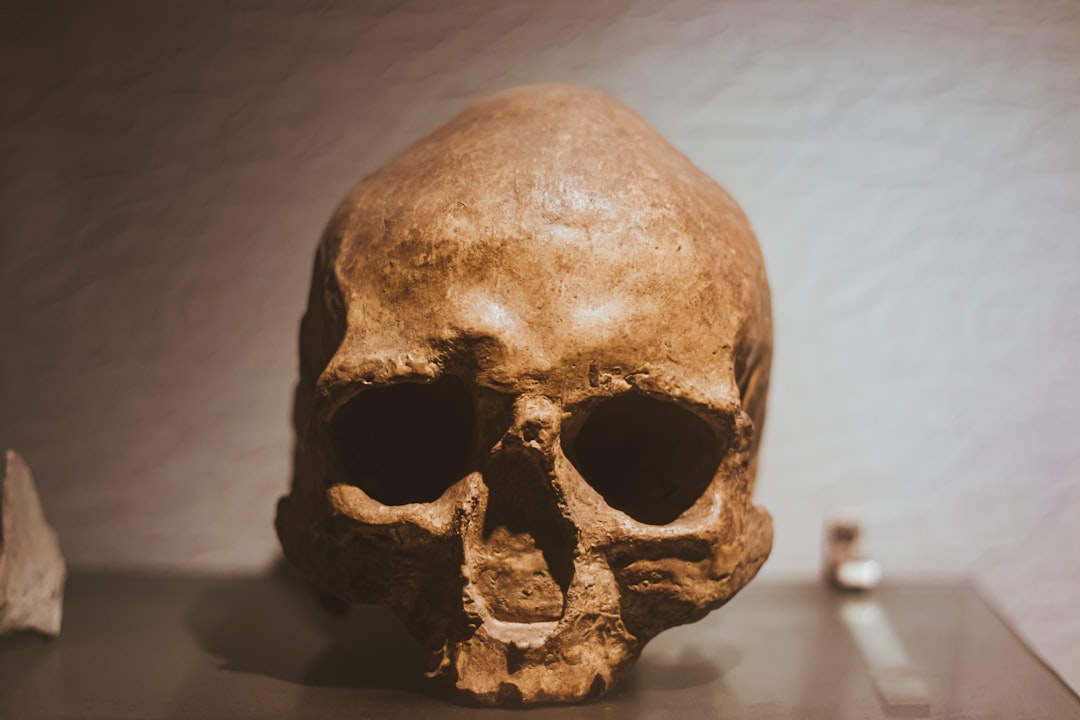
Neanderthal 1 (1856): While quarrying limestone, workers unearthed some bones in Feldhofer Cave in Germany’s Neander Valley. The men thought they had found the remains of an old bear and tossed the fossils aside. In 1864, Irish geologist William King pointed out that the cave sediments in which the fossil was found dated to more than 30,000 years ago. Due to the great antiquity, he suggested the skullcap belonged to an extinct species of human, one that he named Homo neanderthalensis. This was the first time anyone had recognized a fossil as being a part of an extinct hominid species.
The workers had literally thrown away what would become one of the most important discoveries in human evolution. Fortunately, scientists later retrieved the bones and recognized their significance, fundamentally changing our understanding of human ancestry.
Road Builders Stumble Upon Cro-Magnon Remains
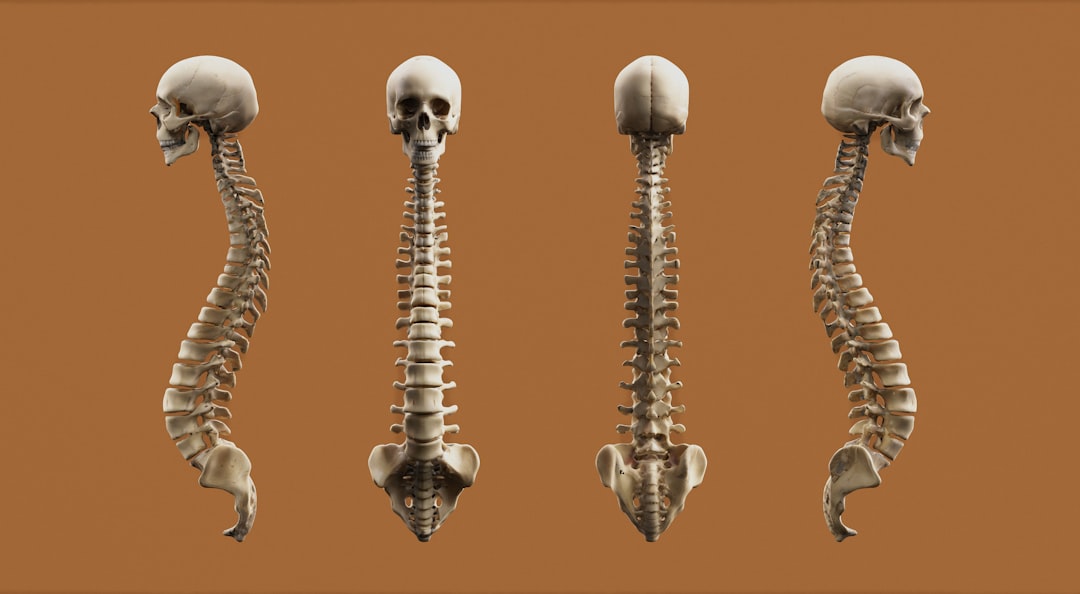
Cro-Magnon (1868): Clearing a path for a road in southern France, construction workers exposed the entrance to a limestone rock shelter. The cave was named Cro-Magnon and inside workers found the skeletons of four adult Homo sapiens and one infant, in addition to stone tools and perforated shell beads.
This accidental discovery provided some of the first evidence of early modern humans in Europe. The Cro-Magnon site became a type specimen for European prehistoric humans, and the name is still used today to describe the earliest anatomically modern humans in Europe.
A Student’s Farm Walk Reveals Ancient Mastodon
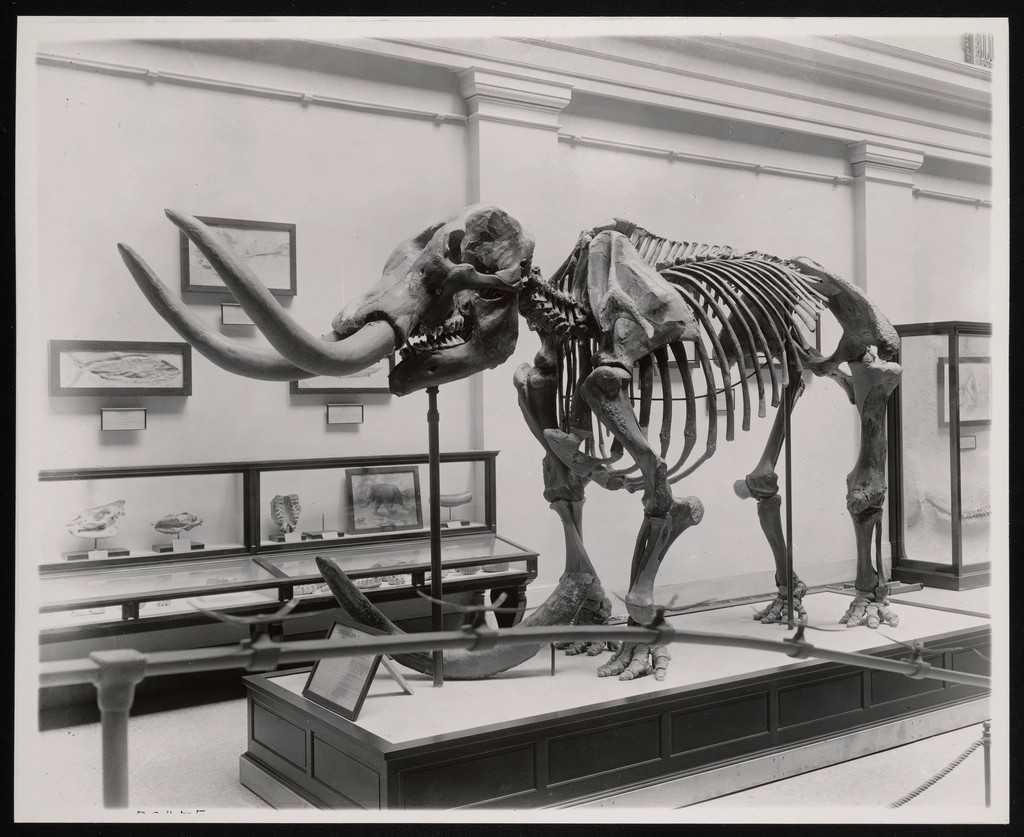
He never expected to make a discovery that would send ripples through the scientific community. He stumbled upon a massive bone later identified as part of a mastodon, an extinct elephant cousin believed to have died out around 10,000 years ago. This freshly uncovered fossil was swiftly wrapped in plastic to keep it from deteriorating. The student had luck on his side, because the fossil may have crumbled in just a few weeks if nobody had found it.
Once at the University of Iowa’s Paleontology Repository, the specimen joined a collection of over a million artifacts. The repository continues to examine how this young mastodon lived and what its discovery can show about Ice Age life. This chance discovery by a curious student demonstrates how amateur fossil hunters can make significant contributions to science.
Donald Johanson’s Accidental Lucy Discovery
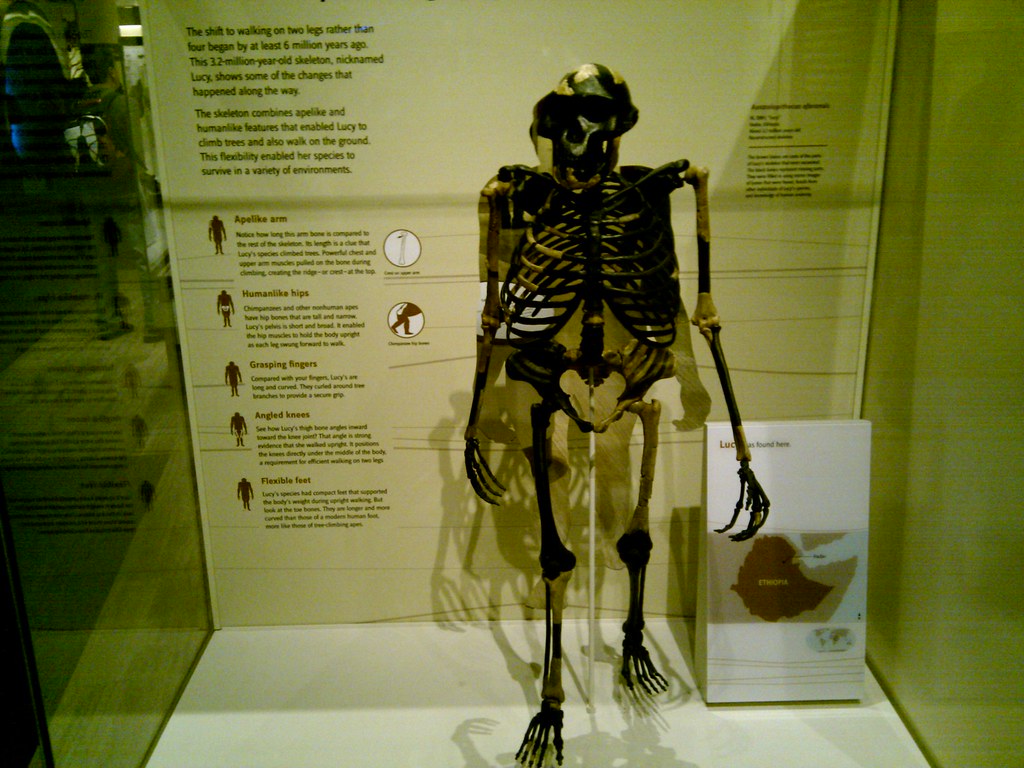
On November 24, 1974, Johanson was out prospecting for fossils of human ancestors with his graduate student Tom Gray, eyes trained on the ground, when he spotted a piece of elbow with humanlike anatomy. One could say Lucy’s discovery is a “funny bone story.” The first fragment of Lucy’s skeleton that Johanson spotted was the elbow region of her ulna (when you bump the ulnar nerve in your elbow, it presses against your humerus and you get that tingly, “funny bone” feeling). Lucy’s broken ulna was protruding from the sediments and Johanson could tell by its shape and size that it definitely belonged to a primate and could very possibly be the fossilized remains of a hominin.
While out mapping and surveying for fossils among the site’s 3.2 million year old sediments, Johanson and Gray discovered a hominin forearm bone – a discovery which would lead to the excavation of several hundred fragments of bone over two weeks, making up 40 percent of a single hominin skeleton. This freshly uncovered fossil earned the name Lucy later that night, inspired by the Beatles’ song “Lucy in the Sky with Diamonds” which Johanson’s team played on repeat as they drank, danced and sang in celebration of their finding.
Fighting Dinosaurs Frozen in Battle
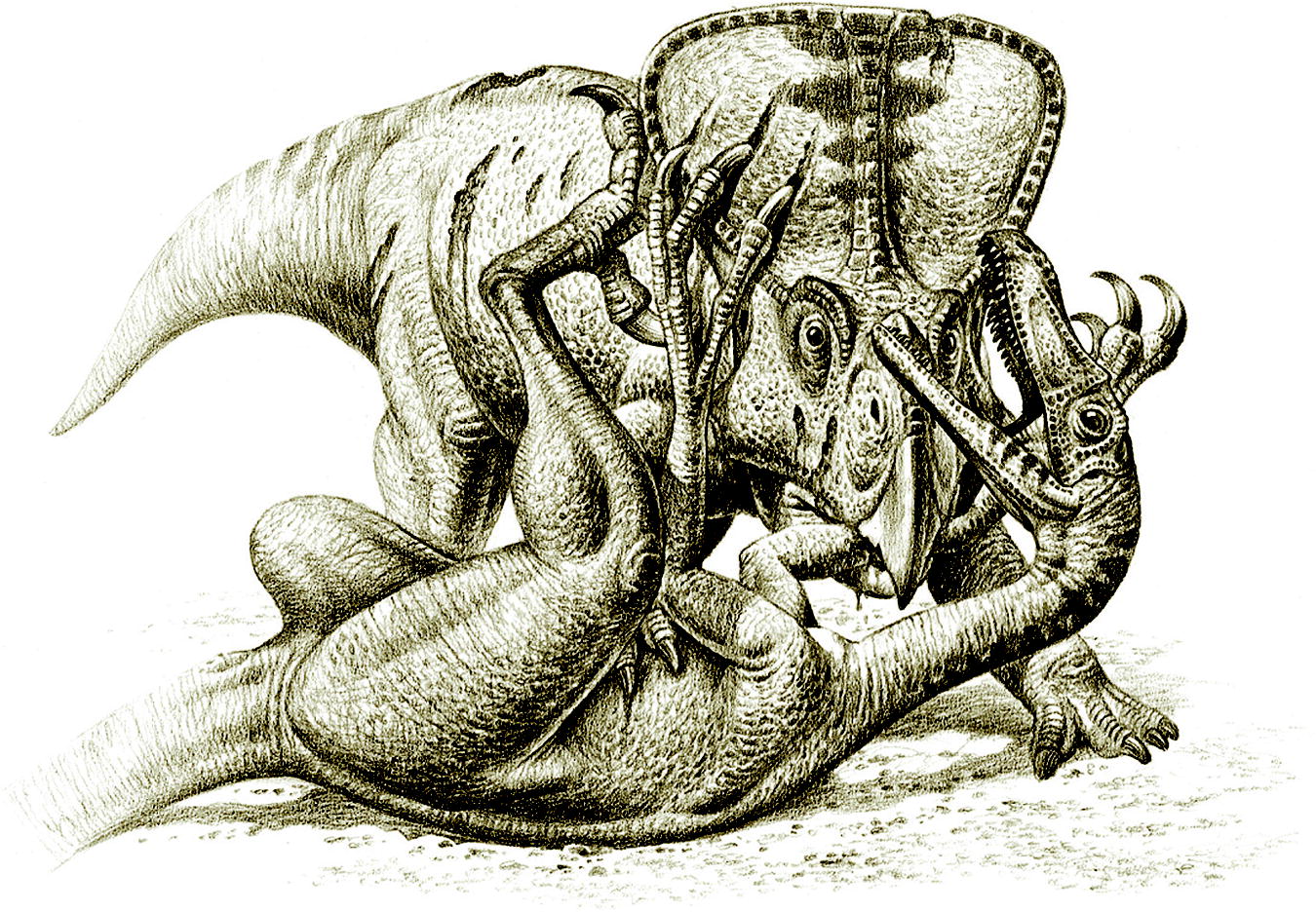
Discovered in Mongolia in 1971, this Velociraptor and Protoceratops will remain forever mid-fight. The Velociraptor, a carnivore, was found with his claw locked to his prey’s carotid artery. While the Protoceratops, a herbivore, wrapped his biting jaw around the Velociraptor’s arm. It is believed they were fossilised by a falling land mass which covered and killed them both, while they were locked in a battle for their lives.
This extraordinary fossil captures a moment of prehistoric drama that would have been lost forever if not preserved by a sudden catastrophic event. The “fighting dinosaurs” specimen provides unique insights into predator-prey relationships and behavior in the Cretaceous period, frozen in time by an accidental burial.
Conclusion
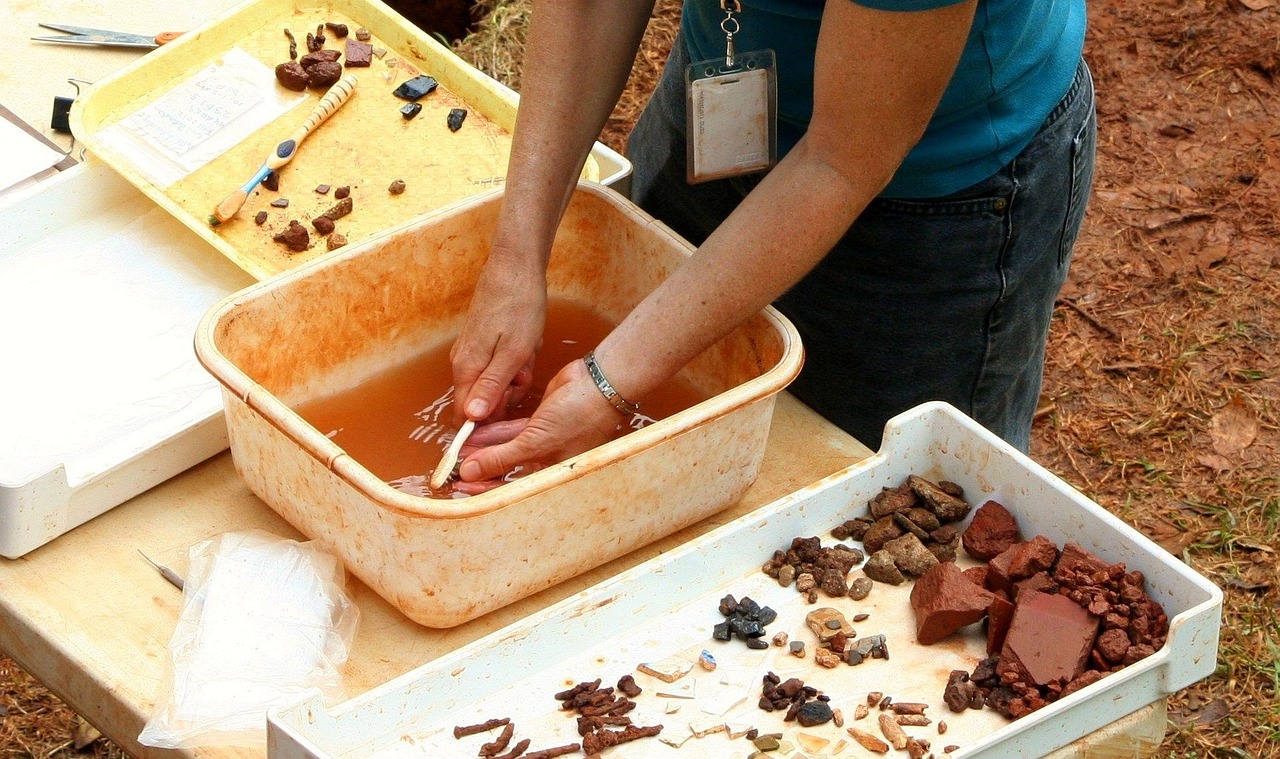
These accidental fossil discoveries remind us that science often advances through serendipity and curiosity rather than careful planning alone. From construction workers to children chasing their pets, ordinary people have made extraordinary contributions to our understanding of life’s history. Each of these chance encounters has expanded our knowledge of evolution, behavior, and the ancient world in ways that planned expeditions might never have achieved.
The next time you see exposed rock faces, construction sites, or unusual objects in the ground, remember these stories. You never know when you might stumble upon the next great fossil discovery that rewrites the history books. What do you think about these incredible accidents of science? Tell us in the comments.