You like to think you see the world as it really is, but you actually see the world as your ancestors needed it to be. Over millions of years, your brain and senses were sculpted by survival, not by a search for objective truth. What you notice, what you ignore, what you find beautiful or terrifying – all of it has roots in ancient pressures your distant relatives faced long before cities, smartphones, or written words existed.
When you start looking at your own through an evolutionary lens, everyday experiences suddenly feel different. That rush of fear when you hear a sudden noise, the way your eyes are drawn to movement, the comfort of a familiar face in a crowd – none of this is random. You are carrying around a system that was tuned on savannas, in forests, along coasts, in small bands of people. Let’s walk through ten powerful ways evolution quietly rewired how you see, feel, and understand the world.
1. Your Vision Was Built for Survival, Not Accuracy
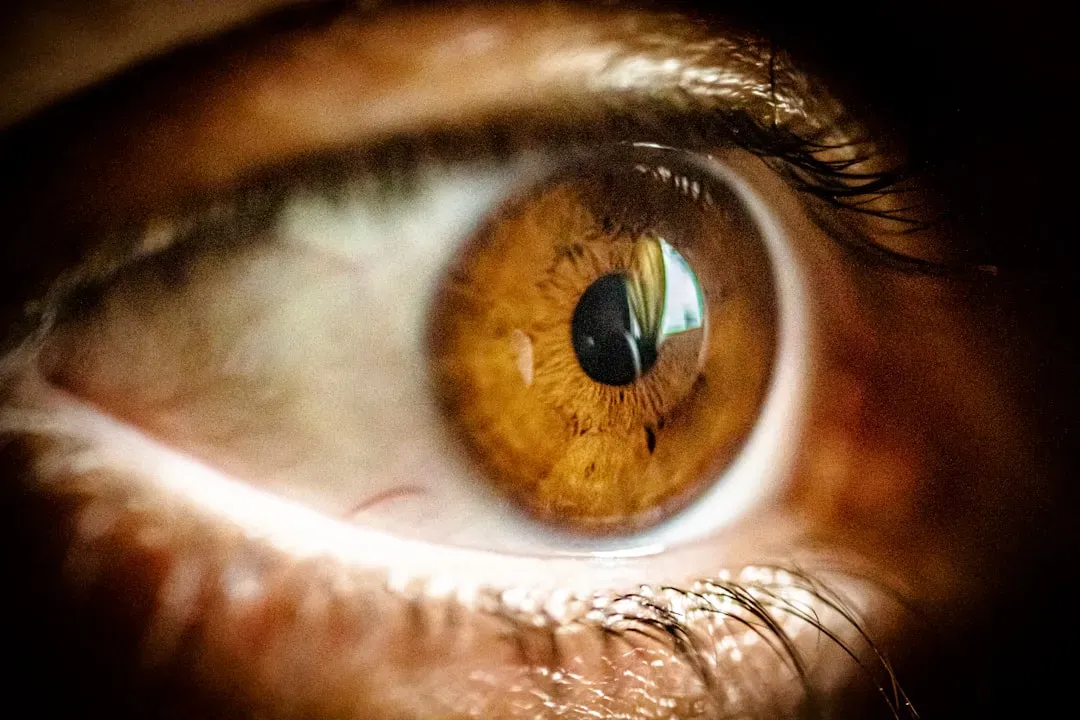
You might feel like your eyes are high-definition cameras, but evolution shaped them more like filters that highlight what used to matter most for staying alive. You’re especially good at spotting edges, contrasts, and movement, because those features helped your ancestors notice predators, prey, and dangerous drops long before fine details ever mattered. You notice something darting in your peripheral vision far faster than you recognize a subtle color change on a wall, and that bias is no accident.
Even the layout of your vision shows its survival roots. You see sharply in the center of your gaze but much less detail in the periphery, yet your peripheral vision is extra-sensitive to motion and sudden changes. That means you can focus on tasks in front of you while still being primed to detect potential threats or opportunities off to the side. Your brain quietly stitches together a stable image of the world from this uneven input, hiding from you just how selective and biased your vision really is.
2. Your Eyes Evolved to Read Faces and Emotions

You are remarkably good at reading faces, and that is not a trivial skill – evolution invested heavily in it. You can tell in a heartbeat whether someone looks angry, afraid, friendly, or bored, often before you consciously realize what you’re seeing. That fast emotional radar helped your ancestors navigate complex social groups where alliances, rivalries, and status could mean the difference between protection and isolation.
Because faces were so important, your brain devotes a surprising amount of processing power just to recognizing them. You even see faces in clouds, power outlets, and car grilles, simply because your system would rather generate false positives than miss a real human signal. This face-first bias shapes how you remember people, who you trust, and how you respond in crowds. You do not just see faces; you instantly interpret them, and that reflex was forged by countless generations trying to survive in tight-knit tribes.
3. Your Fear System Overreacts on Purpose

When you jump at a loud noise or feel your heart race in the dark, you are experiencing one of evolution’s favorite design features: the hair-trigger threat detector. Your ancestors could not afford to calmly analyze whether a rustle in the bushes was a predator or just the wind. It was much safer to overreact and calm down later than to underreact and become lunch. You inherited that bias, so your fear system is built to be paranoid and fast rather than careful and accurate.
This overactive alarm explains why you are more afraid of snakes, spiders, and heights than of cars or electrical outlets, even though modern dangers hurt far more people. Your threat is still tuned to the hazards that shaped most of human history, not the ones that appeared recently. You feel that mismatch every time your body panics in a safe situation or shrugs in the face of real but abstract risks. Evolution optimized you for immediate, visible danger, not for slow or statistical threats.
4. Your Color Vision Helps You Find Food and Read People
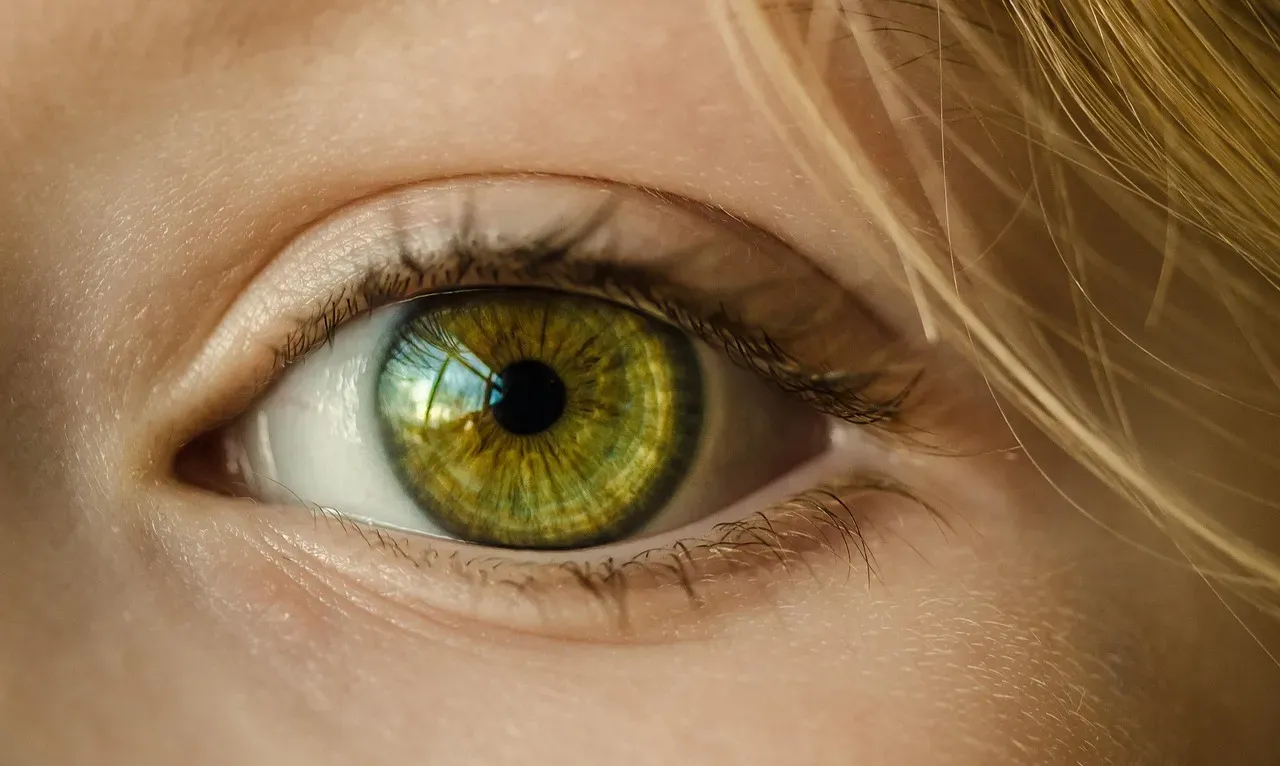
You do not just see colors for aesthetic pleasure; your color vision was sculpted to solve very practical problems. Being able to detect subtle differences between shades of green, red, and brown helped your ancestors find ripe fruits, fresh leaves, and nutritious plants hidden among less appealing ones. When you instinctively notice the bright red of a berry or the rich green of a healthy leaf, you are leaning on an old perceptual advantage in foraging.
Color also became useful in social life. You can spot changes in skin tone – like blushing, flushing, or paleness – that hint at someone’s emotions, stress level, or health. Those cues matter for cooperation, conflict, and mate choice. So even if you feel like color is mostly about art, fashion, or branding today, your visual system was originally tuned for survival and social reading. You are constantly picking up color signals that would have helped your ancestors decide what to eat and whom to trust.
5. Your Brain Fills In Gaps and Edits Reality
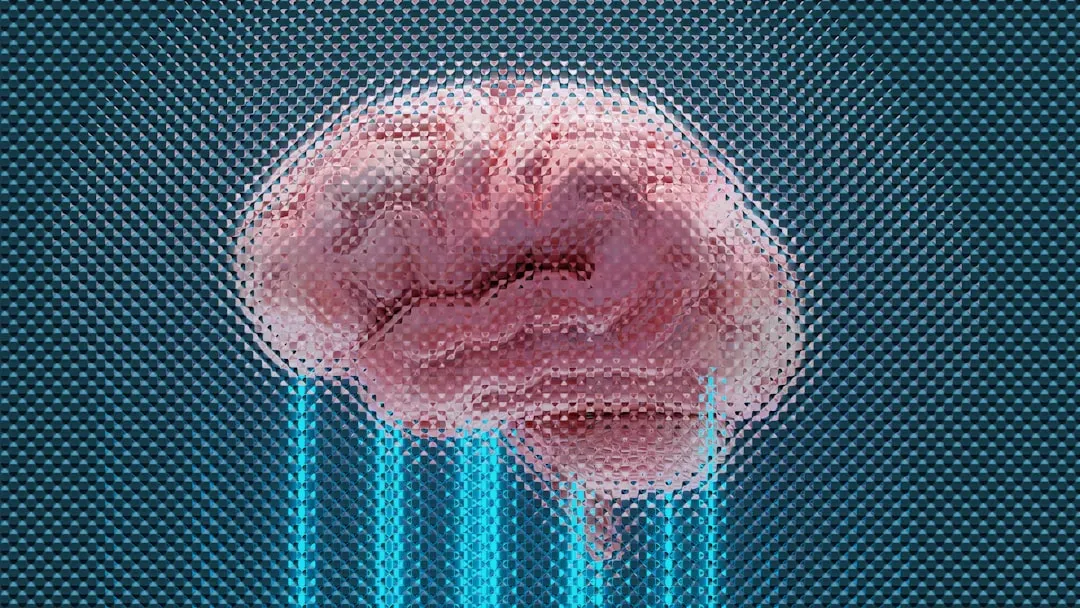
You like to imagine you perceive a continuous, detailed world, but your brain actually fakes a lot of it. Your senses give your brain partial, noisy information, and your brain fills in the gaps with predictions drawn from past experience. That is why you can mishear song lyrics or see a word that is not really written; your brain is constantly guessing what should be there and sometimes confidently gets it wrong. In most situations, that guesswork makes your faster and smoother.
This predictive style of evolved because reacting quickly was more valuable than analyzing every detail from scratch. When you walk through a familiar room, you do not need to re-inspect every object – you run on a kind of mental autopilot built from memory and expectation. That saves time and energy, but it also means you are more prone to illusions, biases, and false memories than you realize. You are not passively recording the world; you are actively constructing it to keep up with survival demands.
6. Your Sense of Time Is Elastic and Biased

You probably notice that time seems to speed up or slow down depending on what you are doing, and that is not just in your imagination. Your of time evolved to expand during danger and compress during routine. When you are under threat, your brain lays down more detailed memories, making those moments feel longer in retrospect, which helps you learn from high-stakes experiences. In safe, repetitive situations, your brain saves effort by not paying close attention, so time seems to blur and pass more quickly.
Your time also reflects an ancient need to prioritize the present. Your mind tends to value immediate rewards over long-term ones, because your ancestors often faced uncertain futures and scarce resources. That bias still shapes your decisions about health, money, and habits today, even though your environment has changed dramatically. You do not feel time in a neutral, mechanical way; you feel it through a lens shaped by survival pressures that favored short-term payoff and detailed recall of emotionally intense moments.
7. Your Social Radar Was Tuned for Small Groups
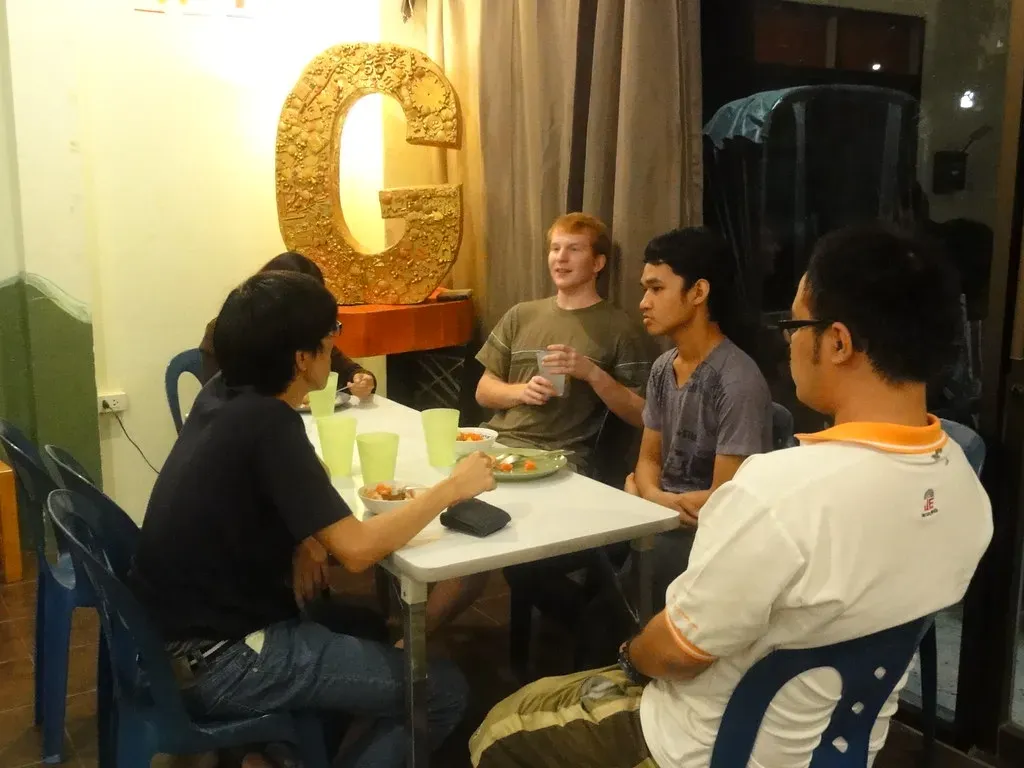
You are far better wired for villages than for global networks. Your social evolved in small bands where everyone knew everyone, gossip spread quickly, and reputations mattered. You naturally track status, alliances, and fairness because in ancestral groups, who shared food with you or stood up for you could literally decide whether you lived or starved. Today, that same machinery makes you sensitive to who likes your posts, who gets credit at work, and who seems in or out of your circle.
This small-group wiring also means your empathy and moral concern tend to focus more on individuals and familiar faces than on large, distant groups. Your mind struggles to emotionally process statistics about huge numbers of people, because such scales did not exist in your evolutionary past. You feel intensely about one identifiable person in trouble yet can feel oddly numb about thousands. Your of society is still running on hardware built for tribes, trying to navigate nations and online platforms it never evolved to handle.
8. Your Sense of Beauty Carries Ancient Priorities
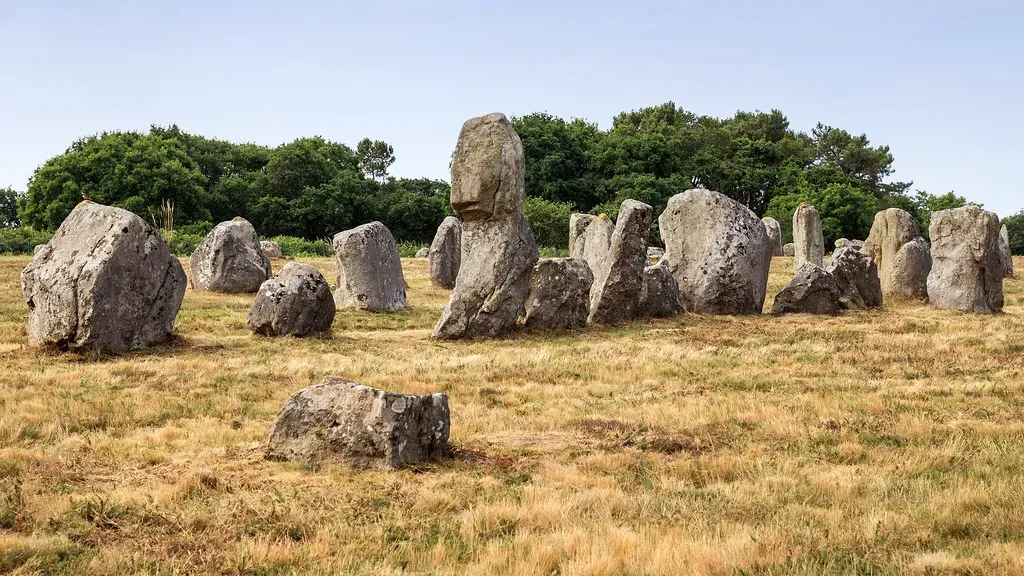
You might think your taste is purely personal, but many of your ideas of beauty are quietly guided by old survival and reproductive cues. You tend to find landscapes with open views, scattered trees, and water especially appealing – settings similar to the habitats where early humans often thrived. When a place feels calming, safe, or inviting, you are likely responding to features that once signaled good chances for food, refuge, and awareness of approaching threats.
You also quickly pick up on subtle signals in bodies and faces that historically pointed to health and fertility, even if you are not consciously thinking about them. Clear skin, symmetrical features, certain waist-to-hip proportions, and lively movement have all been linked to underlying health in ancestral environments. Your culture adds layers of fashion, style, and trends on top, but beneath those shifting preferences, your of beauty remains rooted in older patterns that helped your genes find promising partners and safe environments.
9. Your Language Reshaped How You See the World

Once your ancestors started using complex language, itself began to change. Words gave you labels, categories, and concepts that organize what you notice. When you have a name for a color, emotion, or object, you tend to pick it out more easily, and different languages carve up reality in different ways. That means the language you grew up with quietly steers your attention, making some distinctions feel natural while others barely register unless you deliberately look for them.
Language also lets you share experiences you never personally had, which alters how you perceive risk, opportunity, and meaning. Stories about dangers, heroes, and disasters shape what feels scary or inspiring long before you encounter anything similar. In evolutionary terms, that was an enormous advantage; you did not have to be bitten by every snake or fall from every cliff to adjust your of danger. Your senses now work in partnership with words, and that partnership changes how you interpret almost everything you see and hear.
10. Your Intuition About Cause and Effect Is a Survival Shortcut

You are wired to look for patterns and causes, even when they are not really there, because spotting real ones used to be so valuable. If your ancestor noticed that a certain plant often made people sick or that particular clouds came before storms, that pattern detection could save lives. The cost of occasionally seeing a pattern that does not exist was low compared to the cost of missing a real one. You inherited that tilt, so you often connect events, habits, or superstitions with outcomes based on very limited evidence.
This shortcut helps you learn from experience quickly, but it also makes you vulnerable to reasoning errors. You might feel certain that your lucky shirt affects outcomes or that one success proves a permanent rule, simply because your brain craves coherent stories. Your of causality – what leads to what – is not a neutral calculation; it is an evolved guessing system that errs on the side of assuming something caused something else. That bias once improved your ancestors’ odds of survival, even if it sometimes misleads you today.
Conclusion: Seeing Yourself as an Evolved Perceiver
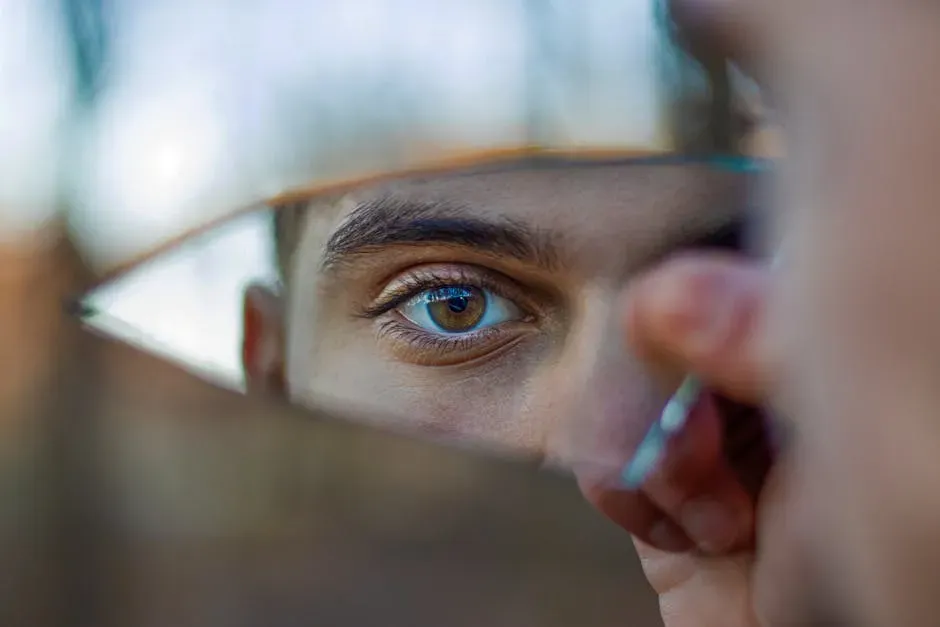
When you step back, you can see that your is not a polished mirror of reality but a rough toolkit your ancestors used to get through risky, uncertain lives. Your vision, your fear, your sense of time, your idea of beauty, and even your gut feelings about cause and effect all carry the fingerprints of evolutionary pressures. Instead of treating your first impressions as unquestionable truths, you can treat them as educated guesses from an old system doing its best in a very new world.
That perspective is strangely freeing. You do not have to blame yourself for every bias or odd reaction; many of them are simply legacy features. At the same time, you can learn to work with and sometimes around your evolved tendencies – slowing down snap judgments, questioning your fears, and widening your circle of concern. Once you realize how deeply evolution has shaped your , you get a chance to shape, even a little, how you respond. Knowing all this, what part of your own do you feel most curious to watch more closely now?