Evolution is often taught like a smooth, predictable story: random mutations, natural selection, slow changes over millions of years. But when you look closely at what actually happens in nature, that neat story quickly falls apart. The real history of life is full of plot twists, shortcuts, reruns, and jaw-dropping improvisations that have repeatedly blindsided .
Some of the biggest surprises were so wild that they forced researchers to rethink basic assumptions about how evolution even works. Others were humbling reminders that life is much more inventive than our tidy theories. Let’s walk through ten times evolution broke the script in ways that still feel a bit shocking, even today.
The Eye Evolved Multiple Times, Not Just Once
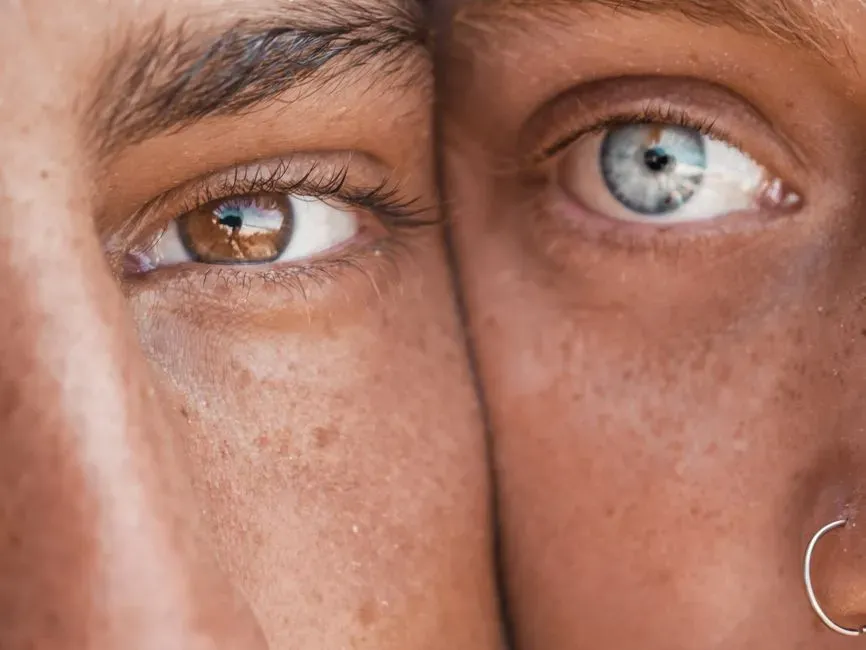
Many people assume eyes are such complex, delicate structures that they must have evolved a single time and then spread everywhere. Instead, detailed anatomical and genetic comparisons suggest that camera-style eyes, compound eyes, and simpler eyespots emerged independently in different lineages, again and again. Octopus eyes, for example, are strikingly similar in function to ours, yet their brains and body plans sit on a completely different branch of the tree of life.
For scientists, this was a wake-up call: some evolutionary problems, like sensing light and forming images, are so useful that nature keeps solving them in parallel. Rather than being a rare masterpiece, the eye turned out to be a favored engineering solution that evolution gravitates toward under the right conditions. It is as if multiple inventors in different countries all stumbled onto the camera at roughly similar stages of technological progress.
Convergent Evolution Makes Distant Species Weirdly Alike
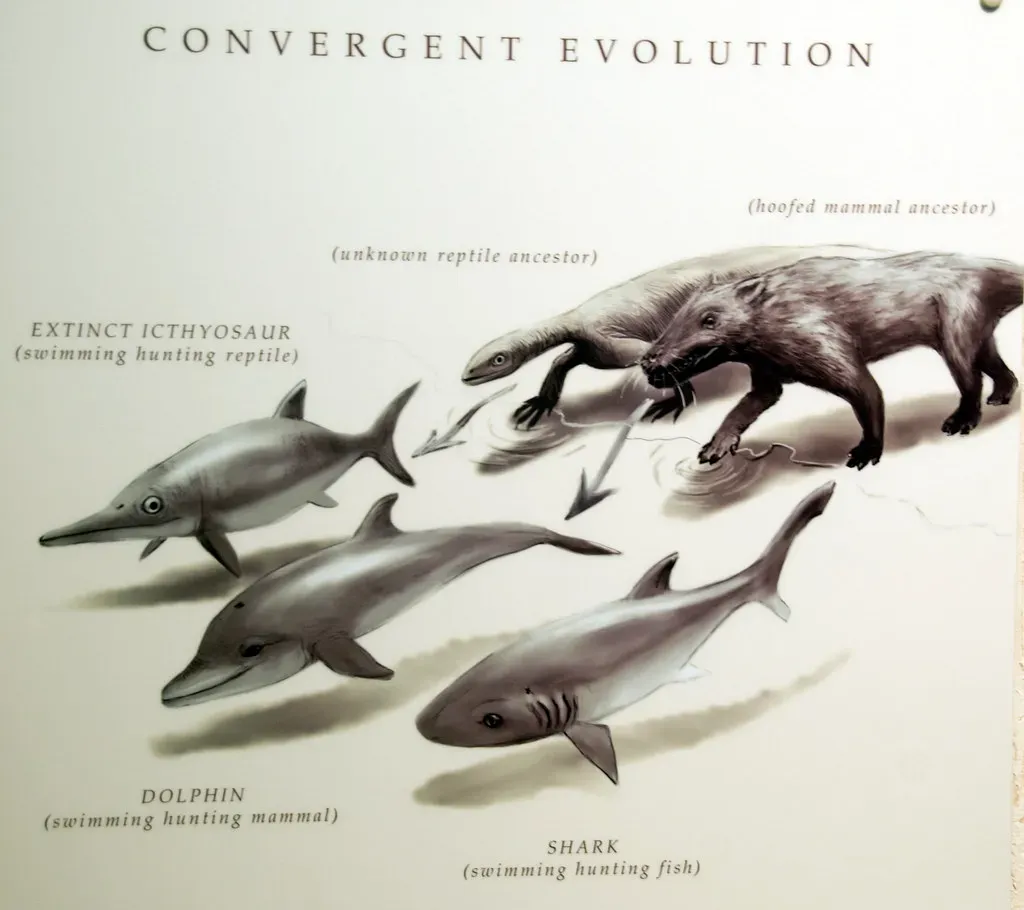
Closely related species looking similar is not surprising; what stunned many researchers is just how eerily similar very distant species can become. Marsupial mammals in Australia evolved forms that closely mirror placental mammals elsewhere: there are marsupial “moles,” “wolves,” “mice,” and even a creature that looks suspiciously like an otter. Yet these groups are separated by deep evolutionary distances and very different reproductive systems.
This phenomenon, convergent evolution, shows that similar ecological pressures can channel very different starting materials toward nearly the same solutions. It undercuts the idea that evolution is an endlessly open-ended process, and suggests there are only so many viable ways to build a fast runner, a deep diver, or a stealthy predator. Nature, it turns out, often reuses the same basic character templates in completely separate stories.
Whales Came From Tiny, Hoofed Land Mammals
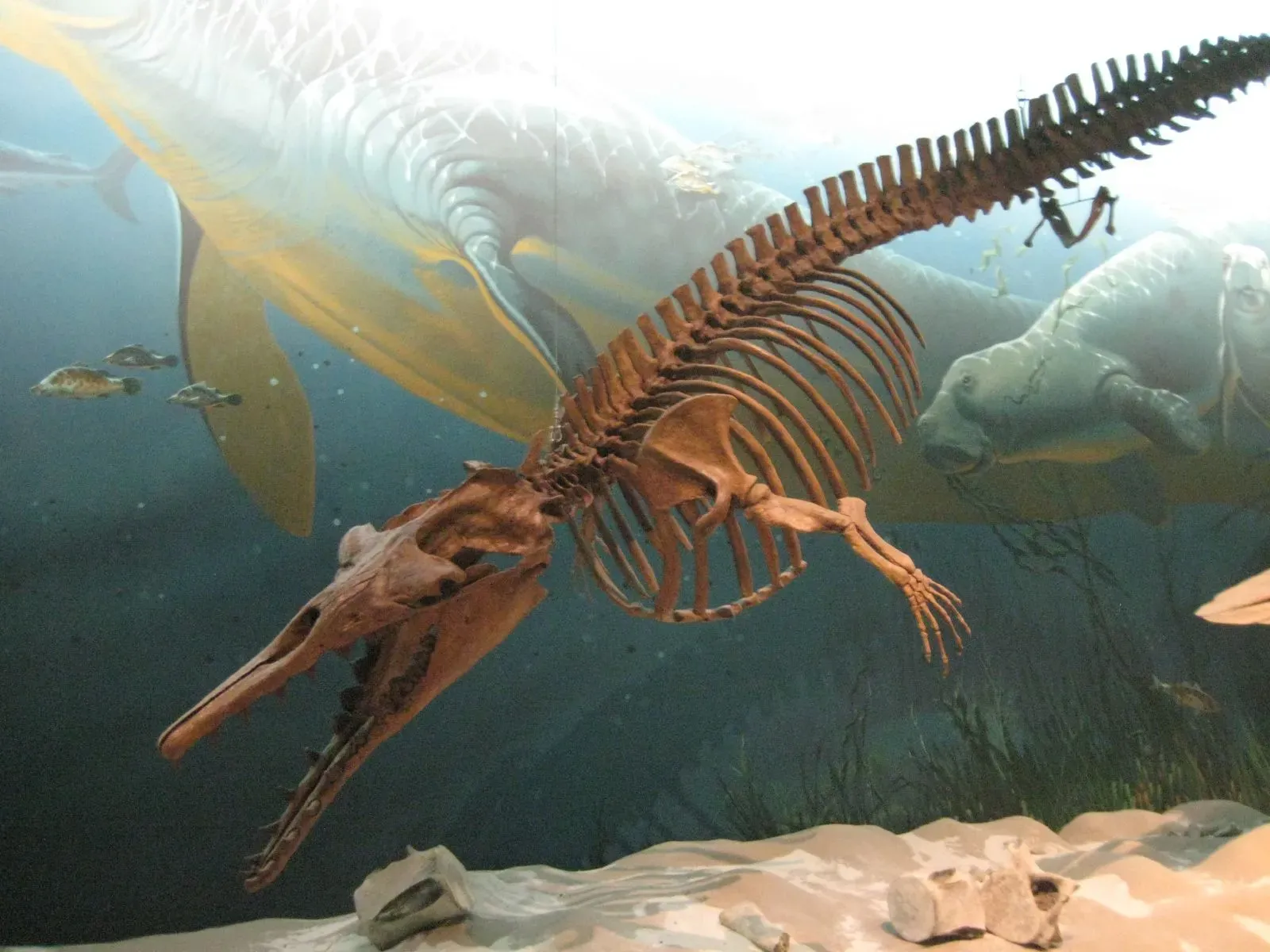
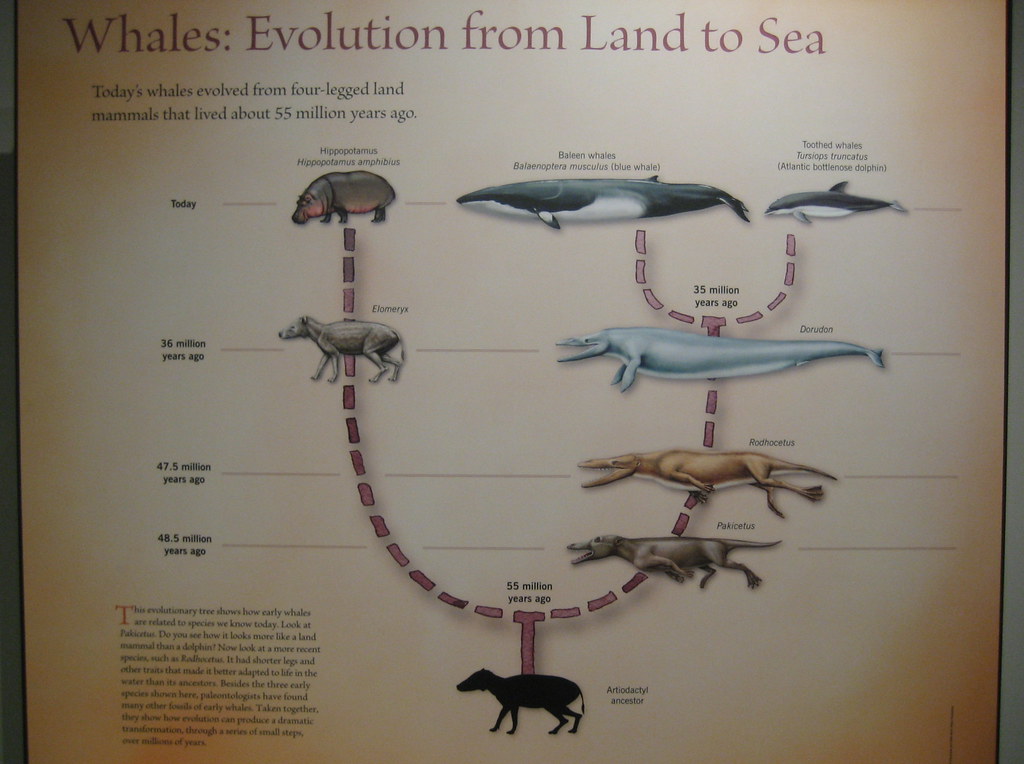
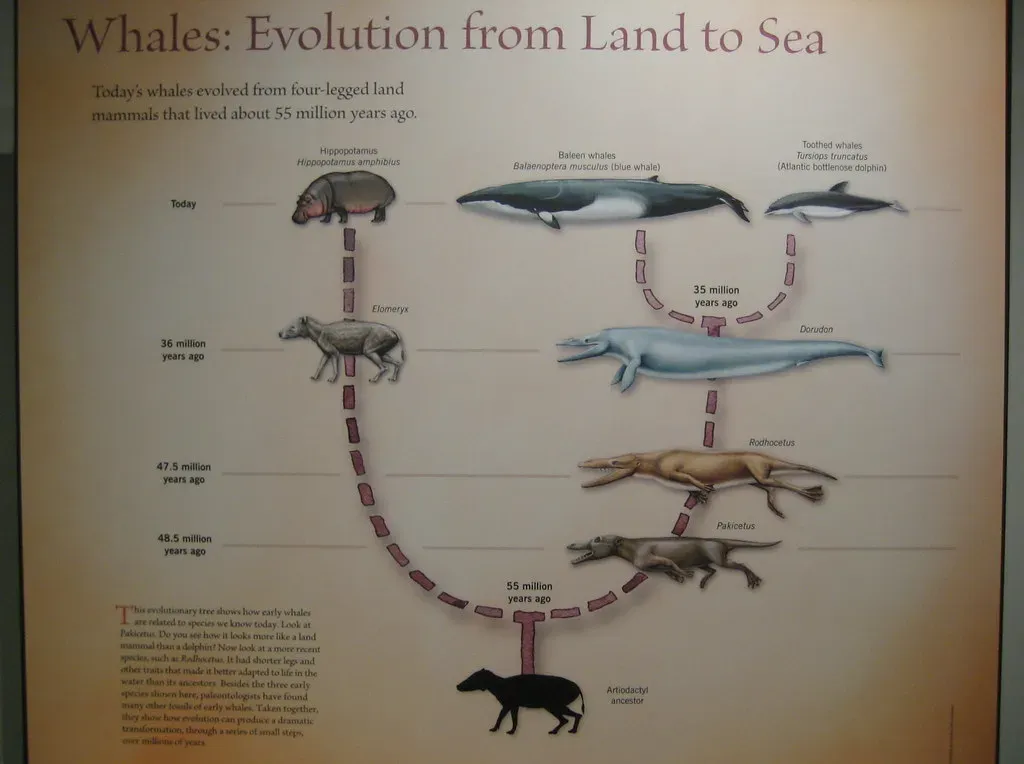
When paleontologists first proposed that whales descended from small, four-legged, hoofed mammals, it sounded almost absurd. How do you get from something that looked a bit like a deer or a dog to a 30-meter fully aquatic giant? The fossil record eventually delivered a slow-motion flipbook of that transition: ankle bones linking whales to artiodactyls, early whale ancestors with both functional legs and tail flukes, and nostrils migrating gradually up the skull toward the top of the head.
This land-to-sea journey dismantled the old cartoon idea that evolution never “goes backwards” or radically switches lifestyles. Whales went all-in on a marine existence, reshaping their skeletons, breathing, hearing, and reproduction to fit a water world. The fact that some of the largest animals ever known descended from relatively small, hoofed land mammals is one of evolution’s most dramatic plot twists.
Birds Are Living Dinosaurs, Not Just Their Relatives
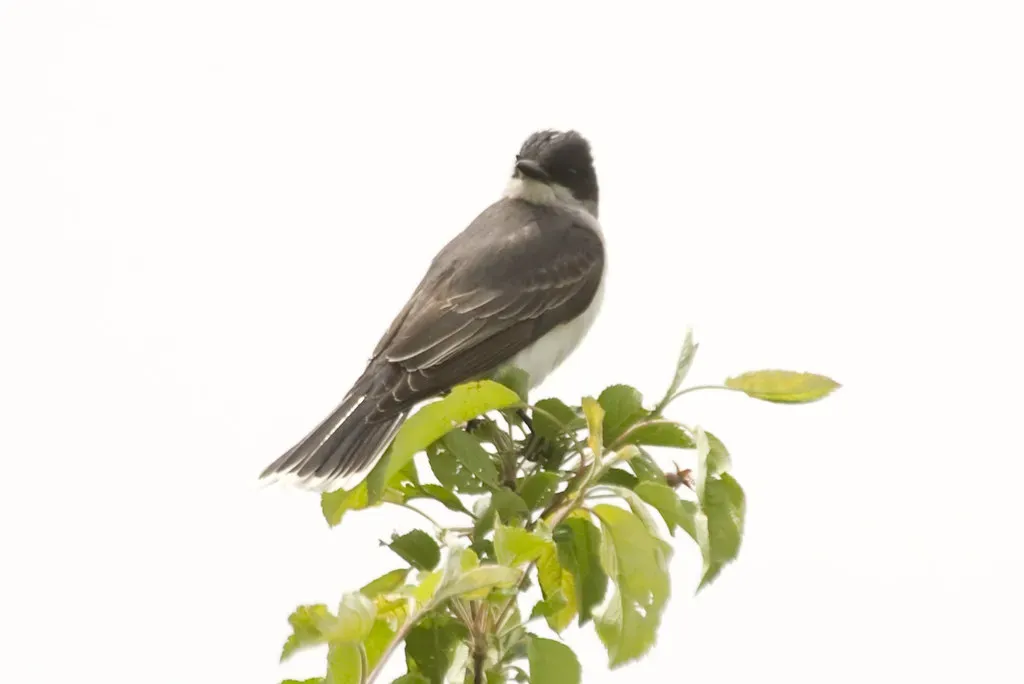
For a long time, even many scientists casually thought of birds as distant cousins of dinosaurs, at best. The modern view flips that completely: birds are dinosaurs, specifically feathered theropods that survived the mass extinction and kept evolving. Discoveries of feathered dinosaur fossils, wishbone-like bones, and bird-style hips and lungs in non-avian dinosaurs forced a profound rewrite of how we picture the ancient world.
This was more than a cosmetic correction. It means that when you watch a sparrow hopping around a parking lot, you are looking at the surviving branch of a notoriously fearsome lineage. The idea that dinosaurs are not entirely gone, but tweeting on your windowsill, is one of those shifts that permanently changes how you see both modern ecosystems and deep time.
Evolution Can Move Shockingly Fast
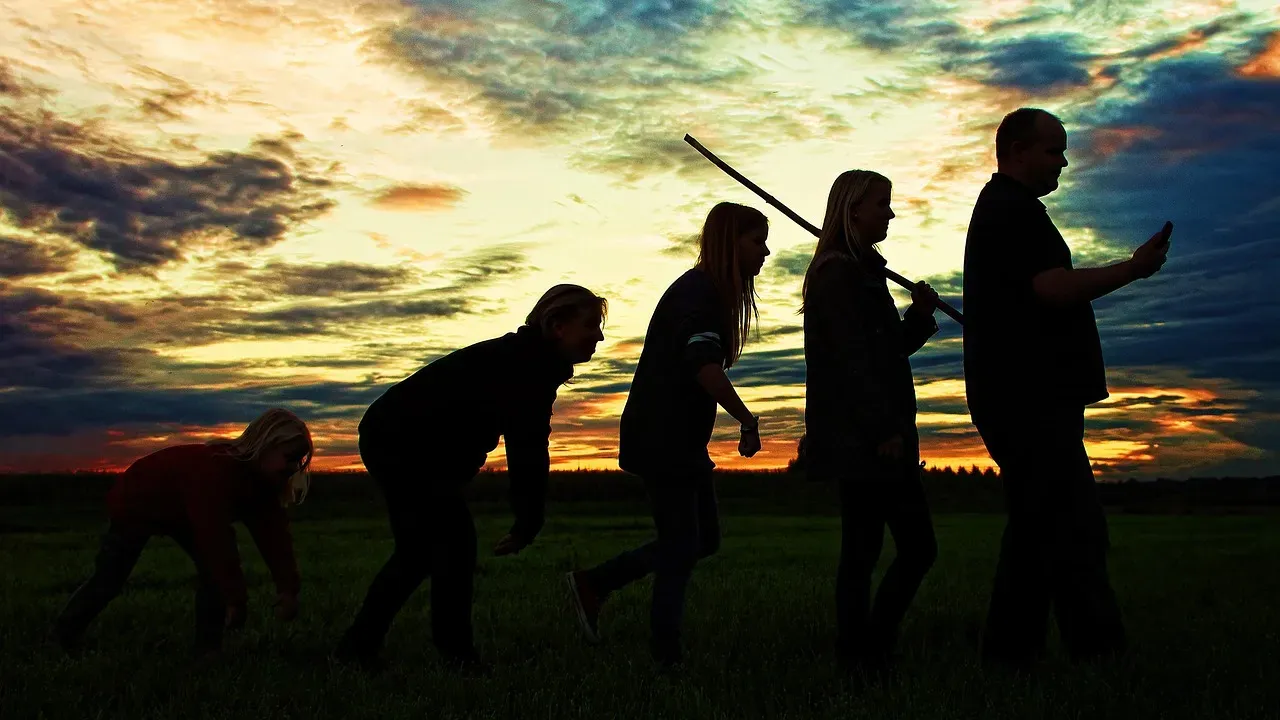
The classic picture of evolution is glacially slow: millions of years, tiny changes, almost imperceptible from one generation to the next. Then field studies started documenting dramatic shifts in just a handful of generations. Finch beaks changed measurably over a few breeding seasons when droughts and food availability shifted. Insects evolved resistance to new pesticides in a surprisingly short time. Urban animals adjusted behavior and body traits to cope with city light, noise, and pollution within decades.
These rapid changes do not contradict long-term evolution; they expose a different gear. When selection pressures are strong and variation is already present in a population, evolution can sprint instead of stroll. It is a sobering reality check in the context of climate change and human-driven environmental shifts: life can adapt quickly, but not always in ways we like, and not always fast enough to avoid major losses.
Horizontal Gene Transfer Blurs the Tree of Life
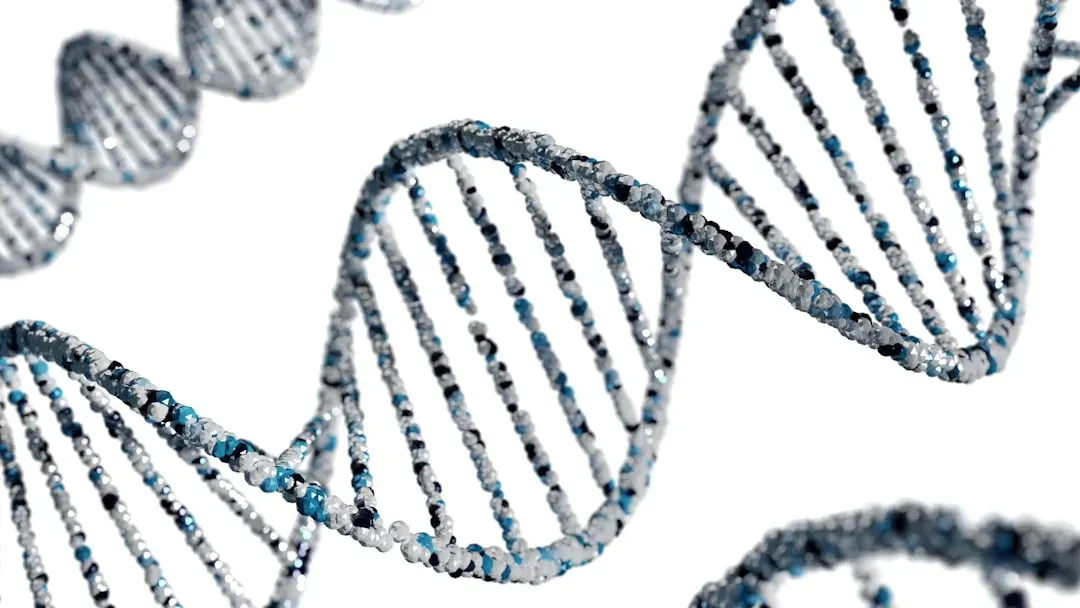
For most of the twentieth century, textbooks drew a tidy branching tree of life: lineages split, diverge, and never meet again. Then microbiologists started finding genes jumping sideways between species, especially among bacteria and archaea. Some microbes picked up antibiotic resistance genes from distantly related neighbors; others acquired entire metabolic pathways seemingly overnight, not by slow mutation but by wholesale gene imports.
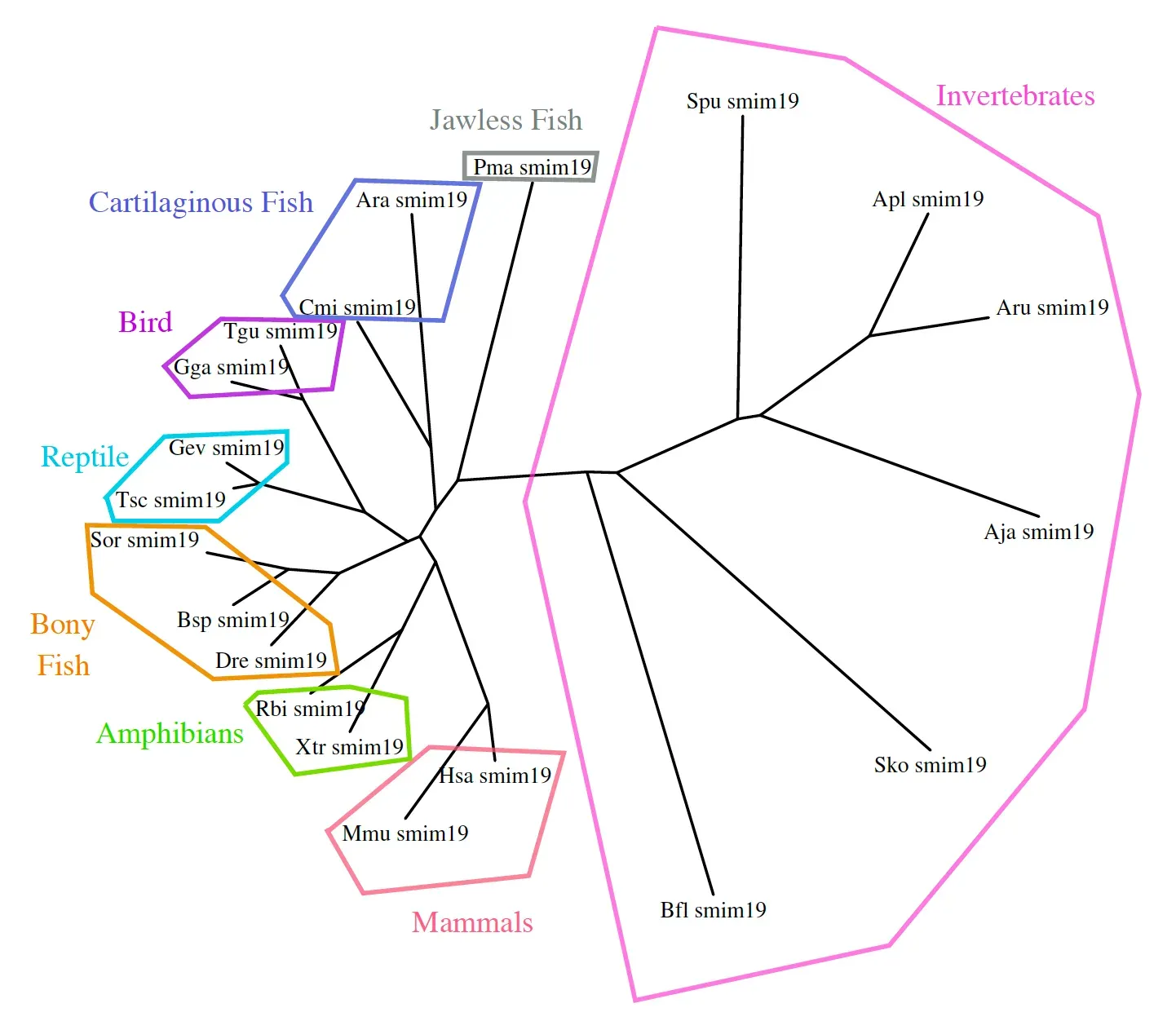
This horizontal gene transfer forced scientists to admit that the neat branching tree is, at least for microbes, more like a tangled web. Even more unsettling, traces of ancient gene transfers show up in eukaryotes too, including some animals and plants that likely borrowed genes from bacteria. The idea that evolution is strictly vertical inheritance from parent to offspring turned out to be incomplete, and that realization shook some very deep assumptions about how lineages are defined.
Complex Traits Sometimes Evolve by Losing, Not Gaining
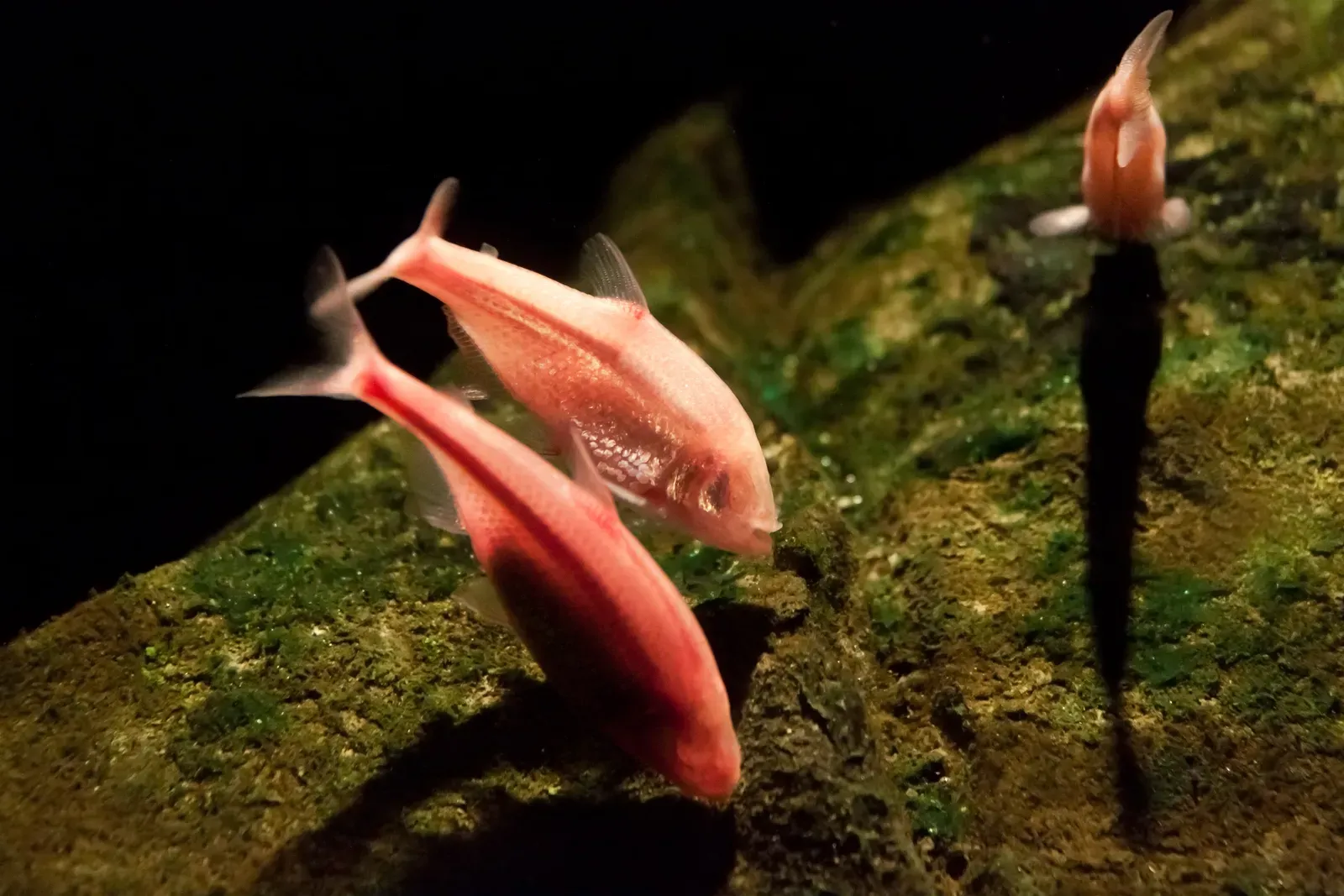
People often equate evolution with gaining complexity: more parts, more sophistication, more “advanced” features. Yet many organisms have by thriving through radical simplification. Cave fish lose their eyes and pigmentation, parasites shed digestive systems or limbs they no longer need, and some lineages of animals and plants have repeatedly reduced or eliminated entire structures that once seemed essential.
In these cases, natural selection favors energy savings and efficiency over ornamental complexity. Why maintain an expensive organ in total darkness or a heavy skeleton in a floating lifestyle? The repeated loss of traits shows that evolution is not marching toward some higher form, but constantly trimming and refitting bodies to local realities. Sometimes the smartest move in evolution’s playbook is to throw pieces away.
Multicellularity Evolved Multiple Times, Independently
For most of Earth’s history, life was unicellular: tiny, single-celled organisms ruled the planet. Multicellular life, with specialized tissues and coordinated development, looks like such a leap in complexity that early biologists tended to assume it was an incredibly rare, one-off event. As more lineages were studied, a different pattern emerged. Multicellularity appears to have evolved independently in animals, fungi, several groups of algae, and other lineages, each with its own molecular tricks.
This repeated emergence suggests that once certain cellular tools are in place – like ways to stick cells together and communicate – multicellularity becomes an attractive evolutionary experiment. Instead of being a miracle, it is more like a threshold that nature crossed multiple times under the right conditions. That realization makes the evolution of complex life on other worlds feel both less magical and oddly more plausible.
Symbiosis Can Create New “Super-Organisms”
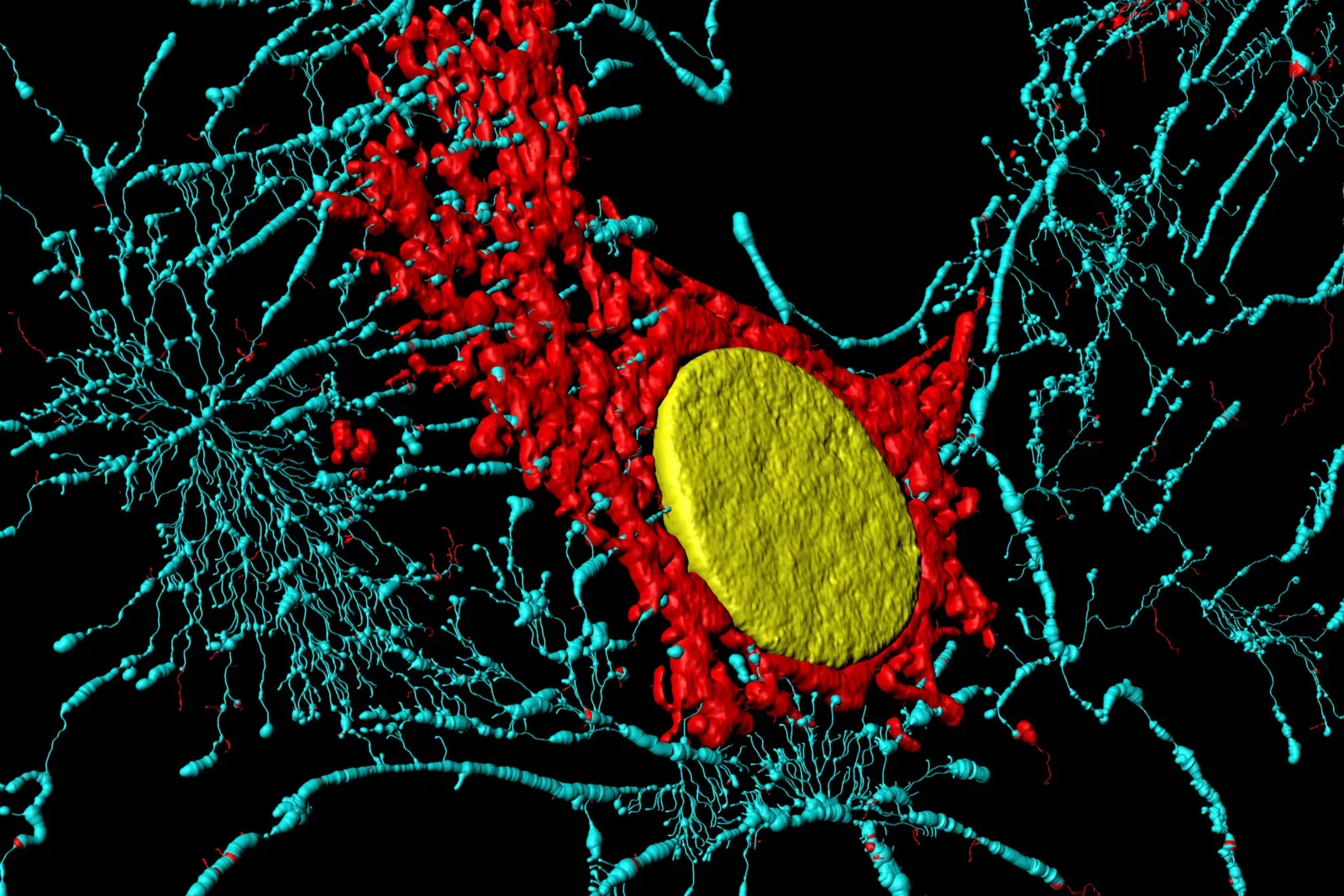
One of the most radical surprises was the realization that key structures inside our cells, like mitochondria and chloroplasts, likely began as free-living bacteria. The evidence from their DNA, membranes, and division patterns points to an ancient partnership where one cell engulfed another and, instead of digesting it, ended up collaborating. Over time, these internal partners lost many genes, became dependent, and turned into organelles we now take for granted.
This endosymbiotic origin of major cell components reframes evolution as not just competition but deep, structural cooperation. Entire new kinds of life emerged not simply from mutation and selection, but from lineages literally merging and knitting together. It is as if two separate companies did not just form a partnership but fused into a single, inseparable entity with a totally new identity.
Behavior Can Steer Evolution’s Path
Another surprise came from recognizing how much animal behavior can reshape the selective pressures it experiences. When early humans started using tools, controlling fire, wearing clothing, and altering landscapes, they were not just adapting to their environment; they were actively changing it. That, in turn, shifted which traits were useful, feeding back into our own evolution in a loop of culture influencing biology.
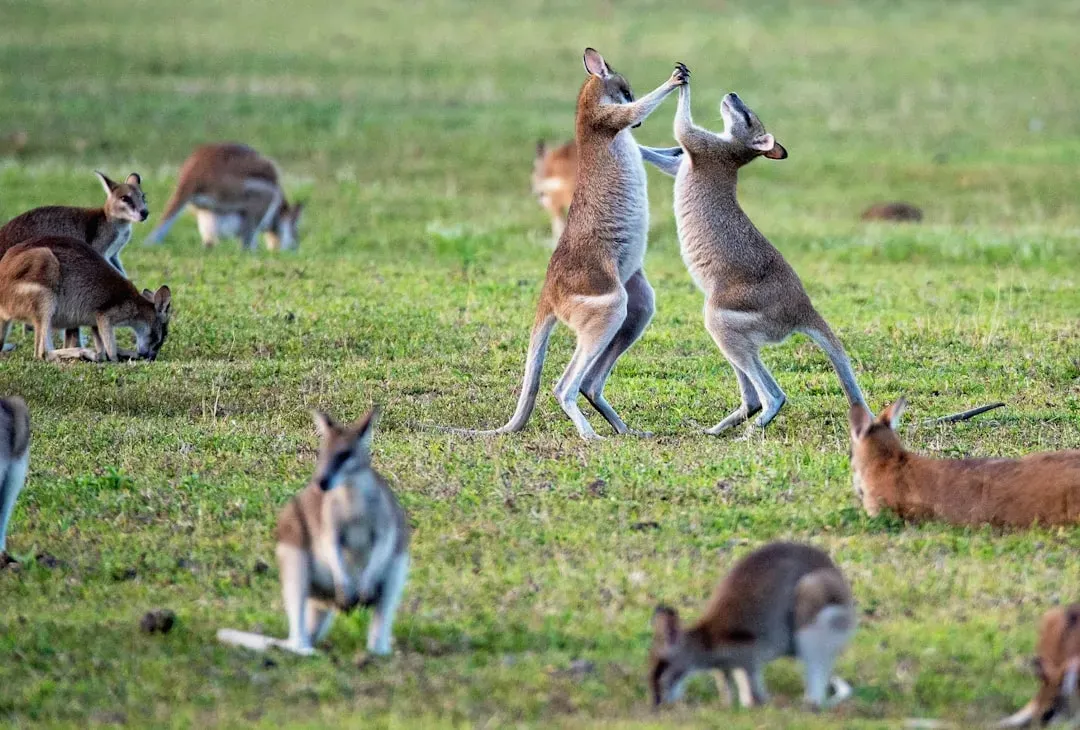
We see softer versions of this feedback in other animals too: birds that build elaborate nests, fish that choose particular spawning grounds, social animals that alter group structure. Behavior does not just respond to evolution; it can redirect it. That makes evolution feel less like a passive drift down a river and more like a canoe trip where the paddlers occasionally dig in and nudge the boat toward new channels.
Evolution Has No Plan, Yet Produces Astonishing Ingenuity
Perhaps the most unsettling surprise, especially for people seeing these discoveries pile up, is that there is no master plan behind any of it. Evolution is a mindless process, yet it has built eyes that rival advanced optics, brains capable of abstract math, and intricate ecosystems with balances that look eerily intentional. The temptation to read purpose into these patterns is strong, but the underlying mechanism is still variation, inheritance, and selection playing out over time.
For scientists, the real wonder is that a simple, blind process can generate such rich, often beautiful complexity – and also such brutal, indifferent waste. To me, that makes evolution more impressive, not less. It is like watching a child endlessly rewiring a box of random electronics and somehow, through relentless trial and error, ending up with radios, cameras, and game consoles with no blueprint at all.
Conclusion: Evolution Is Stranger – and Sharper – Than We Like to Admit
When you look at all these surprises together, a pattern emerges: evolution is less a gentle, linear story and more a chaotic, rule-bending improvisation. It can sprint or crawl, build or dismantle, fuse lineages or split them, and find the same solutions from wildly different starting points. I think we underestimate just how ruthless and creative that process really is, mostly because we like tidy narratives and clear moral arcs, and evolution offers neither.
At the same time, there is something oddly comforting in knowing that our world, from the sparrow to the whale, from tiny mitochondria to human culture, all emerged from the same messy, unguided process. It makes our place in nature feel less like an exception and more like a particularly strange branch on a very old, very tangled tree. The real question is not whether evolution will keep surprising scientists – it absolutely will – but which of our current assumptions it is quietly preparing to overturn next. What do you think we are most wrong about right now?