If you have ever felt oddly attached to a particular animal, as if it somehow mirrors your inner life, you are not alone – humans have done this for tens of thousands of years. Long before horoscopes hit social media and crystal shops moved into trendy neighborhoods, people were walking into flickering caves and painting powerful beasts on stone, as if they were writing a cosmic diary in ochre and charcoal.
What makes it especially intriguing is this: many of those ancient animals line up uncannily well with the later zodiac and broader spirit‑animal symbolism. Is that proof of a secret, unbroken system? Not really – the evidence is far messier than a neat conspiracy thread. But when you compare Paleolithic cave art, shamanic practices, and the symbolic language of the zodiac, you start to see patterns that are hard to shrug off, even if you remain healthily skeptical.
A Forty‑Thousand‑Year Obsession With Powerful Animals
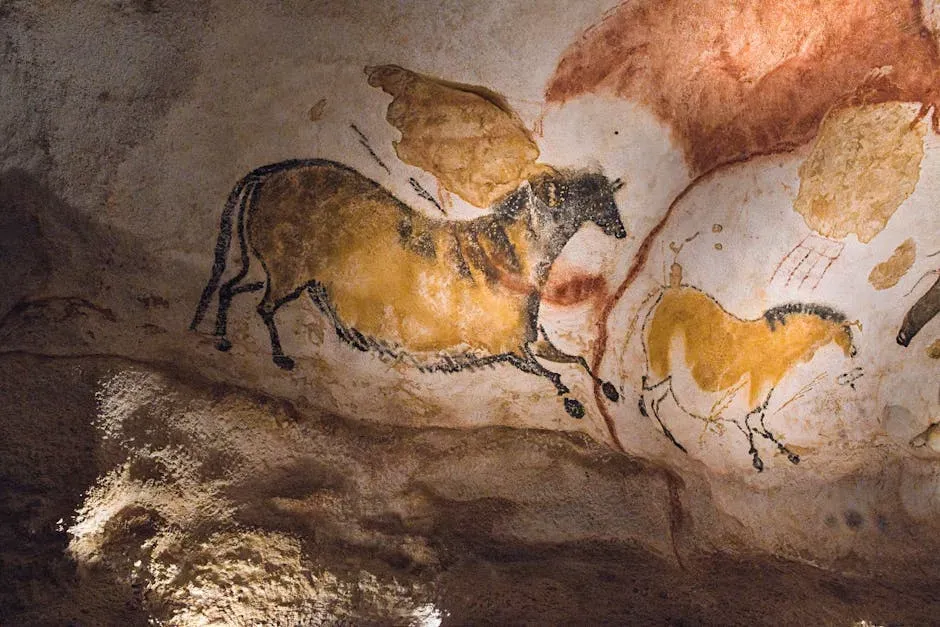
One of the most striking facts about early humans is how quickly complex animal imagery explodes into view once cave art appears, roughly forty thousand years ago. Across Europe and parts of Asia, we find walls crowded with bison, horses, lions, aurochs, ibex, deer, and mammoths, painted with surprising realism and a sense of movement that still feels alive today. These are not random doodles; they are deliberate, layered, often repainted over generations.
What stands out is the sheer emotional intensity the artists poured into these creatures, even though they rarely depicted themselves. Humans appear far less than animals in many of the most famous caves, which tells you a lot about where attention and awe were directed. If you think about it, that is already a kind of spirit‑animal worldview: we are small, the animals are big, and the deep meaning of life seems to move through their forms rather than through ours.
Shamanic Worldviews: Animals as Bridges Between Realms
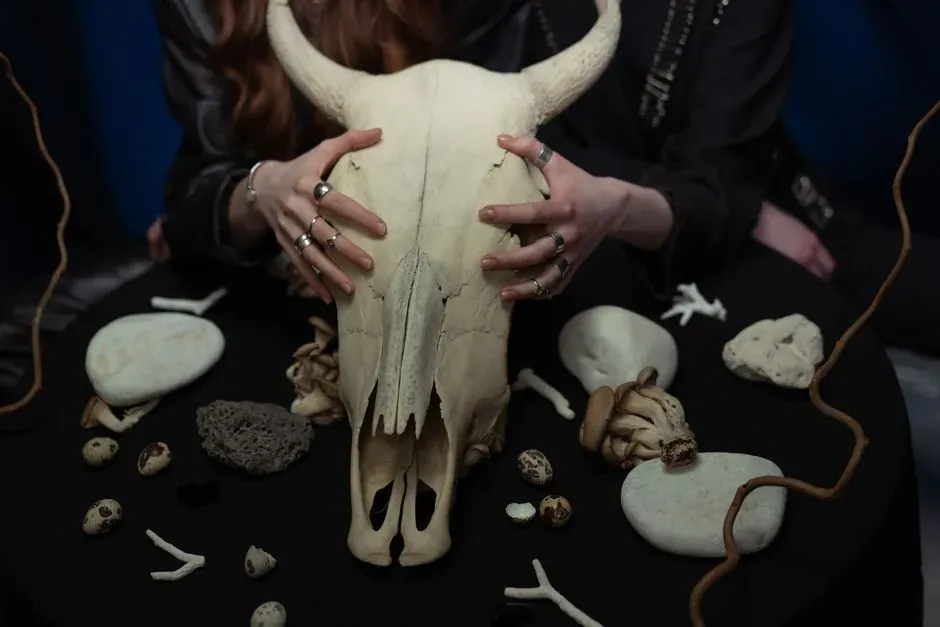
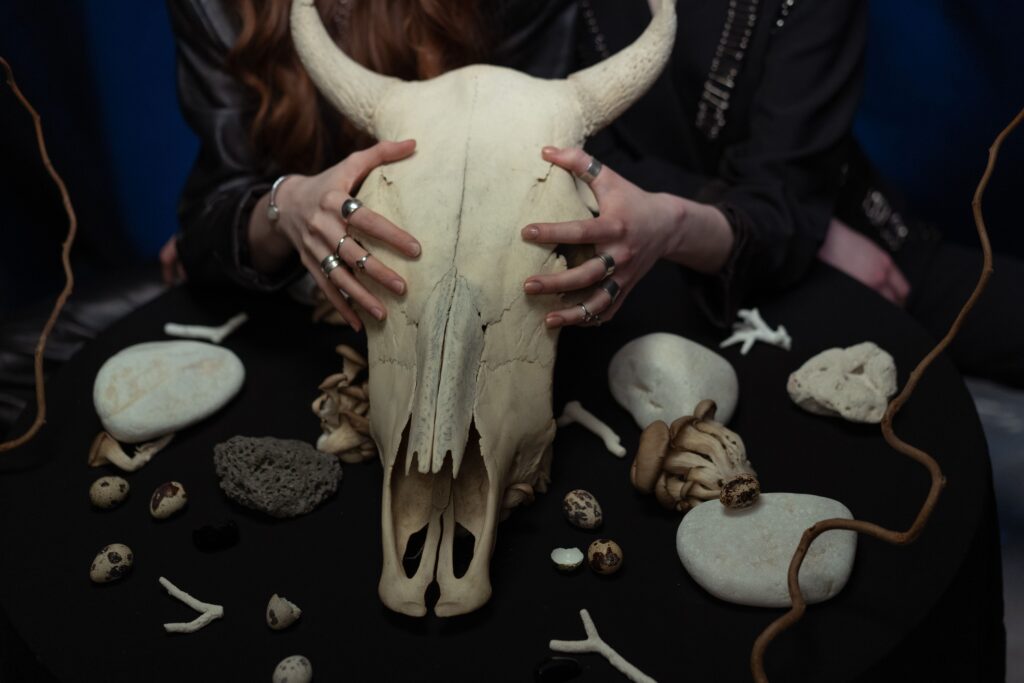
In shamanic traditions around the world, animals are not just fauna in the background; they are messengers, guardians, and guides between ordinary reality and the spirit world. Shamans in many cultures report journeys where they transform into animals, are led by animals, or receive knowledge from animal beings that exist in a more‑than‑human realm. The idea that an animal can carry your soul, your fate, or your secrets is almost universal once you start looking across cultures.
When you take that lens and turn it back toward the deep past, those cave animals start to look less like hunting manuals and more like portals. Imagine a small group huddled by torchlight, a shaman chanting or drumming, the animals on the wall seeming to move in the shadows – it is not hard to picture those creatures functioning as spirit allies or cosmic archetypes. We cannot prove that is what Paleolithic people believed, but given how persistent these patterns are in later shamanic societies, it is at least a highly plausible scenario.
Cave Art and the Temptation to See a Hidden Zodiac
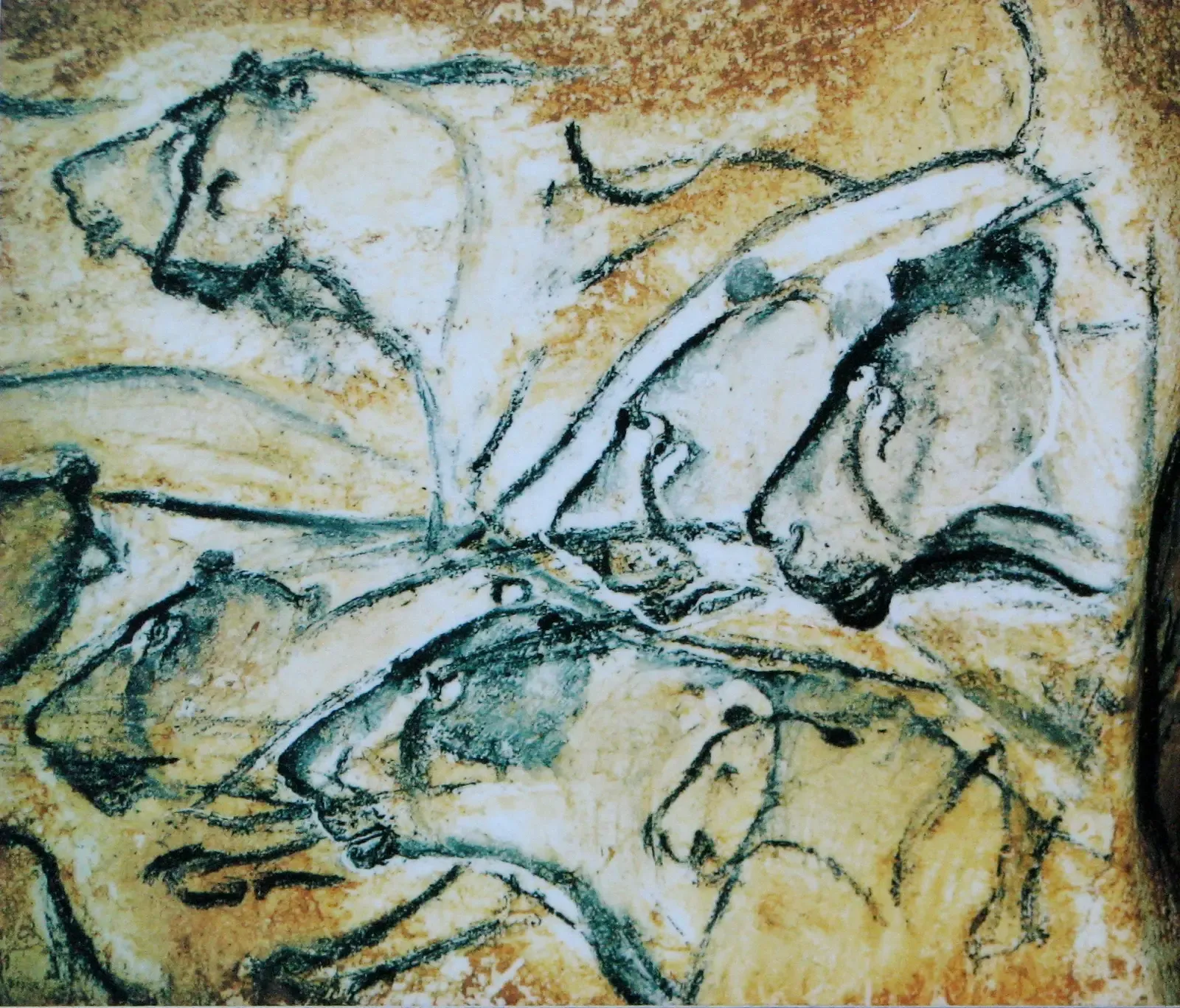
Here is where things get controversial: some researchers and enthusiasts argue that specific animals in Paleolithic art encode star patterns and seasonal markers, essentially forming an early kind of zodiac. They point to collections of horses, bulls, lions, and other iconic creatures and compare them with constellations that show up in later astrological systems. The overlap can feel eerie, and once you see the parallels, it is surprisingly hard to un‑see them.
But we have to be brutally honest about the limits of the evidence. Rock art cannot speak, and there are no user manuals carved into the caves telling us what each animal was supposed to represent in cosmic terms. The human brain is a pattern‑making machine, and we are very good at connecting dots that were never meant to be connected. Personally, I think it is more reasonable to say that early humans and later astrologers were drawing from similar archetypal wells rather than assuming a single, continuous zodiac system stretching back forty thousand years.
The Big Beasts: Bulls, Lions, and Other Familiar Zodiac Faces
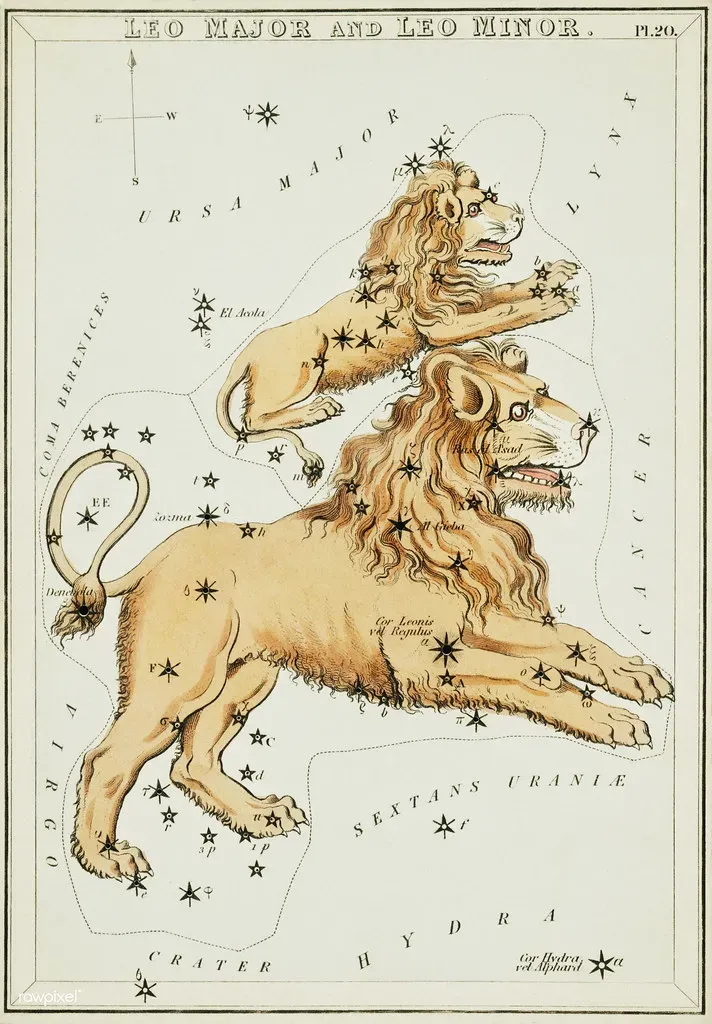
Even with all that caution, the roster of animals in some caves does raise eyebrows if you are zodiac‑literate. Bulls or bull‑like aurochs show up again and again, echoing later symbols of Taurus as patience, strength, and earthy power. Big cats appear too, and it is easy to understand why a lion‑like predator would become an emblem of courage, sovereignty, and blazing presence, much like Leo in later traditions.
Horses, often central in Paleolithic art, resonated across many later cultures as symbols of freedom, travel, and wild energy. While not every zodiac system features horses directly as a sign, the idea of a spirited, mobile, almost untamable force runs through both early animal veneration and many astrological archetypes. Are we looking at proof of a master plan, or are humans just consistently impressed by the same kinds of animals? In my view, it is the second – but that consistency is exactly what makes the parallels so hard to dismiss.
Mapping Spirit Animals Onto Zodiac Archetypes
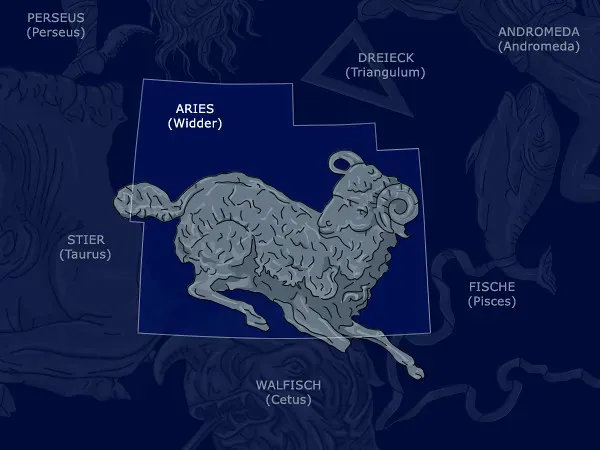
Modern talk about spirit animals often sounds fluffy and internet‑friendly, but at its core, it is about living archetypes: recurring patterns of personality, challenge, and power. The zodiac works in a similar way, describing symbolic traits under the guise of constellations and animals. When you line them up, you often get similar themes: a fierce feline for boldness, a patient horned animal for grounding, a bird for vision and perspective, a scavenger for resilience and transformation.
Seen like this, the overlap between spirit‑animal language, zodiac signs, and ancient cave animals is less about some mystical code and more about a shared symbolic grammar. Large herbivores speak to survival and stability; apex predators channel fear, awe, and leadership; birds and serpents hint at transcendence and mystery. The shapes change from cave wall to horoscope to modern meme, but the emotional charge behind those animals barely shifts at all.
Why the Same Animals Keep Coming Back Across Cultures
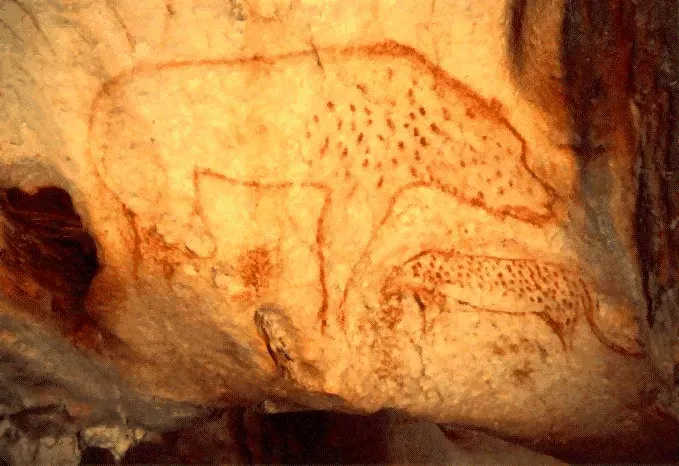
There is a more grounded reason why certain animals keep showing up in both shamanic and astrological traditions: they mattered intensely to human survival. Prehistoric people were surrounded by creatures that could feed them, trample them, or stalk them in the dark, and that kind of high‑stakes relationship tends to burn itself into the collective imagination. It makes sense that the main characters on cave walls are the same creatures that later become totems, clan animals, and starry symbols.
On top of that, humans are wired to anthropomorphize. We project jealousy onto cats, nobility onto lions, stubbornness onto bulls, and nervousness onto deer, even though those traits are mostly stories we tell ourselves. Over long spans of time, those stories crystallize into traditions: sacred animals, zodiac signs, clan emblems, personal totems. The persistence of the same animal cast list across tens of thousands of years is not an accident; it is a reflection of how our brains and our environments have danced together since the Ice Age.
The Science, the Speculation, and the Sweet Spot Between Them
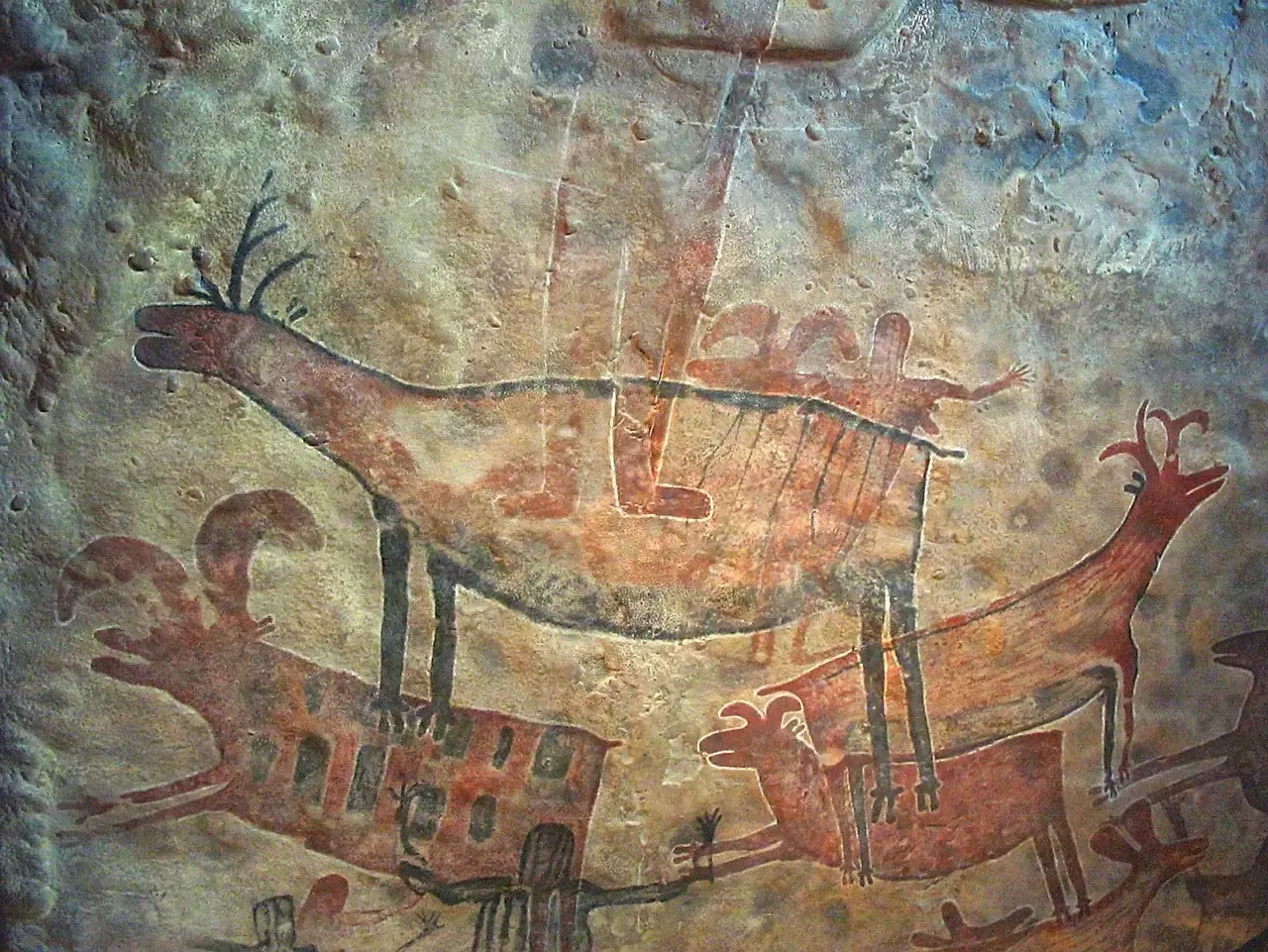
From a strict scientific standpoint, it is risky to say that Paleolithic cave artists were consciously encoding anything like a later zodiac. Archaeologists tend to emphasize multiple possible functions for the art: ritual, storytelling, teaching, sheer aesthetic joy, or some mix of all of these. Astronomical interpretations are fascinating, but they sit at the edge of what the evidence can really bear, and serious researchers argue about them for a reason.
At the same time, dismissing every zodiac parallel as pure fantasy feels too extreme. When different cultures, separated by millennia and geography, independently give similar symbolic weight to the same animals, that pattern is begging for an explanation. The most balanced position, I think, is to admit we do not have a clear, documented chain from cave art to horoscopes, while still recognizing that both are expressions of the same deep human habit: using animals to think about our own inner cosmos.
How Modern People Still Live With Ancient Animal Archetypes
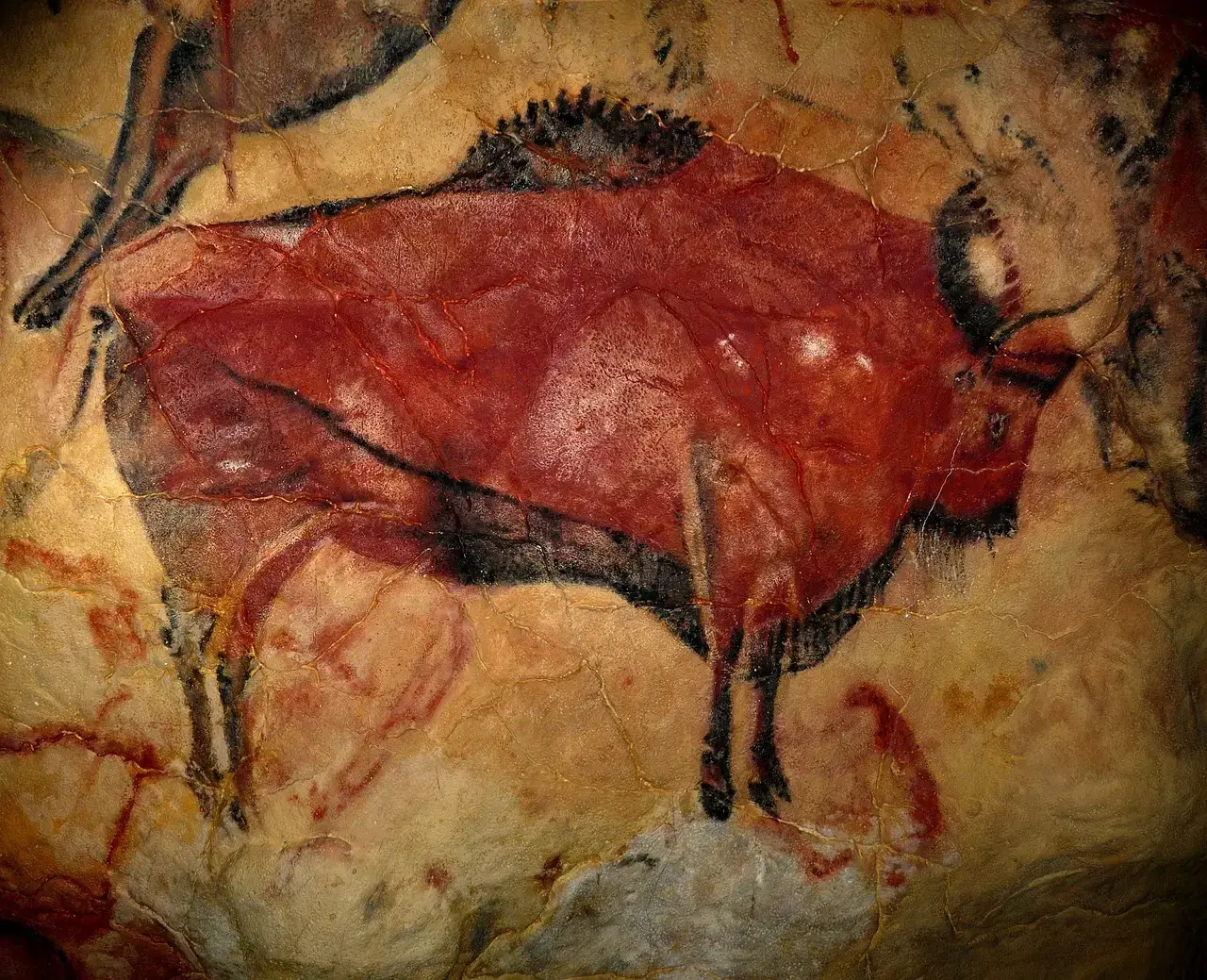
Even if you have never looked twice at a horoscope or joined a shamanic ceremony, you probably live with animal archetypes more than you realize. Sports teams rally under birds of prey and big cats, luxury brands borrow the grace of horses and felines, and people casually call themselves night owls, lone wolves, or busy bees. That casual language is a faint echo of the same patterns that once lit up cave walls and framed entire cosmologies.
I have caught myself doing this, too: during a particularly chaotic stretch of life, I kept dreaming about wolves and started joking that “my inner wolf is awake.” Was it mystical, psychological, or just my brain playing with symbolism it picked up over the years? Honestly, it does not really matter. What matters is that the animal metaphor helped me navigate stress and change, just as spirit animals and zodiac signs have helped countless others narrate who they are and what they are going through.
Conclusion: Ancestral Patterns, Modern Stories, and What We Choose to Believe
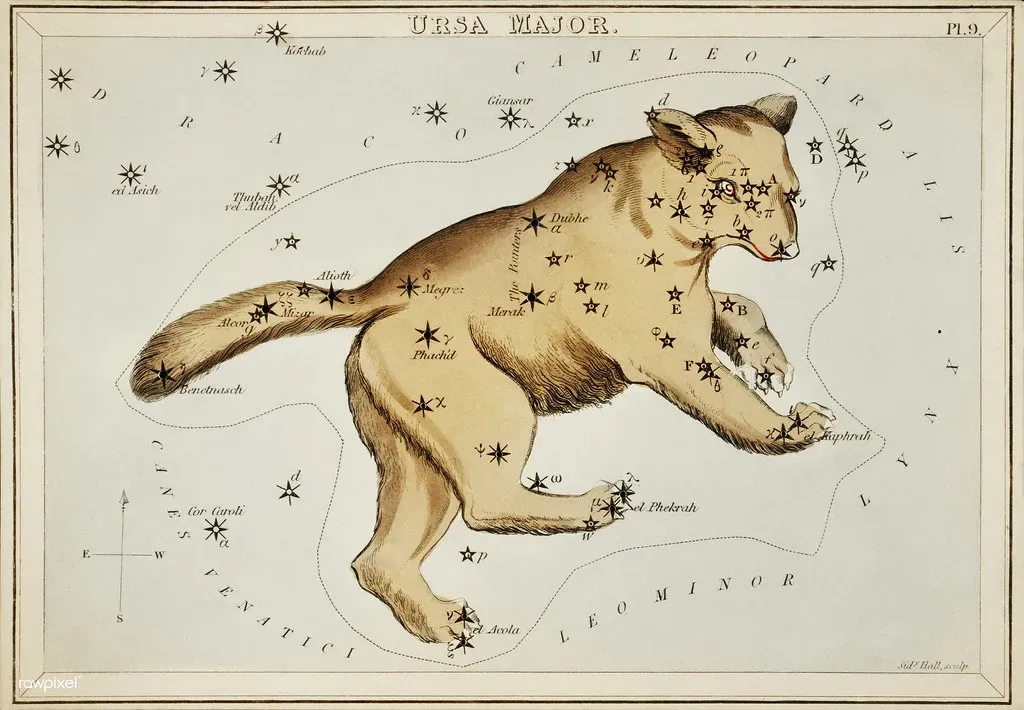
When you zoom out, the picture that emerges is less about a secret, perfectly preserved zodiac hidden in cave art and more about a long, messy love affair between humans and animal symbols. For roughly forty thousand years, we have been turning powerful creatures into mirrors, maps, and messengers, whether in flickering caves, on temple walls, in birth charts, or on social feeds. The parallels between Paleolithic animals and later zodiac imagery are not ironclad proof of a single system, but they are too consistent – and too emotionally charged – to shrug off as coincidence.
My opinion is that the continuity lies in us, not in a rigid tradition: the same nervous system, the same awe, the same urge to read meaning into the sky and the wild. The shaman in the cave and the person checking their horoscope on a phone are playing with the same deck of archetypes, just shuffled into different hands. You do not have to believe in literal spirit guides or destiny written in the stars to appreciate that continuity – you just have to notice how often an animal still shows up when you try to explain your own soul. When you think about your life right now, which creature do you instinctively reach for?