Imagine walking across a continent that no human being had ever touched. No roads, no trails, no ruins to follow – just raw wilderness stretching to the horizon. That was the world that the first peoples of the Americas entered, and they did it tens of thousands of years before anyone thought possible.
The story of how and when humans first settled the Americas is one of archaeology’s greatest ongoing detective stories. Every few years, a new discovery explodes the previous timeline, forces experts to rethink everything, and opens up more mysteries than it solves. If you think you know when people first arrived in the New World, you might want to keep reading. Be ready to be surprised by just how wild and complicated the real story actually is.
1. The Americas Were Settled Far Earlier Than Anyone Dared Believe
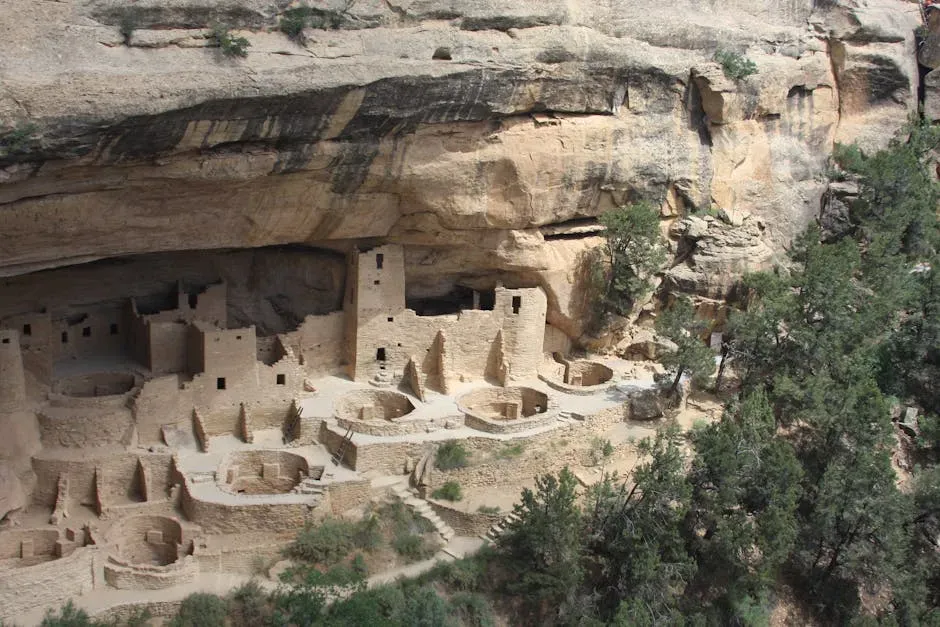
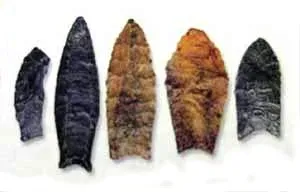
For most of the twentieth century, you would have been told that the first humans to arrive in the Americas got there around 13,000 years ago. That was the ruling theory, backed by the discovery of distinctive stone weapons found near Clovis, New Mexico. For much of the twentieth century, it was held that the earliest human settlement in North America was that of the Clovis people, who arrived about 11,000 to 13,500 years ago and whose first traces were found in the late 1920s in modern New Mexico. The logic was clean, the evidence was real, and the theory held firm for decades.
Then the floodgates opened. Academics generally believe that humans reached North America south of the Laurentide Ice Sheet at some point between 15,000 and 20,000 years ago. More controversially, some new controversial archaeological evidence suggests the possibility that human arrival in the Americas may have occurred prior to the Last Glacial Maximum, more than 20,000 years ago. The real settlement story, it turns out, is far older and far more complicated than anyone expected.
2. Monte Verde, Chile: The Site That Rewrote the History Books
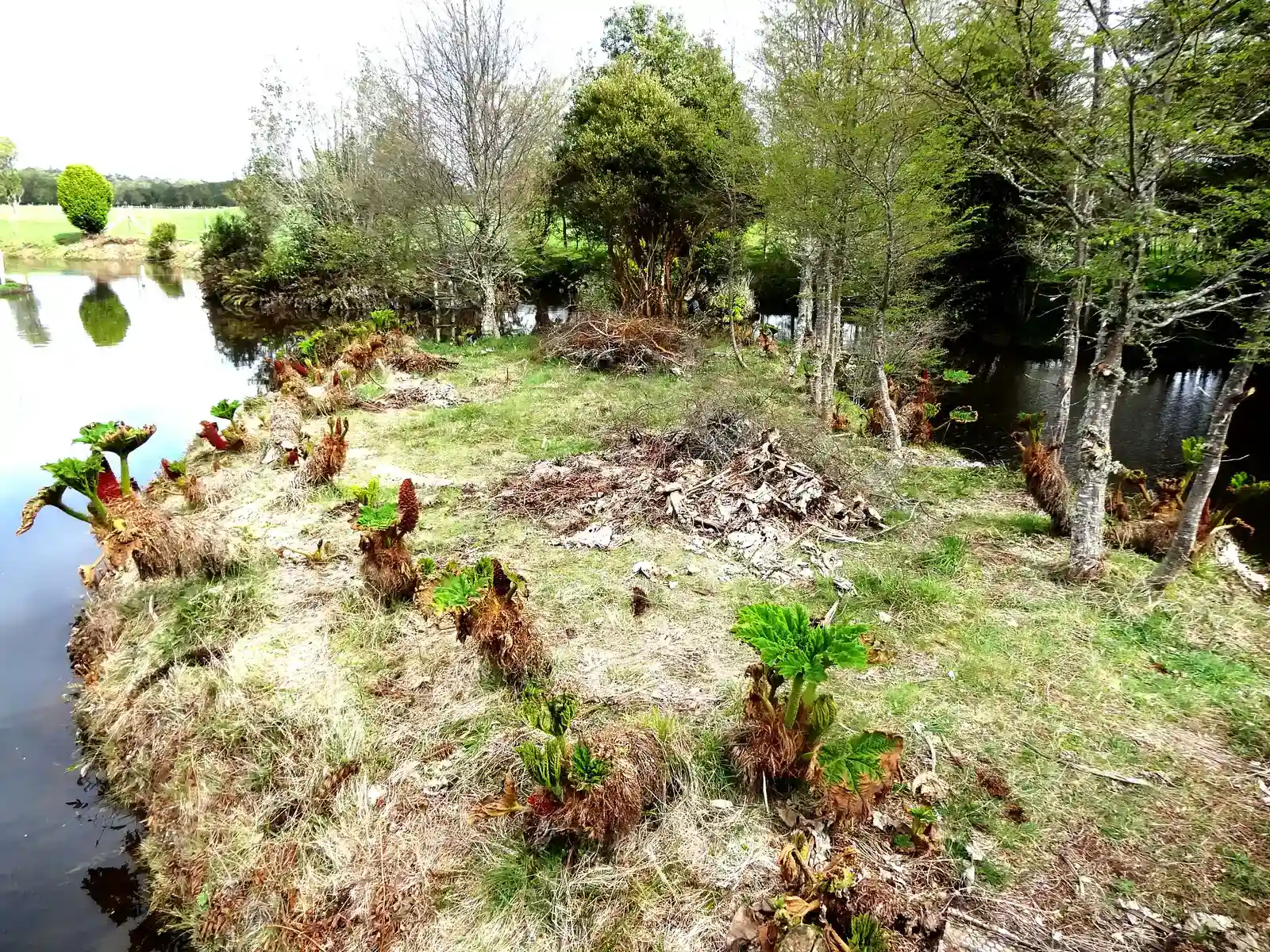
Honestly, if you had to pick one place that changed everything we knew about early Americans, it would be a muddy peat bog in southern Chile. On the banks of Chinchihuapi Creek in southern Chile lies one of the most significant archaeological sites in the Americas. Monte Verde, a Paleolithic settlement preserved beneath a peat bog, fundamentally challenged long-held beliefs about when and how humans first reached the New World. The site’s discovery came about almost by accident.
The site was discovered in late 1975 when a veterinary student visited the area of Monte Verde, where severe erosion was occurring due to logging. What he thought were cow bones turned out to be something far older. The seaweed samples were directly dated between 14,220 to 13,980 years ago, confirming that the upper layer of the site, labeled Monte Verde II, was occupied more than 1,000 years earlier than any other reliably dated human settlements in the Americas. That single fact shattered the old Clovis-first consensus.
3. A Tiny Community Lived at the Southern Tip of South America
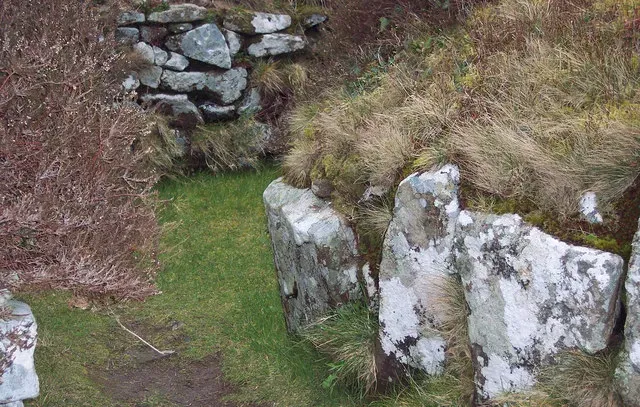
What you might find astonishing is that Monte Verde wasn’t some massive city or sprawling encampment. It is located in a peat bog about 500 miles south of Santiago and has revealed well-preserved ruins of a small settlement of 20 to 30 people living in a dozen huts along a small creek. Think of it like a small, tight-knit village at the very edge of the known world, surrounded by forests, creeks, and ice-age animals.
The primary feature was a long, rectangular communal structure measuring approximately 18 meters in length, with a foundation of wooden posts and planks. This tent-like building appears to have been divided into approximately twelve smaller rooms or compartments, each containing evidence of individual or family occupation, including clay-lined hearths, food remains, and tools. The level of organization is remarkable for a group living so long ago – it suggests these people were not just surviving. They were building a real community.
4. The Peat Bog Preserved Everyday Life in Extraordinary Detail
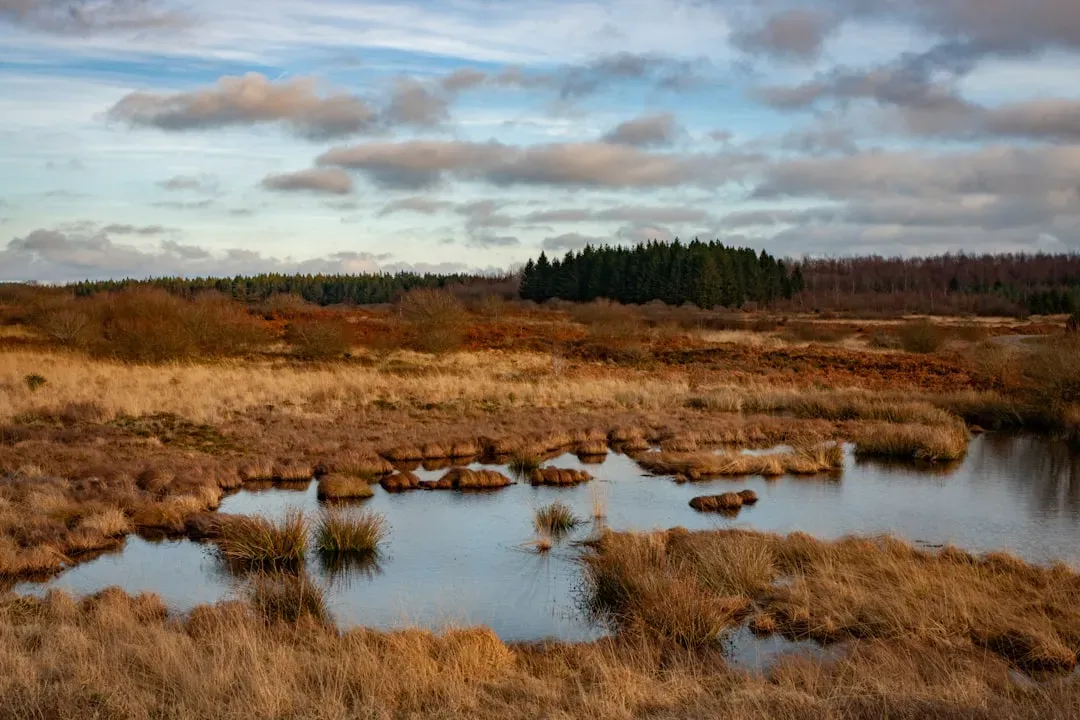
Here’s the thing about Monte Verde that makes archaeologists almost giddy with excitement. The waterlogged peat bog that covered the site created a near-perfect preservation chamber. Shortly after the original occupation, Chinchihuapi Creek’s waters rose, and a peat-filled bog formed over the settlement. This waterlogged, anaerobic environment inhibited bacterial decay, preserving organic materials – wood, hide, plant remains, even twisted grass rope – that typically decompose within decades or centuries.
Archaeologists found the wooden stakes still embedded in the ground exactly where ancient inhabitants had driven them more than 14,000 years ago. You can almost picture someone pounding those stakes into the earth, making their home. A wide variety of food has been found at the site, including extinct species of llama and an elephant-like animal called a gomphothere, shellfish, vegetables, and nuts. The detail is astonishing. This isn’t just bones and stone flakes – it’s life.
5. These Early Settlers Were Sophisticated Foragers, Not Just Big-Game Hunters
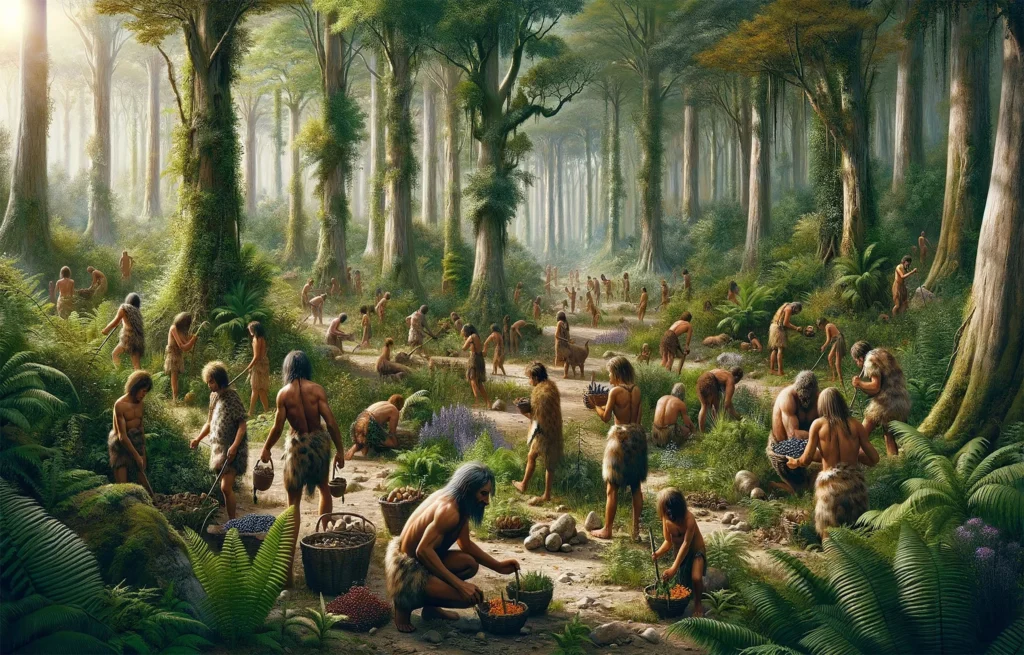
Pop culture tends to paint early humans as single-minded mammoth hunters. Monte Verde tells a completely different story. Remains of forty-five different edible plant species were found within the site, over a fifth of them originating from up to 150 miles away. This suggested that the people of Monte Verde either had traded or traveled regularly in this extended network. That’s not the behavior of a simple, desperate survival group. That’s a people with established routes, trade connections, and real knowledge of their landscape.
A 13,000-year-old specimen of the wild potato, Solanum maglia, was also found at the site. These remains, the oldest on record for any species of potato, wild or cultivated, suggest that southern Chile was one of the two main centers for the evolution of the common potato. So you can actually trace the humble potato, one of the most important food crops in human history, back to this very site. I think that’s one of the most quietly remarkable facts in all of archaeology.
6. The White Sands Footprints Push the Clock Back Even Further
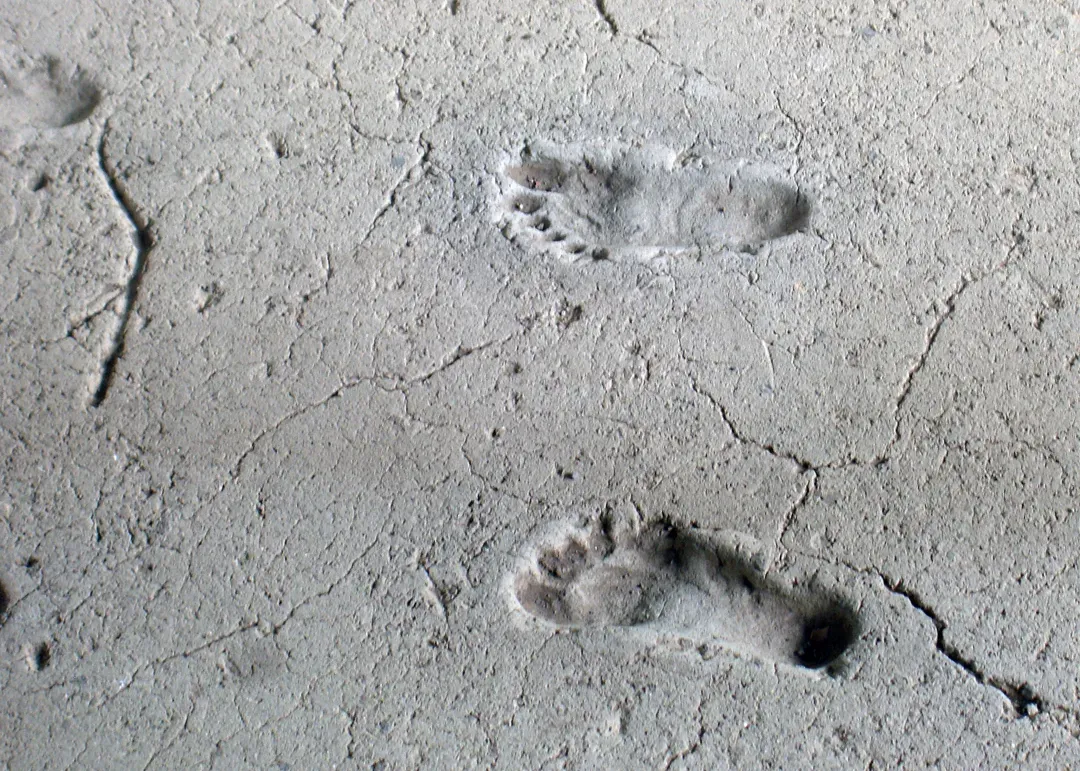
(Original text: self-made), CC BY-SA 3.0)
If Monte Verde was the earthquake that shook old theories, White Sands National Park in New Mexico is the aftershock that nobody saw coming. A new paper agrees with findings that footprints discovered in New Mexico are between 21,000 and 23,000 years old, much older than the previously known earliest signs of human culture in the Americas. That’s not a small difference. That’s a gap of roughly ten thousand years.
Tracks of mammoth, giant ground sloth, dire wolves, and birds are all present at the White Sands site. It is an important site because all of the trackways found there show an interaction of humans in the landscape alongside extinct animals like mammoths and giant sloths. You’re not reading about something vague and debated here. These are actual human footprints, pressed into the earth alongside animals that no longer exist – a snapshot of a world that’s been gone for tens of thousands of years.
7. The Meadowcroft Rockshelter in Pennsylvania Held Secrets for Centuries
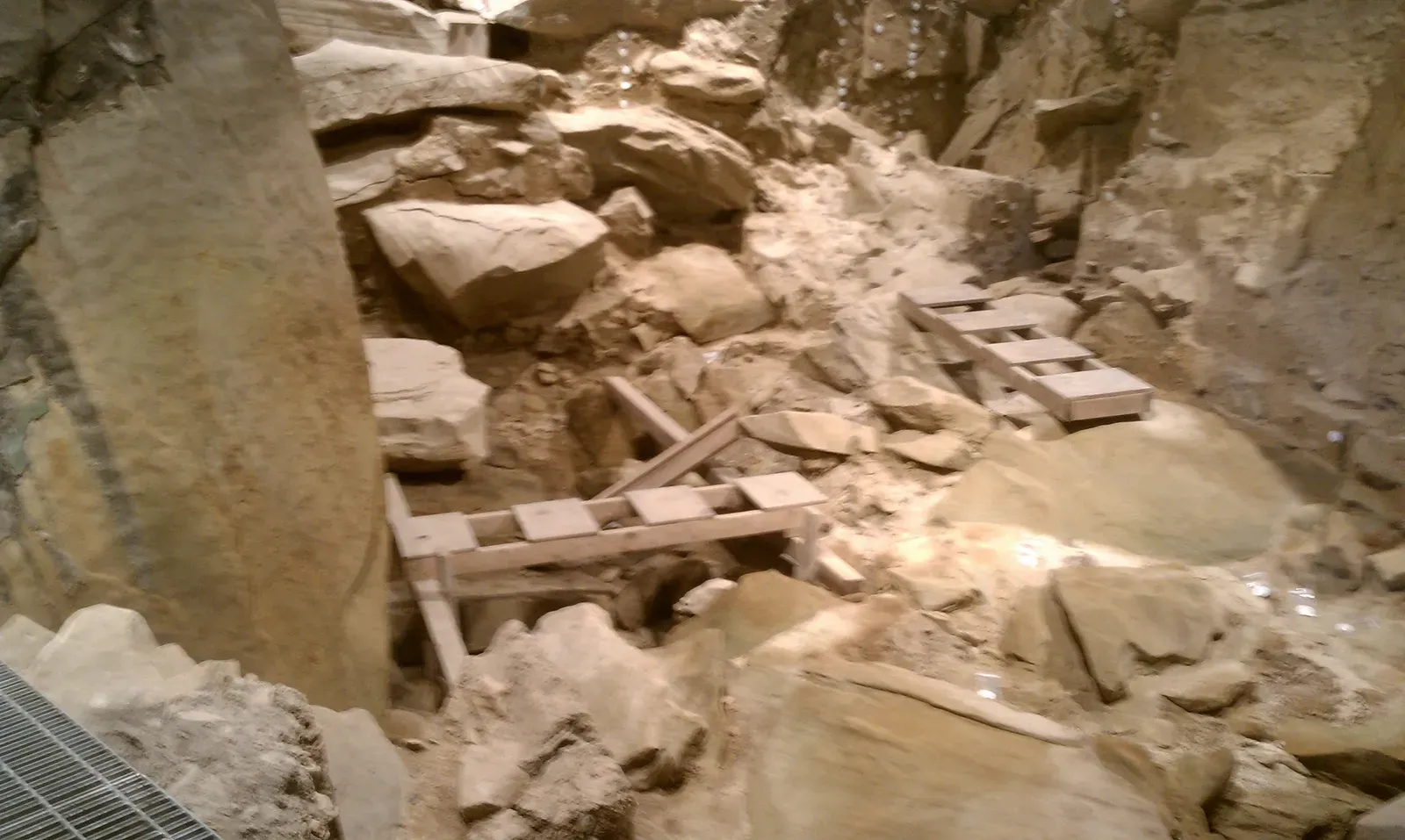
Way before the flashy discoveries in South America and New Mexico, a quiet rock overhang in western Pennsylvania was quietly rewriting American prehistory. It was older than any other site found in the New World, dating to somewhere between 16,000 and 19,000 years old. Given that the 1970s understanding of human migration to the Americas had human habitation dating back only 10,000 to 12,000 years, this was a major find. No one was ready for what this Pennsylvania hillside had to say.
The rock shelter showed signs of continuous human habitation up until the 18th century, making it not only the earliest known place of human habitation in North America, but also the longest continually used site. Think of that like a single location being used by generation after generation, culture after culture, for thousands of years. The discovery of items such as wood and bone tools, baskets, pottery, and deer bones helped fill out the story of the pre-Clovis peoples. Archaeologists even discovered a 12,000-year-old spearhead, the oldest ever found in North America.
8. The Bluefish Caves of the Yukon Hold the Oldest Confirmed North American Evidence
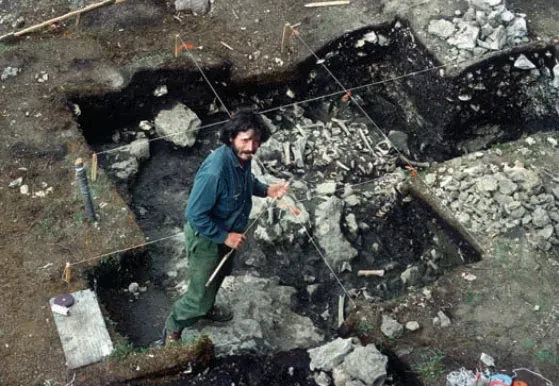
If you want to find the real starting point for humans entering North America, many researchers today point you north – way north, to the Yukon Territory of Canada. Bluefish Caves, excavated between 1977 and 1987, contained animal bones with unmistakable cut marks from stone tools. A horse jawbone with butchering marks was dated to about 24,000 years ago, and a caribou pelvis showing filleting marks dated to roughly 22,000 years ago. Those cut marks don’t lie. Something with stone tools made them.
The Bluefish Caves are currently the oldest archaeological site in North America and offer evidence regarding the Beringian Standstill hypothesis, which states a genetically isolated human population remained in the area during the last glacial maximum and then traveled within North America and South America after the glaciers receded. In other words, early humans didn’t simply march straight through. They waited. These dates support what geneticists call the “Beringian standstill hypothesis.” The idea is that the ancestors of Indigenous Americans didn’t cross from Asia and immediately fan out across the continents. Instead, they lived for thousands of years in Beringia, the broad landmass connecting Siberia and Alaska.
9. Cooper’s Ferry in Idaho Reshaped the Migration Timeline for North America
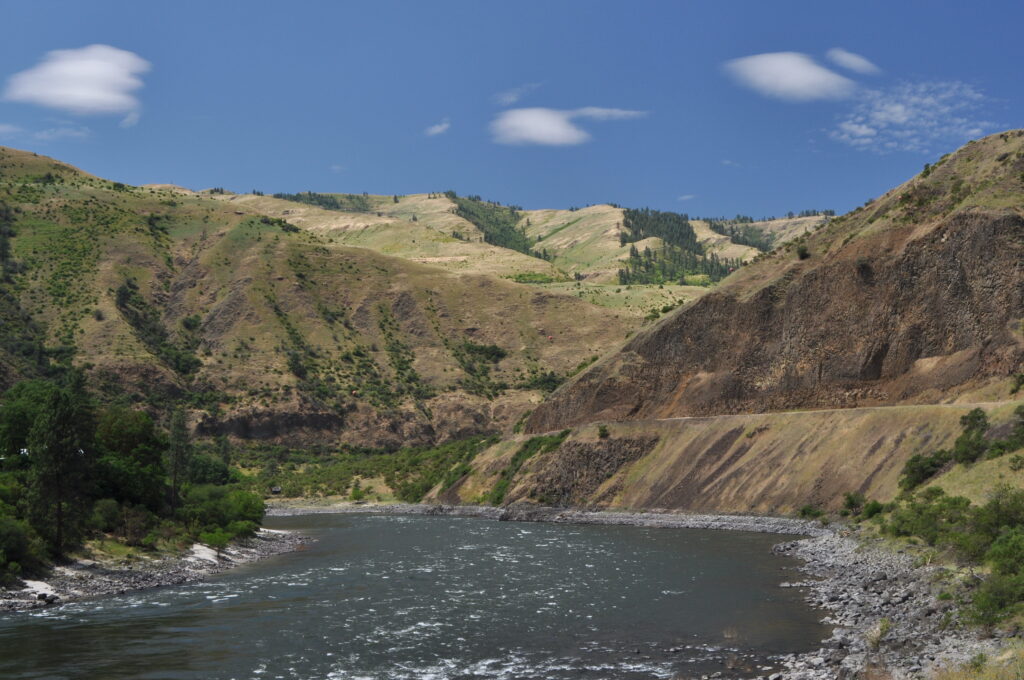
Most people picture Idaho as farmland and potatoes, not the site of a prehistoric human revolution. Yet the Cooper’s Ferry archaeological site, sitting along the Salmon River, turned out to be a bombshell for researchers. To date, the earliest known settlement is the one found along the Salmon River at Cooper’s Ferry, Idaho, which is thought to be about 16,000 years old. That date is enormously significant because it predates the opening of the ice-free inland corridor that people once assumed was the only route south.
Since the beginning of the 21st century, the Clovis-first hypothesis has been abandoned by most researchers, as several widely accepted sites, notably Monte Verde II in Chile, Paisley Caves in Oregon, and Cooper’s Ferry in Idaho, are suggested to be considerably older than the oldest Clovis sites. Western Stemmed Points found in sites like Cooper’s Ferry share remarkable similarities with tools from East Asia, particularly Japan and Korea, dating back 30,000 to 16,000 years ago. That connection is not a coincidence – it’s a trail left by the original voyagers.
10. Pedra Furada in Brazil Is One of the Most Controversial Sites on Earth
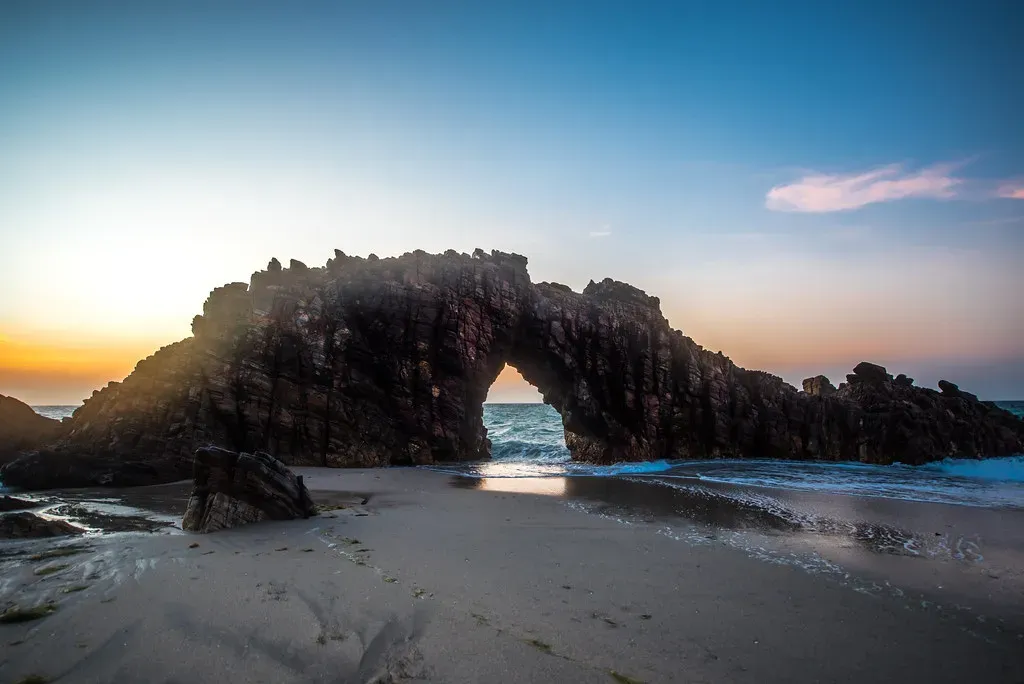
Let’s be real: if Bluefish Caves is the quiet bombshell and Monte Verde is the accepted revolution, then Pedra Furada in Brazil is the full-scale archaeological war. Pedra Furada is an important collection of over 800 archaeological sites in the state of Piauí, Brazil. These include hundreds of rock paintings dating from circa 12,000 years before present. That alone would make it extraordinary.
More importantly, charcoal from very ancient fires and stone shards that may be interpreted as tools found at the location were dated from 48,000 to 32,000 years before present, suggesting the possibility of a human presence tens of thousands of years prior to the arrival of the Clovis people in North America. The debate is fierce. The interpretation of the Pedra Furada evidence has been highly debated. Critics argue that some of the “artifacts” may be naturally formed geofacts and that the dating methods used are unreliable. It’s hard to say for sure where the truth lies – but the site refuses to be ignored.
11. The Clovis “First” Theory Has Essentially Collapsed – and the Real Story Is Far More Complex
Here’s something worth sitting with. The dominant scientific story of how and when humans first arrived in the Americas turned out to be deeply wrong – and the process of dismantling it took decades of uphill battles against what researchers themselves called the “Clovis-First Police.” Opposing theories or evidence that countered the Clovis-First theory met strong resistance. Leading archaeologists swiftly challenged new theories. Critics dubbed defenders the “Clovis-First Police.”
The leading alternative is the Pacific coastal migration theory, sometimes called the “kelp highway” hypothesis. The idea is that early peoples traveled by boat along the Pacific coast, hopping from one productive marine ecosystem to the next. Yet even this theory may be just one piece of the puzzle. Evidence to support the coastal migration theory has been particularly hard to find because sea levels at the time were about 200 feet lower than today, and as the sea level rose, it would have covered most of the early coastal settlements. In other words, entire chapters of human history may be sitting silently on the ocean floor right now, waiting to be found.
Conclusion: A Story Still Being Written
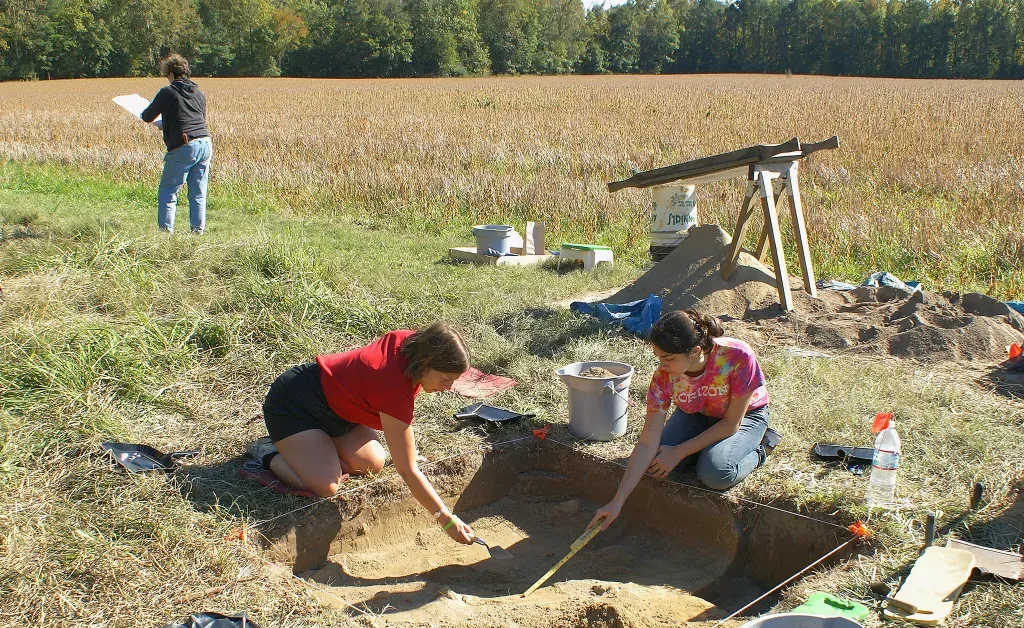
What you’ve just read is not a finished story. It’s a living, breathing scientific mystery that keeps growing more fascinating with every shovel that goes into the ground. don’t just tell you about ancient people – they tell you how science itself works, complete with stubbornness, breakthroughs, and the slow, humbling process of getting closer to the truth.
From a muddy peat bog in Chile to frozen caves in the Yukon, from ghost footprints in New Mexico to controversial rock shelters in Brazil, the ancestors of the Indigenous peoples of the Americas were more resourceful, more adaptable, and more ancient than anyone imagined just a generation ago. The real question isn’t just when they arrived – it’s what else is still buried out there, waiting. What discovery do you think will come next, and are you ready to have your mind changed all over again?