
Most people assume hoaxes are a modern problem – deepfakes, clickbait, AI slop clogging up your feed. Here’s the uncomfortable part: some of history’s most respected scientific societies, royal courts, and even National Geographic itself got fooled by fake animals for decades, sometimes centuries. These weren’t back-alley pranks whispered in taverns. They were formally described in scientific proceedings, painted by serious naturalists, sold to royal collectors, and printed in encyclopedias that generations of schoolchildren studied as settled fact.
The wildest part? Some of these “creatures” stayed in official scientific records for over 50 years before anyone caught the trick, and one of them fooled nearly nine million schoolchildren before the truth came out. Here’s what actually happened when the experts we’re supposed to trust the most got played.
#11 – The Vegetable Lamb of Tartary Grew on Trees, According to Medieval Science
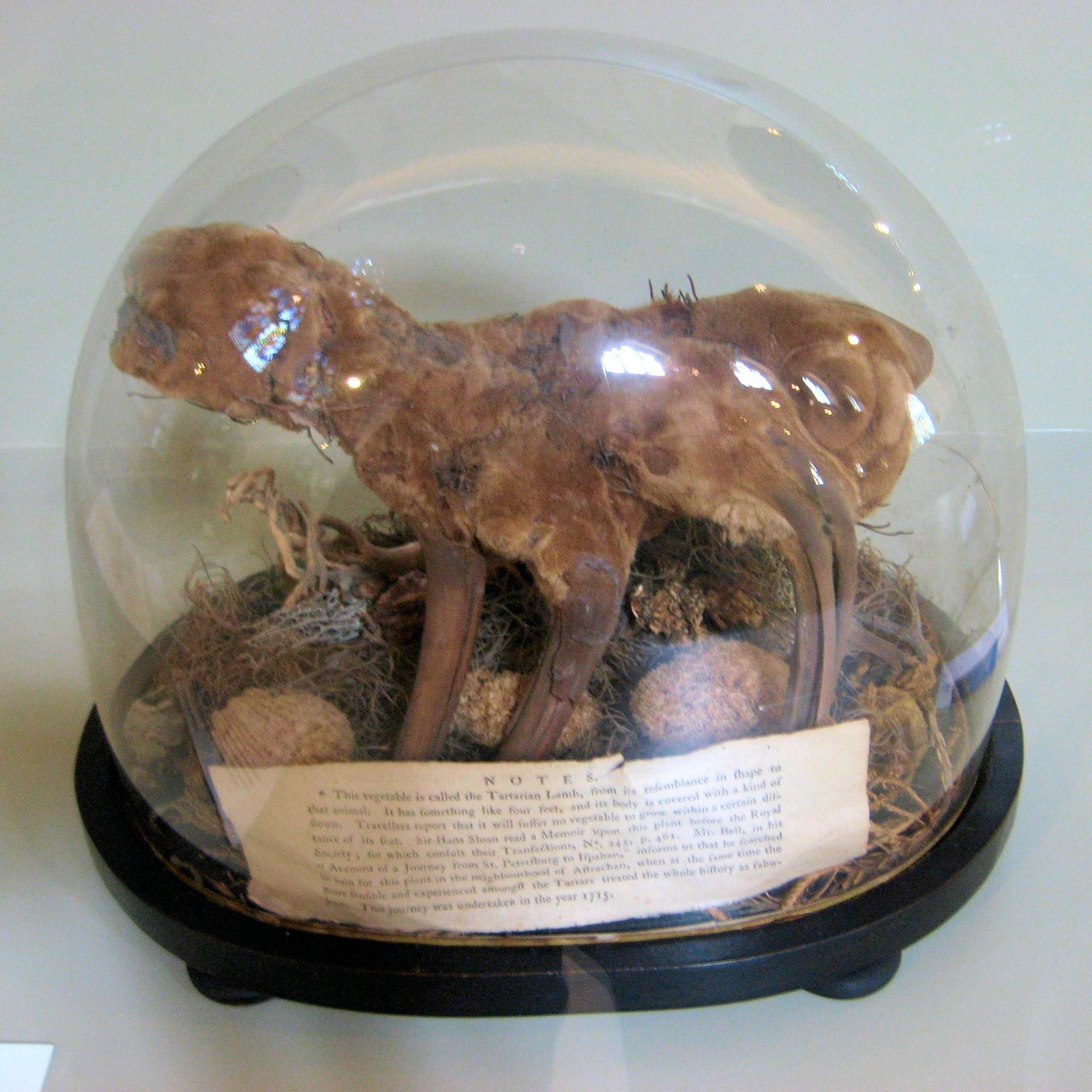
Medieval and early Renaissance naturalists genuinely believed a plant existed that grew live sheep as its fruit. The legend described a creature called the “Barometz,” or Vegetable Lamb, sprouting from a stem in Central Asia – complete with wool, blood, and flesh, tethered to the ground by a stalk running through its navel like an umbilical cord.
Travelers’ accounts, including embellished versions attributed to explorers passing through Tartary, described the lamb grazing on grass within reach of its stem until it died once the surrounding vegetation was gone. The story was taken seriously enough to appear in respected herbals and natural history encyclopedias for hundreds of years, treated with the same clinical tone as descriptions of real plants and animals.
What’s wild is how long this survived scrutiny. Naturalists in the 1600s were still debating the Vegetable Lamb’s biology in published scientific texts, arguing over whether its “wool” was actually a fern’s fibrous rhizome mistaken for fleece. It took botanists actually dissecting the root systems of the tartar lamb fern to finally kill the legend for good.
#10 – The Barnacle Goose Myth Convinced the Church Birds Grew From Shellfish
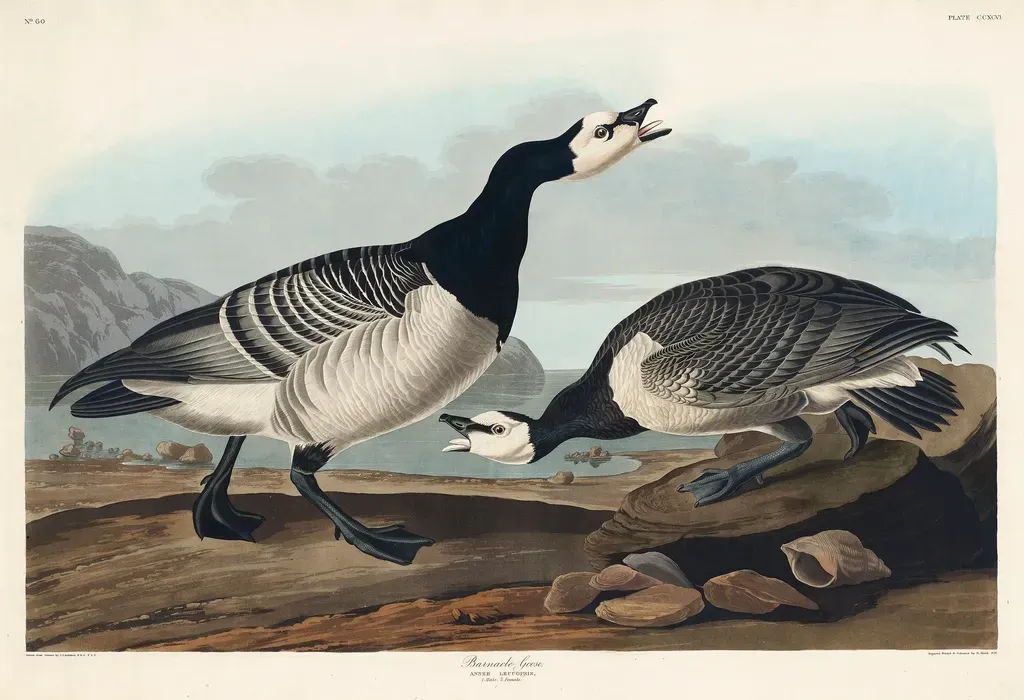
For centuries, respected clergy and naturalists insisted that certain geese weren’t born from eggs at all. They grew from barnacles clinging to driftwood.
The theory held that goose barnacles, small stalked crustaceans found attached to floating logs and ship hulls, eventually matured into full-grown geese that simply dropped into the sea and flew away. Medieval bestiaries described the transformation in exacting, matter-of-fact detail. The belief was taken seriously enough by the Catholic Church that some clergy classified barnacle geese as “fish” rather than birds, meaning they could be eaten during Lent when meat was forbidden. Natural historians repeated the claim in printed texts well into the 1600s, treating it as settled biological fact rather than a wild guess.
Fast Facts
- The myth persisted in print for roughly 500 years, from early medieval bestiaries through 17th-century natural histories.
- Some clergy classified barnacle geese as “fish” so they could be legally eaten during Lent.
- The geese actually breed in the high Arctic, far from medieval Europe, so nobody witnessed their nesting or eggs for centuries.
- The crustacean’s common name, “goose barnacle,” still carries the fingerprint of the old legend today.
The myth likely spread because nobody in medieval Europe had ever actually seen these geese nesting or laying eggs. They bred in the Arctic, far from prying human eyes, so their life cycle looked genuinely mysterious. Naturalists filled that knowledge gap with the next-best explanation they could observe, and this one got printed and reprinted as scientific consensus for roughly 500 years.
#9 – Unicorn Horns Were Sold to Kings as Medicine for Centuries
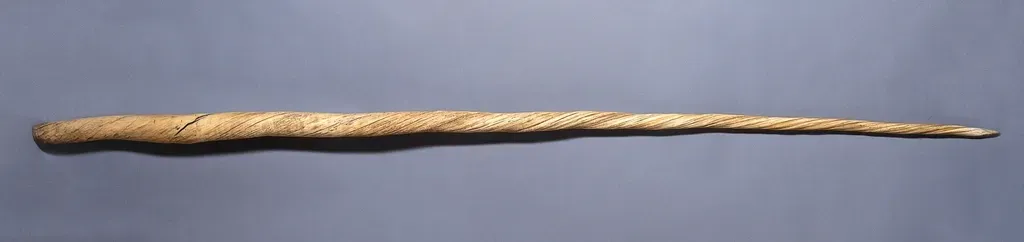
Royal treasuries across Europe stockpiled “unicorn horns” that were, in reality, the spiral tusks of narwhals hauled from Arctic waters.
Merchants and traders, many of whom likely knew exactly what they were selling, passed off narwhal tusks as genuine unicorn horns to European royalty and apothecaries who believed the objects held magical medicinal properties, including the ability to detect and neutralize poison. These tusks were valued so highly that some were literally worth their weight in gold, and physicians listed powdered “unicorn horn” as a legitimate remedy in printed pharmacopeias used by doctors for generations. Queen Elizabeth I reportedly owned one valued at a small fortune, and thrones and scepters were carved to display the horns as symbols of purity and power.
The deception worked partly because almost nobody in medieval Europe had ever seen a live narwhal. The animals lived in remote Arctic waters far from trade routes, so their actual appearance stayed a mystery for centuries. It wasn’t until naturalists began systematically studying Arctic marine life that the unicorn horn trade finally collapsed under the weight of basic anatomy.
#8 – Sailors Sold Fake Sea Monsters Stitched From Dead Rays
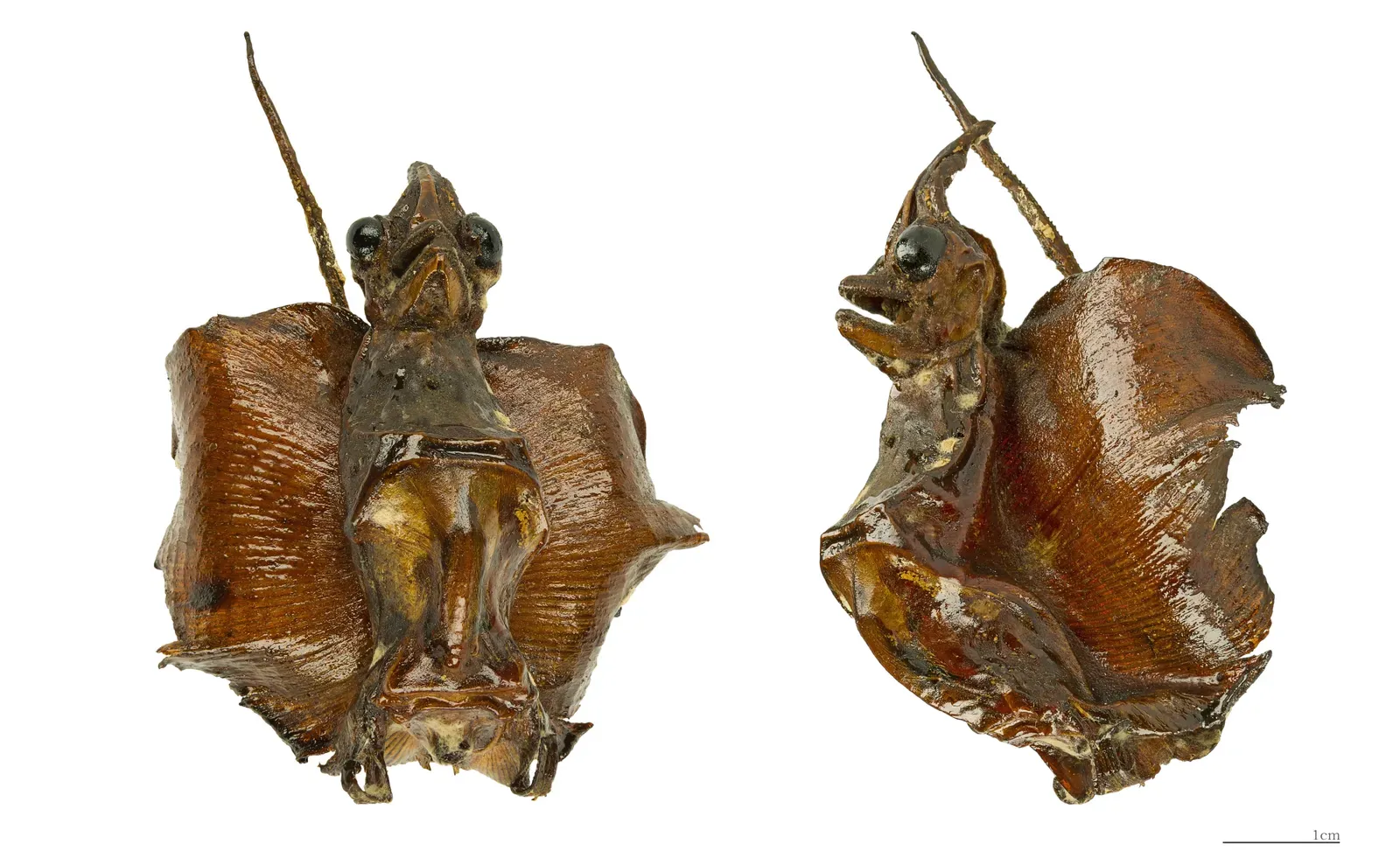
Long before Photoshop, sailors and curiosity dealers were manufacturing convincing “sea monsters” out of dried skates and rays, and museums bought them as genuine specimens.
These grotesque creations, later nicknamed “Jenny Hanivers” by sailors, were made by cutting, folding, and drying the flat bodies of rays and skates into shapes resembling devils, dragons, or demonic humanoid faces. The natural ridges and cartilage of the fish, once manipulated and dried, created an eerily convincing illusion of a small monster complete with wings, claws, and a snarling face. Cabinet-of-curiosities collectors across Europe purchased these fabricated creatures believing they were preserved specimens of genuine mythical beasts, and some ended up illustrated in serious natural history texts alongside real animal specimens.
The trick relied entirely on the fact that most buyers had never handled a real ray up close, so the manipulated cartilage looked plausible rather than obviously reshaped. Naturalists eventually caught on once they compared multiple “specimens” side by side and noticed the identical skeletal structure hiding under each monster’s costume.
#7 – A New York Newspaper Convinced Readers There Were Bat-Men and Unicorns on the Moon
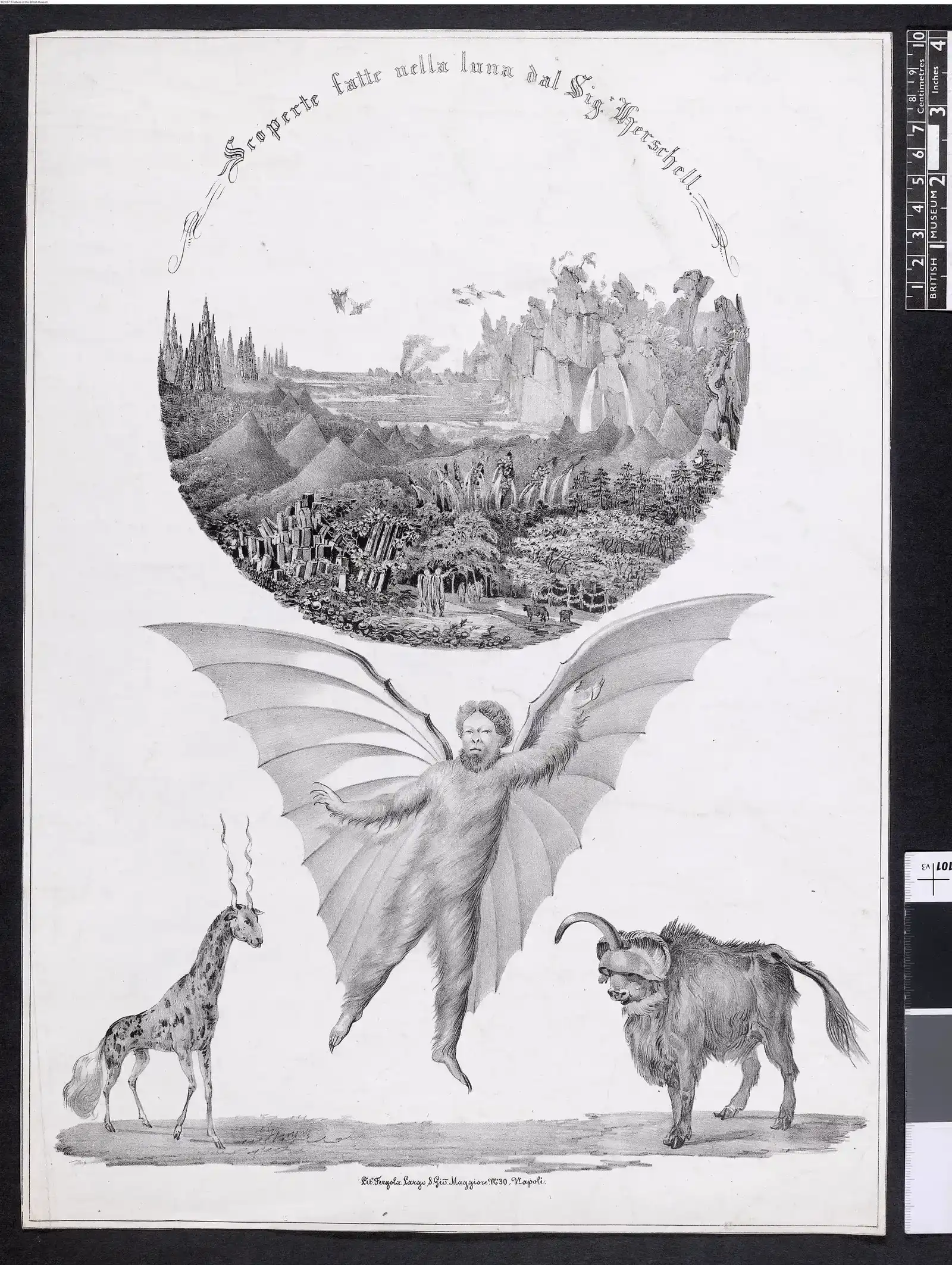
In 1835, a respected New York newspaper ran a multi-part series describing life on the moon, including winged humanoid creatures and moon-dwelling unicorns. Much of the public believed every word.
The New York Sun published the story as a factual astronomical dispatch, attributing the discoveries to a real, respected astronomer supposedly using a revolutionary new telescope. The articles described detailed ecosystems, including bison-like creatures, blue goats, and bat-winged humanoids living on the lunar surface. The series was so convincing that other newspapers reprinted it as legitimate scientific news, and some readers reportedly organized fundraising efforts believing missionaries should be sent to convert the moon’s inhabitants. The astronomer named in the piece never wrote any of it and reportedly found out about his supposed discoveries from the newspaper itself.
What made the hoax work wasn’t just good writing. It was timing. The public was hungry for stories about celestial exploration, and no independent way existed to verify or debunk telescope observations from that era. The paper never formally retracted the series, and it sold an enormous number of copies before skepticism set in.
#6 – A Seven-Headed Hydra Fooled Europe’s Best Naturalist Until He Got a Closer Look
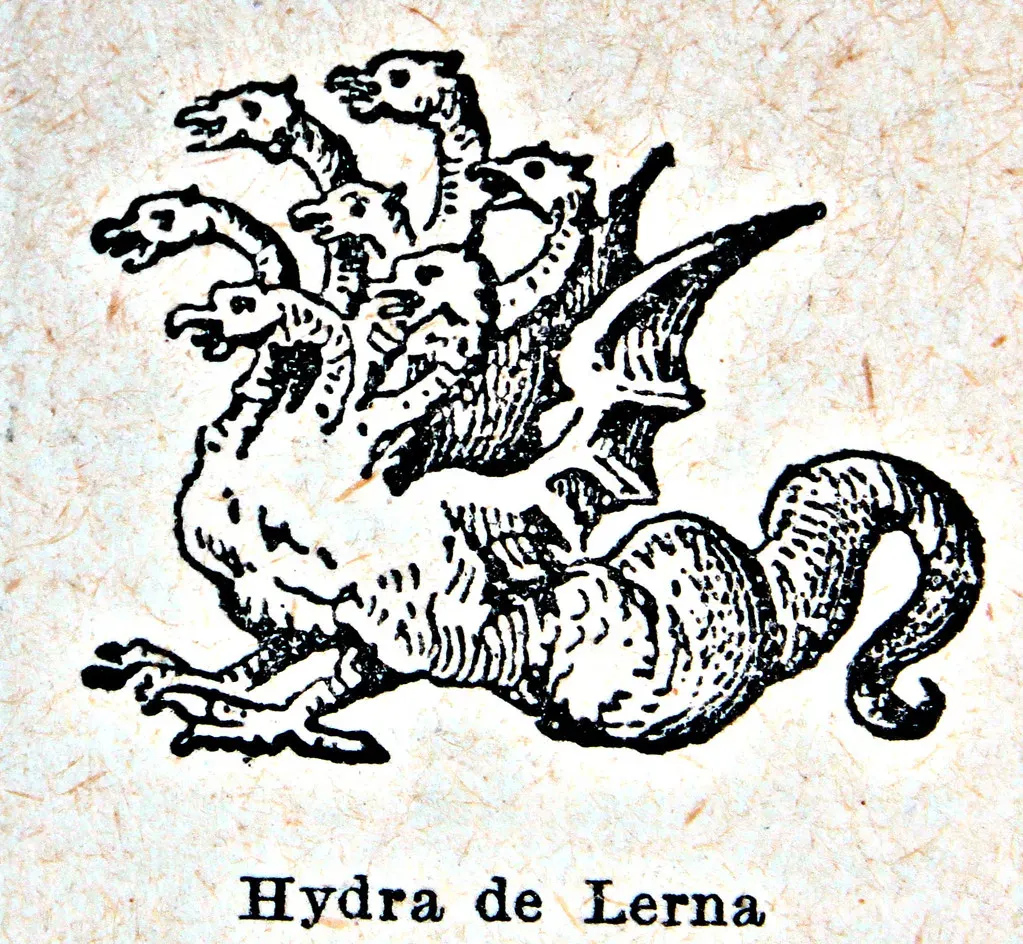
A stuffed seven-headed “hydra” toured European collections for decades, examined and admired by scholars who believed it was a genuine biological specimen.
The creature had been looted from a church in 1648 and eventually landed in the hands of the mayor of Hamburg, who tried to sell it to wealthy collectors for a substantial sum. The naturalist Albertus Seba was so convinced of its authenticity that he included a detailed illustration of the hydra in his own published natural history reference work, treating it as a legitimate zoological curiosity worth documenting for scholars. Even royalty took interest – the King of Denmark reportedly made an unsuccessful bid to purchase the specimen.
At a Glance
- Looted from a church in 1648 before landing with Hamburg’s mayor, who tried to sell it for a fortune.
- Illustrated as genuine by naturalist Albertus Seba in his own published natural history reference.
- The King of Denmark reportedly attempted to buy the specimen before it was exposed as fake.
- Exposed in 1735 by a young Carl Linnaeus, who found it was built from weasel jaws and glued snake skins.
It took a young Carl Linnaeus, later the father of modern taxonomy, to actually examine the hydra up close in 1735 and expose it as a fake built from weasel jaws and glued snake skins. Linnaeus concluded the object had likely been constructed by monks to represent the apocalyptic beast from the Book of Revelation. The mayor was reportedly furious that his asking price had just evaporated, and Linnaeus had to leave the city in a hurry.
#5 – An Entire Scientific Society Declared a New Species Based on a Sick Snake
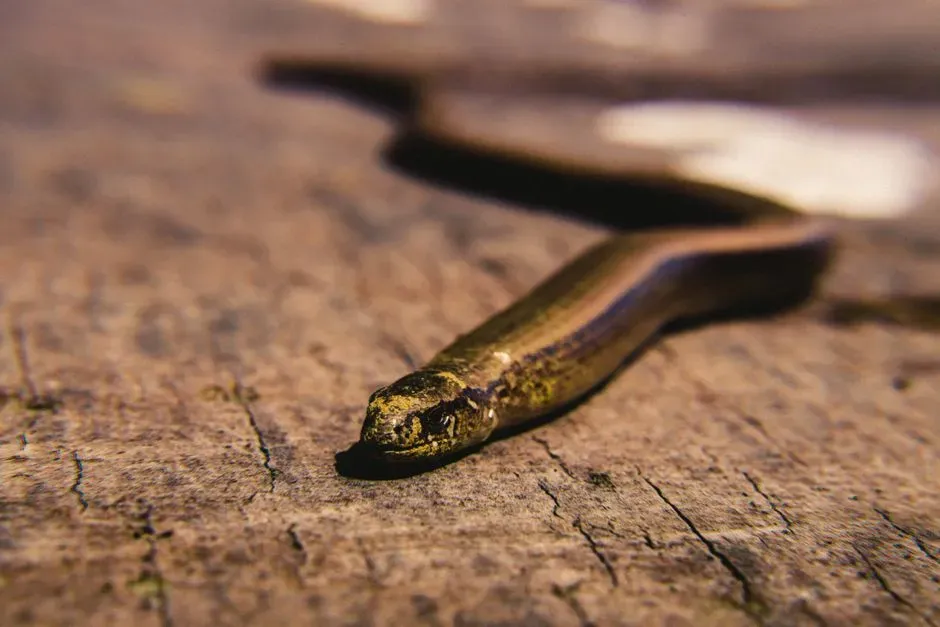
In 1817, one of America’s most respected scientific societies formally announced the discovery of a brand-new species of sea serpent. The “proof” was a diseased garden snake.
After hundreds of witnesses in Gloucester, Massachusetts, reported sightings of a massive serpentine creature in the harbor throughout the summer, the Linnaean Society of New England dispatched a special committee to investigate and interview witnesses. When a farmer found a three-foot snake with an unusual bumpy spine near the shore, the society dissected it and concluded it was the offspring of the larger sea monster. The society published a formal scientific pamphlet naming an entirely new genus and species, Scoliophis atlanticus, distributing the report to scientific institutions across the world, including in London.
Decades later, a different scientific body reexamined the preserved specimen and discovered it was nothing more than a common black snake with a cancerous spinal deformity. The original sightings themselves were most likely a humpback whale surfacing to feed, its rolling humps creating the illusion of a giant serpent from a distance. By the time anyone reversed the classification, the fake “species” had already been cited and repeated in natural history circles for years.
#4 – A Cooked Breakfast Fish Became an Official Scientific Species for 50 Years
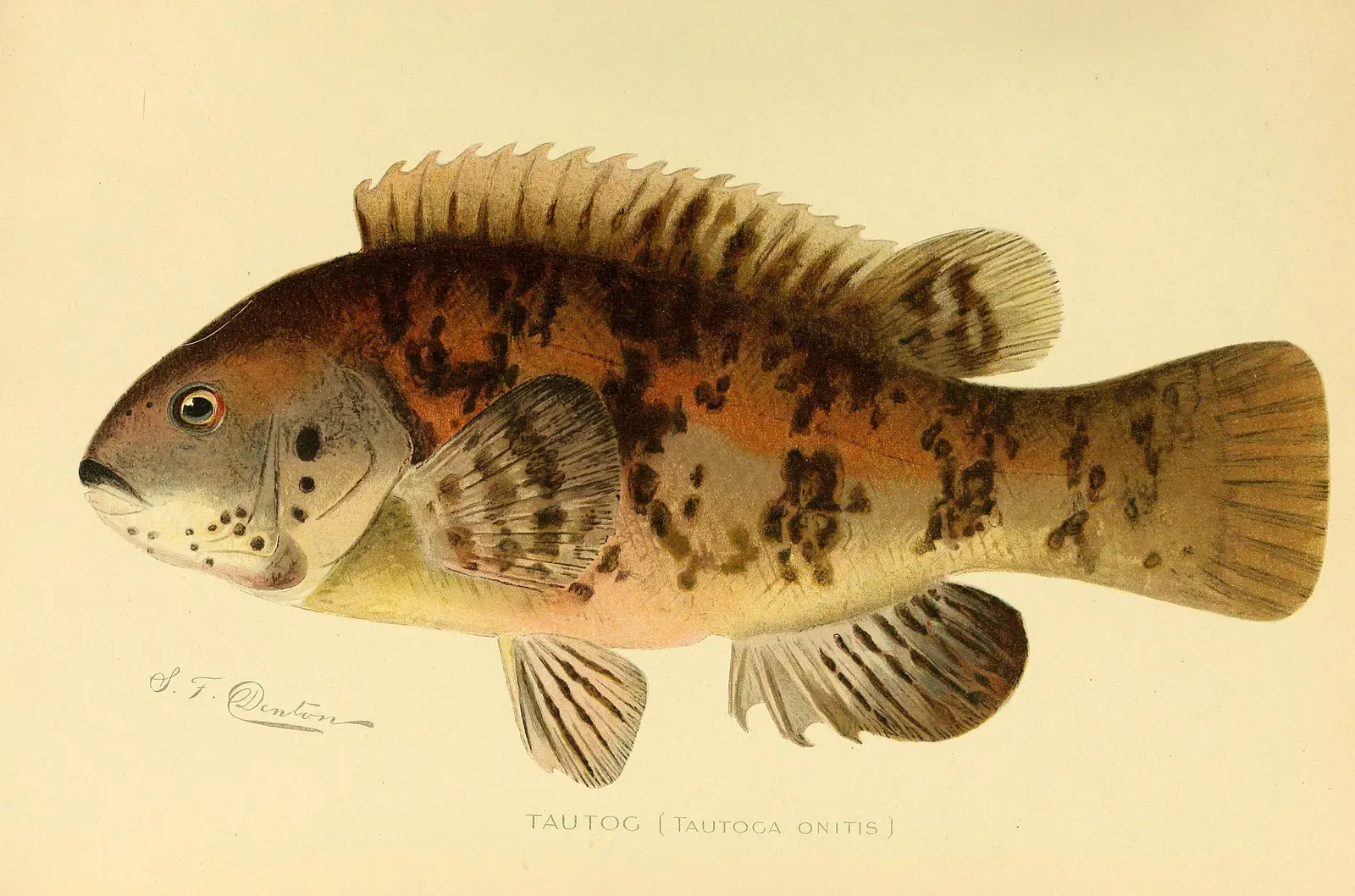
In 1872, a joke played on a museum director over breakfast created a fish species that stayed on official Australian fish lists for the better part of five decades.
Pranksters at a cattle station in Queensland assembled a fake fish from the body of a mullet, the tail of an eel, and the bill-like head of a platypus or needlefish, then served it cooked to Karl Theodor Staiger, director of the Brisbane Museum. Staiger was so convinced by the bizarre specimen that he sketched it and sent the drawing to a respected naturalist, who formally described it as a new species named Ompax spatuloides and published the discovery through the Linnean Society of New South Wales. The fish was never seen again, but that didn’t stop it from being cited for decades.
Worth Knowing
- The fake fish was pieced together from a mullet’s body, an eel’s tail, and a platypus or needlefish bill.
- It was formally published as Ompax spatuloides through the Linnean Society of New South Wales.
- The “species” stayed on official Australian fish checklists as late as 1929.
- It wasn’t debunked in print until 1930 – nearly 60 years after the original breakfast prank.
What’s remarkable is how long the fake fish survived through sheer institutional inertia. Later scientists simply cited earlier published records without questioning them, and the species kept appearing in official fish checklists as late as 1929. It wasn’t debunked in print until 1930, meaning a breakfast prank fooled Australian taxonomy for nearly 60 years.
#3 – P.T. Barnum Displayed a Monkey Sewn to a Fish as a Genuine Mermaid
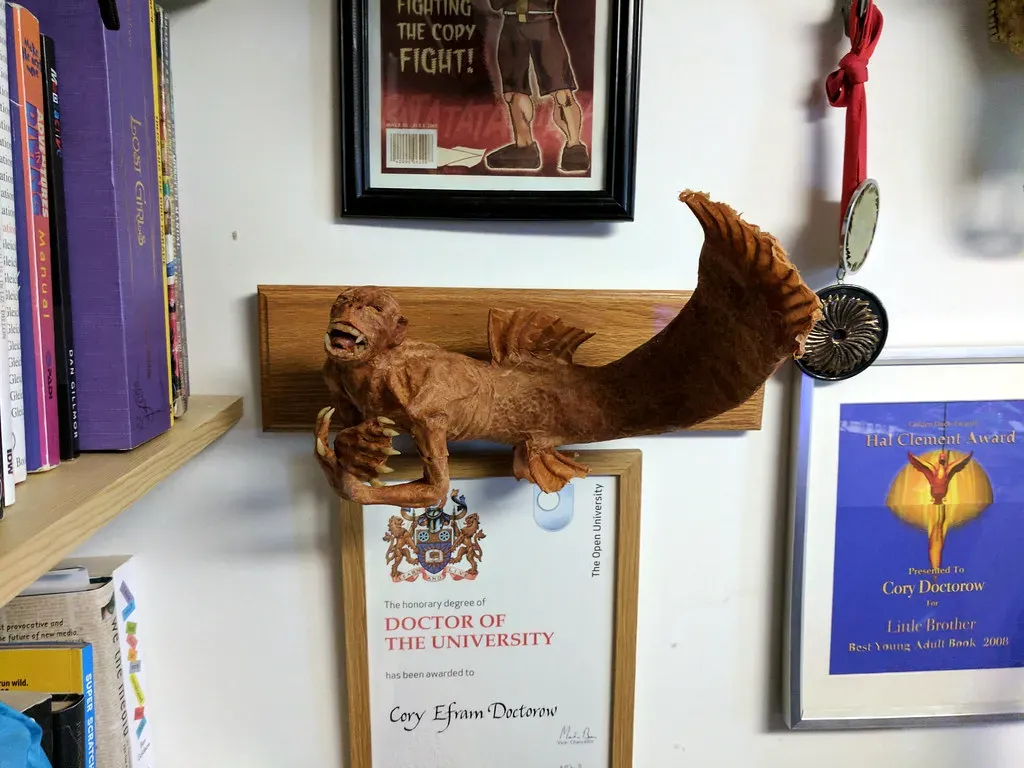
In 1842, one of America’s most famous showmen unveiled a “mermaid” that fooled paying crowds and initially stumped naturalists who examined it up close.
The object, later called the Feejee Mermaid, was constructed by stitching the upper body of a monkey onto the tail of a fish, then drying and mounting the combination to look like a single desiccated creature. P.T. Barnum exhibited the specimen at his American Museum in New York, presenting it as a genuine mermaid captured in the Pacific, and crowds paid to see it as if it were established zoological fact. Newspapers of the era ran advance publicity built around supposed scientific endorsements, lending the fake creature an air of institutional legitimacy before anyone laid eyes on it.
The mermaid was grotesque rather than beautiful, with a shriveled, mummified appearance, but that authenticity of decay actually made it more convincing to a public accustomed to seeing preserved specimens in respectable cabinets of curiosities. Similar composite “mermaids” circulated through sideshows and private collections for years afterward, each one built on the same basic taxidermy trick.
#2 – A Fabricated Photograph Convinced the World a Monster Lived in a Scottish Lake
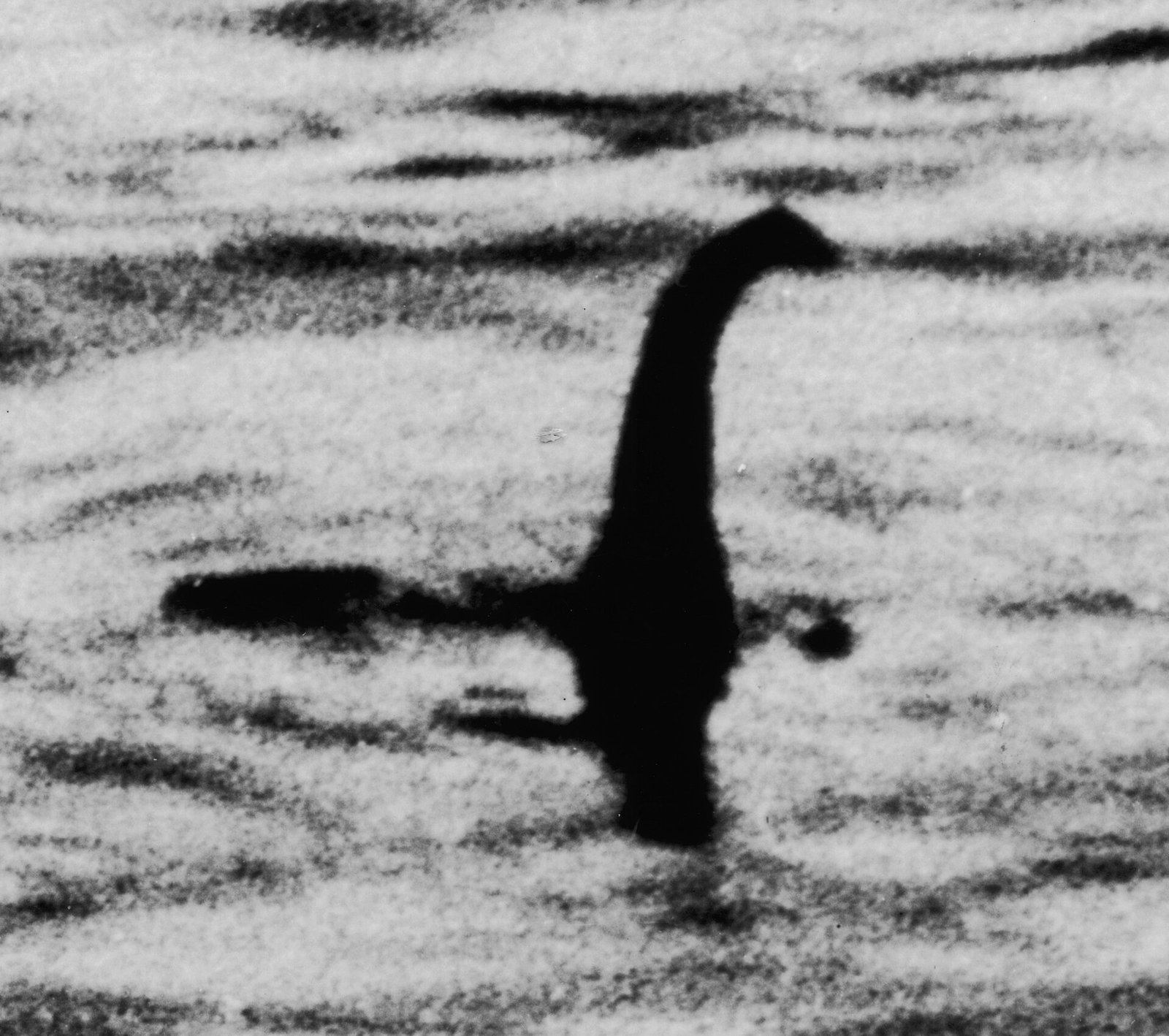
For six decades, one grainy black-and-white photograph stood as the primary “evidence” that a monster lived in a Scottish lake. It was staged using a toy submarine.
Published in a major British newspaper in 1934, the image known as the “Surgeon’s Photograph” showed a long, curved neck rising from calm water. It became the defining visual proof cited by believers, documentaries, and popular books for generations. The photograph was so widely accepted that it appeared in serious wildlife publications and was treated as legitimate photographic evidence rather than folklore for nearly sixty years. It wasn’t until 1994 that one of the men involved in the original stunt confessed on his deathbed, revealing the “monster” was a small model submarine fitted with a sculpted head and neck.
What made the hoax so durable was the credibility lent by its supposed photographer, a respected physician, whose professional reputation made the image feel scientifically trustworthy rather than like a tabloid stunt. Generations of researchers built entire investigative expeditions and funding proposals around a single faked photo, and some cryptozoology texts still reference it uncritically today.
#1 – National Geographic Unveiled a “Missing Link” Fossil Glued Together From 88 Pieces
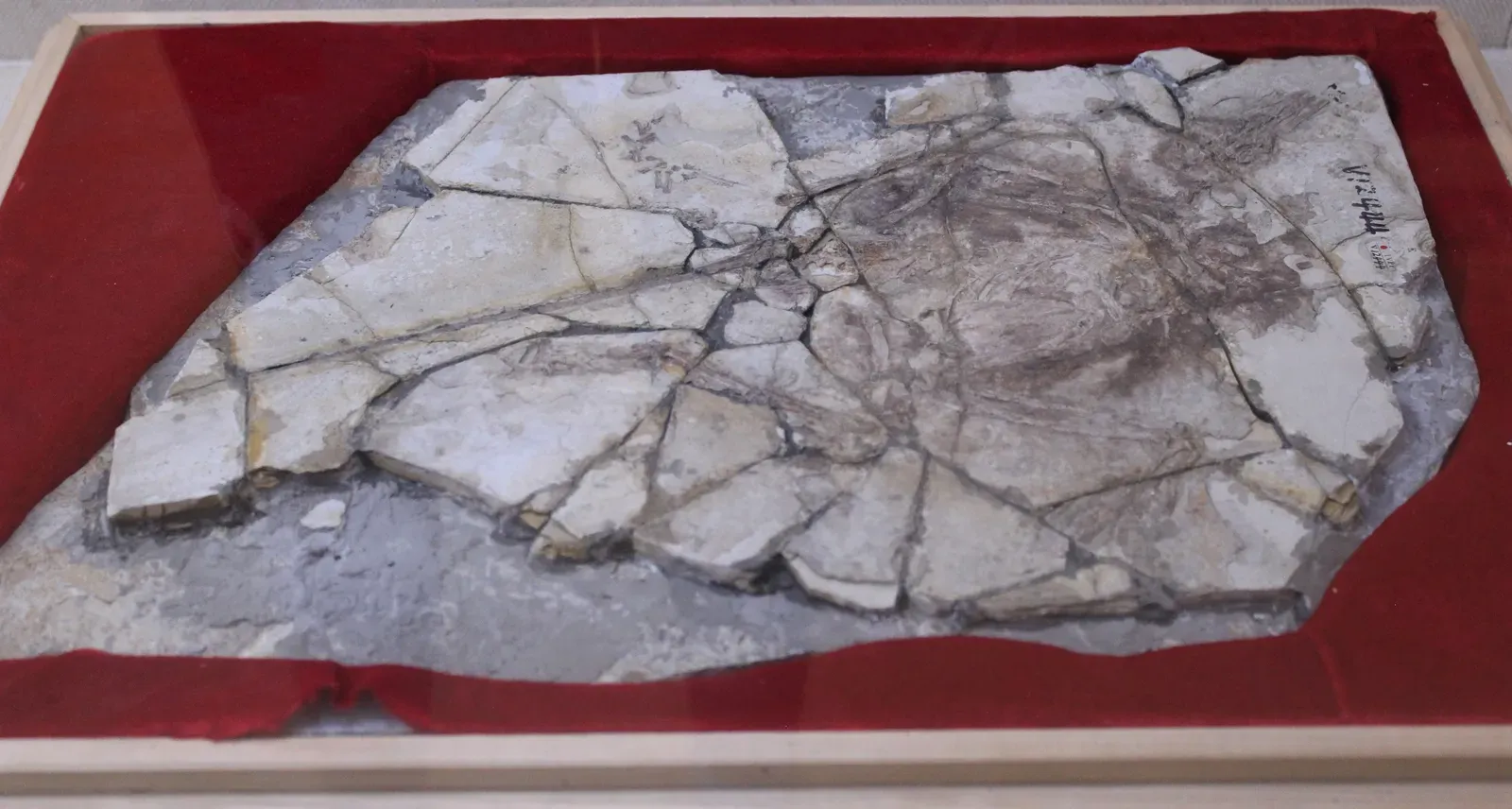
In 1999, National Geographic magazine formally announced the discovery of a genuine evolutionary missing link between dinosaurs and birds. The fossil turned out to be an elaborately constructed forgery.
The specimen, dubbed Archaeoraptor liaoningensis, appeared to show the wings of a bird fused to the tail of a small dinosaur, seemingly proving the long-theorized evolutionary connection between the two groups. National Geographic pushed ahead with publication and a press conference even after peer review had already rejected the accompanying scientific paper, and after a Smithsonian bird curator personally warned the magazine the fossil was likely fraudulent. Nearly nine million schoolchildren reportedly filed past the fossil on display at the magazine’s Explorer’s Hall before the truth came out.
Why It Stands Out
- The fossil was glued together from 88 separate pieces taken from multiple unrelated specimens.
- National Geographic pushed forward with publication despite a rejected peer review and a direct warning from a Smithsonian curator.
- Nearly nine million schoolchildren reportedly viewed the fossil on display before the forgery was exposed.
- CT scans later confirmed the tail belonged to a genuine dinosaur while the body came from a real primitive bird – actual science hidden inside a fake.
The unraveling began when a Chinese paleontologist spotted inconsistencies and requested further scans, which eventually revealed the fossil had been assembled from 88 separate pieces of multiple unrelated specimens glued together. CT scans confirmed the tail actually belonged to a genuine small dinosaur species while the body came from a separate primitive bird, meaning real scientific discoveries were hiding inside a fake designed to look even more sensational than the truth. It remains one of the most embarrassing scientific publishing failures of the modern era, precisely because the institution involved had a reputation for rigor to protect.
The Bottom Line
The pattern across all eleven hoaxes is impossible to ignore: institutions with real credibility – royal courts, taxonomic societies, national magazines – kept getting fooled not because they were careless, but because they wanted the discovery to be real. Ambition and reputation clouded judgment just as often as ignorance did.
The Ompax fish and the Hamburg Hydra survived for decades not because the evidence was strong, but because nobody wanted to be the one who questioned a respected colleague’s claim. That same instinct is still alive in labs and newsrooms today, and it should worry anyone who assumes modern peer review makes institutions immune to this kind of embarrassment. Credentials don’t stop wishful thinking. They just make it look more official on the way down.
Which of these hoaxes shocked you the most? Did we miss one that fooled the experts just as badly? Drop it in the comments.