
There’s a version of paleontology that looks like Indiana Jones: rugged experts with maps and funding, methodically excavating remote canyons until they unearth something historic. That version exists. But it’s not responsible for some of the biggest paradigm shifts in the entire history of fossil science. A surprising number of those came from a kid tripping in a field, a quarry worker splitting the wrong rock, or construction crews who just needed to pour a foundation. The accident happened first. The revolution came after.
What’s genuinely unsettling is how much these finds changed. We’re not talking about minor footnotes – we’re talking about discoveries that forced scientists to tear up migration maps, rewrite extinction timelines, and reconsider what fossilization itself is even capable of preserving. Some of the entries below will feel familiar. A few will genuinely surprise you. And at least one will make you wonder what’s still sitting under the road you drove to work on this morning.
#11 – The Giant Millipede Nobody Was Looking For on an English Beach
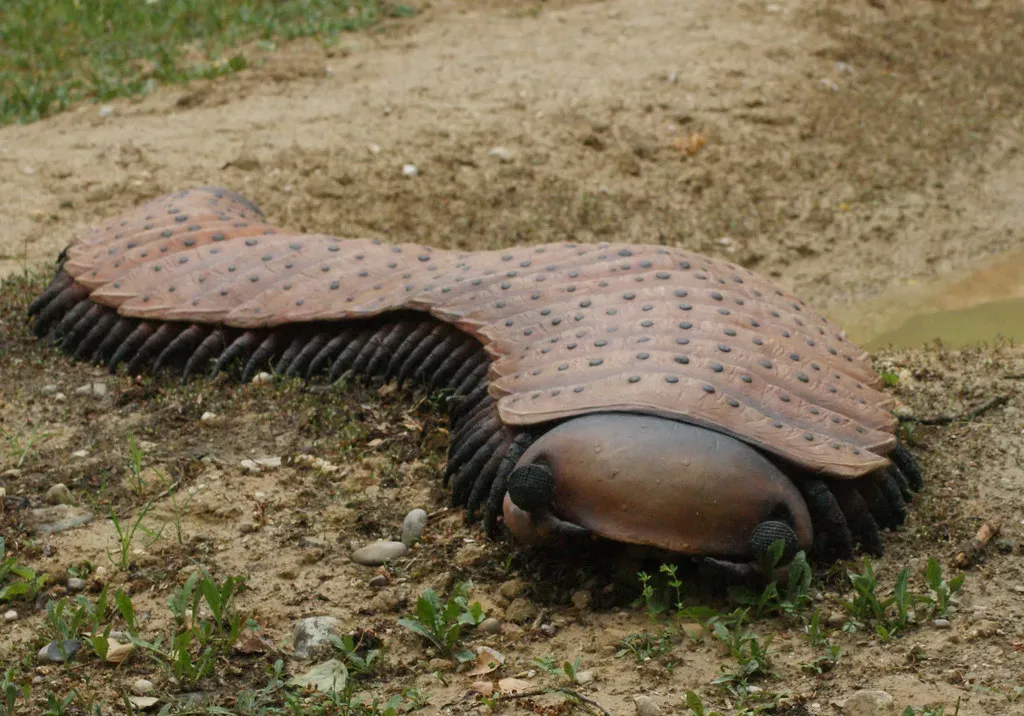
A group of geologists out for a casual social trip to Northumberland noticed a boulder that had freshly tumbled from a cliff face at Howick Bay in January 2018. They almost kept walking. When they didn’t, they ended up staring at the largest arthropod fossil ever recorded – an estimated 8.5-foot-long, 110-pound millipede-like creature called Arthropleura, preserved in stunning detail, segments and exoskeleton intact. No expedition. No grant funding. Just a fallen rock and a curious eye.
The creature lived roughly 326 million years ago – over 100 million years before the first dinosaurs appeared – in what was then a tropical, near-equatorial landscape of ancient river channels and open woodland. Its sheer size forced scientists to rethink what the land-based ecosystem of that era actually looked like. Previous assumptions held that giant body plans were rare and fragile in this period. This single specimen demolished that idea, showing that massive invertebrates dominated terrestrial environments long before anything with a backbone got around to doing the same. The fact that erosion handed it over to a beachcomber rather than a research team is exactly the kind of detail that should keep paleontologists humble.
Fast Facts
- Discovered January 2018 at Howick Bay, Northumberland – about 40 miles north of Newcastle
- Estimated at roughly 2.6 metres (8.5 feet) long and 50 kg (110 lbs) – the largest invertebrate ever recorded
- Only the third Arthropleura fossil ever found; the other two were significantly smaller and found in Germany
- The preserved fragment alone measures 75 cm long and 55 cm wide
- Published in the Journal of the Geological Society, December 2021; lead researcher called it “a complete fluke of a discovery”
#10 – A Construction Site in the American Southwest Turned Up One of the Earliest Dinosaurs
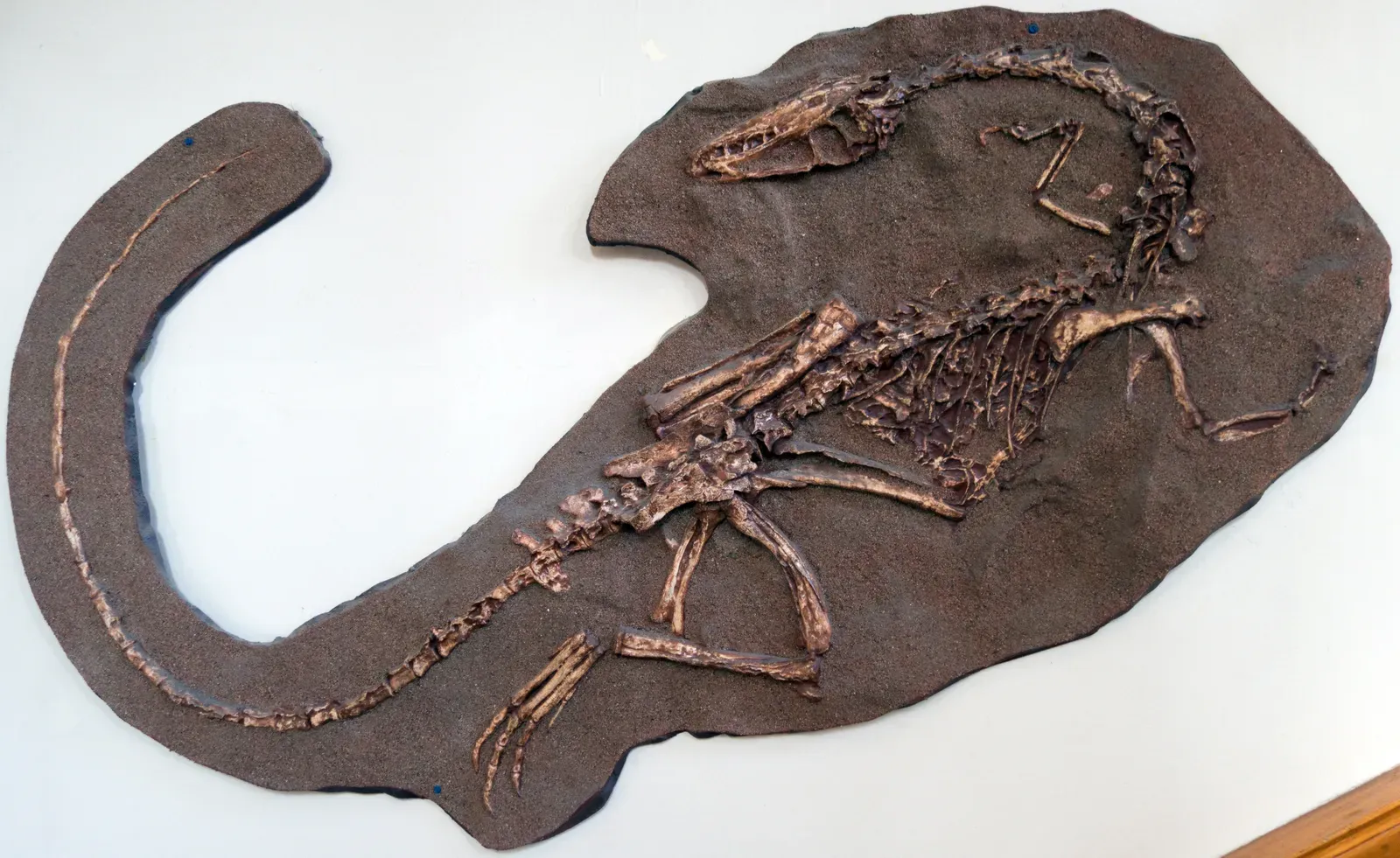
Workers clearing rubble at a building site spotted something that didn’t look like ordinary rock – a bone fragment jutting out from broken material that had no business being interesting. It was interesting. Laboratory analysis confirmed it belonged to Coelophysis, one of the earliest known dinosaur species, at an age that upended what the textbooks said about how quickly and widely dinosaurs had spread across Triassic North America.
Before this find, the prevailing view tied early dinosaur diversity tightly to specific southern landmasses, with North American populations assumed to be sparse and late-arriving. This fragment – and the additional pieces paleontologists recovered after returning to the site – painted a different picture entirely: a small, fast predator already widespread and varied far earlier than expected, coexisting with other reptiles in ecosystems scientists had barely begun to map. Urban development destroys irreplaceable evidence every single day. Sometimes, just barely, it hands something back instead.
#9 – A Boy Playing in a New Mexico Field Tripped Over a Stegomastodon Tusk
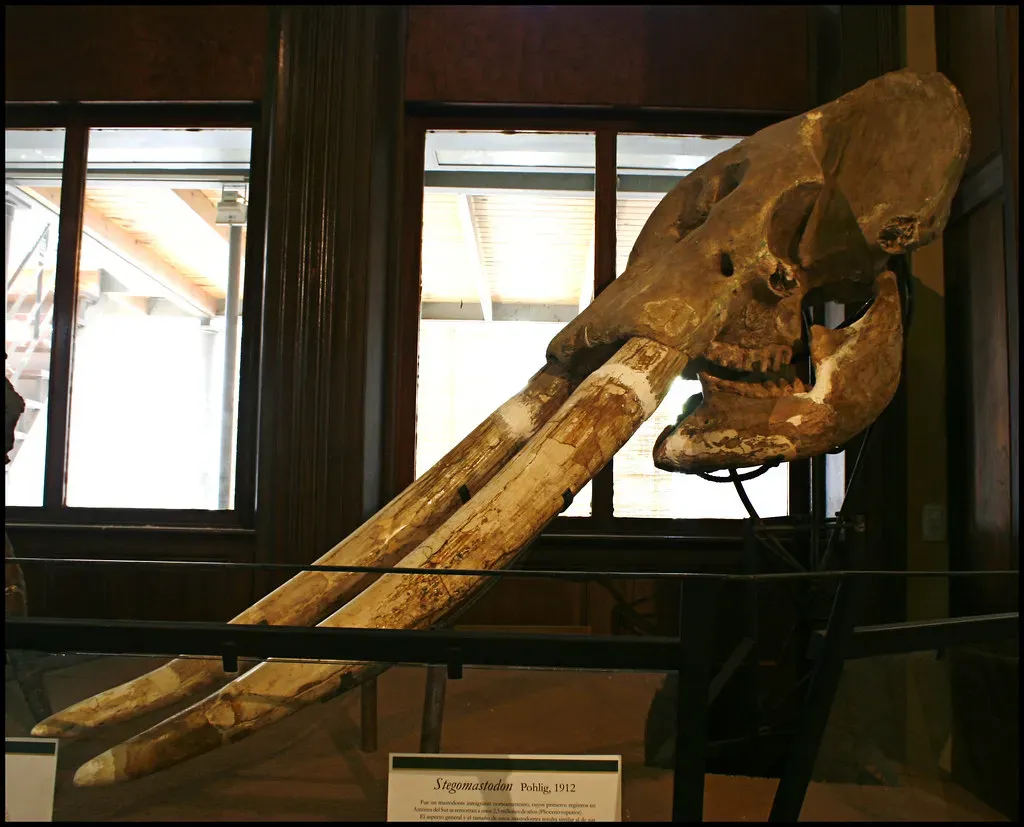
He wasn’t on a fossil hunt. He was just a kid running around in open land near his home in New Mexico when he literally stumbled – physically tripped – over something massive and curved poking out of the ground. The object turned out to be a tusk from a Stegomastodon, an extinct elephant relative, millions of years old and in remarkable condition. Scientists confirmed the identification through comparative anatomy, and then the real questions started.
The location threw researchers. Stegomastodon populations were thought to be concentrated in specific corridors during the Pleistocene, and this specimen placed the species significantly farther north than the existing migration maps allowed for. Subsequent excavations at the same site uncovered additional bones suggesting this wasn’t a lone wanderer – there may have been a group. The formal surveys had missed it entirely. A child’s afternoon of running around filled a gap that funded research programs had not. That tension between institutional science and dumb luck never really goes away in this field.
#8 – Mexico City Subway Workers Dug Into a Mammoth Graveyard
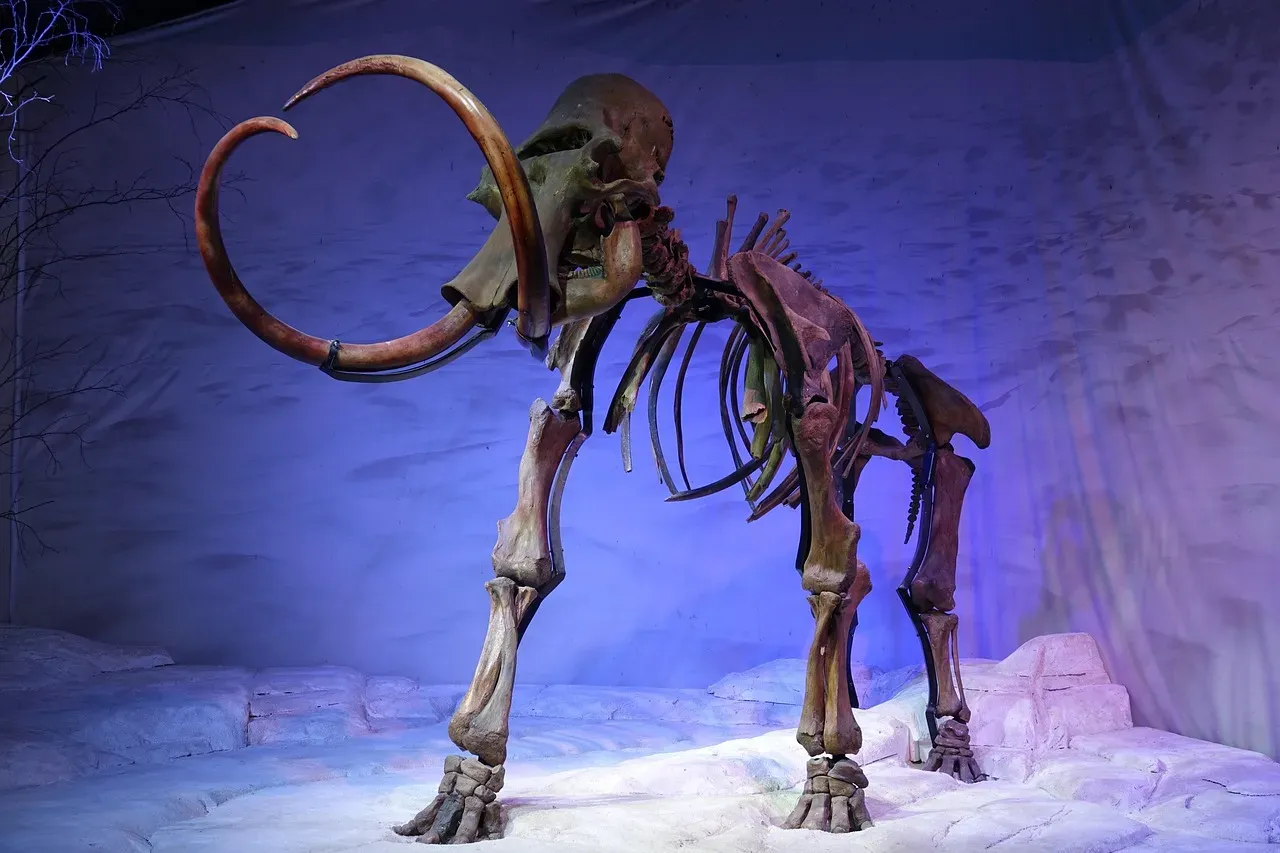
When construction crews broke ground on a new stretch of Mexico City’s subway system, they expected soil, rock, and the usual urban debris. What they found instead was bone – dense, layered, and stacked in concentrations that stopped the work entirely. Dozens of mammoth skeletons emerged from the same sediment layer, clustered together in a way that looked less like random scattering and more like a mass death event near one of the ancient lakes that once dominated the Valley of Mexico.
The scale of it forced a rethink. Mammoths had been broadly characterized as largely solitary animals, drifting individually across open landscapes. This deposit told a different story – one involving large groups, shared environments, and sudden environmental traps that claimed multiple animals at once. Analysis of the bones revealed individuals of varied ages and health conditions, offering a rare window into population structure that isolated finds simply can’t provide. The unsettling undercurrent running through the whole discovery: how many sites like this have already been paved over, never noticed, never known?
At a Glance: What Made the Mexico City Mammoth Site So Unusual
- Found during subway expansion in the Valley of Mexico – a basin once filled with interconnected ancient lakes
- Dozens of individual mammoths recovered from the same concentrated sediment layer
- Individuals ranged in age and health, offering rare population-level data impossible to extract from single specimens
- Clustering pattern suggests a mass environmental event – not random individual deaths over time
- The find directly challenged the “largely solitary” mammoth behavioral model that had dominated the field
#7 – A Quarry Worker in Germany Split a Rock and Found the Missing Link Between Dinosaurs and Birds
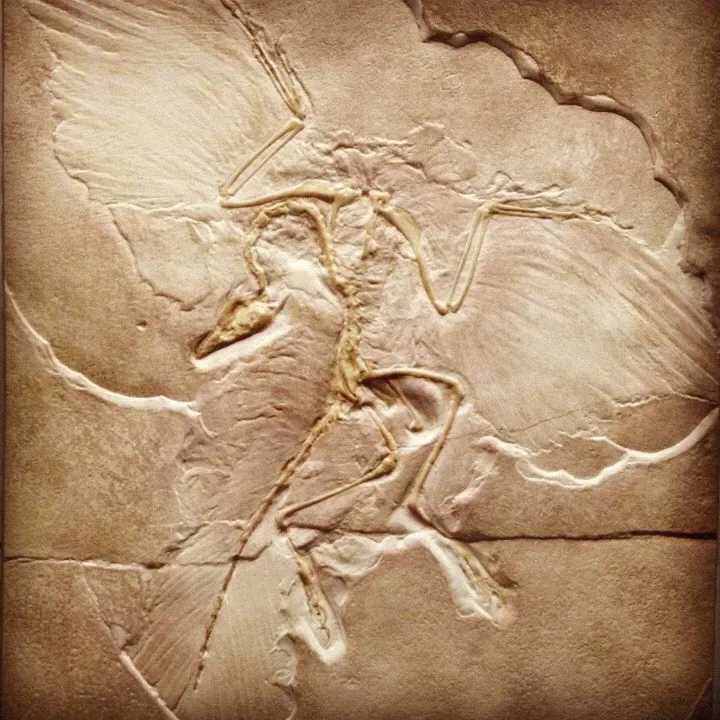
In 1861, limestone quarry workers in Bavaria broke open a slab near the town of Solnhofen and saw something strange pressed into the surface – impressions of feathers, unmistakably, surrounding the skeleton of a creature that was neither fully reptile nor fully bird. The specimen was recognized as unusual, and word reached the right people. What followed was one of the most consequential fossil identifications in scientific history: Archaeopteryx, the feathered dinosaur that would spend the next 160 years at the center of the dinosaur-bird debate. The first skeleton was eventually acquired by London’s Natural History Museum for the then-extraordinary sum of 700 pounds.
The timing was almost eerie – the specimen surfaced just two years after Darwin published On the Origin of Species, landing like physical proof of transitional evolution exactly when the scientific world was primed to argue about it. Archaeopteryx had feathers and a wishbone like a bird, but sharp teeth, clawed wings, and a bony tail like a small theropod dinosaur – roughly the size of a modern magpie, but carrying evolutionary weight far beyond its frame. The worker who split that slab had no idea he was holding the strongest piece of evidence for one of biology’s most contested ideas. Fourteen body fossil specimens have now been found in total, all from the same Solnhofen limestone quarries, confirming the traits were genuine and consistent. But it was that one quarry moment, unplanned and unremarkable in every other way, that cracked the question open.
Quick Compare: Archaeopteryx – Bird Traits vs. Dinosaur Traits
- Bird-like: Asymmetric flight feathers, wishbone (furcula), fan-shaped feathered tail
- Dinosaur-like: Sharp teeth in both jaws, three clawed fingers on each wing, long bony tail
- Age: ~150 million years old, late Jurassic period
- Size: Roughly comparable to a modern magpie
- Total specimens found: 14 body fossils, all from Solnhofen, Bavaria
#6 – A Doctor’s Wife Picked Up Strange Teeth on a Sussex Roadside and Launched an Entire Field
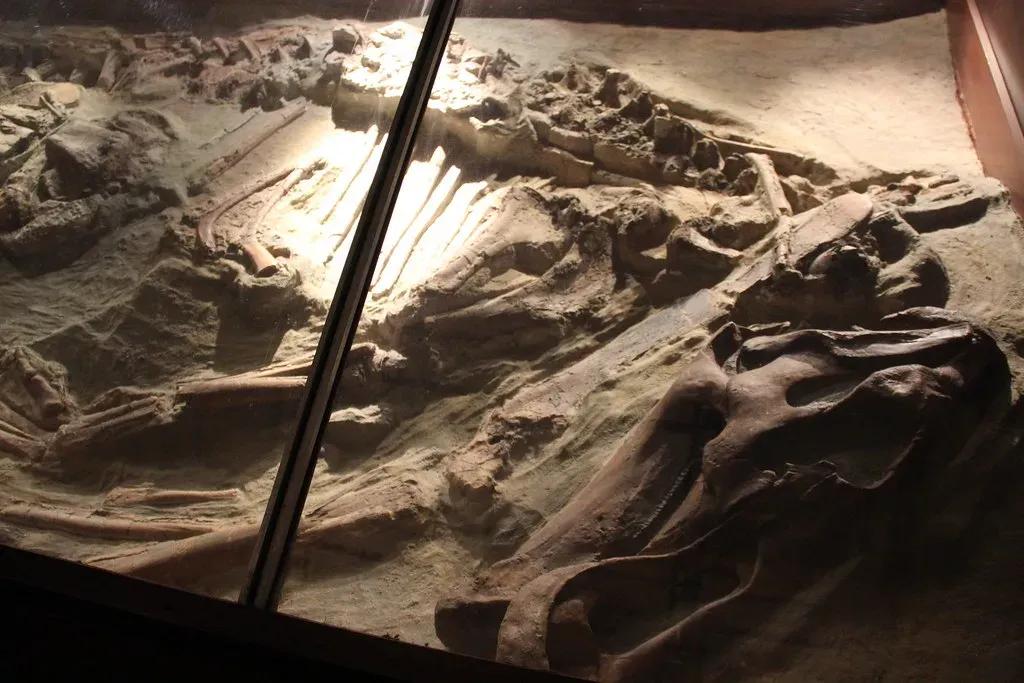
Mary Ann Mantell was simply walking near Lewes in 1822 when she noticed unusual teeth embedded in rock along the road. She brought them to her husband, geologist Gideon Mantell, who spent years trying to identify them before concluding they belonged to a gigantic herbivorous reptile unlike anything in the living world. He named it Iguanodon. The scientific establishment resisted at first, then couldn’t ignore the evidence.
What made this find so consequential wasn’t just the animal itself – it was the conceptual shift it forced. Before the Mantells, geology was largely concerned with rocks and strata. The idea that enormous, entirely extinct reptiles had once dominated the land was not part of mainstream scientific thinking. Mary Ann’s roadside find helped drag that idea into credibility. Later work corrected early mistakes about the animal’s posture (it walked on two legs, not four like a lizard), but the original discovery remained the spark. Historians of science have noted, with some discomfort, that institutions of the era absorbed the credit while the amateur collectors who drove early progress went quietly uncelebrated.
#5 – A Routine Lab Examination of T. rex Bone Accidentally Found Soft Tissue That Wasn’t Supposed to Exist
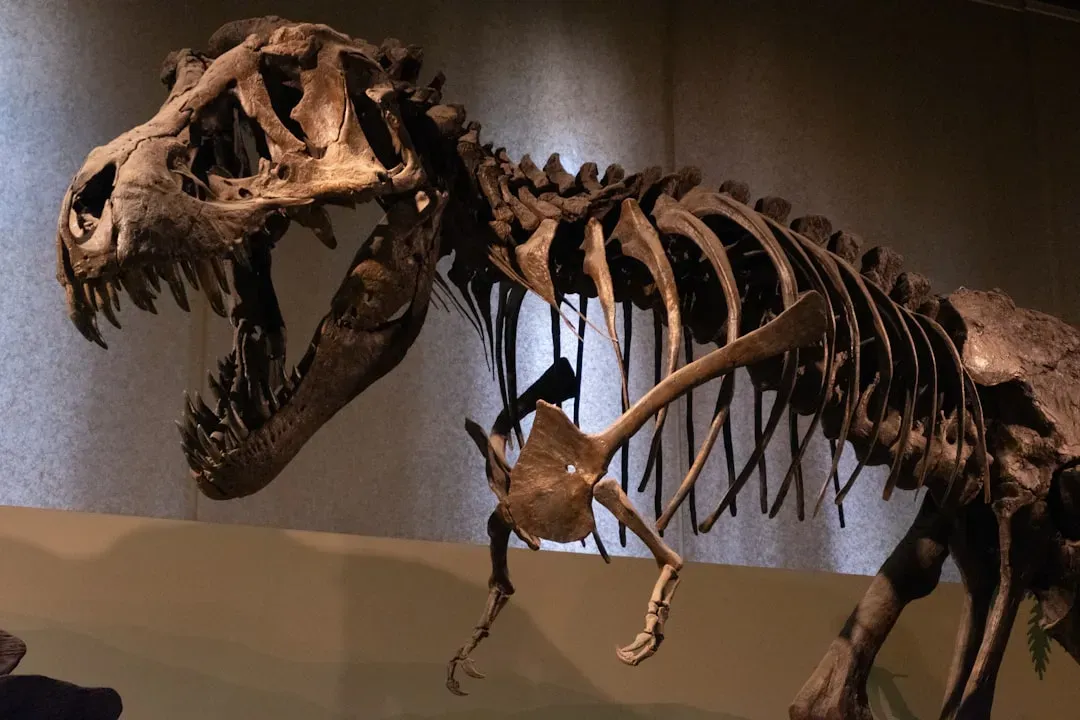
Paleontologist Mary Schweitzer was working with a demineralized fragment of a 68-million-year-old Tyrannosaurus rex femur in 2005 when she saw something that stopped her cold: what appeared to be intact blood vessels – transparent, flexible, and hollow – along with structures resembling red blood cells. Her findings were published in Science on March 25, 2005. The assumption that all original organic material breaks down entirely over millions of years had been a cornerstone of fossil science. These structures challenged it directly.
The sample wasn’t from a newly discovered specimen – it came from a well-documented T. rex collected years earlier from Montana and housed at the Museum of the Rockies. Nobody had looked this closely before because nobody expected there would be anything to find. Later research suggested iron nanoparticles in the dinosaur’s body may have acted as a natural preservative, cross-linking proteins before decay could take hold. The discovery cracked open entirely new research directions into dinosaur physiology and biomolecular preservation, while also generating fierce debate that continues today over exactly what the structures are and how they survived. What’s not debated is the effect: a quiet afternoon of lab work under a microscope did more to upend fossilization theory than decades of fieldwork had managed.
Finding these tissues doesn’t tell us that dinosaurs are not old. It tells us that we don’t understand decay and preservation as well as we thought we did.
Mary Schweitzer, paleontologist, North Carolina State University
Worth Knowing: The T. rex Soft Tissue Discovery at a Glance
- Published in Science, March 25, 2005 – immediately became one of the journal’s most-discussed papers of the decade
- Specimen: T. rex MOR 1125, unearthed in Montana, housed at the Museum of the Rockies
- Structures found: transparent, flexible blood vessels and round microstructures resembling red blood cells
- Leading preservation theory: iron nanoparticles acted as a natural fixative, slowing breakdown over 68 million years
- The same specimen also revealed medullary bone – indicating the animal was a pregnant female when she died
#4 – Mary Anning Found a Plesiosaur Because a Storm Eroded the Right Cliff at the Right Moment
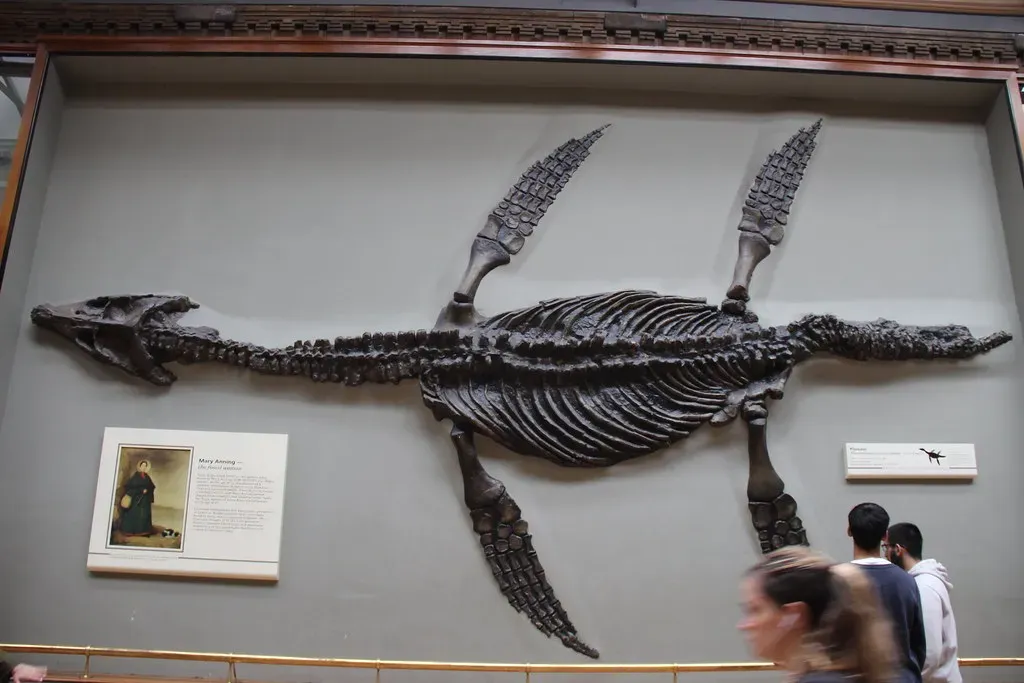
Mary Anning was already a skilled fossil hunter along the Lyme Regis cliffs in the early 19th century when a particularly brutal storm did something no expedition could have planned: it stripped away enough rock to expose a nearly complete skeleton of a creature no scientist had formally classified. The long-necked marine reptile was unlike anything in the living ocean. Anning recognized its significance, documented it carefully, and eventually got it into the hands of researchers who confirmed it as a new group entirely – the plesiosaurs.
The find helped cement the reality of deep time and mass extinction in the minds of a scientific community still grappling with both concepts. If animals this large and this strange had vanished completely, the world’s history was far more violent and discontinuous than comfortable geology had allowed. Multiple similar specimens followed from the same coastline over the following years, but the storm-exposed first find was the catalyst. Scientific institutions of the era received much of the formal credit. Anning, who lived and died in relative poverty, received a belated acknowledgment that took more than a century to fully arrive.
#3 – Fishermen Accidentally Caught a Fish That Had Been Extinct for 66 Million Years
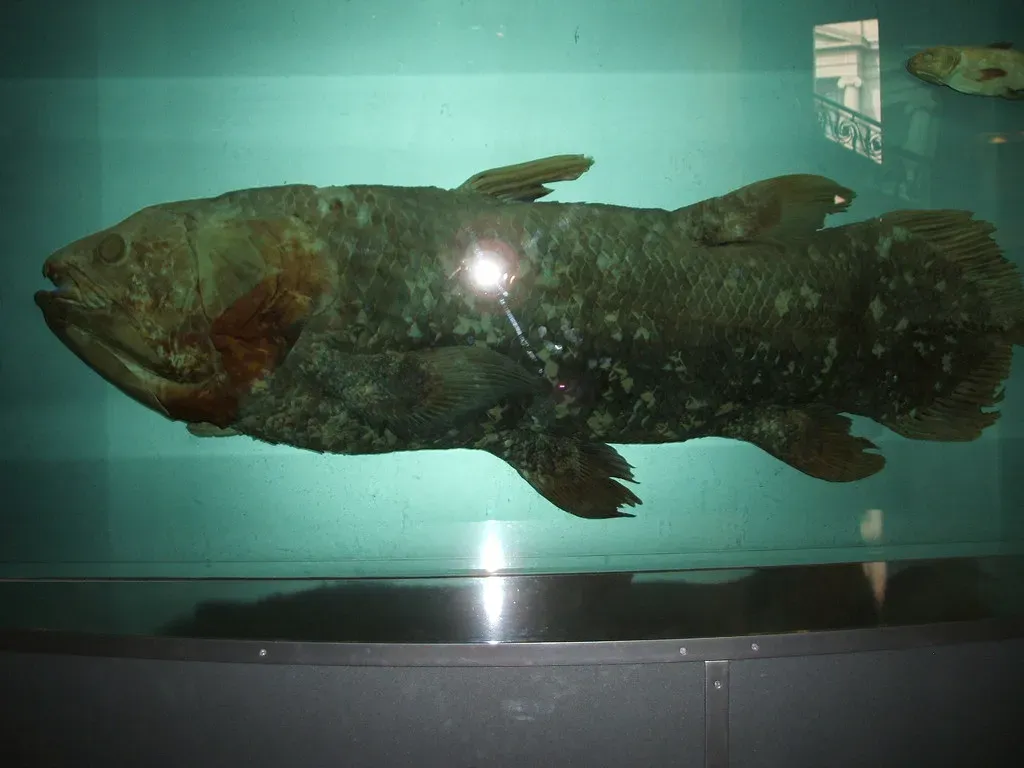
On December 22, 1938, a trawler working off the South African coast hauled up something that Marjorie Courtenay-Latimer, curator of the East London Museum, immediately recognized as deeply wrong – a large, blue fish, roughly 1.5 metres long, with armor-like scales and strange, lobed fins that matched fossil descriptions of the coelacanth, a lineage presumed wiped out alongside the non-avian dinosaurs. The fishermen had no idea what they had. Courtenay-Latimer carefully preserved the specimen, made detailed drawings, and contacted ichthyologist J.L.B. Smith at Rhodes University. When Smith finally saw it, he confirmed it with a cable that has since become famous in scientific circles: “Most Important Preserve Skeleton and Gills = Fish Described.” The scientific world, once fully informed, had a quiet crisis.
The coelacanth wasn’t just alive – it was almost unchanged from its ancient fossil ancestors, a fact that raised genuinely uncomfortable questions about what else the fossil record might be missing. If an entire lineage of large, distinctive fish had survived tens of millions of years of supposed absence without leaving a single fossil trace in that window, what confidence could researchers place in extinction declarations based on rocks alone? Scientists now classify organisms like the coelacanth as “Lazarus taxa” – lineages that vanish from the fossil record only to reappear, very much alive, much later. The deeper lesson – that the absence of fossil evidence is not the same as evidence of absence – reshaped how scientists talk about extinction to this day.
Fast Facts: The Coelacanth Comeback
- Caught December 22, 1938, off the Chalumna River mouth, Eastern Cape, South Africa
- Thought extinct for roughly 65–70 million years before this catch
- Named Latimeria chalumnae – honoring Courtenay-Latimer and the river where it was found
- A second specimen wasn’t confirmed until 14 years later, in 1952
- Living coelacanths can reach 2 metres long and 100 kg; males may not reach maturity until age 40–69
- Now considered the best-known example of a “Lazarus taxon” in the fossil record
#2 – A Canadian Mountain Road Blasted Open One of the Most Important Fossil Sites on Earth
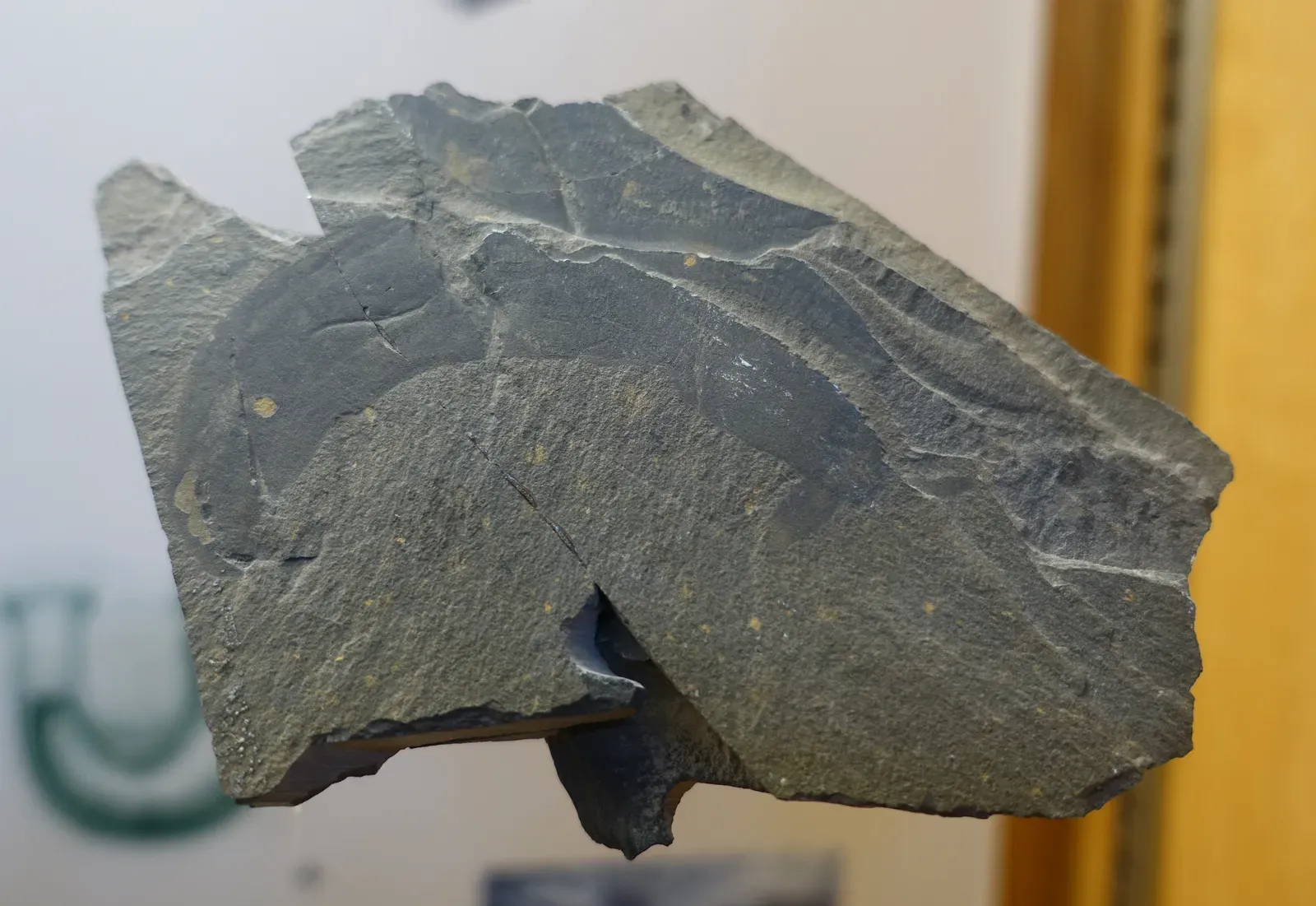
On August 30, 1909, workers widening a trail through the Canadian Rockies in British Columbia accidentally exposed layers of shale packed with something extraordinary: soft-bodied Cambrian creatures preserved in microscopic detail, representing body plans so alien they looked like nothing else in the fossil record. The site became known as the Burgess Shale. What the initial trail work uncovered would take decades of systematic excavation to fully appreciate, but the first exposure did the critical thing – it opened the window. The site was designated a UNESCO World Heritage Site in 1980, with the citation noting that the fossils “provide key evidence of the history and early evolution of most animal groups known today.”
The creatures entombed in that shale dated back roughly 505 to 510 million years, to the Cambrian explosion – a period when animal life diversified at a rate that still defies easy explanation. Standard fossil sites from this era preserved hard shells and bones. The Burgess Shale preserved eyes, guts, and gill structures – the soft architecture of bodies that would otherwise vanish without a trace. The anatomical diversity on display was so extreme that it forced a fundamental reconsideration of early animal evolution and how many body plans simply didn’t survive to leave living descendants. Without the road crew, the site might still be sealed inside a mountain, unknown.
#1 – Tiktaalik Was Found Through Logic, Persistence, and the Kind of Luck That Only Comes After Years of Work
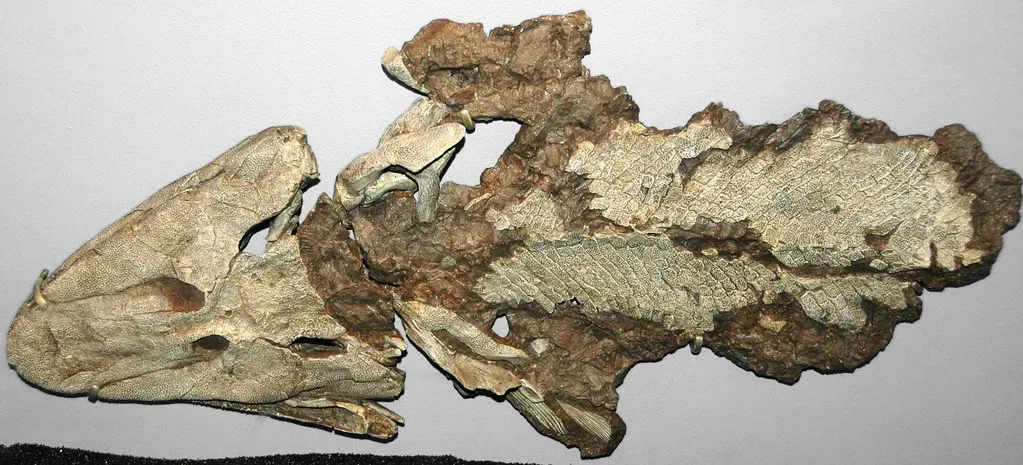
In 2004, a team led by Neil Shubin had spent years following a specific geological argument: if a fish-to-land-vertebrate transitional form existed, it should be found in Late Devonian freshwater deposits of a particular age. They identified exposed rock matching that description on Ellesmere Island in the Canadian Arctic, one of the most inhospitable places on Earth, and kept returning until the ice and erosion cooperated. What finally appeared was Tiktaalik – a fish with a neck, ribs, and fins built more like limbs than paddles, exactly the transitional form evolutionary theory had predicted for over a century without being able to produce.
The reason it belongs on this list isn’t that the discovery was unplanned – it was planned, rigorously. What made it accidental in the truest sense is that the team had no guarantee the fossil was there at all. They were betting on a prediction, not following a confirmed lead, and the precise location only revealed itself because erosion had done its quiet work at exactly the right moment. Tiktaalik confirmed the sequence of limb evolution from water to land in a way that silenced even the most determined skeptics. It also demonstrated something the entire list points toward: the best discoveries in paleontology happen at the intersection of preparation and events nobody controls.
Why It Stands Out: Tiktaalik vs. Every Other Find on This List
- The only entry where scientists deliberately targeted a prediction – and erosion still had to cooperate on its own schedule
- Tiktaalik had a neck – the first fish known to be able to turn its head independently of its body
- Its fins contained a primitive wrist structure – a direct evolutionary ancestor of the human hand and arm
- Found on Ellesmere Island, Nunavut – one of the most remote and logistically difficult field sites in the world
- Formally described in Nature in 2006; immediately closed a gap in vertebrate evolution that had stood open for over a century
What These 11 Finds Are Actually Telling Us
The through-line connecting a stumbling kid in New Mexico, a storm-battered English cliff, and a Mexican subway trench isn’t incompetence or randomness – it’s the humbling reality that the Earth reveals its history on its own schedule, not ours. Every one of these discoveries arrived ahead of the theory it overturned. The fossil record doesn’t wait for researchers to be ready. It waits for erosion, construction, a curious glance, a misplaced step.
The more uncomfortable implication is this: if eleven of the most paradigm-shifting fossil finds in history came from pure accident, how many equivalent discoveries are currently sitting under pavement, behind a development permit, or eroding silently into a river where no one walks? The science is remarkable. The losses we’ll never know about might be even more so. Pay attention to the ground beneath you. It has a longer memory than anything built on top of it.