There’s something quietly staggering about standing on ground that was already ancient before humans existed. Some rock formations around the world don’t just contain fossils, they ARE the physical pages of an era so vast it barely feels possible. The Mesozoic Era lasted from roughly 252 to 66 million years ago, comprising the Triassic, Jurassic, and Cretaceous periods. That’s nearly 186 million years of life, upheaval, and transformation, written into stone.
This era was characterized by the dominance of archosaurian reptiles such as dinosaurs, a hot greenhouse climate, and the tectonic breakup of Pangaea. The geological wonders that survive from this time are more than scenic landmarks. They’re portals. Here are 11 of the most remarkable formations that actually bore witness to .
The Morrison Formation, Western United States
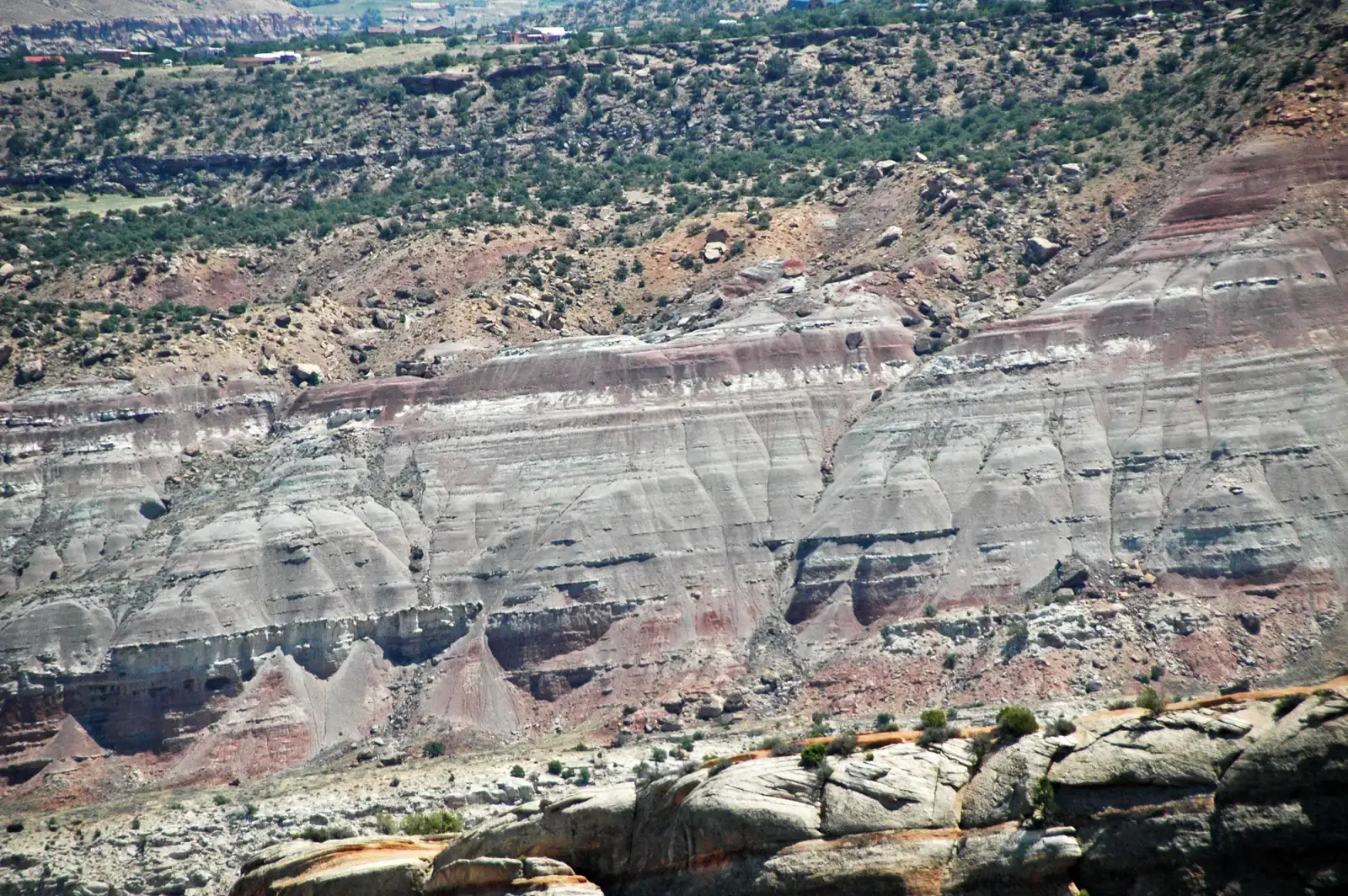
You want a direct window into Jurassic life in North America? Look no further than the Morrison Formation. This distinctive sequence of Upper Jurassic sedimentary rock found in the western United States has been the most fertile source of dinosaur fossils on the continent, composed of mudstone, sandstone, siltstone, and limestone in shades of light gray, greenish gray, and red. It’s the kind of formation that makes geologists openly excited.
These rocks were deposited during the Late Jurassic period, approximately 148 to 155 million years ago, in a variety of environments including riverbanks, floodplains, lakes, and swamps. Some of the most well-known dinosaurs from the Morrison Formation include Allosaurus, Stegosaurus, and Apatosaurus. The sheer volume of life it once cradled is almost hard to absorb.
Petrified Forest National Park, Arizona, USA
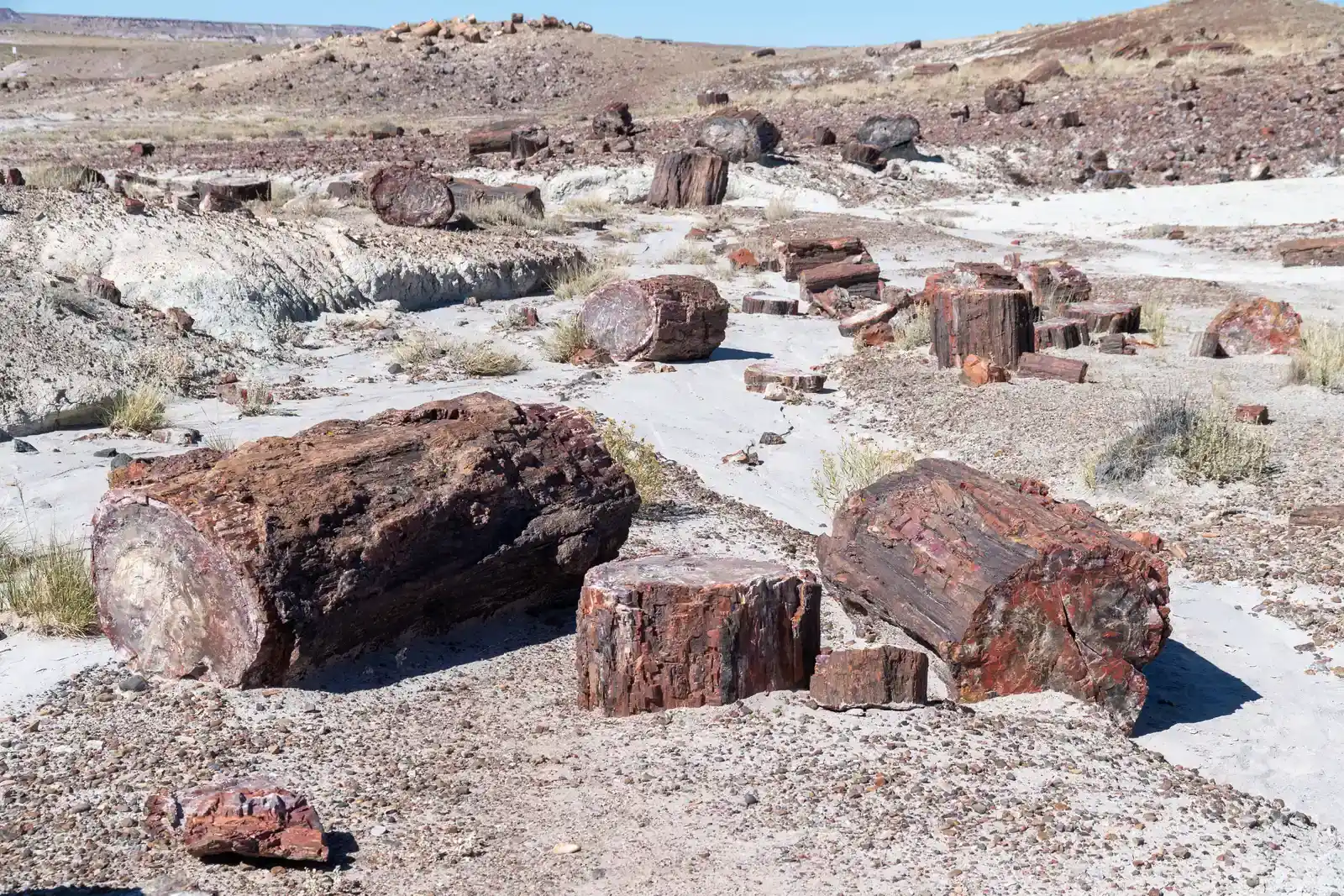
This is one of those places that looks almost fictional when you first see it. Petrified Forest National Park is best known for its petrified wood fossils from the Late Triassic period, formed when sediment and volcanic ash buried downed trees that accumulated in ancient river channels, with quartz crystals later replacing wood cells with stone. The result is a landscape of glittering, crystallized logs scattered across painted desert badlands.
The Chinle Formation here is fossiliferous, with a diverse array of extinct reptile, fish, and plant fossils, including early dinosaurs and the famous petrified wood. The Chinle Formation was deposited between roughly 227 and 205 million years ago, an important time for tetrapod, including reptile and dinosaur, evolution. You’re essentially walking through the dawn of the dinosaur age every time you visit.
The Flaming Cliffs (Bayanzag), Mongolia
![The Flaming Cliffs (Bayanzag), Mongolia (Uploaded from English Wikipedia [1]., CC BY-SA 3.0)](https://nvmwebsites-budwg5g9avh3epea.z03.azurefd.net/dinoworld/94b1e71894be1bd3f6e5126b1a9c768c.webp)
Few places on Earth carry the dramatic weight of the Flaming Cliffs. The nickname was given by American paleontologist Roy Chapman Andrews because of the site’s dramatic orange-red sandstone, which glows vividly at sunset, stretching roughly 5 kilometers wide and 8 kilometers long with striking ravines and buttes shaped by millions of years of wind erosion. The visual impact is immediate and unforgettable.
Scientifically known as the Djadokhta Formation, the Flaming Cliffs dates to the Cretaceous Period roughly 84 to 75 million years ago and has preserved major discoveries, including the first confirmed finding of dinosaur eggs. Other finds in the area include specimens of Velociraptor and early eutherian mammals. You can still find fragments of fossilized bone scattered on the surface here today.
The Solnhofen Limestone, Bavaria, Germany
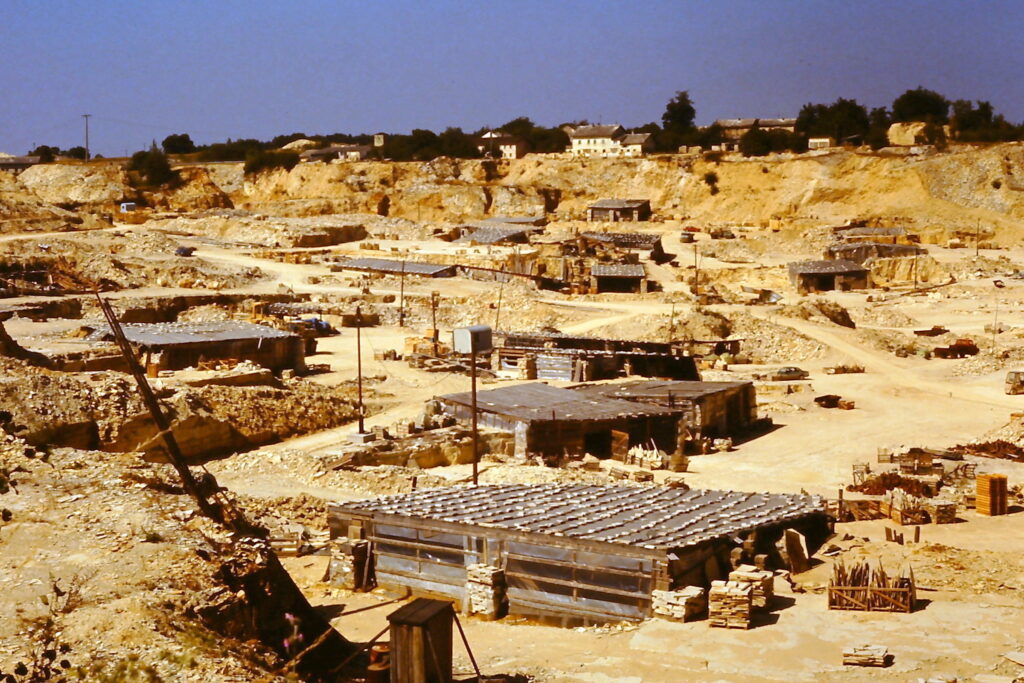
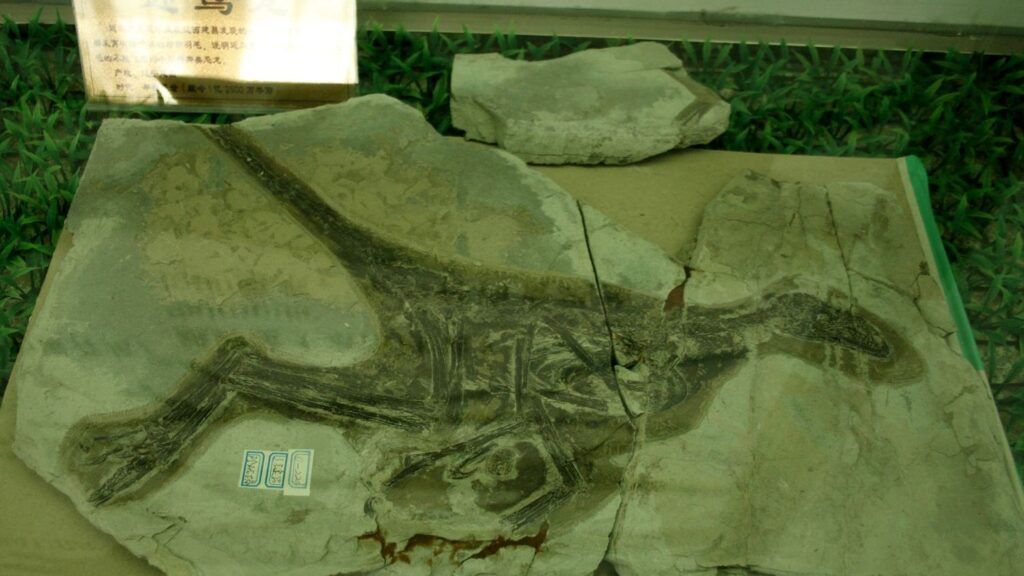
If any geological formation deserves to be called a masterpiece of preservation, it’s the Solnhofen Limestone. Located in southern Germany, it covers an area of roughly 100 square miles and is famous for its exceptional preservation of fossils from the Late Jurassic period, around 150 million years ago. The detail locked into these ancient stones is extraordinary, right down to feather impressions and jellyfish outlines.
During the Late Jurassic, this area was an archipelago at the edge of the Tethys Sea, with placid lagoons that had limited access to the open sea, where rising salinity created brines that couldn’t support life and where the lowest water was devoid of oxygen, keeping scavengers away. The most familiar fossils of the Solnhofen Limestone include the early feathered theropod dinosaur Archaeopteryx, preserved in such detail that they are among the most famous and most beautiful fossils in the world.
Dinosaur National Monument, Utah and Colorado, USA
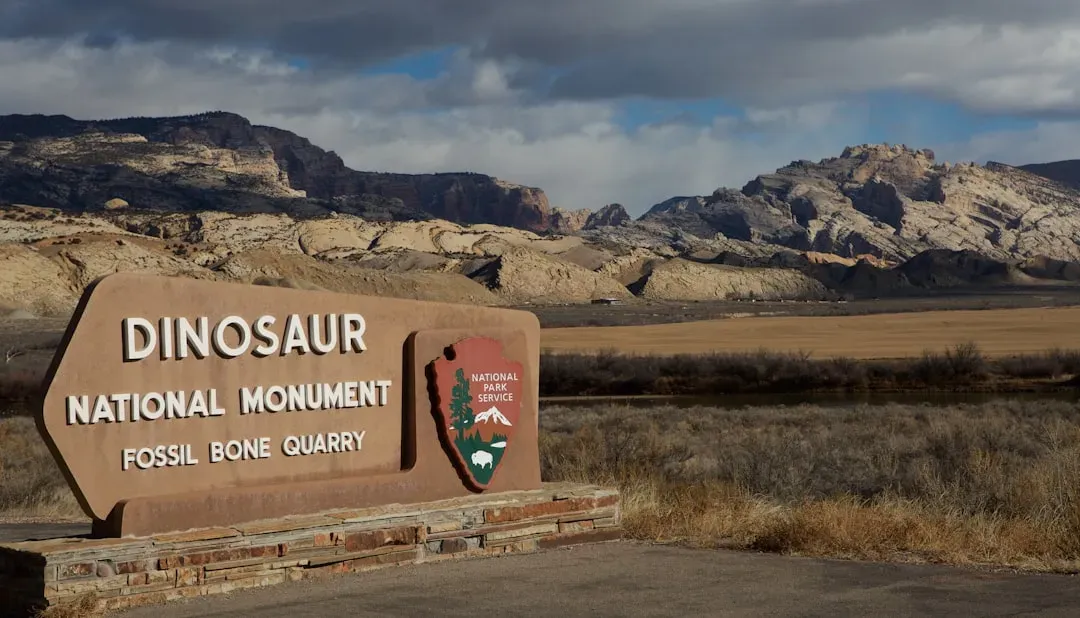
If you’ve never seen a wall of embedded dinosaur bones left exactly where paleontologists found them, Dinosaur National Monument is the place to change that. Located in both Colorado and Utah, the monument features roughly 1,500 dinosaur bones from the Jurassic period, including Allosaurus, Apatosaurus, Camarasaurus, Diplodocus, and Stegosaurus, with the refurbished Quarry Exhibit Hall offering an environment where you can actually touch 149-million-year-old fossils. That’s not a metaphor. You really can reach out and touch the Jurassic.
Dinosaur National Monument was first excavated by Earl Douglas working for the Carnegie Museum in 1909, with the purpose of finding sauropods from the Morrison Formation for public display. A vast desert covered Southwest North America in the Jurassic, and ancient sand dunes now form tall cliffs in many parks including the Glen Canyon National Recreation Area nearby. The whole region is a geological time machine hiding in plain sight.
Ischigualasto Provincial Park (Valley of the Moon), Argentina
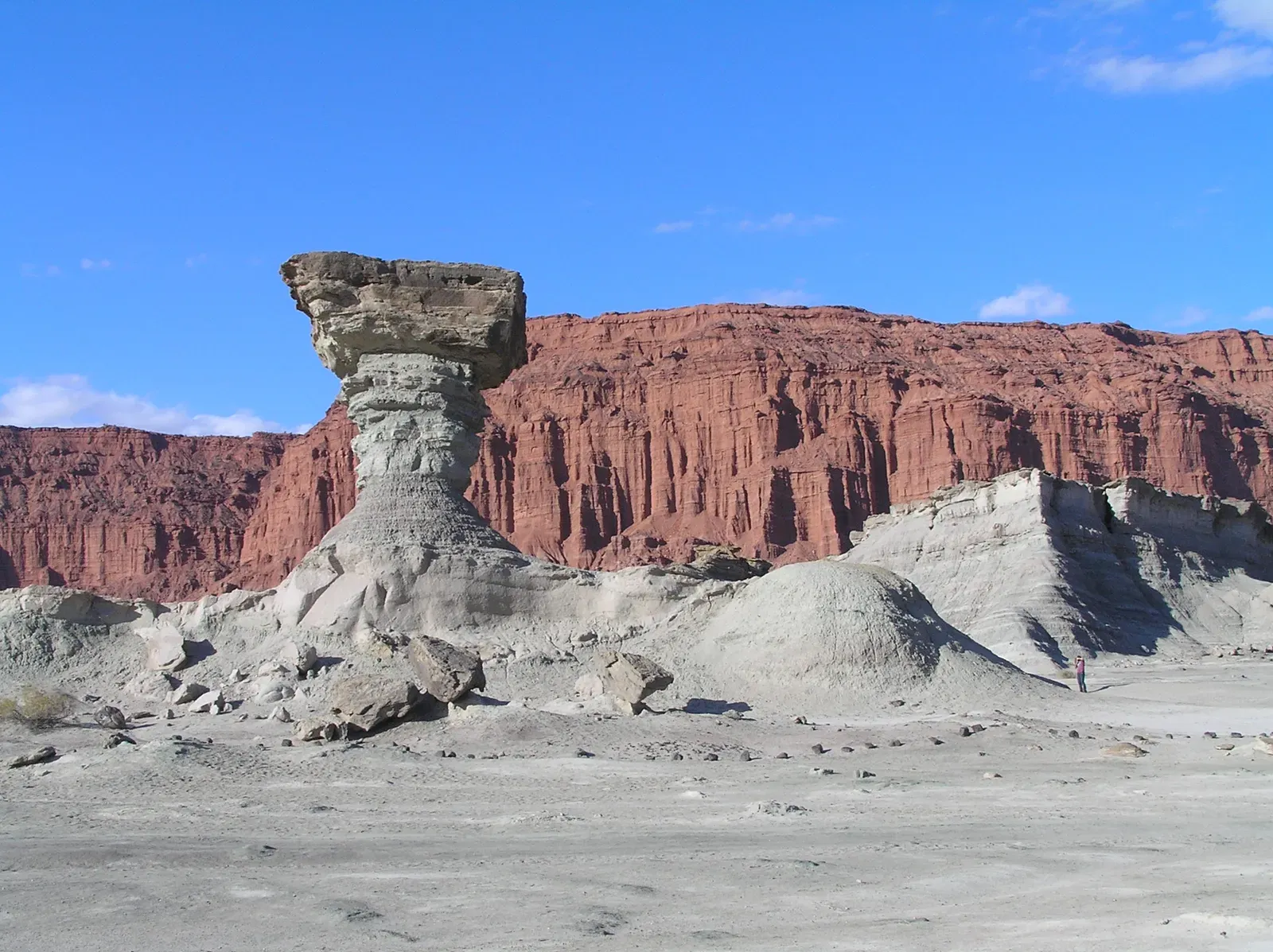
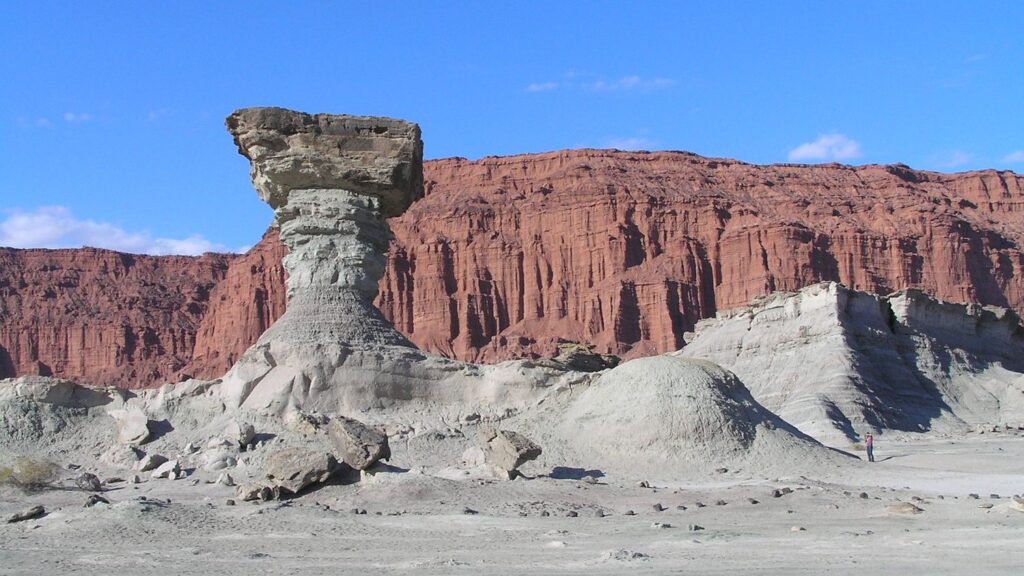
There’s nowhere else quite like Ischigualasto. The terrain is so alien, so stripped and sculpted by millions of years of erosion, that it earned the name Valley of the Moon long before anyone understood what it contained. Located in northwestern Argentina and spanning approximately 170 square miles, this site is known for its well-preserved fossils from the Triassic period around 230 million years ago and is home to some of the oldest known dinosaur fossils anywhere on Earth.
The park is particularly famous for the discovery of fossils of early dinosaurs like Herrerasaurus and Eoraptor, and the Ischigualasto formation provides crucial evidence of the transition from the Paleozoic to the Mesozoic Era, offering insights into the very origins of dinosaurs. The park’s unique landscape, with its bizarre rock formations and lunar-like terrain, makes it a destination for paleontologists and tourists alike. It’s where dinosaur history effectively begins.
The Nemegt Formation, Gobi Desert, Mongolia
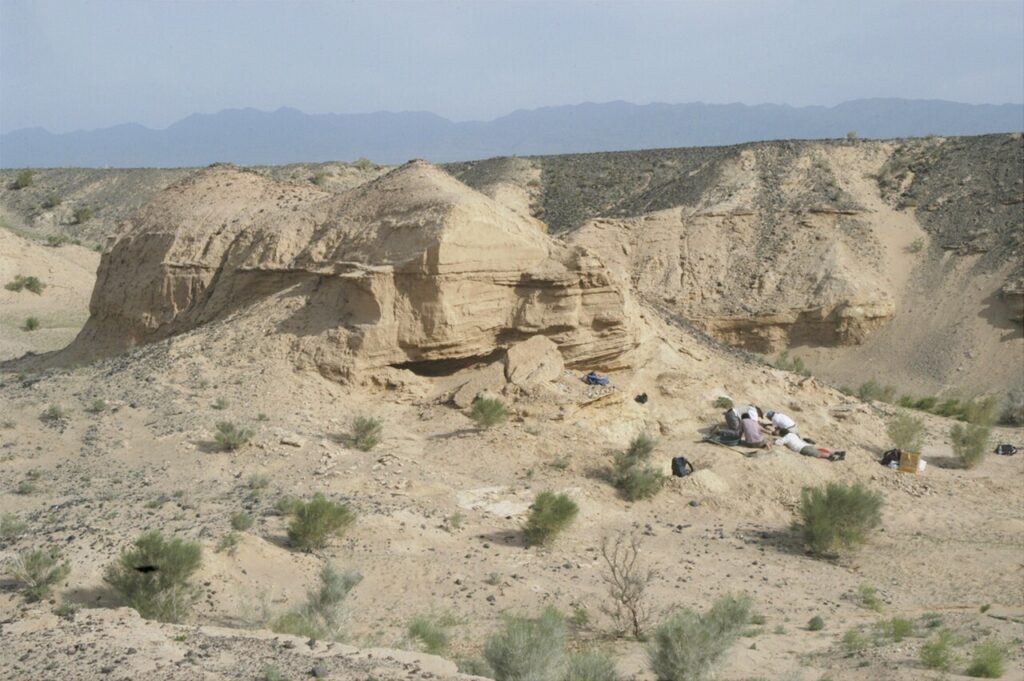
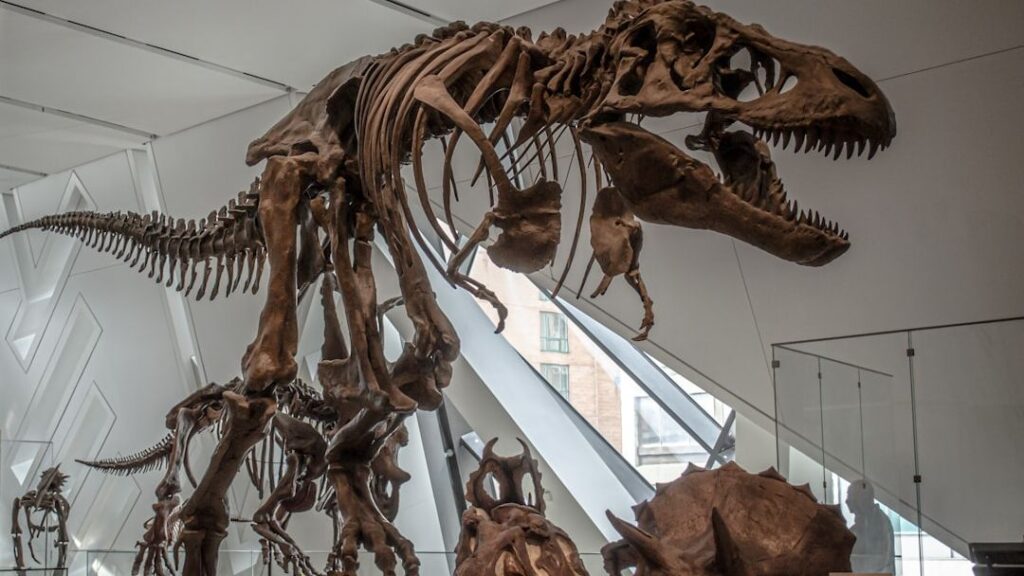
Late Cretaceous Mongolia was a very different world from the barren desert you’d find today, and the Nemegt Formation preserves that contrast in remarkable detail. The Nemegt Formation is a Late Cretaceous fossil-rich geological layer, famous for containing some of the most complete dinosaur skeletons ever found in Asia, including enormous herbivorous dinosaurs like Therizinosaurus with its scythe-like claws, the duck-billed Saurolophus, and the massive predator Tarbosaurus bataar, an Asian cousin of the North American Tyrannosaurus rex.
Dating from the Late Cretaceous, the Nemegt sedimentary geological formation consists of river channel sediments and contains fossils of fish, turtles, crocodilians, birds, and diverse fauna from the time of the dinosaurs. The Nemegt fossils also provide crucial information about the environment, revealing ancient river channels, forests, and floodplains teeming with diverse species and showing that the area once supported rich ecosystems. What looks like emptiness today was once lush and loud.
The Chinle Formation and the Painted Desert, Arizona, USA
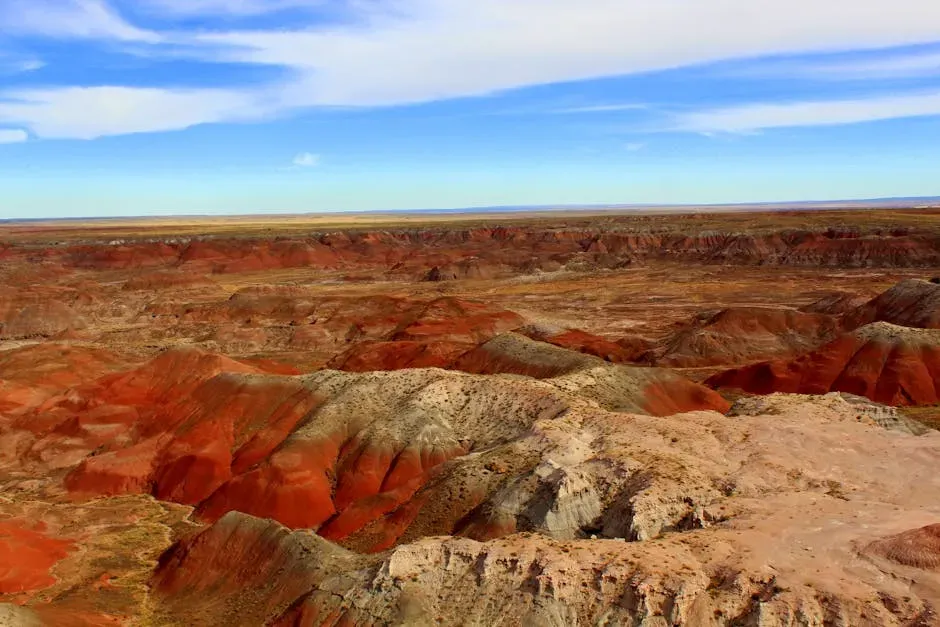
The Painted Desert is one of the most visually striking stretches of landscape in North America, and its colors aren’t accidental. They’re geological. The Chinle’s colorful mudstones, along with less abundant lenses of sandstone and conglomerate, were deposited by a large river system, and the formation typically erodes into badlands topography with clays prone to shrinking and swelling, dating to the Late Triassic between 230 and 210 million years ago.
The Chinle Formation was deposited during the Late Triassic when the supercontinent Pangea had landmass on both sides of the equator. Ghost Ranch in New Mexico, where the Chinle is also well exposed, has produced the famous Whitaker Quarry, known as the Coelophysis quarry due to a high concentration of fossils belonging to the early theropod dinosaur Coelophysis bauri. The Painted Desert really is as much a scientific archive as it is a landscape.
Cleveland-Lloyd Dinosaur Quarry, Utah, USA
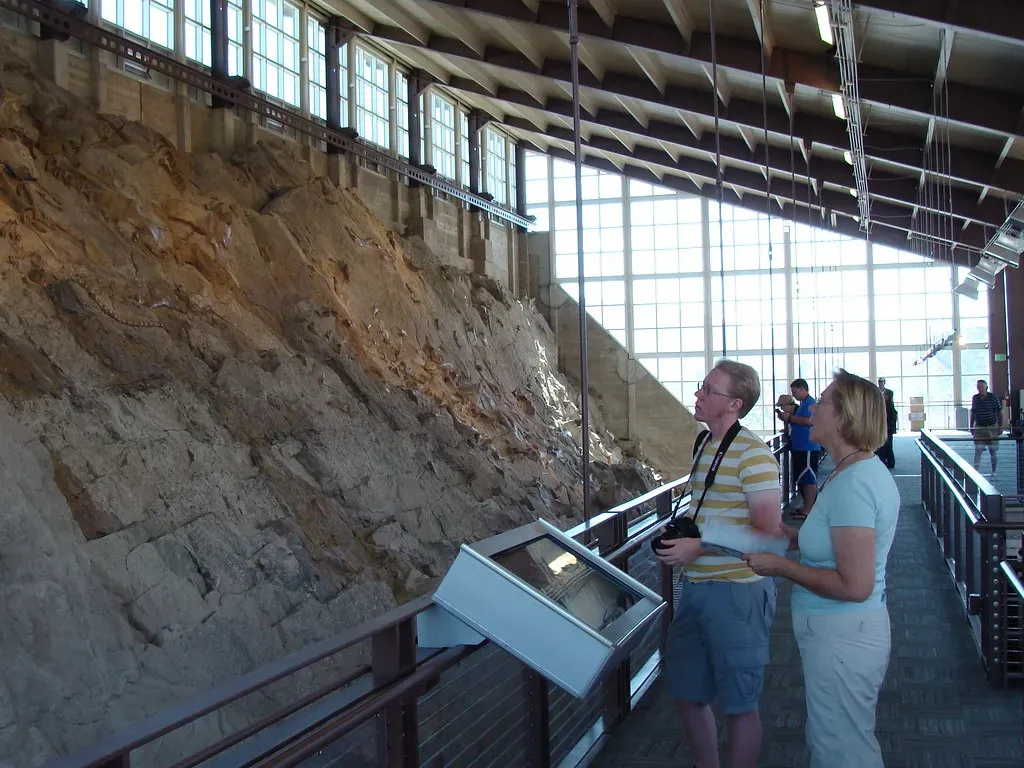
This one puzzles scientists to this day, and that’s part of what makes it so compelling. The Cleveland-Lloyd Dinosaur Quarry contains the densest concentration of Jurassic-aged dinosaur bones ever found, and scientists are still puzzled why more than three quarters of the bones found in the area are from carnivores. That ratio is wildly unusual in the fossil record and continues to fuel active debate.
During the Jurassic, the quarry was likely an ephemeral pond where dinosaurs gathered and died during severe drought, and their bodies were reworked by seasonal flooding events, which also added other partial carcasses from elsewhere. Allosaurus fragilis is by far the most common dinosaur at this site, making it a model organism for studies of paleobiology in basal theropods. You’re looking at what was once essentially a prehistoric death trap.
Cal Orko (Cretaceous Limestone Wall), Sucre, Bolivia
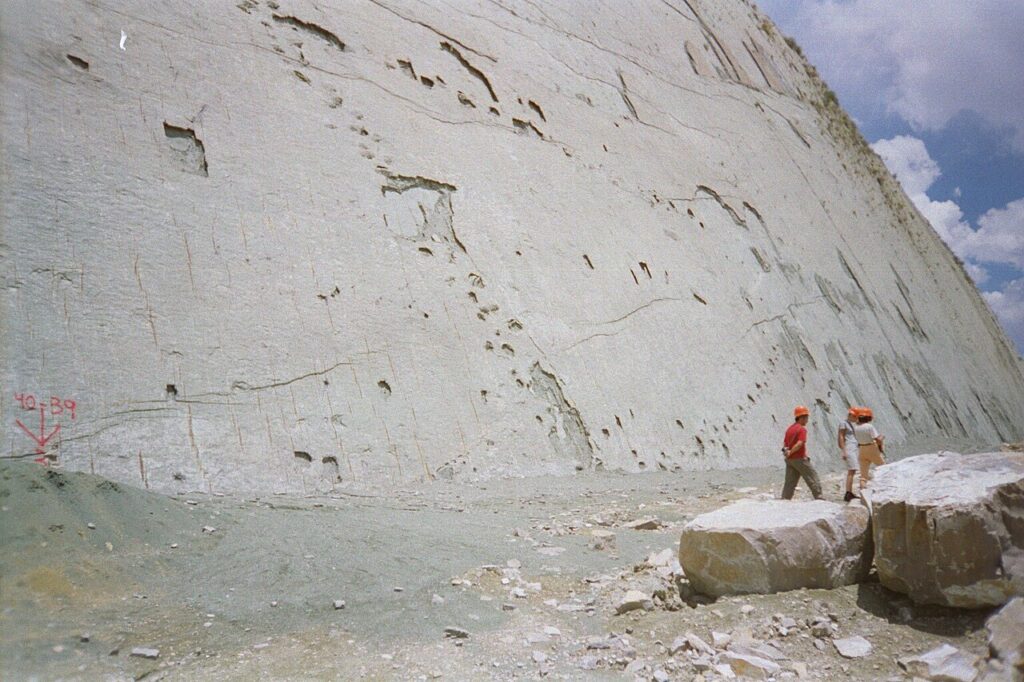
This is perhaps the most visually dramatic way to encounter anywhere on the planet. Cal Orko is home to the world’s largest group of dinosaur footprints, with over 5,000 of them, presented on an 80-meter-high vertical rock face, and the land surrounding this ancient watering hole was shifted skywards by subsequent tectonic movements. What was once a flat shoreline is now a near-vertical slab of geological history.
The tracks span multiple species, recording a moment in time when countless creatures moved across the same ancient mudflat. The site dates to roughly 68 million years ago, placing it firmly within the final chapter of the Cretaceous period. Mongolian Gobi desert fossil sites and locations like Cal Orko are outstanding examples of the chronological history of the Earth, including the evolution of nature and wildlife and geological processes of continental formations. Walking past Cal Orko, you’re reading a timetable written by dinosaur feet.
The Grand Staircase, Utah, USA
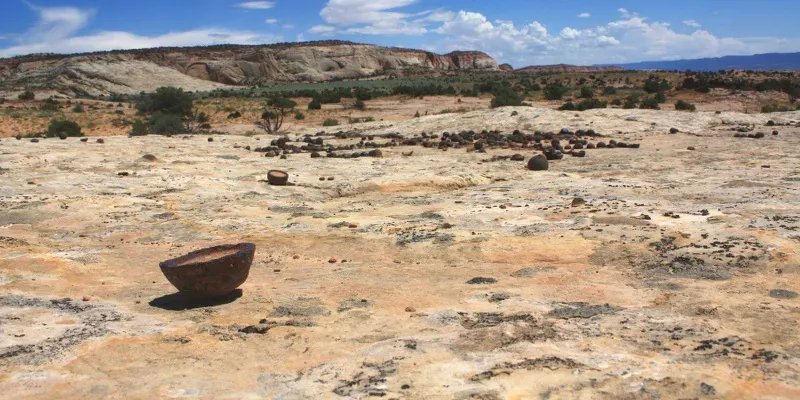
Few geological structures on Earth expose as many consecutive layers of deep time as the Grand Staircase region of southern Utah. It’s a sequence of colorful, eroding rock terraces that steps back through hundreds of millions of years, including deep into the Mesozoic. As climate changed and rapid plate tectonics resulted in shallow ocean basins, sea levels rose worldwide, and many now-arid western parks, including those along the Grand Staircase, were inundated by the Cretaceous Interior Seaway that bisected North America.
Triassic and Jurassic rocks found here appear around St. George, Zion National Park, and Grand Staircase-Escalante National Monument, as well as in and around Glen Canyon National Recreation Area, Capitol Reef National Park, Canyonlands National Park, Arches National Park, and Dinosaur National Monument. The sheer geography of it is staggering: an entire continent’s dinosaur history laid out in a single ascending staircase of stone. Geologists have been reading it for well over a century, and they’re still finding new chapters.
Conclusion
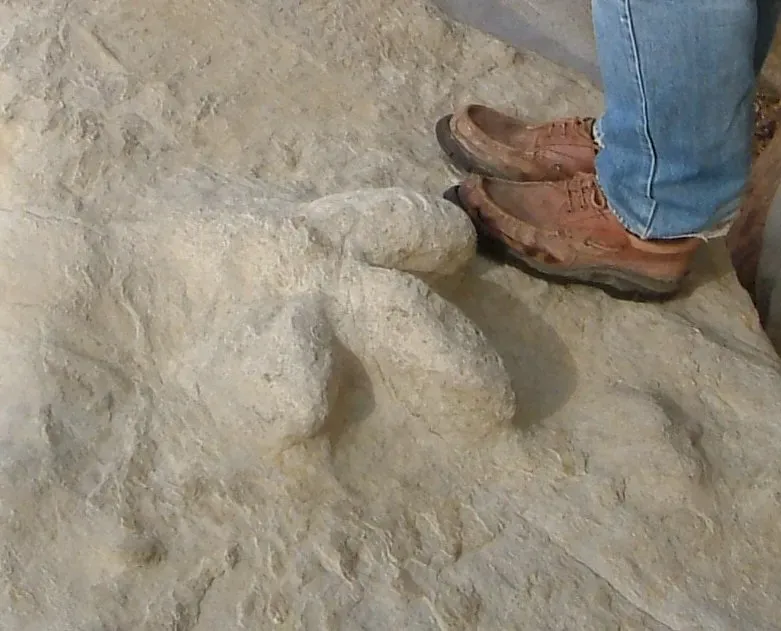
What ties all eleven of these places together is something beyond fossil counts or stratigraphy. Each one is a physical record of time so deep it reframes every other kind of history. The Mesozoic was a time of geologic and biological transition, during which the continents began to move into their present-day configurations. The rocks that remain from that era aren’t ruins. They’re statements.
You don’t need a degree in paleontology to feel the weight of these places. Whether you’re standing at the edge of the Painted Desert watching the color bands shift in the afternoon light, or you’re looking at 5,000 dinosaur footprints pressed into a vertical cliff face in Bolivia, the message is the same: this planet has been through things we can barely imagine. These formations are the proof. The most honest thing you can take away from any of them is a renewed sense of perspective, and perhaps a little more patience with a world that’s been reshaping itself for hundreds of millions of years and clearly has no plans to stop.