
Some people seem to bend without ever breaking. They lose jobs, get rejected, face illness, and somehow still find a way to stand back up, sometimes even stronger than before. It can look almost mysterious from the outside, like they were born with some secret inner armor you somehow missed out on.
The truth is far more encouraging: resilience is not magic, and it’s not reserved for a lucky few. Research shows it’s a set of learnable habits, patterns, and mindsets that you can train, the way you’d train a muscle. In other words, you do not need a different life to become more resilient; you need different daily habits. Here are 11 of the most powerful ones you can start practicing today.
1. They Name Their Feelings Instead Of Numbing Them
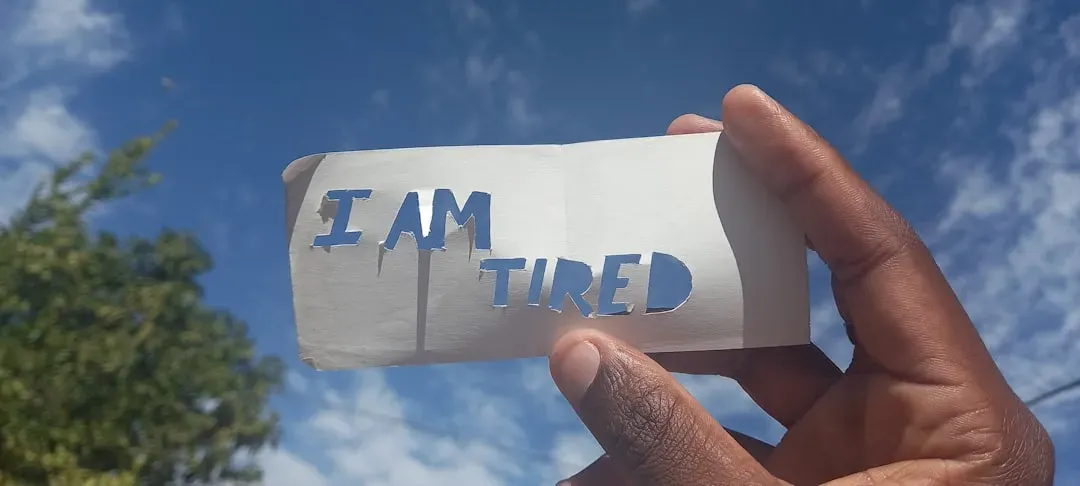
It sounds simple, but saying to yourself “I feel anxious” or “I’m angry and disappointed” is one of the most scientifically grounded resilience tools we have. Brain imaging research shows that putting emotions into words calms down the brain’s alarm systems and gives your thinking brain more control. When you label what you feel, you move from being inside the emotional storm to observing it from the outside.
Highly resilient people are not the ones who never feel fear, sadness, or shame; they’re the ones who refuse to shove those feelings underground with work, food, alcohol, or endless scrolling. They treat emotions like dashboard lights in a car: signals to pay attention, not enemies to fight. You can start building this habit by checking in with yourself a few times a day and quietly naming what you feel, even if it’s messy or contradictory. It’s a small practice, but over time it teaches your brain that big feelings are tolerable and temporary, not something that will drown you.
2. They Ask “What Now?” Instead Of “Why Me?”
After something painful happens, your mind naturally wants to ask why: Why me? Why now? Why this? That question feels logical, but it often pulls you into rumination and self-pity, not action. Resilient people might visit that question briefly, but they don’t live there. They switch, sometimes quite deliberately, to a different one: What now?
What now opens up a path forward, even when the situation is unfair or makes no sense. It might mean asking what one tiny step you can take today, or what you still have control over in a situation that feels chaotic. I had a season in my own life where a carefully built project fell apart overnight, and I spent weeks circling around “why.” The shift to “What’s one constructive thing I can do in the next 24 hours?” didn’t make the loss fair, but it got me moving again, like turning on a flashlight in a dark room. That question is a habit you can rehearse until it becomes instinct.
3. They Protect Their Sleep Like It’s A Superpower

Sleep is not just rest; it’s emotional first aid. During deep and dream sleep, your brain literally processes emotional memories, filing them away so they hurt less the next day. When people are sleep deprived, they are more reactive, more pessimistic, and more likely to interpret neutral events as threats. In other words, lack of sleep quietly drains your resilience bank account.
Resilient people rarely treat sleep as optional or as a reward they only “deserve” after finishing everything on their list. They create simple, boring routines that send their brain the signal it’s time to power down: dimming lights, putting screens away, a repeatable wind-down ritual. Think of it like charging your emotional battery overnight; you would not expect your phone to run on one bar forever, yet many of us expect that from our nervous systems. If you start anywhere, start with thirty more minutes of consistent sleep and notice how much more emotionally steady you feel within a couple of weeks.
4. They Maintain Tiny Daily Routines When Life Gets Messy

When life blows up – breakups, layoffs, health scares – it’s tempting to let every routine fall apart. You stop cooking, stop moving, stop doing the small things that stabilized you before the crisis. Resilient people do the opposite: they shrink their routines instead of abandoning them. Maybe their usual hour-long workout becomes a ten-minute walk, or their elaborate morning ritual becomes a quick coffee and two minutes of quiet breathing.
The point is not perfection; it’s continuity. Those small rituals whisper to your nervous system that, even in chaos, not everything is out of control. It’s a bit like keeping one lamp on in a house during a storm – symbolically, it says you’re still here, still choosing. The habit to build is asking yourself, in hard times, “What is the smallest, easiest version of my healthy routine I can keep doing?” and then fiercely protecting that. Over time, those micro-routines become anchors you instinctively hold onto when the waves rise.
5. They Practice Self-Compassion Instead Of Harsh Self-Criticism

A lot of us secretly believe that beating ourselves up will keep us motivated and strong. The research shows the opposite: people who treat themselves with basic kindness after setbacks are more likely to take responsibility, try again, and improve over time. Harsh self-talk, on the other hand, is like emotional sandpaper; it wears down your confidence until you stop attempting difficult things altogether.
Resilient people tend to talk to themselves more like they would talk to a close friend who messed up: honest, but not cruel. That might sound soft, but it actually helps them recover faster and learn from failure without being crushed by it. If this feels fake at first, try a simple habit: when you catch your inner voice saying something you’d never say to someone you love, pause and rewrite the sentence in your head. You’re not trying to sugarcoat reality; you’re aiming for a tone that is firm, truthful, and humane. With practice, that becomes your new default – and your ability to bounce back grows with it.
6. They Invest In Real-Life Connections, Not Just Contacts

Social support is one of the most consistent predictors of resilience found in decades of psychological research. Not the number of followers you have, or how many people laughed at your story, but the small circle of people you can actually be honest with. Resilient people put real time and energy into those relationships, especially when they are busy or stressed, because they know connection is not a luxury; it is survival hardware.
This does not mean they are always extroverted or endlessly available. It means they check in, they ask for help, they return calls, they show up. They also tend to choose relationships where vulnerability is allowed, not punished. Think of these people as your emotional safety net; if one node weakens, the whole net still holds. A concrete habit to adopt is scheduling at least one meaningful conversation a week – ten minutes of real talk with a friend, partner, or family member where you drop the performance and say how you actually are. Over time, that habit quietly builds a protective web around you.
7. They Separate Facts From Stories In Their Head

Under stress, the brain loves to create dramatic stories: Everyone thinks I’m a failure, This will ruin everything, Nothing ever works out for me. These are not facts; they are interpretations, and resilient people learn to tell the difference. They mentally separate what actually happened from the meaning they are adding on top of it, almost like an internal detective.
A useful habit here is to literally list two columns when something upsets you: one for raw facts everyone would agree on, and one for the story you are telling yourself about those facts. Often you will find that the facts column is surprisingly short, while the story column is long and catastrophic. Resilient people are not immune to those stories; they just do not let them run unchecked. They question them, adjust them, and look for alternative explanations that are more balanced and realistic. This mental skill does not remove pain, but it keeps you from spiraling into unnecessary suffering.
8. They Move Their Bodies To Regulate Their Minds

Resilience is as much biological as it is psychological, and movement is one of the fastest ways to change your biology in moments of stress. Physical activity, even light walking, reduces stress hormones and increases chemicals in the brain associated with mood and motivation. When resilient people feel overwhelmed, they are more likely to move than to sit completely frozen, even if it is just pacing around the room or stretching for five minutes.
You do not have to become a marathon runner to benefit from this habit. Think of movement as your built-in pressure valve: when tension builds up, you release some of it through your muscles instead of letting it explode in your thoughts or relationships. Many people notice that problems feel slightly smaller and more manageable after a short walk, not because life changed in those fifteen minutes, but because their nervous system shifted state. If you start pairing movement with your hardest moments, your brain will eventually learn that stress is a cue to move rather than to shut down.
9. They Decide What Truly Matters Before Crisis Hits
In the middle of a crisis is a terrible time to decide what your values are. Resilient people usually have a fairly clear sense of what they stand for – family, integrity, learning, service, creativity – before life blindsides them. That clarity gives them a kind of internal compass when external circumstances are chaotic. They might still feel lost, but they know which direction is “true north” for them.
A practical way to build this habit is to choose three core values and ask, in hard moments, “What does it look like to live one of these values today, in a tiny way?” If you value kindness, maybe it is a text to someone else who is struggling. If you value growth, maybe it is journaling what this experience is teaching you, even if you did not ask for the lesson. Decisions made through the lens of your values tend to feel steadier and reduce regret later, which is a huge part of resilience. You cannot control every outcome, but you can control whether you acted in alignment with who you want to be.
10. They Treat Setbacks As Data, Not As A Verdict
When something goes wrong – a failed exam, a bad presentation, a business idea that flops – it’s easy to translate that into a personal verdict: I am not smart enough, I was stupid to try, I should never do this again. Resilient people see the same event and are much more likely to ask, sometimes annoyingly calmly, “What is this trying to teach me?” They frame setbacks as information, feedback from the world that can help them adjust their approach.
This is not forced positivity; it is pragmatic. If you treat every misstep as a final judgment on your worth, you will stop experimenting and your life will shrink. If you treat missteps as data points, you might feel disappointed, but you stay in motion. A concrete habit is doing a quick “post-mortem” after things go badly: What worked, what did not, and what would I do differently next time? This keeps your identity separate from your outcomes and helps you bounce forward, not just bounce back.
11. They Regularly Expose Themselves To Small, Chosen Discomforts

One of the paradoxes of resilience is that you build it by not always choosing the easy path. People who handle big shocks well are often the same people who have a practice of leaning into small, voluntary challenges: cold showers, difficult conversations, public speaking, learning new skills that make them feel clumsy at first. Each time they choose controlled discomfort, they send their brain a quiet message: I can do hard things and survive.
You do not need to turn your life into a never-ending boot camp, but modern comfort can make us fragile if we never stretch beyond it. Think of resilience like calluses on your hands; you get them by doing a little bit of hard work, regularly, not by sitting still. A simple habit might be picking one tiny thing each week that scares you just enough to make your stomach flutter, and doing it on purpose. Over time, you will notice that when life throws you unplanned discomfort, it feels less like a shock and more like terrain you have walked before.
Conclusion: Resilience Is Built In The Small, Boring Moments

It is tempting to think resilience appears in dramatic, cinematic moments – the hospital room, the courtroom, the breakup text at midnight. In reality, it is mostly built long before those scenes, in the quiet, unglamorous habits you repeat when nobody is watching. How you sleep, how you talk to yourself, who you call, what you do with your body, which questions you ask in your own head: these are the daily choices that decide whether you snap or bend when life leans on you.
My own opinion, after digging through both the science and a lot of real human stories, is that resilience is far less about being naturally tough and far more about being deliberately trained. It is not the loudest or most confident people who cope best; it is often the ones who quietly practice these habits long before they are needed. You do not have to adopt all eleven at once – pick one or two that feel doable this week and treat them like an experiment. A year from now, when something hard inevitably shows up, you might look back and realize those tiny, almost invisible choices are the reason you are still standing. Which habit are you willing to start training today?