There’s something almost primal about the way humans are drawn to dinosaurs. These creatures vanished roughly 66 million years ago, and yet you can’t walk through a natural history museum, flip open a children’s book, or watch a summer blockbuster without bumping into one. The obsession isn’t just nostalgic or childlike. It runs deeper than that. Every new fossil unearthed feels like a message from another world, a coded letter written in bone and stone across unimaginable stretches of time.
What makes dinosaur discoveries so uniquely spellbinding is that each major find doesn’t just add to a list of species. It reshapes everything you thought you knew. Some fossils rewrote the story of evolution. Others turned quiet scientists into household names. A few even triggered legal battles and international headlines. So buckle up, because we’re about to travel back to some of the most jaw-dropping moments in paleontological history. You might be surprised by how many of these stories you never heard before.
1. Megalosaurus: The One That Started It All
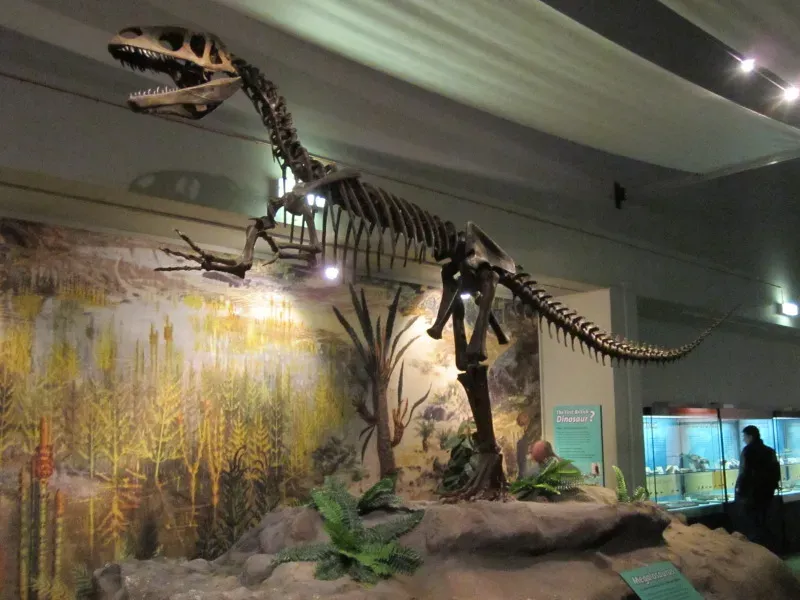
Before there was such a thing as a “dinosaur,” there was a jaw. A strange, enormous jaw sitting in the Stonesfield quarry in Oxfordshire, England. In 1815, bones belonging to a large prehistoric creature were discovered at the Stonesfield quarry in Oxford, and they were soon acquired by paleontologist William Buckland, who identified them as the skeleton of a gigantic lizard, the likes of which had never been seen before. Think about that for a moment. No concept of dinosaurs existed yet. No frame of reference, no prior discovery. Just this alarming, colossal bone, sitting there in the rubble.
Research on this creature’s bones continued in the following decades under Buckland, renowned French anatomist Georges Cuvier, and British anatomist Richard Owen, as more and more bone fragments emerged, and in 1824, Buckland officially named the creature Megalosaurus. In 1842, Owen decided that these fossils were so utterly different from any known reptiles that they deserved to be classified as a completely new group of giant fossil reptiles he called Dinosauria, meaning “terrible or fearfully great reptiles.” Prior to 1842, nobody had heard of dinosaurs. The rest is, in essence, history.
2. Iguanodon: The Herbivore That Broadened the Picture
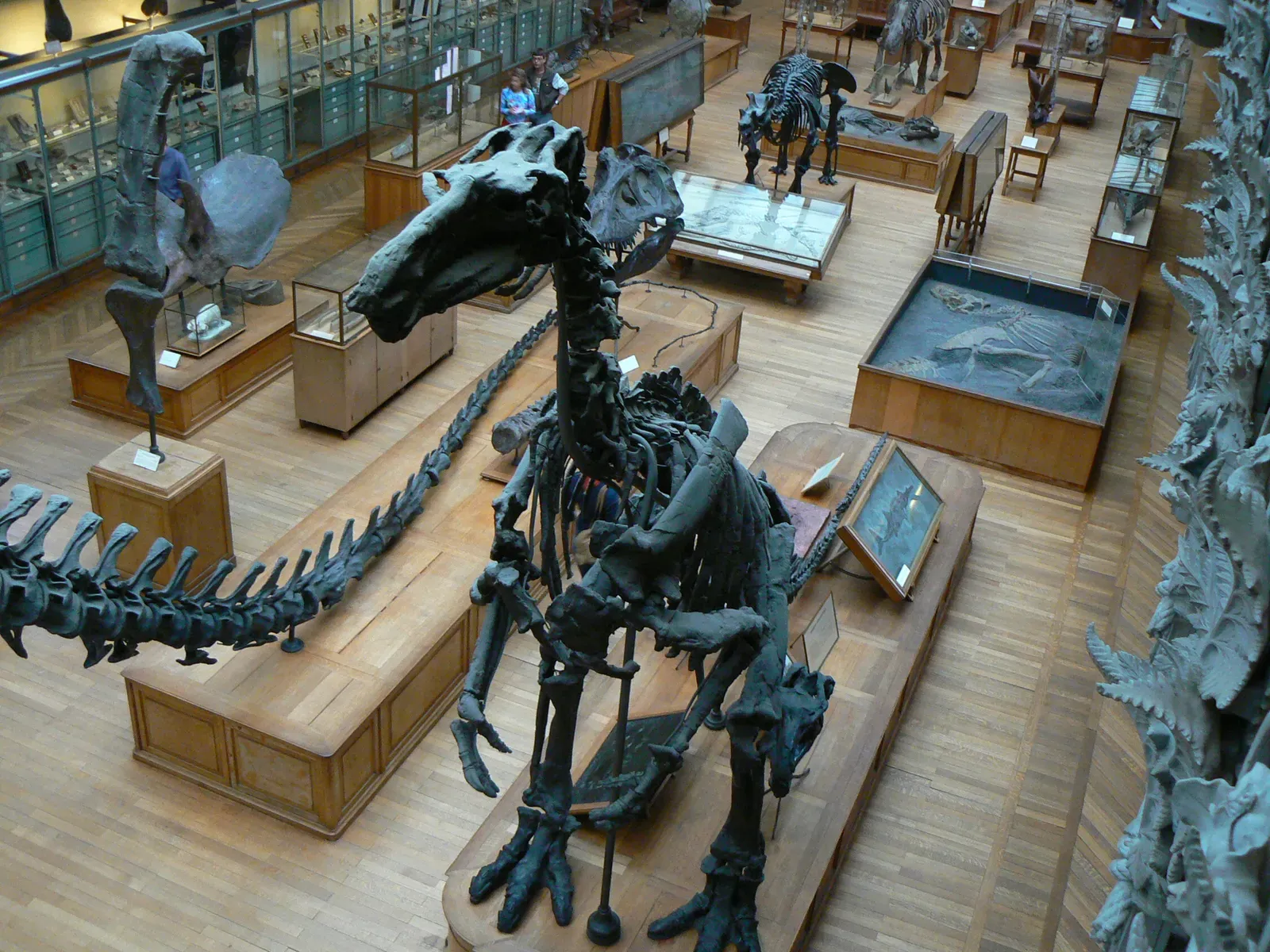
The second non-avian dinosaur genus to be identified, Iguanodon, was purportedly discovered in 1822 by Mary Ann Mantell, the wife of English geologist Gideon Mantell, though this is disputed. Gideon Mantell recognized similarities between his fossils and the bones of modern iguanas and published his findings in 1825. The name itself gives you the clue. “Iguana tooth.” It was a stretch, yes, but it was also a brilliant leap of deduction at a time when the entire concept of prehistoric reptiles was barely forming.
Iguanodon is a genus of herbivorous dinosaur that lived during the Early Cretaceous period, approximately 145 to 120 million years ago. It was one of the first dinosaurs to be discovered and described, with the first fossil remains being found in England in the early 19th century. Iguanodon was a bipedal dinosaur with a distinctive toothless beak, which it used to crop vegetation. Honestly, the discovery of a plant-eating giant was just as revolutionary as finding a predator. It told scientists that these creatures weren’t just terrifying carnivores. They were a whole diverse world unto themselves.
3. The Bone Wars: Chaos That Built a Science
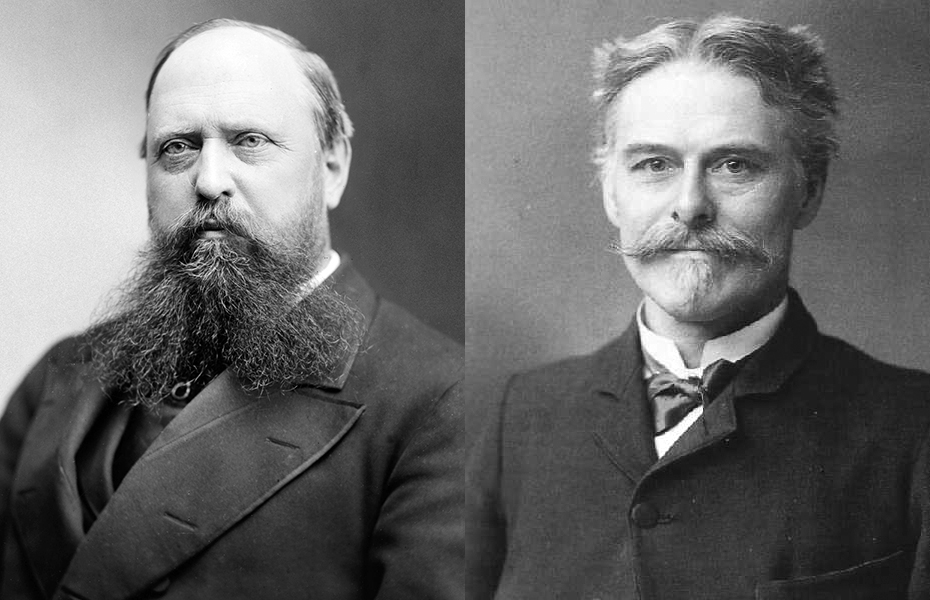
Here’s the thing about competitive science. Sometimes the rivalry produces brilliant results, even if the methods are absolutely chaotic. The fierce rivalry between Edward Drinker Cope and Othniel Charles Marsh, both of whom raced to be the first to find new dinosaurs in what became known as the Bone Wars, lasted for over 30 years, ending in 1897 when Cope died after spending his entire fortune on the dinosaur hunt. Many valuable dinosaur specimens were damaged or destroyed due to the pair’s rough methods. Their diggers often used dynamite to unearth bones.
Despite their unrefined methods, the contributions of Cope and Marsh to paleontology were vast. Marsh unearthed 86 new species of dinosaur and Cope discovered 56, a total of 142 new species. Cope’s collection is now at the American Museum of Natural History in New York City, while Marsh’s is at the Peabody Museum of Natural History at Yale University. In total, the two men described 136 species of dinosaurs, including some famous names such as Stegosaurus, Triceratops, Allosaurus, Diplodocus, and Brontosaurus. That’s a legacy that’s hard to argue with, even if the methods were, let’s be real, a little unhinged.
4. Archaeopteryx: The Fossil That Linked Dinosaurs and Birds
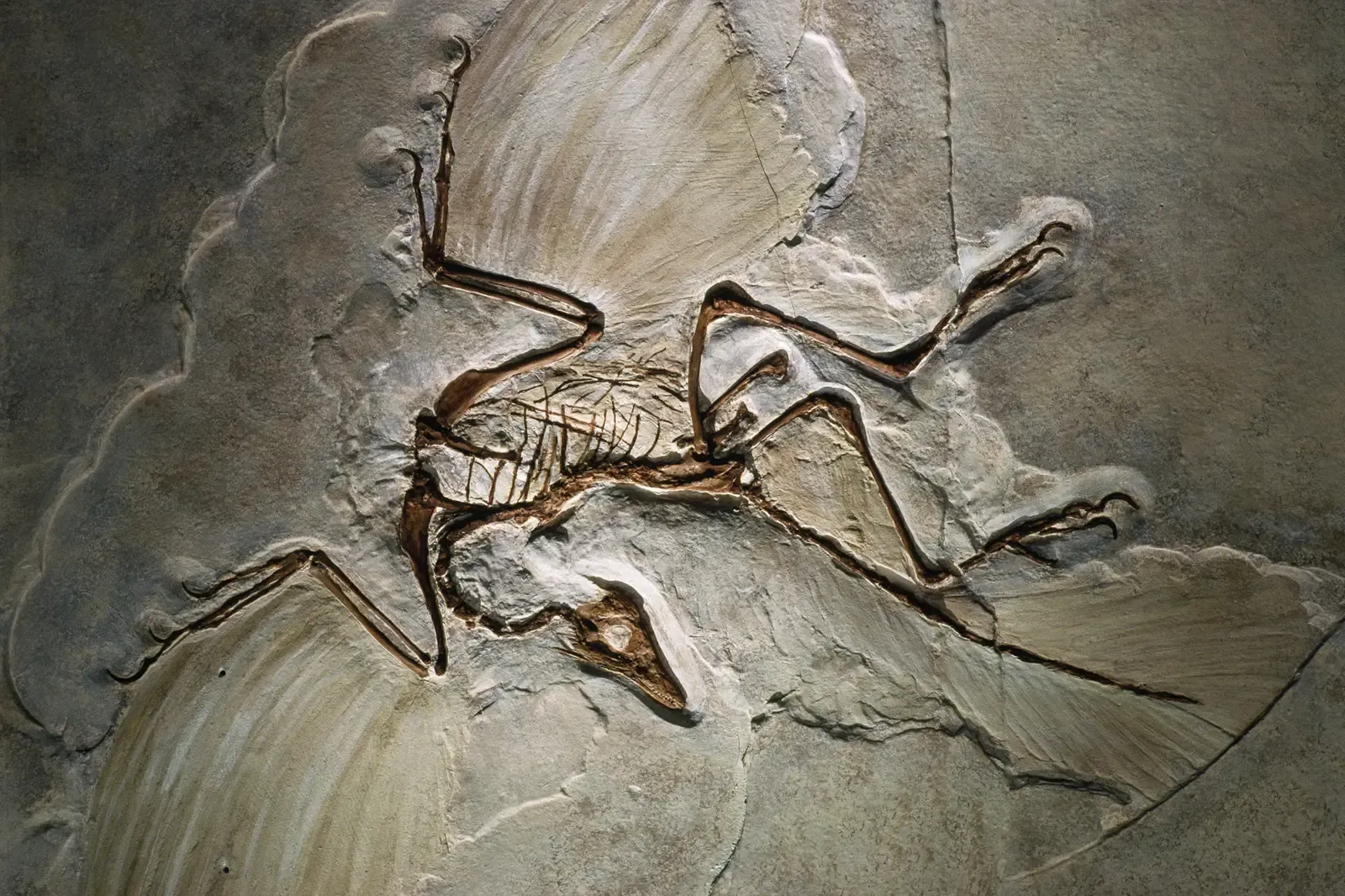
In 1861, only two years after Charles Darwin published On the Origin of Species, miners found an impression of a single feather in a limestone quarry near the Bavarian town of Solnhofen, Germany. The timing was extraordinary, almost theatrical. Scientists were already buzzing with the controversial idea of evolution when this creature stepped out of the rocks as if on cue. Archaeopteryx was a primitive bird with feathers, but its fossilized skeleton looks more like that of a small dinosaur. It was about the size of a magpie. Unlike modern birds, it had a full set of teeth, a long bony tail, and three claws on its wing which may have been used for grasping branches.
Archaeopteryx seemed to confirm Darwin’s theories and has since become a key piece of evidence for the origin of birds, the transitional fossils debate, and confirmation of evolution. Archaeopteryx was long considered to be the beginning of the evolutionary tree of birds. Because of its mixture of reptilian and avian characteristics, including teeth and a stiff tail combined with feathers and a wishbone, Archaeopteryx was long considered by researchers to be the world’s first bird, solid proof that today’s birds had in fact evolved from dinosaurs long ago. In fact, the discovery of Archaeopteryx represented one of the most convincing nineteenth-century arguments in favor of the theory of evolution.
5. Dippy the Diplodocus: The Fossil That Made “Dinosaur” a Household Word
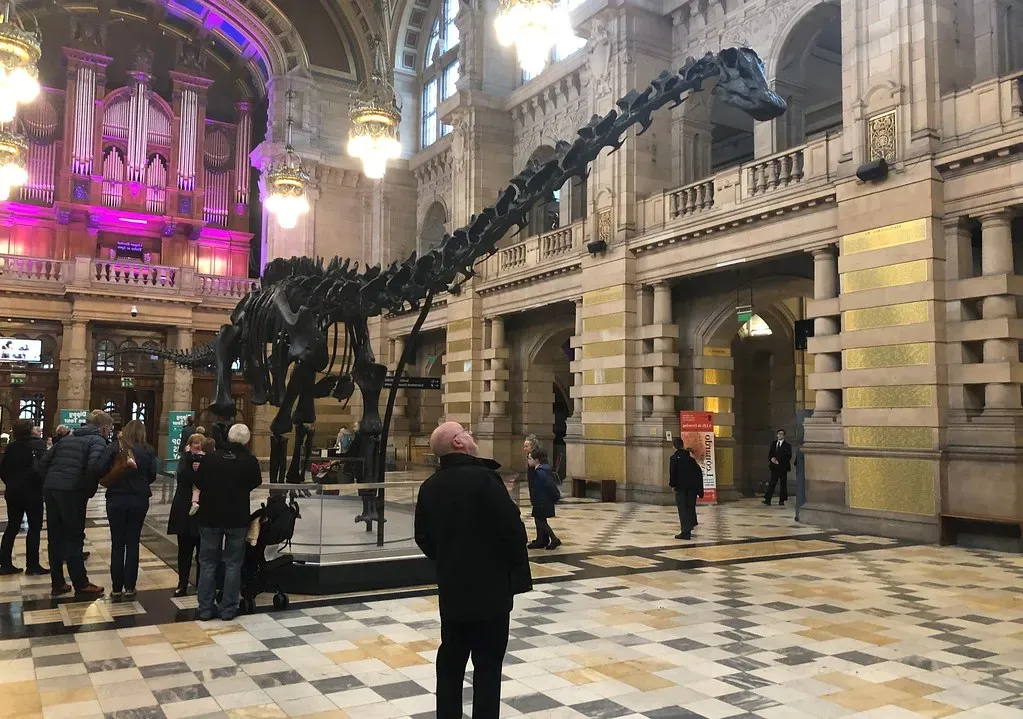
As with many dinosaur fossils, Dippy was discovered in stages. In December 1898, William Harlow Reed found its large thigh bone near Medicine Bow, Wyoming. The Scottish-American industrialist and philanthropist Andrew Carnegie was a prehistoric patron who financed further excavations and, once the skeleton was complete, donated plaster casts to major museums across the world. It sounds like a generous gesture. It was, in fact, a cultural earthquake.
First there was the sheer scale of the skeleton, about 26 feet long, roughly the size of a school bus. Then there was the influence that Dippy had on culture across the world. Dippy was the first dinosaur skeleton that most people at the time had ever seen. In fact, it’s thanks to Dippy that “dinosaur” became a commonly used word. Before this, dinosaurs were largely the domain of geologists and academics. Dippy dragged them out of obscurity and placed them right in front of ordinary people, staring back with those magnificent hollow eye sockets. Few fossils have ever done more for public awareness.
6. The First Dinosaur Eggs: Cracking Open a New Understanding
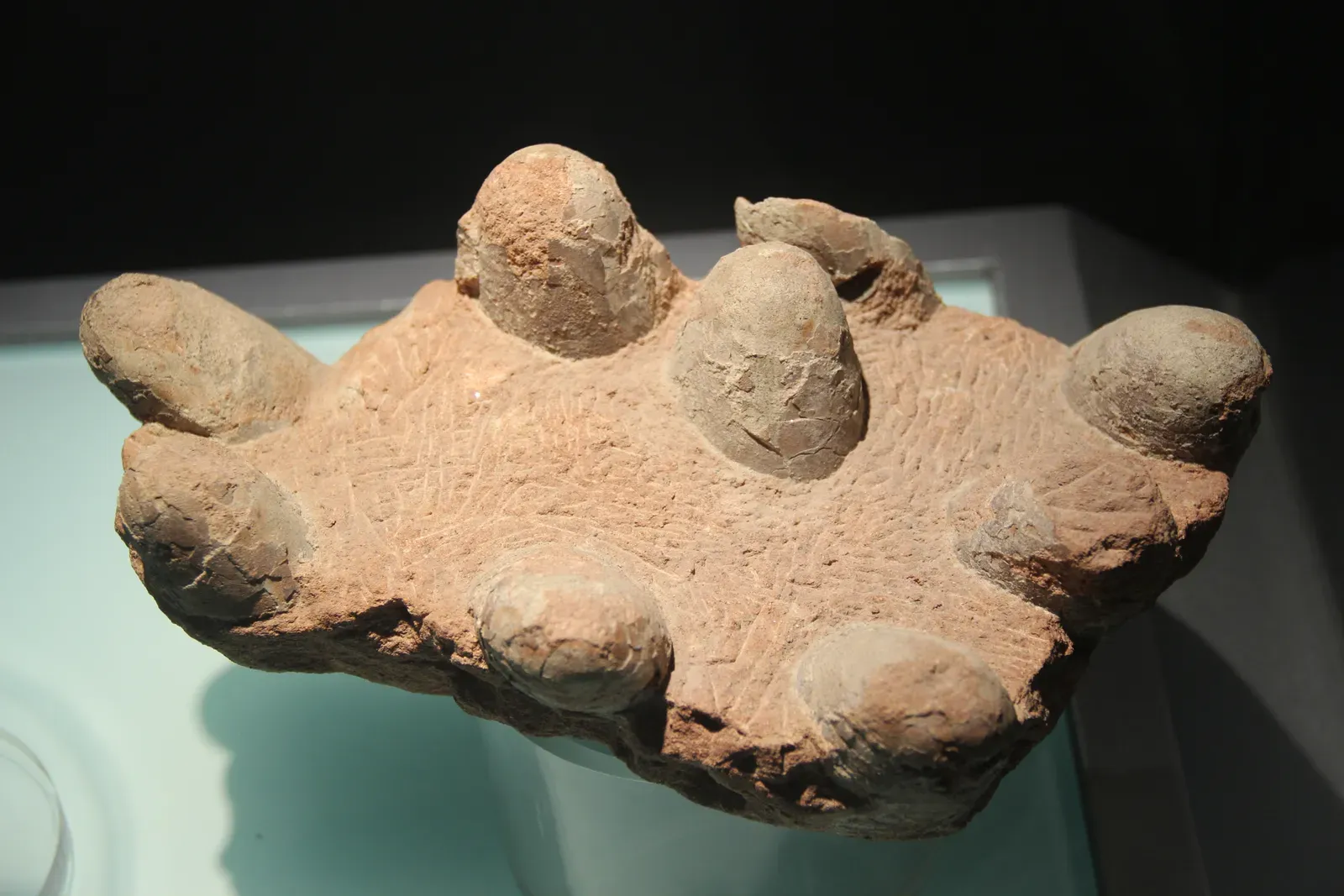
In 1923, scientists from the American Museum of Natural History unearthed the first fossils to be widely regarded as dinosaur eggs. Found in the Gobi Desert in Mongolia, the eggs were initially thought to belong to Protoceratops, whose remains were frequently found in the area. It wasn’t until the 1990s, when they were compared to other fossils, that scientists realized they more likely belonged to Oviraptor-like animals. I know it sounds strange, but even getting the species wrong turned out to be scientifically valuable.
These exceptionally well-preserved fossils were the first strong evidence of how dinosaurs fed and cared for their offspring and kickstarted a discussion about the complex social lives of dinosaurs. As many as 14 nests were found in a single area of the site, known as Egg Mountain. Some scientists believe that Maiasaura may have nested in colonies. The discovery flipped the old image of dinosaurs as cold, solitary creatures. Suddenly, the question wasn’t just what they looked like. It was how they lived and how they loved.
7. Deinonychus: The Discovery That Sparked a Dinosaur Renaissance
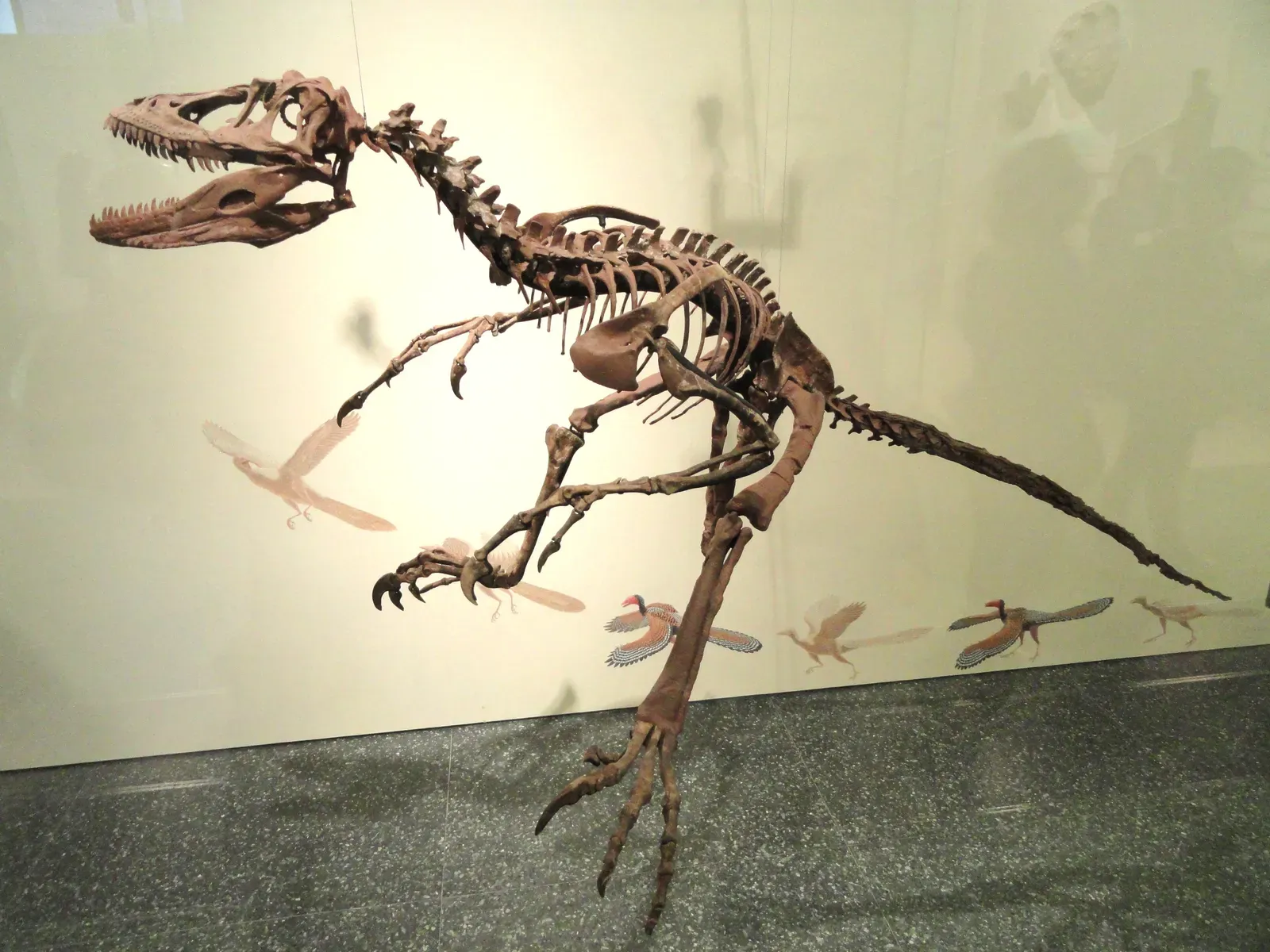
After the initial wave of dinosaur mania during the nineteenth century, interest began to die down throughout the early 1900s. Interest grew again in the 1960s when the link between dinosaurs and birds began to gather momentum. This new dinosaur renaissance was sparked by the discovery in 1964 of Deinonychus antirrhopus by paleontologist John Ostrom. He noticed the fossils were bird-like in appearance, particularly in their hands and hips. This was a seismic shift. Dinosaurs had been filed away in the public imagination as slow, plodding, cold-blooded lizards for decades.
John Ostrom discovered the bird-like dromaeosaurid theropod Deinonychus and described it in 1969. Its anatomy indicated that it was an active predator that was likely warm-blooded, in marked contrast to the then-prevailing image of dinosaurs. The agile Deinonychus helped to change the prevailing view that dinosaurs were large, lumbering lizards. Without this discovery, there’s a very good chance the version of Velociraptor you saw terrorizing a kitchen in Jurassic Park would never have existed. Ostrom’s Deinonychus was the real spark behind that iconic scene.
8. Maiasaura: Proof That Dinosaurs Were Devoted Parents
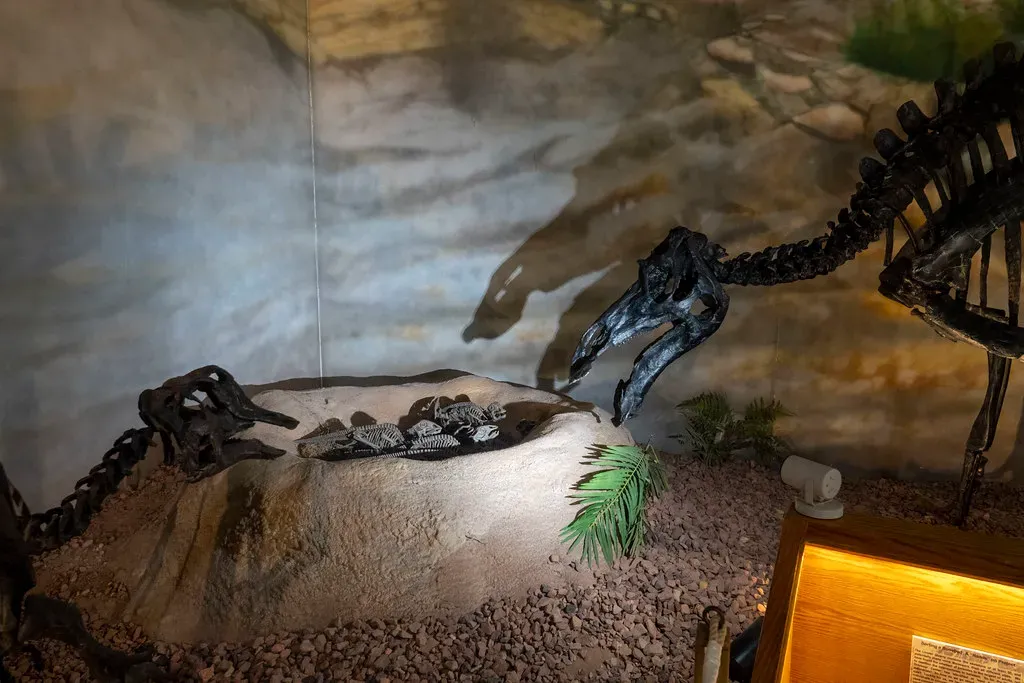
Jack Horner’s discovery of Maiasaura nests in Montana in the 1970s provided the first evidence of parental care in dinosaurs. This finding dramatically changed our perception of dinosaur behavior and social structures. Up to that point, the assumption was simple. Dinosaurs laid eggs and walked away. Maiasaura, a name that translates loosely to “good mother lizard,” shattered that assumption completely.
What made this find so emotionally resonant was the image it created in the mind. Picture an enormous dinosaur, hunkered down over a nest, tending to her young just like a modern bird might. These exceptionally well-preserved fossils were the first strong evidence of how dinosaurs fed and cared for their offspring and kickstarted a discussion about the complex social lives of dinosaurs. It’s the kind of discovery that makes you realize these weren’t monsters. They were creatures with instincts, habits, and social bonds. That realization, more than any skeletal finding, is what truly humanized dinosaurs in the public eye.
9. The Velociraptor vs. Protoceratops Fossil: Frozen in Combat Forever
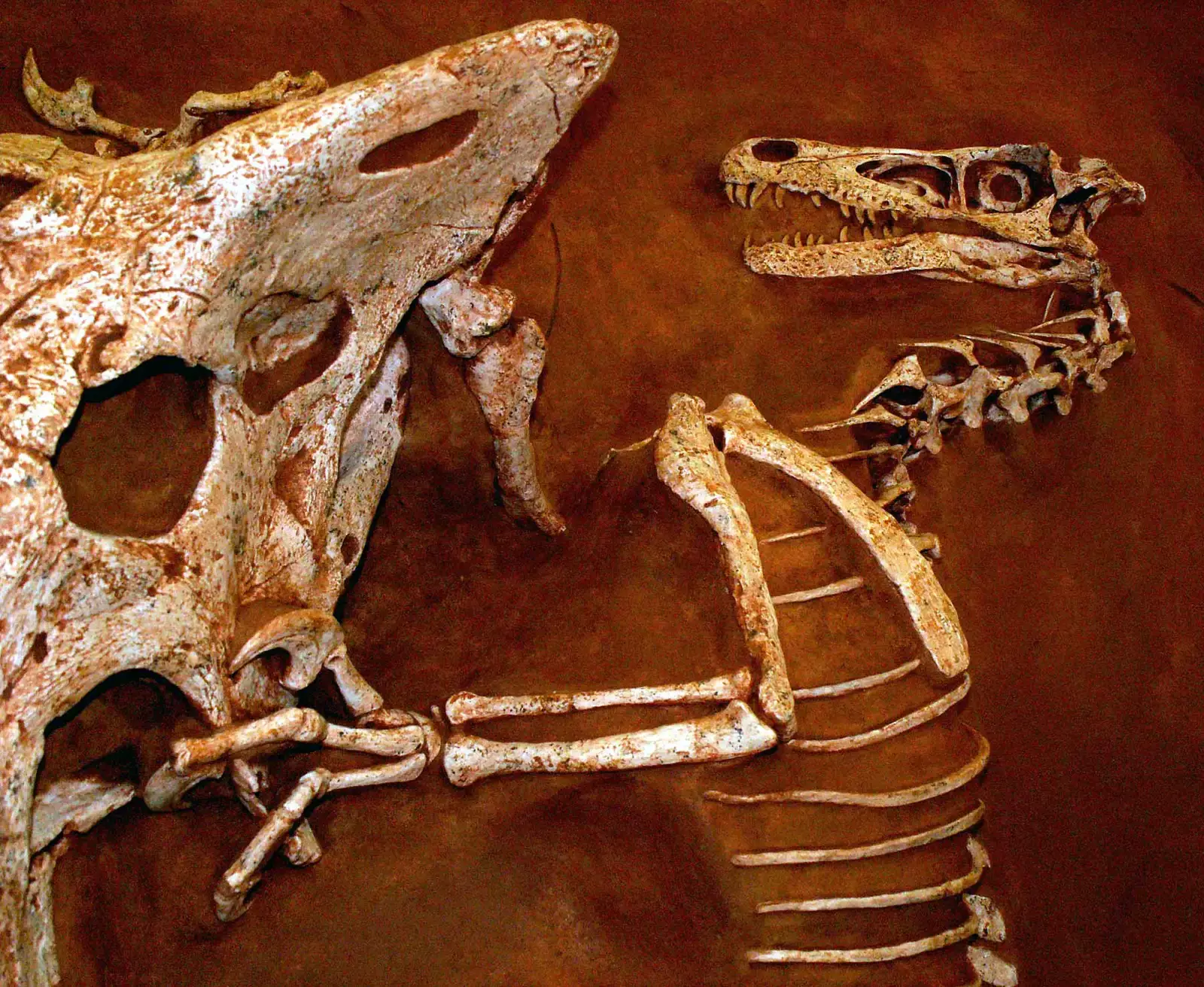
Comprising one Protoceratops and one Velociraptor, the fossil suggested that the dinosaurs died simultaneously in a death match, as the Velociraptor had its right hand trapped within the jaws of the Protoceratops, and the left one scratching the Protoceratops’ skull. The discovery provided direct evidence that non-avian theropods could be active predators, and several hypotheses were proposed on their preservation, including a drowning scenario or burial by either dune collapse or sandstorm.
In the fossil, the Protoceratops was struck at its carotid artery by the Velociraptor’s claw. The Protoceratops fought back and locked its jaws on the arms of the Velociraptor. Scientists believe that while these dinosaurs were fighting for their lives, a large land mass, presumed to be a sand dune, suddenly collapsed on them. It’s the most dramatic fossil ever found. Not because it’s the biggest or the rarest. Because it tells a story with a beginning, a middle, and an end, and the end came for both of them at exactly the same moment. It’s heartbreaking in the most prehistoric way possible.
10. Sue the T. Rex: The Most Famous Fossil Fight of the Modern Era
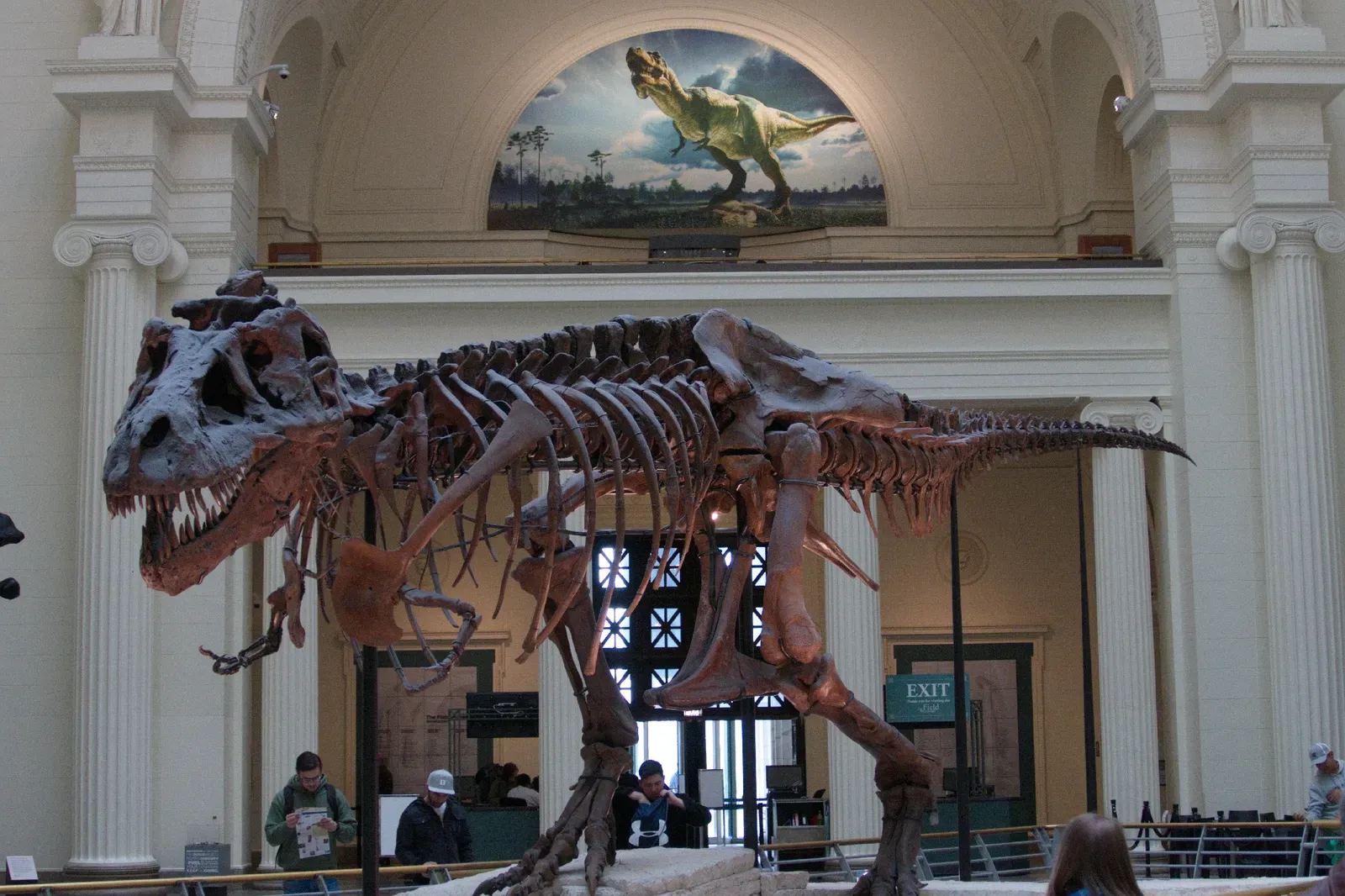
The extraordinary journey of Sue began on August 12, 1990, under circumstances that highlight the role of chance in scientific breakthroughs. While her team was occupied with fixing a flat tire, fossil hunter Sue Hendrickson embarked on a solo exploration across the plains of western South Dakota. After hours of hiking, she reached a 60-foot-high bluff. It was there, about 8 feet above the ground, that she spotted three massive bones protruding from the rock face. This solitary observation, made during what might have been considered downtime, would lead to one of the most significant paleontological finds in history.
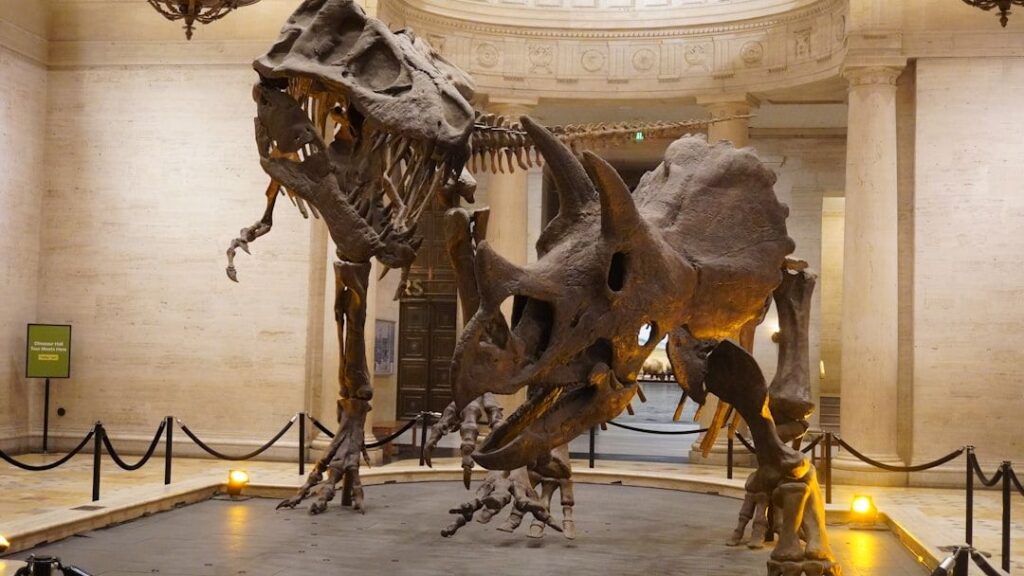
Sue, officially designated FMNH PR 2081, is one of the largest, most extensive, and best-preserved Tyrannosaurus rex fossils ever found, at over 90 percent recovered by bulk. Scientists determined that the carnivorous dinosaur had an incredible sense of smell, as the olfactory bulbs were each bigger than the cerebrum, the thinking part of the brain. In addition, Sue was the first T. rex skeleton to be discovered with a wishbone, a crucial discovery that provided support for scientists’ theory that birds are a type of living dinosaur. The fossil also sparked a fascinating legal tug-of-war. The Field Museum, with support from McDonald’s Corporation, the Walt Disney World Resort, and private donors, ultimately purchased Sue at auction for a staggering $8.4 million, the most money ever paid for a fossil at the time.
11. Patagotitan mayorum: The Largest Land Animal Ever to Walk the Earth
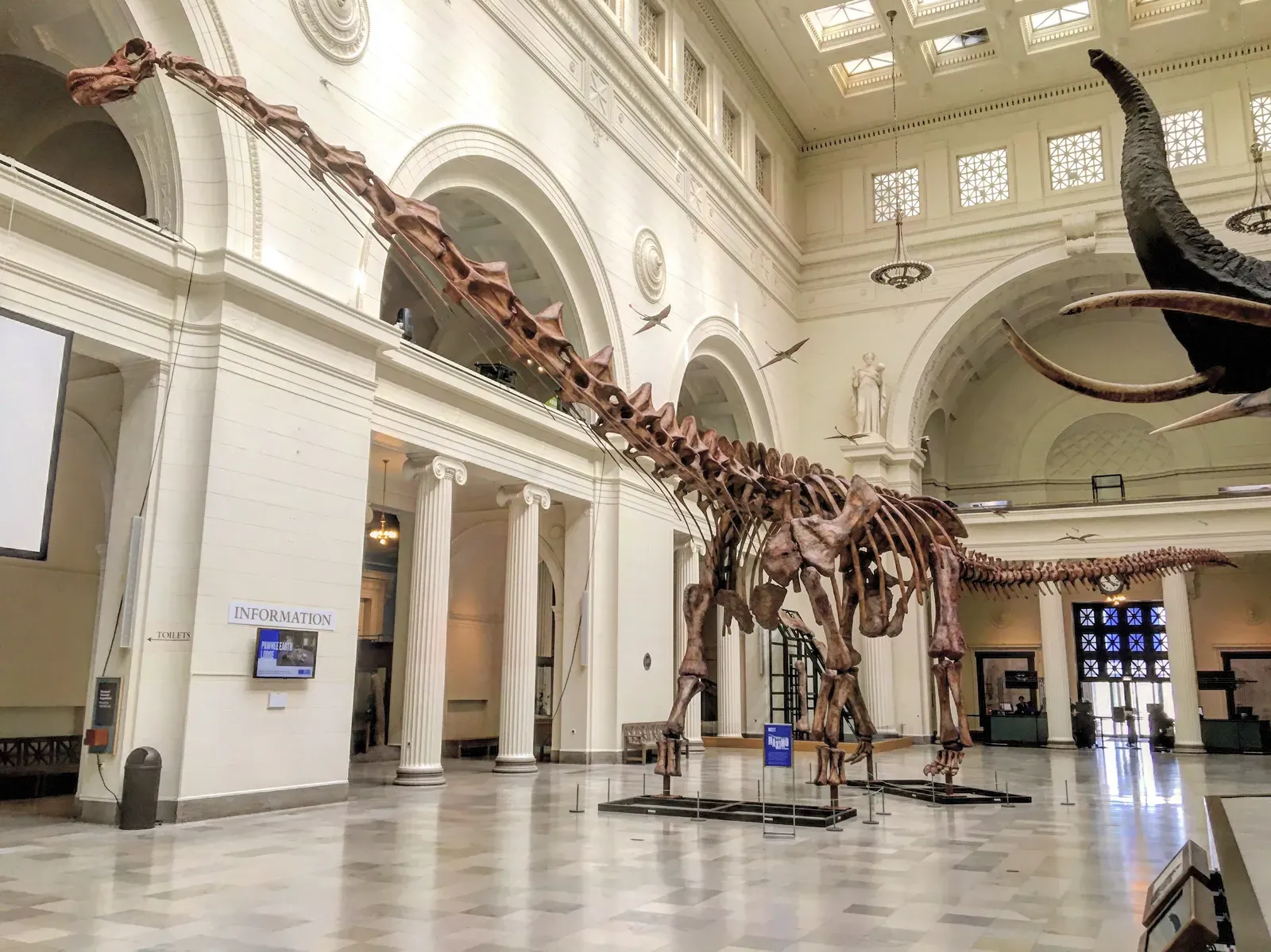
In 2010, a ranch owner in Patagonia, Argentina noticed an enormous dinosaur bone peeking out of the ground. When scientists were brought in to investigate, they found the bones of at least six dinosaurs, including the Patagotitan, confirmed to be one of the largest animals to ever walk the earth. A sauropod similar to the famous Dippy, it was almost twice as tall and more than three times heavier, with photographs of its vast femur measuring longer than a human soon circulating.
In Patagonia, paleontologists uncovered the remains of Patagotitan mayorum, a massive titanosaur that quickly became a contender for the title of the largest land animal ever discovered. Estimated to exceed 120 feet in length and weigh around 69 tons, this colossal sauropod offered new insight into the size limits of terrestrial vertebrates. Size estimates for the dinosaur exceed 120 feet and more than 75 tons. Additional fossils will be needed to know whether this dinosaur truly is the largest ever known, but its arrival on the paleontological scene certainly caused a stir. To put it in perspective, this creature weighed roughly the same as a dozen African elephants standing together. It’s almost too large for the human brain to fully accept.
Conclusion: Every Bone Tells a Story You Haven’t Heard Yet
What’s remarkable about all eleven of these discoveries is that none of them were expected. A farm worker notices a bone. A fossil hunter kills time while her team fixes a tire. A quarryman trades a skeleton for a medical bill. The most transformative scientific finds in history have an almost absurd origin story, and that’s precisely what makes them so human.
A golden era in dinosaur science is driving this ongoing fascination. Around 1,400 dinosaur species are now known from more than 90 countries, with the rate of discovery accelerating in the last two decades. A new species of dinosaur is named just about every two weeks, with each year bringing dozens of new analyses on how the “terrible lizards” moved, ate their food, shook their feathers, and were related to each other. You might think the story is mostly told by now. It isn’t. Not even close.
Every time someone hikes across a remote plateau in Argentina or walks a crumbling cliff face in Montana, another chapter is waiting. The dinosaurs are still out there, buried and patient. Which discovery do you think will shake the world next? Drop your thoughts in the comments.