

Have you ever felt like someone you trusted was holding something back from you? Maybe they told you everything was fine, yet your gut screamed otherwise. Perhaps they swore they remembered nothing, yet their eyes flickered with a telltale recognition. Humans are more transparent than they realize, even when they desperately try to hide their truths.
Albert Mehrabian’s often-misinterpreted 7-38-55 rule holds that body language conveys 55% of meaning when communicating feelings. Just like paleontologists decode the mysteries of extinct creatures from fragments of bone and stone, you can decipher the hidden secrets people carry through their involuntary gestures and movements. Every twitch, every avoided glance, every nervous touch tells a story, waiting for someone perceptive enough to read it.
The Forehead Touch of Shame

When someone feels caught or embarrassed by their own deception, they instinctively reach up to touch the side of their forehead. This universal behavior occurs when people get embarrassed and represents a starter gesture for wanting to hide or cover up what is happening. Think of it like discovering a fraudulent fossil in a collection. The shame is palpable.
You’ll notice this gesture appears suddenly, almost reflexively. If someone is really embarrassed, the forehead touch can turn into a full-on eye block, where they go from the forehead touch to the eye cover. It’s as if their body is trying to shield them from exposure, much like ancient creatures sought shelter from predators. Watch for this signal during confrontations or when you ask pointed questions.
Self-Adaptor Movements Betray Hidden Tension
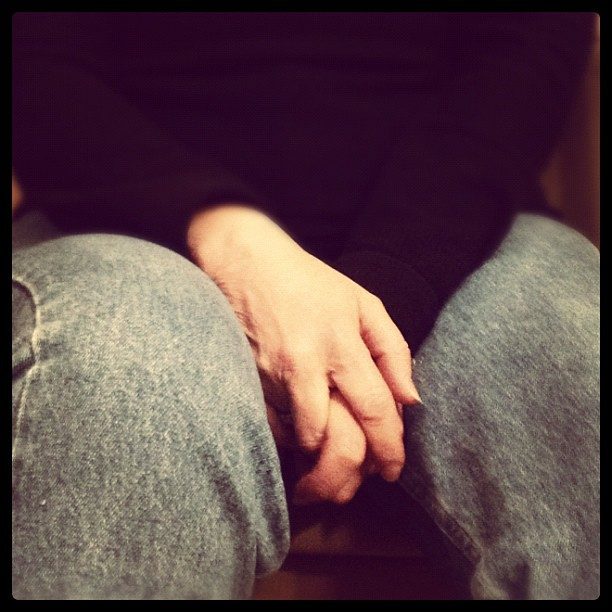
Liars are popularly believed to display a higher frequency of self-adaptors and a longer duration of gaze aversion compared to truth tellers. Self-adaptors are those little movements where people touch their neck, rub their arm, or fiddle with jewelry. These actions reveal internal discomfort.
Think about the delicate process of excavating fossils from ancient sediment. One wrong move could destroy evidence that took millions of years to preserve. Similarly, when people hide secrets, their nervous energy leaks through these small, repetitive touches. Touching the neck, rubbing the arm, or fiddling with jewelry are self-comforting actions often triggered by stress or uncertainty, and these actions stimulate nerve endings that help reduce physiological stress responses. Watch someone’s hands during serious conversations. Their fingers will tell you what their mouth refuses to.
Decreased Hand Gestures Signal Cognitive Overload

Here’s something fascinating. Studies found that lying increased blink rate while decreasing hand gestures, with inhibitory control processes leading to a reduction in hand movements and illustrators when individuals are lying. When your brain works overtime fabricating a story, it has less capacity to coordinate natural gestures.
Picture a paleontologist carefully reconstructing a dinosaur skeleton from scattered bones. Every piece must fit perfectly, requiring intense concentration. Similarly, liars must mentally juggle their fabricated narrative, checking for consistency and plausibility. This cognitive burden forces the body to conserve energy, reducing spontaneous hand movements. If someone who normally talks with animated gestures suddenly becomes still as stone while explaining something, pay attention.
The Eyes That Refuse to Meet Yours

The absence of deliberate eye contact is popularly considered a cue to deceit. Gaze aversion isn’t just about looking away once or twice. It’s about the duration and frequency, the way someone’s eyes dart around the room as if searching for an escape route.
In paleontology, missing pieces often reveal as much as what’s present. An incomplete skeleton tells us about the conditions that preserved some bones while destroying others. Liars are popularly believed to show a longer duration of gaze aversion compared to those telling the truth. When someone can’t hold your gaze while discussing something supposedly innocent, their eyes are excavating a way out of the conversation. Their visual field becomes a map of discomfort, avoiding the direct path to honesty.
Blocking Behavior Creates Physical Barriers

Whenever someone feels disengaged, uncomfortable, or closed off, their body shows blocking behavior, which is when we cover or block a part of our body as a barrier between us and someone else, done subconsciously because we are trying to protect ourselves. Crossed arms, crossed legs, or holding objects in front of the body all scream defensiveness.
Think about how fossils form in protective layers of sediment, shielded from the elements that would otherwise destroy them. People create similar barriers when they’re hiding something. Pay attention if someone suddenly crosses their arms, their legs, or frequently holds something in front of themselves. These shields emerge precisely when secrets need protecting. The body knows what the mind tries to conceal.
Feet Pointing Toward the Exit

Humans subconsciously orient their bodies toward what interests them and away from what they want to avoid, so if someone’s feet point toward the exit while their torso faces you, they may be mentally preparing to leave. This ancient survival mechanism still operates in modern deception scenarios.
Imagine discovering fossilized footprints frozen in ancient mud, telling the story of a creature fleeing danger millions of years ago. Those tracks reveal direction, speed, and intent. Both feet pointed toward you can indicate interest, while both feet pointed away from you, especially in an angled shape, can indicate disinterest. During tense conversations about sensitive topics, glance down at their feet. Are they committed to the conversation, or are they already halfway out the door?
Microexpressions Flash the Hidden Truth

Microexpressions are fleeting facial movements lasting less than half a second, discovered by psychologist Paul Ekman, revealing hidden emotions like fear, anger, or contempt, even if a person is trying to mask them. These split-second expressions are nearly impossible to fake or suppress. They’re involuntary.
Consider how CT scans reveal internal structures of fossils without destroying the specimen. Microexpressions similarly expose the internal emotional landscape. During a business negotiation, a momentary flash of contempt may signal underlying disagreement despite polite words. Blink and you’ll miss these revelations, but train yourself to watch faces closely. The truth always breaks through, even if only for a fraction of a second.
Increased Nervousness Shows in Fidgeting

Playing with a pen, tapping a phone, or adjusting clothing can indicate anxiety or impatience, and these behaviors often emerge in stressful or uncertain situations. This restless energy has nowhere to go except into small, repetitive movements.
Think of fossilized insects trapped in amber, their final movements preserved forever. During tense meetings, people may repeatedly click a pen or rearrange items in front of them without realizing it, as this is a displacement activity redirecting emotional energy into harmless physical actions to self-regulate. The hands become seismographs, registering internal tremors that words attempt to smooth over. Next time you’re questioning someone about something important, watch what their hands do when they think you’re not looking.
Voice Changes Betray the Liar’s Mind

Liars face greater cognitive challenges than truth tellers, needing to formulate communications that are internally consistent and consistent with what others already know, which results in longer response latencies and more speech hesitations. The voice becomes higher, tighter, or develops unusual patterns.
Paleontologists can determine the age of rocks through radiometric dating, measuring decay rates invisible to the naked eye. Similarly, subtle shifts in vocal patterns reveal the decay of honesty. Relative to truth tellers, liars may make more negative statements and complaints, sound less pleasant, and look less friendly and less attractive. Listen not just to what people say, but how they say it. The melody of deception has a distinct, discordant tune.
The Absent Head Tilt of Disengagement

It is a natural human behavior to tilt our head and expose our ear when we want to hear something better, and if someone’s head tilts while the person is speaking with you, it is a great sign, meaning they are listening, engaged, and want to hear more. Conversely, a rigid, upright head signals disconnection or defensiveness.
Consider how fossilized skulls reveal not just structure but behavior through the positioning of ear canals and eye sockets. The head tilt plus nod is one of the most powerful nonverbal micropositives to show someone you really are listening. When someone maintains a stiff, unchanging head position during your story, especially one that should elicit curiosity or concern, they’re likely already committed to their secret narrative. They’ve closed the door to genuine connection.
Facial Tension Creates Unnatural Expressions

Cue theories assert that differences in mental processes between liars and truth tellers can manifest as observable cues, with individuals displaying nonverbal behaviors indicative of emotions such as anxiety or fear when attempting to deceive others. The face becomes a mask, tight and controlled rather than naturally expressive.
Fossilized remains sometimes show evidence of ancient injuries or diseases, stress markers embedded in bone. Human faces similarly record stress through tension in the jaw, forced smiles that don’t reach the eyes, or expressions held too long. A meta-analysis revealed only a few cues associated with deception, such as appearing nervous, tense, and uncooperative, though these cues generally exhibited small effect sizes. Still, when you know someone well, even small deviations from their normal expressiveness stand out like anomalies in an otherwise consistent fossil record.
Conclusion: Reading the Unspoken Evidence

The human body is an archaeological site, constantly depositing layers of nonverbal evidence that reveal what words try to bury. Just as paleontologists piece together ancient mysteries from fragments scattered across millennia, you can reconstruct hidden truths from the gestures people leave behind. Body language is uniquely capable of revealing how a person feels, but only if another person is schooled in what these gestures indicate.
These eleven psychological gestures aren’t foolproof indicators on their own. Context matters, personality differences exist, and cultural variations play significant roles. Still, when multiple signals align, when several of these behaviors cluster together during specific conversations, you’re witnessing something real. The body doesn’t lie as easily as the tongue.
What secrets have you uncovered simply by watching rather than listening? Have you ever caught someone in a fabrication because their body betrayed them? The next time you sense something’s off, trust that instinct and observe carefully. The truth fossils itself into every gesture, waiting for you to excavate it.


