
Your mind operates like a powerful computer, processing thousands of decisions daily while navigating through countless influences that shape your path forward. Behind every choice you make, from the coffee you pick to the career moves you consider, invisible psychological forces are quietly pulling the strings. These mental shortcuts and emotional responses evolved to help us survive and thrive, but today they influence everything from relationships to financial decisions.
Understanding these psychological triggers isn’t about manipulation or control. It’s about awareness, self-knowledge, and the freedom that comes from recognizing when your brain is operating on autopilot. So let’s get started on this fascinating journey into the hidden mechanics of human behavior.
The Anchoring Effect: How First Impressions Dictate Your Choices

The anchoring bias is a cognitive bias that causes us to rely heavily on the first piece of information we are given about a topic. When we are setting plans or making estimates about something, we interpret newer information from the reference point of our anchor instead of seeing it objectively. This powerful trigger shapes nearly every judgment you make, often without your awareness.
In the context of pricing, anchoring is commonly seen in sales and discount strategies. For example, if you see a jacket priced at $500, followed by a sale price of $250, the $500 becomes your anchor, and you perceive the $250 price as a great deal – even if the original price was inflated to begin with. Your brain uses this initial reference point as a mental landmark, making everything else seem reasonable or unreasonable by comparison.
Social Proof: The Invisible Force of Following the Crowd

Social proof is the psychological phenomenon where people look to the actions and behaviors of others to determine what is correct or appropriate in a given situation. This bias is integral to event marketing as it drives word-of-mouth promotion, testimonials, and influencer collaborations. By showcasing the participation and positive experiences of past attendees or influential individuals, event marketers can tap into the power of social proof, influencing potential attendees to perceive the event as popular, worthwhile, and reputable.
Your desire to belong and make correct decisions triggers an automatic response to mirror what others are doing. This explains why restaurants display customer reviews, why streaming platforms show “trending now” content, and why testimonials feel so compelling. The more uncertain you feel about a situation, the stronger your reliance on social proof becomes.
Scarcity Principle: Why Limited Availability Drives Urgent Action

The ‘Scarcity Effect’ causes individuals to place a higher value on scarce objects and a lower value on those readily available. When something appears limited, your brain interprets this as increased value and desirability. This trigger taps into deep evolutionary programming where scarce resources meant survival advantage.
Scarcity is a cognitive bias that occurs when people place higher value on things that are perceived as scarce or in limited supply. This bias is strongly linked to the fear of missing out (FOMO), which is a powerful motivator in driving purchasing behavior. When consumers are told that a product is limited in quantity or available for a short time, they often feel a sense of urgency to act quickly to avoid losing the opportunity.
Loss Aversion: The Pain That Motivates More Than Gain
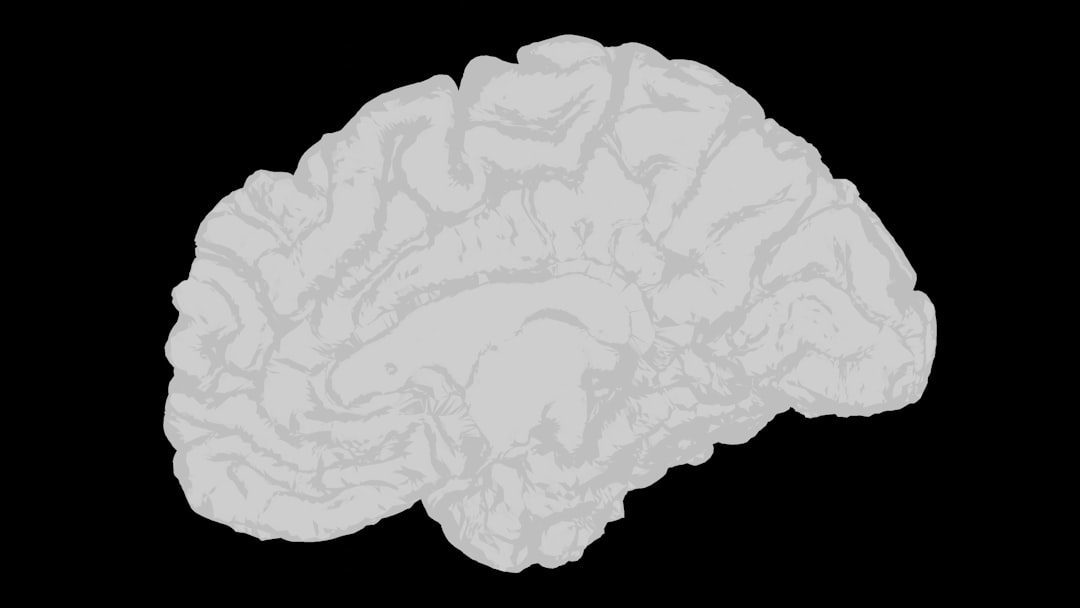
According to the original research conducted by Daniel Kahneman and Amos Tversky, the pioneers of loss aversion, the torment of a loss can be psychologically twice as powerful as an equivalent gain. Your brain is wired to protect what you already have, making the fear of losing something far more motivating than the possibility of gaining something equivalent.
Its limbic component involved the amygdala (associated with negative emotion and plays a role in the expression of fear) and putamen in the right hemisphere. All these structures play a critical role in detecting threats and prepare the organism for appropriate action, with the connections between amygdala nuclei and the striatum controlling the avoidance of aversive events. This neurological response explains why free trials work so effectively and why “what you might lose” messaging often outperforms “what you might gain” approaches.
Reciprocity: The Unbreakable Rule of Give and Take

As Cialdini explains, “One of the most widespread and basic norms of human culture is embodied in the rule for reciprocation. The rule requires that one person try to repay, in kind, what another person has provided.” This psychological trigger creates an almost irresistible urge to return favors, even small ones.
The reciprocity principle is based on the “give and take” idea: if you provide me with something of value, I will be more likely to provide you with something of value in return. The power of this trigger extends far beyond business transactions. It influences relationships, workplace dynamics, and social interactions in ways that shape your daily experiences and long-term connections.
Authority: The Automatic Response to Perceived Expertise

Authority is one of the scarier psychological triggers. Where social proof, which is covered below, relies on the power of crowds – i.e., people “just like me” – authority takes the principle a step further to utilize the power of specific individuals. The reason authority is scary is the same reason it’s powerful. As Cialdini explains: When reacting to authority in an automatic fashion there is a tendency to often do so in response to the mere symbols of authority rather than to its substance.
Your tendency to defer to authority figures operates below conscious awareness, responding to titles, uniforms, credentials, and other symbols of expertise. This trigger evolved as a survival mechanism but now influences decisions ranging from medical choices to investment strategies. Understanding this helps you evaluate whether you’re following genuine expertise or simply responding to authority symbols.
Commitment and Consistency: The Drive to Match Actions with Identity

Once people commit to an idea or behavior, they tend to stick with it to appear reliable to themselves and others. This explains why small initial commitments (like signing a petition) often lead to larger ones (like donations). The trigger works because changing positions feels like admitting error, which creates mental discomfort.
This psychological force keeps you aligned with previous decisions and public statements. Your brain seeks internal harmony, making you more likely to act consistently with past commitments even when circumstances change. This explains why goal-setting works better when shared publicly and why gradual commitment escalation proves so effective in sales processes.
Fear of Missing Out (FOMO): The Modern Anxiety Driver

FOMO – the fear of missing out – is that feeling that everyone else is having a blast while you’re stuck on the sidelines. Remember when everyone was glued to their phones catching those elusive Pokémon during the “Pokémon Go” craze? It’s classic FOMO! Marketers are well aware of this powerful emotion and use it to nudge us towards making decisions.
Research shows people are twice as motivated to avoid losing something than they are to gain something new. This psychological principle, known as loss aversion, challenges how many companies approach their marketing messages. FOMO represents a modern manifestation of ancient survival instincts, where being excluded from the group could mean death.
The Liking Principle: How Similarity and Attractiveness Shape Decisions

Liking powerfully influences choices without conscious evaluation. People prefer saying yes to those they find attractive, similar to themselves, or who give compliments. Sales training often emphasizes finding common ground and building rapport because these factors trigger automatic positive responses. This also explains why celebrity endorsements work – positive feelings toward the celebrity transfer to the product.
Your brain creates shortcuts based on attractiveness, similarity, and positive interactions. This trigger influences hiring decisions, relationship formation, and purchase behaviors in ways that bypass rational analysis. Recognizing this helps you understand why certain people seem more persuasive and how surface-level characteristics can unconsciously sway your judgment.
Confirmation Bias: Seeking Information That Validates Your Beliefs

Confirmation bias refers to the tendency of individuals to seek and interpret information that confirms their existing beliefs while ignoring contradictory information. This trigger creates echo chambers in your information consumption and decision-making processes.
Your mind naturally gravitates toward sources and interpretations that reinforce what you already believe. This selective attention shapes everything from news consumption to relationship choices, creating blind spots that can limit growth and understanding. Breaking free requires conscious effort to seek diverse perspectives and challenge your own assumptions.
Curiosity and Novelty: The Drive for New Experiences

However, a highly curious individual does not necessarily enjoy and seek out new environments with high physical risk or intellectual stimulation; in fact, highly curious people are more likely to recognize, pursue, and immerse themselves in novel and challenging experiences. Stress tolerance, which is one dimension of curiosity, is the tendency to deal with anxiety in the face of new events. Some people not only endure stress but are willing to accept social, physical, financial, and legal risks to gain new experiences.
A person’s curiosity and exploratory behavior depend, in part, on expectations of outcomes, such as risk assessment and depth of knowledge. Specific aspects of the environment (e.g., perceived threat, autonomy support) and activities (e.g., competition, meaning) influence state curiosity. Mysterious, novel, complex, uncertain, and/or ambiguous events often arouse interest and curiosity. This drive shapes career choices, travel decisions, and learning pursuits throughout your life.
Understanding Your Psychological Landscape

These eleven psychological triggers work together in complex ways, creating the invisible architecture of your decision-making process. Behind nearly every choice we make, psychological triggers are silently at work – shaping our behavior, influencing our emotions, and nudging us toward decisions we believe are 100% ours. These invisible persuaders operate beneath our conscious awareness, creating powerful mental shortcuts that bypass our rational thinking.
Awareness of these forces doesn’t eliminate their influence, but it does provide you with the power of conscious choice. You can recognize when you’re operating on psychological autopilot and decide whether to follow these instincts or pause for more deliberate consideration. This knowledge transforms you from a passive recipient of influences into an active navigator of .
The key isn’t to fight against these natural tendencies but to understand when they serve you well and when they might lead you astray. What psychological trigger have you noticed most in your own decision-making? Share your insights in the comments.