If you’ve ever caught yourself zoning out in a meeting while wondering how big a T. rex footprint really was, you’re not alone. You might think you’re just “kind of into” dinosaurs, but there’s a good chance the obsession runs deeper than you admit. It often starts small: a cool fossil photo here, a random documentary there, and suddenly you’re mentally ranking the coolest sauropods at 2 a.m.
What makes this so fun is that dinosaurs sit at the intersection of science, wonder, and pure childhood joy. They’re real-life dragons that actually walked the Earth, and the more you learn, the more the world around you starts to look different. If any of the signs below feel uncomfortably familiar, you might be more of a dinosaur enthusiast than you’ve ever dared to say out loud.
You Still Remember Dinosaur Names From Childhood
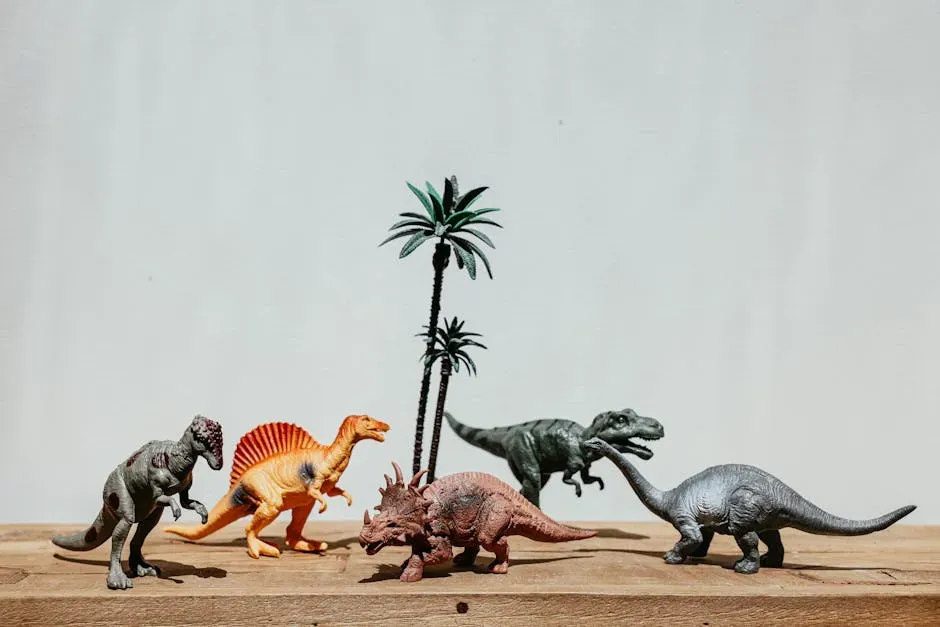
You probably learned to pronounce dinosaur names before you could properly pronounce the names of some relatives. While other kids moved on and forgot them, you never really did. You can still rattle off classics like Triceratops or Stegosaurus without thinking, and you might even know more obscure ones that sound like fantasy creatures. When someone mispronounces a name, you feel a tiny itch to correct them, even if you politely hold back.
Over the years, those names stopped feeling like random tongue twisters and started feeling like old friends. You may not have a formal background in paleontology, but you know enough to separate the plant-eaters from the predators, and you can visualize what they might have looked like. That long-term memory, the way dinosaur names stick in your mind when everything else blurs, is a pretty strong clue that you never fully outgrew your fascination.
Your Childhood Dinosaur Phase Never Actually Ended
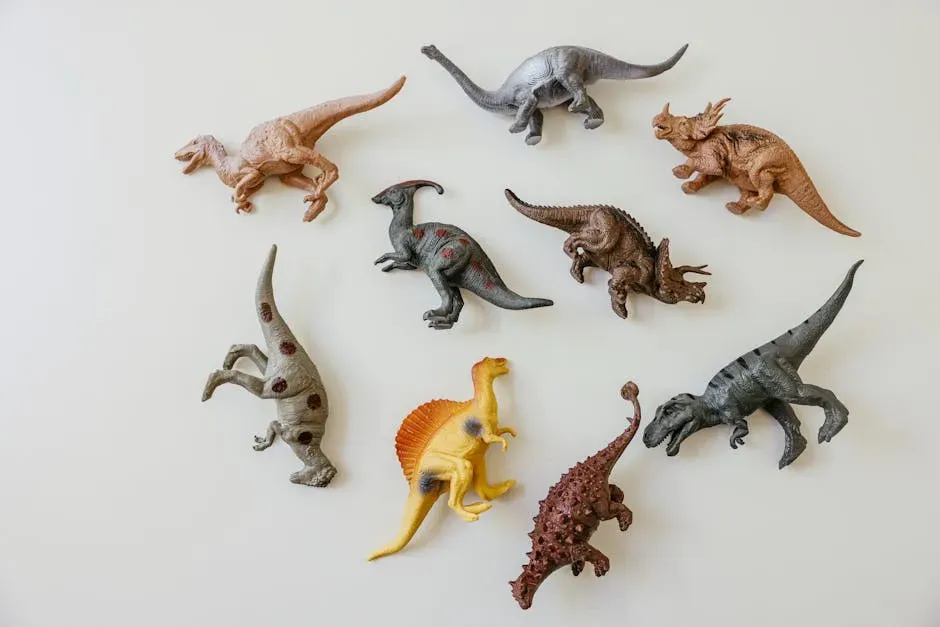
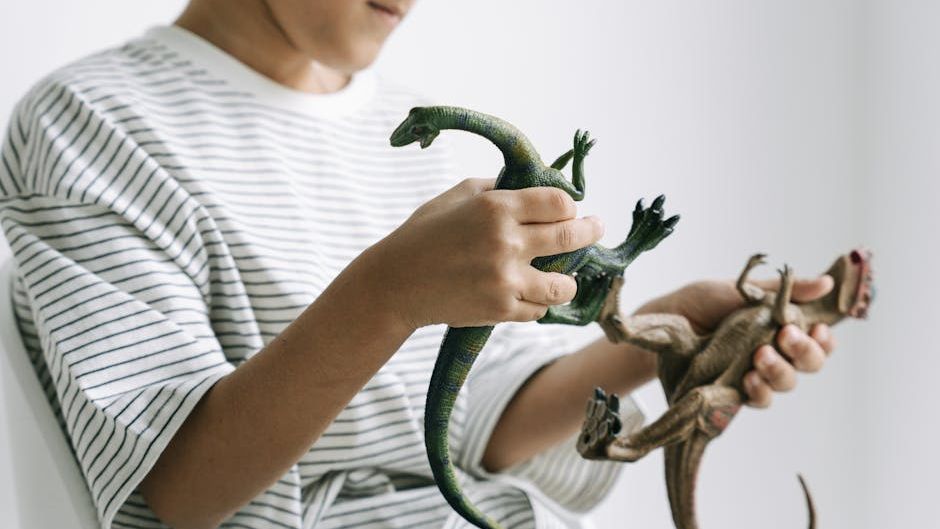
Most people had a dinosaur phase. The difference is that yours quietly refused to die. Maybe you had plastic dinosaur toys, dino pajamas, or a favorite book you nearly wore out, and instead of being a funny memory, that interest just evolved. As you got older, you swapped toys for documentaries, museum trips, and articles about new fossil discoveries.
Now, when people talk about the hobbies they “used to have,” you realize your dinosaur curiosity only matured. You might not doodle T. rex in the margins of your school notebook anymore, but you still light up at any excuse to talk about prehistoric life. If your “phase” simply shifted forms instead of fading away, that’s not a phase at all. That’s a core part of who you are.
You Get Weirdly Excited About New Dinosaur Discoveries
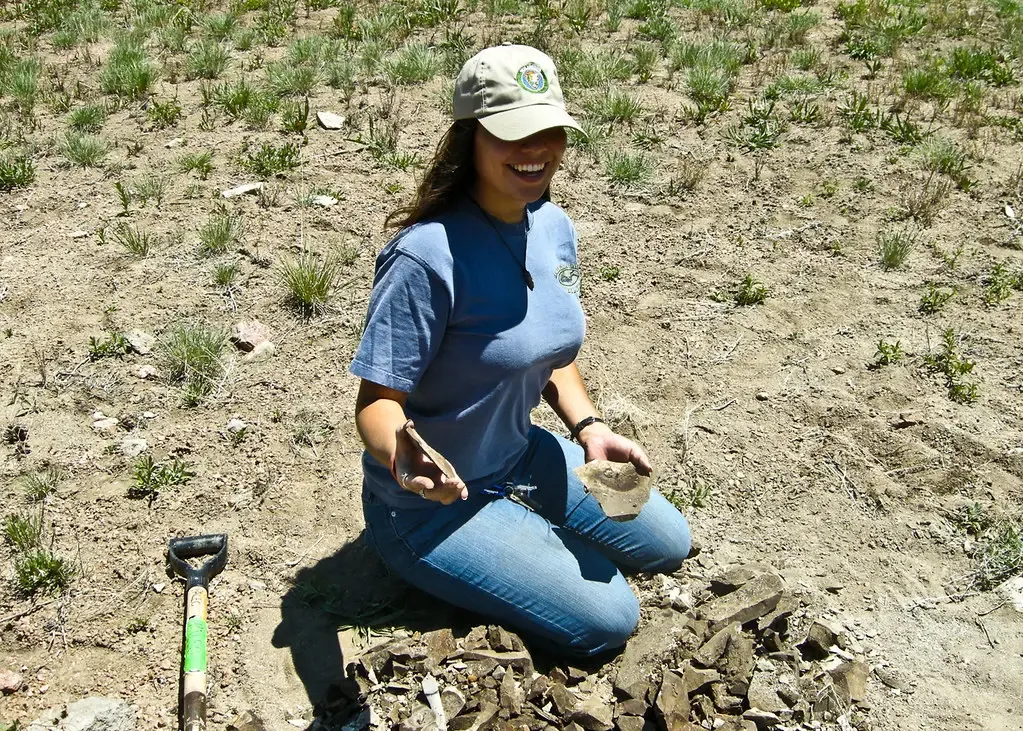
When a headline pops up about a newly discovered dinosaur species, you don’t just scroll past it. You tap it, save it, maybe even share it with a comment like, “This is incredible.” You care about the details: where it was found, how old it is, what its skeleton tells scientists about how it lived. You might notice how often new discoveries reshape what people thought they knew, and that sense of constant discovery feels addictive.
Sometimes, you catch yourself reading long articles about fossil beds, rock layers, and how scientists date bones buried for tens of millions of years. You may not understand every technical term, but you love the idea that the Earth is still giving up its secrets. That thrill, the little jolt of joy when science updates the dinosaur story yet again, is a classic sign that your interest is more than casual.
You Use Dinosaurs As a Mental Comparison for Everything
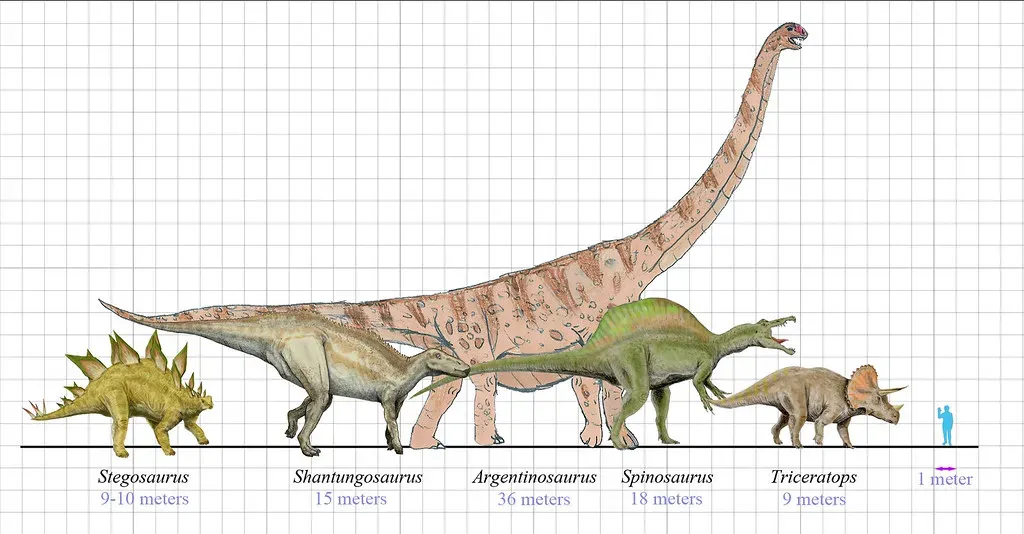
When someone describes an animal as “big,” your mind instantly goes to dinosaur scale. You imagine how a modern elephant would look standing next to a sauropod, or how tiny a human would be beside a Spinosaurus. When you hear about a powerful predator today, you instinctively wonder how it would compare to the great hunters of the Mesozoic era. Dinosaurs have become your mental measuring tape for power, size, and drama.
This habit bleeds into everyday life in funny ways. A thunderstorm reminds you of the primeval world. A rocky cliff makes you imagine ancient seas and long-extinct reptiles. You look at a bird hopping on a sidewalk and think about its dinosaur ancestors instead of just seeing “a bird.” When dinosaurs become your default frame of reference for understanding the world, you’ve crossed into true enthusiast territory.
You Secretly Judge Inaccurate Dinosaur Depictions
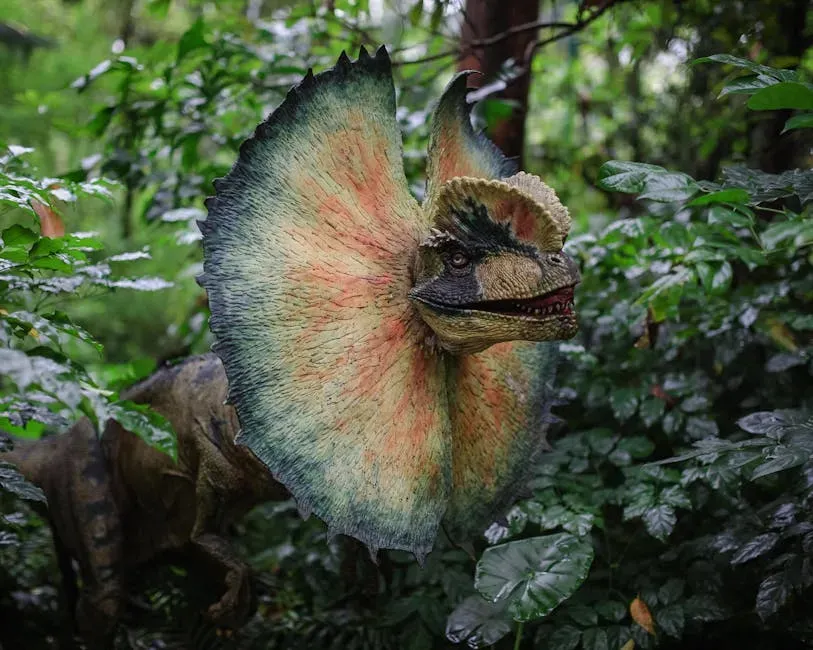
When you see a dinosaur in a movie, game, or on a T-shirt, you do a quick mental accuracy check. If the T. rex drags its tail or a Velociraptor looks the size of a small car, a tiny part of your brain protests. You might not say anything out loud, especially if everyone around you is just enjoying the show, but internally, you’re running through what scientists actually think those animals looked like. You notice whether they walk correctly, how their arms bend, and whether the time periods even match.
More recent research about feathers, colors, and behavior probably sits in the back of your mind, and you compare what you see to those ideas. You understand that movies are meant to be entertaining, not lectures, but you still feel that urge to mentally fact-check. If you’ve ever quietly rolled your eyes at totally unrealistic dinosaur scenes, that’s your inner enthusiast refusing to stay silent.
You Can Explain Basic Dinosaur Science Without Looking It Up
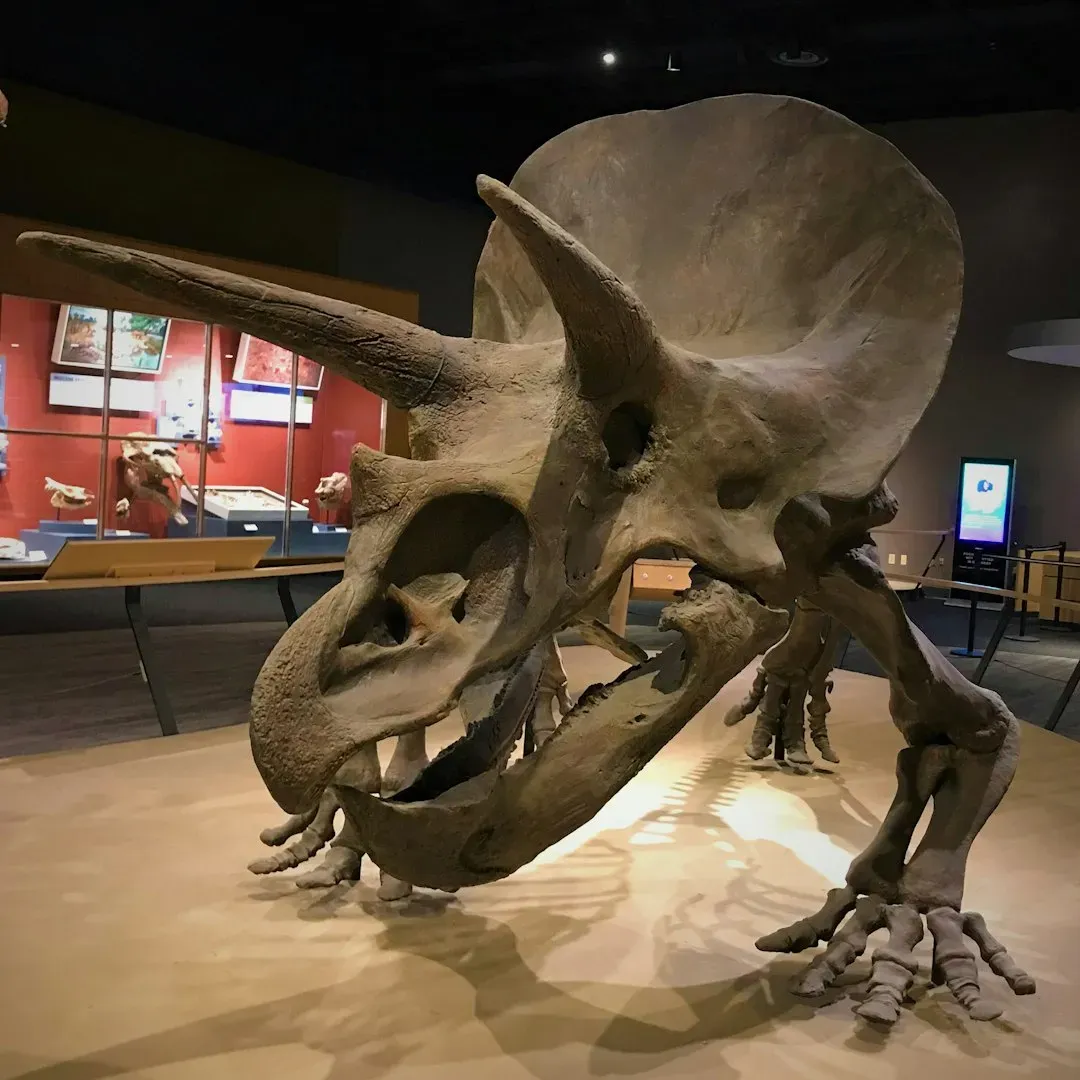
When someone casually asks how we know dinosaurs existed, you can actually answer. You might describe how fossils form when bones get buried and slowly turn to rock over millions of years, or how layers of sediment preserve traces of ancient environments. You know that dinosaurs did not live at the same time as humans, and you can roughly place them in the Mesozoic era, with major periods like the Triassic, Jurassic, and Cretaceous.
You also know that not all huge prehistoric creatures were dinosaurs, and you can tell the difference between marine reptiles, flying reptiles, and true dinosaurs. Even if you are not a scientist, you speak about this stuff with the kind of comfort that comes from paying attention for a long time. If you can walk someone through the basics of dinosaur science in normal conversation, that is a clear sign you have gone beyond surface-level interest.
You Gravitate Toward Dinosaur Exhibits and Museums
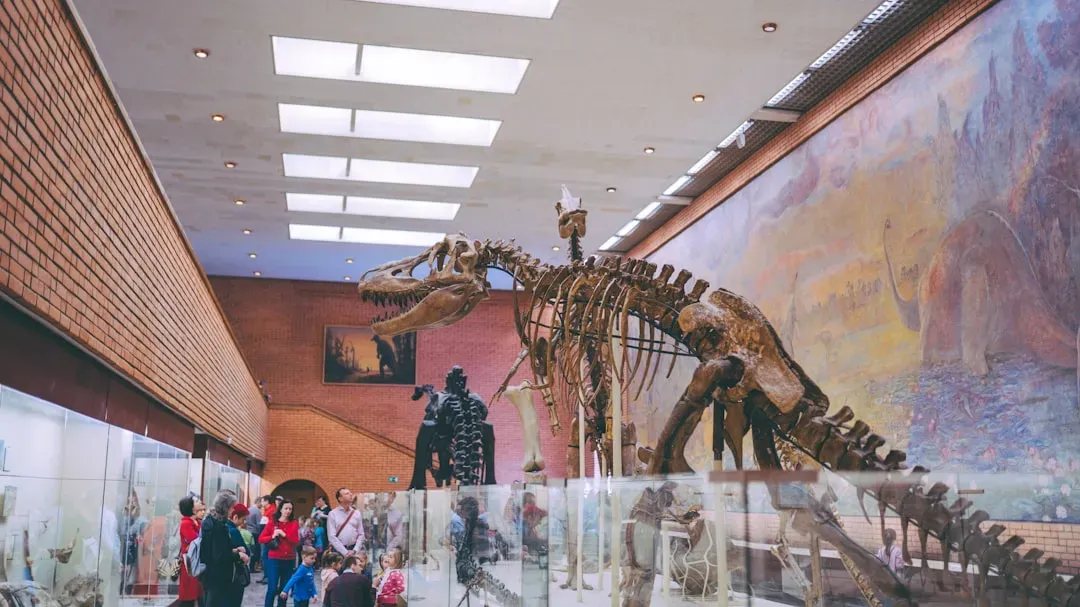
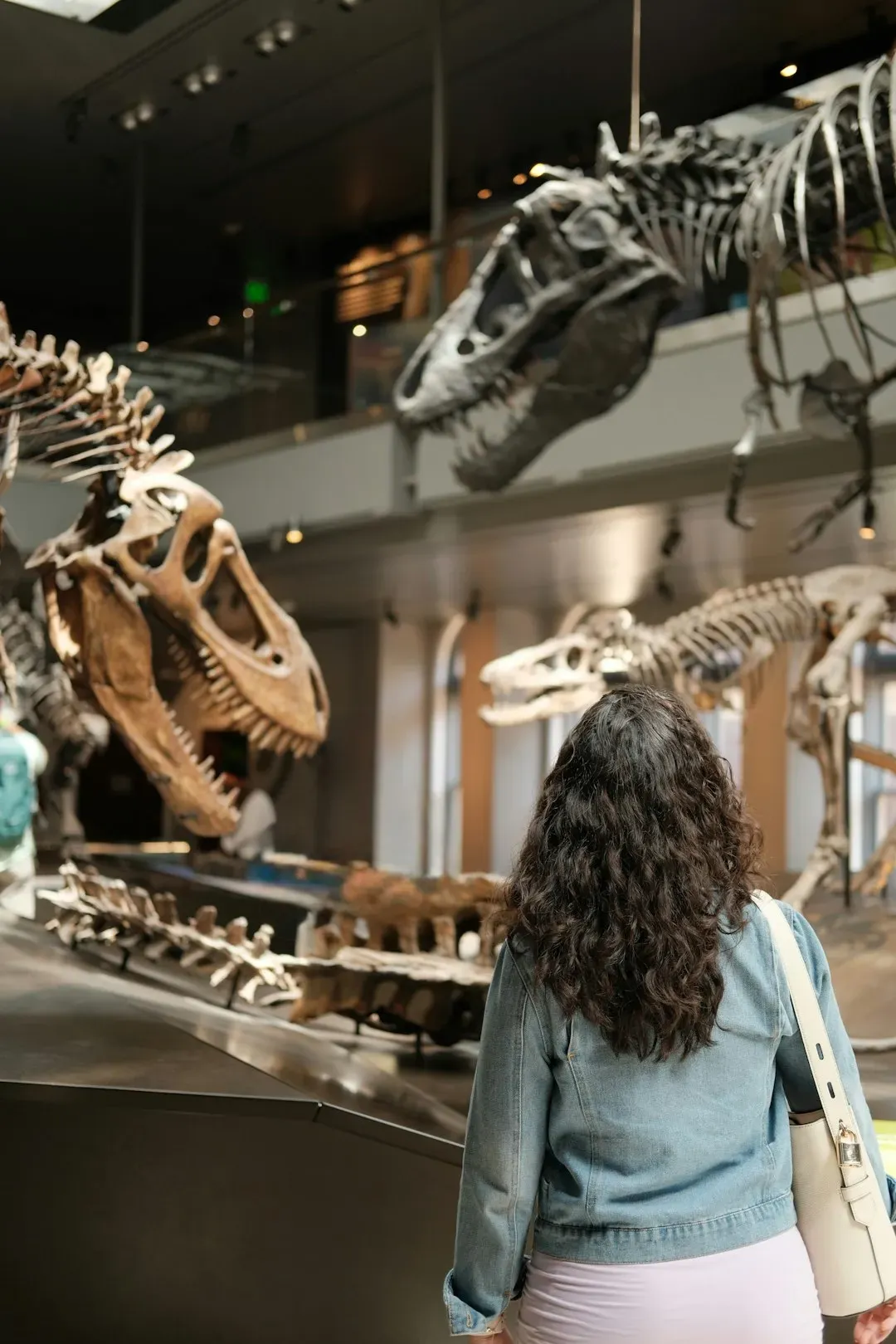
If you visit a museum, you know exactly where you want to go first. The moment you spot a fossil hall on the map, the rest of the building becomes optional. You feel a strange mix of awe and familiarity when you stand under a towering skeleton, as if you are meeting a celebrity you have studied for years. Even if you have seen the same skeletons before, you still take photos or just linger, tracing the shape of the bones with your eyes.
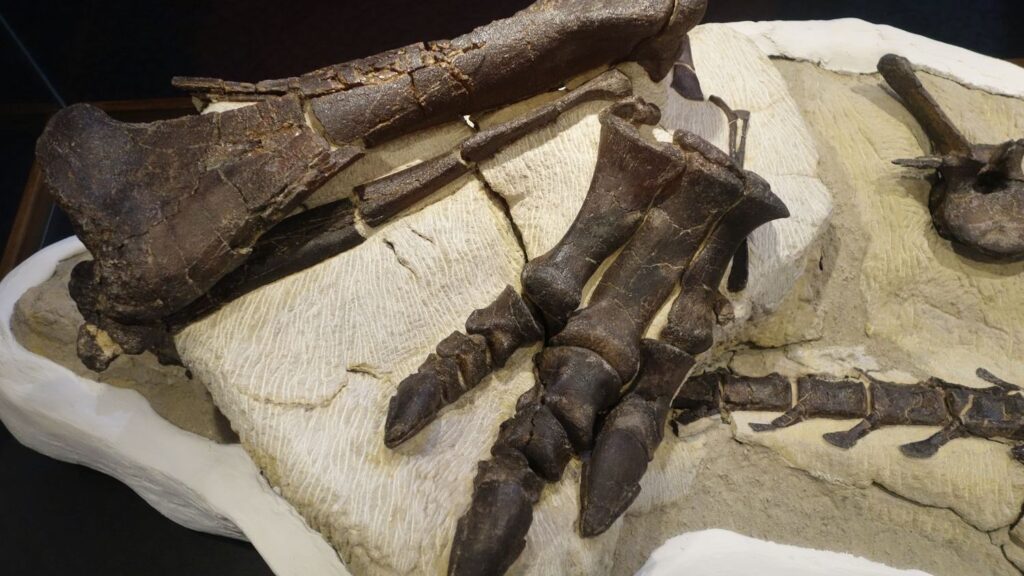
You might read the informational panels more carefully than you do in other exhibits, picking up new details you missed the last time. Little things like how the bones were found, which parts are real and which parts are reconstructions, or how scientists infer muscle and posture from skeletons genuinely interest you. While other visitors take a quick look and move on, you find yourself slowing down, soaking in the story behind each fossil.
You Collect Dinosaur Stuff (Even as an Adult)
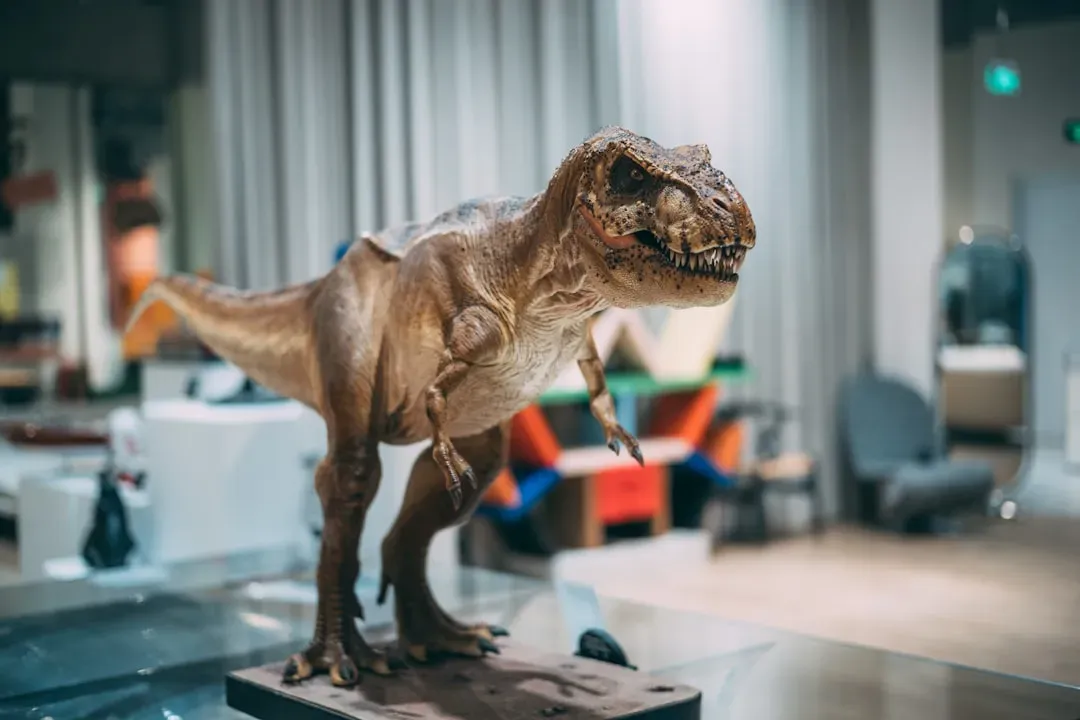
Your home or workspace probably has at least one dinosaur-themed item, and not just as a joke. Maybe it is a small figurine on your desk, a print on your wall, a mug, a book, or even a cozy pair of socks. You tell yourself it is a fun little thing, but deep down, it feels like a quiet declaration of who you are. These objects become tiny anchors that reconnect you to that feeling of wonder you had as a kid.
What starts as one item has a way of multiplying. You might pick up a new piece of dinosaur art from a local market, or add a book on prehistoric life to your shelf because it just looks too interesting to leave behind. Even if your collection remains small, it reflects a part of your identity you are not really trying to hide. Whenever people notice and smile, you get a moment to talk about something you genuinely love.
You Light Up When Kids Ask About Dinosaurs
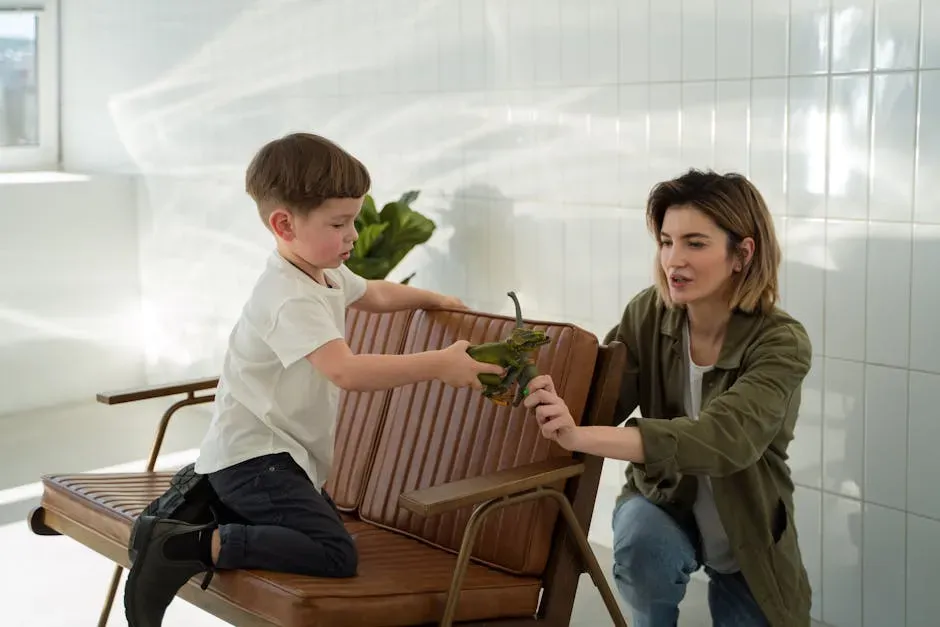
When a child asks you something like, “What was the biggest dinosaur?” or “Did T. rex roar?”, you suddenly become the most animated version of yourself. You bend down, start explaining, and maybe use your hands to show how large or small something was. You enjoy breaking down big, ancient concepts into stories that make sense to a young mind. In that moment, you are not just answering a question; you are passing on a sense of wonder that shaped you too.
You probably also feel protective of their curiosity. You encourage their questions, suggest books or shows that are actually informative, and gently correct myths without crushing their excitement. Teaching someone else what you know, especially a child, reveals how much knowledge you have quietly built up over time. That instinct to share and nurture dinosaur curiosity is one of the clearest signals that you are more than casually interested.
You Feel a Quiet Sense of Joy Admitting You Love Dinosaurs
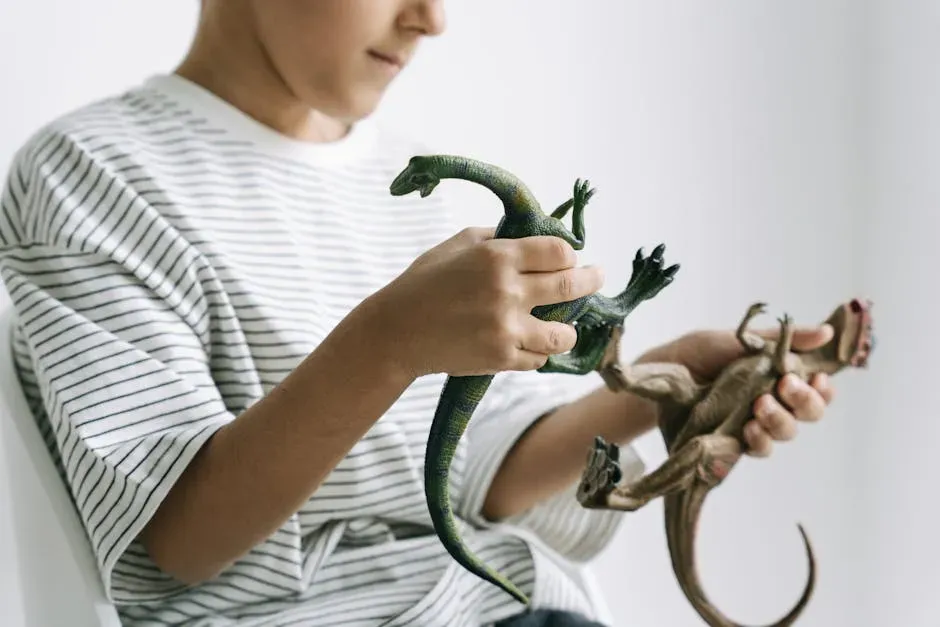
Maybe you have spent years downplaying it, assuming that dinosaur enthusiasm is just for kids or professional scientists. But every time you let yourself admit how much you enjoy learning about them, something in you relaxes. It feels honest. You realize that curiosity does not have an age limit, and there is nothing childish about being fascinated by real animals that dominated the planet long before humans appeared.
When you talk openly about dinosaurs with someone who gets it, you feel energized instead of embarrassed. You might even find yourself seeking out more books, podcasts, or exhibits because you finally gave yourself permission to lean into it. That quiet joy, that sense of “this is actually part of me,” is perhaps the strongest sign of all. At that point, you are not just – you are simply a dinosaur enthusiast, full stop.
Conclusion: Owning Your Inner Dinosaur Nerd
If you recognized yourself in several of these signs, you are in good company. You are part of a huge, often unspoken crowd of people who never lost their sense of awe at the idea of giant reptiles roaming ancient landscapes. You might not spend your days digging in the desert or studying fossils in a lab, but your enthusiasm still matters. It keeps you curious, it keeps you humble about Earth’s history, and it gives you a reliable spark of joy whenever life feels too ordinary.
The best part is that there is no requirement to turn this passion into a job, a degree, or some grand project. You can simply keep exploring at your own pace: visit more museums, read more, watch documentaries, or just stand outside listening to birds and imagining the deep past. You do not have to stay “secret” about it, either; your enthusiasm might be exactly what inspires someone else. So now that you have counted the signs, how many did you recognize in yourself?