You know that feeling when you walk past a rock, pick it up for no reason, and suddenly you’re wondering how old it is, what it’s made of, and whether some ancient creature ever stepped on it? If that sounds even a little bit like you, there’s a good chance you’ve got the paleontology bug deep in your bones. You do not need to be out in the desert with a field hat and a brush already; the signs that you’re wired for this field often show up long before you ever see a fossil in person.
Astrology is not a science, but it can be a fun lens for looking at your natural tendencies and personality quirks. When you combine that playful zodiac lens with what it actually takes to thrive in paleontology, you get a surprisingly sharp picture of whether this path fits you. As you read through these eleven signs, notice which ones feel uncomfortably accurate – because if more than a few do, you might be more destined for fossil-filled field notes and museum collections than you ever imagined.
You’re Obsessed With Deep Time and Big “Before You Were Born” Questions
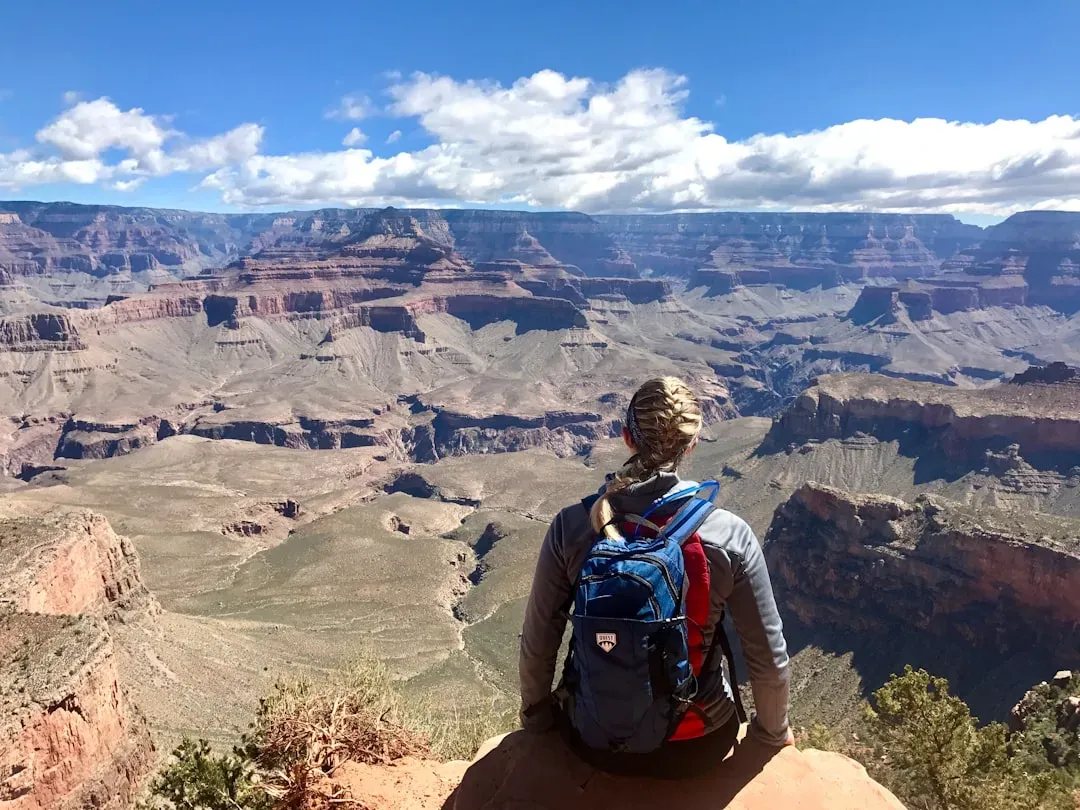
You do not just wonder what happened last year; you find yourself thinking in millions of years. You might catch yourself staring at a cliff face on a road trip and silently stacking its layers like a time-lapse in your mind, imagining oceans rising and falling, forests spreading, and whole ecosystems appearing and vanishing. Instead of feeling overwhelmed by the idea that Earth is over four and a half billion years old, you feel oddly calm and curious about it, like you’re looking at a really long, really juicy book you cannot wait to read.
This fascination with deep time is exactly what paleontology runs on. You’re not just comfortable with huge, abstract timescales – you’re intrigued by them and you want to anchor them to real creatures and real environments. That curiosity pushes you toward questions like how climate shifts reshaped life, why certain lineages survived mass extinctions, and how today’s biodiversity fits into that ancient story. When most people mentally check out the moment you hear “millions of years ago,” you lean in closer. That’s a powerful sign you’re wired for this work.
You Notice Tiny Details That Other People Completely Miss

When your friends see “a pile of rocks,” you see textures, subtle color bands, and little patterns that instantly make you suspicious there’s more going on. You spot the faint curve that could be part of a shell, the delicate imprint of a leaf, or the slight difference between one grainy stone and another. Maybe you even find satisfaction in activities that demand patience and precision – puzzles, model building, or carefully organizing your stuff in a way that would make most people roll their eyes.
Paleontology is often a game of spotting the almost invisible. A critical fossil can be smaller than your fingernail, partially hidden in rock, and only distinguishable by the slightest variation in texture or shape. If you naturally enjoy zooming in on details, patiently comparing, and mentally noting tiny differences, you already have one of the core habits paleontologists need. That quiet superpower makes you the kind of person who might recognize a new species in a fragment that everyone else walked past.
You’re Comfortable With Uncertainty and Love Solving Long Puzzles

If you need immediate answers all the time, paleontology will absolutely drive you crazy. But if you enjoy open-ended questions, incomplete information, and mysteries that unfold slowly, you’re in the perfect mindset. You’re the type who can sit with “we do not know yet” without panicking, and instead feel energized by the idea that the answer might take months or even years to uncover. The unknown is not a threat for you; it is an invitation.
That attitude is critical, because fossils rarely give you a full story on day one. You have fragments, context clues, comparison with modern species, and a lot of inference built on careful evidence. You learn to form hypotheses, test them, accept that you might be wrong, and stay willing to revise your ideas when new fossils appear. If this sounds like your kind of challenge – a long, evolving puzzle where every new piece bends the picture a bit – you are thinking like a future paleontology expert already.
You’re Secretly a Data Nerd (Even if You Think You’re “Bad at Math”)

Modern paleontology leans heavily on data: from measuring bones to estimate body mass, to using computer models to study locomotion, to analyzing large datasets of fossil occurrences through time and across regions. You do not need to be a mathematical genius; you need to be willing to treat numbers as another language for understanding life’s history. If you feel a strange satisfaction when evidence lines up neatly in a table, a chart, or a map, you are already building the mindset of someone who could thrive in this field.
You Love Animals, but You’re Equally Fascinated by Ecosystems
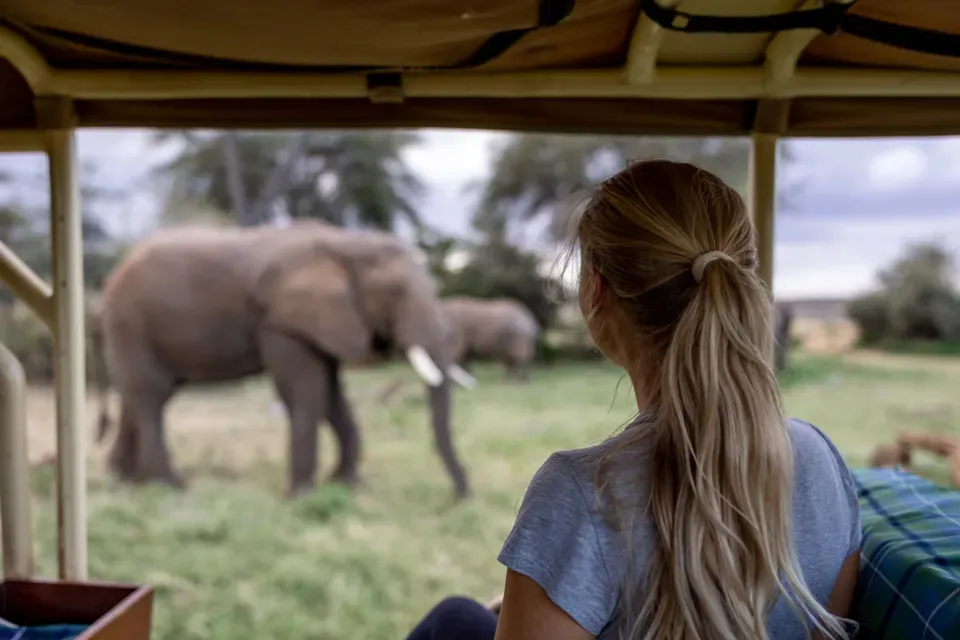
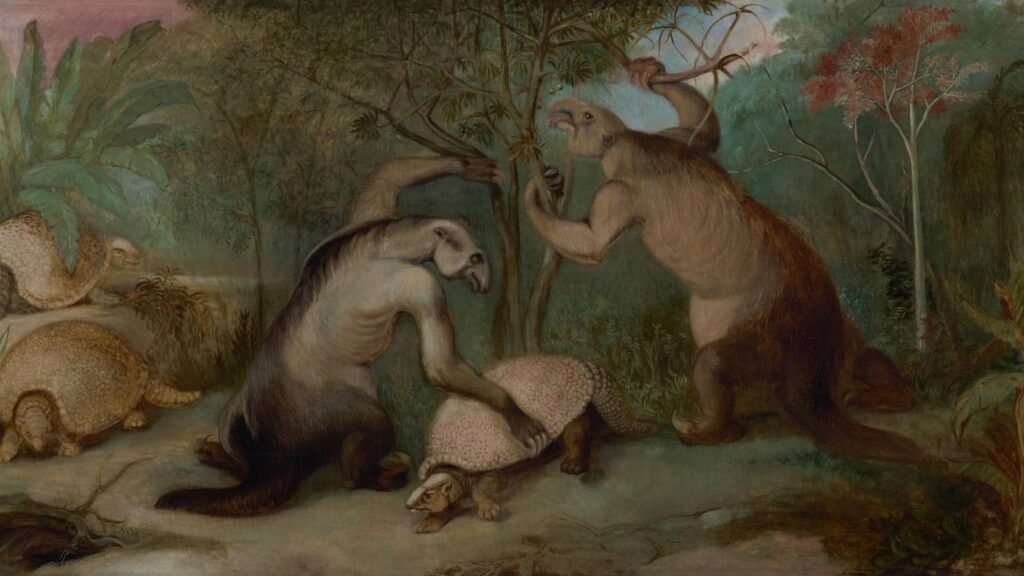
Maybe you have always loved dinosaurs or marine reptiles or those weird prehistoric mammals with tusks and armor. But your curiosity probably does not stop at “that’s a cool animal.” You want to know what it ate, where it lived, who its predators were, and how it fit into its environment. You might find yourself imagining entire ancient landscapes – coastal swamps, fern-covered plains, shallow seas – filled with sounds, smells, and interactions, not just one isolated creature striking a dramatic pose.
This shift from individual animals to complete ecosystems is a major sign of a paleontological mindset. Paleontology is not only about naming species; it is about reconstructing whole worlds and understanding how energy, climate, and evolution shaped those worlds over time. If you love nature documentaries not just for the animals but for the way they show everything connected, you are already practicing the kind of thinking paleontologists use when they turn scattered fossils into a living, breathing scene from the past.
You Have an Almost Childlike Curiosity That Never Really Shut Off
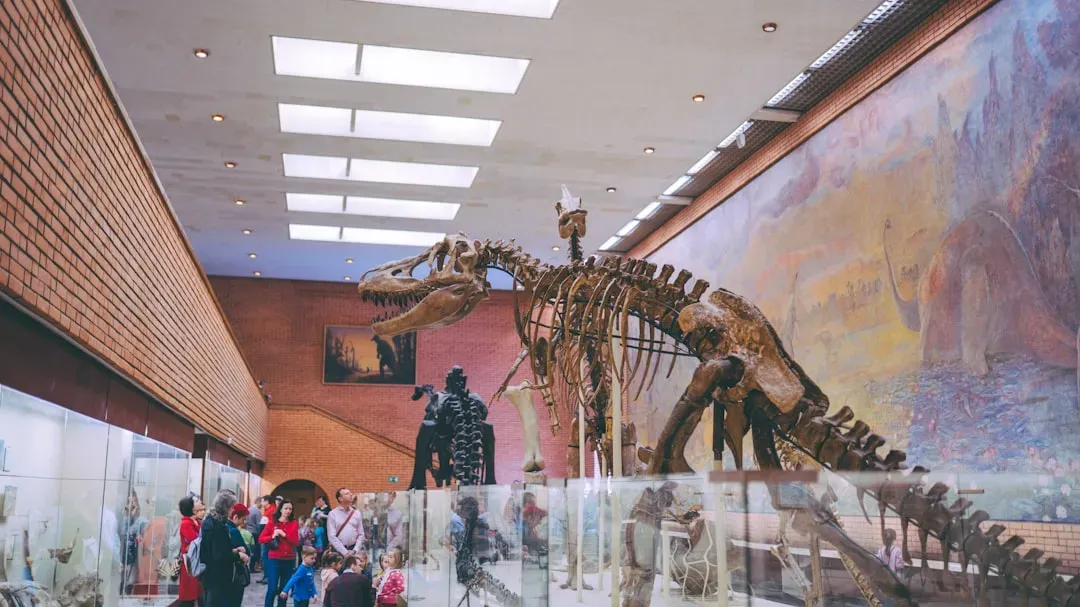
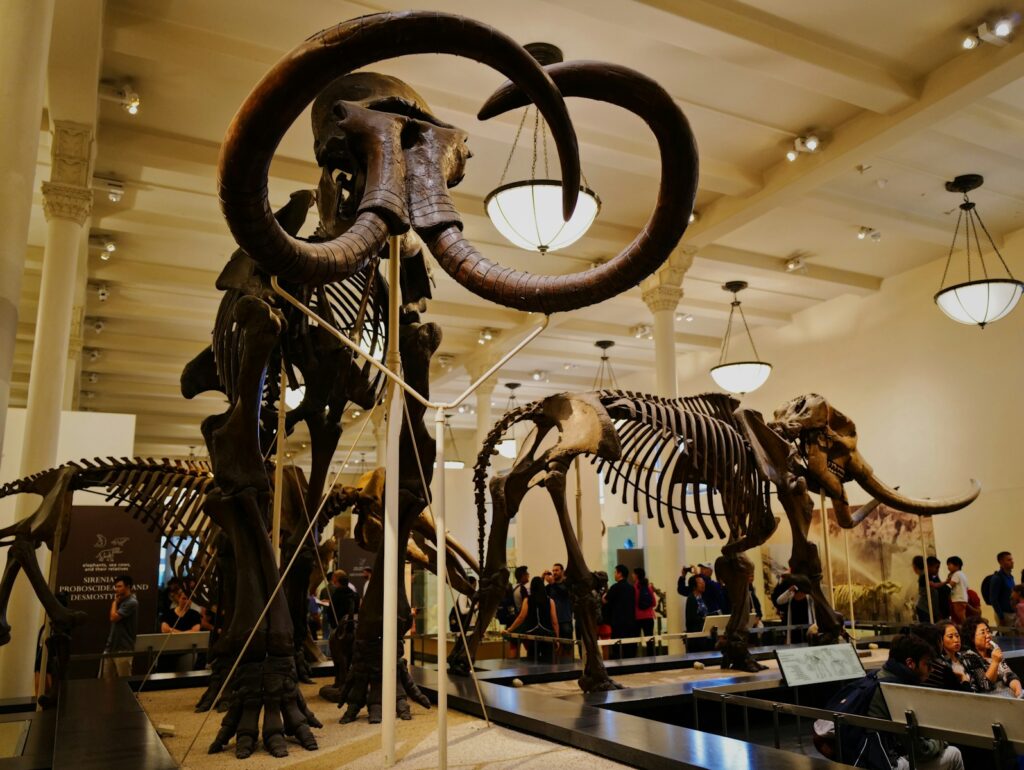
Most kids go through a dinosaur phase. The difference with you is that you never truly left it behind; it just evolved into something deeper. Maybe you still light up a little whenever you walk into a natural history museum, or you feel an unexpected rush of excitement when a new fossil discovery hits the news. You might even catch yourself reading labels on exhibits while everyone else is just taking photos and moving on.
That persistent, almost stubborn curiosity is one of your greatest assets. Paleontology demands the energy to keep asking questions long after the easy answers dry up. If your inner child still shows up every time you hold a fossil replica or see a skeleton suspended from the ceiling, that is not immaturity – it is fuel. You are tapping into the same drive that pushes paleontologists to crawl over badlands in extreme heat just to uncover one more bone from a creature that died millions of years before humans ever existed.
You’re Drawn to the Outdoors and Can Tolerate a Bit of Discomfort
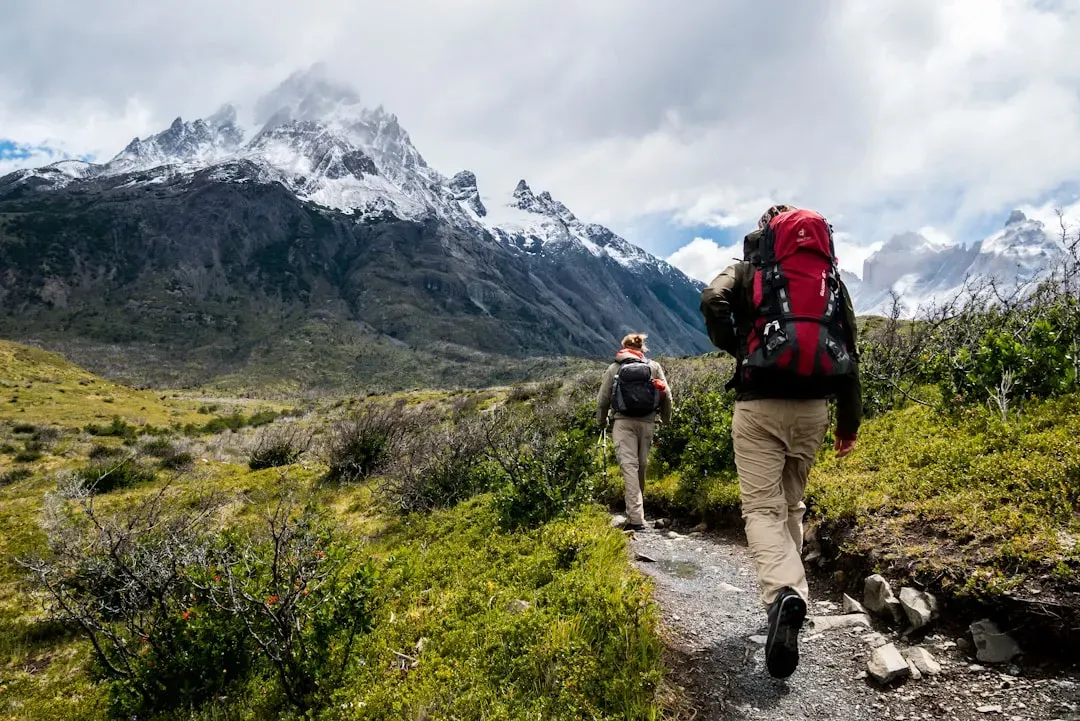
You may not think of yourself as especially rugged, but if part of you lights up at the idea of hiking dusty trails, camping under wide skies, or exploring places most people never go, that is a big clue. Fieldwork in paleontology can involve heat, cold, wind, sunburn, sore muscles, and a surprising amount of dirt in places you did not think dirt could reach. Yet for people wired for this life, there is a strange joy in it – a sense that every step might put you on top of something no human has seen before.
Even if you are more of a comfort lover, you might notice you are willing to trade some convenience for the chance to experience something real and rare. You might be the friend who volunteers for the long walk to see a unique rock formation or stays out in the drizzle to watch birds instead of heading indoors. That willingness to lean into a bit of discomfort for the sake of discovery puts you right in the zone for future digs, expeditions, and long days out in the field chasing clues in the stone.
You Enjoy Researching for Fun and Can Lose Hours Chasing One Topic

You know that feeling when you look up one simple thing online – like what a certain dinosaur name means – and suddenly it is two hours later and you are learning about fossilization processes, ancient climates, and museum collections on the other side of the world? If that happens to you regularly, you have the mental stamina paleontology demands. You do not just skim; you sink in and follow the trail until you start to see the bigger picture.
This instinct makes you unusually well-suited for scientific research. Paleontology is not only digging; it is also reading papers, comparing previous studies, and building on decades or even centuries of existing work. If you can genuinely enjoy tracing that chain of information, cross-checking claims, and connecting dots across multiple sources, you already operate like a scientist. You may not call it that yet, but when you willingly fall into deep research rabbit holes for fun, you are practicing exactly the skill set that serious paleontology relies on.
You Feel a Strong Pull Toward Museums, Collections, and Old Objects
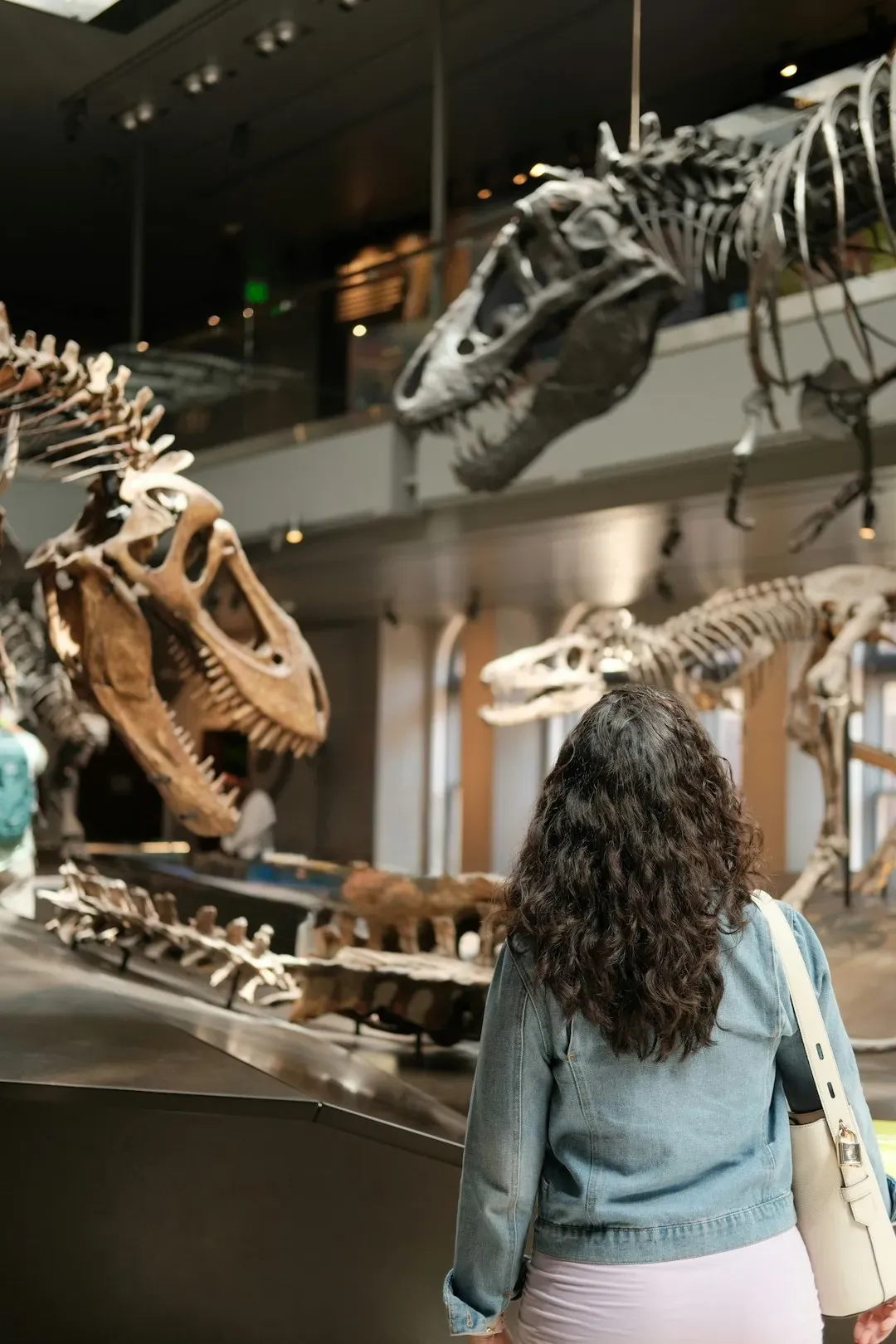
Some people find museums boring; you find them strangely magnetic. You might be the person who lingers in the fossil hall long after everyone else is ready to leave, or who feels a bit emotional seeing a skeleton that has been in the ground for tens of millions of years. Old objects – rocks, shells, bones, historical artifacts – hold a kind of quiet gravity for you. They are not just “things”; they are time capsules.
Paleontology often lives behind the scenes in museum basements and collections rooms, where drawers and cabinets hold fossils from around the world. If you feel at home in these spaces, or even just fascinated by them, that is a strong signal. You understand, instinctively, that preserving and studying these specimens is a way of caring for Earth’s memory. That deep respect for old, fragile, important objects is exactly the kind of mindset that turns you into the kind of expert who treats each fossil like a unique, irreplaceable piece of evidence.
You Think in Stories and Love Reconstructing “What Probably Happened”
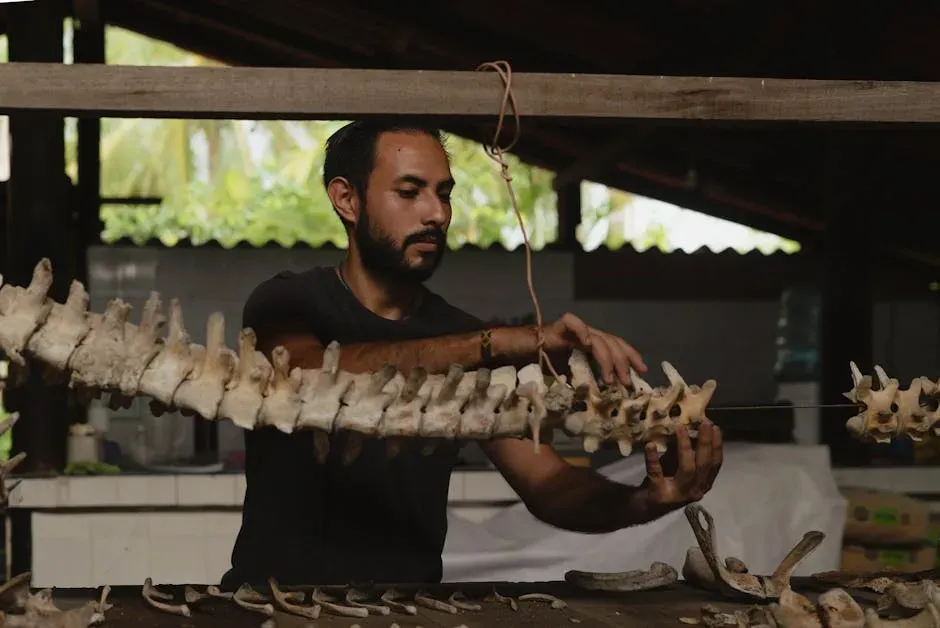
You might catch yourself turning every little clue into a story. A footprint in the mud becomes someone’s hurried morning; a broken branch becomes proof of a struggle; a strange scattering of stones becomes the remains of some past activity. This habit of building narratives from limited evidence can be playful, but it is also incredibly close to how paleontologists reconstruct ancient behavior, environments, and events.
In paleontology, you rarely get a full scene; you get fragments and traces. Your job is to imagine plausible stories that fit the evidence without going too far beyond it. If you naturally enjoy thinking through what probably happened – asking what, why, and how – while still keeping one foot grounded in reality, you are already practicing a kind of mental simulation that is essential to this work. Your storytelling, when guided by data and logic, becomes a powerful tool for bringing ancient worlds back to life in a scientifically responsible way.
You’re Patient Enough to Work Slowly but Passionate Enough to Never Get Bored
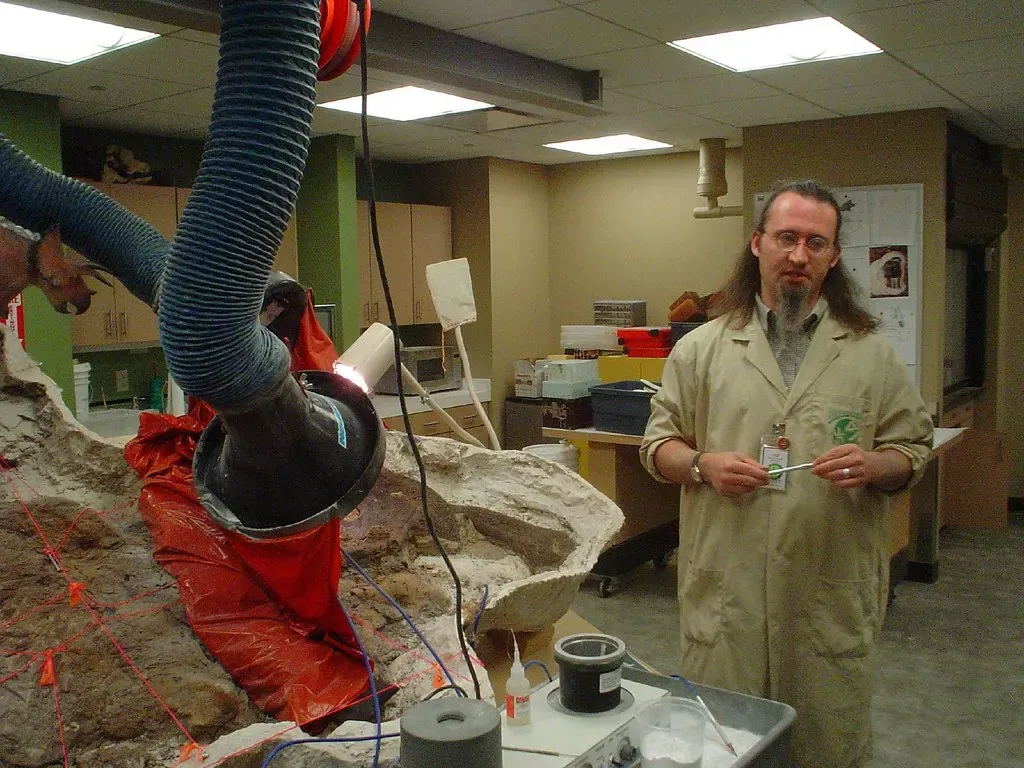
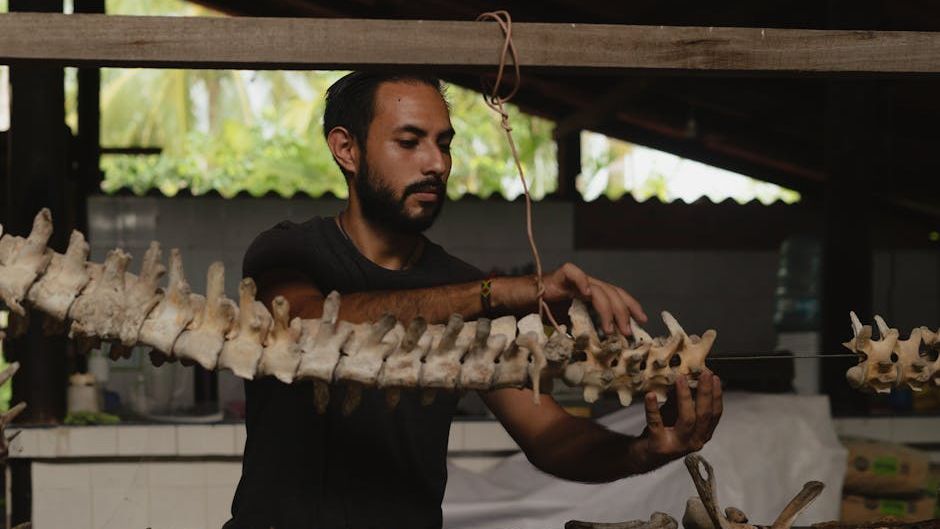
You might not enjoy rushing through tasks just to get them over with. Instead, you prefer settling into a rhythm – carefully sanding a surface, sorting tiny objects, or methodically cleaning something until it shines. That patience, combined with a stubborn streak of passion, is exactly what paleontological work can demand. You could be painstakingly cleaning a single fossil with delicate tools for days, or recording measurements one by one until your hand cramps, and yet still feel strangely satisfied.
What keeps you going is not adrenaline but a quiet, burning interest in what you are uncovering. You can handle slow progress because you trust that each tiny step matters. If you recognize that in yourself – the ability to stay engaged through repetitive, precise work because the end goal excites you – that is a sign you are built for the long game. Paleontology does not reward impatient curiosity; it rewards the kind of person who can gently chip away at rock, day after day, while never losing sight of the fact that a new window into deep time is emerging under their hands.
You Feel a Kind of Responsibility to Understand and Protect Earth’s Story
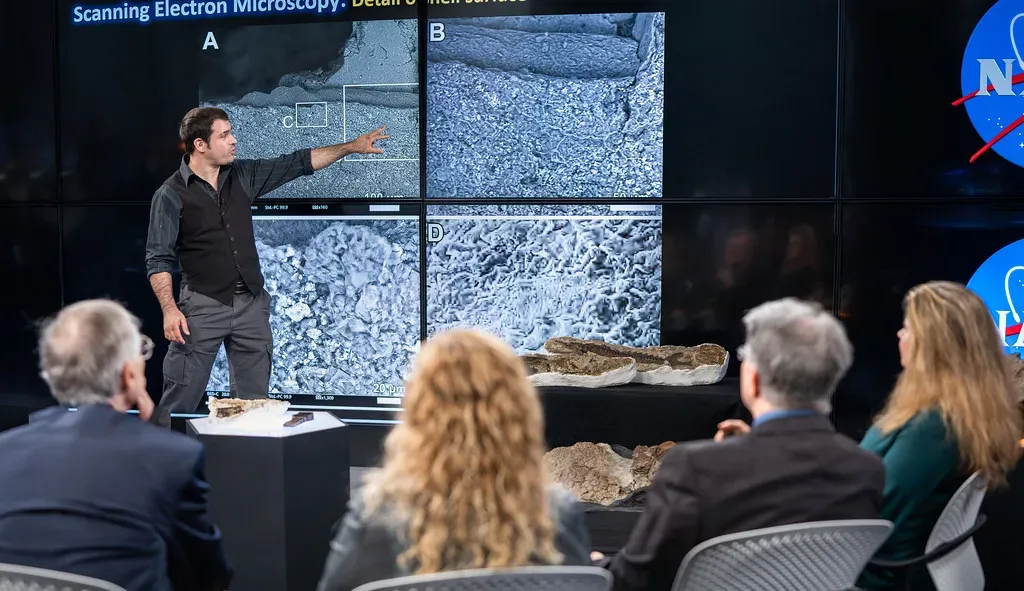
For you, learning about the past is not just a quirky hobby; it feels important. You sense that understanding what happened to ancient species and ecosystems can help humans make better decisions today. When you hear about climate change, mass extinctions, or habitat loss, you cannot help but connect it to the massive changes Earth has survived before – and the species that did not make it through. You want to know what patterns repeat and what might be different this time.
This sense of responsibility is a hallmark of many people who end up in paleontology or related fields. You are not just fascinated by fossils; you are deeply moved by what they represent. Studying life’s past becomes a way of protecting its future, by offering a longer view on change, resilience, and collapse. If that idea resonates with you – if you feel called to be a kind of storyteller and guardian for Earth’s deep history – then you are not just casually interested. You are already thinking like a paleontology expert, even if you have never touched a real fossil yet.
Conclusion: Are the Fossils Calling Your Name?
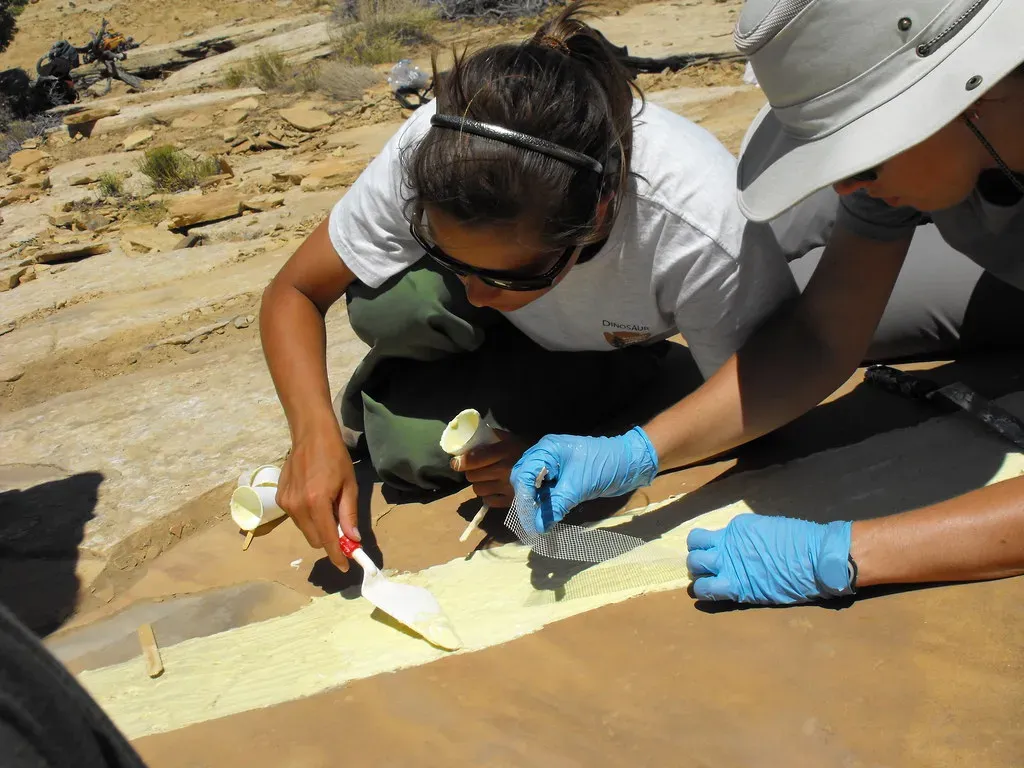
If you saw yourself in several of these signs – if deep time excites you, tiny details fascinate you, and old bones and rocks feel strangely sacred – then you might be far closer to a paleontology path than you realize. You do not need to have your entire career mapped out to take the next small step: read another book, visit a museum with fresh eyes, join a local fossil or geology group, or look into courses that connect biology, geology, and Earth history. Each of those steps is like brushing away a bit more dust from the fossil of your future.
The truth is, paleontology needs people like you: curious, patient, imaginative, and willing to care about stories that began long before humans even appeared. Whether you end up in fieldwork, research, teaching, museums, or simply become the most knowledgeable fossil enthusiast in your circle, your fascination with ancient life is not random – it is a real part of who you are. So ask yourself honestly: when you picture holding a fossil that is millions of years old, does something inside you light up in a way you cannot quite explain?