You probably grew up imagining dinosaurs as giant, cold-blooded monsters that stomped around, laid some eggs, and walked away. But when you look at what paleontologists have pieced together over the last few decades, a very different picture starts to emerge. You begin to see dinosaurs not just as predators or plant-munching tanks, but as devoted parents, social partners, and sometimes even caregivers that would feel strangely familiar to you.
Once you dig into the fossil evidence, you find nests arranged in careful circles, tiny hatchling bones huddled together, and growth patterns that hint at years of care before young dinosaurs were ready to fend for themselves. It does not mean every dinosaur was a doting parent, but it does mean you can no longer think of them as simple, emotionless reptiles. When you follow the clues, you discover that dinosaur family life may have had more in common with birds and mammals than you ever imagined.
1. Some Dinosaurs Built Organized Nursery Colonies
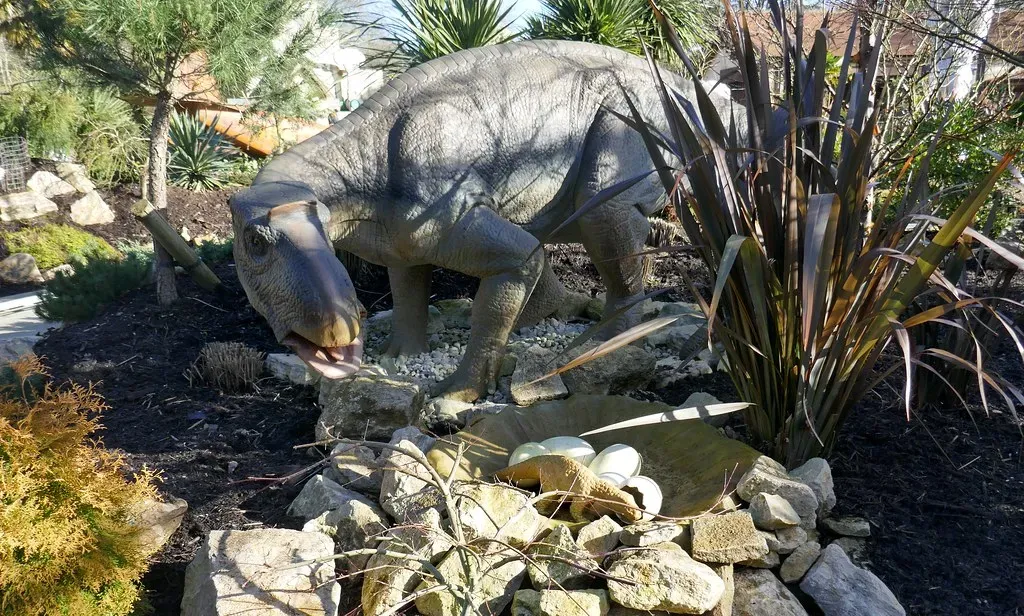
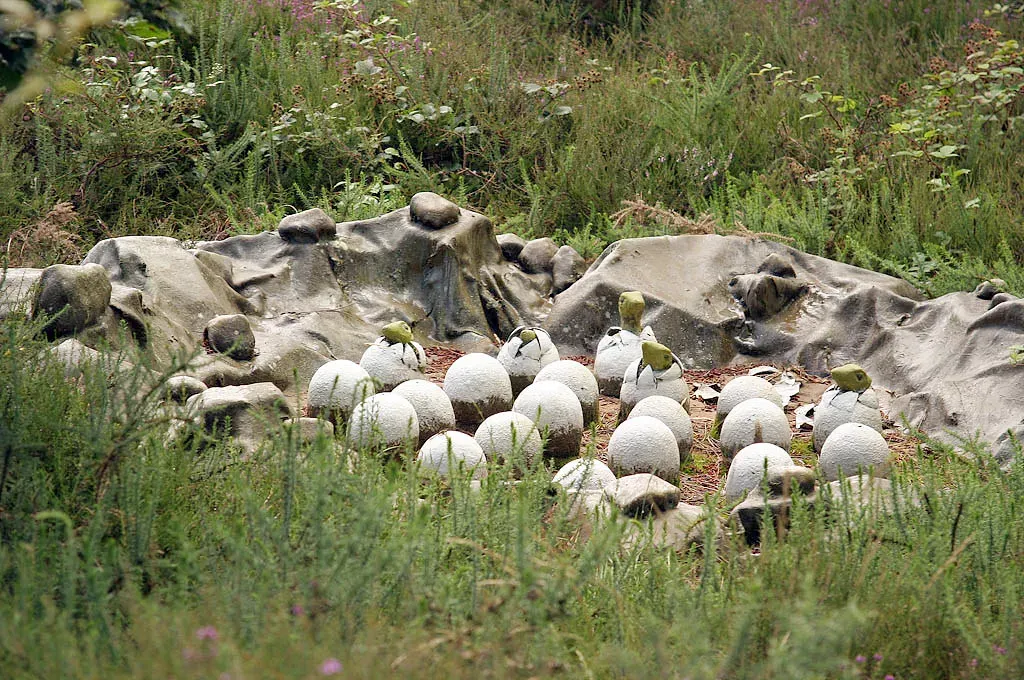
If you stood in certain parts of the ancient world, you would not see just one lonely dinosaur nest – you would find entire neighborhoods of them. In some fossil sites, you can see dozens of nests clustered together in what amounts to a dinosaur nursery colony, with eggs laid in repeating, almost geometric arrangements. That type of pattern does not happen if adults simply wander off after laying eggs; it suggests they came back to the same safe places, again and again, a bit like seabirds returning to the same cliffs every year.
When you picture these colonies, you can imagine rows of nests spaced just far enough apart that adults could move between them without crushing eggs or hatchlings. You would see different generations sharing the same breeding ground, reusing nest spots the way some birds and turtles do today. That kind of behavior tells you dinosaurs were making conscious choices about where to raise young, not just dropping eggs randomly into the mud. In other words, they were treating nesting as a long-term investment, not a one-off event.
2. Egg Arrangements Hint That Adults Guarded the Nest
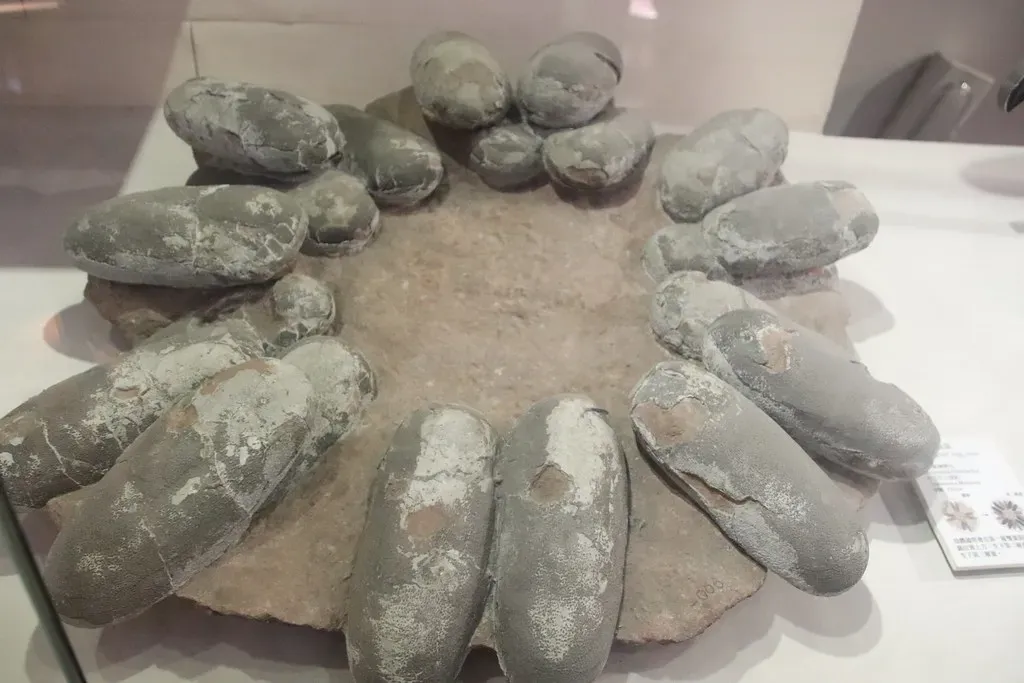
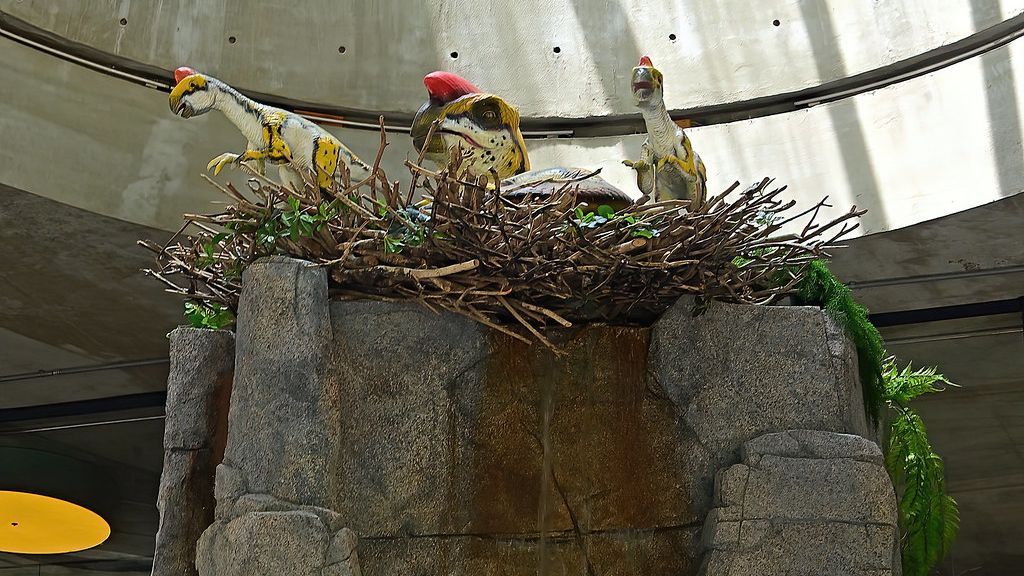
When you look closely at fossilized dinosaur nests, you notice the eggs are rarely just piled in a heap. Instead, you often see them arranged in deliberate rings, layers, or carefully shaped mounds. This kind of structure suggests you are looking at nests that were built, adjusted, and probably maintained over time, rather than a quick dump-and-go. Some nests even show signs of ventilation or layering that would help regulate temperature, much like you see in bird or crocodile nests today.
You also sometimes find adult bones right on top of nests, in positions that make more sense if the dinosaur was brooding or guarding when it died. That means you are not just guessing from nest shape; you are catching adults in the act, frozen in place by catastrophic events. When you put these pieces together, you start to see nest guarding as an active job, not a passive side effect of hanging around. You can picture adults shifting their weight to cover eggs evenly, scanning for predators, and possibly even cleaning or turning the eggs, just like modern birds do.
3. Fossil Growth Rings Reveal Long Childhoods
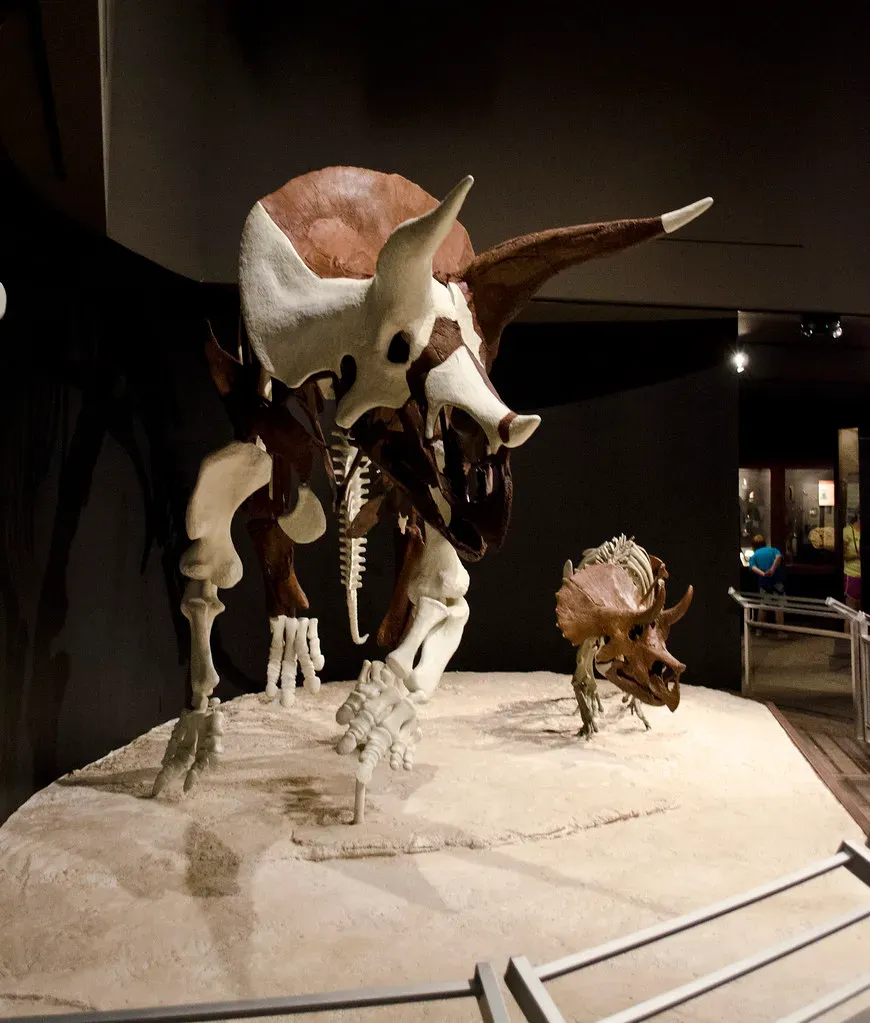
When paleontologists slice through dinosaur bones and look at growth rings under a microscope, you discover that many young dinosaurs did not sprint to adulthood. Instead, you see patterns of slow and steady growth, with pauses and spurts that can stretch out over years. For some species, that means juveniles stayed small and vulnerable for a long time, which is exactly when parental care becomes incredibly valuable. If a youngster cannot survive alone, something or someone has to help it bridge that gap.
In your own life, you take it for granted that long childhoods go hand in hand with more parental care, and the same logic likely held for many dinosaurs. If a species invested heavily in producing a small number of big, well-developed offspring, it made sense to protect that investment long enough for them to grow. You can imagine herds moving more slowly to accommodate juveniles, adults positioning themselves on the outside of a group, and youngsters learning how to find food or avoid danger by staying close. Instead of a quick hatch-and-run strategy, you see a slow burn of care spread over years.
4. Some Dinosaurs Fed Their Young After Hatching
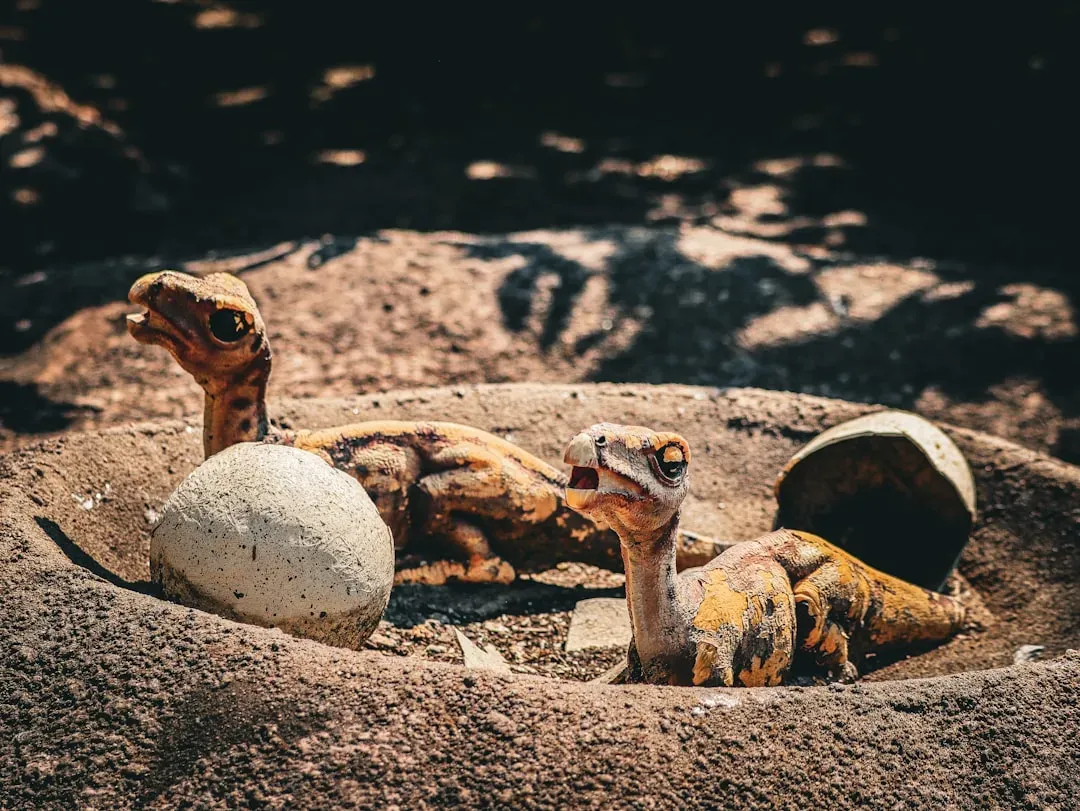
In a few remarkable fossil sites, you find young dinosaurs preserved at sizes that are too large to be fresh hatchlings, but still clearly not independent adults. Their teeth, bones, and body proportions tell you they were in a stage where they may have needed help getting enough food. In some cases, their jaw and limb structure suggest they were not yet well suited to travel long distances or handle tough plants or prey. That implies you are looking at juveniles that either stayed near a nest or were brought food, at least for a while.
When you compare this with what you see in modern animals, you get a reasonable model: parents may have partially chewed or processed food, brought pieces back, or led young to easy feeding spots. You can imagine a young dinosaur following an adult the way a duckling follows a mother, learning what to eat by imitation. Although the fossil record cannot show you the act of feeding directly, it gives you enough anatomical and ecological clues that it would be strange if no feeding help occurred. For some species, parenting probably did not end when the eggs hatched; it simply shifted into a new phase.
5. Herd-Living Species Likely Protected Their Young Together
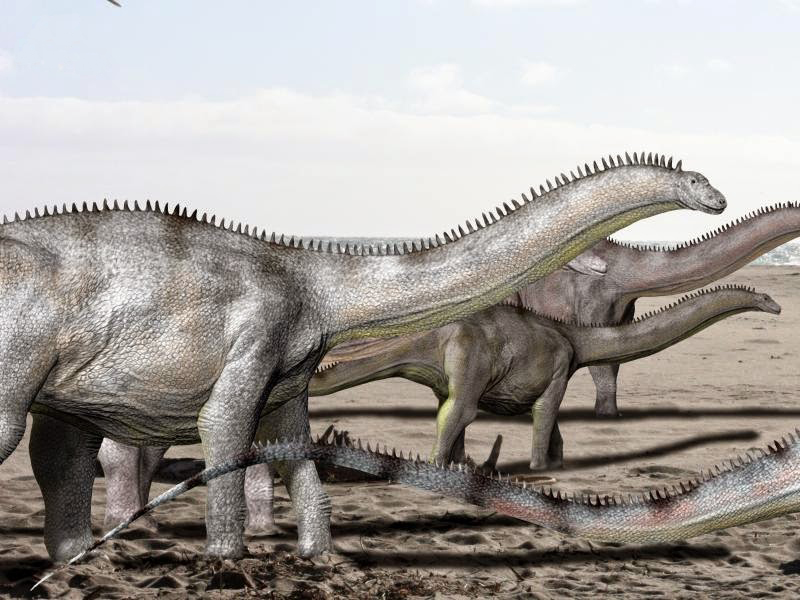
Whenever you find trackways and bone beds that show large numbers of the same dinosaur species moving together, you are getting a snapshot of social life. In several cases, you see footprints of different sizes travelling in the same direction, side by side, suggesting juveniles and adults were walking as a group. That kind of arrangement is what you would expect if you were watching a herd, not just a random gathering. You can imagine the scene: large adults flanking the edges, smaller youngsters clustered safely in the center.
In a herd like that, you are not just looking at one pair of parents watching a single baby. You are seeing group-level protection, where many adults create a moving shield around the most vulnerable members. If a predator approached, it would first face a wall of horns, tails, or sheer body mass, rather than easy access to the young. You can think of it the way you see elephants or bison today, circling their calves when danger is near. That kind of shared responsibility suggests that for some dinosaurs, parenting was a team sport rather than a solo effort.
6. Bird-Like Brooding Poses Connect Dinosaurs to Modern Parents
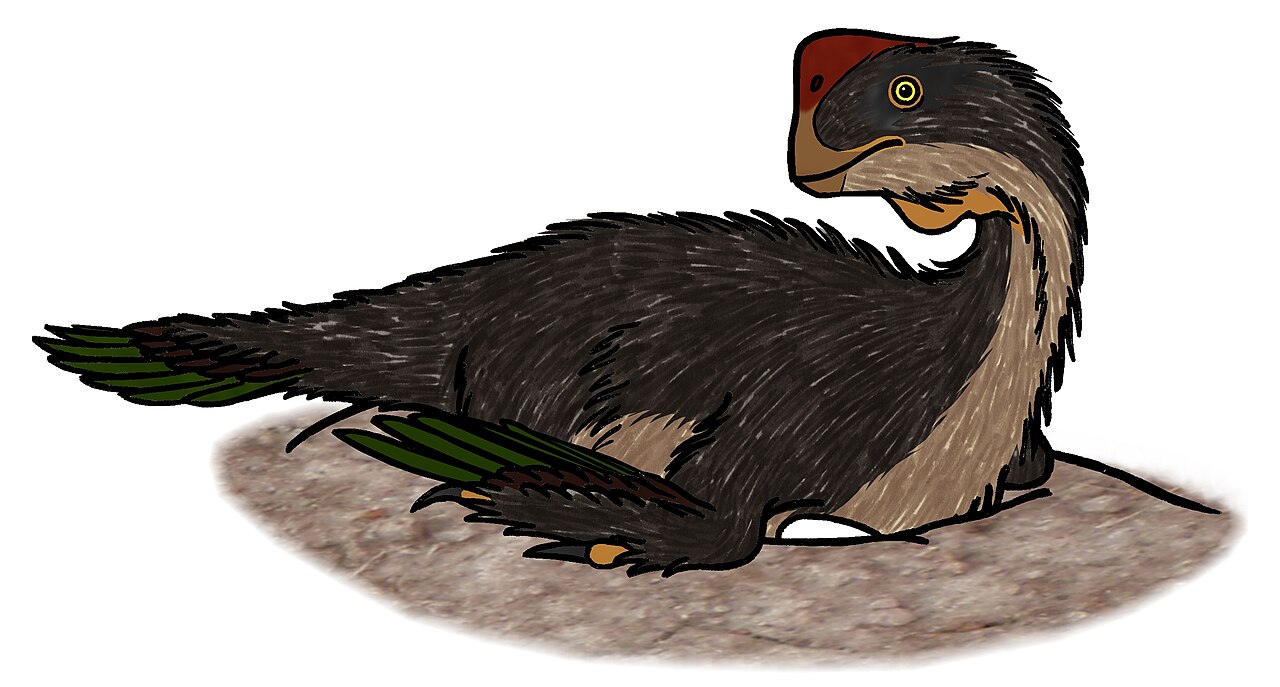
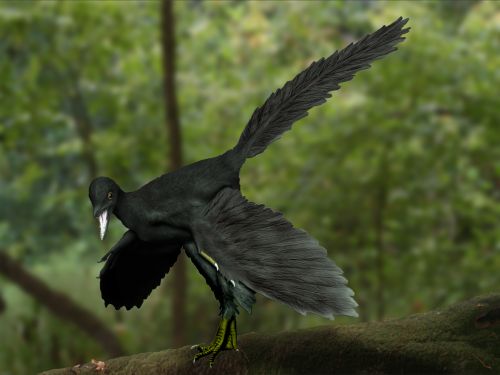
One of the most striking discoveries you encounter in dinosaur parenting is the fossils of small, bird-like dinosaurs preserved in brooding poses. These animals are found crouched low over their nests, limbs spread, sometimes with eggs or hatchlings directly beneath them. When you compare that posture to a nesting bird spreading its body over its clutch, the similarity is impossible to ignore. You are not just seeing an abstract evolutionary link; you are seeing nearly the same behavior playing out millions of years earlier.
This kind of evidence tells you that some dinosaurs used their own bodies as living incubators, controlling temperature and perhaps even humidity by shifting position. It also suggests a level of attentiveness, because brooding requires staying in one place for long stretches despite risks and discomfort. If you have ever watched a bird refusing to leave its nest even in bad weather, you can picture the same stubborn dedication in these ancient animals. It is one of those moments where the gap between past and present suddenly feels very small, and you realize that parental sacrifice is an old, familiar story.
7. Some Species Returned to the Same Nesting Grounds for Generations
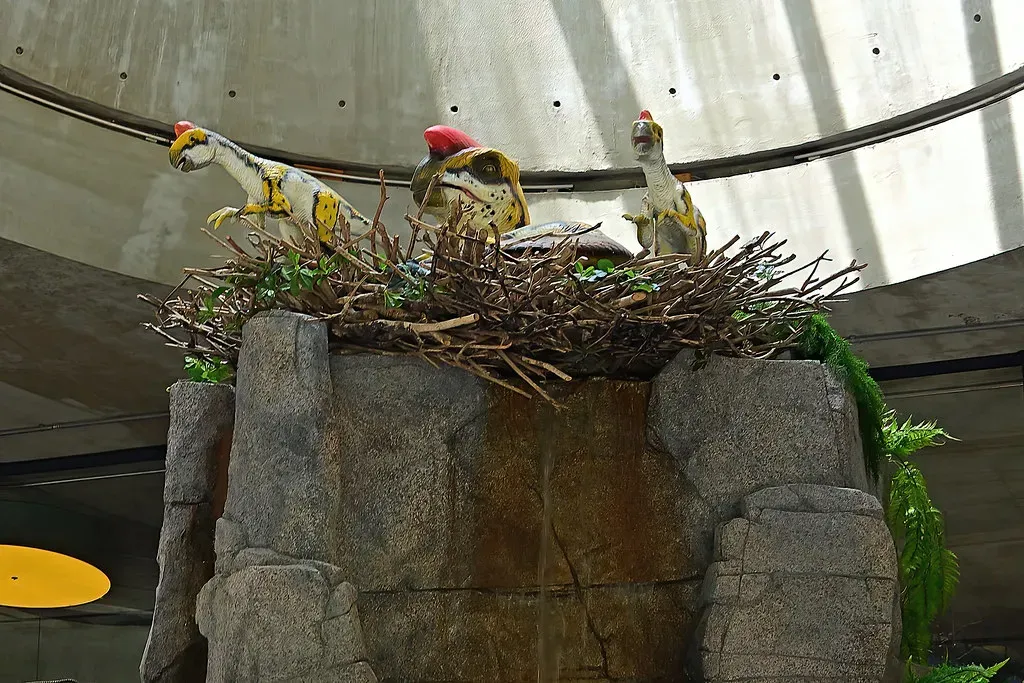
In a few famous fossil sites, you see layer upon layer of nests stacked in the same region, separated by thin bands of sediment. That tells you you are not looking at a single breeding season frozen in time, but many seasons piled on top of one another. Each generation came back, laid eggs, raised young, and then left behind traces that the next generation literally built upon. It is like finding a time-lapse of a neighborhood where families keep returning to the same streets and houses year after year.
When you think about what this means, you start to see dinosaur parenting as part of a wider cultural pattern, not just individual instinct. Adults had to survive, remember the route, and time their return to match the right environmental conditions. Younger individuals may have learned the location by following older ones, the way migrating birds learn routes from experienced flock members. That kind of site fidelity tells you dinosaurs were not simply reacting to their surroundings in the moment; they were participating in long-term traditions linked to raising the next generation.
8. Not All Dinosaurs Were Super Parents – Strategies Varied Widely
As impressive as dinosaur parenting can look, you also have to remind yourself that not every species raised its young in the same way. When you compare different groups, you see a spectrum of strategies, from high-investment care with fewer, larger eggs to more scattershot approaches with many eggs and probably little follow-up. Some nests appear more haphazard or exposed, and some species produced offspring that seem relatively well developed at hatching, suggesting they could move and feed on their own sooner. You are not looking at one parenting blueprint but a whole toolbox of options.
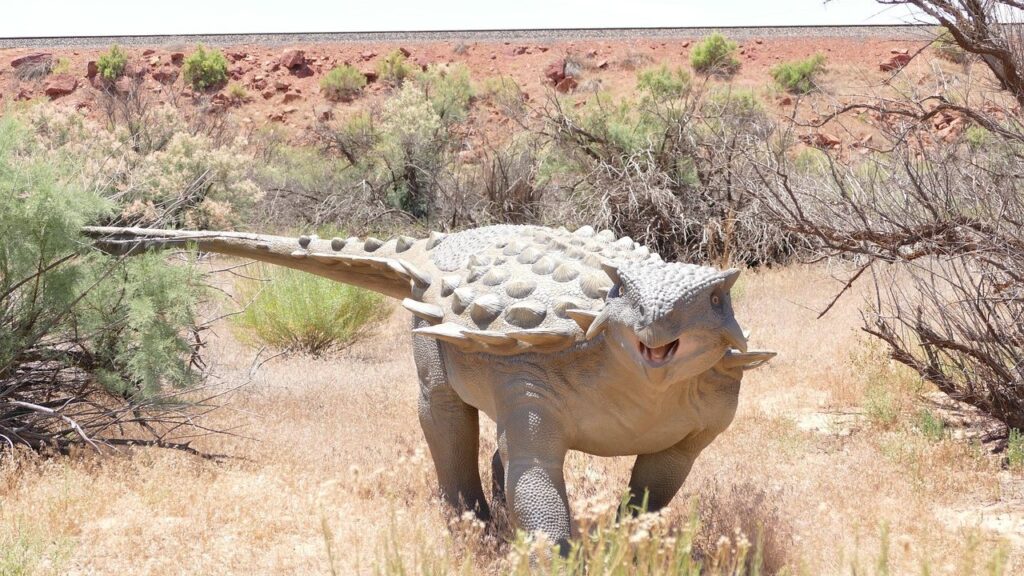
If you think of dinosaurs as a diverse cast rather than a single character, this variation makes a lot of sense. In some environments, heavy parental care might pay off; in others, sheer numbers could be the better bet. You can picture lean, fast-growing species churning out many young and relying on probability, while slower-growing, heavily armored species invest more in guarding each brood. This range of approaches lines up with what you see in modern animals, from insects that never meet their offspring to birds and mammals that care for young for years. Dinosaurs occupied every corner of that range, which makes their world feel more complex and real.
9. Dinosaur Parenting Helped Shape the Evolution of Birds
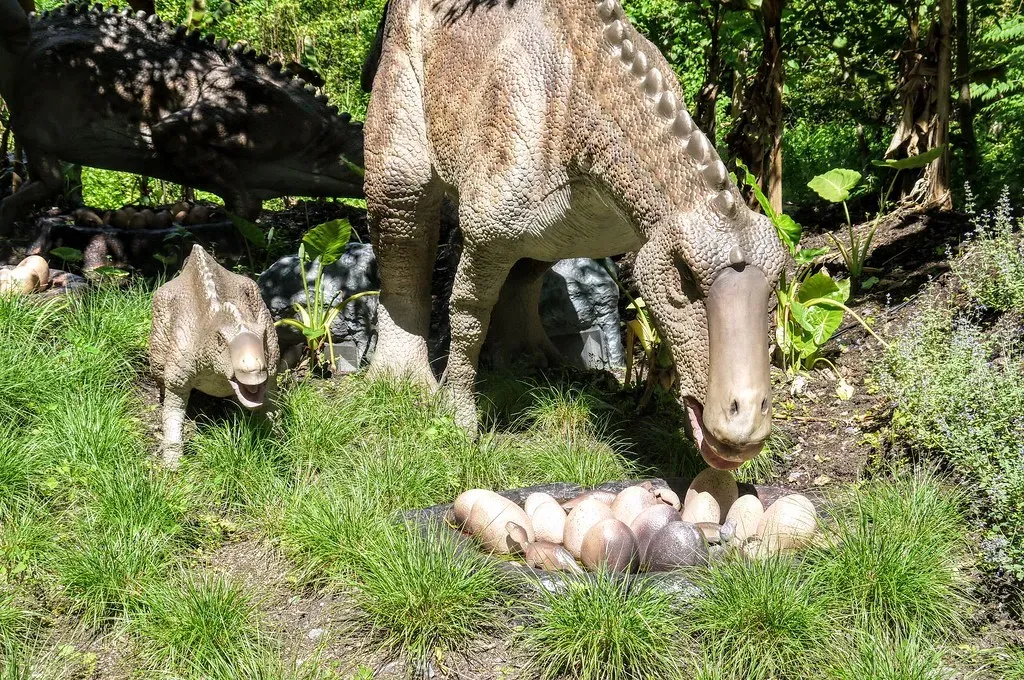
When you trace the evolutionary line from non-avian dinosaurs to the birds you see today, parenting is one of the threads that runs through the story. Many behaviors you associate with birds – building nests, brooding eggs, defending chicks – have roots in their dinosaur ancestors. When you watch a bird carefully arranging twigs, shading eggs with its body, or leading chicks to food, you are seeing echoes of strategies that were already being tested long before birds officially appeared. You are not just looking at a modern quirk; you are looking at the continuation of an ancient survival system.
This connection also explains why bird parenting can feel so intense compared to many reptiles. If you assume that some of these high-investment behaviors started in small, active, warm-bodied dinosaurs, you can see how natural selection would favor better care, better nests, and smarter timing. Over millions of years, that mindset crystallized into the bird families you know: species that migrate to exact spots, synchronize breeding with food peaks, and risk their lives for helpless chicks. When you realize birds are living dinosaurs, you start to see every devoted parent on a branch or rooftop as a tiny window into that lost world.
When you pull all these threads together, you end up with a very different view of dinosaur life than the one you started with. Instead of lonely giants roaming a harsh world, you see parents guarding nests, youngsters growing up in herds, and lineages returning to trusted nesting grounds for countless generations. You also see that parenting was not a luxury; it was a powerful strategy that shaped who survived, who evolved, and eventually who took to the skies as birds.
The next time you picture dinosaurs, you can let your imagination include the quieter moments: an adult carefully turning an egg, a group shielding its young, or a brood of hatchlings huddling for warmth. Those scenes may be less dramatic than a roaring predator, but they are just as real and far more relatable. Once you know that, it becomes hard to see dinosaurs as distant monsters; instead, you start recognizing them as part of the same long story of parents and offspring that you are still living today. Which of these parental behaviors surprised you the most?