
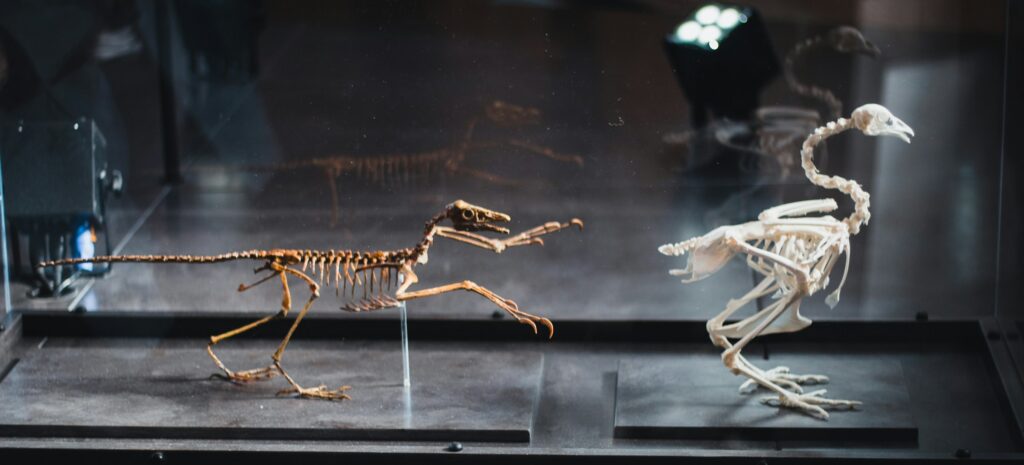
Say the word “dinosaur” and most people still picture something that died out 66 million years ago in a fireball of dust and ash. That image is comfortable, cinematic, and mostly wrong. The real story didn’t end at extinction – it kept walking around your backyard, stealing bread crumbs and pecking at bird feeders.
The shift happened when paleontologists stopped treating dinosaur bones as museum relics and started holding them up next to living bird skeletons. What they found wasn’t a gentle confirmation of “birds are related to dinosaurs.” It was closer to a full rewrite of how dinosaurs breathed, grew, walked, and even felt pain. Here’s what the bones actually admitted once someone finally asked the right question.
#1 – Birds Proved Dinosaurs Were Hollow-Boned, Not Clumsy Tanks
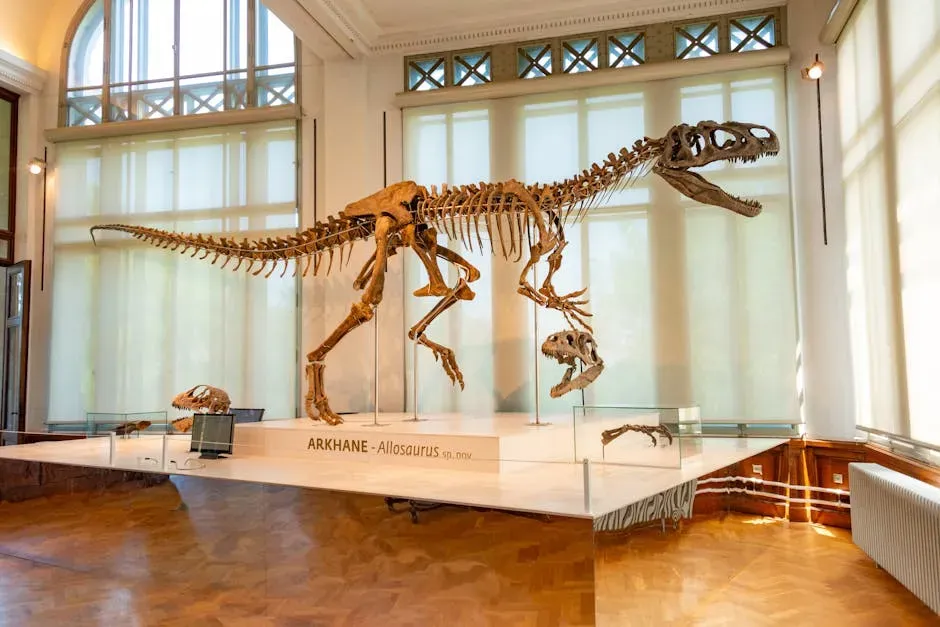
For decades, dinosaurs were drawn as heavy, tail-dragging brutes, more bulldozer than animal. Then researchers ran high-resolution CT scans on bird skeletons and old dinosaur bones side by side, and the same shocking pattern showed up in both: thin walls wrapped around air-filled spaces.
In modern birds, these “pneumatic” bones connect directly to the respiratory system. Air sacs stretch from the lungs into hollow chambers inside the skeleton, keeping the whole frame light but surprisingly strong. When scientists inspected theropod bones – the group that includes T. rex and Velociraptor – they saw nearly identical cavities and internal struts.
That’s not an artistic coincidence. It’s structural engineering repeating itself across 100 million years. Dinosaurs like Velociraptor weren’t overgrown lizards; they were built on a bird-like blueprint, with bones that were:
- Hollow and reinforced with internal ridges for strength
- Optimized to shed excess weight without losing rigidity
That’s how some species reached enormous sizes while still moving with startling agility – a detail the old “lumbering monster” image never accounted for.
Fast Facts
- A frigatebird’s entire skeleton weighs less than its own feathers, often just a few percent of its total body weight
- Some sauropod neck vertebrae were 50 to 60 percent air by volume, and in certain brachiosaurids that figure climbed close to 90 percent
- Pneumatic bone doesn’t just save weight – it links directly to lung tissue, a setup unique to birds among living animals
#2 – Bone Microstructure Shows Birds Are Literally Mini Dinosaurs
People love softening it to “birds are related to dinosaurs.” The bone microscope tells a blunter truth: birds are dinosaurs, full stop. When paleontologists slice fossil bone paper-thin and compare it to bird bone under magnification, the growth patterns line up almost perfectly.
Inside the bone is a dense network of tiny canals, cells, and growth rings. Mammals show one pattern, reptiles show another. But in birds and many non-avian dinosaurs, researchers keep finding fibrolamellar bone – a tissue type tied to rapid growth, the same kind seen in fast-growing birds like chickens and ostriches today.
Across dozens of specimens, the same signatures kept reappearing:
- Similar arrangements of osteons, the bone’s internal remodeling units, in both birds and many dinosaurs
- Growth rings that show bursts of fast growth followed by slowdowns, just like certain modern birds
That pattern throws cold water on the old picture of dinosaurs as slow, lizard-like creatures. Their bones record a life strategy that looks a lot more like a bird’s: grow fast, stay active, and either die young or become a giant.
#3 – Growth Rings Reveal Dinosaurs Grew Like Turbocharged Birds
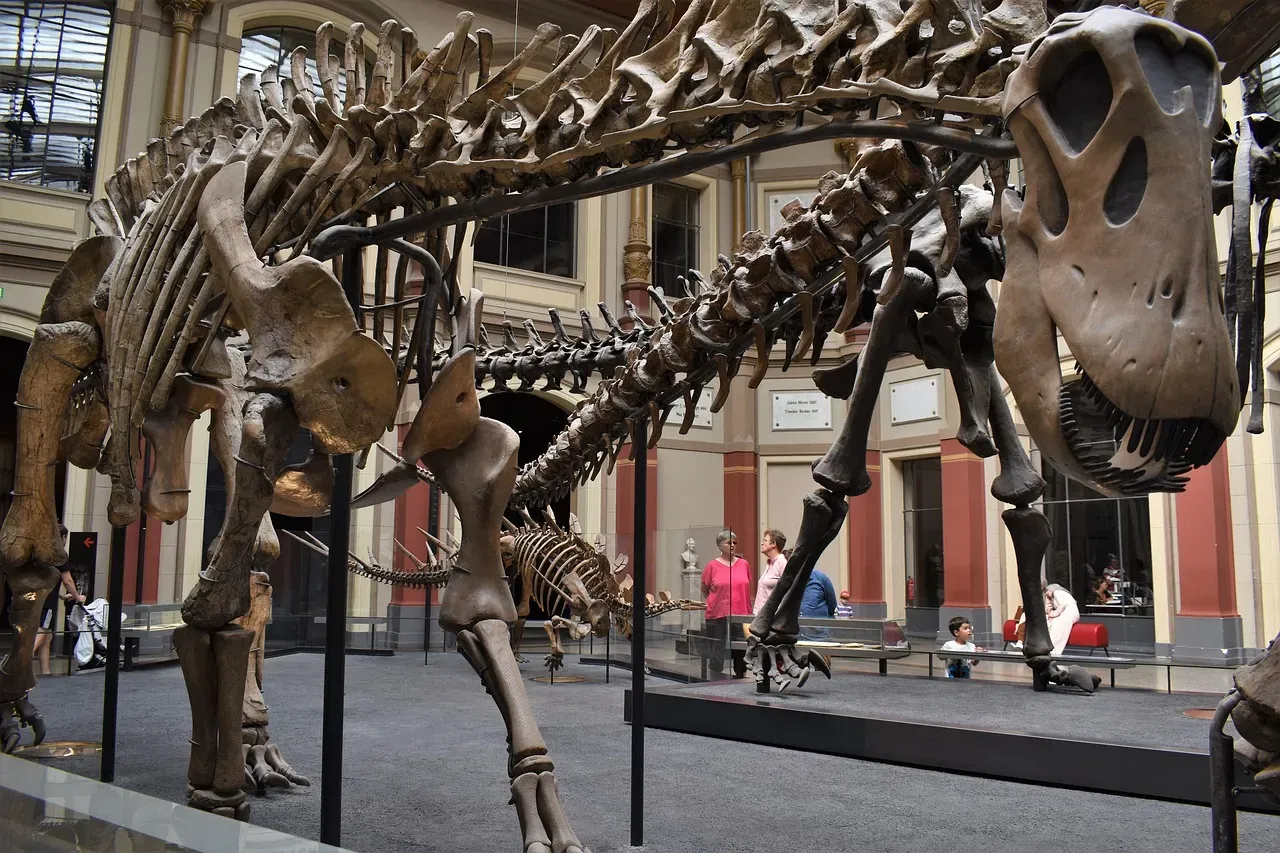
Most people assume growth rings belong to trees. Bones have them too, and when scientists compared the rings in dinosaur fossils to those in modern birds, another pattern surfaced: many dinosaurs grew at bird-like speeds, not reptile-like ones.
Large mammals typically show steady, unhurried bone growth. Birds, especially fast-growing species, deposit bone tissue in quick bursts between brief pauses. Dinosaurs like hadrosaurs and several theropods show that exact same rhythm. In some species, a hatchling reached near-adult size in just a few years.
That’s a sharp contrast to modern reptiles, which usually grow slowly and steadily over many years, sometimes their entire lives. The data points to dinosaurs sharing a metabolic strategy closer to birds and mammals than to crocodiles or lizards.
A couple of standout details from the record:
- Juvenile dinosaur bones often look almost identical to young bird bones in texture
- The shift from juvenile to adult bone mirrors the awkward “teenage” growth phase seen in large birds like ostriches
So instead of lumbering monsters, plenty of dinosaurs were closer to oversized, overclocked birds running hot on a growth curve built for speed.
#4 – Bird Hips Finally Explained Dinosaur Posture
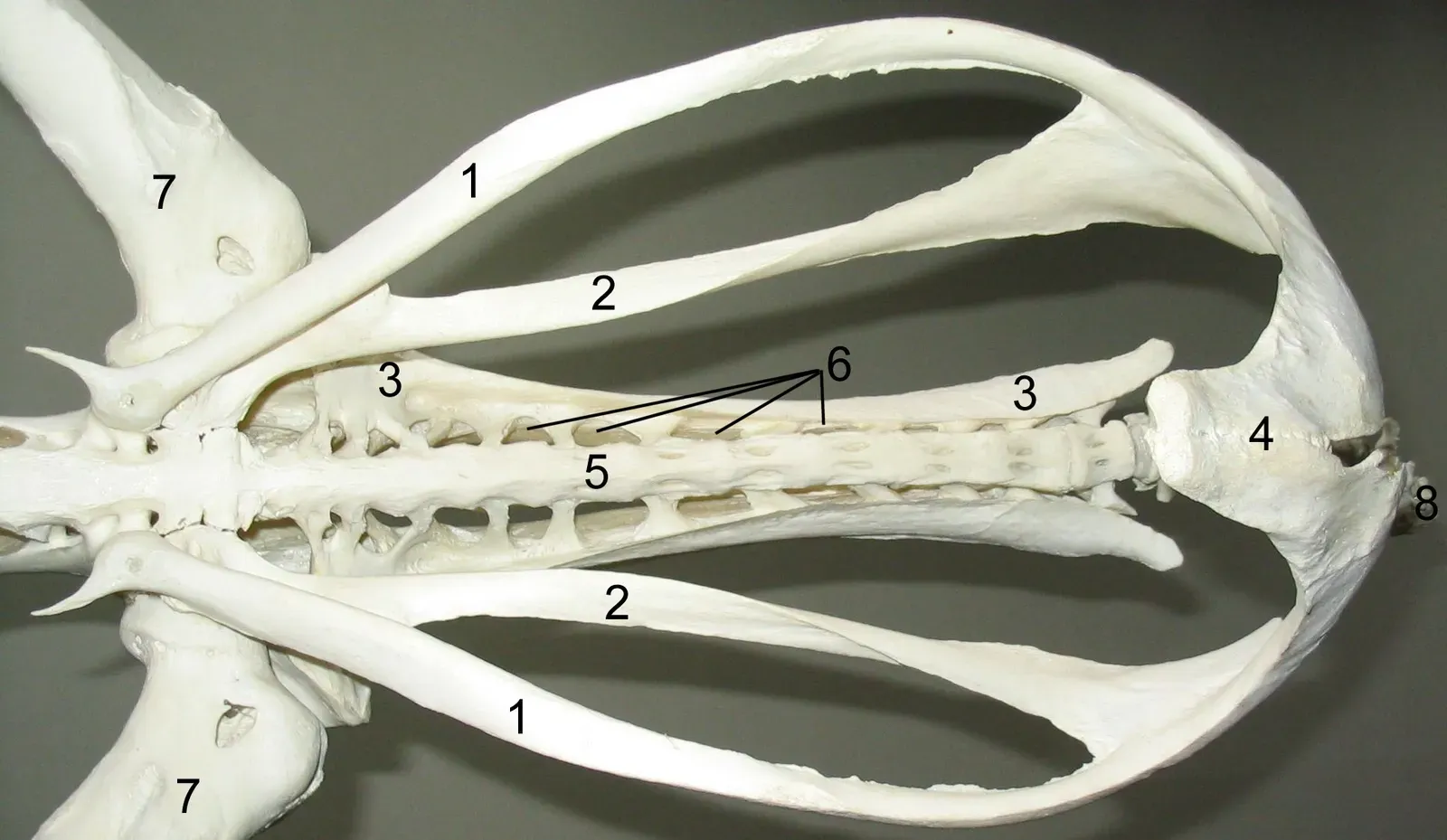
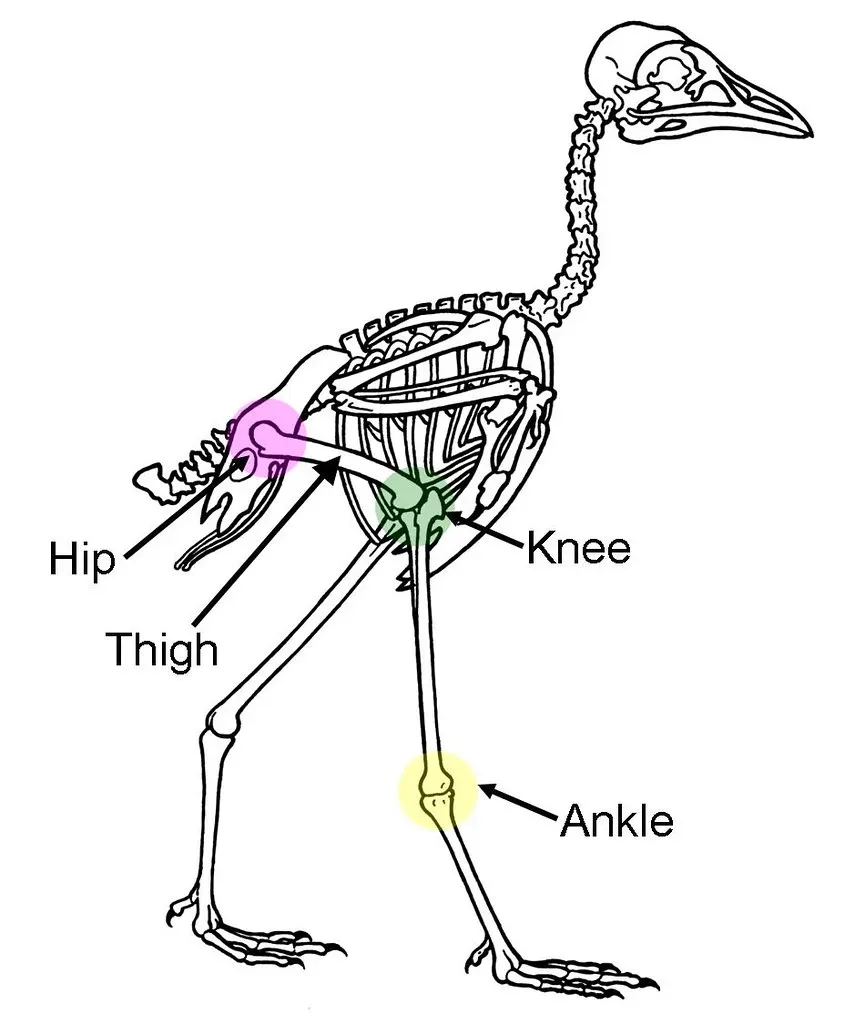
If you’ve ever noticed how strangely upright birds walk compared to lizards, that difference has a name: the hip. When scientists lined up modern bird pelvises against older dinosaur bones, an uncomfortable fact clicked into place. Dinosaurs weren’t sprawling reptiles. They were upright, bird-like walkers.
In lizards, the legs splay out to the side like a push-up position. Birds instead carry their legs directly under the body, anchored by a specialized hip and a reinforced acetabulum, the hip socket itself. When paleontologists examined dinosaur pelvises with this comparison in mind, they found:
- An open, perforated hip socket like a bird’s, not a solid one like most reptiles
- A backward- or side-rotated pubis bone in many species, echoing the classic “bird-hipped” arrangement
This single detail reoriented how scientists think about dinosaur locomotion entirely. They didn’t hug the ground; they walked, ran, and in some cases sprinted with their legs tucked neatly beneath them, not splayed out like a crocodile crawling through mud. Some researchers now argue that popular textbooks still underplay just how bird-like many dinosaur hips actually were, clinging to the “giant reptile” image because it’s the version everyone grew up with.
#5 – Air Sacs in Bones Hint Dinosaurs Breathed More Like Birds Than Reptiles
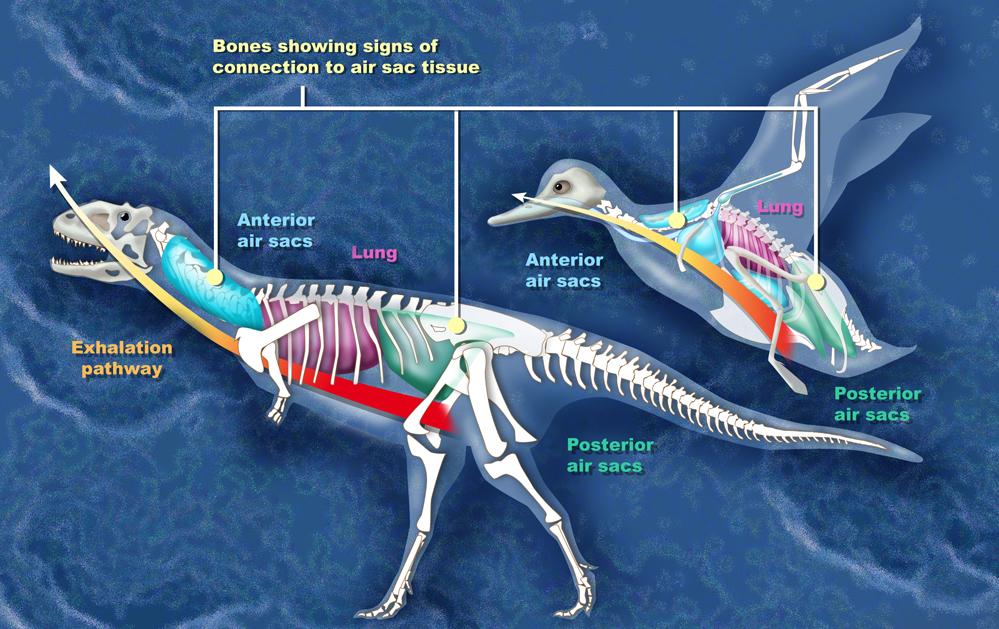
Modern birds run a bizarre but brilliant breathing system. Instead of lungs that simply inflate and deflate, they use a flow-through system with multiple air sacs pushing air in one direction across the lungs, nonstop, in and out. It’s one of the most efficient respiratory setups in the animal kingdom.
Quick Compare
- Mammals: lungs inflate and deflate in a back-and-forth cycle, leaving a pocket of stale air trapped with every breath
- Reptiles: simple, sac-like lungs move air slowly, matching a lower resting metabolism
- Birds – and, it turns out, many dinosaurs: a one-way, flow-through system pushes fresh air across the lungs on both the inhale and the exhale
The surprise came when scientists found anatomical fingerprints of this exact system in dinosaur bones. Certain vertebrae and ribs from theropods, and even some long-necked sauropods, show pits and openings where air sacs would have invaded the bone – a feature that, in birds, is a diagnostic giveaway for this respiratory system.
In dinosaurs, those same telltale patterns suggest:
- A network of air sacs reaching from the lungs into the neck, back, and even the tail
- Skeletons that were lightweight but heavily ventilated, built to move a lot of oxygen fast
This matters because it supports the idea of elevated metabolisms in many dinosaurs – once again, more bird than reptile. Some paleontologists now argue that certain dinosaurs had continuous, high-efficiency breathing capable of supporting endurance and rapid movement even in cooler climates. If that holds up, the old image of sluggish dinosaurs baking helplessly in the heat starts to look almost embarrassing.
#6 – Bone Texture Links Feathers and Flight Experiments to Dinosaur Limbs
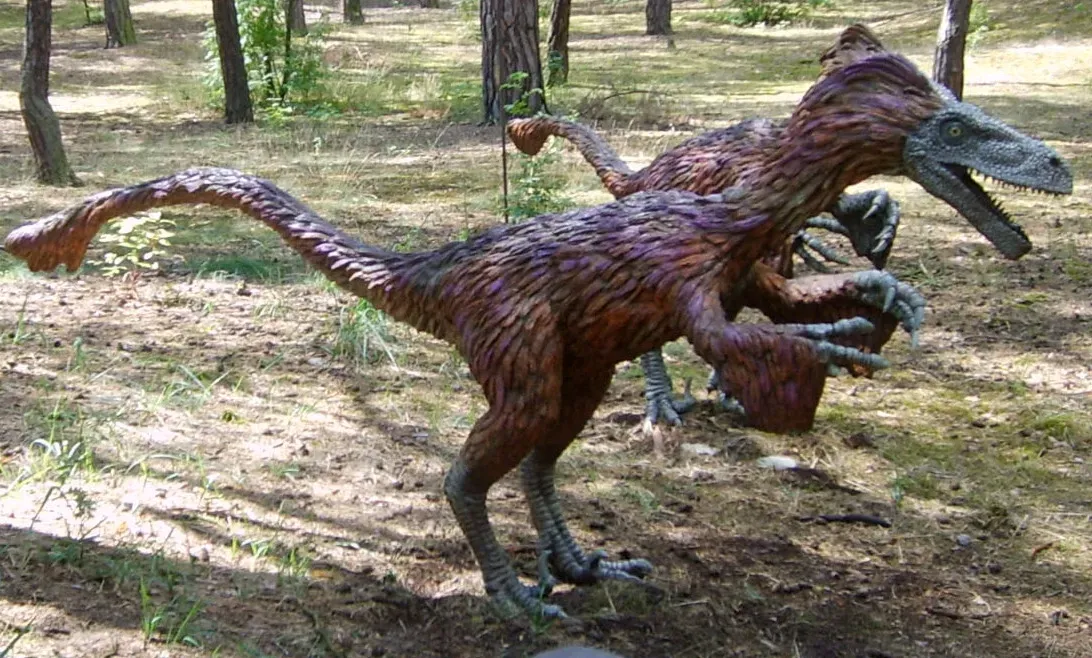
Everyone knows birds have feathers. The real twist came when scientists matched the attachment marks and bone textures in bird wings to the same features on fossil dinosaur arms – and found they weren’t so different after all.
Under magnification, bird wing bones show roughened surfaces and tiny ridges exactly where ligaments and feathers anchor. When paleontologists examined fossils like Microraptor and other feathered theropods, they spotted eerily similar textures in the forelimb bones, in the same spots, doing the same job.
That level of detail suggests something bigger than decoration:
- Feathers weren’t tacked on randomly; they were structurally wired into the bone itself
- Some non-avian dinosaurs had limb anatomy already experimenting with wing-like function long before true flight existed
Not every feathered dinosaur was “almost a bird,” but the skeletal record shows a continuum – strong, clawed forelimbs with feather attachments that, over millions of years, slowly rebuilt themselves into wings. A few researchers even argue that calling birds “descended from dinosaurs” undersells it; wings and feathers look more like later software updates running on the exact same hardware.
#7 – Bone Density Patterns Reveal How Dinosaurs Lived, Swam, or Flew
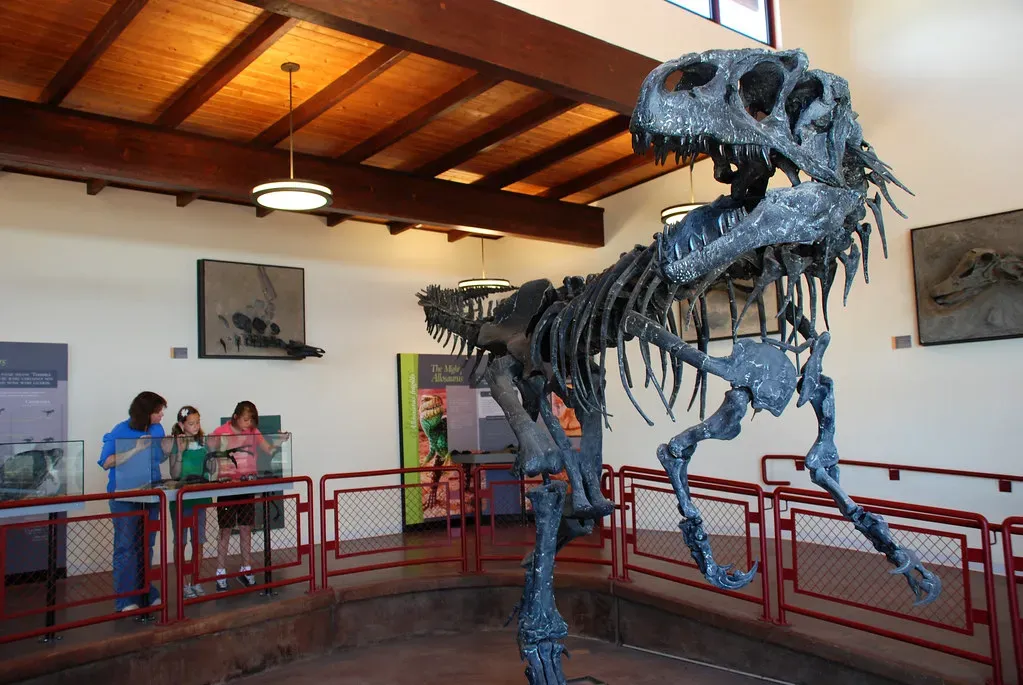
Birds show a clean, almost predictable link between lifestyle and bone density. Penguins have dense bones built for diving, while soaring birds like albatrosses stay lightweight for effortless gliding. That relationship gave researchers a new lens to point at dinosaur fossils – and the patterns snapped into focus fast.
Worth Knowing
- Penguins carry some of the densest bones of any bird, an adaptation that helps them stay submerged instead of popping straight back to the surface
- Albatrosses sit at the opposite extreme, with feather-light, heavily pneumatized skeletons built for gliding for long stretches without a wingbeat
- Spinosaurus bones show a similarly dense, thick-walled structure, one of the strongest clues that it spent serious time hunting in rivers
By scanning cross-sections of dinosaur limb bones and comparing them to modern birds, scientists found real ecological fingerprints hiding in the skeleton:
- Some dinosaurs, like spinosaurids, had unusually dense limb bones, hinting at semi-aquatic habits
- Others, especially small theropods closely related to birds, had lighter, more pneumatic bones, similar to ground-running birds today
This method doesn’t just sort dinosaurs into “heavy” or “light” bins. It connects bone structure to real behavior – dense bones help an animal stay submerged, airy bones help it move fast or potentially glide. Put simply: not all dinosaurs were built alike, and lifestyle, whether swimmer, sprinter, or glider, left a permanent fingerprint inside the skeleton. That turns fossils from static museum pieces into genuine behavioral evidence.
#8 – Kinetic Skulls Showed Dinosaur Bites Were More Bird-Like Than Crocodilian
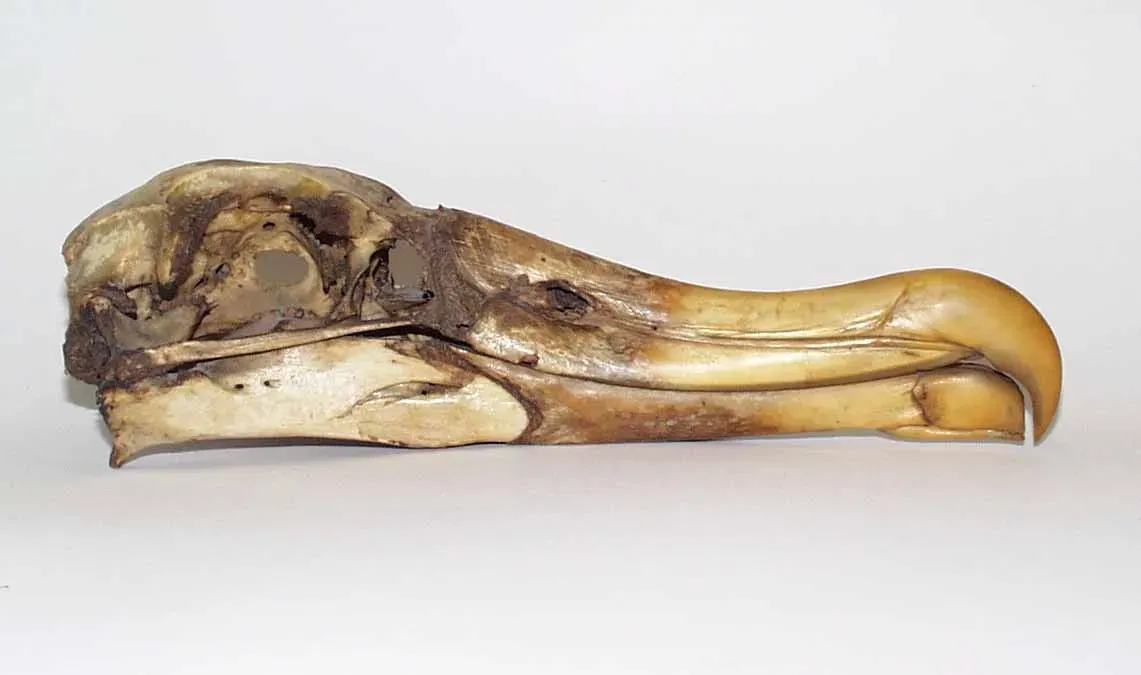
Bird skulls are weirdly flexible. Many species have kinetic skulls, where parts of the upper jaw shift slightly relative to the braincase, letting them manipulate food with surprising precision. When researchers reconstructed dinosaur skulls and compared the joints and sutures to birds, they realized some dinosaurs had that same hidden mobility.
The key similarities kept showing up in unrelated species, which is exactly what makes them convincing:
- Jointed connections between certain skull bones resembling the mobile regions found in bird skulls
- Long, lightweight snouts with strategic reinforcement, not solid bricks like a crocodile’s head
This doesn’t mean every dinosaur had a parrot-like beak, but it does suggest more nuanced feeding strategies than “bite hard and swallow.” Some theropods may have adjusted their bite angle or handled smaller prey delicately, much like hawks or herons do now. A genuinely controversial take gaining traction: some scientists argue we’ve underestimated dinosaur intelligence partly because we assumed crude feeding mechanics, when their skulls sometimes show the refined engineering you’d expect from a modern bird of prey.
#9 – Bone Histology Confirms Dinosaurs Were Warm-Adapted, Maybe Warm-Blooded
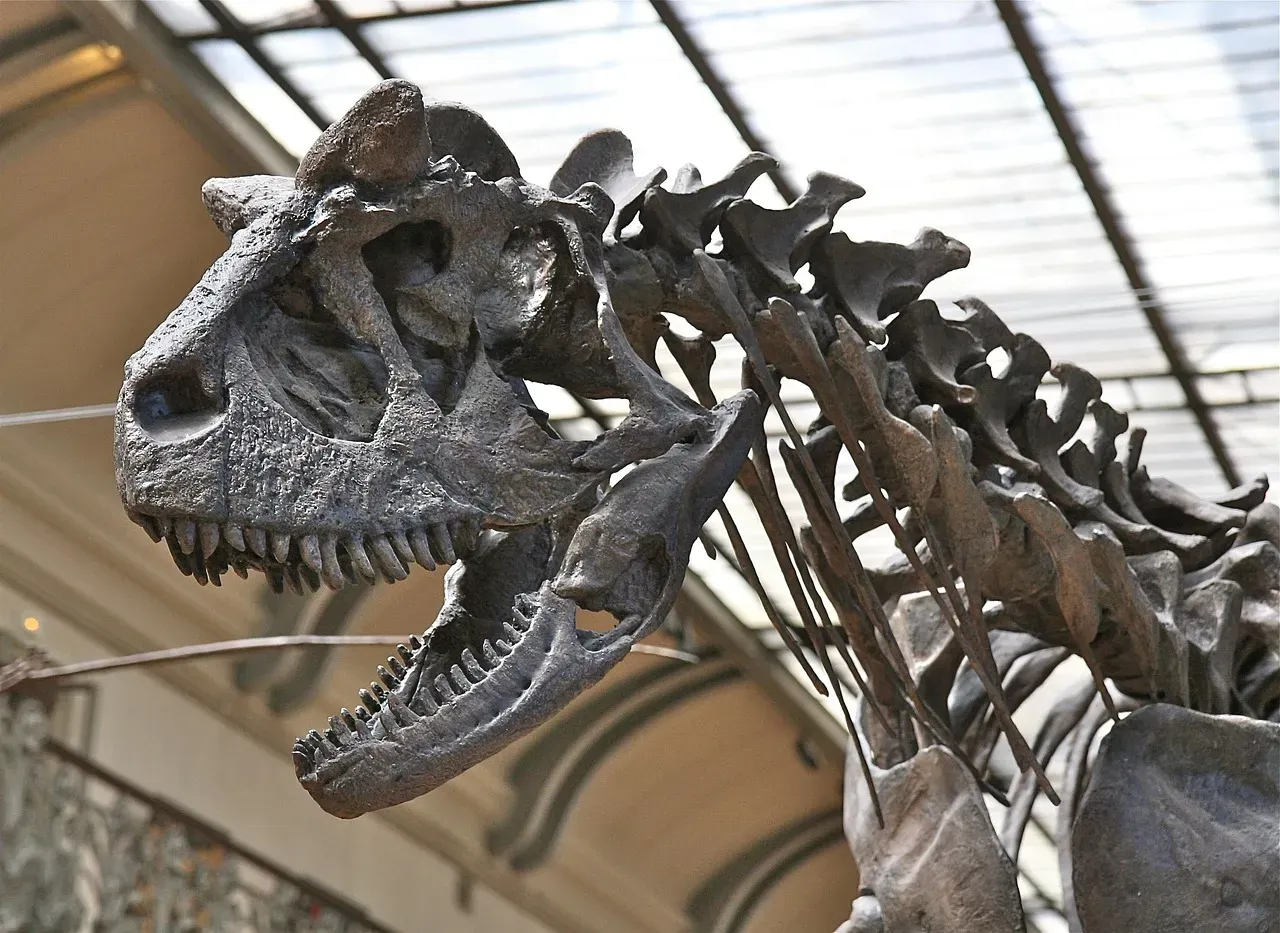
The warm-blooded versus cold-blooded debate around dinosaurs is notoriously loud, but quiet bone comparisons with birds have nudged the needle harder than most headlines admit. Under the microscope, many dinosaurs’ bone tissue falls closer to birds and mammals than to reptiles.
Bird bones typically show dense networks of blood vessels supporting a high metabolic rate, along with rapidly deposited bone that shows few pauses during favorable conditions. In many dinosaur fossils, researchers see that same high vascularization and complex internal remodeling – a level of biological investment that only really makes sense for an animal running a high-energy lifestyle.
Birds are dinosaurs, in the same sense that humans are mammals and mammals are vertebrates.
Kevin Padian, paleontologist
To be fair, not every dinosaur was a hummingbird on legs – some groups show slower, more reptile-like growth patterns. But across many lineages, especially theropods, the bone histology practically shouts “active, warm-adapted animal.” Clinging to the cold-blooded, sluggish image starts to look less like careful science and more like nostalgia for a version of dinosaurs that never really existed.
#10 – Fusion Patterns in Bones Reveal Dinosaur “Teenage Years”
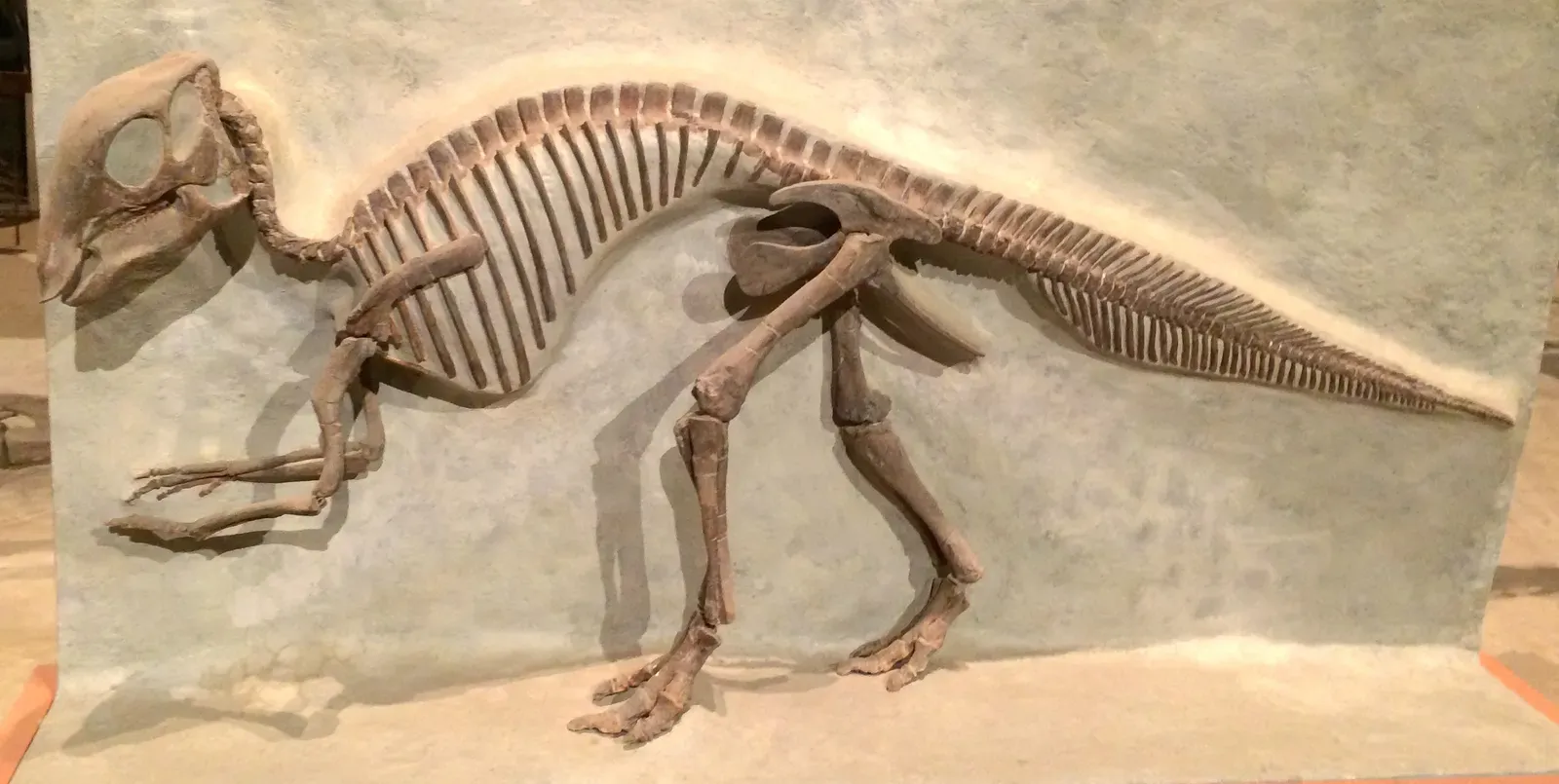
Bird skeletons don’t start out fully fused. Young birds have separate bone elements, especially in the wrists, ankles, and backbone, that weld together only as they mature. When scientists compared these fusion timelines to dinosaur fossils, they realized they could pinpoint something remarkable: dinosaur teenagers.
In both birds and many dinosaurs, the same pattern shows up again and again:
- Separate vertebrae that later fuse into a stiffened tail or lower spine
- Wrist and ankle bones that begin as distinct pieces and merge into stronger, composite structures with age
At a Glance
- Researchers have proposed that Dracorex and Stygimoloch may simply be juvenile growth stages of the thicker-skulled Pachycephalosaurus
- A similar debate surrounds Nanotyrannus, which some scientists argue is a young, still-growing Tyrannosaurus rex rather than its own species
- Reading bone fusion timing has already folded several “distinct” species back into the growth stages of animals we already knew
This matters for two big reasons. First, a lot of classic “small species” in the fossil record turned out to be juveniles of much larger animals once scientists recognized their unfused bones for what they were. Second, it proves dinosaurs went through life stages directly comparable to modern birds – gangly, flexible-boned youth giving way to fused, load-bearing adulthood. In short: bone fusion timing works as a growth-stage indicator, and plenty of “mini dinosaurs” were never separate species at all – just kids. That single realization has quietly rewritten entire family trees.
#11 – Stress Marks in Bones Tie Dinosaur Lives to Bird-Like Behavior
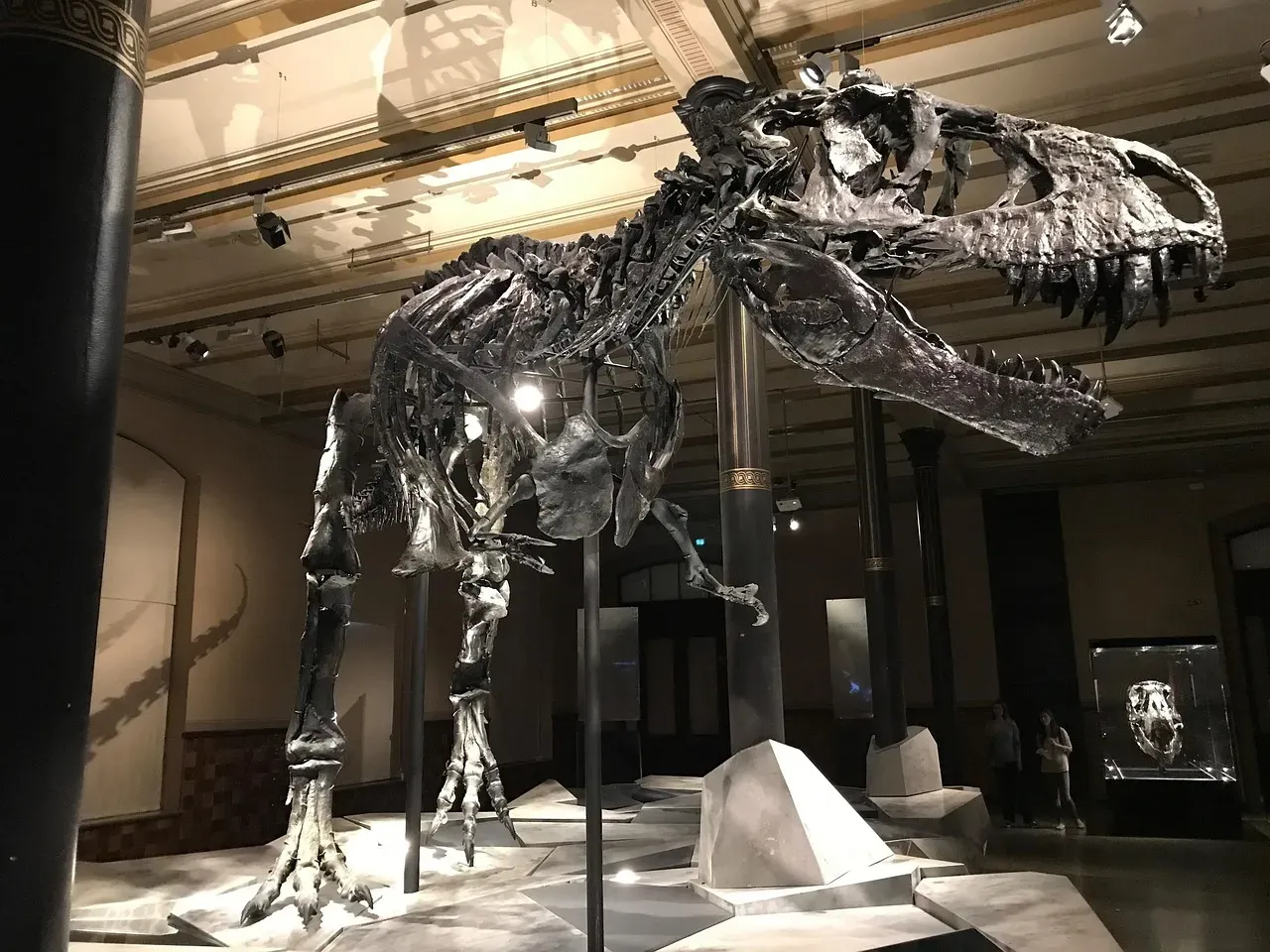
Here’s where the science turns almost uncomfortably personal. Bones don’t just record shape – they record stress, injury, and repetitive use, like a diary written in calcium. When researchers examined stress marks, healed fractures, and muscle attachment scars in birds and then compared them to older dinosaur bones, the parallels were hard to dismiss.
In both groups, certain bones show thickened areas or roughened surfaces exactly where powerful muscles pulled again and again over a lifetime. A few standout examples:
- Strong leg muscle attachment marks in fast-running dinosaurs mirror those in modern ground birds like ostriches and emus
- Healed fractures in limb bones suggest some individuals survived serious injuries long enough for the bone to remodel, just like injured wild birds that recover and keep going
Even more telling, some dinosaur bones show asymmetrical wear – one limb clearly more burdened than the other – very similar to birds with habitual quirks, like favoring one leg or using a particular foot for manipulation. These aren’t species-wide traits; they’re individual life histories, preserved by accident in stone. Once you know how to read bird bones, old dinosaur bones stop being abstract fossils and start looking like case files – and that shift might be the most uncomfortable one yet for anyone still clinging to the “big lizard” myth.
The Bottom Line
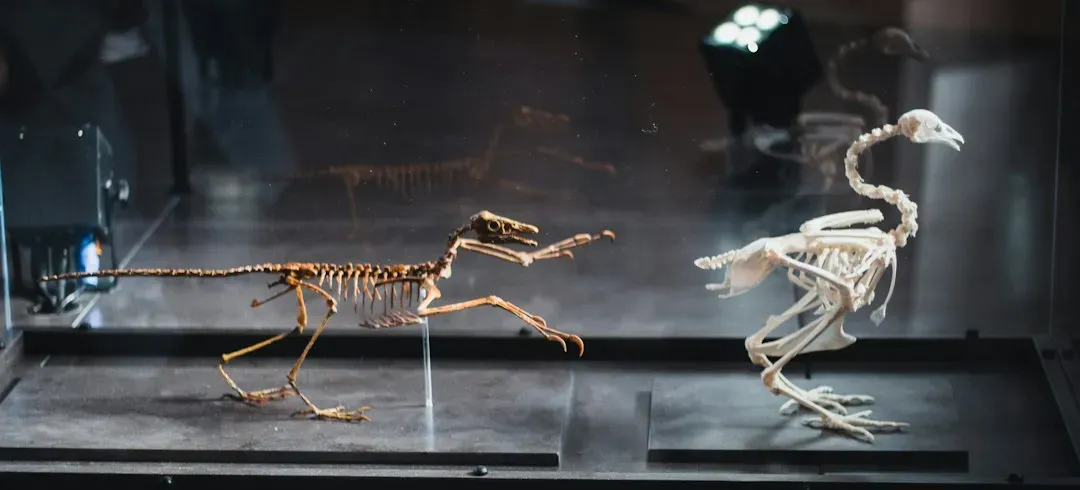
Comparing bird bones to older dinosaur bones didn’t just add flavor to paleontology – it detonated the old story and replaced it with a harsher, more interesting truth: birds are the surviving dinosaurs, and their skeletons are the master key to reading the entire fossil record.
Hollow bones, air sacs, fast growth, kinetic skulls, fusion patterns, stress marks – taken together, they describe a world where many dinosaurs lived fast, breathed with startling efficiency, and moved with a bird-like precision that early scientists simply didn’t have the tools to imagine.
Some people still prefer the movie-monster version of dinosaurs, and that’s understandable – it’s a good story. But the bones don’t care about nostalgia. They line up with birds again and again, in ways that are genuinely hard to argue with. If anything, today’s pigeons and chickens are less “descendants” and more downsized, modernized branches of a dinosaur experiment that never actually stopped running.
So here’s the real question worth sitting with: now that you know birds are walking, flapping evidence of dinosaur biology, does that crow on your driveway look any different – or are you still picturing dinosaurs as lumbering reptiles from an outdated textbook?