
If you walk through a quiet suburban neighborhood in the United States, it can feel like everything is on the surface: trimmed lawns, neat flower beds, maybe a raised vegetable patch. But just a few inches below that calm layer of soil, American gardens are hiding an entire secret archive of everyday life, forgotten history, and in some cases, genuine danger.
Over the past decades, metal detector hobbyists, landscapers, and archaeologists have all stumbled on strange things beneath perfectly ordinary yards. From century-old bottles to live munitions, what turns up in the dirt is often a surprising mirror of how we live, what we fear, and what we try to hide. The soil remembers what people would rather forget.
This list is not about wild urban legends involving buried treasure chests and pirate gold in every backyard. Most finds are smaller, quieter, and more revealing: they show how Americans have used, abused, and sometimes loved their own patch of land. Some of these things are harmless, some are nostalgic, some are valuable, and a few are downright hazardous.
So the next time you plant a rosebush or dig a hole for a new fence post, remember this: you might not just be gardening. You might be opening a time capsule. Here are thirteen of the most common – and most fascinating – things that turn up .
#1 Old Glass Bottles and Everyday Household Trash
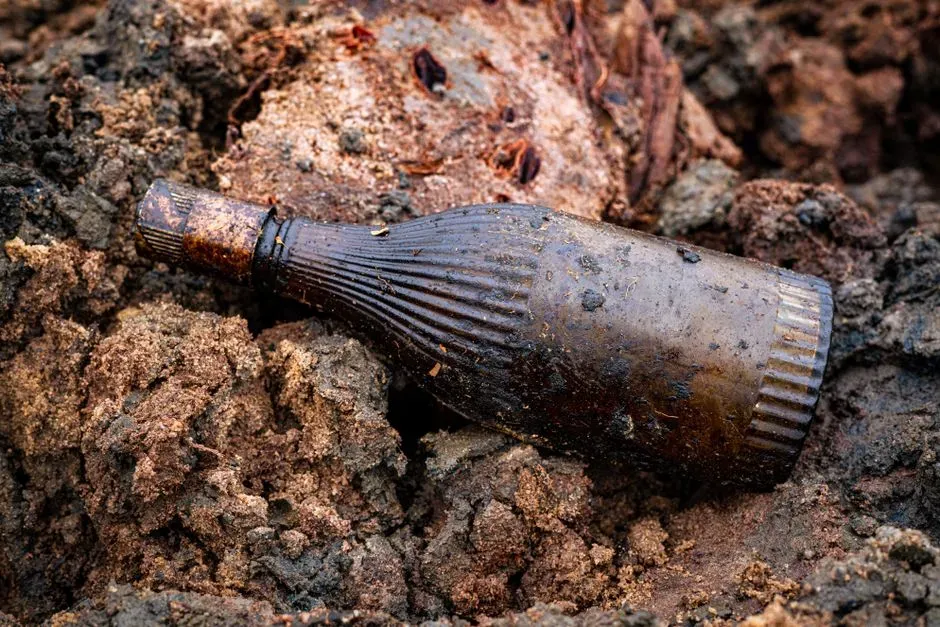
One of the most common surprises under American gardens is not glamorous at all: trash. Before municipal collection became standard, many households simply buried bottles, broken crockery, and food cans at the back of the property. In older towns, it’s incredibly common to hit a layer of glass or pottery shards when you go just a bit deeper than the root zone of most plants.
These buried dumping spots can actually be small archaeological sites. A cluster of medicine bottles, for instance, can hint at the remedies a family relied on, or the diseases that were common in that region. Branded soda and beer bottles can often be traced to specific decades, providing an informal timeline of when the yard was most heavily used or changed.
In some gardens, homeowners deliberately keep a “finds bucket” near the shed, tossing in bits of blue glass, marbles, porcelain doll parts, and rusty metal they pull up each season. It becomes a strange, evolving mosaic of the household’s secret history. I once helped a friend dig a new flower bed and we unearthed so many embossed bottles that he ended up displaying them on a kitchen shelf as unplanned decor.
- Buried glass and crockery are especially common in homes built before the mid-twentieth century.
- Items can often be dated by maker’s marks, logos, and design styles.
- What looks like trash at first can sometimes be collectible, especially embossed bottles and colored glass.
#2 Lost Coins, Jewelry, and Small Personal Treasures
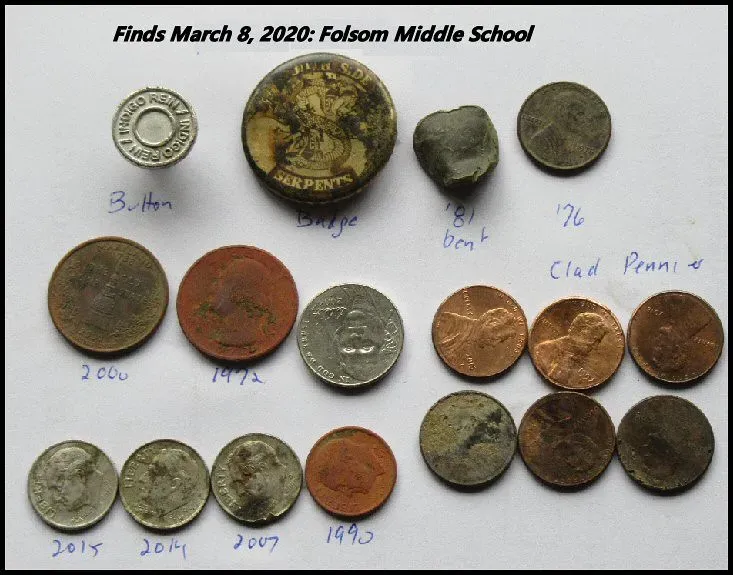
American gardens swallow small valuables at an astonishing rate. Coins slip from pockets during yard work, kids lose charm bracelets in the grass, and rings vanish when people pull off gardening gloves. Over years and decades, the natural turnover of soil from plant roots, worms, and frost pushes these objects deeper until they seem to disappear.
Metal detector hobbyists know this well. Ordinary front lawns repeatedly yield clusters of coins from different decades, sometimes all the way back to the early twentieth century, particularly around porches, clotheslines, and former picnic spots. Occasional finds of silver or gold jewelry happen often enough that detectorists keep returning to modest suburban neighborhoods instead of just beaches or historic battlefields.
The emotional value often outweighs the monetary value. There are countless cases of homeowners finding a wedding ring while digging a vegetable bed and realizing it belonged to a parent or grandparent who passed away. In those moments, the garden suddenly feels like a family archive rather than just a patch of soil.
- Rings, coins, and cufflinks tend to cluster near paths, porches, and former play areas.
- Soil movement and freeze–thaw cycles gradually bury small metal items over time.
- Even an “ordinary” backyard may hold a century or more of lost pocket change.
#3 Pet Graves and Sometimes Human Ashes
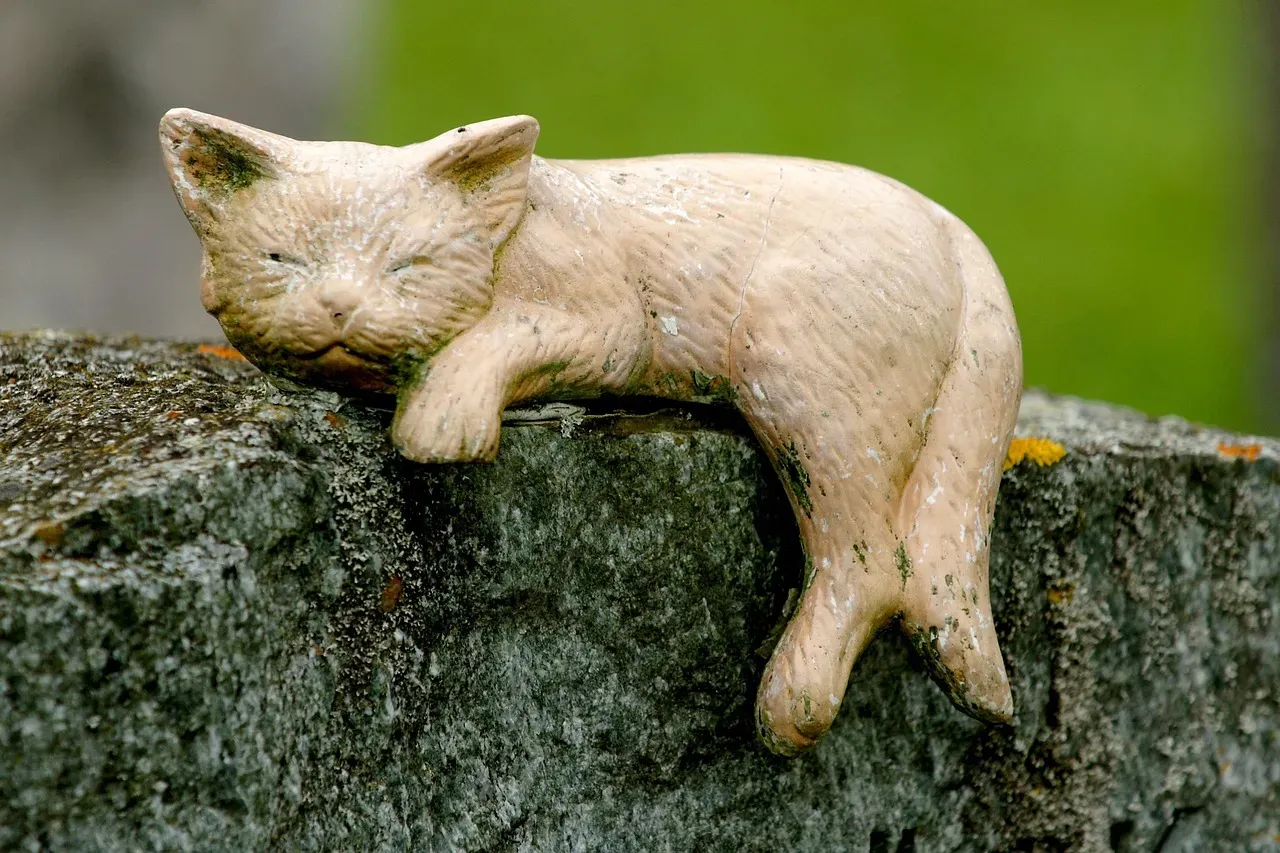
For many American families, the garden is not just a place for tomatoes and tulips; it is also where beloved pets are laid to rest. Dogs, cats, rabbits, and even hamsters are commonly buried in backyards, often wrapped in a blanket or placed in a small box. Years later, new owners may not even know they’re planting perennials directly over a miniature graveyard.
Markers like small stones or crosses can vanish with time, but the soil sometimes tells the story. Disturbed earth, a slightly sunken patch, or odd clusters of stones can hint at past burials. Landscapers occasionally report uncovering bones while installing new patios or fences, leading to a tense moment until it becomes clear they’re dealing with animal remains rather than something criminal.
Alongside pet graves, a quieter trend has grown over the last few decades: families burying or scattering human cremation ashes in their gardens. It is a deeply personal choice, usually technically legal if done discreetly and respectfully, and it turns the yard into a private memorial. Subsequent owners almost never know that a rosebush owes its vigor to the minerals in a loved one’s remains.
#4 Old Septic Systems, Privies, and Cisterns
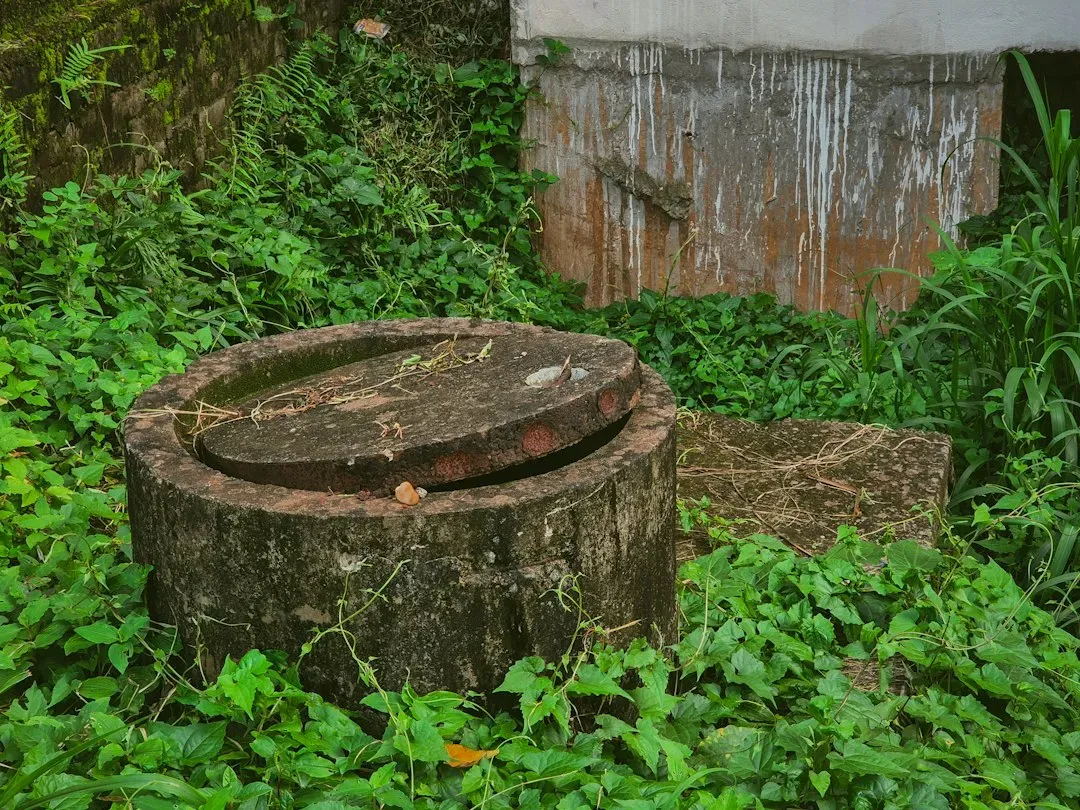
One of the most startling things homeowners discover is that the neatly mowed lawn hides old infrastructure. Before modern plumbing, many properties had outhouse pits, cesspools, or simple septic tanks. When homes were updated, these features were often abandoned in place and just filled in or capped, leaving hollow spaces or weak spots underground.
This becomes obvious when a riding mower suddenly dips, or a hole opens in the lawn after heavy rain. Underneath, you might find brick-lined shafts, concrete tanks, or wooden supports slowly rotting away. In some historic towns, old privy pits have become prime targets for bottle diggers, because people used them as trash dumps as they neared the end of their use.
Cisterns for storing rainwater are another common surprise in older gardens. These underground reservoirs, sometimes made of stone or brick, can still hold stagnant water or debris. From a safety perspective, collapsing voids are a real concern, especially for children and heavy equipment, which is why some cautious homeowners have ground-penetrating surveys done before major landscaping.
- Abandoned privies and cisterns often sit directly beneath modern lawns or patios.
- They can be structurally unstable and occasionally hazardous if not properly filled.
- At the same time, they are rich sources of historical artifacts like bottles and ceramics.
#5 Hidden Utilities: Gas Lines, Power Cables, and Fiber Optics
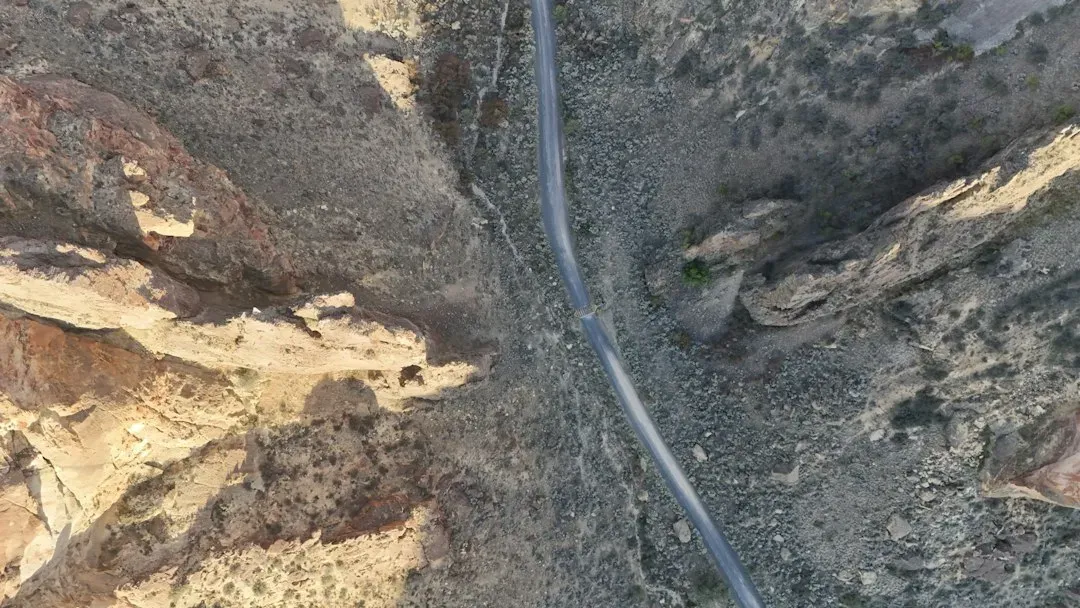
It’s easy to forget that your garden is part of a larger technological web. Beneath the flower beds and mulched borders, modern utilities snake through the soil: natural gas lines, electrical conduits, water pipes, sewer laterals, and increasingly, fiber-optic internet cables. Most of them are buried shallow enough to be hit by an enthusiastic gardener with a shovel.
Because of that, utility companies and safety agencies constantly urge homeowners to call their regional “call before you dig” service before planting trees or adding fence posts. Striking a buried gas line with a spade can cause leaks and explosions, and hitting an electrical cable can be instantly life-threatening. Even severing a fiber line can leave an entire street without internet for hours or days.
The ironic thing is that these dangers are practically invisible. There may be a small plastic marker by the curb, but within the yard itself, nothing looks different. In some older neighborhoods, unofficial or undocumented lines make the situation more confusing, leaving homeowners to discover them the hard way during a weekend project.
#6 Chemical Legacies: Pesticide Bottles and Contaminated Soil
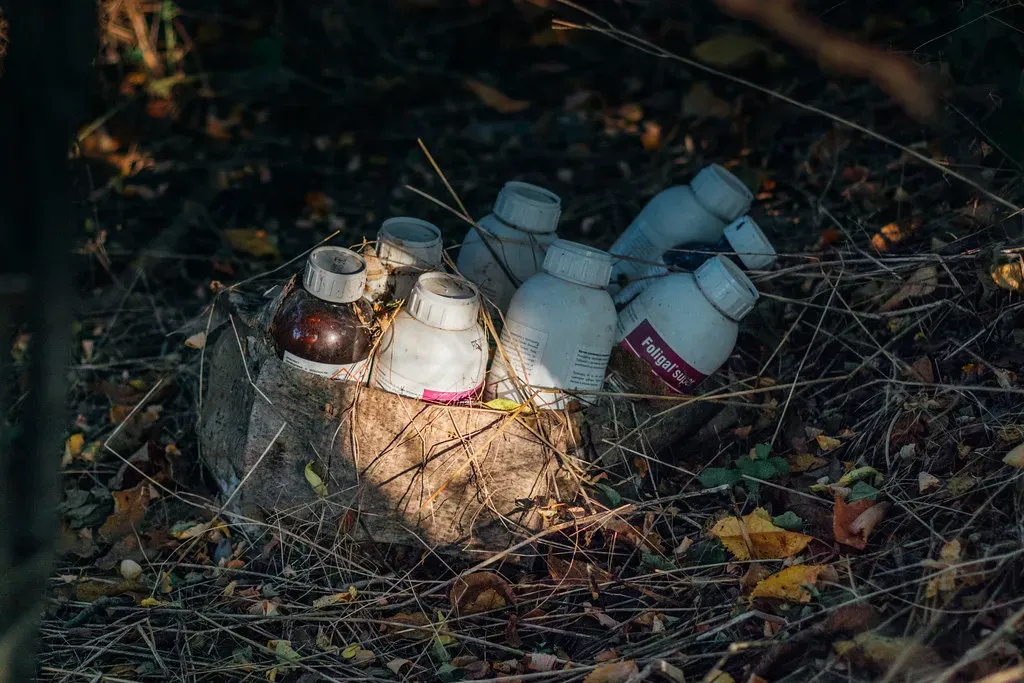
Not all buried surprises are neutral or nostalgic. Many American gardens carry a chemical legacy from an era when pesticides and herbicides were used with much less caution. Old metal or glass containers of garden chemicals were sometimes buried at the back of the yard or near sheds instead of being properly disposed of, especially in rural and semi-rural areas.
These containers can corrode, leak, and slowly release their contents into the surrounding soil. In some parts of the country, lead-based pesticides and arsenic compounds were used in orchards and kitchen gardens for decades. Long after the bottles are forgotten, the contaminants can remain in the topsoil where children play or where people grow vegetables.
Public health agencies now routinely warn gardeners to be cautious when planting edible crops in older yards, especially near former orchards, barns, or fence lines. Testing garden soil for heavy metals and persistent pesticides has become more common, and raised beds filled with clean soil are often recommended if concerns arise. It’s sobering to think that the most dangerous thing hiding under your lawn might not be a rusted tool, but invisible molecules.
- Old pesticide containers may still contain active, hazardous chemicals.
- Lead, arsenic, and other toxins can remain in soil for many decades.
- Soil testing and raised beds are practical ways to reduce exposure in suspect areas.
#7 Construction Debris and Buried Building Materials
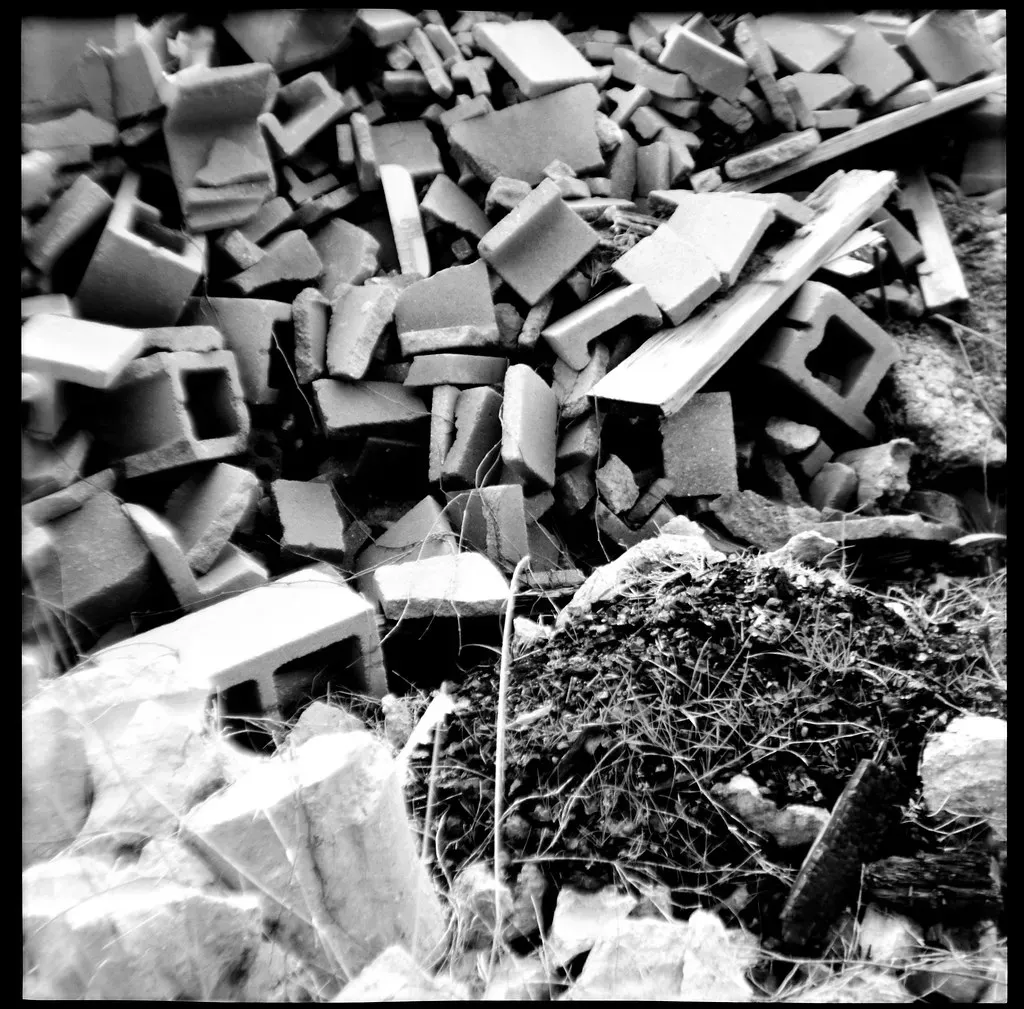
When a house is built, renovated, or expanded, a surprising amount of waste gets buried on site. Contractors, especially in the past, often buried broken bricks, chunks of concrete, old pipes, and even sections of lumber rather than hauling everything away. As a result, many American gardens conceal shallow graves of construction debris.
Homeowners notice this when they try to plant a tree and hit what feels like solid rock a foot down, only to discover an old slab or a pile of bricks. These deposits can alter drainage patterns, stunt root growth, and even affect which plants thrive. In some extreme cases, entire corners of yards are essentially rubble mounds under a thin green skin.
There is a certain dark humor in realizing your idyllic backyard is sitting on what amounts to a construction landfill. At the same time, some people cleverly repurpose what they find. Bricks pulled from the soil become edging for beds, and broken concrete, sometimes called “urbanite,” can be stacked to make rustic retaining walls or garden steps.
#8 Forgotten Tools, Toys, and Everyday Artifacts
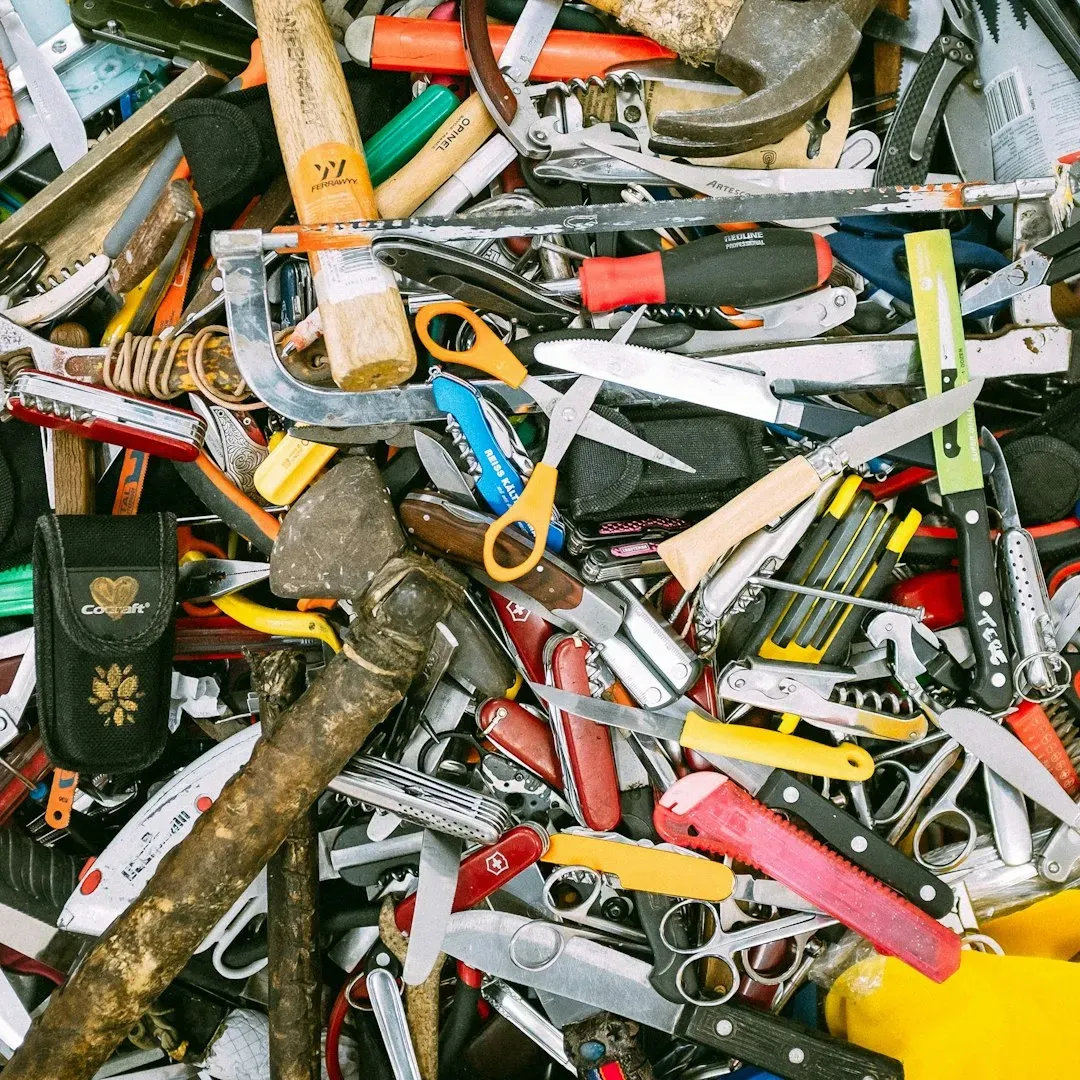
Every gardener has lost a tool at some point: a hand trowel left under the leaves, pruning shears misplaced after a long afternoon, or a hose nozzle dropped in tall grass. Over time, these objects get coated in soil, buried by mulch, and eventually become part of the underground archive. The same happens with kids’ toys, balls, and plastic figures that wander off and never come back.
Years later, someone digs a new bed and finds a rusted pair of pliers or a faded plastic dinosaur staring back at them. These discoveries are rarely valuable, but they are strangely personal. They hint at daily routines, at hurried cleanups before a storm, or at childhood summers spent building forts in the yard.
From a more pragmatic perspective, buried metal tools can present minor hazards: mower blades can catch on them, and sharp edges can surprise bare hands in the soil. Many long-time gardeners keep a small “lost and found” shelf in the shed displaying the oddest items they have recovered. It becomes a quiet, accidental museum of the property’s working life.
- Common finds include hand tools, sprinkler parts, toy cars, and plastic figurines.
- These objects rarely go very deep, but root growth and weather gradually pull them under.
- They offer small snapshots of the daily life of previous residents and their kids.
#9 Historic Artifacts: Buttons, Bullets, and Relics of Earlier Eras

In older American towns and on former farmland, gardens can double as informal archaeological sites. Long before a neat subdivision existed, the same piece of land might have held a farmhouse, a workshop, or even a camp. As a result, gardeners sometimes turn up military buttons, musket balls, early cartridge cases, clay pipes, or fragments of tools from previous centuries.
These finds are especially common along the East Coast and in regions that saw military activity, colonial settlement, or intensive agriculture. Even something as small as a hand-forged nail or a ceramic button can say a lot about the period when it was made. Detectorists sometimes map their finds across multiple yards and realize they are tracing the outline of a forgotten homestead or road.
There’s a thrill in realizing your lawn is layered over traces of people who lived and worked there generations before your house existed. It can also shift your sense of ownership a bit. Instead of feeling like the first or “true” inhabitant, you become one in a long chain, just another temporary caretaker of a patch of ground with a much longer biography.
#10 Underground Wildlife: Burrows, Nests, and Bone Caches
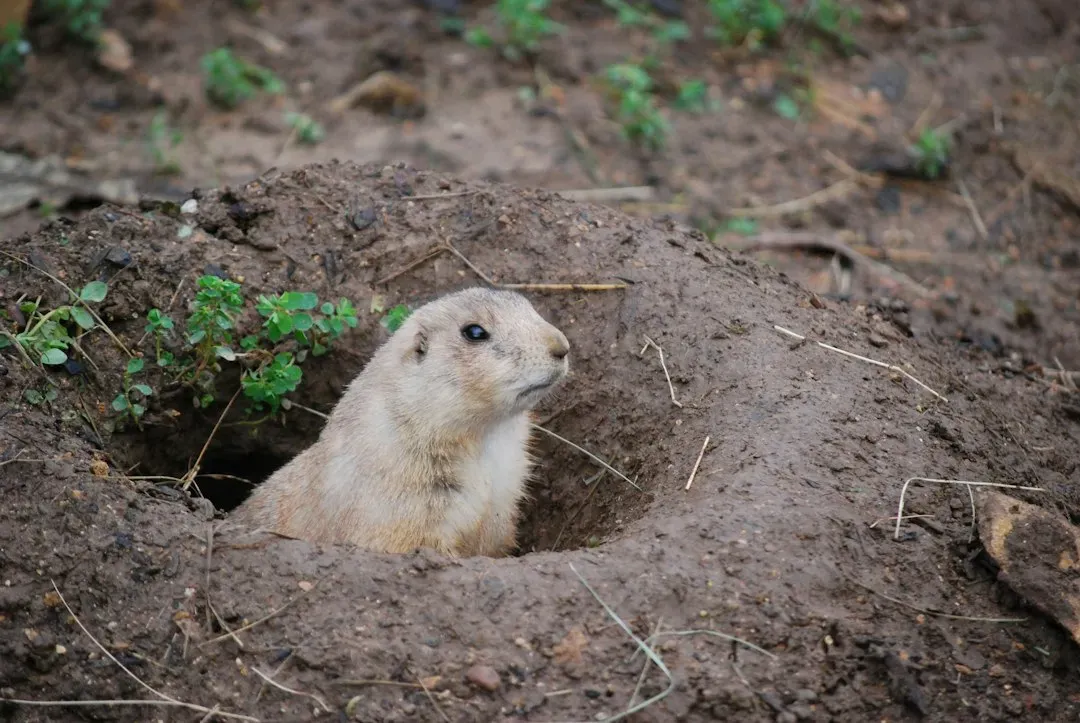
Not everything buried in American gardens was put there by humans. A huge amount of underground activity is driven by animals. Moles, voles, ground squirrels, chipmunks, and rabbits all dig burrows, creating networks of tunnels and chambers. Predators like foxes or coyotes may bury food scraps or bones in shallow pits as short-term storage.
Gardeners sometimes discover these hideouts while digging and encounter a tangle of roots mixed with feathers, small bones, or cached nuts. In some regions, snakes and amphibians overwinter in burrows, turning the lower layers of soil into seasonal shelters. Earthworms and insects add to the hidden ecosystem, constantly tunneling and mixing the earth.
This animal engineering can be both beneficial and frustrating. On one hand, underground life helps aerate the soil and break down organic matter. On the other hand, tunneling mammals can undermine plant roots, create sinkholes, and damage lawns. When you picture your garden, it is worth remembering that you are sharing it with a whole unseen neighborhood living right beneath your feet.
- Mammals, insects, and reptiles all modify the underground structure of garden soil.
- Predators sometimes bury food or bones, leading to odd discoveries during digging.
- Burrows can help aerate soil but may destabilize plant roots and lawn surfaces.
#11 Illegal or Embarrassing Stashes: Weapons, Drugs, and “Don’t Tell the Neighbors” Items

Every so often, gardeners dig into something more unsettling: deliberately hidden items that were never meant to be found. These can include firearms wrapped in plastic, boxes of ammunition, drug paraphernalia, or personal items people wanted out of sight. Stories of buried contraband tend to sound like movie plots, but real examples surface often enough in police reports and local news.
In some cases, people bury weapons or other items out of fear of confiscation or legal trouble. In others, it is more about secrecy and shame: stashing things far from prying eyes in the house. Over time, the exact location may be forgotten, especially if the property changes hands or if the original owner moves or dies.
From a practical standpoint, stumbling across a gun or suspicious container in your garden is not just surprising; it is a safety issue. Law enforcement generally advises that such finds be left in place and reported rather than casually dug up and handled. It’s one of those moments when the comforting idea of “my safe little backyard” collides with the messy reality of human behavior.
#12 Live Ammunition, Old Explosives, and Military Relics
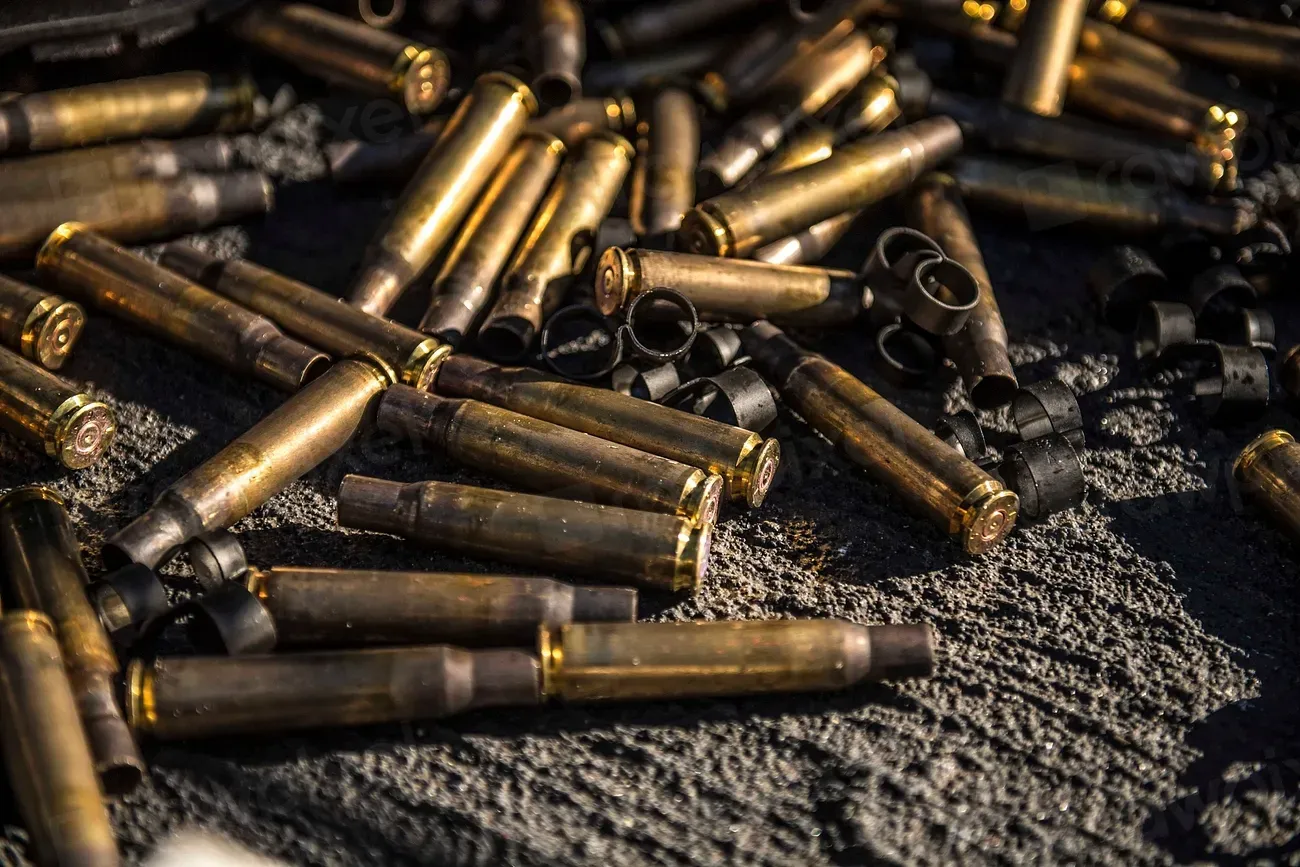
While rare compared to lost toys or coins, live ammunition and old explosives do turn up in American gardens, especially near former training grounds, old military housing, or regions that saw conflict. Homeowners have uncovered grenades, mortar shells, and artillery rounds while landscaping, sometimes sparking evacuations and visits from bomb squads.
More frequently, people find individual bullets, cartridge cases, and small-caliber ammunition buried or lodged deeper in the soil. Many of these items are remnants of informal target practice that happened decades earlier when the area was rural. In some households, surplus military ordnance was brought home as souvenirs and later ended up stashed or buried in sheds and yards.
The unsettling part is that it can be very hard to tell at a glance whether an old shell is inert or still dangerous. Explosive materials can remain unstable long after the metal casing has rusted. Safety agencies consistently stress that anyone who finds unfamiliar ammunition or ordnance in a garden should avoid handling it and call local authorities for assessment.
- Live ordnance in gardens is uncommon but serious when it appears.
- Many finds are tied to former military sites or old informal shooting areas.
- Professional evaluation is essential; guessing wrong about “harmless” objects can be catastrophic.
#13 Time Capsules, Love Letters, and Deliberate Buried Messages

Not everything buried in American gardens is accidental or secretive. Some things are tucked into the soil on purpose as messages to the future. Families and schools have long created informal time capsules: metal boxes or jars filled with photos, letters, newspaper clippings, toys, and predictions about what life will be like decades later. Yards are a popular place to hide them, often under a tree or near a landmark rock.
There are also more personal, spontaneous burials. People bury love letters, journals, or symbolic items during big life transitions: a move, a breakup, a marriage, the start of a new job. The act of burying becomes a private ritual of letting go or planting a wish, even if there is no plan to retrieve the items later. Sometimes the only record of that moment is whatever a future gardener eventually unearths.
Every so often, a new homeowner finds a container with letters, drawings, or a dated list of favorite songs from decades past, and it feels like eavesdropping on another life. These discoveries are rarely valuable in a traditional sense, but they are rich in human detail. In a world where so much of our memory has moved to the cloud, the idea of a physical, hidden message in the dirt feels strangely intimate and almost rebellious.
Conclusion: Your Garden Is Not Just Yours
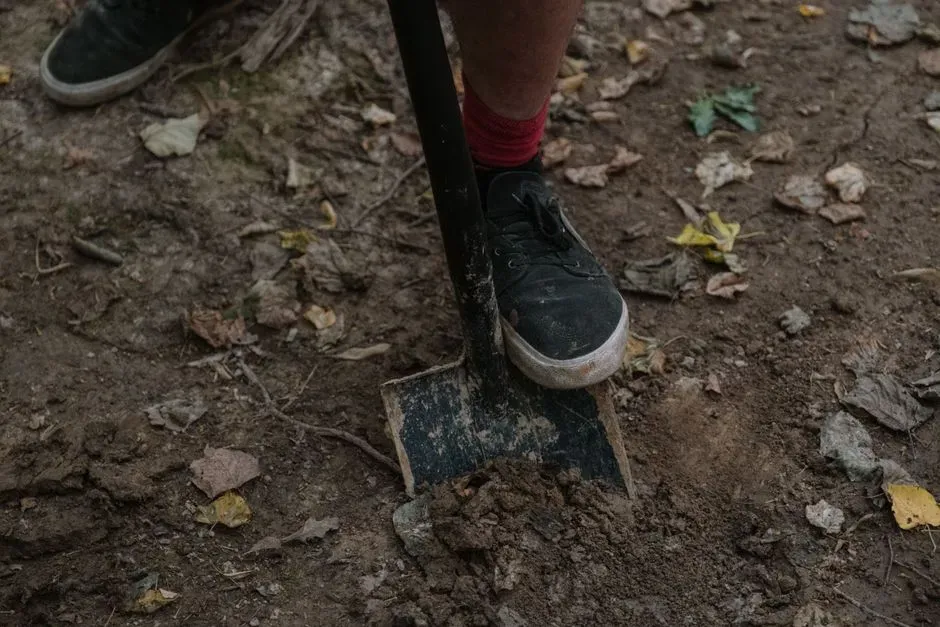
When you look across a typical American garden, it’s tempting to see only what is growing right now: the lawn, the shrubs, the beds you carefully weeded last weekend. But once you start thinking about what lies below, the whole scene shifts. The soil is full of other people’s choices, mistakes, secrets, and routines – from glass bottles and buried pets to lost rings and hidden weapons. A backyard is never just a blank canvas; it’s more like a palimpsest, written over again and again.
I find that oddly comforting and a little unsettling at the same time. Comforting, because it reminds us that we are part of an ongoing story, not isolated owners of a spotless rectangle of turf. Unsettling, because it forces us to admit how casually we leave traces behind, and how often we try to bury what we do not want to face – whether that’s chemical waste or difficult memories. For every charming time capsule, there is a rusting pesticide bottle or an abandoned septic tank quietly shaping the ground under our feet.
Ultimately, the things buried in American gardens say a lot about who we are as a country: practical, improvisational, sometimes careless, sometimes deeply sentimental. We hide the dangerous and the embarrassing, but we also bury our grief, our hopes, and our love notes to the future. Next time you push a shovel into the soil, you’re not just gardening; you’re in conversation with everyone who has ever touched that patch of earth before you. If you could dig up one mystery from your own yard’s past, what would you secretly hope to find?