
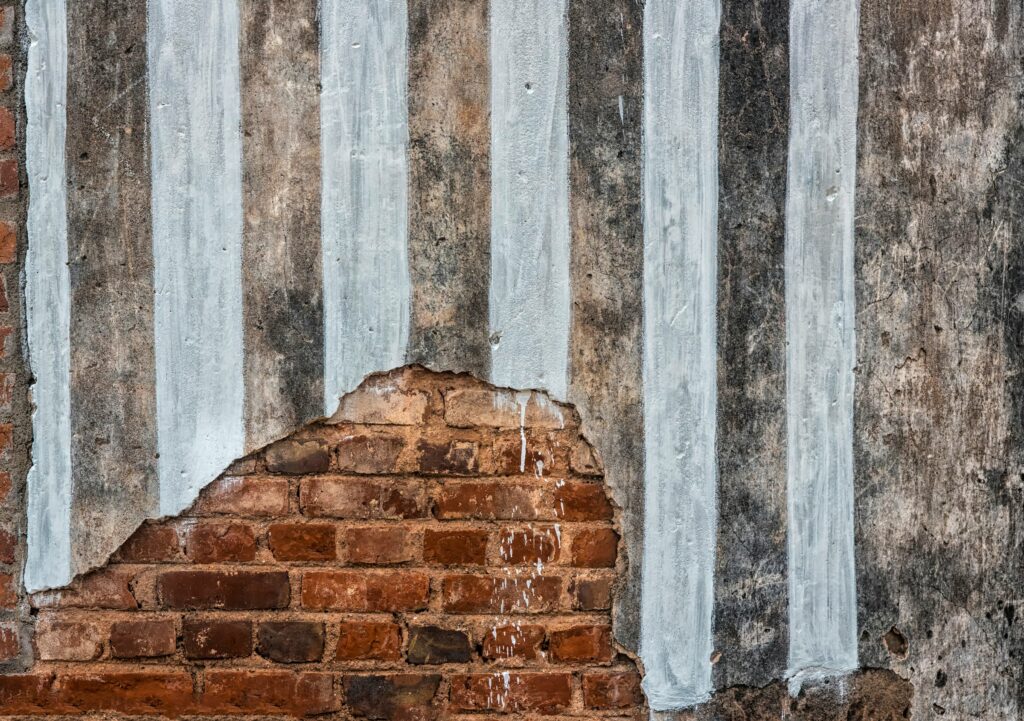
Next time you walk past a cracked plaster wall or an old brick facade, remember this: you’re looking at a time capsule that nobody ever bothered to open. Old walls are more than tired paint and outdated wallpaper. They’re layered archives of human habits, quick fixes, secrets, pests, accidents, and sometimes, quiet miracles of engineering that somehow still stand while everything else is falling apart.
I still remember the first time I watched a contractor cut open a wall in a century-old house. In those few seconds before the dust settled, we saw everything: knob-and-tube wiring, ancient newspapers, a rusted razor blade, mouse droppings, and a handwritten name and date from the 1930s. That’s when it hit me: walls are not just boundaries. They are containers of forgotten stories and invisible risks.
This article pulls back the plaster and peels back the layers. We’ll walk through thirteen surprisingly common things old walls are hiding – some charming, some disgusting, some dangerous, all strangely fascinating. By the end, you might look at every crack, bulge, and nail hole in a totally different way.
#1: Hidden Wiring Time Bombs
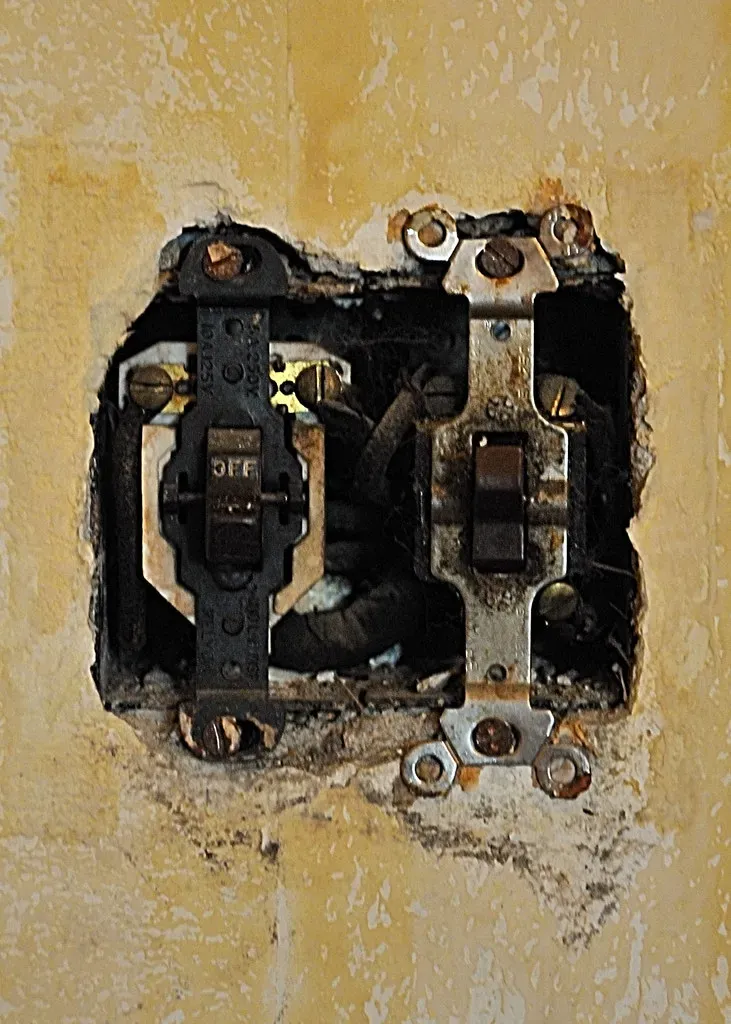
Ever wonder why electricians get a little nervous around very old houses? A lot of it has to do with what’s buried inside the walls. In many buildings from the early to mid-twentieth century, the electrical system was installed long before today’s safety standards, then just… left there. Over decades, insulation can dry out, get brittle, or be chewed by rodents, turning old wires into quiet fire hazards that most people never suspect.
One common example in older North American homes is knob-and-tube wiring, which uses porcelain knobs and tubes to route individual conductors through wall cavities. It was clever for its time, but it was never designed to handle modern loads like microwaves, gaming rigs, and space heaters. When people later buried these systems under insulation or overloaded them with new circuits, problems were basically baked into the walls.
What makes this especially tricky is that old wiring is almost invisible until something goes obviously wrong – like flickering lights, warm outlets, or a blown fuse that keeps tripping. Even then, many homeowners chalk it up to “old house quirks” rather than signs of genuine electrical stress. By the time anyone opens the wall, they’re often shocked by what they see: splices without junction boxes, random wire extensions, wires just dangling in dusty voids.
If you live in or buy an older home, it’s worth assuming there are electrical ghosts hiding out of sight. A professional inspection with access panels or small test openings can reveal a lot. In many cases, rewiring is not just a comfort upgrade – it’s the difference between a charming old house and a slow-burning fuse you haven’t lit yet.
#2: Fossil Layers of Paint, Plaster, and Wallpaper
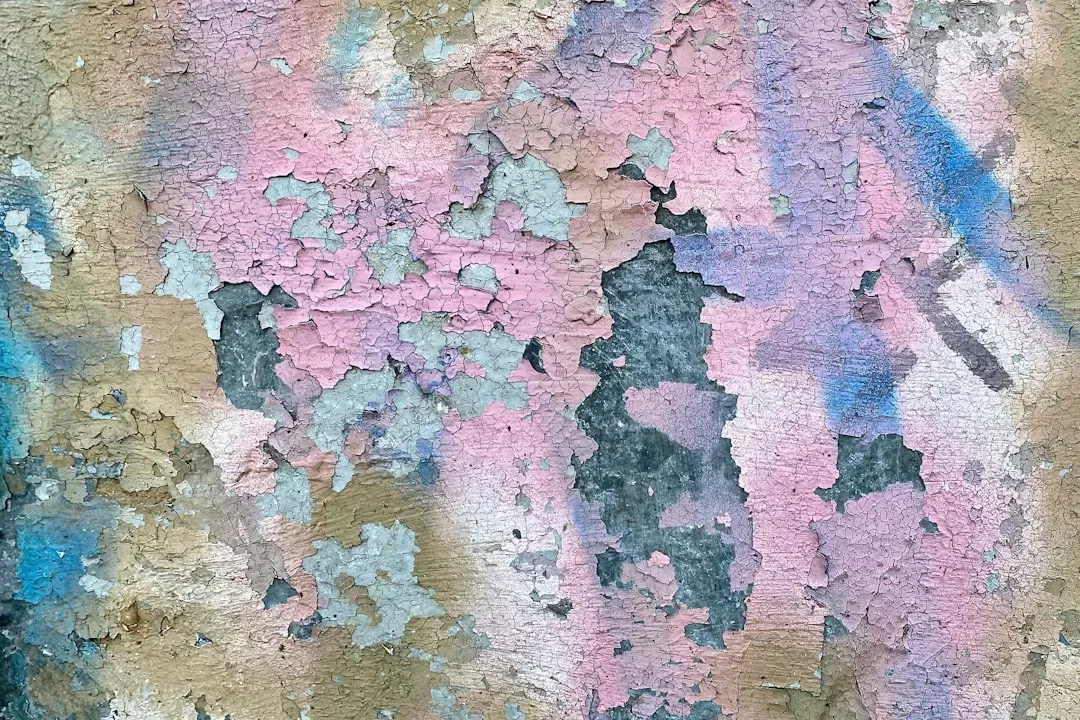
Old walls are like sedimentary rock made out of interior decor choices. Every owner put their personality on the walls, and instead of erasing what came before, they often just layered on top. Under that bland beige you see now, there may be generations of wallpaper, faux finishes, lead-based paint, and experimental colors that would destroy a modern mood board.
From a historical perspective, these layers are actually useful. Conservators and architectural historians sometimes carefully peel back segments of old plaster or paint to read the building’s evolution – Victorian florals under midcentury stripes under 1980s sponge paint. It’s like scrolling back in time through someone’s questionable Pinterest boards, only with more dust and possibly lead.
But there’s also a practical, health-related angle. Until the late twentieth century, lead-based paint was common, and in many older structures the original lead layers are still sealed under newer coats. As long as everything stays intact, it’s often considered safer to encapsulate rather than disturb. The danger comes when walls crack, flake, or get aggressively sanded during renovations, releasing microscopic dust nobody sees but everyone breathes.
If you’re tempted to strip a wall back to its “original character,” it pays to slow down and test before you DIY. Under that innocent-looking top coat, you might find a gorgeous wallpaper pattern worth preserving – or a toxic mess that needs professional handling rather than a Saturday afternoon with a sander.
#3: Trapped Moisture and Silent Mold Colonies
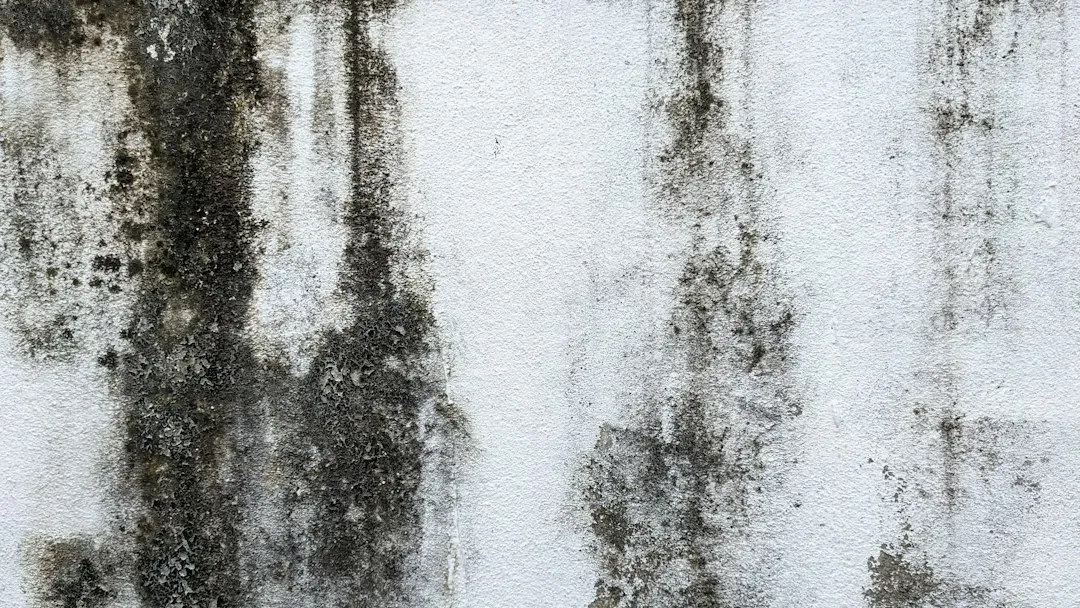
One of the most unsettling things about old walls is how quietly they can rot from the inside out. Moisture is the main culprit: tiny roof leaks, sweating pipes, condensation, and poorly sealed windows can all feed hidden damp spots. Over years, those damp spots can turn into full-on mold colonies that never see the light of day – until someone opens things up and is hit with that unmistakable musty smell.
Unlike the dramatic black mold photos that float around online, most hidden mold is much less visible. It may be an uneven, fuzzy coating on the backside of drywall or on the paper layer of old plasterboard. Sometimes, homeowners only notice indirect signs: a persistent earthy odor, peeling paint, or a wall that feels slightly soft or “bouncy” when pressed. The wall looks fine, but inside, fungi are slowly digesting organic materials.
Health-wise, the science is nuanced. For many people, low-level hidden mold is more of a nuisance than a catastrophe. But for those with asthma, allergies, or other respiratory conditions, even invisible growth behind walls can aggravate symptoms. The tricky part is that air tests and DIY kits often give confusing or inconclusive results. You can spend a lot of money chasing mold without a clear picture.
Instead of panicking, it’s smarter to focus on moisture control and good building practice. Fix leaks promptly. Make sure bathrooms and kitchens are vented properly. If you suspect a chronic moisture problem, consider a small, strategic opening in the wall rather than blindly ripping everything out. Sometimes, the most important thing hidden in your walls is not the mold itself but the underlying water path that never got fixed.
#4: Pests, Nests, and the Ecosystems Between Studs
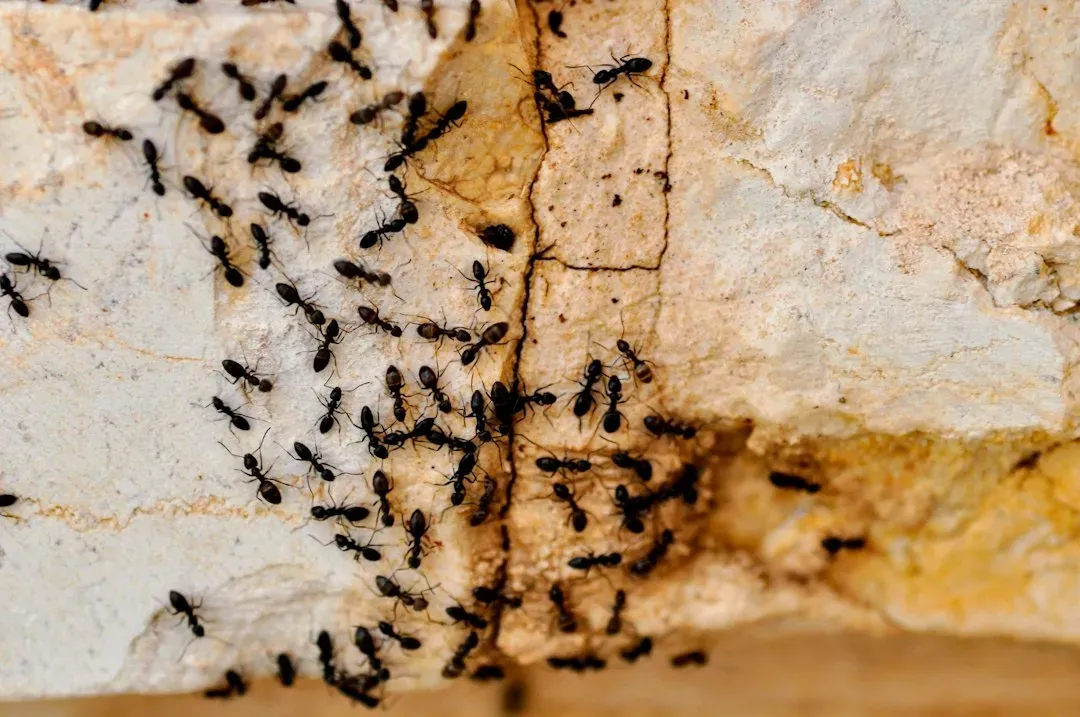
If you think of your walls as solid, think again. To insects and small animals, wall cavities are sheltered highways protected from predators, wind, and rain. Over decades, old walls can host a rotating cast of residents: mice, rats, bats, bees, wasps, ants, termites, and even birds in some cases. You might never see them – only faint scratching, strange smells, or mysterious stains.
Rodents, in particular, love the warmth and cover of wall spaces. They squeeze in through astonishingly tiny gaps and set up nesting sites with insulation, shredded paper, and whatever soft material they can find. Over time, urine and droppings soak into wood and drywall, sometimes leaving yellowish stains or a pungent, ammonia-heavy smell that lingers even after the animals are gone.
There’s also the structural side to this. Carpenter ants and termites do not eat walls in a day, but over long periods, they can hollow out studs and sills. The wall might look fine, but a gentle push can tell another story. Likewise, old wasp nests, bee comb, and bird nests can clog vents, trap moisture, and attract other insects. It’s not always the current infestation that’s the real problem; it’s the legacy buildup from decades of comings and goings.
Signs that your walls might be hosting an unwanted ecosystem include:
- Persistent scratching or scurrying sounds, especially at night.
- Localized smells that you can’t clean away on the surface.
- Tiny piles of sawdust-like material or insect wings near baseboards or windows.
Ignoring these signs usually just gives the occupants more time to expand. When in doubt, it’s worth calling a pest professional who knows how to inspect without turning your home into Swiss cheese.
#5: Structural Scars and Quiet Cracks
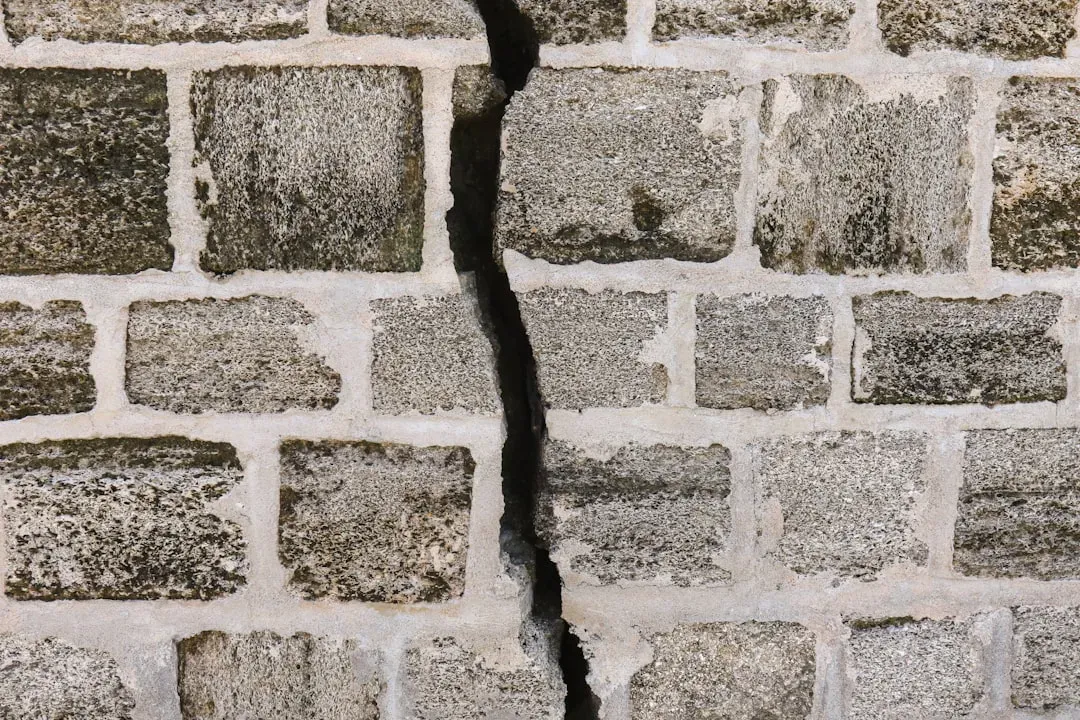
Old walls remember every movement a building has ever made. Buildings settle, shift, expand with heat, and contract with cold. Over time, that dynamic reality leaves scars: hairline cracks, bulges, diagonal fractures above doors, and subtle bows where studs have warped or sagged. Most people paint over these, but in some cases, they are early warning signs of larger structural issues that nobody bothers to examine.
Not all cracks are dramatic or dangerous. Many small plaster cracks simply mark the normal aging of materials. Plaster and lath, for example, are somewhat rigid, so when framing shifts even slightly, the surface responds with visible fissures. In older brick structures, mortar joints may develop thin, stepped cracks that reflect small shifts in the foundation. It’s like the wall’s heartbeat, recorded over decades.
The tricky part is telling the difference between cosmetic and concerning. A long, widening crack that runs diagonally from a window corner, or a wall that is clearly out of plumb when checked with a level, might indicate that something in the structure is moving more than it should. Likewise, recent cracking after a renovation or a nearby excavation is a signal worth investigating rather than shrugging off.
It can help to think like a detective:
- Track whether cracks change over time by marking their ends with a pencil and date.
- Notice patterns: cracks over doors and windows can reflect stress points.
- Combine visual clues with other signs like sticking doors or sloping floors.
Walls rarely fail overnight, but when nobody ever looks into these slow, quiet changes, what could have been a small repair can grow into a much bigger, more expensive intervention.
#6: Dead Voids, Abandoned Chimneys, and Capped-Off Systems
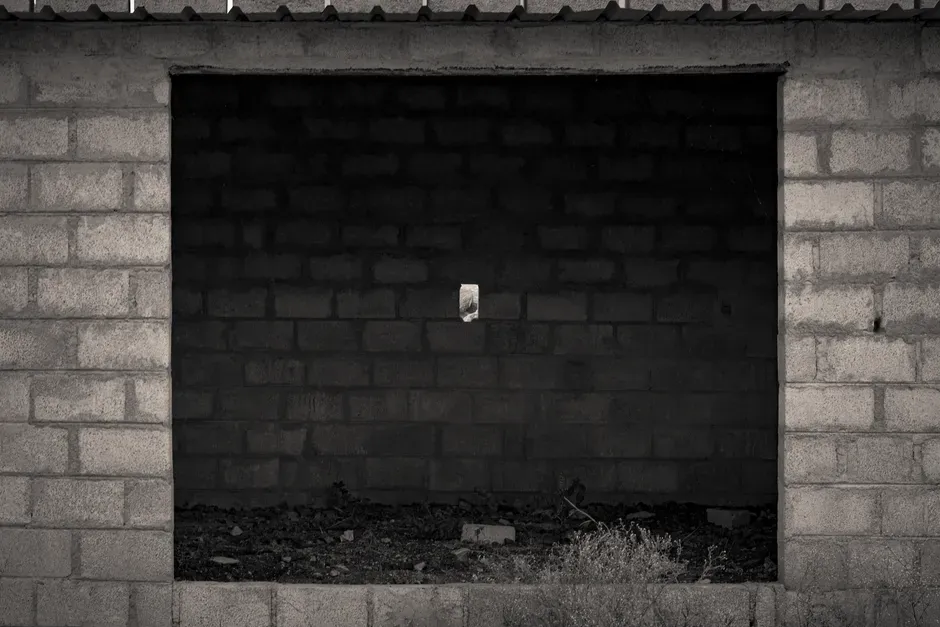
One of the weirdest categories of things hidden in old walls is not actually objects, but empty spaces. Over the life of a building, fireplaces get closed up, doorways get relocated, dumbwaiters get abandoned, and old plumbing chases are capped and forgotten. The result is a labyrinth of dead voids behind seemingly ordinary surfaces.
Closed-off chimney flues are a great example. Many historic buildings once had multiple fireplaces or wood stoves that vented through brick chimneys. When central heating arrived, these flues often got sealed at one end but left open or partially open inside the wall. That can create pockets where soot, debris, and even animals accumulate. In some cases, the added weight and moisture can weaken nearby masonry or framing.
Abandoned service shafts and cavities pose a different kind of subtle risk. They can act as hidden conduits for fire and smoke, allowing flames to spread vertically or between rooms faster than expected. Modern building codes try to address this with fire blocking and compartmentalization, but older buildings often predate those standards. When renovations patch things over without really filling and sealing these spaces, the problem quietly stays in place.
On the flip side, uncovering these voids can sometimes be a gift. People have turned old chimney chases into recessed shelving, exposed brick niches, or extra storage. But before you get excited about that mysterious hollow sound when you tap the wall, it’s worth asking: What was this space originally for, and what might still be inside it?
#7: Asbestos, Insulation Relics, and Other Legacy Materials
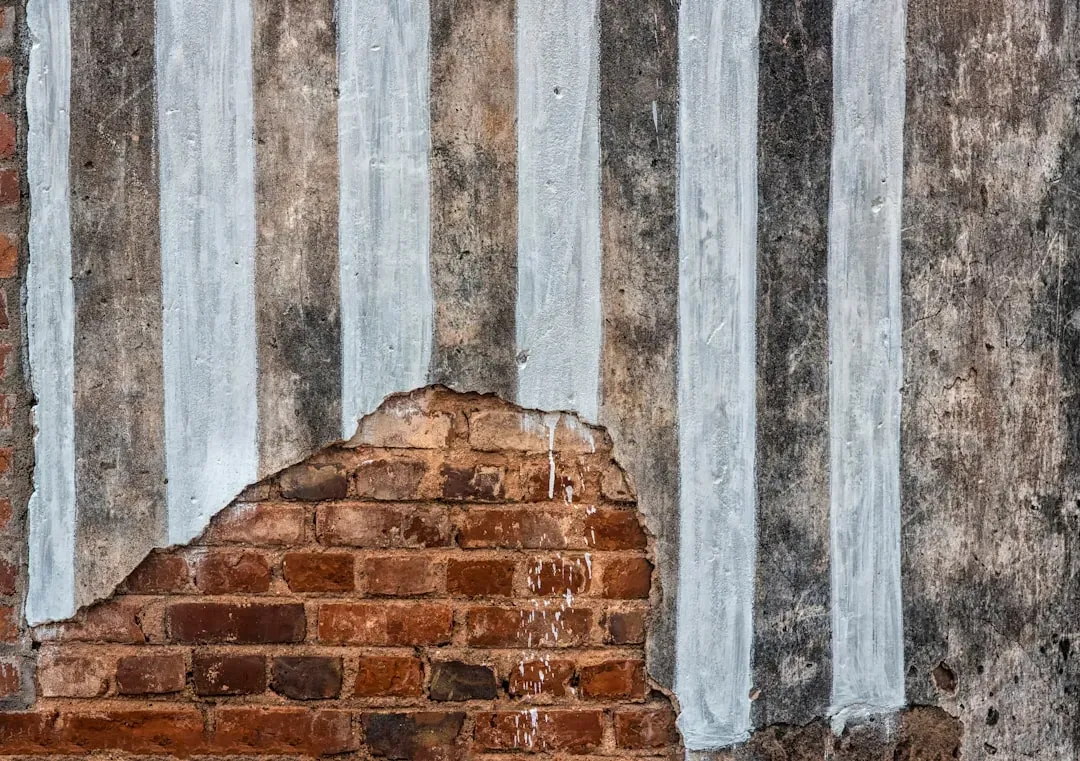
There’s a reason older buildings make environmental health specialists nervous: the materials hidden in their walls often come from eras when long-term health effects were poorly understood or casually ignored. Asbestos is the most famous example, but it’s not alone. Vermiculite insulation, certain adhesive mastics, and even some early synthetic foams have all raised concerns over the years.
Asbestos in walls can appear in a few different forms: as pipe insulation running through wall cavities, as part of old plaster formulations, or in joint compounds and textured finishes. Most of the time, this material is stable as long as it remains sealed and undisturbed. The real risk arises when walls are drilled, sanded, or demolished, releasing microscopic fibers that can lodge deeply in the lungs.
Insulation itself tells a sort of archaeological story. You might find compacted mineral wool, cellulose made from shredded newspapers, raw fiberglass batting, or even random combinations of leftover materials thrown into cavities to “keep the drafts out.” Some older loose-fill insulations, especially those containing naturally occurring minerals, are now recognized as potential sources of contamination when disturbed.
Here’s where a little restraint goes a long way:
- Do not assume that all old materials are deadly, but do treat the unknown with caution.
- Before opening large wall areas in a very old structure, especially around pipes or old mechanical systems, testing is usually cheap insurance.
- Professional abatement, while not cheap, is dramatically safer than hacking away in a cloud of mystery dust.
Old walls may hold yesterday’s idea of progress, and not all of it ages well. A smart approach balances curiosity and respect for what you cannot see.
#8: Forgotten Tools, Notes, and Everyday Artifacts
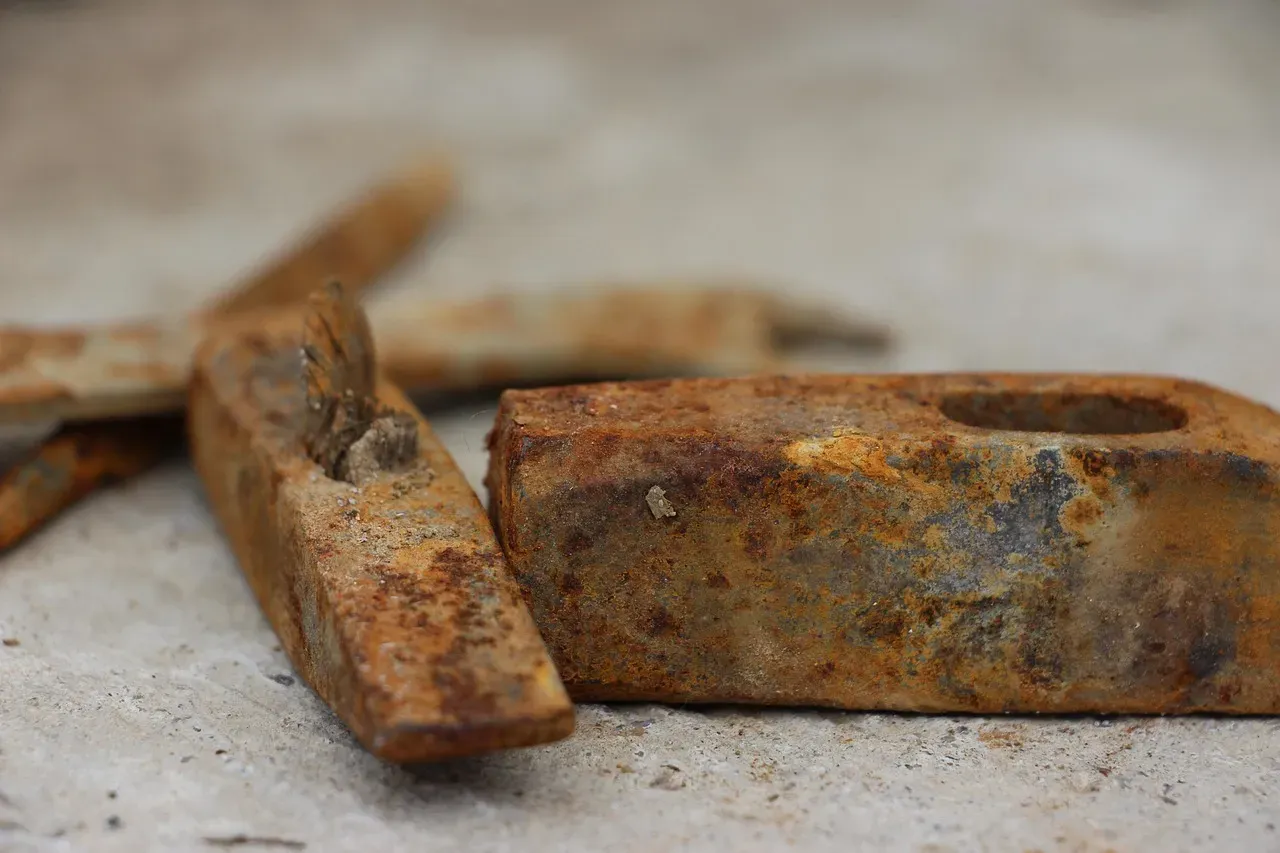
Not everything inside old walls is scary. Some of it is just wonderfully human. Carpenters, plumbers, and electricians have always been in a hurry, and that means tools get dropped, pencils disappear, tape measures vanish, and small hardware falls into cracks. When there’s no easy way to retrieve them, they stay. Decades later, someone finds a rusted hammer or an antique screwdriver stuck between studs like a time traveler.
There are also deliberate time capsules. Some workers scribble their names and the date on the backside of drywall or on studs before closing up a wall. Others leave little jokes, sketches, or quick messages for whoever opens it next – if anyone ever does. Homeowners have sometimes stashed letters, coins, toys, or small keepsakes inside cavities, assuming they might be discovered in some distant future.
These objects rarely have high monetary value, but the emotional charge can be strong. Finding a newspaper stuffed in a gap as makeshift insulation, or a child’s toy car that slipped down a floor vent in 1954, creates a weird, instant connection with people you’ll never meet. It reminds you that your “old” house was once brand new, and someone else once worried about paint colors and furniture just like you do.
From a practical standpoint, these items are usually harmless clutter. But they can also provide helpful clues. A tool brand, a newspaper date, or an old product label can help date renovations and understand how your home was altered over time. Old walls, in that sense, quietly keep the receipts that paperwork often loses.
#9: Sound Pathways and Accidental Acoustic Design
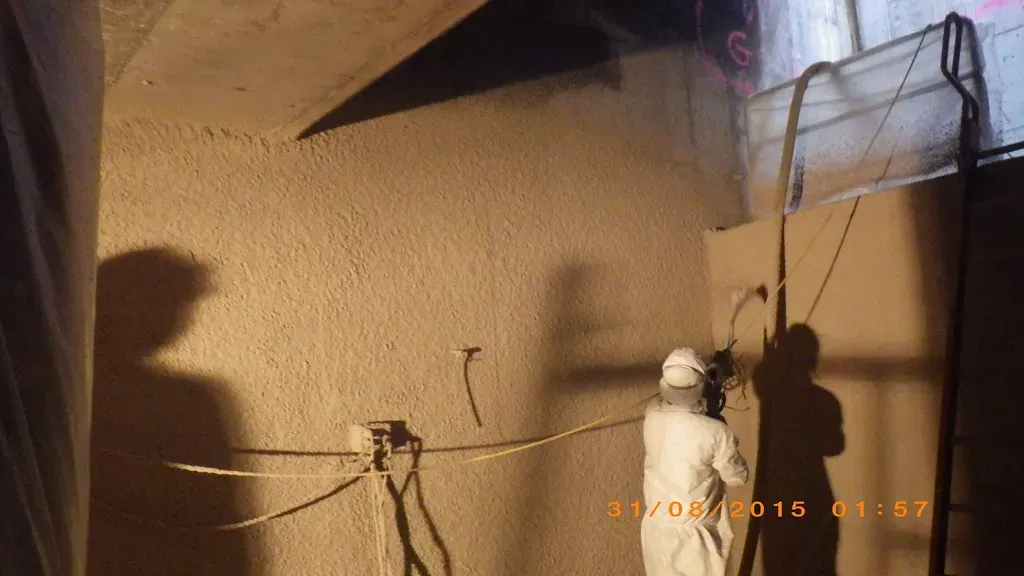
Have you ever noticed how sound travels strangely in some older buildings? You might hear a conversation two rooms away or a phone ringing on another floor, yet not the person in the room next to you. That odd behavior is often rooted in how the walls were built and what is – or isn’t – inside them. Most people never think about the acoustic life of their walls, but those cavities are basically echo tunnels if they are left empty.
Traditional plaster and lath walls sometimes provide better sound insulation than cheap modern drywall, partly because of their mass and layered construction. But where there are unbroken cavities extending from floor to ceiling, sound can still bypass surfaces and travel through the structure like it’s using a private highway. Gaps around pipes, ducts, and electrical boxes become little megaphones.
Sometimes, renovation makes this worse. Removing an interior chimney, for instance, might accidentally connect spaces that used to be separated, creating a new sound path. The same goes for recessed lighting, large cutouts for TV cables, or sloppy sealing of top plates in multi-story buildings. What feels like a privacy problem is often an architectural afterthought buried inside the wall.
If you care about quiet, it might help to think of the wall not as a flat divider but as a three-dimensional system. Adding insulation, using acoustic sealants around penetrations, and breaking up continuous cavities all help. The strange thing is that many older buildings already have part of the solution – thick masonry or heavy plaster – but the integrity of those systems gets compromised over time by unplanned openings nobody bothers to fully close.
#10: Old Plumbing, Ghost Pipes, and Hidden Leaks
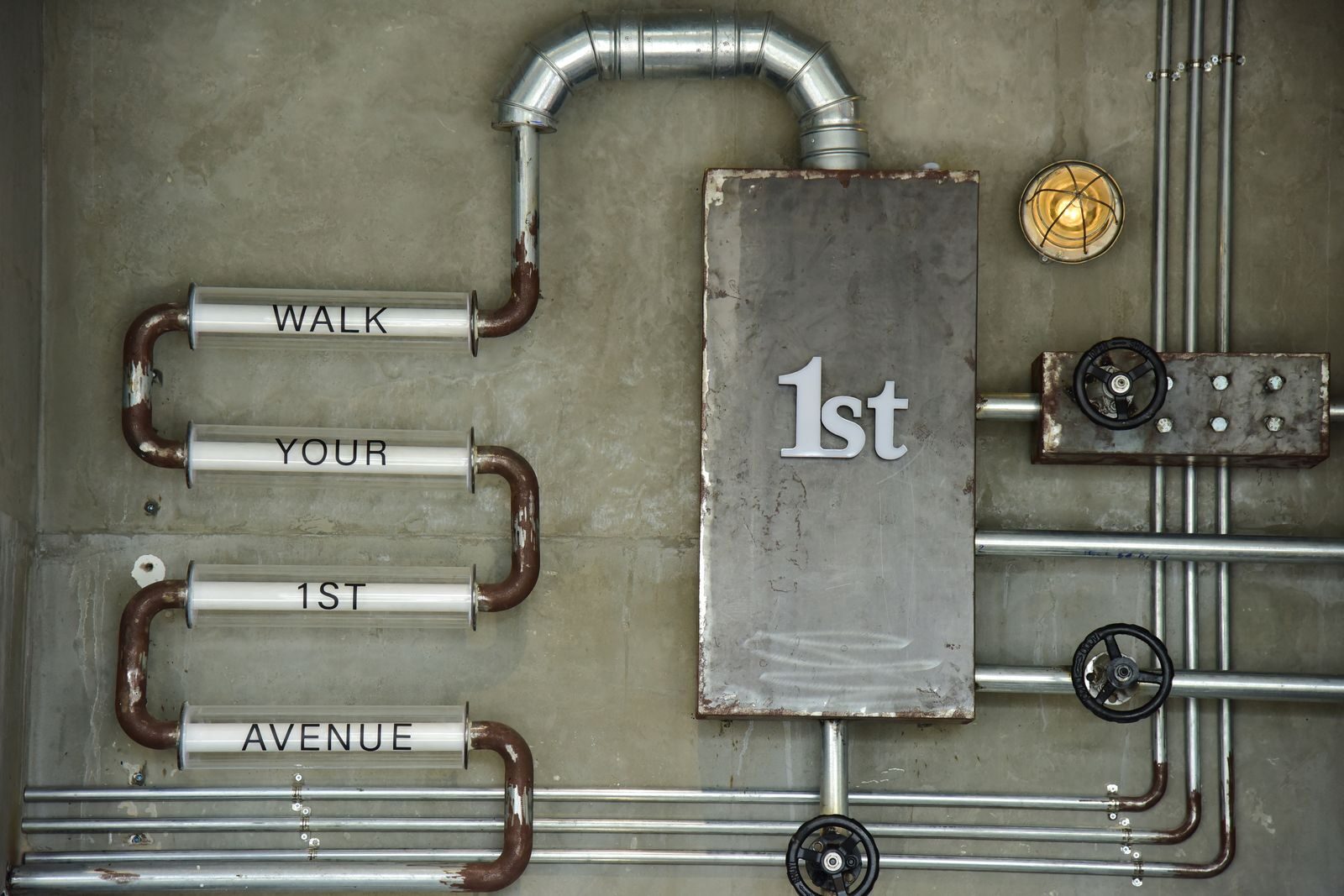
Water systems evolve, but the physical evidence often stays trapped in the walls. In older buildings, it’s common to find abandoned galvanized pipes, old drain lines no longer in service, or rerouted water lines that were never fully removed. These ghost pipes may not carry water anymore, but they still affect everything from where you can safely drill to how sound and moisture move through the structure.
Galvanized steel pipes, which were widely used in the past, corrode from the inside out over time. Even if they’re no longer the main supply lines, stubs and leftovers can still slowly leak or sweat, especially at old joints and connections. A barely perceptible seep can, over years, feed hidden rot in wood framing or contribute to that stubborn musty smell you just can’t defeat with air fresheners.
The most frustrating leaks are often the ones that never show obvious surface signs. A tiny drip inside a wall can evaporate before it stains the paint, especially in warm or well-ventilated cavities. You might only discover the damage when a baseboard feels soft, or when mold shows up in a corner far from where you’d expect a water issue.
Some useful clues that your walls might be hiding plumbing stories include:
- Banging or “water hammer” sounds when you turn taps on or off, hinting at odd pipe runs.
- Local temperature differences on wall surfaces near bathrooms or kitchens.
- Old capped-off valves or exposed bits of archaic pipe in the basement or attic.
Old walls often keep the ghosts of former bathrooms, kitchens, and utility rooms alive. Ignoring those ghosts can mean overlooking vulnerabilities that will eventually show up as expensive surprises.
#11: Energy Leaks, Air Gaps, and Thermal Bridges
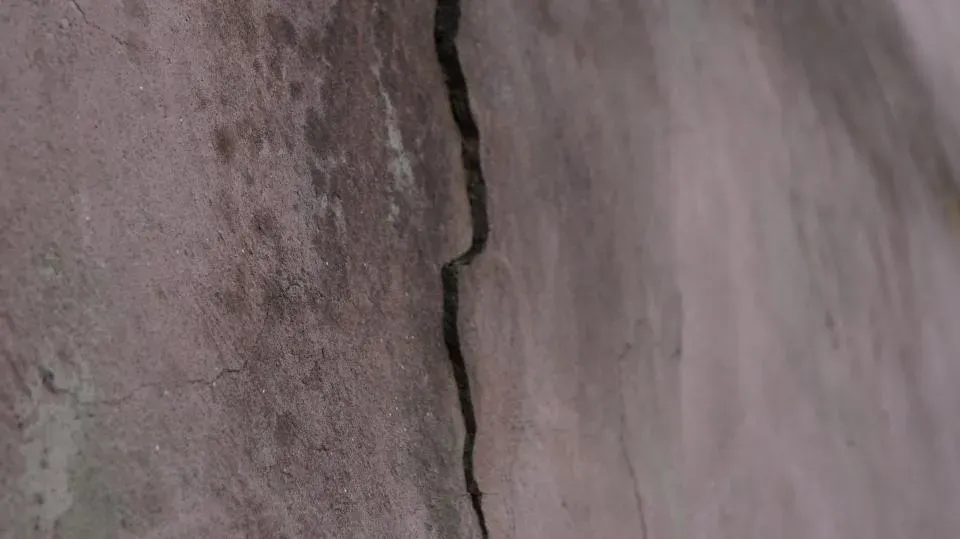
From an energy perspective, many older walls are basically polite lies. They look solid and cozy, but behind the plaster or paneling, there may be huge air gaps, missing insulation, or continuous wood and metal paths that bypass any attempt at warmth. People crank the heat or AC, wondering why comfort never quite arrives, while their money slips through microscopic cracks they never see.
Older construction often predates modern ideas of air sealing and continuous insulation. Builders might have focused on strength and appearance, assuming that a thick brick or plaster wall was enough. In reality, even small cracks around window frames, baseboards, and outlets can create a surprising amount of uncontrolled airflow. Multiply tiny drafts across a whole building, and you essentially have a permanent, invisible window cracked open.
Thermal bridges are another hidden player. When a material with high conductivity, like steel or certain dense masonry components, runs straight from the cold exterior to the warm interior, it moves heat almost like a wire carries electricity. The inner wall surface above a cold balcony slab or behind a steel column might feel chilly even if the room is “properly heated.” Over years, these cold spots can also foster condensation and slow, quiet moisture problems.
Instead of treating comfort issues purely as thermostat problems, it helps to think of your walls as part of a big, leaky container. Simple tools like infrared cameras or even thermal imaging attachments for smartphones can reveal hot and cold patterns that betray gaps and bridges. When you see the heat escaping in bright colors, it becomes obvious that what’s hiding inside your walls is not just history – it’s part of your monthly utility bill.
#12: DIY “Solutions” and Creative Code Violations
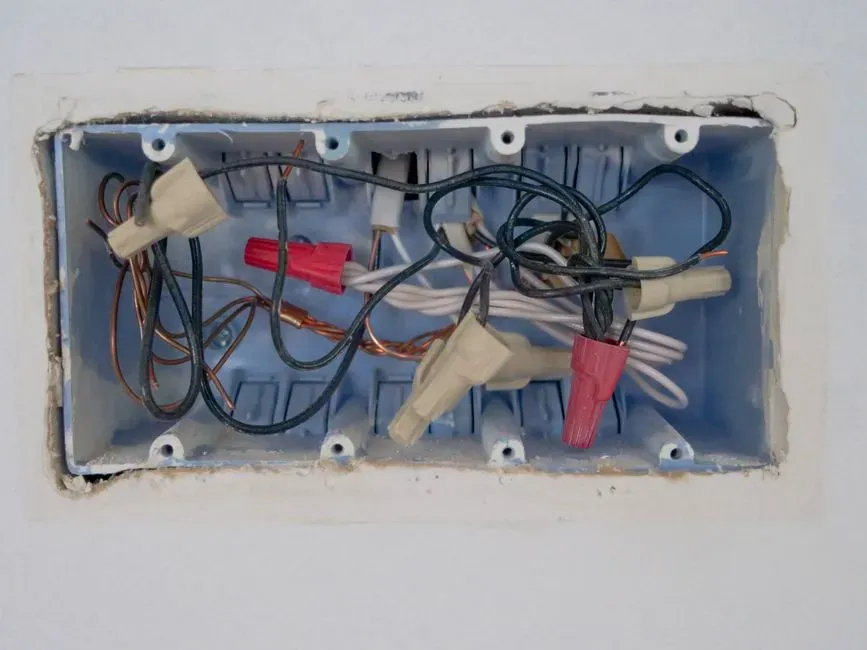
One of the most shocking things inside old walls is not age – it’s creativity. Over the decades, every building collects a patchwork of repairs, upgrades, and experiments. Some are ingenious. Others are terrifying. Homeowners splice wires without junction boxes, tie plumbing together with whatever fittings were handy, or stuff random materials into cavities to “fix” a draft. Once the drywall goes back up, it looks respectable from the outside, but the core is a Frankenstein collage.
The problem is that a lot of this work never saw an inspector. That means no second set of eyes to catch overloaded circuits, undersized pipes, or materials that should never have been near each other. In some buildings, you can literally read the phases of ownership by the type of mistakes in the walls: one era of sloppy electrical, another of sketchy plumbing, topped off by some optimistic tech cabling from the early internet days.
From a safety standpoint, these hidden improvisations can be worse than original outdated systems. At least early twentieth-century builders generally followed the best practices of their time. A rushed weekend warrior, on the other hand, might ignore basic rules like securing cables properly, maintaining fire stops, or not burying junctions behind permanent finishes. It all functions – until it doesn’t.
Some red flags that your walls may be hiding enthusiastic DIY efforts include:
- Mismatched outlet types and random clusters of switches.
- Obvious patch marks where holes were cut and hastily closed.
- Multiple generations of visible surface wiring, suggesting even more behind the scenes.
There is something oddly endearing about the determination behind these fixes, but that doesn’t make them safe. When you open a wall and find cable spaghetti or pipe tangles, it might be time to replace creativity with code-compliant craftsmanship.
#13: Cultural Layers, Superstitions, and Personal Secrets
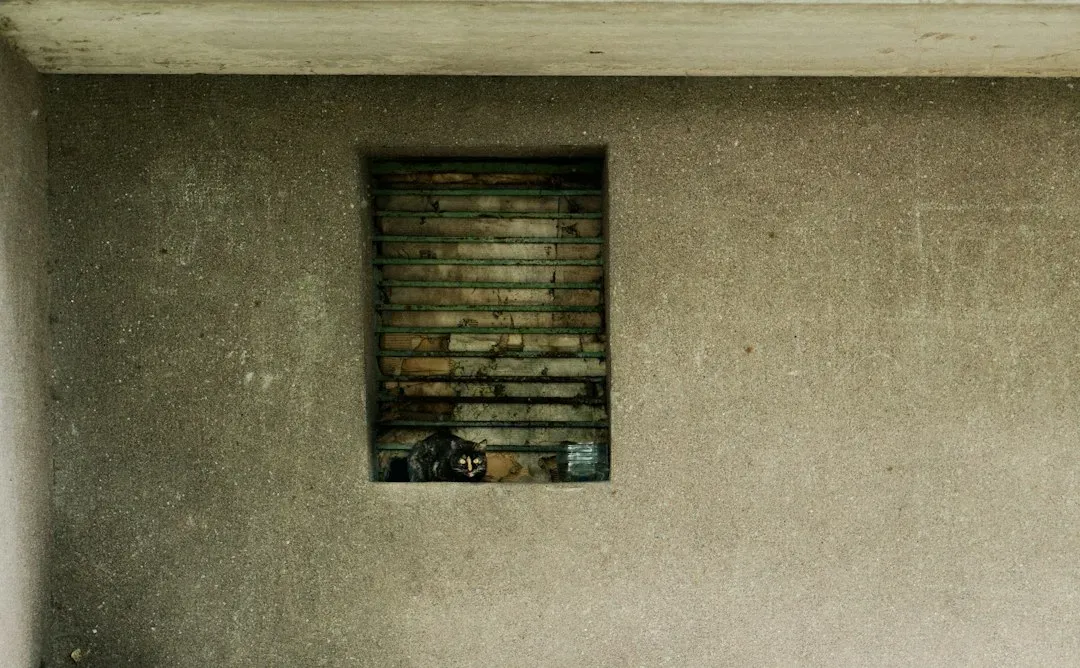
Beyond the physical and technical stuff, old walls also carry traces of how people felt and what they feared. In some cultures and time periods, builders and owners intentionally placed small objects in walls for luck or protection: shoes, coins, religious items, or handwritten notes. These practices were not always documented formally, so when such objects are found, they offer a quiet window into past beliefs people didn’t feel free to display publicly.
There are also the more personal secrets. People have hidden cash, documents, photos, and even contraband in wall cavities and behind panels, believing those spaces to be safer than any bank box. Sometimes these stashes are discovered quickly after someone dies or moves out. Other times, they sit untouched for half a century, outliving both the hider and anyone who might understand the story behind them.
On a smaller scale, everyday graffiti inside walls – children’s names scribbled on studs, dates, simple messages – speaks to the human urge to leave a mark, even where nobody is supposed to see it. When you uncover these, it can feel oddly intimate, like reading the margins of an old book. The building becomes less of an object and more of a biography written in layers of paint, dust, and pencil.
Not every wall hides treasure or drama. Most contain nothing more sensational than insect debris and forgotten nails. But the possibility that any old wall might intersect with somebody’s private hopes, fears, or quiet rituals adds a layer of meaning. It turns demolition into a kind of archaeology, where you’re not just tearing out materials – you’re unearthing how people once lived and what they cared about enough to tuck away where nobody would ever look.
Conclusion: Why We Should Pay More Attention to the Walls Around Us
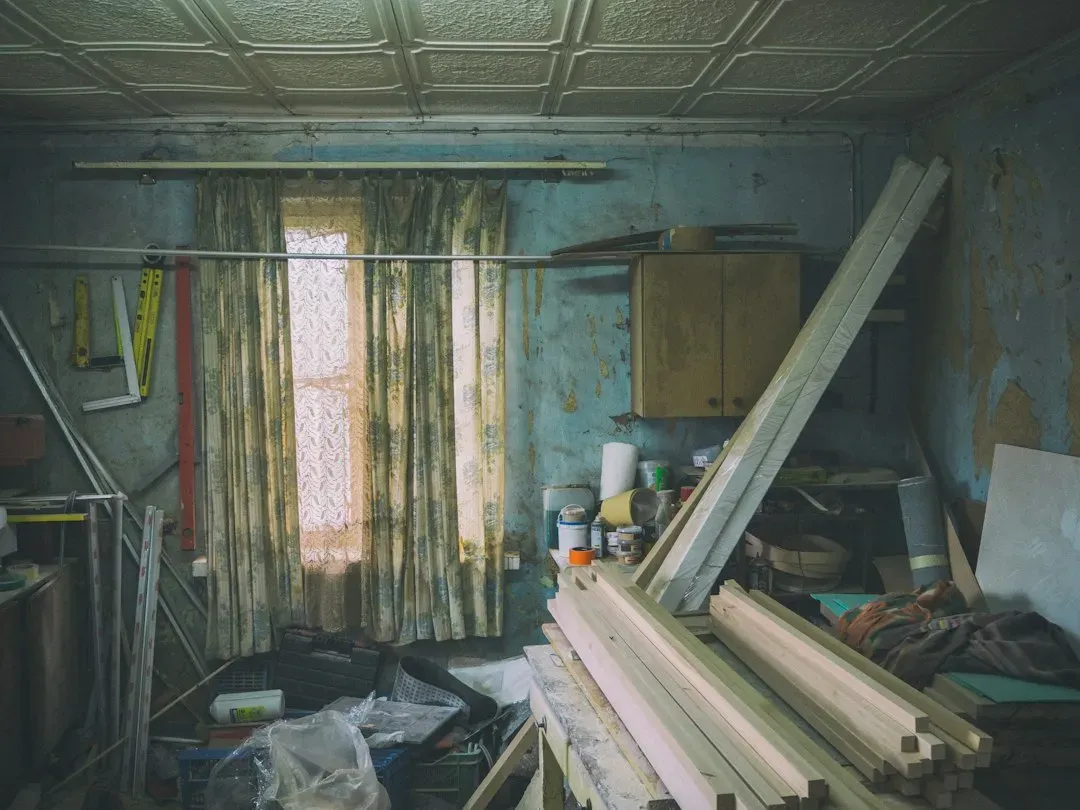
When you step back and think about it, the fact that we almost never look inside our walls is both practical and strange. These structures hold our wiring, plumbing, heat, and privacy, shape our rooms, and frame our lives, yet we treat them like immutable backdrops. The reality is much messier. Old walls are layered with risk, ingenuity, laziness, superstition, and small human gestures that never make it into the real estate listing.
My own opinion is that we underestimate old walls twice: first by romanticizing them as “solid” just because they are old, and second by fearing them as ticking toxic time bombs. The truth sits in the middle. Some walls absolutely hide problems that need urgent attention – crumbling wiring, chronic leaks, compromised structure. Others simply hold quirky relics of different eras, interesting but harmless. The challenge is to approach them with neither blind trust nor blind panic, but with informed curiosity.
If you live in an older building, it is worth occasionally treating your walls not as untouchable borders, but as systems that deserve inspection, maintenance, and a bit of respect. A small exploratory opening during a renovation, a proper electrical or moisture assessment, or just paying attention to subtle signs can turn mysterious risk into manageable reality. And sometimes, you might even find a forgotten note, an odd artifact, or a scribbled name that makes you feel unexpectedly connected to the people who were there before you.
In the end, the hidden life of old walls is really the hidden life of the people who built, altered, and lived within them. When you finally open them up, you’re not just looking at studs and wires – you’re looking at a physical record of choices, fears, shortcuts, and hopes layered over time. That raises a quiet but unsettling question: if someone opens your walls fifty years from now, what will they find, and what story will it tell about you?