Deep beneath America’s pristine waters lie mysteries that have stumped scientists for generations. While you might think we’ve explored every inch of our own backyard by now, the truth is far more fascinating. Across the United States, ancient volcanic craters, glacial valleys, and vast inland seas harbor depths that remain largely unexplored, their bottoms holding secrets that modern technology is only beginning to reveal.
From underground caverns to remote mountain lakes, these aquatic giants challenge our understanding of geology, biology, and physics. Despite decades of scientific exploration, many of their deepest reaches continue to elude researchers, making them some of the most mysterious places on Earth. Let’s dive into these enigmatic waters and discover what makes them so impossibly deep and endlessly intriguing.
Crater Lake, Oregon: A Volcanic Mystery Nearly 2,000 Feet Deep
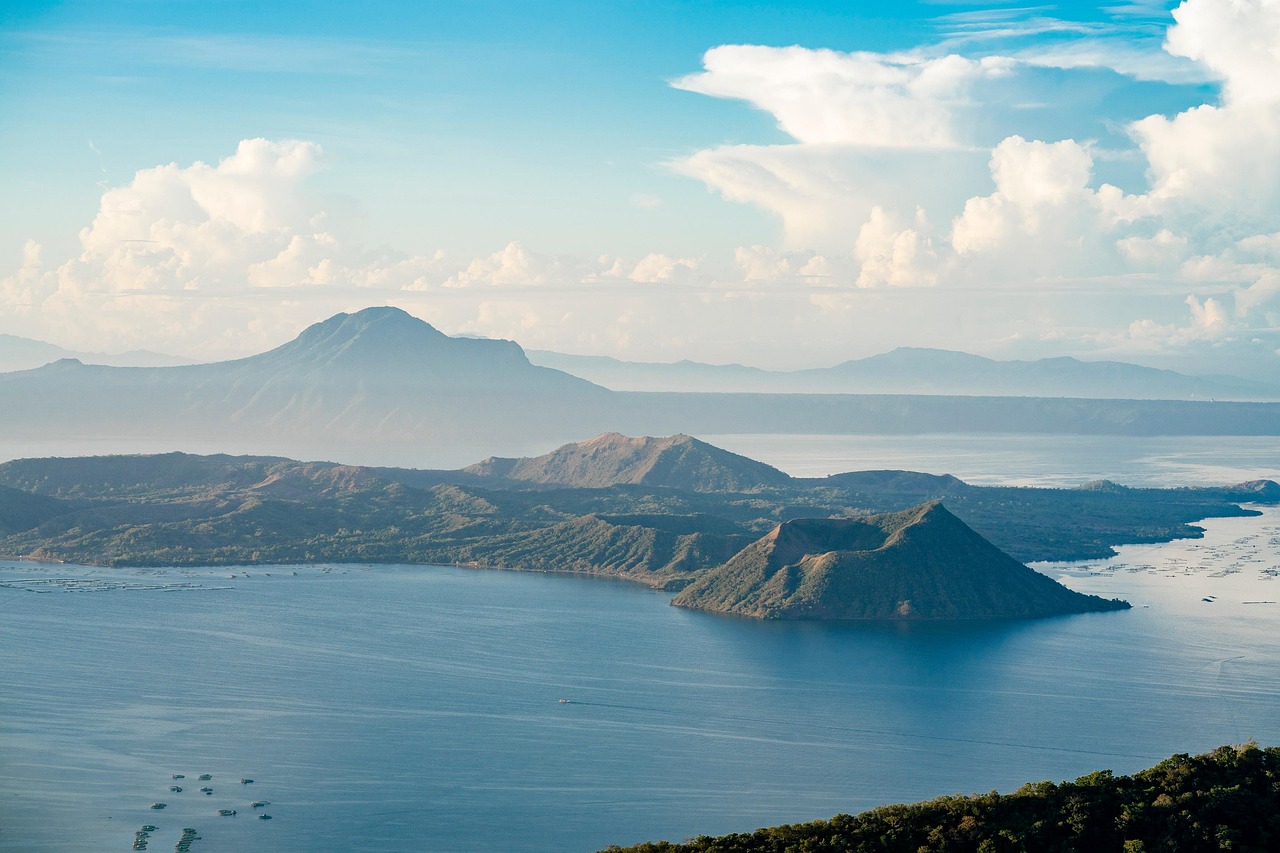
What happens when a massive volcano collapses and rainwater fills the void for thousands of years? You get America’s deepest lake and one of its most mysterious.
Crater Lake in Oregon is the deepest lake in the United States, reaching depths of 1,949 feet. This volcanic masterpiece sits within a caldera formed about 7600 years ago in the aftermath of one of the largest volcanic eruptions in recent geologic history. The lake has no streams flowing in or out, meaning every drop of water comes from rain and snowmelt.
Scientists still find surprises in Crater Lake’s depths. In 1987, scientists sent a submersible down to obtain more information about the geology at the bottom of the lake, and inspect moss samples found in moss beds as deep as 600 feet. Even today, researchers continue discovering new features on the lake bottom, including ancient volcanic formations that tell the story of Mount Mazama’s cataclysmic collapse.
The Lost Sea, Tennessee: America’s Largest Underground Lake
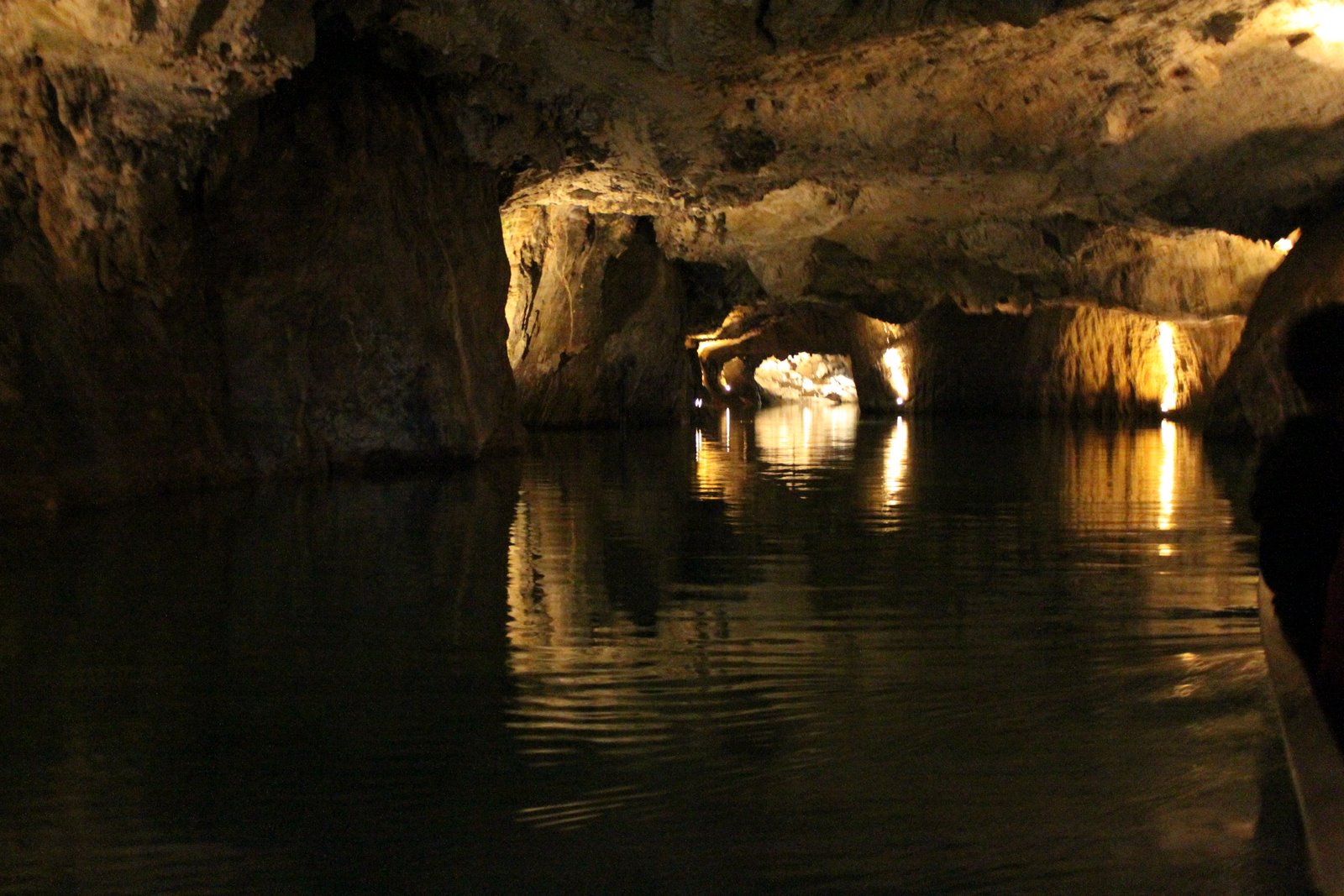
Hidden 140 feet beneath Tennessee’s Smoky Mountains lies a lake so vast that scientists haven’t found its edges yet.
The Lost Sea, spanning over 13 acres, remains largely unexplored, with its true size and many secrets still awaiting discovery. This underground wonder was accidentally discovered in 1905 by a 13-year-old boy, yet the exact depth and area of the lake are still a debate as many unexplored rooms within Craighead Caverns filled with water have yet to be accounted for.
Modern diving expeditions have only scratched the surface. Even with modern equipment and divers, the end of the lake is yet to be found. One recent instance involved a diver venturing into the depths with a sonar device, and while he was able to map 13 acres of water, he still fell short with water all around him. The complex cave system makes complete exploration both dangerous and technically demanding.
Lake Tahoe, California-Nevada: Crystal Waters Hide Deep Secrets
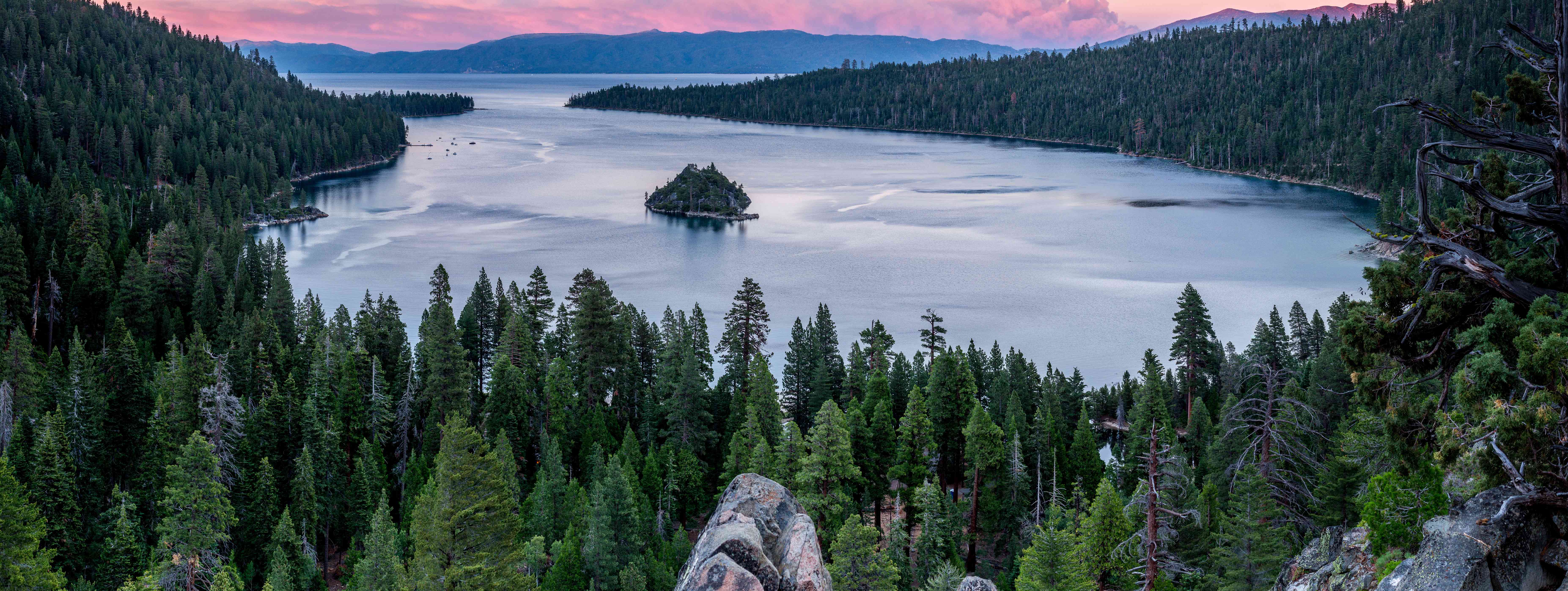
Straddling the California-Nevada border, Lake Tahoe’s pristine blue waters conceal depths that have fascinated researchers and locals for centuries.
Lake Tahoe is the second-deepest lake in the United States at 1,645 feet deep, boasting spectacular scenery and pristine open space. Despite its popularity as a tourist destination, much of the lake’s deepest areas remain mysterious. The stunning blue clarity of the lake is due to its high elevation of 6,225 feet and its natural filtering of silt and sediment from the surrounding mountains. The water is so clear that visibility is a whopping 70 feet.
Yet this clarity comes with challenges for exploration. The lake’s immense depth and cold temperatures make comprehensive mapping difficult. Scientists continue studying its bottom sediments, which hold clues about ancient climate patterns and geological events that shaped the Sierra Nevada region.
Lake Chelan, Washington: A Glacial Giant with Hidden Depths
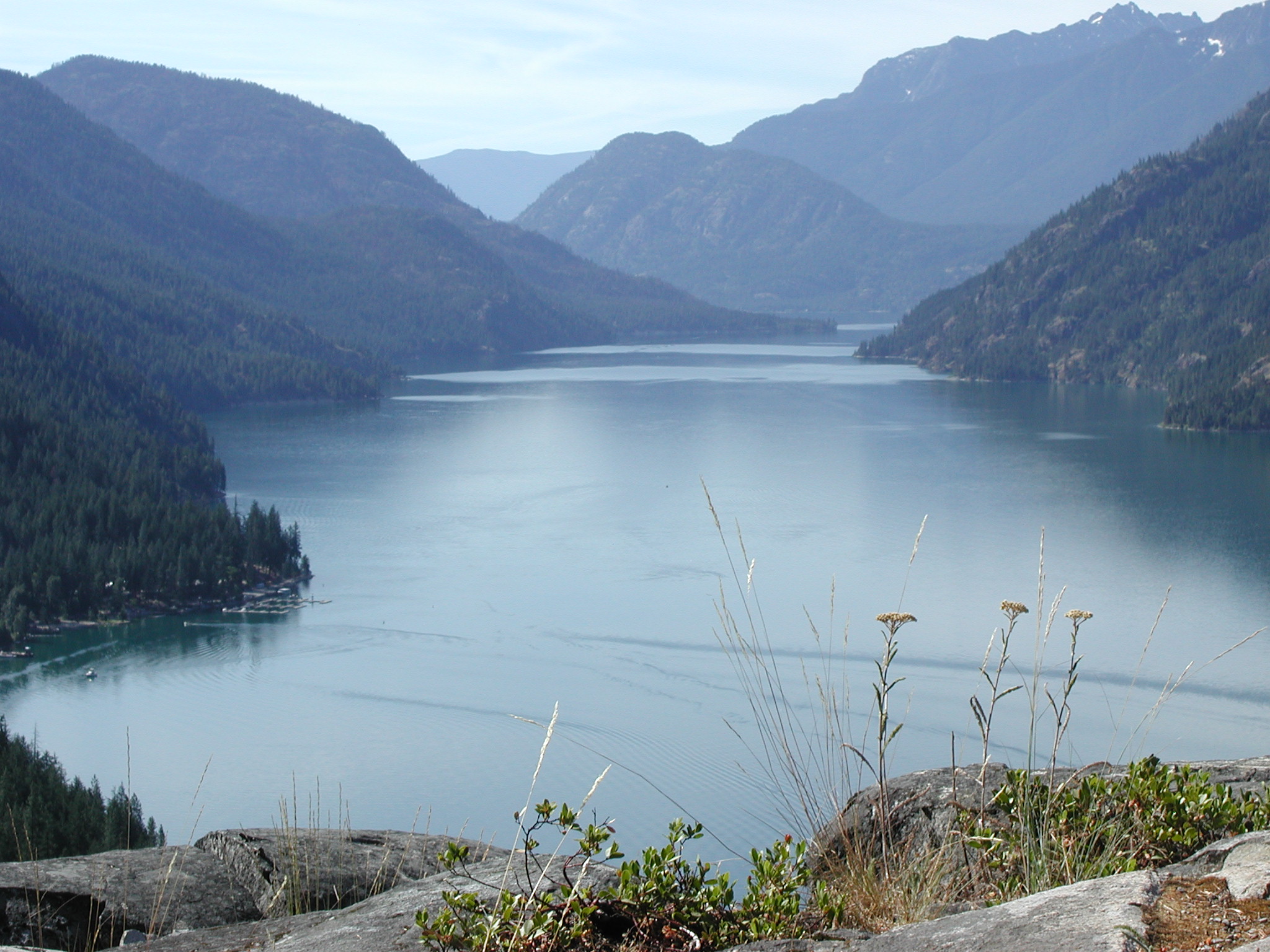
This narrow, fjord-like lake stretches over 50 miles through Washington’s Cascade Mountains, hiding secrets in its glacially-carved depths.
At 1,486 feet deep, Lake Chelan takes its name from a word in the Salish language that means “deep water”. Extremely skinny – Lake Chelan is 50.5 miles long and only two miles wide at its widest point – the waterbody resembles a fjord and acts almost like a slow-moving river. The indigenous tribes apparently knew something we’re still discovering about its exceptional depth.
The lake’s unique shape creates underwater mysteries that scientists are still unraveling. Its glacial origins carved out steep underwater valleys and hidden chambers that remain largely unmapped. The combination of extreme depth and narrow width creates unique water circulation patterns that affect everything from fish populations to sediment distribution.
Lake Superior: The Great Lake with Unexplored Depths
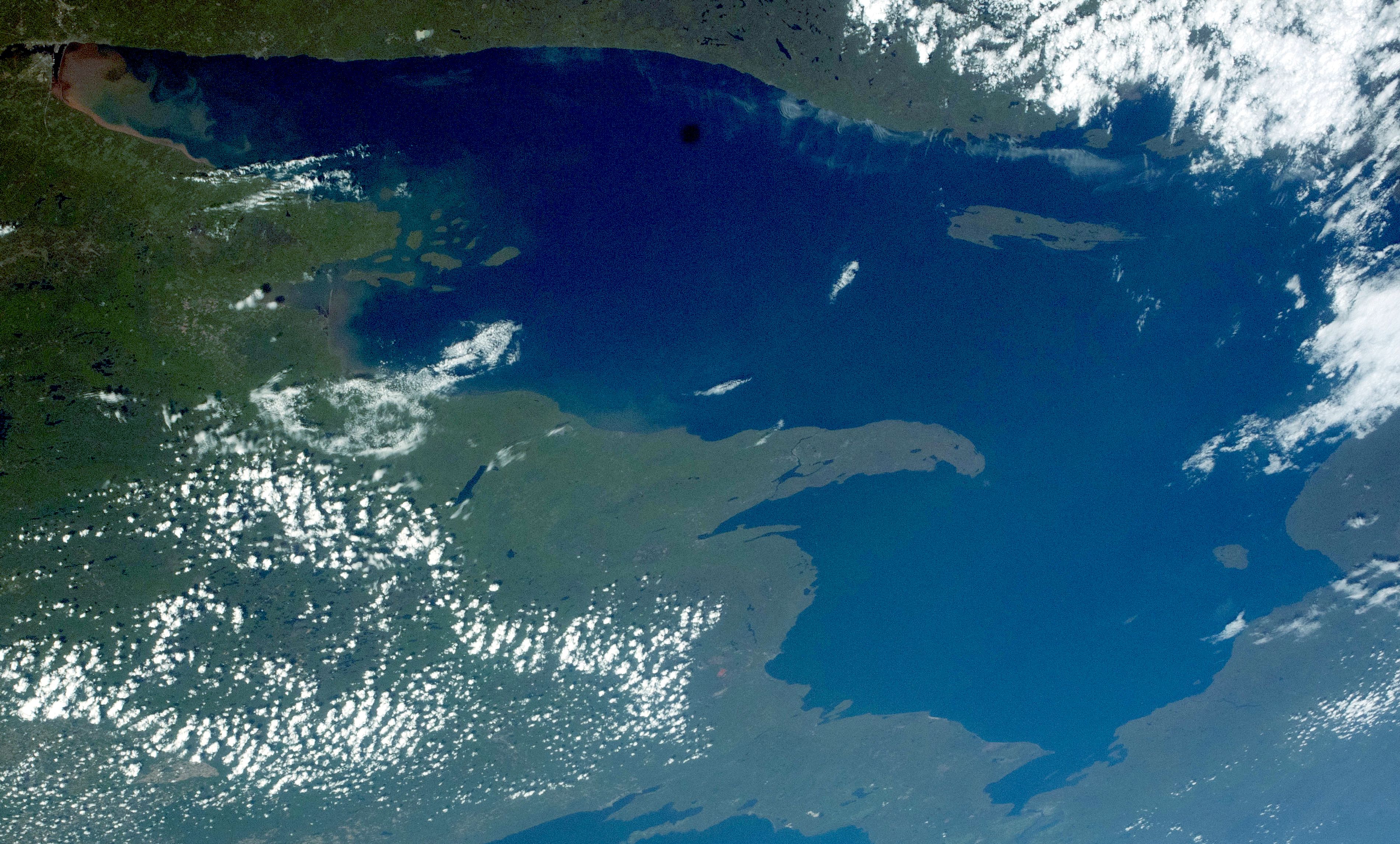
The largest of the Great Lakes by surface area, Superior’s vast waters hide depths that continue to surprise scientists and explorers.
Lake Superior’s maximum depth hits 1,333 feet, making it one of America’s deepest natural bodies of water. It holds 2,900 cubic miles of water, containing 10% of the global fresh surface water. Despite centuries of navigation and exploration, much of its deepest areas remain scientifically mysterious.
The lake’s immense size creates unique challenges for complete exploration. Glaciers formed Lake Superior around 10,000 years ago when thick ice carved the immense basin. Recent sonar surveys continue revealing new underwater features, including ancient geological formations and shipwrecks in previously unexplored areas.
Lake Pend Oreille, Idaho: Naval Secrets in Mountain Waters

This glacially-carved lake in Idaho’s panhandle holds more than just natural mysteries – it’s been a testing ground for submarine technology.
Lake Pend Oreille lies in the Idaho panhandle, carved out by glaciers during the last ice age, and may have been partially filled by a series of mega floods that tore across the Pacific Northwest. Its maximum depth reaches 1,158 feet, making it Idaho’s deepest lake.
During World War II, the U.S. Navy operated one of the country’s largest naval training centers there, and to this day the Navy uses the deep and quiet waters of the lake to conduct submarine experiments. The military’s continued use of the lake for underwater research suggests there are still unexplored depths and unique acoustic properties that make it valuable for testing.
Yellowstone Lake: Underwater Geysers in a Volcanic Wonderland
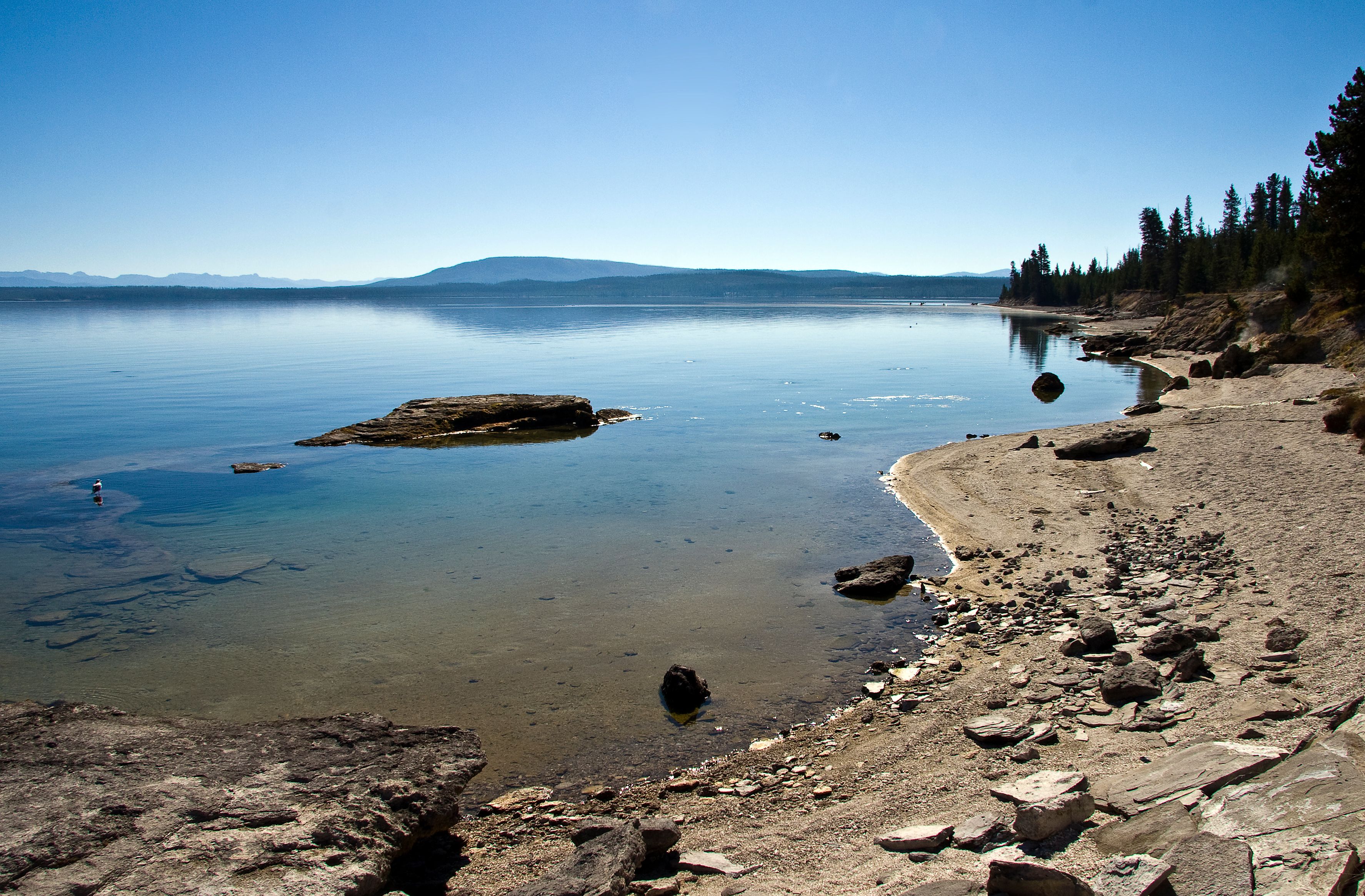
Sitting atop one of the world’s largest volcanic calderas, Yellowstone Lake hides an active underwater world that rivals any surface geyser basin.
While the average depth of Yellowstone Lake is 139 feet, its greatest depth is at least 394 feet. What makes this lake truly mysterious isn’t just its depth but what lies beneath. Researchers have discovered a vigorous hydrothermal system on the lake bottom that would make for an impressive geyser basin if it were on land. The hottest hydrothermal vent temperatures measured anywhere in the Park were on the lake bottom – 170°C (340°F).
Scientists continue discovering new underwater features using advanced technology. Rock spires up to 20-feet tall were found underwater near Bridge Bay. Samples of this rock are being analyzed, though it is believed that these features are probably related to underwater thermal activity. The lake’s position within an active volcanic caldera means its depths are constantly changing.
Flathead Lake, Montana: The Monster Lake’s Hidden World
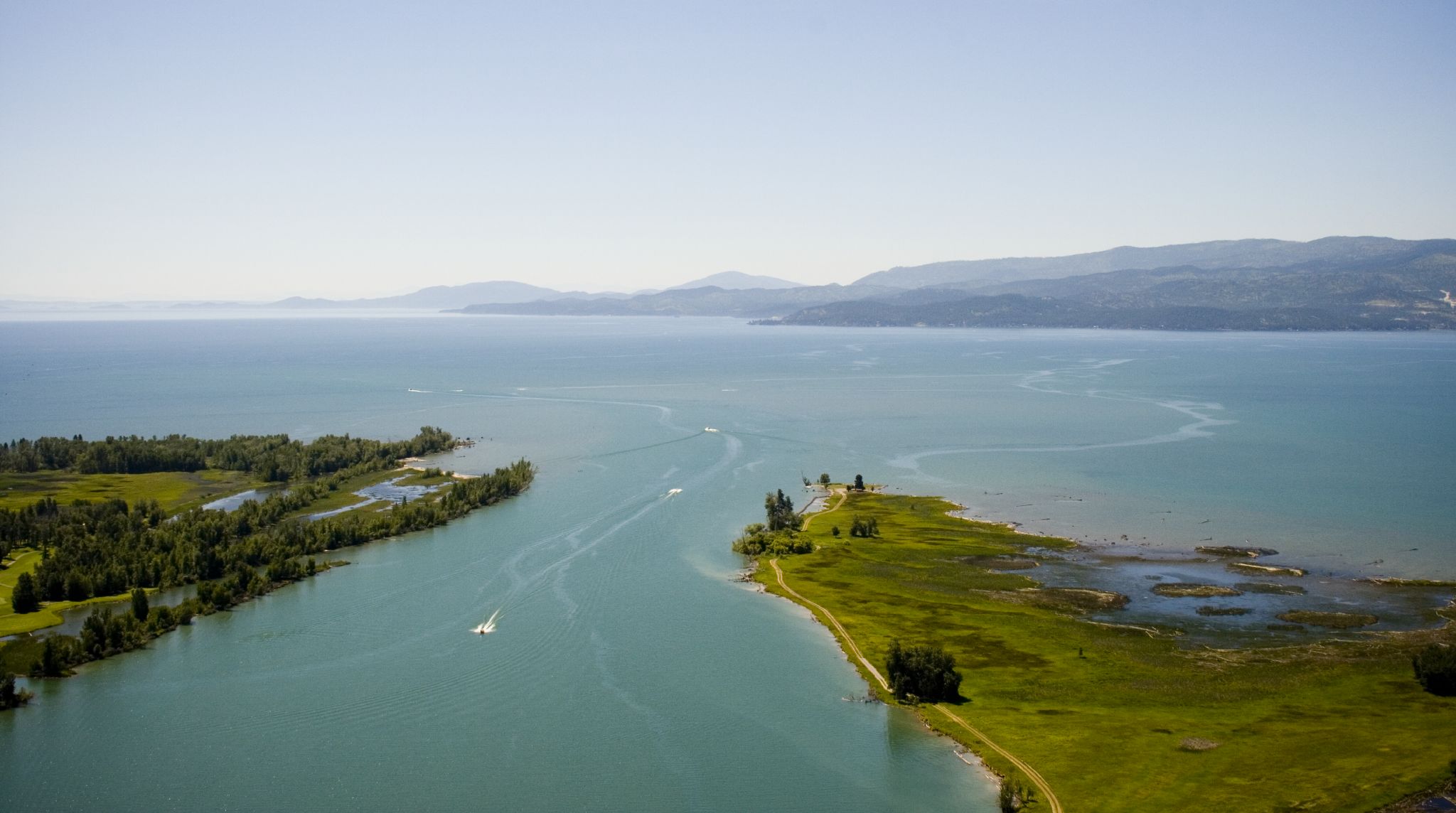
Montana’s largest natural freshwater lake west of the Mississippi harbors more than just legendary creatures – its depths remain largely unexplored.
The 200 square-mile, 300 ft. deep lake has its own version of Nessie, nicked named Flessie in homage to the monster of Loch Ness. While monster sightings capture public imagination, the real mystery lies in the lake’s unexplored depths. For the first time this summer, an underwater expedition took scientists into the depths of Flathead Lake, with research scientist Jim Craft explaining “I really wanted to get a feel for what is deep in the lake”.
Recent submarine expeditions have only begun to scratch the surface. Beneath the surface, Flathead Lake reveals a unique underwater landscape filled with boulder fields, sunken logs, and remnants from early logging operations. The lake’s glacial origins created unique underwater topography that scientists are still mapping and understanding.
Lake Michigan: Mysterious Sinkholes in the Deep
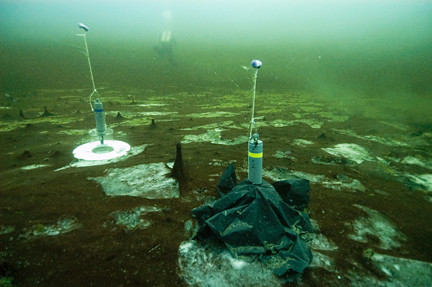
Recent discoveries in Lake Michigan have revealed underwater mysteries that have left scientists scrambling for explanations.
In 2022, a team of researchers mapping Lake Michigan’s floor stumbled upon dozens of mysterious, perfectly round craters. Some of these underwater formations reach depths of nearly 12 meters, with diameters spanning up to 33 meters. These formations were discovered at approximately 150 meters beneath the surface, in areas previously thought to be well-understood.
The discovery has opened up new questions about what else might be hiding in the Great Lakes’ depths. While the sinkhole hypothesis is plausible, further research is needed to establish a definitive cause. Scientists are now launching deeper investigations to understand not just these mysterious holes, but what other secrets Lake Michigan’s depths might hold.
Lake Clark, Alaska: The Remote Giant’s Unexplored Waters
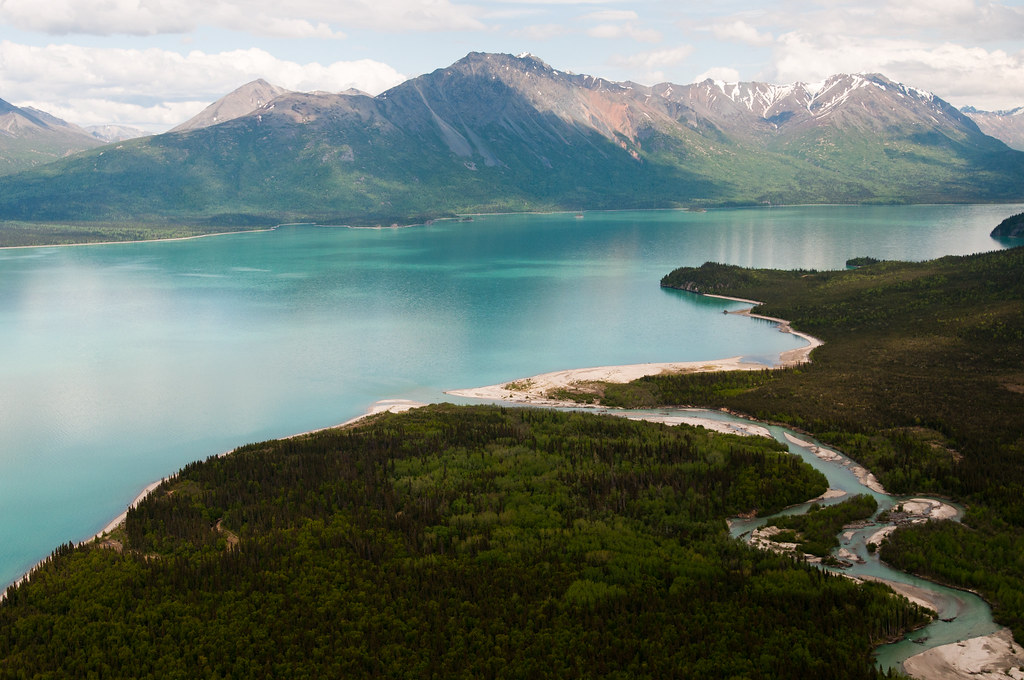
Hidden in Alaska’s remote Chigmit Mountains, Lake Clark represents one of America’s most inaccessible and least explored deep lakes.
Lake Clark is 322 metres deep, making it one of the deepest lakes in the state of Alaska. Situated in the Chigmit Mountains, a subrange of the Aleutian Range, Lake Clark is the fourth largest lake in Alaska. Its remote location within Lake Clark National Park means that comprehensive scientific exploration has been limited.
The lake’s isolation works both for and against scientific discovery. While it means the ecosystem remains largely pristine, it also means that much of its underwater geography remains unmapped. The combination of extreme depth, remote location, and harsh weather conditions creates one of America’s most mysterious aquatic environments.
Lake Tustumena, Alaska: The Kenai Peninsula’s Deep Secret
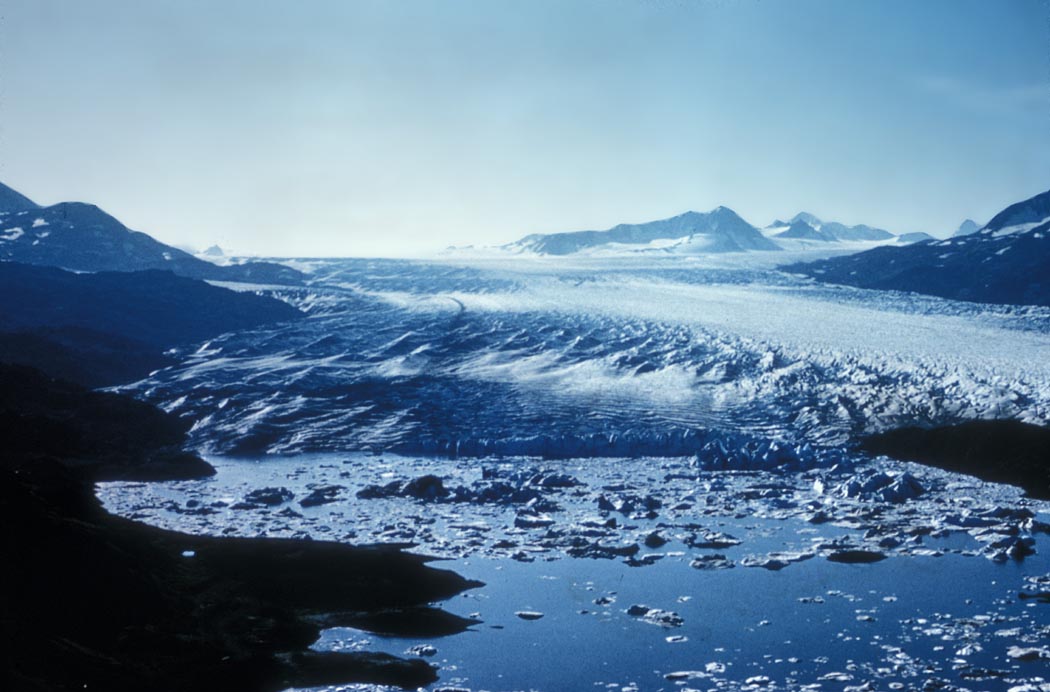
On Alaska’s Kenai Peninsula lies a pristine lake whose depths remain largely unknown despite its accessibility compared to other Alaskan waters.
Lake Tustumena has a maximum depth of approximately 290 metres. Located on the Kenai Peninsula in Alaska, this deep lake ranks among the deeper natural lakes in the United States. Despite being more accessible than many Alaskan lakes, its deep waters remain largely unexplored.
Surrounded by lush forests and rolling hills, the lake supports a diverse ecosystem, including salmon, trout, and a variety of bird species, with crystal-clear waters. The clarity of its waters makes it potentially ideal for underwater exploration, yet comprehensive mapping of its depths remains incomplete due to its size and the logistical challenges of conducting research in Alaska.
The Future of Deep Lake Exploration

As technology advances, these mysterious depths are slowly revealing their secrets, yet each discovery seems to raise more questions than answers.
Modern underwater robotics, advanced sonar systems, and submarine technology are opening new frontiers in lake exploration. Researchers must account for fluctuations and employ sophisticated data processing algorithms to compensate for changing water levels and other dynamic factors. By addressing these challenges, scientists can improve the accuracy and reliability of lake depth measurements. Still, the sheer scale and complexity of these aquatic environments means complete exploration may take decades.
The mysteries hiding in America’s deepest lakes remind us that our own planet still holds countless secrets. From underwater volcanic activity to unknown ecosystems, from ancient geological formations to modern scientific puzzles, these lakes represent some of the last unexplored frontiers in the continental United States. Each diving expedition, each sonar survey, each scientific study brings us closer to understanding what lies beneath – yet somehow, the mystery only seems to deepen.
What hidden wonders do you think still await discovery in these aquatic depths? The story of America’s mysterious lakes is still being written, one dive at a time.