Most people picture dinosaurs as solitary, ferocious killing machines with zero interest in raising babies. The classic movie image of a cold-blooded reptile laying eggs and walking away feels almost hardwired into popular culture. Yet science, in its wonderfully inconvenient way, keeps proving that picture spectacularly wrong.
Over the past few decades, paleontologists have unearthed fossils so precise, so breathtaking in their intimacy, that they reveal something almost tender about creatures that ruled the Earth for over 160 million years. Some dinosaurs were fiercely devoted parents. Others were the prehistoric equivalent of free-range, hands-off caregivers. The details are stranger, richer, and far more fascinating than anything Hollywood ever imagined. Let’s dive in.
The “Big Mama” Fossil That Changed Everything
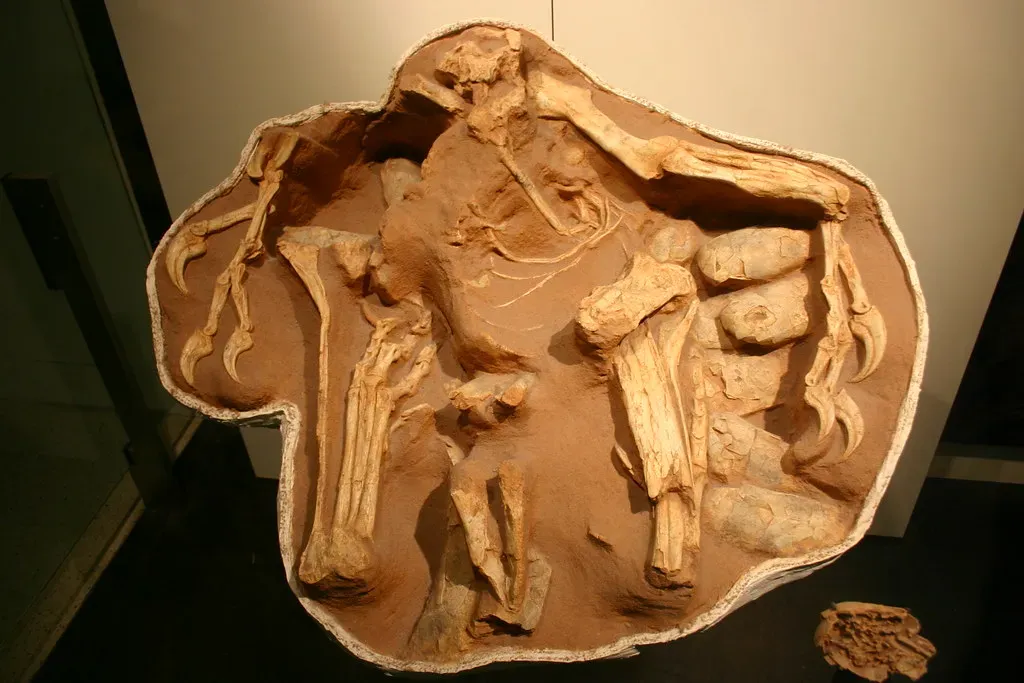
You could call it the most emotionally powerful fossil ever discovered. The Citipati osmolskae fossil dubbed “Big Mama” provided substantial evidence for how dinosaurs behaved with their eggs. This 75-million-year-old oviraptorid was uncovered brooding on a nest of eggs, meaning it was literally sitting on top of them. The discovery rewrote entire textbooks.
The dinosaur was caught in the act, curled up on its nest. It was likely buried by a sandstorm or mudslide along with its eggs, which is definitively protective behavior that came at the cost of the parent’s own life. Think about that for a moment. A creature that lived 75 million years ago died to protect its young. The parallels with modern parenting are striking enough to give you chills.
Maiasaura: The Original “Good Mother Lizard”
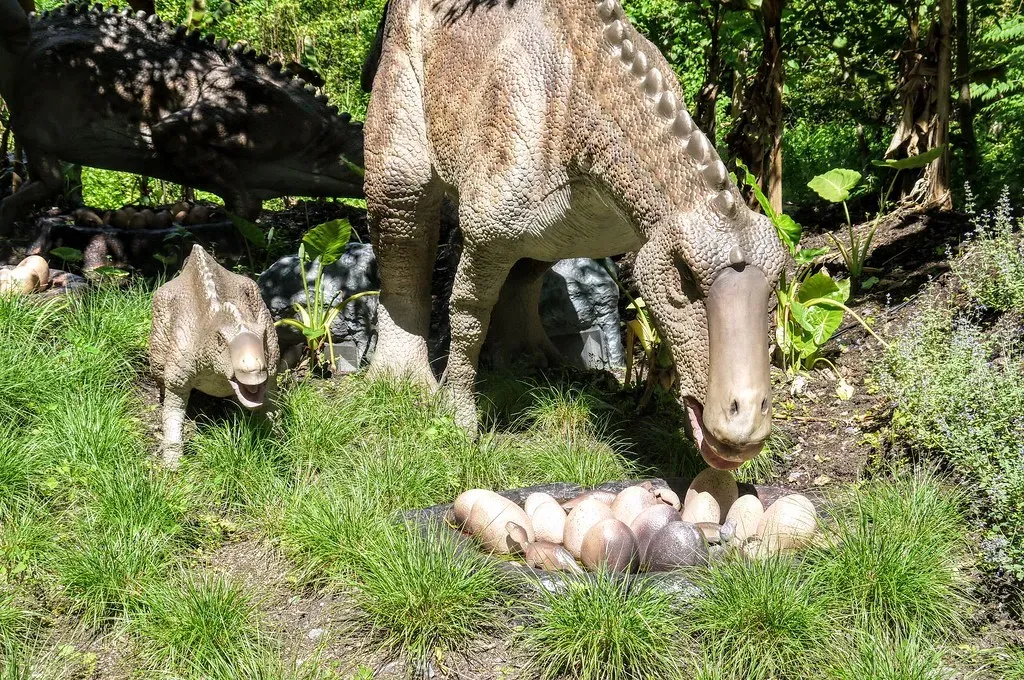
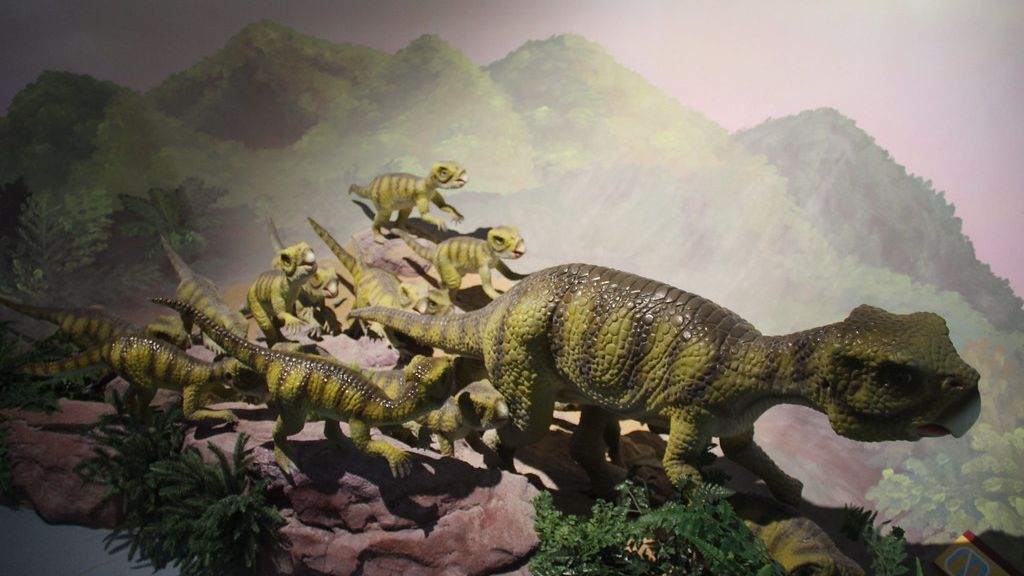
The Maiasaura, commonly known as the “good mother lizard,” is a prime example of dinosaur parental care. These dinosaurs lived during the Late Cretaceous period, around 80 to 75 million years ago, and exhibited remarkable nurturing behaviors. Honestly, it was one of the first discoveries that forced the scientific world to completely rethink its assumptions about dinosaur family life.
In the 1970s, paleontologist Jack Horner discovered what was later dubbed “Egg Mountain” in Montana, a gigantic fossilized nesting site of hundreds of specimens of duck-billed Maiasaura dinosaurs from up to 80 million years ago. This was one of the first findings that helped researchers understand how much some dinosaurs parented even after their babies hatched. Evidence of trampled eggshells suggests that the hatchlings remained in the nest for a while. Along with the shells, plant matter was found in the nests, suggesting parents may have fed the young before they ventured out into the world.
Communal Nesting: Dinosaur “Daycare” Was Real
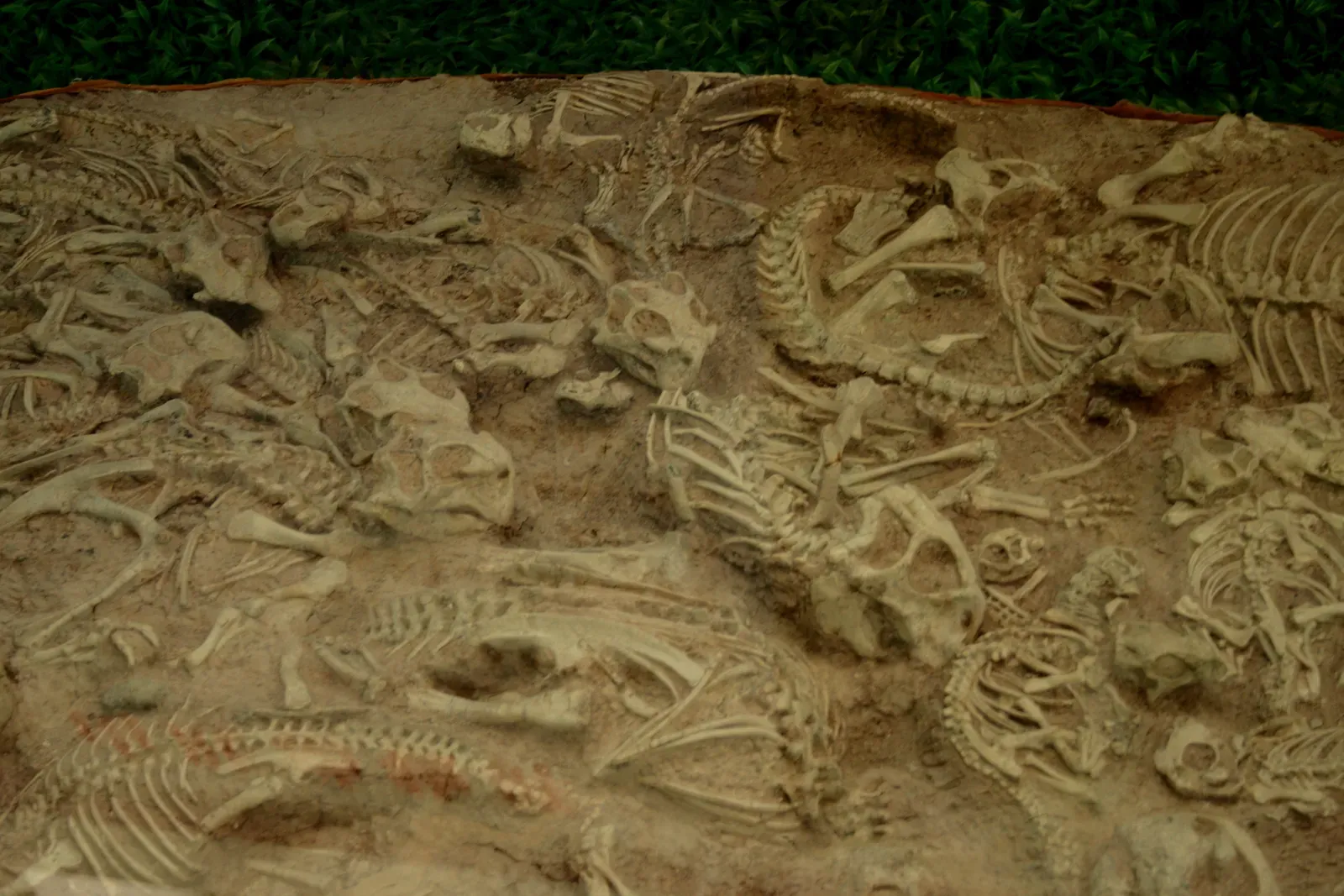
Fossil evidence suggests that Maiasaura parents nested in large colonies, creating a social structure similar to modern-day birds. This communal nesting behavior provided several advantages in terms of protection and care for their hatchlings. It is surprisingly modern when you think about it, almost like a coordinated neighborhood effort to keep the young safe.
Discovered in 1978 in Montana, the fossils revealed communal nesting strategies, where multiple adults laid eggs in proximity, indicating a sophisticated form of community structure suggesting that Maiasaura likely lived in herds. Significantly, Maiasaura behavior reflects their social nature, as they lived in large herds, providing safety in numbers against predators. With an estimated 90% mortality rate for young Maiasaura in their first year, the importance of communal nesting and parental care for hatchling survival becomes starkly clear.
Dinosaur Eggs Came in Colors – and That Tells You a Lot About Parenting
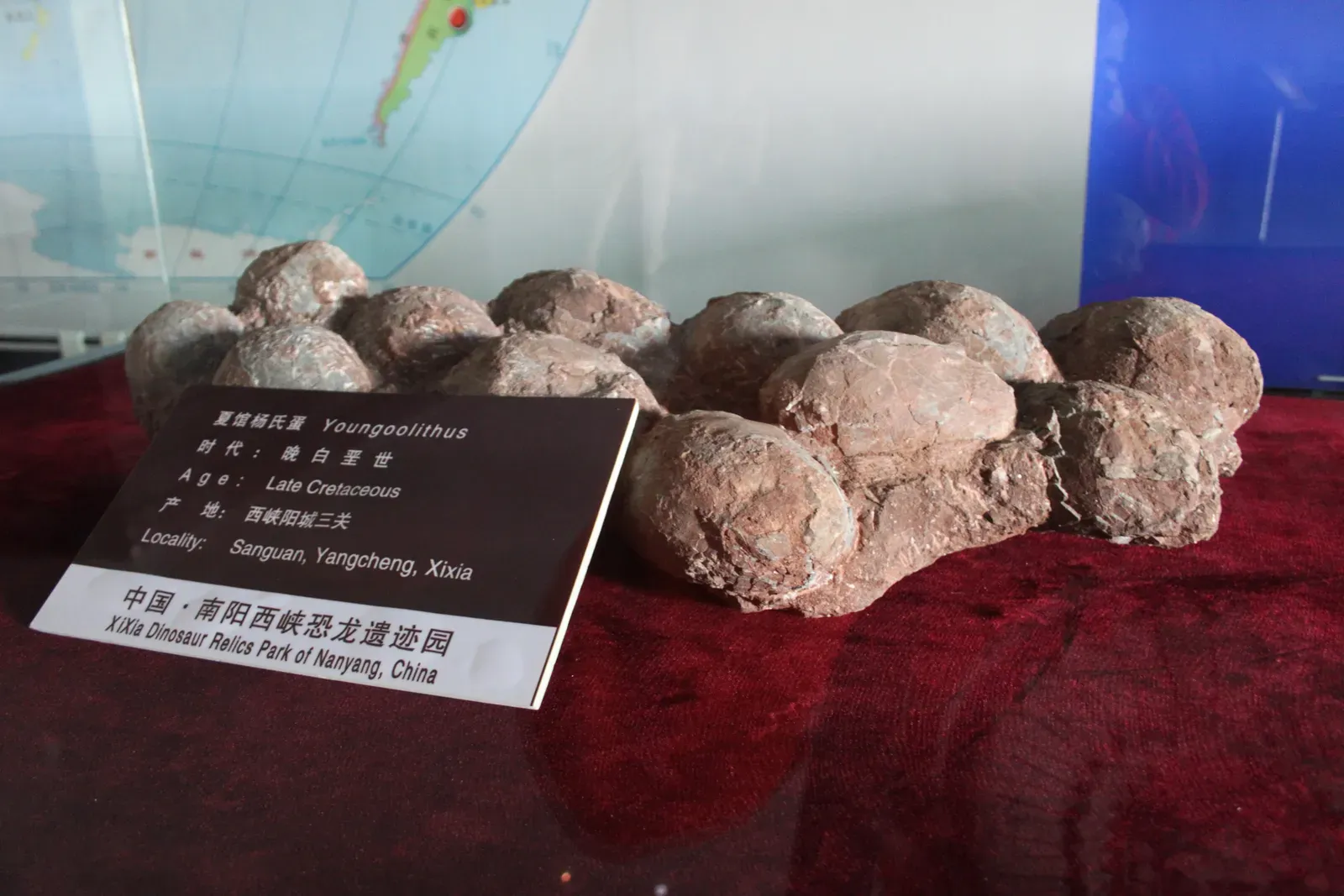
Here is something that genuinely surprised me when I first read about it: dinosaur eggs were not plain white blobs. Molecular paleobiologist Jasmina Wiemann of Yale University published the first evidence of dinosaur egg coloration, using chemical analysis to detect two pigments, blue-green biliverdin and red-brown protoporphyrin, in the eggs of a 70-million-year-old parrot-beaked oviraptorosaur called Heyuannia from China.
Because egg color in birds is associated with complex nesting behaviors, this, along with existing fossil evidence, signals that such advanced parental care may have also taken place among dinosaurs. Modern birds inherited their knack for vibrant eggshells from their dinosaur ancestors, which first gained the trait more than 145 million years ago, according to a study published in the journal Nature. The color was not just decorative. It was a survival tool, camouflaging clutches from predators and signaling parental investment.
Lufengosaurus Hatchlings Needed to Be Fed – Just Like Baby Pigeons
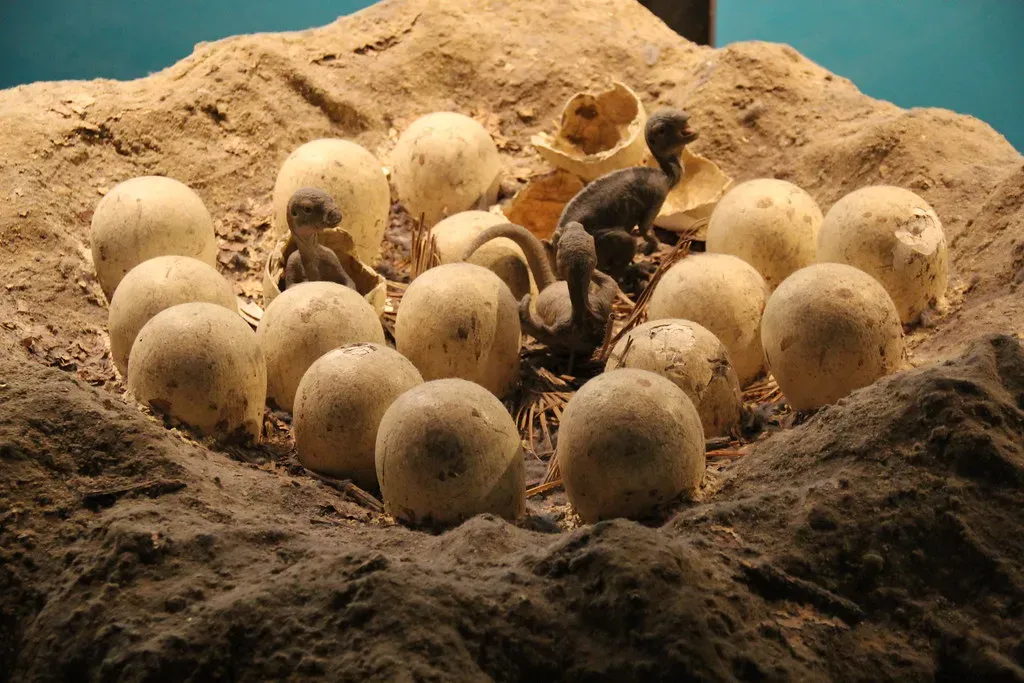
A stunning 2024 study in Scientific Reports changed how we think about very early dinosaur parenting. Researchers compared femora at various embryonic and post-embryonic stages and found that the rate and degree of bone development in Lufengosaurus is closer to that of the highly altricial Columba, a pigeon, than the precocious Gallus, a chicken, providing strong support for the hypothesis that Lufengosaurus was fully altricial. Researchers suggest that the limb bones of Lufengosaurus hatchlings were not strong enough to forage for themselves and would likely need parental feeding.
This approach used a combined morphological, chemical, and biomechanical method to compare early embryonic and hatchling bones of the Early Jurassic sauropodomorph Lufengosaurus with those of extant avian taxa with known levels of parental care. In other words, by studying bone chemistry, scientists could essentially read the parenting style of an animal that lived nearly 200 million years ago. That is nothing short of remarkable science.
Oviraptorids Were Obsessed With Their Eggs
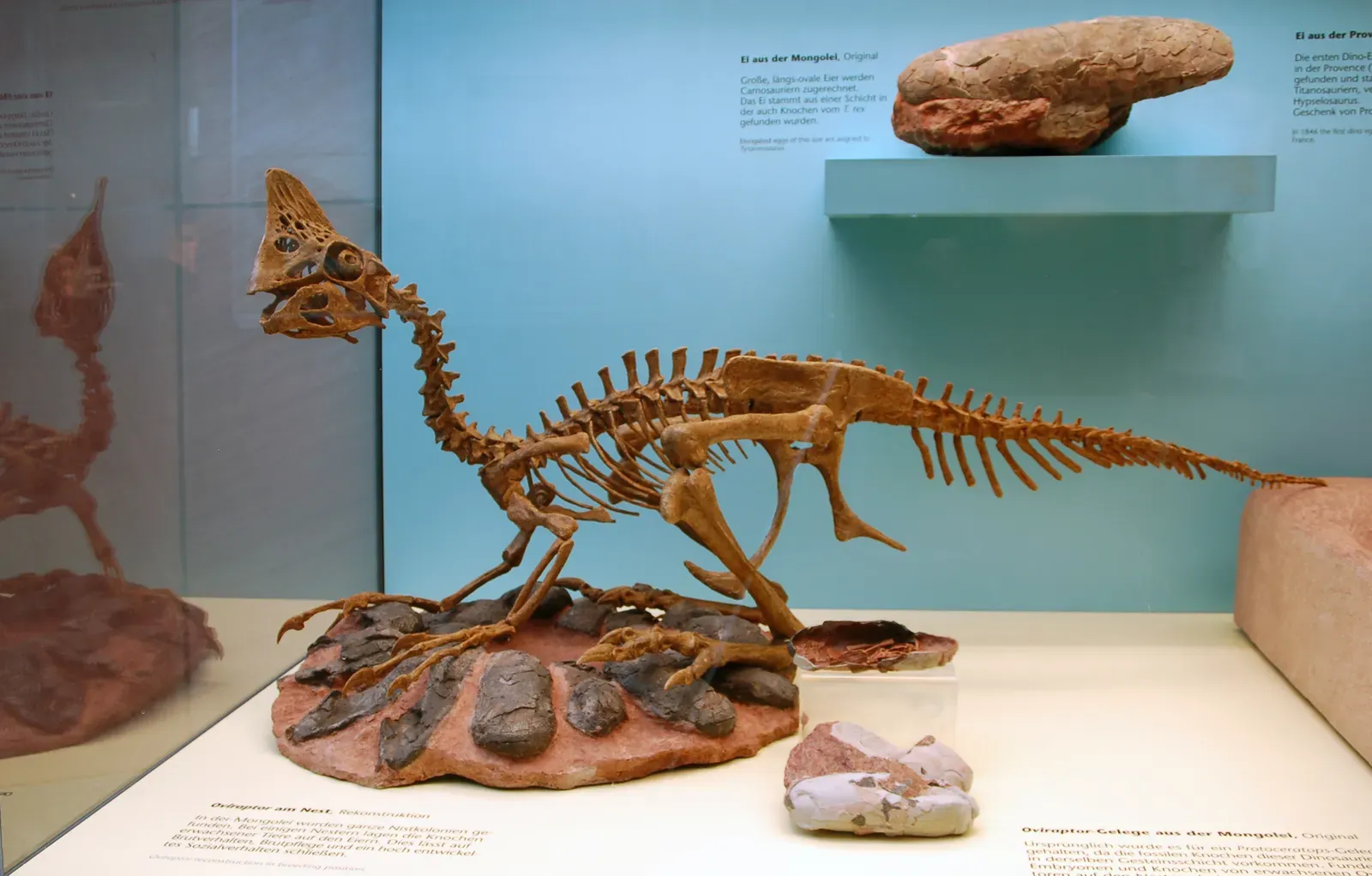
The parrot-like dinosaurs called oviraptorids offer a fascinating window into nest care. Paleontologists have found gorgeous skeletons preserved in a position where they seem to be sitting over nests of eggs. It is tempting to call this brooding, like living birds, though researchers are still examining the full scope of that behavior. Still, the evidence is hard to argue with.
Scientists know from previous finds that oviraptorids laid two eggs at a time in a clutch of 30 or more. This means the mother would have to stay with, or at least return to, the nest, lay her pair of eggs, arrange them carefully in the circle, and bury them appropriately every day for two weeks to a month. Those eggs would have taken months to hatch. While experts are still searching for definitive evidence, parent dinosaurs may have sat with these nests until the hatchling babies pushed their way out of the shells.
The Oldest Known Dinosaur Nesting Site Proves Parenting Goes Way Back
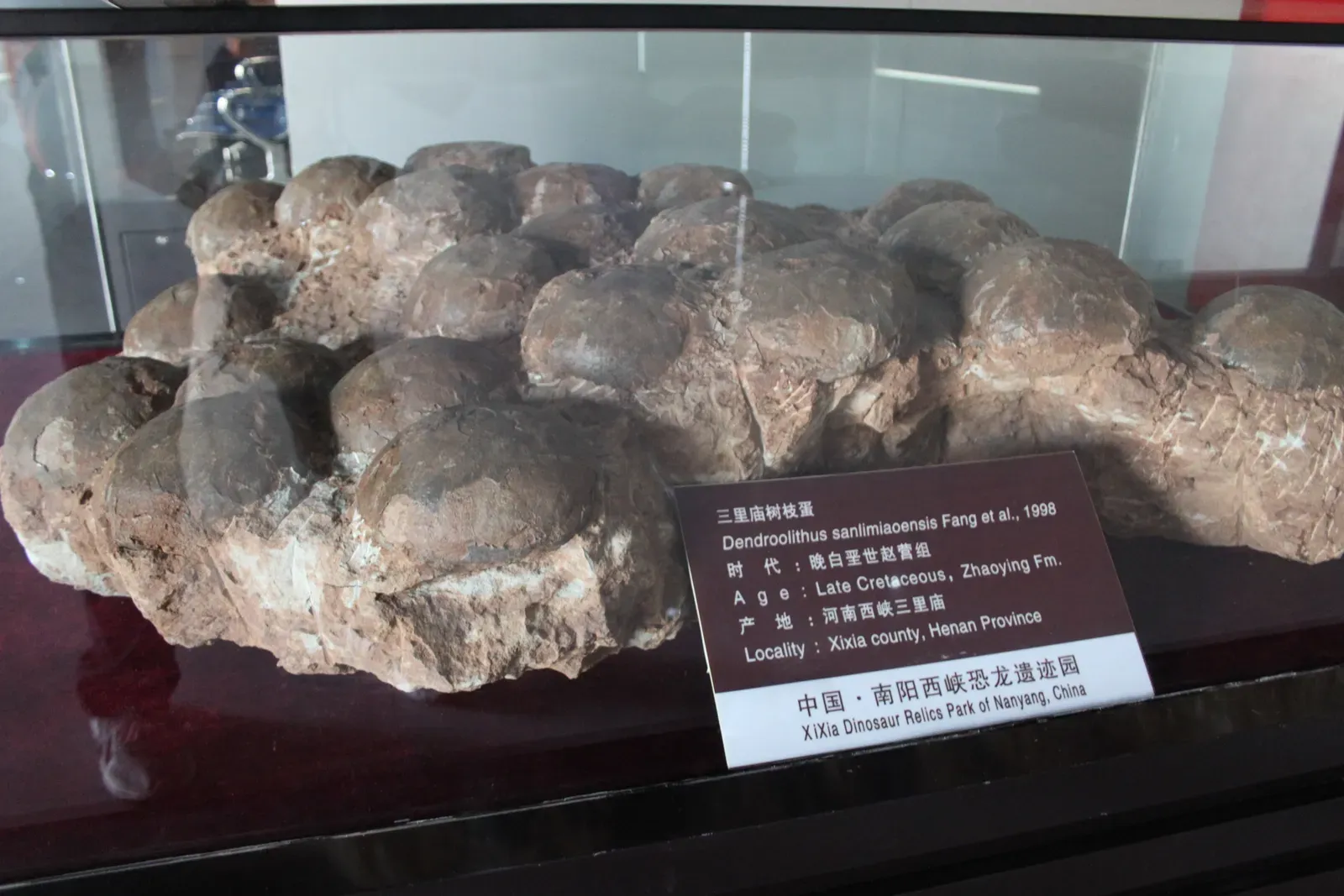
You might assume sophisticated parenting was a late-stage evolutionary development. Think again. An excavation program started in 2006 yielded multiple in-situ egg clutches, documenting the oldest known dinosaurian nesting site, predating other similar sites by more than 100 million years. The presence of numerous clutches of eggs, some containing embryonic remains, in at least four distinct horizons within a small area provides the earliest known evidence of complex reproductive behavior, including site fidelity and colonial nesting in a terrestrial vertebrate.
The oldest known dinosaur eggs date back to the Late Triassic period, approximately 230 million years ago. That is staggeringly ancient. Since the start of the twenty-first century, there has been a notable increase in annual publications focusing on dinosaur reproduction and ontogeny, with researchers using these data to address a range of macroevolutionary questions about dinosaurs. The more you look, the further back the story of dinosaur parenting seems to go.
Some Dinosaurs Were “Free-Range” Parents – and It Shaped Entire Ecosystems
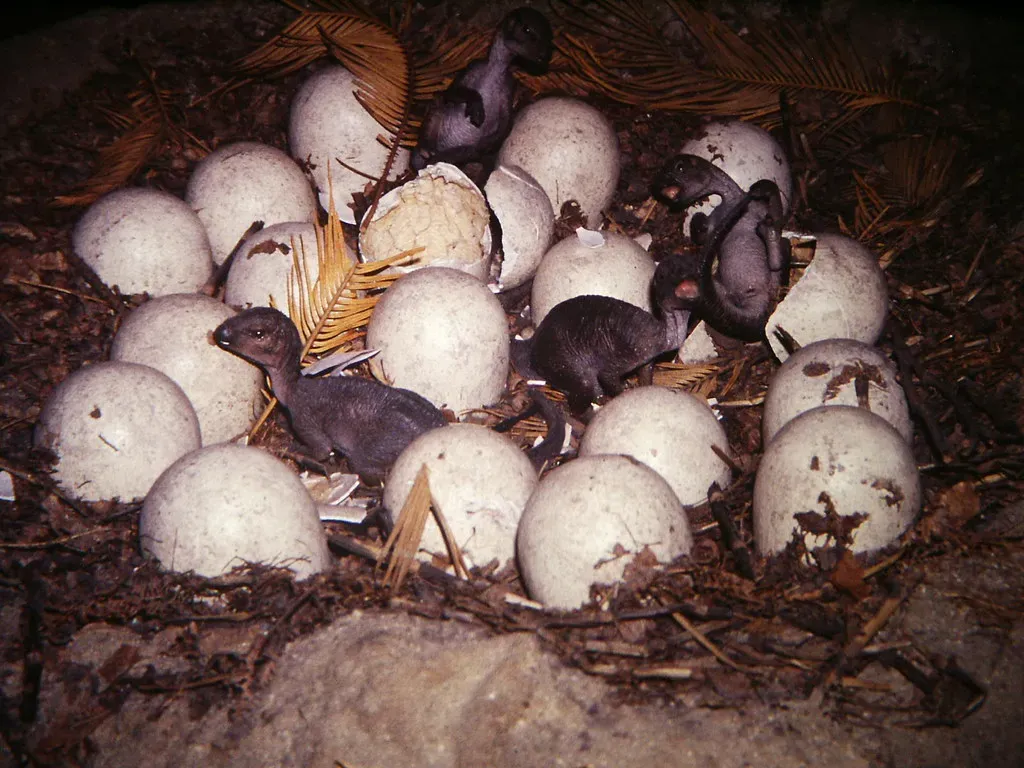
Not all dinosaurs were doting caregivers, and a groundbreaking 2025 study from the University of Maryland revealed something unexpectedly profound about those that were not. Dinosaurs’ free-range parenting style complemented the fact that they hatched eggs, forming relatively large broods at once. Because multiple offspring were born concurrently and reproduction occurred more frequently than in mammals, dinosaurs increased the chances of survival for their lineage without expending much effort or resources. Early separation and the size differences between parents and offspring likely led to profound ecological consequences.
While dinosaurs did provide some parental care, young dinosaurs were relatively independent. After just a few short months or a year, juvenile dinosaurs left their parents and roamed alone, watching out for each other. The difference in parenting strategies could explain why dinosaurs were able to occupy diverse roles within their ecosystems, with juveniles filling niches that were left untouched by the adults. The concept of “niche partitioning” plays a crucial role in this new understanding of dinosaurs.
Dinosaur Egg Porosity Reveals Whether Parents Buried or Brooded
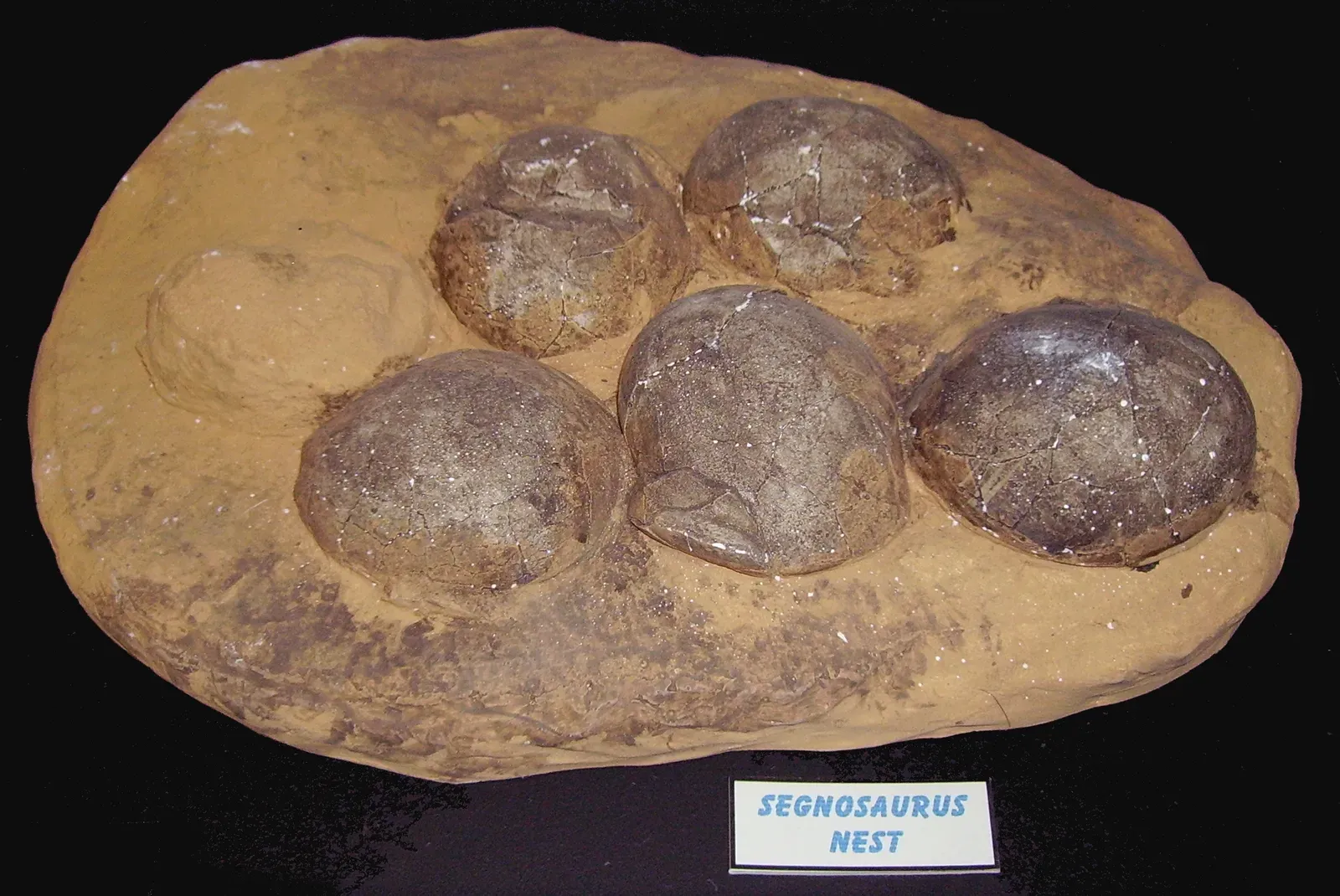
This is one of those details that sounds almost too clever to be true. When looked at under a microscope, fossilized eggs that are more porous are thought more likely to have been intentionally buried by the parent. This burial strategy is mostly seen in modern reptiles as well as megapodes, also known as incubator birds, such as the Australian brush turkey. The pores in an eggshell are essentially a prehistoric diary entry about what the parent did next.
In living archosaurs, which are birds and crocodilians, there are generally two types of nests. Some animals cover their nests entirely and leave them. Others, including the majority of living birds, leave their nests open and incubate the eggs by brooding. These tactics are thought to have been similar for dinosaurs. Egg porosity acts as a key that unlocks that distinction, even across millions of years. It is a little like reading ancient parenting instructions written in stone.
Sauropod Giants Laid Eggs and Walked Away
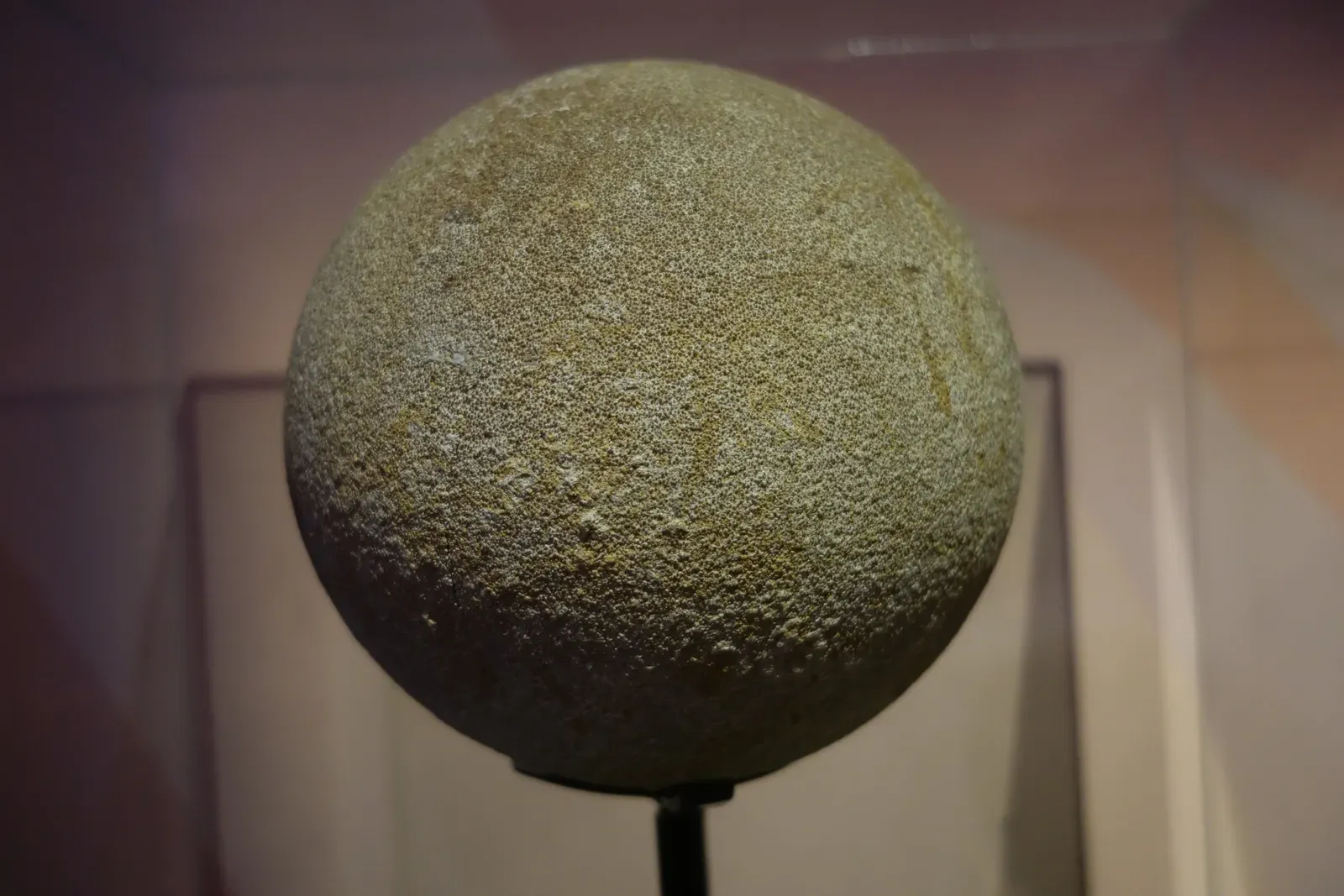
Let’s be real: not every dinosaur parent deserved a “World’s Best Mom” mug. Some dinosaur groups, such as the long-necked sauropods, laid small eggs en masse and buried them, leaving them behind like sea turtles. For context, these are the iconic, towering giants of the Jurassic world, Brachiosaurus and Apatosaurus among them.
Paleontologists have shown parental care in distantly related dinosaurs, but for some groups like sauropods, there is no evidence of post-laying care. Paleontologists have found their expansive nesting grounds, including some sites where dinosaurs laid eggs in areas that were warm with geothermal activity, perhaps to incubate the offspring. Researchers have no evidence that the parents stuck around. It is a fascinating contrast. The biggest animals that ever walked the planet were also, apparently, some of the most hands-off parents in Earth’s history.
Juvenile Dinosaurs Functioned as Entirely Different Species
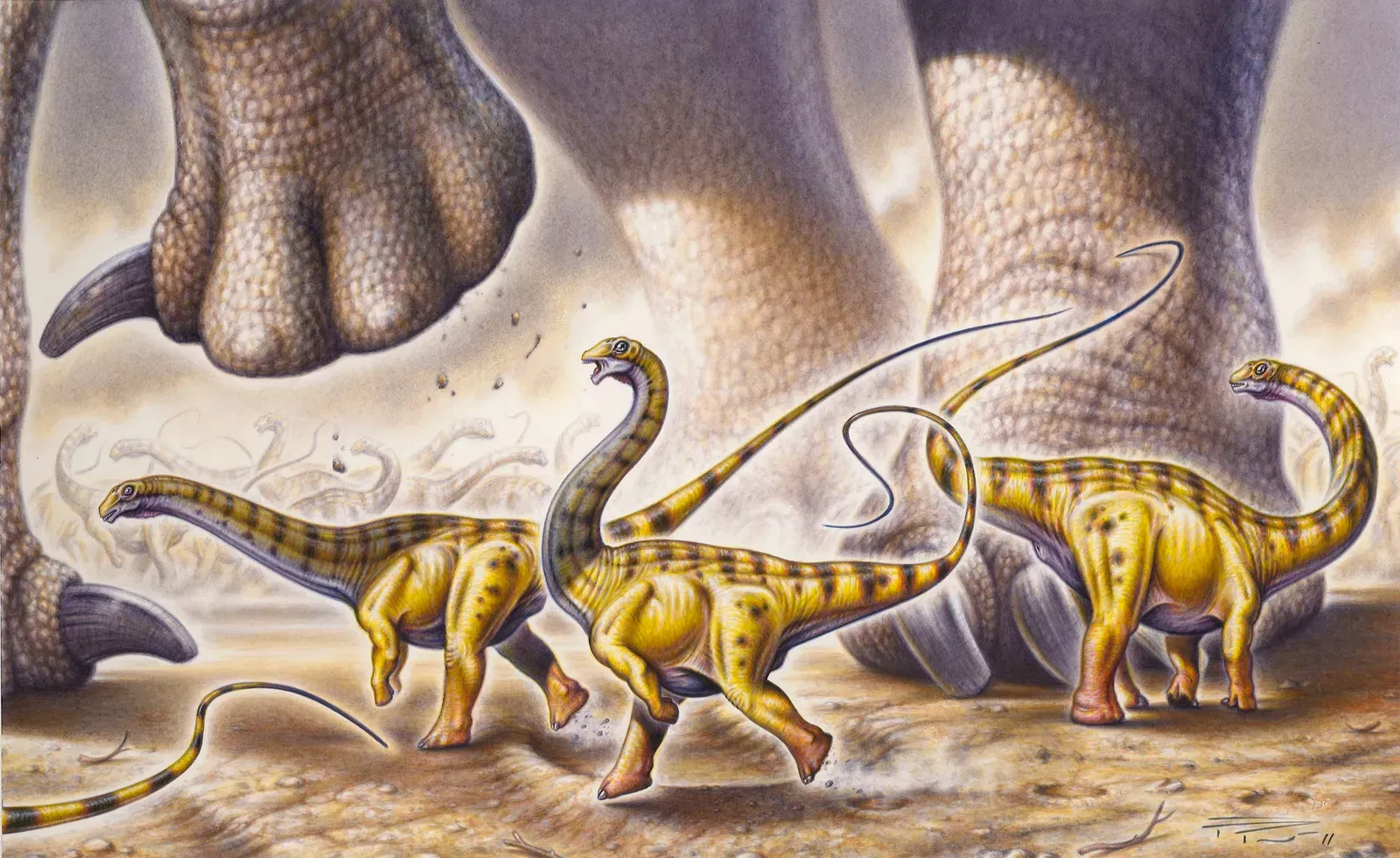
One of the most mind-bending recent discoveries is not just about how dinosaurs parented, but what happened when parenting stopped. Over different life stages, what a dinosaur eats changes, what species can threaten it changes, and where it can move effectively also changes. While adults and offspring are technically the same biological species, they occupy fundamentally different ecological niches. For example, a juvenile Brachiosaurus the size of a sheep cannot reach vegetation 10 meters above the ground like a grown-up Brachiosaurus. It must feed in different areas and on different plants and face threats from carnivores that would avoid fully grown adults.
This life history strategy, combined with large broods and rapid growth, resulted in greater functional species diversity within dinosaur communities compared to mammals. Ancient ecosystems likely supported this diversity through higher plant productivity and possibly lower dinosaur metabolic rates. In short, because dinosaur parents let go quickly, the world became more ecologically rich and complex. The “latchkey kid” lifestyle of juvenile dinosaurs was not neglect. It was a masterpiece of evolutionary strategy.
Troodontids Developed One of the Most Advanced Nesting Strategies in Prehistory
The spectacular nesting Citipati fossil provides some of the most remarkable evidence of how these dinosaurs incubated their eggs. The large adult skeleton is preserved at the center of a ring of eggs, with its arms wrapped around the precious clutch. This Citipati parent was shielding the eggs when it perished in a sandstorm. The eggs are widely spaced, and it appears the adult avoided sitting directly on top of them, possibly to prevent crushing them. Oviraptorids like Citipati seem to have covered their nests with their feathered arms to insulate them, but avoided direct body contact.
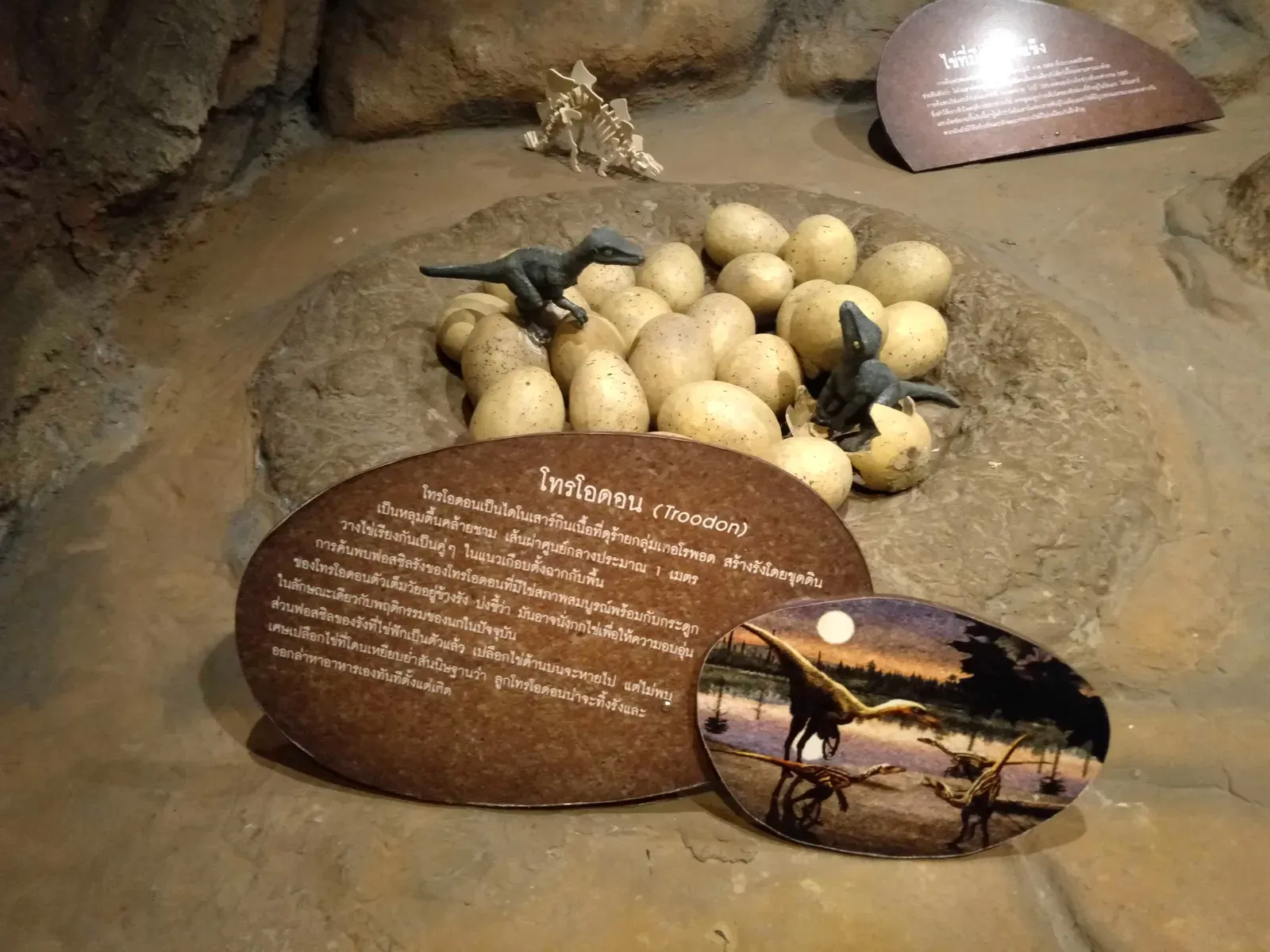
Troodontids, which occupy a branch closer to birds on the evolutionary tree, developed even more advanced nesting strategies. Troodontid nests from North America show an arrangement with the eggs closer to the center. This would allow the brooding parent to cover the entire clutch directly with its belly, warming the eggs using a behavior known as contact incubation, just as most modern birds do. You could argue that in terms of nesting sophistication, troodontids were one evolutionary step away from being a modern bird. It is hard not to find that extraordinary.
Conclusion: Ancient Parents, Modern Lessons
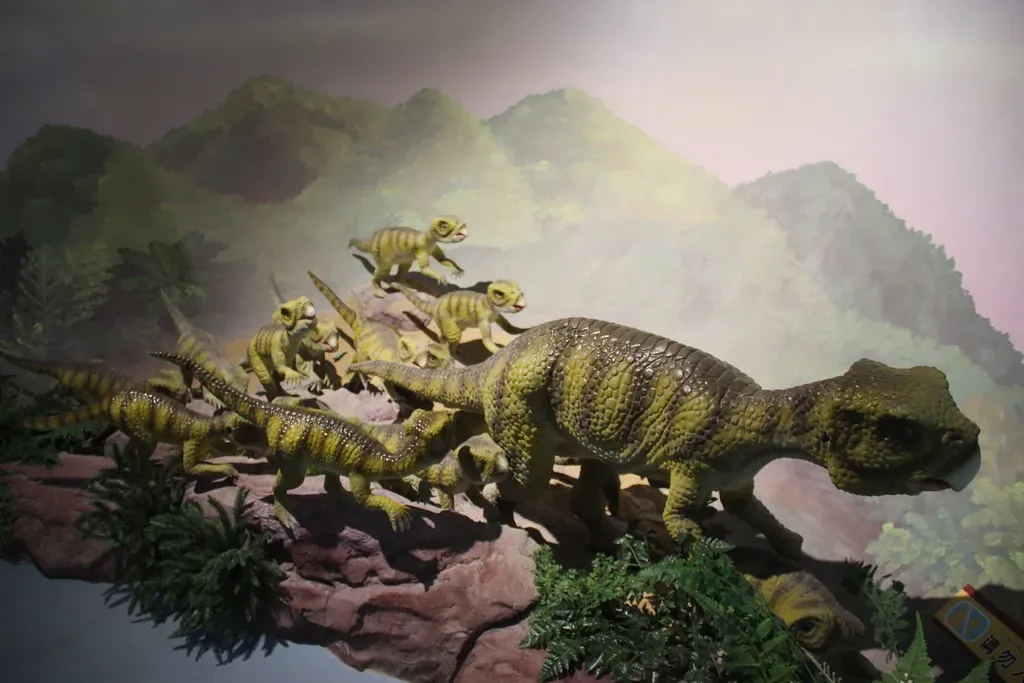
What all of this tells you is that dinosaur parenting was not a single, uniform strategy. It was a spectrum, ranging from the fiercely devoted oviraptorids who died curled over their nests, to the massive sauropods who trusted geothermal heat to do the job. Fossil nests and eggshells have revealed that some dinosaurs exhibited parental care, including incubation and protection of young. This behavior is particularly evident in bird-like theropods. The level of parental investment in dinosaur offspring likely varied among different species. Some may have provided extended care, while others may have abandoned their young shortly after hatching.
What makes all of this so captivating is not just the science. It is the realization that tenderness, protection, and the fierce urge to keep your offspring alive are not uniquely human traits. They are ancient beyond imagination, written in bones and buried nests long before our species ever existed. Every new fossil is another chapter of a family story that started over 200 million years ago. Which of these discoveries surprised you the most? Drop your thoughts in the comments below!