If you’ve ever stared at the ocean and wondered what might once have lurked in the deep, the megalodon is the creature that turns that curiosity into a shiver. This giant shark was not just big; it was the heavyweight champion of prehistoric seas, a predator so extreme that even modern great whites look modest next to it. Yet, for all its fame, what you truly know about megalodon is probably just the tip of a very large, very toothy iceberg.
What makes this extinct shark so fascinating is how much you can learn from so little. You do not have a single complete skeleton, only scattered bones and teeth the size of your hand or bigger. From this fragmentary evidence, scientists have pieced together a picture of an animal that reshaped entire ocean ecosystems. As you walk through these twelve facts, you will see that the real megalodon is stranger, more complex, and in many ways even more impressive than the movie monster version.
1. You’re Dealing With the Largest Macropredatory Shark Ever Known
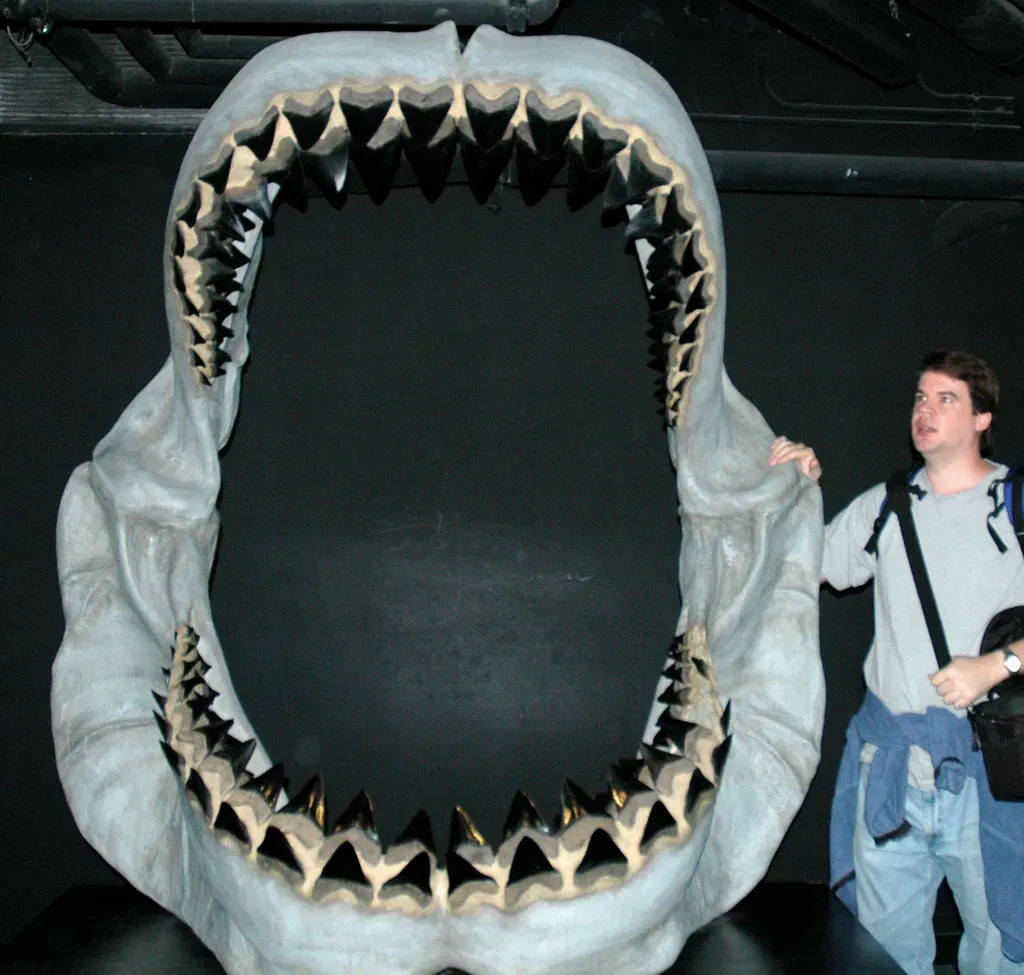
When you picture megalodon, you probably imagine something massive, but the reality might still catch you off guard. Based on tooth and vertebrae studies, recent research suggests that the very largest individuals may have reached around twenty to twenty‑four meters in length, with some cautious estimates exploring the upper twenties in meters for extreme outliers. That would make it comfortably larger than any known predatory shark, and likely heavier than a loaded passenger jet when you consider mass estimates that run into many tens of tons.
Most individuals, though, were probably smaller than the record‑breakers, falling in the ballpark of ten to fifteen meters, still several times the length of the average great white. You can think of the true giants as the oceanic equivalent of legendary oversized tigers or bears: exceptional, but possible. Even at those more typical sizes, you’re looking at an animal that could easily swallow you whole by accident, the way you might swallow a small seed without noticing.
2. You Can Read Its Story Almost Entirely Through Its Teeth
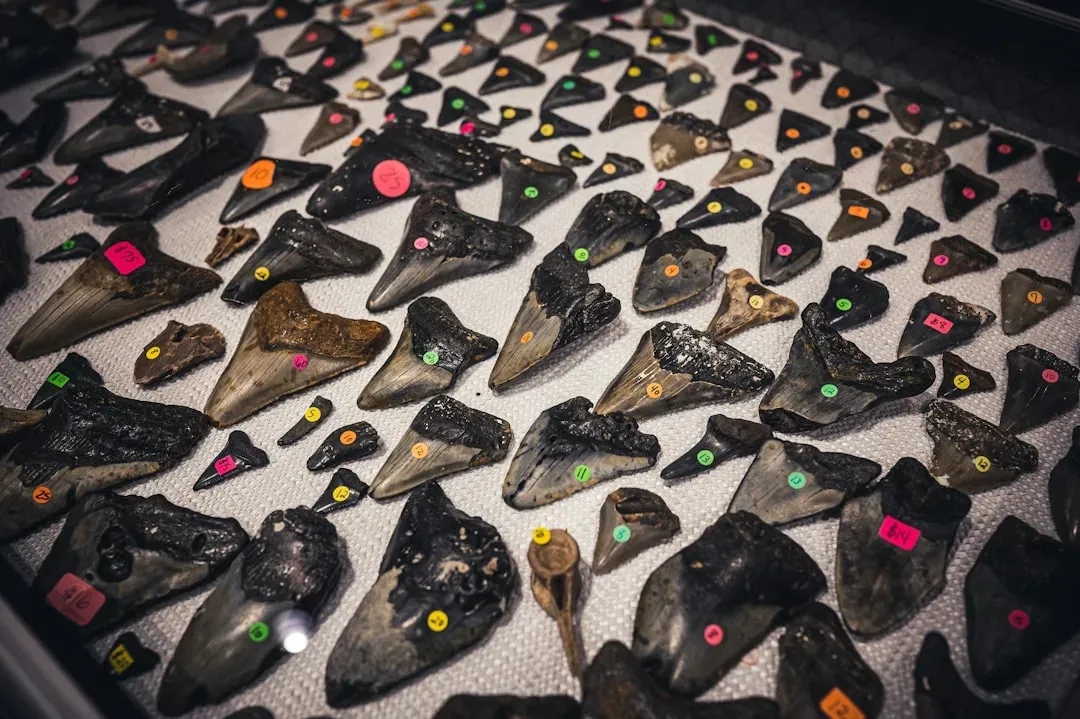
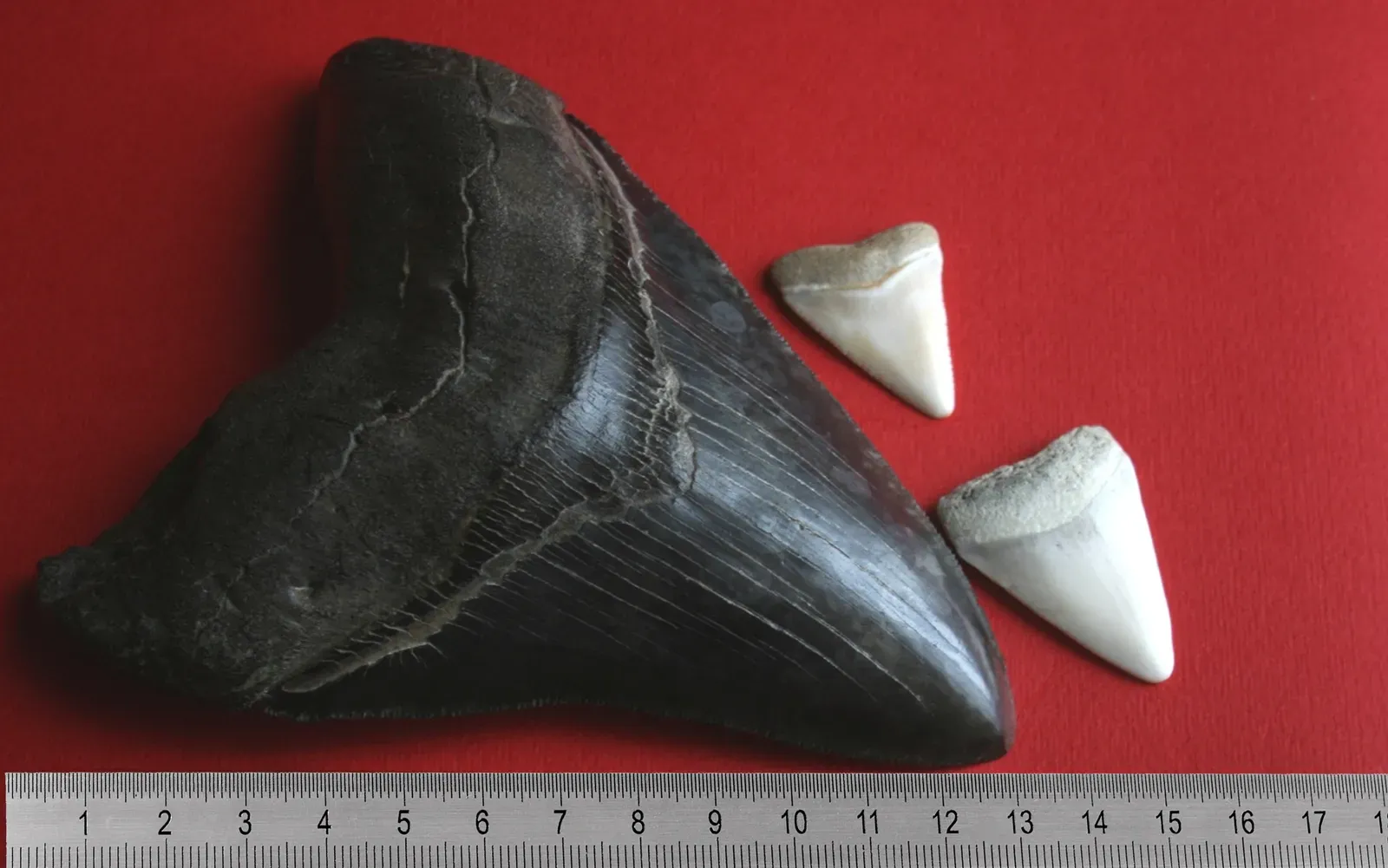
If you tried to reconstruct megalodon the way you might reconstruct a dinosaur skeleton in a museum, you would quickly hit a wall. Shark skeletons are made mostly of cartilage, which does not fossilize easily, so what you actually have in abundance are teeth and a few rare vertebrae. That means almost everything you know about the size, growth, and even behavior of this shark comes from those serrated, triangular teeth. Their crown height, width, and shape are compared with modern relatives to estimate total body length and proportions.
The teeth themselves tell you more than just size. Fine serrations suggest a design for slicing through flesh and bone, while wear patterns and embedded teeth in fossil whale bones reveal feeding habits. When you hold a megalodon tooth in your hand, you are not just holding a big fossil; you are holding the main data set for an entire extinct super‑predator. Imagine trying to figure out an elephant only from its tusks and a few backbone pieces – yet, somehow, that is basically what you are doing here.
3. You’re Looking at One of the Strongest Bites in Animal History
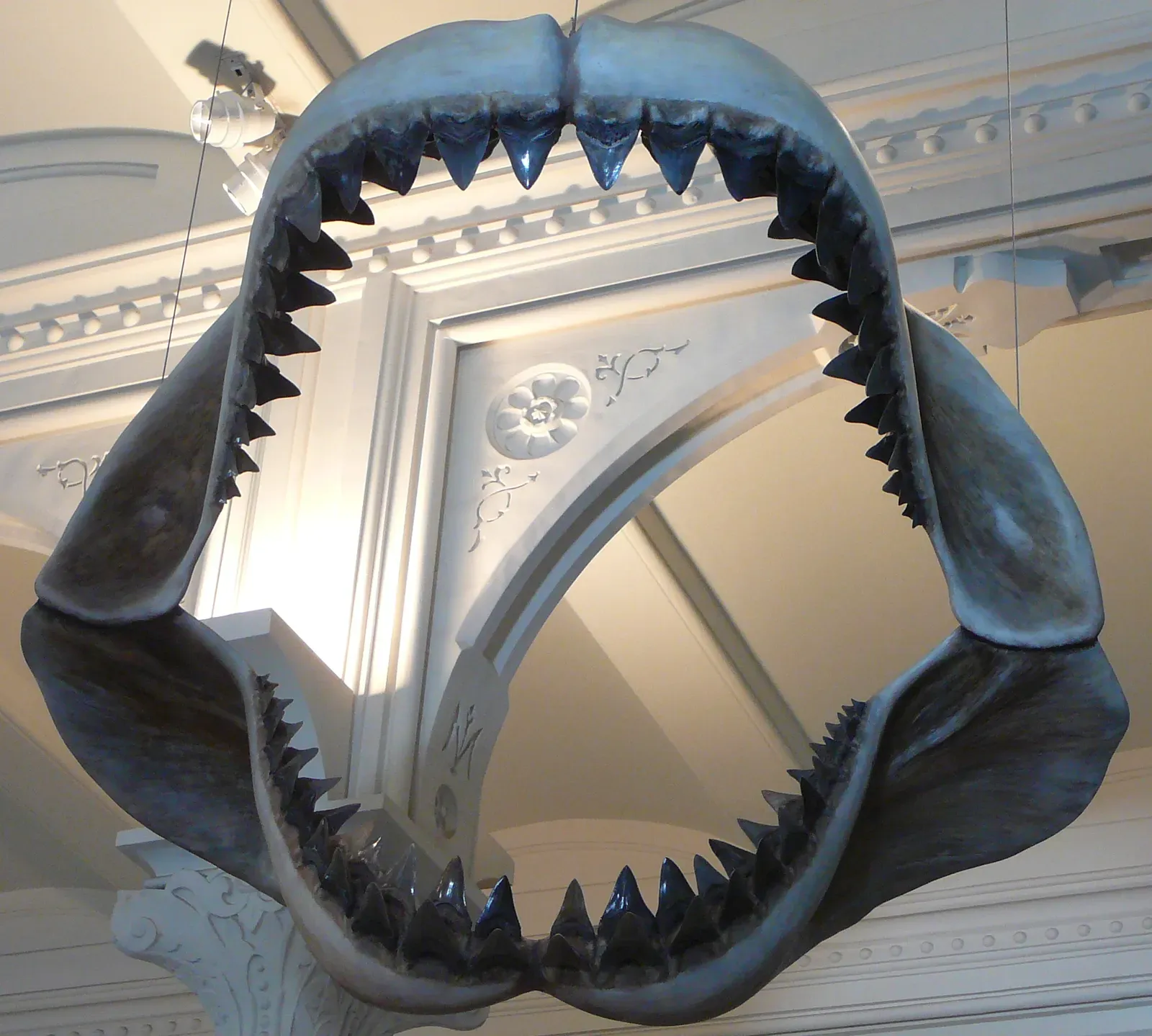
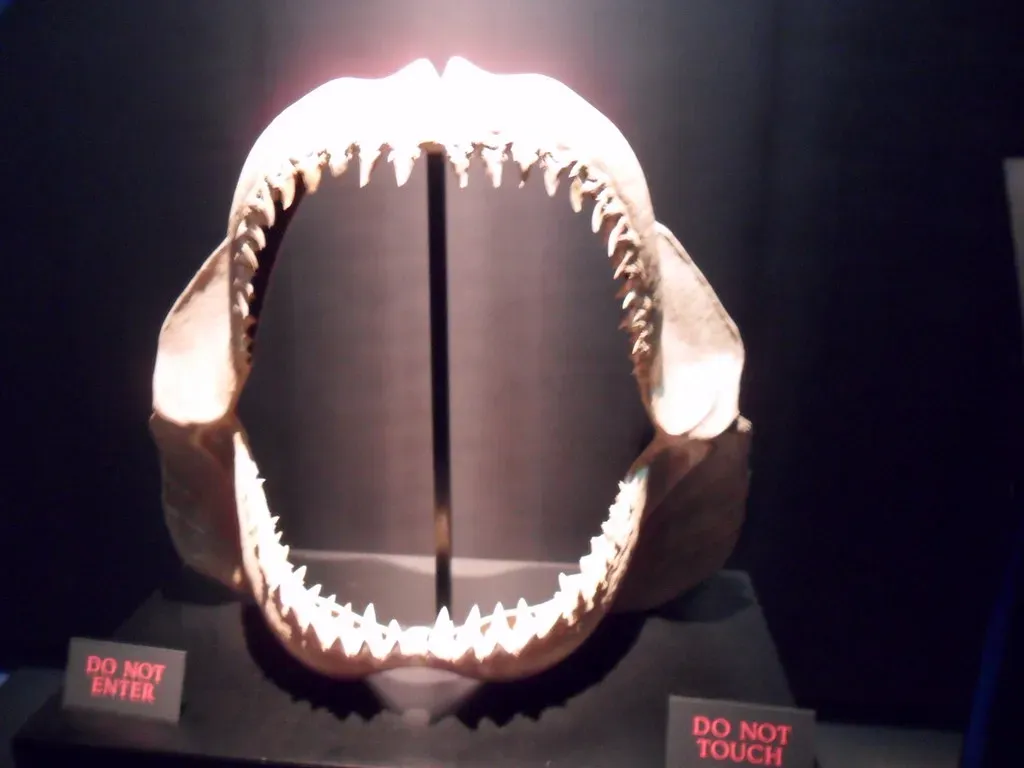
If you could somehow stand inside a gigantic laboratory tank and measure megalodon’s bite, the numbers would be almost absurd. Biomechanical models based on jaw reconstructions and scaling from living sharks suggest that its bite force reached over one hundred thousand newtons and possibly closer to nearly two hundred thousand in the most powerful bites. To translate that, you are talking in the range of tens of thousands of pounds of pressure, far beyond what you could even picture from a human jaw.
To compare, a great white shark is already frightening, but megalodon’s bite may have been several times stronger, and many times that of large terrestrial predators like big cats or even the famous tyrannosaur. With that kind of force, crushing thick whale ribs or severing large chunks of bone would have been routine. When you imagine it feeding, think less of a precise, surgical strike and more of a hydraulic press powered by muscle and momentum, turning solid skeleton into splintered debris in seconds.
4. You’re Meeting a Specialist in Hunting Whales and Marine Mammals
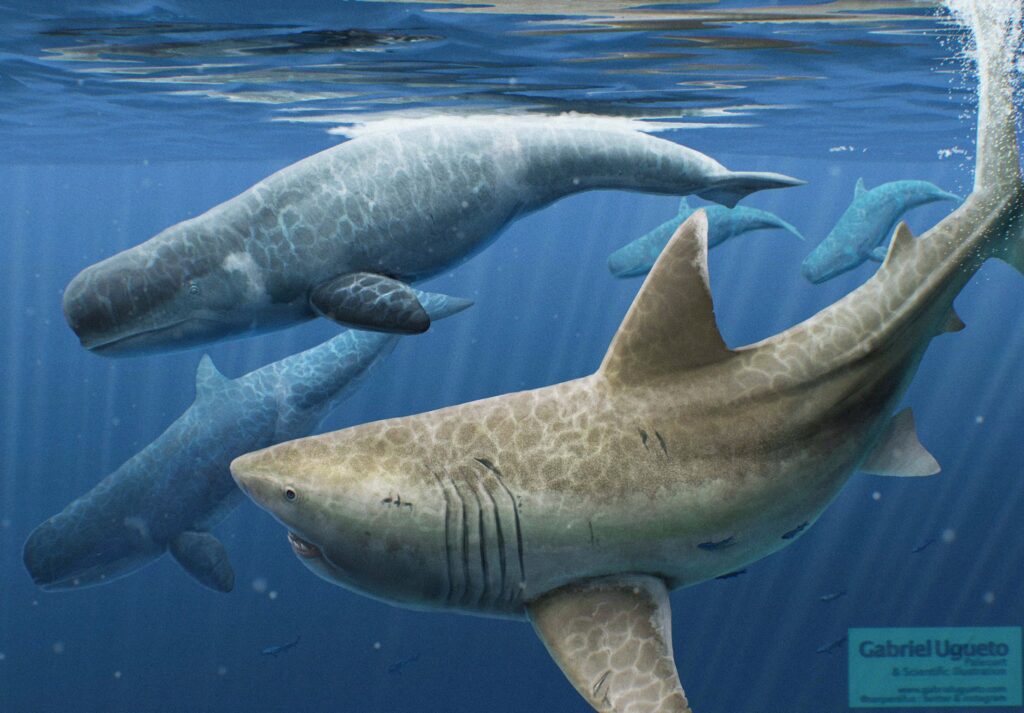
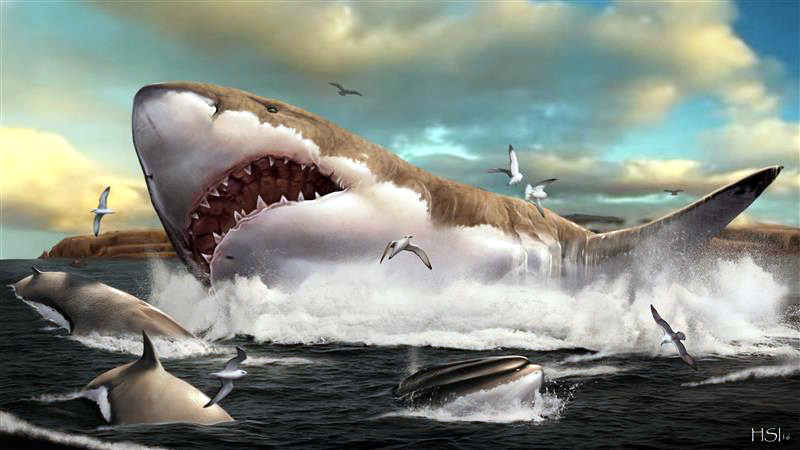
When you ask what megalodon ate, the fossil record answers in a way that is both clear and unsettling: whales were on the menu. Many fossil whale bones show deep, curved gouges that match megalodon tooth size and shape, and in some cases, teeth are actually found lodged in the bones. This tells you it did not just scavenge; it actively attacked large, warm‑blooded prey. Marine mammals such as early baleen whales, toothed whales, sea cows, seals, and even large sea turtles likely all felt its impact.
Its size, bite force, and tooth design fit together like pieces of a puzzle, pointing toward a lifestyle centered on large prey. You can imagine it striking from below or behind, targeting flippers or the underside to disable a whale quickly, then returning to finish the job with shear‑like bites. In an ancient ocean filled with big marine mammals, megalodon was not just another predator; it was the one shaping the behavior and evolution of the prey around it, the way modern orcas influence where whales travel today.
5. You’re Seeing a Shark That Ruled Warm Seas All Over the World
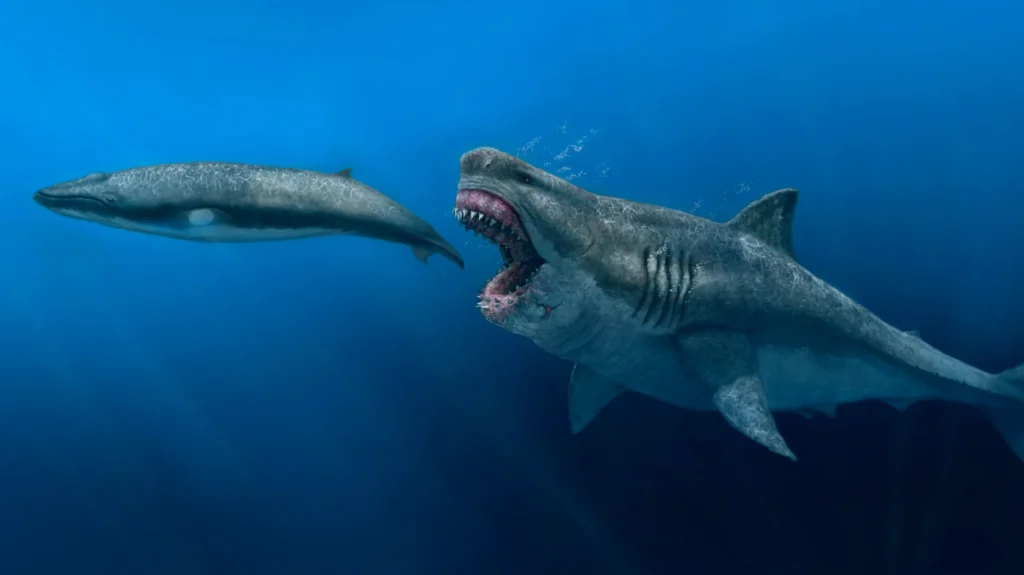
If you think of megalodon as a local oddity from one fossil hotspot, you are underestimating it. Teeth have been found on almost every continent, from the coasts of the Americas to Europe, Africa, Asia, and Oceania, which means this shark swam in a truly global range. It favored warm, temperate to subtropical waters and seems to have avoided the coldest polar regions, but within those bounds, it was widespread. You are essentially looking at a top predator that could have appeared in almost any warm sea on Earth during its time.
This global reach also hints at how flexible and powerful its life strategy had to be. To maintain populations across such huge distances, it likely followed migration routes of large whales, used productive coastal regions for feeding, and roamed offshore when opportunities demanded it. If you picture the ancient oceans as a network of highways, megalodon was like an apex trucker always on the move, tracking where the big cargo of blubber and meat was going to be next.
6. You’re Learning That Baby Megalodons Were Already Terrifyingly Big
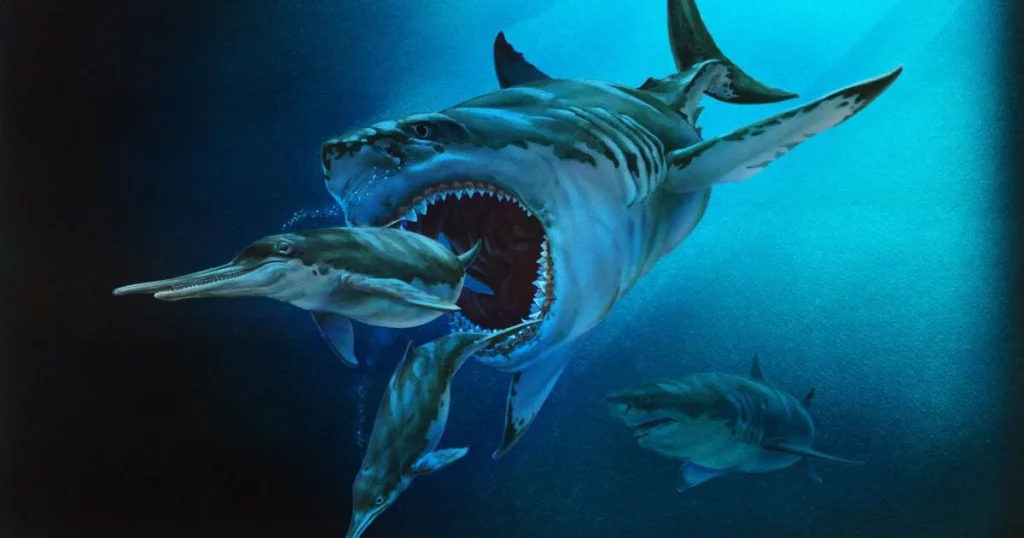
One of the more surprising findings about megalodon is just how large it seems to have been at birth. Studies that looked at growth rings in fossil vertebrae suggest newborns may have measured around three and a half to nearly four meters long. That means a megalodon pup could already be about the size of a modern adult great white shark at the moment it entered the open ocean. You are not starting life as a small, vulnerable minnow; you are starting as a mid‑sized predator right away.
Evidence also suggests that, like some modern sharks, megalodon may have been ovoviviparous, giving birth to live young that developed inside the mother after feeding on unfertilized eggs. This strategy favors producing fewer, larger, and more competitive offspring. When you consider that such a pup still had to survive in a sea full of other sharks and growing whales, its already impressive size makes sense. You can almost see the evolutionary reasoning: start big or do not survive at all.
7. You’re Seeing Hints of Megalodon Nurseries in Ancient Shallow Seas
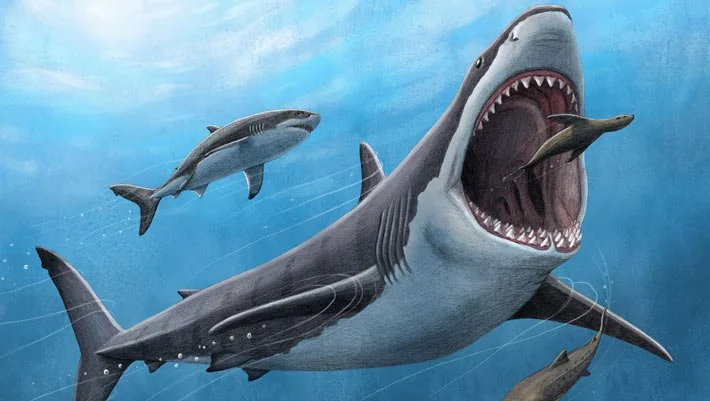
When you look at fossil sites with unusually high numbers of smaller megalodon teeth, a pattern appears. Several coastal formations in places like Panama, parts of North America, and other warm shallow regions show tooth size distributions that skew strongly toward juveniles. Many researchers interpret these spots as ancient nursery areas, shallow, productive waters where young sharks could grow with somewhat reduced risk from larger predators, even including their own species.
Not everyone agrees on how essential these nurseries were, but the idea fits with what you see in some modern shark species, which also use sheltered coastal zones for their young. For you, the interesting part is that this behavior would make megalodon’s life cycle feel familiar: adults patrolling deeper or more open waters, while youngsters stayed closer to shore. Next time you walk along a warm beach and look out to sea, you can imagine ancient juveniles once doing laps in roughly the same kinds of environments.
8. You’re Watching Size Estimates Evolve as New Fossils and Methods Appear
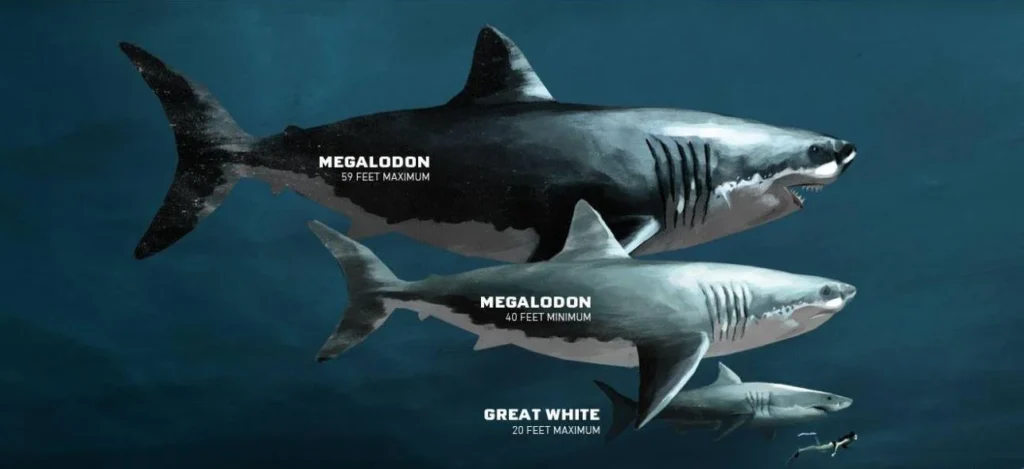
If you have ever noticed wildly different numbers for megalodon’s maximum length, you have stumbled into an active scientific debate. Early estimates often relied on simple tooth‑to‑length formulas derived from modern great whites, which produced maximum lengths around fifteen to eighteen meters. Newer approaches using more sophisticated scaling and rare vertebral columns have pushed some upper estimates into the low‑to‑mid twenties in meters, with a few studies exploring scenarios beyond that while stressing the uncertainty.
For you, the key takeaway is not that there is one “magic” number, but that science is refining its answers as new data appear. You would be right to be skeptical of extreme claims on either end: both very small and very enormous outliers tend to fall away under closer examination. What holds up consistently is that megalodon was bigger than any living predatory shark, probably reaching well over ten meters routinely, with a small fraction of individuals pushing into the true giant category that captures your imagination.
9. You’re Learning That Megalodon Is Not Just a Scaled‑Up Great White
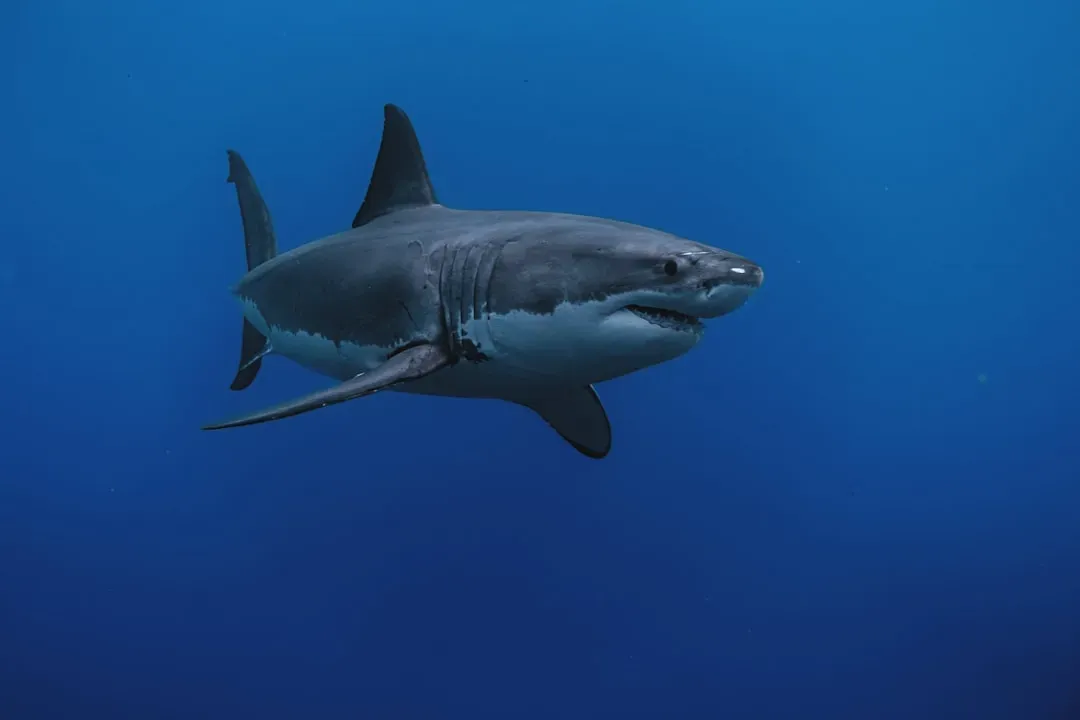
For many years, artists and even some scientists depicted megalodon as basically a great white shark enlarged to monster proportions. Modern work on tooth morphology, evolutionary relationships, and body modeling has shifted that picture. Megalodon is now placed within the Otodontidae family, making it more distantly related to the great white than older classifications suggested. Its overall body shape may have been somewhat different too, perhaps more robust or differently proportioned along the trunk and fins.
To you, this means that using a great white as your mental template is only a rough starting point, not a precise guide. Features like tail shape, body depth, and head profile may have diverged in ways that fit megalodon’s specific lifestyle of chasing and overpowering large whales in warm seas. It is a bit like comparing a modern wolf to an extinct dire wolf: related enough to see the family resemblance, but distinct enough that copying one to represent the other would be misleading.
10. You’re Confronting a Complex, Multi‑Cause Extinction Story
It is tempting to look for a single dramatic cause for megalodon’s disappearance, but the reality you see in the fossil and climate records is messier. This shark lived roughly from the early Miocene into the Pliocene, and appears to have died out by around three and a half million years ago, give or take, based on the youngest reliable teeth. During that time, Earth’s climate cooled, sea levels shifted, and ocean circulation changed, affecting where warm, productive waters existed and how prey species migrated.
At the same time, some of the marine mammals that megalodon depended on declined or changed their distribution, and new competitors such as early orcas and large predatory whales emerged. You end up with a picture where cooling oceans, shrinking or shifting prey, and rising competition all chipped away at its dominance. For an animal that needed enormous amounts of food and favored warmer waters, those combined pressures may have been a deadly squeeze. Instead of a sudden catastrophe, you are likely looking at a slow, grinding collapse of a once‑unassailable empire.
11. You’re Discovering Why Megalodon Is Almost Certainly Not Hiding in Today’s Oceans
Every so often, you might see a viral claim or docudrama hinting that megalodon still prowls the deep, but the evidence says otherwise. A predator of that size would need vast numbers of large prey and would shed countless teeth across its range. Modern oceans are heavily studied, both by scientists and by fishing fleets, and yet no fresh megalodon teeth, carcasses, or unmistakable bite marks on whales have ever turned up. For a creature this big, absence of evidence really does start to become meaningful evidence of absence.
On top of that, you now have relatively detailed records of marine ecosystems over the last few million years, including fossils and chemical signatures that track major predators. Megalodon simply disappears from that record and never comes back, while other large sharks and whales clearly leave their traces. It is fun to imagine a hidden giant in the abyss, but if megalodon were still out there, the signs in stranded whales, fishing catches, and modern sediments would almost certainly have given it away by now.
12. You’re Seeing How a Real Animal Became a Cultural Giant
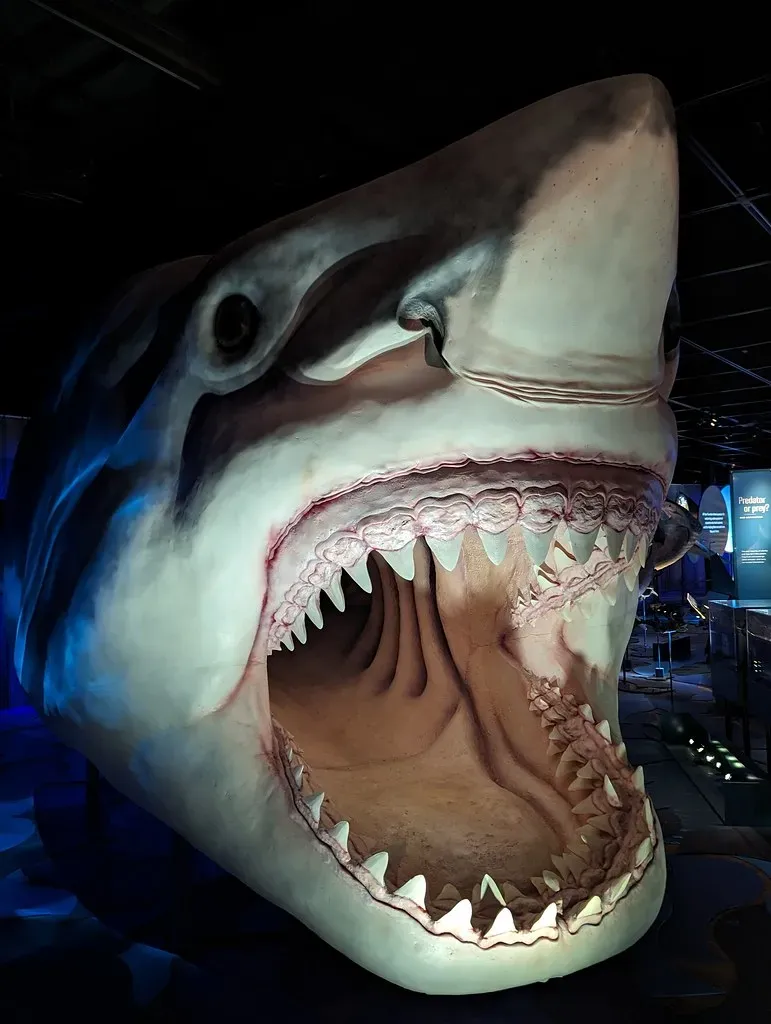
Even though you only know it from fossils, megalodon has taken on a second life in your imagination and in popular culture. Movies, novels, games, and internet legends have turned it into a kind of marine dragon, an embodiment of the ocean’s hidden power. The thrilling part is that the real animal does not actually need exaggeration: an apex shark longer than a bus, crunching whales for a living, is already more intense than most fictional monsters. You are dealing with a case where reality came very close to myth all by itself.
For you personally, that might be part of the draw: megalodon sits right at the intersection of science and story. On one side, you have careful measurements, growth ring counts, and biomechanical models; on the other, you have that primal feeling you get when you stand at a dark shoreline and imagine something enormous moving below the waves. You are not just learning about a fossil species; you are wrestling with the idea that Earth once hosted predators that would make even your modern oceans feel small.
Conclusion: What the Megalodon Really Tells You About the Ocean
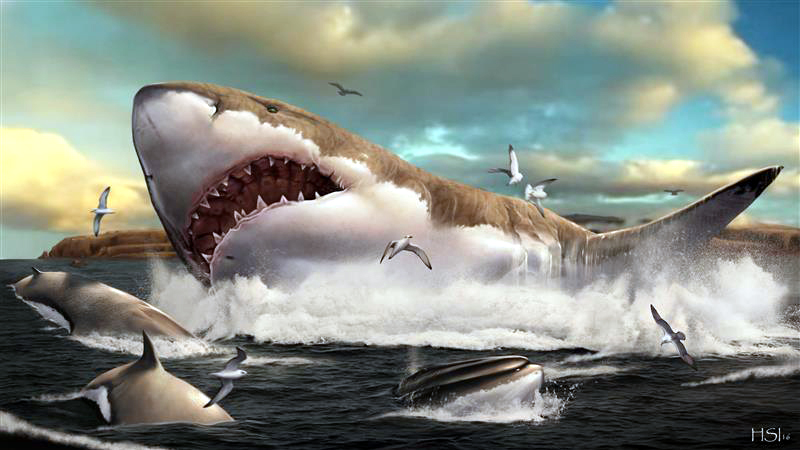
When you step back from the teeth, the numbers, and the dramatic reconstructions, megalodon leaves you with a sobering lesson: even the mightiest predator is ultimately hostage to its environment. This shark reached extreme size, developed a bite that crushed bone like twigs, and ruled warm seas across the globe, yet it still vanished when climate, prey, and competition shifted beyond what it could handle. If anything, it shows you that power in nature is never permanent; it is always a temporary adaptation to a particular moment in Earth’s story.
At the same time, learning about megalodon gives you a deeper respect for how much you can discover from tiny fragments and careful reasoning. From a handful of teeth and a few vertebrae, you can reconstruct a world of vanished oceans and their top hunters. The next time you hold a shark tooth from a beach shop or see a great white on a documentary, you might catch yourself imagining its colossal ancestor gliding through ancient seas. Knowing what you know now, can you look at the ocean the same way again?