
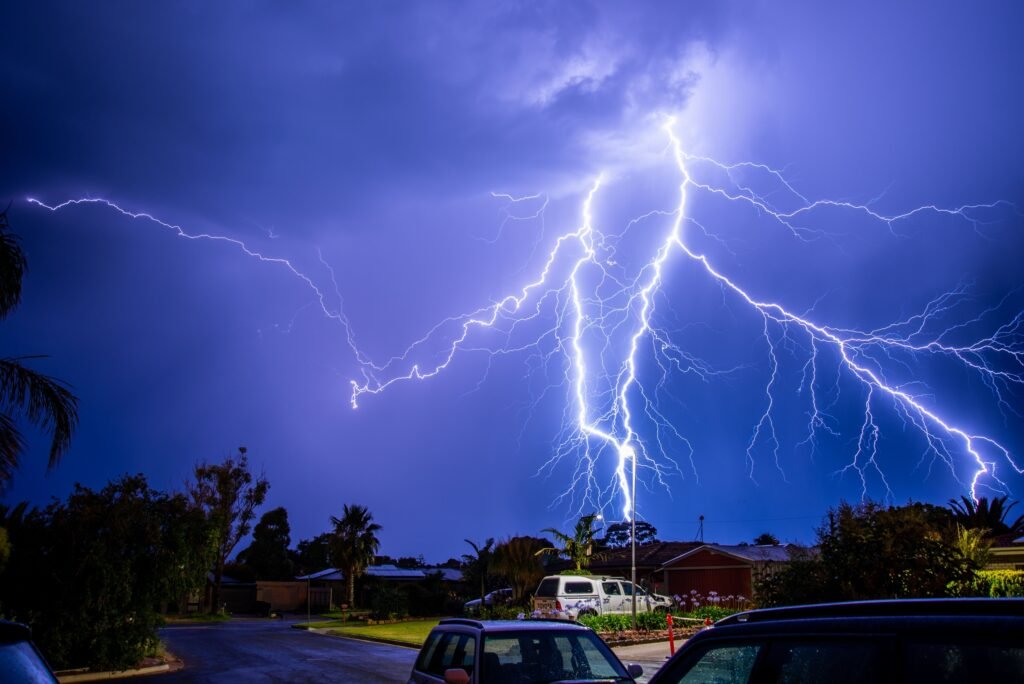
Most Americans think they know their weather superlatives – hottest, coldest, windiest. But here’s the twist: almost none of these records have budged in decades, and some have survived nearly a century of hurricanes, heat domes, and polar vortexes without so much as a scratch.
Meteorologists have thrown satellites, Doppler radar, and supercomputers at the atmosphere, and it still hasn’t produced anything bigger. Climate change has shifted the averages, but these extremes remain frozen in place – literally, in some cases. Here’s what NOAA, the National Weather Service, and decades of climate data actually say about the records nobody can beat.
#1 – The Hottest Temperature Ever Recorded on Earth
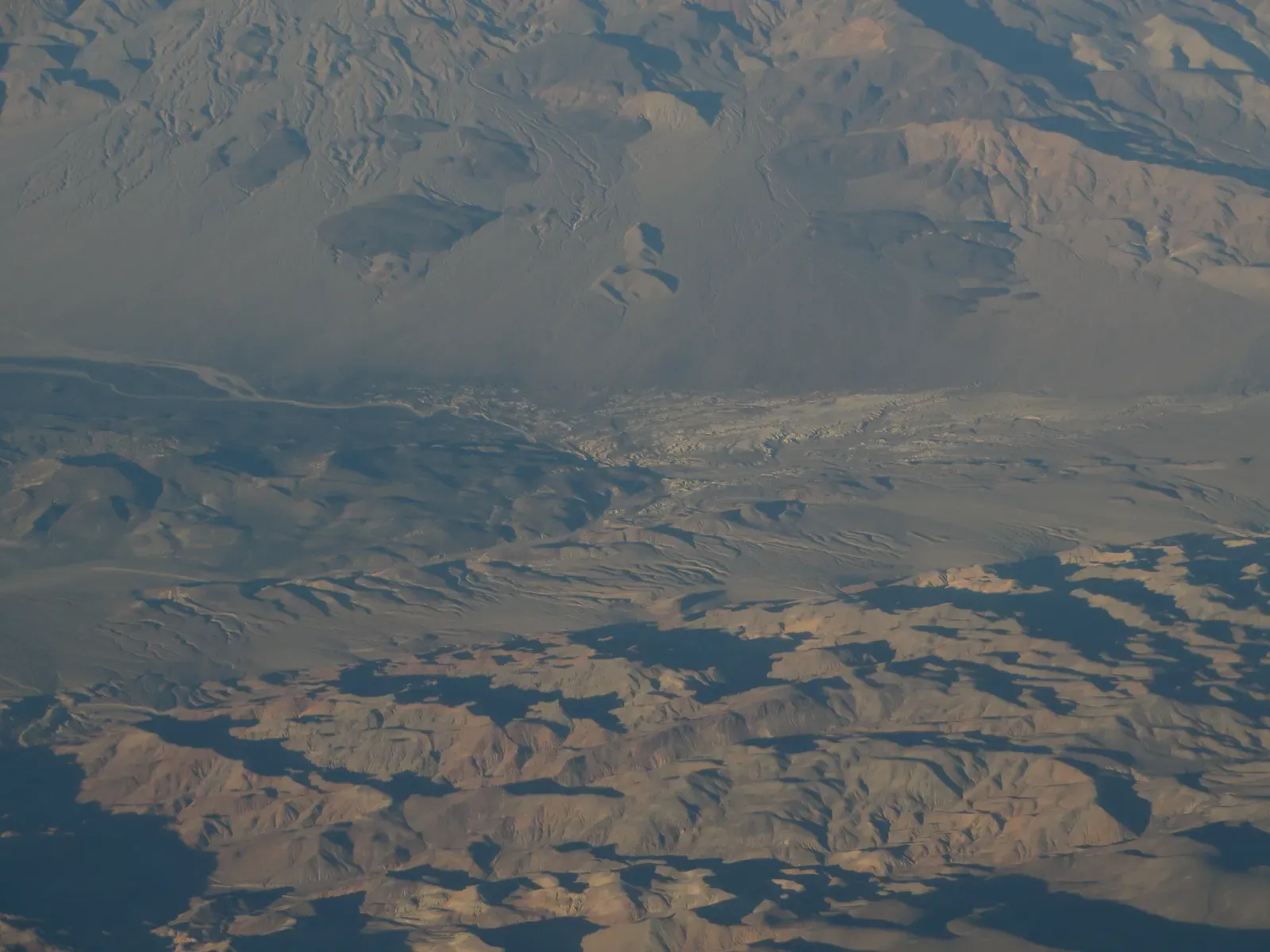
Death Valley didn’t just set the American heat record – it set the world’s.
On July 10, 1913, a weather observer at Greenland Ranch in Death Valley recorded a high temperature of 134°F, and more than a century later, this is still considered the highest air temperature ever reliably recorded on Earth. The station itself was legitimate: the US Weather Bureau established it in 1911 and carefully tested its maximum and minimum thermometers, using the same standard instrument shelter used at thousands of other weather stations nationwide.
Fast Facts
- Record temperature: 134°F on July 10, 1913
- Location: Greenland Ranch, Death Valley, California
- Status: Still the official mark recognized by the National Weather Service
- Closest modern challenger: 130.0°F at Furnace Creek in 2021
Here’s the friction, though: not everyone believes it. Modern climate scientists have quietly picked apart the 1913 reading for years, arguing the terrain and instrument placement may have inflated the number. Even researchers skeptical of the record admit the National Weather Service has stood firm on the number, treating it as the official mark until the World Meteorological Organization says otherwise.
Regardless of the controversy, nothing since has come remotely close on paper. The nearest challenger arrived in 2021, when Furnace Creek hit 130.0°F, beating the previous modern-era record of 129.9°F set there in 2020. Impressive – but still four degrees shy of 1913.
And if extreme heat feels almost mythical, wait until you see how low the mercury can go.
#2 – The Coldest Temperature Ever Measured in America
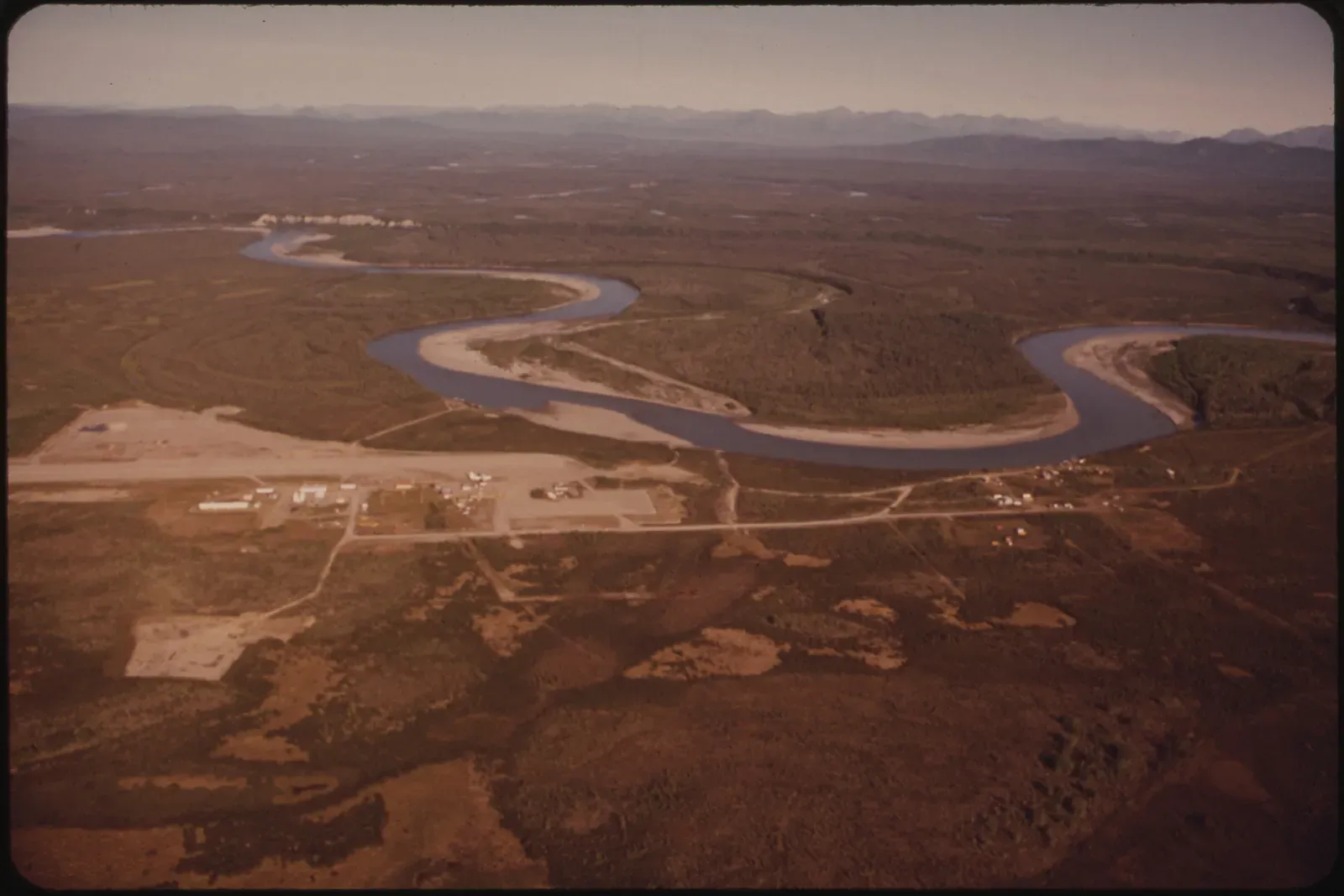
If Death Valley is hell, Prospect Creek, Alaska is the opposite extreme – and it’s not close.
The nation’s coldest temperature on record was measured in Prospect Creek, Alaska, on January 23, 1971, when the thermometer plunged to a bone-chilling -80°F. This wasn’t a fluke reading from a single broken thermometer, either – it capped three straight days of temperatures in the minus 70s near the Arctic Circle in central Alaska. Prospect Creek Camp itself was a working outpost, built near the confluence of Prospect Creek and the Jim River to house workers constructing the trans-Alaska oil pipeline.
Most people assume Alaska owns every cold record in America, but the Lower 48 has its own frozen chapter. In the continental U.S., the coldest temperature ever recorded was in Rogers Pass, Montana, on January 20, 1954, when the thermometer hit -70°F.
That’s a full ten degrees warmer than Alaska’s mark, yet it’s still the benchmark every Montana, Wyoming, and Dakota cold snap gets measured against. Temperature is one thing. Rainfall intensity is an entirely different kind of chaos.
#3 – The Heaviest Rainfall Ever Dumped in a Single Day
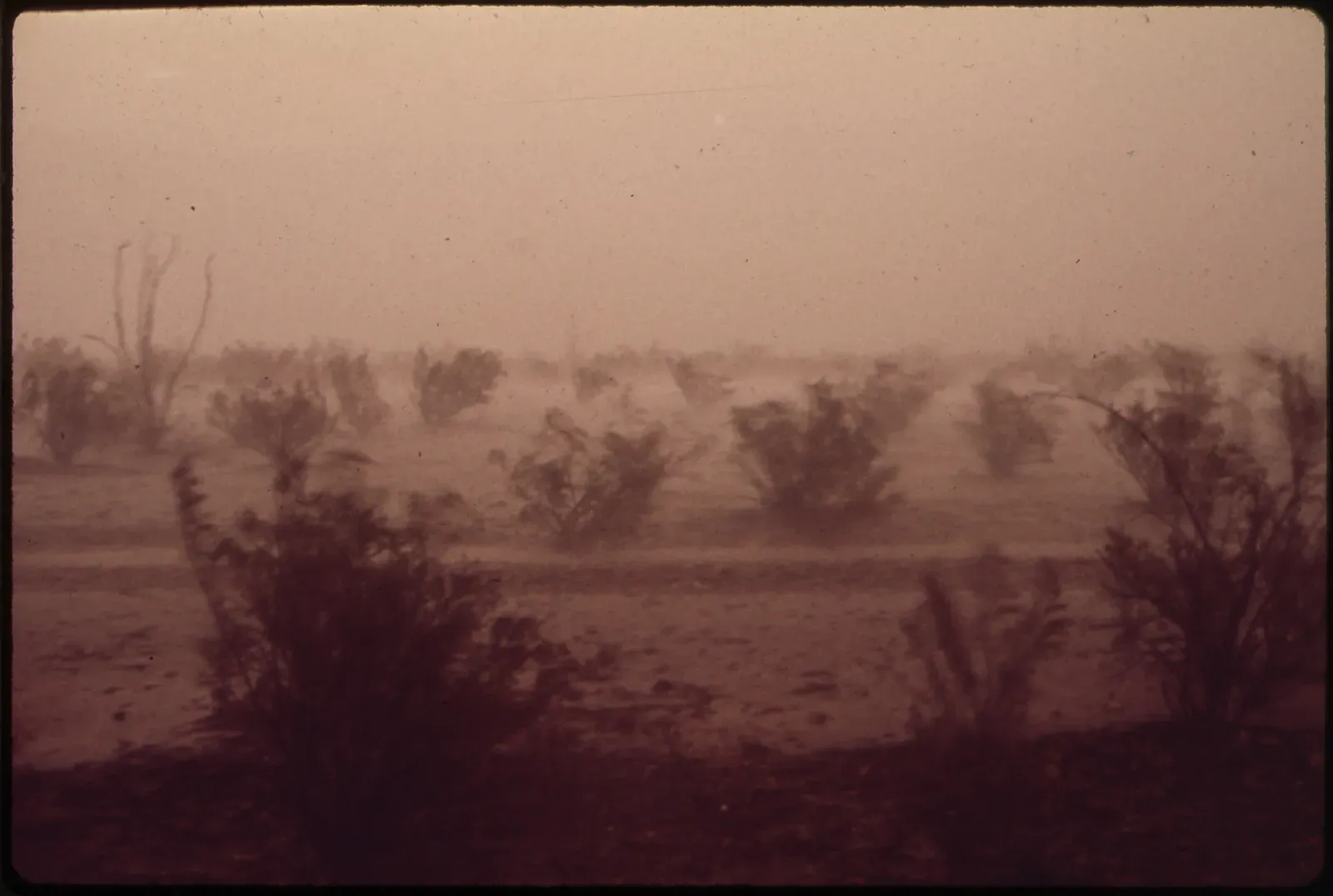
Forget hurricanes dumping rain over days – this record was set in 24 hours flat, and Texas has owned it since the Carter administration.
On July 25-26, 1979, Tropical Storm Claudette stalled over the Gulf Coast and unloaded roughly 43 inches of rain on Alvin, Texas, in a single 24-hour period – a total that remains the official U.S. record for a calendar day. To put that in perspective, that’s more rain in one day than most American cities see in three full years combined. The storm essentially parked itself over southeast Texas and refused to move, feeding off warm Gulf moisture hour after relentless hour.
What makes this record so hard to beat isn’t the intensity of individual storms – plenty of hurricanes have produced stronger winds and bigger surges. It’s the stalling behavior. A tropical system has to slow to a crawl or stop completely over one town for a full day, and most storms simply keep moving.
Houston came agonizingly close during Hurricane Harvey in 2017, with isolated totals topping 60 inches over multiple days, but no single 24-hour reading anywhere has topped Alvin’s mark. Rain wasn’t the only thing falling from the sky that decade – ice got involved too, just thirty years later.
#4 – The Biggest Hailstone Ever Found in America
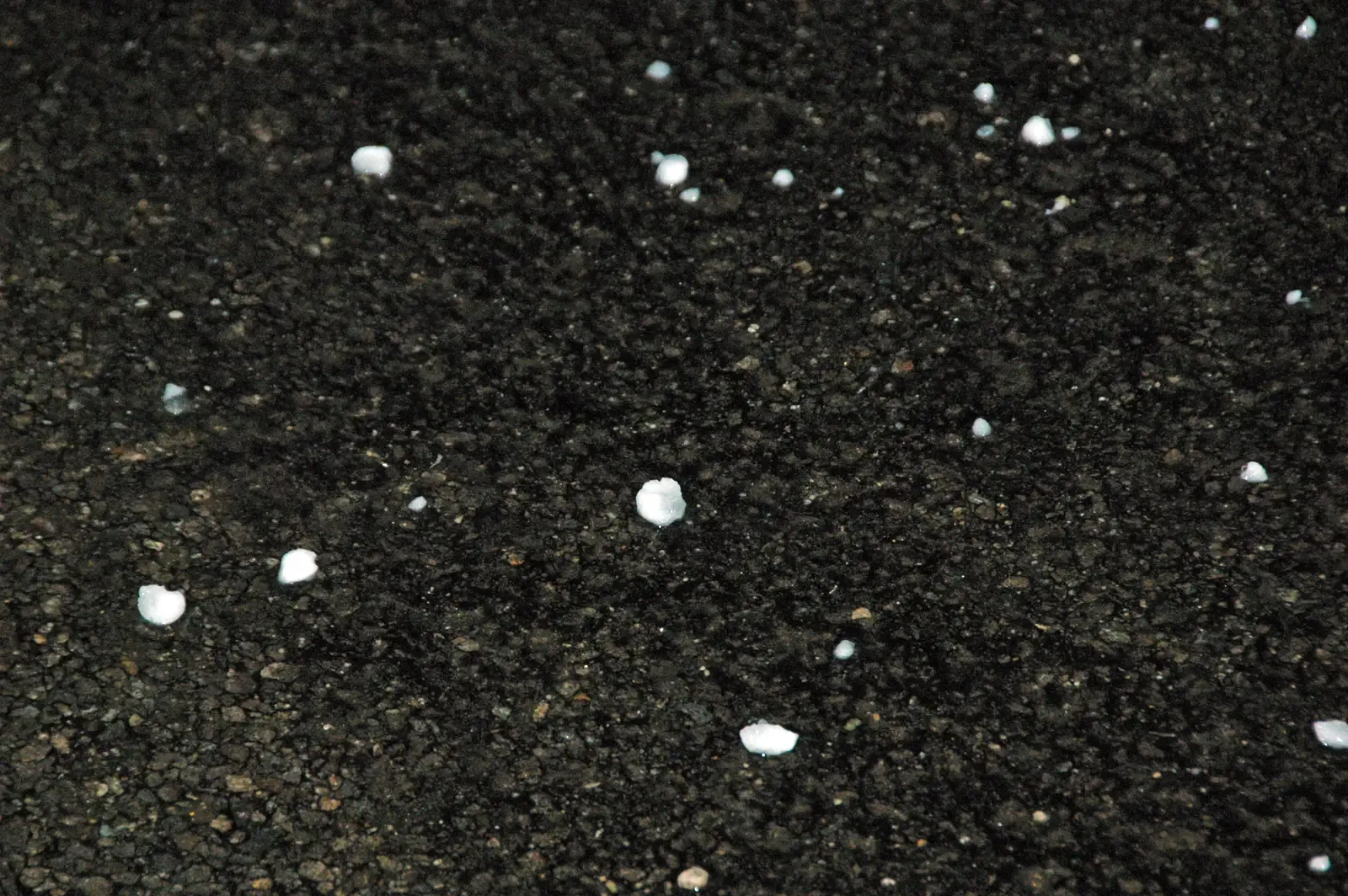
On July 23, 2010, a supercell thunderstorm over central South Dakota produced a chunk of ice that looked more like a science experiment than weather.
During the late afternoon and evening of July 23, 2010, thunderstorms developed over central South Dakota, and one very strong supercell moved southeastward across Stanley, Jones, and Lyman counties, hitting Vivian with extremely large hail, destructive winds to 80 mph, and a brief tornado. A record-setting hailstone was ultimately discovered in Vivian, measuring 8.0 inches in diameter, 18.625 inches in circumference, and weighing an astonishing 1.9375 pounds – breaking the previous U.S. hail records for both diameter and weight.
Quick Compare
- Vivian, SD (2010): 8.0 inches diameter, 1.9375 lbs – current U.S. and Western Hemisphere record
- Aurora, NE (2003): held the previous U.S. diameter record before Vivian broke it
- Bangladesh (1986): 2.25 lbs, the heaviest hailstone ever recorded worldwide
The physics behind that stone are staggering. The National Weather Service estimated the updraft required to keep a hailstone that large suspended in the cloud had to be between 160 and 180 mph. Most people don’t realize hail that size can fall at speeds exceeding 100 mph, capable of punching straight through roofing material.
Even more surprising: the Vivian hailstone is also the heaviest on record in the entire Western Hemisphere, according to the World Meteorological Organization, second globally only to a 2.25-pound stone that fell in Bangladesh in 1986. If hail like that sounds absurd, wait until you see what happens when snow refuses to stop falling.
#5 – The Snowiest Winter Any American Town Has Ever Survived

Most people picture Buffalo or Denver when they think “snowiest place in America.” They’re wrong – it’s a ski resort tucked into the Cascade Mountains of Washington State.
During the 1998-99 season, Mount Baker Ski Area recorded a jaw-dropping 1,140 inches of snow – that’s 95 feet falling on one mountain in a single winter. To put that number in perspective, if you stacked that snowfall vertically, it would bury a nine-story building. The total became an official world record for measured seasonal snowfall at the time, and it has never been officially topped by another ski area or weather station in the United States since.
The secret weapon behind Mount Baker’s snow machine is geography, not just cold air. The mountain sits close enough to the Pacific Ocean to pull in enormous amounts of moisture, but far enough inland and high enough in elevation that the moisture arrives as snow instead of rain.
Most skiers chase powder days elsewhere, but locals argue nowhere else in the country combines that much moisture with that much cold this reliably, year after year. Turns out, snow doesn’t need an entire season to make history – sometimes one storm is enough.
#6 – The Most Snow to Fall From a Single Storm
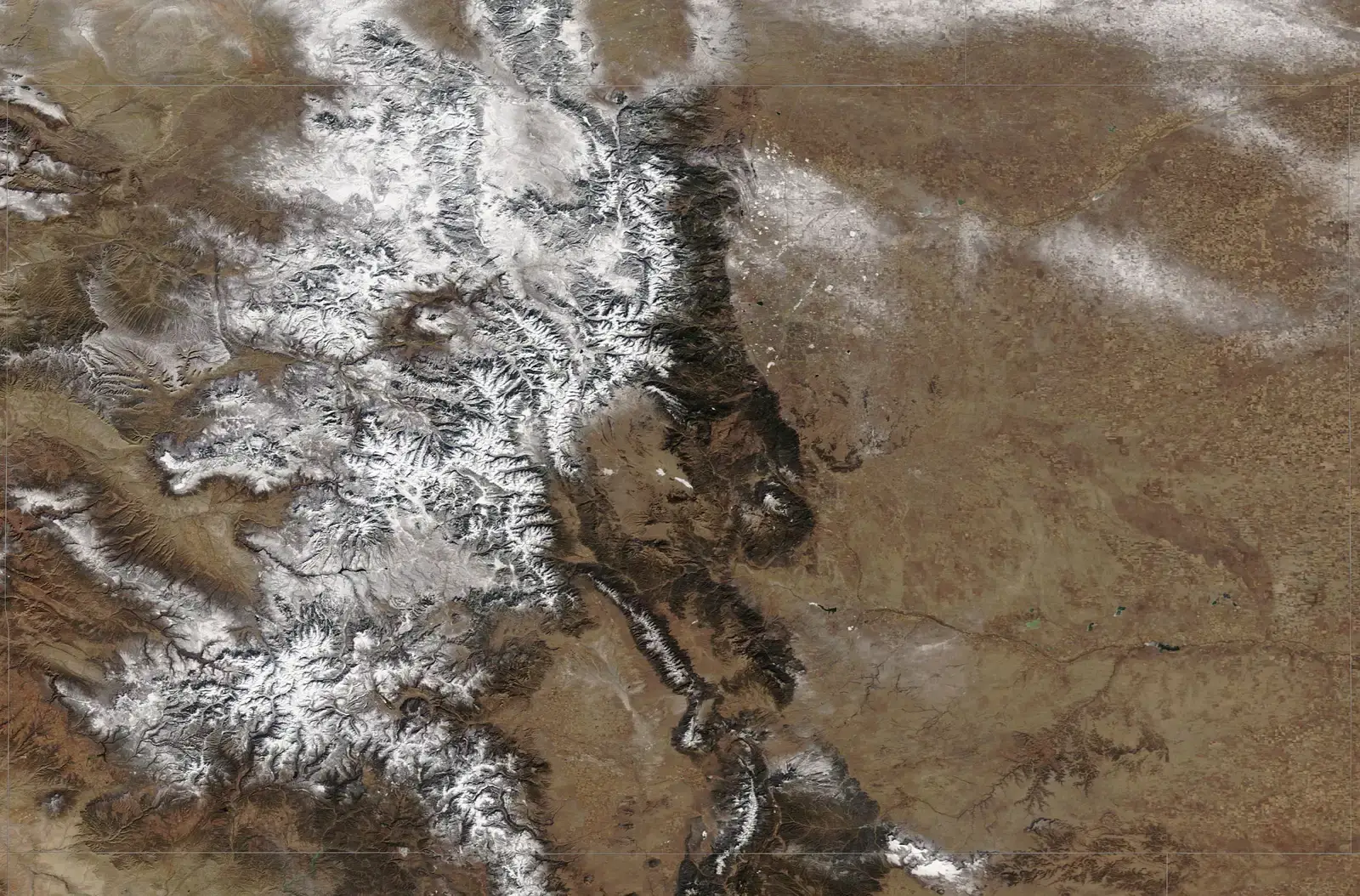
Separate from seasonal totals, there’s a record for the most snow dumped by one storm system in 24 hours – and it belongs to a nearly forgotten spot in Colorado.
In April 1921, Silver Lake, Colorado, recorded 75.8 inches of snow in a single 24-hour period – over six feet of snow from one storm cycle. The system parked itself over the Rockies’ Front Range and simply refused to let up, burying the small mining outpost under a wall of white that took weeks to melt.
This single-storm total remains the official U.S. record for 24-hour snowfall, and no storm since – not even the infamous Buffalo lake-effect events – has matched it on paper. What’s wild is how localized these extreme snow events are.
A storm can dump six feet on one mountain valley while a town twenty miles away gets a modest foot or two. Elevation, orography, and moisture trajectory all have to align perfectly, and meteorologists still use Silver Lake as the textbook example of what happens when every variable lines up at once. Snow needs cold and moisture. Wind just needs pure violence – and one mountain in New Hampshire delivered.
#7 – The Strongest Wind Ever Recorded by a Human Observer
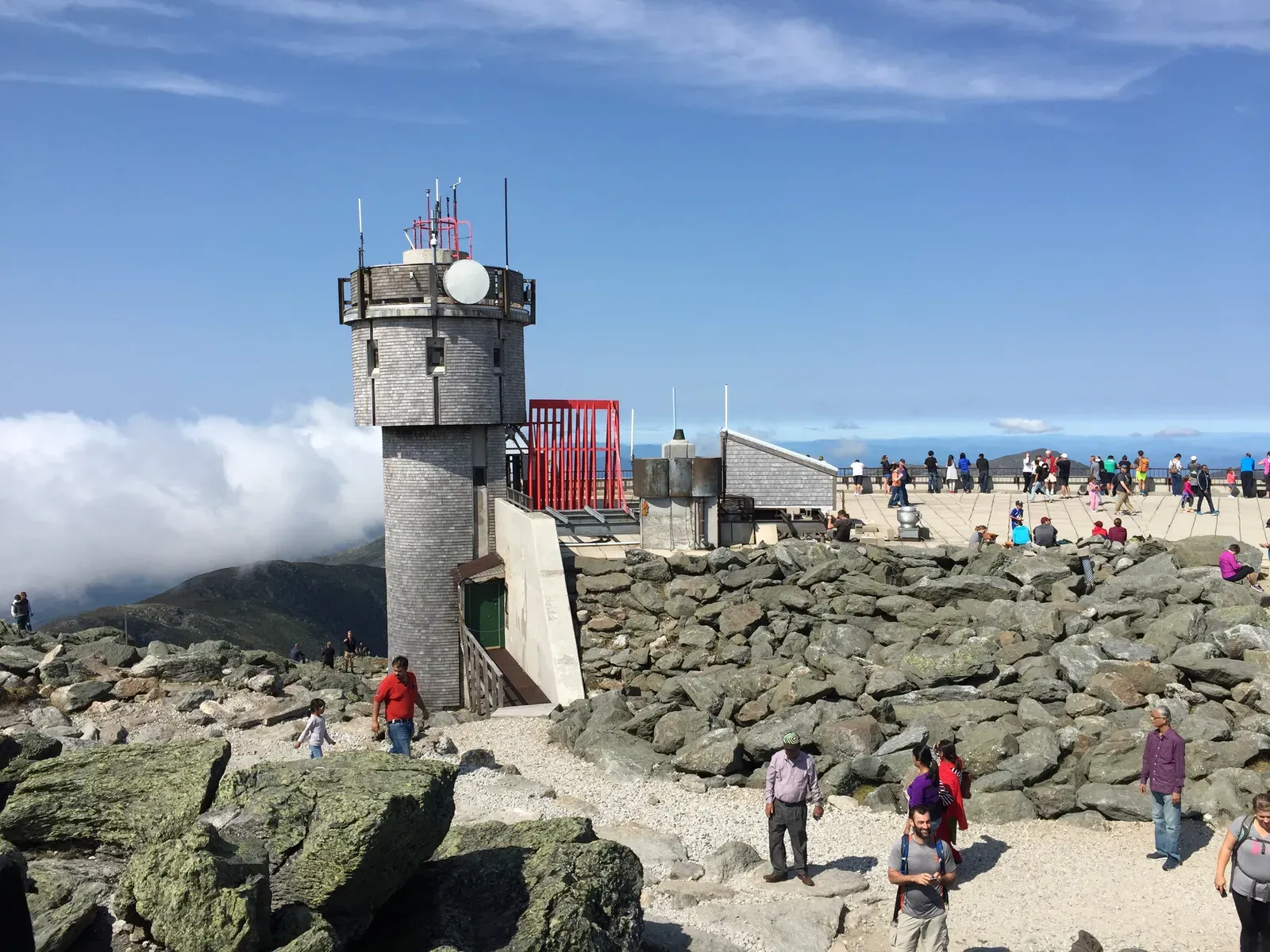
On April 12, 1934, three weather observers on top of New Hampshire’s Mount Washington watched their own instruments nearly tear off the building.
By 7:45 a.m. that morning, wind gusts of up to 168 mph were being recorded. From 12:25 to 12:30 p.m., the wind averaged 188 mph with gusts above 200 mph, and observer Stephenson recorded a high of 229 mph before Pagliuca timed two gusts of 231 mph. Pagliuca noted the record wind velocity in the observer logbook, and the reading – confirmed by the National Weather Bureau – still stands as the fastest wind speed ever recorded at a staffed, non-automated station.
At a Glance
- Date: April 12, 1934
- Peak observed gust: 231 mph
- Category: Highest wind ever logged by human observers at a staffed station
- World record status: Surpassed in 2010 by a 253 mph gust during Cyclone Olivia (Australia, 1996)
Here’s the twist most people miss: this is no longer the world record. It held until 2010, when a review of climate data turned up a 253 mph gust on Barrow Island, Australia, during Cyclone Olivia in 1996.
But the Mount Washington number has an asterisk that makes it arguably more impressive – the mountain still holds the record for the highest measured wind speed not resulting from a tornado or tropical cyclone. Three humans, standing outside in a wooden observatory, personally logged the fastest wind ever felt by anyone on the planet without a storm’s help. Not every record is about a single explosive moment. Some are about showing up, every single day, for decades.
#8 – The Wettest Spot in America, on Average
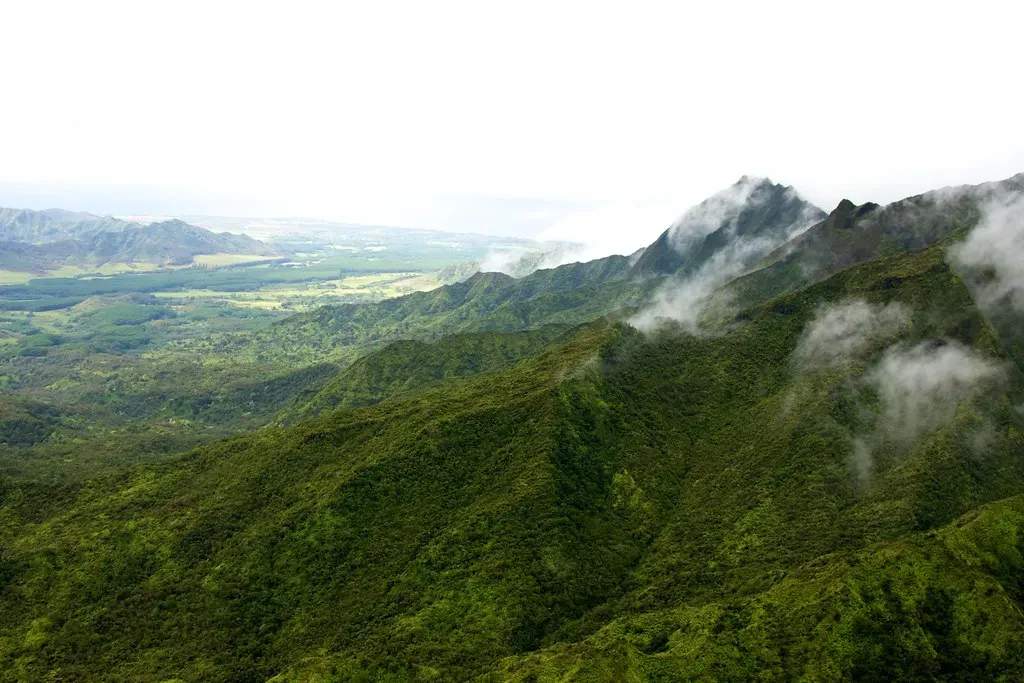
Not every record on this list is about a single dramatic day. Some are about relentless, year-round consistency – and that title belongs to a mountain in Hawaii most Americans have never heard of.
Mount Waialeale, on the island of Kauai, averages roughly 450 inches of rain per year, making it one of the rainiest spots on the entire planet, not just in the U.S. That’s over 37 feet of rain annually, falling almost daily on a mountain summit shaped like a natural rain-catching bowl. Unlike storm-driven records elsewhere on this list, Waialeale’s crown comes from geography working against it every single day – trade winds slam into the peak and are forced upward, wringing out moisture almost constantly.
Most travelers rank Hawaii as a sunny paradise, but locals on Kauai will tell you the island’s interior is basically a rainforest factory. The record has held for so long precisely because nowhere else in America combines a tropical moisture supply with a topographic trap this perfectly shaped to squeeze every drop out of the sky. Speed matters too – and no storm has ever moved water this fast, this briefly.
#9 – The Fastest Burst of Rainfall Ever Timed
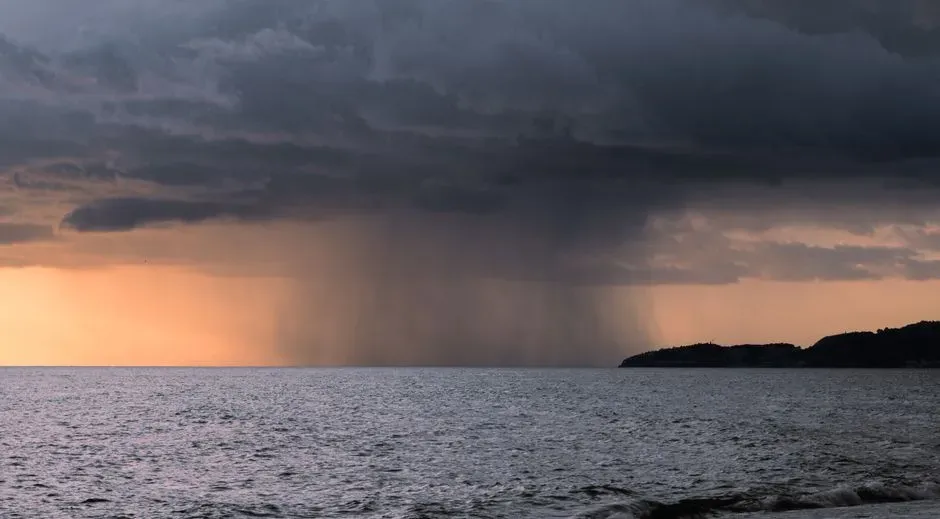
Forget 24-hour totals – this record is about pure, concentrated intensity, measured in a single minute.
In 1956, the small town of Unionville, Maryland, recorded 1.23 inches of rain falling in just 60 seconds during a violent thunderstorm. That number became not just a U.S. record but a world record for short-duration rainfall intensity, and it has never been officially surpassed anywhere on the planet since. To visualize it, imagine a rainfall rate so extreme that in the time it takes to read this paragraph aloud, an inch of water had already accumulated on the ground.
This kind of record is almost impossible to replicate because it requires perfect timing – a rain gauge has to be positioned directly under the most intense core of a storm cell at the exact moment it passes overhead. Most extreme rain events get measured over hours, not seconds, which is exactly why this seven-decade-old record has proven so durable.
Nobody has caught lightning in a bottle quite like Unionville did. If a minute of rain can make history, imagine what a single bolt of lightning can do across four states.
#10 – The Longest Lightning Bolt Ever Tracked
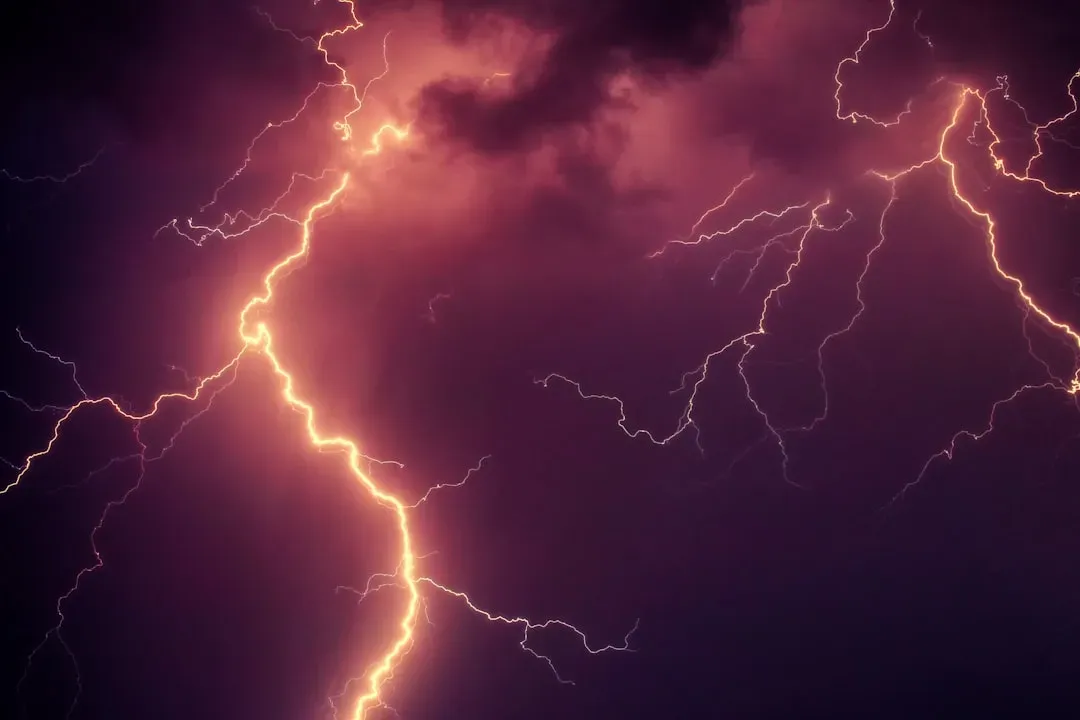
Lightning bolts are supposed to last a fraction of a second and stretch a few miles. In April 2020, one bolt shattered every assumption meteorologists had about how far electricity could travel across the sky.
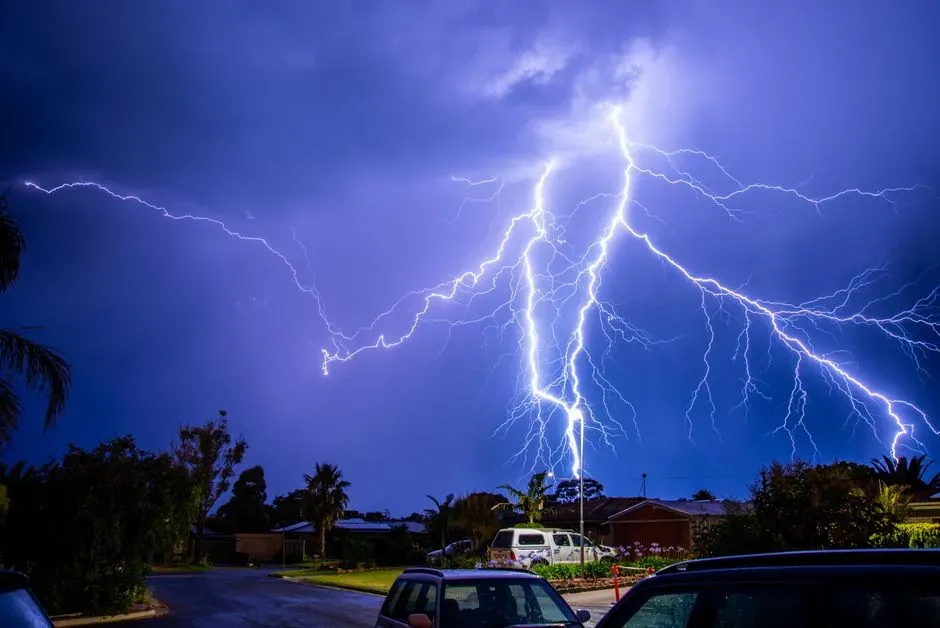
Satellite data confirmed a single lightning flash that stretched across parts of Texas, Louisiana, Mississippi, and Oklahoma, spanning roughly 477 miles from end to end – nearly the distance from New York City to Cleveland, in one continuous electrical discharge. The World Meteorological Organization formally verified the “megaflash” as a new world record for lightning distance, and it remains unbeaten as the longest bolt ever documented anywhere on the planet.
Worth Knowing
- Distance: approximately 477 miles across four states
- Verified by: World Meteorological Organization
- Detection method: Geostationary Lightning Mapper satellite technology
- Significance: Proved a single flash can travel horizontally across state lines, not just strike downward
This wasn’t possible to detect with old-school observation methods – it took modern geostationary lightning mapper satellites to even prove the flash was a single, continuous event rather than several separate strikes. Most people picture lightning as one jagged line hitting a single spot, but this record proves storms can send electricity horizontally across state lines faster than most cars could drive the same distance.
Lightning stretched sideways for hundreds of miles. This next record refused to lift off the ground at all.
#11 – The Longest Tornado Track in American History
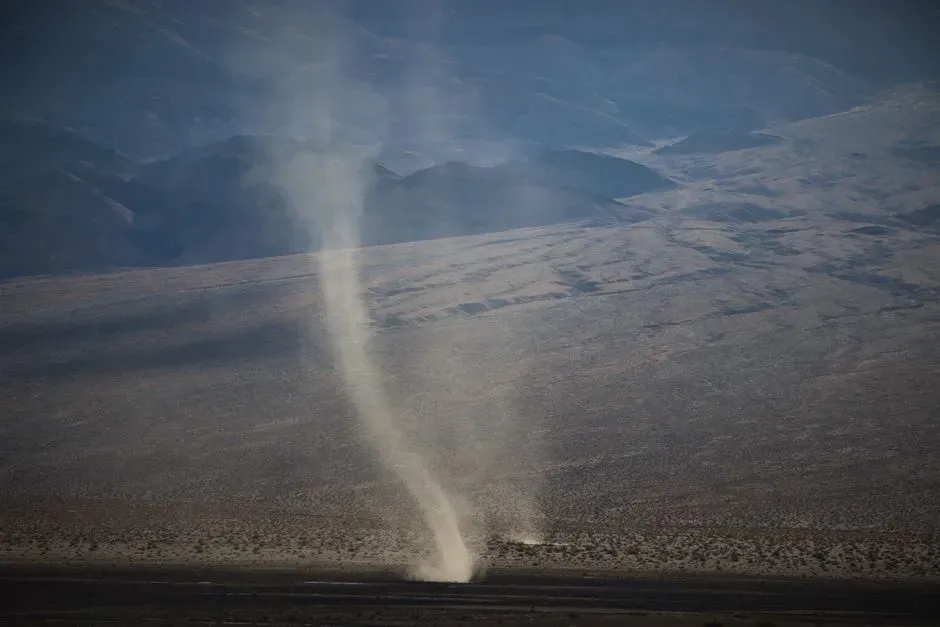
Tornadoes typically stay on the ground for a few miles before lifting. The Tri-State Tornado of March 18, 1925, refused to follow that rule for nearly four hours straight.
The tornado carved a continuous damage path of approximately 219 miles across Missouri, Illinois, and Indiana, making it the longest tornado track ever documented in the United States – and quite possibly the world. It moved at an average forward speed of around 62 mph, unusually fast for any tornado, giving communities in its path almost no warning before it arrived.
The storm ultimately killed 695 people, making it also the deadliest single tornado in U.S. history, a grim record that has stood for a full century.
Most tornadoes weaken, lift, and reform as separate funnels. The Tri-State Tornado behaved almost like one continuous, unbroken force of nature.
National Weather Service historical assessment
What makes the track length record so hard to challenge isn’t just the tornado’s strength – it’s the storm’s stability, defying the normal lifecycle scientists still use to study tornado behavior today. As destructive as that tornado was, one number from a different Oklahoma storm still tops every wind reading on this list.
#12 – The Fastest Wind Speed Ever Recorded on Earth
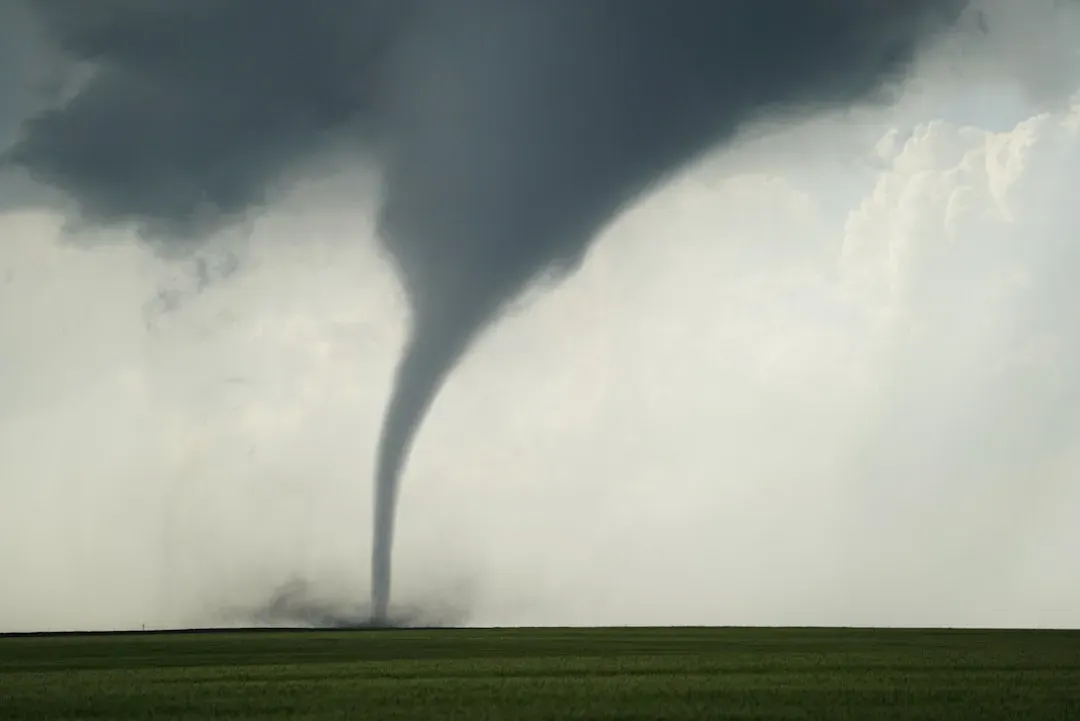
Every record on this list has been impressive. This one is almost unbelievable, and it happened inside a tornado near Oklahoma City.
On May 3, 1999, a mobile Doppler radar unit known as “Doppler on Wheels” measured a wind speed of approximately 302 mph inside a violent tornado near Bridge Creek and Moore, Oklahoma. That reading remains the highest wind speed ever scientifically measured on the surface of the Earth – faster than the strongest hurricane, faster than Mount Washington’s famous gust, faster than any wind speed humans have directly clocked before or since.
The tornado that produced it was rated an F5, the highest classification that existed at the time, and it devastated entire neighborhoods across the Oklahoma City metro area.
Here’s the controversial part: because the reading came from radar rather than a physical anemometer on the ground, some meteorologists argue it shouldn’t technically count alongside “measured” records like Mount Washington’s. Officially, though, the National Weather Service and tornado researchers still recognize it as the fastest wind ever recorded – a number so extreme that no radar, satellite, or weather station has come close to matching it in the 25 years since.
The Bottom Line
Here’s the uncomfortable truth: America’s most extreme weather records aren’t recent. Most were set decades ago – some nearly a century ago – and despite hotter summers, stronger storms, and better technology, almost none have fallen.
That should tell you something. These weren’t just bad weather days; they were once-in-a-lifetime atmospheric alignments that modern climate patterns still haven’t managed to replicate. If anything, that makes them more impressive, not less.
Which of these records do you think falls first – and which one do you think is completely unbeatable? Drop your prediction in the comments.