
Every now and then, archaeology serves up an object so out of place, so sophisticated, or so shockingly well preserved that the first reaction is not wonder, but suspicion. Conservators reach for UV lamps, curators call in materials scientists, and someone inevitably mutters that uncomfortable word: fake. Yet some of these “too good to be true” finds turn out, after years of tests and arguments, to be the real thing – genuine time travelers from the deep past.
In this article, we are diving into a dozen artifacts that were, at one time or another, dismissed or doubted as modern forgeries. Some were victims of their own fame, others of sloppy documentation or inconvenient dates. A few still spark late‑night debates in academic circles. Together they reveal something quietly thrilling: the ancient world was often more complex, more skilled, and more surprising than we gave it credit for.
The Antikythera Mechanism: An Ancient “Computer” That Looked Way Too Advanced
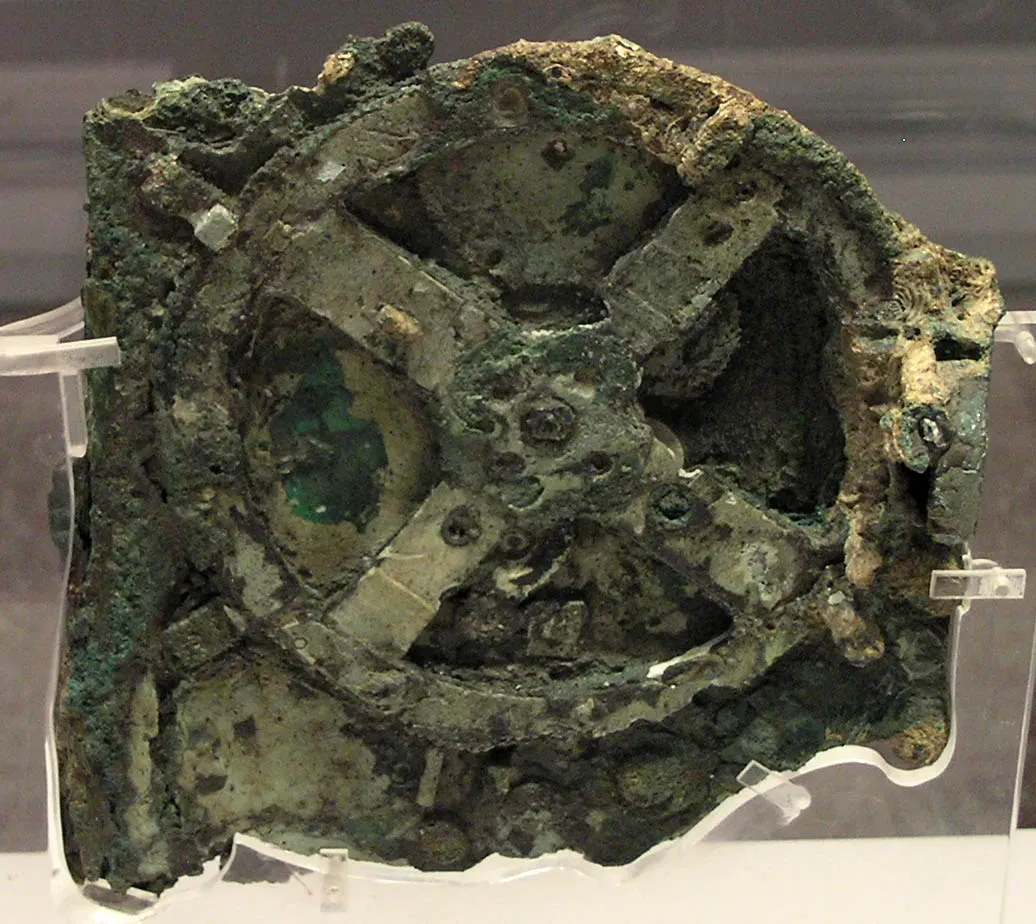
When the corroded bronze fragments of the Antikythera mechanism were pulled from a shipwreck off a Greek island in the early twentieth century, many experts simply could not believe what they were seeing. Hidden under layers of encrustation were finely cut gear teeth, interlocking like the heart of a clock, centuries before mechanical clocks were supposed to exist. At first, some scholars suspected a modern object had somehow become mixed into the ancient wreck or that the mechanism had been misdated.
Only decades of painstaking study, including X‑ray and CT scanning, shifted the consensus. Researchers realized it was a sophisticated device for modeling the motions of the sun, moon, and possibly planets – essentially a kind of geared analog computer made in the ancient Greek world. The episode exposed a clear bias: if an object appears to leap ahead of what we think a period was capable of, we tend to assume fakery before we reconsider our assumptions about the past.
The Sutton Hoo Helmet: A “Too Perfect” Treasure From the Dark Ages
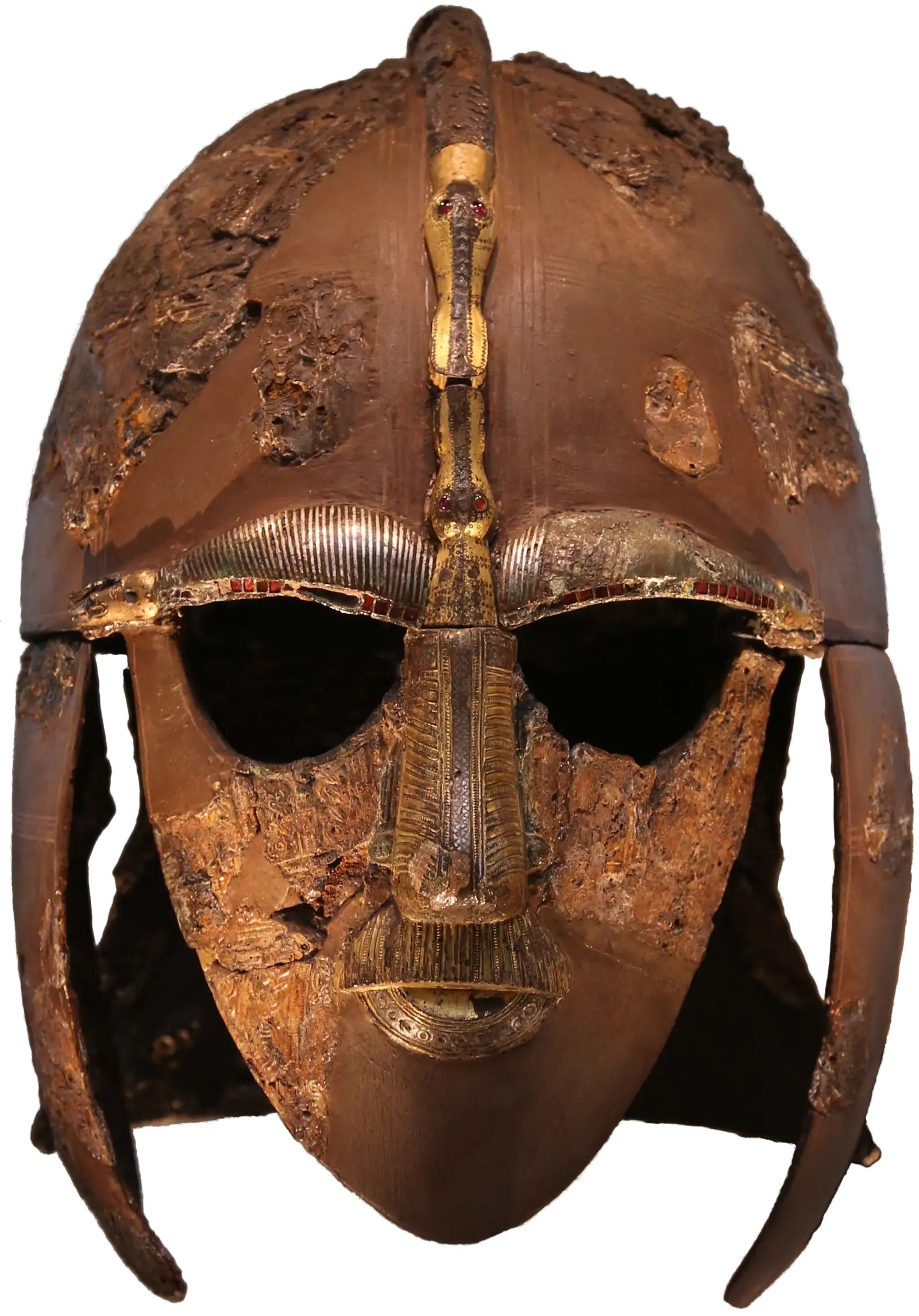
When the famous helmet from Sutton Hoo emerged from an early medieval ship burial in eastern England in 1939, British archaeologists had mixed feelings. The dig itself was rushed and chaotic, with war on the horizon, and the helmet’s ornate metalwork – interlaced patterns, animal figures, and tinned decorations – looked almost theatrical. Some early observers quietly suggested it might be a modern ceremonial piece that had ended up buried somehow, rather than a warrior’s real gear.
As conservators carefully reconstructed hundreds of corroded fragments, the picture changed. The helmet’s construction techniques, patterns of corrosion, and parallels to more fragmentary finds in Scandinavia all pointed firmly to an early medieval origin. Far from a stage prop, it turned out to be a missing reference point for understanding elite power and artistry in an era once lazily labeled the “Dark Ages.” The initial doubt says more about modern snobbery toward that period than it does about the artifact itself.
The Venus of Willendorf: A Tiny Figurine That Felt Suspiciously Convenient
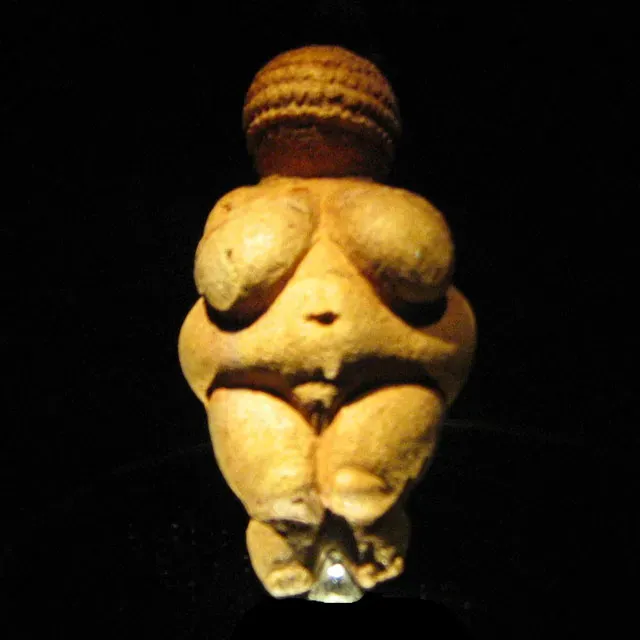
When a small, voluptuous limestone figurine was unearthed near Willendorf, Austria in 1908, it immediately fit the emerging story archaeologists wanted to tell about Ice Age people: fertility, symbolism, and art. That convenient narrative made some critics uneasy, particularly because the figure’s detail and preservation seemed almost too fresh. A few skeptics floated the idea that it could be a recent carving planted to impress or mislead.
Over time, however, advances in stratigraphy, dating of surrounding deposits, and microscopically examining the surface helped cement its Paleolithic credentials. The wear patterns, pigments, and context within undisturbed layers argued strongly for great age. The Venus of Willendorf reminded the field that when an artifact aligns a little too neatly with our expectations, we should double‑check our science – but not automatically jump to the conclusion that someone is cheating.
The Pazyryk Carpet: A “Modern” Masterpiece Found in Frozen Ground
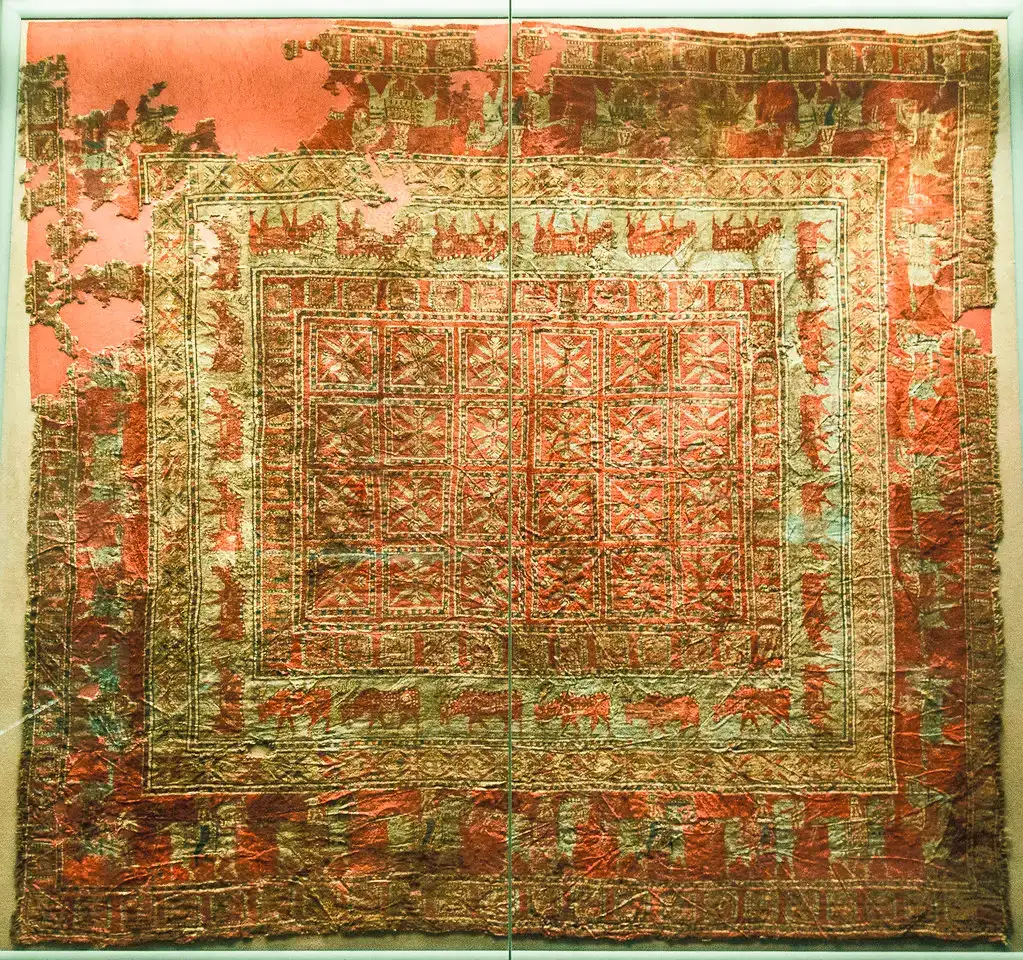
In the mid‑twentieth century, excavations in the Altai Mountains of Siberia uncovered a tomb preserved by permafrost, and inside it, something almost unbelievable: a wool pile carpet with vibrant patterns and a density of knots that could rival high‑end modern rugs. For some textile specialists, that level of craftsmanship in such an early context felt implausible. Whispered doubts about a later intrusion or an outright forgery were not uncommon.
Detailed analyses of the dyes, fibers, and burial environment eventually pushed those doubts aside. The carpet’s colors were derived from natural sources consistent with antiquity, and the permafrost conditions were exactly what you would expect to preserve organic material at that level. Instead of a forgery, the Pazyryk carpet turned out to be a humbling data point: people on the Eurasian steppe were weaving at a level many assumed only appeared much later in urban centers.
The Shroud of Turin: Modern Hoax or Misunderstood Medieval Relic?
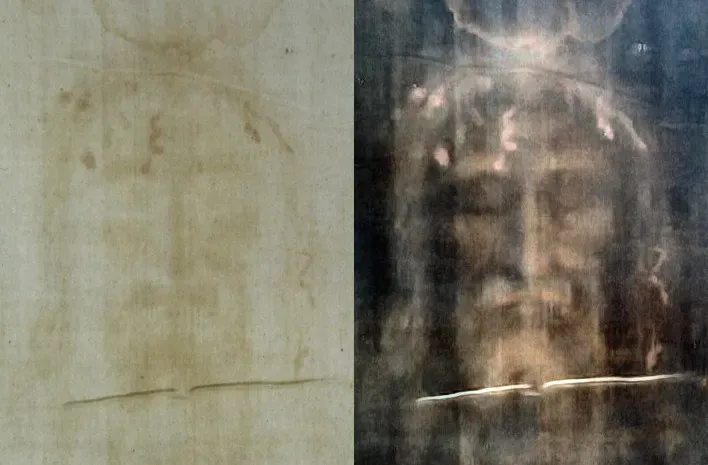
The Shroud of Turin is one of the most hotly contested pieces of cloth on the planet, and its authenticity has been questioned from almost the moment it came to wider public attention. Modern skeptics have argued that the image of a man on the cloth is simply too clear and too aligned with later religious iconography to be ancient. For decades, some scientists assumed it must be a skillful medieval or even early modern forgery designed to attract pilgrims.
Radiocarbon testing in the late twentieth century dated the textile itself to the Middle Ages, reinforcing the idea that it was not a relic from the time of Jesus. Yet the exact mechanism by which the image formed, and whether every part of the cloth is the same age, remains debated. While most researchers accept a medieval origin, the long path from “obvious fake” to “complex historical object with unresolved questions” shows how easy it is to dismiss something early on, only to realize later that the story is more nuanced than either believers or skeptics wanted it to be.
The Nebra Sky Disk: Bronze Age Star Map or Modern Metalwork?
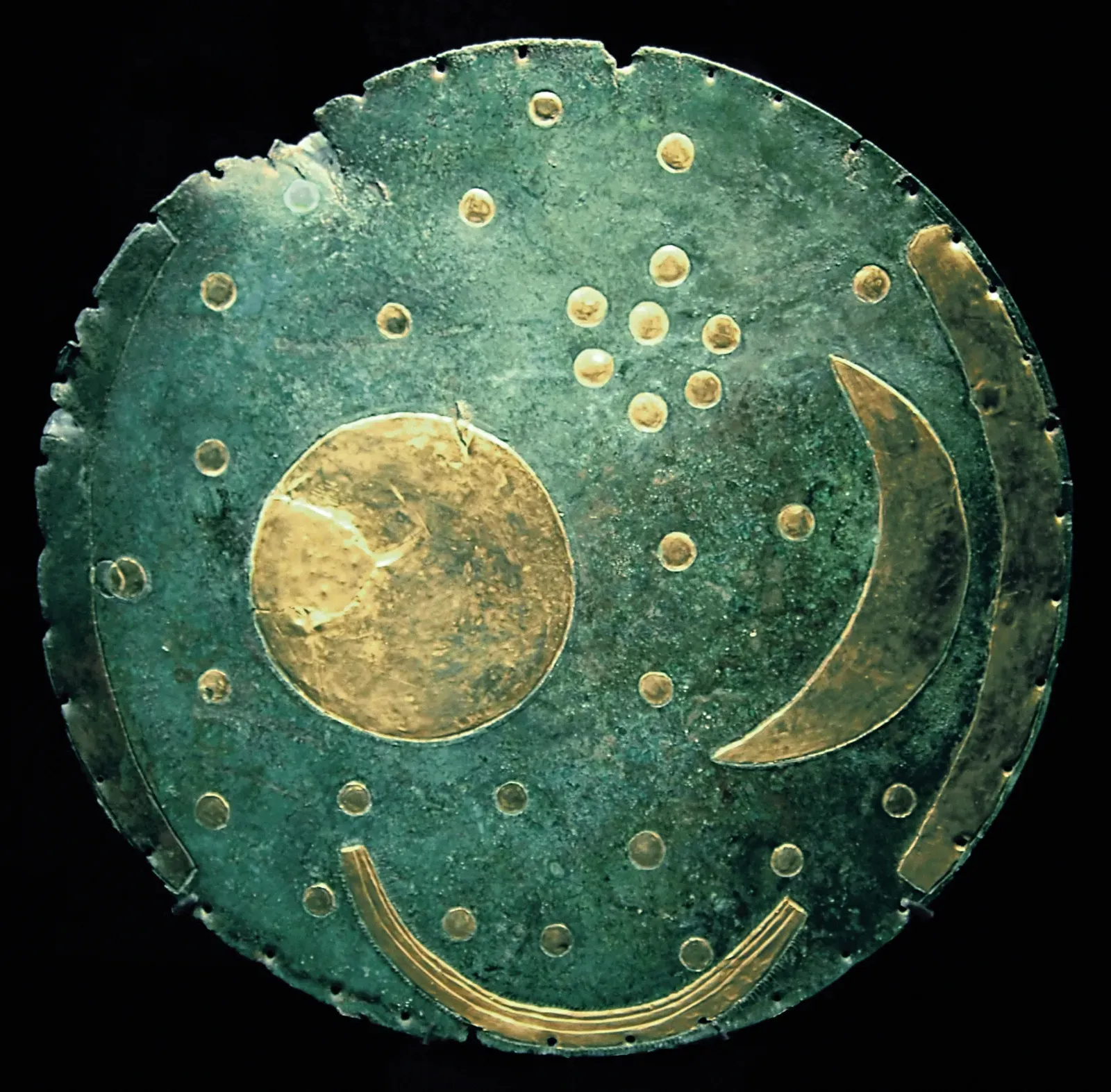
When the Nebra Sky Disk surfaced on the illicit antiquities market in Germany in the early 2000s, it was almost destined to be doubted. The piece – a bronze disk inlaid with gold symbols that look like the sun, moon, and stars – had no proper excavation record and arrived via looters’ stories. The iconography felt strangely modern, even minimalist, which made some scholars wonder if it was a contemporary artwork disguised as an ancient object.
Scientific testing slowly turned the tide. Corrosion layers, analyses of the metals’ composition, and comparisons with the associated hoard pointed to a Bronze Age origin. The gold inlays showed consistent age‑related changes that would be virtually impossible to fake convincingly. The Nebra Sky Disk went from suspected forgery to a cornerstone in discussions about early European astronomy, and it forced archaeologists to confront how much looted objects suffer from a built‑in credibility gap, even when they are authentic.
The Mask of Agamemnon: Royal Face or Romantic Misattribution?
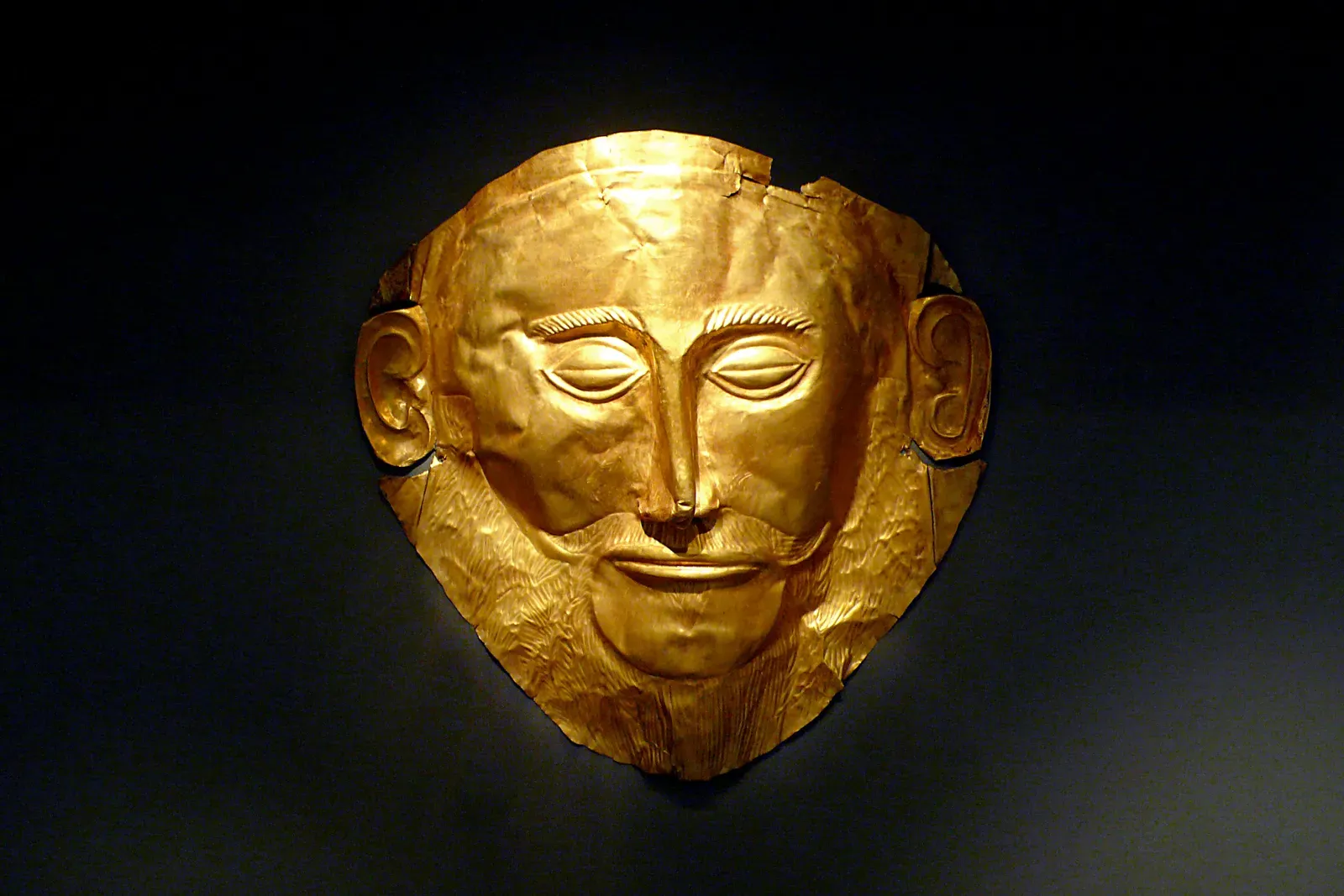
When Heinrich Schliemann unearthed a gold funerary mask at Mycenae in the nineteenth century, he famously claimed he had “looked on the face” of the legendary king Agamemnon. Even without that flourish, the mask’s bold features and polished appearance made some later researchers uneasy. A few critics suspected that Schliemann, who had a reputation for dramatic storytelling, might have been taken in by a modern addition to the graves – or even encouraged one.
Subsequent work on Mycenaean burials and metalworking has largely validated the mask’s Bronze Age origin, even if the name “Agamemnon” is pure romantic labeling. The alloy composition, tool marks, and close parallels to other Mycenaean funerary masks support its authenticity as an ancient object. What remains a fair criticism is not that the mask is fake, but that its myth‑saturated nickname misled the public into thinking we had a direct portrait of a figure who almost certainly never wore it.
The Ram in a Thicket: An Ur Treasure That Seemed Too Artful
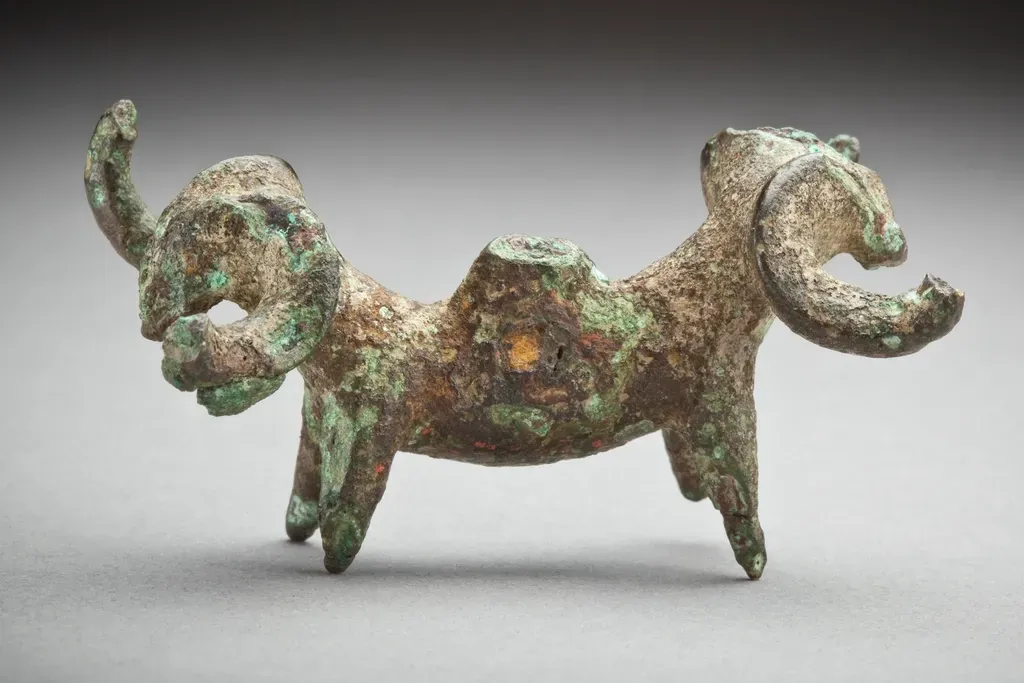
During excavations at the ancient city of Ur in modern‑day Iraq, archaeologists uncovered a small sculpture of a ram (or goat) standing on its hind legs among a thicket of branches, decorated with gold, lapis lazuli, and shell. Its dynamic pose and rich materials made it instantly famous – and, to some skeptics, suspiciously polished for something from the third millennium BCE. The worry was that modern restoration or outright replacement had gone too far.
Conservation reassessments and materials studies later confirmed that the core of the piece, including the wooden structure and many of the inlays, really did originate from the time of the original burial. While early twentieth‑century restoration choices were sometimes heavy‑handed, the object as a whole is solidly ancient. The initial doubts reflected a deeper discomfort: we do not always like to admit that people thousands of years ago created objects we might happily display in a modern gallery without blinking.
The Copper Scroll of Qumran: A Treasure Map That Sounded Like a Prank
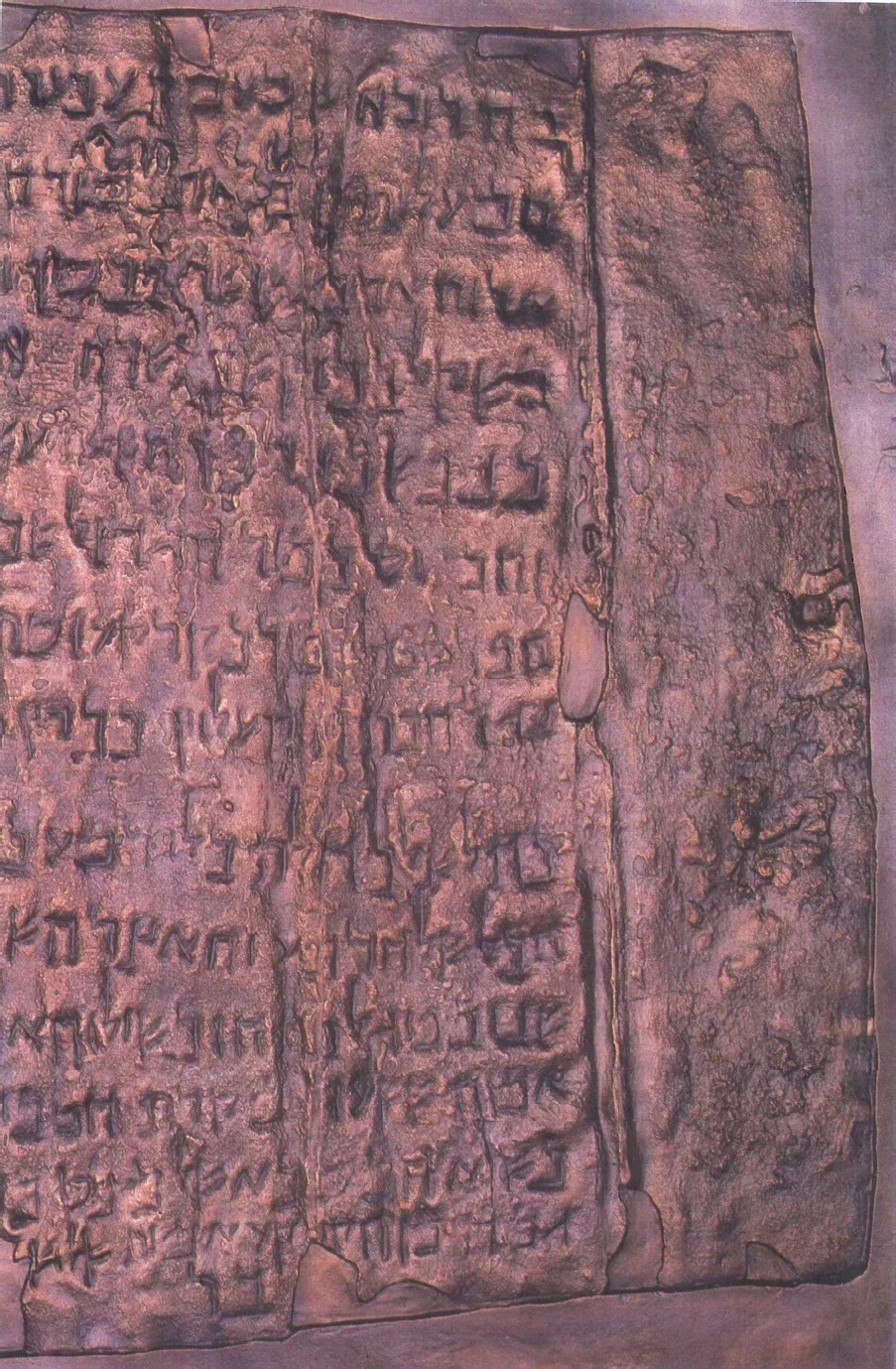
Among the Dead Sea Scrolls discovered near Qumran, the Copper Scroll stood out from the start. Instead of fragile parchment, it was hammered into thin sheets of copper. Instead of hymns or commentaries, it contained what looked like a list of hidden treasure locations. The strange material and content led some scholars to suspect it was either a later curiosity added to the cache or an elaborate modern joke that somehow infiltrated the collection.
Metallurgical studies and stratigraphic context gradually undercut those suspicions. The scroll’s patina, isotopic signatures, and the nature of the corrosion indicated significant age compatible with the other scrolls, even if exact dating remains complicated. While the specific treasure references are still debated and might never be fully resolved, the consensus has shifted toward viewing it as an authentic late Second Temple period document. The leap from “this looks like a fantasy” to “this is a historical artifact with an unusual purpose” was not quick, but it shows how our storytelling instincts can get in the way of sober analysis.
The Nazca Trophy Skulls: Ritual Objects Dismissed as Tourist Crafts
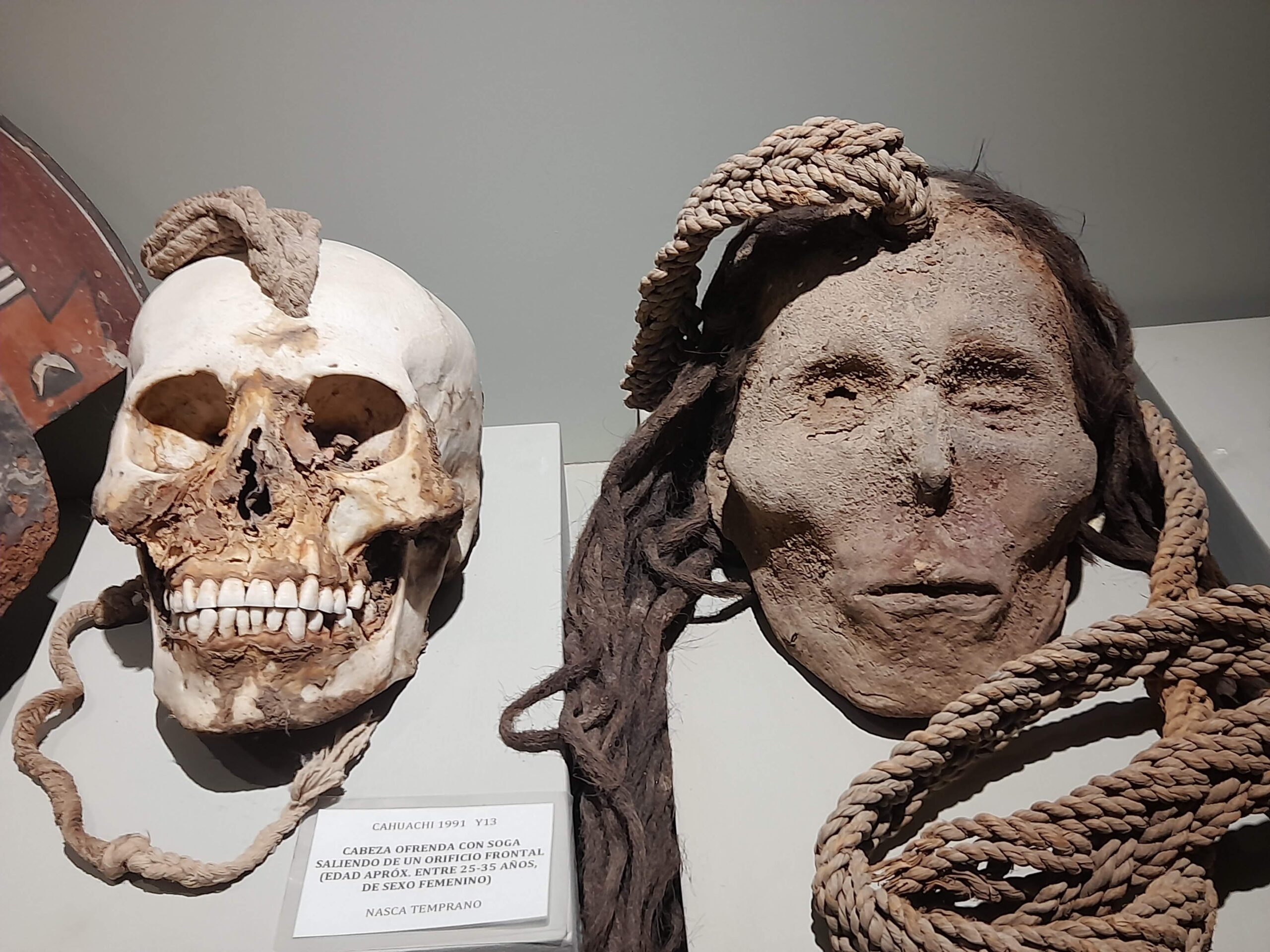
In the deserts of southern Peru, small human crania with drilled holes and cords – often called “trophy skulls” – have long been collected, traded, and displayed. Because the area became a hotspot for tourist trinkets in the twentieth century, some early examples that turned up in shops or private collections were written off as modern fakes. The idea that these could be genuine ritual objects from the Nazca culture felt, to some, like a macabre sales pitch.
Detailed osteological studies and context from controlled excavations helped change that perception. Cut marks, healing patterns, and weathering on many examples strongly indicate ancient modification and long‑term exposure, not recent crafting. Radiocarbon dating of associated materials supported a pre‑Columbian age. Although the market is still flooded with dubious pieces, the genuine ones have forced scholars to confront the uncomfortable reality that head‑taking and complex rituals with human remains were integral parts of ancient life in ways many of us would rather not imagine.
The Dead Sea Scroll “Reproduction” Fragments That Weren’t Copies

When fragments of biblical manuscripts began to appear in the mid‑twentieth century from the Dead Sea region, museums and universities were understandably cautious. Some of the more legible and neatly written pieces were initially dismissed as modern copies, perhaps prepared by local dealers trying to boost the perceived value of their wares. After all, if a fragment looks a bit too crisp compared to its crumbly neighbors, suspicion feels like the safe response.
In several cases, though, lab testing overturned those assumptions. Ink composition, parchment aging, and microscopic damage patterns revealed that some “reproductions” were actually ancient texts that had simply enjoyed slightly better preservation conditions. Ironically, later in the twenty‑first century, a wave of confirmed modern forgeries entered the market dressed up as Dead Sea fragments, which only made the earlier misjudgments more striking. The mixed history around these texts is a lesson in humility: both naïve acceptance and reflexive skepticism can lead us astray.
The “Too Perfect” Roman Glass: Brilliant Colors That Looked Fresh From the Kiln
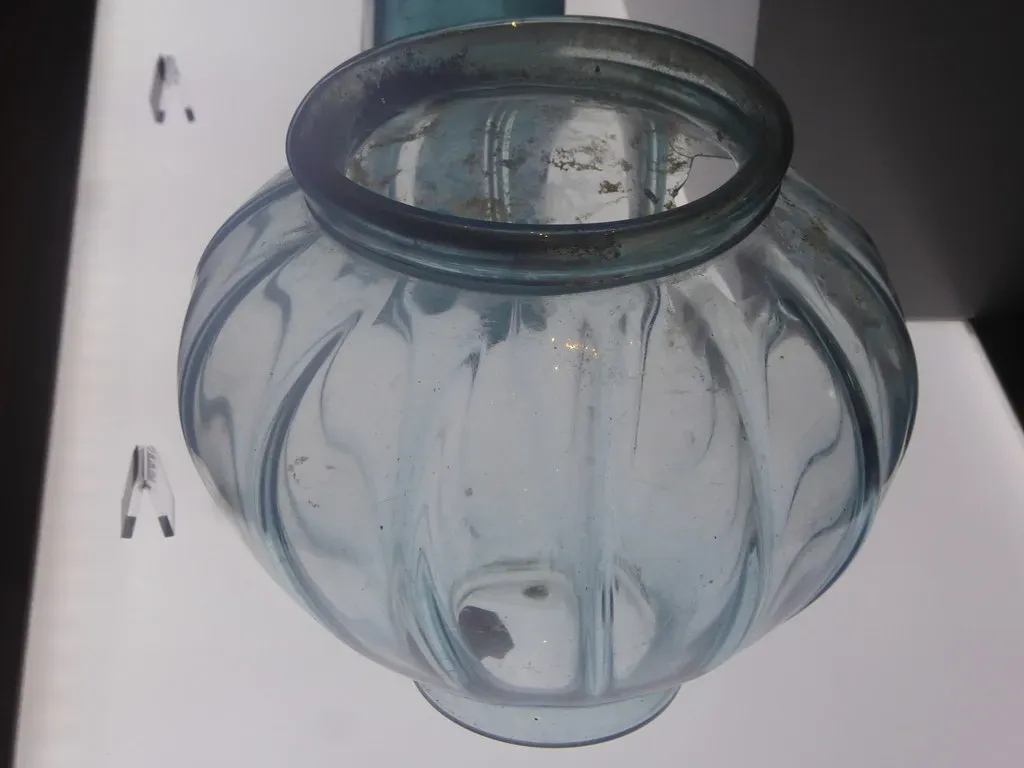
Roman glass vessels with swirling iridescence and delicate shapes pop up in museum cases around the world, but not all of them were immediately embraced as ancient. In the nineteenth and early twentieth centuries, when glassmaking was undergoing its own revival, some especially vivid or intact pieces were suspected of being modern art glass passed off as antiquities. To the naked eye, their colors and clarity seemed almost suspiciously contemporary.
What changed minds were systematic studies of weathering layers, burial conditions, and microcracks in the glass. Authentic Roman pieces showed distinct kinds of surface alteration and chemical leaching that are extremely hard to replicate artificially. As more of these vessels were found in secure archaeological contexts – still resting in the ruins of Roman houses or tombs – it became clear that ancient glassmakers were far more skilled and experimental than many had assumed. The line between “museum masterpiece” and “modern fake” turned out to be much finer than most curators were comfortable admitting.
Conclusion: When Our Biases Age Worse Than the Artifacts
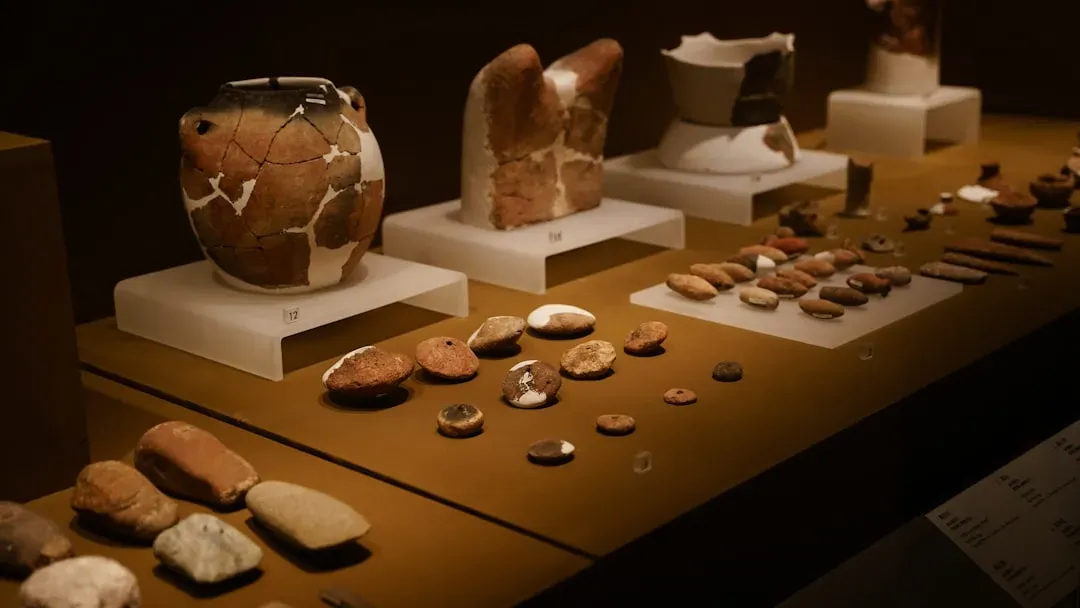
Looking across these twelve cases, a pattern emerges that is hard to ignore: when an artifact seems too advanced, too beautiful, too well preserved, or simply too weird for our mental model of the past, we tend to label it a fake before we ask whether our model might be wrong. That reflex is understandable – archaeology really is plagued by forged objects – but it can quietly rob us of some of the most important insights ancient material has to offer. The Antikythera mechanism, the Nebra Sky Disk, and the Pazyryk carpet did not break the rules of history; they exposed the limits of our imagination.
In my view, the healthiest position is a kind of disciplined open‑mindedness: demand good science, rigorous testing, and honest documentation, but do not let cynicism masquerade as critical thinking. Some “fakes” will always turn out to be just that, yet others will slowly, stubbornly prove their authenticity and force textbooks to catch up. The real embarrassment is not when we are briefly fooled by a clever forger, but when we refuse to believe the past was as inventive and unpredictable as the present. When the next impossible artifact turns up, will you bet on fraud – or be willing to update what you thought you knew about human history?