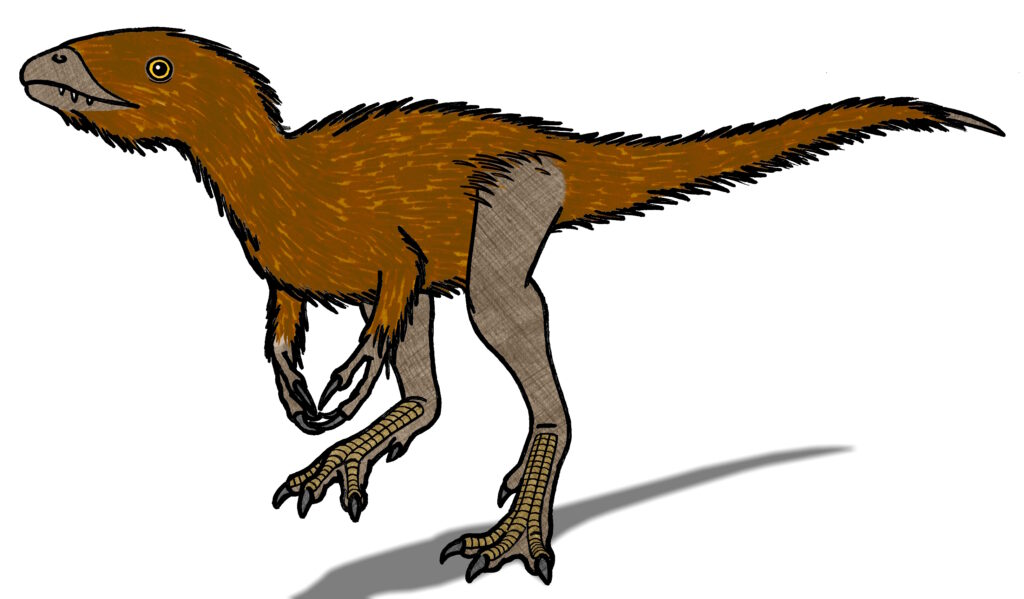
Imagine staring at a dinosaur fossil and not just seeing bones, but actual traces of guts, muscles, and soft tissues from more than one hundred million years ago. It sounds like science fiction, yet that is exactly what happened with a small Italian dinosaur called Scipionyx. This little creature, about the size of a small dog when fully grown, completely rewrote what scientists thought was possible in dinosaur preservation.
The discovery of Scipionyx did something rare in science: it made hardened paleontologists feel like excited kids again. Not only could they study its skeleton, they could peer inside its body, almost like it had been run through a prehistoric medical scan. That level of detail turned this unassuming fossil into one of the most important dinosaur specimens ever found, and its story is far stranger and more gripping than most people realize.
A Tiny Dinosaur with an Almost Impossible Level of Detail
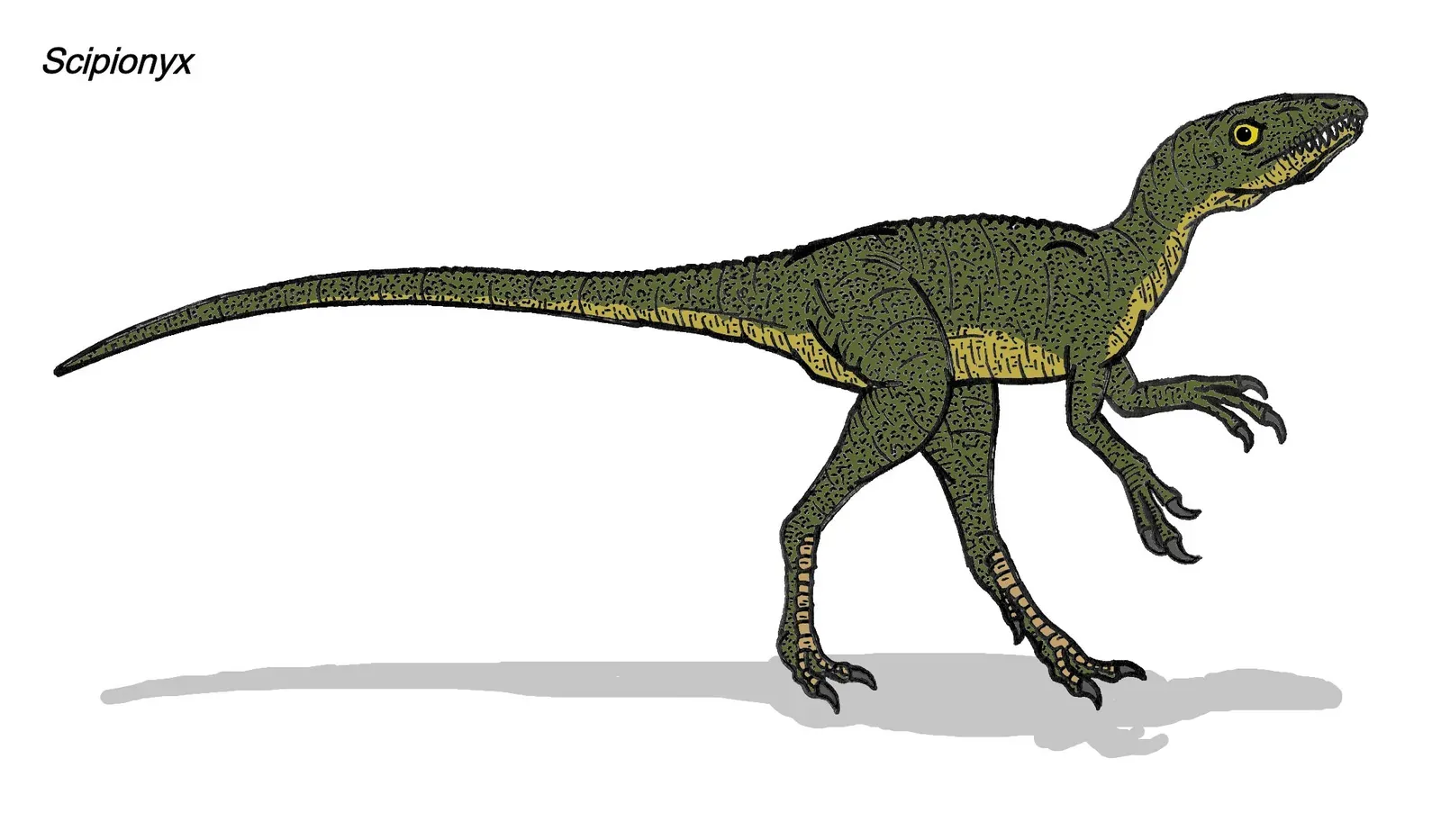
Scipionyx was not a giant terror like Tyrannosaurus or a celebrity like Velociraptor; it was a small, meat‑eating dinosaur that lived during the Early Cretaceous, roughly about one hundred thirteen million years ago, in what is now southern Italy. The fossil that stunned the world came from a juvenile, only around the size of a kitten, preserved in limestone that captured not just its bones but delicate traces of its insides. That alone puts it in a class with the rarest and most scientifically precious fossils on Earth.
What makes Scipionyx so astonishing is how much of its anatomy survived. Under ultraviolet light and careful preparation, researchers identified details like parts of the digestive tract, the liver area, muscles, and even blood vessel impressions. In most dinosaur fossils, you are lucky if you get a reasonably complete skeleton; in Scipionyx, you get a snapshot of a once‑living body. It is like the difference between finding an old skeleton key and suddenly discovering the entire locked room it once opened.
How Do Internal Organs Survive for Over 100 Million Years?
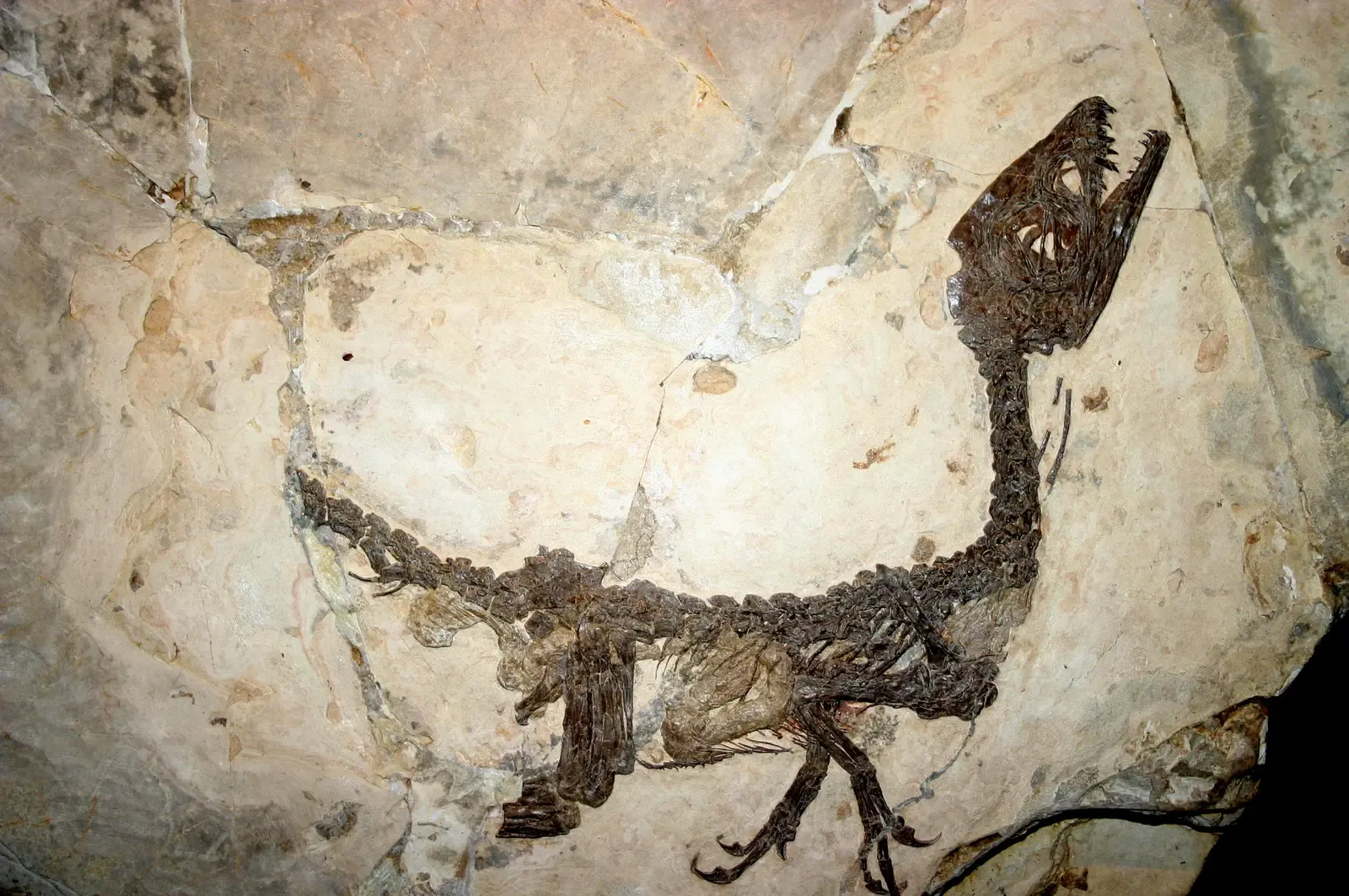
On the surface, the idea that soft organs could last for over a hundred million years seems completely ridiculous. Normally, soft tissues decay quickly after death, eaten by microbes, scavengers, and oxygen. For Scipionyx to preserve its internal organs, conditions had to be extraordinarily specific: rapid burial, low oxygen, fine sediment, and chemistry that favored mineral replacement before complete decay set in. Think of it as nature hitting the pause button at exactly the right moment and never unpausing again.
In the limestone that held Scipionyx, the soft tissues did not simply sit there unchanged; they were replaced or coated by minerals while still retaining their original shapes and boundaries. That is why scientists can see outlines and textures that match organs and muscles rather than actual flesh. It is a bit like casting a sculpture from a mold after the original statue is gone – the material is new, but the form and detail reflect something very real that used to be there.
What Scipionyx’s Gut Reveals About Dinosaur Biology
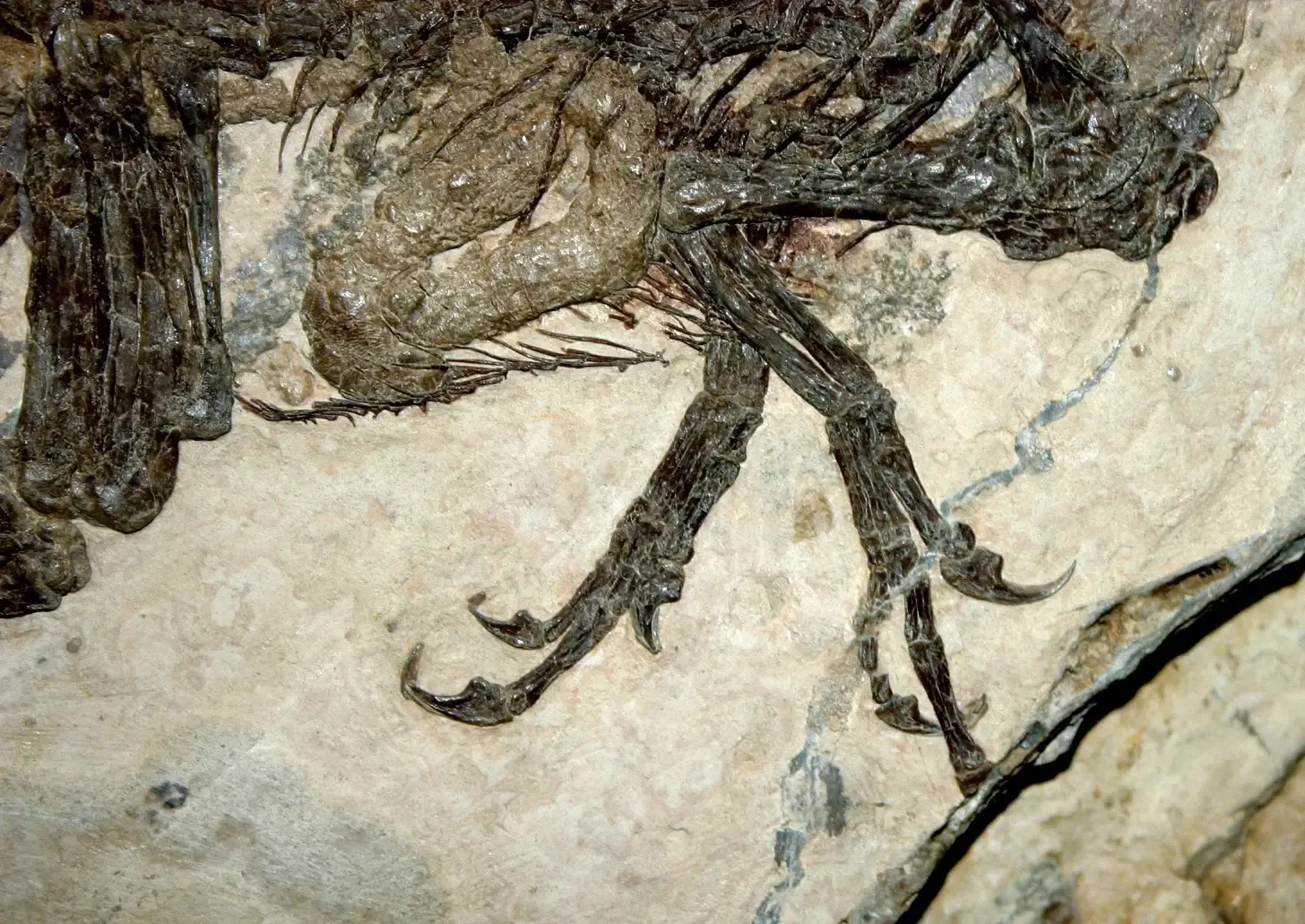
One of the most exciting parts of the Scipionyx fossil is its digestive system. The preserved gut region shows structures that match parts of the intestines and other digestive organs, giving researchers rare clues about how food moved through a small theropod dinosaur. There is even evidence of partially digested material inside, suggesting what it had eaten not long before it died. That turns this fossil from a static object into a story about an animal’s last living hours.
These internal details help scientists understand how efficiently Scipionyx might have processed meat, how quickly it grew, and how its metabolism compared to modern animals like birds and reptiles. While there is still debate about exactly how “warm‑blooded” many dinosaurs were, fossils like this tilt the discussion toward a more active, energetic lifestyle for at least some small theropods. It is one thing to argue about metabolism using bone texture alone; it is another to stare directly at a fossilized gut and realize you are seeing the machinery that powered a living dinosaur.
Muscles, Respiration, and the Bird–Dinosaur Connection
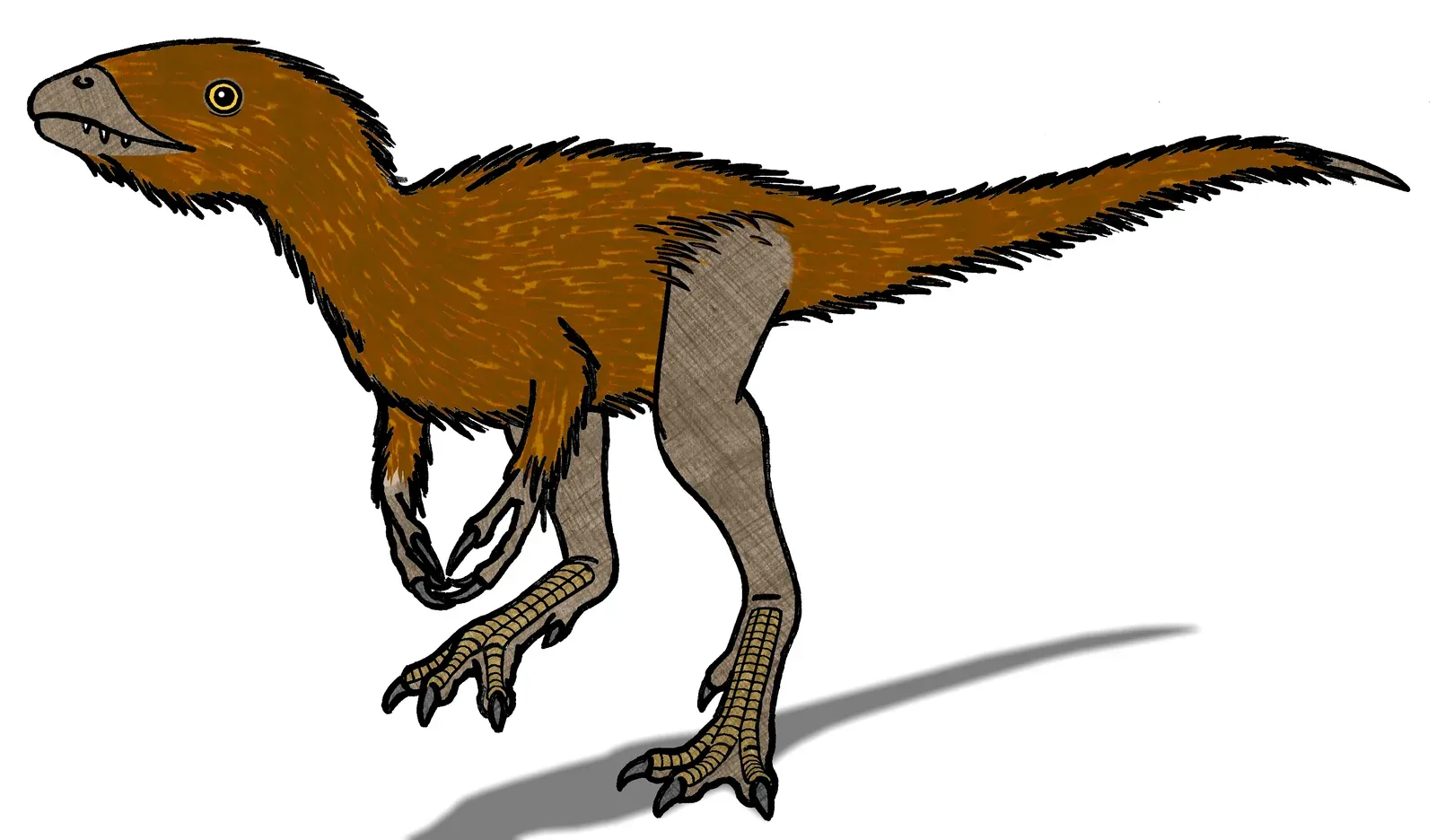
Beyond the gut, Scipionyx preserves parts of its muscles, including areas associated with movement and breathing. Under detailed study, these structures offer clues about how this animal held its body, moved its limbs, and possibly how its respiratory system functioned. Instead of guessing from bone attachment points alone, paleontologists can see traces of the actual soft tissue that once pulled on those bones. That is an enormous advantage when you are trying to reconstruct how a dinosaur really lived rather than just how it looked in a museum mount.
Some of the preserved areas appear to support the idea that small theropods had breathing systems more similar to modern birds than to lizards, with air sacs and a highly efficient flow of air through the body. Scipionyx becomes a bridge between the world of classic dinosaurs and the birds we see every day. Next time you watch a sparrow dart through the air, it is worth remembering that its internal anatomy may have more in common with Scipionyx than with the reptiles people usually picture when they hear the word dinosaur.
A Fossil That Changed How Paleontologists Study Dinosaurs
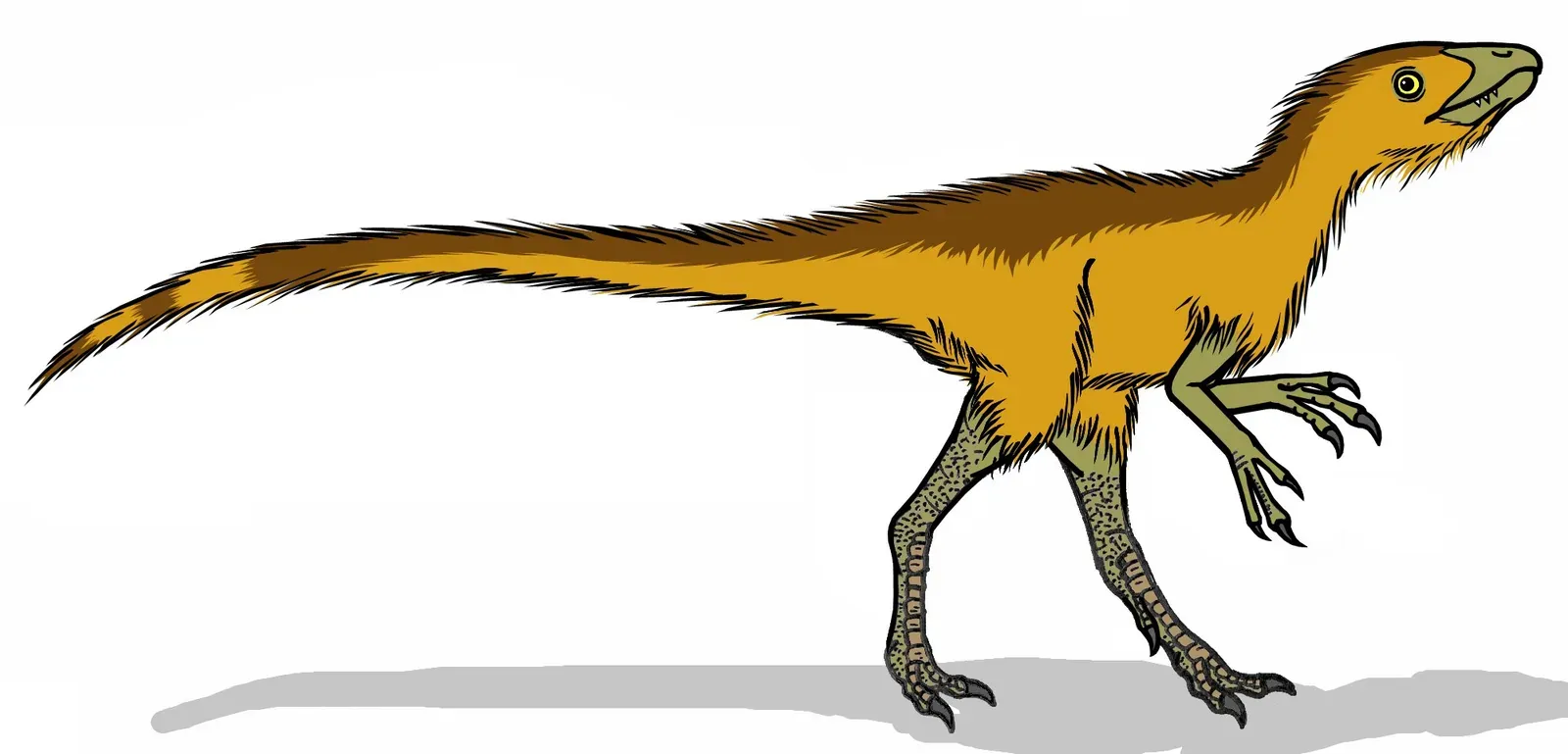
When Scipionyx was first studied in detail in the late nineteen‑nineties, it immediately caused a stir in the scientific community. Here was a fossil that forced researchers to up their game in terms of preparation, imaging, and interpretation. Techniques like ultraviolet light analysis, high‑resolution photography, and careful chemical study became crucial just to make sense of everything the fossil held. Paleontologists were no longer just cleaning bones; they were almost performing a post‑mortem examination on a dinosaur.
The impact went beyond this single specimen. Scipionyx helped convince scientists that they needed to look more carefully at other fossils that might preserve soft tissues in subtle ways. It also showed the public that dinosaurs were not just lifeless skeletons but once‑living animals with beating hearts, churning stomachs, and working lungs. In my view, that psychological shift – seeing dinosaurs as real animals rather than movie monsters – is one of the most important contributions fossils like Scipionyx have made.
Why Exceptional Fossils Like Scipionyx Are So Rare and So Precious
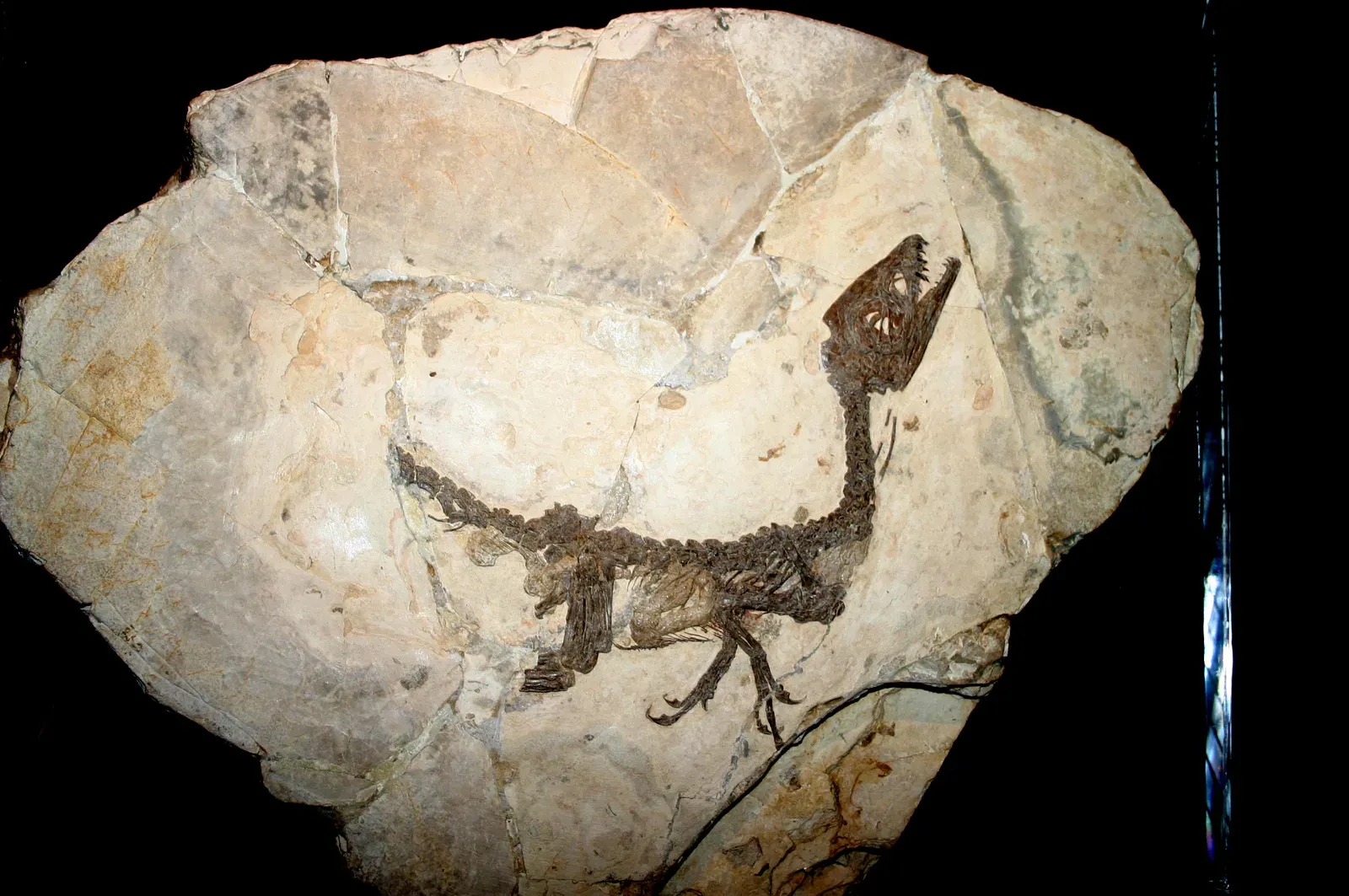
It is easy to assume that if we found one dinosaur with preserved organs, there must be many more out there, but that is not how fossilization works. Exceptional preservation like this depends on a staggeringly unlikely stack of conditions: the right environment, the right chemistry, a body that is not torn apart by scavengers, and just enough time before decay to allow minerals to lock everything in place. Most dinosaur carcasses were recycled by their ecosystems long before they had any chance to fossilize in detail.
That rarity is why I think fossils like Scipionyx deserve to be talked about with the same awe we reserve for masterpieces of art. They are not just scientifically important; they are irreplaceable windows into worlds that no longer exist. When a fossil preserves internal organs, it does not just give data points – it gives us a kind of empathy for an animal that lived unimaginably long ago. You are not just looking at stone; you are looking at the remains of a heartbeat that stopped more than a hundred million years in the past.
What Scipionyx Really Tells Us About Dinosaurs – And What It Doesn’t
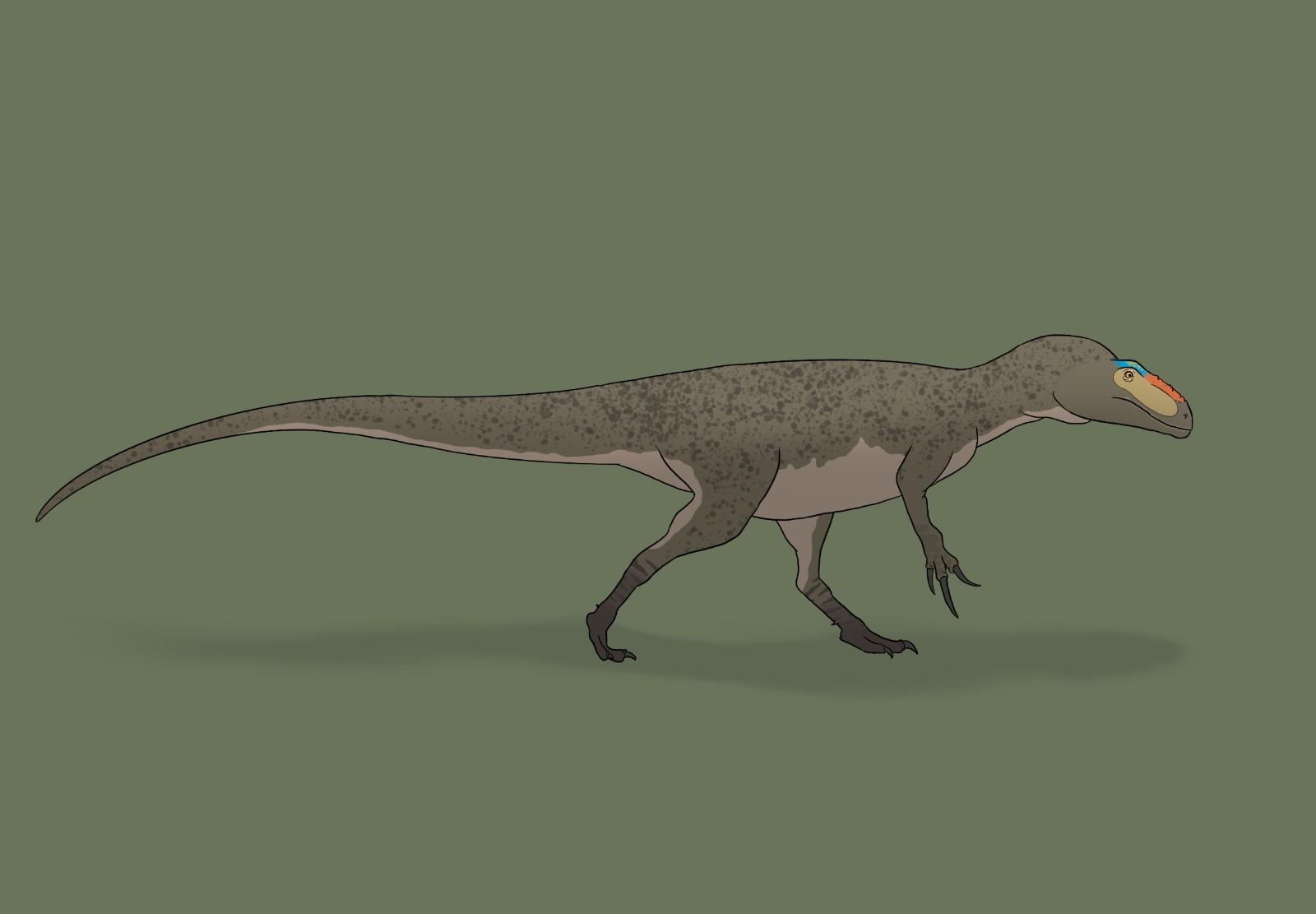
It is tempting to treat Scipionyx as a magic key that answers every question about dinosaur biology, but that would be a mistake. It is a single individual from a single species at a particular life stage, and science always has to be cautious about over‑generalizing from a lone example. We cannot assume every small theropod had identical internal anatomy or that the exact conditions that preserved this one fossil applied everywhere. There is still a lot of uncertainty, and a healthy amount of humility is essential when interpreting a specimen this unique.
That said, I think it is fair to say Scipionyx has earned its reputation as one of the most extraordinary dinosaur fossils ever discovered. It proves beyond doubt that under the right circumstances, internal organs and other soft tissues can survive in recognizable form for over a hundred million years. To me, that is both mind‑bending and oddly comforting: the universe is chaotic, but sometimes it leaves behind breathtakingly detailed receipts of its own history. Did you expect that a tiny dinosaur from Italy would end up telling us this much about life itself?