Nature’s imagination ran wild during the Mesozoic Era, creating dinosaurs that looked like mythical beasts brought to life. While everyone knows about the fierce carnivores and gentle giants, some of the most fascinating dinosaurs were those sporting elaborate decorations on their heads and bodies.
These weren’t just fashion statements either. These incredible features served purposes ranging from attracting mates to intimidating rivals, and sometimes even helping with communication across vast prehistoric landscapes. Some were built like living battering rams, while others resembled fantasy dragons with their intricate crowns and spikes.
Triceratops – The Three-Horned Giant
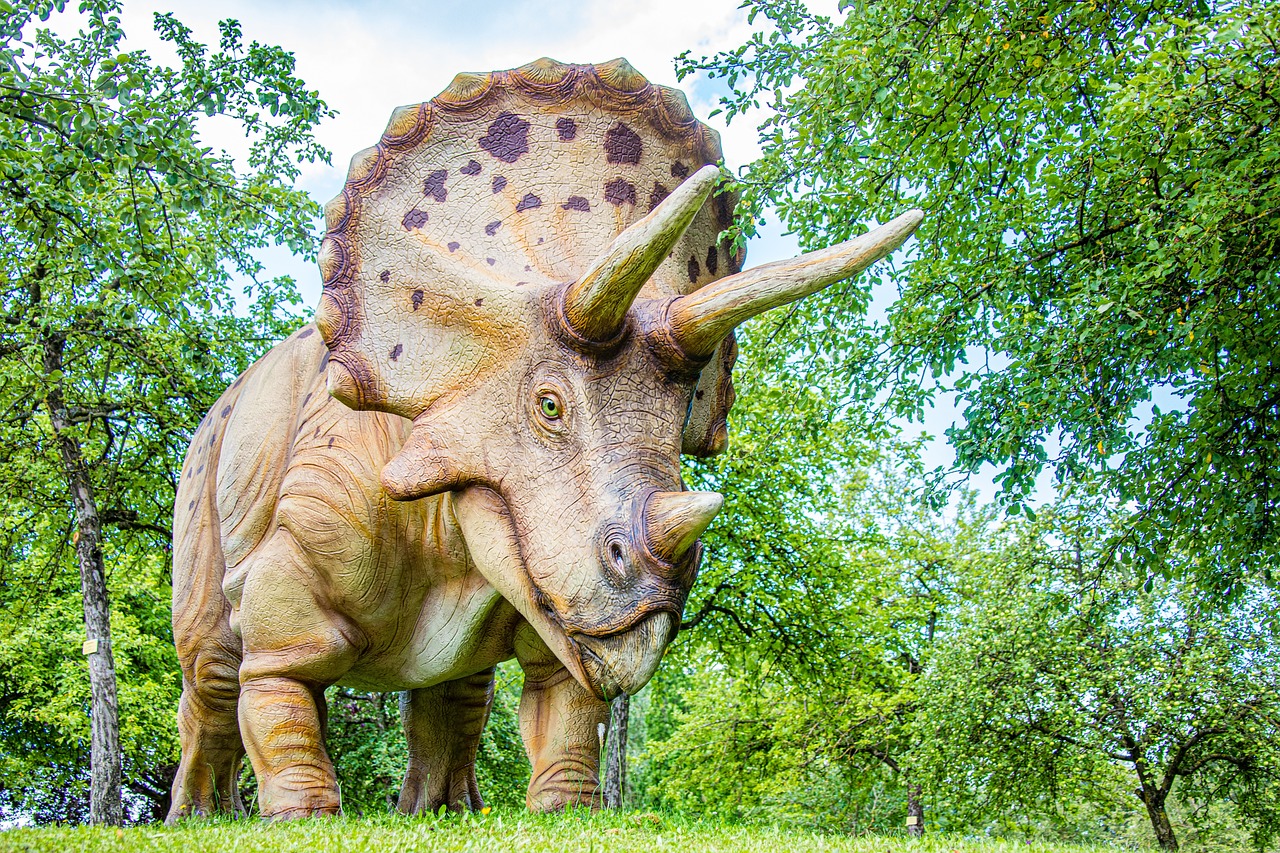
The most famous ceratopsian is Triceratops, with its three horns. This dinosaur has become the poster child for horned dinosaurs everywhere, and for good reason. Standing nearly ten feet tall and stretching up to thirty feet in length, Triceratops was built like a prehistoric tank.
Its massive skull could reach over seven feet long, with two forward-pointing horns above the eyes that could grow up to three feet each. The nose horn was smaller but equally intimidating. Their most notable features are the long, sharp horns on their heads and the colossal neck shield, reminiscent of modern rhinos.
Styracosaurus – The Spiked Warrior
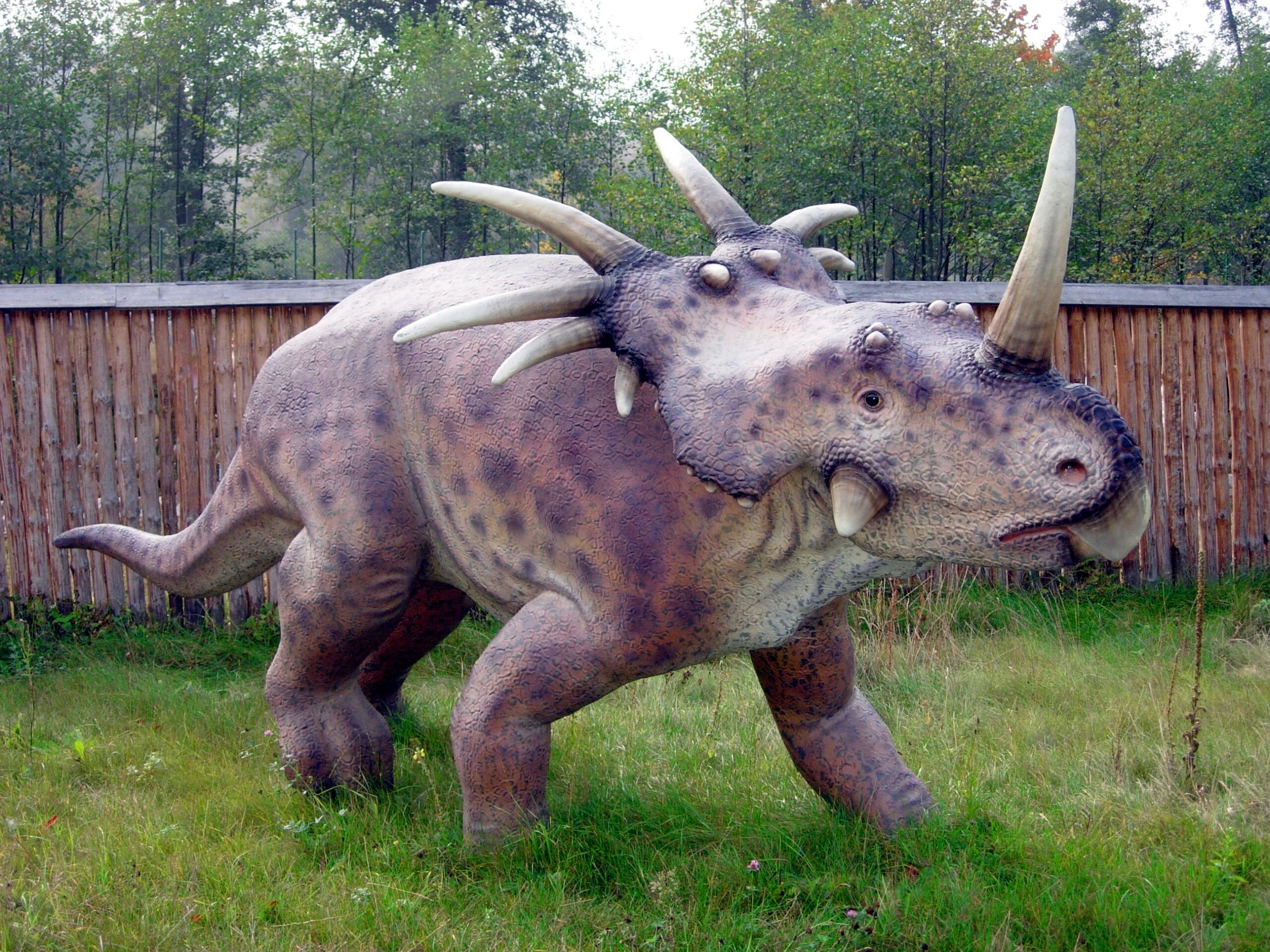
Styracosaurus (/stɪˌrækəˈsɔːrəs/ sti-RAK-ə-SOR-əs; meaning “spiked lizard” from the Ancient Greek styrax/στύραξ “spike at the butt-end of a spear-shaft” and sauros/σαῦρος “lizard”) is an extinct genus of herbivorous ceratopsian dinosaur from the Late Cretaceous (Campanian stage) of North America. It had four to six long parietal spikes extending from its neck frill, a smaller jugal horn on each of its cheeks, and a single horn protruding from its nose, which may have been up to 60 centimeters (2 feet) long and 15 centimeters (6 inches) wide.
The number of long horns around Styracosaurus’ frill seems to have varied between individuals. Some Styracosaurus skulls show four long frill spikes, whereas others show six. These variations make each individual Styracosaurus as unique as a snowflake, but infinitely more dangerous looking.
Parasaurolophus – The Musical Crested Duck-Bill
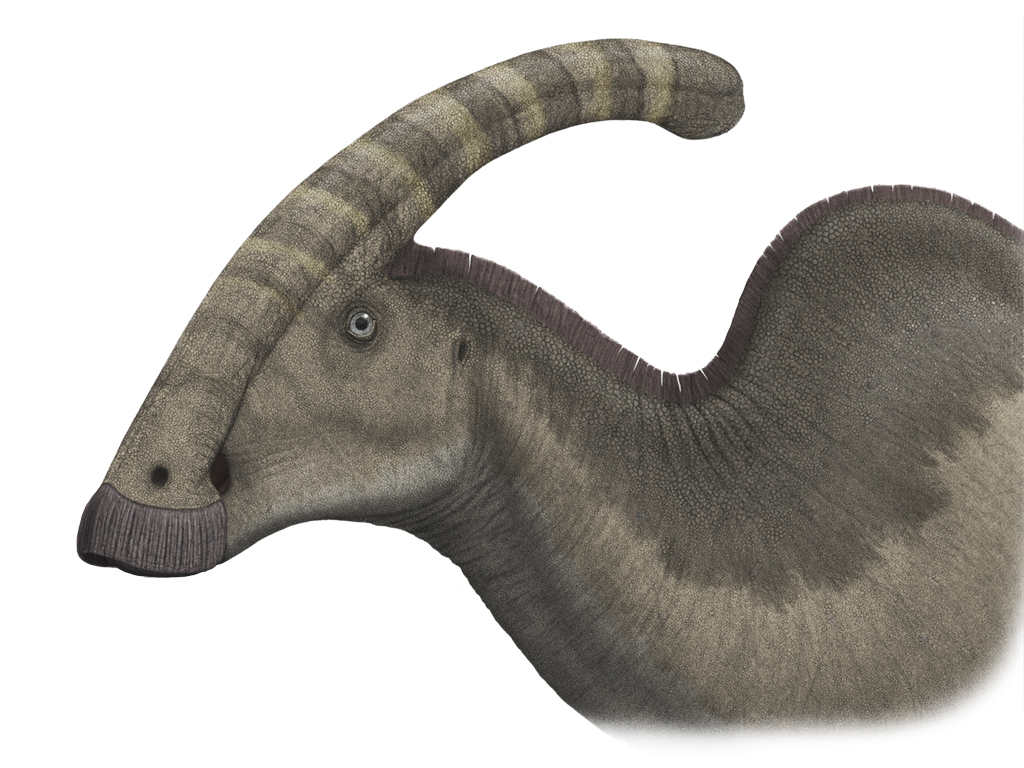
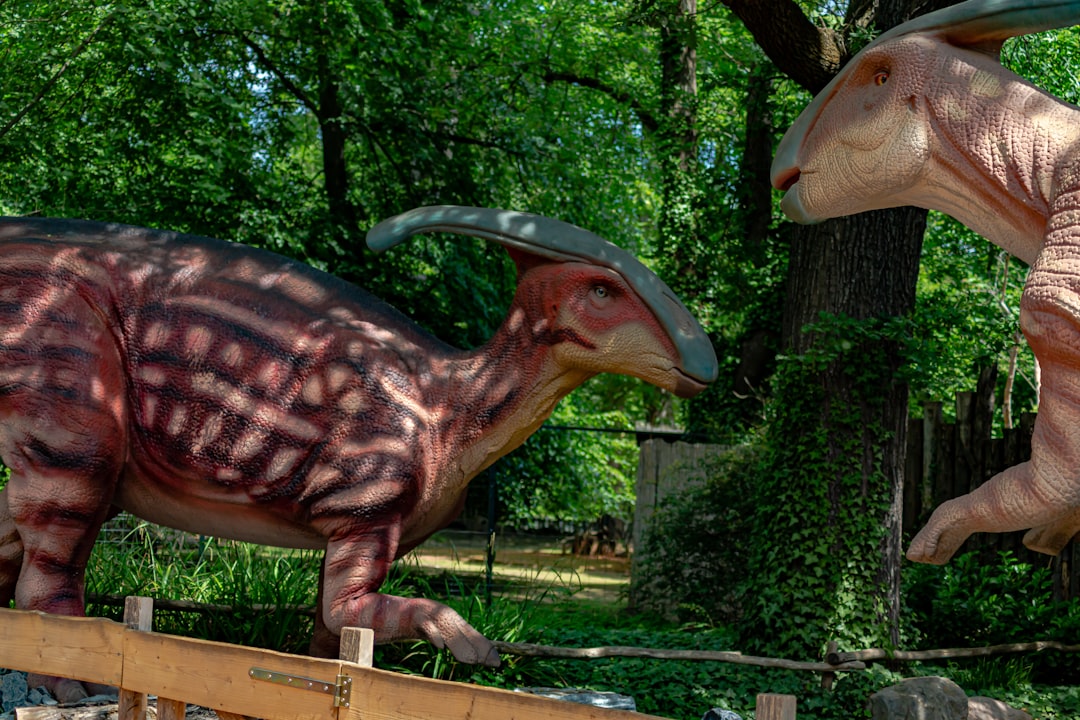
While not sporting horns , Parasaurolophus had something equally remarkable – a massive hollow crest that functioned like a prehistoric trombone. This duck-billed dinosaur could produce haunting calls that echoed across ancient landscapes, possibly communicating with herd members miles away.
Parasaurolophus walkeri has a curved horn protruding from the back of its head. The crest varied in size and shape between species, with some reaching nearly six feet in length. Scientists believe these crests helped different species recognize their own kind in mixed herds.
Carnotaurus – The Meat-Eating Bull
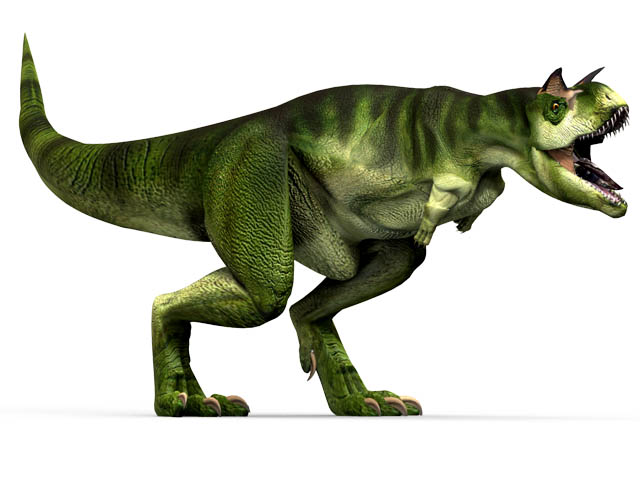
It had two thick horns above the eyes, a unique feature unseen in all other carnivorous dinosaurs, and a very deep skull sitting on a muscular neck. Unlike the plant-eating ceratopsians, Carnotaurus was a fearsome predator that used its horns for combat rather than intimidation alone.
The distinctive horns and the muscular neck may have been used in fighting others of its species. According to separate studies, rivaling individuals may have combated each other with quick head blows, by slow pushes with the upper sides of their skulls, or by ramming each other head-on, using their horns as shock absorbers.
Therizinosaurus – The Giant Claw Monster
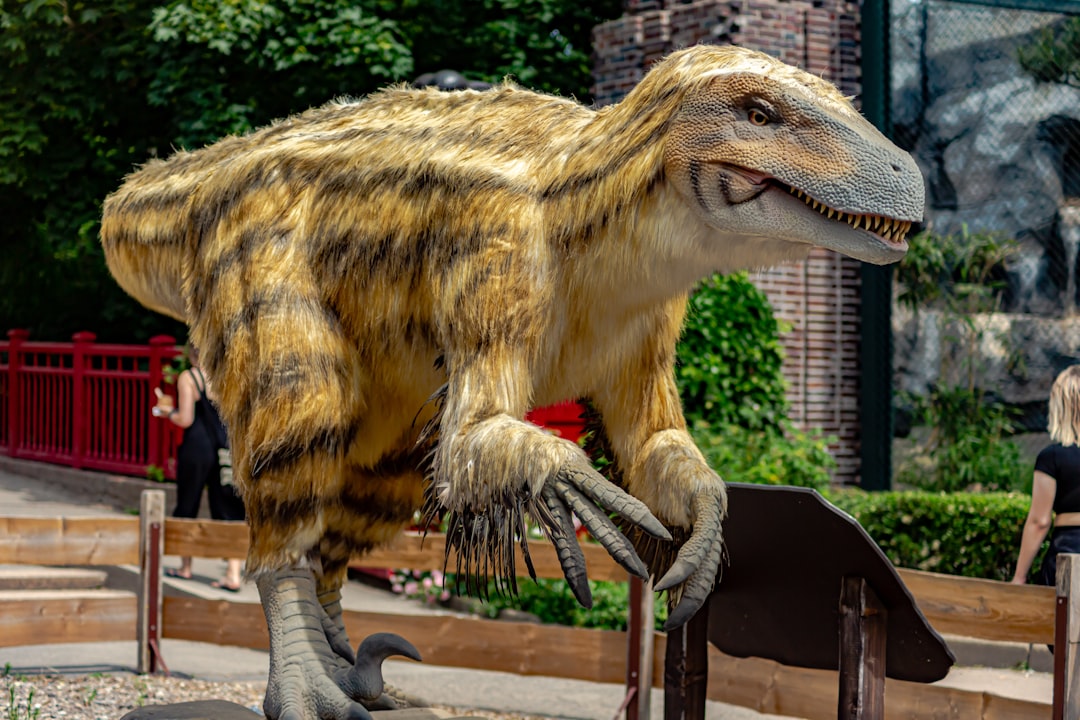
Therizinosaurus (/ˌθɛrəˌzɪnoʊˈsɔːrəs/ ⓘ; meaning ‘scythe lizard’) is a genus of very large therizinosaurid dinosaurs that lived during the Late Cretaceous period in what is now Asia. Despite its fearsome appearance, this giant was actually a gentle plant-eater with claws that would make Wolverine jealous.
It had a large, bulky body, long arms, and gigantic claws – the longest claws of any land animal in history! Some reached up to one metre in length, as long as a baseball bat. These massive claws weren’t weapons of destruction but rather sophisticated tools for pulling down high branches and stripping leaves.
Pentaceratops – The Five-Horned Face
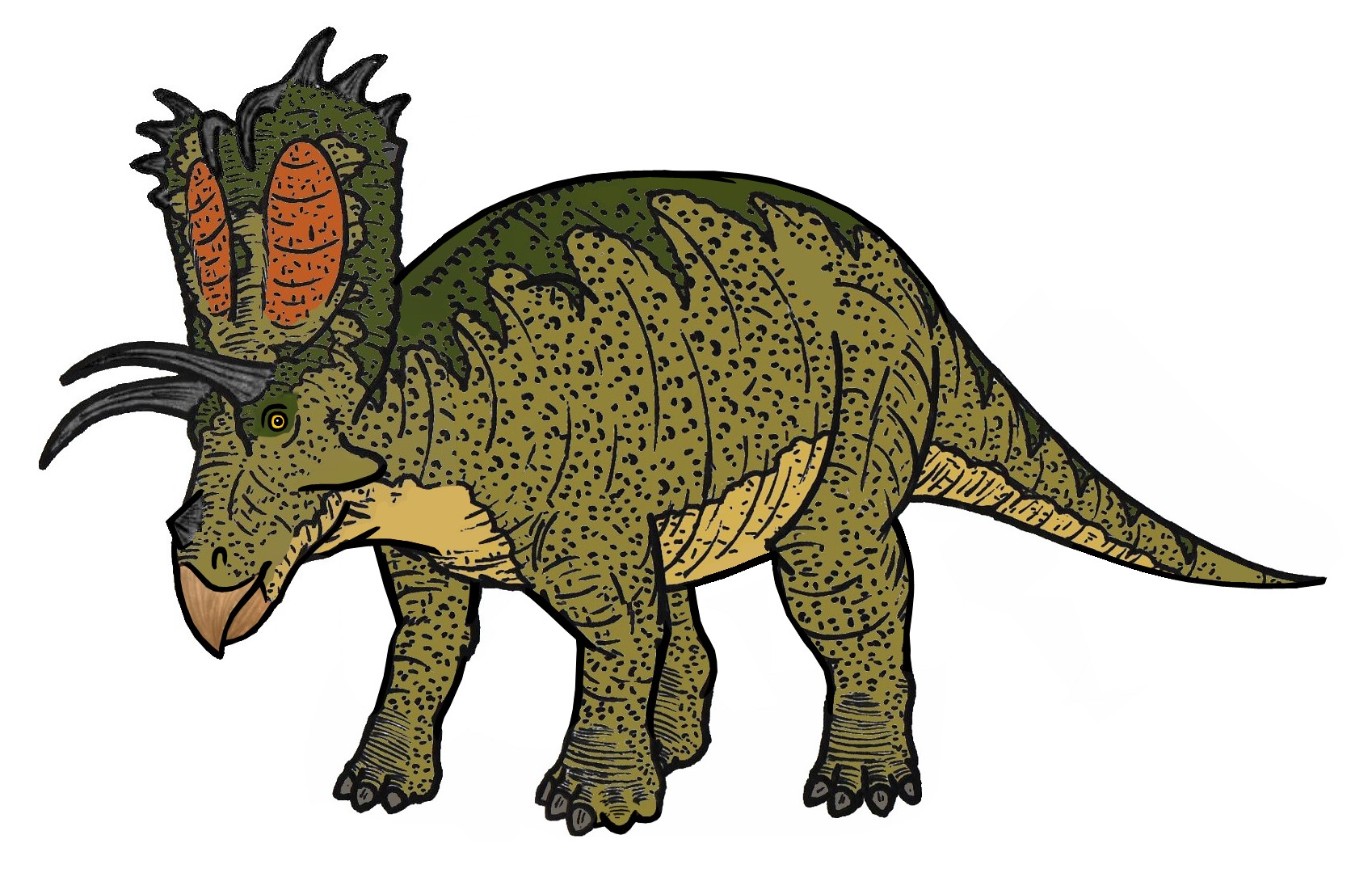
Pentaceratops (“five-horned face”) is a genus of herbivorous ceratopsid dinosaur from the late Cretaceous Period of what is now North America. The generic name means “five-horned face”, derived from the Greek penta (πέντα, meaning five), keras (κέρας, horn), and -ops (ὤψ, face), in reference to its two long epijugal bones, spikes which protrude out sidewards from under its eyes, in addition to the three more obvious horns as with Triceratops.
Despite its name suggesting five horns, Pentaceratops actually had the same number of true horns as its famous cousin Triceratops. The “extra” horns were actually elongated cheekbones that jutted out like spikes. Pentaceratops was a large ceratopsid; Dodson estimated the body length at 6 meters (20 ft). The skull length of AMNH 1624 is 2.3 meters (7.5 ft) while PMU R.200 has a length of 2.16 meters (7.1 ft).
Diabloceratops – The Devil-Horned Face
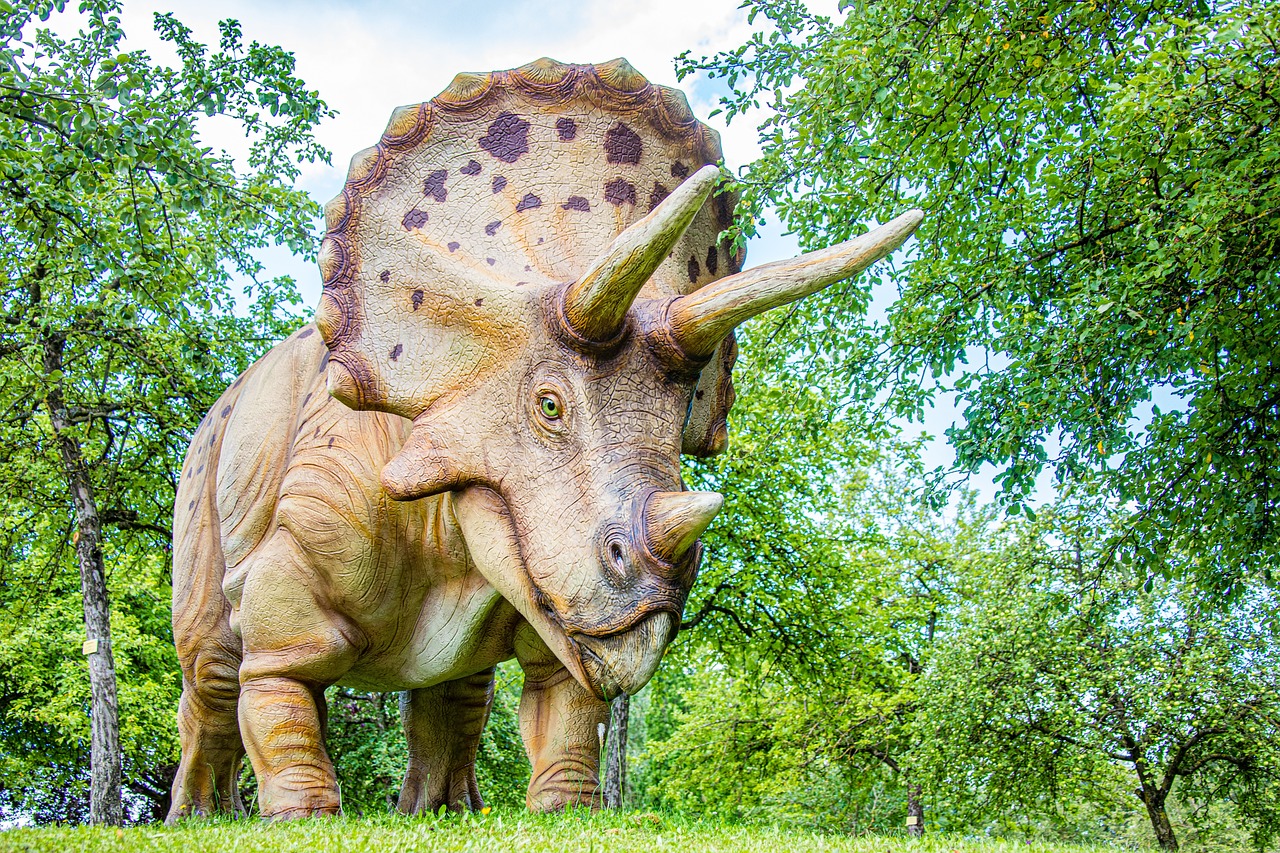
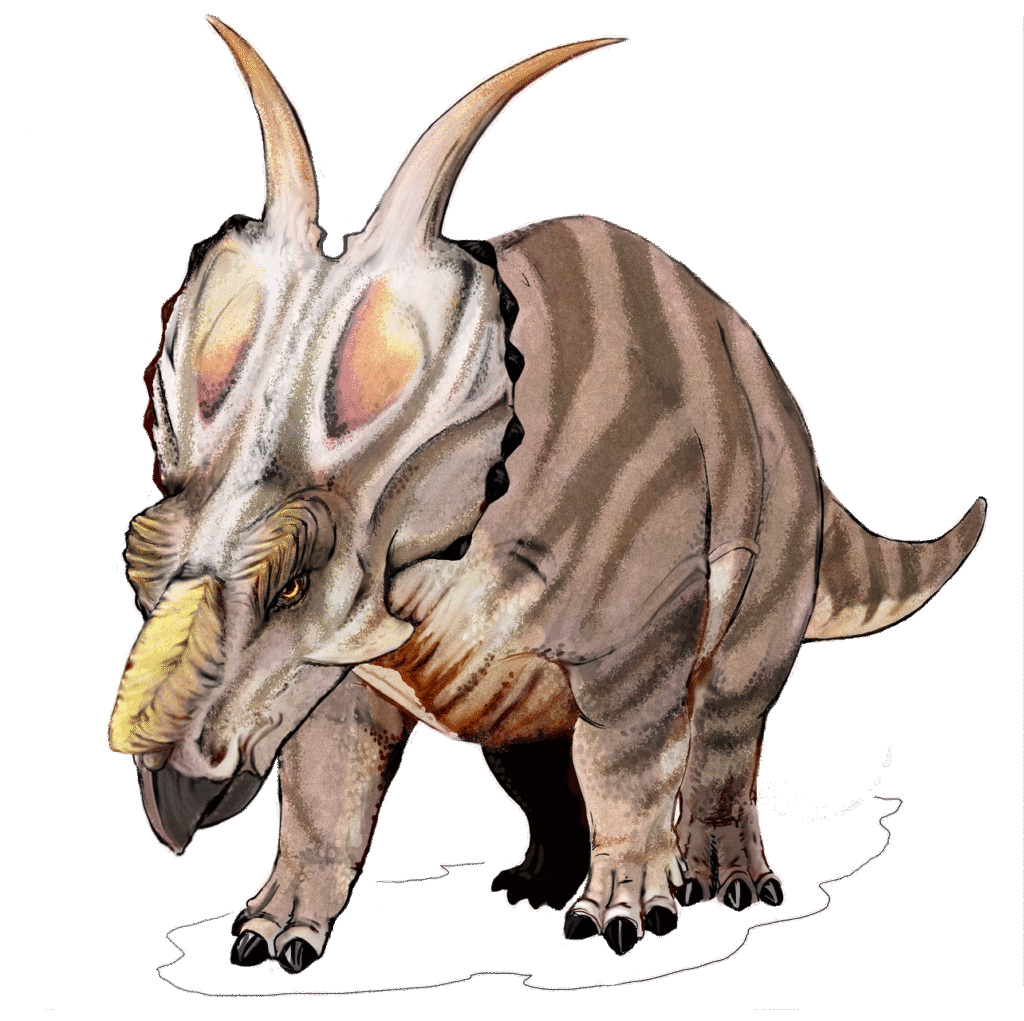
Diabloceratops (/daɪˌæbloʊˈsɛrətɒps/ dy-AB-loh-SERR-ə-tops) is an extinct genus of centrosaurine ceratopsian dinosaur that lived approximately 81.4-81 million years ago during the latter part of the Cretaceous Period in what is now Utah, in the United States. This dinosaur earned its devilish name from the dramatic horns that curved upward from its frill like Satan’s own crown.
The first thing about the skull of Diabloceratops is that it has two large horns that rise from the top of its neck frill, that then curve slightly to the sides. These ‘Devil horns’ are the reason why Diabloceratops got its name. At roughly fifteen feet long, it was smaller than many of its relatives but no less impressive in appearance.
Kosmoceratops – The Most Ornate Horned Dinosaur
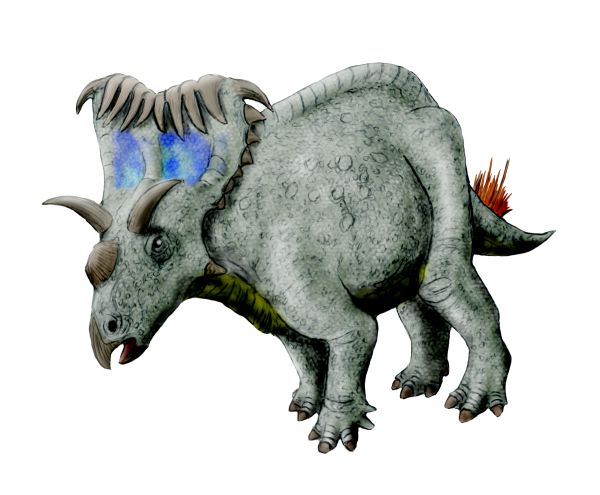
With a staggering total of 15 horns and spikes on its head, ladies and gentlemen meet the horny-est dinosaur ever. It has ten horns and spikes on its frill, two horns above each eye, one horn on the tip of its nose, and one horn coming out of each cheek! If there was ever a dinosaur beauty pageant, Kosmoceratops would win the most elaborate headpiece category hands down.
You might think Kosmoceratops used their elaborate horns and frills for defense, but paleontologists think their horns weren’t strong enough to be helpful weaponry; hence, it is more likely that they used them to try to attract mates, much like a male peacock tries to impress a female hen with its multi-colored display feathers.
Dracorex – The Dragon King of Hogwarts
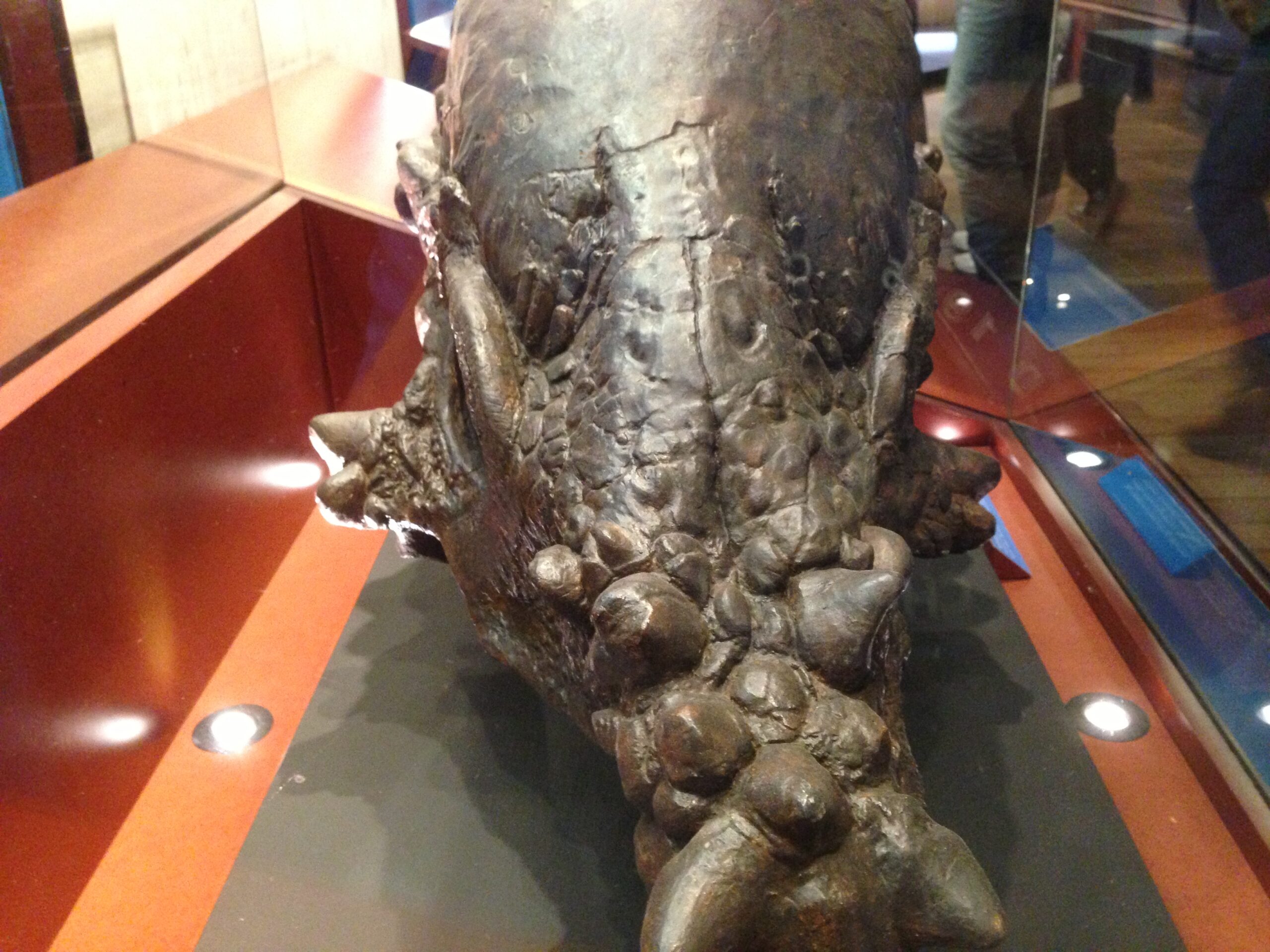
Dracorex is a pachycephalosaur from the end of the Cretaceous Period which was identified after the discovery of a spectacular skull. The skull lacks the dome characteristic of this group and instead has spikes and frills reminiscent of a mythical dragon. After studying the skull, scientists named the species Dracorex hogwartsia, the ‘dragon king of Hogwarts’, after the fictional Hogwarts School in the Harry Potter books by JK Rowling.
This relatively small dinosaur looked exactly like what you’d expect from something named after a dragon – complete with spikes and knobs decorating its skull in the most fantastical way. However, Some scientists think the skull may actually belong to a young Pachycephalosaurus.
Corythosaurus – The Helmet Lizard
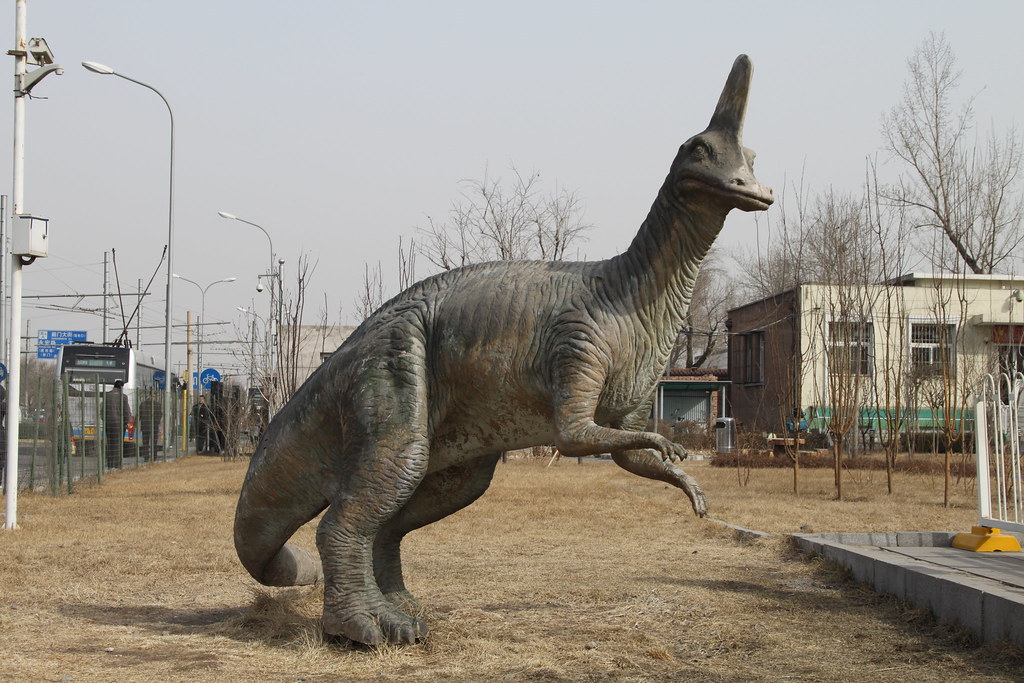
The crest of these dinosaurs is around 27 inches tall (70.8 cm), and they used it to communicate with other dinosaurs, and could possibly use their crest like a horn. Corythosaurus was a duck-billed dinosaur whose crest resembled a Spartan warrior’s helmet, giving it an incredibly dignified appearance.
With a length of around 30 feet (9.1 meters), this giant weighed between 6,800 to 11,000 lbs and is estimated to run up to 30 mph (48.2 kph). Corythosaurus also most likely lived in groups to increase their chance of survival. The hollow crest probably helped amplify their calls, making them some of the loudest dinosaurs in the prehistoric world.
Lambeosaurus – The Hatchet-Headed Giant
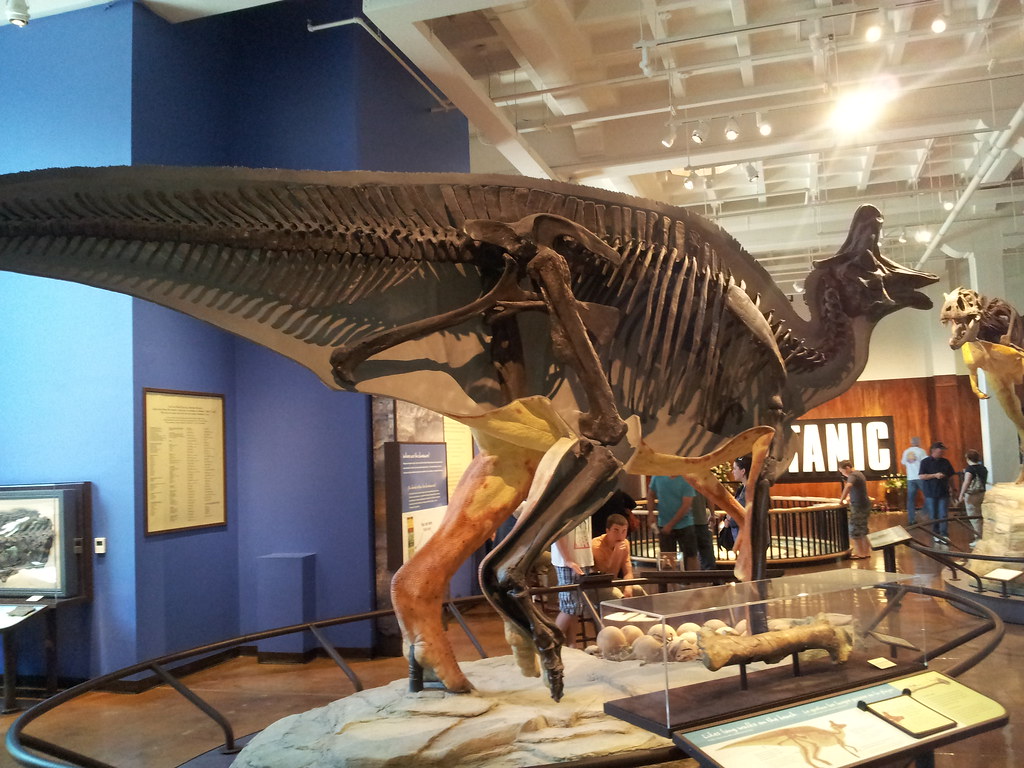
The most distinctive feature of Lambeosaurus was the oddly shaped crest on this dinosaur’s head, which looked like an upside-down hatchet – the “blade” sticking out from its forehead, and the “handle” jutting out over the back of its neck. This hatchet differed in shape between the two named Lambeosaurus species, and it was more prominent in males than it was in females.
Lambeosaurus grew to be about 30-50 feet long (9-15 m), weighing 5.6 tons. It is among the largest-known duck-bill dinosaurs. These impressive creatures roamed in herds, their distinctive crests helping them identify family members and potential mates from great distances.
Lokiceratops – The Newest Giant with Blade-Like Horns
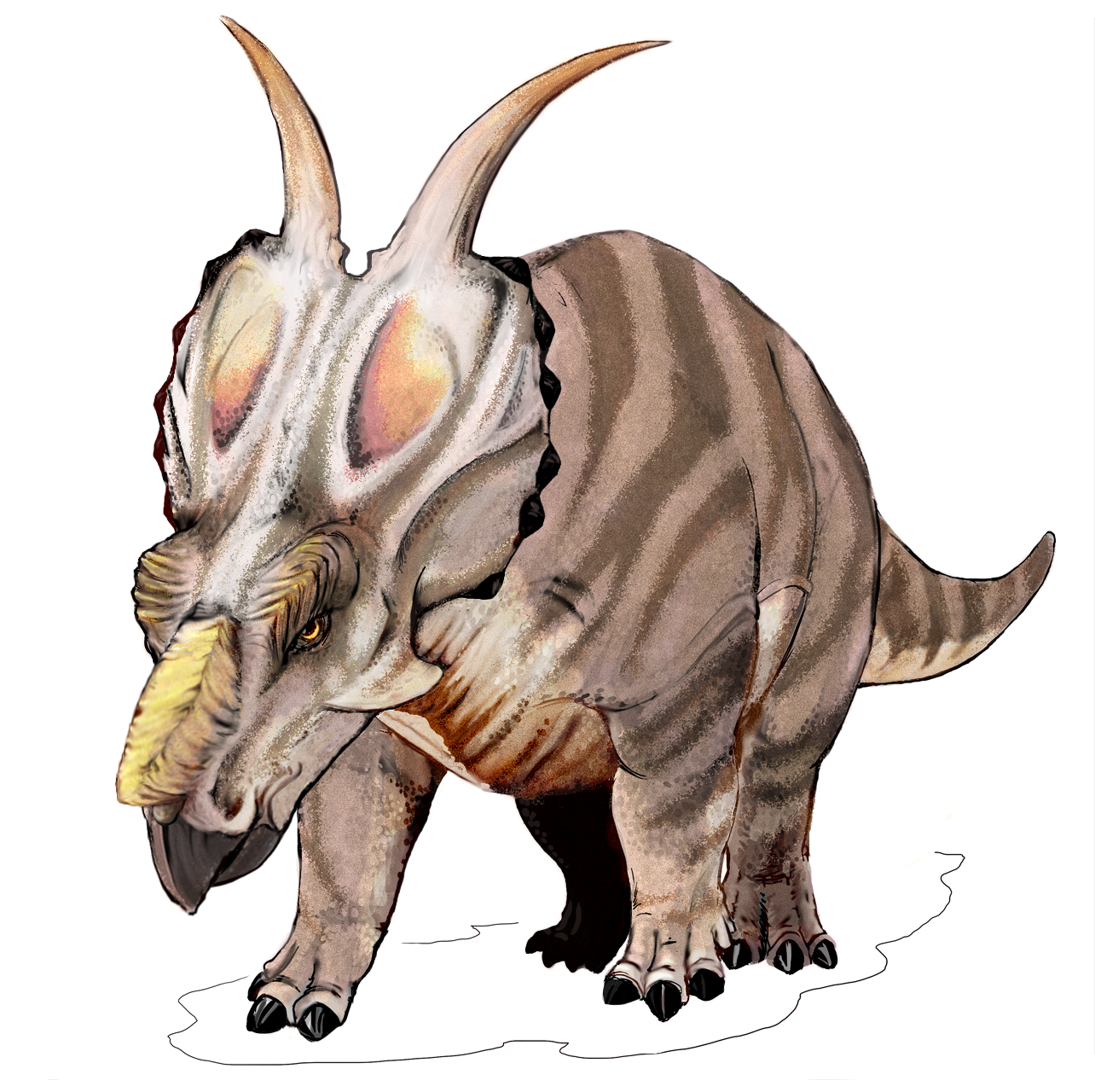
Researchers have discovered a new, giant-horned species of dinosaur named Lokiceratops rangiformis that they say is the “largest and more ornate” of its kind ever found. This recently discovered dinosaur represents one of the most spectacular ceratopsians ever unearthed, with features that seem almost too elaborate to be real.
Best of all are its gigantic horns, like curved blades, on the back of its frill: the largest ever observed on a horned dinosaur. The dinosaur’s frill also has a strange, asymmetric spike in the middle of its frill, and – weirdest of all – it doesn’t have a nose horn like other horned dinosaurs. Lokiceratops is estimated to have measured 22 feet long and have weighed about 11,000 pounds.
Conclusion
These magnificent beasts remind us that evolution is nature’s greatest artist, creating forms that seem too fantastical to be real. From the musical calls of Parasaurolophus echoing through ancient forests to the intimidating devil horns of Diabloceratops, each species developed its own unique approach to survival and communication.
The recent discovery of Lokiceratops shows us there’s still so much we don’t know about these incredible creatures. Each new fossil find adds another piece to the puzzle of how diverse and spectacular dinosaur life truly was. What other amazing horned, crested, or spiked dinosaurs are still waiting to be discovered? What do you think about these prehistoric marvels? Tell us in the comments.