
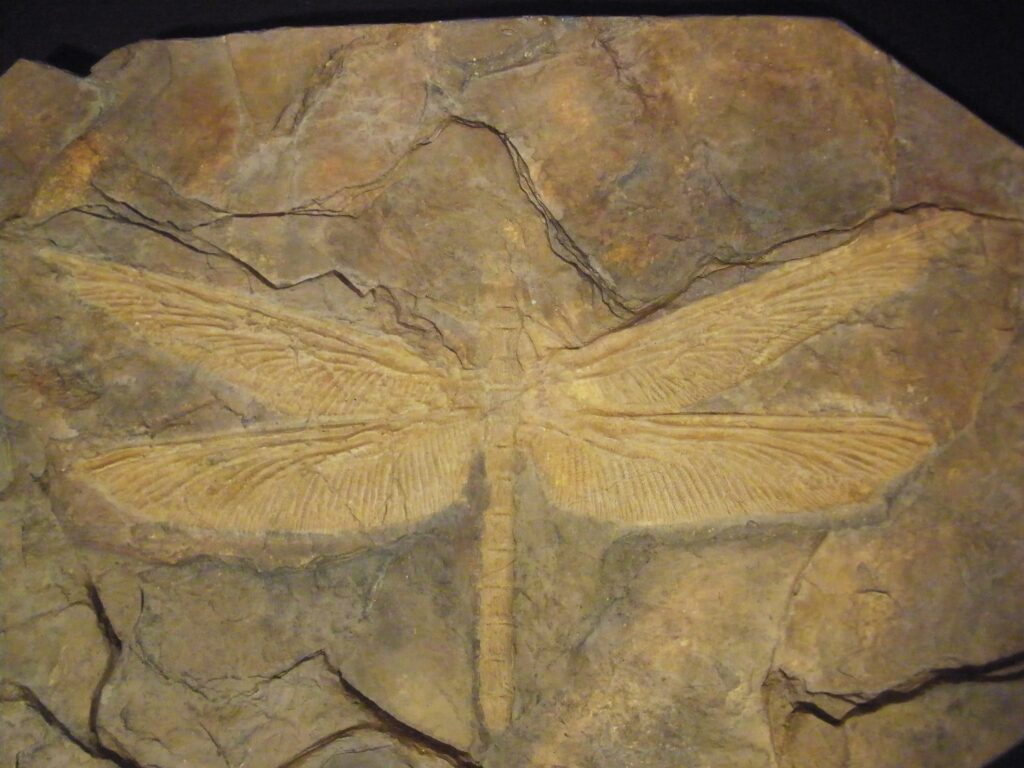
Most people picture fossils as tidy museum pieces – a label, a date, a story everyone already agrees on. That’s the myth. The reality is messier: some of the strangest specimens paleontology has ever pulled out of the rock never made it into a journal at all.
They sit in drawers, get whispered about in conference hallways, and quietly vanish from research plans – not because they’re fake, but because they don’t fit the story science has already committed to. Below are twelve of those finds, the ones too strange, too inconvenient, or too career-risky to publish the normal way. A few of them, if confirmed, would force textbooks to be rewritten from scratch.
#12 – The Dinosaur Tail That Looked Uncomfortably Mammalian
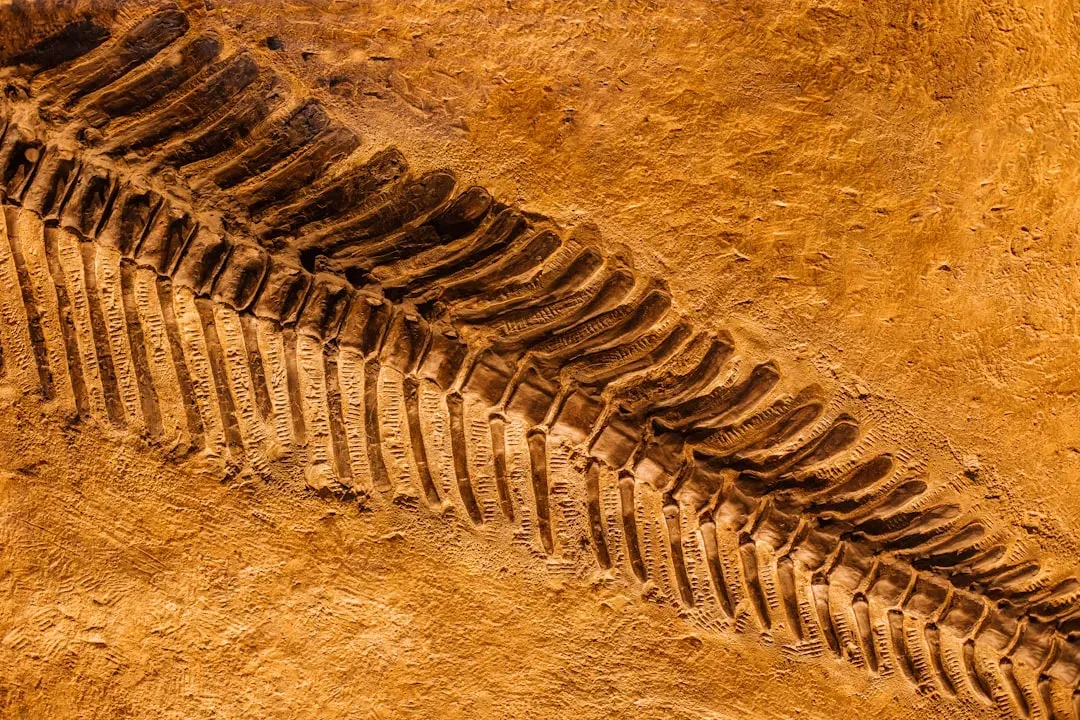
At first it was filed as “just another tail” – a string of vertebrae locked in Cretaceous rock. Then a junior researcher noticed the joint spacing looked wrong. Not dinosaur wrong. Small-mammal wrong, with a flexibility and arrangement that didn’t match any known dinosaur lineage.
CT scans made it worse. The attachment points hinted at fur or dense soft tissue, not scales – the kind of detail that normally separates reptile-line animals from mammal-line ones with zero ambiguity. Either a dinosaur had evolved a mammal-style tail through some bizarre convergence, or a small mammal-like creature was living in rock millions of years “too early” for it to exist. Senior authors reportedly pushed to “re-examine the stratigraphy” instead of rushing into print – the kind of quiet stall that keeps an inconvenient fossil out of the literature for good.
Fast Facts
- Mammals and reptiles are believed to have split from a common ancestor roughly 320 million years ago.
- The Cretaceous Period, where this tail was found, spans from about 145 to 66 million years ago.
- Genuine fur or soft-tissue impressions are exceptionally rare and demand unusually fine-grained sediment to survive.
#11 – Human-Like Footprints In Rock Millions Of Years Too Old
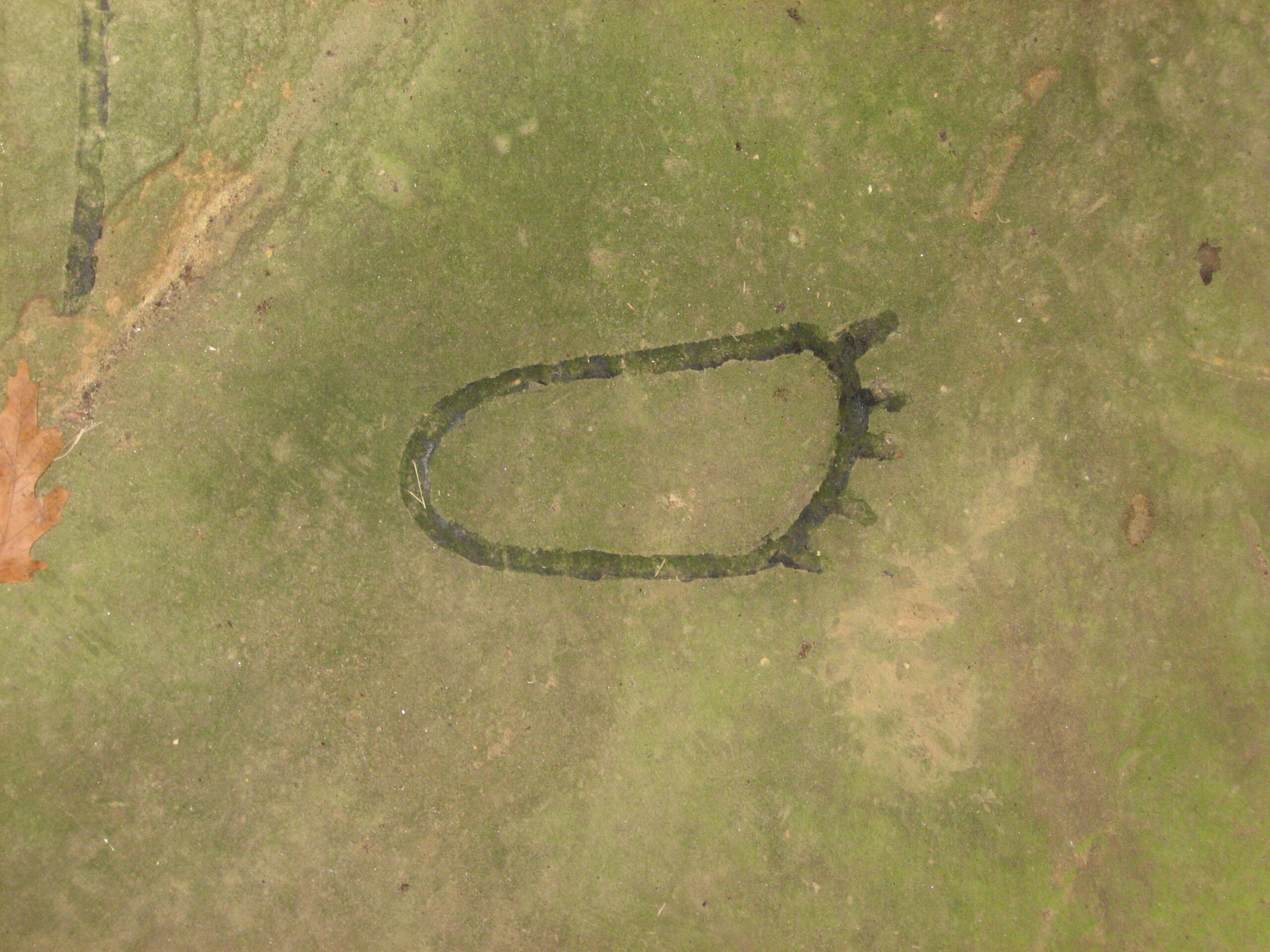
Geologists are famously conservative about dating layers, so when researchers found footprints with a clear heel-to-toe roll, an arch, and distinct toe impressions in rock dated tens of millions of years before Homo sapiens existed, alarm bells rang immediately. These weren’t vague smudges – they were more anatomically detailed than plenty of trackways that do make it into textbooks.
The official explanation leaned on erosion mimicking footprints, or a misread dinosaur trace. Off the record, though, a few specialists admitted the shape looked “uncannily human.” Re-dating efforts focused on protecting the accepted timeline rather than exploring the anomaly, because suggesting modern-style feet existed long before modern humans is the kind of idea that can end a career before it starts.
#10 – The Trilobite With A Shockingly Modern Eye
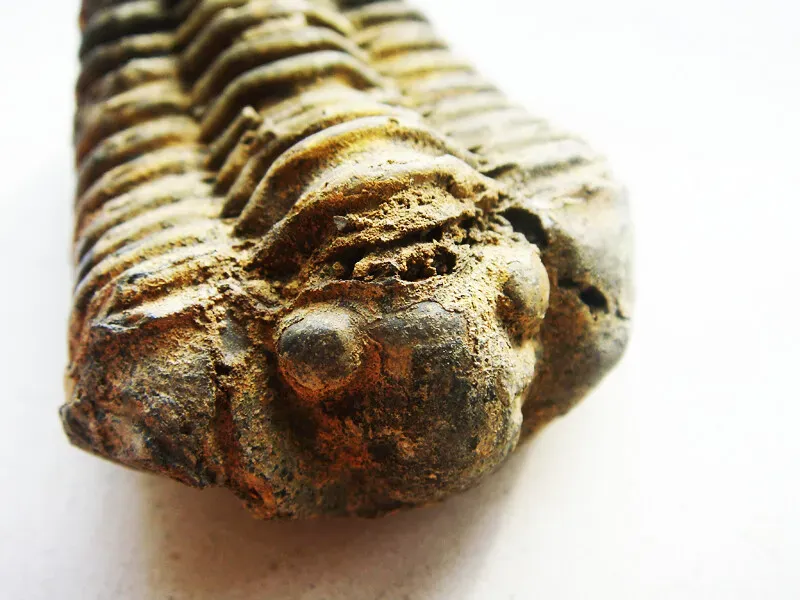
Trilobites already have a reputation for oddly advanced eyes, but one specimen reportedly crossed a line nobody wanted to discuss. Under high magnification, its compound eye showed a lens arrangement rivaling a modern dragonfly’s, complete with optical corrections built for sharp vision in dim, underwater light.
If that reading is correct, complex vision evolved earlier and faster than mainstream models allow, and “primitive” Cambrian seas were hunting grounds for animals with near-modern sensory power. Instead of a paper, the fossil reportedly got passed quietly around a conference before disappearing into a private collection. A few people floated “diagenetic alteration” as an explanation, but nobody volunteered to test it in public – because confirming the eye would drag half a dozen careers into a fight over how fast evolution can actually move.
#9 – The “Too-Advanced” Bird From The Age Of Dinosaurs
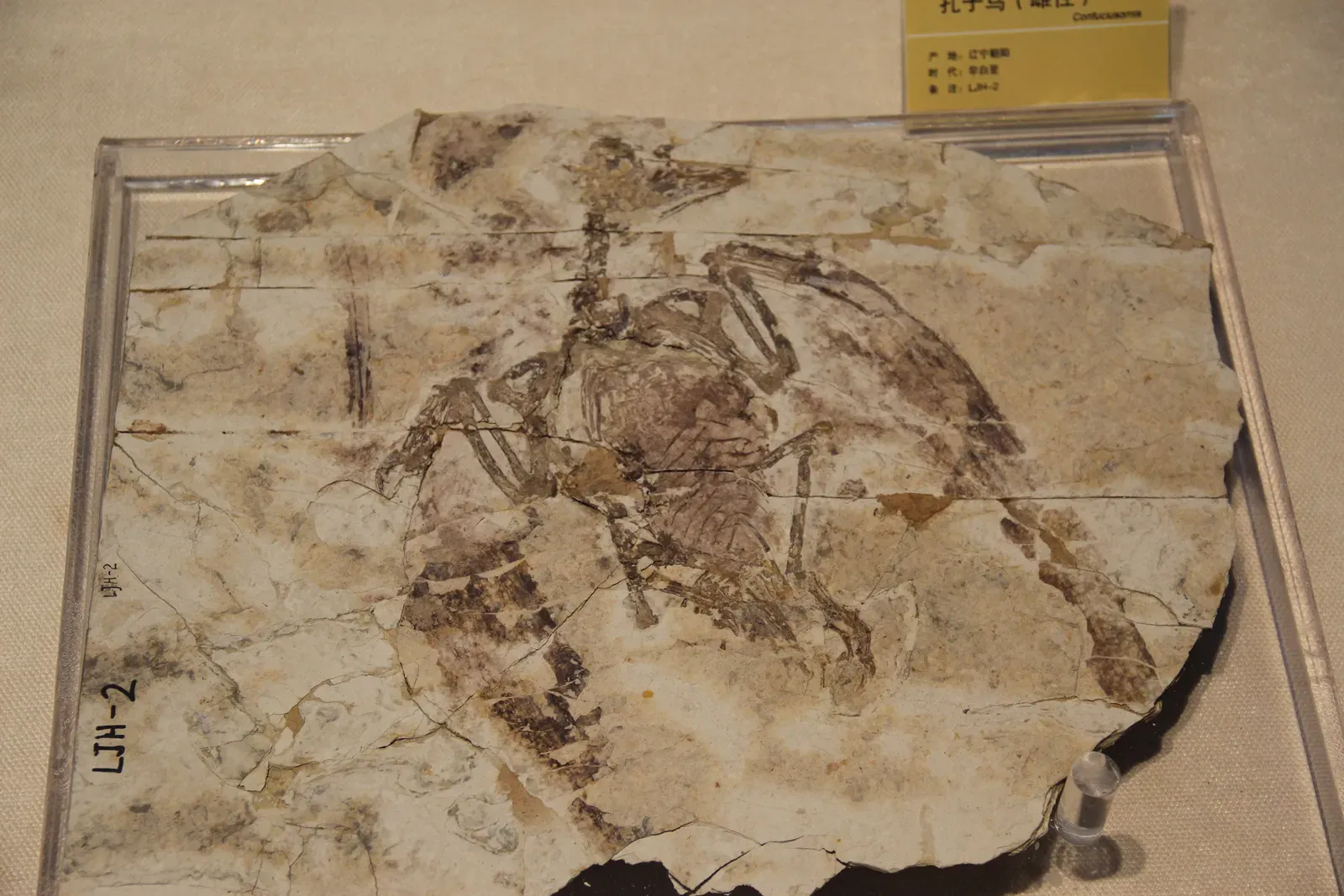
Early birds are supposed to be awkward, half-finished fliers. Then an early Cretaceous specimen turned up with bone structure and feather impressions eerily close to a modern perching bird – a shoulder girdle built for strong, controlled wingbeats and foot bones shaped for gripping branches, not just skidding along the ground.
The trouble is the rock layer. This bird was too refined for where it was found, sharing the sky with pterosaurs that had no business flying alongside something this advanced. Some team members floated the idea that a younger deposit had slid or faulted into older rock, but follow-up field checks didn’t back that up. Rather than open a fight over “modern birds in ancient strata,” the manuscript reportedly stalled in peer review and simply never came back out.
Quick Compare
- Typical early birds: Clawed wings, weaker flight muscles, less specialized perching feet.
- Modern perching birds: Reversed hind toe, sturdy shoulder girdle, refined feather asymmetry for controlled flight.
- This specimen: Reportedly showed modern-style traits tens of millions of years ahead of schedule.
#8 – The Amphibian With Something Impossible In Its Stomach
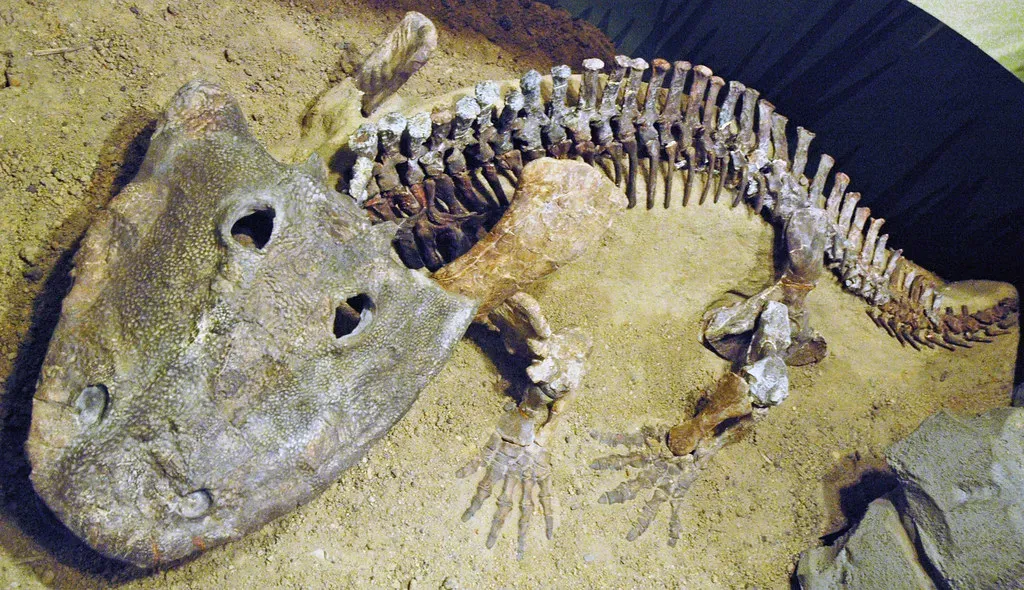
Stomach contents are gold to paleontologists – rare, frozen snapshots of who ate whom. This Permian amphibian should have been a routine case. Instead, X-rays of its ribcage revealed a perfectly coiled, segmented organism that matched nothing known from that layer, resembling an early soft-bodied relative of animals not supposed to exist for tens of millions of years.
Either the sediment had been reworked and this amphibian somehow ate something “from the future,” or the timeline for that prey group’s origin was wrong by a staggering margin. Both options threaten biostratigraphy – the entire system of dating rock layers by the fossils typically found in them. Rather than take on that fight, internal notes reportedly downgraded the find to “unresolved contents, likely plant material.” Nobody wanted their name attached to the alternative.
#7 – The Marine Reptile Jaw That Didn’t Belong In The Ocean
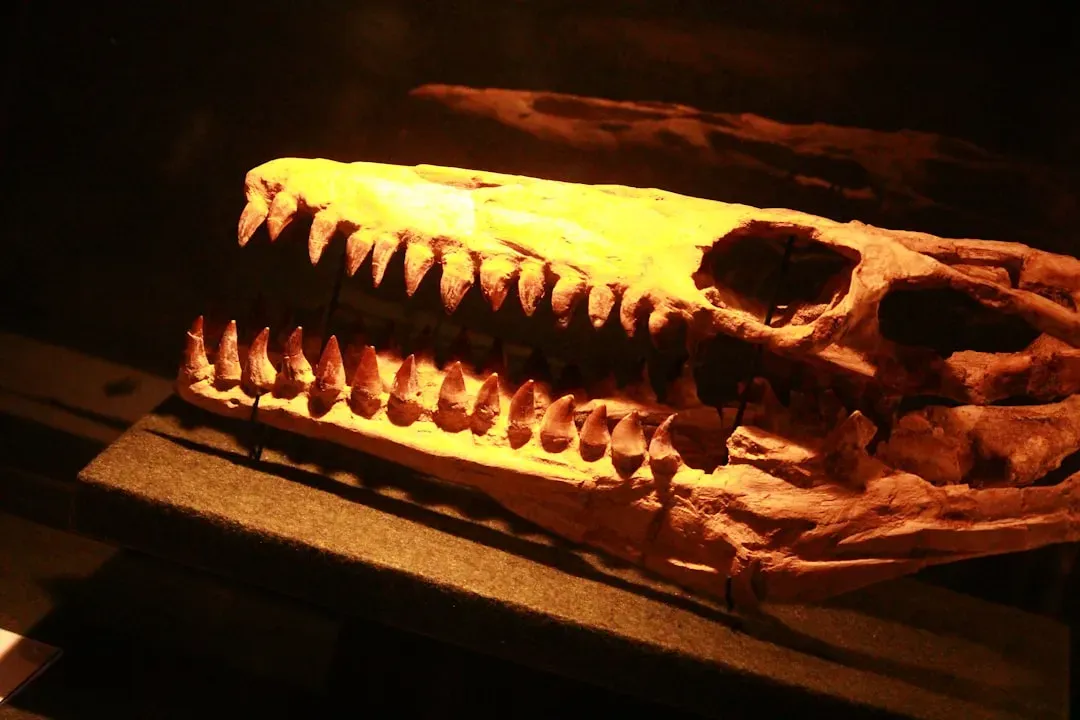
Picture a beautifully articulated marine reptile skeleton, exactly the kind of Mesozoic sea predator you’d expect – until you reach the jaw. Instead of the usual cone-shaped, fish-grabbing teeth, the skull carried broad, grinding surfaces that looked more like a land herbivore’s molars, with CT scans suggesting a side-to-side chewing motion almost unheard of in marine reptiles.
If the interpretation holds, this animal lived entirely at sea while processing food like a terrestrial grazer, pointing to a marine herbivore niche far stranger than anything alive today, sea cows included. Reviewers reportedly pushed for a “pathological” explanation – a mixed-up jaw, a deformity, anything but a new lineage. Confirming a hybrid anatomy like that would blow up decades of classification work, so the original team quietly moved on to safer specimens.
At A Glance
- Most Mesozoic marine reptiles, like ichthyosaurs and mosasaurs, had cone-shaped teeth built for gripping slippery prey.
- Grinding, molar-like teeth are far more typical of land herbivores than ocean predators.
- Only a few marine reptiles, such as placodonts, show crushing teeth adapted for shellfish – not true grinding surfaces.
#6 – The Plant Fossil With Cellular Detail That Shouldn’t Exist
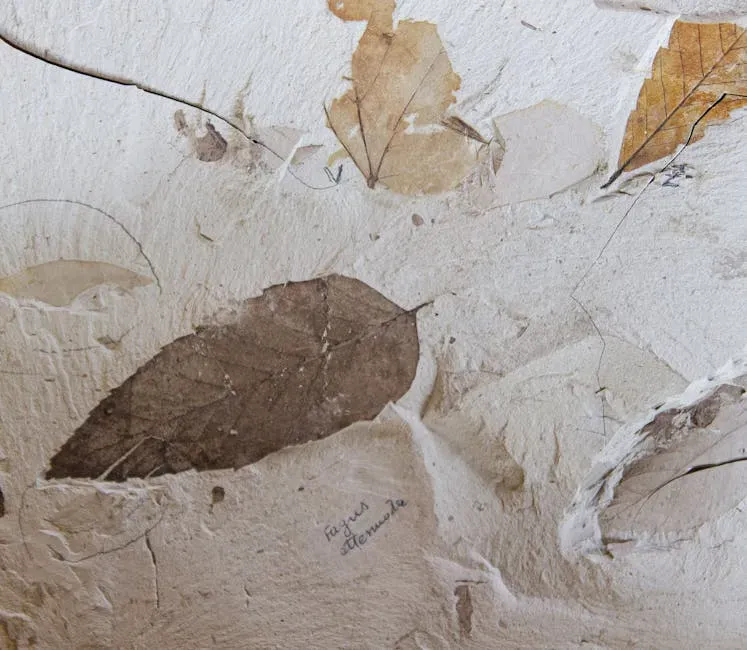
Plant fossils are usually flattened ghosts – the faint outline of a leaf, nothing more. A coal-seam dig reportedly turned up something else entirely: individual plant cells, complete with internal partitioning, preserved in almost 3D clarity. Under a microscope you could trace vascular tissue, cell walls, even hints of organelle-like structures, as if the sample had been cut fresh that morning instead of buried for hundreds of millions of years.
That kind of preservation raises uncomfortable questions about why we don’t see it more often, and what freak set of conditions could lock a plant in that much detail. Some specialists worried the find would invite comparisons to controversial “soft tissue in dinosaur bone” claims and get weaponized by people already skeptical of mainstream geology. Rather than start that fight, the sample allegedly stayed in a private institutional archive. One senior researcher reportedly said publishing it would “cause more noise than knowledge.”
#5 – The “Out-Of-Place” Mammal Living Under Dinosaur Feet
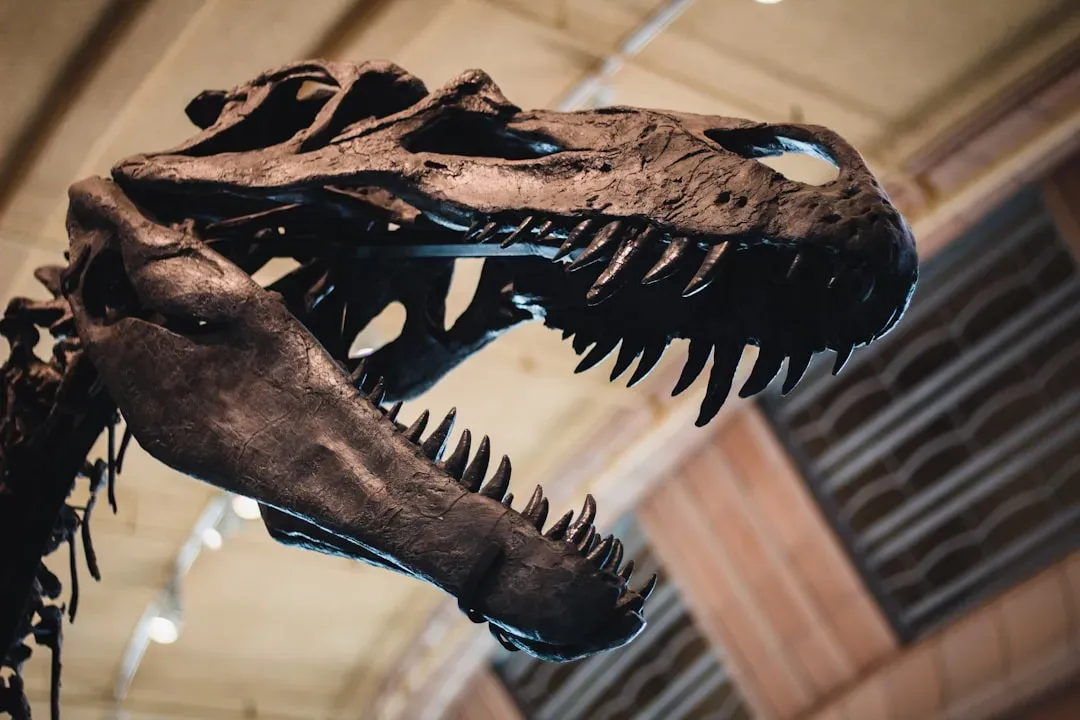
Textbooks like clean breaks: dinosaurs ruled, then mammals took over. Reality is messier, and one skull turned mess into full-blown mayhem. Pulled from a mid-Mesozoic layer dominated by dinosaur remains, it showed cranial features eerily close to small, modern insect-eating mammals, including a differentiated middle ear and tooth patterns far beyond what early mammaliforms are supposed to have at that point in time.
Repeated sediment analysis reportedly ruled out the fossil having burrowed down from a younger layer, which left only the radioactive option: our timeline for advanced mammal traits needed to be pushed back, hard. Presenting an almost-modern mammal living under dinosaur feet would ignite a fight over evolutionary pacing and make several influential monographs obsolete overnight. Reviewers allegedly settled on “more data needed” – the polite academic phrase for burying something quietly.
#4 – The Fossil Fish With Alleged Soft Brain Tissue
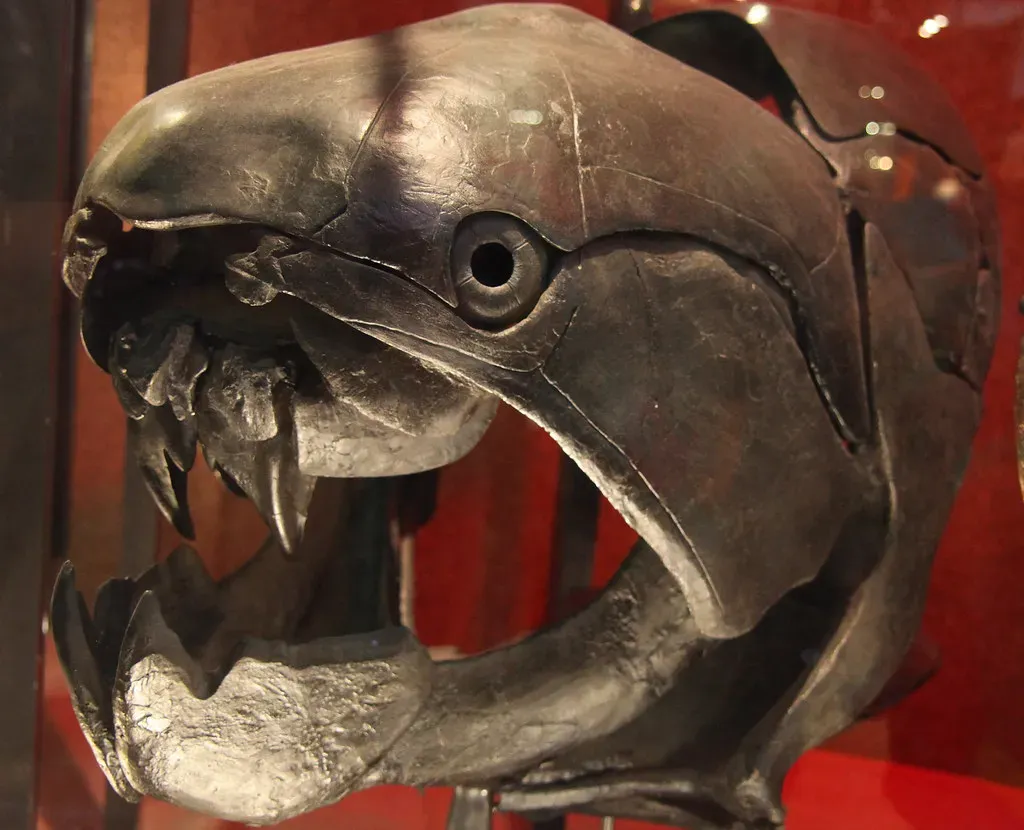
Soft tissue is the holy grail of paleontology, and brain tissue is the rarest prize of all. So when a Devonian fish skull turned up with dense mineralized structures that mapped almost one-to-one onto modern fish brain regions in 3D reconstructions, it was either the find of a career or a spectacular case of wishful pattern-matching.
Critics had reasonable counterpoints: the shapes could be infilled blood spaces, or diagenesis mimicking neural outlines rather than actual tissue. But the match to modern neuroanatomy was tight enough to unsettle people who’d seen a lot of fish skulls. Publishing a claim this bold would invite exactly the kind of scrutiny Carl Sagan had in mind when he made his famous case for skepticism.
Extraordinary claims require extraordinary evidence.
Carl Sagan
Instead of testing that standard in public, the team reportedly reframed the find informally as “interesting cranial infillings,” and the boldest interpretation never made it onto the page.
#3 – The Giant Insect That Broke The Atmospheric Models
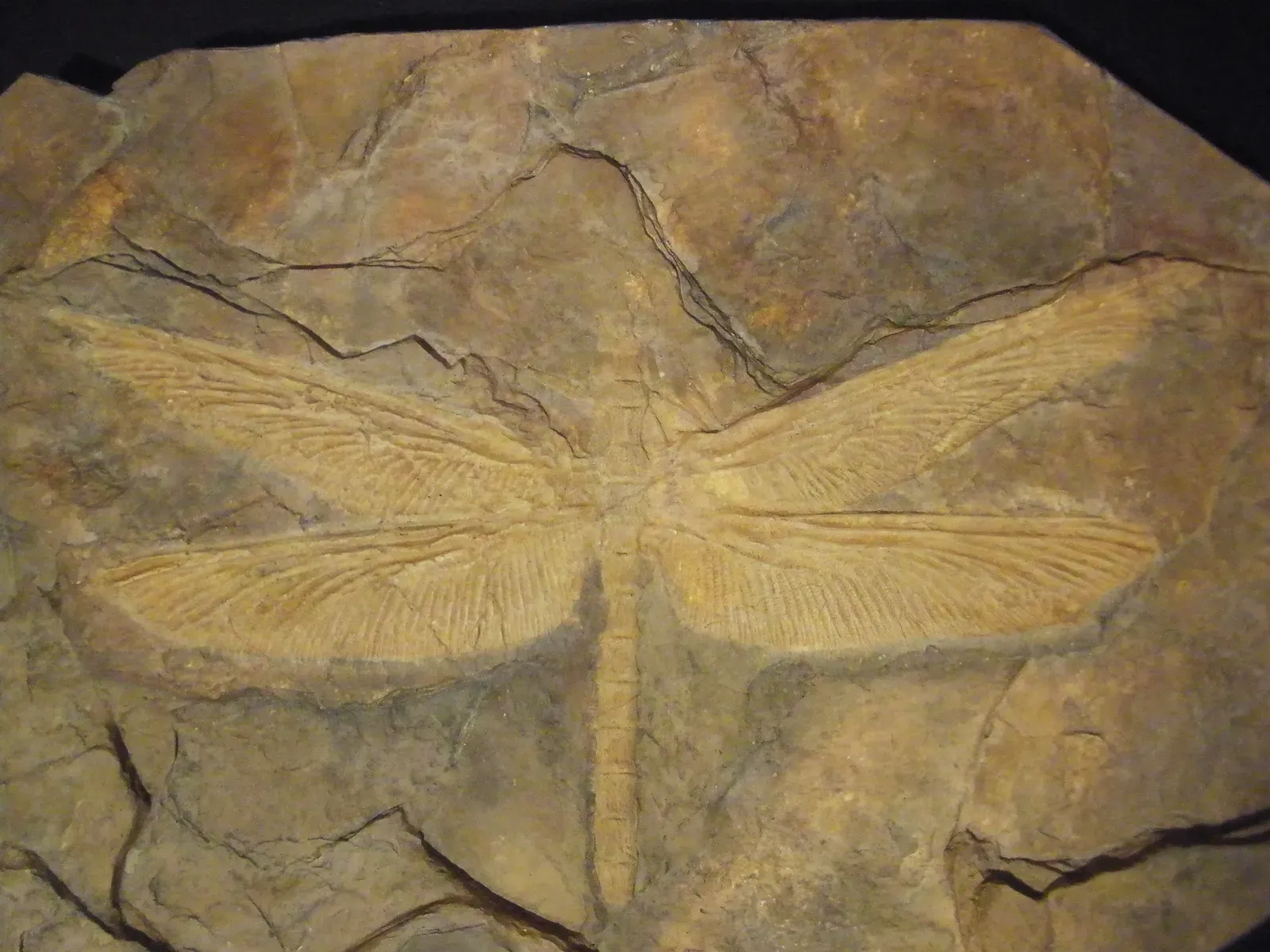
Ancient Earth already gave us dragonflies the size of seagulls, so a big insect fossil shouldn’t raise eyebrows. But one fragmentary specimen – wings plus thorax – pointed to something so large it would struggle to fly under today’s atmospheric models. When researchers ran the numbers on mass versus wing surface and muscle attachment points, the math simply didn’t work with current oxygen levels or air density.
That leaves two ugly options: either Paleozoic atmosphere reconstructions are fundamentally wrong, or the “single insect” is actually mismatched parts stitched together in reconstruction. Some team members preferred the second explanation because it keeps existing theory intact; others suspected we’re underestimating just how wild ancient atmospheres really were. A paper proposing denser, more oxygen-rich air pockets would be explosive and easy to attack, so the draft reportedly never reached final submission. The fossil lives on as a legend traded in conference hotel bars instead of journal pages.
Worth Knowing
- Meganeura, the largest known ancient dragonfly relative, had a wingspan of roughly 70 cm (28 inches).
- Many scientists link Paleozoic insect gigantism to higher atmospheric oxygen levels, estimated near 30-35%.
- Today’s atmosphere holds about 21% oxygen, one reason insects that size can’t survive now.
#2 – The Hominin Skull That Didn’t Fit Any Family Tree
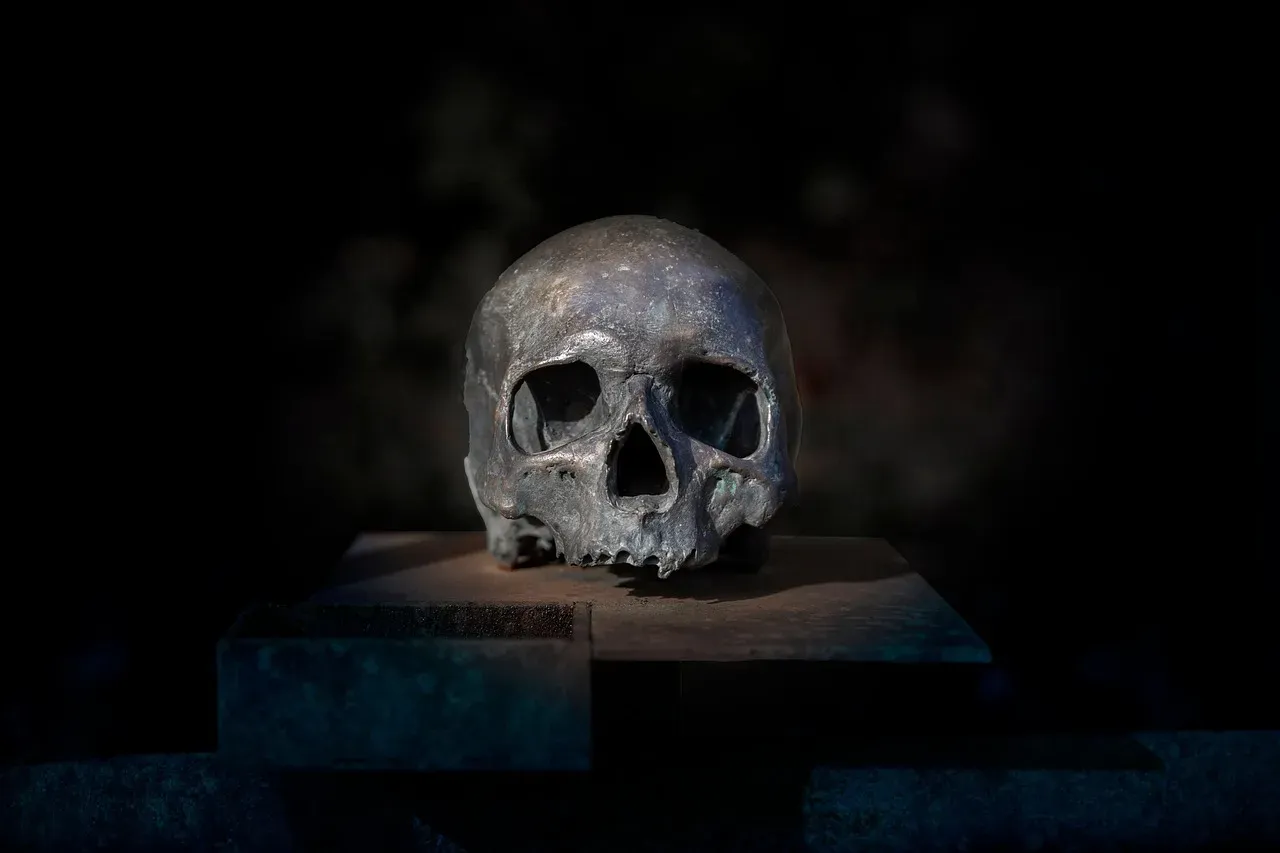
Every paleoanthropologist dreams of finding a new human relative – until the skull refuses to sit anywhere on the tree. One partial cranium and jaw, reportedly pulled from a site already rich in hominin fossils, showed a mosaic of traits spanning at least three established species at once. The brow ridges and facial projection whispered “archaic,” while the teeth and cranial capacity leaned suspiciously “modern.”
Placing it triggered a real headache. Call it a new species and you’re picking a fight with teams already invested in the existing ones. Call it evidence of hybridization and you’re admitting that human evolution was far more tangled and overlapping than the clean diagrams suggest. The genetic material was too degraded to settle it either way, and insiders say at least one draft bounced between reviewers who either dismissed it as a pathological individual or begged for a simpler label. In a field already accused of “species inflation,” nobody wanted to swing at this particular hornet’s nest – so the fossil remains more rumor than reference.
#1 – The Rock Layer That Seemed To Rewrite The Whole Timeline
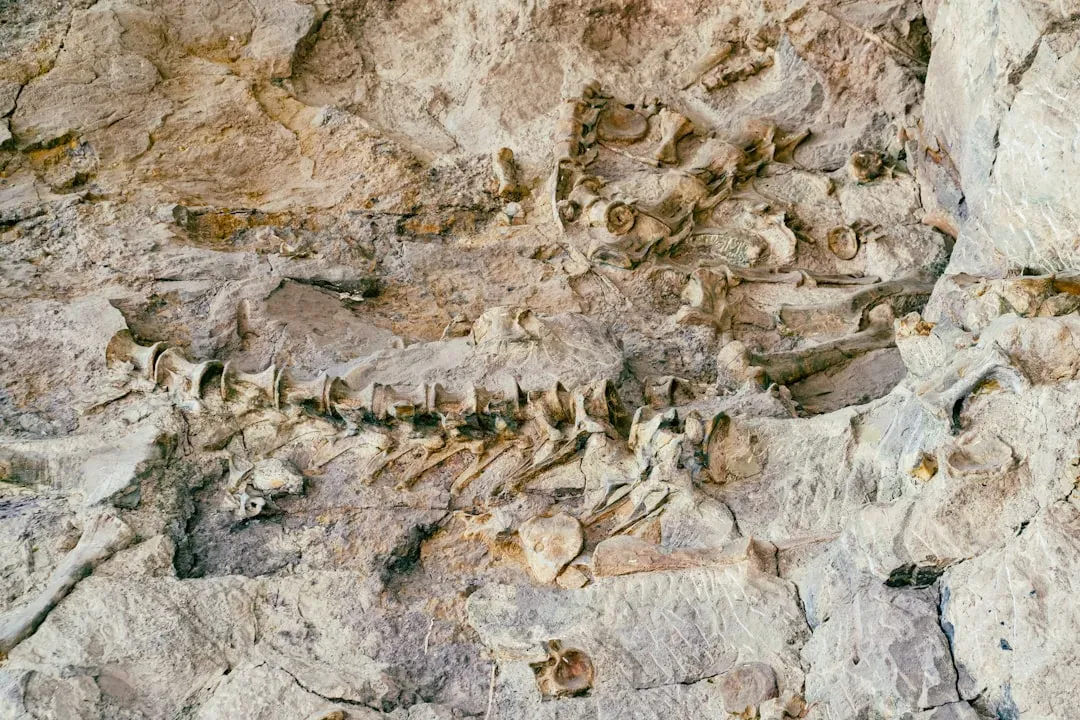
A single weird fossil is easy to wave away. An entire layer full of them is a different problem altogether. At one remote site, stratigraphers reportedly documented a single horizon where index fossils from multiple “separate” geological periods appeared together – locked in solid, undisturbed rock, with no sign of mixing or reworking.
Tiny marine invertebrates normally used to date very different ages turned up side by side, in life-like positions, as if they’d lived and died in the same moment. If that holds up, it’s devastating for the neat, ladder-like chart of geological eras most people learned in school – it would suggest our reliance on certain “index” fossils is overstated, and that local environmental upheavals can convincingly mimic a clean global timeline. Publishing “a layer that breaks biostratigraphy” would threaten dating tools used across oil exploration and climate reconstruction, and hand every fringe critic of geology a talking point. Faced with that, the team reportedly shifted focus to more “publishable” parts of the site and left the horizon as an internal problem bed few are eager to discuss in print.
Taken together, none of this proves science is hiding a secret alternate history of life. What it actually reveals is more human than that: experts are cautious, careers are fragile, and finds that threaten to unravel too many threads at once tend to get quietly set aside rather than confronted.
The strangest fossils rarely make headlines. They’re the ones that make reviewers uncomfortable, complicate tidy narratives, and force scientists to say “we don’t know yet” a lot louder than anyone’s comfortable with. That friction – between protecting hard-won consensus and facing inconvenient data – is exactly where the most interesting science happens.
My honest take: not every anomaly deserves front-page treatment, and plenty of “shocking” fossils turn out to be misreads or wishful thinking once the dust settles. But quietly filing away a genuine anomaly because it’s inconvenient isn’t caution – it’s a different kind of dishonesty. Science is supposed to survive its own uncomfortable questions, not bury them in a drawer marked “problem bed.”