
“Extinct” is supposed to be the final word. No asterisks, no do-overs – just a name crossed off a list and a species quietly erased from the present tense. Except biology keeps refusing to read the memo.
This isn’t a feel-good animal-rescue story dressed up as clickbait. It’s a record of how often extinction declarations turn out to be premature – official paperwork standing in for actual fieldwork. Some of these comebacks are inspiring. A few are genuinely unsettling once you realize how close we came to erasing an entire evolutionary lineage by accident. Thirteen of them, counted down from strange to almost impossible to believe.
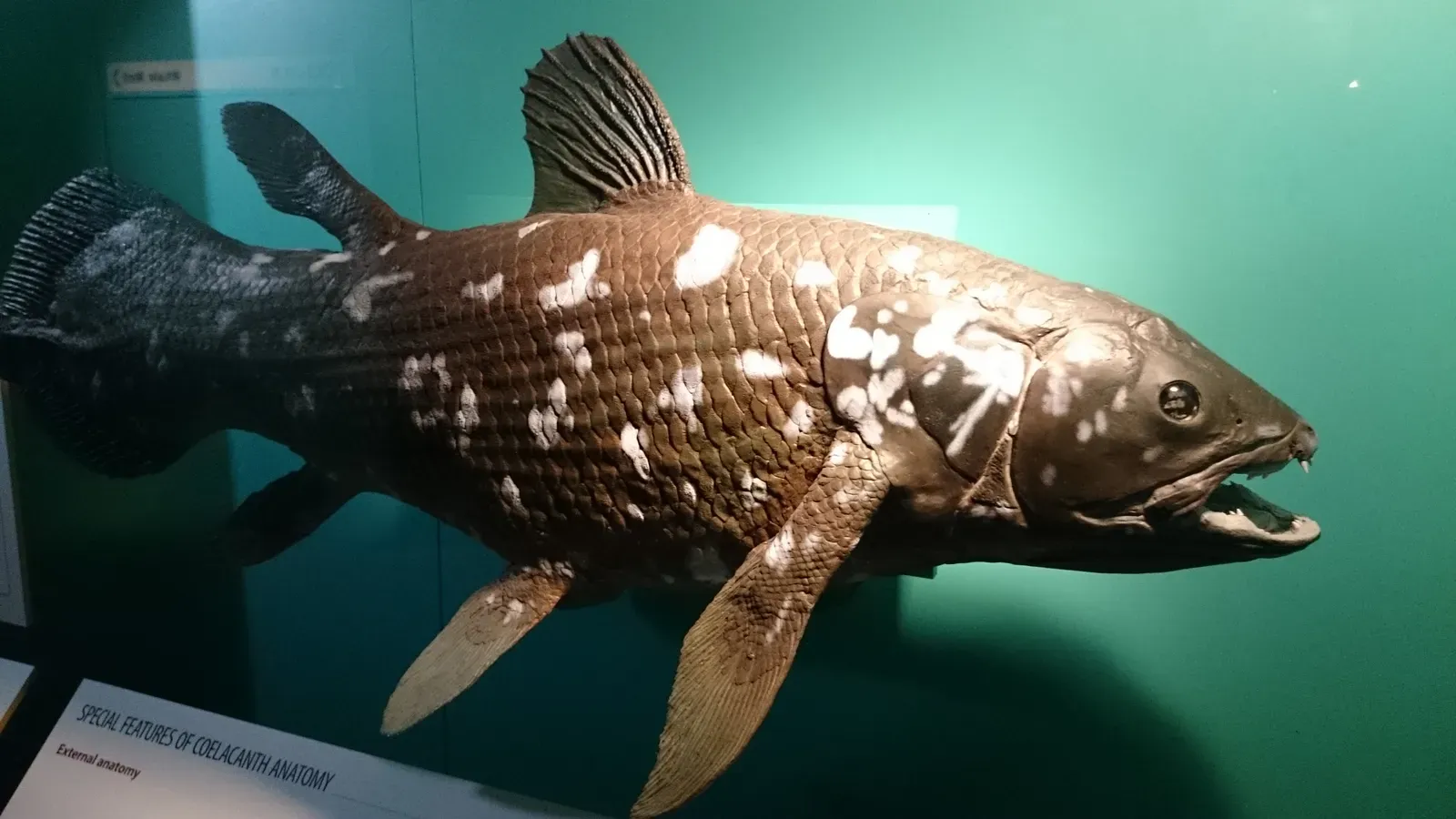
#13 – Coelacanth: The “Living Fossil” That Punked Science
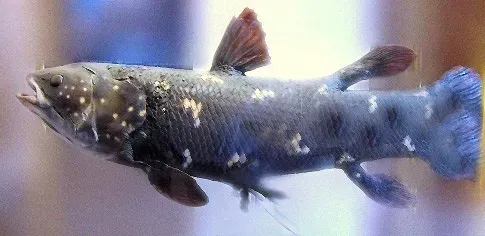
For decades, textbooks confidently stated that coelacanths vanished with the dinosaurs 65 million years ago. Then in 1938, a South African trawler hauled up a very confused, very alive fish that looked like it had swum straight out of a fossil slab.
Overnight, this “extinct” animal became one of the biggest embarrassments in modern zoology – proof that ocean depths don’t care about our timelines. Scientists later found a second population near Indonesia, confirming this wasn’t a fluke survivor but an entire lineage hiding in deep, dark canyons.
Genetic research suggests coelacanths have been evolving slowly but steadily, not “frozen in time” like the headlines claimed. We still don’t know basic things like how often they reproduce or how many are left. They’re now listed as threatened rather than extinct, but plenty of experts argue any population number we quote is closer to a guess than a measurement.
Fast Facts
- Believed extinct for around 65 million years
- Rediscovered alive off South Africa in 1938
- A second population was later found near Indonesia
- Currently classified as threatened rather than extinct
#12 – Lord Howe Island Stick Insect: The Tree Lobster That Wouldn’t Die
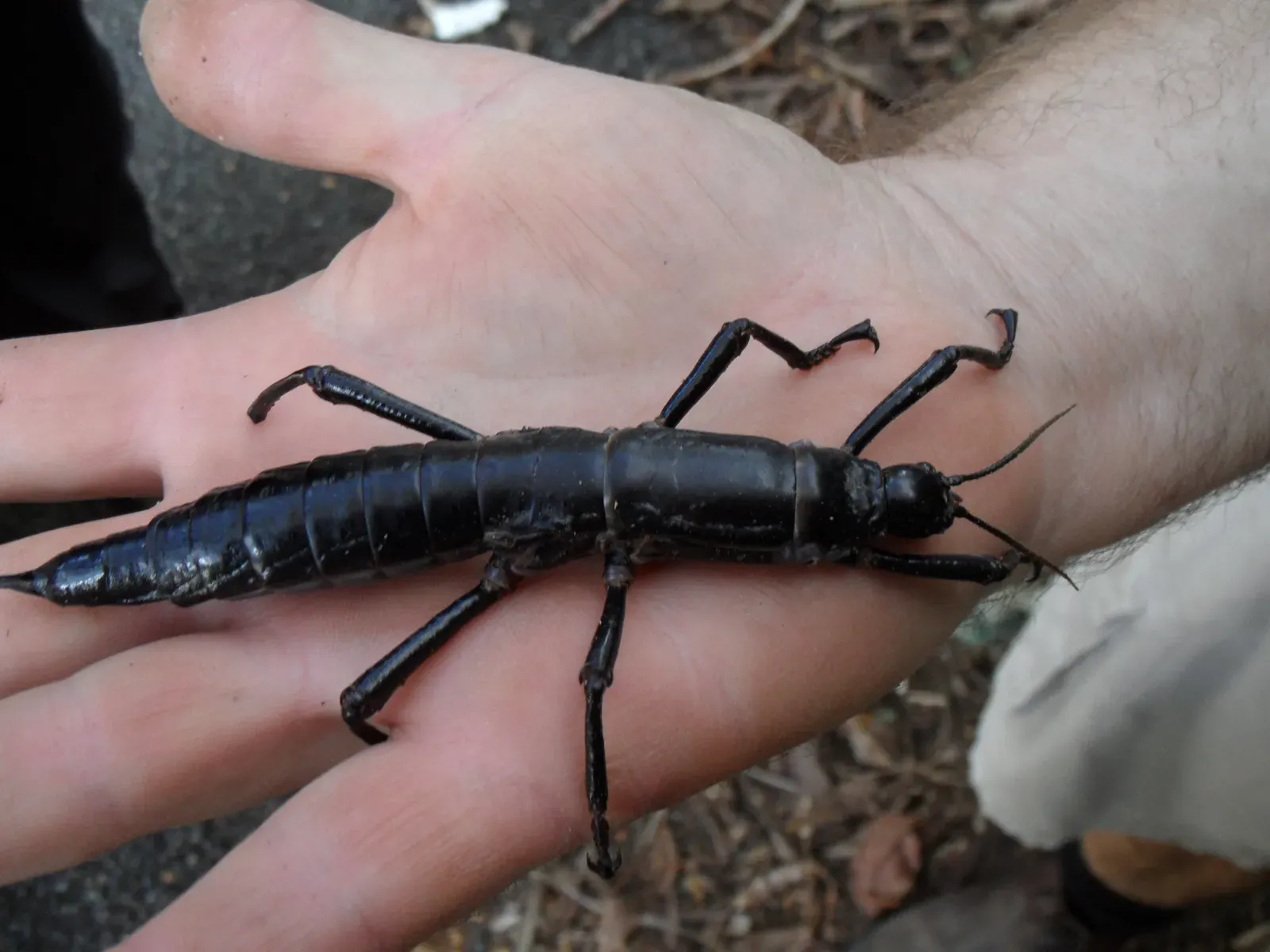
For nearly a century, biologists were sure the Lord Howe Island stick insect – nicknamed the “tree lobster” – was gone for good. A 1918 shipwreck brought rats to its tiny island home, and by the 1920s collectors couldn’t find a single one. It was officially declared extinct in 1986.
Then in 2001, climbers on a remote rock spire called Ball’s Pyramid found something unnerving growing under a single shrub: big, glossy, thumb-sized insects that looked exactly like the “extinct” species. DNA testing confirmed it – the tree lobster had been clinging to life on a vertical rock in the middle of the Pacific the whole time.
From “extinct” to breeding in captivity within a decade, this insect became one of the flashiest comeback stories in conservation history. Most people still have no idea it exists, but some entomologists argue its story proves we declare island invertebrates extinct far too quickly, and for the flimsiest of reasons.
#11 – New Guinea Highland Wild Dog: The Ghost Dog of the Mountains
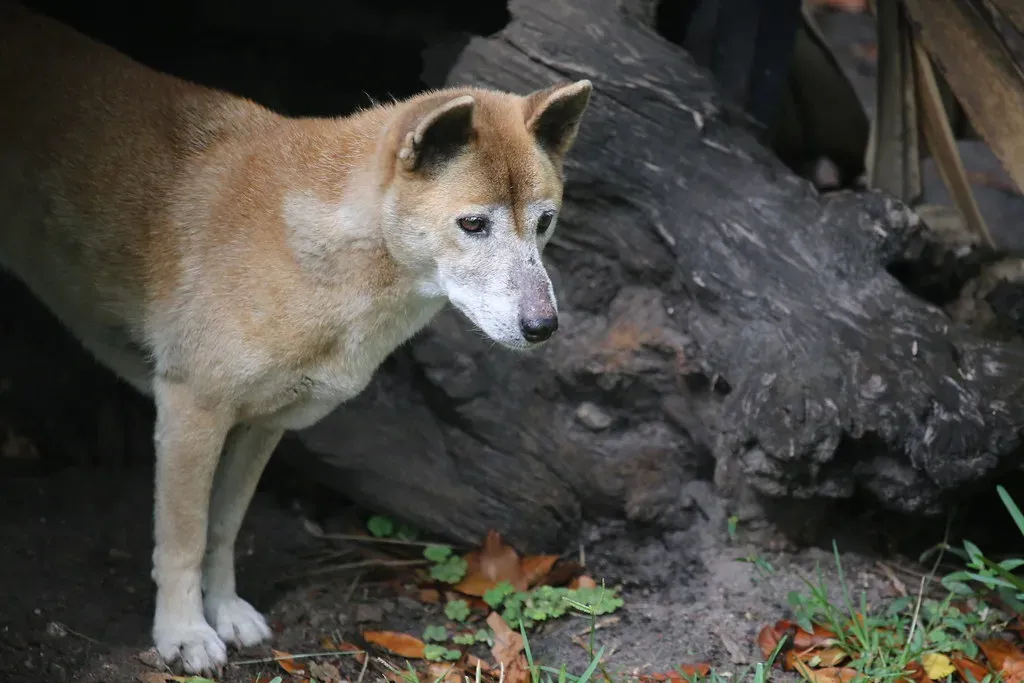
For years, the New Guinea highland wild dog lived somewhere between legend and footnote – a few blurry photos, rumors from remote villages, dusty references in old field notes. Some experts doubted it ever existed as its own distinct animal at all.
Then trail cameras in the 2010s blew the debate wide open, capturing healthy, free-ranging wild dogs at high altitude with the same erect ears and curved tails seen in old museum specimens. Genetic testing followed, and the results were bigger than anyone expected.
They turned out to be among the most ancient and unique canids on Earth, closely related to the famous New Guinea singing dogs but not just feral mixes. Instead of a myth, they’re a living window into early dog evolution – and their “extinction” quietly shaped how the region treated wild dog populations for decades.
#10 – Takahe: New Zealand’s Flightless Bird That Refused the Ending
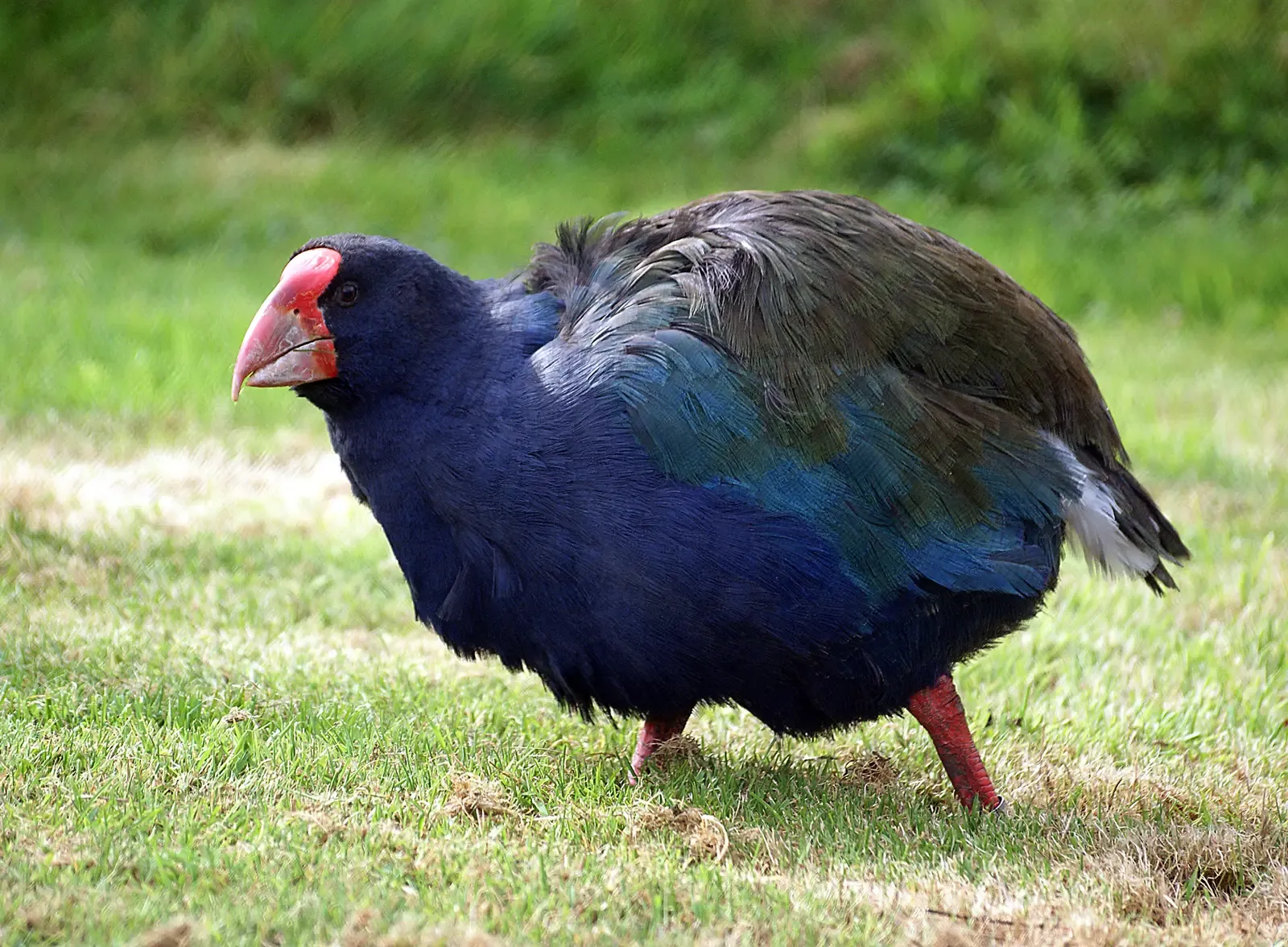
New Zealand officially wrote off the South Island takahe in 1898, assuming introduced predators and habitat loss had finished off this chunky, flightless rail. Decades of silence followed. Governments moved their attention, and their funding, elsewhere.
Then in 1948, an amateur naturalist stumbled onto a small population tucked into a rugged alpine valley. The bird had never gone anywhere – people had simply stopped looking in the right place.
Despite its dramatic rediscovery, the takahe is still critically endangered, propped up by an intensely managed breeding program and fenced sanctuaries. Some biologists quietly argue New Zealand celebrates the comeback story more than it fixes the underlying problem. The public hears “rediscovered” and assumes “safe,” even when the species is one bad disease outbreak away from vanishing for real.
At a Glance
- Declared extinct in 1898
- Rediscovered in a remote alpine valley in 1948
- Gap between “extinction” and rediscovery: 50 years
- Still listed as critically endangered today
#9 – Cuban Solenodon: The Venomous Mammal Written Off Too Soon
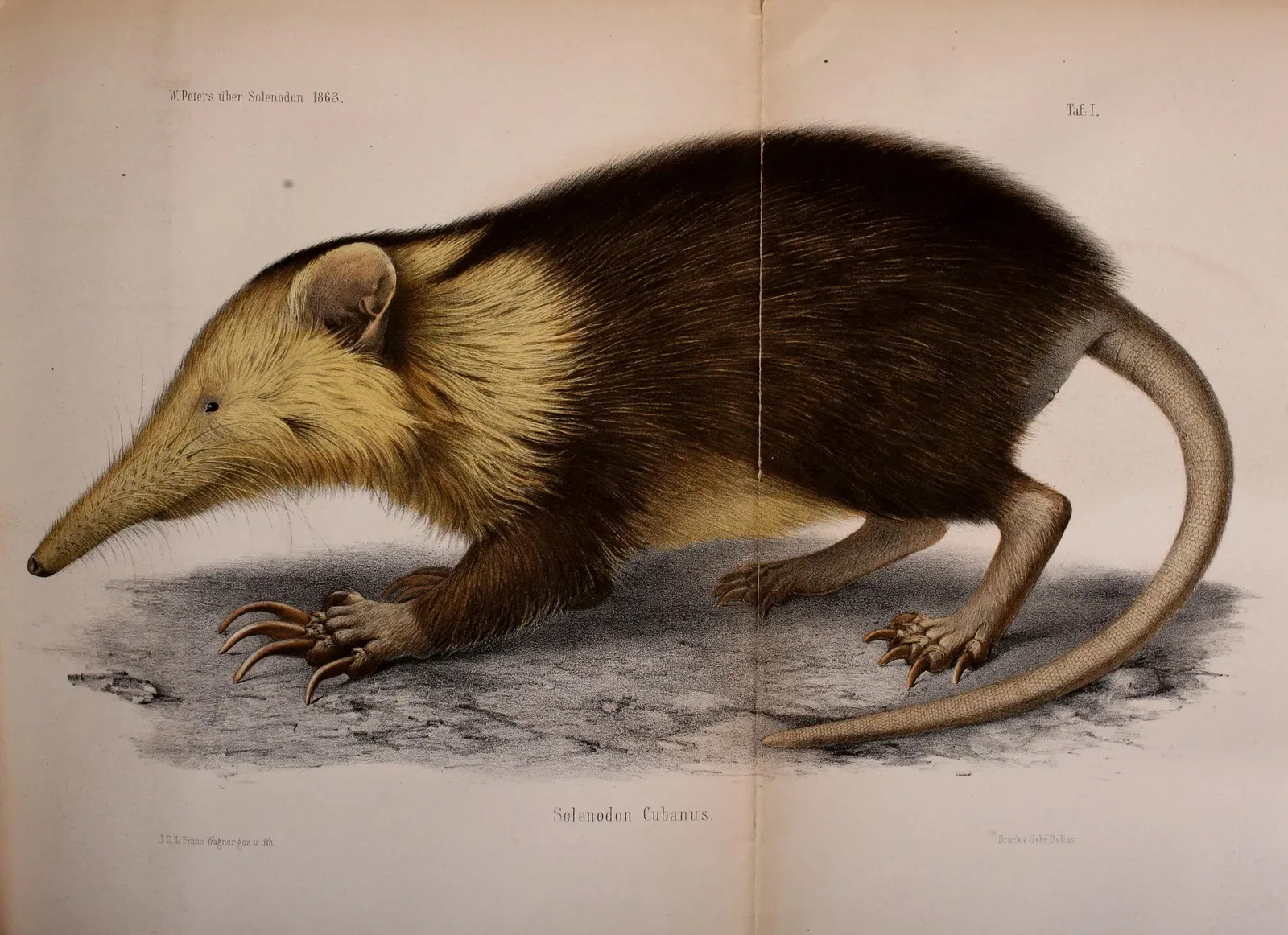
Most people have never heard of solenodons – venomous, nocturnal insect-eaters that look like shrews that drank too much coffee. Cuba’s solenodon was long assumed extinct thanks to habitat destruction and invasive predators, and for much of the 20th century it disappeared from surveys entirely.
Then scattered reports, and a captured specimen in the 1970s, revealed it had been surviving under the radar the entire time. The rediscovery didn’t magically fix anything.
Follow-up research found populations that are fragmented and extremely vulnerable, but still very much alive. It wasn’t a miracle comeback – we simply hadn’t been looking carefully, at night, in the right kind of dense forest. Several “extinct” designations around the world owe more to a lack of funding than a lack of animals.
#8 – Fernandina Giant Tortoise: A Galápagos Legend With One Very Real Shell
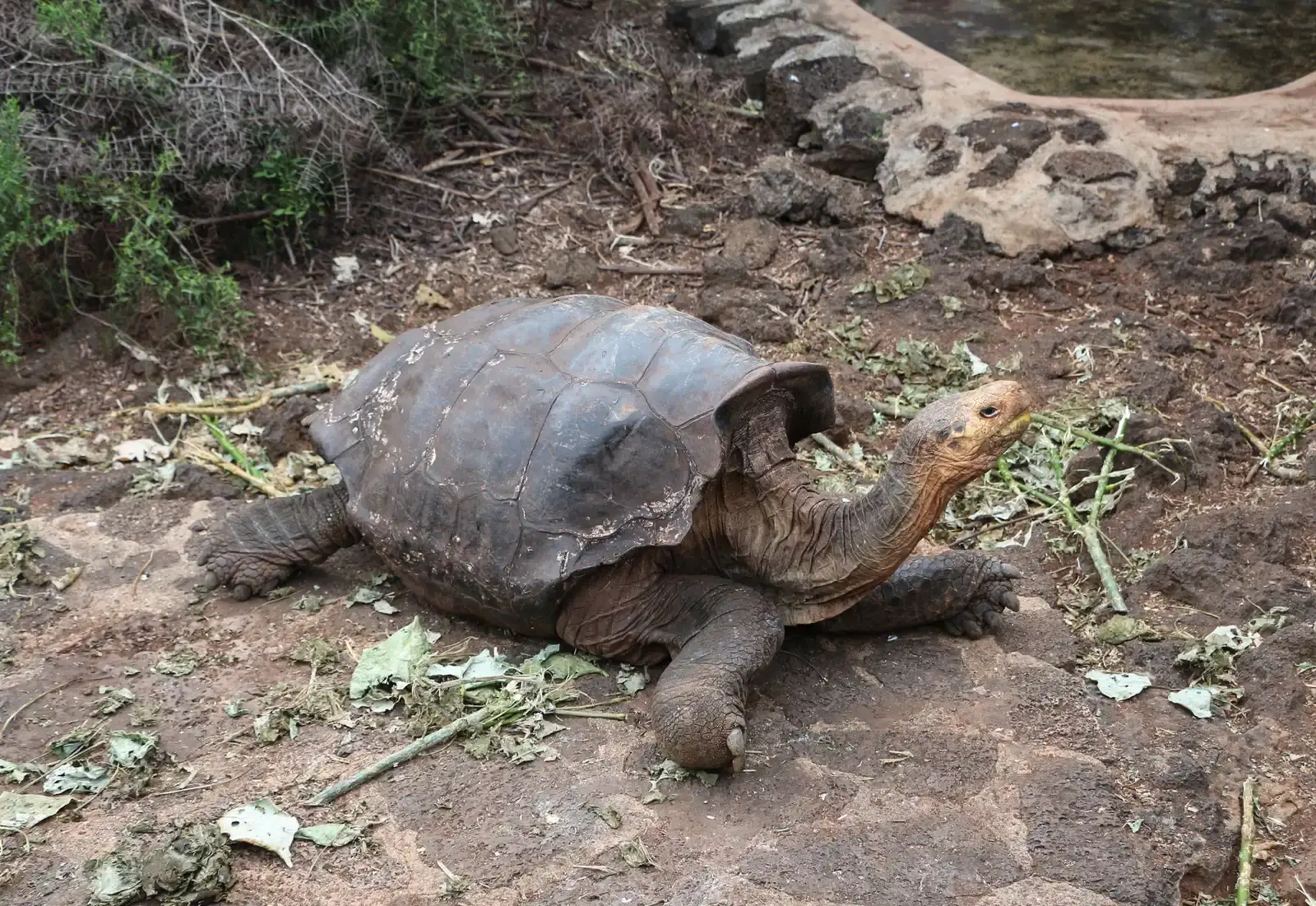
For over a century, the Fernandina giant tortoise existed as a single specimen collected in 1906 on one of the harshest, most volcanic islands in the Galápagos. No one ever found another, and conservation energy drifted toward better-documented tortoises.
Then in 2019, researchers located a living female, later nicknamed “Fernanda,” crawling across the island’s lava fields like nothing was unusual. Genetic testing confirmed she belonged to the supposedly lost species.
That means an entire evolutionary lineage survived more than 100 years without a single confirmed sighting. We still don’t know if there are more out there, or if Fernanda is effectively the last of her kind. Some biologists warn that celebrating a rediscovery with headlines and photo ops, before finding a stable population, creates a dangerous illusion of safety.
Quick Compare
- Coelacanth: presumed gone for millions of years, resurfaced in 1938
- Lord Howe Island stick insect: declared extinct in 1986, found alive in 2001 – a 15-year gap
- Takahe: declared extinct in 1898, rediscovered in 1948 – a 50-year gap
- Fernandina giant tortoise: last seen in 1906, confirmed alive in 2019 – a 113-year gap
#7 – Ivory-Billed Woodpecker: America’s Most Controversial “Extinct” Bird
![#7 - Ivory-Billed Woodpecker: America's Most Controversial "Extinct" Bird (By Original photo by Arthur A. Allen, 1935 [1], watercolored by Jerry A. Payne, USDA-ARS, CC BY 3.0 us)](https://nvmwebsites-budwg5g9avh3epea.z03.azurefd.net/dinoworld/974a3d1908f792279b2cb4fcf04a64f6.webp)
Depending on who you ask, the ivory-billed woodpecker is either extinct, misidentified, or secretly hanging on in the swamps of the southeastern United States. Officially, habitat loss wiped it out by the mid-20th century. Unofficially, a steady trickle of claimed sightings and blurry footage has kept the debate burning for decades.
In the 2000s, a reported rediscovery in Arkansas made headlines worldwide, then slowly unraveled under scrutiny. Field teams still return to remote southern forests with expensive gear and a lot of hope.
The U.S. government has delayed finalizing its extinction declaration multiple times because of new alleged evidence. Is that stubborn denial, or sensible caution from an agency that’s been surprised before? Birders are split – some call it wishful thinking that drains resources from species we know exist, others say writing it off too soon would repeat the same overconfidence that once “killed” the coelacanth on paper.
#6 – La Palma Giant Lizard: A Canary Islands “Fossil” That Wasn’t
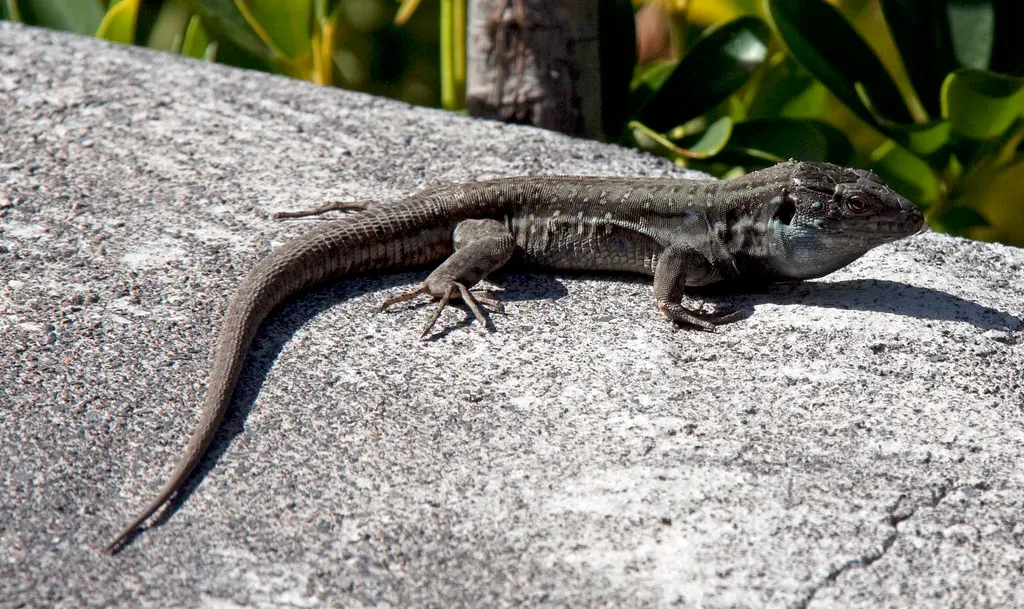
For years, the La Palma giant lizard was known only from subfossil bones. Paleontologists assumed it vanished after humans arrived, like so many island reptiles before it, and filed it under “interesting but gone.”
Then fieldwork on neighboring islands began turning up living “extinct” lizards that matched the fossil record, and conservationists started asking an uncomfortable question: what if nobody had ever looked properly on La Palma itself?
That hunch paid off – live giant lizards were found clinging to a few rocky enclaves, presumed extinct for centuries. The rediscovery forced scientists to admit that island extinction timelines are often built on assumptions and patchy data, not proof. Critics argue we’re still under-surveying rugged, low-tourism terrain while confidently declaring species gone.
#5 – Omura’s Whale: Misidentified, Overlooked, and Hiding in Plain Sight
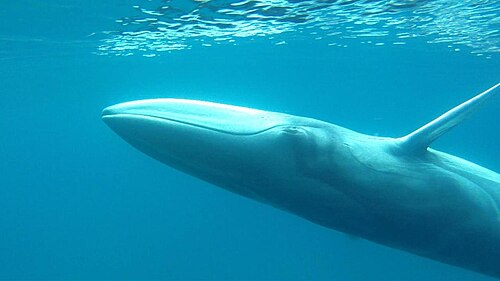
Unlike most animals on this list, Omura’s whale wasn’t declared extinct – it was declared something else entirely. For decades, stranded whales and partial skulls from the Indian Ocean and western Pacific were misclassified as Bryde’s whales, effectively erasing an entire species from the data under the wrong name.
Only in the early 2000s did genetic studies reveal that many of those “Bryde’s” whales were actually a distinct, smaller species. Once researchers started asking the right questions, the living whales were easy to find.
Filmed individuals were eventually documented off Madagascar, yet we still know almost nothing about their population size, migration routes, or threats. It’s a different kind of Lazarus story – not rising from the dead, but from mislabeling. Some marine biologists now suspect there are more “ghost” whale species hiding inside our current categories, waiting for someone to double-check the paperwork.
#4 – Night Parrot: Australia’s Legendary Bird That Became a Myth
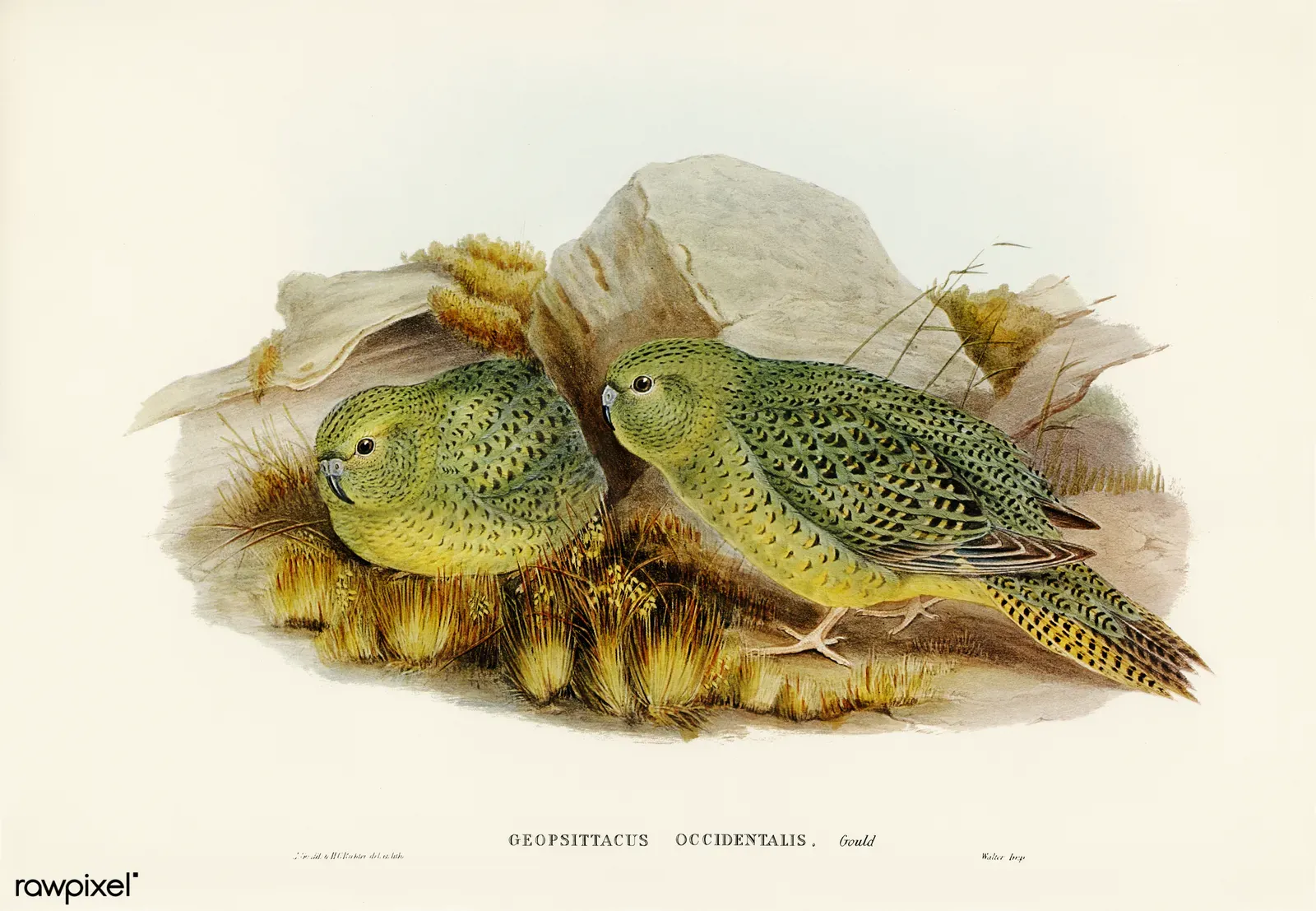
Ask Australian birders which species carries the most drama, and the night parrot ranks near the top. Last reliably collected in the 19th century, it faded into rumor and folklore as desert habitats shrank and feral cats spread across the outback.
Then in the 1990s and 2000s, dead specimens and finally live birds were documented, proving the species had been hiding in remote spinifex country the whole time. You’d think that would end the controversy. It didn’t.
Some recent sight records and photos have been heavily disputed, with accusations of fabricated evidence rattling the birding community. The night parrot’s rediscovery became a cautionary tale about how fame and funding pressure can warp even good-faith science. Meanwhile, the bird itself remains genuinely threatened, scraping by in tiny, fragile populations while people argue over photographs.
Worth Knowing
- Some claimed night parrot sightings have been formally disputed as fabricated
- The species survives in only a few known, fragile pockets of desert habitat
- Feral cats remain one of its biggest ongoing threats
- Its rediscovery reignited debate over how “extinct” declarations get made
#3 – Zanzibar Leopard: Extinct by Decree, Then Caught on Camera
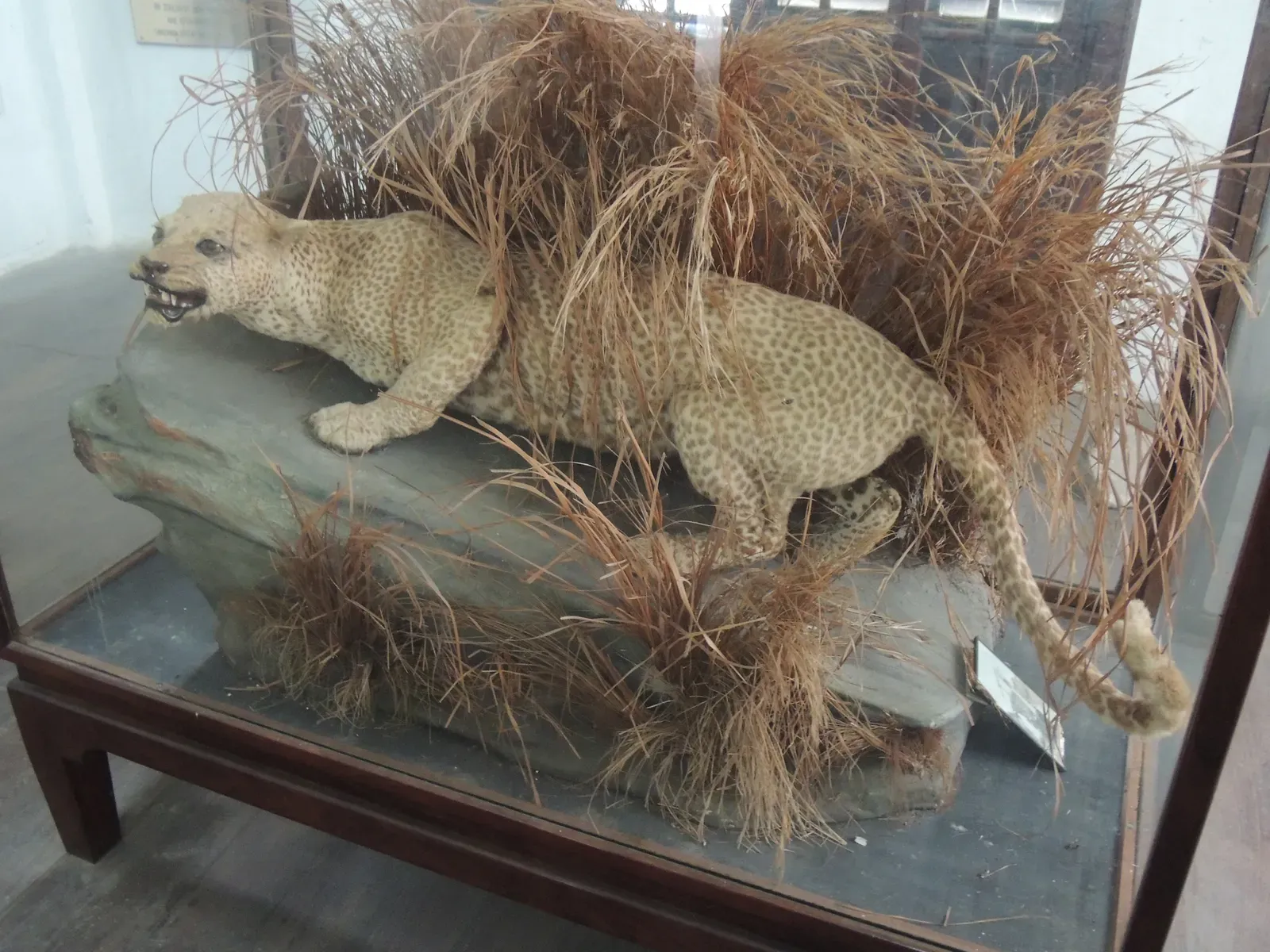
The Zanzibar leopard shows how politics, fear, and folklore can kill an animal twice – once in reality, and once on paper. After years of conflict with local communities and government-backed extermination campaigns, the leopard was widely considered extinct by the 1990s. Local stories still spoke of surviving cats, but scientists largely dismissed them as superstition.
Then camera traps set up on Unguja Island in the late 2010s appeared to capture a leopard-like feline slipping through the forest. Some zoologists remain cautious about confirming a subspecies from grainy footage, but the timing was hard to ignore.
If the footage truly shows a Zanzibar leopard, it means a supposedly extinct predator survived decades of persecution completely underground. Others argue this is exactly why extinction declarations should be delayed, especially for elusive carnivores in politically tense regions. Either way, the species became a symbol of how badly cultural narratives and official science can both get it wrong.
#2 – Chacoan Peccary: “Ice Age Fossil” Turned Living Survivor
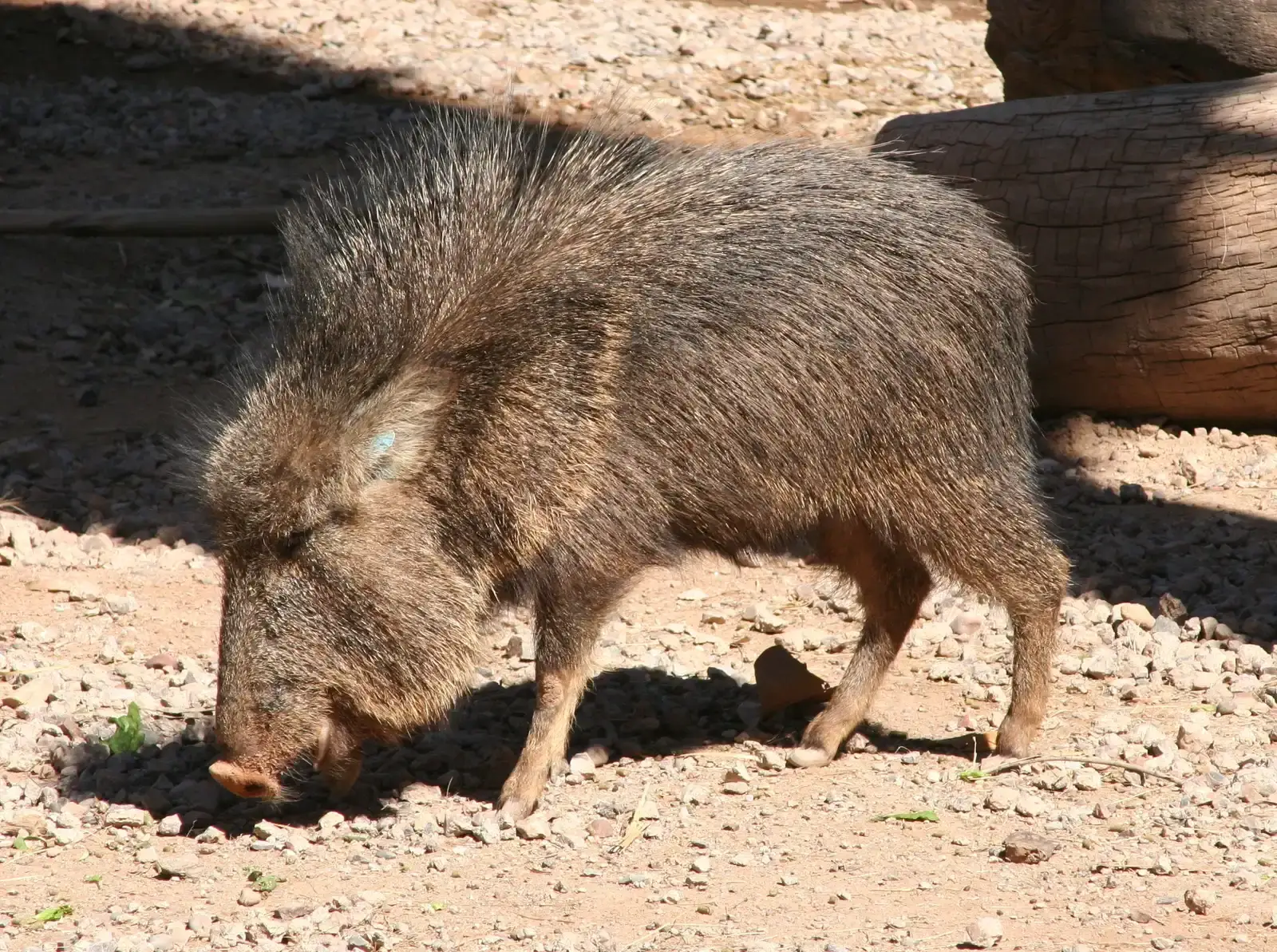
For much of the 20th century, the Chacoan peccary was known only from fossils in South America’s Gran Chaco region, filed right alongside mammoths and giant sloths in the “cool extinct mammals” section of textbooks.
Then, in the 1970s, zoologists studying local Indigenous knowledge realized something stunning: people in the Chaco were very familiar with a wild, pig-like animal that matched the “extinct” fossil species almost perfectly. Field surveys confirmed it immediately.
The Chacoan peccary was alive, relatively common in some areas, and had simply been ignored by Western science while local people hunted it for generations. This wasn’t just a rediscovery – it exposed a deep bias. We trusted bones in museum drawers over the people who lived alongside the animal every day.
We almost erased not just a species, but a whole evolutionary branch, because nobody thought to ask the people who already knew.
Common refrain among Chaco field researchers
#1 – Hula Painted Frog: From Extinct Amphibian to Conservation Wake-Up Call
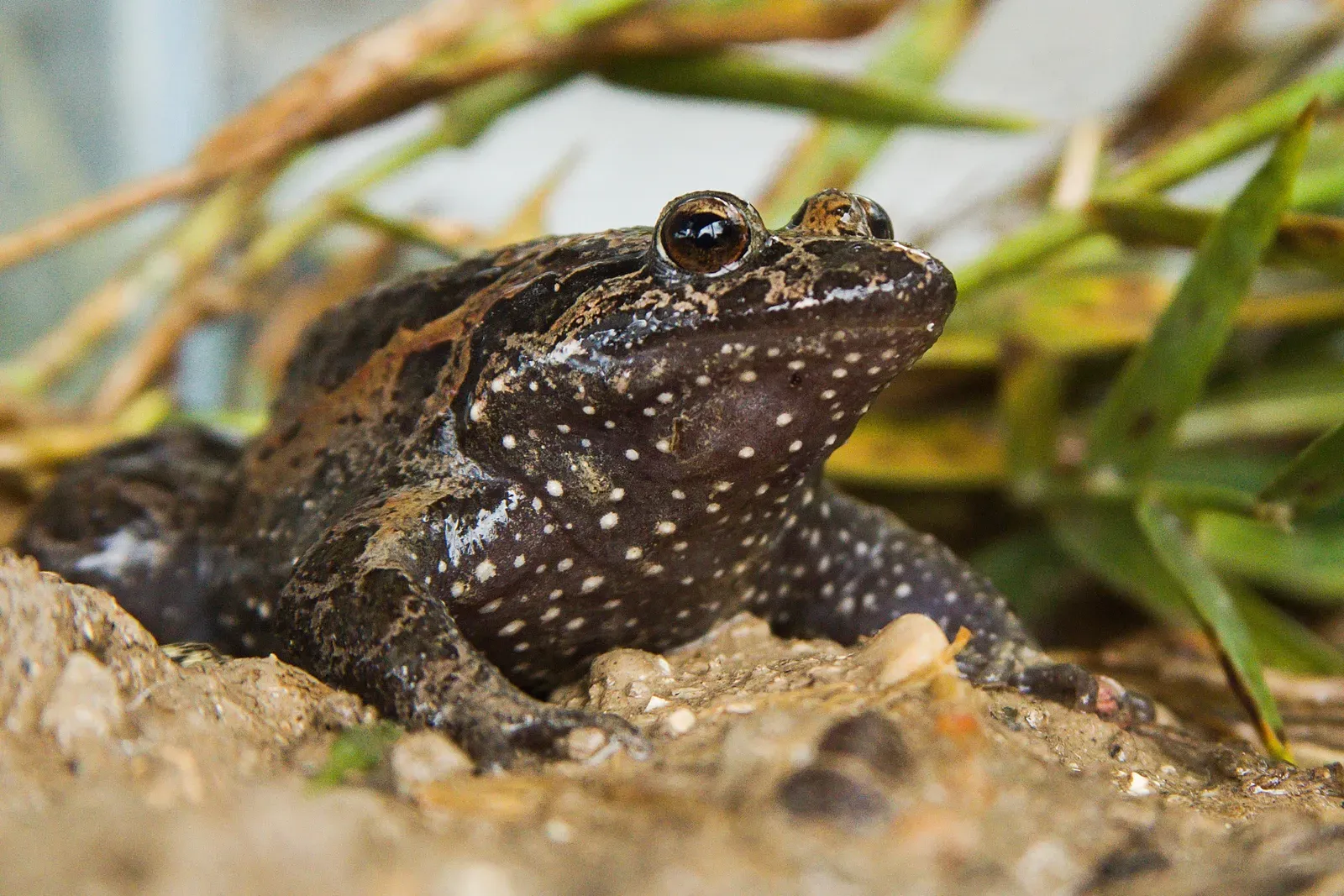
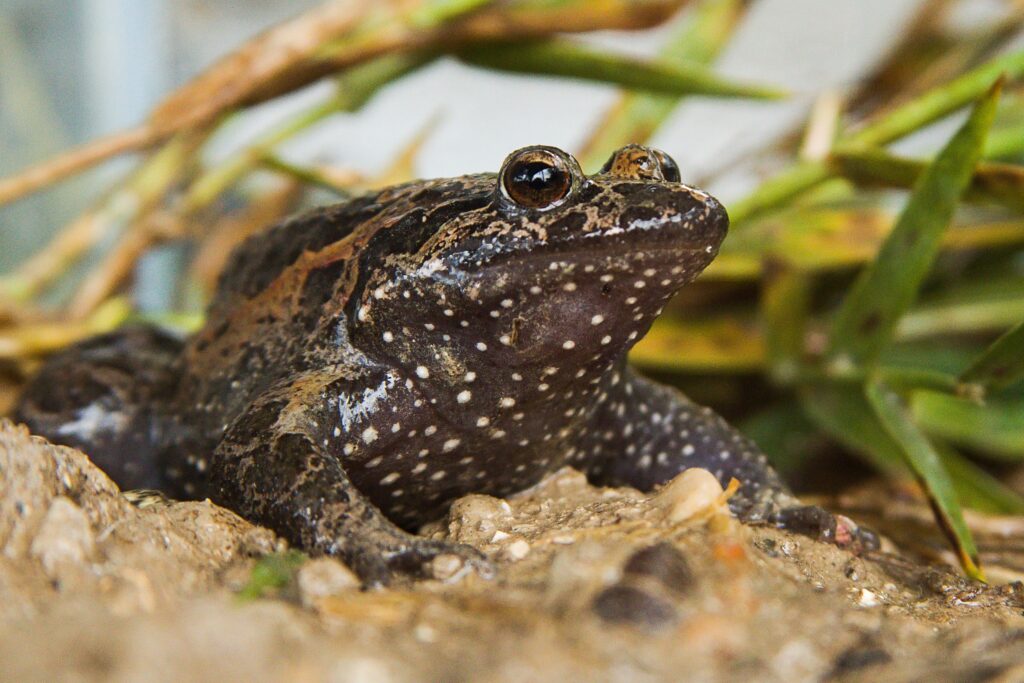
The Hula painted frog from Israel was officially declared extinct in 1996, after its swamp habitat was drained decades earlier in the 1950s. It became a sad but tidy textbook example: destroy a wetland, lose a species.
That narrative held until 2011, when a park ranger spotted a strange frog in a restored wetland. Genetic and anatomical analysis confirmed the impossible – the “extinct” Hula painted frog was back. Or rather, it had never actually left.
The frog turned out to be the last surviving member of an entire ancient lineage, more distinct than anyone had realized. Its survival exposes two mistakes at once: we assumed habitat loss was absolute, and we assumed there were no survivors simply because we’d stopped looking. Some herpetologists now argue that extinction declarations for amphibians should come with a lot more humility, and a lot more time in the field.
The Bottom Line
These “extinct” animals that keep turning up aren’t just feel-good miracle stories. They’re receipts for how often we confuse “we haven’t seen it” with “it doesn’t exist.”
From coelacanths to painted frogs, the pattern is brutally consistent: limited surveys, overconfident labels, and a deep bias toward whatever’s easiest to study. Rediscoveries are victories, sure, but they also expose how messy and human our extinction lists really are.
If anything, the science-based view is harsher than the headlines suggest. Many of these Lazarus species are still one drought, one road, or one political decision away from disappearing for good – this time with no ranger, no trail camera, and no second chance to notice. The real question isn’t “isn’t it amazing they survived?” It’s which species we’ve already written off too soon, and which ones we’re calling “saved” while they quietly run out of time.