
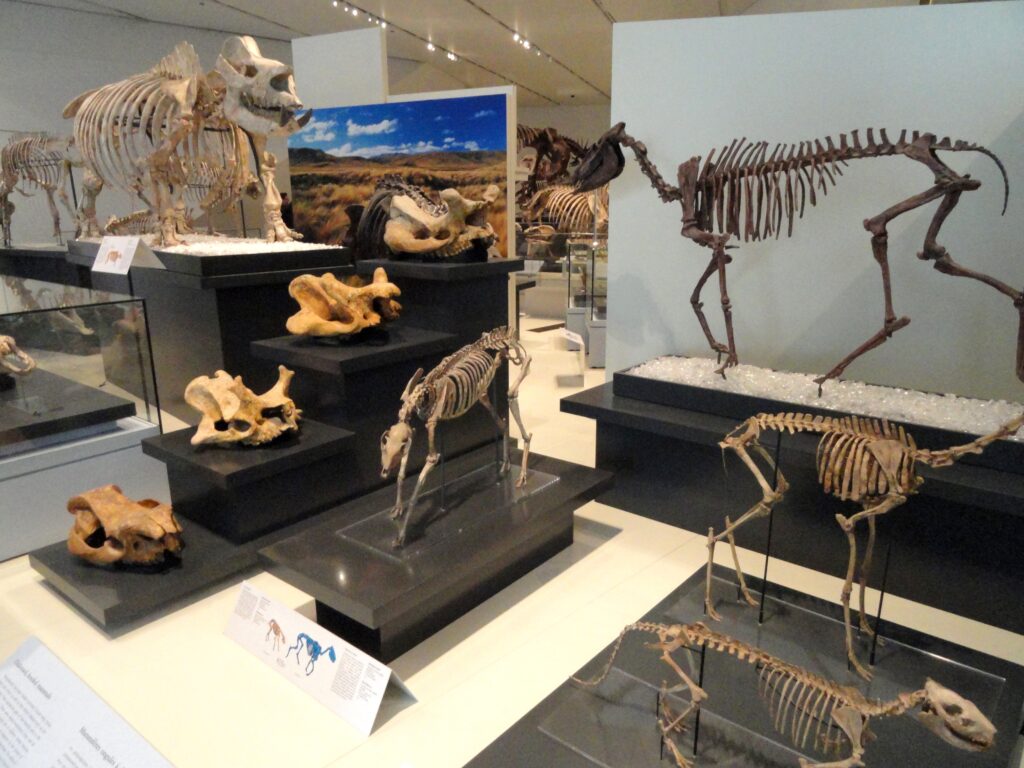
Most people assume a museum fossil label is permanent – chiseled in stone the moment a specimen goes on display. It isn’t. Dig into museum archives and you’ll find something stranger: placards get quietly swapped, skulls get physically removed from bodies, and once-celebrated “missing links” get demoted to evolutionary dead ends, all without a press release.
The twelve cases below aren’t obscure footnotes – they’re some of the most famous fossils in the world, the ones millions of people have stood in front of without ever knowing the sign changed. Some corrections came from honest science catching up with itself. Others came from outright fraud that fooled trained experts for decades. Either way, the story you were taught in school might not be the one museums are telling today.
#12 – Ramapithecus Went From “First Human” to Ordinary Orangutan Ancestor
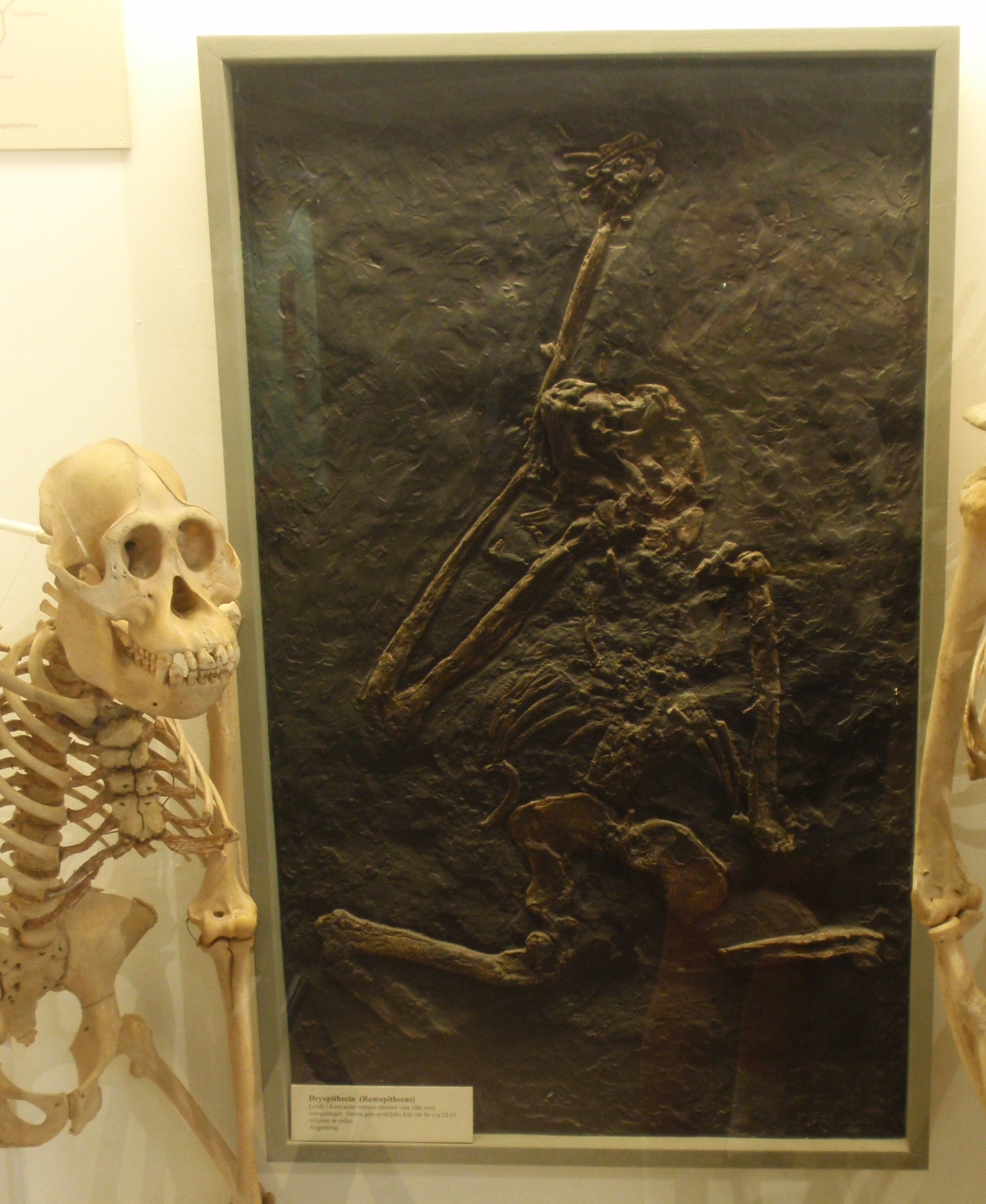
For nearly two decades, this jaw fragment was taught in textbooks as the earliest known human ancestor. Ramapithecus fossils, dug up in India and Pakistan, were interpreted in the 1960s and 1970s as proof that the human lineage split from apes far earlier than anyone suspected. Anthropologists built entire evolutionary timelines around a handful of broken jaw pieces, essentially promoting the species to “founding father of humanity” status based on tooth wear and a curved jaw shape.
Then more complete fossils turned up, and molecular clock studies using ape and human DNA started pointing to a much more recent split. By the 1980s, researchers realized Ramapithecus wasn’t a human ancestor at all – it was reclassified as a close relative of the orangutan lineage instead. Museum labels that once called it humanity’s oldest known relative were quietly rewritten to describe an evolutionary dead end.
#11 – “Nebraska Man” Turned Out to Be a Pig
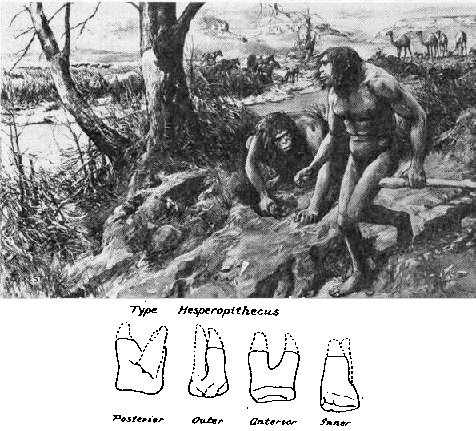
In 1922, a tooth found by a rancher in Nebraska was formally described as belonging to Hesperopithecus haroldcookii – a name applied to a species heralded as the first higher primate ever found in North America. Newspapers ran illustrations of a prehistoric “Nebraska Man” family, complete with human-like features extrapolated from that single lone tooth.
Then field crews returned to the site in 1925 and 1926 and dug up more of the skeleton. The remains revealed the tooth belonged neither to a man nor an ape, but to an extinct peccary called Prosthennops. An entire imagined ancestor, invented from one molar, was quietly walked back in the scientific literature within five years – the identification was formally retracted in the journal Science in 1927.
Fast Facts
- Named: Hesperopithecus haroldcookii, described in 1922
- Evidence base: a single fossilized tooth
- True identity: Prosthennops, an extinct peccary (a pig relative)
- Retraction: published in Science, 1927 – roughly five years after the original claim
#10 – “Nutcracker Man” Lost His Own Genus Entirely
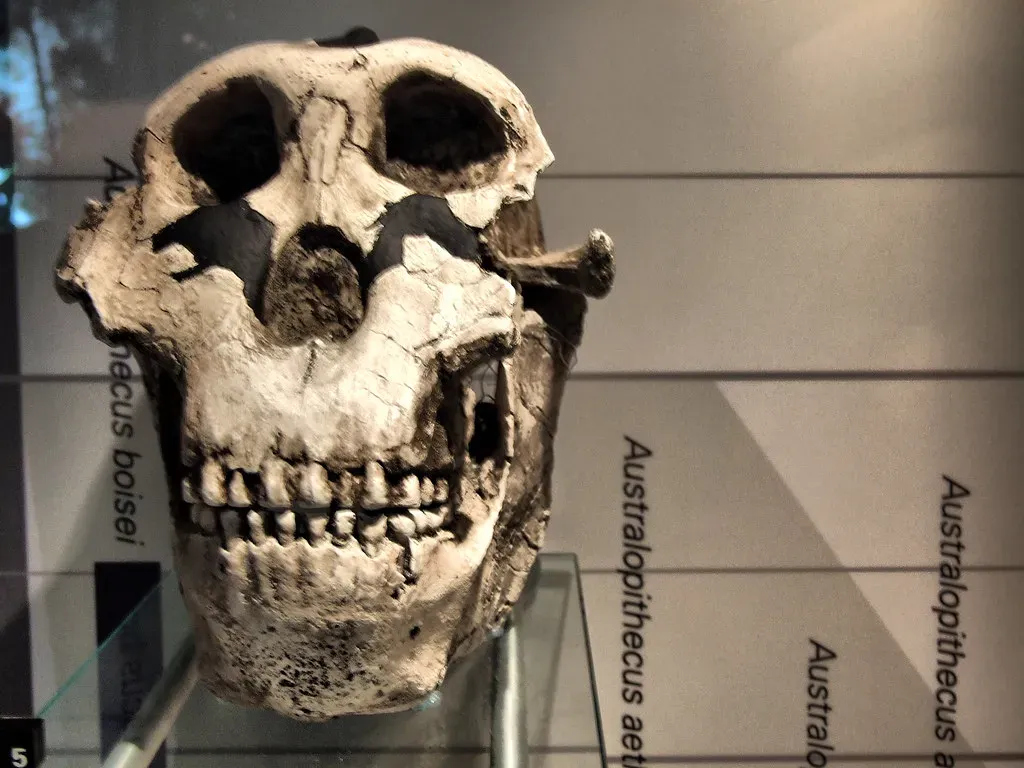
The skull, known as OH 5, was unveiled with its own brand-new genus name: Zinjanthropus. It was originally classified as Zinjanthropus boisei and earned the nickname “Nutcracker Man” for its powerful jaws and oversized teeth. It became one of the most famous fossils in the world, cementing East Africa’s place at the center of the human origins story.
But the genus didn’t survive scrutiny for long. Its classification was changed to Australopithecus boisei and later Paranthropus boisei, placing it in the same genus as a southern African species instead of standing alone. A fossil once given its own unique genus name is now filed under a completely different one – though paleontologists still affectionately call it “Zinj,” a nod to the name it lost.
#9 – Iguanodon’s “Nose Horn” Was Actually a Thumb
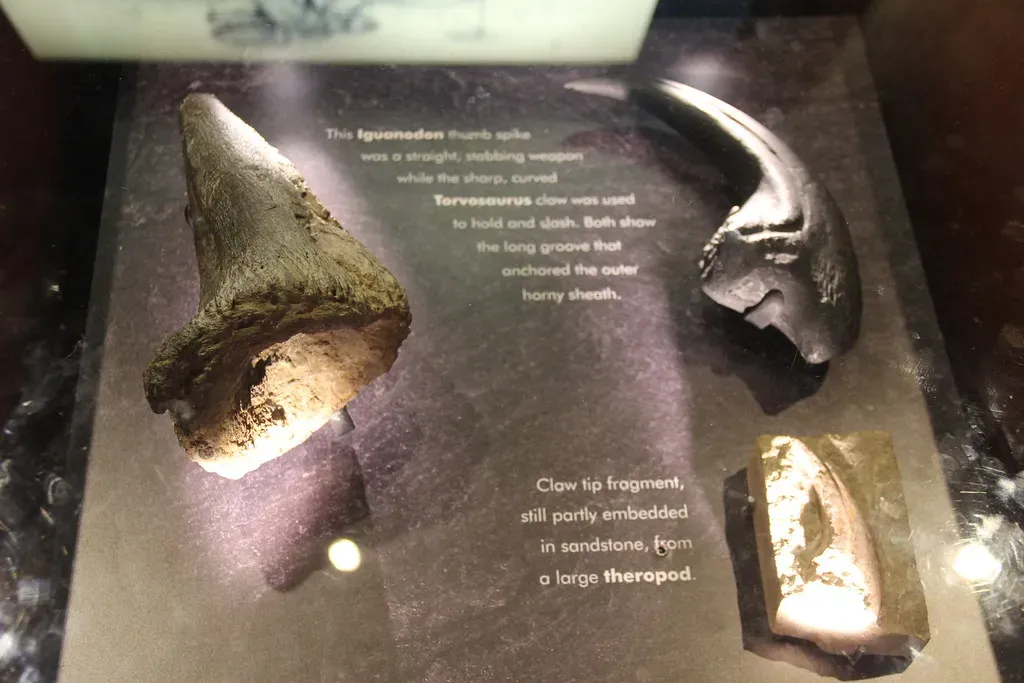
Early reconstructions in the 1800s, based on scattered and incomplete bones, placed a large conical spike right on Iguanodon’s nose – giving it a look somewhere between a dinosaur and a unicorn. It was a reasonable guess at the time; scientists simply didn’t have enough of the skeleton to know better.
Everything changed when complete skeletons were unearthed in a Belgian coal mine in the 1870s, showing the “horn” bone actually belonged on the hand. The dramatic nose horn from early illustrations and museum casts was, in fact, a thumb spike likely used for defense or foraging. Museums that had already poured plaster models with the horn on the nose had to physically relabel – and eventually remodel – their displays to move the spike from the animal’s face to its hand.
#8 – Torosaurus May Not Actually Exist
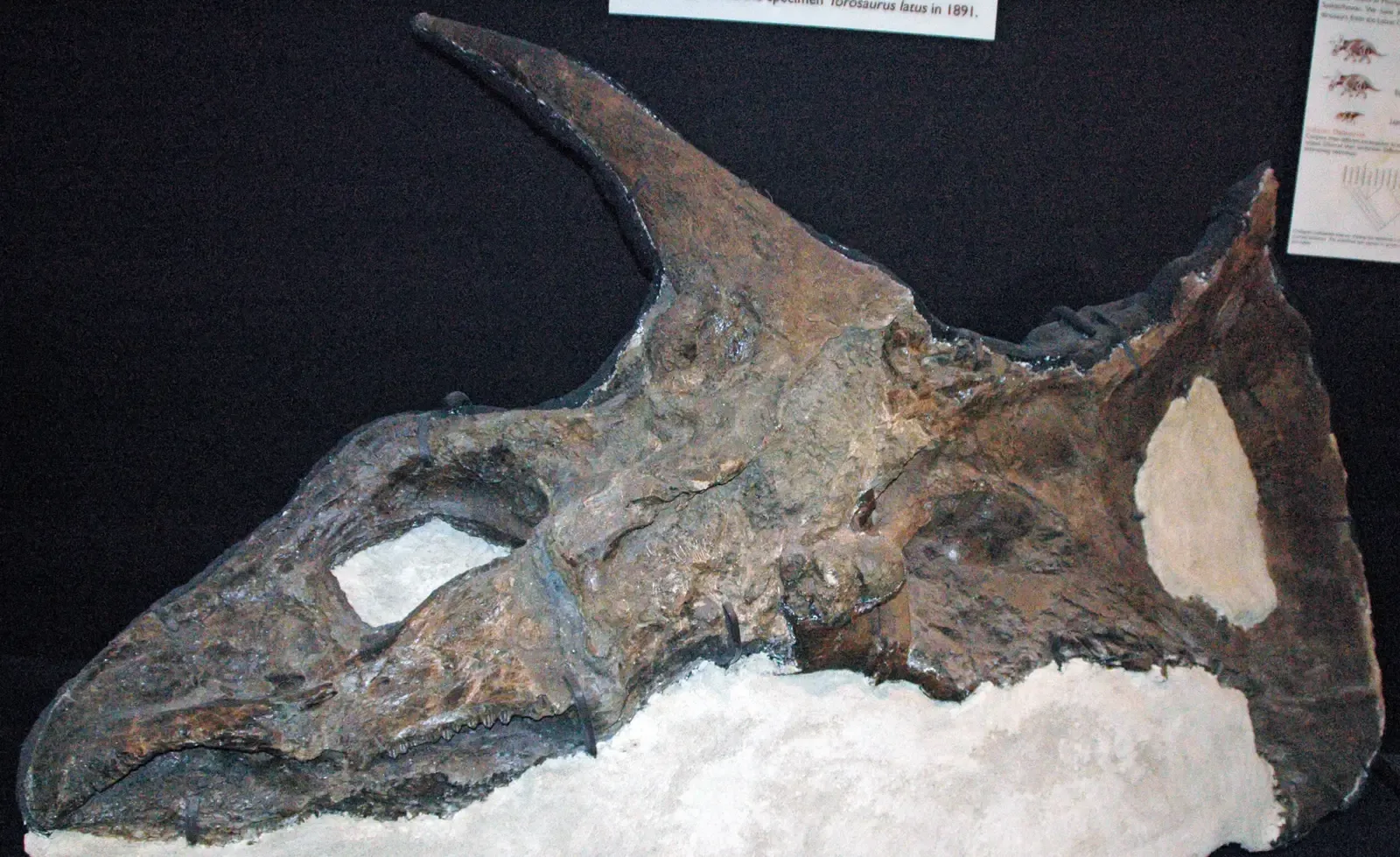
For over a century, Torosaurus was treated as its own distinct horned dinosaur genus, a cousin to the more famous Triceratops. Then paleontologists proposed something that shook the community: Torosaurus skulls might simply be fully mature Triceratops, with the bone reshaping and thinning dramatically as the animal aged.
If the theory holds, an entire dinosaur genus would effectively be erased, folded into an animal everyone already knows. Some museums have already started hedging their signage, adding language about the ongoing debate rather than presenting Torosaurus as settled fact. Other paleontologists push back hard, arguing the skull differences are too significant to be explained by age alone – making this a rare case where a fossil’s identity is being fought over in real time, not quietly fixed decades later.
Quick Compare
- Frill texture: Torosaurus has thin, holey frills (fenestrae) – Triceratops has solid, unbroken frills
- Proposed explanation: the “holes” may simply appear as a Triceratops skull matures with age
- Genus status: Triceratops remains undisputed; Torosaurus is the one under debate
- Debate started: gained major traction after a 2010 paleontology paper reignited the question
#7 – Sue the T. Rex’s Wishbone (and Gender) Were Both Wrong
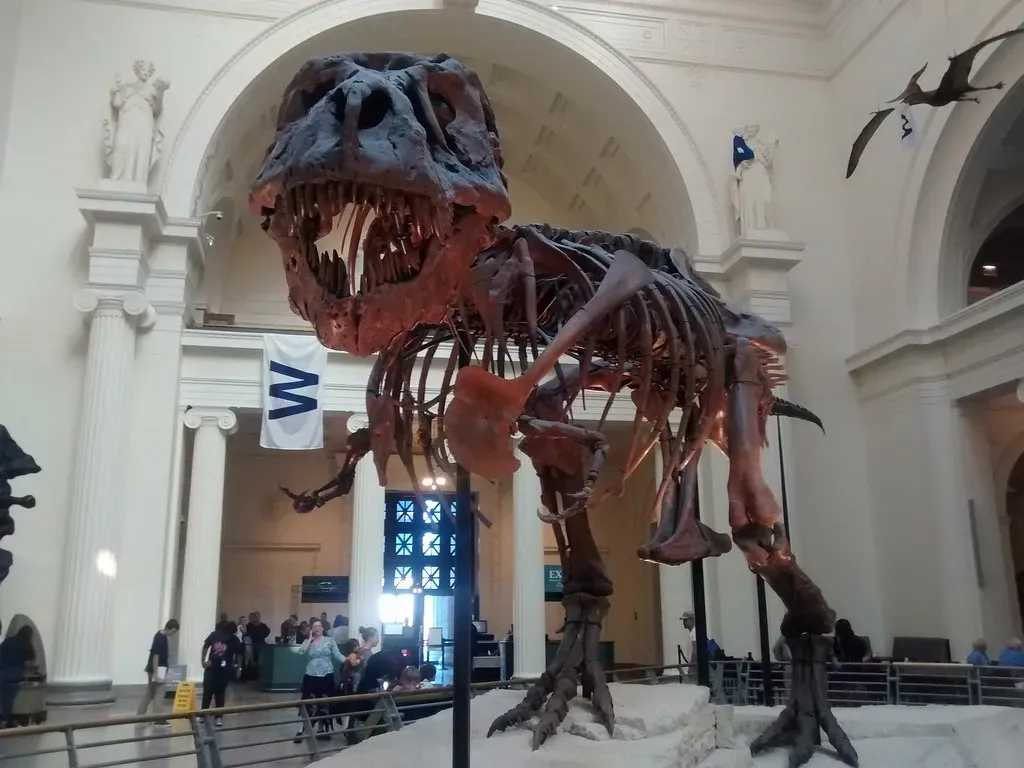
Scientists concluded that the bone mounted as Sue’s wishbone was misidentified back in 2000, and later replaced it with the dinosaur’s actual wishbone, or furcula, during a remount. That wasn’t the only correction waiting in the wings. Sue was purchased and displayed as female based on a chevron-bone comparison to crocodiles – but when the museum unpacked and reconstructed the skeleton, the “missing” chevron turned up among the assorted bones, and the whole comparison fell apart.
Decades after going on display as female, scientists now openly admit nobody actually knows Sue’s sex. The museum still refers to Sue as “she” out of habit and history, not biology. Even the mysterious holes once punched into Sue’s jaw – originally presented as bite-mark evidence of a brutal dinosaur battle – are now attributed to something far less dramatic: infection.
#6 – Elasmosaurus Was Mounted With Its Head on the Wrong End
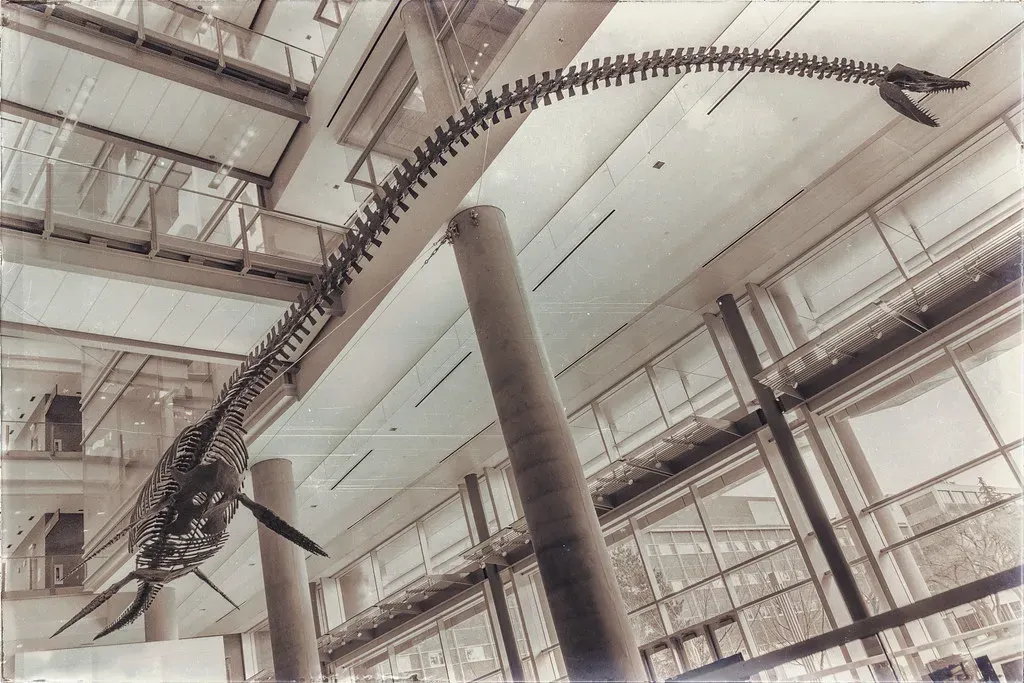
When Edward Drinker Cope described this marine reptile in the 1860s, he had no reference point for an animal with more than 70 neck vertebrae. Assuming the longer end of the skeleton had to be the tail, he reconstructed Elasmosaurus with its skull attached to what was actually the tip of its tail – giving it a bizarre, biologically impossible silhouette.
A rival scientist publicly pointed out the mistake, humiliating Cope and helping ignite one of the most bitter feuds in the history of science. The corrected version – head on that genuinely absurd, seemingly endless neck – is the one every textbook and museum diorama uses today. The label changed almost immediately, but the embarrassment never quite faded from the history books.
#5 – “Ida” Was Sold as the Human Missing Link, Then Quietly Wasn’t
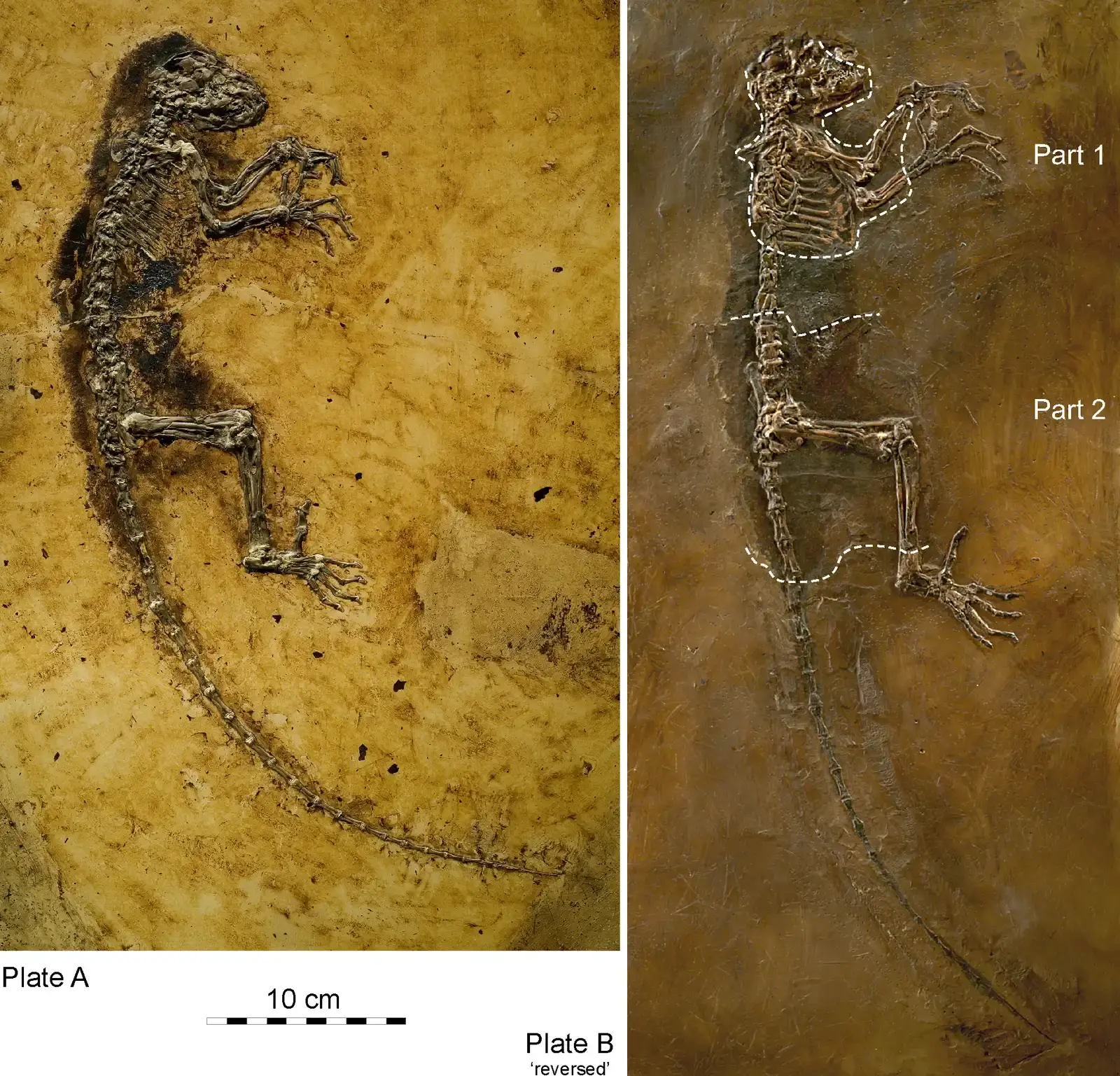
The specimen, officially named Darwinius, was hailed by the scientific team that described it as a potential “missing link” between primitive primates and anthropoids – the group that includes monkeys, apes, and humans. Google changed its homepage logo, a documentary aired, and headlines called it proof of a 200-year-old evolutionary puzzle finally solved.
Within months, independent researchers published a rigorous counter-analysis showing the fossil didn’t belong anywhere near the human lineage. Darwinius, they found, sits in the other major primate grouping entirely – the one that includes lemurs, not us. The fossil is still stunning to look at; it’s just no longer humanity’s long-lost relative.
#4 – Brontosaurus Wore the Wrong Head for Nearly 50 Years
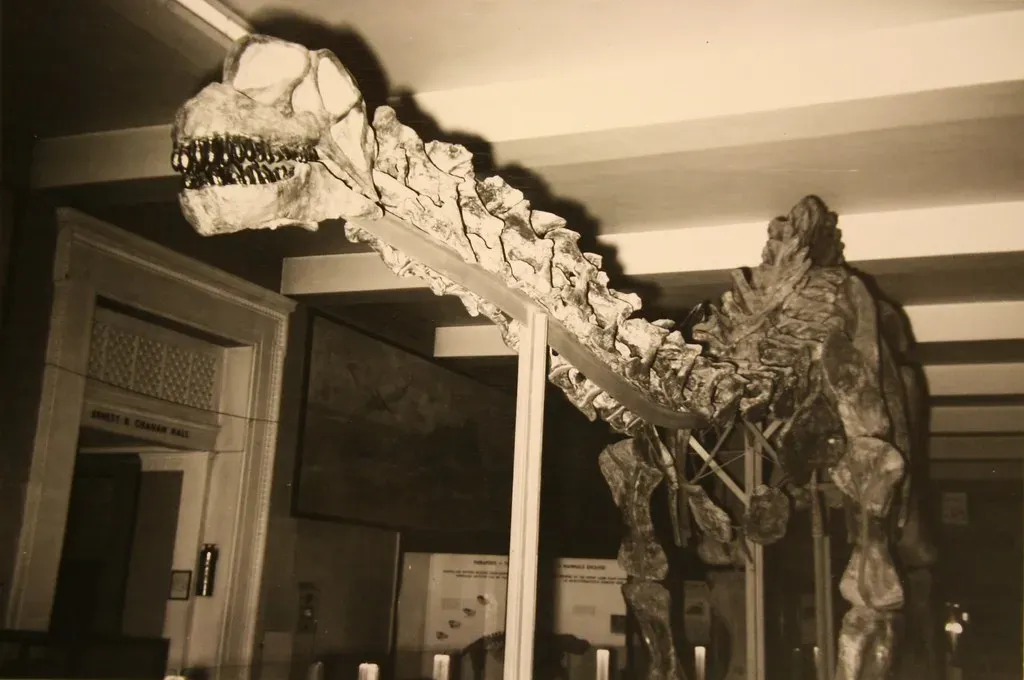
A Camarasaurus-like skull was mounted atop the body of Apatosaurus at the Carnegie Museum of Natural History in Pennsylvania from 1934 to 1979. The mismatch traces back to O.C. Marsh himself, who grabbed a skull from a completely different site to finish his restoration because no real head had ever been found with the skeleton.
A real Apatosaurus skull sat forgotten in a museum basement for decades before anyone thought to check it. In 1978, researchers rediscovered a long-lost skull in the Carnegie Museum’s basement – slender, elongated, lined with long peglike teeth like a diplodocid’s – the genuine article. Apatosaurus models in museums around the world were changed accordingly, and the dinosaur millions grew up calling “Brontosaurus” finally got the right face.
At a Glance
- Wrong skull on display: 1934 to 1979 – roughly 45 years
- Original culprit: paleontologist O.C. Marsh, who substituted a skull from a different site
- Correct skull found: 1978, forgotten in the Carnegie Museum’s own basement
- Location: Carnegie Museum of Natural History, Pittsburgh
#3 – Archaeopteryx Was Accused of Being a Fake – and It Wasn’t Crazy Talk
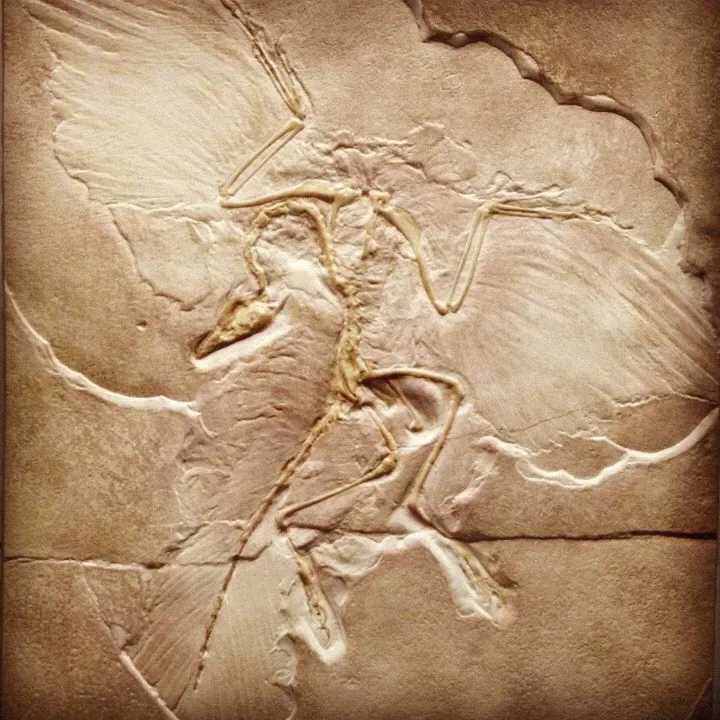
In the 1980s, astronomer Fred Hoyle and colleague Chandra Wickramasinghe publicly argued that the London specimen’s feather impressions had been faked – pressed into a genuine reptile fossil using a thin paste to create fraudulent plumage. It wasn’t a fringe claim; Hoyle was a serious scientific figure, and the accusation forced the Natural History Museum to defend one of its most prized specimens in the press.
Multiple independent teams then examined the slab under microscopes and X-rays and found the feather impressions were genuine, embedded in the exact same rock matrix as the skeleton. The forgery theory collapsed completely, but the episode forced institutions to be far more transparent about how they verify authenticity going forward. The label never technically changed – but the case is now taught as a landmark moment in fossil authentication.
#2 – National Geographic’s “Feathered Dinosaur” Was Two Fossils Glued Together
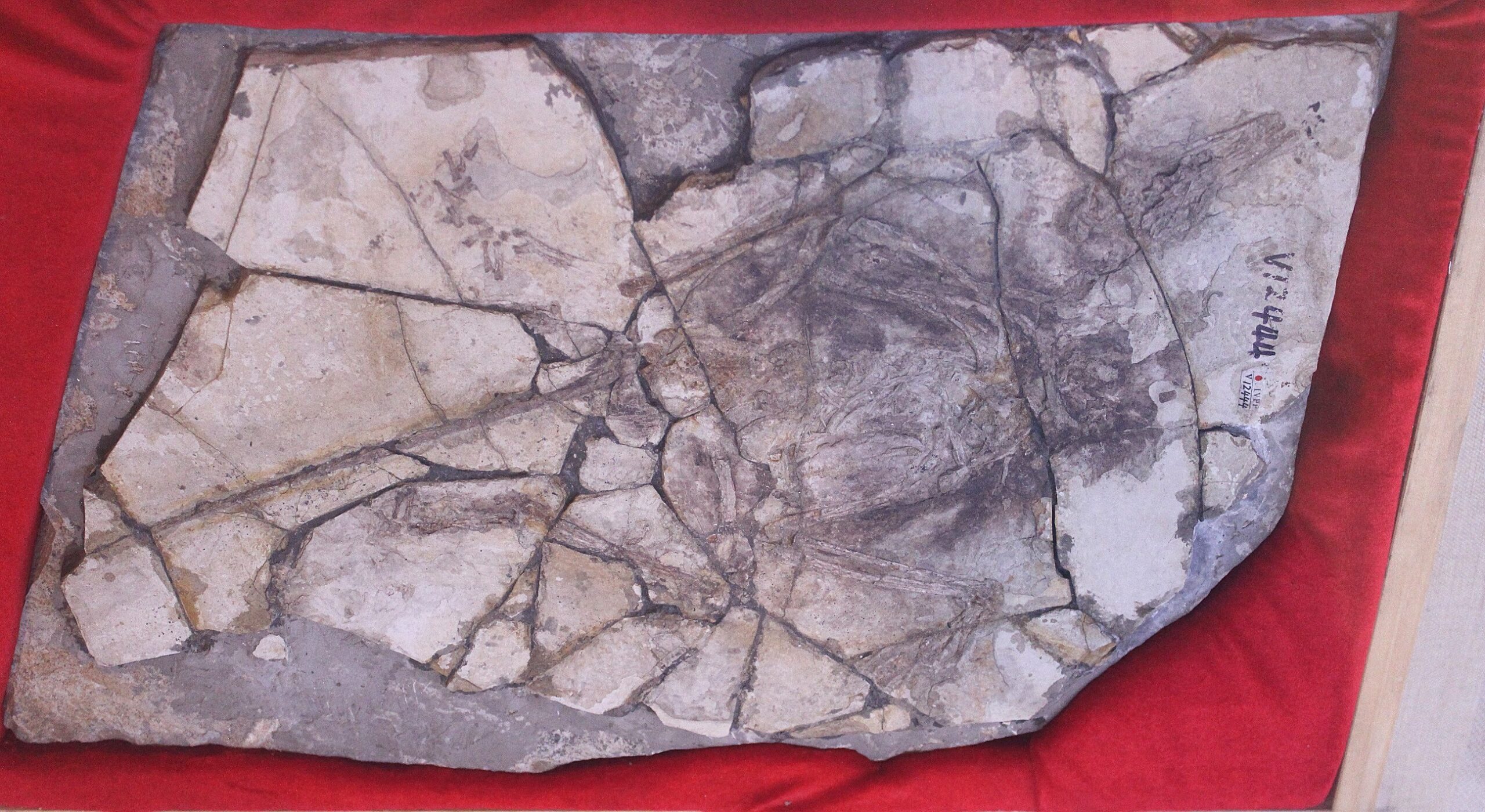
In 1999, a fossil smuggled out of China was presented as a spectacular missing link – a dinosaur with bird-like feathers, dubbed Archaeoraptor. It was set to be unveiled with major fanfare and institutional backing before independent paleontologists, including Chinese researcher Xu Xing, examined the slab more closely.
The “discovery” turned out to be a composite fake: the tail of one genuine fossil species glued to the body of an entirely different feathered dinosaur to make a more dramatic specimen. Fossil dealers in China had assembled it from separate pieces to boost its market value before it ever reached scientific hands. The retraction became one of the most cited cautionary tales in paleontology, and it permanently changed how institutions vet fossil imports.
#1 – Piltdown Man Fooled Science for Over 40 Years
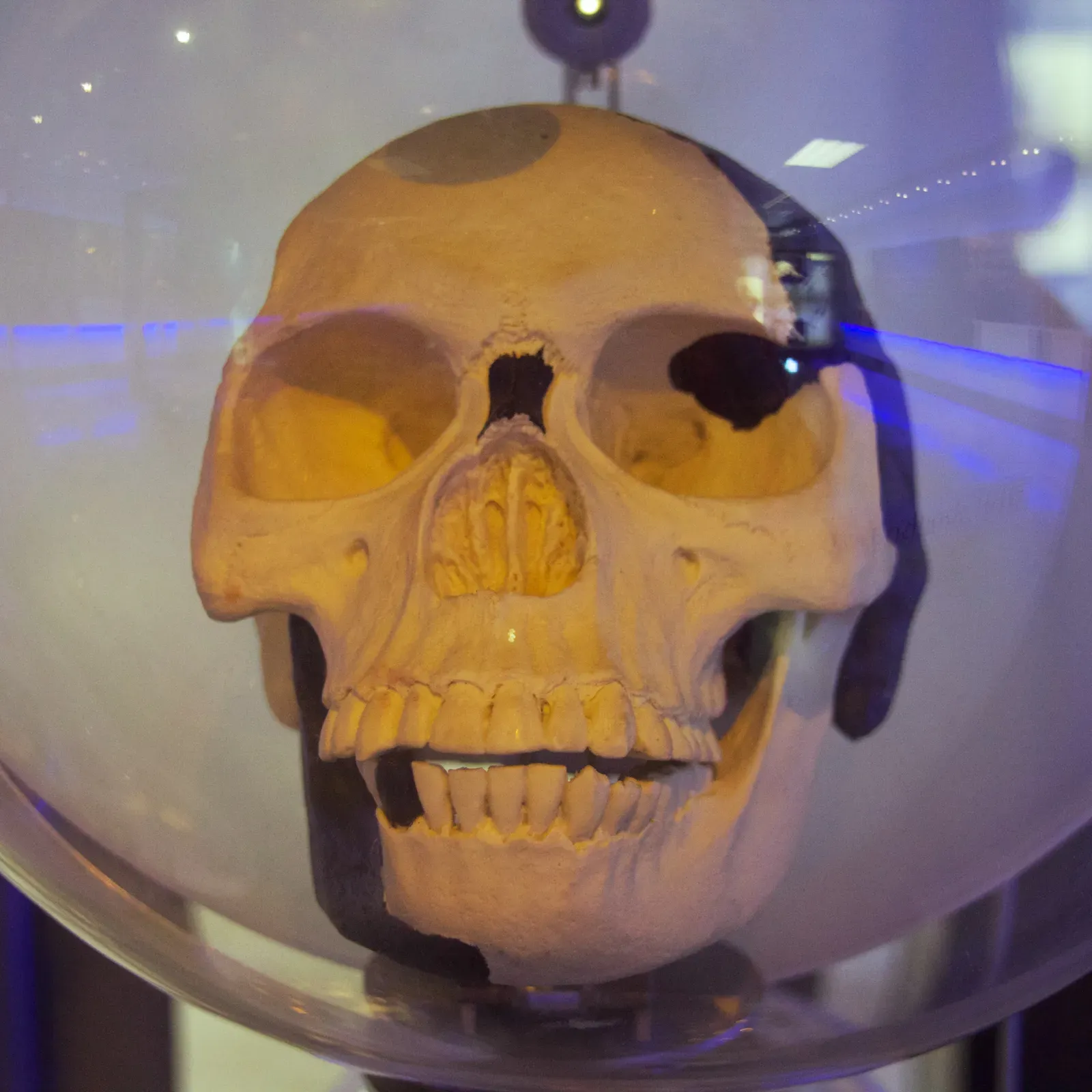
Unveiled in 1912, “Piltdown Man” was presented as the long-sought missing link between apes and humans – a skull with a distinctly human braincase paired with an ape-like jaw, supposedly proving humans evolved big brains before anything else. It was treated as a national scientific treasure for decades, prominently displayed and taught in classrooms as genuine evidence of human evolution.
The entire specimen was eventually exposed as a deliberate hoax: a human skull stitched together with an orangutan jaw, teeth deliberately filed down, the whole thing chemically stained to look ancient. The exposure only came after fluorine dating techniques in the early 1950s revealed the bones weren’t even the same age, let alone the same species. The identity of the hoaxer is still debated today, which somehow makes the whole story even stranger.
Worth Knowing
- Unveiled: 1912, to major scientific fanfare
- Exposed as fraudulent: early 1950s, via fluorine dating
- Components: a human skull paired with a filed-down orangutan jaw, chemically stained
- Duration of the hoax: over 40 years before detection
The Bottom Line
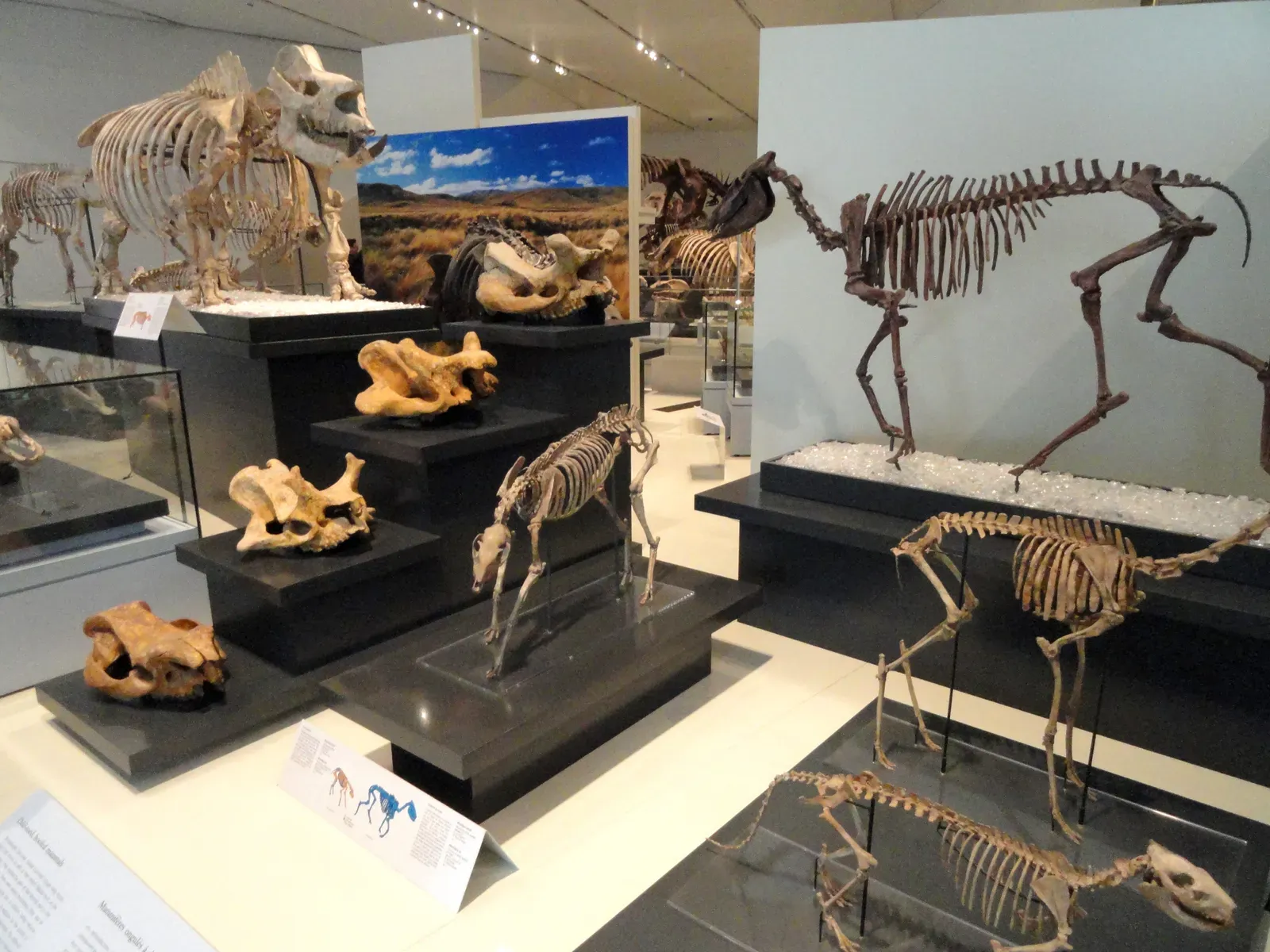
Here’s the uncomfortable truth museums don’t put on their brochures: fossil labels are working hypotheses, not permanent verdicts. Some of these corrections came from honest scientific progress – better tools, more complete skeletons, sharper analysis. Others came from outright fraud that fooled respected institutions for decades.
Either way, the pattern repeats itself: a bold claim gets the headlines, and the quiet correction gets a smaller font on a replaced placard nobody reads twice. That’s not a flaw in science – it’s the whole point of it. A field that never admits it was wrong isn’t science, it’s just dogma with a nicer building.
If you’ve stood in front of a “settled” fossil display, there’s a real chance the story has already changed since the sign was printed. Which of these relabelings surprised you the most? Drop it in the comments.