Most people assume that once a fossil gets pulled out of the ground, science eventually slaps a tidy label on it – a name, a branch on the family tree, a clean paragraph in a textbook. That’s the myth. In reality, dozens of ancient specimens have sat in museum drawers for decades, sometimes over a century, and the scientists who’ve devoted entire careers to them still can’t agree on what these things were, how they lived, or which end was even the front.
Some of these fossils have triggered outright academic feuds. Others have been reclassified five or six times and still don’t fit anywhere clean. We dug through the actual research behind each one – not just the headlines – to find the specimens that keep embarrassing the idea that paleontology is a finished science. Number one on this list has been unsolved for almost 70 years, and it still doesn’t have a confirmed phylum.
#12 – Longisquama insignis: The Reptile With Mystery “Feathers”
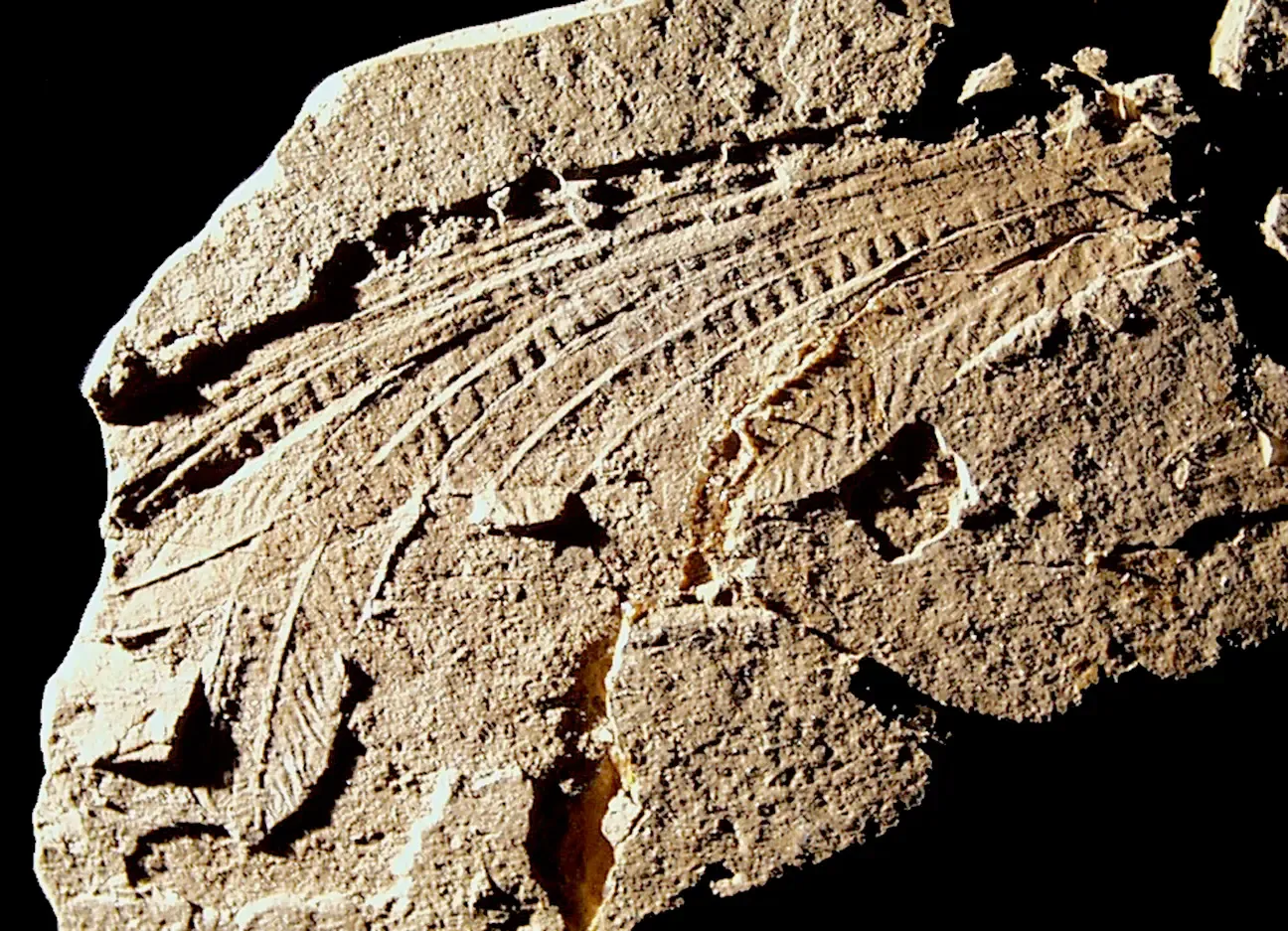
Longisquama insignis was a small reptile, about six inches long, that lived in Central Asia during the Middle Triassic, roughly 230 to 225 million years ago. Its name comes from the row of long, stiff, hockey-stick-shaped growths running down its back, and those growths are why it’s still one of the most argued-over reptiles in the fossil record.
The strangest part is that researchers still can’t agree whether those structures were skin, scales, or something science doesn’t have a clean word for. Some scientists argue they were highly modified scales. Others insist they were a genuinely unique kind of integument, and at least one study found they were built from skin tissue with a central vane and internal attachment points – not bone, not ordinary scale material, something in between.
The bigger fight is over what Longisquama even was in the first place. It’s classified as a diapsid reptile, but its precise family tree is unresolved, and the core argument is whether it belongs with the archosauromorphs – the group that eventually produced crocodiles, dinosaurs, and birds – or with the lepidosauromorphs instead. The fossil is simply too incomplete for anyone to settle it. But that one’s tame compared to what’s next.
Fast Facts
- Length: about six inches long
- Habitat: Central Asia
- Age: Middle Triassic, roughly 230 to 225 million years ago
- Unsolved debate: skin, scales, or a structure with no modern equivalent
- Family tree: archosauromorph or lepidosauromorph – still unresolved
#11 – Vetulicolians: The Body Plan Nobody Can Place
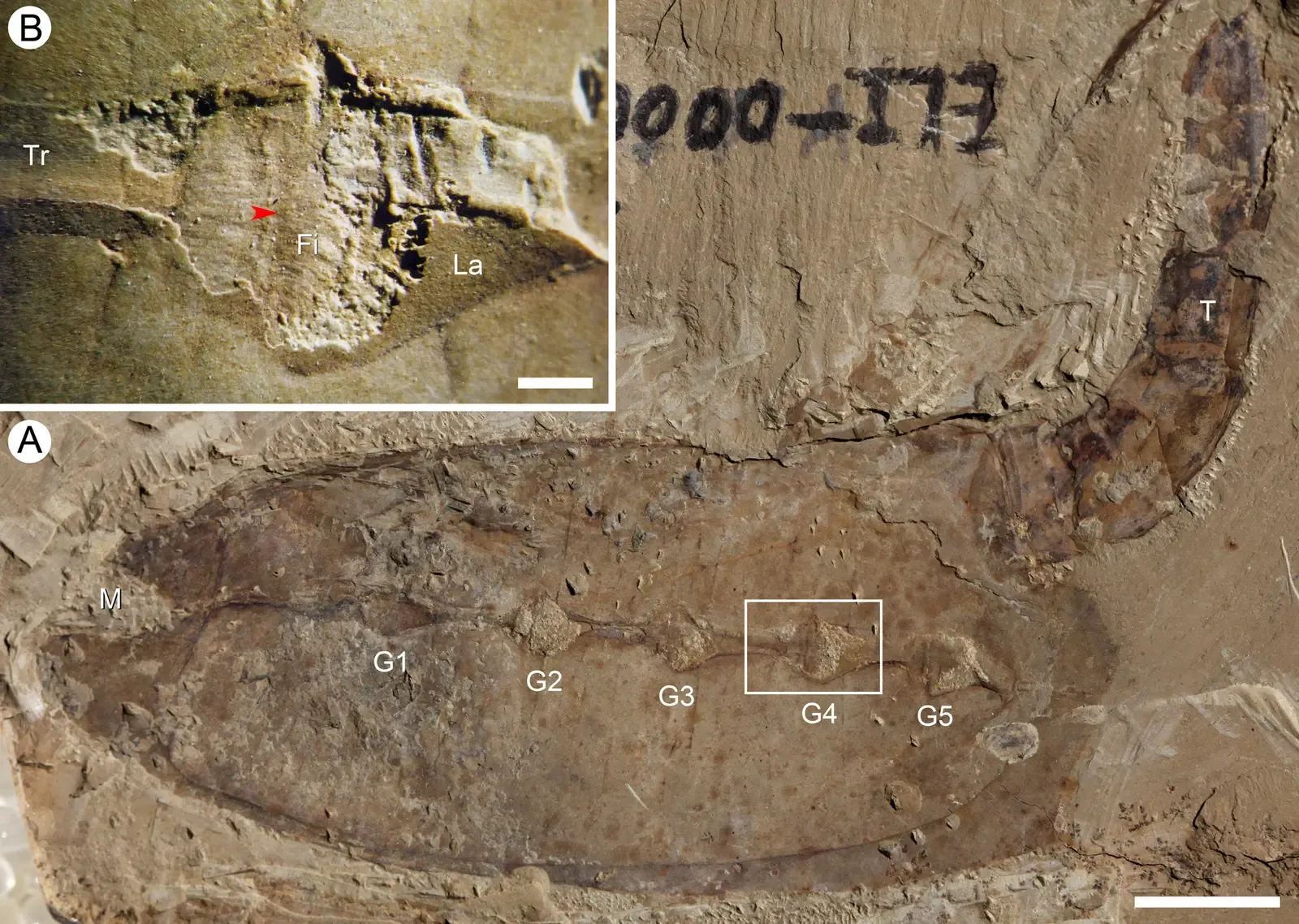
An entire group of Cambrian creatures has a body so bizarre that scientists still debate whether they were early relatives of fish or something closer to modern sea squirts. Vetulicolians look almost like two mismatched halves welded together – a bulbous, segmented front section shaped like a barrel, attached to a slender, jointed tail.
No living animal has this exact combination of parts, which is exactly why classifying them has been such a headache. Some researchers see gill-slit-like structures in the front section and argue that puts vetulicolians close to the ancestry of vertebrates. Others insist those same structures look more like the feeding apparatus of a filter-feeding invertebrate entirely unrelated to us.
The debate matters because vetulicolians lived during the Cambrian explosion, the window when most major animal body plans first appeared on Earth. If they really are early chordate relatives, they’d help fill in one of the murkiest chapters of our own evolutionary backstory. If they’re not, they’re just one more example of the Cambrian trying out a body plan once and then abandoning it forever. Still, none of that compares to the next entry.
#10 – Nectocaris: The “Impossible Squid” That Took 91 Extra Fossils to Solve
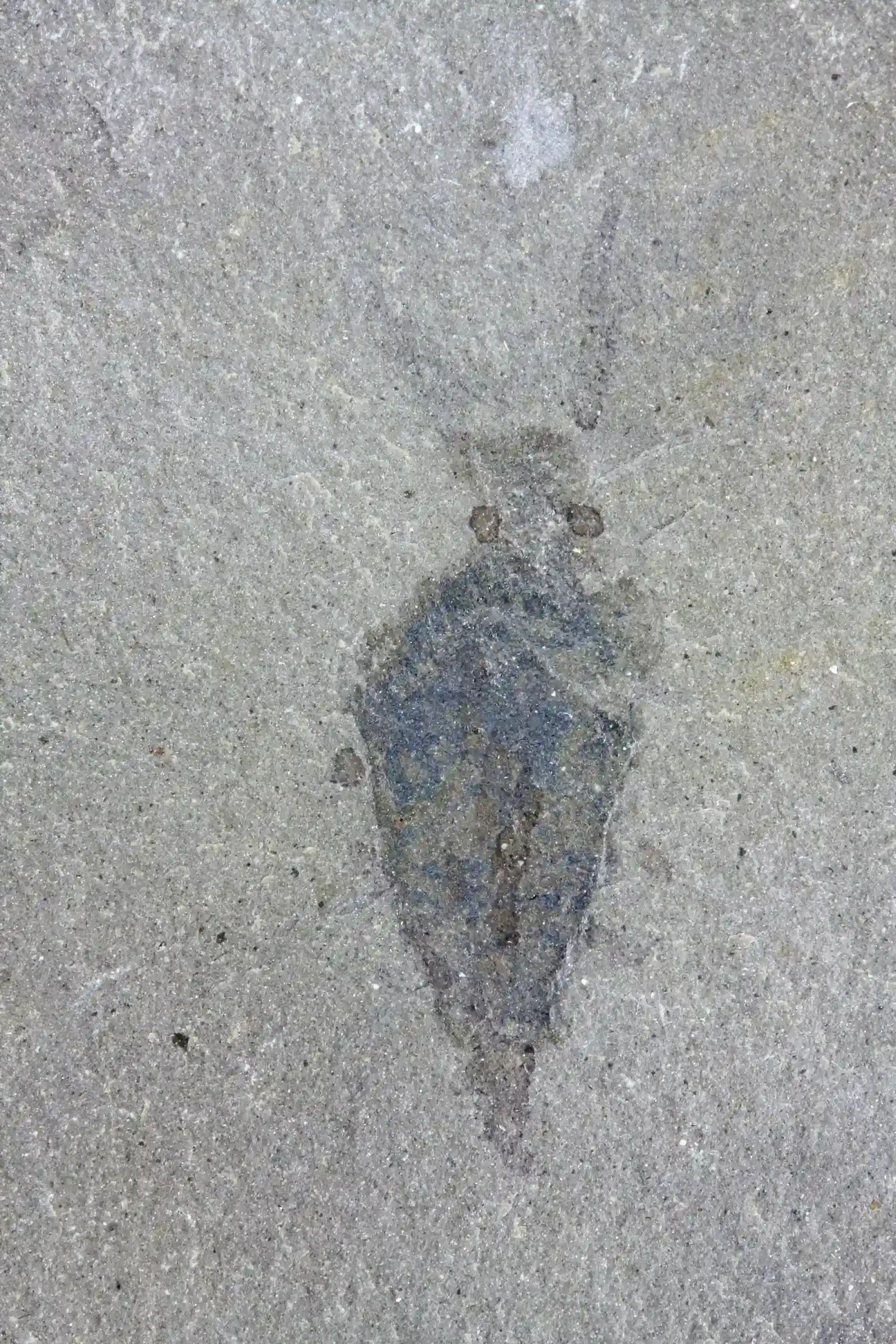
For decades, a single crushed fossil from the Burgess Shale left paleontologists completely divided over whether it was an arthropod, a chordate, or something else entirely. Nectocaris pteryx, or “swimming crab with wings,” was first described by Simon Conway Morris in 1976 and became one of the stars of Canada’s Burgess Shale formation – for all the wrong reasons.
The problem was that only one damaged specimen existed for over 30 years. Nectocaris’s allegiances shifted constantly during that time; Conway Morris himself had no firm answer, and different scientists placed it as an early arthropod or wedged it into the chordates depending on the decade. The mystery only broke when researchers found 91 additional specimens buried in museum collections nobody had properly gone through.
That mountain of overlooked fossils revealed Nectocaris to be the earliest known cephalopod – the great-great-great-granduncle of today’s octopuses, squids, and cuttlefish. Even now, some specialists push back, arguing the “tentacles” are better explained as arthropod head appendages rather than true cephalopod features. It’s a rare case where a fossil mystery got cracked mostly by brute-force digging through old drawers. That mystery got solved. This next one only got weirder.
#9 – Hallucigenia: The Animal Fossilized Upside Down and Backward
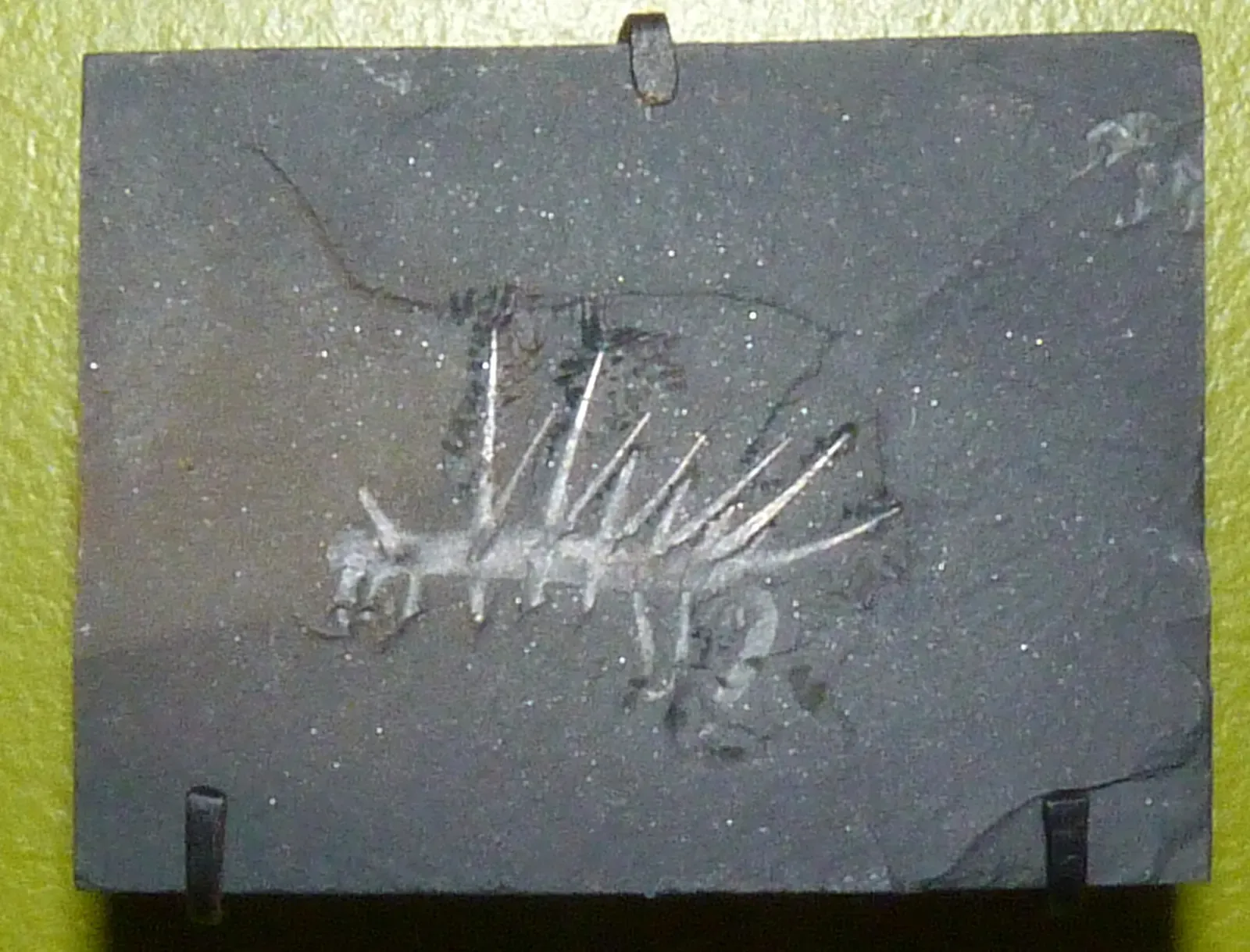
Hallucigenia earned its name because early researchers genuinely couldn’t figure out which end was the head and which way was up. The initial reconstruction put its spines on the bottom as legs and its actual legs on top as some kind of tentacled back – a mistake that stood for years before better-preserved specimens flipped the whole picture.
The animal was reconstructed backward and upside down, and nobody caught it for over a decade. Even with the orientation corrected, Hallucigenia’s exact place in the tree of life stays contested. It’s generally grouped with the lobopodians, a bizarre assemblage of worm-like, many-legged Cambrian animals thought to be distant ancestors of modern arthropods.
But precisely how it connects to velvet worms, tardigrades, or true arthropods is still argued paper by paper, because its claws, spines, and gut structures don’t map cleanly onto any single living lineage. Paleontologists still cite it as the cautionary tale whenever a new “obvious” reconstruction gets published. Compared to what’s coming, that’s a minor identity crisis.
#8 – Attercopus fimbriunguis: The Spider That Might Not Have Been a Spider
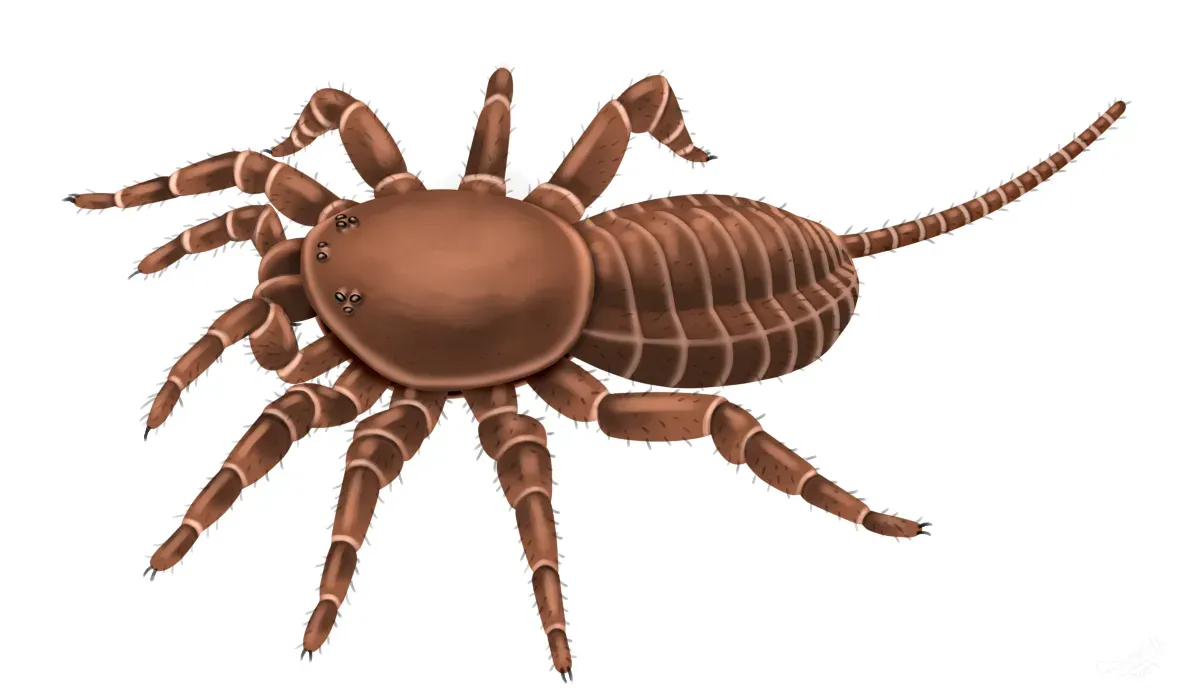
Attercopus fimbriunguis was originally celebrated as proof that true, silk-spinning spiders existed far earlier than anyone expected. This 380-million-year-old fossil from New York had structures on its abdomen that looked exactly like spinnerets, the silk-producing organs unique to modern spiders.
The twist is that later, more detailed study suggested those “spinnerets” weren’t producing silk thread at all, but something closer to a sticky coating used for an entirely different purpose. That reclassification pushed Attercopus into a strange evolutionary limbo – closely related to spiders, clearly part of the broader arachnid family tree, but not technically a spider by the strict modern definition.
Researchers now describe it as part of an extinct sister lineage that shared some, but not all, of what makes a spider a spider. It sounds like a technicality until you realize it rewrites the entire timeline of when silk-spinning first evolved on Earth. That’s a naming argument. The next one is a flight-mechanics nightmare.
#7 – Yi qi: The Dinosaur That Might Have Had Bat Wings
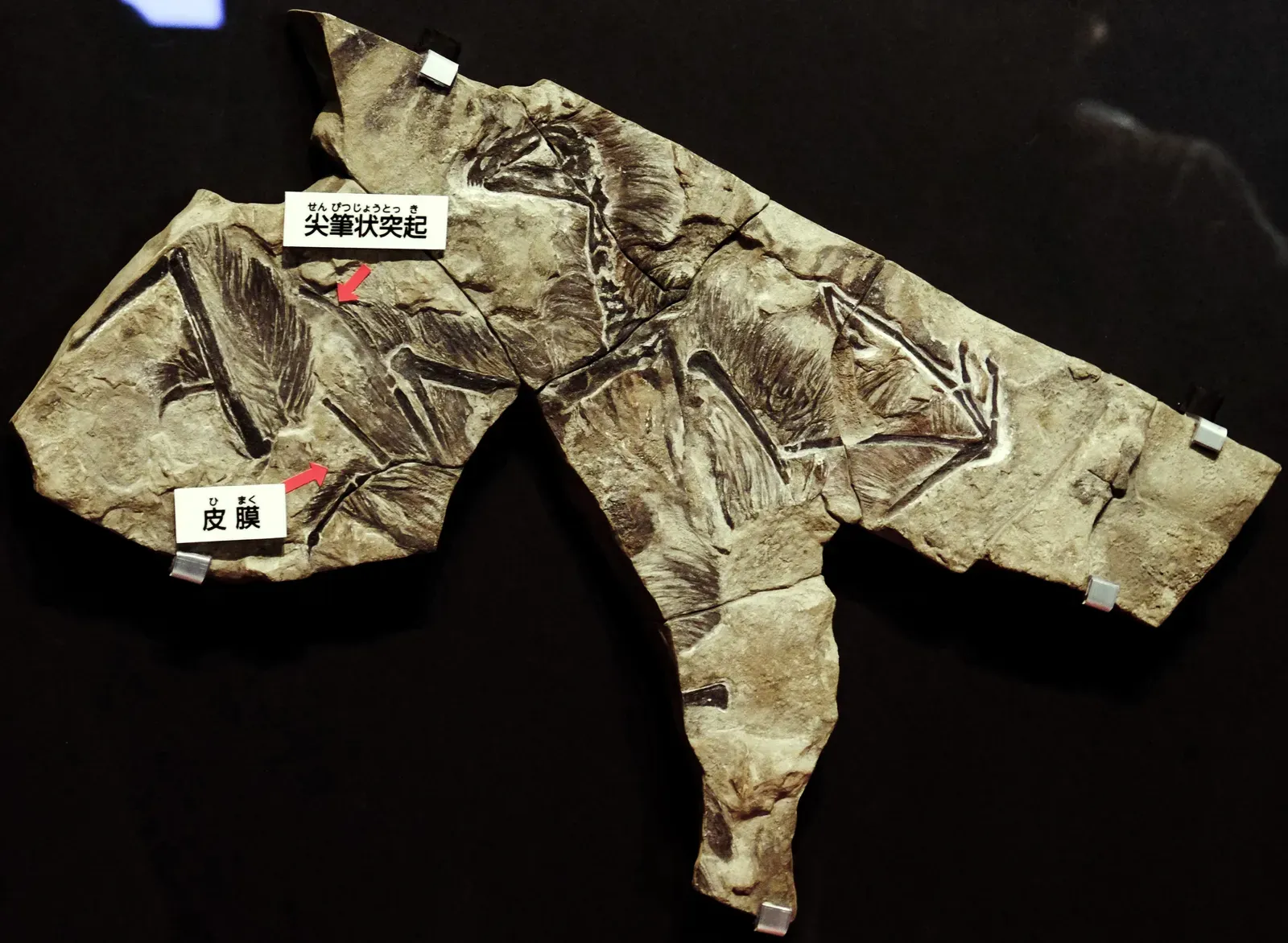
Yi qi belongs to a bizarre group called scansoriopterygids, tiny dinosaurs already known for their strange, elongated fingers. What made Yi qi different was the discovery of a rod-like bone extending from its wrist, paired with membranous tissue rather than the feathered wings seen on every other flying or gliding dinosaur relative.
This combination looks more like a bat wing than anything a bird ancestor should have, which is exactly why paleontologists are still uneasy about it. No other dinosaur, before or after Yi qi, shows this membrane-and-rod wing design – not one.
That makes it either a genuine one-off experiment in gliding that evolution tried and dropped, or a sign that flight evolved along far stranger paths in dinosaur lineages than the clean “feathers first” story usually told. Some researchers even question whether the animal could generate enough lift to glide meaningfully at all, versus simply parachuting between branches. Strange as that is, the next fossil made scientists question what counts as an animal at all.
Why It Stands Out
- Only known dinosaur with a bat-style membrane wing
- Wrist rod-bone unlike anything seen in other flying dinosaur relatives
- No feathered flight surface, unlike its scansoriopterygid cousins
- Scientists still debate whether it could truly glide or only parachute between branches
#6 – Dickinsonia: Animal, Fungus, or Something We Don’t Have a Name For
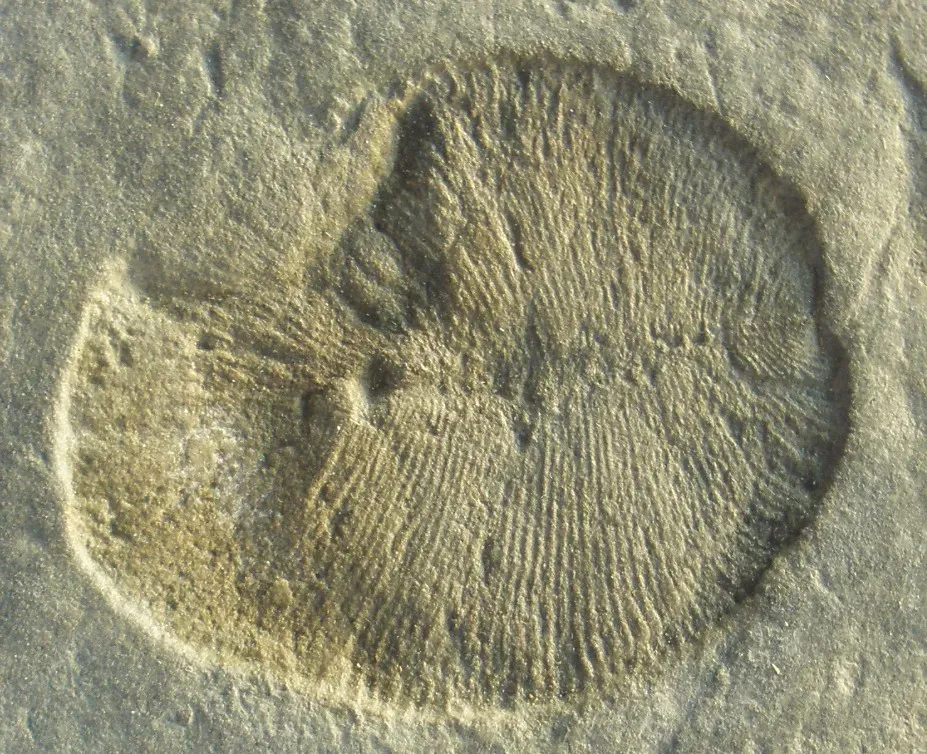
Dickinsonia looks almost like a quilted, symmetrical leaf pressed into rock, and it lived roughly 550 million years ago, before most of the animal groups we recognize today had even evolved. That timing is the whole problem.
Its body plan is so alien that respected researchers seriously proposed it might have been a giant single-celled protist, a fungus, or even a completely separate kingdom of life unrelated to animals, plants, or fungi. The animal hypothesis eventually gained the upper hand after researchers detected cholesterol-derived molecules preserved in the fossil tissue, a biomarker strongly associated with animals rather than fungi or bacteria.
That finding shifted the consensus, but it didn’t end the argument over what kind of animal Dickinsonia was, how it moved, or how it fed. Its body shows no mouth, no gut, and no obvious front or back – a layout that still doesn’t match any animal group alive today. Even that debate looks tame next to this one.
#5 – Anomalocaris: The “Animal” That Was Originally Three Different Animals
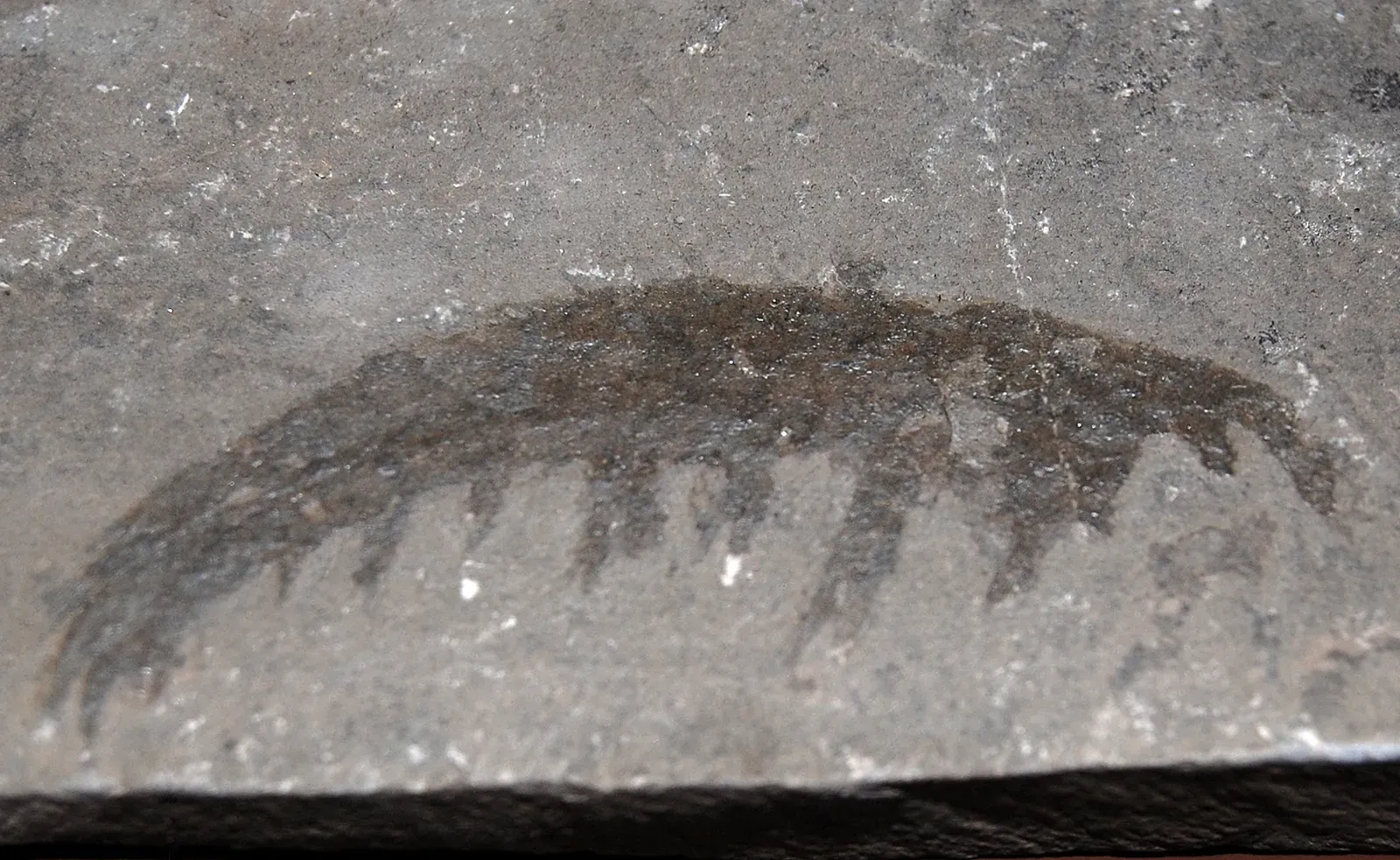
When the first fragments of Anomalocaris turned up, researchers assumed the curled, segmented front appendages were the entire body of a shrimp-like animal. Separately, a round, ring-shaped fossil with petal-like segments was classified as a jellyfish and given its own name, Peytoia.
Nobody suspected these “three species” were actually different body parts of a single, much larger predator until decades later, when a complete specimen finally surfaced. Once assembled correctly, Anomalocaris turned out to be a formidable swimming predator, among the largest animals of its time, with grasping frontal appendages and a circular mouth lined with plates.
Even with that correction settled, researchers still debate exactly how strong its bite was, what it actually hunted, and how its eyes – among the most sophisticated visual systems known from the Cambrian – functionally compared to modern arthropod eyes. It’s one of the clearest lessons in paleontology that a fossil in pieces can fool everyone for generations. That was an honest mistake. This next one was a bit more… imaginative.
#4 – The “Kraken” Bones: A Controversial Theory Most Scientists Rejected
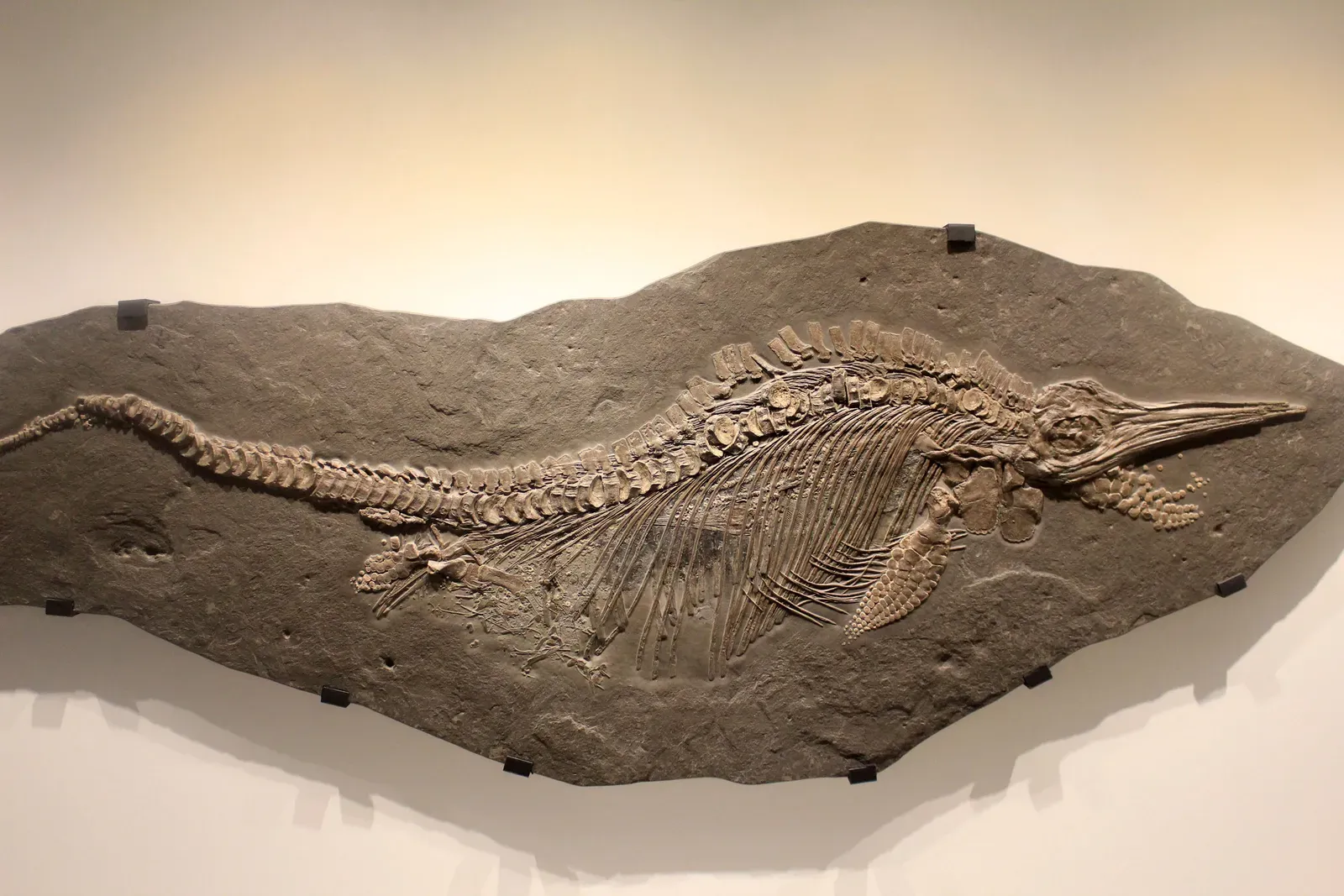
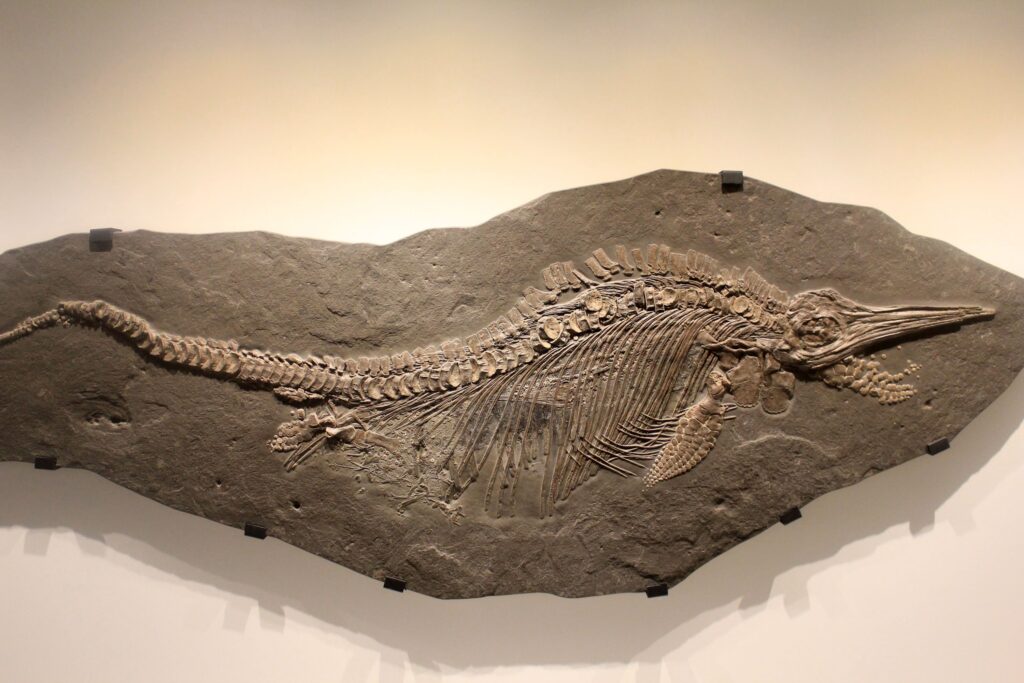
The bones in question belong to Triassic ichthyosaurs, large marine reptiles, found arranged in unusual patterns at a Nevada fossil site. One researcher proposed the arrangement wasn’t natural burial or scavenging at all, but the deliberate work of a giant, intelligent cephalopod predator – nicknamed a “kraken” – that supposedly arranged the bones the way modern octopuses arrange shells outside their dens.
The idea that a giant squid-like creature was curating an underwater bone display captured public imagination far more than it captured scientific support. The response from the paleontological community was skepticism bordering on outright rejection.
Critics pointed out there’s no fossil evidence of a cephalopod large enough to be the culprit, no beak or ink sac remains, and far simpler explanations – like ordinary water currents or sediment shifts – account for the bone arrangement without inventing an undiscovered giant predator. The episode is now frequently cited as a case study in how extraordinary claims need extraordinary evidence, especially in a field prone to sensational headlines. That was a wild theory. This next fossil is just wild, period.
Worth Knowing
- Location: Triassic ichthyosaur bone bed in Nevada
- Claim: a giant cephalopod supposedly arranged the bones like an octopus midden
- Problem: no fossil evidence of a cephalopod large enough exists
- No beak, no ink sac, and no other physical trace was ever found
- Simpler explanation: water currents and sediment shifts fit the evidence better
#3 – Typhloesus wellsi: The “Alien Goldfish” With No Eyes, Anus, or Backbone
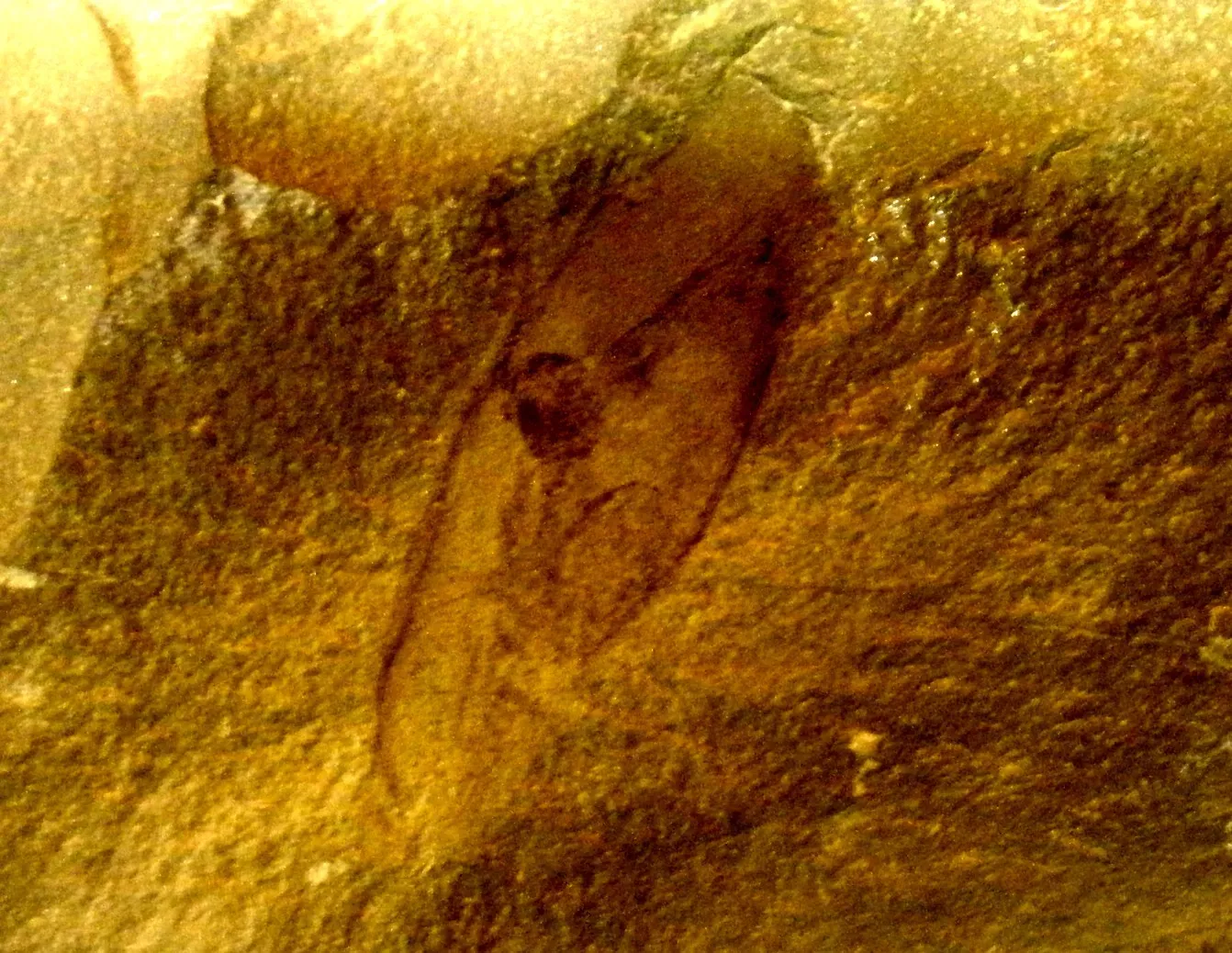
With no backbone, no anus, no eyes, and no shell, Typhloesus wellsi has stumped researchers for decades. In the middle of its body sat structures researchers nicknamed “ferrodiscus” organs – disc-shaped structures containing high concentrations of iron whose function was completely unknown.
Scientists initially thought the fossil was an ancient jawless fish, until they realized the “teeth” inside it were actually the remains of its last meal, not its own anatomy. Those tiny teeth had originally led researchers to classify it as an extinct eel-like fish called a conodont, before a closer look revealed the teeth belonged to something Typhloesus had simply eaten.
The breakthrough only came decades later, when researchers described a toothy structure in the animal’s gut resembling the radula found in modern mollusks, which suggests the organism is some kind of mollusk after all. Even so, the researchers admitted their work hadn’t fully pinned down its place on the tree of life, leaving it an “orphan” with a tentative address rather than a confirmed one. That’s a strange one. This next fossil took over a century to even get its face right.
#2 – Helicoprion: The Buzzsaw Jaw Nobody Could Place for a Century
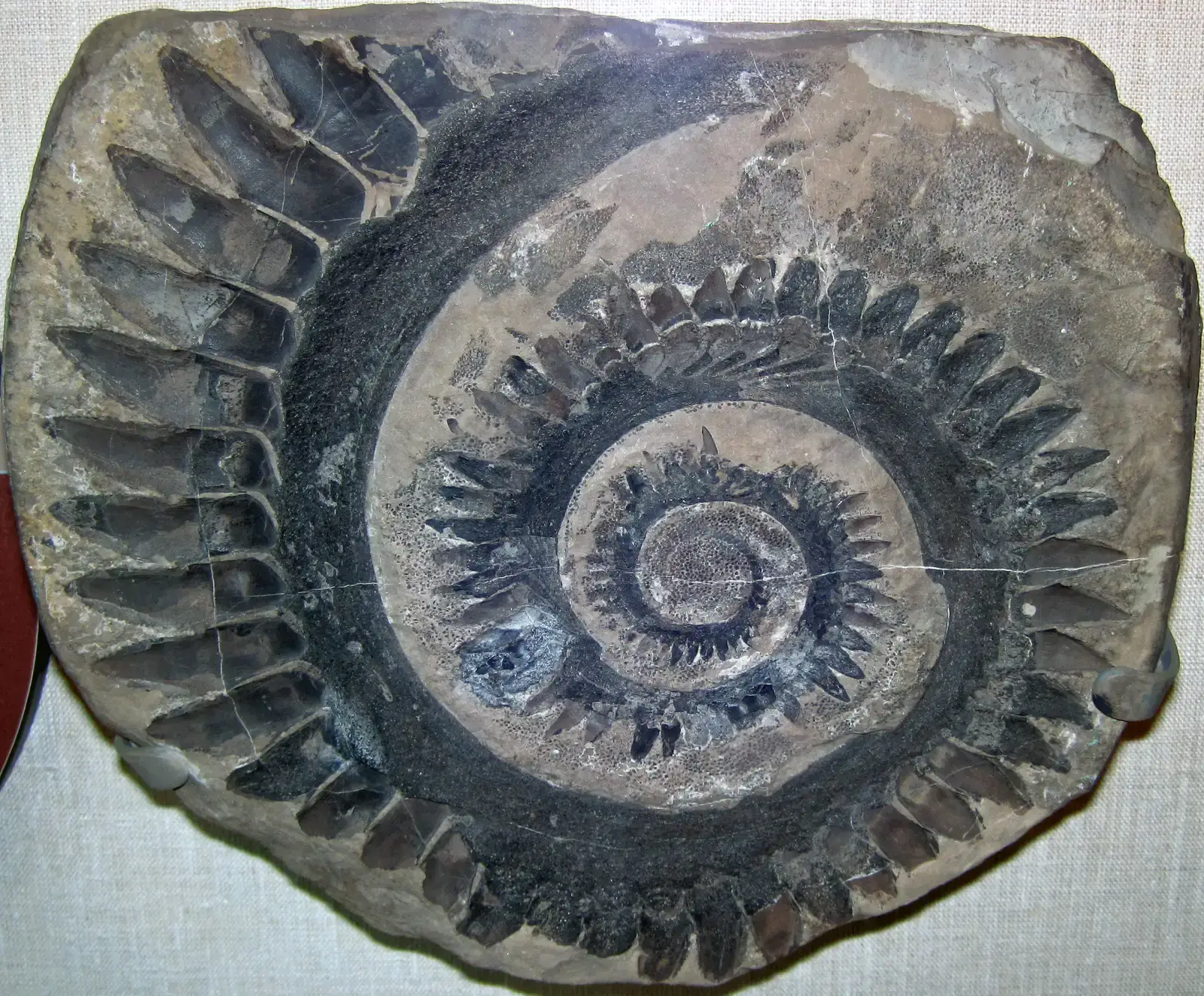
Since Helicoprion was first described in 1899, scientific debate raged for over a century over where its bizarre spiral of shark-like teeth actually belonged. Karpinsky originally placed the tooth whorl on the shark’s snout, and when American paleontologist Charles Rochester Eastman reviewed the reconstruction, he flatly refused to take it seriously.
For decades, nobody had a skeleton attached to the teeth, so every reconstruction was essentially an educated guess dressed up as science. The tooth-whorl kept turning up in isolation, without any associated skeletal remains, making it impossible to determine its exact placement within the animal’s head.
The mystery only broke with modern imaging. In 2013, researchers used CT scanning on a relatively complete Helicoprion fossil from Idaho and found the tooth-whorl sitting in the lower jaw, nestled inside a cartilaginous sheath. Even that answer came with a twist: Helicoprion and its relatives are now placed within the Holocephali, a group of cartilaginous fish that includes modern chimaeras, not the sharks everyone had assumed for a century. The tooth arrangement itself still has no clear equivalent anywhere in nature. Even that took a century to fix. This last one still hasn’t been fixed at all.
Quick Compare
- 1899 theory: tooth-whorl placed on the snout
- Early 1900s pushback: reconstruction dismissed as implausible
- 2013 CT scan: whorl found in the lower jaw, wrapped in cartilage
- Modern classification: Holocephali, chimaera relatives, not true sharks
#1 – The Tully Monster: Still Unsolved After Nearly 70 Years
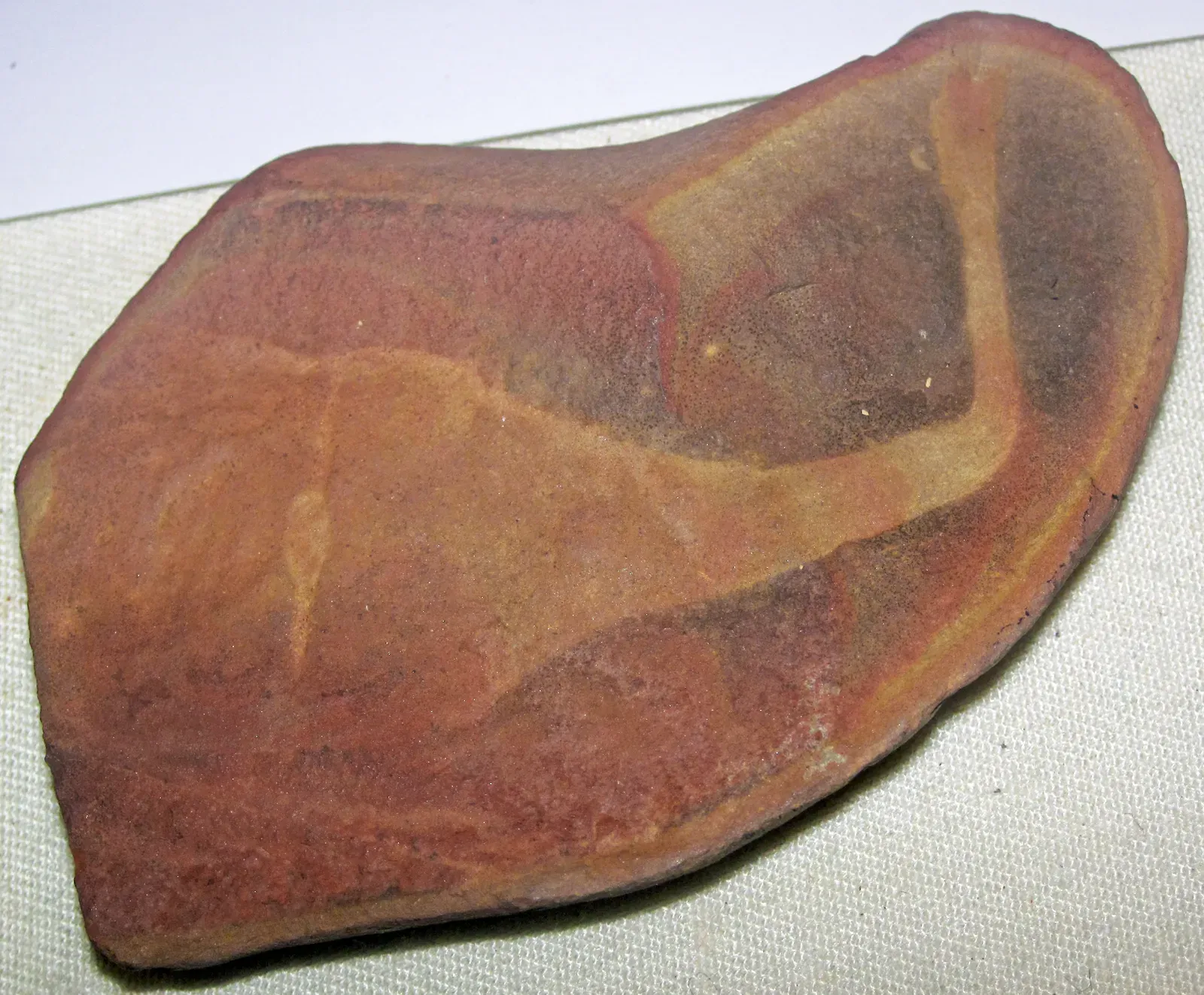
For more than half a century, the Tully monster has confounded paleontologists, with its strange anatomy making it difficult to classify at any level. It had an elongated body, a proboscis-like organ tipped with teeth, and eye stalks positioned laterally – features that don’t match any known modern organism.
A 2016 study claimed it was secretly a vertebrate related to lampreys, and headlines around the world declared the mystery solved – except most paleontologists now say it wasn’t. A group of paleobiologists led by Lauren Sallan pushed back hard, arguing the papers that seemingly settled the debate were built on flawed evidence.
There’s even disagreement about which way is up.
Lauren Sallan
That’s not a metaphor. Researchers have genuinely disagreed about the animal’s basic orientation, on top of disagreeing about its entire phylum. The back-and-forth hasn’t stopped since: in 2023, a team led by Tomoyuki Mikami directly challenged the vertebrate classification, suggesting the Tully monster may have been an invertebrate chordate instead – something like a lancelet or tunicate that shares a distant relationship with vertebrates but never had a backbone. Nearly seven decades in, one of America’s most famous fossils remains, officially, unidentified.
The Bottom Line
If there’s one thing these 12 fossils prove, it’s that paleontology isn’t the tidy, settled science most people assume it is. The Tully Monster still doesn’t have a confirmed phylum. Helicoprion’s buzzsaw jaw took over a century to place correctly. The “alien goldfish” only got a tentative ID after 50 years of guesswork. And the “kraken” episode shows the field is just as capable of chasing a bad headline as any other science.
Our honest take: the fossils that resist easy answers are more valuable than the ones that don’t. They force scientists to admit how much of deep time is still an educated guess dressed up as consensus, and that’s not a weakness in the science – it’s the most honest part of it. Which of these do you think will finally get solved first, and which one do you think never will? Drop your take in the comments.