You know that feeling when you see an animal and your first thought is, “Oh that’s adorable,” and your second thought is, “Oh, that could absolutely end me”? Prehistoric life was full of creatures that would have triggered exactly that emotional whiplash. Some had cartoonish proportions, others looked like they were designed by a committee of toddlers with crayons, and yet many of them were top-tier killers in their ecosystems.
I still remember the first time I saw a reconstruction of one of these oddballs in a museum and laughed out loud, only to read the plaque and realize it was basically the apex predator of its time. It’s a bit like mocking a clown at a boxing match and then finding out they’re the heavyweight champion. Let’s dive into seven prehistoric animals that, at first glance, look utterly ridiculous – until you understand just how dangerous they really were.
1. Therizinosaurus: The Giant Herbivore With Freddy Krueger Hands
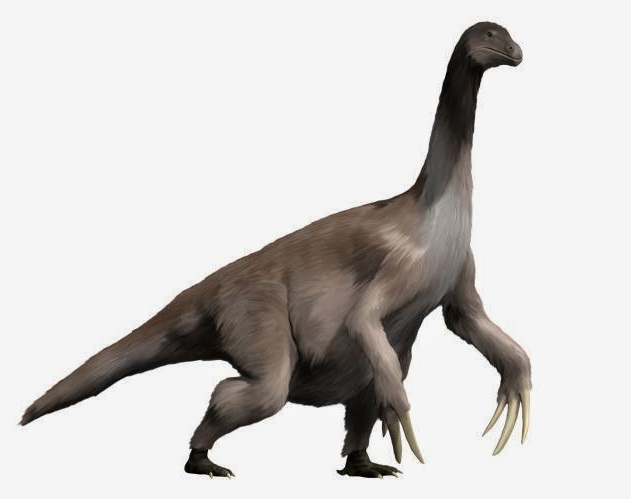
Therizinosaurus looks like a parody of a dinosaur: pot-bellied, big-hipped, with a tiny head on a long neck, covered (most likely) in shaggy feathers. If you just saw an artist’s reconstruction without context, you might think it belonged in a kids’ animated movie about clumsy, lovable dinosaurs. Then you notice the hands – each finger tipped with a sickle-shaped claw longer than a human forearm.
This Late Cretaceous dinosaur was probably herbivorous or at least mostly plant-eating, which makes those claws even more unnerving. They were great for raking down vegetation, but they also would’ve been devastating defensive weapons against predators that got too close. Imagine something that shuffles toward you like a giant, awkward emu, then suddenly swings out meter-long blades. Harmless-looking body, horror-movie hardware – any carnivore that underestimated it could have paid a very bloody price.
2. Anomalocaris: The Goofy Shrimp From Your Worst Ocean Nightmare
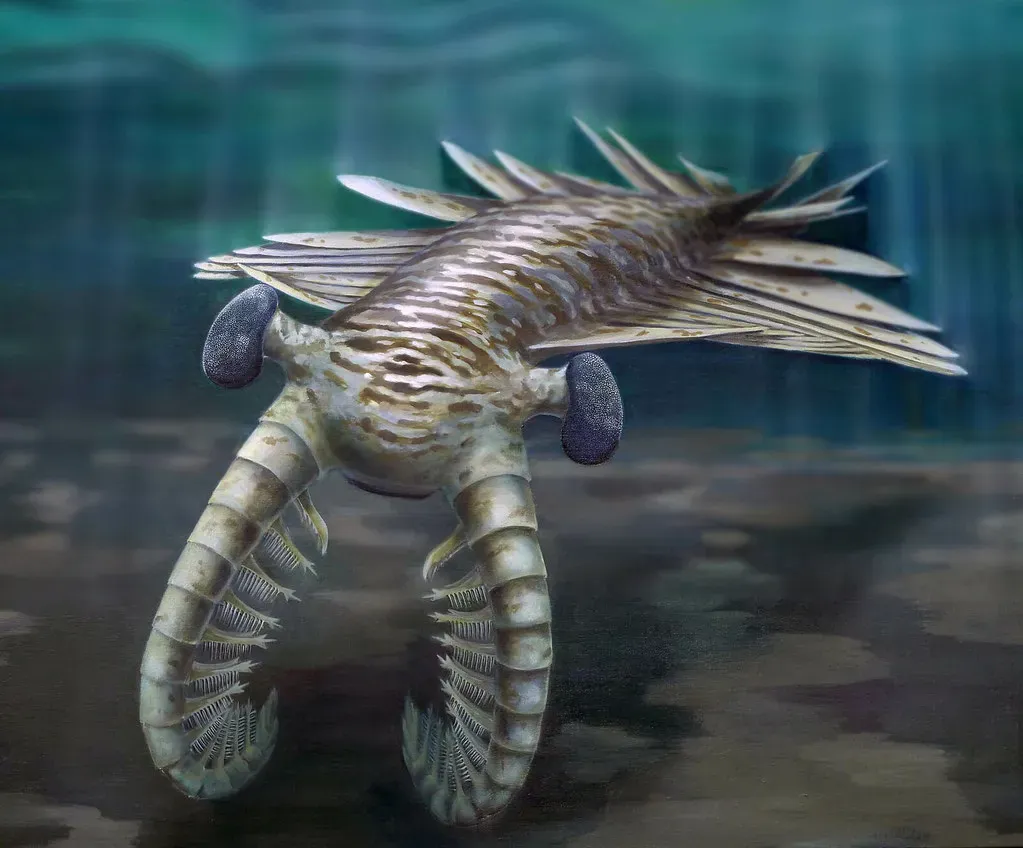
If you saw Anomalocaris in a lineup of weird sea creatures, your first instinct might be to laugh. It looks like a mashup of a shrimp, a cuttlefish, and a pool float: big googly-looking eyes on stalks, a soft segmented body, and those odd, frilly swimming lobes along the side. It lived in the Cambrian seas more than half a billion years ago, long before dinosaurs were even an idea.
But behind that goofy appearance was one of the earliest large predators on Earth. Anomalocaris could reach about the length of a human arm, which made it huge for its time. Its front “arms” ended in spiny grasping appendages that could snag trilobites and other prey, pulling them toward a circular, plate-lined mouth that looks like a sci‑fi prop. In a world where most life was small and soft-bodied, this thing was basically the ocean’s nightmare vacuum cleaner, hoovering up anything it could grab.
3. Deinocheirus: The Duck-Faced Humpback Dinosaur That Shouldn’t Work
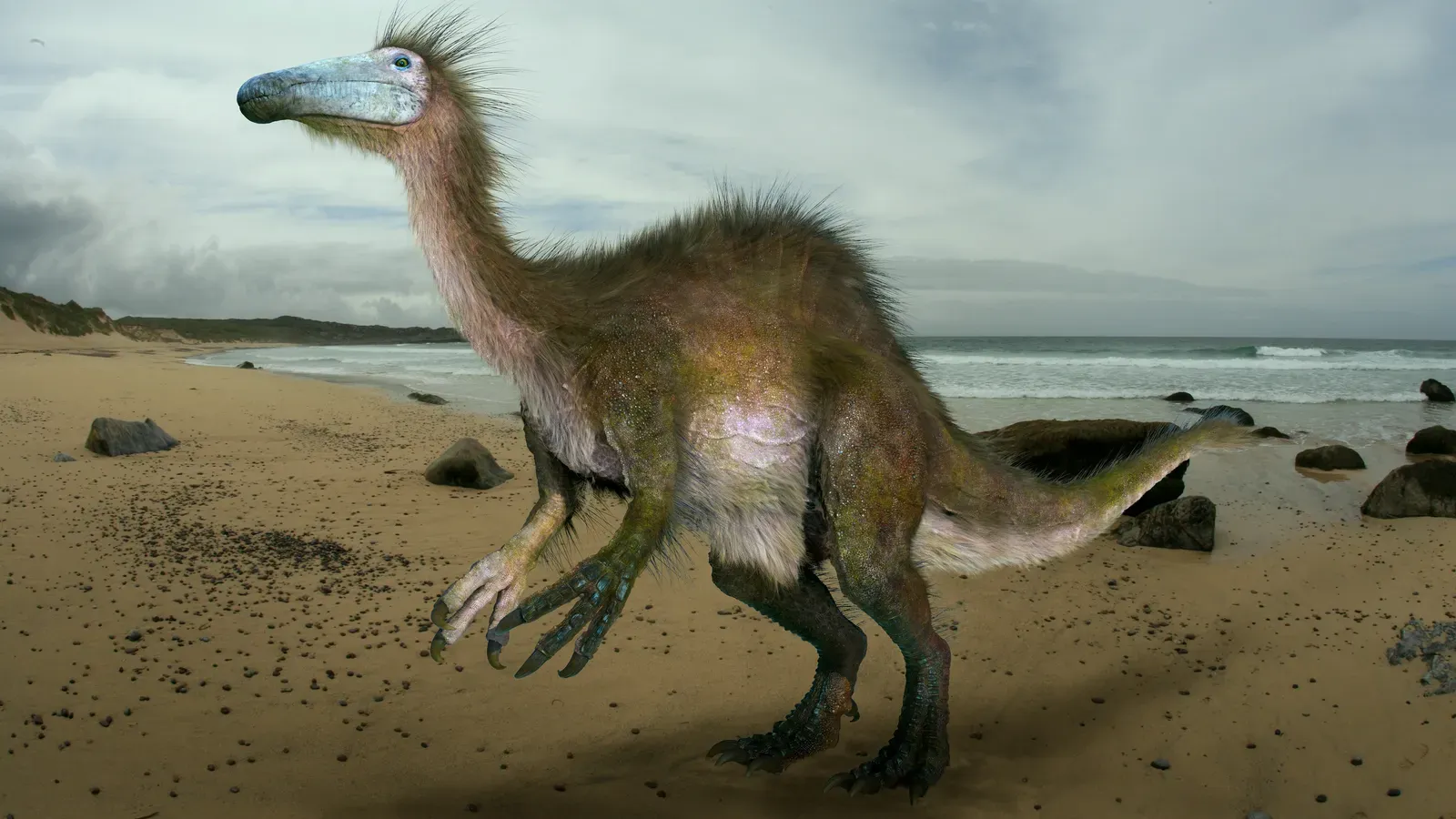
Deinocheirus is that animal you’d swear was an internet joke if paleontologists had not meticulously described it. It had a wide, flat duck-like bill, a big pot belly, a tall sail-like hump on its back, and long arms with hefty claws. At first glance you might compare it to a derpy, oversized ostrich that somehow borrowed spare parts from three other species. It does not look streamlined, fast, or sleek in any normal sense.
Yet this was a massive, powerful animal, stretching the length of a city bus, with a sturdy build and the kind of presence you would not want to annoy. It probably ate plants and maybe small animals opportunistically, wandering ancient floodplains like a bizarre combination of a goose, a camel, and a tank. Its size alone would have made it dangerous to be around; a swipe from those arms or a stomp from those legs would have been catastrophic. It is the kind of creature you’d poke fun at from a distance and then instantly regret if it decided to close that distance.
4. Glyptodon: The Giant Armadillo Tank With a Hidden Temper
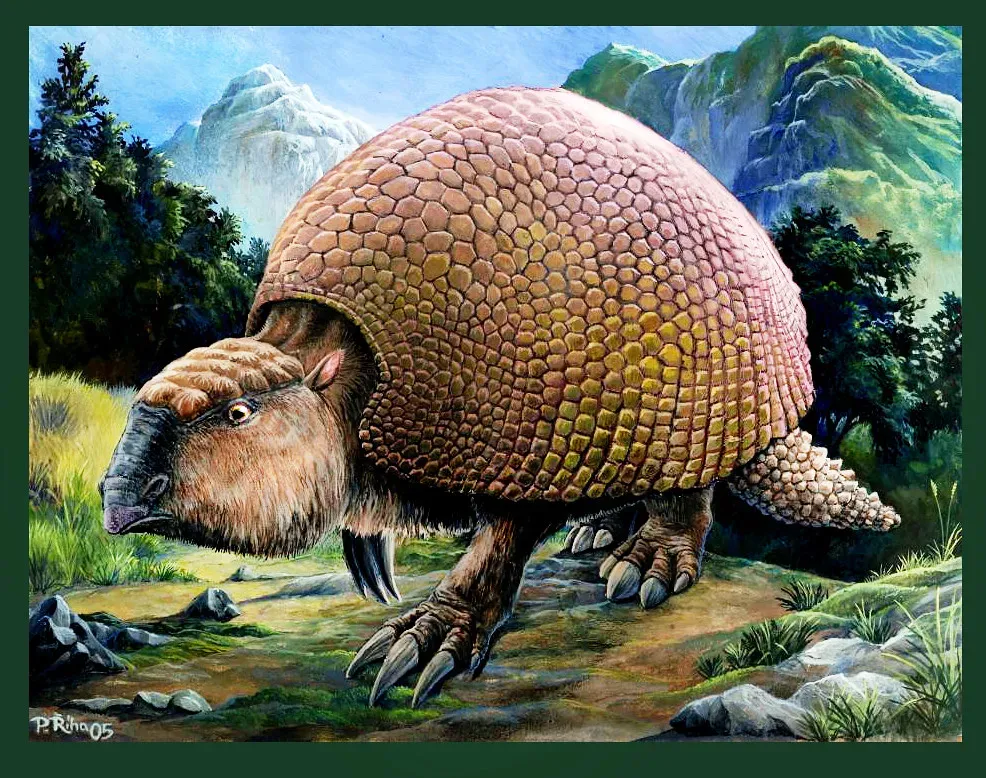
Glyptodon looks almost comical at first: imagine a Volkswagen Beetle crossed with an armadillo. It had a rigid, dome-shaped shell made of fused bone plates and a short, stubby head that seems more cute than fierce. You can easily picture someone trying to scratch it behind the ears, the way people do with modern armadillos or tortoises in memes and documentaries.
The reality is that this Ice Age herbivore was closer to living military hardware. Some relatives had heavy, mace-like tails with bony knobs capable of delivering bone-shattering blows. Even without a full tail club, the sheer weight and momentum of Glyptodon would have made it dangerous if it decided to charge or swing its rear end. Predators that tried to flip or harass it risked taking a hit that could crush ribs or crack skulls. For something that looks like it should just trundle around nibbling plants, it carried the kind of punch you’d associate with medieval weaponry.
5. Arctodus simus: The “Silly” Giant Bear That Could Outrun You
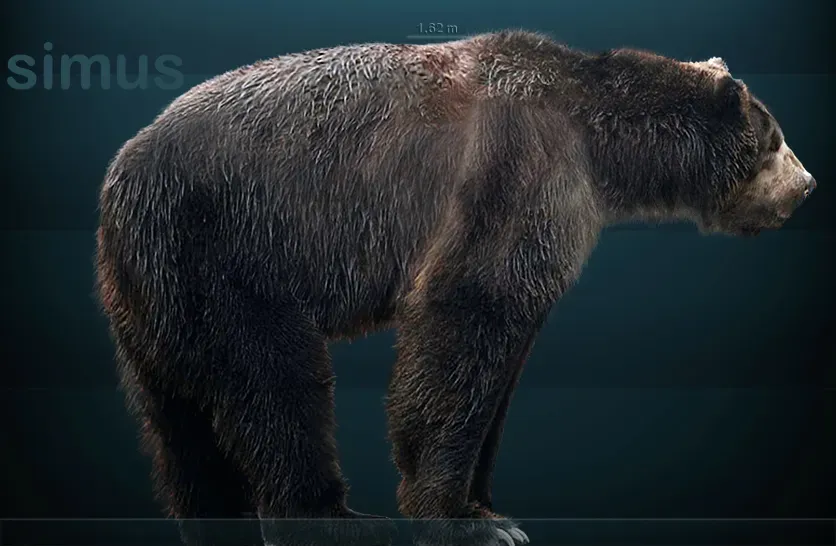
At a glance, reconstructions of Arctodus simus – the short-faced bear – can look a bit off, almost like someone stretched a normal bear model in the wrong software direction. It had extremely long legs, a relatively short snout, and a lanky, almost awkward build that feels more like a caricature than a real animal. It does not have the bulky, cuddly bear shape we’re used to; it looks weirdly tall, like it’s on stilts.
That lanky build, though, hints at speed and range. This Pleistocene predator (or at least powerful omnivore) likely could run surprisingly fast and cover huge distances while searching for food. Some researchers think it may have been a dominant scavenger, muscling other predators away from kills with sheer size and intimidation. Standing upright, it would have towered over a human, and even on all fours it was enormous. The “funny-looking” bear suddenly becomes terrifying when you picture it trotting effortlessly across open ground straight toward you, with no real way to hide or outrun it.
6. Helicoprion: The Buzz-Saw Jaw Shark That Looks Like a Bad Sketch
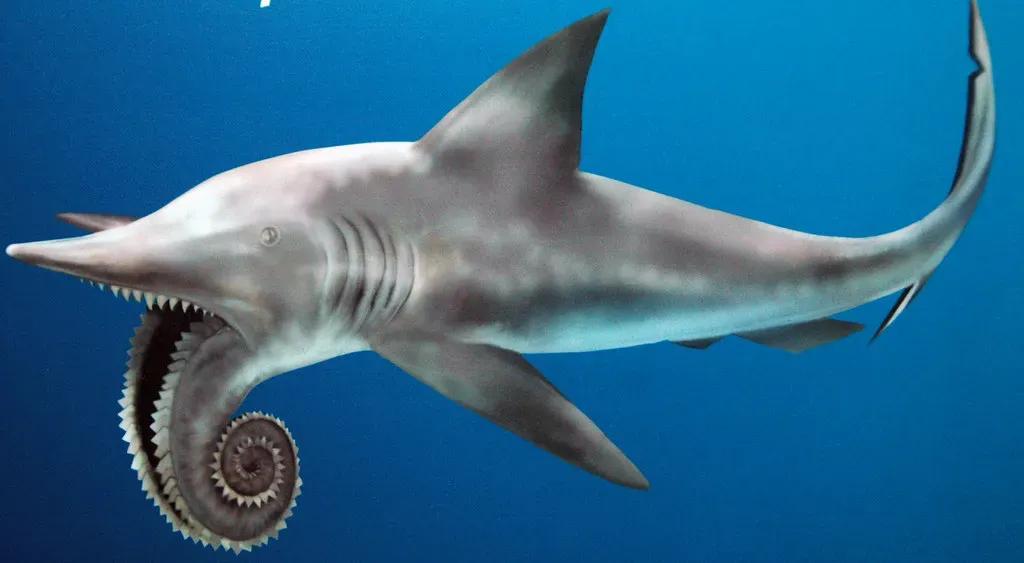
Helicoprion is one of those fossils that, the first time you see it, you assume someone misinterpreted. Its lower jaw housed a spiral of teeth that looks exactly like a circular saw blade or a rolled-up tape measure. Artists spent decades trying to figure out how that spiral fit on the face; some old reconstructions honestly look like prehistoric fan art gone wrong. The body itself was probably shark-like and fairly ordinary, but that mouth steals the show.
Once you get past the absurdity, the mechanics are horrifying. That tooth whorl likely helped the animal slice and process soft-bodied prey like cephalopods, drawing them into the jaws as the spiral rotated or dragged through the flesh. Instead of rows of teeth that simply bite down, this structure combined cutting, pulling, and grinding in one twisted package. In life, it would have looked like a relatively normal shark until it opened its mouth – then suddenly you are staring into a spinning nightmare of enamel. Ridiculous on paper, lethal in practice.
7. Dimetrodon: The Awkward Sail-Backed “Reptile” With a Serious Bite
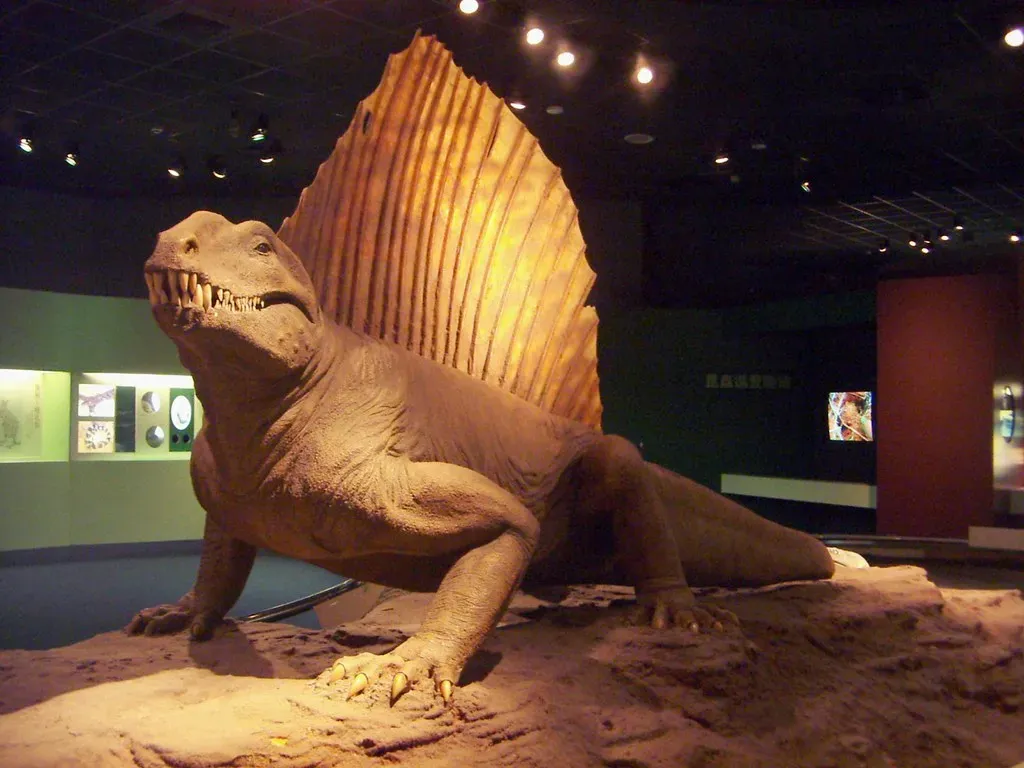
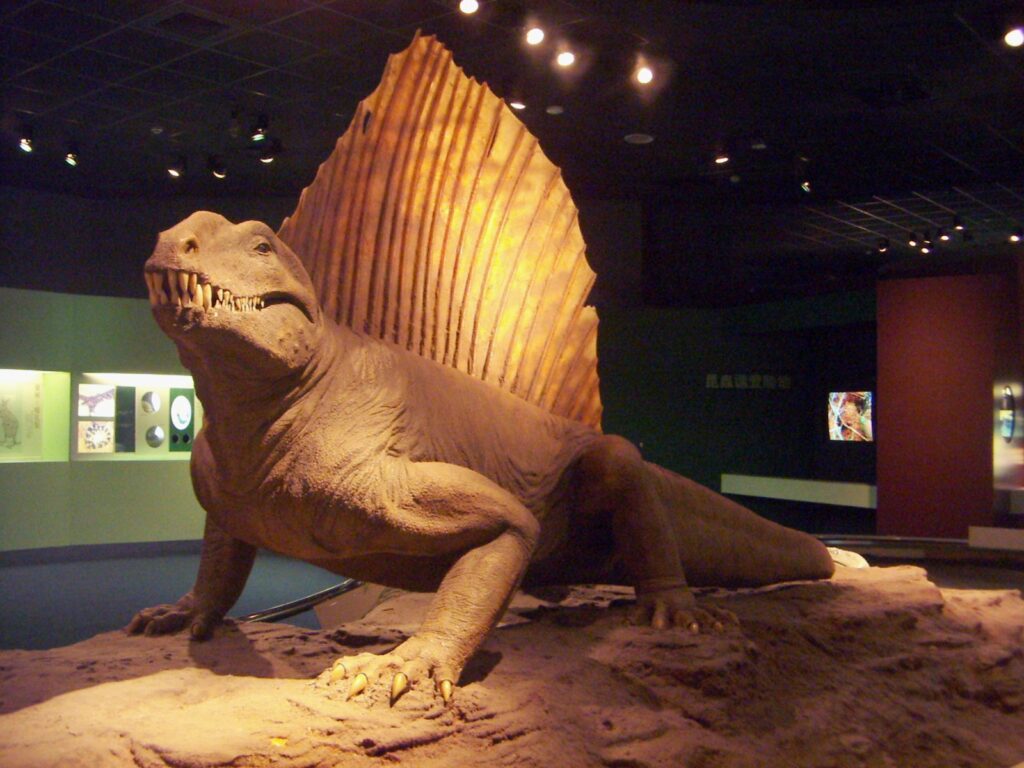
Dimetrodon is often mistaken for a dinosaur, but it actually lived tens of millions of years before them and was more closely related to the line that would eventually produce mammals. At first glance, it can look oddly unbalanced: a low, sprawling body, big head, and a massive sail of elongated spines covered in skin rising from its back. It almost looks like someone took a regular lizard and stuck a decorative fan on top for dramatic effect.
That drama, though, hid a very real threat. Dimetrodon had a powerful, deep skull with large, serrated teeth perfectly suited for tearing into prey, including other large vertebrates of its time. The sail may have helped with temperature regulation or display, but the business end was always the jaws. Imagine an animal as long as a large crocodile, but with a more upright head position and a stronger, more specialized bite. You might laugh at the sail for a second, but you would stop laughing the moment it lunged.
Conclusion: Never Judge a Killer by Its Cover
There is something weirdly comforting about the idea that even in deep time, nature produced creatures that looked a bit ridiculous by our standards. Pot-bellied, duck-billed giants; spiral-toothed sharks; hump-backed, long-armed dinosaurs – they all remind us that evolution does not care about aesthetics. It only cares about what works, and sometimes what works looks like a prank until you see it in motion.
Personally, I love that these animals force us to drop our snap judgments. The ones we might instinctively mock are often the ones that dominated their worlds, armed with claws, teeth, armor, or sheer bulk that made them terrifying up close. It is a good reminder that danger does not always come in sleek, movie-monster packaging – sometimes it waddles, shuffles, or swims by looking like a design error. Next time you see a reconstruction that makes you laugh, ask yourself: would you still be laughing if it turned and started running straight at you?