If you grew up thinking dinosaurs all had serious, Latin-heavy names like Tyrannosaurus rex and Triceratops, you’re in for a wild ride. Paleontologists are scientists, sure, but they’re also human beings with senses of humor, bad days in the lab, and very specific fandoms. Put all that together, and you end up with dinosaurs whose names sound like memes, inside jokes, or rejected cartoon characters.
The best part? Every single one of these names is scientifically valid and officially published. Behind each silly-sounding dinosaur is a real animal that lived and died millions of years ago, plus a very human story about the people who discovered it. Let’s dive into some of the most ridiculous-sounding dinosaur names that are one hundred percent real.
Irritator: The Dinosaur Named After a Mood
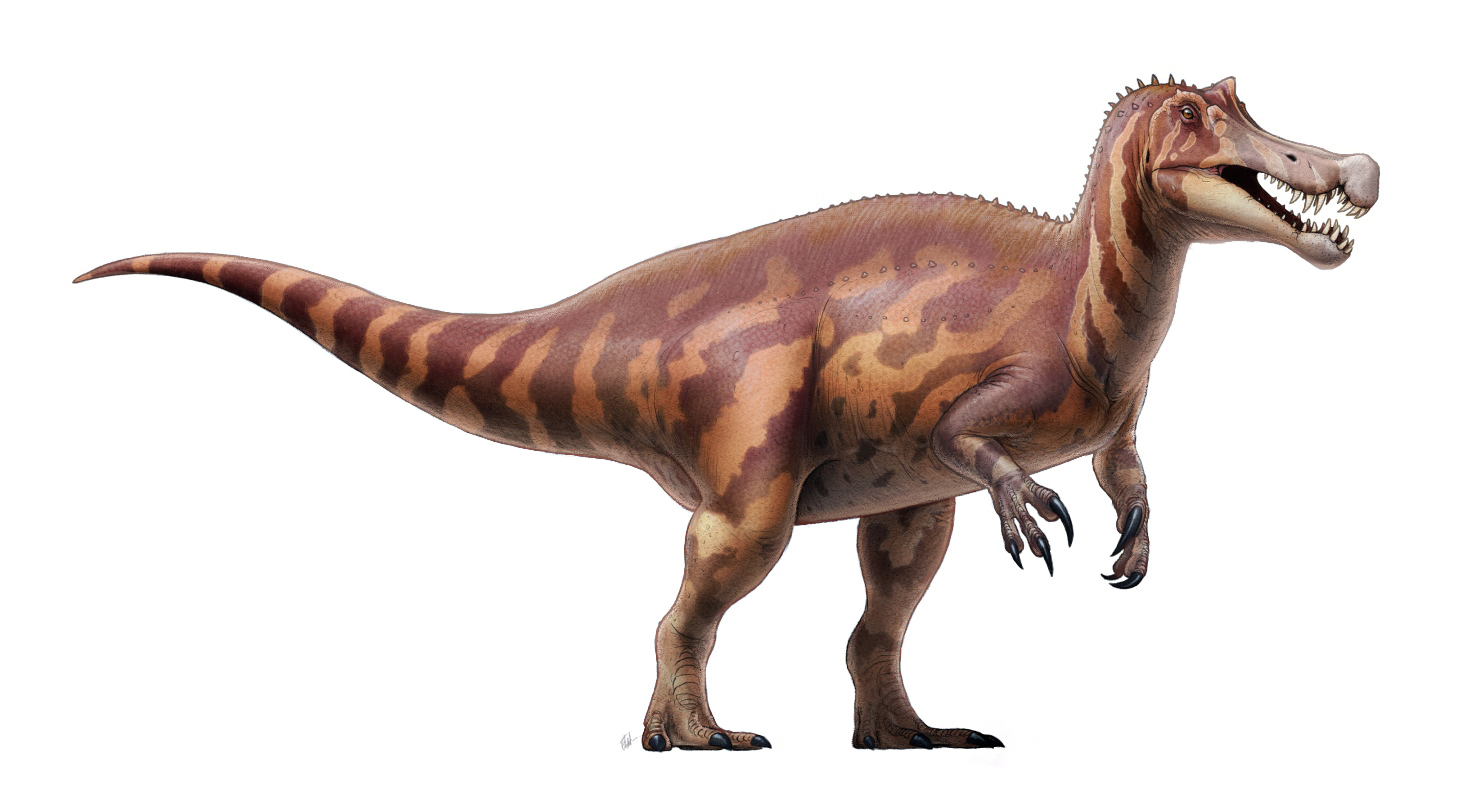
Irritator sounds less like a dinosaur and more like a villain from a kids’ cartoon, but it’s an actual spinosaurid from Early Cretaceous Brazil. It had a long, narrow, crocodile-like snout and probably spent a lot of time hunting fish in shallow waters, a bit like a mash-up between a heron and a crocodile on two legs. On paper, it’s a very respectable predator; in conversation, it sounds like something your little brother would invent just to annoy you.
The name Irritator came straight from the scientists’ emotional state. When researchers examined the fossil skull, they realized it had been tampered with by fossil dealers: parts were glued on, reshaped, even altered with tools to make it look more dramatic. They had to painstakingly undo this mess, and the whole process was so frustrating that they named the animal after irritation itself. It’s hard not to love the honesty there; science can be noble, but sometimes it’s just people muttering under their breath and then immortalizing that feeling in Latin.
Dracorex hogwartsia: The Dragon King of Hogwarts
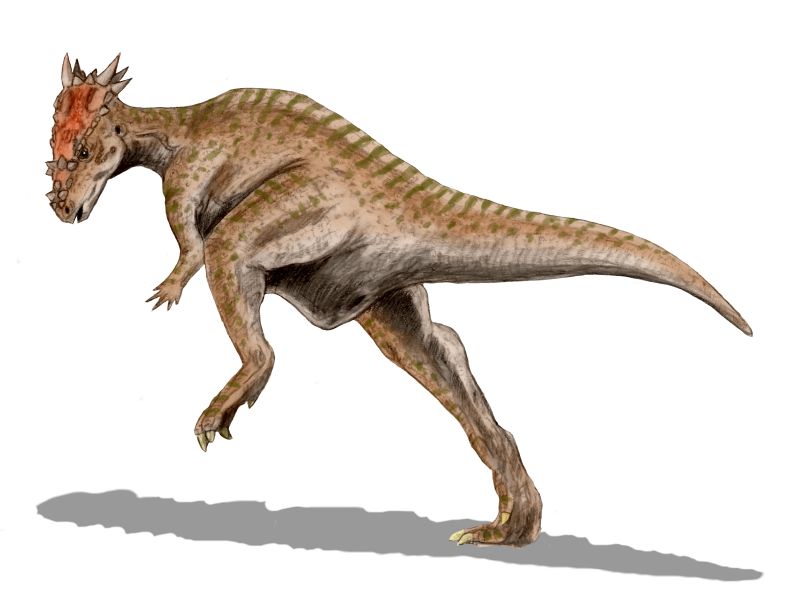
Dracorex hogwartsia is the point where dinosaur science and pop culture shook hands and said, let’s have some fun. The name literally means something like “dragon king of Hogwarts,” and yes, that Hogwarts. The skull, found in North America, is covered in spikes, knobs, and horns, giving it a dragon-like appearance that looks surprisingly close to fantasy artwork. If someone told you it was concept art for a video game, you’d probably believe them.
Scientifically, Dracorex belongs to the pachycephalosaur family, the group famous for thick-skulled, head-butting dinosaurs. There’s ongoing debate about whether Dracorex is actually its own distinct genus or just a younger growth stage of another dinosaur, Pachycephalosaurus. But regardless of where the taxonomy lands, the name itself is locked into the scientific record. I love that paleontology sometimes feels like a stern, serious field and then suddenly hands you something called the dragon king of Hogwarts as if that’s the most normal thing in the world.
Pantydraco: Not What You’re Thinking
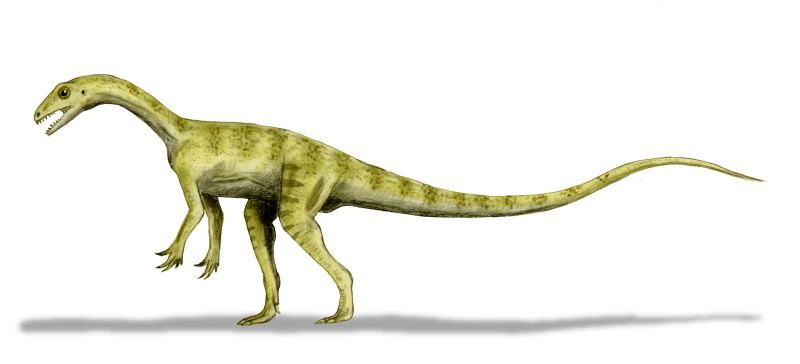
Pantydraco is one of those names that makes every English speaker do a double take. It sounds like a prank, but it actually comes from Welsh geography and Latin. The “panty” part is an abbreviation of Pant-y-ffynnon, a quarry in South Wales where the fossils were found, and “draco” is Latin for dragon. Put together, it basically means “dragon of the spring hollow,” which is much more majestic than it looks at first glance.
The dinosaur itself was a small, early sauropodomorph from the Late Triassic, a relative of the long-necked giants that would dominate later. It walked on two legs, with a long neck and tail, and probably browsed on vegetation in a landscape that looked more like a prehistoric experiment than the later dinosaur-dominated ecosystems. For all its slightly embarrassing name in modern English, Pantydraco represents a serious piece of evolution: one of the early steps on the path toward the colossal sauropods that capture so much of our imagination today.
Yi qi: The Blink-and-You-Miss-It Name
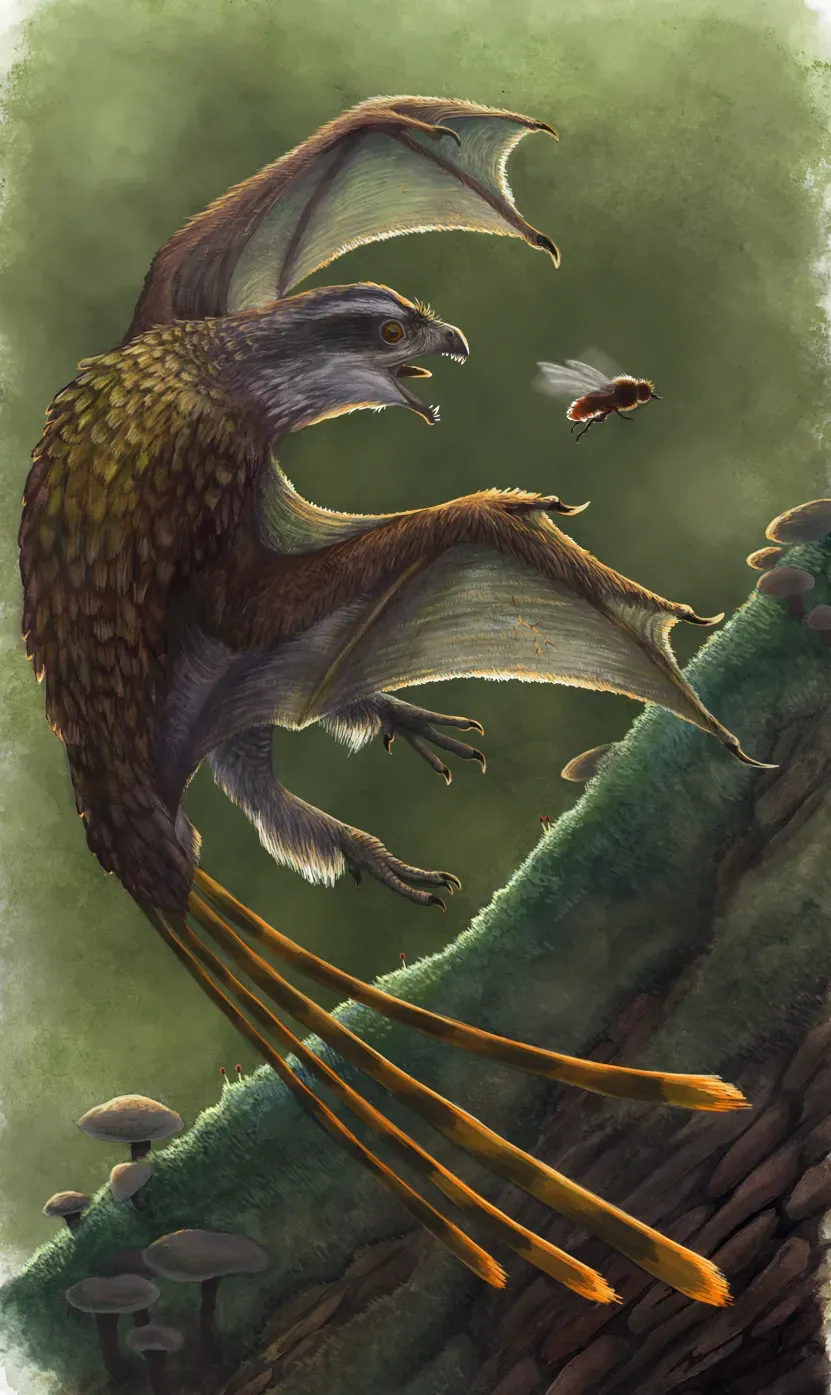
Yi qi looks like someone’s Wi‑Fi password or a typo you’d make on your phone, but it’s actually the shortest dinosaur name ever formally described. The name comes from Mandarin Chinese and roughly translates to “strange wing,” which fits perfectly once you see what made this little dinosaur so special. Yi qi was a tiny, bat-winged theropod from the Late Jurassic of China with a bizarre structure: a long rod-like bone extending from its wrist that supported a membrane of skin.
That odd anatomy suggests Yi qi experimented with some form of gliding or flapping flight, like a mash-up between a bird, a bat, and a flying squirrel. While birds eventually won the long-term evolutionary game of powered flight, Yi qi stands out as a reminder that deep time is full of strange, failed experiments. The ultra-short name fits the vibe perfectly: quick, punchy, and gone in a flash, like a little shadow gliding between the Jurassic trees.
Micropachycephalosaurus: The Name That Refused to Be Short
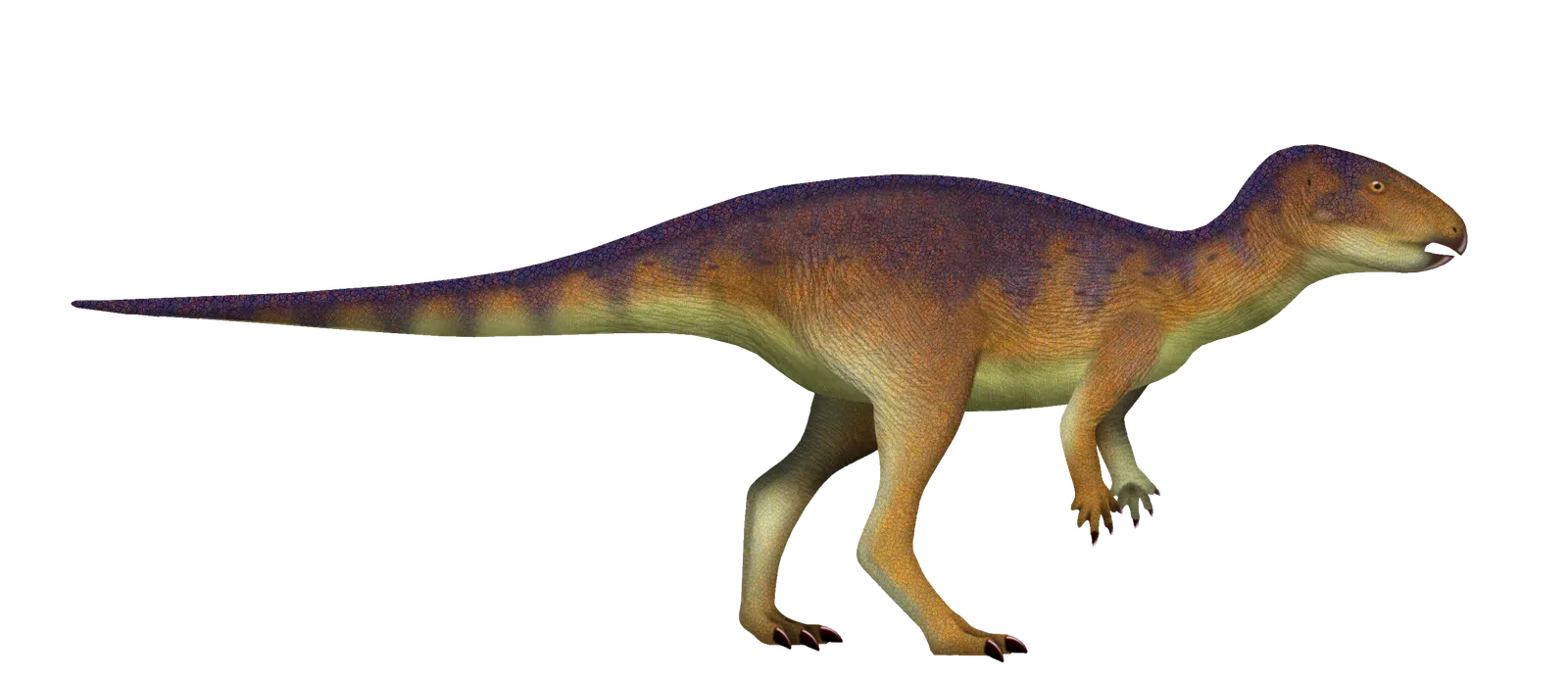
On the opposite end from Yi qi, you’ve got Micropachycephalosaurus, a name so long it feels like a dare. The name can be broken down into “micro” for small, “pachy” for thick, and “cephalo” for head, so it essentially means “tiny thick-headed lizard.” That sounds like an insult your older cousin would throw at you, but it’s a genuine scientific attempt to describe a diminutive member of the thick-skulled dinosaur clan.
Ironically, later research suggested that Micropachycephalosaurus might not even be a true pachycephalosaur, blurring the line between the name and the animal’s real identity. But once a name is out there and properly published, it tends to stick unless there’s a very strong reason to change it. In a way, the name has a chaotic charm that fits the messy, evolving nature of science itself: we do our best with the data we have at the time, and sometimes we end up saddled with a tongue-twister that will haunt quiz nights forever.
Giraffatitan: When You Just Call It Like You See It
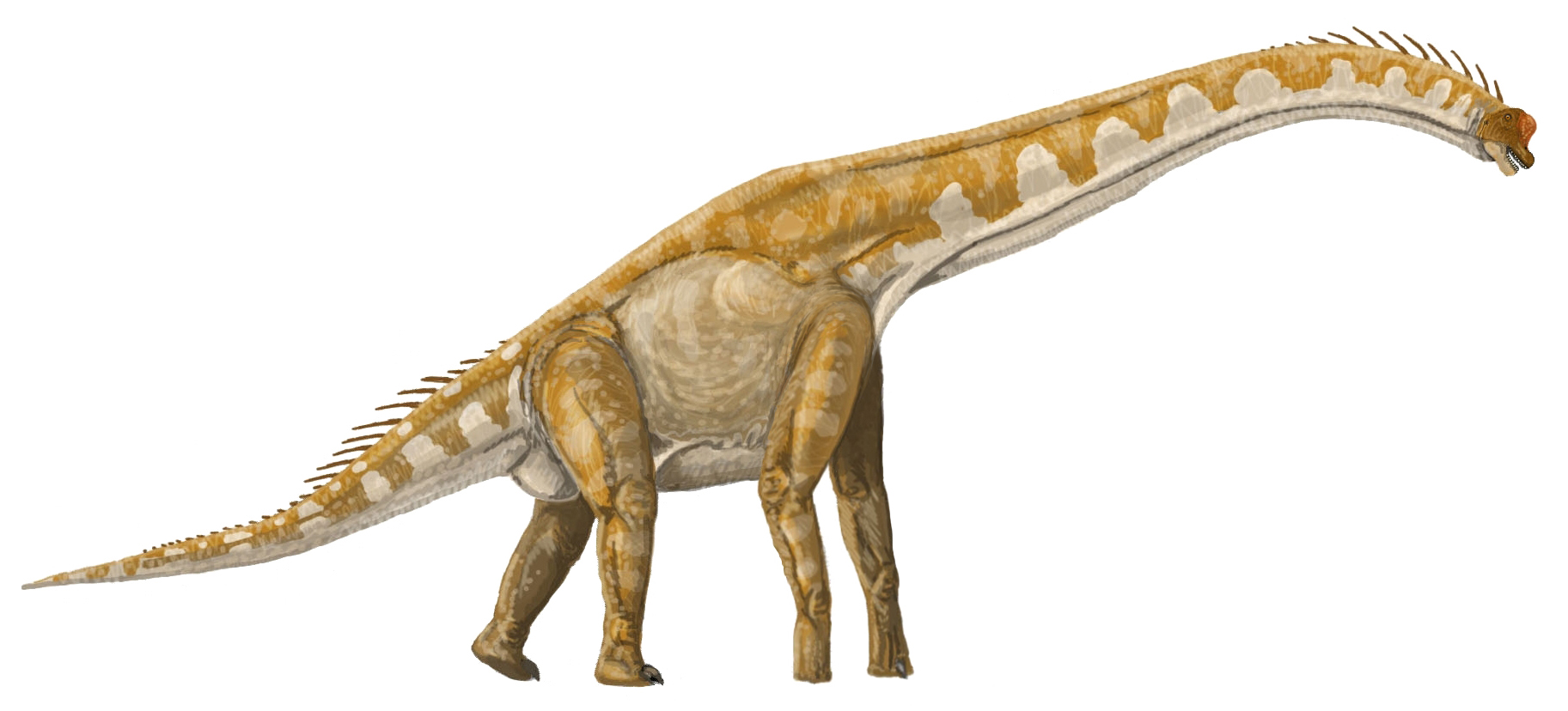
Giraffatitan sounds like a toy line or an overpowered Pokémon, but it’s actually the name for one of the largest known sauropods. The name combines “giraffe” and “titan,” and that is exactly the vibe you get from its fossils: a towering, long-necked giant that would have dwarfed almost everything else in its environment. Originally classified as a species of Brachiosaurus, it was later given its own genus, and the name Giraffatitan stuck.
There’s something beautifully lazy and honest about this naming choice. Faced with a dinosaur that looked like a giraffe scaled up and crossed with a mythic giant, the scientists essentially shrugged and said, fine, Giraffatitan it is. It might sound playful now, but it also does a surprisingly good job painting a mental picture: you can instantly imagine a ridiculously tall creature calmly munching on treetop leaves like a giraffe that decided to ignore the laws of physics.
Stygimoloch: Demon from the River of the Dead
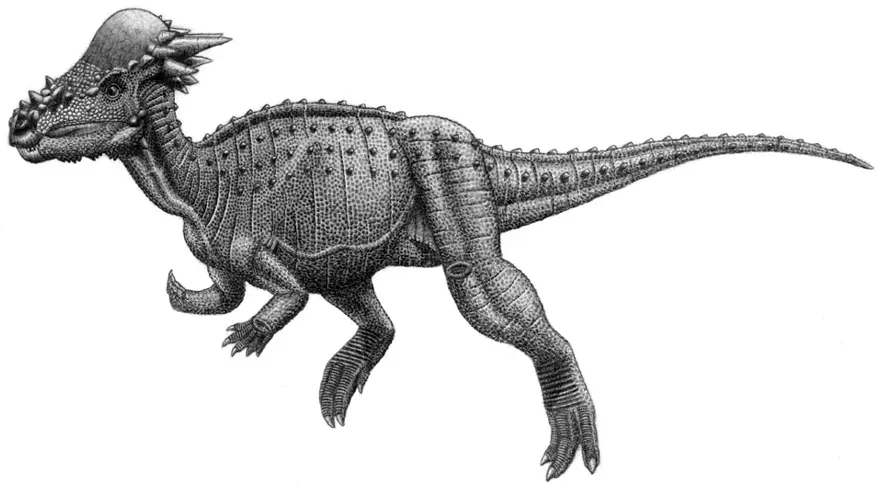
Stygimoloch sounds like a heavy metal band you’d discover at 2 a.m. on some obscure streaming playlist. The name combines “Styx,” the mythological river separating the world of the living from the dead, with “Moloch,” a demon-like figure from ancient tradition. Together you get something like “demon of the Styx,” which is a wildly dramatic way to talk about a relatively small, plant-eating dinosaur with a spiky skull.
Like Dracorex, Stygimoloch is part of the pachycephalosaur family, and there’s intense discussion about whether it’s actually just a younger growth stage of Pachycephalosaurus. As these dinosaurs aged, their skulls seem to have changed shape, which might explain why juvenile and adult forms look so different. Still, that debate doesn’t take away from the name’s flair. Even if it eventually loses its status as a separate genus, Stygimoloch will always feel like the most metal name ever attached to a herbivore that probably just wanted to be left alone to browse in peace.
Gasosaurus: Accidentally Sounding Like a Fart Joke
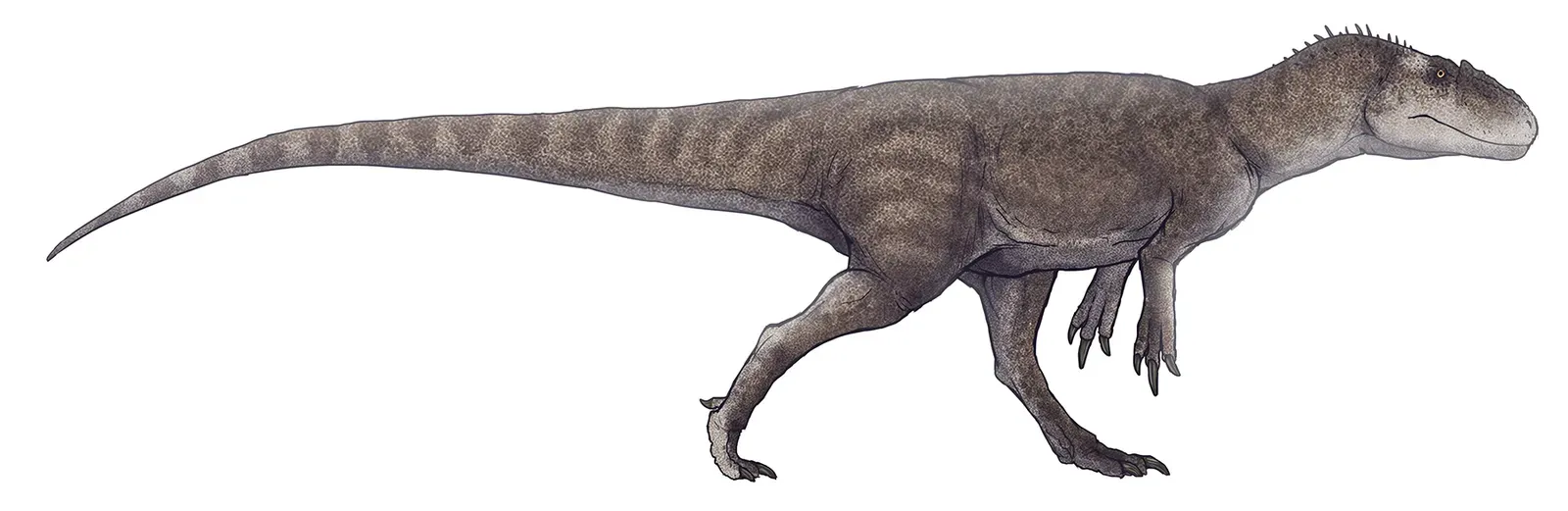
Gasosaurus is one of those names that feels like the universe playing a joke on future schoolchildren. It sounds like a dinosaur powered by flatulence, but the name actually honors the Gas Works Construction Company that sponsored the fieldwork in China where its fossils were discovered. From the perspective of serious paleontology, it’s a perfectly reasonable corporate nod. From the perspective of anyone with a sense of humor, it’s comedy gold.
Gasosaurus itself was a small to medium-sized theropod from the Middle Jurassic, probably a nimble predator or opportunistic carnivore living long before the really famous meat-eaters like Allosaurus dominated the scene. Its body was almost certainly not any gassier than any other dinosaur, but the name guarantees it gets remembered. Honestly, I think that’s fair: if you pony up the money to support fossil digs, you kind of earn the right to have your company name immortalized as a slightly unfortunate dinosaur.
Why These Ridiculous Names Actually Matter

It’s easy to laugh at dinosaurs called Irritator or Pantydraco, and honestly, we should. The humor is part of what makes science feel accessible instead of distant and untouchable. These names capture real human moments: the frustration of dealing with a faked fossil, the joy of recognizing a dragon-like skull, the playful urge to connect ancient bones with modern stories and places. They’re little time capsules of the personalities and cultures behind the research.
At the same time, I think these names quietly push back against the idea that science has to be dry or overly serious to be legitimate. You can name a dinosaur after a mythical river of the dead, a wizarding school, or a sponsor’s gas company and still build rock-solid, peer-reviewed research around it. To me, that’s the real charm here: beneath the jokes and awkward translations, these names remind us that curiosity, creativity, and even irritation are all valid parts of the scientific process. And honestly, in a world this strange, why wouldn’t the past be full of creatures with names that make us double over laughing and then lean in to learn more?