Every fossil is basically a text message from deep time, and some of them read like they were written by a prankster. When you line up certain prehistoric skeletons, you don’t get a neat, sensible march of progress; you get a parade of beaks on legs, fish with fingers, and crocodile cousins that tried very hard to become vacuum cleaners. Evolution is not a designer with a clean mood board. It is a relentless tinkerer, bolting new ideas onto old bodies and occasionally producing something that looks like it escaped from a sci‑fi concept sketch.
The eight fossils below are not just oddities for the museum gift shop. They are hard evidence that evolution works by reusing, re‑shaping, and sometimes straight‑up mangling existing parts to solve new problems. Each one captures a moment when life was experimenting wildly with form and function. Once you see how bizarre some of these animals were, the modern world starts to feel a lot less normal, and the story of evolution becomes way more interesting than any simple, smooth ladder from “primitive” to “advanced.”
1. Tiktaalik: The Fish That Was Almost A Push-Up Away From Land
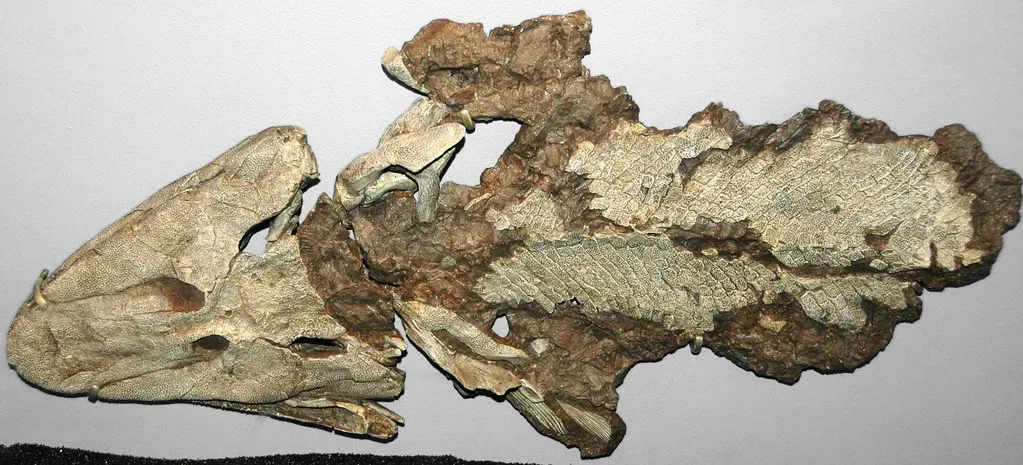
Tiktaalik roseae is the fossil that looks like evolution paused halfway between fish and four‑legged land animal to snap a selfie. Discovered in Arctic Canada in rocks roughly about three hundred seventy‑five million years old, it had scales and fins like a fish but also a flat head, a neck, and ribs that hint it could support itself in shallow water or even on muddy banks. Its front fins are the real shocker: inside them are bones arranged like a primitive arm, forearm, and wrist, complete with joints robust enough to do a kind of underwater push‑up.
This is not just a weird one‑off creature; it sits right between earlier lobe‑finned fish and the first true tetrapods, the four‑limbed vertebrates that would eventually include amphibians, reptiles, birds, and us. Tiktaalik shows how evolution did not suddenly poof legs into existence on dry land. Instead, fish already living in shallow, obstacle‑filled environments slowly turned their fins into weight‑bearing structures, probably for maneuvering through vegetation or lifting their heads to gulp air. When you do a push‑up at the gym, you are echoing a movement first tested by animals like Tiktaalik in murky Devonian swamps, which is a wild thing to think about when you are just trying to get through your reps.
2. Ambulocetus: The Walking Whale That Looked Like A Crocodile In Transition
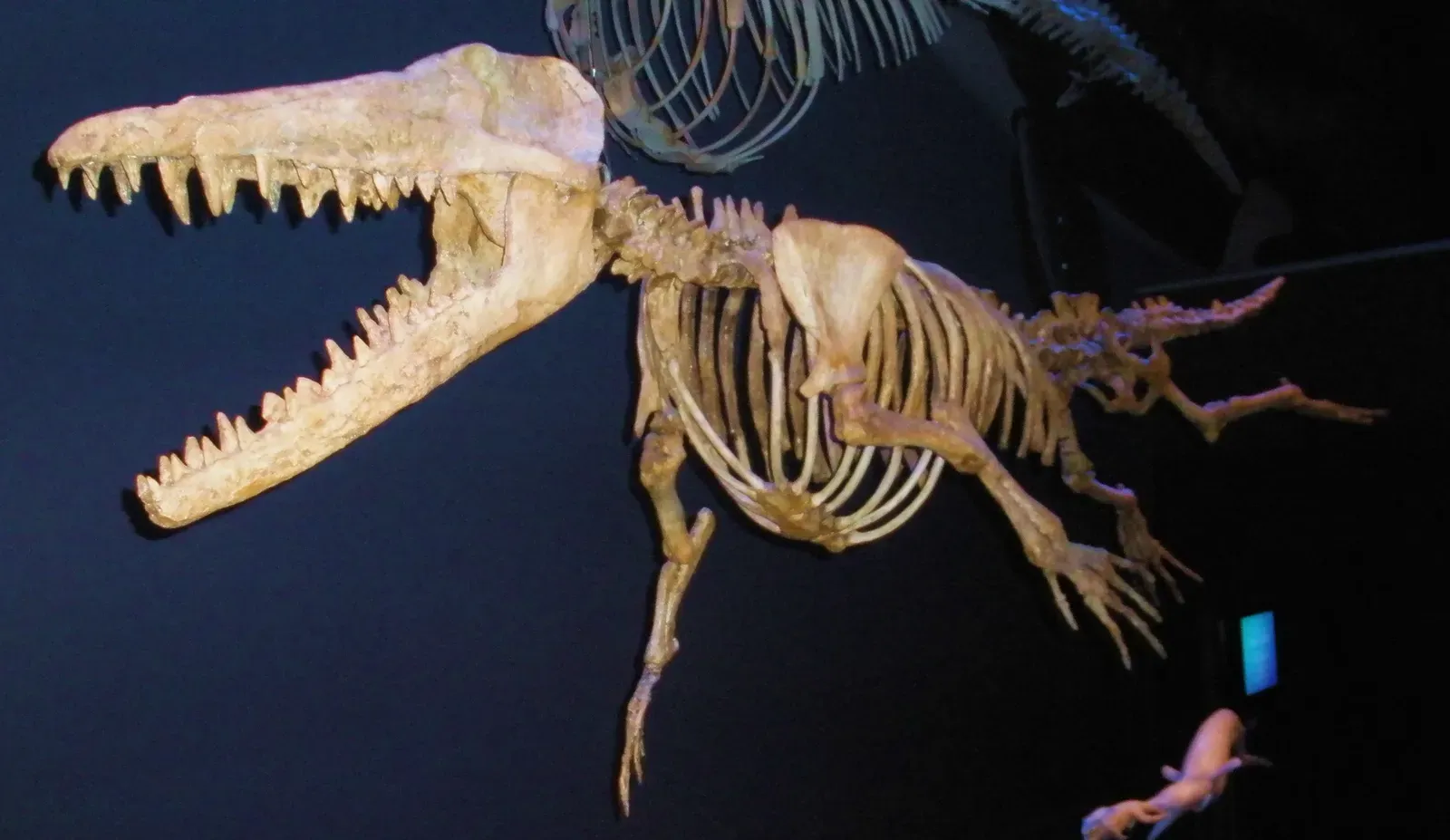
Ambulocetus natans, whose name means “walking whale that swims,” sounds like something a movie studio would invent when told to design a proto‑whale on a deadline. This Eocene animal, living a bit more than forty million years ago, had a long, crocodile‑like snout, big teeth, and a body built for both walking and swimming. Its limbs were chunky and strong enough to support it on land, but the feet were broad and probably webbed, and its spine and hips were shaped in a way that suggests it undulated its body in water, similar to how otters or modern whales move.
This fossil blows up the cartoon idea that whales went straight from wolf‑like animals to sleek ocean giants in one leap. Ambulocetus sits between earlier, more land‑capable relatives and later whales that were fully committed to the sea, with reduced hind limbs and tail flukes. It seems to have lurked in coastal environments and rivers, maybe ambushing prey like a crocodile but already using a more whale‑like swimming style. Every part of its body screams “work in progress,” a mash‑up that only makes sense if you see evolution as a messy, stepwise process, not a clean before‑and‑after makeover.
3. Opabinia: The Five-Eyed Cambrian Oddball With A Flexible Face Hose
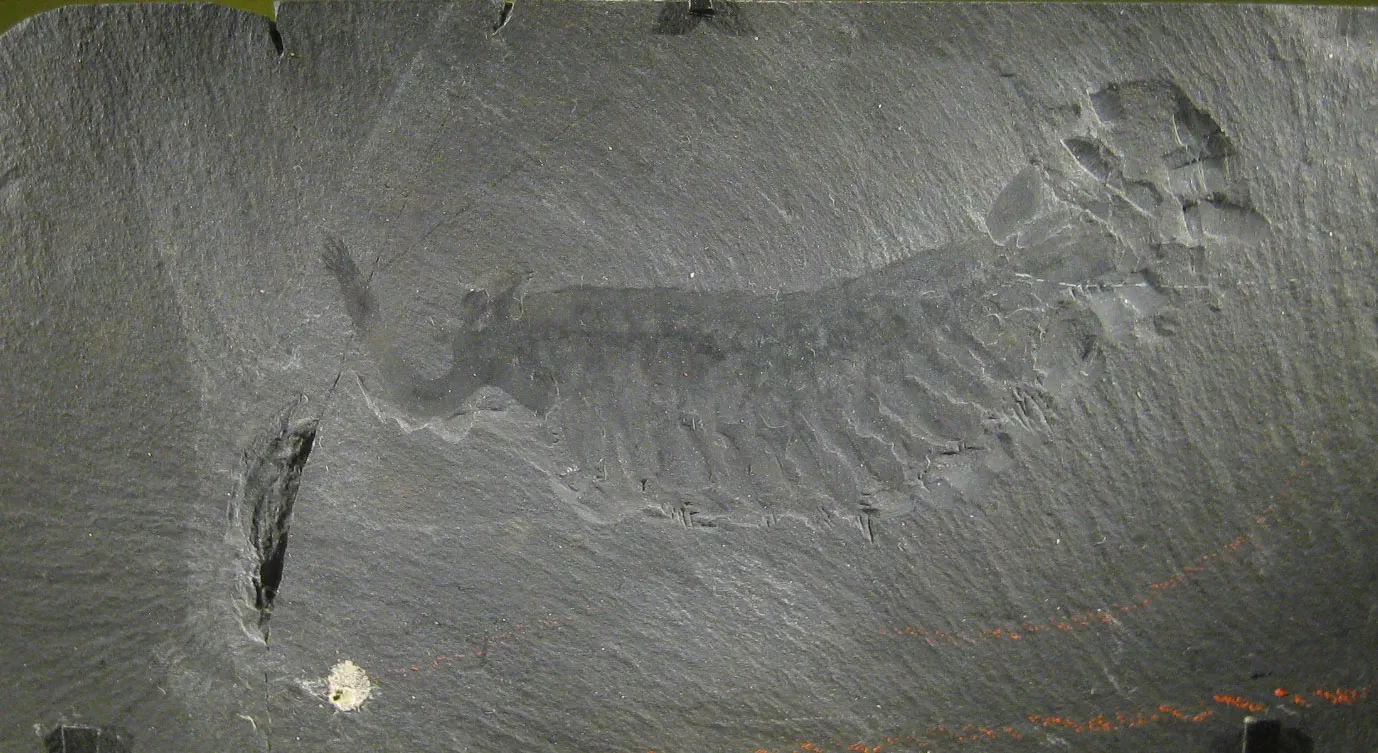
Opabinia from the Cambrian Burgess Shale is the kind of fossil that made early paleontologists wonder if they were losing their minds. This soft‑bodied creature had five stalked eyes perched on its head and a long, flexible proboscis ending in a grasping claw, like a tiny vacuum cleaner hose with tweezers attached. Its body was flattened, with sideways flaps along the sides and a fan‑shaped tail, making it look like a cross between a shrimp, a slug, and a drone designed by committee.
What makes Opabinia so important is not just the shock value, but the way it reveals how wildly experimental early animal evolution really was. During the Cambrian explosion, body plans were still being shuffled and tested, and Opabinia represents one of those side branches that tried something bold and ultimately went extinct. Those five eyes and the grabby hose might have helped it hunt small prey on the seafloor, but they were not a ticket to long‑term success. When you look at Opabinia, you see evolution in the middle of a brainstorming session, full of strange prototypes, before it settled into the more familiar arthropod designs we see today.
4. Anomalocaris: The Giant Cambrian Predator With Pineapple Slice Eyes
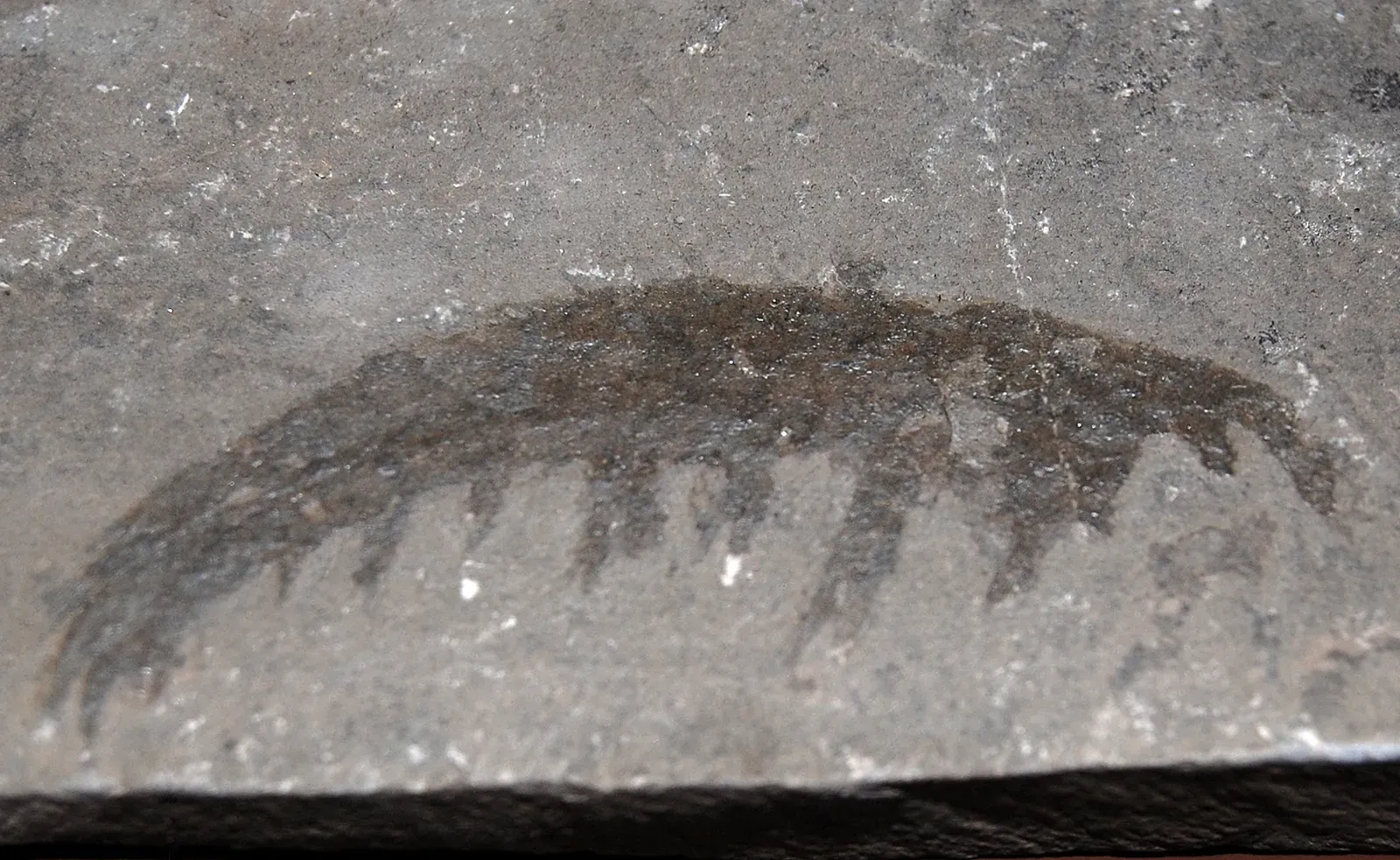
If Opabinia is the oddball, Anomalocaris is the boss monster of the same ancient ecosystem. This large Cambrian predator, reaching lengths over half a meter or more, had a ring‑shaped mouth lined with hard plates, two spiny, grasping appendages at the front, and a segmented body with side flaps for agile swimming. Its eyes, preserved in some fossils, were compound and incredibly sophisticated for their time, with thousands of tiny lenses arranged like the surface of a pineapple slice.
Anomalocaris probably hunted trilobites and other armored creatures, grabbing them with its front appendages and bringing them to that circular, crushing mouth. It shows that complex predation and high‑end sensory systems evolved shockingly early, long before vertebrate predators dominated. The very existence of such a formidable animal so early in the fossil record helps explain why other creatures were under immediate pressure to evolve shells, spines, burrowing behaviors, and other defenses. Evolution here looks less like a gentle stroll and more like an arms race where weirdness and weaponry escalated together.
5. Archaeopteryx: The Feathered Dinosaur That Refuses To Pick A Team
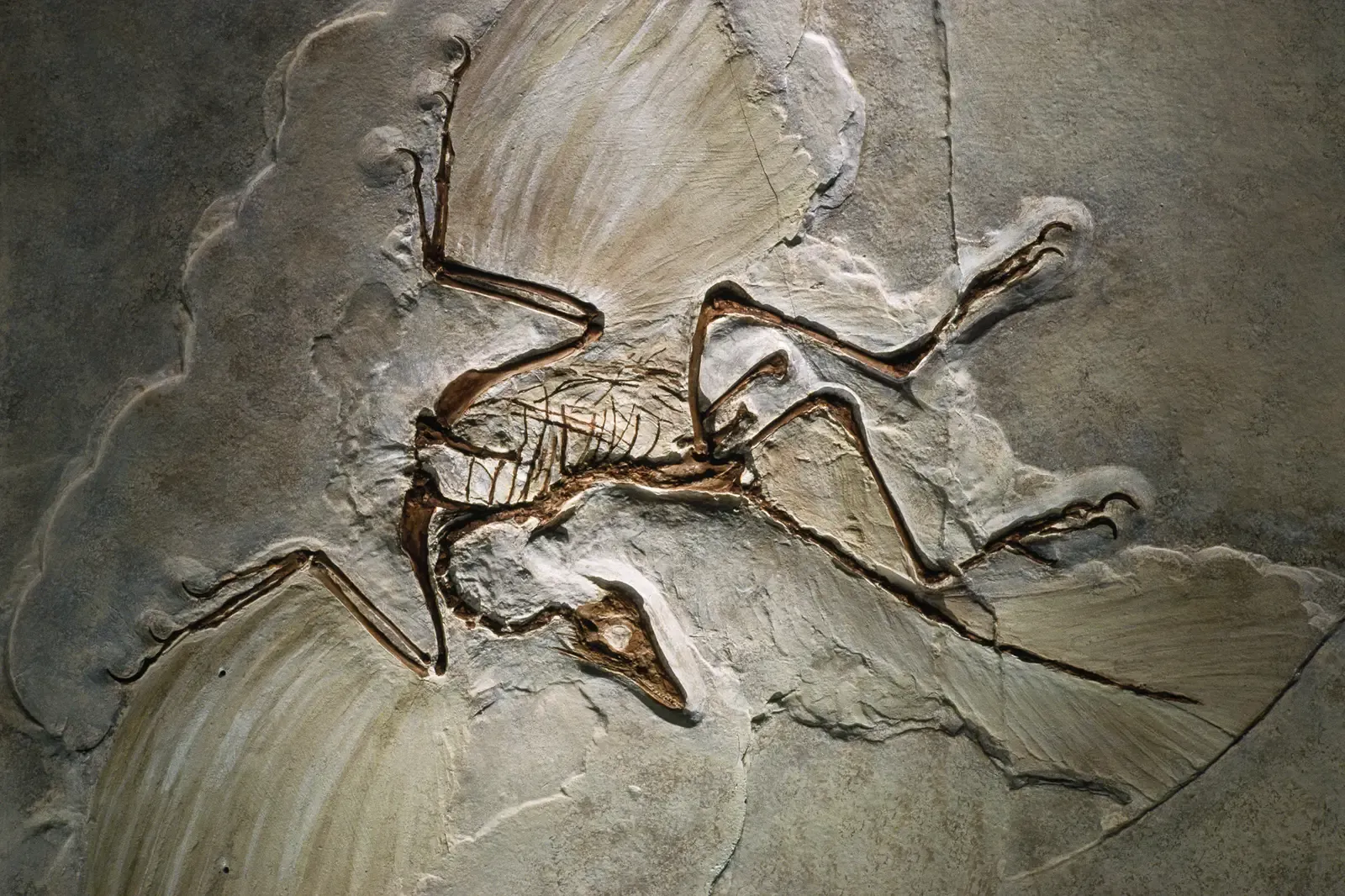
Archaeopteryx is famous for a reason: it is the fossil that forced scientists to admit that the line between dinosaurs and birds is much blurrier than anyone expected. Found in fine‑grained limestone from late Jurassic Germany, these fossils show clear flight feathers with modern‑looking asymmetrical vanes attached to a reptile‑like body. Archaeopteryx had teeth in its jaws, clawed fingers on its wings, and a long bony tail, all of which are classic dinosaur traits, sitting right next to features that scream “bird.”
This mash‑up tells a very specific story about how flight and modern bird anatomy evolved. Instead of feathers appearing purely for flight, evidence suggests they began as insulation and display structures in small, active theropod dinosaurs, and only later were co‑opted for gliding and powered flight. Archaeopteryx seems to represent an early experiment in flapping flight, probably clumsy compared with modern birds but more capable than a mere glider. It is a reminder that nature does not draw hard category lines; those are our labels. Evolution operates on populations over time, and sometimes the animals in the middle look like they are breaking all the rules we tried to write down.
6. Hallucigenia: The Spiky “What Am I Even Looking At?” Worm
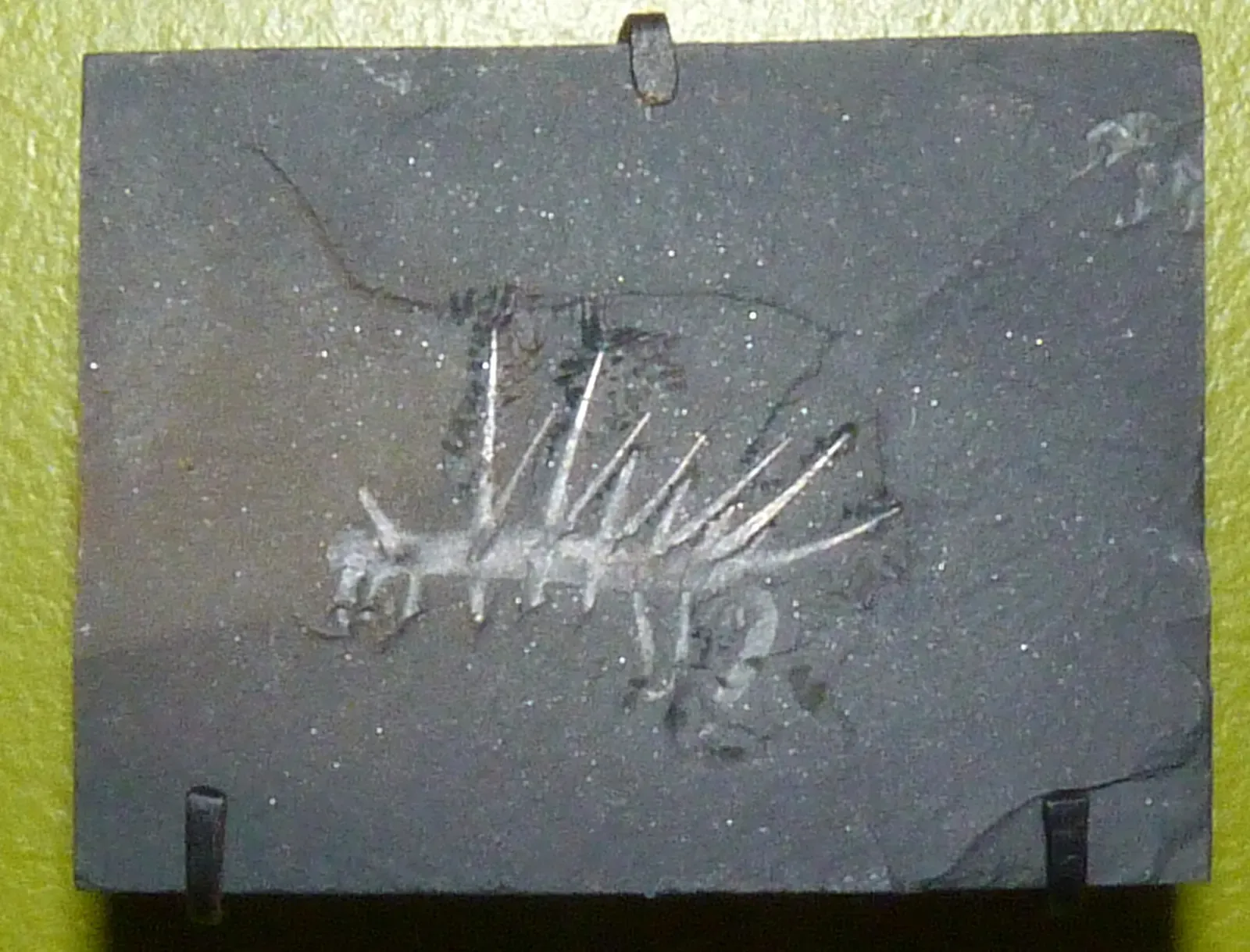
Hallucigenia is aptly named, because the first reconstructions of this tiny Cambrian creature were basically upside down and backwards. Originally, paleontologists thought its long, stiff spines were legs and its softer, tube‑like limbs were weird dangling tentacles. Later discoveries made it clear that the spines pointed upward as armor, while the soft, clawed legs faced downward, making it a spiky little worm‑like animal creeping along the sea floor. Its head is so small and subtle that it took decades to even agree which end was which.
Why does this matter for understanding evolution instead of just giving us a good laugh at old diagrams? Hallucigenia belongs to the broader group related to modern velvet worms and arthropods, revealing how the ancestors of those familiar creatures experimented with different combinations of limbs, armor, and body organization. The fact that it baffled experts for so long shows how strange the early stages of complex life really were. Hallucigenia demonstrates that many “failed” body plans existed alongside the ancestors of modern groups, underscoring that evolution is not a straight line but a messy bush full of dead ends and strange side paths.
7. Basilosaurus: The Serpent-Like Whale With Leftover Legs
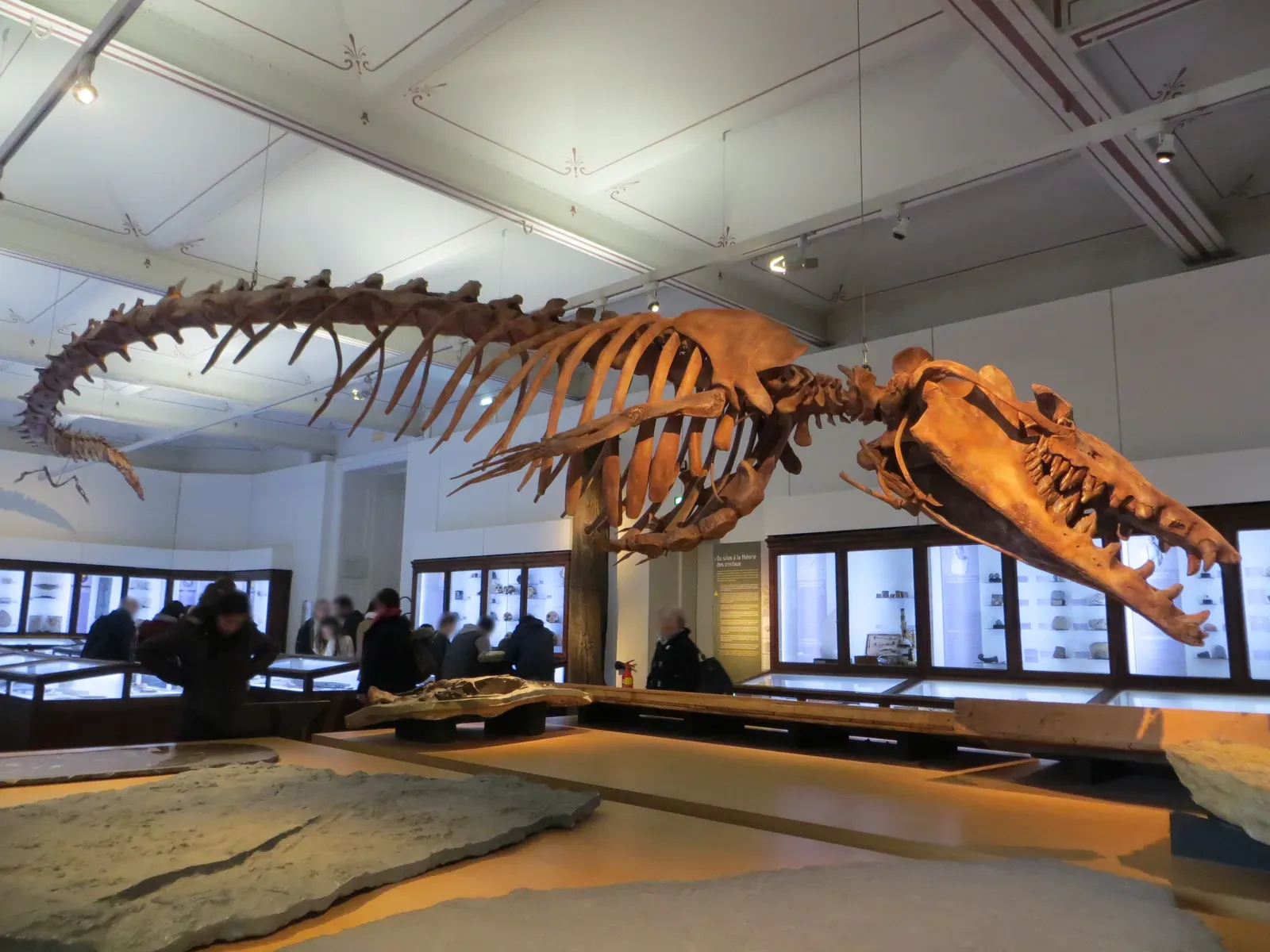
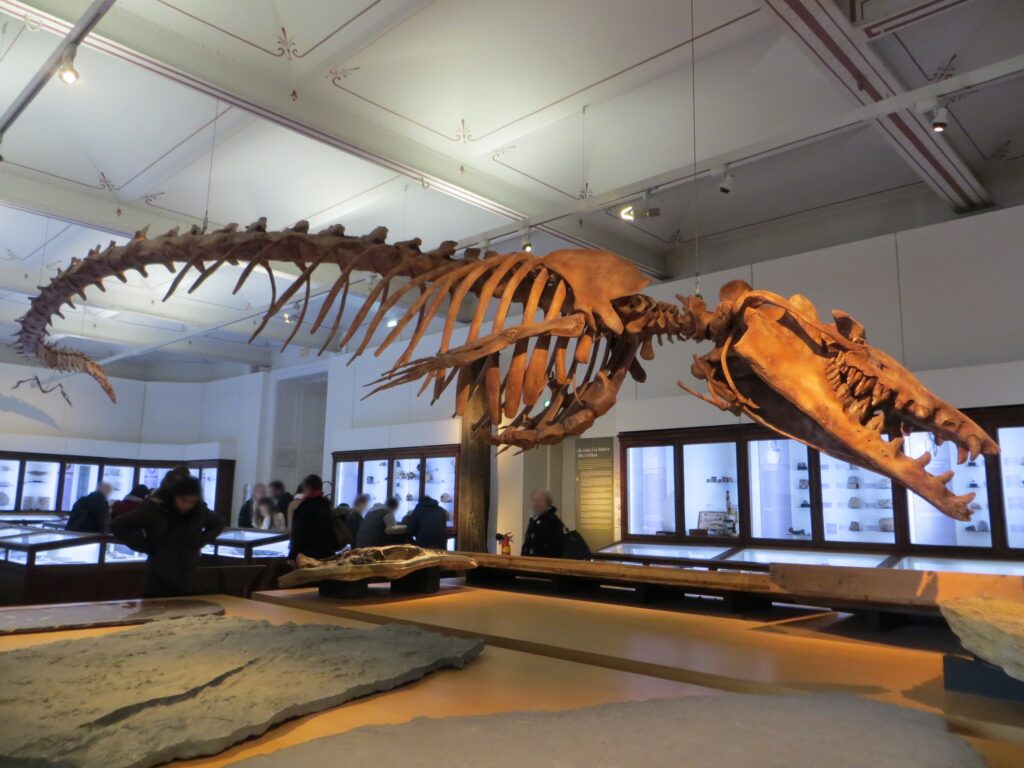
Basilosaurus might have the most misleading name in paleontology, since it is not a reptile “lizard” at all but a fully aquatic early whale from the late Eocene. Its body was long, slender, and almost snake‑like, quite different from the chunky shapes of today’s whales, and it swam with powerful undulations of its spine and tail. The real jaw‑dropping feature, though, is the presence of tiny but fully formed hind limbs near its pelvis, complete with little toes and joints, far too small to help in swimming or walking.
Those useless‑for‑locomotion legs are a smoking gun for evolution. They make no sense in a vacuum, but they make perfect sense if whales descended from four‑legged land mammals that returned to the water and gradually lost their rear limbs. Over time, natural selection favored animals that swam more efficiently, and bulky hind legs shrank until they were nothing but internal remnants in modern whales. Basilosaurus captures a mid‑stream snapshot where those legs were still visible on the outside, likely repurposed for mating or stability rather than movement, proof that evolution does not erase old blueprints overnight.
8. Therizinosaurus: The Giant Clawed Herbivore That Looks Like A Monster Cosplay
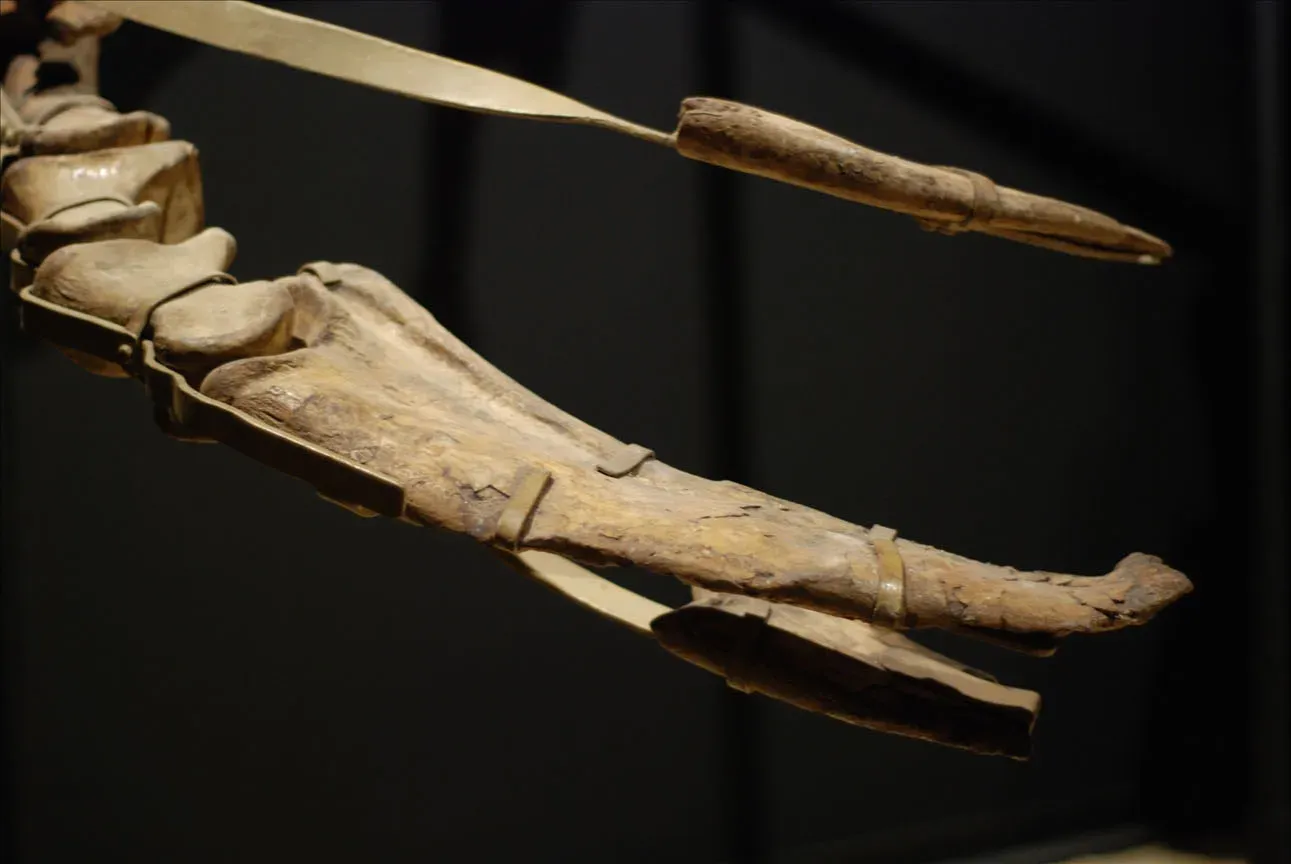
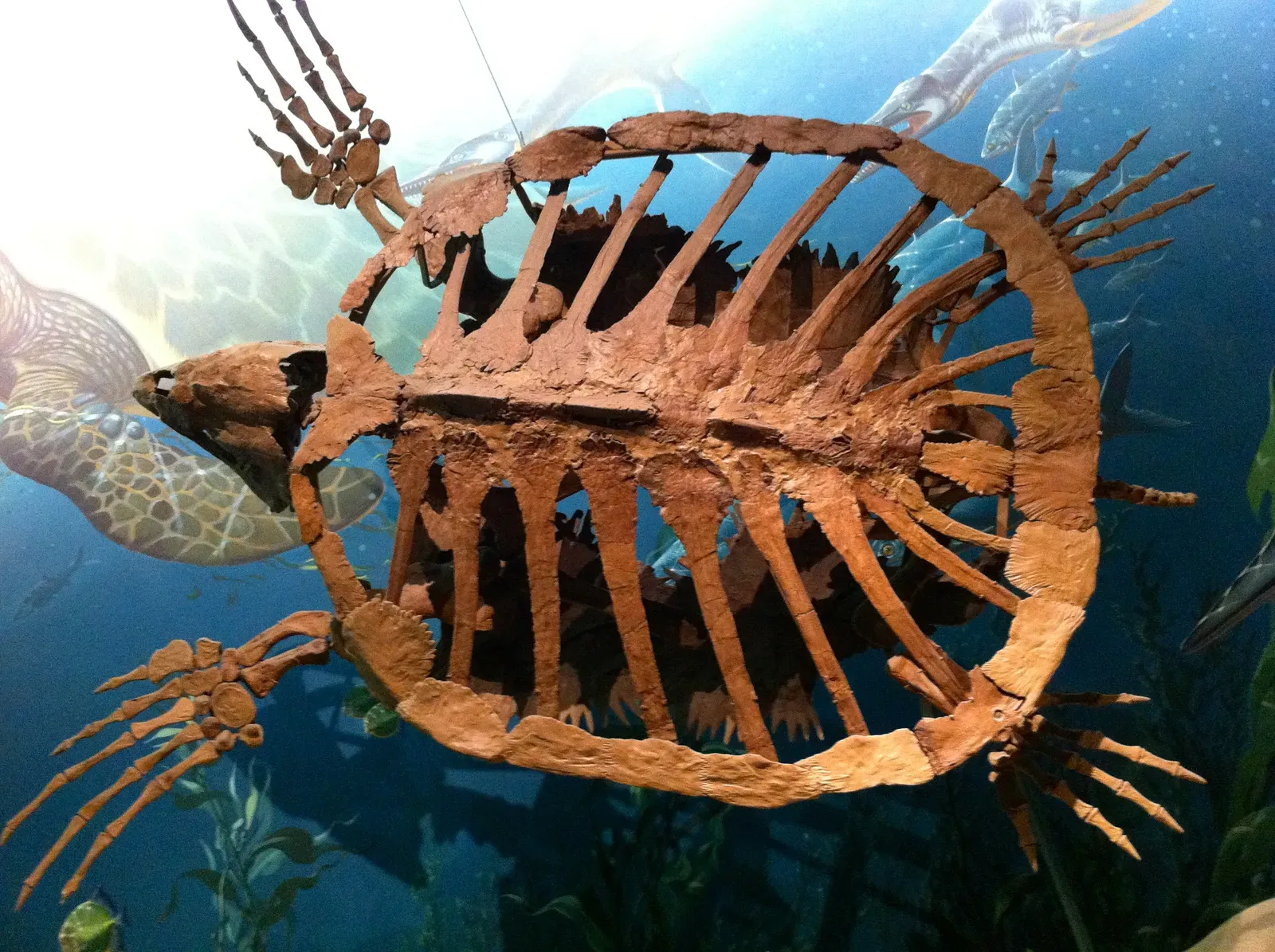
Therizinosaurus is what happens when evolution takes a predator’s skeleton, flips the dietary script, and leans hard into absurd aesthetics. This Late Cretaceous dinosaur had huge, scythe‑like claws on its forelimbs, some over a meter long, attached to a pot‑bellied, long‑necked body covered in feather‑like structures. Early on, those claws were so extreme that some researchers even thought they might belong to a giant turtle. Only later did it become clear that Therizinosaurus was a theropod dinosaur and, even stranger, that it was most likely an herbivore or at least heavily plant‑eating.
That combination is wild because we tend to associate big claws and theropods with classic meat‑eaters like Velociraptor or Tyrannosaurus. In Therizinosaurus, evolution took the same basic body plan and pushed it into a different ecological role, probably using those claws to pull down branches, strip vegetation, or defend itself from predators. It shows that even within closely related groups, natural selection can produce radically different lifestyles and appearances. Therizinosaurus looks like it should be the villain of a monster movie, but instead it seems to have been a slow‑moving, bizarrely armed browser, a reminder that appearances can be very misleading when you are reading the fossil record.
Conclusion: Evolution’s Strangest Experiments Are Its Strongest Evidence
When you put Tiktaalik, Ambulocetus, Opabinia, Anomalocaris, Archaeopteryx, Hallucigenia, Basilosaurus, and Therizinosaurus side by side, a pattern jumps out: evolution does its best work in the gray zones. These animals are not clean, tidy categories; they are transitional mash‑ups, evolutionary prototypes, and extreme experiments that only make sense as snapshots along branching paths of descent. To me, that is exactly why they are so convincing. A universe run by simple, top‑down design would not need five eyes on stalks or whales with useless legs still bolted on; a universe of gradual change and historical baggage absolutely would.
Standing in front of these fossils in a museum, you are not just looking at dead, weird animals; you are looking at time‑stamped evidence that bodies change, repurpose old parts, and sometimes wander into extremely strange territory before settling into something more familiar. Evolution is not elegant, and it is definitely not always pretty, but it is powerful and endlessly creative, and the strangest fossils are the ones that show its fingerprints most clearly. Next time you see a bizarre prehistoric skeleton in a glass case, maybe the better question is not “How could that exist?” but “How many other wild experiments never fossilized at all?”