

Renovation crews love to talk about “the find of a lifetime,” and honestly, most of them aren’t exaggerating. Walls are basically time capsules nobody asked to be sealed inside – decades of secrets, mistakes, and forgotten valuables trapped behind drywall and lath, waiting for someone with a crowbar to let them out.
Most homeowners assume they’ll find nothing but dust, a dead mouse, and some rusty nails. Turns out, that assumption is dead wrong. From cash stashes to actual human remains, contractors have seen it all – and they rarely tell clients the full story upfront. Here’s what renovation insiders actually pull out of walls more often than anyone expects, counting down to the discovery every crew secretly hopes for.
#1 – Stacks of Forgotten Cash

Cold hard cash is the fantasy find every demo crew secretly hopes for – and it happens more than people admit. Before modern banking was trusted or accessible, especially during the Great Depression, people hid savings inside walls like makeshift safes. Some stashes discovered have been worth tens of thousands of dollars in old bills.
The catch nobody mentions? Old currency found in walls isn’t always legally the homeowner’s to keep outright. Depending on the state, “treasure trove” laws can get complicated fast, sometimes requiring disclosure to previous owners’ estates or even the state itself. Contractors say the smartest move is documenting everything with photos and video the moment it’s found, before anyone touches it. It protects you legally, and it makes for one of the best stories you’ll ever tell at a dinner party.
Fast Facts
- Treasure trove laws vary by state, and some require reporting a find before it can legally be kept
- Widespread bank failures during the Great Depression pushed many families to hide savings at home instead
- Older bills can be worth more than face value to currency collectors, depending on condition and rarity
- Photographing cash in place before removing it can help establish a legal claim later
#2 – Newspapers Used as Cheap Insulation
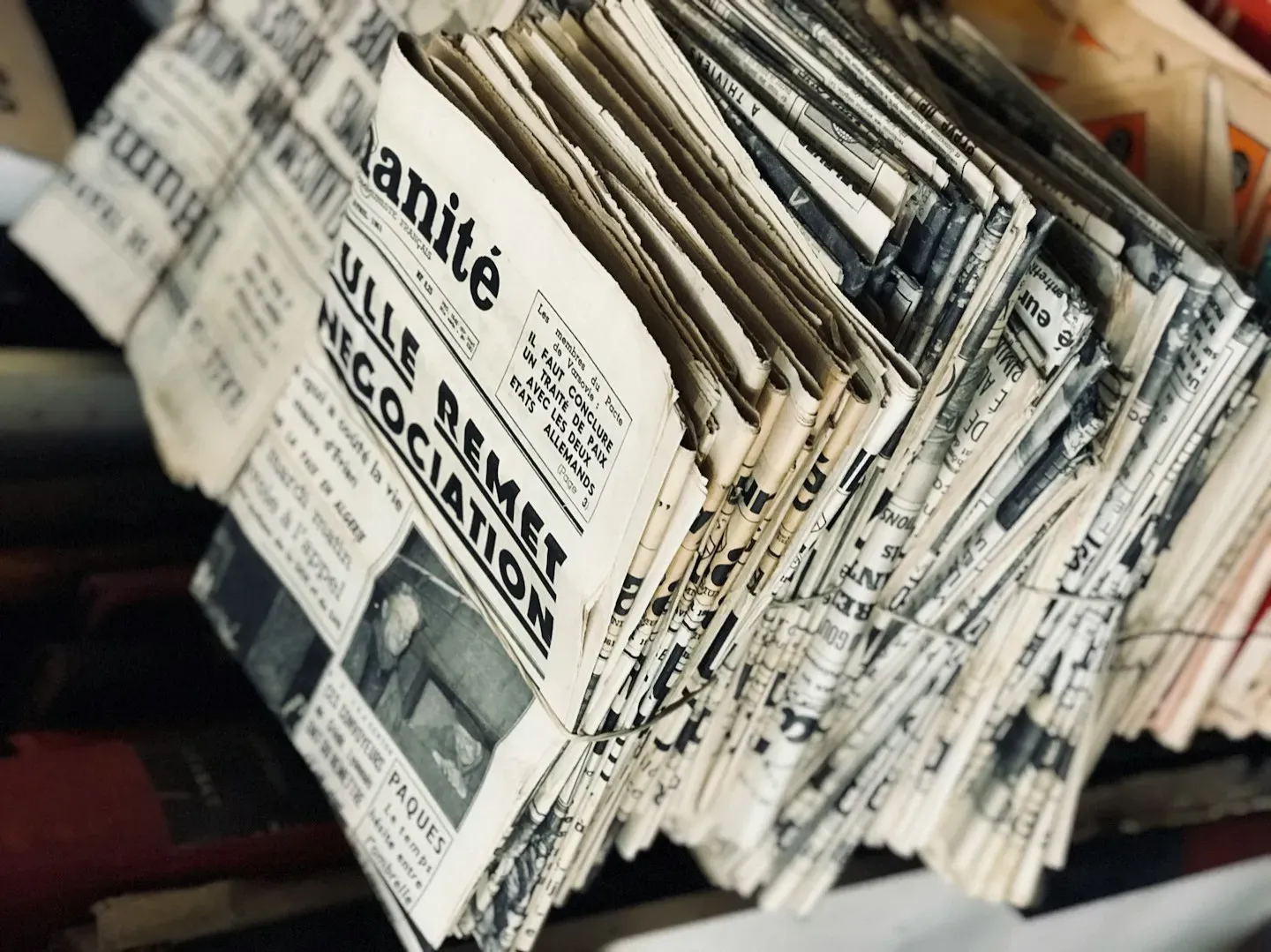
Long before fiberglass batting was standard, builders used whatever was cheap and available to fill wall cavities – and that usually meant newspaper. Crumpled sheets from decades-old local papers were stuffed between studs as crude insulation, especially in homes built before the 1950s. Some of these newspapers date back over a century and are shockingly well preserved.
What makes this find genuinely valuable isn’t nostalgia – it’s historical accuracy. These papers often contain untouched local ads, obituaries, and headlines that never made it into digital archives. Genealogists and local historians actively seek these out because they capture daily life that official records skip entirely. Homeowners who find them should resist the urge to toss them immediately; local historical societies frequently pay for or trade well-preserved editions.
#3 – Handwritten Love Letters

There’s something undeniably haunting about pulling a bundle of yellowed, ribbon-tied letters out of a wall cavity. Renovators frequently uncover personal correspondence – love letters, wartime letters, unsent apologies – tucked away and forgotten, sometimes hidden intentionally from a spouse or family member. Many of these letters were never meant to be found at all, which is exactly why they survived.
These aren’t just sentimental keepsakes; they’re startlingly intimate windows into relationships from another era. Some detail affairs, others reveal soldiers writing home from wars long since ended, and a surprising number were simply love notes too vulnerable to send. Preservation experts suggest handling old paper minimally and storing it flat in acid-free sleeves. Most people find these charming, but a few homeowners admit it’s unsettling to discover a stranger’s secrets baked into their own home’s bones.
#4 – Mummified Cats, Sealed In on Purpose

This one sounds like an urban legend until you realize how often it’s documented. In parts of Europe and colonial-era America, people believed sealing a cat – sometimes alive, sometimes already dead – inside a wall would ward off evil spirits, witches, or vermin. Historians confirm this wasn’t rare superstition; it was a widespread folk practice tied to protecting the household.
Most cats found this way are naturally mummified by the dry, airtight conditions inside old wall cavities, not preserved through embalming. Architectural historians take these discoveries seriously, since they offer real insight into pre-modern folk religion and superstition. Some homeowners reseal the remains as a nod to tradition, while others donate them to local museums for study. Either way, it’s proof our ancestors were far stranger than most people give them credit for.
#5 – Asbestos Hiding in Plain Sight
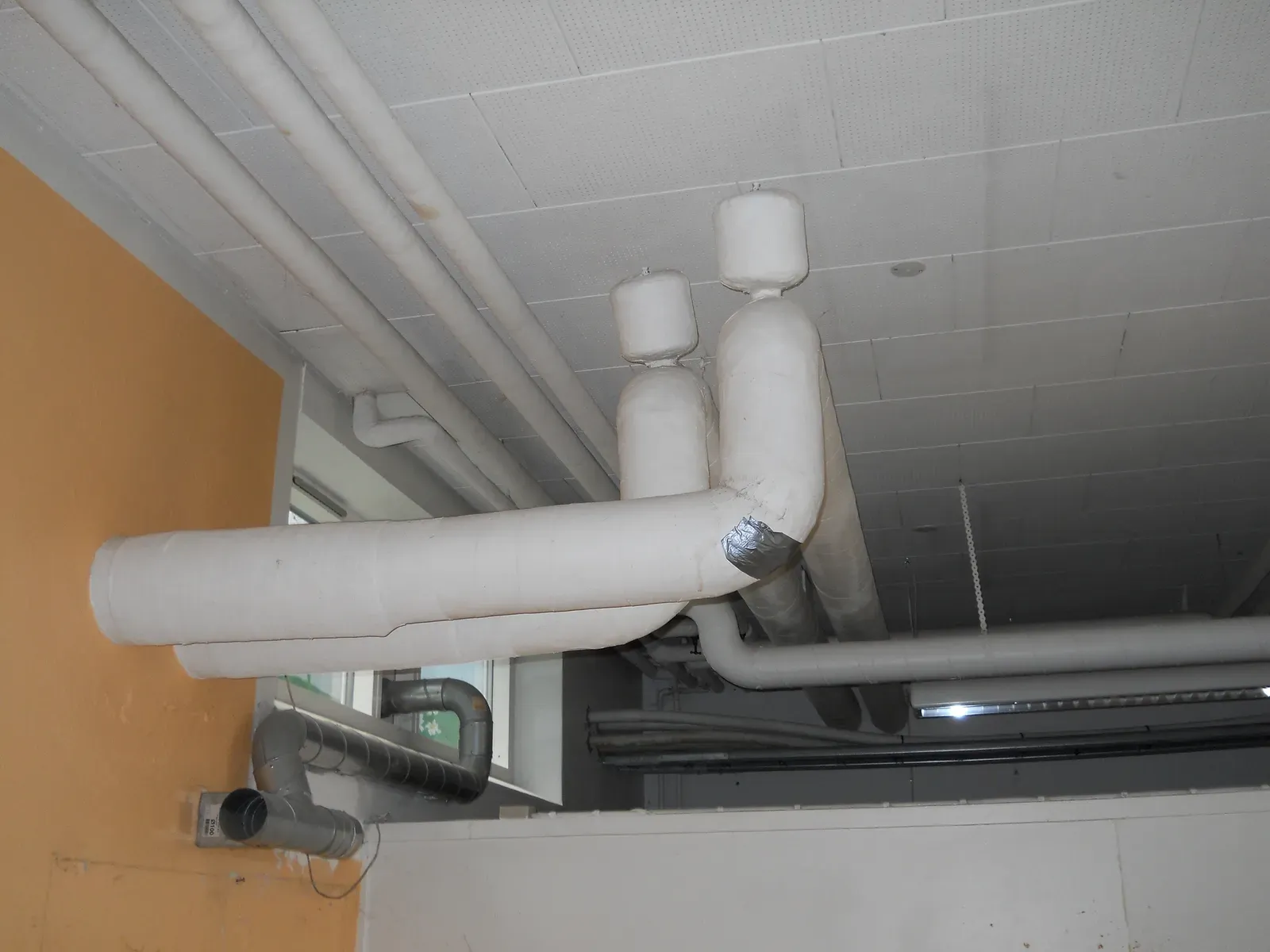
Not every wall surprise is exciting – some are genuinely hazardous, and asbestos tops that list. Homes built or renovated between the 1930s and late 1970s frequently used asbestos-containing materials for insulation, fireproofing, and pipe wrapping because it was cheap and heat-resistant. The scary part is that it often looks completely harmless until it’s disturbed.
Once asbestos fibers become airborne during demolition, they pose serious long-term respiratory risks, including diseases that can take decades to appear. That’s exactly why professional contractors insist on testing older wall materials before any renovation begins, especially in homes built before 1980. Many DIY renovators skip this step to save money, and safety experts consider that one of the most reckless mistakes in home renovation today. If your home falls into that build era, testing isn’t optional – it’s the smartest dollar you’ll spend on the entire project.
Worth Knowing
- Asbestos use in U.S. building materials was largely phased out by the late 1970s, though some products lingered longer
- Asbestos-related illnesses can take 20 to 50 years to appear after exposure, making early testing critical
- Professional lab testing is the only reliable way to confirm asbestos, since it can’t be identified by sight alone
- Certified abatement specialists, not general contractors, are typically required to legally remove confirmed asbestos
#6 – Vintage Bottles Worth More Than You’d Guess

Old bottles are one of the most consistently reported wall finds, and collectors genuinely go wild over them. Medicine bottles, soda bottles, and even whiskey flasks were sometimes tucked into wall cavities by workers on break, or simply discarded during original construction decades ago. Some of these bottles are worth hundreds of dollars to niche collectors, depending on age, maker’s marks, and rarity.
Many still carry original labels or embossed lettering identifying long-defunct pharmacies and beverage companies. Antique bottle collecting is a surprisingly active hobby community, with dedicated forums and price guides built entirely around identifying these finds. A few homeowners have turned entire wall-find bottle collections into decorative shelf displays, essentially getting free vintage decor from demolition debris.
#7 – Family Photographs of Total Strangers

Old photographs turning up mid-renovation hit differently than most finds – they put a literal face to the mystery. Renovators have found tintypes, daguerreotypes, and early black-and-white prints slipped behind wall panels or dropped during original construction. Many of these images show people no living relative can identify, turning a simple photo into an unsolved family mystery.
Preservationists note these photos often survive remarkably well, shielded from light and humidity inside the wall cavity. Some homeowners research local historical societies or genealogy databases to trace the faces back to their original families, occasionally with success. Others simply frame the unidentified portraits as quirky decor, letting mystery guests silently judge dinner parties from the mantel.
#8 – A Hidden Safe Nobody Remembers the Combination To

Few discoveries spike a renovator’s adrenaline faster than the metallic thud of a hidden safe behind drywall. These are typically installed by previous homeowners looking to secure valuables, documents, or cash away from prying eyes, then forgotten entirely after a sale or inheritance dispute. Locksmiths report that a surprising number of these safes are still fully functional decades later.
The frustrating part? Most hidden safes are locked, and without a combination or key, opening them safely often requires a professional locksmith rather than brute force. Contractors strongly advise against drilling into an unknown safe, since some older models contain fragile mechanisms – or, in rarer cases, deteriorated batteries or chemicals that shouldn’t be disturbed carelessly. Whatever’s inside, from jewelry to old deeds, a hidden safe instantly turns a boring renovation into an actual mystery to solve.
Quick Compare
- DIY drilling: fastest option, but risks destroying jewelry, documents, or the safe’s internal mechanism entirely
- Professional locksmith: costs more upfront, but usually opens the safe without damaging it or its contents
- Manufacturer records: many safe brands keep serial number logs that can sometimes help recover a lost combination
- Legal consult: worth considering if the safe belonged to a previous owner and ownership of the contents is unclear
#9 – Century-Old Toys Still in Perfect Shape

Small, forgotten treasures like toy soldiers, marbles, dolls, and pocket watches are shockingly common wall finds, often traced back to accidental drops during original construction rather than intentional hiding. Builders in past decades weren’t always careful, and small items easily slipped down open stud cavities before final wall panels went up. Some of these toys are over a hundred years old and still in near-perfect condition, thanks to being sealed away from sunlight and moisture.
Collectors of antique toys actively seek out these renovation finds because untouched, wall-sealed condition is incredibly rare compared to items that were played with and worn down over time. A single well-preserved antique toy can fetch a surprising amount at auction, particularly if it’s tied to a recognizable manufacturer from the early 1900s. For homeowners without collector interest, these trinkets often become sentimental keepsakes simply because of how strange and personal it feels to hold something a stranger’s child once loved.
#10 – Wiring That’s One Spark Away from a Fire
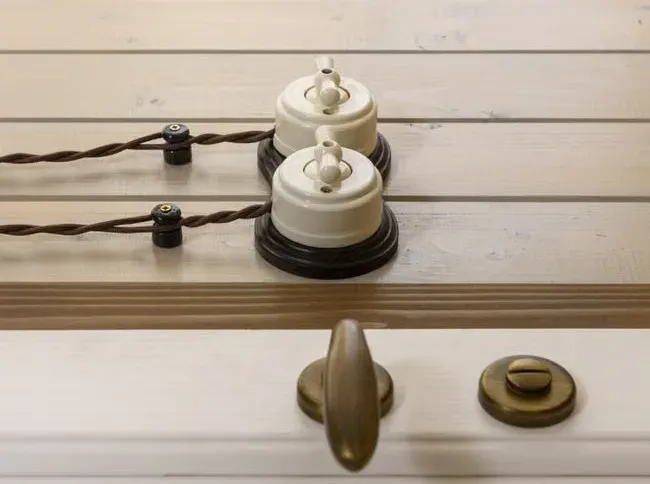
Knob-and-tube wiring and old cloth-insulated electrical systems are among the most common – and most concerning – discoveries hiding behind old walls. This wiring style was standard in homes built before the 1940s, and while it was considered safe by the standards of its time, it wasn’t designed for the electrical load of modern appliances. Insurance companies frequently flag this wiring as a major fire hazard, sometimes refusing to insure a home until it’s replaced.
The tricky part is that this wiring often looks stable on the surface while being dangerously brittle or improperly grounded underneath. Electricians strongly recommend a full inspection any time old wiring is exposed during renovation, rather than simply covering it back up to save money – a mistake far too many DIY renovators make. It’s an unglamorous find compared to cash or antique toys, but arguably the most important one for actual homeowner safety.
#11 – Water Damage a Previous Owner Tried to Hide
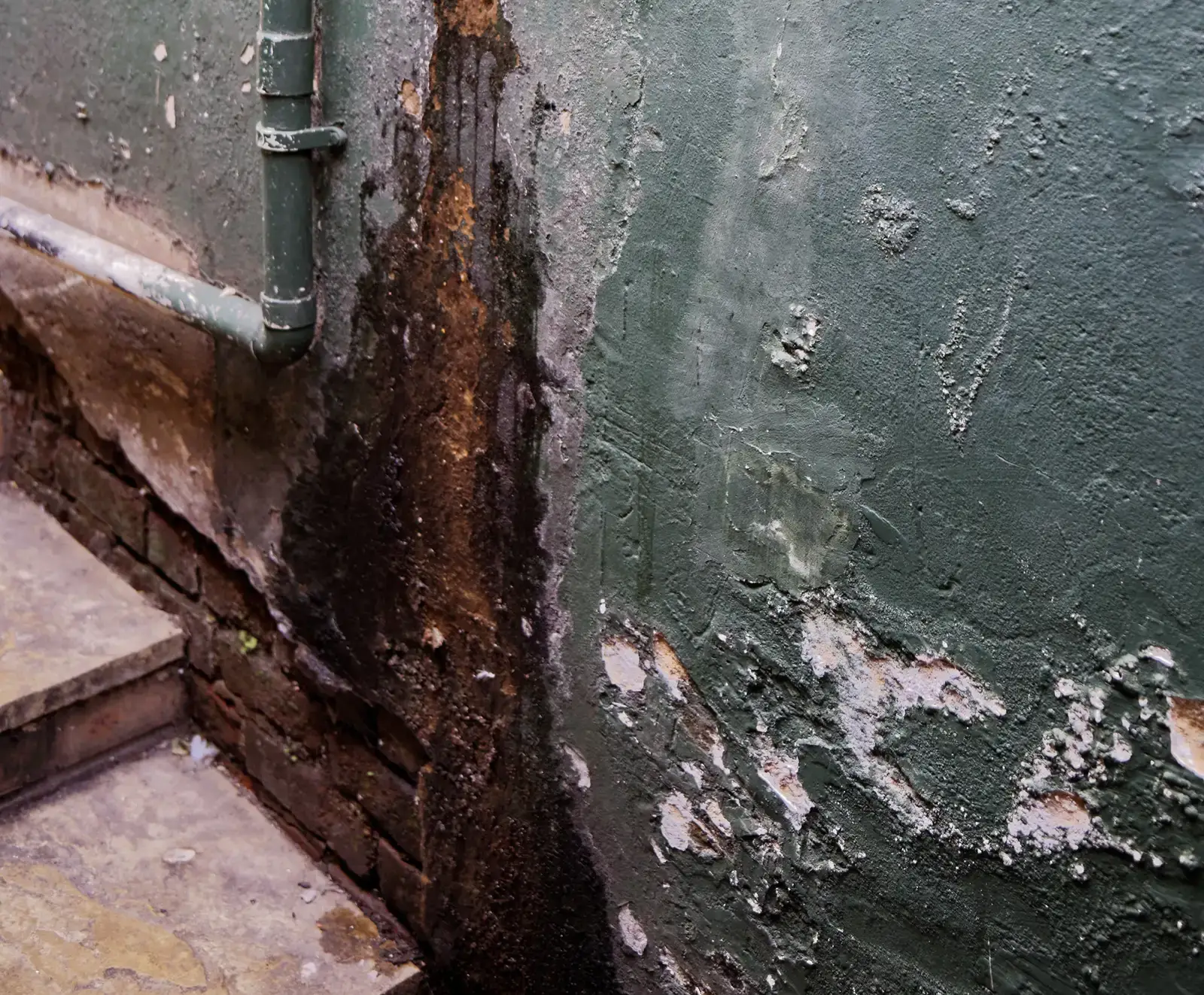
Not every wall surprise is an object – sometimes it’s evidence of a problem someone tried to hide rather than fix properly. Renovators frequently uncover water damage, mold, termite destruction, or shoddy structural patch jobs concealed behind fresh drywall by previous owners looking to flip a house quickly. Many real estate professionals consider this one of the most common “seller secrets” buyers never catch during a standard walkthrough.
This is exactly why home inspectors argue that a surface-level inspection alone isn’t enough for older properties, especially ones that have changed hands multiple times. Skilled flippers know how to disguise water stains, patch rotted wood, and repaint over red flags just well enough to pass a quick glance. Renovation crews who find this kind of cover-up often have strong opinions about it, with many calling it borderline dishonest rather than harmless cosmetic touch-up.
#12 – An Entire Hidden Room Nobody Knew Existed
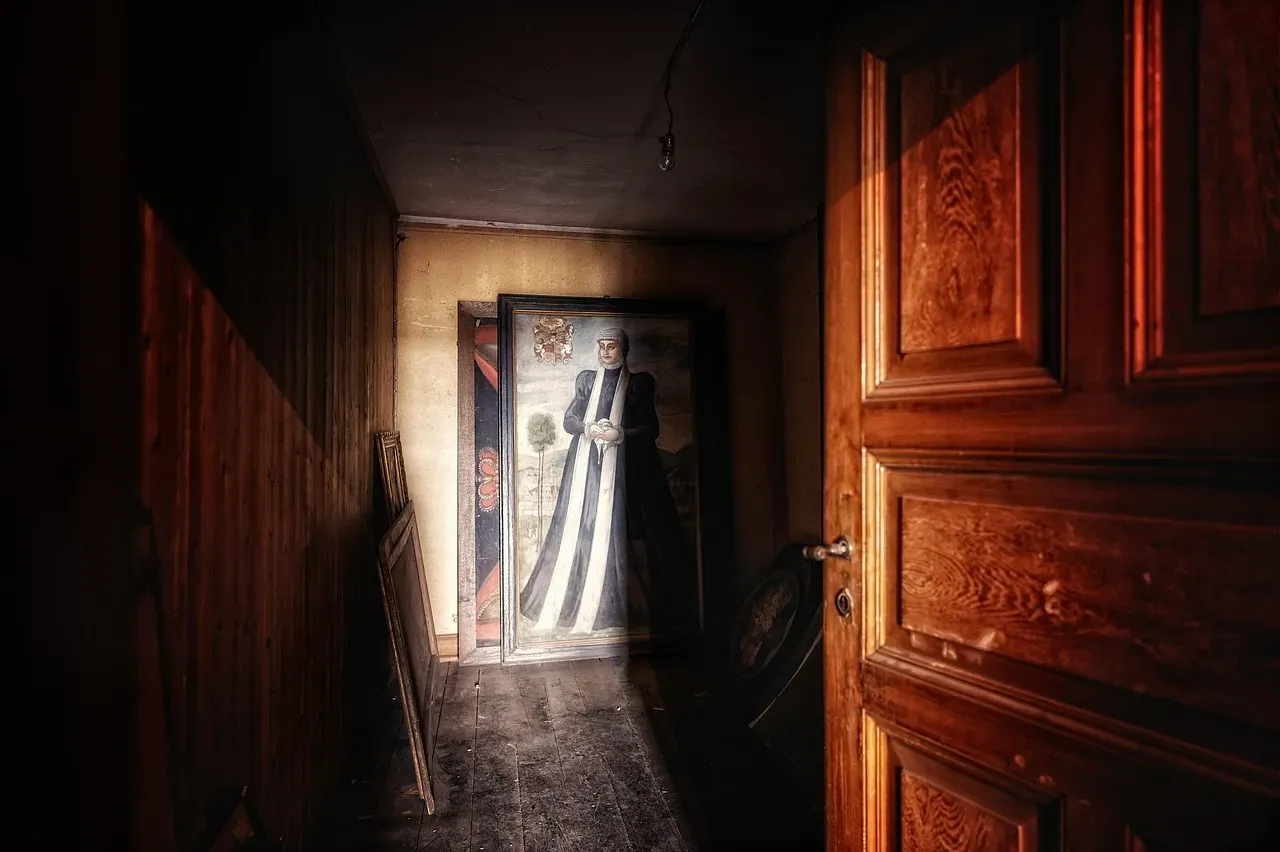
This is the crown jewel of renovation discoveries, and it’s far more common in older homes than most people realize. Hidden rooms, sealed-off closets, and forgotten passageways were sometimes built intentionally – for storing valuables, escaping danger, or historically, for concealing people during turbulent periods. Some of these spaces haven’t been opened in over a century by the time renovators finally break through.
What makes this find so captivating is the sheer unpredictability of what’s inside. Some hidden rooms are completely empty, stripped of purpose and long forgotten by every owner since. Others contain furniture, documents, or personal items frozen in time from whoever sealed them away originally. Architectural historians say these spaces were far more common in homes built during periods of political or social unrest, when privacy and security were genuine, practical concerns rather than luxuries. For any homeowner lucky enough to find one, it instantly becomes the story that defines the entire renovation.
Why It Stands Out
- Prohibition-era homes sometimes hid small rooms or closets specifically built to store illegal alcohol
- Some concealed spaces trace back to earlier eras when homes doubled as hiding places during periods of danger
- A verified hidden room can add novelty and buzz to a real estate listing, even without extra usable square footage
- Structural engineers recommend checking for load-bearing framing before altering a hidden space, since it wasn’t always built to code
The Bottom Line
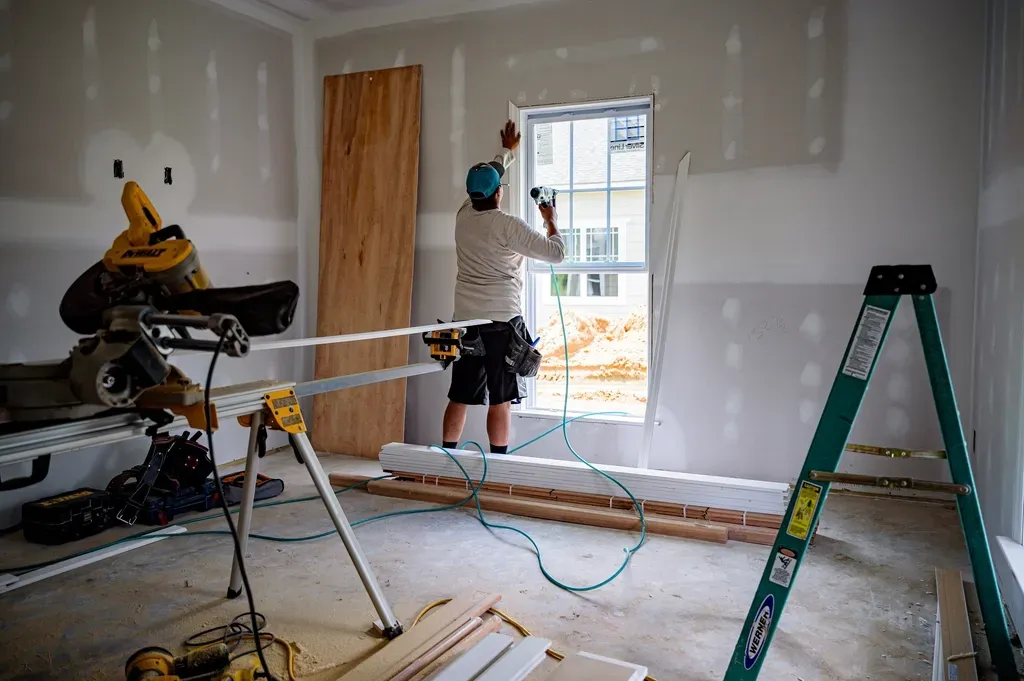
Walls aren’t just structural – they’re historical records nobody signed up to inherit. From hidden cash and vintage toys to genuinely dangerous asbestos and outdated wiring, renovations prove again and again that old homes hold more secrets than buyers ever expect.
Here’s the part worth sitting with: some of these finds are charming, and others are safety hazards disguised as cosmetic fixes by previous owners cutting corners. If you’re gutting an older property, don’t just budget for materials – budget for surprises, because in this business, they’re closer to the rule than the exception. Have you ever found something wild behind your own walls? Drop your story below – we want to hear the strange ones.