
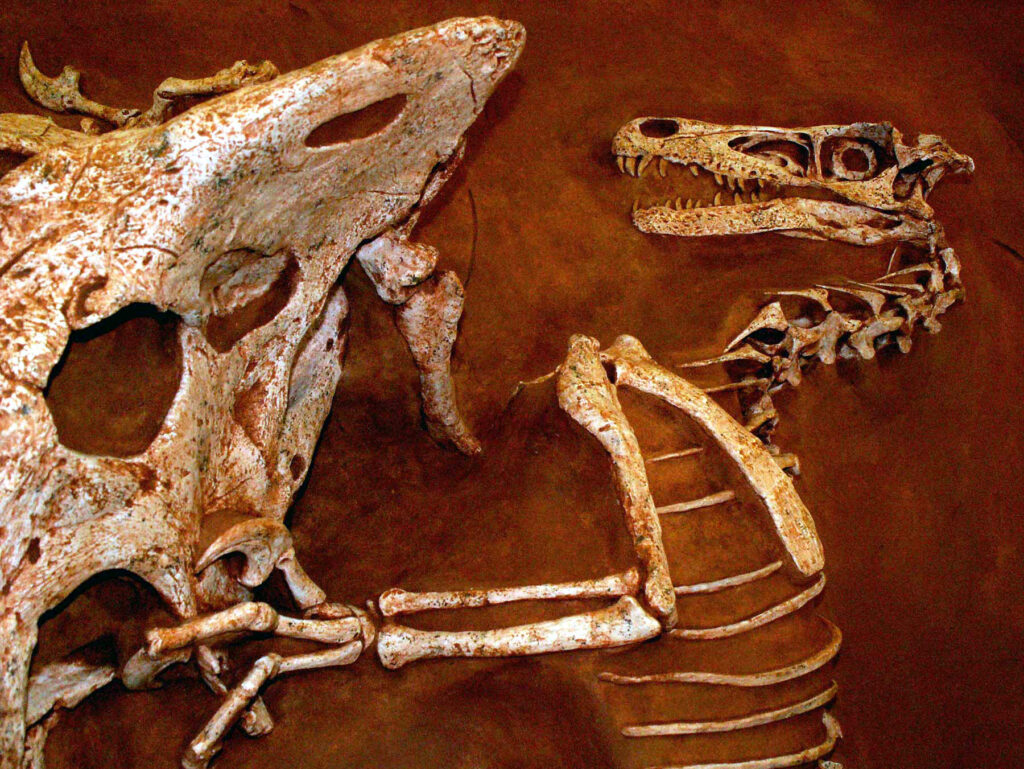
Everyone thinks dinosaur fossils are just static piles of ancient bones, but one specimen from the Gobi Desert broke that rule entirely. Discovered in 1971, it didn’t just preserve two dinosaurs – it preserved the actual moment they tried to kill each other.
Scientists still argue over exactly how they died, frozen mid-attack for roughly 80 million years. This isn’t a reconstruction or an artist’s guess. It’s fossilized violence, locked in stone before either animal could finish the fight, and paleontologists are still pulling new details out of it decades later.
#1 – A Discovery That Stunned an Entire Expedition
A routine dig in Mongolia turned into one of the greatest fossil finds in history, purely by accident. In August 1971, a team of paleontologists that included Tomasz Jerzykiewicz, Teresa Maryańska, and Altangerel Perle was working the Tugriken Shire locality of the Djadokhta Formation when they spotted something odd poking through the sand.
Overlapping skull fragments from a Protoceratops were sticking out of the sediment, and the team almost walked right past them. Most people assume dinosaur digs are slow, methodical, grid-by-grid affairs – this one was pure luck, and the Late Cretaceous sandstone underneath had quietly protected both animals in near-perfect articulation for tens of millions of years.
#2 – Two Very Different Animals, Locked Together
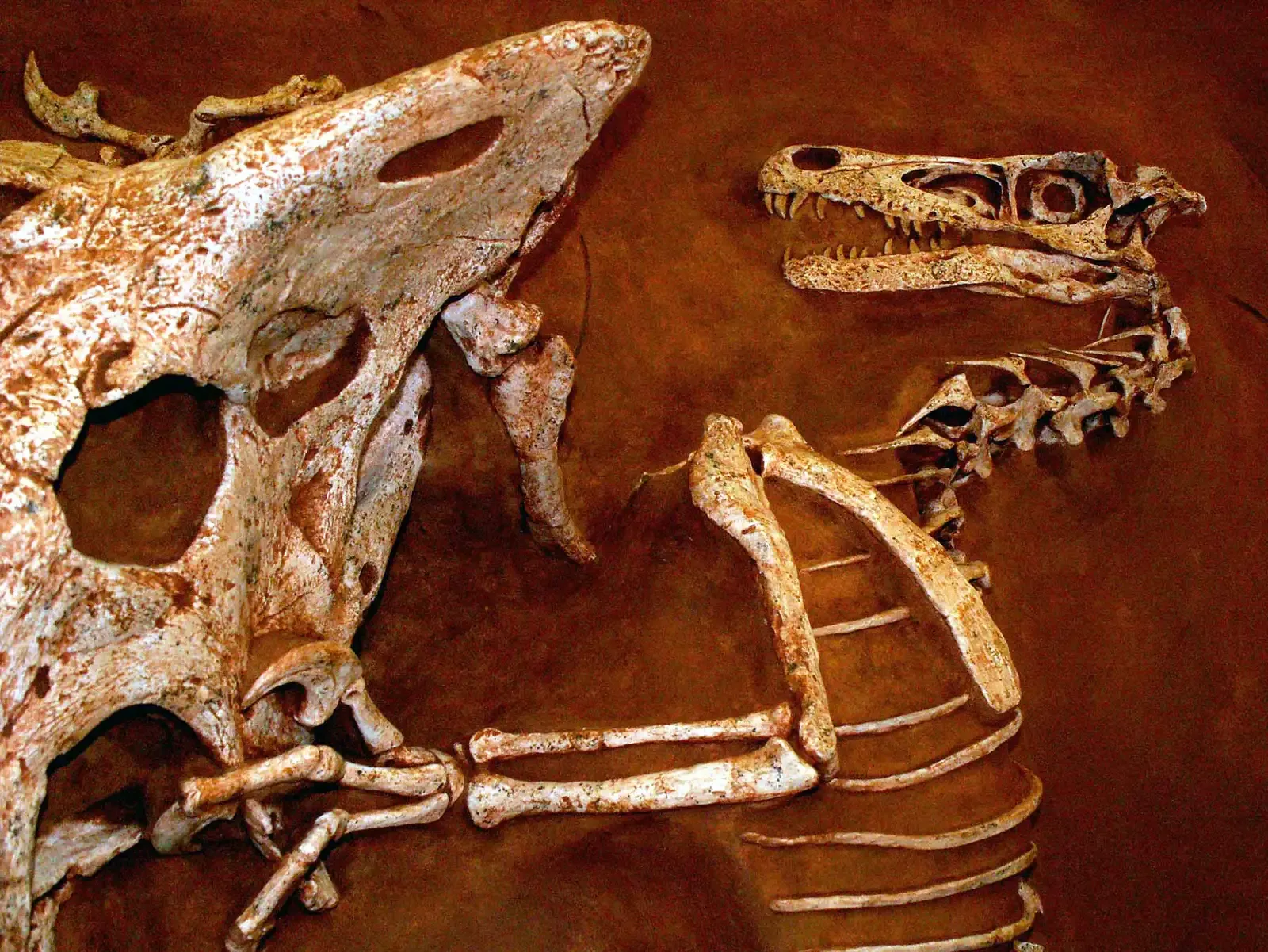
This wasn’t a random pairing. It was a predator and prey species colliding in the worst possible way for both of them. The individuals in this block were identified as a Protoceratops andrewsi struggling with a Velociraptor mongoliensis.
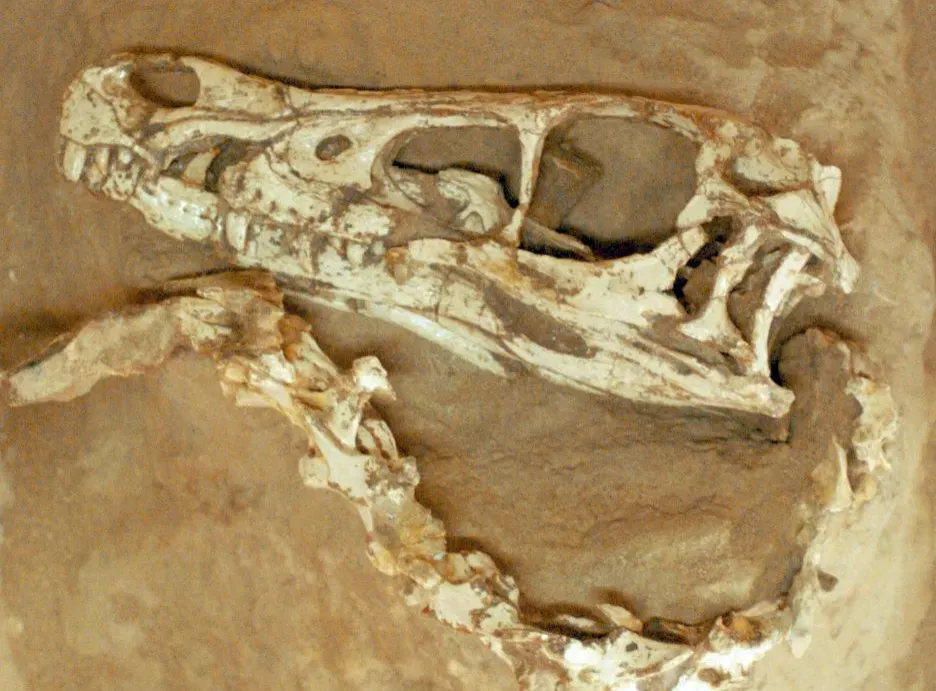
Velociraptor was small compared to its Hollywood reputation – adults measured about 1.8 meters long, 0.62 meters high at the hip, and weighed roughly 20 kilograms, closer to a turkey than a movie monster. Protoceratops, by contrast, was a stocky, beaked plant-eater with no horns and no claws, just raw bulk and a powerful bite. The size mismatch makes the outcome even stranger, since the smaller predator still managed to inflict serious damage before things went wrong for both of them.
Quick Compare
- Velociraptor mongoliensis: about 1.8 m long, 0.62 m at the hip, roughly 20 kg
- Protoceratops andrewsi: stocky, beaked herbivore with no horns or claws
- Predator’s weapon: a sickle-shaped hind claw
- Prey’s weapon: a powerful, bone-crushing beak
#3 – A Claw Buried in the Throat
This is the detail that made the fossil famous overnight: a killing weapon caught in the act of killing. The tangled skeletons show the Velociraptor’s deadly foot claw driven into the Protoceratops’s throat, while its arm sits crushed inside the plant-eater’s mouth.
The Velociraptor’s deadly foot claw is in the Protoceratops’s throat, and the Velociraptor’s arm is crushed in the Protoceratops’s mouth.
David Ford, Natural History Museum
That single description sums up one of the only pieces of direct physical evidence of dinosaur combat ever recovered. The fossil shows the Velociraptor had grasped the plant-eater’s head while delivering vicious kicks to its underbelly, and this wasn’t a clean kill – it was a brutal, close-quarters struggle that neither animal walked away from.
#4 – The Bite That Fought Back
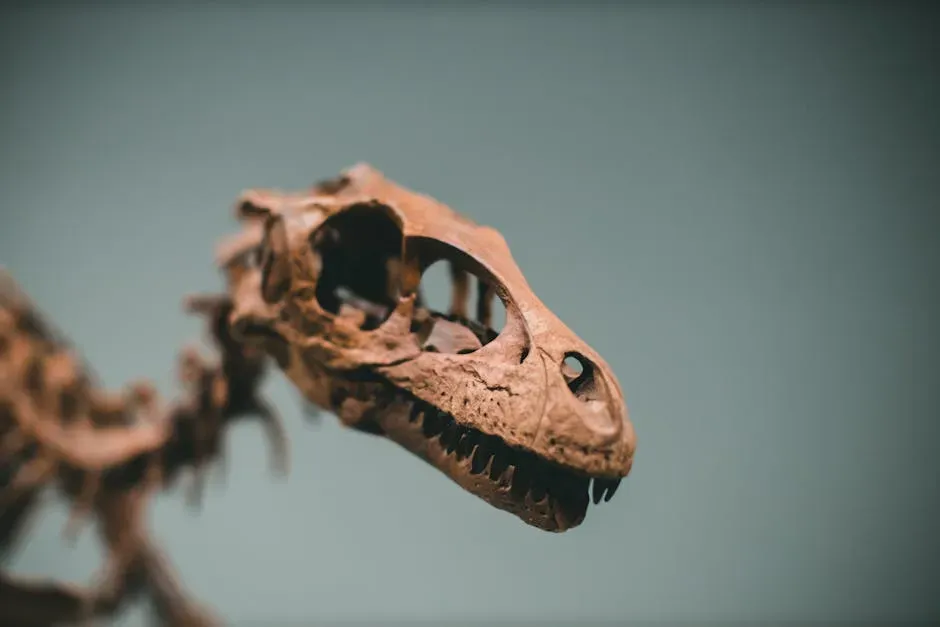
Everyone pictures Protoceratops as a helpless victim, but the fossil tells a very different story. It shows the ferocious defense the plant-eater put up, apparently breaking the right arm of the attacking Velociraptor with a single strong bite.
That’s a serious injury inflicted by an animal usually dismissed as slow and defenseless. A hungry Velociraptor dug its sharp toe-claw into the Protoceratops’s neck, and in the same moment the Protoceratops clamped down on the attacker’s arm with its sharp beak. Turns out the “weak herbivore” nearly disabled its attacker before either animal died – most people don’t realize plant-eaters could fight back this hard.
#5 – Bodies Frozen Mid-Motion, Not After Death
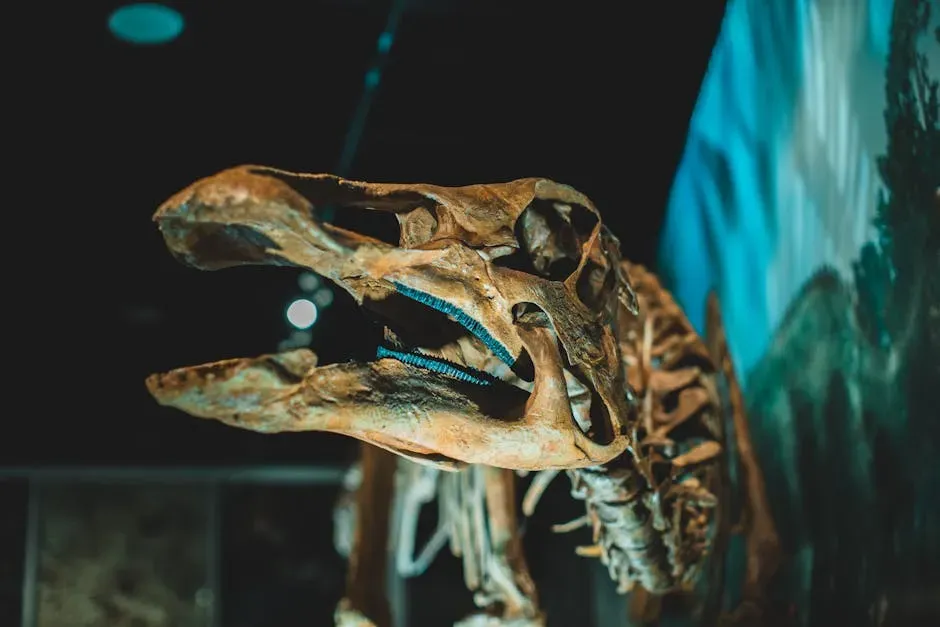
Here’s the detail that convinces scientists this wasn’t scavenging after a death – it was a live battle interrupted. The Protoceratops has a semi-erect stance and its skull is oriented horizontally, a pose that simply wouldn’t have been possible if the animal was already dead.
Muscles relax after death, and this kind of pose doesn’t happen in a corpse. If the Protoceratops had died before burial, its tail and neck likely would have gone slack and fossilized in a straight line instead of the curved shape we see today. The pose itself is some of the strongest evidence that both animals were alive until the very last second.
#6 – Nobody Agrees on How They Actually Died
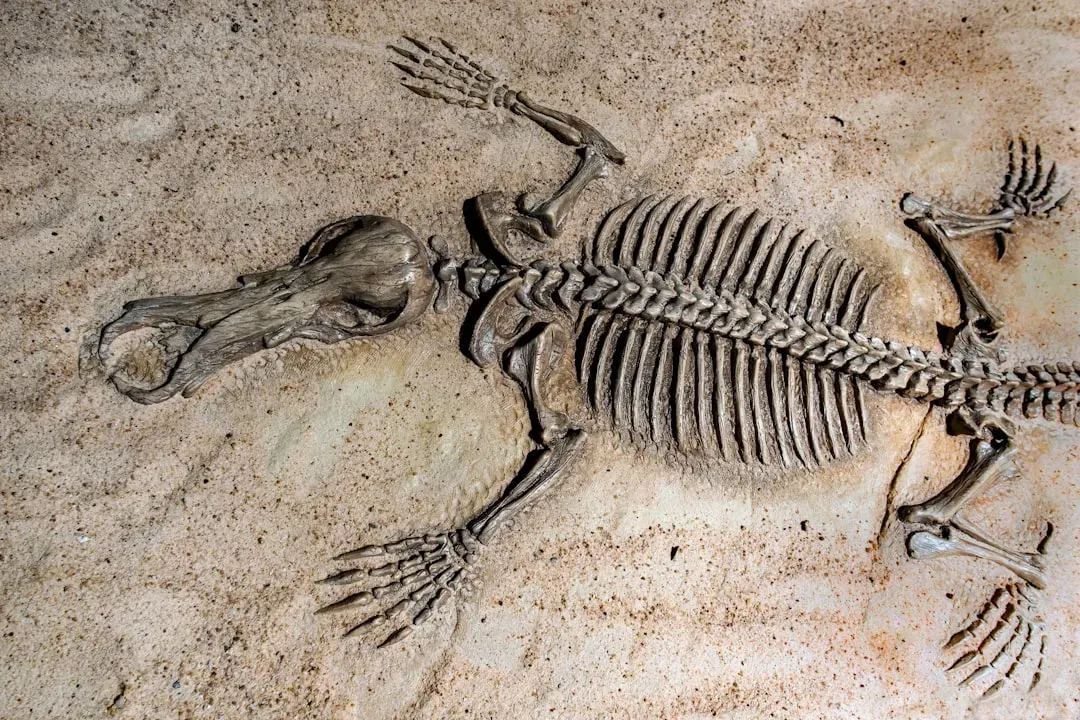
This is where the fossil gets genuinely controversial, even among professional paleontologists. Several hypotheses have been proposed over the decades, including drowning, burial by a collapsing sand dune, or a sudden sandstorm.
Mongolian paleontologist Rinchen Barsbold suggested that quicksand-like ground near a lake could have trapped both animals together, or that they tumbled into a swamp-like body of water and fought out their final moments underwater. In 1993, Polish paleontologist Halszka Osmólska proposed instead that a large dune collapsed mid-struggle and buried both animals simultaneously. Secretly, there is still no single accepted answer, and the debate has run for more than fifty years without a winner.
At a Glance
- Drowning in a lake or swamp
- Trapped together in quicksand-like ground
- Buried by a sudden dune collapse
- Killed in a fast-moving desert sandstorm
#7 – Scientists Ruled Out an Easier Explanation
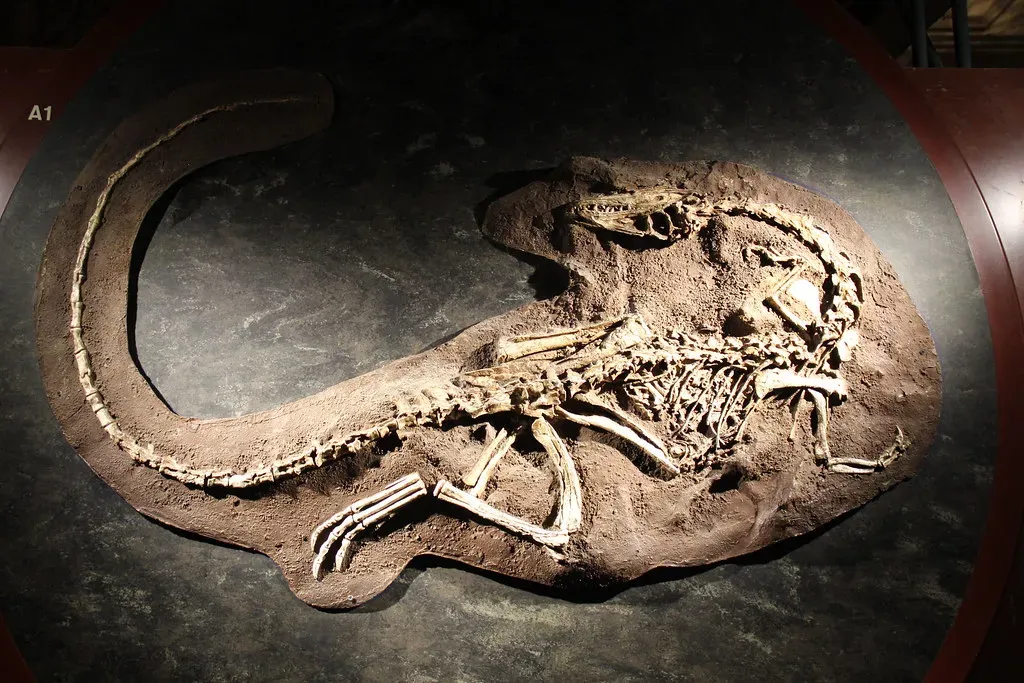
It would be simpler if the Velociraptor was just eating a corpse. The evidence says otherwise. As it lies on the floor, the predator’s feet are directed straight at the prey’s abdomen and throat, which makes casual scavenging highly unlikely.
In 1995, David M. Unwin and colleagues argued that scavenging didn’t fit the scene at all, pointing to numerous signs of a simultaneous death rather than a later meal. The Velociraptor’s right hand is trapped inside the Protoceratops’s jaws while its left hand appears to be scratching at the skull. That’s not scavenger behavior – that’s an animal fighting for its life, and it’s the kind of forensic-level detail paleontologists can still pull from a single stone slab.
#8 – The “Killing Claw” Wasn’t Built to Slash
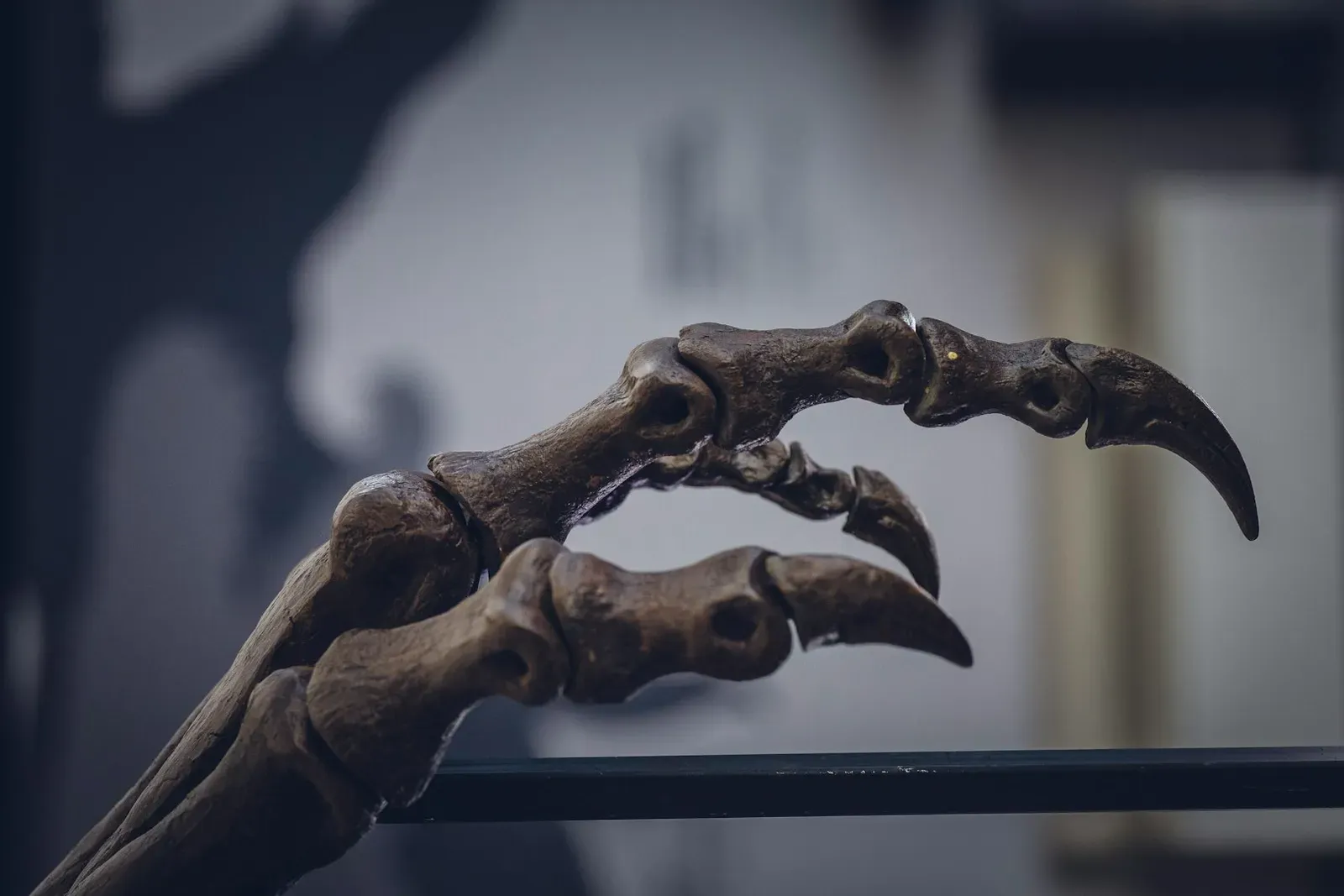
Hollywood got this one wrong, and the fighting dinosaurs fossil helped prove it. Dinosaur sickle claws weren’t really designed for slashing and gashing; researchers now think sharp claws in predatory dinosaurs functioned more like the talons of hawks and owls, built for piercing and pinning prey down while the teeth did the real damage.
Paleontologist Kenneth Carpenter made a similar argument back in 1998, suggesting the multiple wounds on the Protoceratops’s throat likely caused it to bleed out rather than being slashed open. He noted the claw’s cutting edge was actually duller than a table knife, which undercut the popular “slashing” image entirely and reframed the claw as a holding weapon instead.
#9 – Velociraptor Probably Didn’t Hunt Protoceratops Regularly
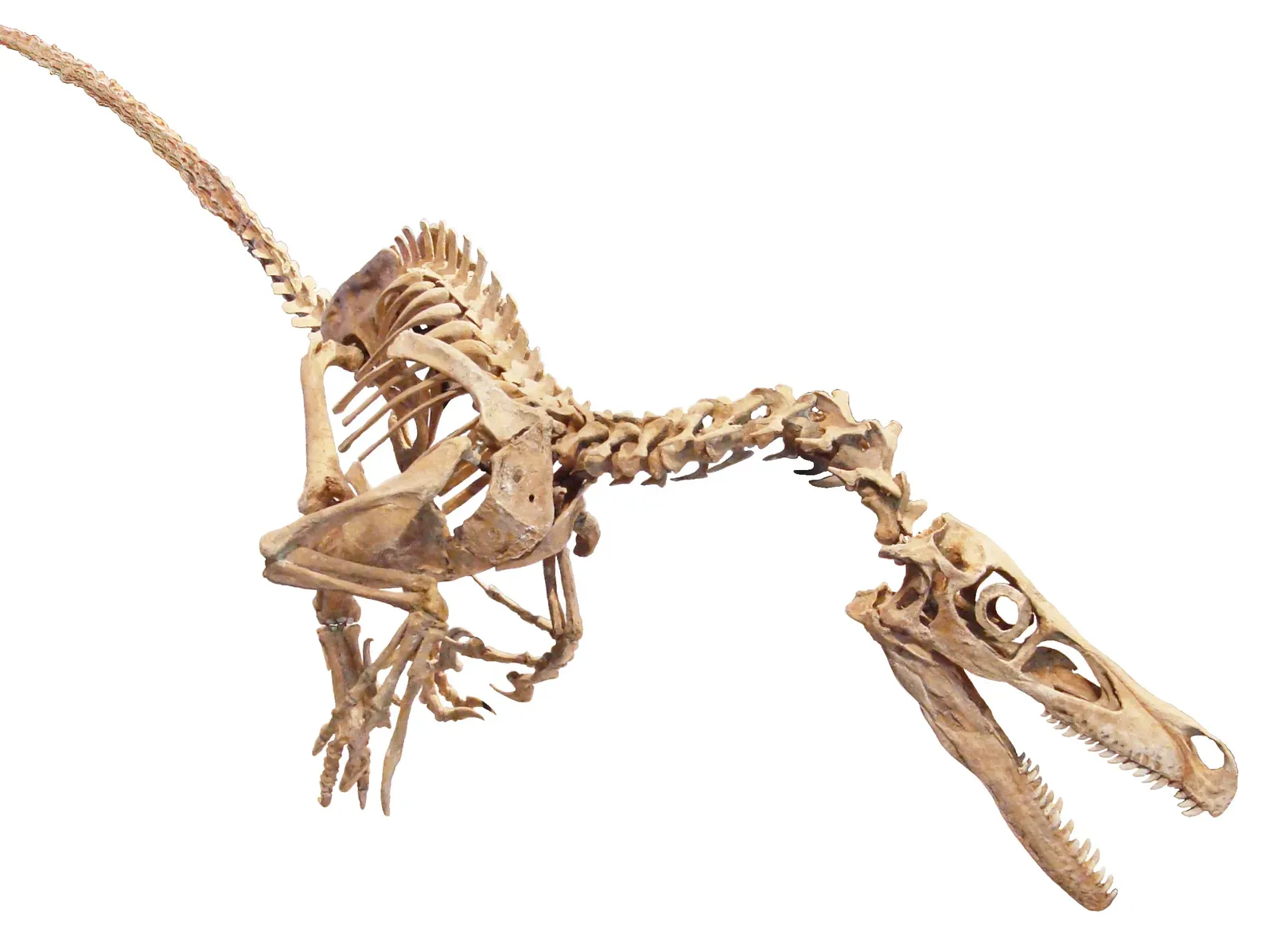
This fight might have been the exception, not the rule, and that changes how we should read the whole fossil. It seems unlikely that Velociraptor habitually preyed on adult Protoceratops – its usual diet was probably small mammals and reptiles that were far easier to overpower.
That said, it may have occasionally gone after infant dinosaurs, which in Mongolia could have included young Protoceratops along with baby Oviraptor or the pachycephalosaur Prenocephale. Turns out this famous battle may have been an unusually risky, opportunistic attack rather than a typical hunt. A full-grown Protoceratops was a dangerous target, and the fossil itself is proof of exactly how badly that gamble could go.
Worth Knowing
- Everyday prey: small mammals and small reptiles
- Occasional targets: infant dinosaurs, possibly including young Protoceratops
- Other possible juvenile prey: baby Oviraptor and Prenocephale
- Adult Protoceratops: a rare, high-risk gamble rather than routine prey
#10 – Real Bite Marks Backed Up the Story Decades Later
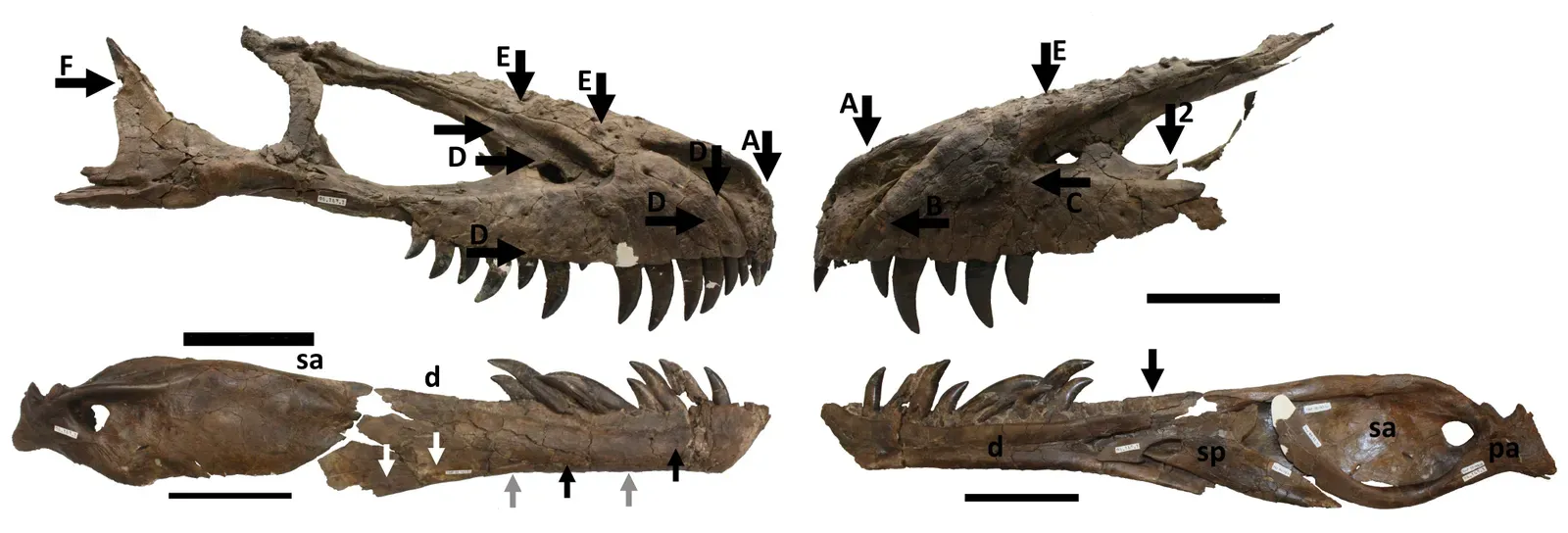
For years, this fossil was the only direct evidence of Velociraptor attacking Protoceratops. Then scientists found confirmation somewhere else entirely. The “fighting dinosaurs” block remained an outstanding but lone example of the two species interacting, until researchers described tooth-marked Protoceratops bones found alongside shed Velociraptor teeth in Upper Cretaceous deposits at Bayan Mandahu, Inner Mongolia.
That discovery suggested feeding by Velociraptor on Protoceratops was probably a fairly common occurrence, not a one-off. Most people don’t realize it took roughly four decades after the original 1971 discovery to find a second piece of physical evidence linking these two species together in the fossil record.
#11 – It’s Now a National Treasure, Not Just a Museum Piece
This fossil isn’t treated like an ordinary specimen anymore – it’s treated like a piece of national identity. The block is officially regarded as a national treasure of Mongolia, and in 2000 the American Museum of Natural History organized a traveling exhibit called “Fighting Dinosaurs: New Discoveries from Mongolia” built largely around it.
The Protoceratops individual is cataloged as specimen MPC-D 100/512 and the Velociraptor as MPC-D 100/25, both stored at the Mongolian Paleontological Center. That kind of formal protection and cataloging is unusual for a single dramatic scene rather than a complete, standalone skeleton, and it reflects just how symbolically important this fossil has become to Mongolia’s paleontological identity.
#12 – It Sparked an Entirely Separate Legal War in America
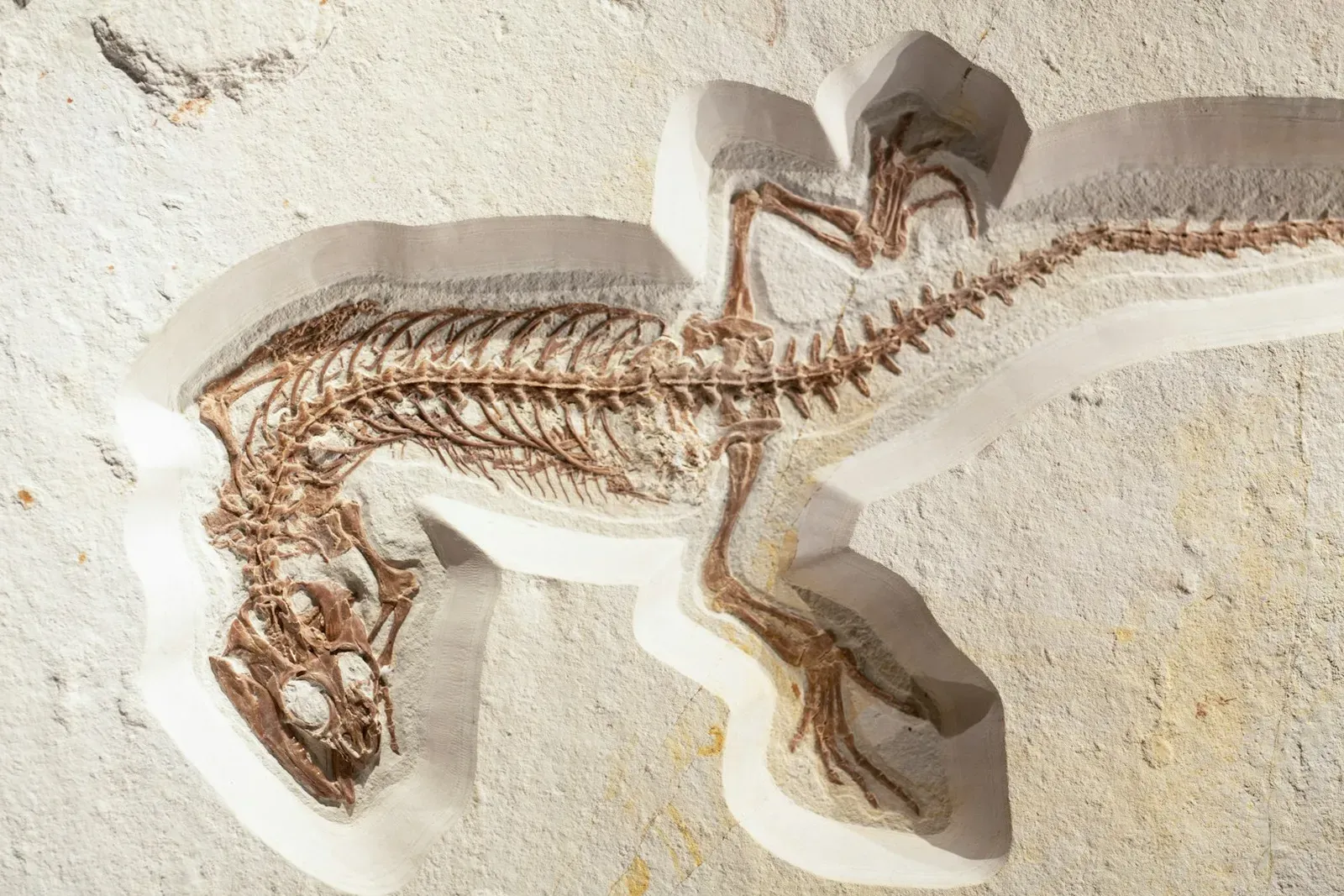
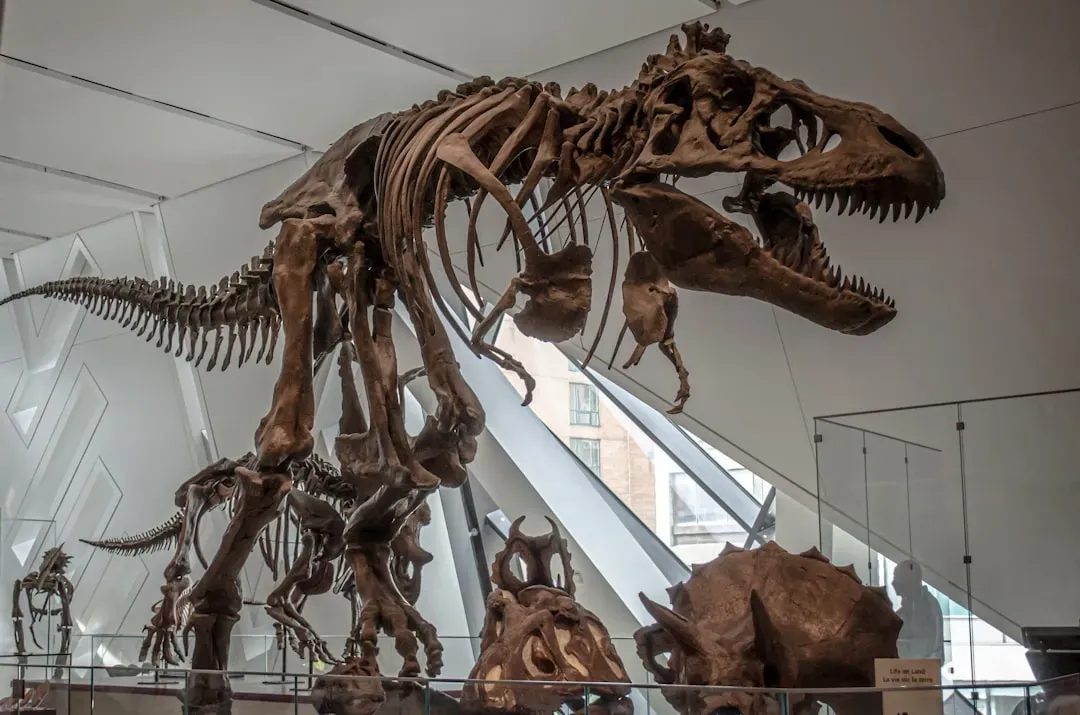
Here’s the twist almost nobody connects to the original Mongolian fossil: a strikingly similar discovery decades later triggered a courtroom battle on the other side of the planet. In 2006, an amateur fossil hunter in Montana uncovered two dinosaurs fossilized while apparently locked in combat, and the find eventually landed in court over a dispute between mineral rights and surface rights.
The combatants this time were a Nanotyrannus and a Chasmosaurine ceratopsian related to Triceratops, both roughly 8 feet tall and 25 to 35 feet long, with the ceratopsian’s skull pierced by teeth and the Nanotyrannus’s skull and chest apparently caved in. Unlike Mongolia’s fossil, which is protected as state property, the Montana specimen ended up entangled in a legal fight over whether fossils count as “minerals,” and a split three-judge panel ultimately ruled that they did. While most people assume one legendary combat fossil exists, there are actually two, separated by 12,000 miles and completely different legal systems – and that’s the kind of detail that rarely makes it into textbooks.
Fast Facts
- Mongolia, 1971: Velociraptor vs. Protoceratops, now a protected national treasure
- Montana, 2006: Nanotyrannus vs. a Chasmosaurine ceratopsian relative of Triceratops
- Montana combatants: roughly 8 feet tall, 25 to 35 feet long
- Legal twist: a split three-judge panel ruled fossils count as “minerals”
The Bottom Line
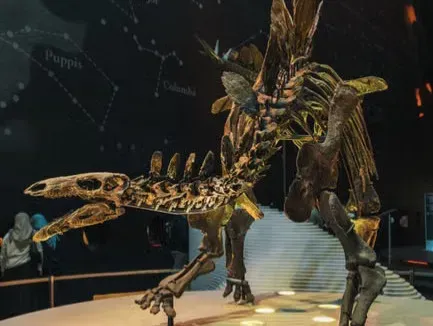
The Fighting Dinosaurs fossil isn’t just old bones – it’s the closest thing paleontology has to a photograph of dinosaur behavior. A claw buried in a throat, an arm broken by a bite, bodies frozen mid-motion: every detail points to a real, violent, unresolved struggle rather than a lucky arrangement of dead animals.
Yet after more than fifty years of study, scientists still can’t agree on the exact event that buried them alive together. Honestly, that unresolved mystery is the most fascinating part of the whole story – it means the last word on this fight hasn’t been written yet. Do you think it was a sandstorm, a collapsing dune, or something else entirely? Drop your theory in the comments.