
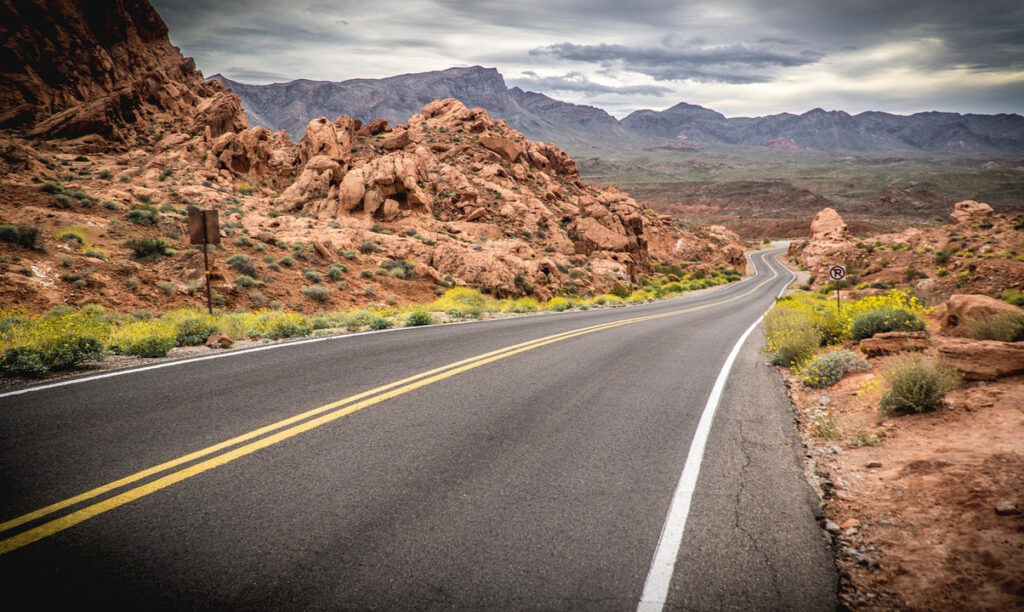
Most Americans assume the ground beneath a highway is just dirt, gravel, and a few utility pipes. It’s not. Beneath thousands of miles of U.S. pavement sit sealed time capsules, drowned rivers, forgotten rail lines, entire ship hulls, and even human remains – all paved over and left exactly where they were the day the asphalt went down.
City engineers know what’s down there. Historians know. Most drivers have absolutely no idea they’re rolling over any of it on their daily commute. From colonial trade paths hiding under interstate exits to a Confederate monument’s lost time capsule that modern radar couldn’t even find, here’s what infrastructure records, archaeologists, and city engineers actually confirm is sealed beneath American roads – and why none of it ever came back out.
#1 – Corduroy Roads Still Rot Beneath Modern Highways
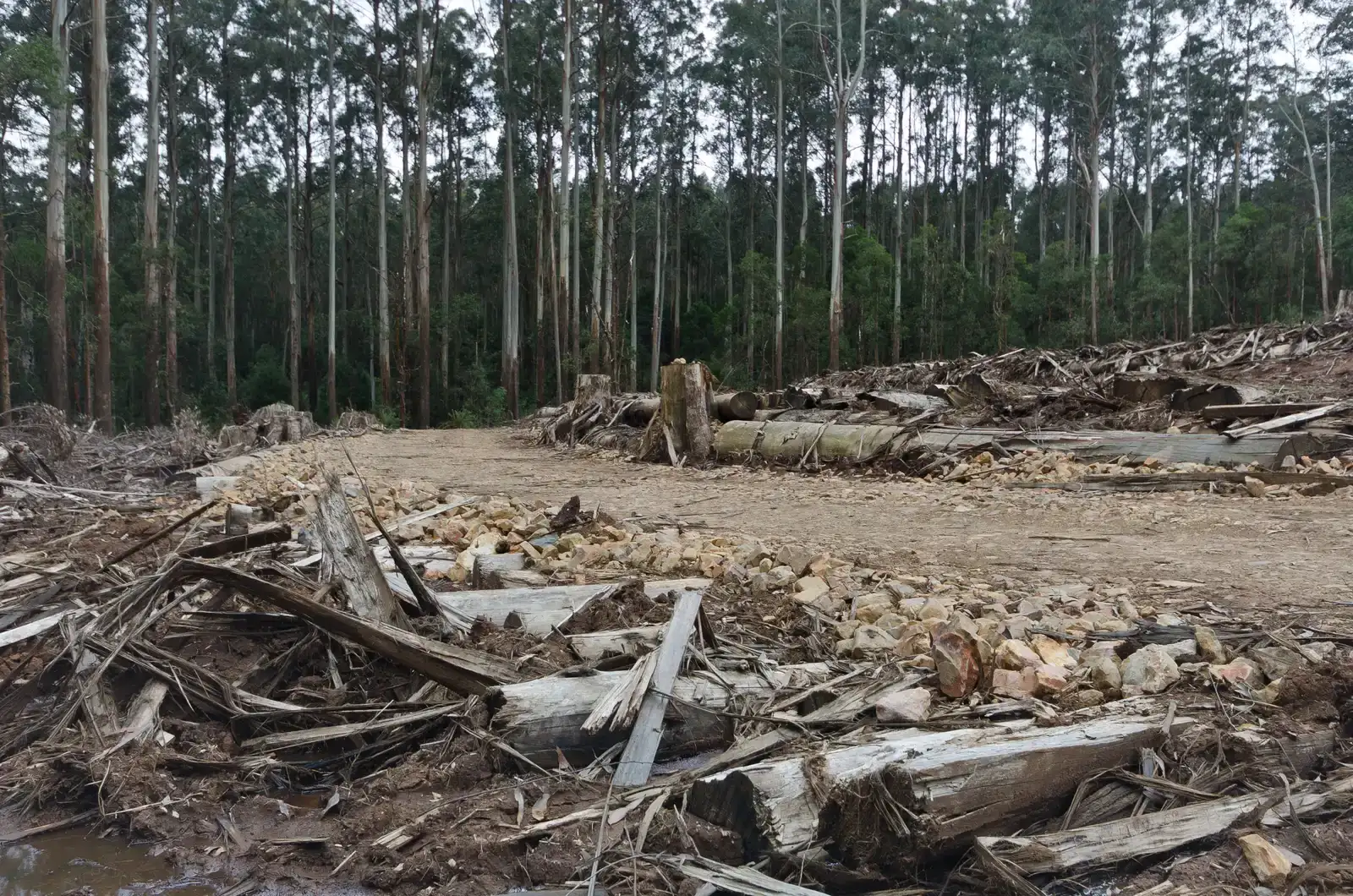
Long before asphalt, American road builders laid down logs side by side across swampy ground to keep wagons from sinking – a method called a corduroy road. Entire sections of these log foundations were never dug up.
Instead of removing the timber, 19th- and early 20th-century crews simply graded gravel, then later asphalt, right on top of it. In wetland-heavy regions of the Midwest and Northeast, utility crews still occasionally strike waterlogged timber decking several feet under the current road surface, wood preserved by the same oxygen-starved conditions that keep shipwrecks intact for centuries. Nobody ever budgeted to remove it, because nobody needed to – it just got buried under the next generation of road.
But that’s nothing compared to what we found about #2…
#2 – Entire Native Trade Trails Run Underneath Interstate Highways

Many modern highways didn’t invent their own routes – they inherited them. Long stretches of major U.S. roadways sit directly on top of foot trails and trade paths used for centuries before European settlement.
Colonial wagon roads followed these paths because they already avoided the steepest grades and the worst river crossings, and later state highways and federal routes followed those same colonial roads out of pure convenience. The original surface – packed earth, worn stone, sometimes deliberately placed trail-marker trees – was never excavated; it was simply built over, layer by layer, as each new transportation technology arrived. Surveyors today sometimes uncover those markers just beneath a highway shoulder, proof of a route walked continuously for hundreds of years before the first asphalt truck ever showed up.
That layering is one of the most overlooked stories in American infrastructure. But #3 involves something a lot wetter.
#3 – Old Canal Beds Sit Sealed Beneath City Streets and Parkways
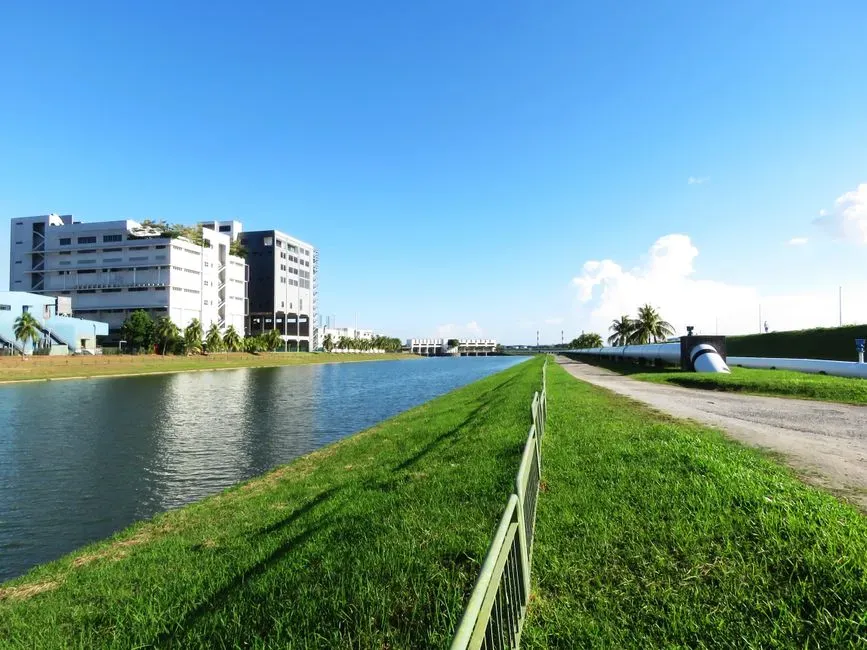
Before railroads dominated American shipping, canals were the highways of their era. When they died, cities didn’t demolish them – they buried them.
Sections of towpaths and canal channels were simply filled in and paved over, turning an old waterway into a modern street or parkway, because it was cheaper than excavating an entirely new roadbed elsewhere. The stone or timber canal walls often remain intact underground, acting as accidental retaining structures for the road above. In several older industrial cities, this buried canal architecture still affects drainage decades later, occasionally causing unexplained flooding when old channel walls redirect groundwater in ways no modern engineer planned for.
Most drivers cruising these streets have no idea they’re driving over 19th-century shipping infrastructure. Next up, though, is infrastructure most people assume gets removed – and it almost never does.
#4 – Brick Sewer Lines From the 1800s Still Run Under Fresh Asphalt
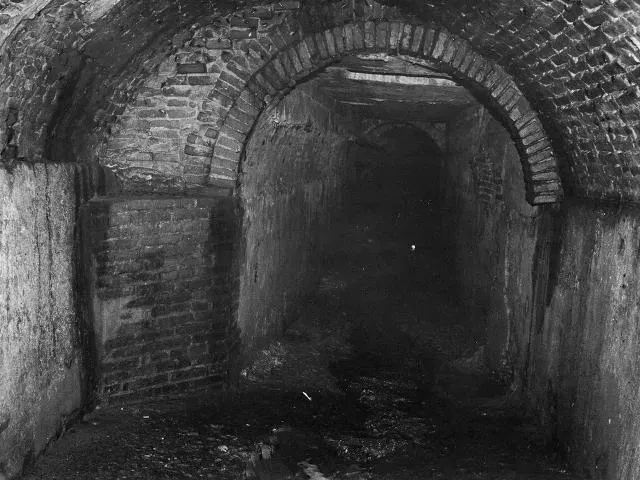
Cities repave streets constantly, but the pipes underneath tell a completely different story. Many American cities still rely on hand-laid brick sewer tunnels built well over a century ago, buried far below whatever fresh asphalt sits on top.
Replacing an entire brick sewer network would mean tearing up almost every street above it, so cities patch, line, or reinforce the old brick from the inside instead and leave the original structure in place. Some of these tunnels are large enough to walk through, complete with 19th-century engineering stamps still visible on the brickwork. Every repaving job simply adds another layer on top of infrastructure that predates the automobile entirely.
Fast Facts
- Many brick sewer mains still in service today were laid in the 1800s, decades before cars existed.
- Some tunnels are tall enough for crews to walk through upright during inspections.
- Cities typically line or patch old brick from the inside rather than dig it out.
- Original builder stamps and construction marks are still visible on some brickwork.
That’s a strange thought – but it’s nothing compared to the wires buried right alongside those pipes.
#5 – Abandoned Telegraph and Early Telephone Lines Are Sealed in Old Conduits
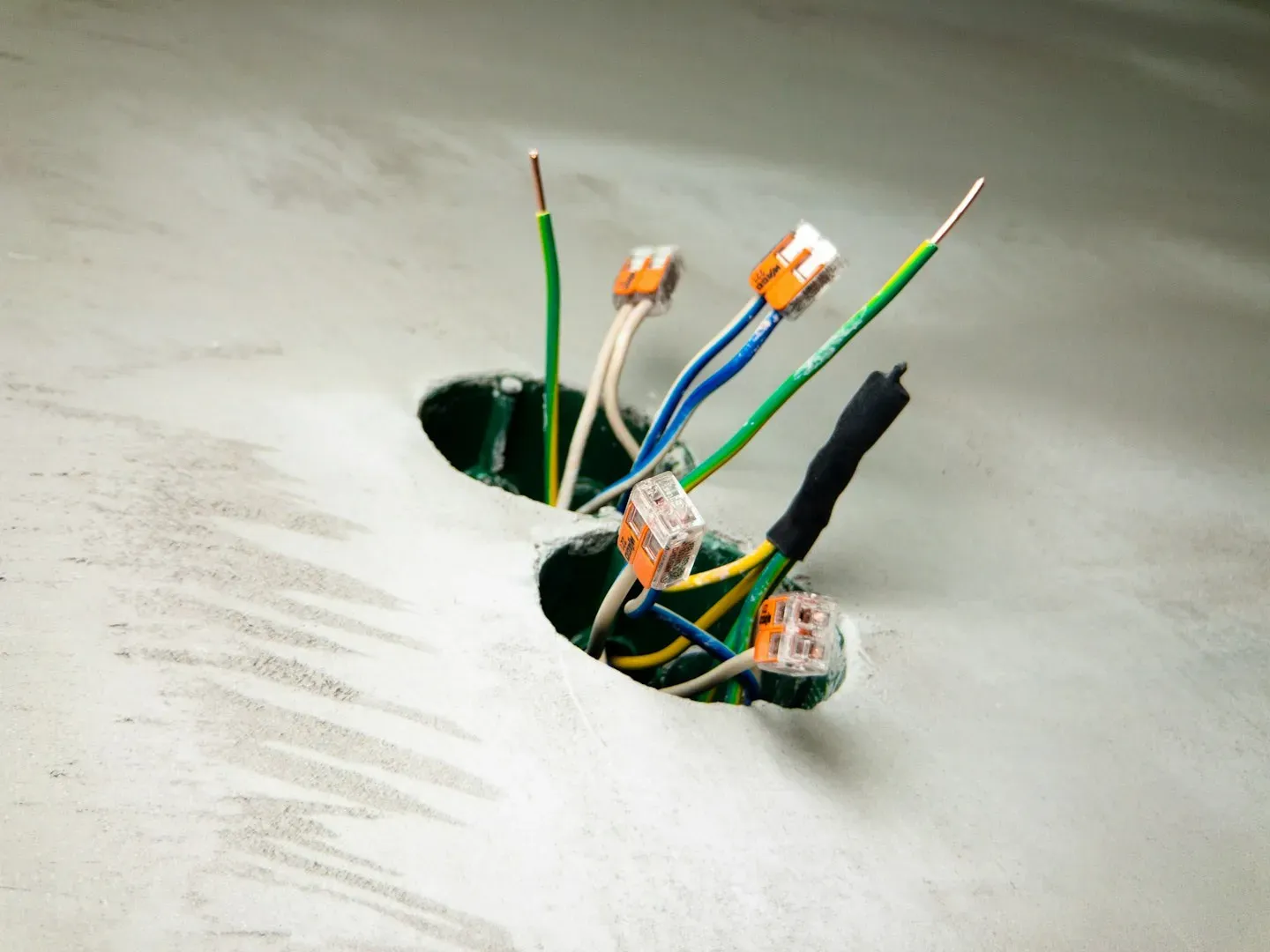
Before fiber optic cable, cities buried miles of telegraph and early telephone wiring in shallow trenches beneath the street. When newer technology replaced these systems, crews frequently abandoned the old copper wiring right where it lay.
It was faster, cheaper, and safer to run new lines through fresh conduit than to excavate potentially unstable old trenches under active roads. Utility crews doing modern fiber installation sometimes hit these forgotten copper lines – dead for generations but still physically present, tangled beneath the street like a fossil record of communication technology. Some of it dates back to the telegraph boom, meaning wire that once carried Civil War–era news dispatches may still be sitting, silent and sealed, a few feet under your daily commute.
Speaking of things frozen in time, this next one is even more visible when the pavement cracks.
#6 – Cobblestone and Belgian Block Streets Hide Under Layers of Asphalt
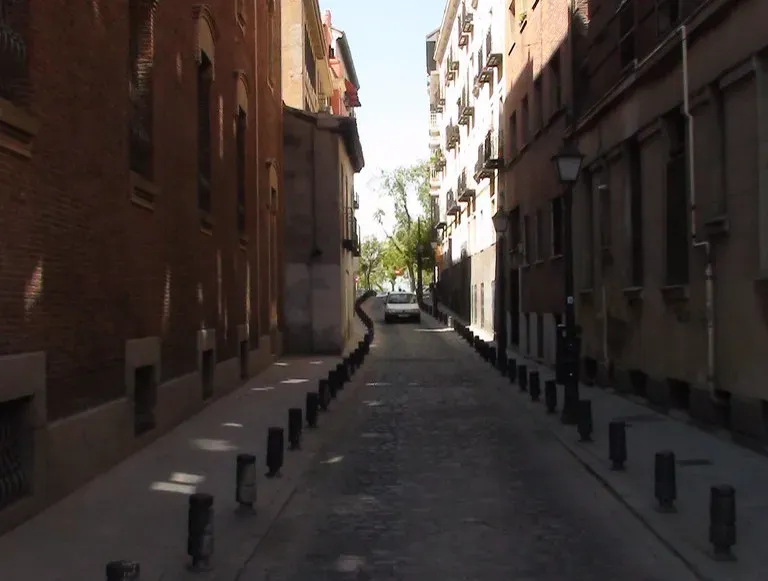
This is one of the most well-documented burials in American road history, and it’s hiding under far more cities than people realize. If a city or town is more than 150 years old, there’s a good chance cobblestones are buried below its layers of concrete and asphalt.
Belgian Block setts were the primary paving material until the mid-19th century, when concrete took over because it was cheaper – so street builders simply poured concrete over the old stones, then layered asphalt on top of that decades later. Some of this stone was never even local to begin with: in the 1800s, most cobblestones arrived on ships from Europe as ballast, which means European harbor stone is quietly sealed beneath American pavement in cities from Philadelphia to Charleston.
But cobblestones aren’t the only forgotten transportation layer down there – metal tells its own story next.
#7 – Streetcar Rails Are Frozen in Place Beneath City Pavement
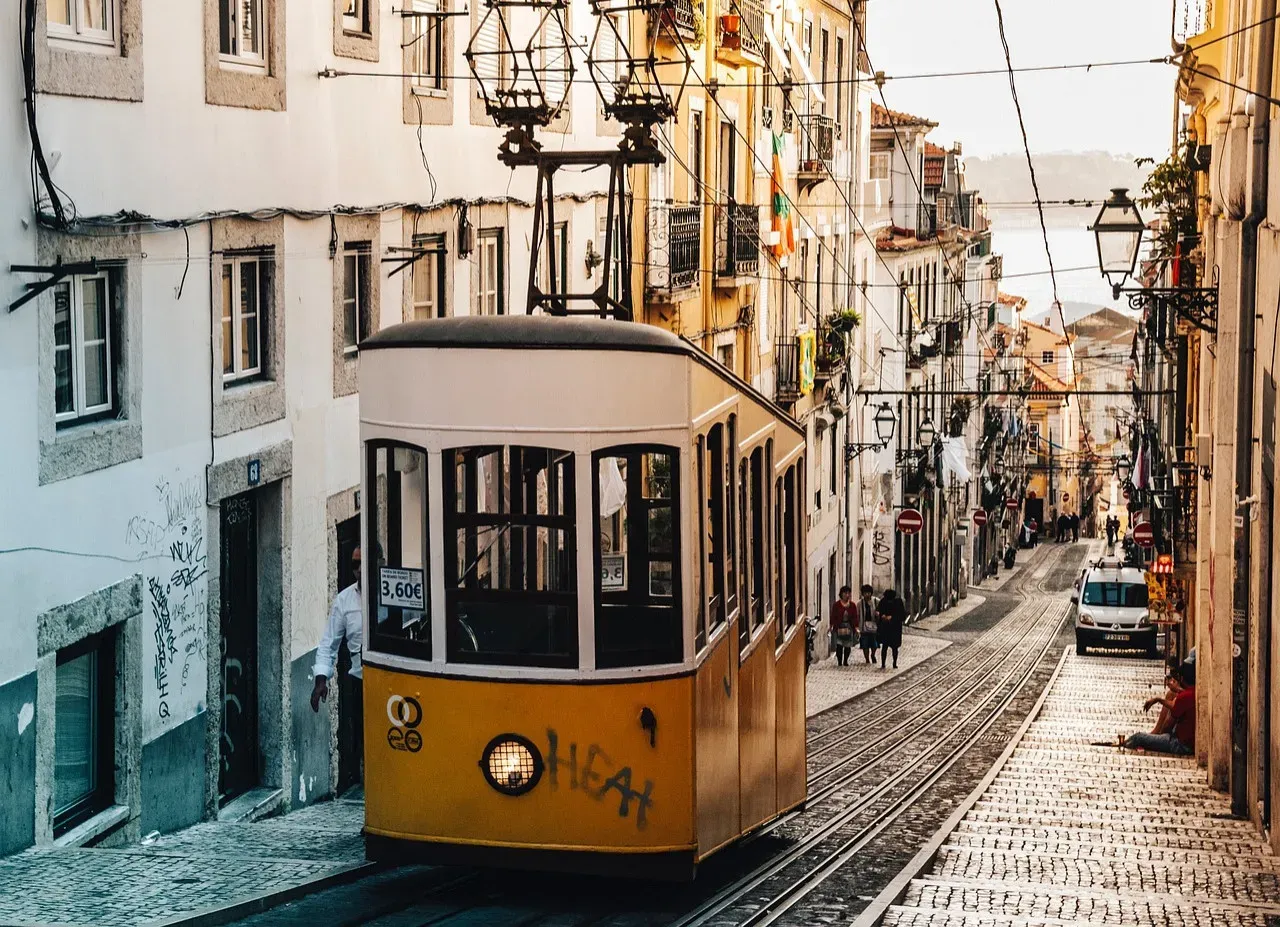
When American cities ripped out their streetcar systems in the mid-20th century, crews rarely removed the actual rails. Instead of digging up entire streets, workers simply paved directly over the steel tracks, leaving a complete transit network sealed just inches under the surface.
New York got a glimpse of this in action when the city began repaving Broadway from 110th Street to 125th Street and reamed off the upper layers of old pavement – exposing streetcar tracks that had sat silent for almost 50 years. That’s the pattern nationwide: old rail only resurfaces when a street gets torn down to its foundation, and even then it’s usually paved right back over rather than pulled out. Some transit historians argue cities should be excavating and preserving these rail networks as historical infrastructure instead of quietly reburying them – a controversial opinion, but one that’s gaining traction among preservationists.
Somewhere below those same streets, water is still moving, and that’s an even stranger discovery.
#8 – Entire Rivers and Creeks Flow in Culverts Beneath Major Roads
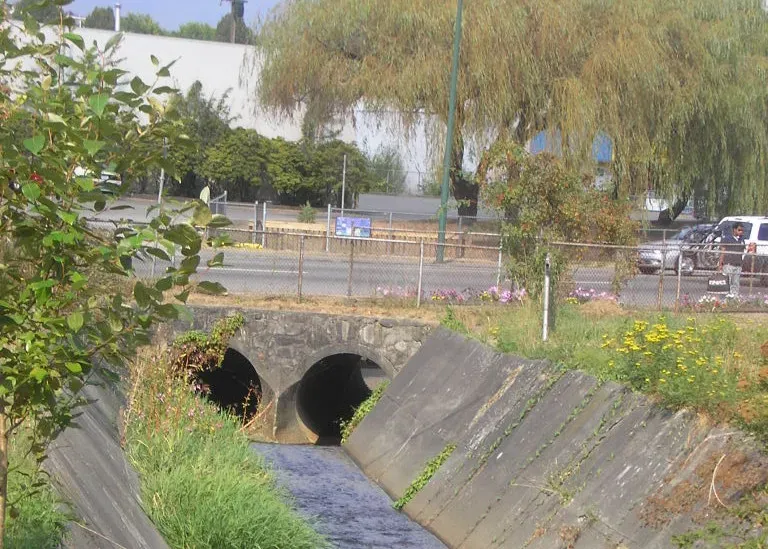
This might be the most surprising entry on the whole list, because it isn’t some relic from the past – it’s still actively happening under your tires right now. Creeks and streams across the United States were once forced underground into sewers, drainpipes, and culverts to make way for urban development, and many of them are still flowing down there today.
In some modern metropolitan cores, up to 98% of urban streams have been pushed underground and built over. New York alone buried dozens of natural waterways this way – in the Bronx, Tibbetts Brook is forced underground at Tibbett Avenue and flows through a double-channeled brick sewer until it reaches the Harlem River Ship Canal. In Baltimore, some are pushing to daylight the Jones Falls river, which still flows beneath the city under the I-83 expressway.
Quick Compare
- Tibbetts Brook (Bronx, NY): forced underground at Tibbett Avenue, runs through a double-channeled brick sewer to the Harlem River Ship Canal.
- Jones Falls (Baltimore, MD): still flows beneath the city under the I-83 expressway, now targeted by daylighting advocates.
- Urban streams nationwide: up to 98% have been pushed underground in some metro cores.
Some engineers now call burying these waterways one of the worst urban planning decisions in American history – a genuinely controversial take that’s fueling nationwide “daylighting” projects across the country. But rivers aren’t the only thing that got swallowed by road construction; entire transit tunnels vanished the same way.
#9 – Whole Subway and Trolley Tunnels Were Built, Then Abandoned Underground
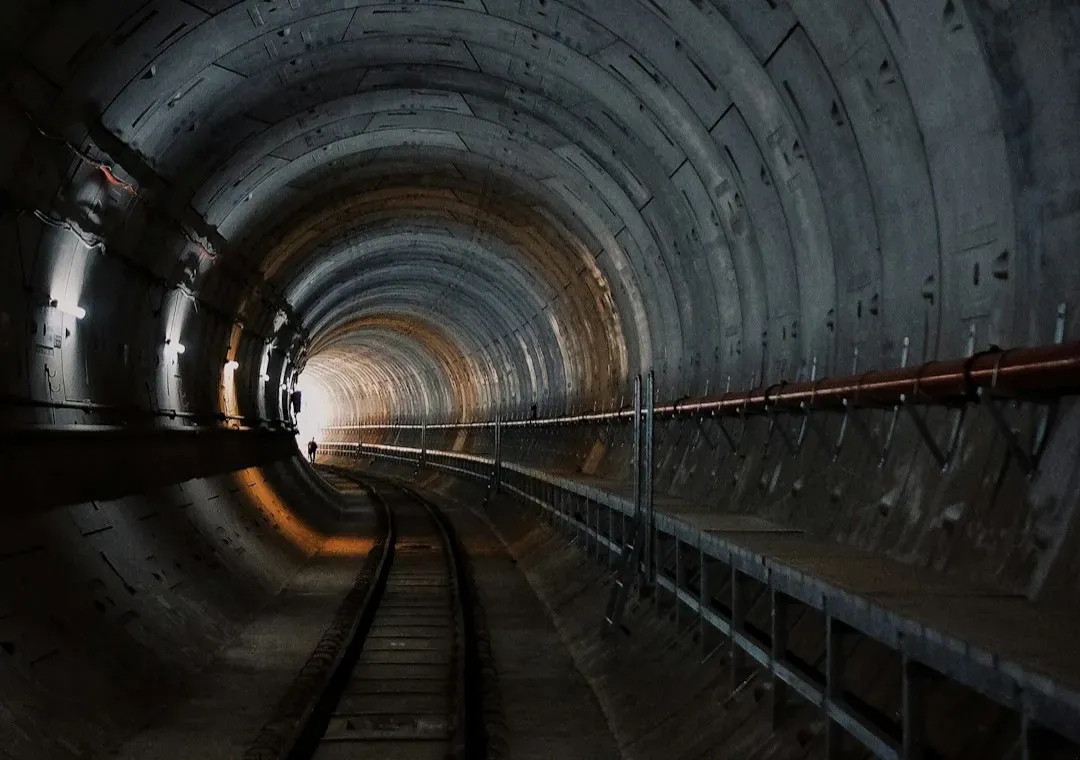
Several American cities began ambitious underground transit projects, ran out of money or political will, and simply sealed the tunnels shut rather than finish or remove them. These aren’t small maintenance shafts – they’re full-scale tunnels large enough for trains, built and then completely abandoned mid-project.
Funding collapsed, wars intervened, or political priorities shifted, and rather than spend more money demolishing expensive concrete bores, cities capped the entrances and paved the streets directly overhead. Urban explorers and city engineers occasionally rediscover these voids decades later during unrelated construction, finding intact platforms, station tiling, and rail bed grading exactly as workers left them. Some of these forgotten systems have been sealed for nearly a century – underground time capsules of transit ambition that never got finished.
It’s an expensive kind of civic amnesia. Next, we go from tunnels to something even harder to believe: entire ships.
#10 – Sunken Ships Were Used as Landfill Under Downtown Streets
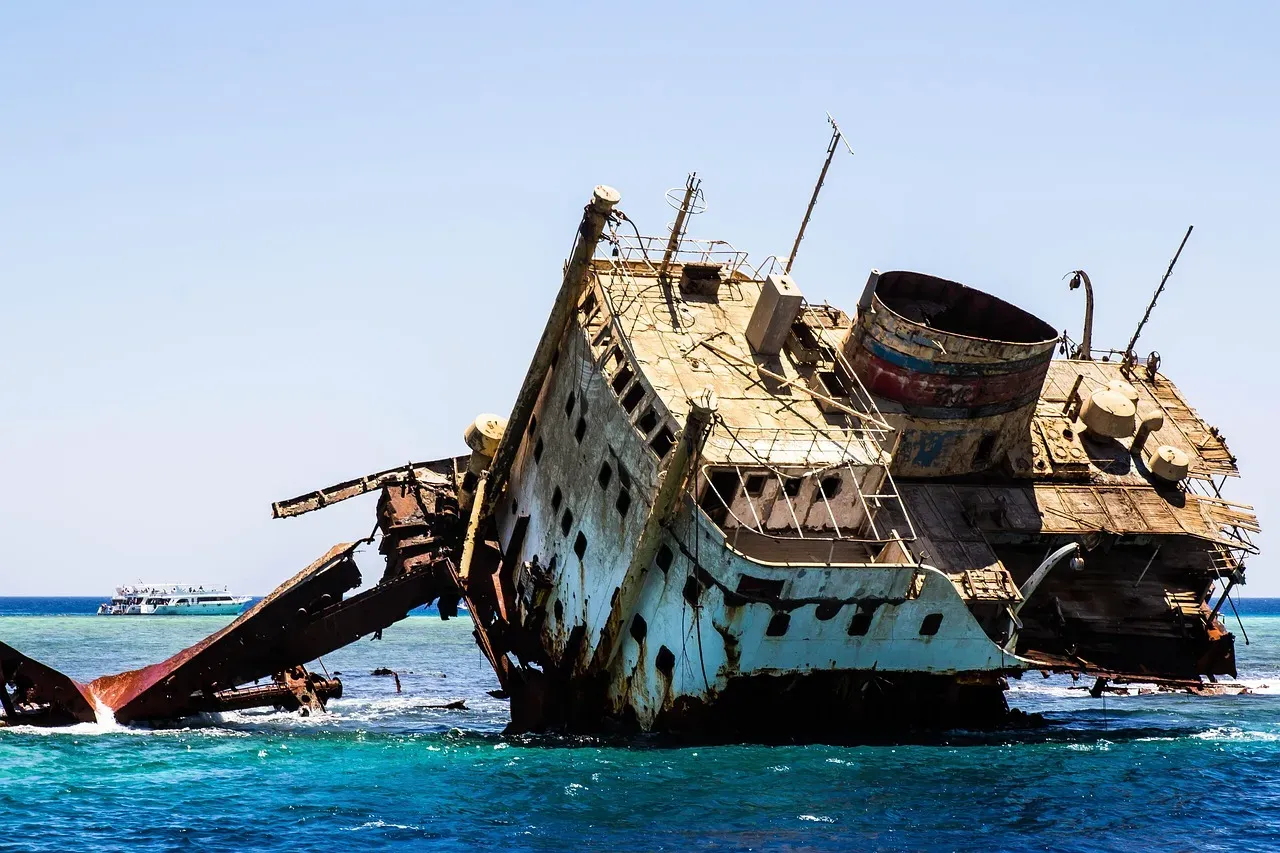
This is the one people refuse to believe until they see the archaeological photos. In several early American port cities, colonial-era wooden ships were deliberately sunk and buried to serve as landfill, extending the shoreline outward to create new buildable land – land that later became city streets.
As lower Manhattan and other harbor cities expanded, builders needed more land faster than natural sedimentation could provide, so they scuttled old vessels, packed rubble and soil around and over the hulls, and built directly on top. Modern excavation crews digging foundations for new towers have literally hit intact ship timbers dozens of feet below street level, forcing entire construction projects to pause for archaeological recovery. The street grid above has no visible connection to what’s underneath, but the hulls are still there, preserved in waterlogged soil the same way old corduroy roads survive.
It’s one of the strangest facts in American urban archaeology – and the story only gets more personal from here.
#11 – Time Capsules Sit Sealed Beneath Monuments, Medians, and Highway Overlooks
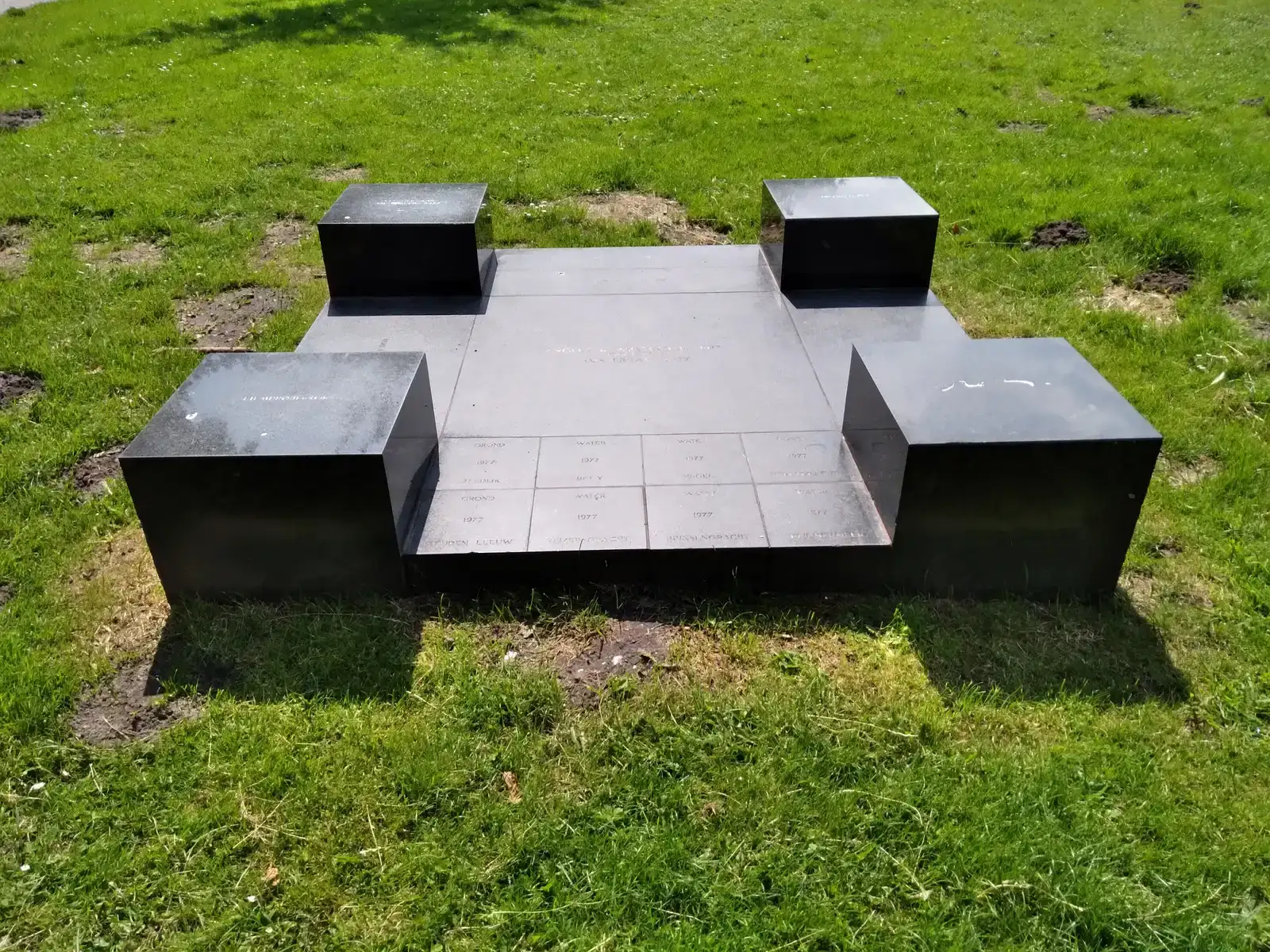
Cities and universities have been quietly burying time capsules under public infrastructure for well over a century, and many are never dug up on schedule – or at all. The 1938 New York World’s Fair Westinghouse Time Capsule was buried in Flushing Meadows Park in 1939, sealed to be opened 5,000 years later, in the year 6939.
Plenty of these capsules sit closer to roads than people realize – Austin alone has multiple capsules tucked into plazas and fountains along its frontage roads, slated for permanent storage rather than recovery. Most people assume time capsules always get opened on schedule; the truth is many simply get forgotten, reburied, or paved over during the next construction project. That’s a rough reality check for anyone who’s ever buried one expecting a triumphant future unveiling.
Worth Knowing
- The Westinghouse Time Capsule from the 1939 World’s Fair isn’t scheduled to open until the year 6939.
- Austin has multiple capsules built into plazas and fountains along frontage roads, meant for permanent storage.
- Many buried capsules are never opened on schedule – some are forgotten entirely once construction moves on.
But one time capsule story is stranger than all the others combined.
#12 – A Confederate Monument’s Time Capsule Got Lost Under the Road Itself
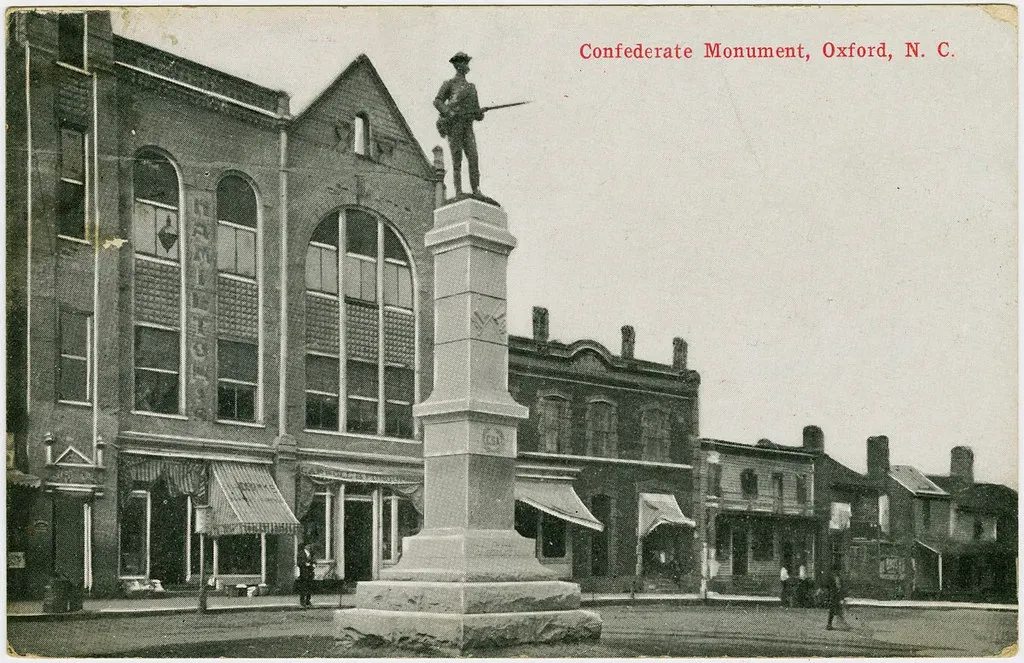
In 2021, Virginia crews learned the hard way that “buried under a monument” doesn’t always mean “easy to find.” Work crews searched for a time capsule believed sealed inside the pedestal beneath a statue of Confederate Gen. Robert E. Lee that had towered over Richmond for more than a century.
After removing a 2,500-pound capstone and a 500-pound lid, crews still couldn’t pinpoint the capsule’s exact location. They brought in ground-penetrating radar and metal detectors, pulled more than half a dozen large stones out of the pedestal, and came up with nothing. The copper capsule, sealed there in 1887, was never found that day – it’s still presumed to be somewhere in that stonework, permanently part of one of Richmond’s most prominent avenues.
Whatever historians in 1887 chose to seal away is, for now, permanently part of the roadside itself. But the single most unsettling thing sealed under American pavement isn’t metal or stone at all – it’s people.
#13 – Forgotten Graves and Entire Cemeteries Lie Directly Beneath Modern Roads
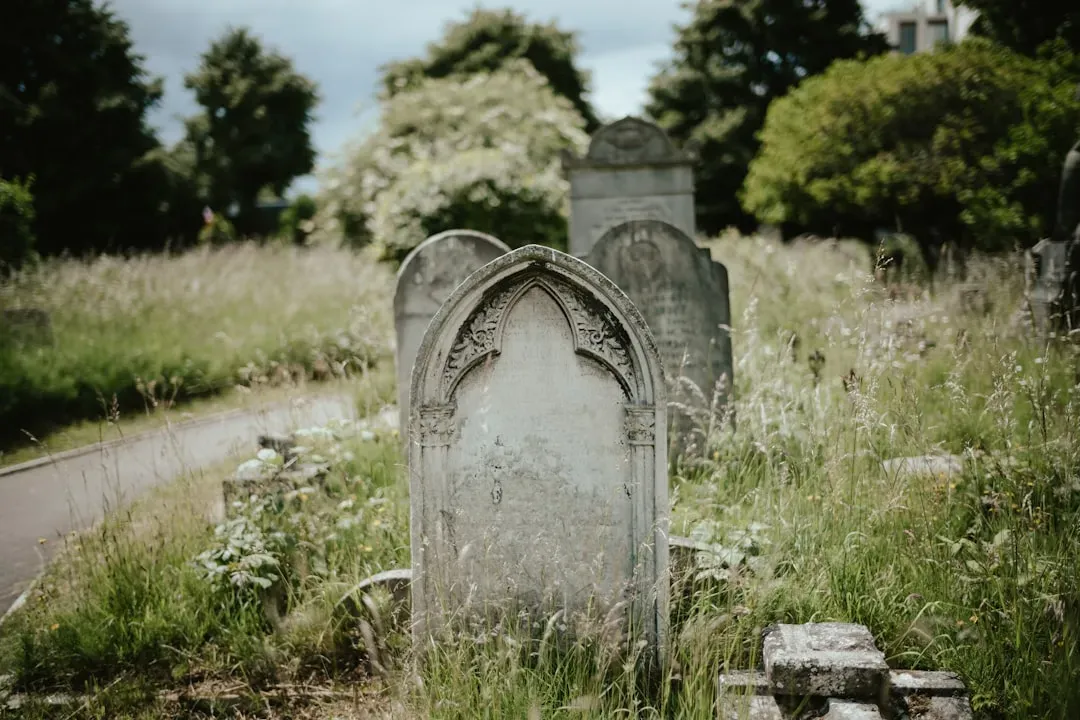
This is the discovery that stops people cold, and it’s far more common across the United States than most residents want to admit. As American cities expanded rapidly through the 19th and early 20th centuries, small family cemeteries, church graveyards, and segregated burial grounds were frequently paved over rather than relocated.
Road crews sometimes knew exactly what was underneath and rerouted around headstones just enough to satisfy the law; other times, remains were simply left in place and asphalt went down directly on top. Modern utility work and road-widening projects still occasionally strike human remains decades or centuries later, forcing archaeologists and city officials into emergency excavation while traffic reroutes around the site. Most people assume this only happened in the distant past – it doesn’t. Construction crews across the country continue to uncover unmarked graves under active roadways today, a genuinely uncomfortable reminder that “paved over” and “removed” have never meant the same thing in American infrastructure.
At a Glance
- Family cemeteries, church graveyards, and segregated burial grounds were frequently paved over instead of relocated.
- Some road crews rerouted just enough to satisfy the law while leaving remains in place.
- Utility work and road-widening projects still occasionally strike human remains today, not just in the distant past.
- Discoveries typically trigger emergency archaeological excavation while traffic reroutes around the site.
The Bottom Line
American roads were never built on empty ground. They were built on top of everything that came before them – rivers, rail lines, ships, cobblestones, time capsules, and even graves, sealed away rather than removed because paving over history was always cheaper and faster than dealing with it properly.
That’s not just an engineering shortcut. It’s a pattern of civic convenience that stretches back centuries and continues today, every time a city repaves a street instead of excavating what’s underneath.
If you ask us, the buried rivers and the unmarked graves are the two facts that deserve far more public attention than they get – one is an environmental time bomb, the other is a moral one. Did we miss something sealed under the road in your own city? Drop it in the comments.