Dinosaurs have captivated the human imagination for centuries, ever since the first fossil hunters started unearthing enormous, mysterious bones from the earth. Most of us grew up with a pretty simple mental image: giant, slow, gray reptiles stomping through a prehistoric jungle. Honestly? That picture couldn’t be further from the truth.
What paleontologists have uncovered over the past few decades has been nothing short of revolutionary. From feathers to family structures, from color patterns to completely misidentified species, the real story of dinosaurs is wildly different from what you probably learned in school. Be prepared to have a few long-held beliefs completely flipped on their head. Let’s dive in.
1. Dinosaurs Didn’t All Live at the Same Time
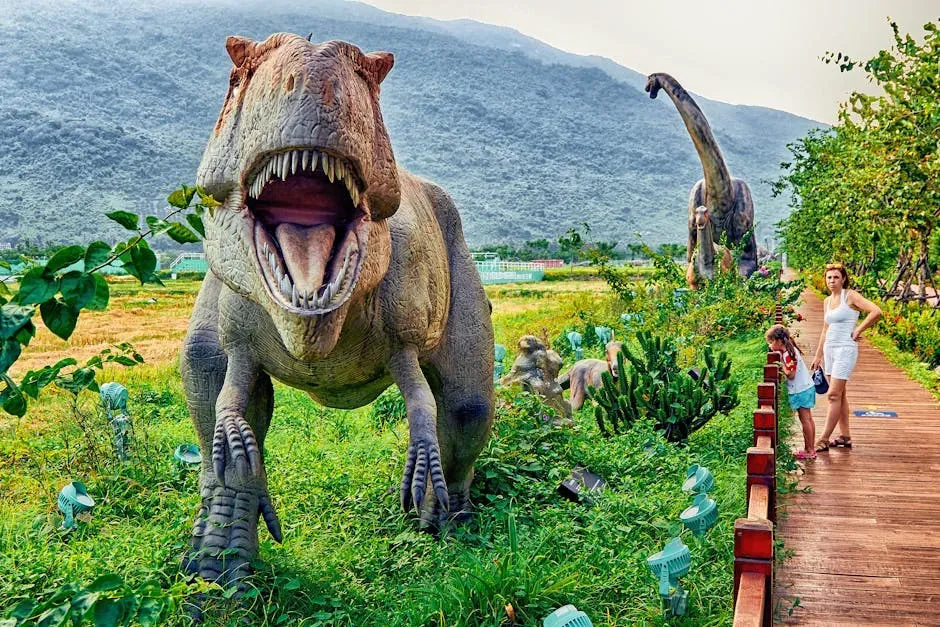
Here’s something that might genuinely blow your mind. Contrary to what many people think, not all dinosaurs lived during the same geological period. Stegosaurus, for example, lived during the Late Jurassic Period, about 150 million years ago, while Tyrannosaurus rex lived during the Late Cretaceous Period, about 72 million years ago. That means Stegosaurus was already extinct for 66 million years before T. rex even walked the Earth.
Think about that for a second. Dreadnoughtus didn’t live at the same time as T. rex, and T. rex didn’t exist with Stegosaurus. Dinosaurs spanned roughly 165 million years, and most of them never saw each other. T. rex lived 66 million years ago and walked among the fossil bones of dinosaurs older than its own fossils. To put that in a human frame of reference, more time separates T. rex from Stegosaurus than separates us from T. rex today. That’s a mind-bending timescale.
2. You’re Looking at Living Dinosaurs Every Single Day
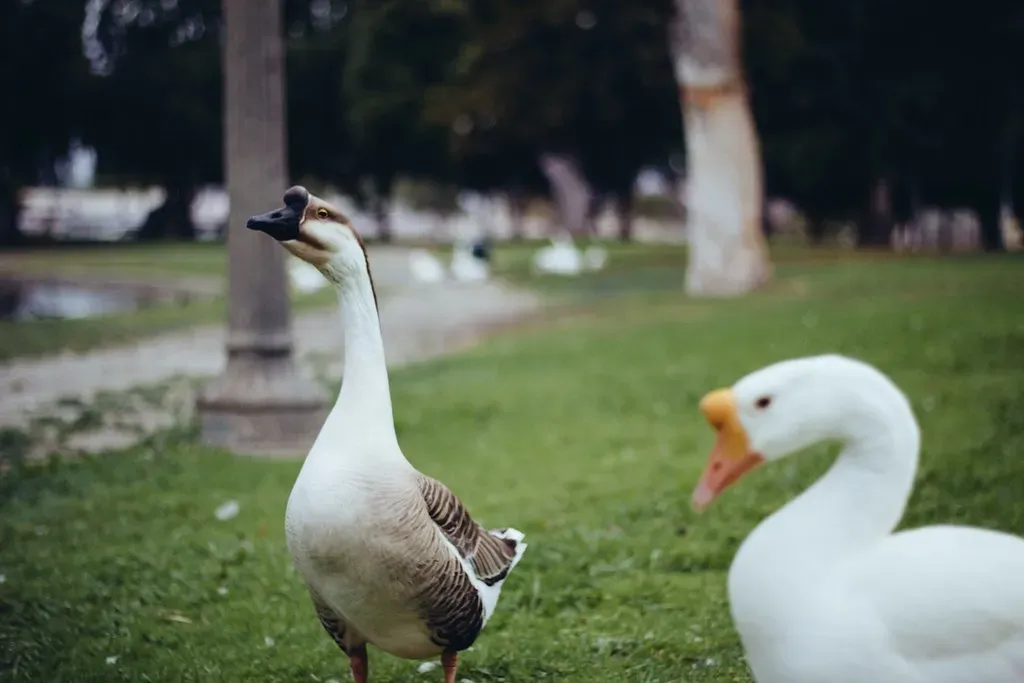
Let’s be real, this one changes everything. Modern birds are a kind of dinosaur because they share a common ancestor with non-avian dinosaurs. That sparrow sitting on your fence, the pigeon strutting across the sidewalk, the eagle soaring overhead – they’re all dinosaurs. Every single one of them.
Birds evolved from a group of meat-eating dinosaurs known as Theropods, and the oldest bird fossils are about 150 million years old, meaning our feathered friends have been around much longer than we have. Fossils from theropod species like Archaeopteryx have shown us anatomical features that closely resemble modern birds, emphasizing that birds are essentially living dinosaurs and reshaping our understanding of how some species survived the mass extinction event. I think that makes your morning birdwatching session considerably more exciting.
3. Many Dinosaurs Were Covered in Feathers, Not Scales
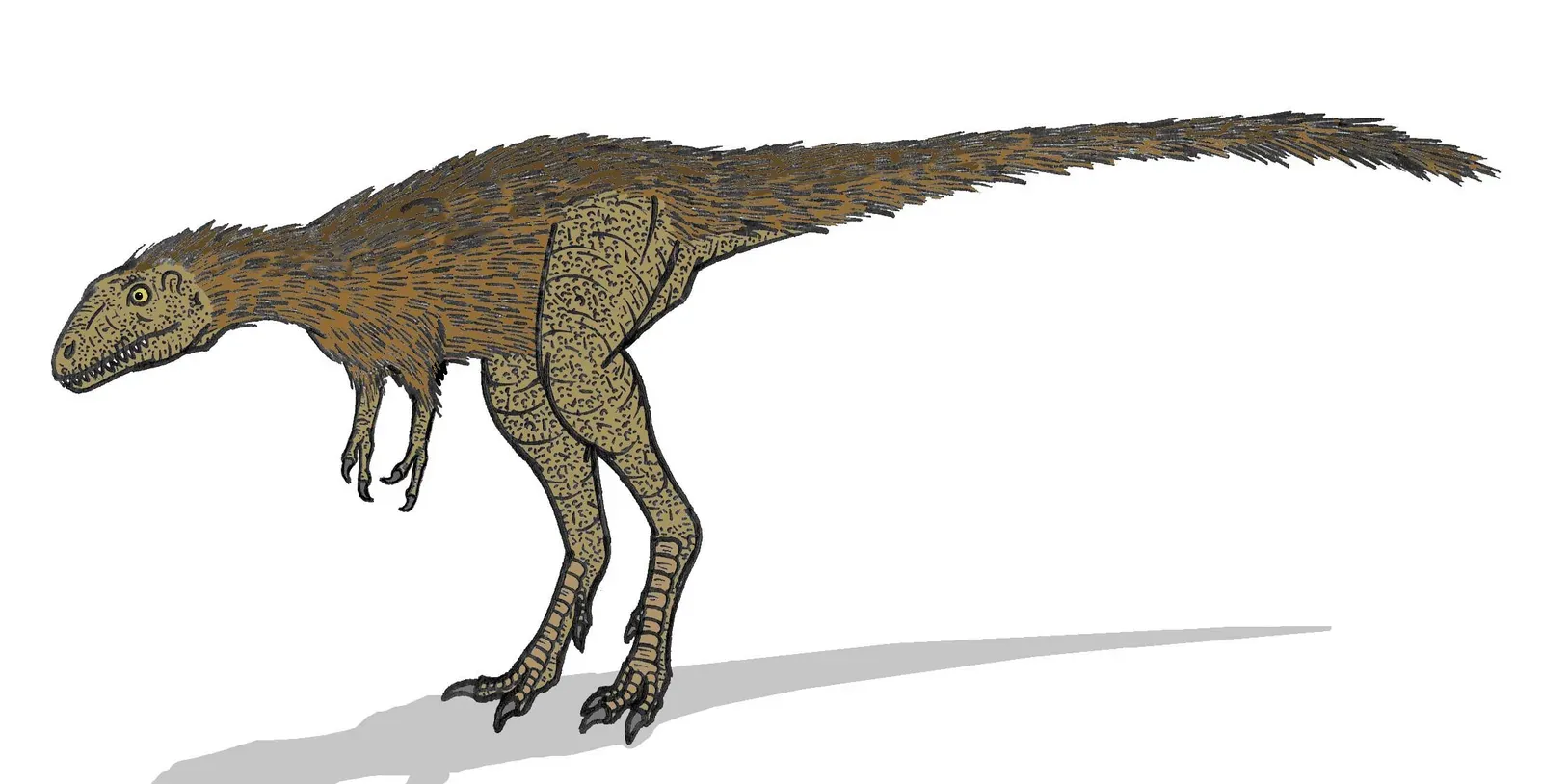
You probably picture T. rex as a big scaly beast, right? Until the 1990s, it was believed that all dinosaurs were covered in large scales, much like today’s reptiles. Since then, more evidence emerged that the group of dinosaurs known as theropods was covered in feathers. Theropods include velociraptors, tyrannosaurus rexes, and the ancestors of today’s birds.
The largest known fully feathered dinosaur, a 30-foot-long T. rex cousin called Yutyrannus huali, likely used its feathers to keep warm, while other species had flight feathers. No bigger than a skinny turkey with a superlong tail, the duckling-like T. rex baby would have hatched covered in a layer of fuzzy, downy feathers. It’s a funny image, isn’t it? The king of the prehistoric world, starting life looking like a fluffy Christmas turkey.
4. Dinosaurs Were Actually Colorful Creatures
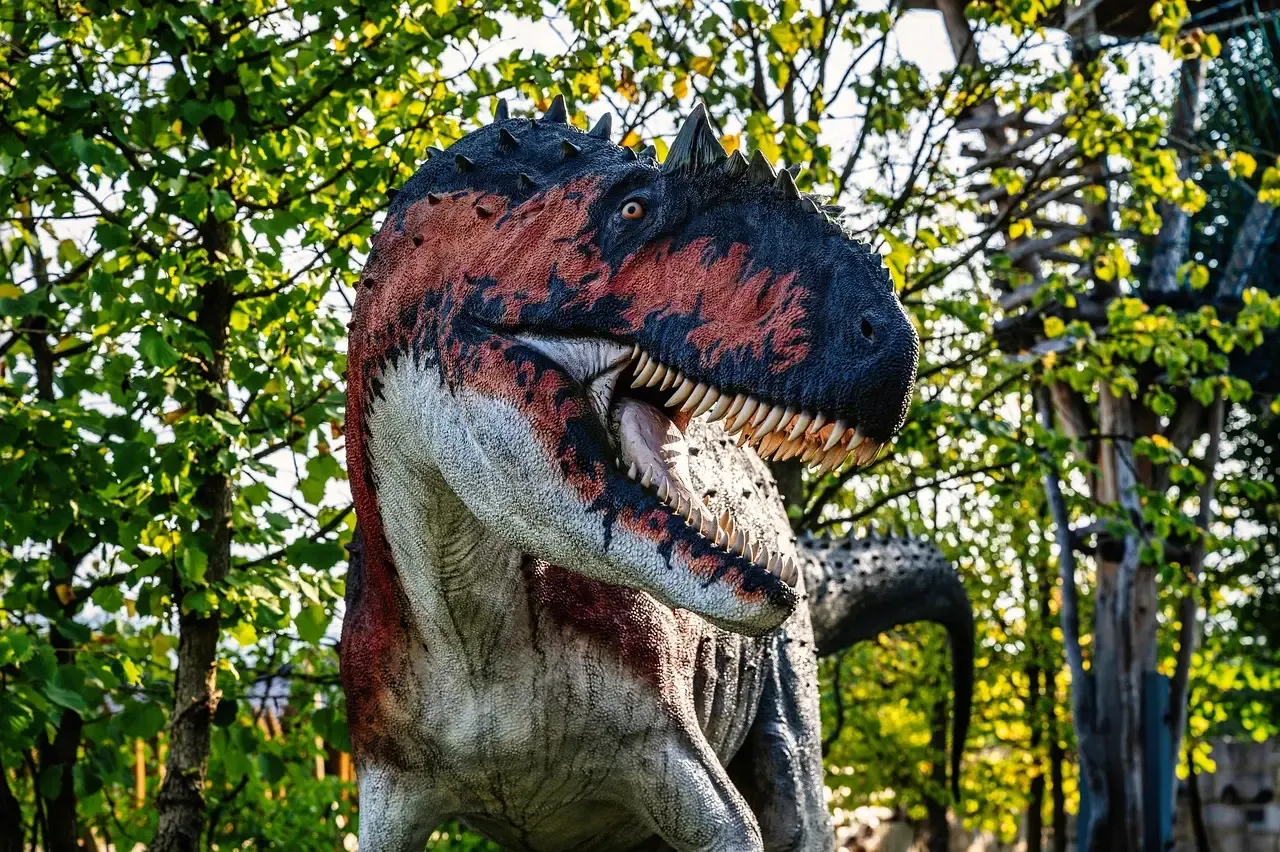
Forget those gray and brown museum reconstructions you grew up staring at. Most pictures depict dinosaurs as gray or brown reptiles, but new research techniques in the last few decades have revealed a colorful prehistoric world. For instance, a turkey-size dinosaur called Sinosauropteryx likely had an orange-and-white striped tail, and experts think a dinosaur named Caihong juji might have had rainbow-colored, iridescent, shiny feathers on its neck and chest.
Even larger dinosaurs were getting in on the color act. From the Jurassic rocks of Montana’s Mother’s Day Quarry, paleontologists uncovered fossils of sauropod skin so delicately preserved that they include impressions of pigment-carrying structures called melanosomes. Some other dinosaur fossils with melanosomes preserved have been reconstructed in color, and researchers detected that one juvenile Diplodocus would have had conspicuous patterns across its scales, suggesting sauropods were not uniformly gray or brown but had complex color patterns like other dinosaurs, birds, and reptiles.
5. The Real Velociraptor Was About the Size of a Turkey
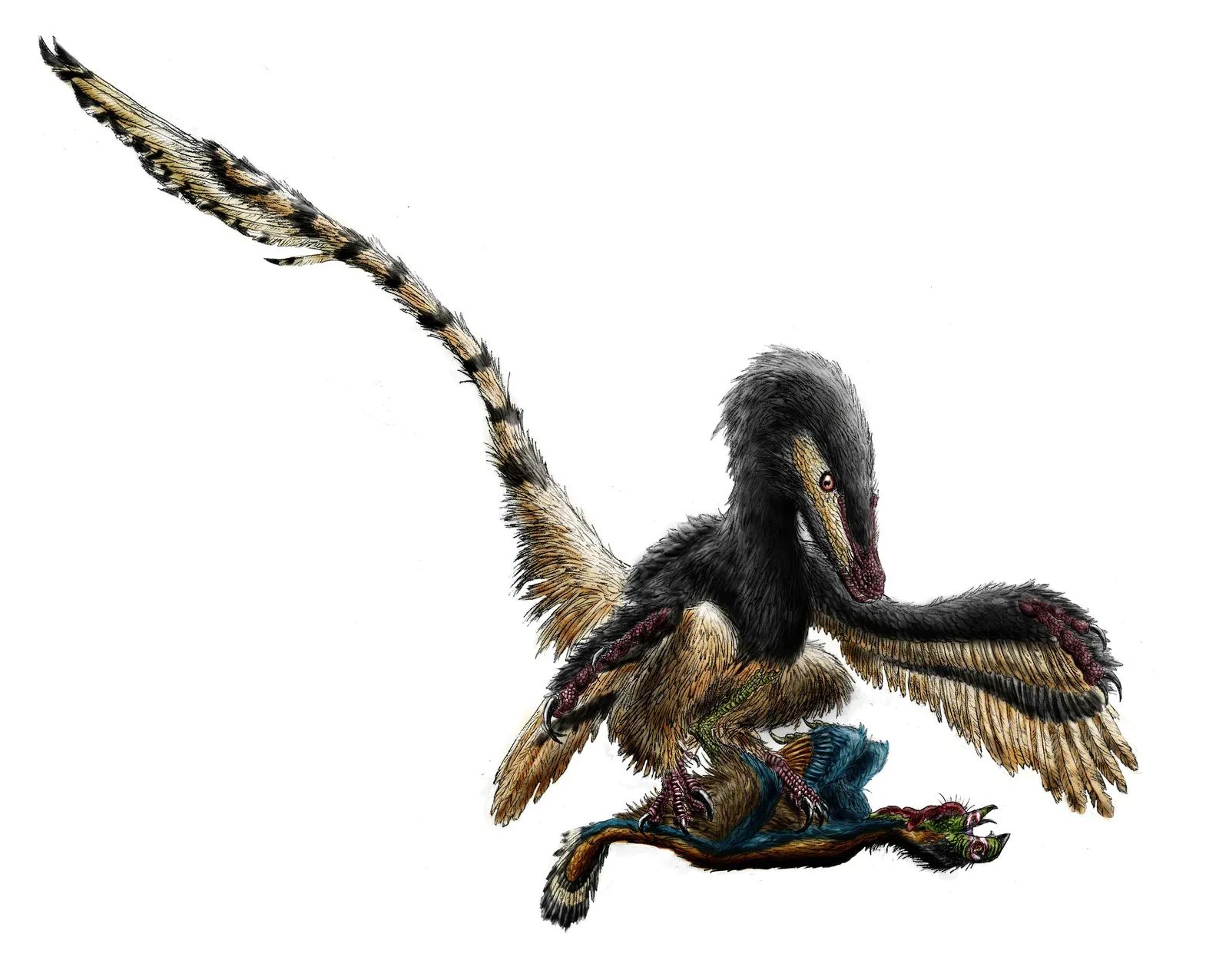
Jurassic Park did velociraptors absolutely dirty. Velociraptors are nowhere near the size they were in Jurassic Park. A velociraptor skull is about six inches long, making them roughly turkey-sized. The size of the velociraptor in Jurassic Park is actually closer to the size of a dinosaur named Deinonychus, which would have been a truly terrible thing to encounter.
A scratch-happy turkey was probably not the look Steven Spielberg was going for, and the dinosaurs in Jurassic Park were actually modeled after Deinonychus, a very similar but much larger beast. So while the real velociraptor would have been alarming enough given its razor-sharp claws, imagine running into its much larger relative instead. Still terrifying. Just for entirely different reasons.
6. Some Dinosaurs Were Remarkably Intelligent
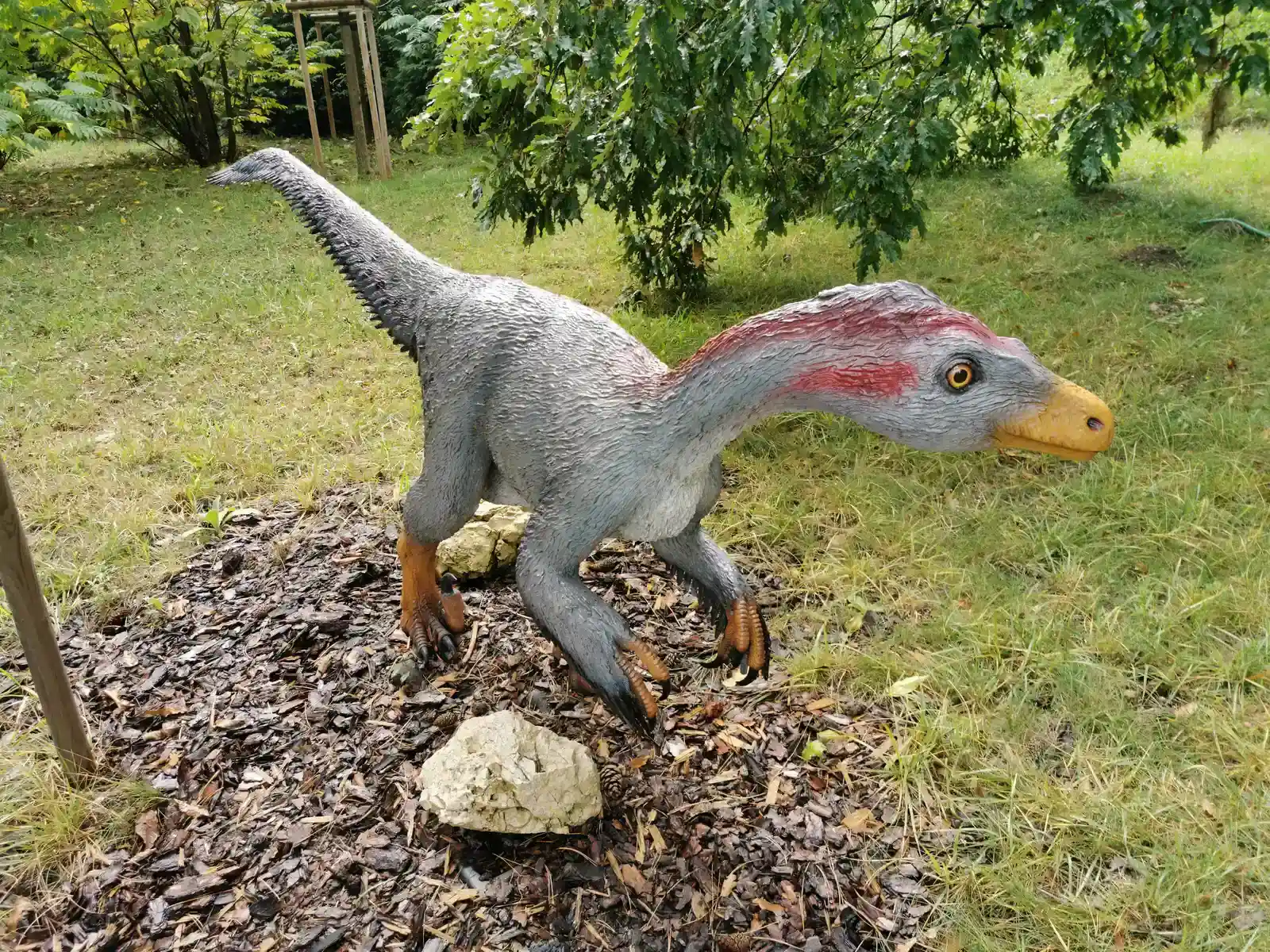
Not all dinosaurs had pea-sized brains. One of the most intelligent dinosaurs was Troodon. It was a hunting dinosaur about 2 metres long and had a brain size similar to that of a mammal or bird of today, stereoscopic vision, and grasping hands. For context, that puts Troodon way ahead of most of its contemporaries in the cranial department.
The Troodon had better vision than most humans and grasping hands it could use as tools, which made it a fearsome hunter. On the other end of the spectrum, Stegosaurus had a brain the size of a walnut, only 3 centimetres long and weighing 75 grams. It’s hard to say for sure what that means for its daily decision-making, but it’s safe to assume Stegosaurus wasn’t solving any puzzles. Think of it as the prehistoric equivalent of the gap between a crow and a goldfish.
7. The T. Rex’s Earliest Ancestors Were No Bigger Than a Human
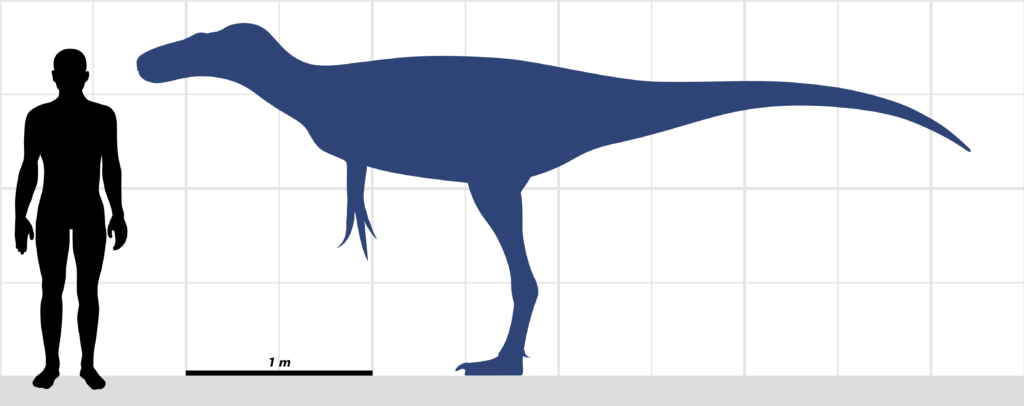
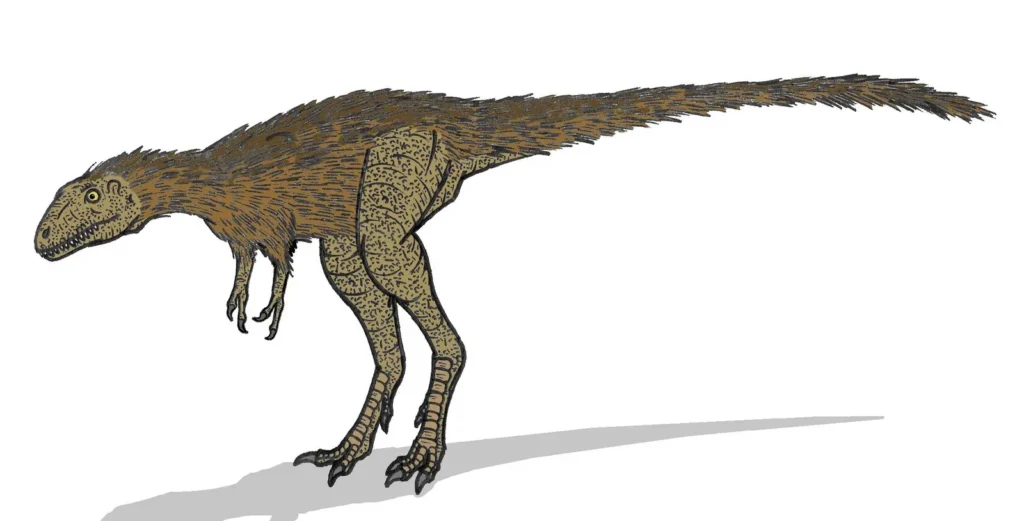
The terrifying tyrant lizard king didn’t start out that way at all. The earliest ancestors of T. rex are believed to have been no bigger than a human, and the discovery of a tiny fossil in North America suggests it took about 16 million years to reach their full evolutionary size. Sixteen million years of gradual growth to become the apex predator we know and fear today.
As the young T. rex grew, the not-so-cute teenage dinosaur would gain almost five pounds a day, eventually topping out around 40 feet long at age 20. That growth rate is almost incomprehensible. Imagine gaining five pounds every single day of your teenage years. It’s like puberty, except way more terrifying and considerably less awkward for everyone involved.
8. Scientists Are Still Discovering New Dinosaur Species at a Stunning Rate
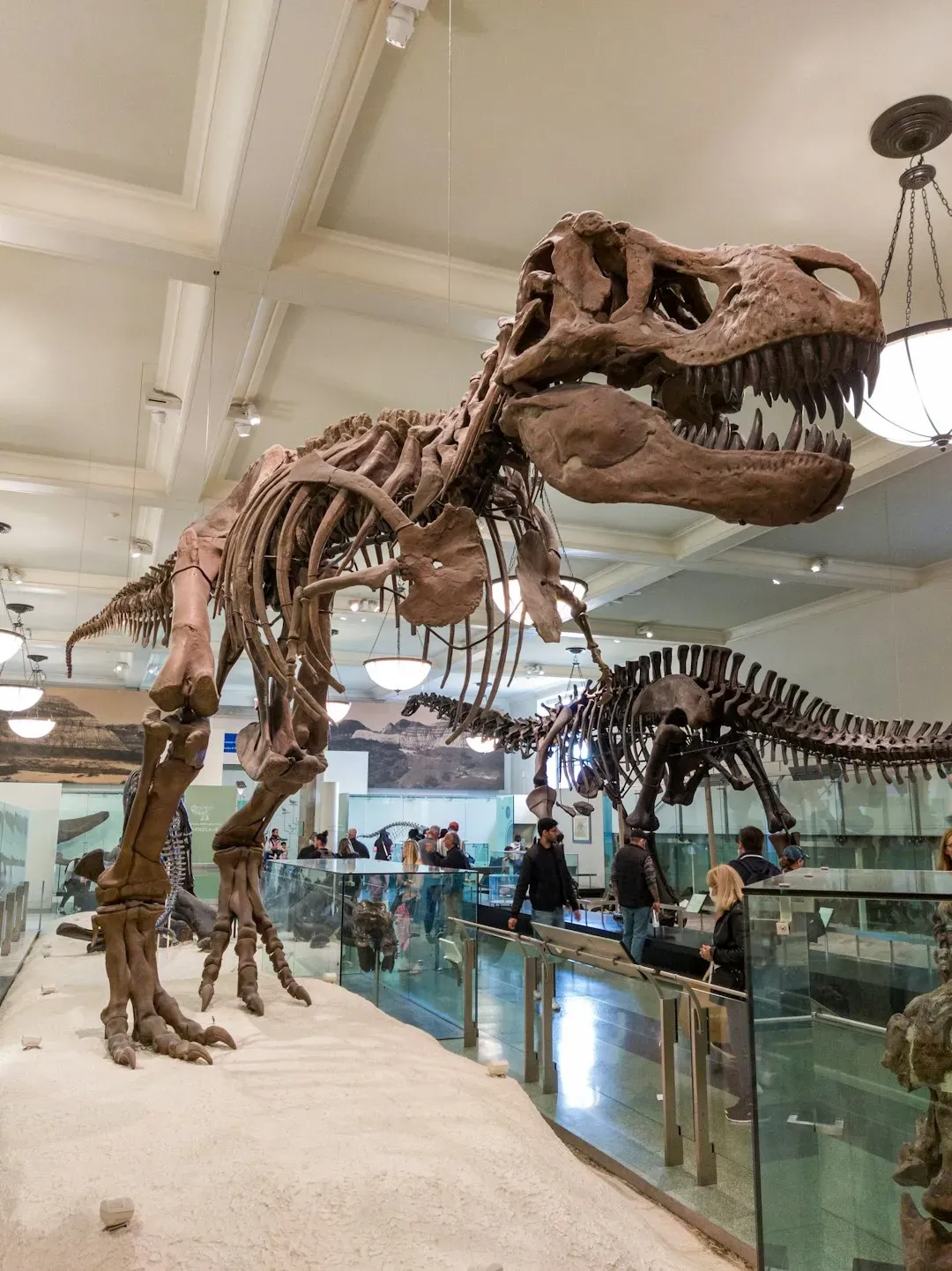
You might assume that after centuries of paleontology, we’ve basically found everything worth finding. You’d be very wrong. Around 1,400 dinosaur species are now known from more than 90 countries, with the rate of discovery accelerating in the last two decades, and the year 2025 alone saw the discovery of 44 new dinosaur species, nearly one a week.
Many new discoveries come from paleontological hotspots such as Argentina, China, Mongolia, and the US, but dinosaur fossils are also being found in many other places, from a Serbian village to the rainswept coast of northwest Scotland. Newly discovered species continue to fill gaps in dinosaur evolution and shed light on historic migrations, while other studies offer new ways to date remains and provide key insights about diets. The golden age of dinosaur discovery isn’t behind us. It’s happening right now.
9. Some Dinosaurs Actively Cared for Their Young
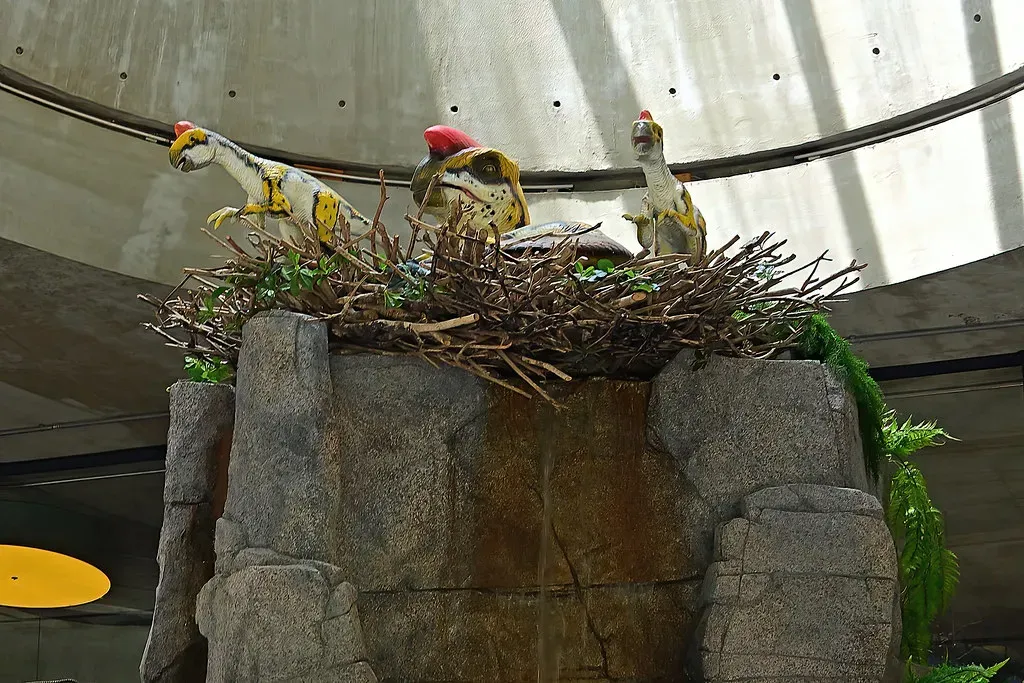
There’s a widespread assumption that dinosaurs were cold, indifferent parents who laid eggs and wandered off. The fossil evidence tells a more touching story. The Gobi Desert in Mongolia yielded a remarkable discovery: a nest of Protoceratops that provided solid evidence that some dinosaur species cared for their young, challenging previous beliefs about dinosaur behavioral ecology.
The discovery of dinosaur eggs and nests provided important evidence for the behavior of some dinosaurs. The feathered dinosaurs shared many similar characteristics of the modern-day bird and may have sat on their eggs to incubate them, adding to the evidence of an evolutionary link between birds and dinosaurs. Some species were nurturing parents long before mammals made it fashionable. That changes how you think about these creatures, doesn’t it?
10. The Argentinosaurus Was an Almost Unimaginable Giant
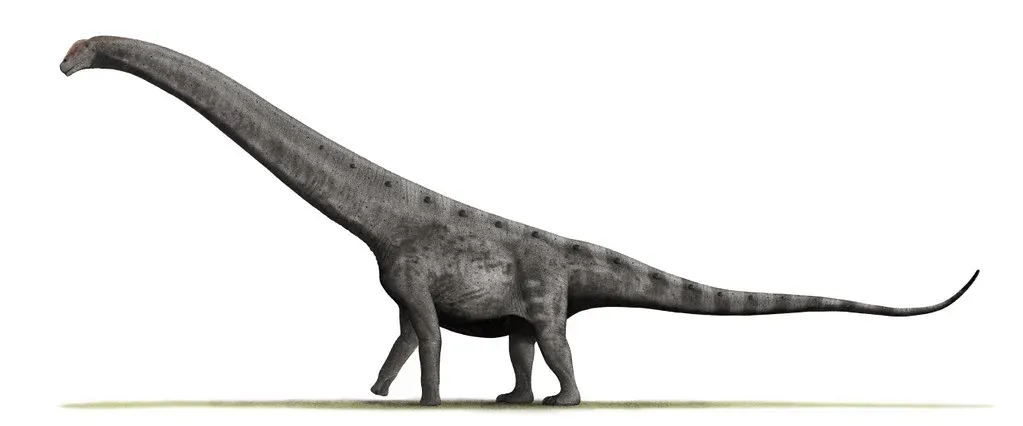
We throw around the word “huge” a lot, but the Argentinosaurus demands a different vocabulary entirely. The longest dinosaur was Argentinosaurus, which measured over 40 metres, as long as four fire engines lined up end to end. It was part of the titanosaur group of dinosaurs, and its remains have been found in Argentina, South America.
The heaviest dinosaur was also Argentinosaurus at 77 tonnes, the equivalent of 17 African elephants. It is both the longest and heaviest dinosaur, making it the largest land animal to have ever lived. Gigantic four-legged long-necked plant-eating sauropod dinosaurs of the Jurassic and Cretaceous periods, such as Brachiosaurus, were the largest animals to ever walk the Earth, weighing up to 70 tonnes. For comparison, if you parked Argentinosaurus next to a modern giraffe, the giraffe would look like a house cat sitting next to a school bus.
11. Some Dinosaurs Swallowed Rocks on Purpose
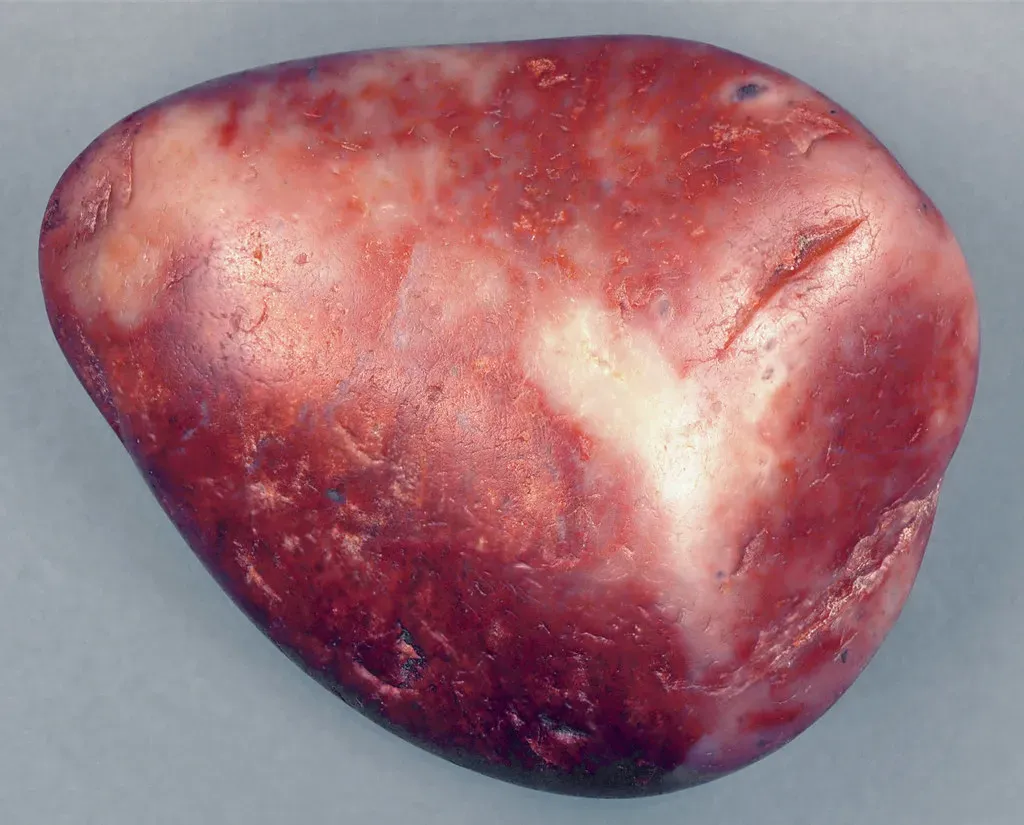
This one genuinely catches people off guard every single time. Long-necked dinosaurs like Diplodocus ingested small stones called gastroliths, most likely to grind up food in their stomachs, much the same way modern birds such as parakeets and chickens do today. So these enormous creatures were essentially carrying a built-in blender in their gut.
The long-necked dinosaurs, such as Diplodocus, had long pencil-like teeth that they used to rake the leaves off branches, and they swallowed those leaves whole. Without the ability to chew their tough plant diet, swallowing rocks became their digestive workaround. It sounds extreme. Honestly, though, it’s a pretty elegant solution when you think about it, like a biological food processor that weighs 70 tonnes and eats entire trees.
12. The Nanotyrannus Debate Was Finally Resolved, and the Answer Is Shocking
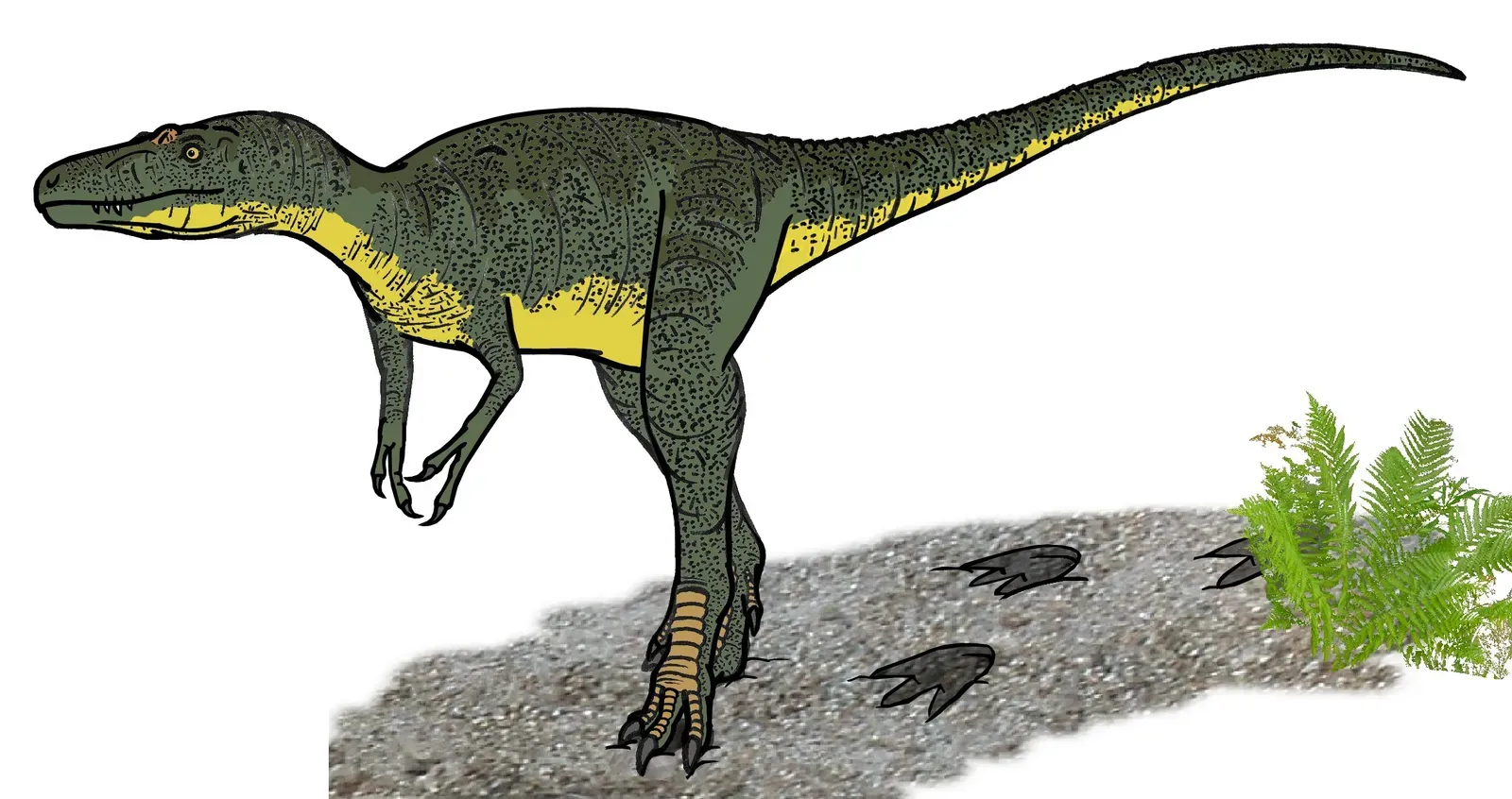
For decades, paleontologists argued fiercely over a single question: was Nanotyrannus a separate species or just a juvenile T. rex? Since the predatory creature was first named in 1988, paleontologists have argued over whether medium-sized tyrannosaur fossils found in the same rocks as the iconic Tyrannosaurus rex were juvenile T. rex or a unique and distinct predator. In recent years, the bulk of the evidence appeared to favor the juvenile T. rex hypothesis.
In October 2025, an analysis in Nature of a specimen nicknamed “Bloody Mary,” one of two creatures in an assemblage known as the “Dueling Dinosaurs,” found enough anatomical evidence to support the conclusion that Nanotyrannus is indeed its own species. Nanotyrannus lived alongside T. rex and likely competed with young T. rex for space and prey. So there was a separate, smaller tyrannosaur hunting in the same territory as T. rex all along. That picture of prehistoric North America just got a whole lot more intense.
Conclusion: The Prehistoric World Is Stranger Than You Imagined
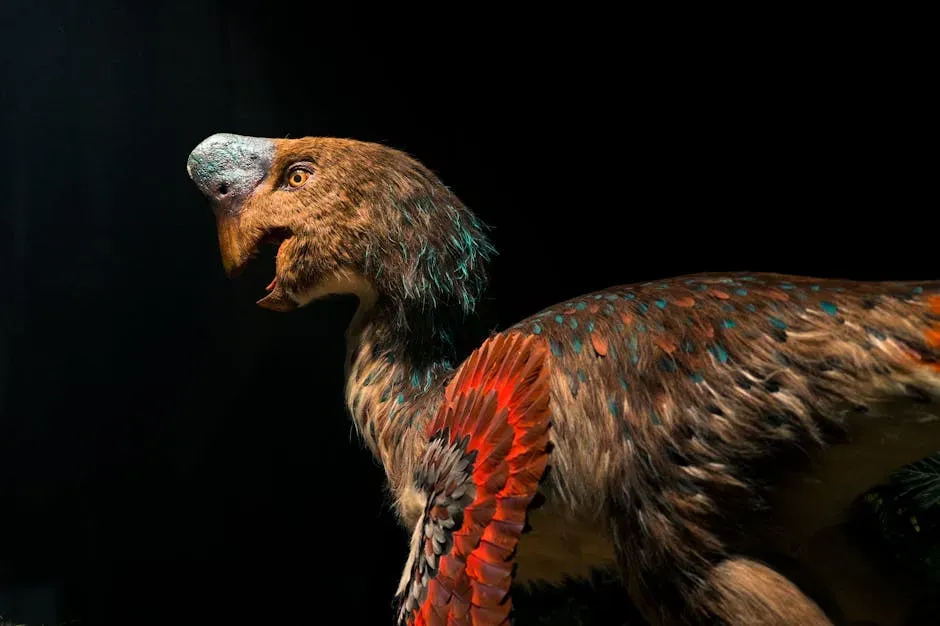
Here’s the thing about dinosaurs: the more you learn, the more you realize how much the popular image has gotten wrong. They weren’t all slow, gray, and simple. They were colorful, feathered, socially complex animals that spanned an almost incomprehensible stretch of time, and the very birds outside your window carry their legacy forward every single day.
In the 200 years since the first formal dinosaur descriptions, we’ve learned more about how dinosaurs evolved, what they looked like, how they behaved, and what eventually became of them, with new fossils and new techniques enabling scientists to delve into their fascinating lives like never before. The golden age of paleontology is still very much in progress. Every new excavation chips away at our assumptions and replaces them with something far more extraordinary.
So next time you watch a bird land on your garden fence, maybe give it a second glance. You’re looking at 66 million years of survival, adaptation, and evolutionary brilliance. What’s the most surprising fact on this list that you never expected? Drop it in the comments below.