
You tend to assume that without computers, steel cranes, and laser levels, people in the distant past were stuck with trial and error. Then you stand in front of a pyramid, an aqueduct, or a megalithic stone that weighs as much as a small jet, and you realize something humbling: they knew exactly what they were doing. Ancient engineers were not guessing; they were systematic, precise, and often shockingly efficient with the simple tools they had.
When you dig into how they worked, you start to see patterns. They leaned on geometry instead of gadgets, on teams of trained workers instead of heavy machinery, and on deep observation of nature instead of instant data from screens. As you explore these twelve ways ancient civilizations mastered engineering, you might find yourself looking at your own toolbox – physical and mental – a little differently.
1. Using Geometry As Your Measuring Tape

If you were building a temple in ancient Egypt or Greece, you would not reach for a digital laser level; you would reach for geometry. You would stretch ropes knotted at regular intervals to form right triangles, using the simple three-four-five relationship to create perfectly square corners. That trick alone let builders lay out straight walls, accurate foundations, and precise city grids without a single metal tape measure.
You would also rely on proportions, not just raw dimensions. Instead of obsessing over exact centimeters, you would design around ratios – like the long side of a rectangle compared to the short side – to create spaces that simply felt right. The beauty is that you can still do this today: a piece of string, a few stakes, and basic geometry can get you surprisingly close to what high-tech surveying tools achieve.
2. Turning Ropes, Levers, and Pulleys Into Heavy-Lifting Machines

Imagine needing to move a stone that weighs more than a fully loaded truck, and all you have are wood, rope, and human muscle. You would quickly learn what ancient engineers knew by instinct: a lever can turn your body into a force multiplier. By putting a long beam under a stone and pushing down on the far end, you would lift something you could never budge with your hands alone.
Once you add pulleys and ramps, your options explode. You could drag huge blocks up sloping earthen ramps, or string ropes through pulley systems so that a team of workers shared the load. The key lesson you would discover is that you are not fighting weight; you are trading distance for effort. By moving a load farther along a ramp, you reduce the force needed at each moment, which is exactly how ancient builders made towering structures rise from the ground.
3. Harnessing Water With Gravity Instead of Pumps
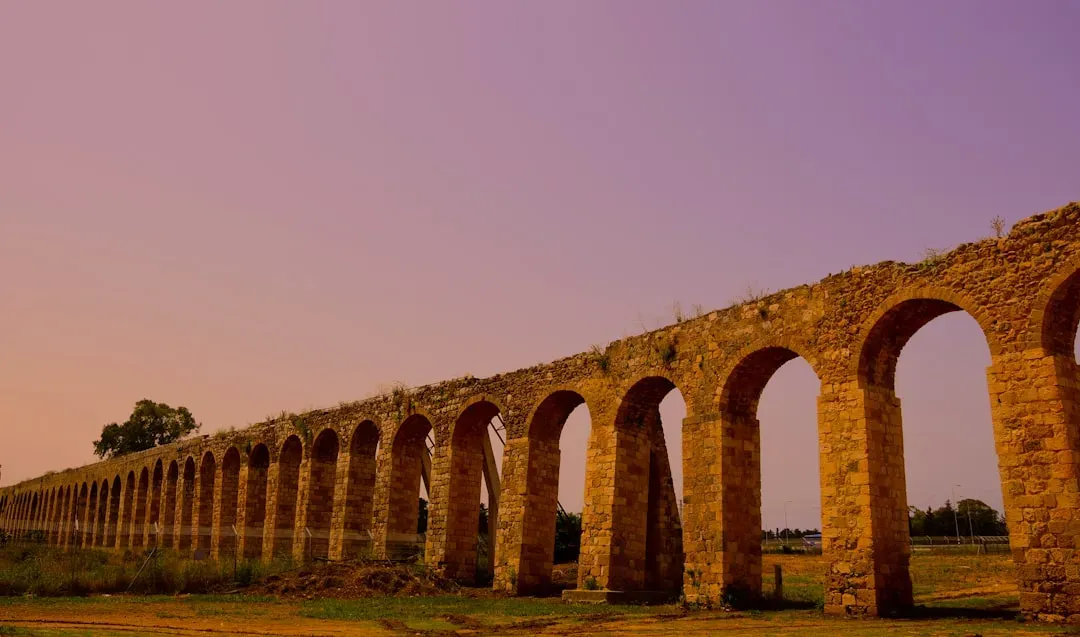
If you were an engineer in an ancient city, one of your biggest challenges would be water: getting it to people, fields, and baths without electric pumps. Your solution would start with something very simple – gravity. You would trace a route from a higher source, like a spring in the hills, down to your city, keeping the slope gentle but constant so the water kept flowing without eroding the channels.
You might then build stone-lined aqueducts, underground tunnels, or clay pipes, carefully adjusting the height along the way. With just a bit of trial layout and some basic leveling tools – like water-filled troughs or plumb lines – you could keep that flow steady over many kilometers. When you watch water run down a gutter today, you are seeing the same principle that once fed massive cities and green valleys without a single powered pump.
4. Reading the Sky to Align Buildings With Precision

You would then use those lines to orient temples, pyramids, or city streets, lining them up with solstices, equinoxes, or important star paths. This was not just about symbolism; a clear sense of direction helped with planning shadows, controlling light inside buildings, and even managing heat. By turning the sky into your measuring grid, you would effectively build with a giant, cosmic reference system above your head.
5. Designing With Modular Blocks Instead of Custom Parts
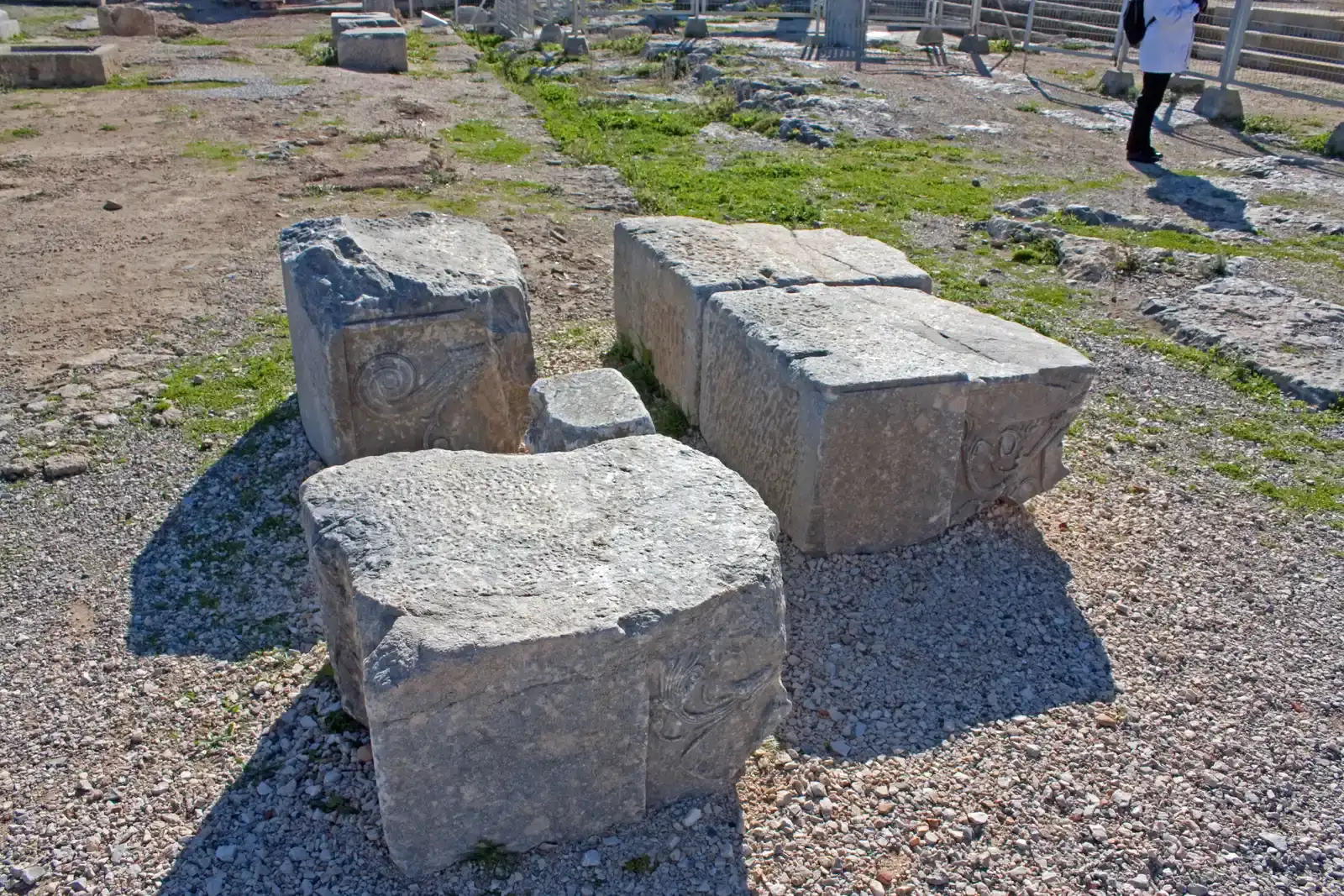
When you walk through a site like an Incan terrace or a Roman structure, you often see repeated shapes: standardized bricks, stones, or blocks. If you were the engineer, you would choose this on purpose. By using modular units – regularly sized pieces – you would make planning, transport, and assembly all far simpler and faster. Workers could learn patterns instead of reinventing steps for every single piece.
This modular thinking let ancient builders scale up quickly. Once crews knew how to lay one segment of wall or vault, they simply repeated it dozens or hundreds of times. You see the same logic in modern construction with prefabricated components, but the core idea is the same: you reduce complexity by repeating a small, well-understood unit instead of crafting every stone as a unique puzzle.
6. Letting Trial, Error, and Tradition Refine Your Designs

Without engineering software or standardized codes, you might expect chaos, but ancient builders had something just as powerful: accumulated experience. If you were in their shoes, you would learn from older structures around you – watching which roofs sagged, which arches cracked, and which walls held firm through floods and earthquakes. Each failure became a quiet lesson written in stone and timber.
Over generations, this turned into a living rulebook. You would copy proportions that survived, avoid shapes that failed, and tweak small details based on what you saw. It is a bit like cooking passed down through a family: nobody reads a lab report, but everyone knows how hot the oven should feel and how the bread ought to look when it is ready. Ancient engineering knowledge worked the same way – embodied, tested, and refined over centuries.
7. Turning Labor Into Precision Through Skilled Craft Guilds
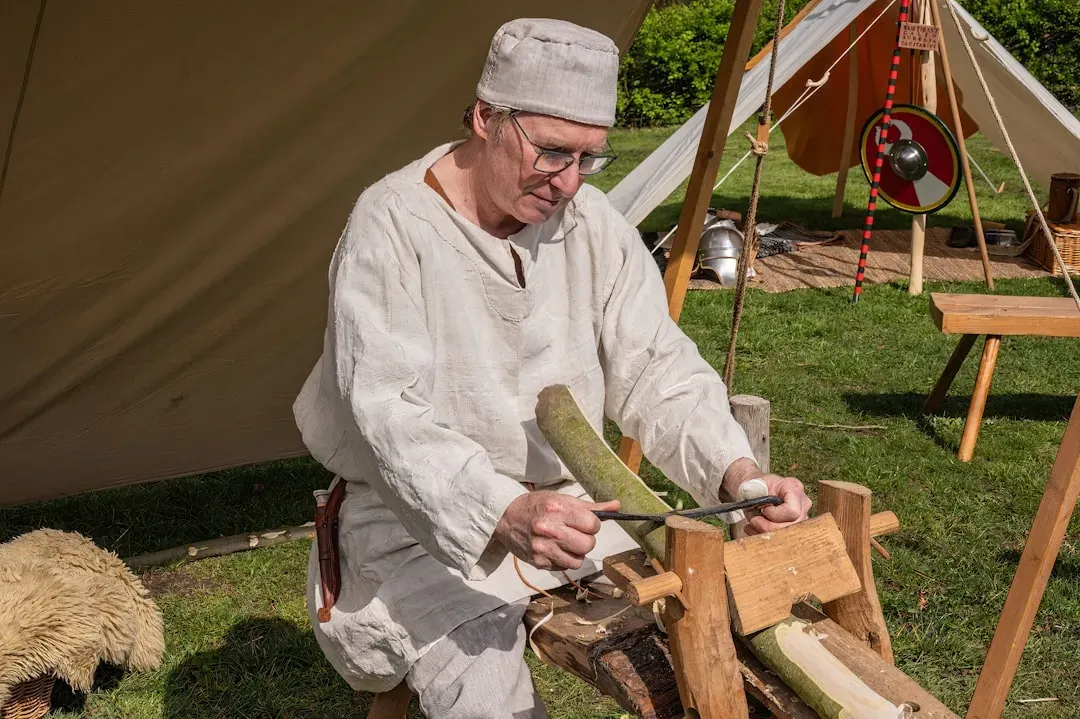
When you picture a pyramid or a massive temple, you might imagine random crowds of workers hauling stones. In reality, if you were directing such a project, you would rely on organized, trained crews. Masonry, carpentry, and stone carving were specialized skills, and workers passed those skills down inside families or guild-like groups. The result was not just muscle; it was practiced accuracy.
You might have one group that prepared stone faces, another that cut precise joints, and another that handled transport and placement. Because each team repeated the same tasks over and over, they became incredibly consistent, even with simple tools. In your own life, you see the same pattern whenever repetition turns an awkward task into something you can do smoothly without thinking twice.
8. Exploiting Local Materials to Their Absolute Limits
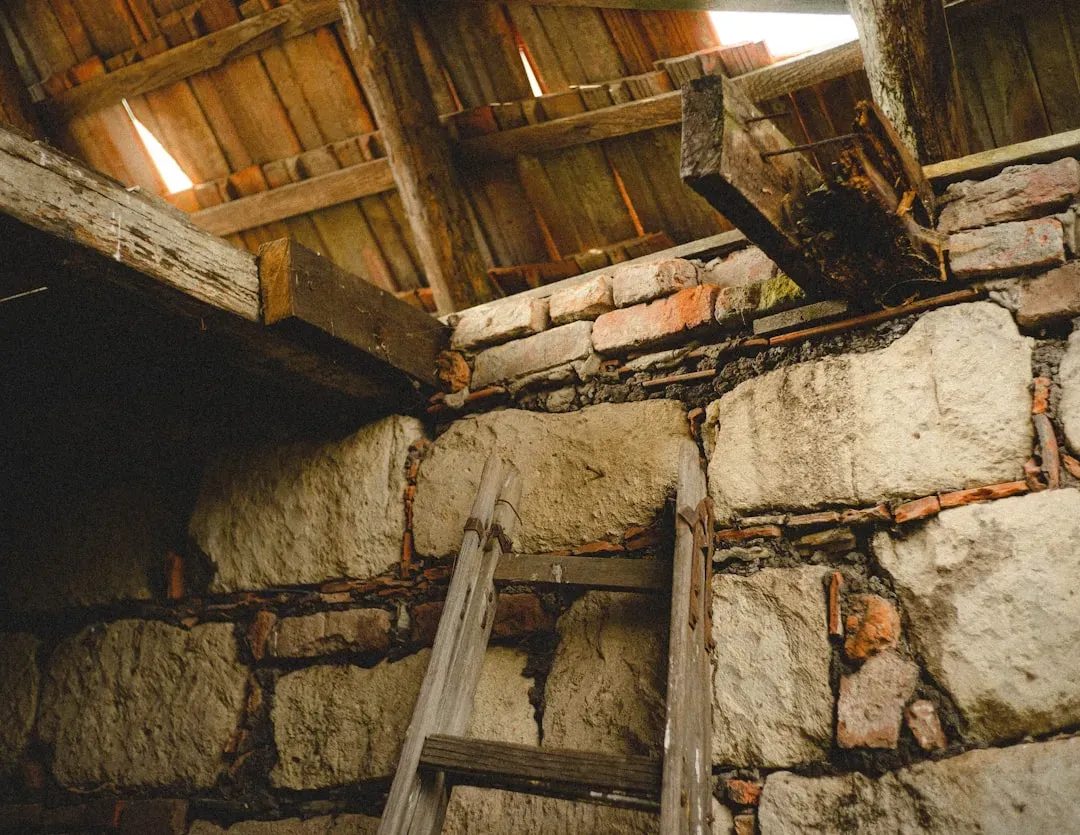
If you lived in a stone-rich region, you would build in stone. If you had easy access to clay, you would lean into bricks and ceramics. Ancient engineers did not try to force a one-size-fits-all material; they pushed whatever was nearby to its maximum potential. That meant learning exactly how far you could span with a wooden beam before it bent, or how tall a brick wall could go before it needed buttressing.
Because you would have grown up around those materials, you would know them intimately. You would feel when a stone had a hidden flaw, judge when timber was properly seasoned, and understand which soils needed stabilizing before foundations went in. Today we often outsource that intuition to lab tests and specs, but the underlying skill – knowing your materials deeply – remains just as critical.
9. Using Simple Tools to Achieve Surprising Accuracy
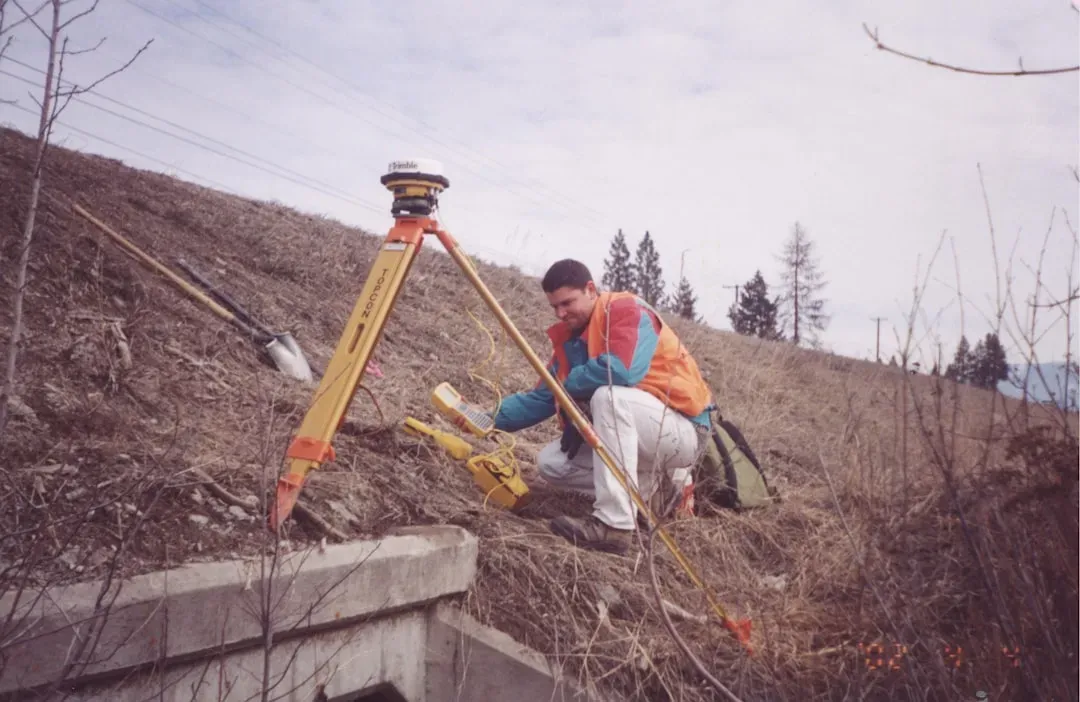
Put a plumb line, a measuring rod, and a sighting frame into your hands, and you might be skeptical about how accurate you could get. Yet with steady practice, you could check vertical lines, compare distances, and align sightlines very closely to what modern devices do in the field. Ancient surveyors did not have electronics, but they had a patient eye and a clear process.
You would likely use water-filled channels or containers to find level surfaces, since water naturally seeks a flat plane. You would set reference points in the ground and constantly re-check them as the work rose higher. Everything would be slower than tapping values into a screen, but the precision could still be remarkable. The main difference is that you would trade speed and convenience for focus and repetition.
10. Shaping the Environment With Terraces, Canals, and Earthworks

Sometimes the smartest engineering move is not a building at all, but a reshaped landscape. If you were managing steep hillsides, you might carve them into step-like terraces, turning unstable slopes into flat growing fields that also control erosion and water flow. Civilizations across the world did this, proving that you can tame difficult terrain with nothing more than shovels, baskets, and sheer persistence.
Similarly, you might cut canals, build embankments, or raise platforms to keep settlements dry and arable land watered. This kind of earthwork is subtle compared to a towering monument, but it may be even more impressive because it changes how an entire region behaves. When you look at road cuts, retaining walls, or drainage ditches today, you are seeing modern echoes of that same quiet, landscape-scale engineering.
11. Planning Massive Projects With Simple Marks and Scaled Models
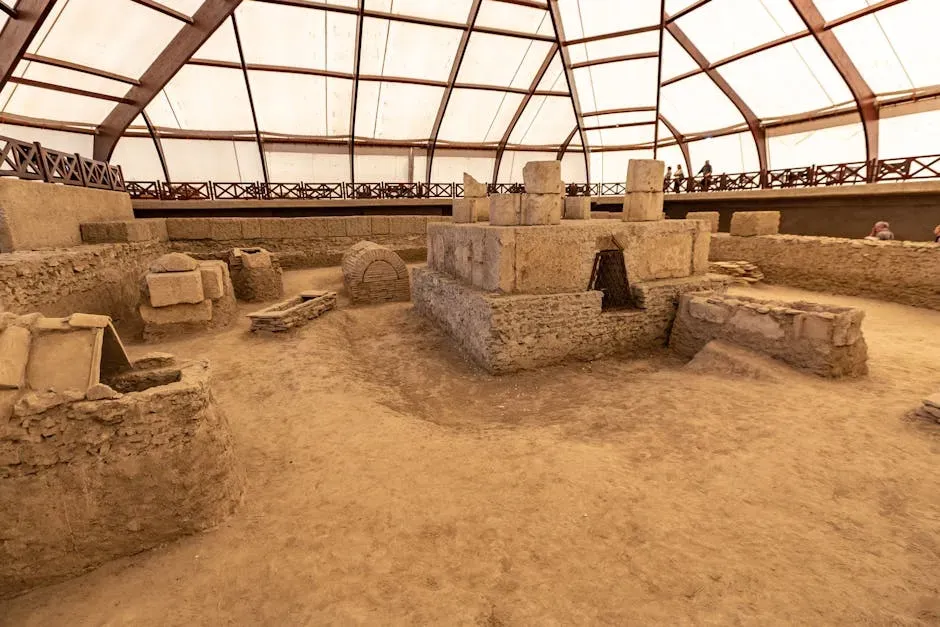
Before an ancient monument rose from the ground, someone had to picture it and communicate that vision. If you were that person, you would sketch with charcoal on walls, scratch plans in the dirt, or carve simple diagrams into plaster or stone. You might even build small models out of clay or wood to show proportions and key details. These low-tech visuals acted like your blueprint set.
On site, you would transfer those ideas to full scale with stakes, cords, and reference lines. By marking out the footprint and critical alignment points, you would give crews a physical plan to follow. It is surprisingly close to how you might rough out a garden or shed foundation today: first a mental picture, then a small sketch, and finally strings and pegs in the actual ground.
12. Building for Maintenance, Not Just for Show
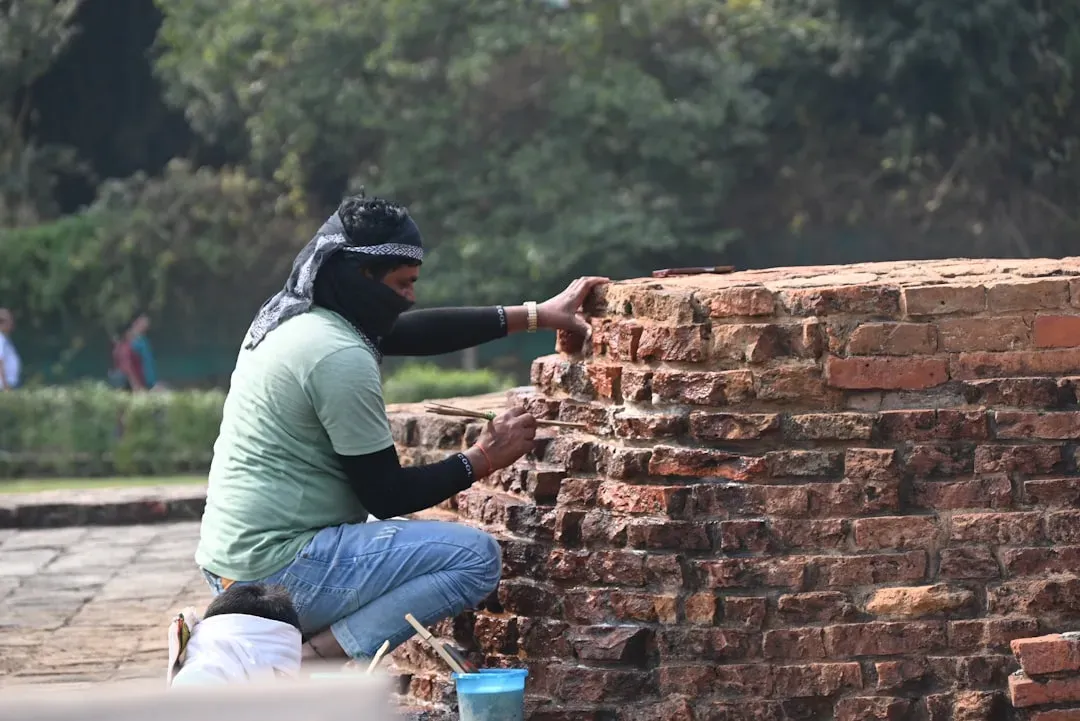
You might assume ancient builders only aimed for grand first impressions, but if you were responsible for water systems, roads, or fortifications, you would think beyond the opening day. You would add inspection shafts to underground channels, leave access points where debris could be cleared, and design surfaces that could be resurfaced or patched without starting from scratch. Longevity was not an accident; it was part of the plan.
Over time, you would see which features made repairs easier and which made them a nightmare, and you would adjust new projects accordingly. That is why some older structures could be maintained for generations while others faded more quickly. When you plan your own projects – whether it is a home renovation or a simple backyard structure – you can borrow this mindset by asking a simple question: how easy will this be to fix later?
Conclusion: What You Can Steal From Ancient Engineers Today

When you put all these pieces together, you stop seeing ancient engineering as primitive and start seeing it as elegantly resourceful. With basic tools, patient observation, and a deep respect for materials and the environment, people created works that still awe you centuries or even millennia later. They did not wait for better technology; they squeezed every bit of possibility out of what they had.
If you take anything from their example, let it be this: you do not need the latest gadget to think like an engineer. You can use geometry when you lay out a deck, pay attention to how water flows on your property, or design a project so future repairs do not become a curse. In your own way, you can approach problems with the same mix of humility and ambition that built the wonders you admire – so which ancient trick will you try first?