
Your mind wields more control over your everyday existence than you probably realize. It’s not some mystical force or wishful thinking. There’s actual science behind the idea that your thoughts, beliefs, and mental habits can shape the world you experience. We’re talking about measurable changes in brain structure, shifts in perception, and even alterations in physical health.
Think about it this way. Two people can go through the exact same situation and walk away with completely different memories and interpretations. One sees opportunity, the other sees disaster. What creates that gap? Let’s be honest, it’s fascinating and a little unsettling how much of your reality lives between your ears. So let’s dive into the mechanisms behind this phenomenon and explore how you can actually use your mind to create the life you want.
Your Brain Generates Its Own Version of Reality
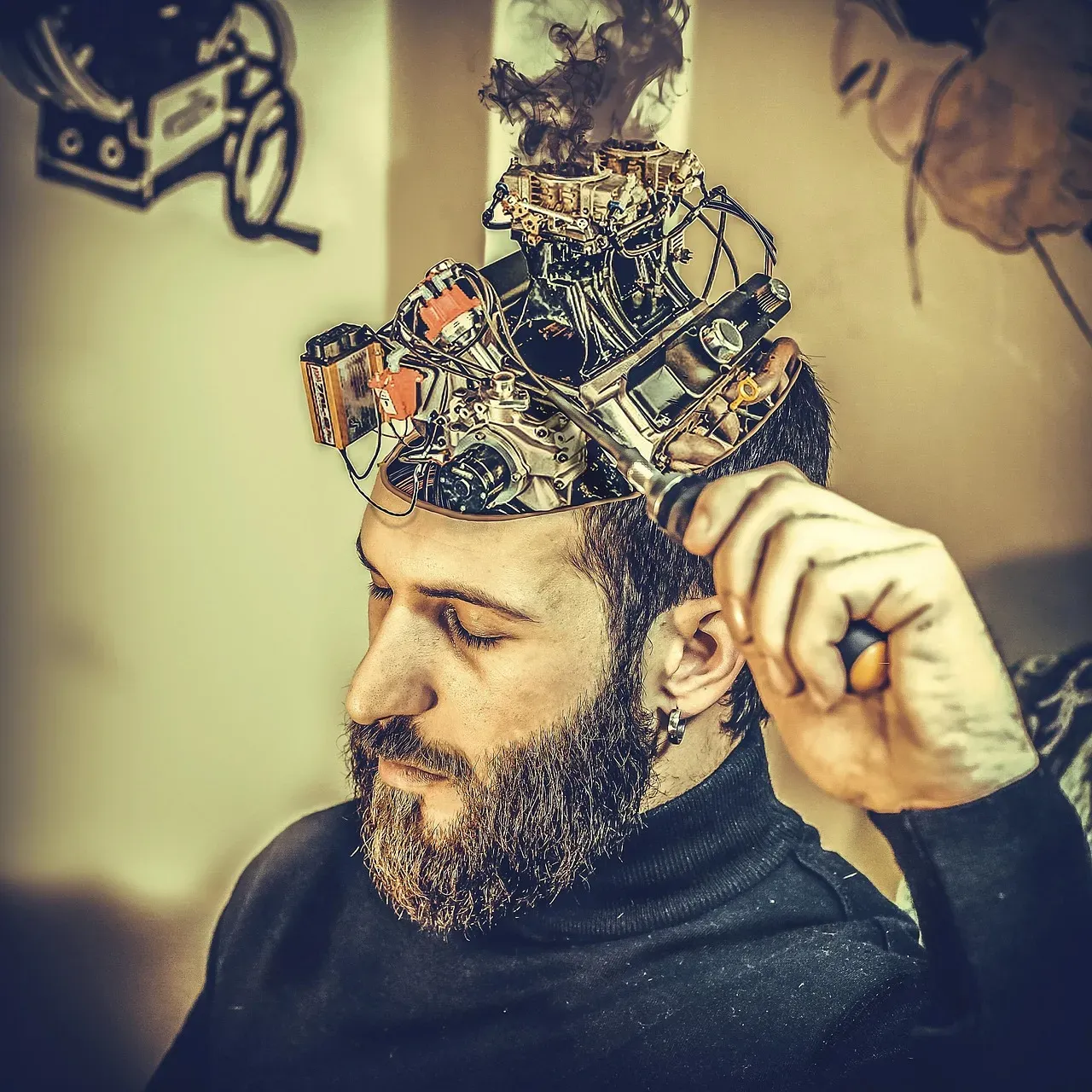
Scientists discovered a “reality signal” generated by a region of the brain called the fusiform gyrus, which is then evaluated by another region to determine whether something is real or imagined. Your brain doesn’t just passively receive information from the outside world. It actively constructs what you experience based on incoming sensory data, past memories, and expectations.
Your perception is like a lens that filters your experiences, influenced by your beliefs, emotions, and past experiences, and this lens can either limit or expand your world. What feels like objective reality is actually your brain’s best guess about what’s happening around you. This construction process means that changing your internal programming can literally change what you perceive as real.
The Placebo Effect Reveals Mind-Body Connection

It’s about creating a stronger connection between the brain and body and how they work together. The placebo effect demonstrates that belief alone can trigger measurable physical responses. Around one third of people taking placebos for health complaints (including pain, headache and seasickness) will experience relief from symptoms.
How placebos work involves a complex neurobiological reaction that includes everything from increases in feel-good neurotransmitters, like endorphins and dopamine, to greater activity in certain brain regions linked to moods, emotional reactions, and self-awareness. Your expectations and the context surrounding treatment activate real healing mechanisms in your body. Depression, pain, fatigue, allergies, irritable bowel syndrome, Parkinson’s disease and even osteoarthritis of the knee are just a few of the conditions that respond positively to placebos. This isn’t imaginary relief. Your mind is genuinely influencing biological processes.
Mental Imagery Reshapes Neural Pathways
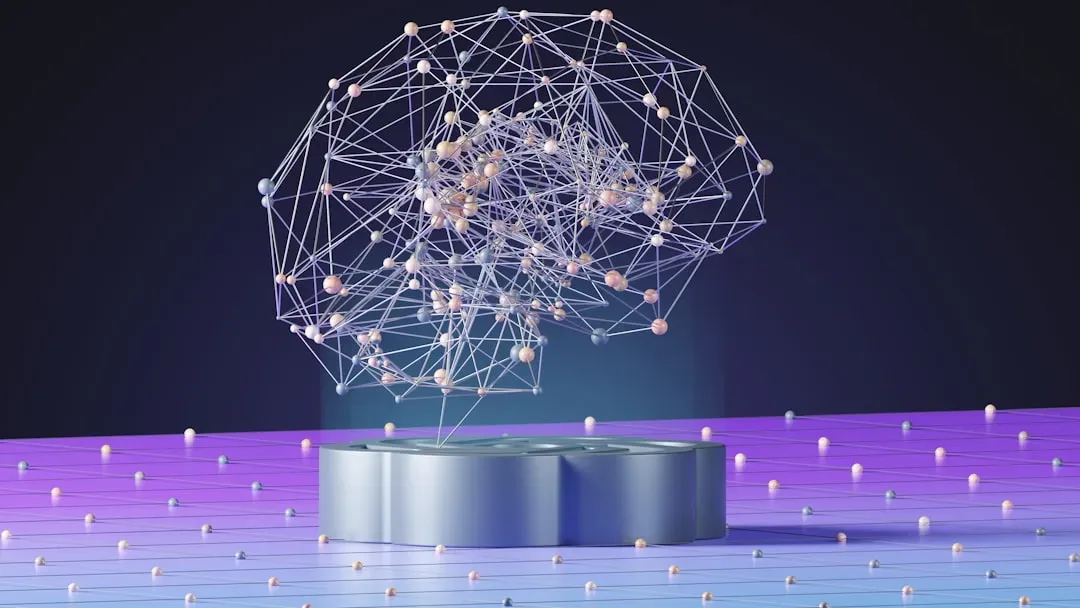
When you vividly imagine performing an action, your brain activates many of the same regions as when you actually do it. When an individual visualizes an action, the brain activates similar neural circuits as if the action were physically happening, and a person imagining themselves playing the piano may stimulate the same motor cortex regions as actually playing the instrument.
Visualization allows for neuroplasticity to take place; it strengthens connections of motor and cognitive pathways. Athletes have known this for years. They mentally rehearse their performances to build muscle memory and confidence. A 2023 study found patients using visualization with multisensory details experienced 40% faster motor skill recovery post-stroke, and combining imagery with conventional treatment creates a powerful synergy. The implications extend far beyond sports into recovery, skill development, and goal achievement.
Your Reticular Activating System Filters Reality
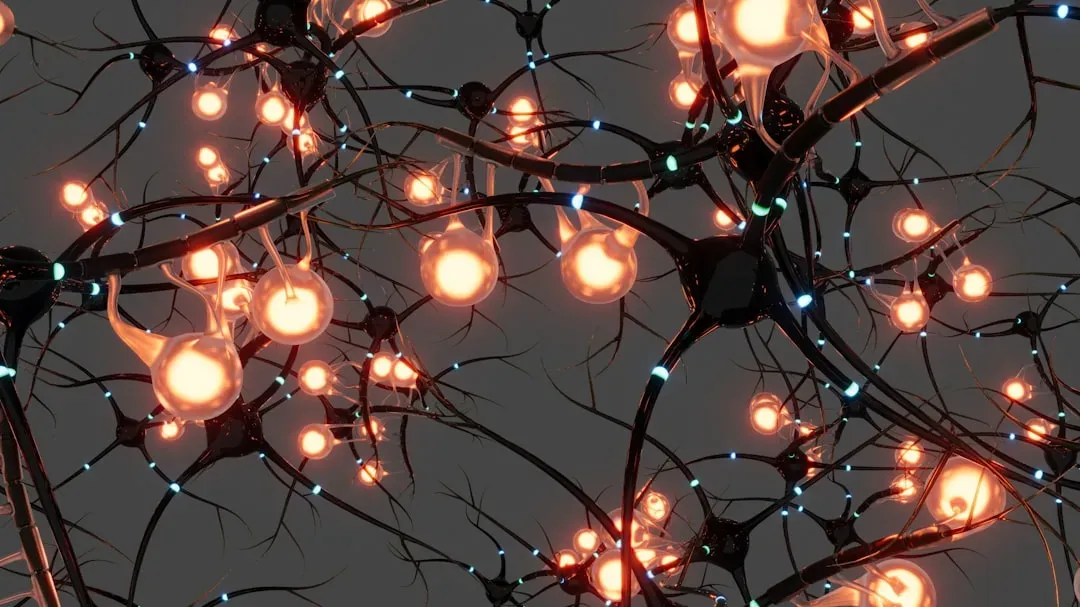
The Reticular Activating System (RAS) is a network of neurons in your brainstem that acts as a filter for all incoming sensory information. Every second, millions of bits of data bombard your senses. Your RAS decides what gets through and lets in what you believe is important, such as when you buy a new car and suddenly start seeing that same model everywhere.
This filtering mechanism is crucial because it shapes what you notice in your environment. By focusing your thoughts and energy on an idea, your RAS highlights related cues in your environment that would otherwise have blended into the background noise of life, and these ‘signs’ are a testament to how your selective attention alters your perception of the world around you, making relevant stimuli more noticeable. The kicker? You can deliberately program your RAS by consciously directing your attention toward specific goals and desires.
Neuroplasticity Means Your Brain Can Change
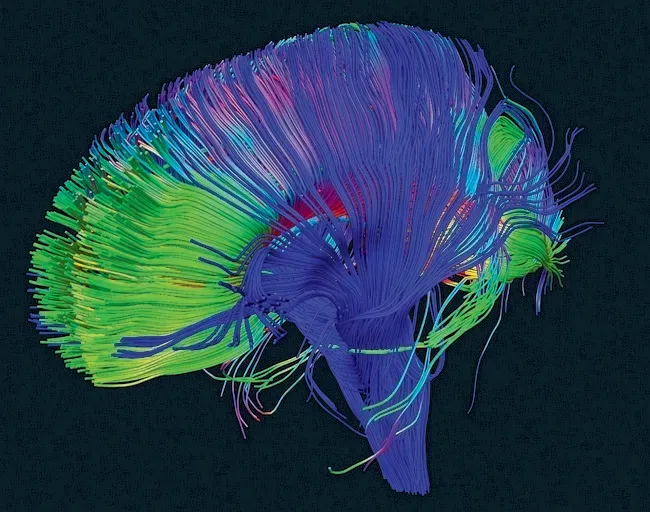
Visualization techniques take advantage of the brain’s ability to change, called neuroplasticity, where ‘plasticity’ means ‘easily shaped or molded,’ and you can create new pathways of neurons and neural networks based on new information and sensory stimulation. This isn’t limited to childhood. Your adult brain remains capable of forming new connections throughout your entire life.
New information and stimulation doesn’t have to be experienced in external reality, but can actually be imagined, and there is very little neurological difference between what you visualize in your mind’s eye and what you see outside of yourself in the world. Every time you learn something new, practice a skill, or change a habit, you’re physically restructuring your brain. The more you repeat a thought pattern or behavior, the stronger those neural pathways become.
Mindfulness Meditation Alters Brain Structure

Regular meditation practice produces measurable changes in brain structure. Mindfulness meditation alters regions of the brain associated with memory, awareness of self, and compassion, according to a brain imaging study by researchers at Massachusetts General Hospital in Boston and the University of Massachusetts Medical School in Worcester.
MRI images showed that meditators had increased concentrations of gray matter in several brain areas, including the hippocampus (a deep brain structure important for learning, memory, and the regulation of emotions) and other regions associated with remembering the past and imagining the future, as well as with introspection, empathy, and the ability to acknowledge the viewpoints of others. Even more impressive, meditation practice reduced the concentration of gray matter in the amygdala, a region associated with fear, anxiety, and stress, and this reduction was correlated with lower stress levels.
Negative Thought Patterns Create Self-Fulfilling Prophecies

Your RAS doesn’t distinguish between positive and negative focus. Just as the RAS can enrich lives by highlighting positive opportunities, it also has the darker propensity to magnify fears and negative thoughts through a phenomenon known as confirmation bias. When you constantly expect bad outcomes, your brain selectively notices evidence that confirms those expectations.
If someone holds a deep-seated belief that they are unlucky in love, their RAS might be finely tuned to notice every small disappointment or rejection, validating their pessimistic outlook, and they might overlook potential positive encounters or affectionate gestures because their brain is focused on confirming their negative belief system, making it a self-fulfilling prophecy. Breaking this cycle requires conscious effort to redirect your attention toward desired outcomes rather than feared ones.
Emotional States Influence Physical Health

Medical research has shown that state of mind plays an important role in the development of disease, stress is known to increase blood pressure, which in turn is a risk factor for heart disease, so just as the mind can contribute to a physical disorder, it can also contribute to its cure. Your thoughts and emotions don’t just affect your mood. They trigger cascades of biochemical reactions throughout your body.
Scientists exploring how the brain responds to stress discovered molecular changes that can influence behavior long after an experience ends, and they identified natural resilience systems that help protect certain individuals from harm. Chronic negative emotions can suppress immune function, increase inflammation, and accelerate aging. Conversely, positive mental states support healing and health maintenance through mechanisms we’re only beginning to understand.
Expectations Shape Your Experiences

A growing body of research has shown that people’s mindsets have measurable physical effects, and people’s expectations to heal and the social context surrounding them, including their relationships with doctors, drive placebo responses where a patient’s health changes without being treated.
Over the past 30 years, neurobiological research has shown that the placebo effect, which stems in part from an individual’s mindset or expectation to heal, triggers distinct brain areas associated with anxiety and pain that activate physiological effects that lead to healing outcomes. What you expect tends to become reality, not through magic, but through subtle shifts in perception, attention, and physiological responses. Setting positive expectations can actually improve outcomes across various domains of life.
Present-Moment Awareness Reduces Mental Suffering

Mindful attention is characterized by acknowledging the present experience as a transient mental event, and mindfulness redirects efforts by observing mental events as transient, or “being present,” and when people focus their attention on the present, they increase psychological distance from sensations, thoughts, and emotions by recognizing them as passing mental events.
Mental events are interpretations or appraisals of external stimuli that are not veridical representations of reality, and in contrast to mindful attention, people often habitually react to events and prolong their influence through mind wandering and self-referential thoughts, expectations, and emotions, while enhancing mindful attention through practice is thought to help one notice and discontinue moments of mind wandering and self-referential thoughts. Much of your suffering comes from dwelling on past regrets or future anxieties. Bringing awareness to the present moment short-circuits these destructive mental loops.
Gratitude Rewires Your Brain for Positivity

A grateful mindset acts as a powerful lever for the Reticular Activating System, orienting it towards the amplification of positivity, and when you practice gratitude, you essentially program your RAS to prioritize and spotlight the good in your situation, no matter how small or inconsequential it may seem, and this constant focus on the positive aspects of life can transform your perception, making you more attuned to moments of joy, kindness, and success that you might otherwise overlook.
Regular gratitude practice creates a positive feedback loop. The more you notice things to be grateful for, the more your brain becomes attuned to finding them. This isn’t toxic positivity. It’s strategic attention allocation. This positive feedback loop enhances overall sense of well-being and satisfaction, and gratitude turns the RAS from a simple filter into an active seeker of joy, enabling you to forge a more optimistic and resilient mindset.
Consistent Mental Practice Creates Lasting Change

You are working towards building new neural pathways that support you in achieving your goal through neuroplasticity, which requires repetitive action, and the more you repeat anything the stronger the neurological synapses for that action in your brain become. Think of learning to drive. Initially, it required intense concentration. Now you do it automatically.
Neurons in your brain can build new synapses just by observing or visualizing, so visualizing or imagining yourself doing a specific task gets your neurons to fire and your brain to build new neural pathways that support that very task or action as if you actually performed it, and these new neural pathways then directly support you in performing that action with more confidence. The key is consistency. Five minutes of daily mental practice beats occasional marathon sessions. Your brain changes gradually through repeated exposure and practice.
Conclusion: Your Mind Is Your Reality Architect

The evidence is clear. Your mind isn’t just observing reality. It’s actively constructing it through neurobiological mechanisms that science is only now beginning to fully understand. From the placebo effect to neuroplasticity, from the RAS to meditation-induced brain changes, the tools for shaping your experience are already at your disposal.
Here’s the thing. This knowledge is useless without application. Understanding that visualization works means nothing if you never actually visualize. Knowing about the RAS is pointless if you keep feeding it negative focus. The power to influence your reality exists, but you have to deliberately exercise it through consistent mental practices.
What aspect of your reality are you ready to reshape? The architecture is already in place. You just need to start using it.