North America holds a past far deeper and more complex than many people realize. Long before European ships crossed the Atlantic, this continent was home to engineers, astronomers, traders, and city builders whose legacies still surface from the ground with startling regularity.
What makes these discoveries so compelling isn’t just their age, though the timescales involved can genuinely make your head spin. It’s what they reveal about the ingenuity, adaptability, and sophistication of the people who came before. Every site rewrites a little more of what you thought you knew.
1. The White Sands Footprints: Humanity’s Oldest Confirmed Steps in North America
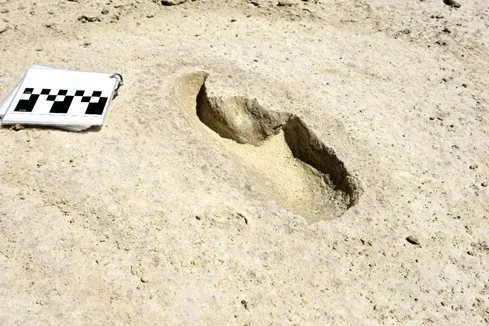
If you were to walk across the pale gypsum flats of White Sands National Park in New Mexico, you’d be treading ground once shared with mammoths, giant sloths, and people who lived during the last Ice Age. In 2021, scientists reported finding 61 fossilized footprints preserved in ancient lake sediment at White Sands National Park, estimated to be between 21,000 and 23,000 years old, making them the oldest known evidence of human presence in North America.
The footprints, mostly belonging to teenagers and children, tell the story of how early North American inhabitants lived. Based on the presence of more footprints from teenagers, scientists believe they were responsible for fetching supplies while the adults performed more skilled tasks, while early children likely made many footprints simply from playing. The debate over precise dating methods continues in scientific circles, but no credible researcher disputes that these prints represent an extraordinary window into ancient human life on the continent.
2. The Clovis Points: Stone Tools That Redefined a Continent
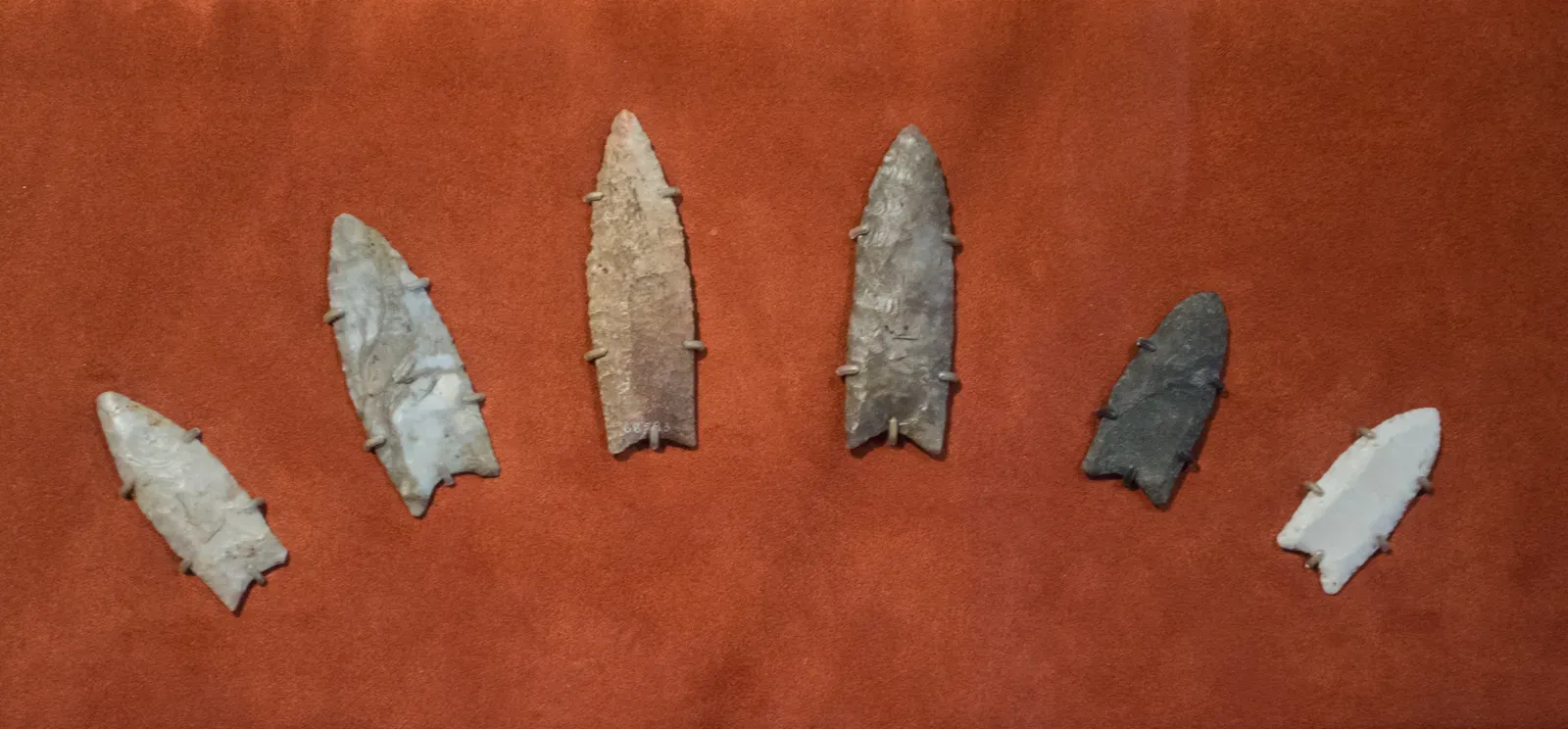
Close to a ravine called Blackwater Draw in eastern New Mexico sits an archaeological site, discovered in 1929, that has shaped our understanding of how the Americas were peopled. The site was called Clovis due to its proximity to a town of that name and, throughout the 1930s, yielded stone artifacts, hearths, and bones belonging to extinct animals including mammoths, showing evidence of butchery. For much of the 20th century, the Clovis people were considered the first humans to arrive in the Americas.
These distinctive spearpoints were chipped from stone into finger-long projectiles, now known as “Clovis points,” and were found associated with animal bones. According to the Clovis First theory, people crossed from Siberia into North America just over 13,000 years ago via the Bering Land Bridge, a mass of land that emerged when the last ice age lowered sea levels, and spread across the Americas. Subsequent discoveries have complicated and largely challenged that theory, but the Clovis site remains the baseline against which all pre-Columbian North American archaeology is measured.
3. Cahokia Mounds: A Pre-Columbian City Larger Than London
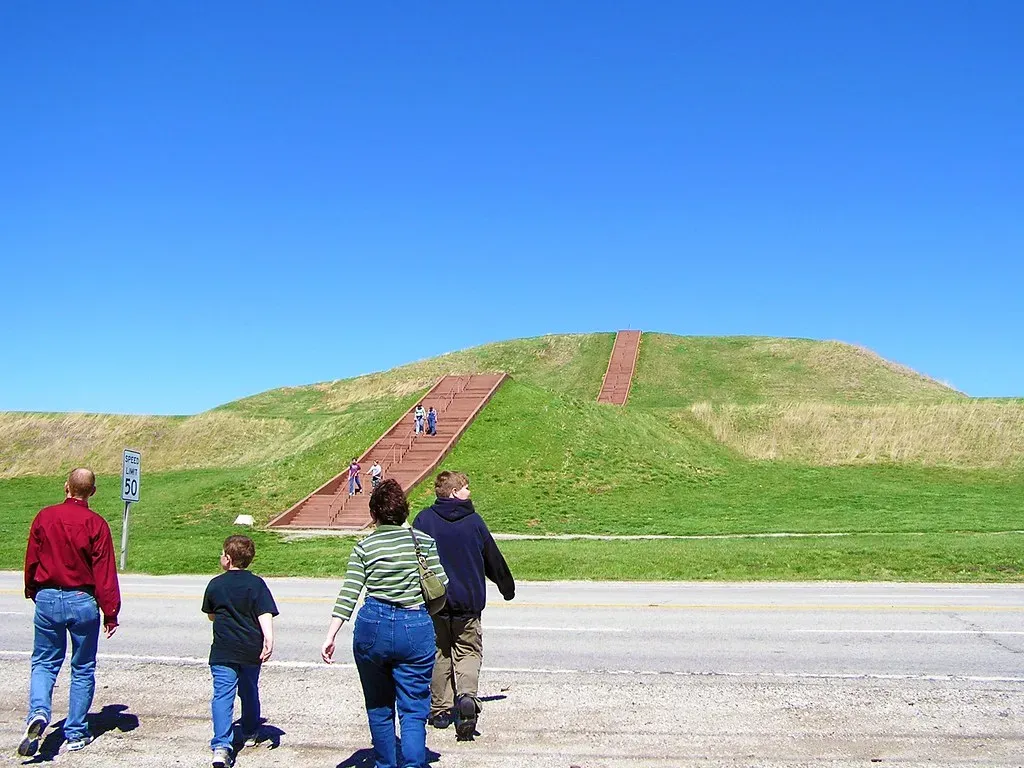
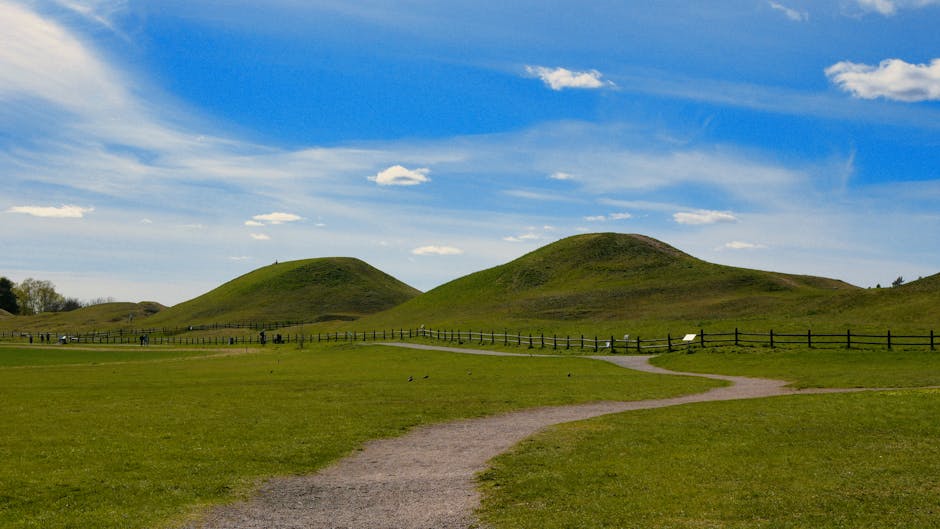
At its apex around 1100 CE, the city of Cahokia covered about 6 square miles, included about 120 earthworks in a wide range of sizes, shapes, and functions, and had a population of between 15,000 and 20,000 people. Cahokia was the largest and most influential urban settlement of the Mississippian culture, which developed advanced societies across much of what is now the Central and Southeastern United States, beginning around 1000 CE.
With a population between 10,000 and 30,000 in its heyday from A.D. 1050 to 1200 and a sprawling assortment of homes, storage buildings, temples, cemeteries, mounds and other monuments, the ancient Native American city known as Greater Cahokia was the first experiment in urban living in North America. A gradual decline in the Cahokian population is thought to have begun sometime after 1200 A.D., and two centuries later the entire site had been abandoned, with theories including climate changes, war, disease, and drought. Its disappearance remains one of North America’s most haunting unsolved puzzles.
4. Poverty Point: The Hunter-Gatherers Who Built an Engineering Marvel
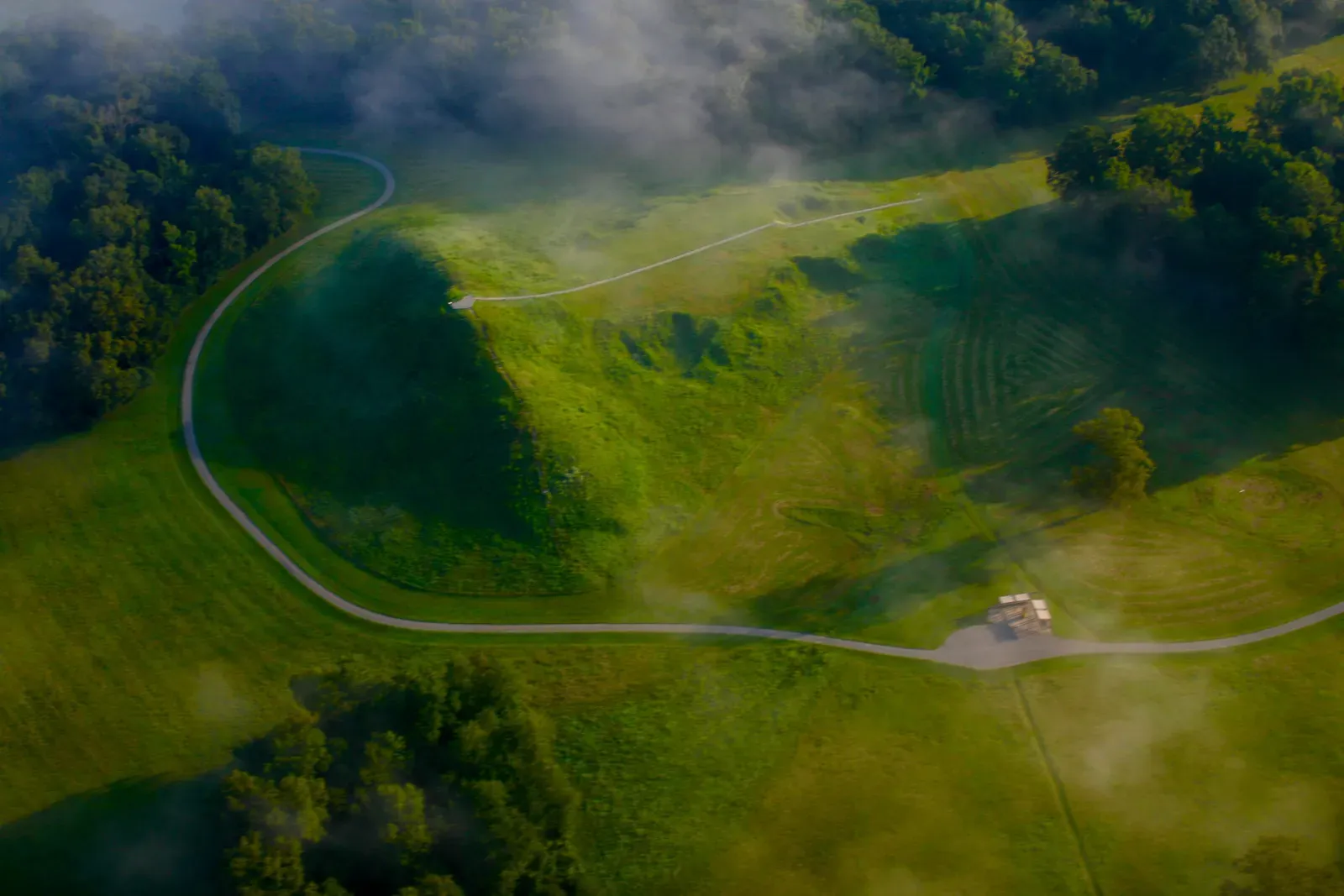
Poverty Point is a remarkable 3,400-year-old archaeological site in Northeast Louisiana. In addition to its monumental earthworks, the site is known for a dizzying array of artifacts made of materials that were not locally available. Tons of stone were transported over great distances by way of the Mississippi River system to make into tools and ornaments. What makes this even more staggering is who built it.
The site was the major political, trading, and ceremonial center of its day in North America, and the people who built and lived at the site did not raise crops but instead lived by hunting, fishing, and gathering wild food, making their accomplishments even more astounding. It was created and used for residential and ceremonial purposes by a society of hunter-fisher-gatherers, and is a remarkable achievement in earthen construction in North America that was unsurpassed for at least 2,000 years. It became a UNESCO World Heritage Site in 2014.
5. Cactus Hill, Virginia: Rewriting the Story of the First Americans
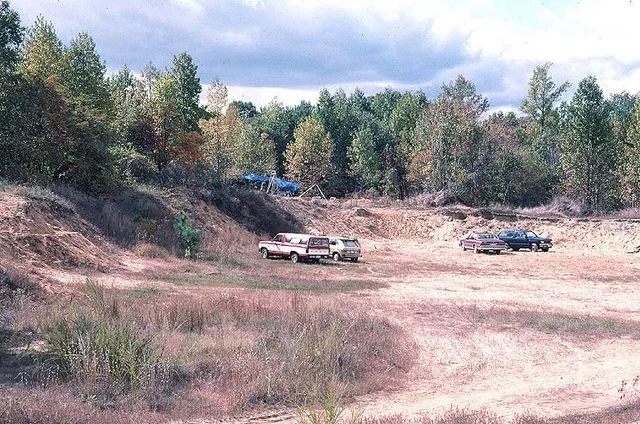
Cactus Hill is one of the oldest and most well-dated archaeological sites in the Americas, with the earliest human occupations dating to between 18,000 and 20,000 years ago. Located in southeastern Virginia on sand dunes above the Nottoway River, about 45 miles south of Richmond, the site challenged decades of assumptions about when and how people first arrived on this continent.
The discoveries at Cactus Hill in the mid-1990s played a major role in changing the dominant “Clovis-first” perspective. In subsequent years, research spread beyond Cactus Hill to the Chesapeake Bay and Middle Atlantic Region in general, and the revived interest in the pre-Clovis question led to new theories about how the first people arrived in the Americas. Cactus Hill has since given scholars cause to revise the theory, now proposing that people may have skirted along the glaciers located near the Pacific coast of North America, or may have crossed pack ice from Europe to the Atlantic coast.
6. Bluefish Caves: Yukon’s Deep Freeze Time Capsule
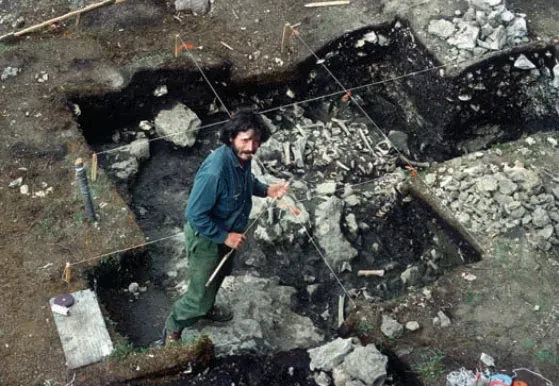
Bluefish Caves is an archaeological site in Yukon, Canada, located about 54 kilometers southwest of the Vuntut Gwichin community of Old Crow. It has been suggested that human occupation dates to 24,000 years Before Present based on radiocarbon dating of animal remains, though these dates are contested due to the uncertain stratigraphic context of the archaeological remains. Few sites on the continent have sparked quite as much sustained debate among researchers.
Archaeologist Lauriane Bourgeon examined around 40,000 bones from Bluefish Caves in the Yukon, looking for evidence of human modification. The first cave contains various animal bones that appear to have been dragged there by predators, and findings of cut marks may point to a human presence. If the most ambitious dates hold up to further scrutiny, Bluefish Caves could reshape your understanding of the entire peopling of the Americas.
7. Rimrock Draw Rockshelter: Oregon’s Ice Age Surprise
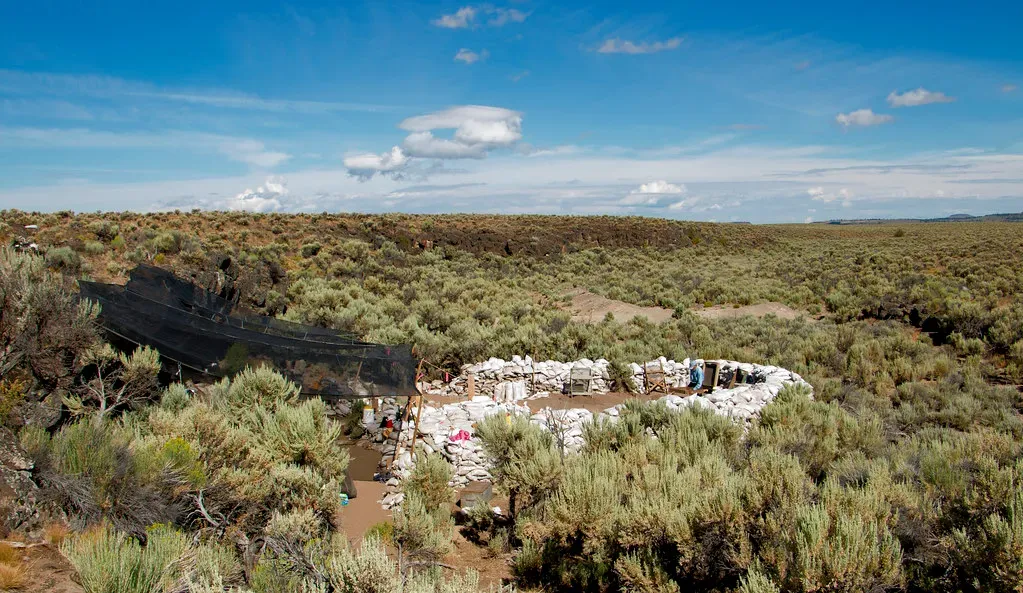
Archaeologists were stunned when they analyzed fragments of camel teeth and stone tools marked with bison blood plucked from the soil at Rimrock Draw Rockshelter in Oregon. Radiocarbon dating of the enamel revealed that the teeth date back roughly 18,250 years, and the position of the stone tools in the sediment suggested they might be even older.
The team released their results in 2023, starting a debate as to whether the Rimrock Draw site is the oldest evidence of human occupation in western North America. The combination of camel teeth and bison-blood-stained tools in a single location paints a vivid and unexpected portrait of the animals and hunters sharing this landscape during a world that looked nothing like the Oregon you know today. It’s the kind of find that turns routine fieldwork into a headline.
8. Meadowcroft Rockshelter: Pennsylvania’s Ancient Refuge
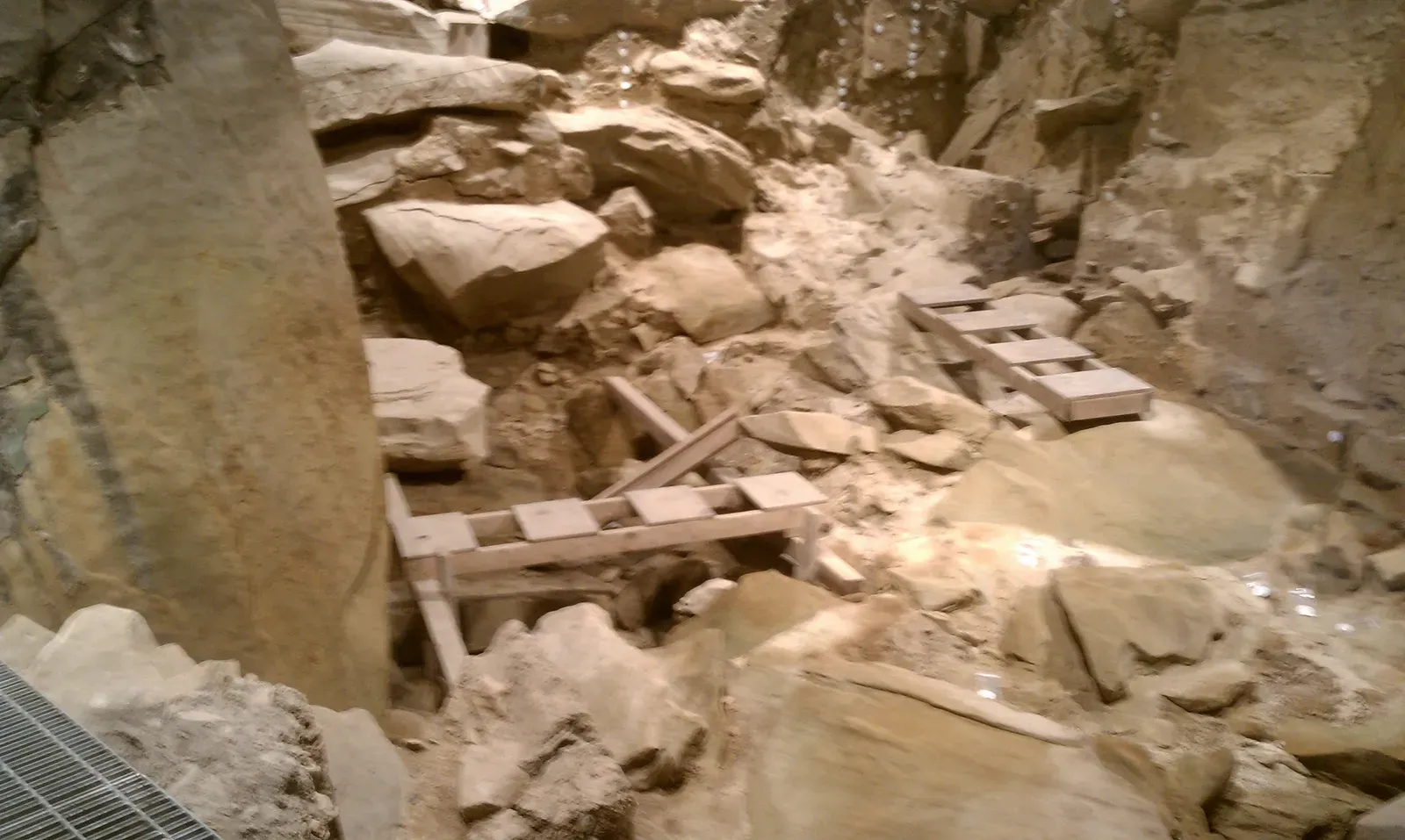
Known as one of the most significant prehistoric sites in North America thanks to its careful preservation, Meadowcroft was discovered in the 1950s and has been a key location for the study of early human habitation. Dating back more than 16,000 years, the rockshelter harbored a wealth of artifacts, from stone tools to weapons. Pottery, plant, and animal remains, and a hearth, one of the earliest to be discovered in North America, have all been excavated at the site.
People have been living on and off at Meadowcroft Rock Shelter for up to 19,000 years, placing it firmly among the oldest sites of human habitation in the Americas. The layered nature of the deposits is what makes it truly valuable to archaeologists. Each stratum is essentially a chapter in an ongoing story of human return, season after season, generation after generation, to a sheltered spot beside a creek in what is now southwestern Pennsylvania.
9. Serpent Mound, Ohio: A Coiling Earthwork Aligned With the Sky
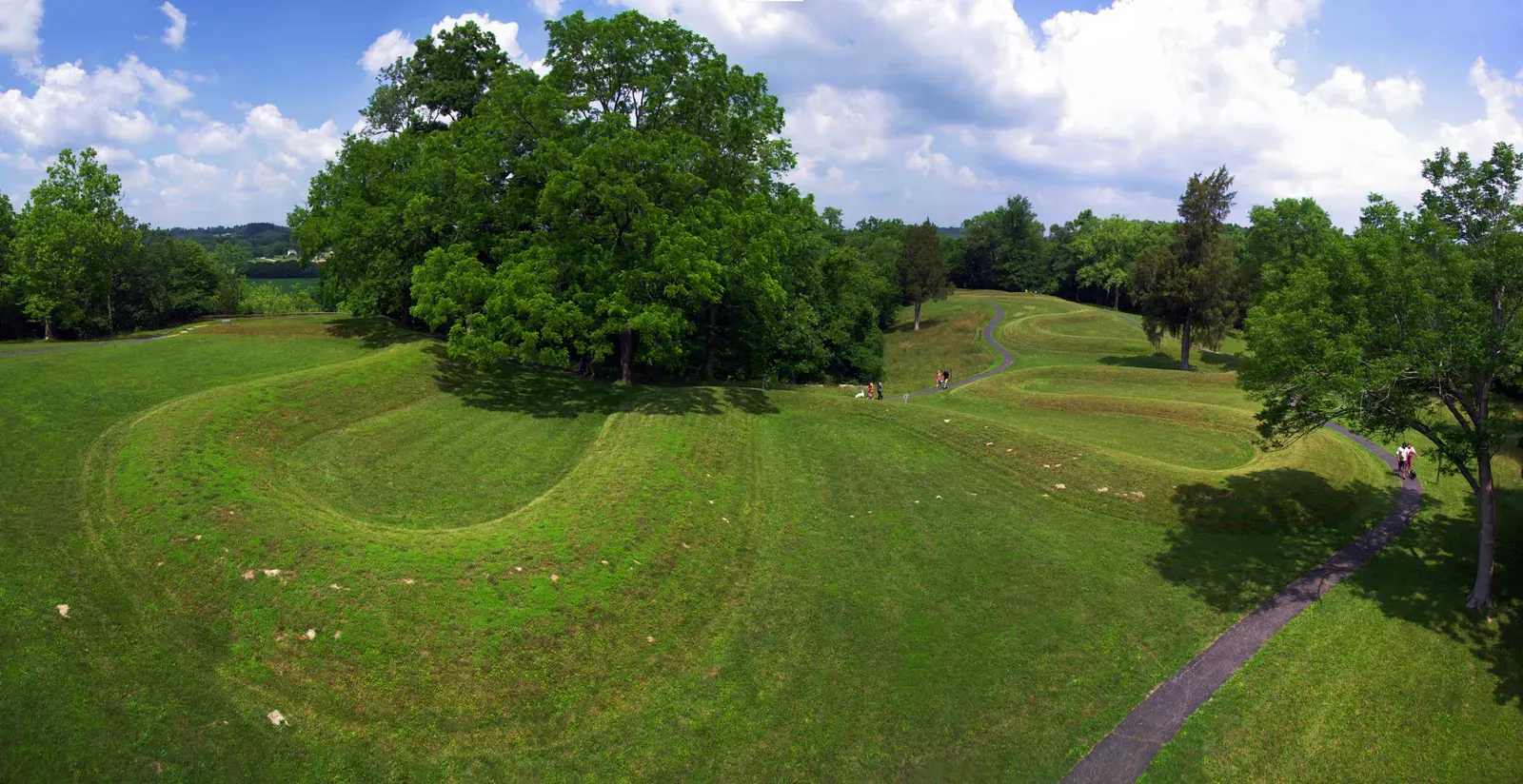
Made up of several layers of earth and stone, this giant, serpent-like figure extends for more than 1,300 feet and has puzzled archaeologists and historians for decades. It is thought the mound was constructed as a religious or ceremonial site over 1,000 years ago by Indigenous peoples of the area. Designed to align with the positions of the sun and the stars, it is speculated that the mound played an important role in the spiritual and cultural practices of the people who built it.
Serpent Mound in Ohio stretches over 1,300 feet, its sinuous form resembling a snake with a coiled tail. This effigy mound may align with astronomical events, hinting at spiritual and ceremonial significance for ancient cultures. The exact purpose and builders of Serpent Mound remain a puzzle, though it’s believed to be the work of the Adena or Fort Ancient cultures. You can still walk alongside it today, and the scale of it, experienced in person rather than from a satellite image, is quietly breathtaking.
10. The Ancient Canoes of Lake Mendota: Wisconsin’s Underwater Revelation
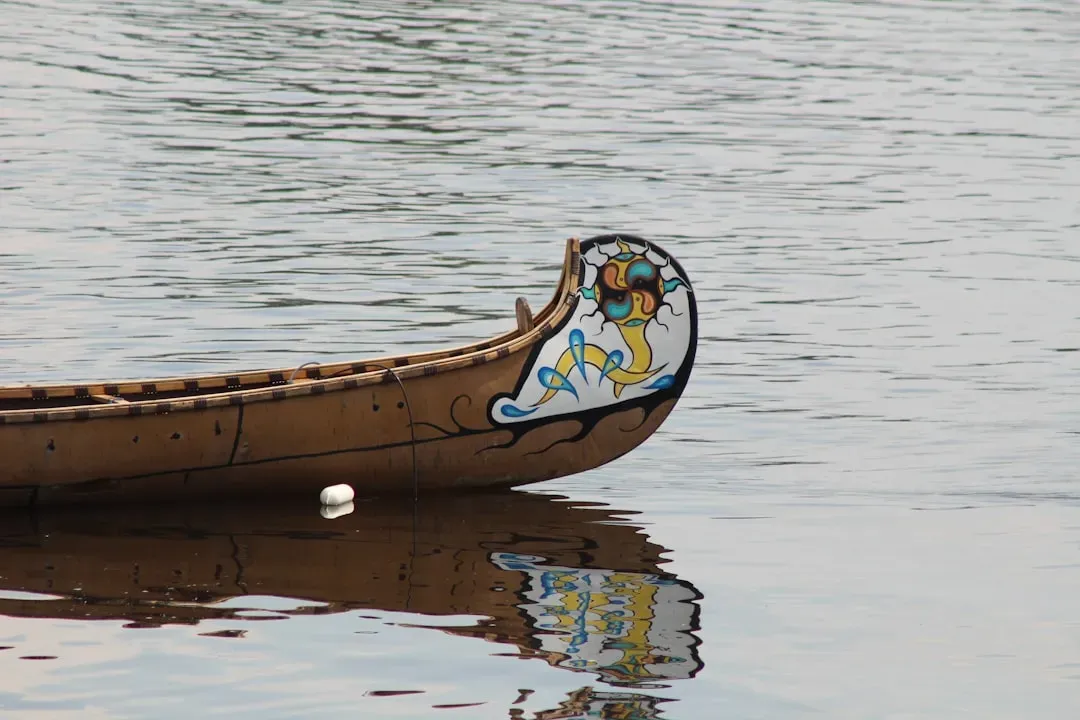
In 2021 and 2022, dive teams excavated two vessels from Lake Mendota in Madison, Wisconsin, aged around 1,000 and 3,000 years old, respectively. Two years later, in 2024, divers discovered pieces of at least eleven 4,500-year-old ancient canoes dating back to 2500 BCE. Freshwater lakes are extraordinary preservers of organic material, and this site proved just how much history can hide beneath an ordinary-looking body of water.
The canoes were found in the area of the Ho-Chunk Nation’s ancestral territory, leading archaeologists to believe that the ancestors of modern-day Indigenous people built them. The discovery bridges millennia in a direct and tangible way. These aren’t abstract artifacts sitting behind museum glass. They are the actual watercraft of real people who paddled these same Wisconsin waters nearly five thousand years ago.
11. The Wanuskewin Ribstone Petroglyphs: Accidentally Revealed by Bison
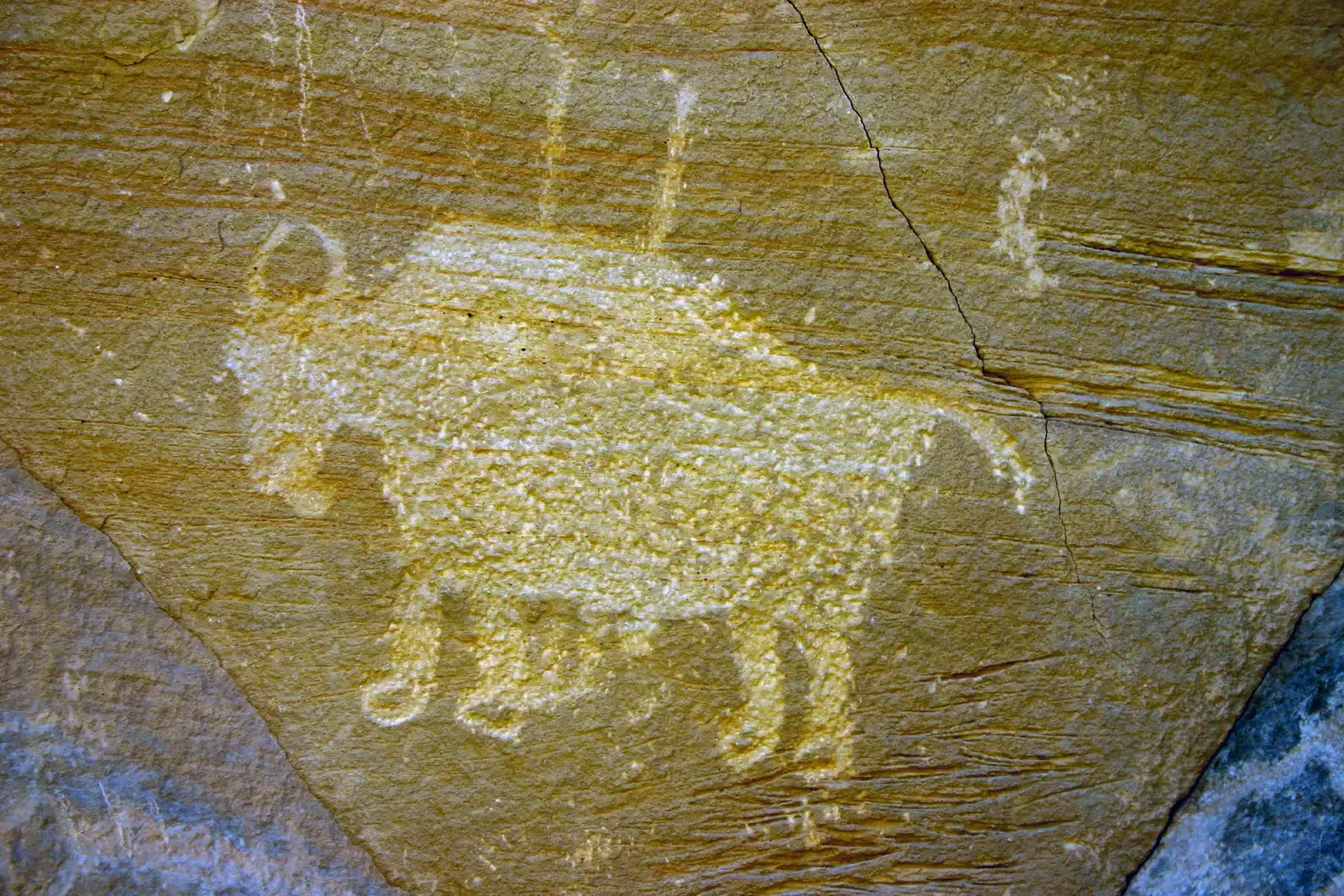
In December 2019, bison were reintroduced into Wanuskewin Heritage Park in Saskatchewan, almost 150 years after they were hunted to local extinction. Eight months later, the hooves of the heavy animals churned up the soil to reveal the top of a carved boulder. The bison had revealed four ancient rock carvings and a stone knife that may have been used to create the designs.
The ribstone, believed to be between 300 and 1,800 years old, is a type of hoofprint art in which ancient people carved bison motifs like ribs or hooves instead of the whole bison. These carvings were probably used for ceremonial practices, symbolizing how important bison were to ancient cultures in Saskatchewan. The discovery carries a certain poetic logic. It was bison that buried the carvings beneath centuries of soil, and in the end, it was bison that brought them back to the surface.
12. The Great Basin Petroglyphs of Nevada: North America’s Oldest Rock Art
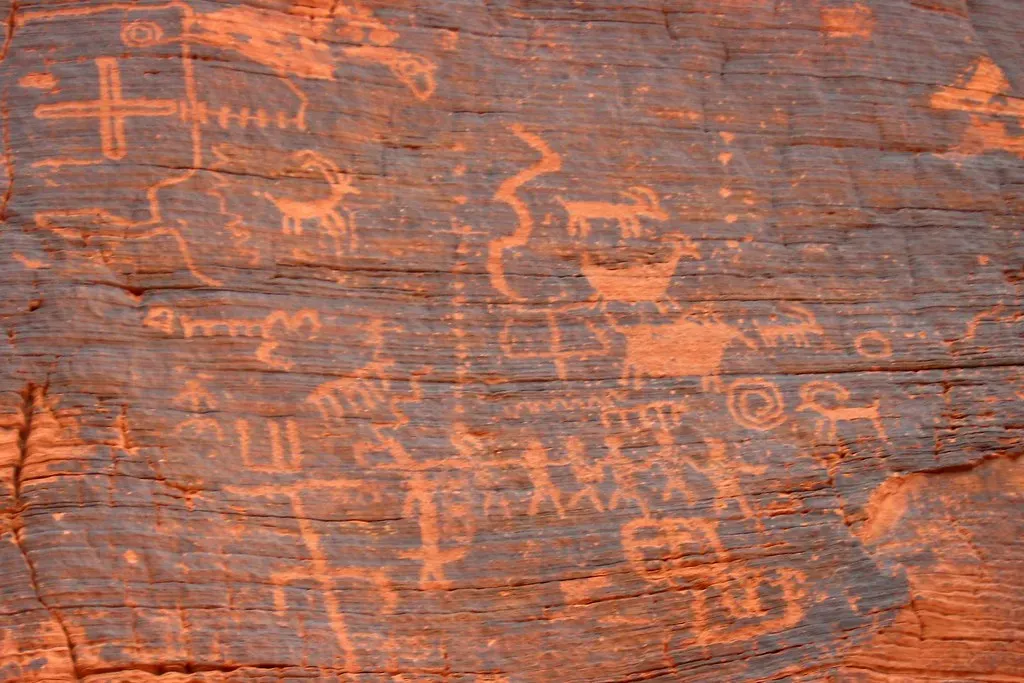
This series of ancient rock carvings in the Great Basin region of Nevada is thought to be more than 10,000 years old, making them some of the oldest examples of rock art on the continent. Depicting a variety of animals, symbols, and human figures, they were created by pecking and scratching the rock surface with stone tools.
Studied extensively by archaeologists, the concentric circles known as spirit circles, thought to represent shamans, are among the most intriguing symbols. The petroglyphs are often cited as the first rock art in North America. Standing before carvings made ten millennia ago by someone who also looked up at the same desert sky invites a kind of reflection that very few experiences can match. The Great Basin continues to yield new finds, and researchers believe many more panels remain undiscovered beneath desert varnish and drifted soil.
13. L’Anse aux Meadows: Where Vikings Made North America Home
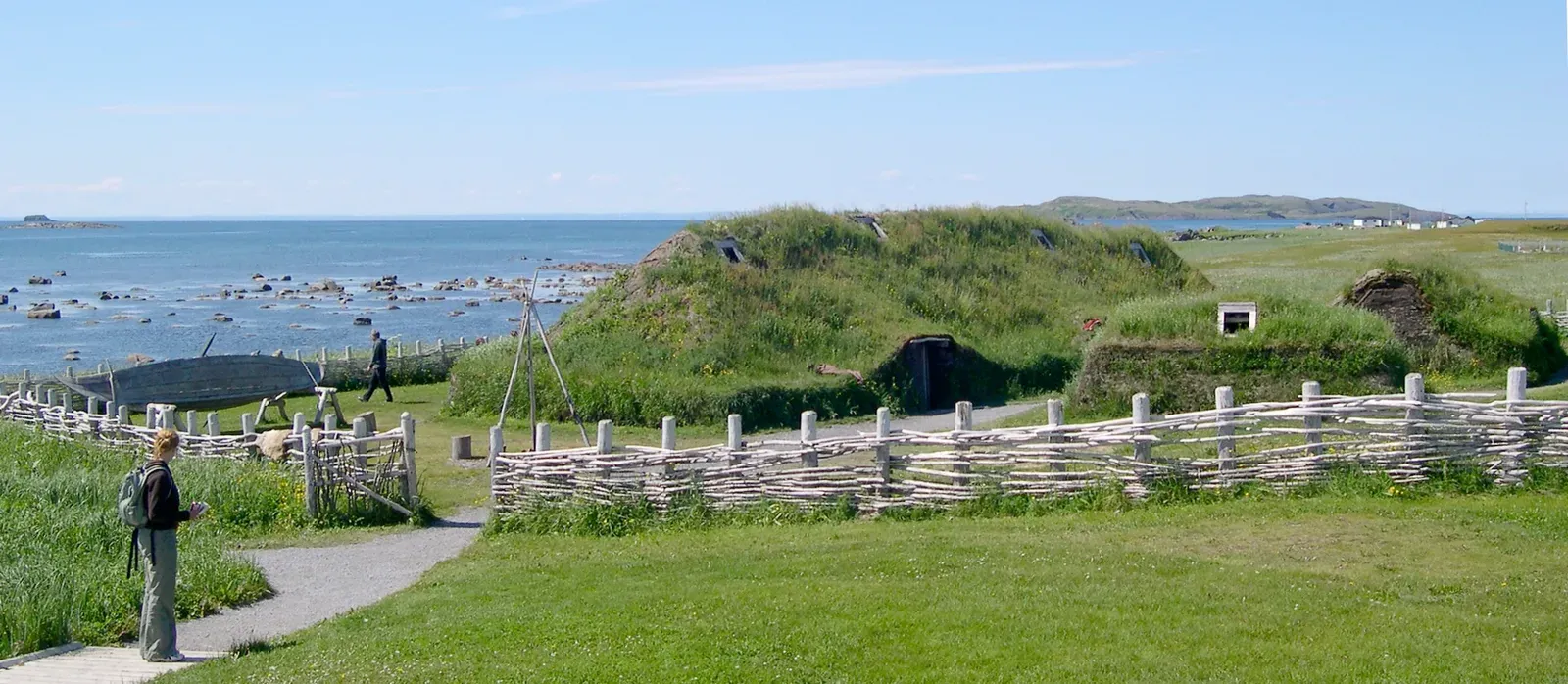
The Vikings came to Newfoundland, Canada around a thousand years ago, and L’Anse aux Meadows near the shore of Epaves Bay in the Strait of Belle Isle is the place they decided to call home. Archaeologists have uncovered evidence of wood-framed buildings constructed in the traditional Viking way, with turf walls and roof. The site comprises eight buildings that would have formed the first European settlement in North America and is largely complete.
What sets L’Anse aux Meadows apart from the broader mythology of Viking voyages is that it’s not speculation. The structures, the iron-working debris, and the Norse-style artifacts confirm a genuine settlement that predates Columbus by roughly five centuries. Some of archaeology’s most important finds come from experts applying new methods to old sites, others from long-planned excavations, and a few from pure luck. L’Anse aux Meadows was something close to all three, and it permanently changed how the world understands the story of who arrived in North America and when.
Conclusion
What these 13 discoveries share is something beyond their individual headlines. Each one required centuries to preserve, years to excavate, and often decades of debate before its significance was fully accepted. The story of is not a simple narrative with a fixed beginning. It’s a layered, contested, and constantly expanding body of evidence that rewards patience and humility.
You don’t need to be an archaeologist to feel the weight of these findings. Whether it’s the footprints of children frozen in ancient mud at White Sands, the sheer ambition of Cahokia’s earthen skyline, or a bison herd accidentally revealing a carved stone in Saskatchewan, the past keeps making its presence known. The ground beneath North America still holds far more than has yet been found, and that might be the most remarkable thing of all.