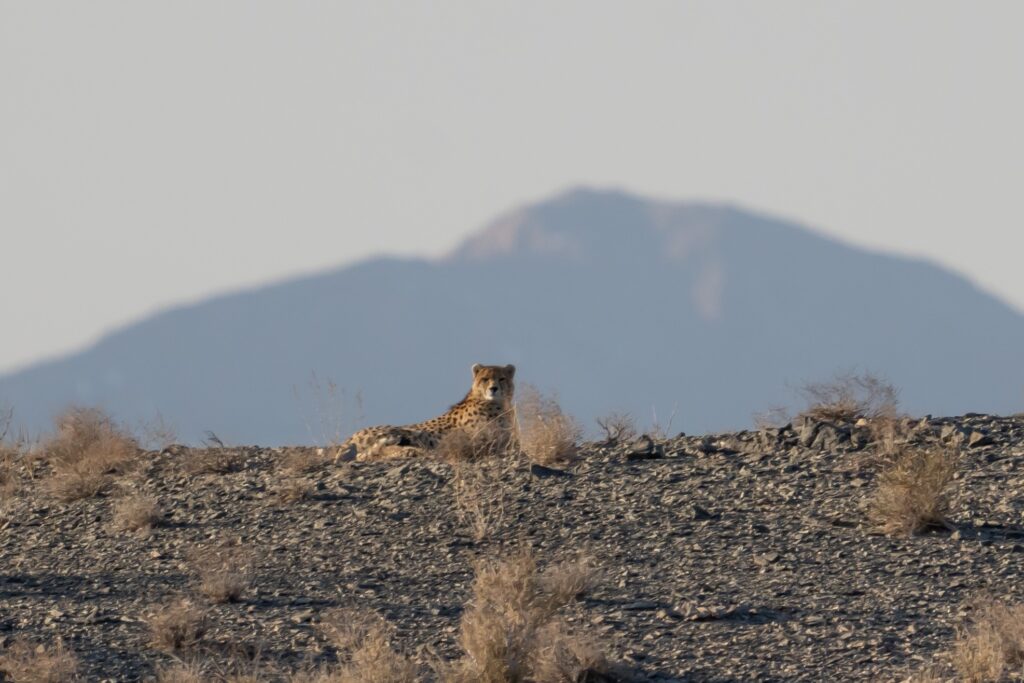
Iran – Rangers captured rare footage of a female Asiatic cheetah accompanied by five cubs in North Khorasan province shortly before conflict engulfed the nation in February 2026. This marked the largest litter ever documented for the subspecies, previously limited to no more than four young. Hopes rose as surveys identified 27 individuals in the wild, up from 20 the previous year. Yet the ongoing war now threatens to undo these fragile gains for Acinonyx jubatus venaticus, confined solely to Iran’s arid landscapes.
Historic Sightings Fuel Conservation Optimism
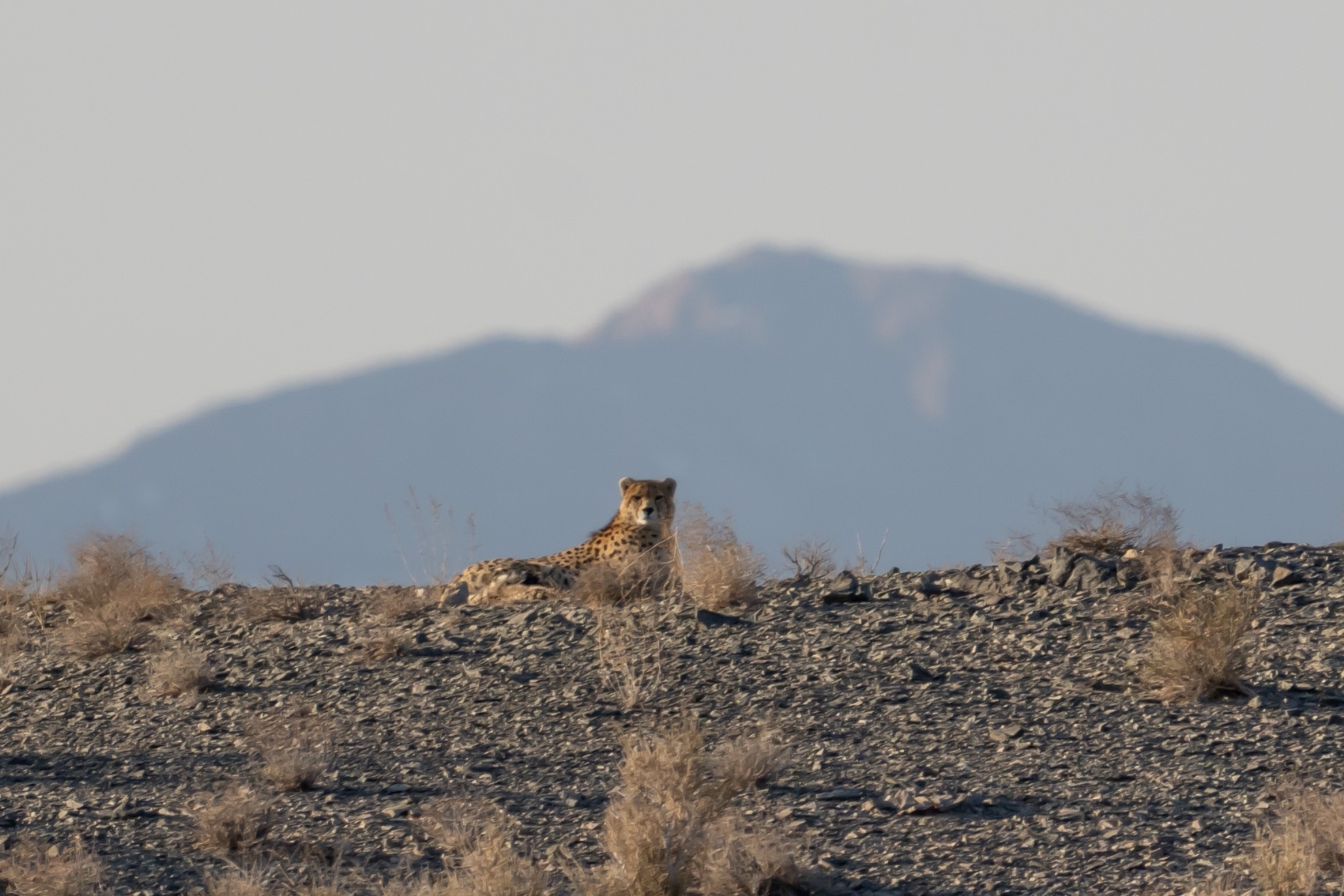
Historic Sightings Fuel Conservation Optimism (Image Credits: Upload.wikimedia.org)
Conservation teams achieved breakthroughs in monitoring before hostilities intensified. Camera traps and GPS collars revealed movements across fragmented habitats in provinces like Semnan, Yazd, and Kerman. A notable case involved a female named Helia, who traversed over 130 kilometers from Turan Biosphere Reserve to Miandasht Wildlife Refuge. There, she gave birth to two cubs in 2024, the first sighting in the area in six years. Local rangers intervened to prevent road collisions during her journey.
These “ID-carded” cheetahs – tracked known individuals – highlighted improved detection methods. Iran’s Department of Environment restarted its preservation plan in 2025 after a six-year pause. Such efforts identified ten new animals, pushing the wild count to 27, with five more in breeding sites and six in captivity. Experts viewed these as signs of resilience amid longstanding pressures.
Enduring Challenges in a Hostile Landscape
Roads slicing through deserts claim more than half of recorded cheetah deaths. The Meyami–Sabzevar route, dubbed the “Death Road,” proved fatal for one of Helia’s cubs in 2024. She lingered near the site for seven nights, underscoring maternal instincts amid peril. Prey species like goitered gazelles dwindle from overhunting and overgrazing, forcing cheetahs into riskier areas.
Habitat fragmentation exacerbates isolation, with low genetic diversity heightening disease risks. Fewer than half of cubs survive their first year, per decade-long studies. Poaching remains low but persistent, while climate-driven droughts strain ecosystems. Mitigation includes fences, speed limits, culverts, and community patrols, though resources stay limited.
War’s Shadow Over Protection Efforts
Military actions since late February 2026 targeted sites in cheetah habitats, including Dasht-e Kavir. Access restrictions halted field surveys and camera deployments. Internet blackouts severed remote monitoring, forcing reliance on perilous ground patrols. Nongovernmental groups suspended operations, centralizing control under strained state agencies.
Short-term ranger absences reduced poaching but invited long-term vulnerabilities. Economic woes spur illegal hunting of prey, further starving predators. Prior sanctions already curbed equipment imports like collars. Conservationists fear post-war rebuilding will sideline wildlife, as infrastructure and housing claim budgets. Bagher Nezami, national director of the Asiatic Cheetah Project, emphasized the monitoring of these known survivors.
Voices Calling for Sustained Action
Experts stress continuity despite chaos. Sarah Durant of the Zoological Society of London highlighted dangers to rangers, urging international safeguards for conservation workers. Iman Ebrahimi, an Isfahan-based environmental educator, noted uneven war impacts, with community-rooted protections faring better. Peter Zahler of Zoo New England warned that crises rarely prioritize nature in recovery plans.
Jamshid Parchizadeh, a Michigan State University researcher, predicted funding shortfalls ahead. Shina Ansari, a department head, framed the cheetah’s plight as emblematic of broader environmental duties. Advocates push satellite telemetry and holistic prey restoration. Local involvement, once key, now wanes amid insecurity.
Key Takeaways
- Population hovers at 27 wild individuals, all in Iran, after recent gains.[2]
- Road accidents and prey scarcity pose top threats, worsened by conflict.
- Post-war support must integrate wildlife to avert extinction.
The Asiatic cheetah’s survival hinges on bridging war’s destruction with renewed commitment. As Iran rebuilds, ignoring these desert ghosts risks permanent loss. Conservation demands global attention now, before the rarest big cat vanishes. What steps should international bodies take? Share your thoughts in the comments.