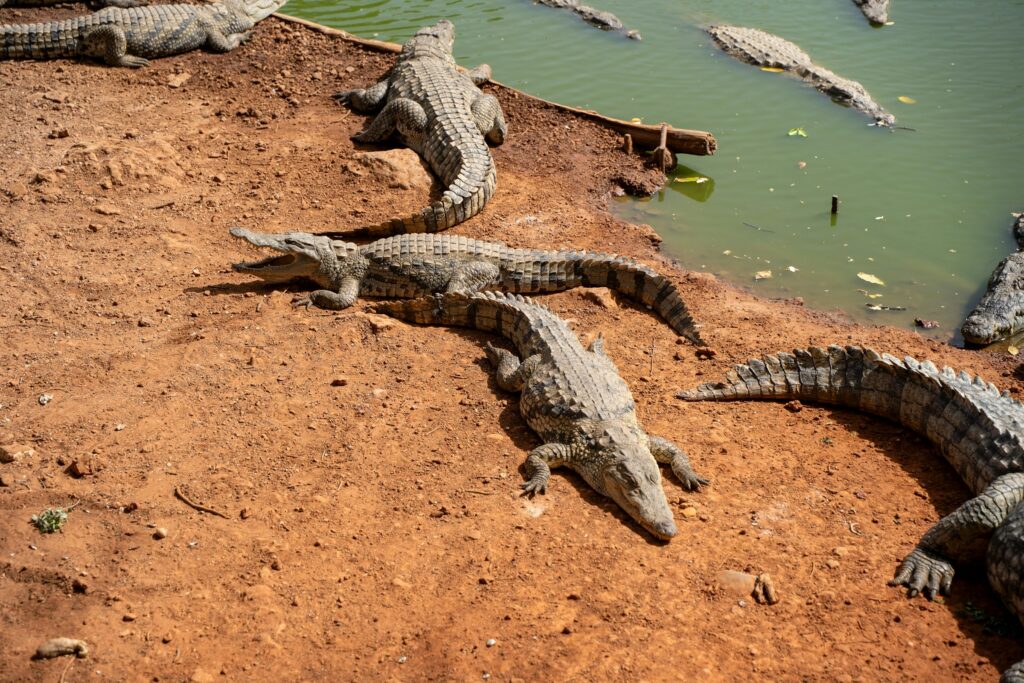
Most people assume crocodiles are just cold, sluggish leftovers from the dinosaur age – living fossils that snap, sink, and repeat. That assumption is embarrassingly wrong. Scientists who’ve spent entire careers studying these reptiles keep running into behaviors that don’t fit any known survival logic: animals that navigate oceans without instruments, reproduce without mates, and react to sounds no textbook says they should even notice.
Some of these mysteries have sat unsolved for decades. A few were only confirmed in the last few years, almost by accident. Here’s what herpetologists and field researchers actually say about the 13 crocodile behaviors that still refuse to make sense.
#13 – Riding the Tides Like a Surfboard
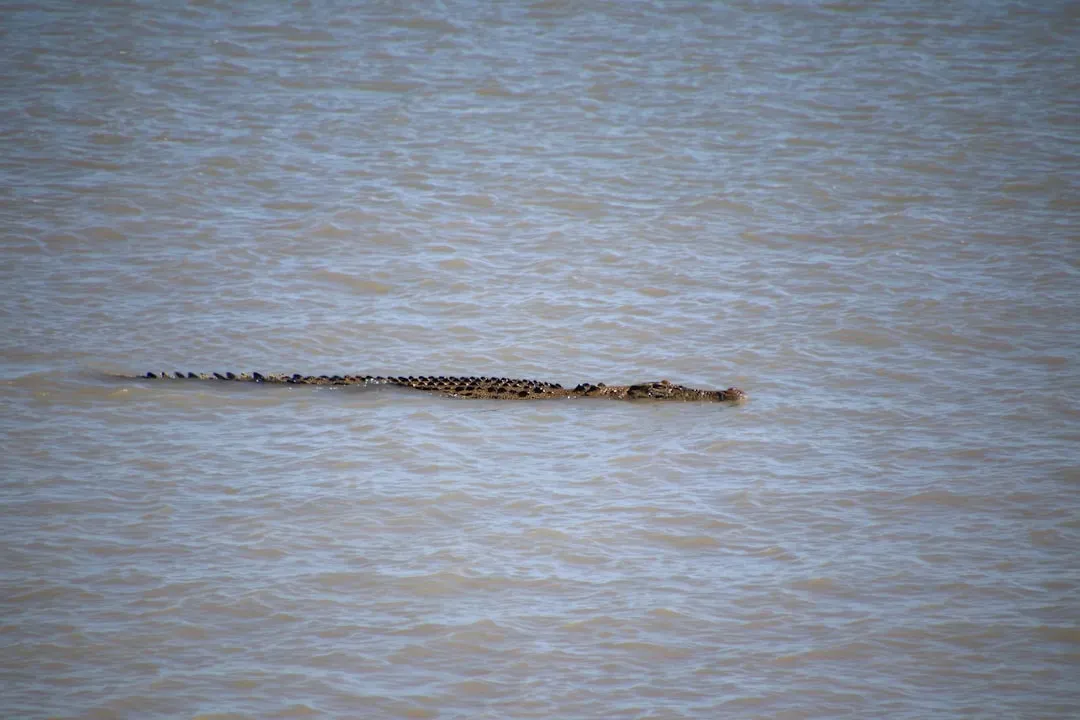
Crocodiles are, by design, terrible long-distance swimmers. They’re built like tanks – heavy armor, a broad skull, short stumpy limbs – with none of the sleek muscle a marathon swimmer would need. And yet field data keeps showing them covering huge distances in open water like they’ve got a compass built into their skulls.
In 2010, researchers implanted acoustic transmitters in 27 wild crocodiles and lined 63 kilometers of Australia’s Kennedy River with receivers to track them. Most crocs barely moved. But eight of them pulled off 42 separate long-distance runs toward the river mouth, and nearly every trip began within an hour of the tide turning. Nobody has explained how an animal with no visible sensory equipment for it can read and time a tide shift that precisely, trip after trip, without fail.
Fast Facts
- 27 wild crocodiles were tagged with acoustic transmitters
- 63 kilometers of river lined with tracking receivers
- 8 crocodiles made 42 confirmed long-distance runs
- Nearly every trip started within an hour of the tide turning
#12 – The Teenage Wanderers Who Always Find Their Way Back
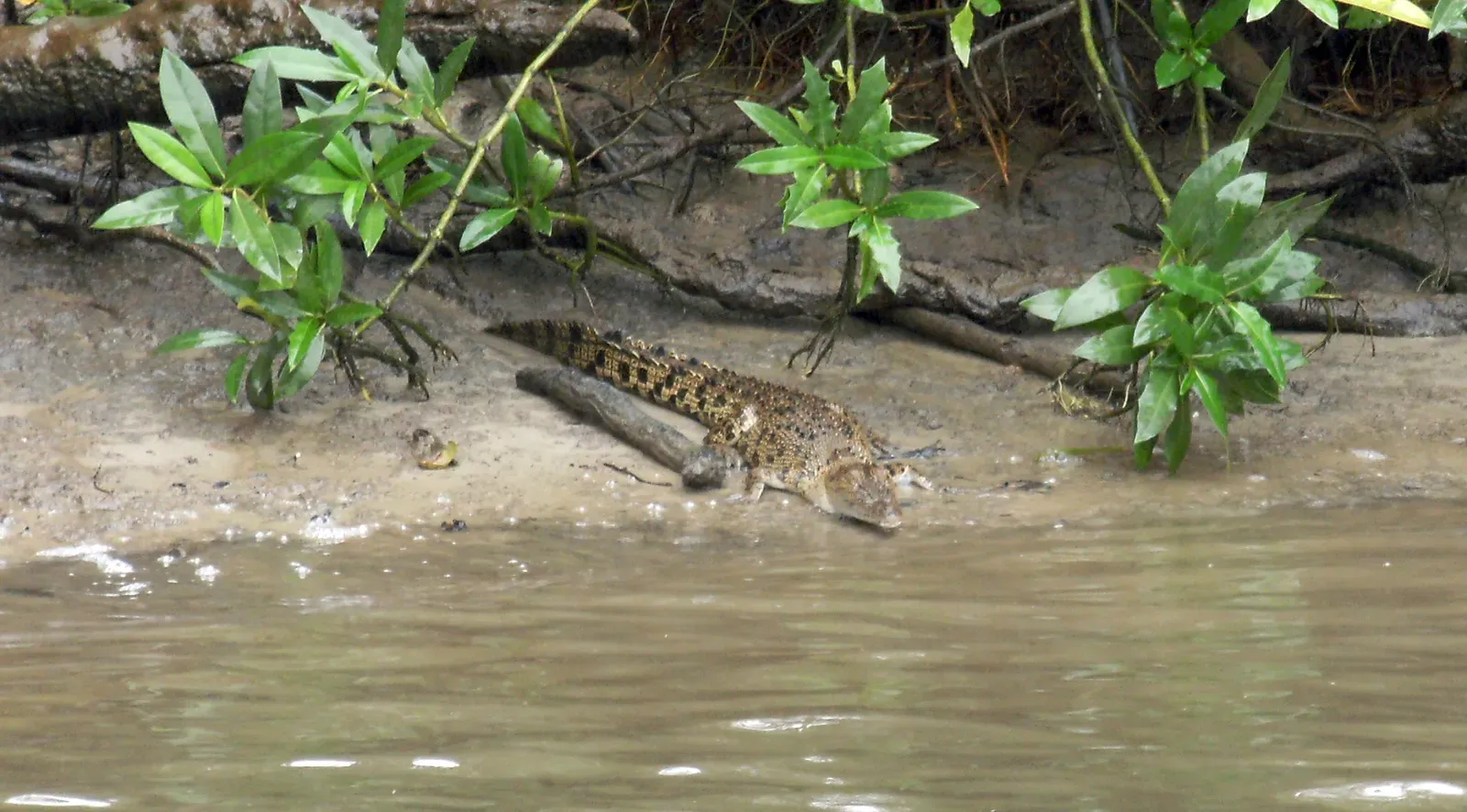
Track enough juvenile crocodiles and a clear pattern emerges: they don’t wander far. Researchers who tagged hatchlings, yearlings, and two-to-four-year-olds and recaptured them a year later found 93%, 73%, and 57% of each group, respectively, still within 10 kilometers of where they started. That’s the boring, expected outcome – young crocs stay close to the nest.
Except for the ones that don’t. A handful of juveniles traveled up to 81 kilometers in a single year, then reversed course and traveled a similar distance back the following year – a genuine homing instinct in animals barely old enough to hunt on their own. Researchers guessed that chance wandering dropped these juveniles into the mouth of another stream, prompting an attempt to get home. Notice the word ‘guessed.’ Nobody actually knows why only a few siblings break the pattern while the rest never leave the nursery pool.
#11 – The Tears That Aren’t About Sadness
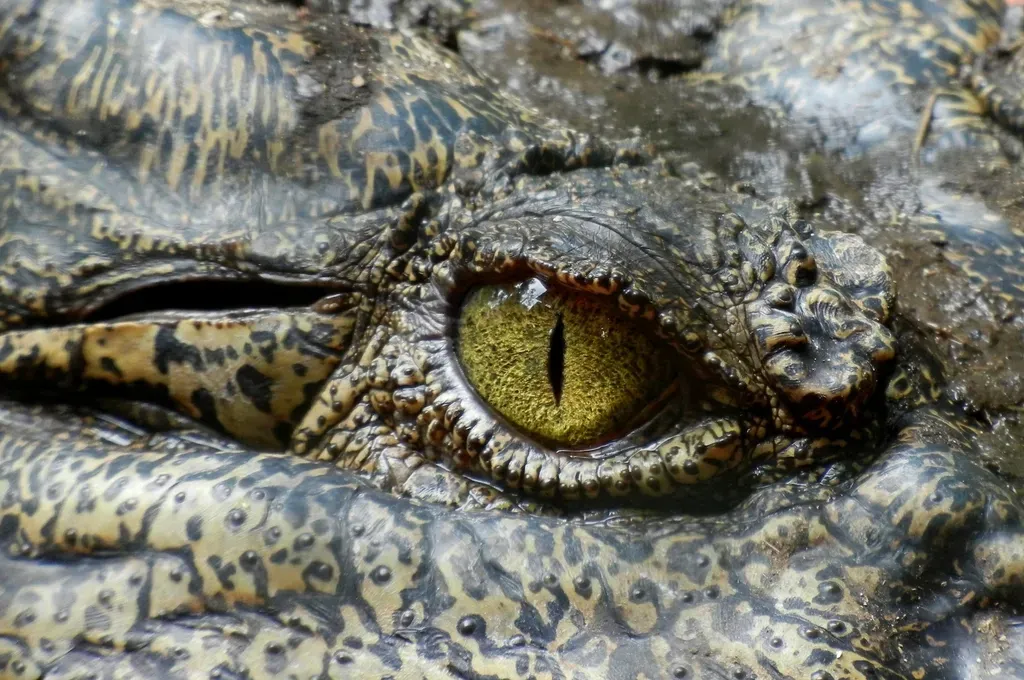
For centuries, a crying crocodile was proof of fake grief over its prey – the origin of the phrase we still use today. Modern science has debunked the emotional angle completely: studies show crocodile tears function like tears in most other animals, lubricating and protecting the eye. Mechanically, that’s a tidy, satisfying answer.
Except it doesn’t explain the timing. The phrase exists because tears reliably show up during feeding specifically, and researchers still haven’t nailed down the exact physiological chain connecting jaw movement, air exposure, and tear duct activation into one clean mechanism. Most people assume this myth is fully ‘solved.’ It isn’t – the actual biomechanical trigger is still debated among the small number of scientists who study crocodilian tear chemistry.
#10 – The Group Hunting Behavior That Broke the “Solitary Predator” Myth
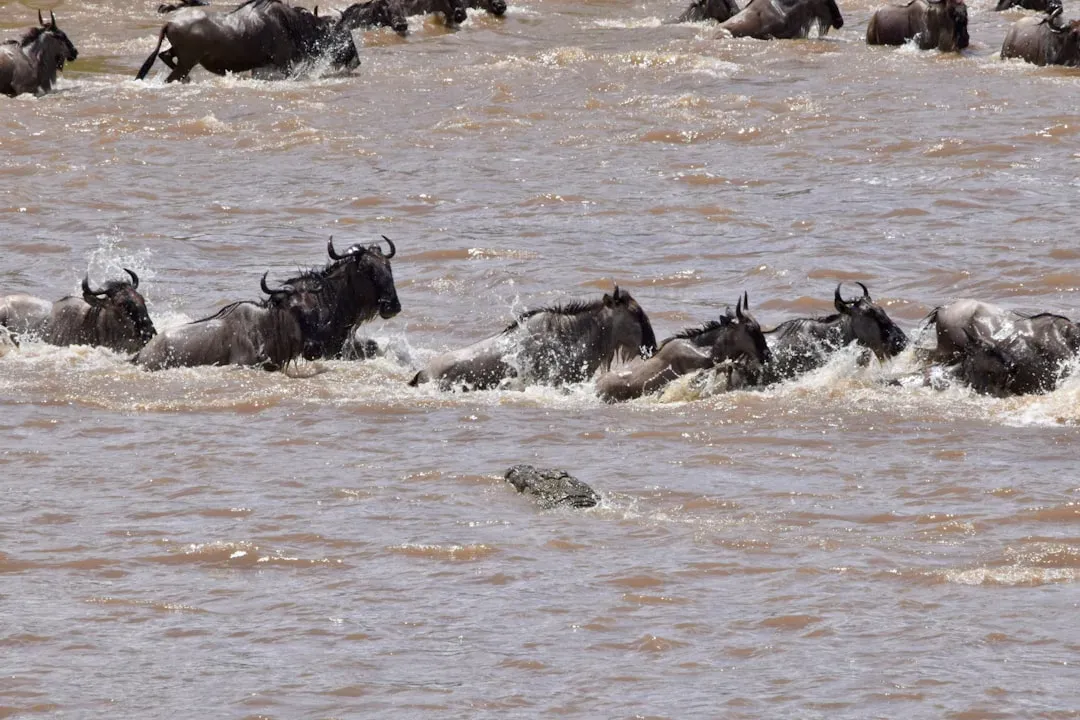
Crocodiles have been branded as lone ambush killers for generations. But field reports keep surfacing of them coordinating hunts almost like a pack – cutting off escape routes, herding fish toward each other – and biologists have struggled for years just to document it, let alone explain it.
The problem isn’t that the behavior doesn’t happen. It’s that crocodiles hunt at night, in murky, overgrown water, in remote tropical rivers most researchers can’t easily access. To gather any evidence at all, biologist Vladimir Dinets turned to Facebook and other social media, soliciting eyewitness accounts from amateur naturalists on top of more than 3,000 hours of his own field observations. All of that effort produced only a handful of confirmed sightings, some dating back to the 1800s – an almost comically thin evidence base for a behavior this sophisticated.
#9 – The Secret Language Humans Can’t Hear
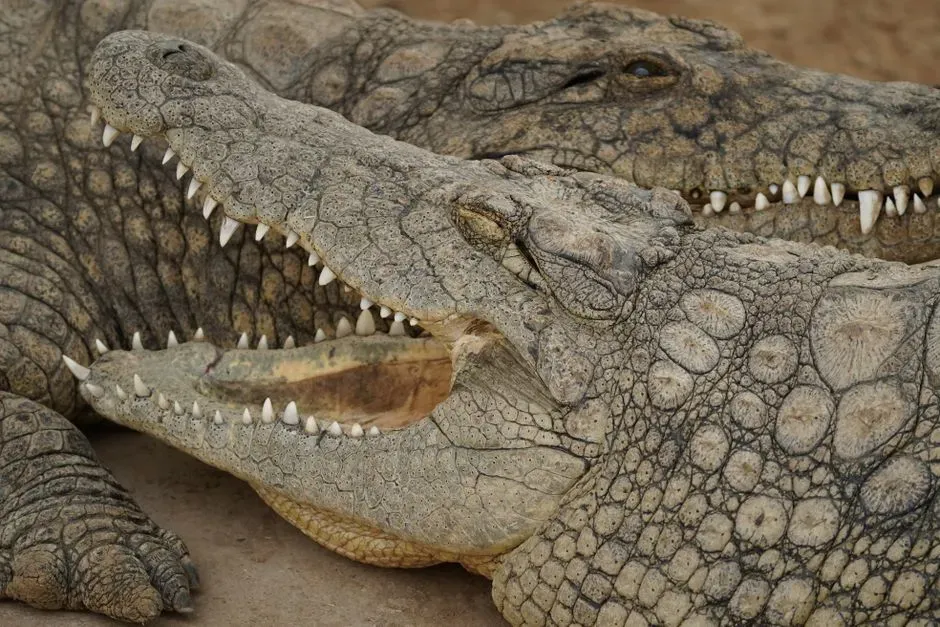
Crocodiles may be talking constantly in a frequency range that human ears simply can’t register – and the discovery happened almost by accident. In the 1960s, researcher L. Garrick and colleagues found a genuinely complex signaling system in crocodilians built on infrasound: acoustic vibrations pitched too low for us to hear. For an animal once dismissed as mute and mindless, that’s a stunning find.
Then the trail went cold. Garrick moved on after confirming the phenomenon existed, and decades later, nobody has mapped the actual ‘vocabulary’ – what the signals mean, how far they carry underwater, or how many species rely on them. Studying crocodilian behavior is famously brutal fieldwork, so the gap is understandable. It doesn’t make it less strange: we’ve confirmed a secret language and still don’t have the dictionary.
#8 – The Captive-Born Crocodiles That Refuse to “Go Home”
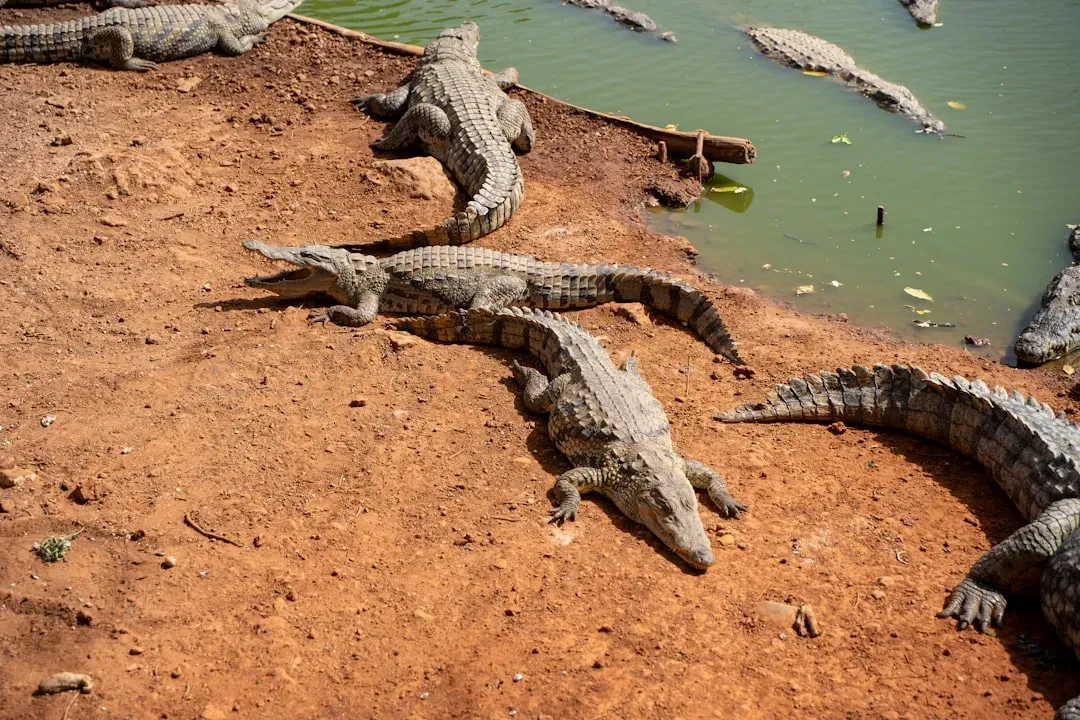
Wild crocodiles are famous for their homing instinct – drop one far from its territory and it will often fight its way back. So when a new study found that saltwater crocodiles born or raised in captivity often don’t return to their breeding centers after release into the wild, it upended a decades-old assumption built entirely on wild-crocodile data.
Researchers still don’t fully understand why. Wild crocs are remarkably good at finding their way home, which is exactly what makes relocation programs for problem animals so unreliable – the crocodile just swims back. But what happens when an animal never learned its home territory as a hatchling? The current best guess is that homing might not be purely instinctive after all; it may need to be learned early, and nobody can say exactly when that learning window closes.
#7 – The Play Behavior That Serves No Obvious Purpose
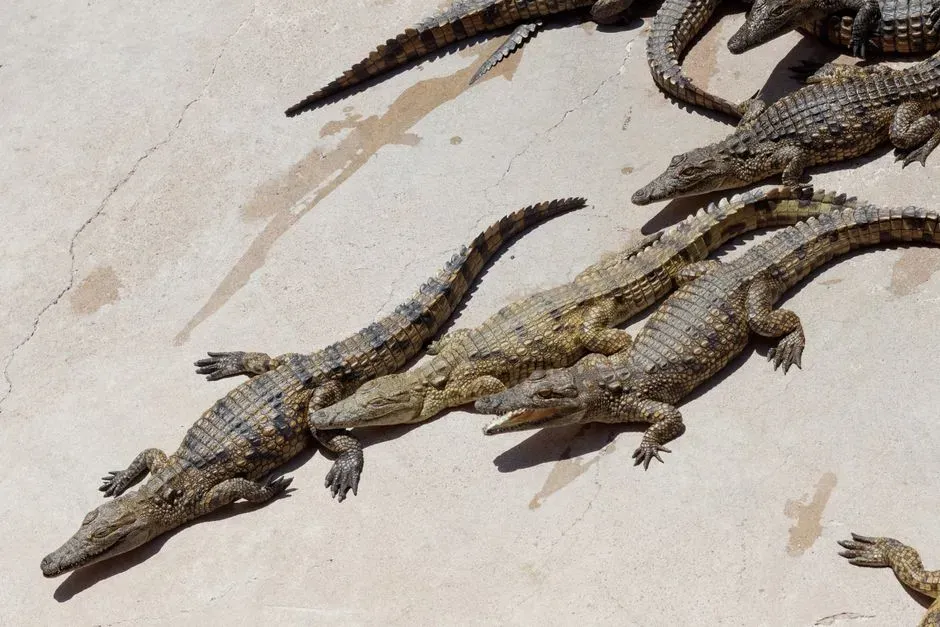
Crocodiles chase bubbles. They ride waterfalls over and over for no food reward. They snap at dripping water just to snap at it. For a hundred years, scientists who watched this happen refused to even call it play. “People who worked with crocodiles didn’t think of publishing anything because they thought the idea of crocodiles playing was too obvious,” biologist Vladimir Dinets explained – a single sentence that shows why an entire category of behavior went undocumented for generations.
Dinets eventually provided the first formal documentation of play behavior in crocodilians, drawing on more than 3,000 hours of his own observations plus reports from other biologists and amateur enthusiasts. But proving that crocodiles play and explaining why evolution bothered to let them are two completely different problems. Even Dinets admits he’s leaving the ‘why’ for other scientists to figure out – the man who proved the behavior exists still can’t tell you its purpose.
Worth Knowing
- Documented play includes chasing bubbles, riding waterfalls repeatedly, and snapping at dripping water
- None of these behaviors offer any food reward
- For roughly a century, researchers avoided studying it because it seemed “too obvious” to be worth publishing
- Formal documentation relied on more than 3,000 hours of direct field observation
#6 – The Crocodiles That React to Human Baby Cries
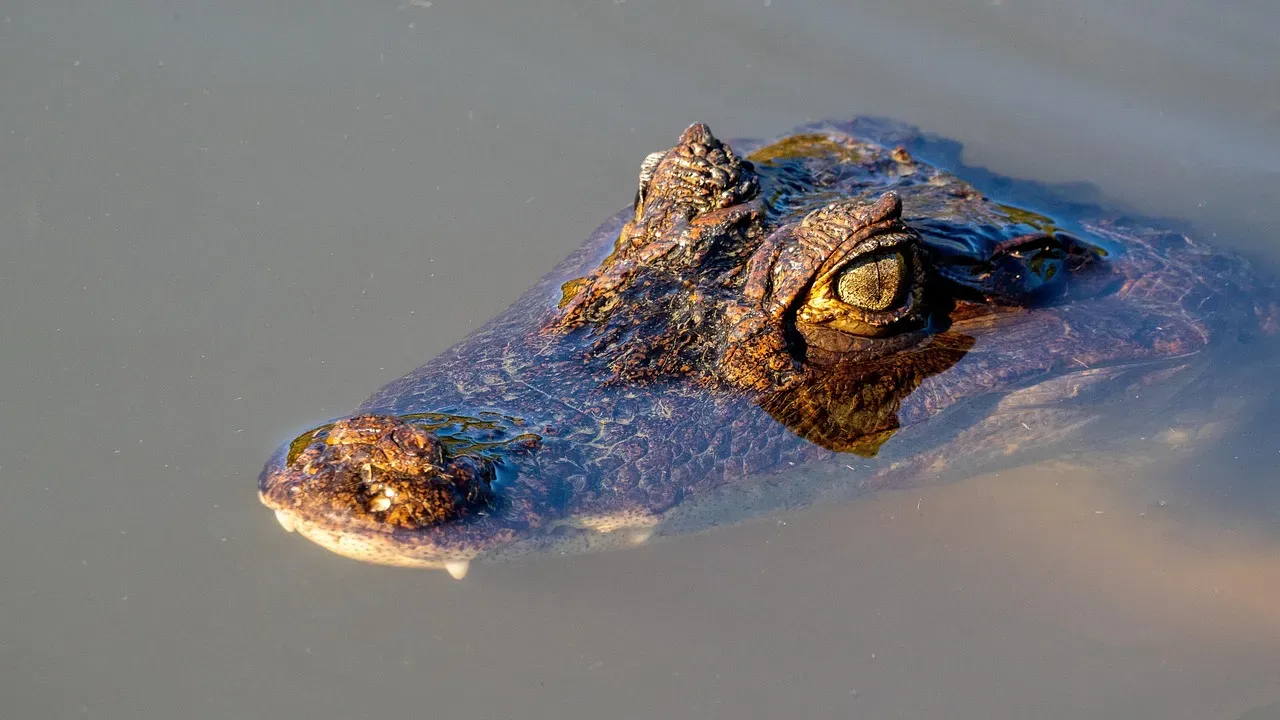
Here’s the unsettling one: crocodiles appear to respond specifically to the sound of a distressed human infant. Researchers ran experiments playing recorded hominid distress calls near captive crocodile groups, expecting little from animals famous for doing nothing for hours at a time. Instead, they got fast, deliberate movement toward the speaker – the opposite of what you’d predict from a famously immobile ambush predator.
The response stands out precisely because of how still these animals normally are. In the enclosures where the experiments took place, crocodiles rarely move at all, and when one does start swimming, the rest typically ignore it completely. A cold-blooded reptile tuning into the specific acoustic signature of a human baby’s cry – and reacting fast – isn’t something evolutionary biology has a tidy explanation for yet.
#5 – Crossing Two Oceans No One Thought They Could Cross
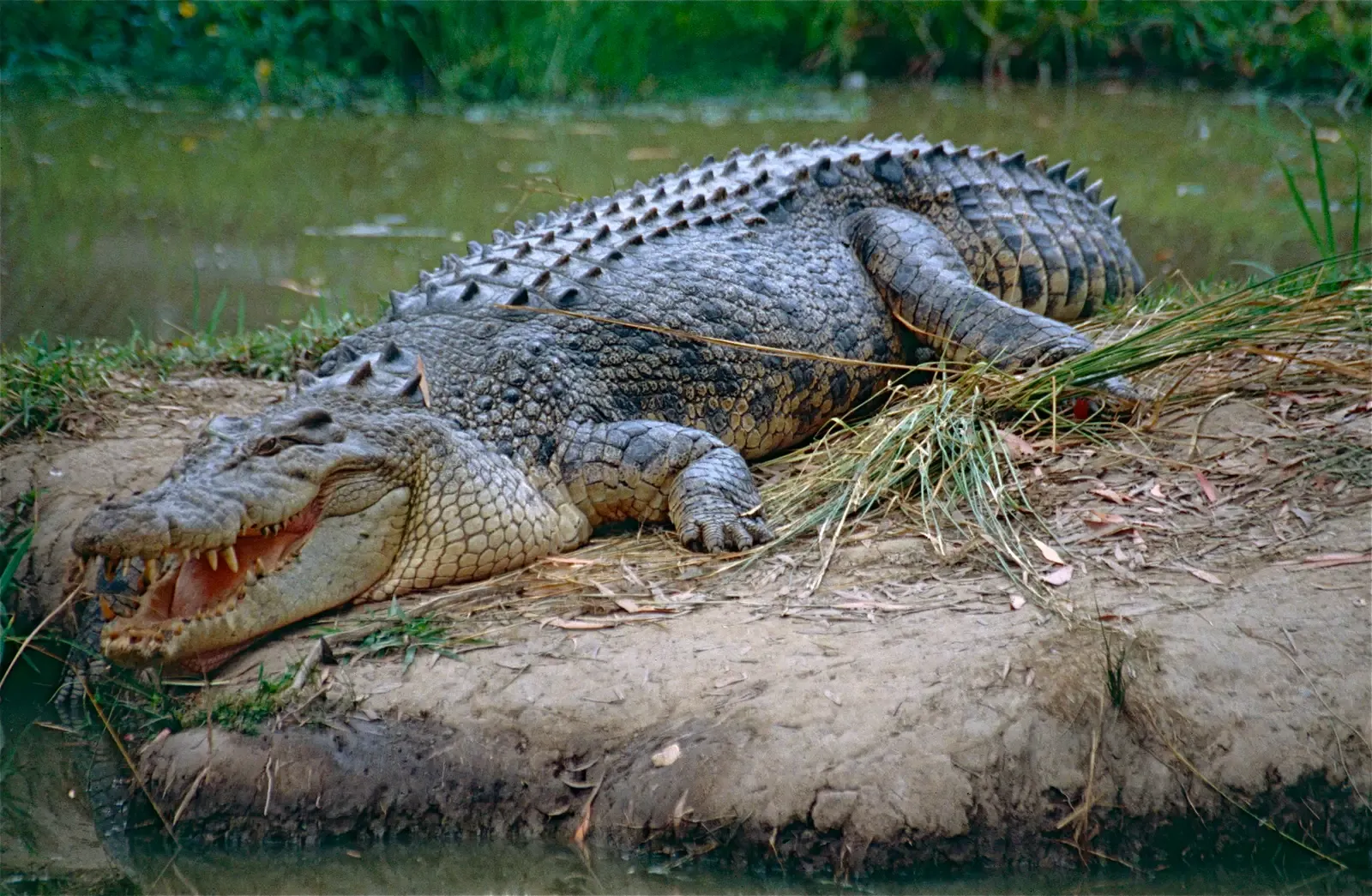
Saltwater crocodiles somehow populated islands scattered across more than 12,000 kilometers of open ocean – roughly a third of the planet’s circumference – and exactly how they pulled it off is still only partly understood. Researchers who pulled mitochondrial DNA from museum specimens confirmed a single species, Crocodylus porosus, with a natural range stretching from Vanuatu in the Pacific all the way to the Seychelles in the Indian Ocean.
Nobody thinks a single crocodile swam that entire distance in one voyage. The current theory is that it happened over generations, with rare individual travelers island-hopping using ocean currents and storm systems, gradually establishing new populations along the way. What nobody can explain is how an individual crocodile “chooses” a heading during one of these storm-driven crossings instead of simply drifting until it dies.
#4 – The Crocodiles Using Sticks as Bait
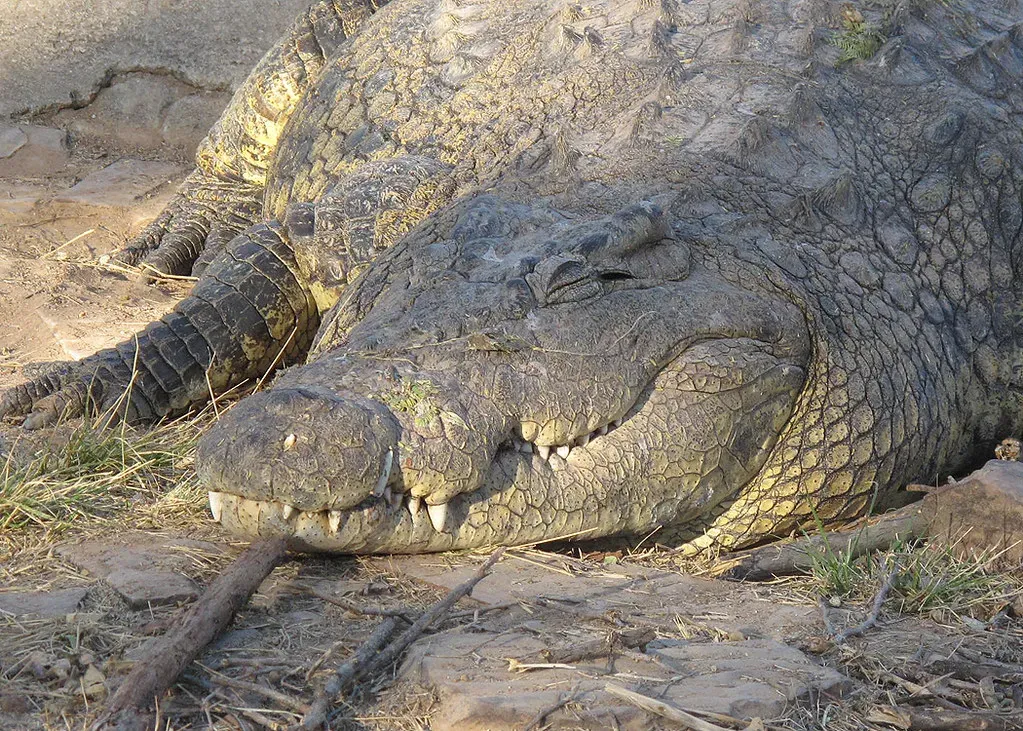
Crocodiles don’t just lie in ambush – some of them actively set traps, using tools in a way that upended what scientists thought reptiles were even capable of. Vladimir Dinets first spotted the behavior in 2007: crocodiles lying motionless in shallow water along a pond’s edge in India, with small sticks and twigs balanced carefully across their snouts.
This is indeed the first convincing evidence of tool use in any reptile.
Gordon Burghardt
What makes it genuinely eerie is the timing. According to Burghardt, an ethologist at UT-Knoxville who wasn’t involved in the original study, the crocodiles weren’t just using lures – they were timing the behavior to exactly when nesting birds were out searching for sticks to build with. “They are making some assessment of the birds themselves,” he said. Researchers argue there’s no explanation for this pattern other than genuine tool use, but they still disagree over how much real cognition is driving it.
#3 – The Foot-Wiggling “Drowning Human” Mimicry
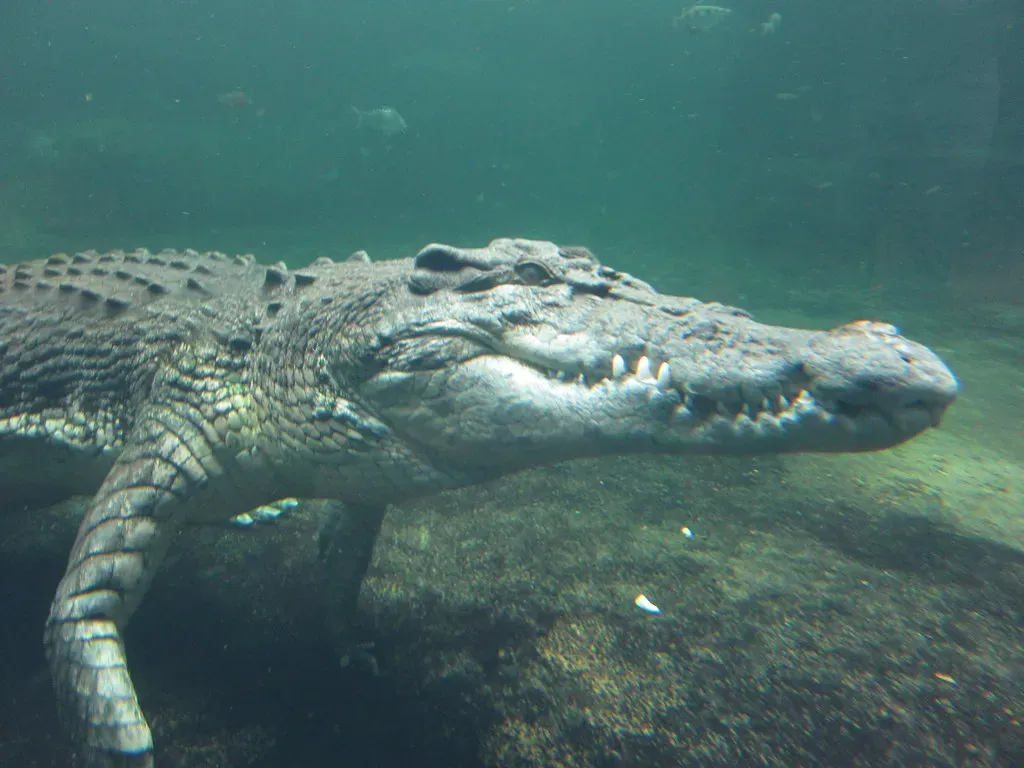
Viral footage of a crocodile waving its feet above the waterline sparked a genuinely creepy theory: that it was mimicking a drowning person to lure victims closer. In the clip, the animal is mostly submerged with several feet sticking up, wiggling back and forth in an oddly rhythmic, sporadic pattern. It spread fast online, with plenty of viewers convinced they’d caught a predator setting a psychological trap.
Scientists are split. Florida State University professor Gregory Erickson pushed back hard, saying, “I do not believe this crocodile was trying to lure humans into the water. Such behavior would be unprecedented. These animals are inherently stealthy and don’t need to resort to such extremes to access prey.” Another researcher offered a far less dramatic theory: the crocodile likely had prey already in its mouth, since saltwater crocodiles are known to spin underwater with their limbs raised while feeding. Two credentialed experts, two completely different explanations, and still no consensus.
Quick Compare: Two Theories
- Lure theory: the crocodile is mimicking a drowning human to draw prey closer – called “unprecedented” by Erickson
- Feeding theory: the crocodile already has prey in its mouth and is spinning underwater, a known feeding posture in saltwater crocodiles
#2 – Virgin Births With No Male Involved
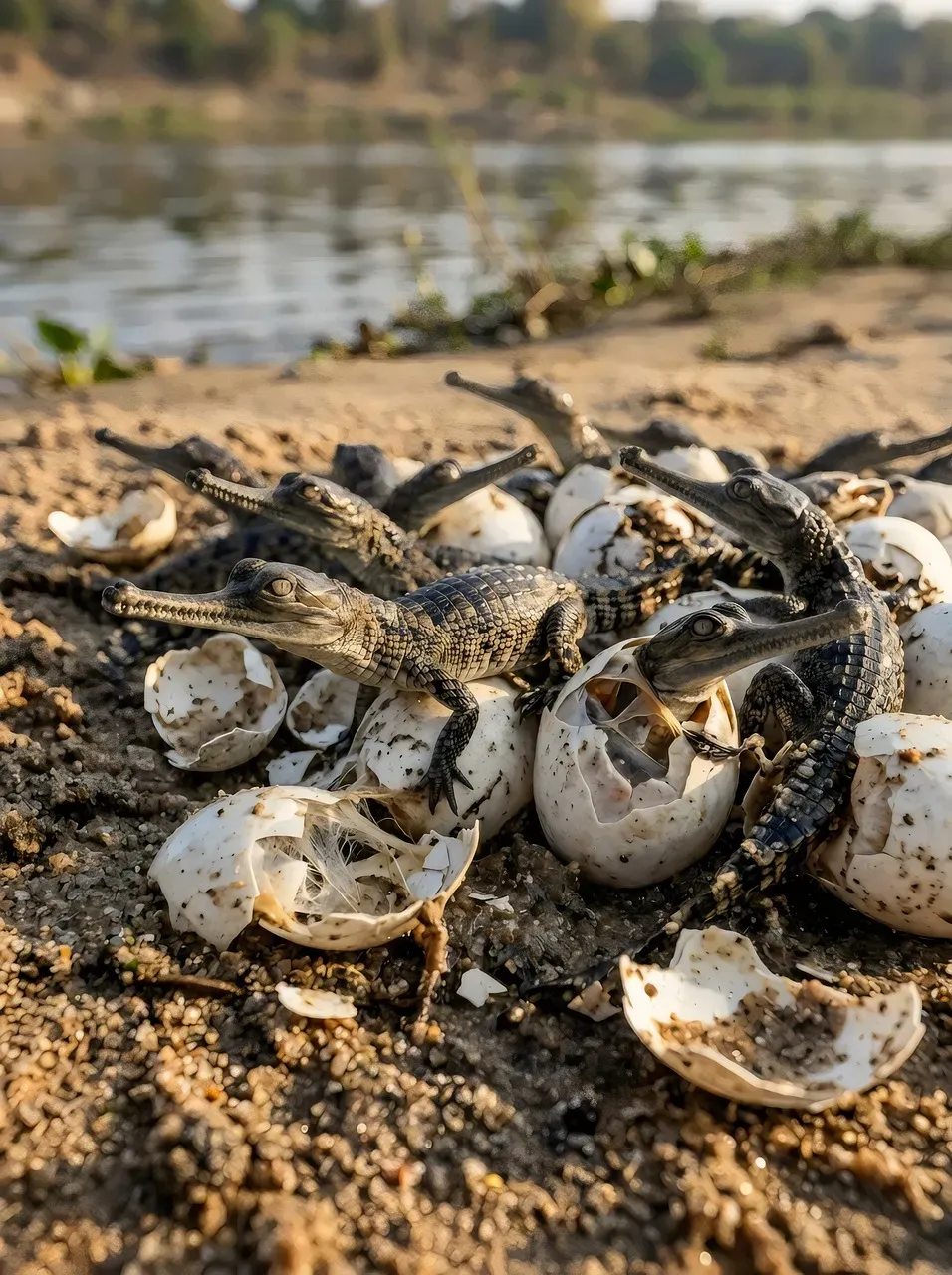
In 2018, a female crocodile who had lived completely alone for 16 years produced offspring – and it took scientists five years to fully confirm what had actually happened. The crocodile, named Coquita, laid a clutch of eggs at a Costa Rican zoo, and one egg was later found to contain a fully formed fetus despite her total isolation from any male of her species.
DNA testing showed the fetus and its mother were nearly genetically identical, with one key difference at the chromosome tips – evidence that the egg had fused with a “polar body” instead of sperm, a process called parthenogenesis.
Over the years, we’ve realized that parthenogenesis is really quite widespread and common.
Warren Booth, Virginia Tech
What still isn’t explained is why this particular reproductive backup switch flips on in some isolated females and stays permanently off in others.
#1 – The 400-Kilometer Homing Mystery
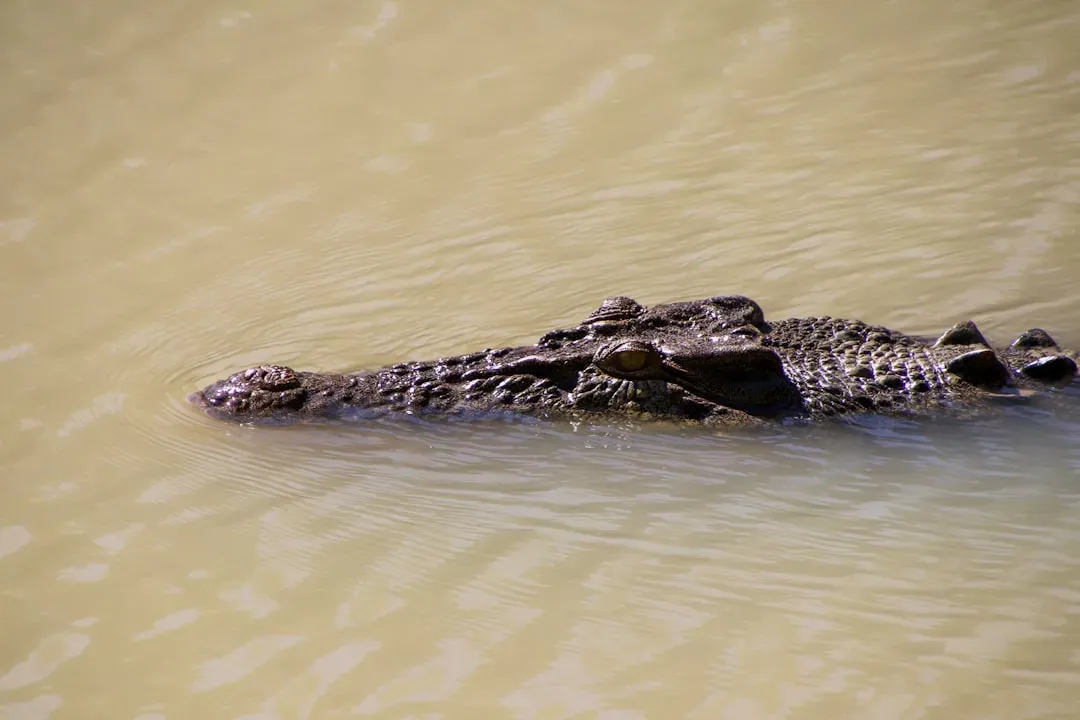
This is the mystery that keeps wildlife managers up at night. Crocodiles moved hundreds of kilometers from their home territory somehow find their way back – with no map, no familiar landmarks, and no sensory explanation anyone can fully verify. One animal that was relocated actually circumnavigated the entire Cape York Peninsula to get home, covering more than 400 kilometers in just 20 days, the longest homeward journey ever recorded for a crocodilian.
In the same study, three large male crocodiles were airlifted by helicopter and released 56, 99, and 411 kilometers from their capture sites. Every one of them spent a short time near the release point, then set off rapidly and purposefully, straight back to where they’d been caught. Researchers have theories – position relative to the sun, magnetic fields, sight, smell, even navigation systems borrowed evolutionarily from crocodilians’ surprisingly close relatives, birds – but no proof. A 400-kilometer, 20-day journey home, guided by a navigation system nobody has ever fully identified, remains the single most stubborn mystery in crocodilian science.
At a Glance: Leading Navigation Theories
- Position relative to the sun
- Sensitivity to magnetic fields
- Sight and smell cues along familiar routes
- Navigation instincts possibly shared with birds, crocodilians’ closest living relatives
The Bottom Line
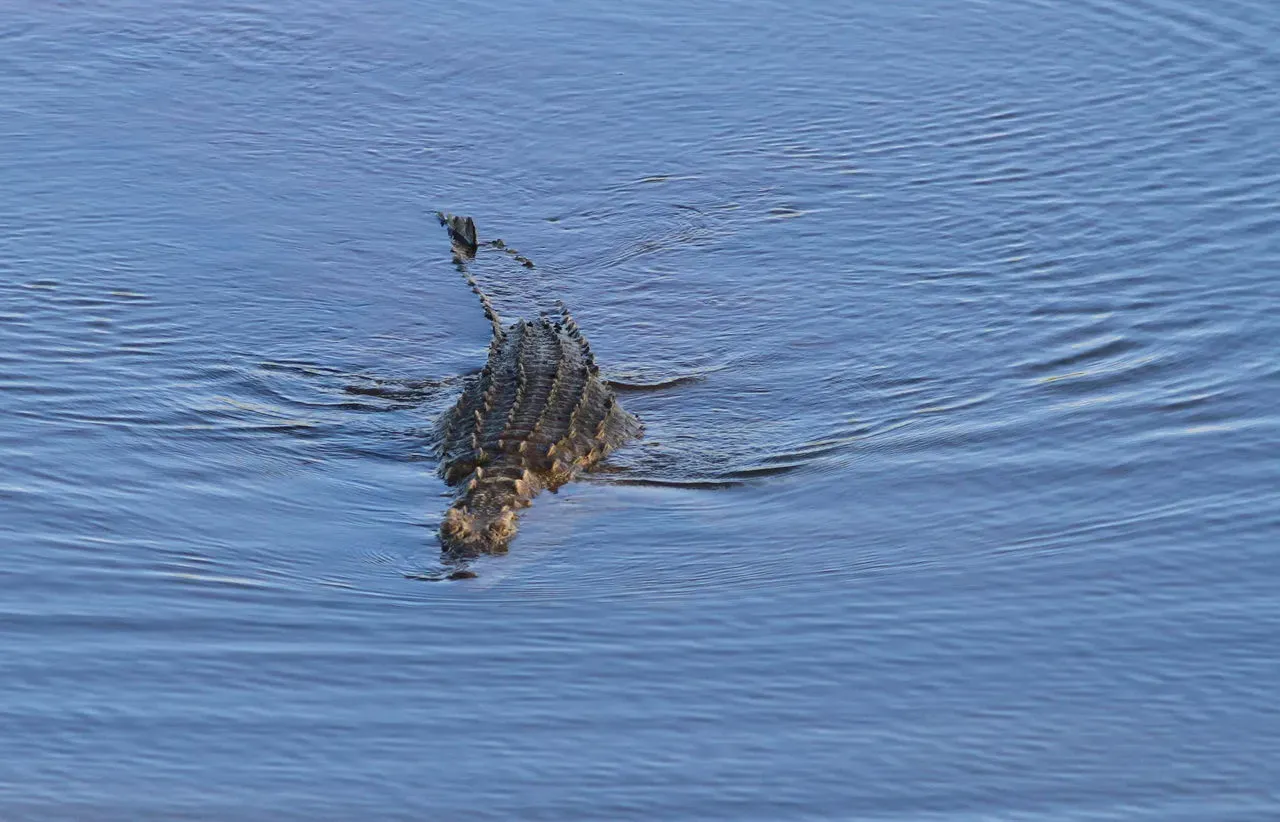
Crocodiles aren’t the dumb, drifting relics of pop culture. They’re navigating oceans without instruments, faking reproduction without mates, possibly speaking in a frequency we can’t hear, and pulling off homing feats that would put some migratory birds to shame.
The uncomfortable truth is that a century of underfunded, understudied research left massive gaps in basic crocodilian science, and several of the behaviors on this list were only formally documented in the last fifteen years. That’s not a coincidence – it’s a direct result of the “stupid reptile” stereotype, which has probably done more damage to serious research funding than almost any other animal myth in modern zoology.
So which mystery is harder to swallow: a crocodile reproducing completely alone, or one navigating 400 kilometers home with no map? Personally, I’d bet on more surprises coming from the water before either question gets a real answer. Drop your take in the comments.