You probably grew up thinking of dinosaurs as oversized, screaming monsters that spent their entire lives stomping around and fighting. The truth is way more surprising, way more complex, and honestly, way more relatable. When you look closely at the clues they left behind in fossils, trackways, and even ancient nests, you start to see something unexpected: these animals had rich social lives, quirky habits, and behaviors that feel strangely familiar.
As you go through these thirteen facts, you’ll see dinosaurs not just as movie monsters, but as parents, problem-solvers, picky eaters, long‑distance travelers, and even possible singers and dancers. Some of what you’re about to learn is still being debated, because science is always updating itself as new fossils turn up. But that makes it more exciting, not less. You’re stepping into an active mystery, where each fact is like a puzzle piece that reshapes how you picture life on Earth millions of years ago.
1. Some Dinosaurs Likely Traveled in Massive Herds
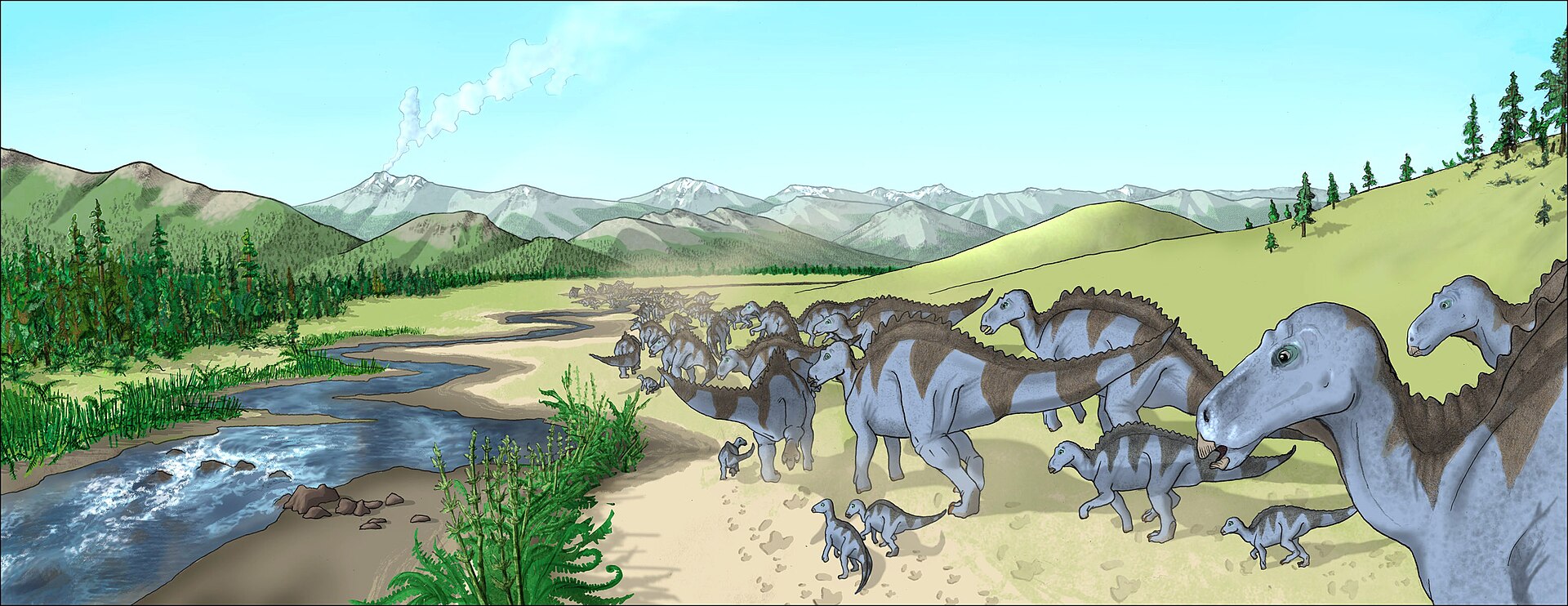
Imagine looking out across a floodplain and seeing not a few scattered giants, but hundreds of dinosaurs moving together like a living, shifting city. Evidence from huge fossil trackways suggests that some species, especially long‑necked sauropods and duck‑billed hadrosaurs, moved in large herds rather than wandering alone. When you find dozens of footprints all heading in the same direction, in similar sizes and spacing, it starts to look a lot like a group on the move instead of random traffic.
For you, that changes the whole mental picture: these animals were not just solitary tanks; they were more like migrating wildebeest or caribou. Moving in herds would have helped them find food, protect their young, and maybe even navigate long seasonal routes. If you’ve ever been in a crowded subway or stuck in game‑day traffic, you’ve actually felt a tiny taste of what it might have been like to live inside a dinosaur herd: noisy, tense, but full of shared purpose.
2. Many Dinosaurs Were Devoted, Hands‑On Parents
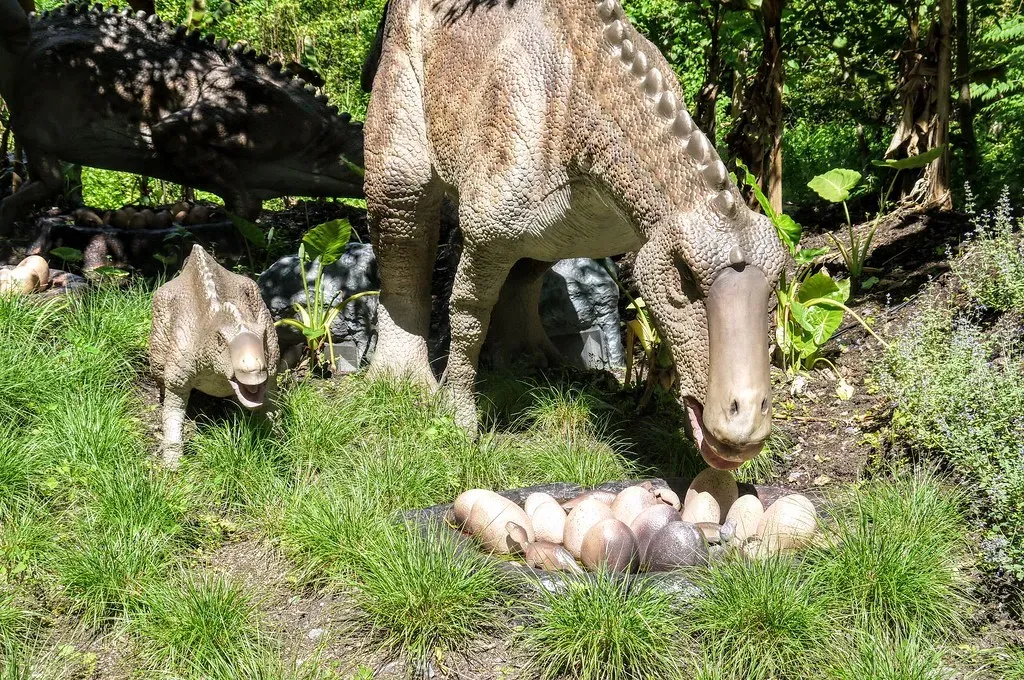
You might assume that dinosaurs, being reptiles, just laid their eggs and walked away. Instead, fossil nests tell you a different story. Paleontologists have uncovered carefully arranged egg clutches, layered nest structures, and even adults fossilized in positions that look like they were guarding or brooding their eggs. Some nests are found in colonies, which hints that groups of dinosaurs came back to the same nesting grounds year after year, much like seabirds do today.
That means if you were standing quietly near an ancient nesting site, you wouldn’t just see eggs; you’d see adults fussing over them, protecting them from predators, and maybe even tending to newly hatched young. Some juvenile fossils appear to have stayed near adults longer than you’d expect for a typical reptile. In practical terms, you can think of certain dinosaurs less like cold, distant lizards and more like very large, very protective geese or ostriches doing whatever it took to give their offspring a fighting chance.
3. A Surprising Number of Dinosaurs Probably Had Feathers
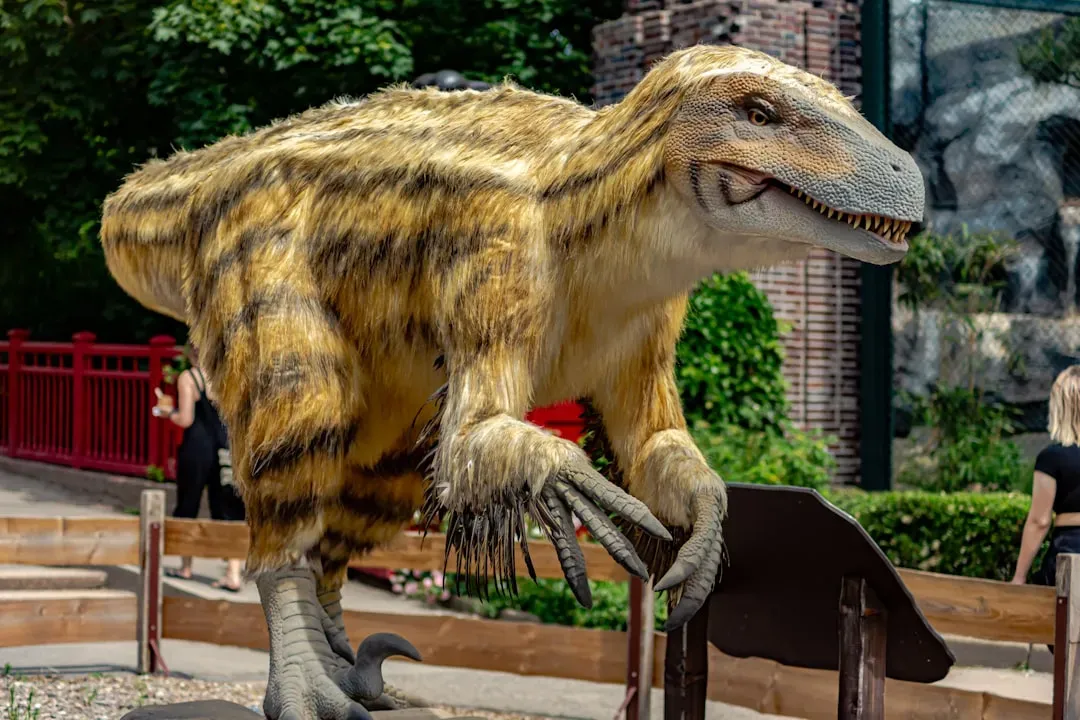
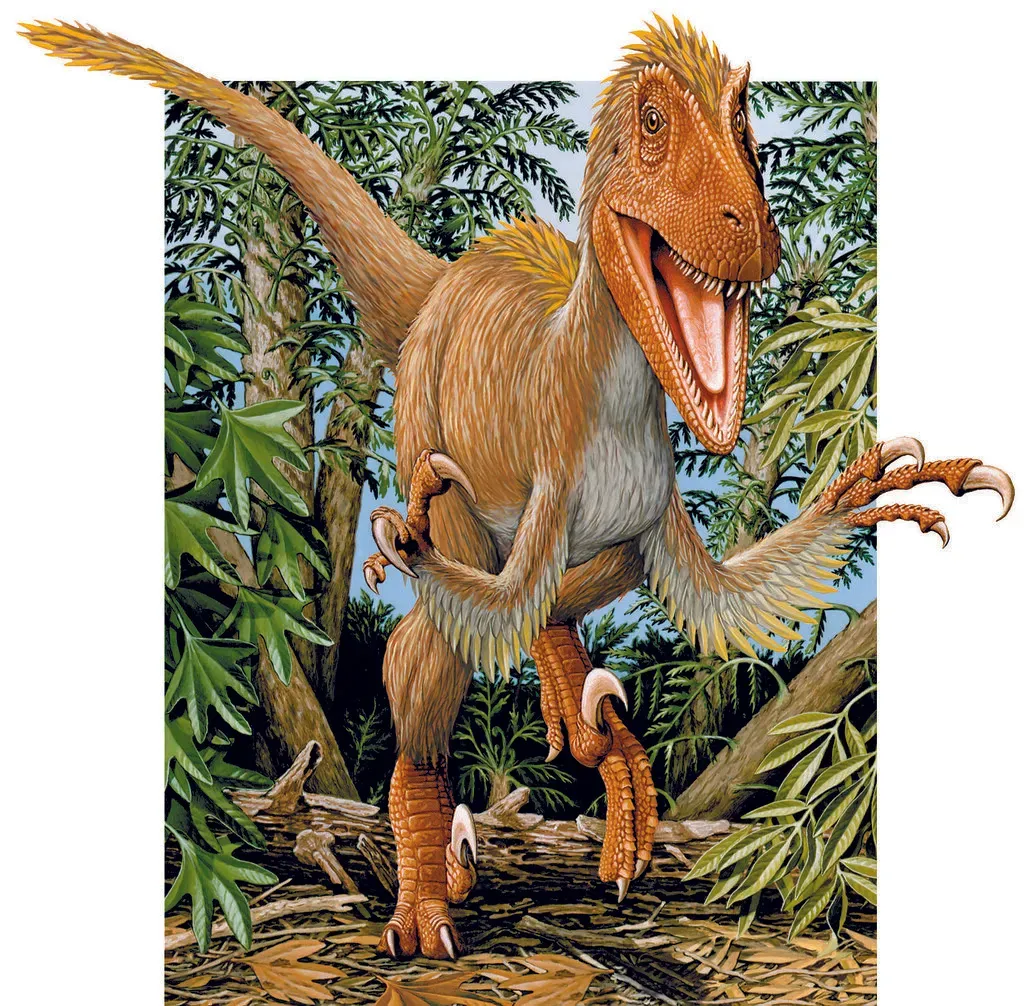
If you still picture dinosaurs as bare, scaly beasts, you’re about two decades behind the science. Fossils from places like China have revealed imprints and structures that show feathers, fuzz, and filament‑like coverings on a wide variety of species, especially among the theropods, the group that includes the famous Velociraptor. In some cases, you can even see complex feather arrangements that look built for display, not just for warmth.
For you, this unlocks a much more colorful, dynamic world than the gray‑green dinosaur skin you grew up with in picture books. Feathers may have helped smaller species regulate their temperature, camouflage themselves, or show off to attract mates. If you imagine something halfway between a bird of prey and a ground‑dwelling rooster, strutting and flaring its feathers to impress rivals or partners, you’re probably closer to the truth than any old‑school plastic dinosaur toy on your shelf.
4. Dinosaurs Used Visual Displays to Flirt, Threaten, and Impress
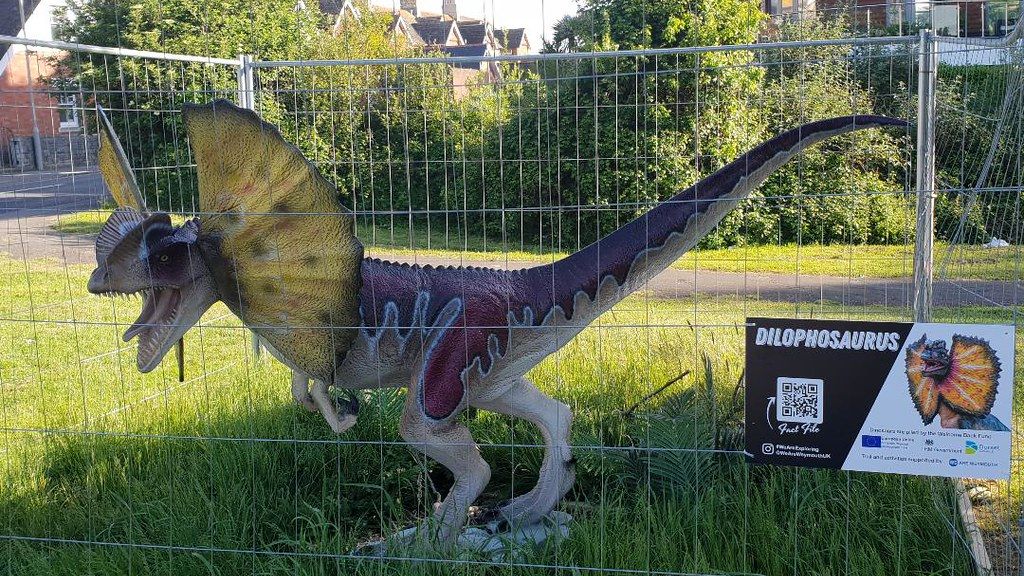
When you look at the wild crests, horns, frills, and plates on dinosaurs like Triceratops or Parasaurolophus, it’s tempting to think they were just weapons or armor. But many of these features are too big, too showy, and often too fragile in the wrong places to be purely for combat. Instead, they likely played a huge role in visual communication: flirting, intimidating rivals, and helping individuals recognize members of their own species across a distance.
In your modern world, you see similar strategies everywhere, from the huge antlers of a deer to the elaborate tail of a peacock. Dinosaurs were probably doing something very similar but on a dinosaur‑sized scale. You can picture bright colors on those frills, bold patterns along the sides, and head bobs or struts that turned every clearing into a prehistoric stage. It makes the Mesozoic start to feel less like a silent wasteland and more like a crowded nightclub full of body language and visual drama.
5. Some Dinosaurs Probably Sang, Honked, or Trumpeted Across the Landscape
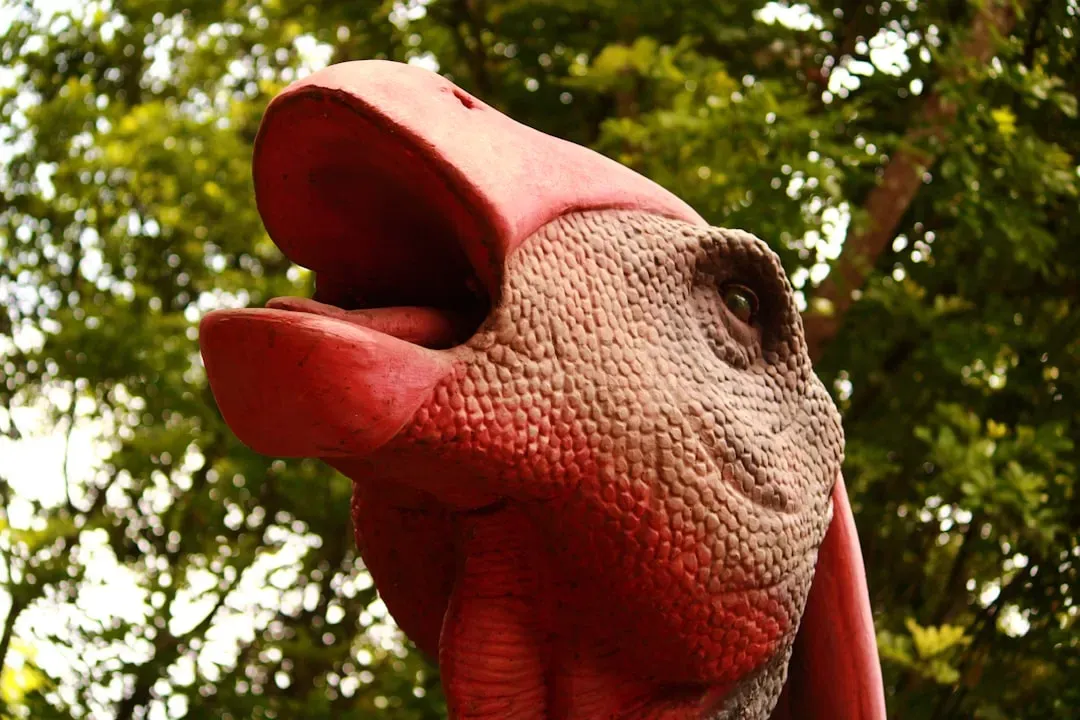
You will never hear a real dinosaur call, but certain fossils let you make educated guesses about how they might have sounded. In hadrosaurs, the so‑called duck‑billed dinosaurs, hollow crests in their skulls look like natural resonating chambers. When you compare these structures to how modern animals use similar cavities, it becomes very plausible that these dinosaurs produced low, booming calls or eerie honks that could travel long distances through forests and floodplains.
If you imagine standing in the half‑light of a Mesozoic dawn, you might hear deep calls rolling over the landscape like foghorns or distant drums. Those sounds could have been used to keep a herd together, warn of danger, or call to mates. Even carnivorous dinosaurs with powerful chests and wide throats likely used impressive roars, growls, and bellows – not the exact Hollywood sound effects you know, but strong, varied voices shaped by their anatomy. In a way, the prehistoric world was probably as noisy as any modern jungle.
6. Many Dinosaurs Grew Up in Tight‑Knit Age Groups
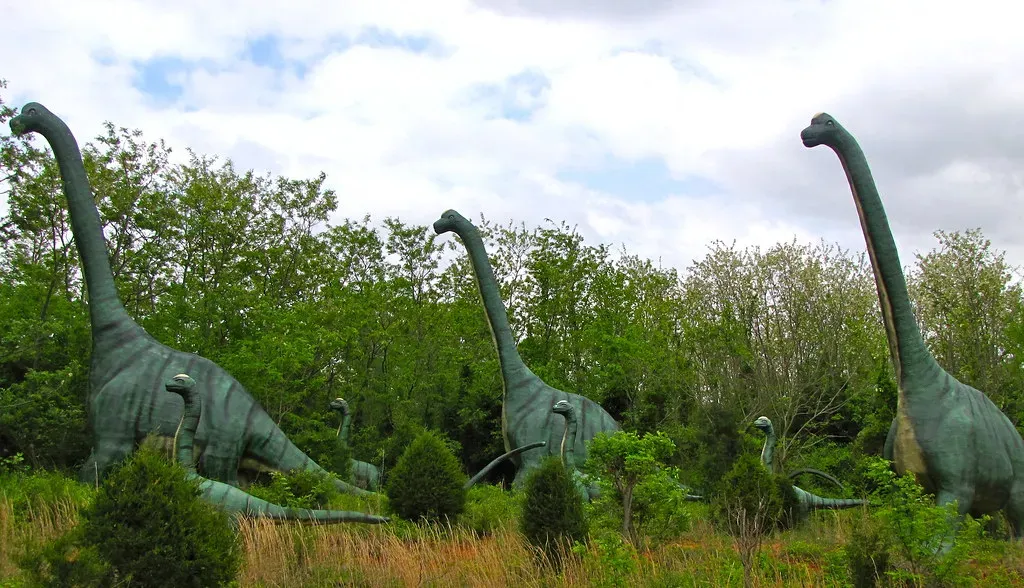
Fossil finds have uncovered groups of juvenile dinosaurs preserved together, without adults nearby, suggesting that youngsters sometimes formed their own little gangs. You can think of this as the dinosaur version of a schoolyard: animals of roughly the same age sticking together, learning to forage, move, and survive. This kind of age‑segregated behavior is common in modern animals like some birds and ungulates, where youth groups give individuals a chance to practice skills with lower risk.
For you, this paints a surprisingly social picture of dinosaur childhood. Instead of a lonely youngster dodging predators on its own, you can picture a bunch of half‑grown teens traveling together, maybe following distant adult herds while keeping to their own cluster. They would have reduced their individual risk by staying in a group and may even have developed simple hierarchies or pecking orders. If you’ve ever seen a group of teenagers testing boundaries together, you already have a rough emotional sense of what this might have looked like – just scale it up and add claws.
7. Some Dinosaurs Were Active, Agile, and Potentially Warm‑Blooded
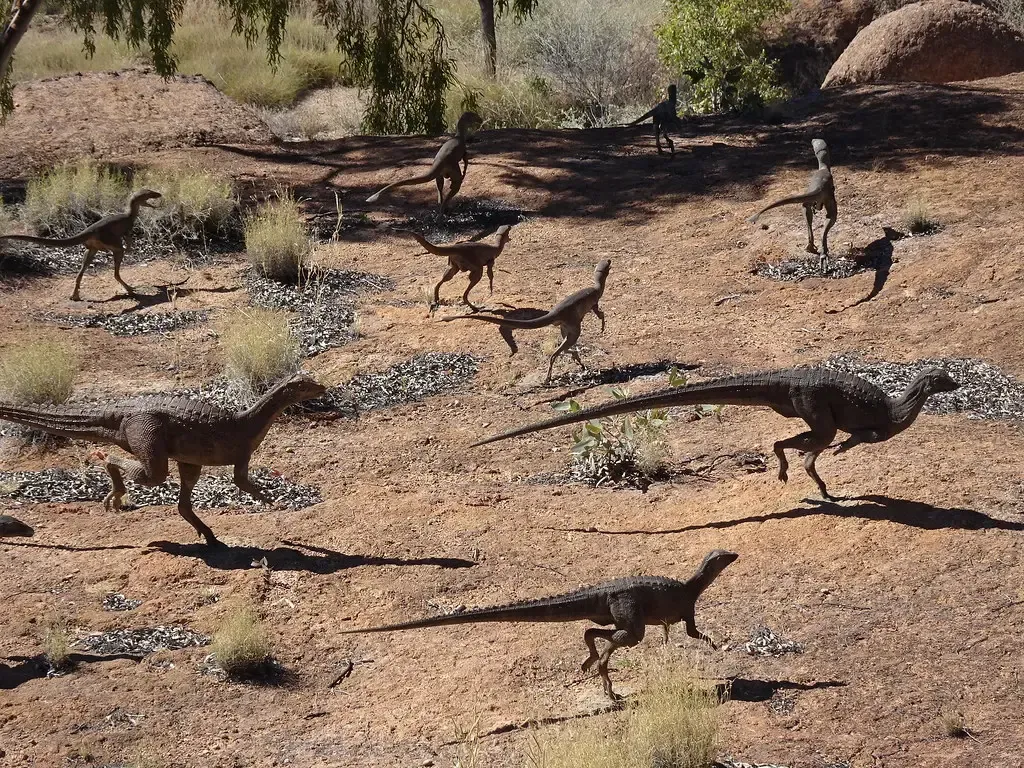
You grew up with the idea that dinosaurs were slow, lumbering, and sluggish, but a lot of evidence pushes you in the opposite direction. Bone structure, growth rates, and trackways all hint that many dinosaurs, especially smaller ones, were highly active creatures. Their bones often show fast growth, more in line with modern birds and mammals than with today’s cold‑blooded reptiles. This suggests they might have had internal temperature control closer to warm‑blooded animals, or at least something in between.
That matters because it reshapes how you picture their daily lives. Instead of dozing in the sun waiting to warm up, many dinosaurs were probably on the move at dawn, chasing prey, dodging predators, or searching for food. Think less “slow crocodile on a riverbank” and more “fleet‑footed emu darting across open ground.” When you see them this way, their entire world becomes more energetic: long chases, quick reactions, and constant activity, all powered by a metabolism built to keep them going.
8. Dinosaur Herds May Have Migrated Across Vast Distances
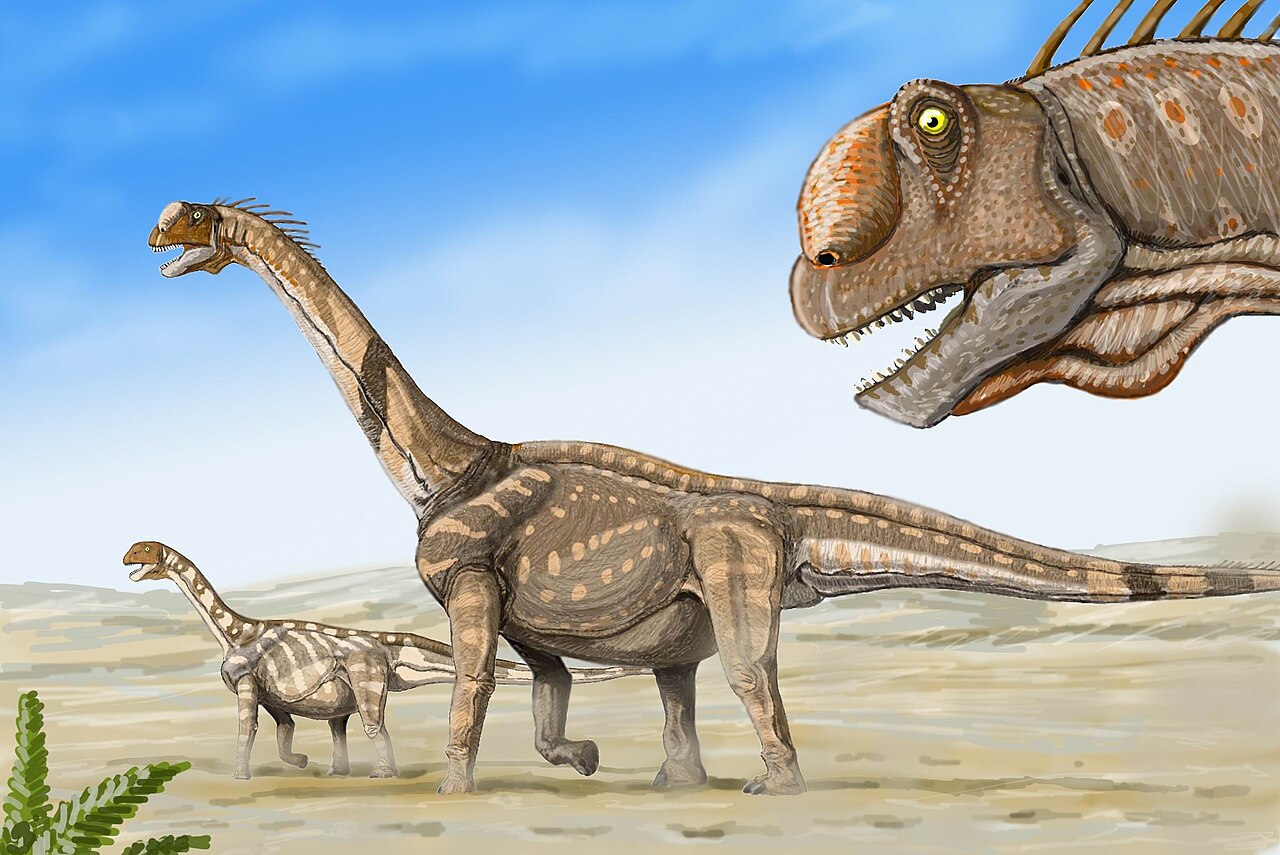
Just like modern wildebeest or caribou cross continents in search of fresh grazing, some dinosaur species probably undertook epic migrations. Fossil sites that contain the same species across huge geographic areas, combined with seasonal growth patterns in their bones, hint that these animals did not stay put. Instead, they likely followed changing climates and plant growth, trekking long distances to find enough food and avoid harsh conditions.
For you, this means that a herd of sauropods might not just have dominated a single valley; it may have walked rivers, plains, and coastal regions in a cycle that repeated every year. Imagine being a young dinosaur born into that life, joining a moving sea of legs and tails, always pressing forward to the next feeding ground. It adds a sense of constant motion to the dinosaur world: not a static scene, but a planet‑wide network of trails, routes, and seasonal journeys that shaped where these animals lived and died.
9. Some Dinosaurs May Have Hunted in Coordinated Groups
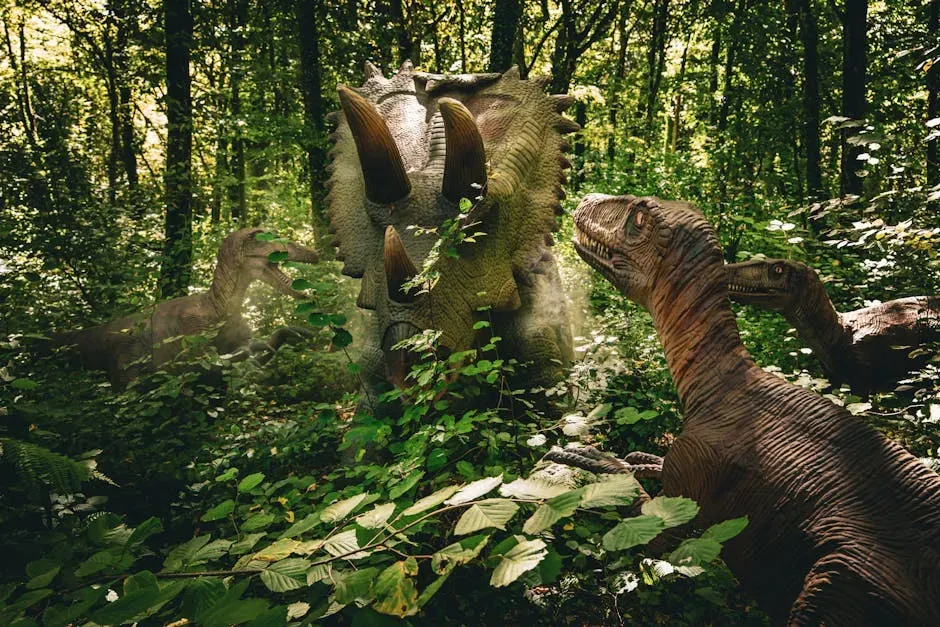
The idea of pack‑hunting dinosaurs can easily slide into pure fantasy, but there are real clues that push you to at least consider it. Multiple skeletons of predatory species like deinonychosaurs have been found together near potential prey, and trackways sometimes show parallel sets of carnivore footprints moving in the same direction. While this doesn’t prove complex pack tactics, it does suggest that certain predators were at least comfortable operating close to one another while on the move.
If you look at how modern animals behave, you see a spectrum: from loose groups of crocodiles sharing a hunting area, to coordinated wolf packs using strategy. Dinosaurs probably fell somewhere along that spectrum, depending on the species. For you, that means a hunt might have involved several predators pushing a herd in the same direction, targeting the weak or young, rather than a single lone hunter. It might not have been as choreographed as a wolf hunt, but it likely involved more social awareness and interaction than a simple solitary ambush.
10. Herbivorous Dinosaurs Had Surprisingly Complex Eating Habits
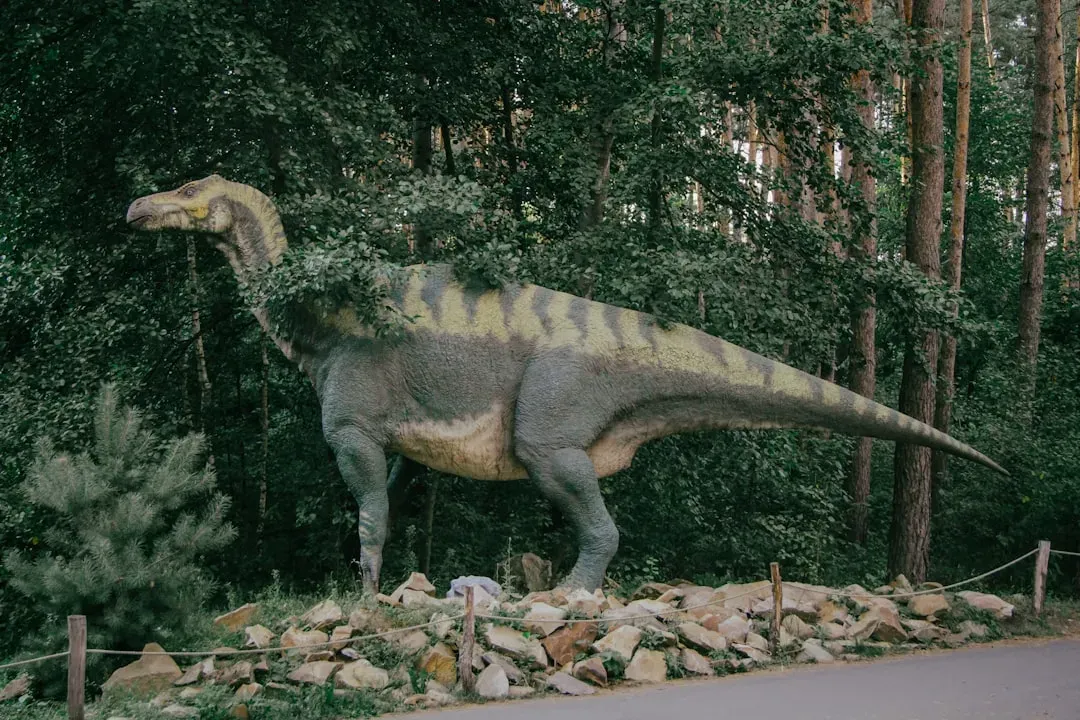
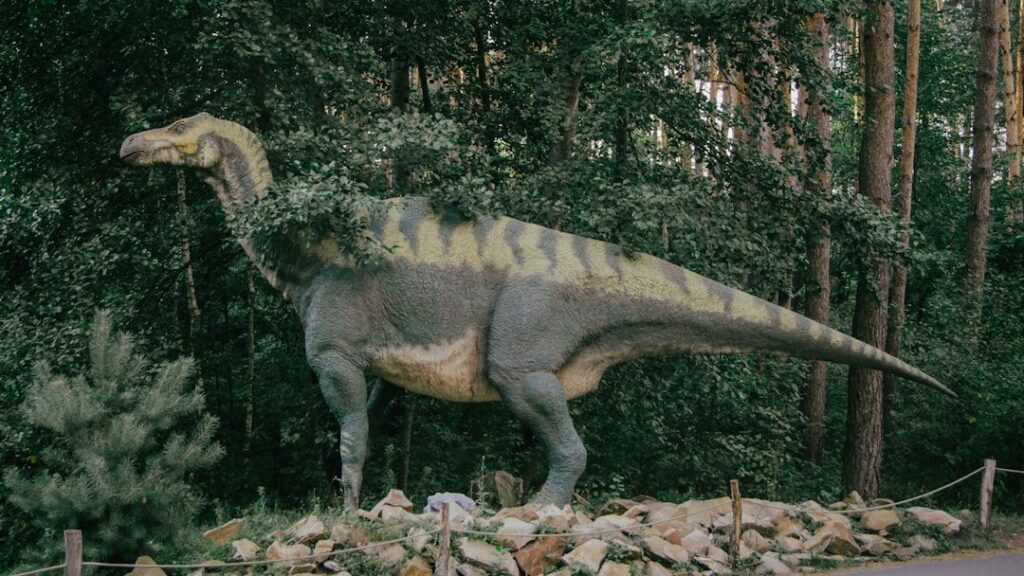
It is easy to imagine plant‑eating dinosaurs as living lawnmowers, just chomping anything green in front of them. When you look at their teeth, jaw shapes, and fossilized stomach contents, the story gets more interesting. Some hadrosaurs had intricate dental batteries that worked like self‑sharpening grinders, ideal for processing tough vegetation. Certain long‑necked sauropods may have focused on high foliage, while others specialized in lower shrubs, reducing competition by dividing the menu.
In practice, if you were walking through their world, you would not see a bunch of identical grazers; you would see specialists each filling a particular niche. Some might have preferred soft leaves, others bark or ferns, and some may even have swallowed stones to help grind food in their stomachs, much like modern birds do. It is a reminder that “herbivore” is not a simple label. Their feeding behavior shaped the vegetation, the landscape, and the way different dinosaur species could live side by side without constantly starving each other out.
11. Many Dinosaurs May Have Used Camouflage and Display Colors
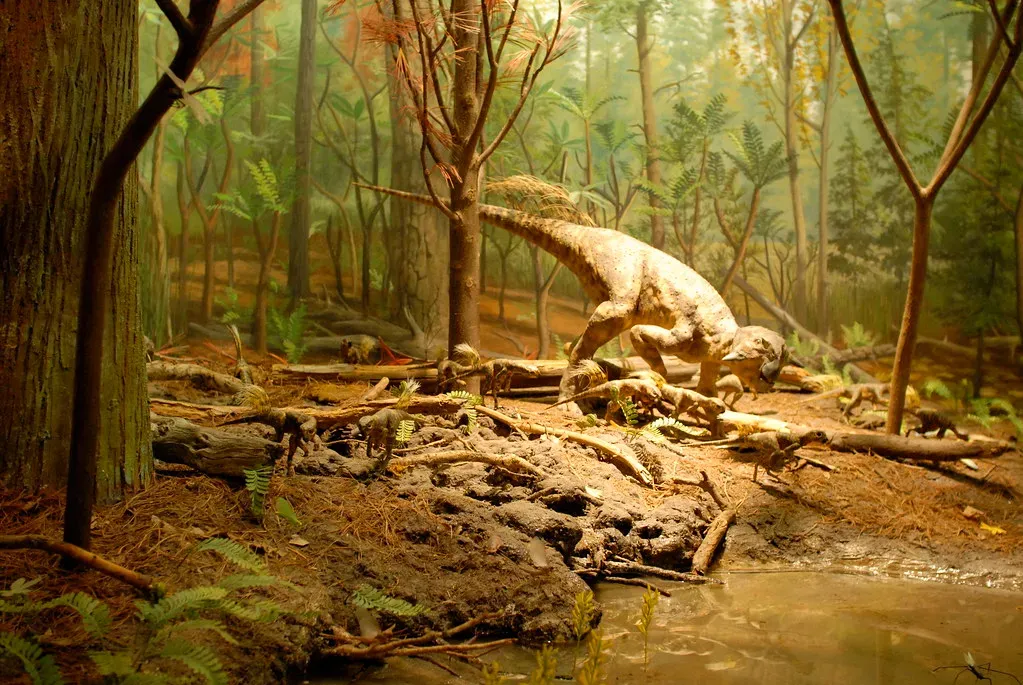
Color almost never fossilizes directly, but in a few rare cases, microscopic structures in dinosaur feathers and skin impressions give you hints about patterns and shades. When scientists compare these structures to those in modern birds, they can sometimes infer dark or light colors, and even banding or speckling. On top of that, basic evolutionary logic tells you that in a world full of sharp teeth and claws, blending into your surroundings would be a huge advantage for both hunters and prey.
So you can realistically imagine smaller dinosaurs with mottled backs that broke up their outline in dappled forest light, or larger species with countershading – darker on top, lighter below – to soften their silhouettes. At the same time, some parts of the body, like crests or tail tips, may have been much brighter, acting like flags when they wanted to stand out. You see this kind of mix in many modern animals: overall camouflage with a few bold highlights for communication. Dinosaurs likely followed that same playbook, turning their own bodies into a balance of stealth and spectacle.
12. Some Dinosaurs Lived in Harsh Polar Regions and Endured Dark Winters
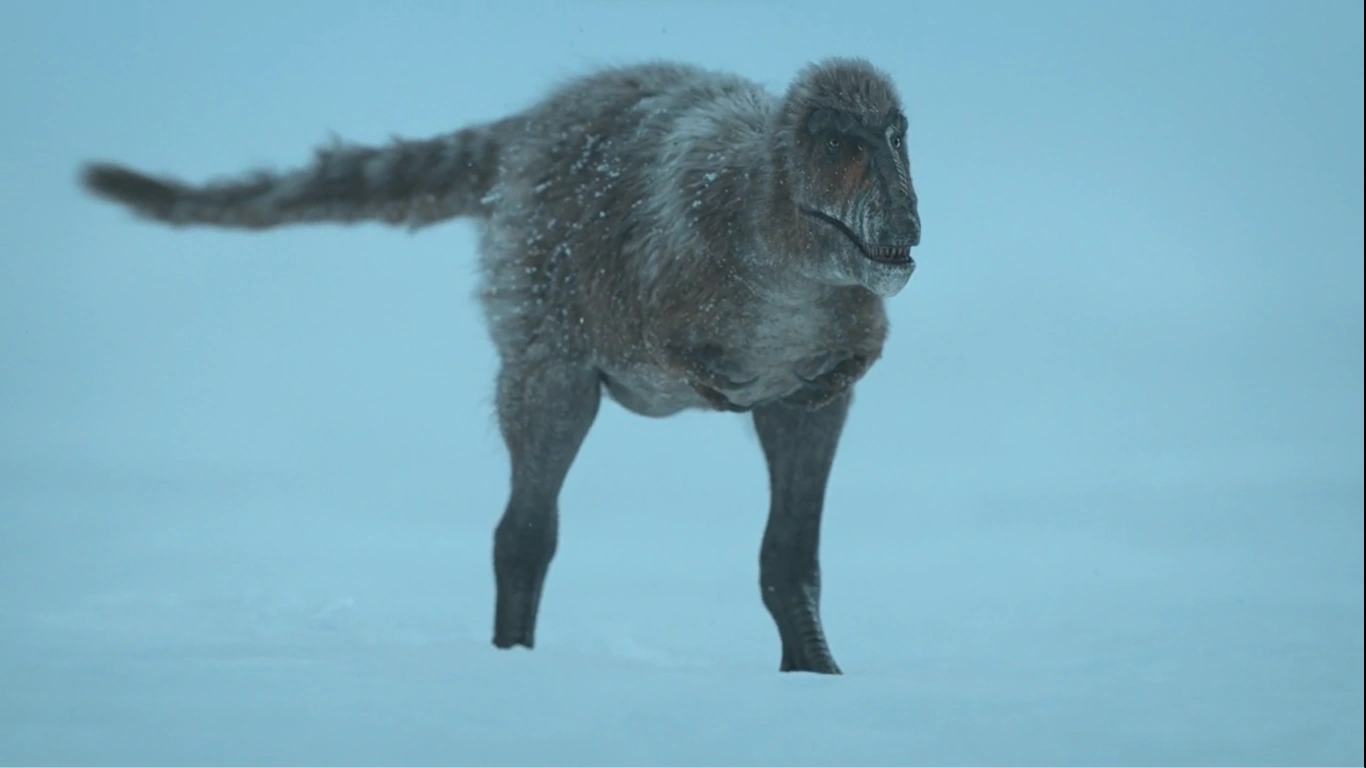
You might assume dinosaurs only thrived in warm, tropical climates, but fossil evidence tells you they also lived in regions that were much closer to the poles. During the Mesozoic, these areas were milder than today but still had cold seasons and months of winter darkness. Fossil bones, tracks, and even possible nesting grounds suggest that certain species stayed year‑round instead of migrating away, which means they had to cope with low light and limited food.
For you, this implies impressive behavioral and maybe physiological flexibility. These polar dinosaurs may have adjusted their activity patterns, relied more on stored fat, or eaten whatever they could find during the lean season, from hardy plants to scavenged carcasses. Some might have had insulating feathers or other body coverings to help retain heat. When you picture a dinosaur trudging through a snowy or frosty forest under a dim sky, you get a very different, more rugged image than the usual palm‑tree postcard version of the dinosaur age.
13. Birds Around You Today Are Living Dinosaurs
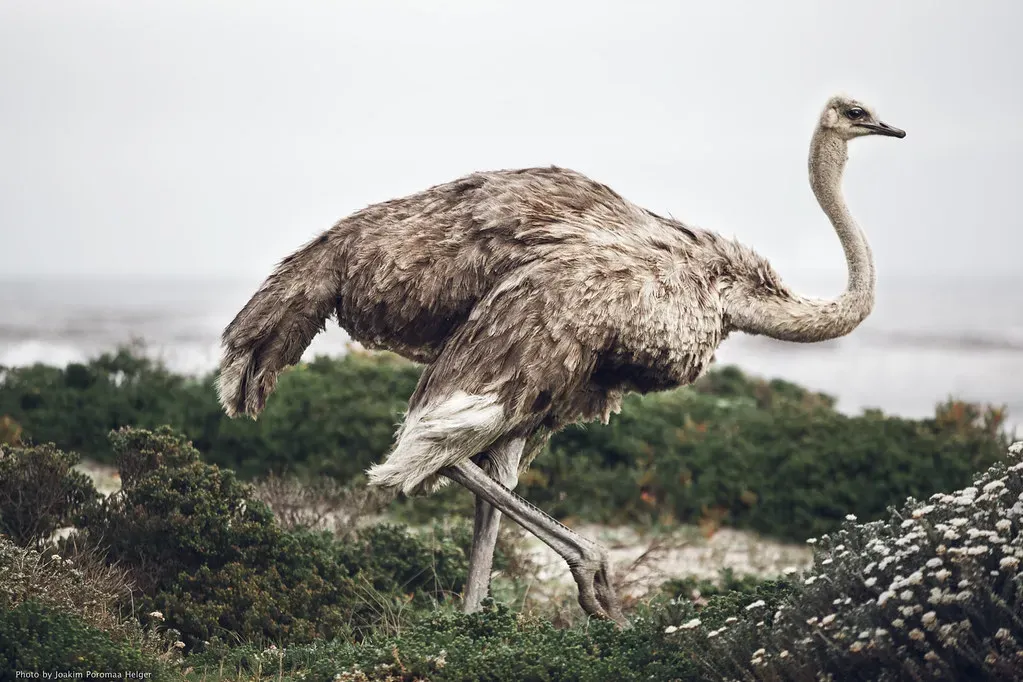
The wildest behavioral fact is also the simplest: you are already surrounded by dinosaurs. Modern birds are direct descendants of theropod dinosaurs, and they still carry many of the same behavioral patterns. When you watch a crow caching food, a goose defending its nest, or a rooster puffing itself up and strutting, you are seeing echoes of behaviors that started in the age of dinosaurs and never really stopped.
This connection lets you use living birds as a window into the past. Their complex songs, social structures, migratory routes, and parenting strategies all give you hints about what their dinosaur ancestors might have done, even if the details were different. It turns your morning walk into a kind of time travel: every pigeon on a rooftop and hawk circling overhead is a tiny, feathered reminder that the dinosaur story never actually ended, it just changed shape and kept going.
Conclusion: Rethinking Dinosaurs as Real, Living Animals
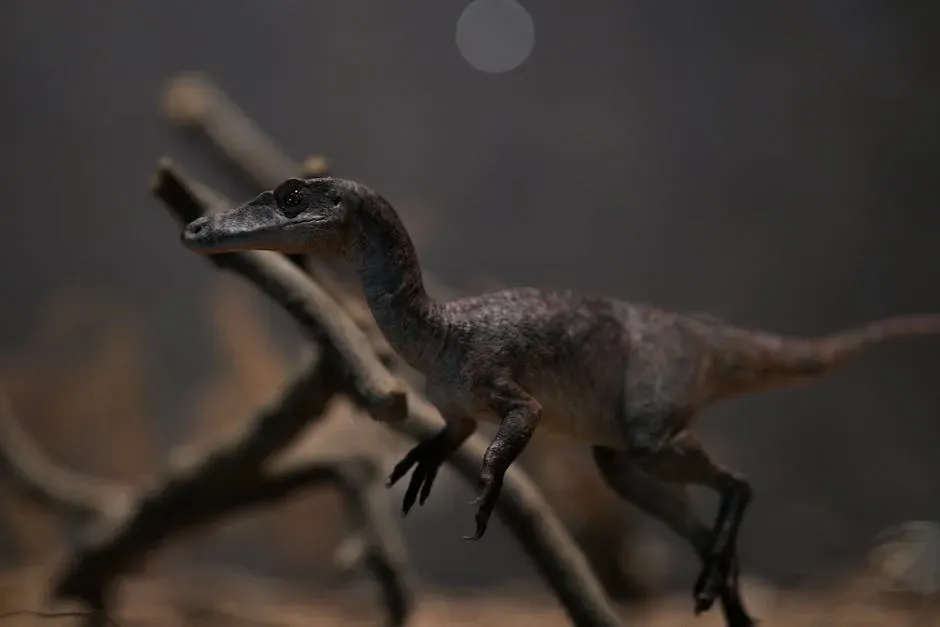
When you pull all these facts together, dinosaurs stop being abstract monsters and start feeling like real animals with fears, habits, and strategies. They migrated, nested, flirted, argued, raised young, solved survival problems, and navigated complex landscapes, just like creatures do today. The more you learn, the less they seem like movie villains and the more they resemble a strange mix of birds, mammals, and reptiles, each behavior fitting into a bigger ecological puzzle.
The best part is that this picture is still changing, because every new fossil has the potential to tweak what you think you know. As you hear about fresh discoveries in the coming years, you can slot them into this behavioral framework and watch the dinosaur world become even richer. In the end, the real question for you is this: now that you know how alive and complicated their lives really were, will you ever be able to look at a simple toy dinosaur the same way again?