Most people picture fossil hunting as tidy science: dig it up, date it, label it, move on. That’s not what happened at the sites below. At each one, careful, peer-reviewed research turned up something that still doesn’t add up – bones broken in ways they shouldn’t be, footprints older than the creature that was supposed to leave them, and soft tissue that should have turned to dust millions of years ago.
None of this comes from fringe theorists. These mysteries were dug up, debated, and defended by mainstream paleontologists who still can’t fully agree on what they’re looking at. Here are 13 sites where the evidence showed up on schedule – and the explanation never quite followed it home.
#13 – The Cerutti Mastodon Site, California
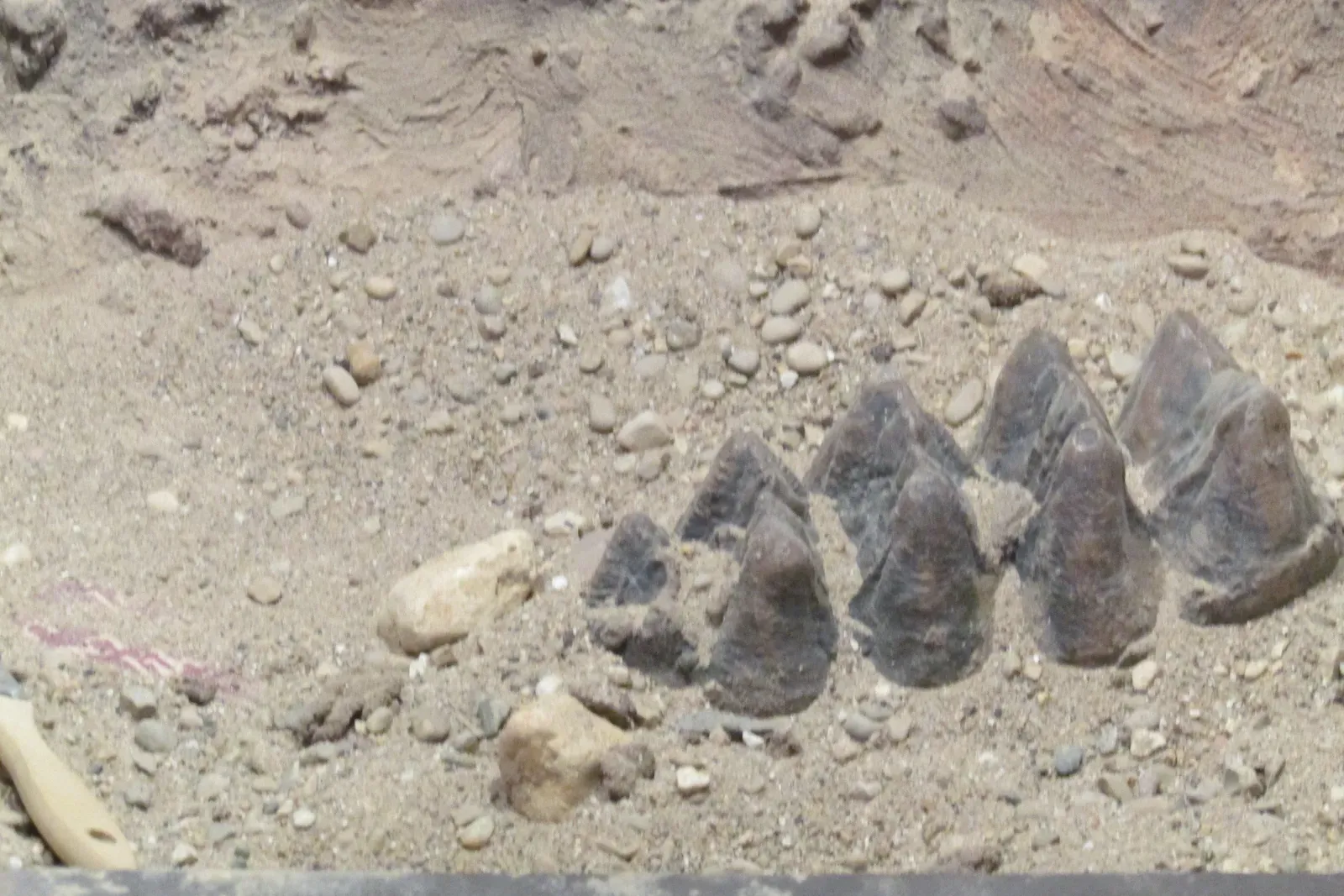
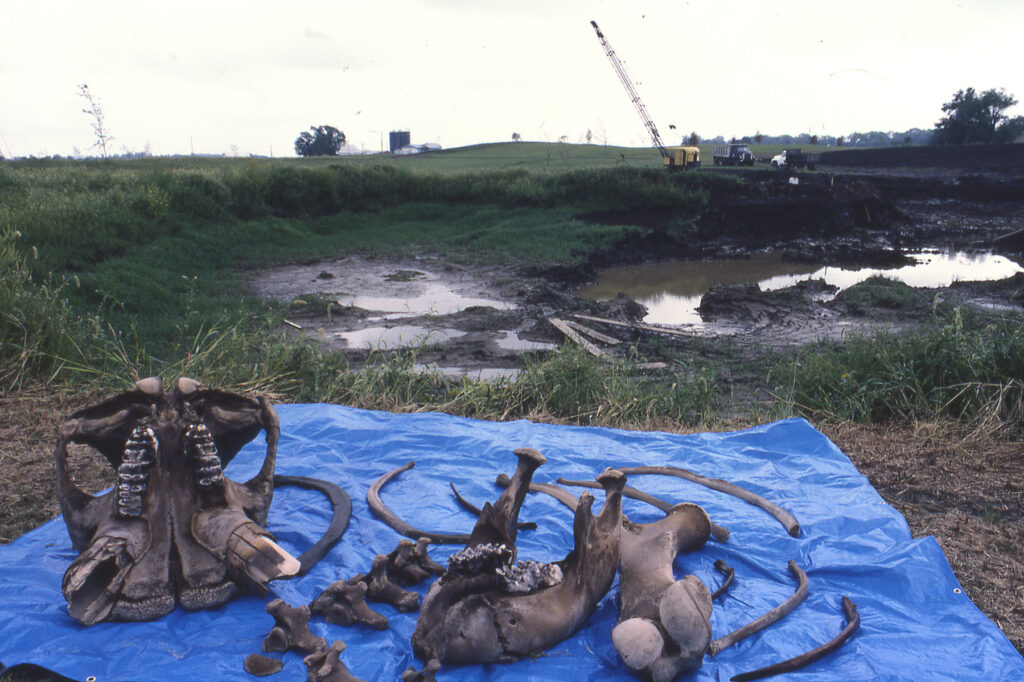
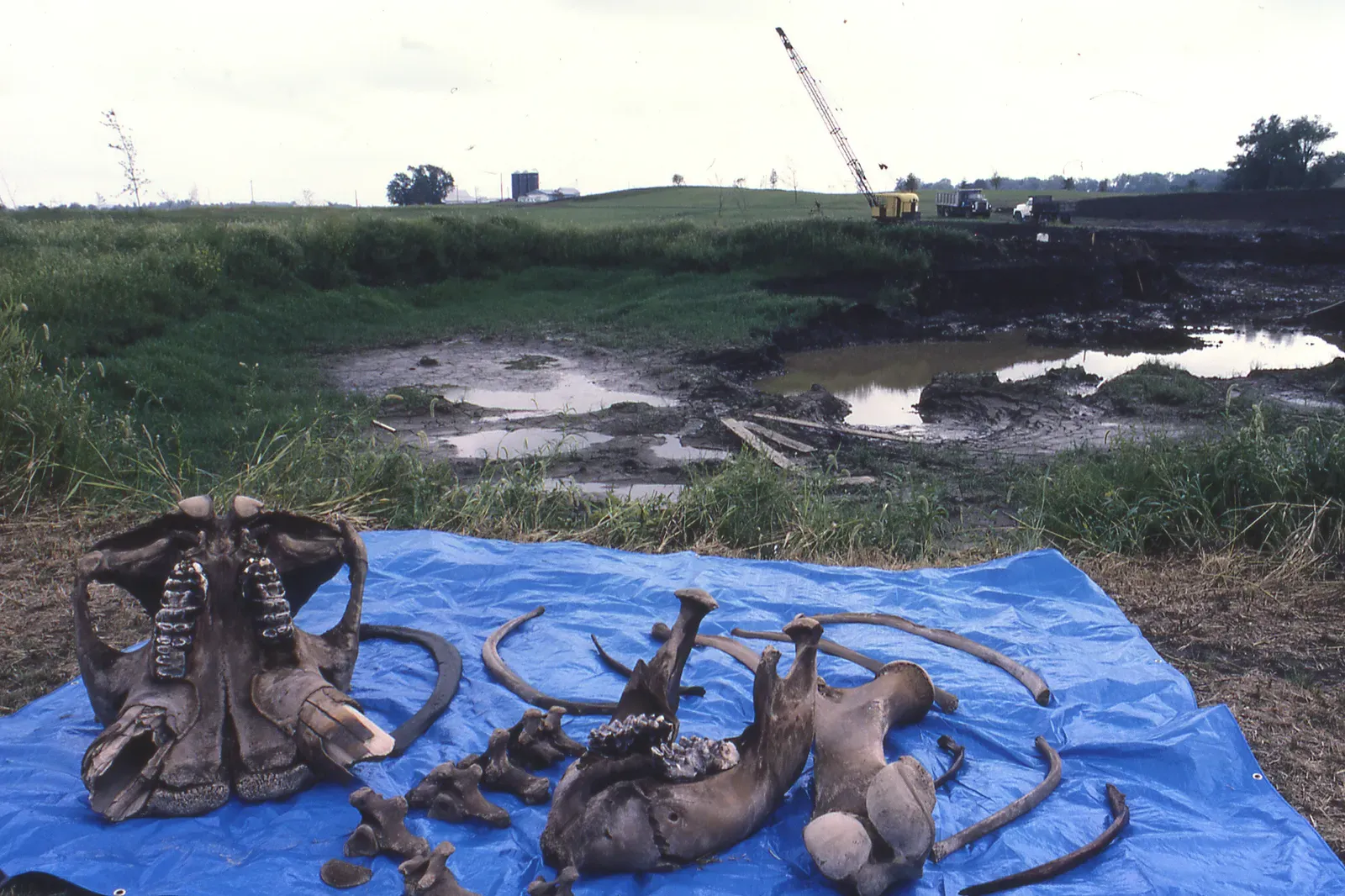
Workers building a freeway near San Diego in the 1990s hit something strange: mastodon bones and large stones arranged in patterns that looked less like an accident and more like a butchering site. The bones showed spiral fractures typical of fresh-bone breaks, not weathering, and the stones carried wear patterns that resembled percussion tools rather than random rockfall.
Here’s the part that turned it into a controversy: the site dates to roughly 130,000 years ago. Accepted models put the first humans in the Americas at 15,000 to 20,000 years ago, not five times that far back. Most archaeologists blame heavy construction equipment or natural geological forces for the fractures instead – but nobody has ever definitively closed the case either way.
Fast Facts
- Uncovered in the early 1990s during a California highway expansion near San Diego
- Dated to roughly 130,000 years old using uranium-series methods
- Predates the accepted “Clovis-first” migration model by over 100,000 years
- Findings were formally published decades after the initial excavation, reigniting the debate
#12 – Zachelmie Quarry, Poland
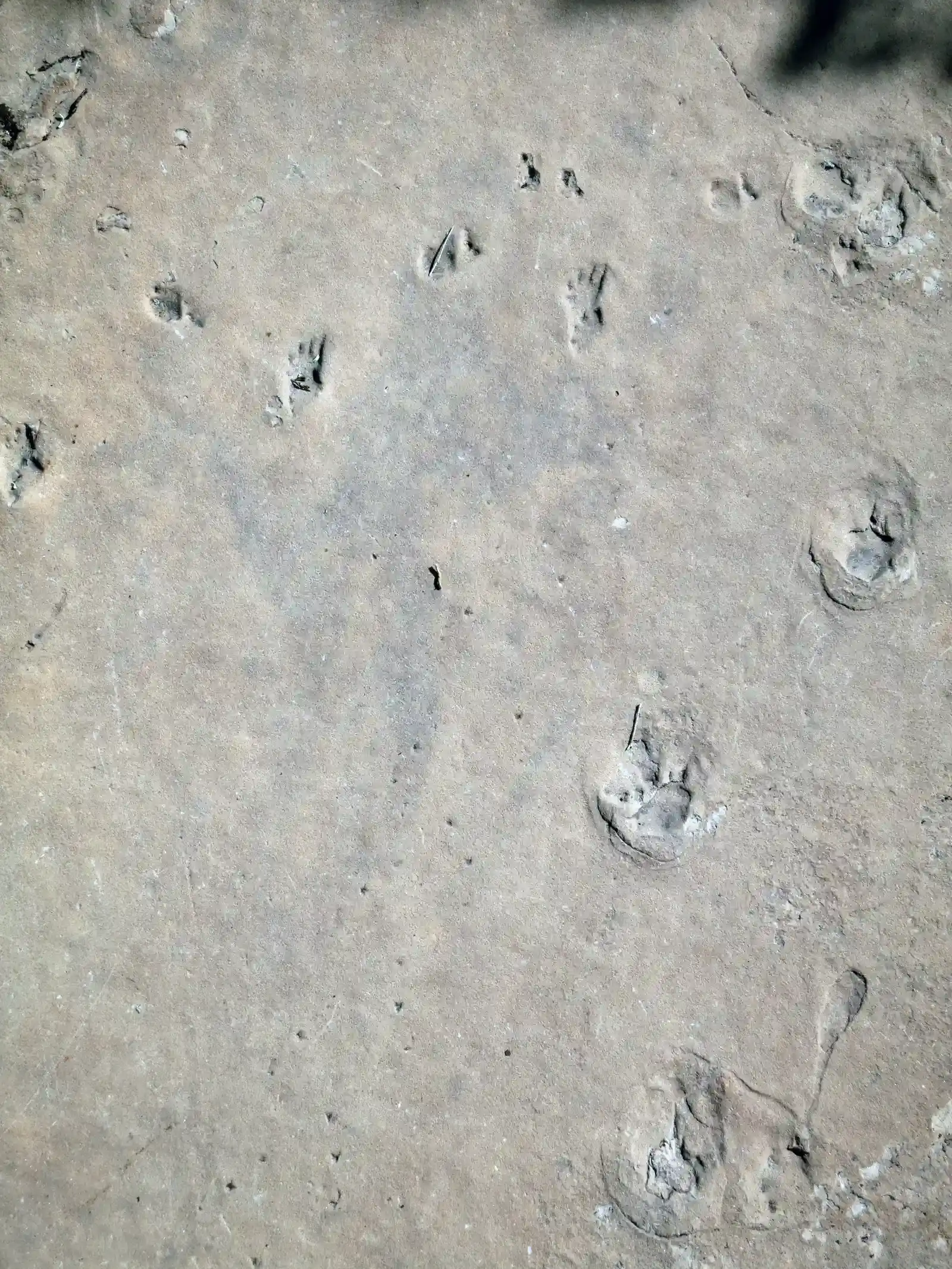
A limestone quarry in Poland produced footprints that shouldn’t exist, because the animal that supposedly made them wasn’t supposed to exist yet. Researchers dated trackways at Zachelmie to roughly 397 million years old, showing clear four-limbed movement consistent with an early tetrapod walking on land or through shallow water.
That date is the problem. It predates famous transitional fossils like Tiktaalik, long treated as the earliest steps toward life on land. The tracks are older than the body fossils that were supposed to represent the “missing link.” No skeleton matching the trackmaker has ever turned up at the site, so paleontologists have had to quietly rewrite the vertebrate evolution timeline without ever finding the animal responsible.
#11 – Rhynie Chert, Scotland
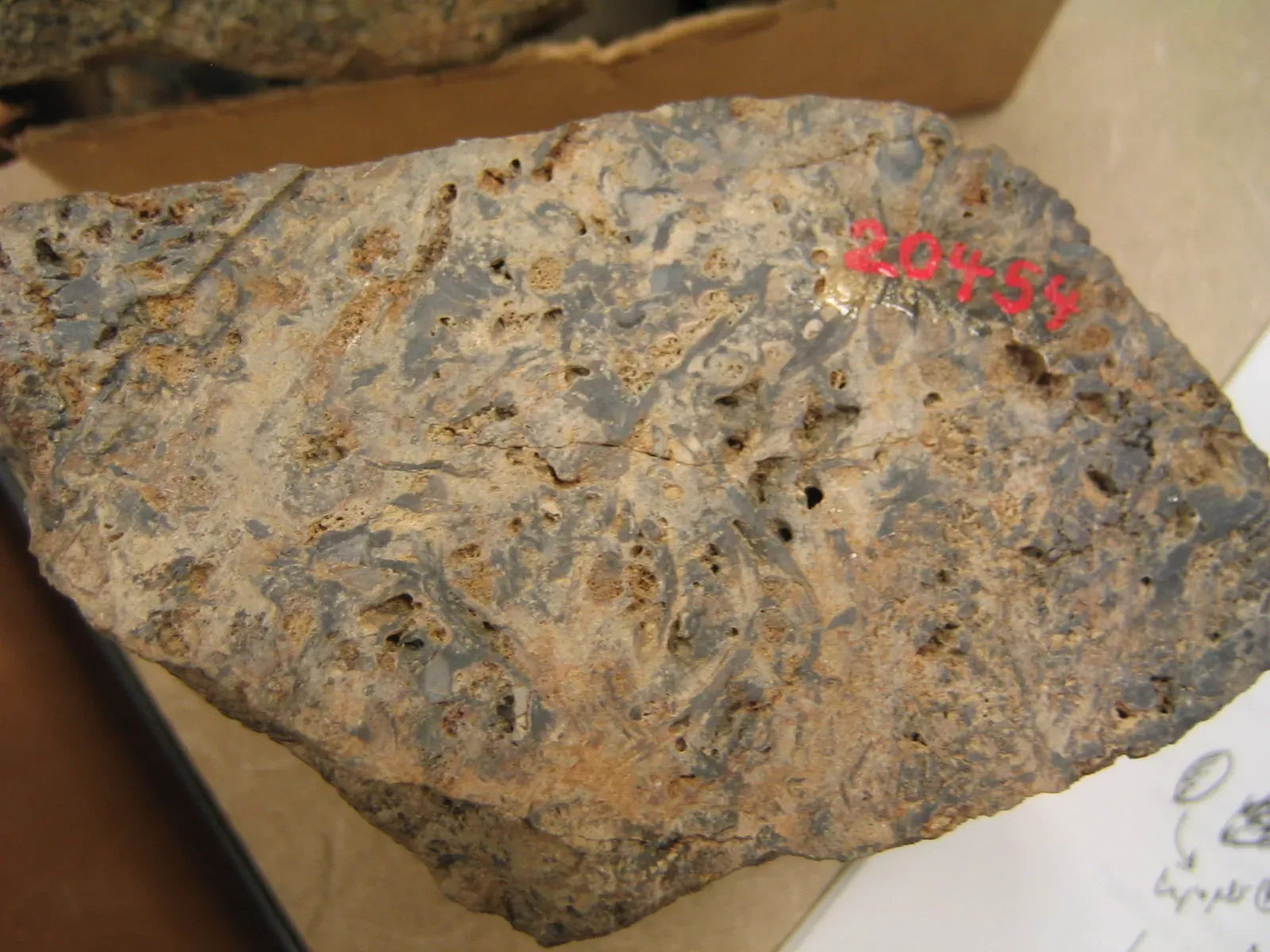
Buried beneath a Scottish farm field is one of the best-preserved ancient ecosystems on Earth, and it contains organisms nobody can confidently name. Around 407 million years ago, silica-rich hot springs flash-preserved an entire early land ecosystem down to the cellular level, capturing primitive plants, fungi, and arthropods in extraordinary detail.
The preservation alone would be remarkable. But the chert also holds structures that don’t cleanly match any modern group – organisms with fungal-like filaments and plant-like tissue at the same time. Some specimens have been reclassified three or four times across different decades of research, and without living relatives to compare them to, the argument over which kingdom they even belong to remains open.
#10 – Chengjiang Biota, China
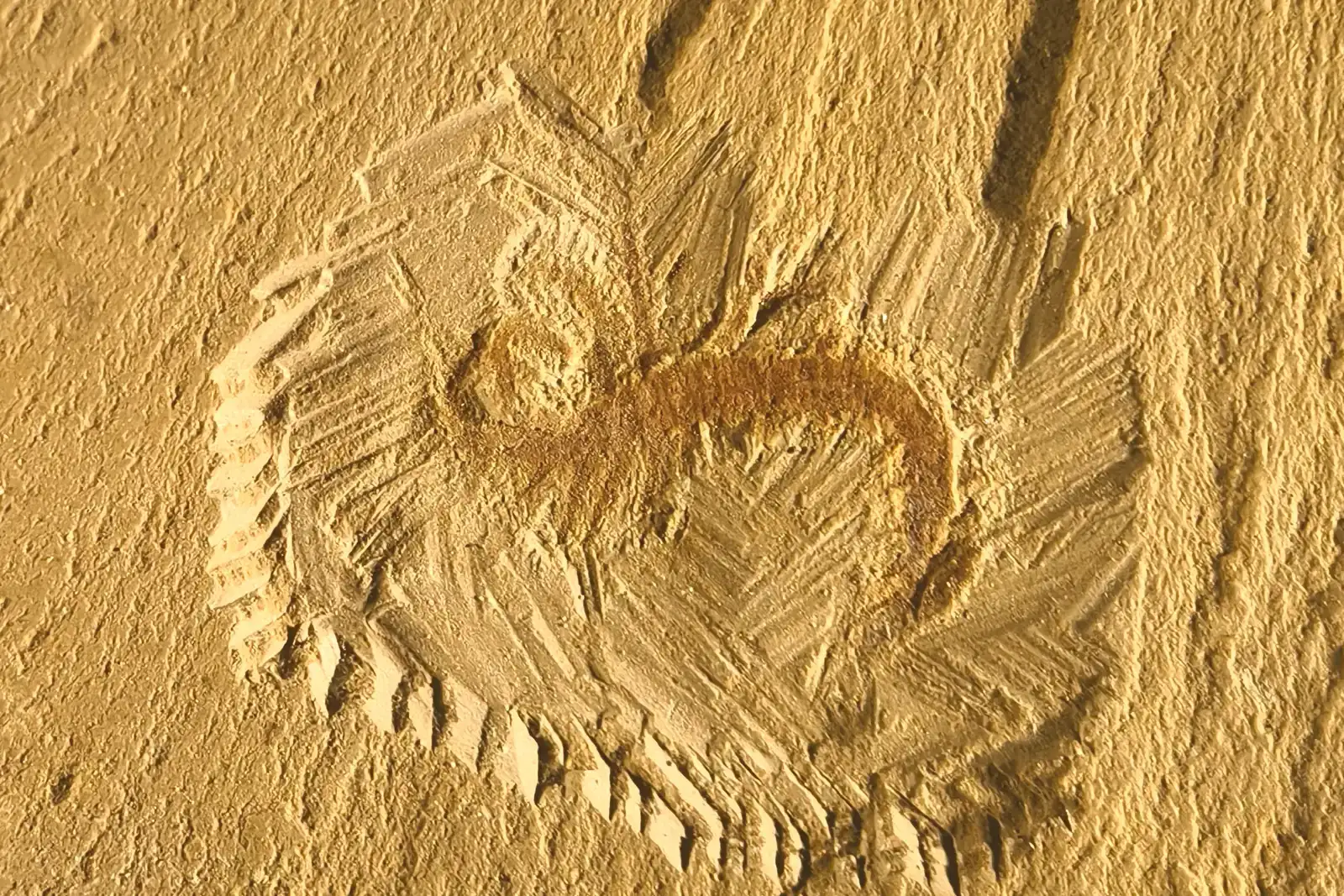
This 518-million-year-old fossil bed captured the Cambrian Explosion in such detail that it produced creatures modern biology still struggles to categorize. The Chengjiang deposits in Yunnan Province preserve soft-bodied animals with a completeness usually reserved for hard-shelled organisms – armored predators, worm-like burrowers, and early arthropod relatives with anatomy unlike anything alive today.
The preservation is so exact that muscle fibers and internal organs are sometimes still visible. Several body plans remain genuinely disputed, and specimens have been reshuffled between phyla multiple times as new analytical techniques emerge. The Cambrian Explosion produced so many experimental body plans that science is still sorting out which ones even belong on the same branch of the tree of life.
#9 – Doushantuo Formation, China
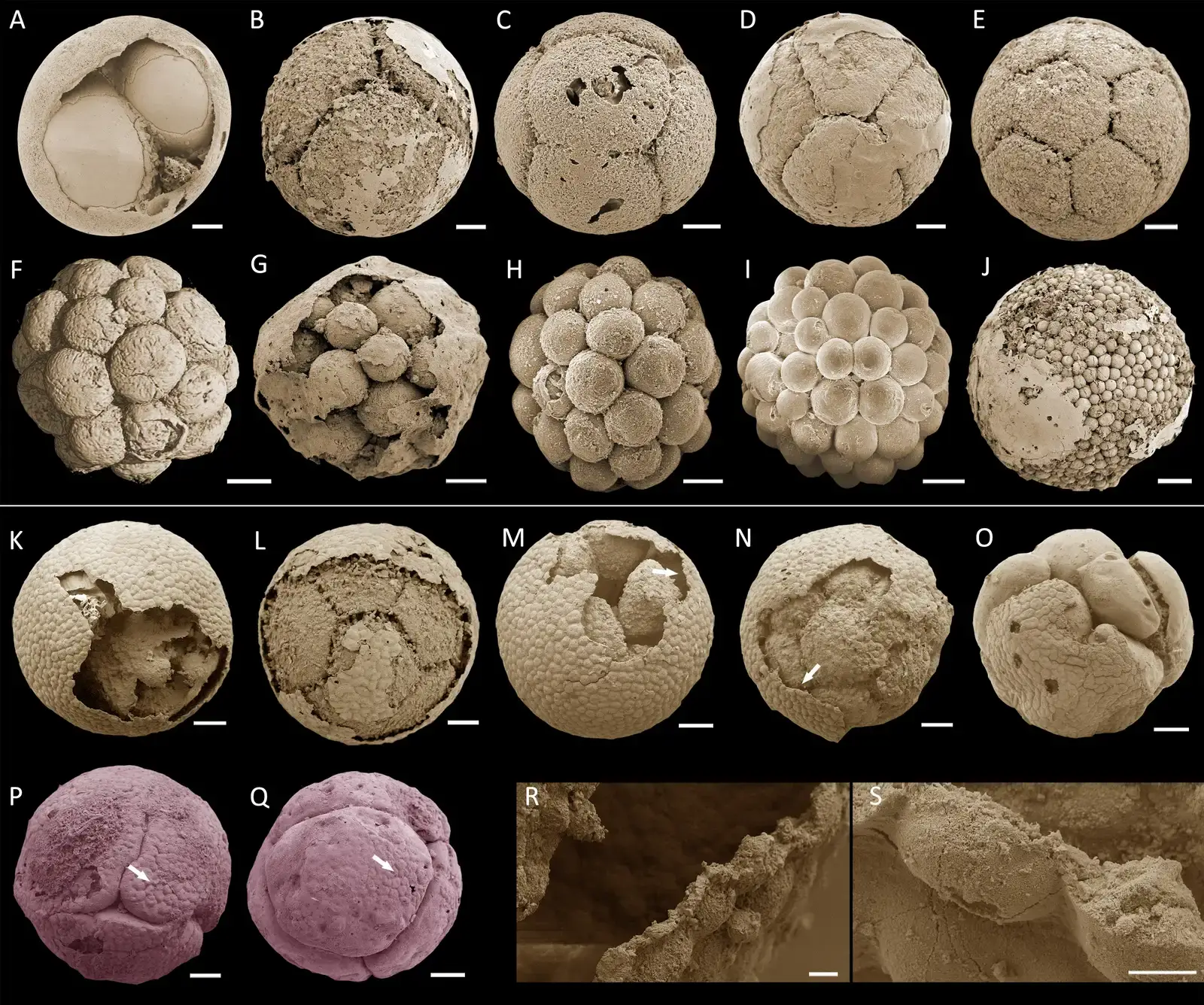
Long before the Cambrian Explosion, something was already dividing into cells in a pattern that looks eerily like animal development – and scientists still can’t agree on what it actually was. Phosphatized microfossils from the Doushantuo Formation in southern China show internal cell clusters that some researchers say match discoidal cleavage, a pattern unique to animal embryos.
Other researchers argue they’re just misidentified microorganisms, and the argument has run for decades without resolution. The fossils have real potential to answer one of biology’s oldest questions – how animal development first began – but that potential only matters once scientists agree on what these things actually are. Nearly 30 years after their discovery, nobody can say for certain whether these are the earliest animal embryos ever found or something else entirely.
#8 – Ediacara Hills, Australia
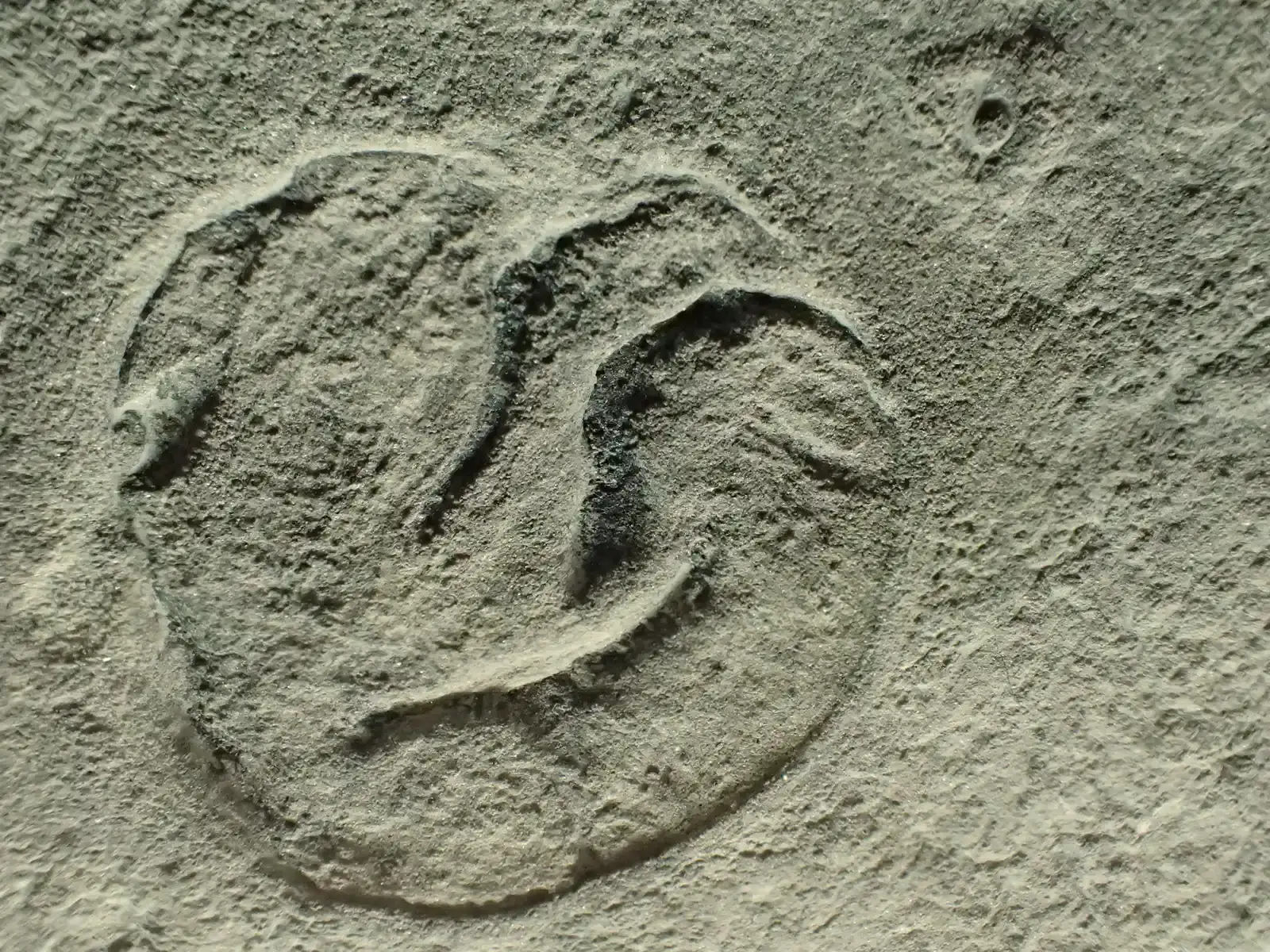
Before the Ediacara Hills gave their name to an entire geologic period, they gave paleontologists a headache that lasted generations. These 550-million-year-old impressions – quilted discs, ribbed ovals, frond-like fans – represent some of the earliest complex multicellular organisms ever discovered, and for decades nobody agreed on what they even were.
Some researchers argued they were early animals. Others proposed a separate, failed kingdom of life entirely unrelated to modern animals or plants. Certain Ediacaran fossils have been shuffled between at least four different classification schemes since their discovery, and while genetic clues have narrowed a few interpretations, the strangest specimens still resist confident placement on the tree of life.
Worth Knowing
- The site’s fossils were formally used to name the Ediacaran Period in 2004 – the first new geologic period added in over a century
- Ediacaran fossils generally range from about 555 to 539 million years old
- Famous residents include Dickinsonia and Spriggina, both still debated today
- Some specimens still can’t be confidently sorted into animal, fungus, or an extinct kingdom entirely
#7 – Burgess Shale, Canada
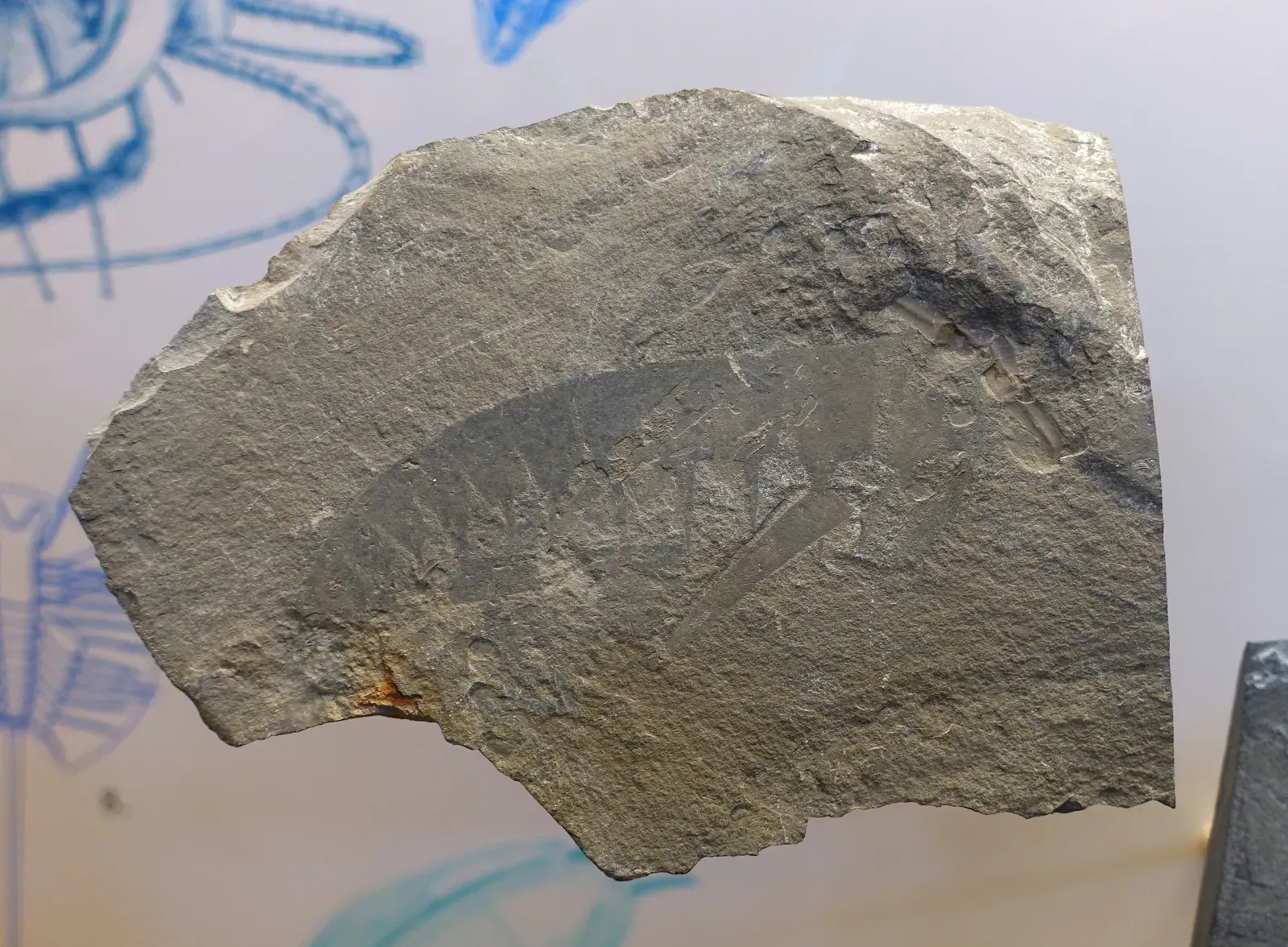
The Burgess Shale is famous for one specific embarrassment: scientists originally reconstructed one of its signature creatures completely upside down and backward. This 508-million-year-old Canadian formation preserves an astonishing range of soft-bodied Cambrian animals in three dimensions – spiny worms, multi-eyed predators, and anatomy so alien that early researchers assumed different body parts belonged to entirely different animals.
Hallucigenia, its most infamous resident, was reassembled at least twice as scientists debated which end was even the head. Over a century of study later, several Burgess Shale organisms remain informally filed as “problematica” – body plans that don’t map cleanly onto any living group. Some specimens still don’t have a confirmed head end, and new imaging technology keeps revising old assumptions instead of settling them.
#6 – Mazon Creek, Illinois
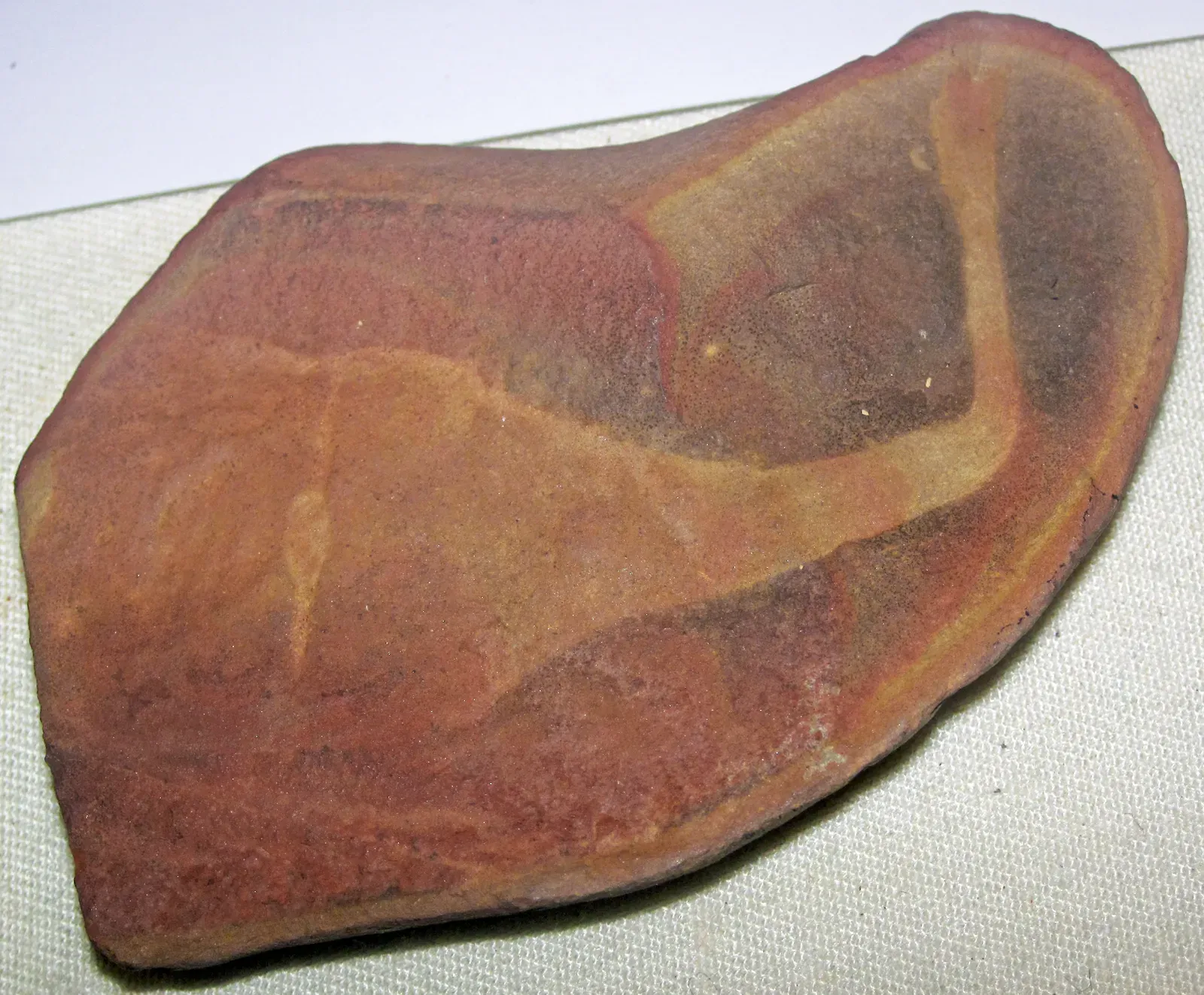
For over 50 years, one soft-bodied fossil from an Illinois coal mine has made professional paleontologists switch their answer on basic biology. The Tully Monster had a proboscis ending in a claw-shaped apparatus, a horizontal bar at the front, and spade-shaped fins at the rear – a combination that fit no known animal group and confounded researchers trying to place it on the tree of life.
In 2016, two separate teams claimed to have finally solved it by identifying vertebrate features like a notochord and gill sacs. The resolution didn’t last. A Penn-led team later argued in the journal Palaeontology that those papers were flawed and failed to definitively classify it as a vertebrate. A creature nicknamed after the amateur collector who found it has now stumped professional science for nearly 70 years.
#5 – Ghost Ranch, New Mexico
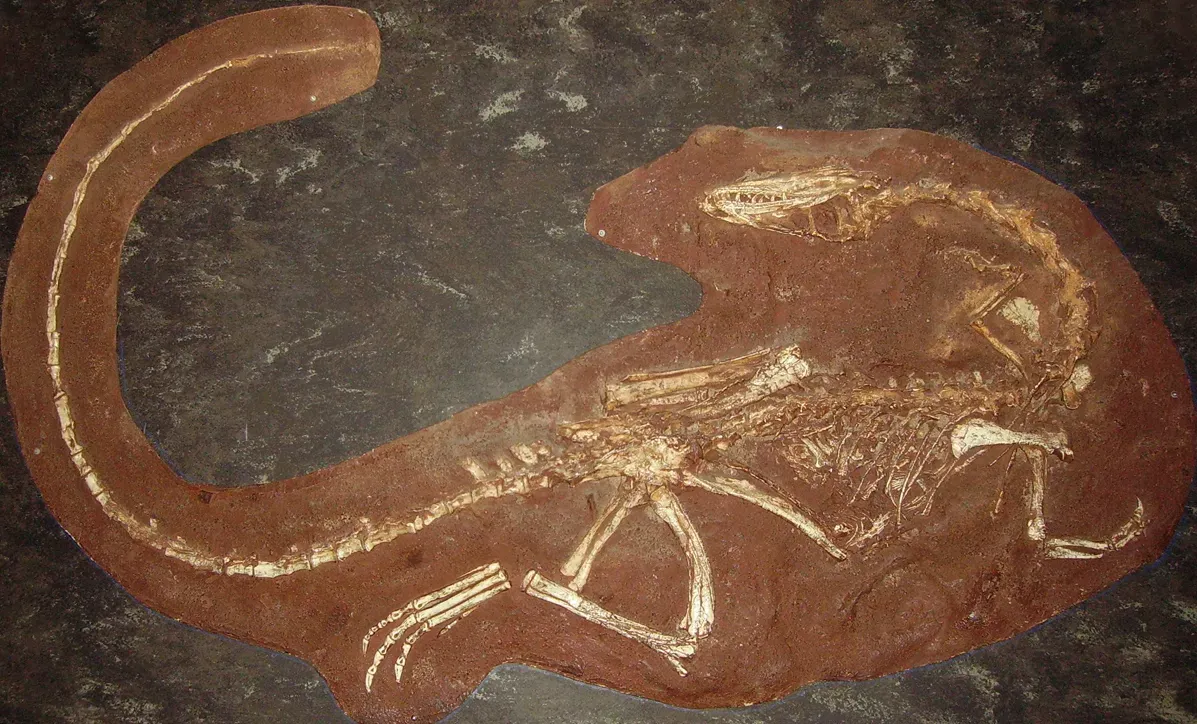
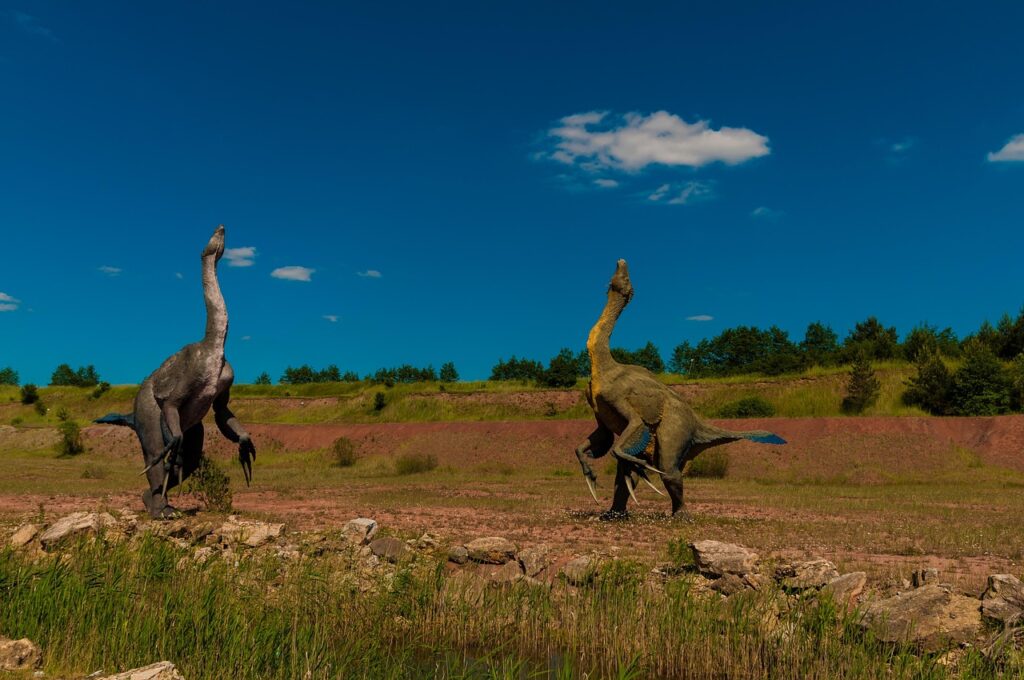
In 1947, researchers stumbled onto a dinosaur graveyard so dense with bodies that nobody has ever fully explained why hundreds of animals died together in one spot. Paleontologists uncovered a quarry packed with Coelophysis skeletons – thousands of bones, including intact remains representing hundreds of individuals in Chinle-era rocks.
The leading theory blames a sudden flash flood, but predators don’t normally congregate in numbers like this unless there’s an exceptional food source, and nothing at the site points to one. Adding to the strangeness, Coelophysis appears to have been cannibalistic – tiny baby bones have been found inside the rib cage of a large adult. A predator this size hoarding in numbers this large, for reasons this unclear, remains one of dinosaur paleontology’s oldest unanswered questions.
#4 – Berlin-Ichthyosaur State Park, Nevada
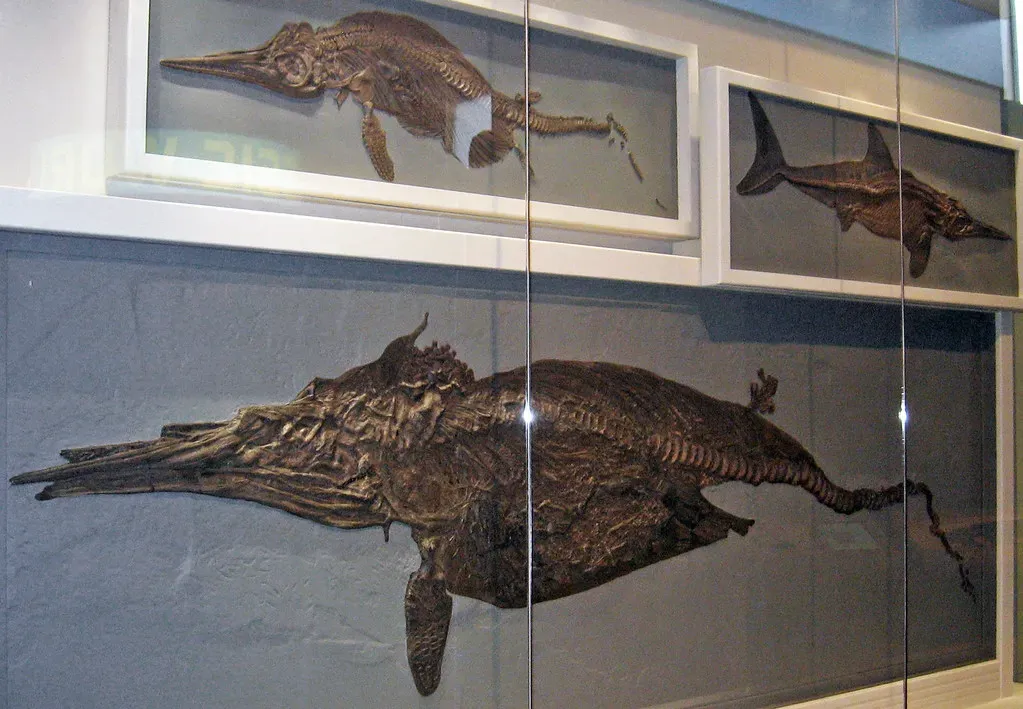
Nine massive marine reptiles died at this Nevada site in a pattern so strange that one paleontologist publicly blamed a giant, bone-arranging sea monster. He proposed that a giant, intelligent cephalopod deliberately arranged the vertebrae of these Shonisaurus ichthyosaurs into double rows meant to mimic cephalopod suckers – a deliberate self-portrait in bone, nicknamed the “Triassic kraken.”
Most paleontologists reject the theory outright, pointing out that the evidence is entirely circumstantial and that claims of Triassic-era hyper-intelligence are, to put it mildly, a stretch. Yet nobody has produced a fully satisfying alternative explanation for the bizarre vertebral arrangement either, which is exactly why the kraken theory still gets repeated instead of quietly dying.
“We think that this cephalopod in the Triassic was doing the same thing.”
Mark McMenamin, paleontologist, Mount Holyoke College
#3 – Hell Creek Formation, Montana
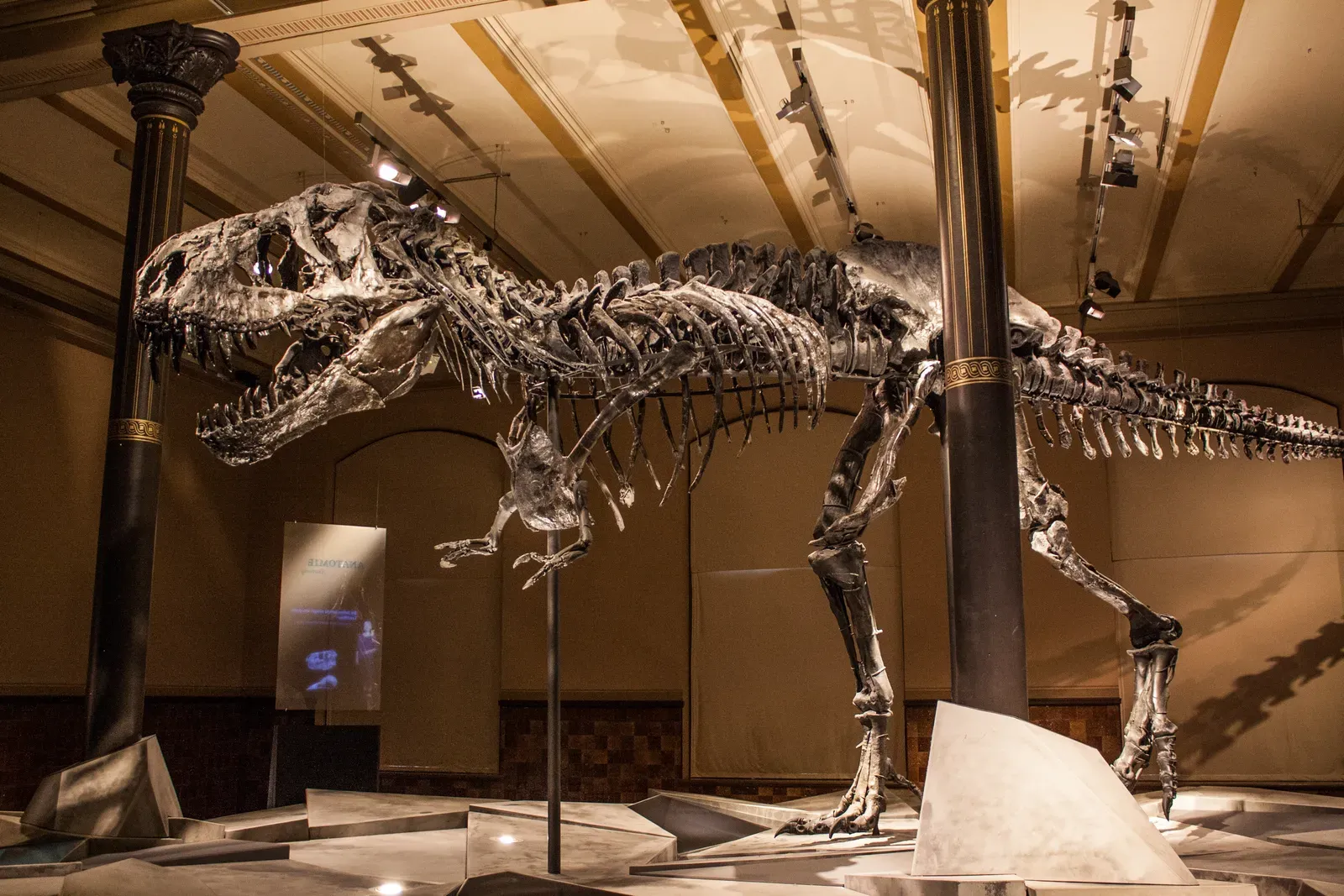
Dinosaur bones are supposed to be pure mineral after 66 million years. At Hell Creek, some of them apparently aren’t. Researchers extracting a Tyrannosaurus rex leg bone from this Montana formation in the early 2000s reported structures resembling flexible blood vessels, branching networks, and even microscopic cell-like objects preserved inside the bone.
The find shocked the field because soft tissue was assumed to fully decay within a few million years, not survive 66 million. Some researchers argue this is genuine original tissue preserved through unusual iron chemistry, while others insist it’s bacterial biofilm or mineral formations that only mimic biology. Neither side has produced evidence conclusive enough to end the argument, and attempts to replicate the find in other specimens keep producing mixed, inconsistent results.
#2 – La Brea Tar Pits, California
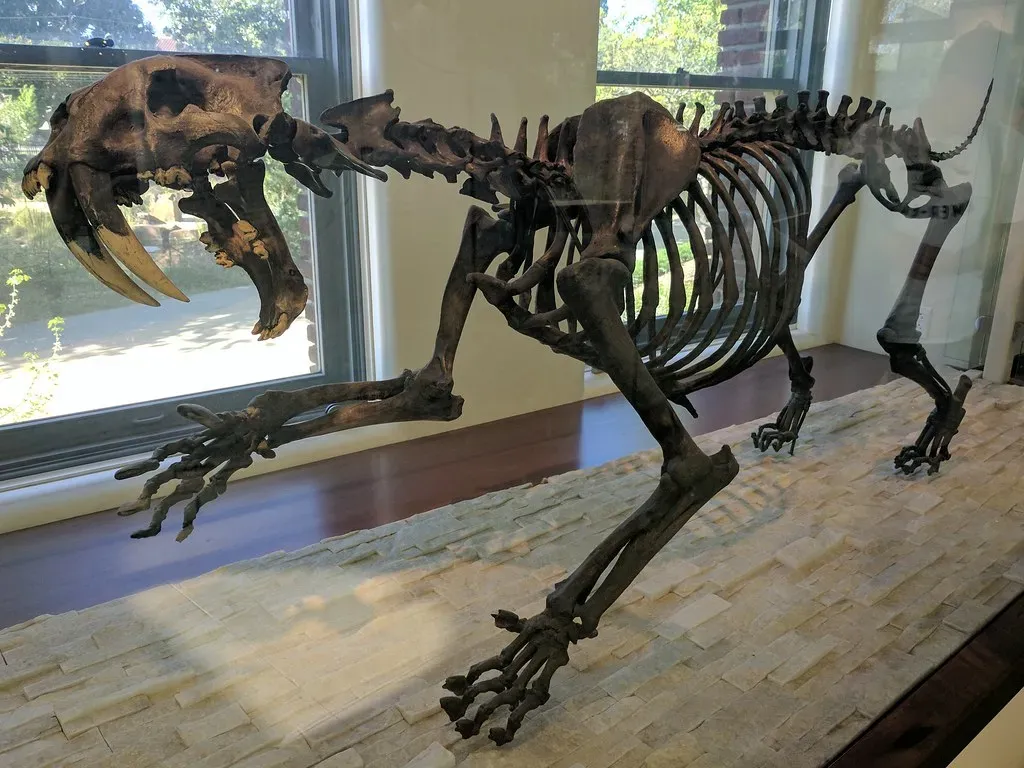
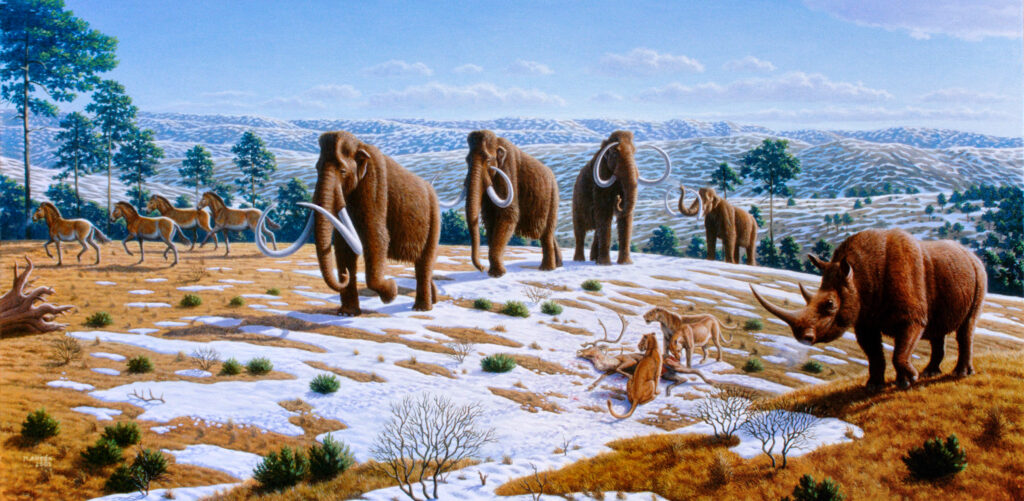
Los Angeles sits on top of a fossil site with a math problem nobody has cleanly solved: far too many predators, and nowhere near enough prey. The tar pits have produced tens of thousands of Ice Age fossils, and an overwhelming majority belong to carnivores – dire wolves and saber-toothed cats vastly outnumber the herbivores you’d need to actually feed them in a normal ecosystem.
In a healthy food chain, predators should be a small fraction of the fossil count, not the majority. The going theory is a grim feedback loop: one trapped animal’s distress calls drew in predators, who then got stuck themselves and drew in even more. It’s a compelling theory, but it still doesn’t fully explain the sheer scale of the imbalance found at this single Los Angeles location.
#1 – White Sands, New Mexico
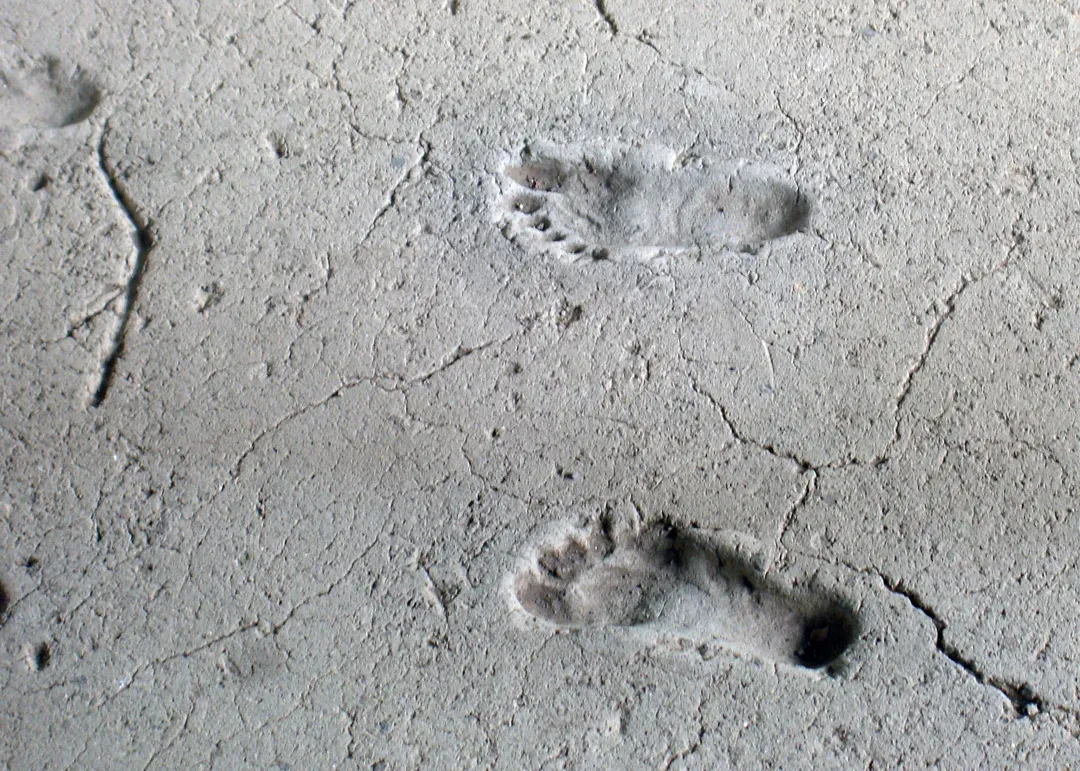
This New Mexico desert may hold the single most disruptive fossil discovery in North American archaeology: footprints that might rewrite when humans actually arrived on the continent. Human footprints at White Sands National Park reportedly date to between roughly 23,000 and 21,000 years ago, based on radiocarbon dating of seeds from the aquatic plant Ruppia cirrhosa.
That’s thousands of years earlier than the long-accepted “Clovis-first” model, which held that humans arrived around 13,000 years ago. The dates drew heavy skepticism over possible contamination, so researchers returned with independent methods – calibrated radiocarbon ages from terrestrial pollen and optically stimulated luminescence dating of the sediments. Three separate dating methods now agree on a timeline that contradicts decades of textbook consensus, and archaeologists are still working out what it means for the rest of the story.
At a Glance
- Original dates: roughly 23,000 to 21,000 years old, based on Ruppia cirrhosa seeds
- Independently confirmed using radiocarbon dating of terrestrial pollen grains
- Further confirmed using optically stimulated luminescence dating of the sediment layers
- Predates the long-standing “Clovis-first” model by roughly 10,000 years
The Bottom Line
Science doesn’t get to declare victory just because a paper gets published, and these 13 sites prove it. From a Tully Monster that’s stumped experts for 70 years to footprints quietly rewriting when humans reached North America, the honest answer at every single location is the same: we don’t fully know yet.
That’s not a failure of paleontology. It’s what real science actually looks like when the evidence is more interesting than the tidy answer everyone wanted. If you ask me, the sites that refuse to resolve are the ones worth watching closest – because whatever finally explains them is going to be bigger than the mystery itself. Which of these do you think gets solved first, and which one do you think never will? Drop your take in the comments.