Most people assume paleontology is a “solved” science – that after two centuries of digging, we already know what dinosaurs looked like, how they lived, and why they vanished. That assumption is flat-out wrong. Behind the confident documentary narration and museum placards, working paleontologists tell a very different story: entire branches of dinosaur biology remain frustratingly, fundamentally unknown.
The problem isn’t a lack of effort – it’s the fossils themselves. Skin doesn’t fossilize well. Soft tissue rots away long before it ever turns to stone. And the record left behind is riddled with gaps nobody has been able to fill. Here’s what the actual research, not the movies, says scientists still can’t explain.
#14 – What Color Were Dinosaurs, Really?
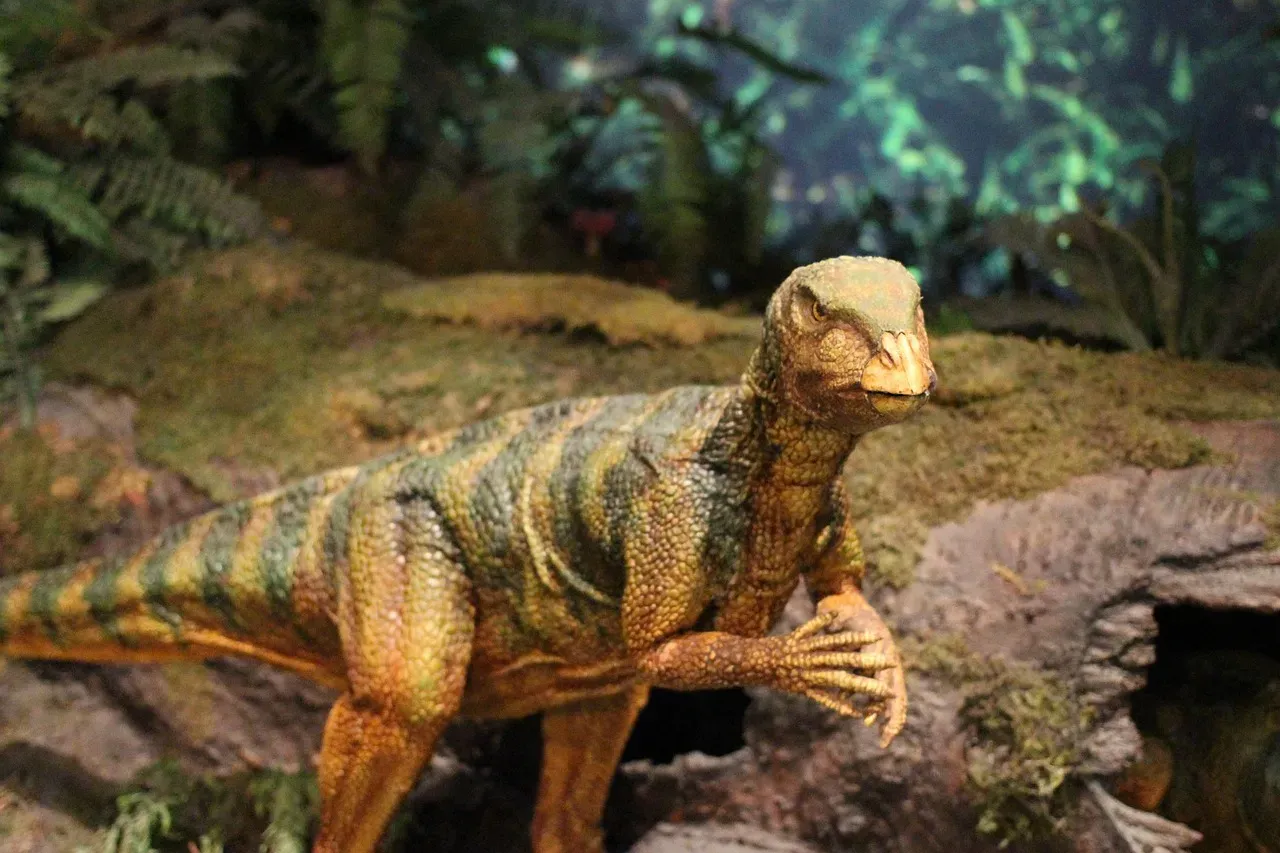
Nearly every dinosaur color you’ve ever seen in a book or documentary is an educated guess dressed up as fact. For most of paleontology’s history, color was considered permanently unknowable, because pigment simply doesn’t survive millions of years of fossilization the way bone does.
That’s finally starting to change, but only in a handful of extraordinary cases. In late 2025, researchers examining Jurassic-age rock from Montana’s Mother’s Day Quarry found sauropod skin so delicately preserved it included impressions of pigment-carrying structures called melanosomes. Even then, the team stopped short of reconstructing full color – they could only confirm the juvenile Diplodocus likely had conspicuous patterns across its scales. For the other 99 percent of known species, color remains total speculation.
Fast Facts
- Discovery site: Mother’s Day Quarry, Montana – Jurassic-age rock layer
- Announced: late 2025
- What was found: sauropod skin impressions with preserved melanosomes
- Confirmed subject: a juvenile Diplodocus with patterned, not solid-colored, scales
- Scope of the finding: roughly 99% of known dinosaur species still have zero color evidence
#13 – Nobody Actually Knows What Dinosaurs Sounded Like
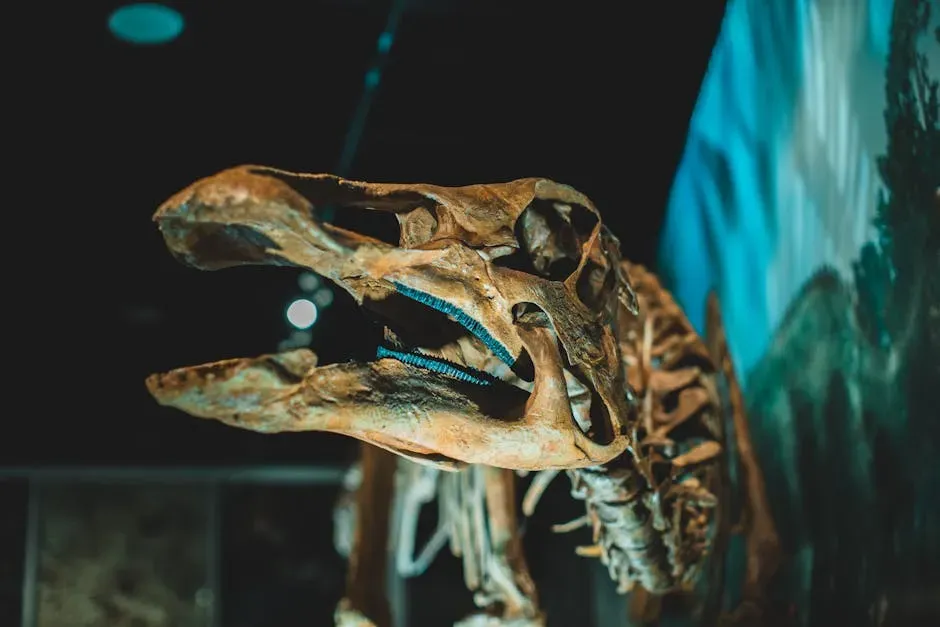
Every roar in every dinosaur movie you’ve ever watched is fiction – pure sound-design guesswork with zero fossil backing. The problem is structural: vocal cords, throat pouches, and larynxes are all soft tissue, and soft tissue is gone within days of death.
“It is not easy to study dinosaur sounds… vertebrates usually vocalize with soft tissues, and soft tissues rarely preserve in the fossil record.”
Lindsey Zanno, paleontologist
There’s one narrow exception. Some hadrosaurs, like Parasaurolophus, had hollow bony crests that researchers believe worked as resonating chambers – “kind of like a trombone,” according to one researcher who studied the skulls with CT scans. But even that theory has critics: one prominent paleontologist called the reconstructions “really speculative and out there,” adding “there’s really no way to tell.” Outside those crested duck-bills, the soundscape of the Mesozoic is permanently silent to us.
#12 – Warm-Blooded, Cold-Blooded, or Something Nobody Has a Name For?
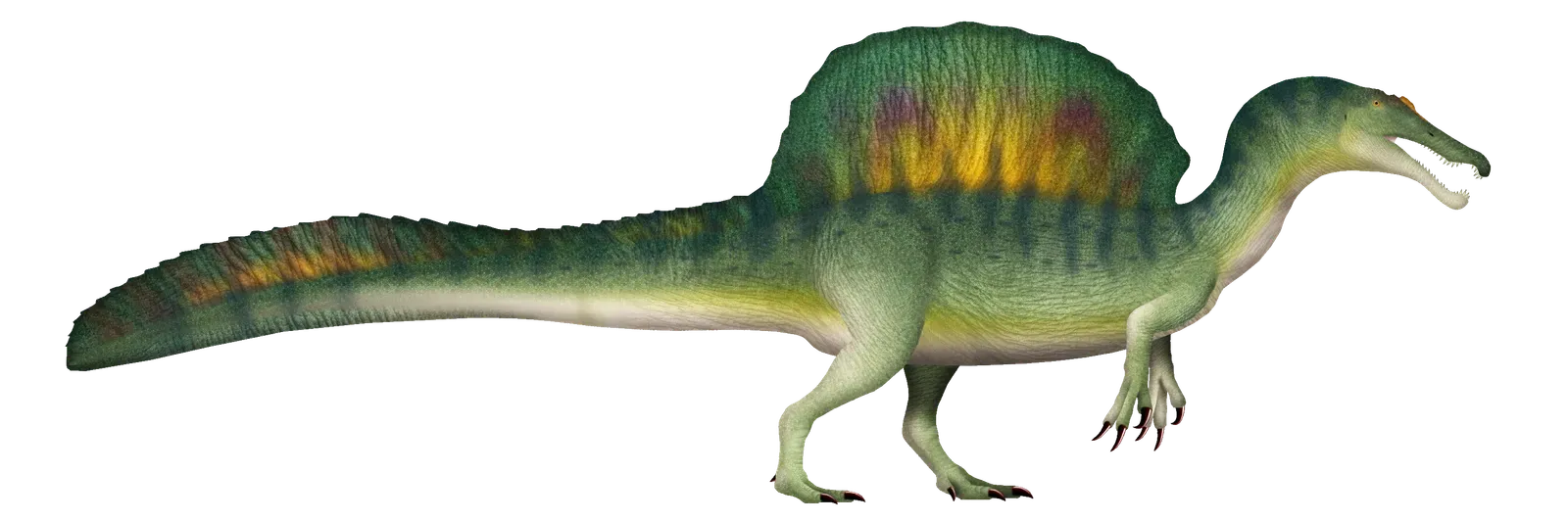
This is the single most contentious question in dinosaur science, and after 60 years of arguing, researchers still haven’t fully agreed. The debate has raged ever since scientists realized these ancient reptiles weren’t the sluggish creatures once assumed.
In 2022, a landmark chemical study offered a genuinely surprising twist: it wasn’t one answer for all dinosaurs. Bird-hipped dinosaurs like Triceratops and Stegosaurus had low metabolic rates comparable to cold-blooded animals today, while lizard-hipped dinosaurs like Velociraptor, T. rex, and Brachiosaurus ran warm – or even hot-blooded.
Some dinosaurs may have run hotter than any bird alive today. Researchers were stunned to find some species had metabolic rates that outpaced modern birds entirely. Critics pushed back immediately – one paleontologist not involved in the study called it “a bold, relatively new hypothesis that deserves further consideration,” noting the team only examined a few species from each group. Even the newest science, in other words, still isn’t the final word.
#11 – How Dinosaurs Actually Mated Is Still a Mystery
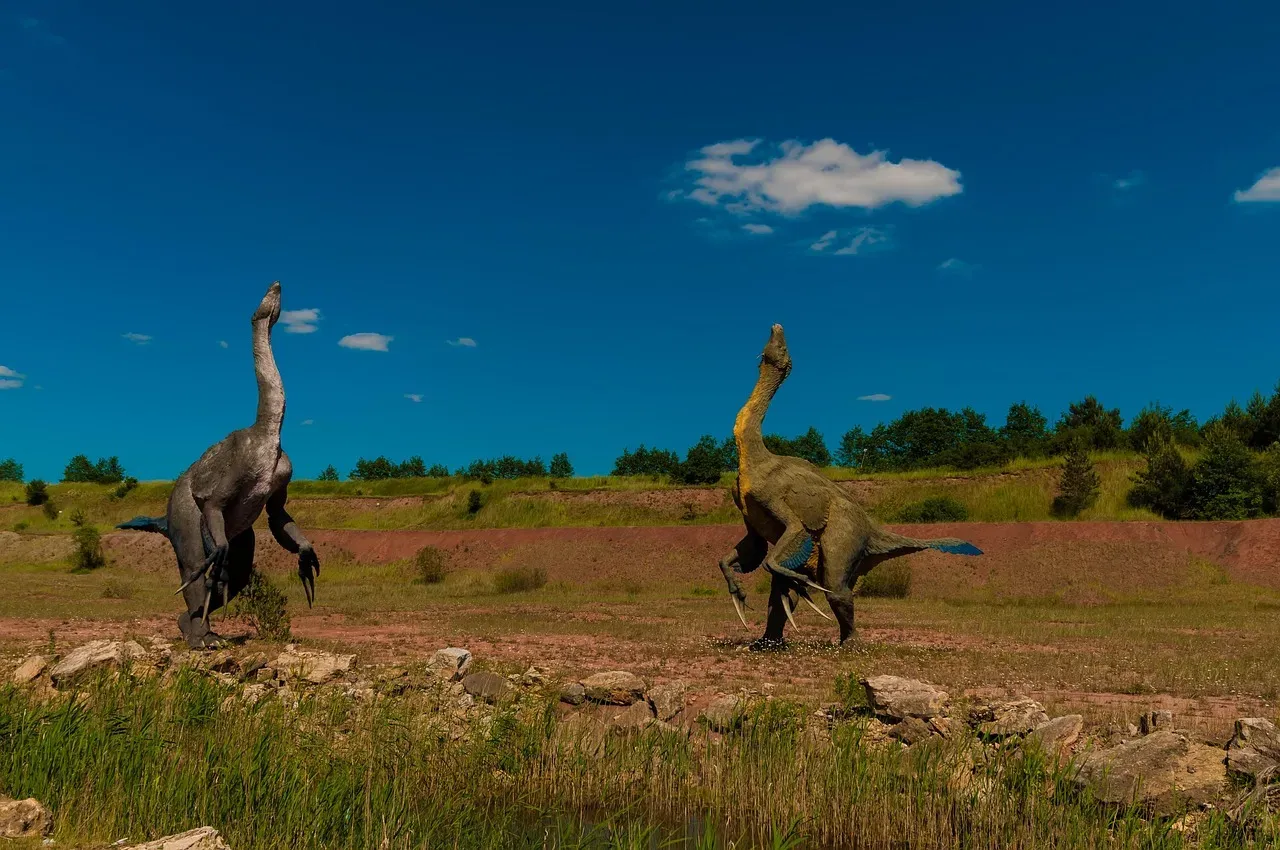
We know exactly how dinosaur life began – inside an egg – but the mechanics of getting there are almost entirely guesswork. Reproductive organs are soft tissue, and soft tissue essentially never survives 66-plus million years of geological churn.
So paleontologists borrow anatomy from dinosaurs’ closest living relatives instead of finding direct evidence. Scientists assume females had a cloaca – an orifice that handles reproduction, excretion, and urination in today’s crocodiles and birds – and that males had an “intromittent organ” similar to what’s found in ostriches and ducks.
That’s a reasonable inference. It’s also completely unconfirmed. Researchers admit they can’t know for certain without fossils of the organs themselves, and given how rarely soft anatomy fossilizes at all, that evidence may never turn up. Everything from courtship displays to mating positions across 300-plus dinosaur species remains speculative reconstruction, not documented fact.
#10 – Nobody Knows Which Dinosaur Came First
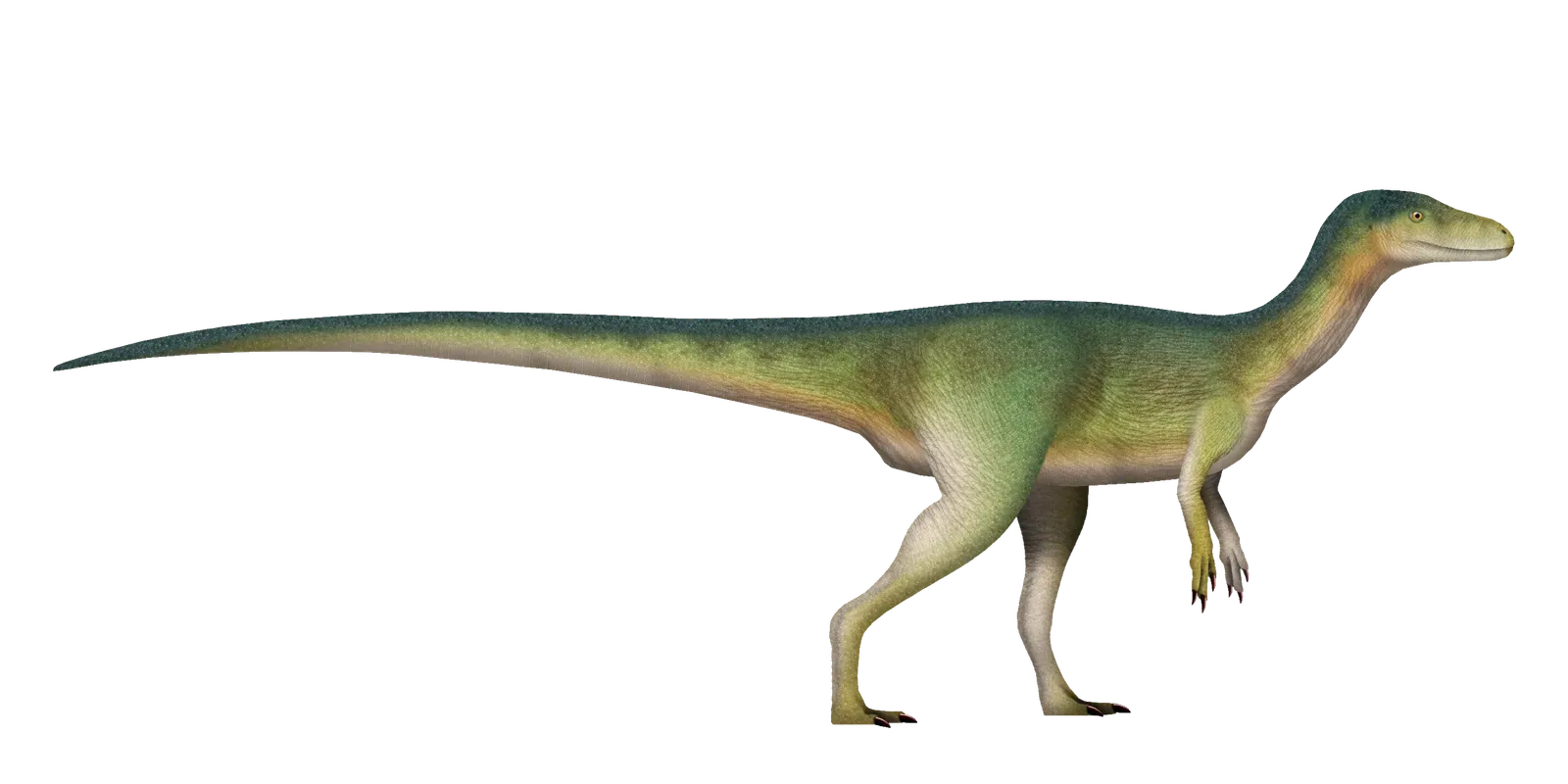
You’d think the “first” dinosaur would be a settled fact by now. It isn’t even close. The fossil record is made up of snippets of life’s history, not the entire reel, so finding evidence from the dawn of dinosaurs relies on luck as much as science.
Current best evidence points to something surprisingly humble. These finds suggest the “terrible lizards” evolved around 245 million years ago, with the best candidate for the earliest dinosaur being a sleek, lanky, dog-size animal called Nyasasaurus.
A creature the size of a large dog may be the ancestor of Tyrannosaurus rex and every sauropod that ever lived. But even that candidate isn’t secure – further discoveries could still supplant it as the oldest known root of the dinosaur family tree. Every year, new trackways and partial skeletons threaten to rewrite the opening chapter of dinosaur history entirely.
#9 – How Dinosaurs Actually Moved Is Mostly Reconstruction, Not Observation
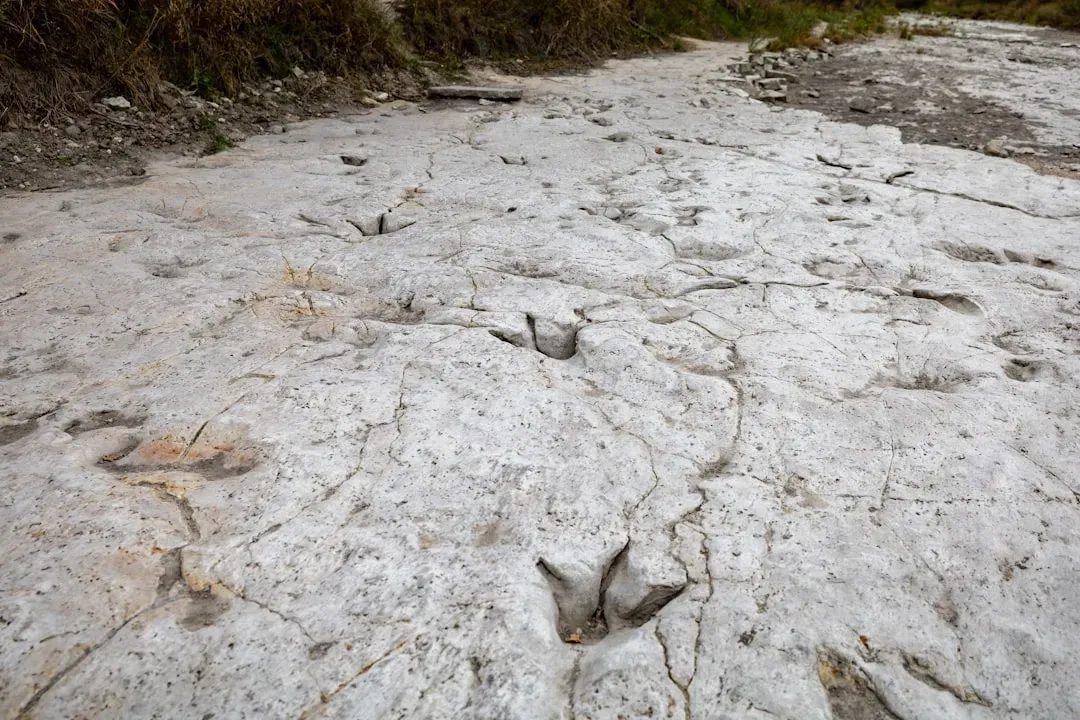
Every “dinosaur running speed” you’ve read in a headline is a calculated estimate, not a measurement. Paleontologists can’t watch dinosaurs walk, so they’ve built elaborate workarounds instead.
Advanced imaging technology like CT scans lets researchers see the three-dimensional structure of fossils, while biomechanics – applying physics and engineering principles – helps reconstruct how these animals likely moved, combined with observations of living animals’ musculature. It’s genuinely clever science. It’s also, fundamentally, an educated model rather than direct evidence.
Scientists estimate walking speeds from fossilized trackways, and separately study muscles and bodies to estimate running speed – but the two methods don’t always agree with each other. Body-fat distribution, muscle mass, and gait style all remain contested for almost every species. We genuinely don’t know if a T. rex could outrun a human – estimates swing wildly depending on which model you trust.
#8 – We Still Don’t Know Which Dinosaur Was Actually the Biggest
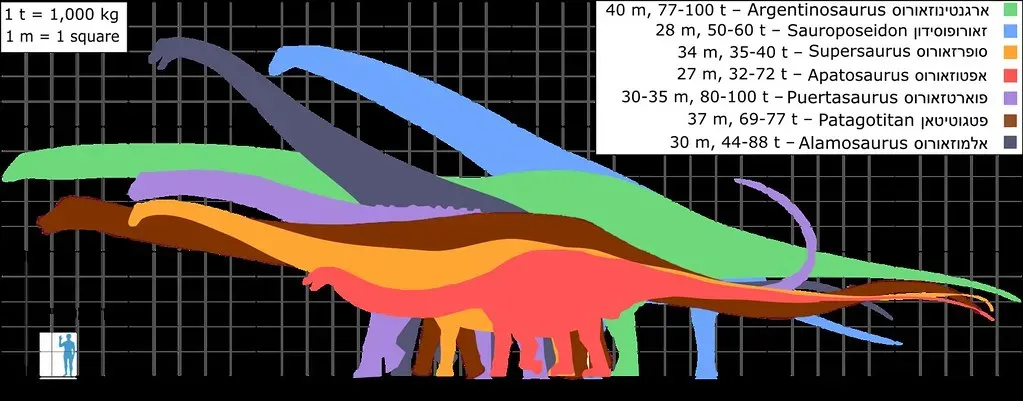
The “world’s largest dinosaur” title gets rewritten almost every time a new sauropod skeleton turns up. Titanic sauropods evolved a few times into huge creatures like Supersaurus, Diplodocus, and Argentinosaurus, each reaching roughly 100 to 110 feet in length.
The problem is that almost none of these giants have complete skeletons. Most “biggest dinosaur” claims are built from a handful of vertebrae and a lot of mathematical extrapolation.
Quick Compare
- Argentinosaurus – current fan-favorite record holder, but known from incomplete remains
- Puertasaurus – similarly massive, discovered more recently, complicates the ranking
- Patagotitan – another late-arriving rival, close in scale to the leaders
- Supersaurus and Diplodocus – both roughly 100-110 feet long, also incompletely preserved
Argentinosaurus is the current fan-favorite record holder, but even that title is shaky. Similarly sized, if not larger, animals like Puertasaurus and Patagotitan have since turned up, and while Argentinosaurus might still hold the crown, more studies need to be done to confirm it. The single largest land animal in Earth’s history might not even have a name yet. Somewhere in an unexcavated rock layer, the actual record holder could be waiting.
#7 – Those Bizarre Horns and Crests? Scientists Genuinely Disagree on Why They Exist
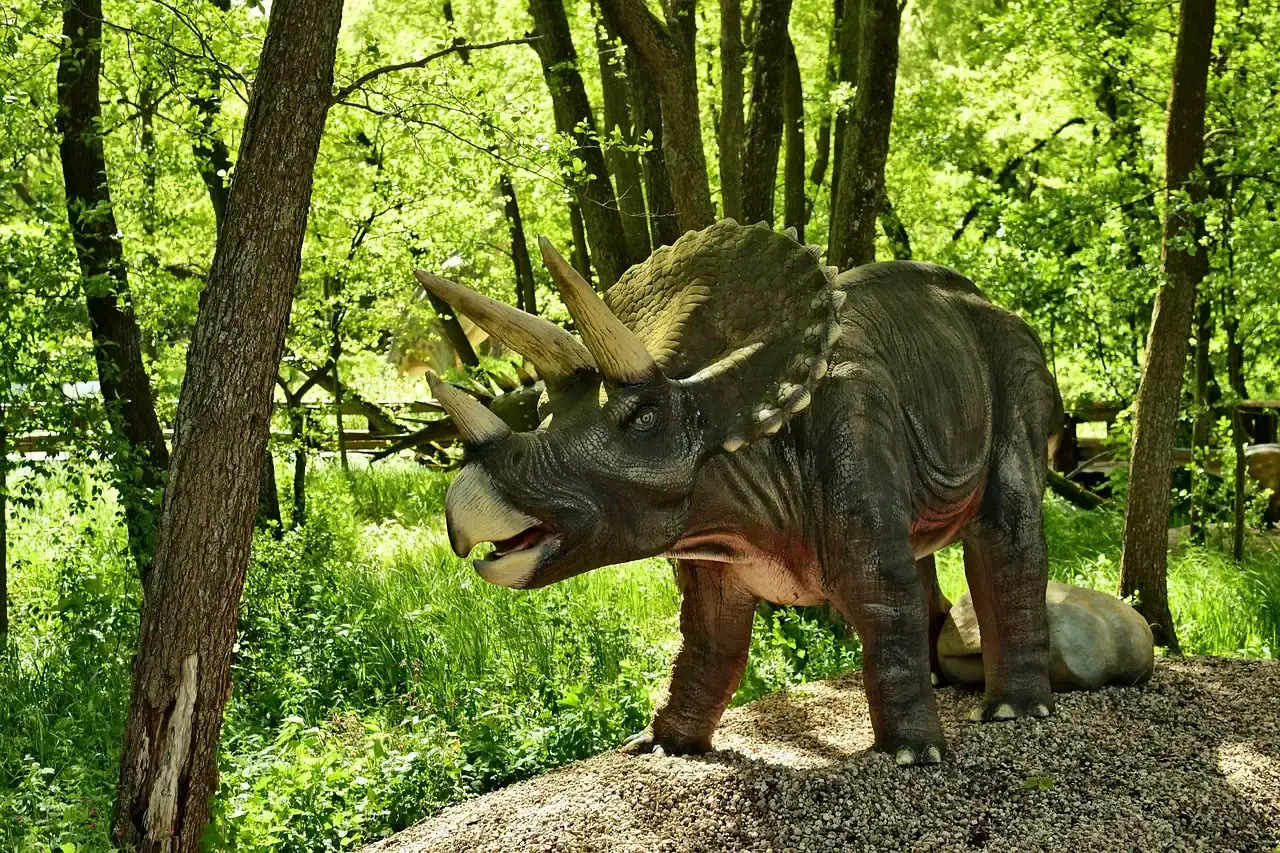
Every horned or crested dinosaur skull you’ve seen in a museum sparked a decades-long argument that still hasn’t fully resolved. For years, the default explanation was simple defense – horns to gore predators, frills to block bites. Recent research has quietly demolished that assumption.
A 2018 study analyzing multiple ceratopsian species found that predator defense, mechanical support, and thermoregulation have all been considered and ruled out in many analyses of specific systems, leaving species recognition and social or sexual signaling as the leading remaining explanations. Even the “obvious” combat theory doesn’t hold up mechanically – ceratopsian frills are usually very thin, often with large holes to make them lighter, hardly ideal shield design.
The most famous “weapon” in dinosaur history might actually have been a dating profile. Combat, thermoregulation, species ID, sexual display – the honest answer is that paleontologists still argue over which one dominates, and the real answer may be “several, depending on the species.”
#6 – How the Sauropod Neck Actually Worked Is Still Fiercely Debated
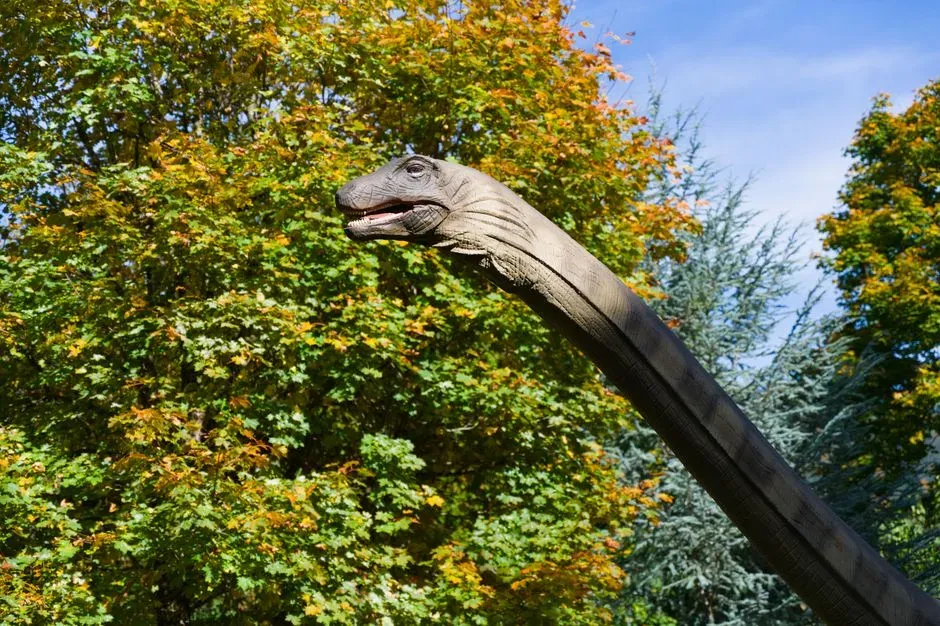
Sauropods had the longest necks of any animal ever to exist, and researchers still can’t agree on how those necks were actually held or used. The obvious assumption – that a giant sauropod simply raised its neck like a crane to browse treetops – runs straight into biomechanical objections.
Pumping blood up a neck that long against gravity would require an enormous heart and blood pressure that some researchers argue borders on physiologically implausible for a reptile-descended animal. Others counter that a mostly horizontal, sweeping posture makes more sense for feeding efficiency across a wide arc of vegetation.
Different sauropod species may have held their necks in completely different ways, and vertebral anatomy alone doesn’t settle the argument, because the soft tissue that shaped the actual range of motion – ligaments and cartilage – is gone. Every museum reconstruction, from a raised giraffe-like stance to a low horizontal sweep, is really just the sculptor picking a side in an unresolved scientific fight.
#5 – Did Dinosaur Tails Actually Crack Like a Whip?
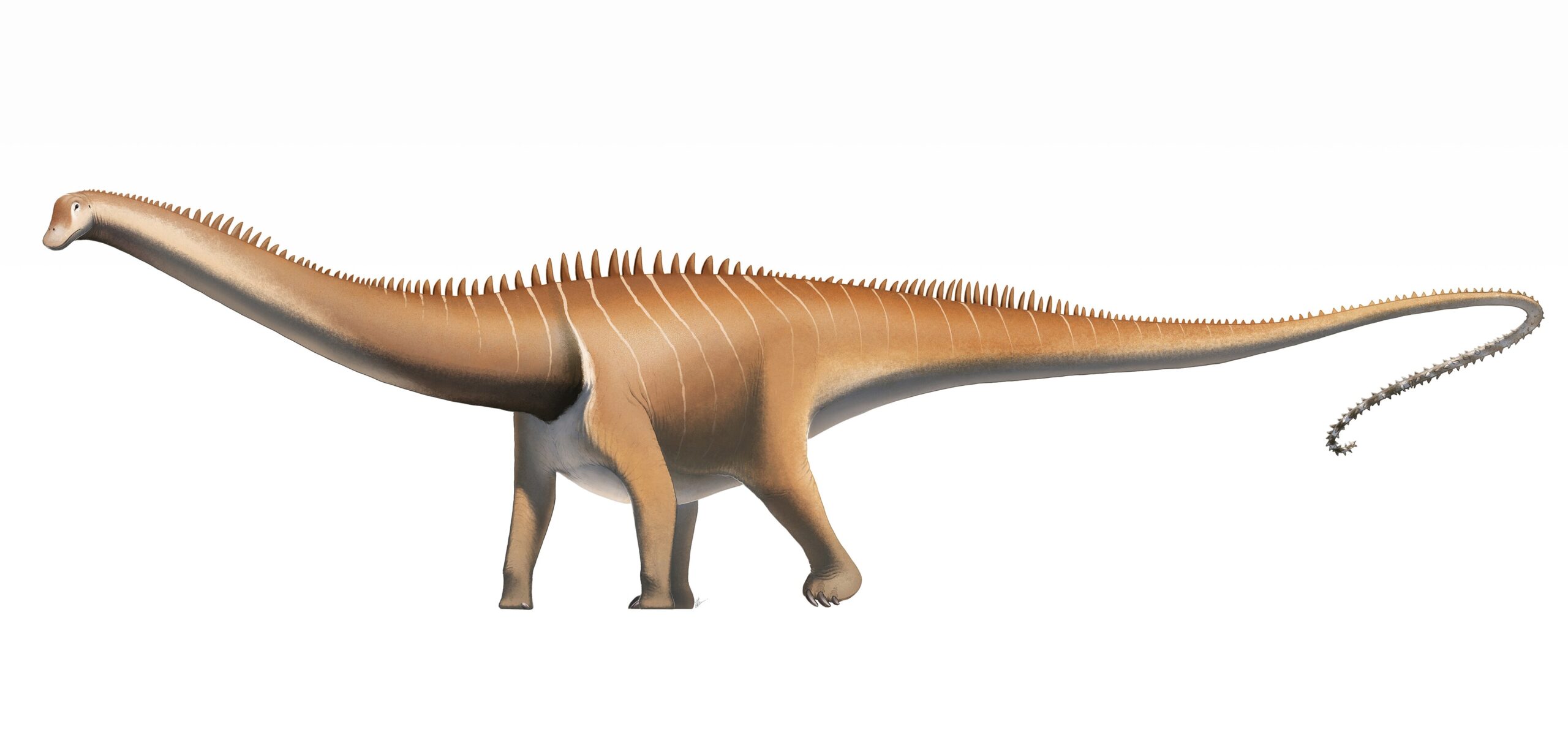
For years, a viral theory claimed certain sauropods could snap their tails fast enough to break the sound barrier. New research says that’s almost certainly wrong. Flagellicaudatan dinosaurs, like Apatosaurus relatives, are known for extreme tail elongation, which led to comparisons with a bullwhip.
A detailed 2022 biomechanical simulation put that idea through rigorous testing using a full 3D model. The result was decisive: the elongated, slender tail structure would allow tip velocities around 30 meters per second, or roughly 100 km/h – far slower than the speed of sound.
That doesn’t mean the tail was useless. Researchers still list multiple competing functions under active debate, including acting as a counterbalance to the long neck, providing insertion points for major leg muscles, serving as a defensive weapon, a noise-making structure, or a tactile device for spatial awareness. One flashy myth got killed, but the actual purpose of that 40-foot tail is still wide open. No single explanation has won yet.
#4 – Nobody Knows Exactly How Widespread Feathers Really Were
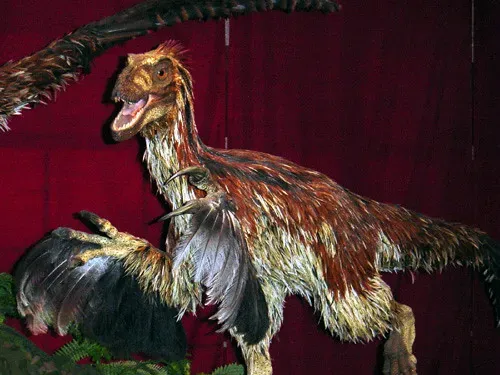
The “dinosaurs are basically scaly lizards” image most of us grew up with has been scientifically dead for decades, but the full feather picture is still incomplete. Perfectly preserved fossils found in China in the 1990s revealed dinosaurs once covered in feathers, a discovery that shook the world of dino science.
Today, it’s believed that many, perhaps most, dinosaurs had feathers – a massive reversal from a century of scaly reconstructions. But “many, perhaps most” is not the same as “all,” and that gap is where the real mystery lives.
Worth Knowing
- 1990s China fossil beds first revealed feathered dinosaurs, upending the scaly-lizard image
- Many, possibly most, dinosaur species are now believed to have had feathers or protofeathers
- Feather-like structures appear to have evolved more than once, independently, in different lineages
- Paleontologists still expect to find bristles or protofeathers in unexpected dinosaur groups
Paleontologists genuinely don’t know how far feathers spread across the dinosaur family tree, or how many times feather-like structures evolved independently. Researchers expect to uncover protofeathers and bristles in further unexpected lineages, but which ones remain a mystery. A dinosaur you currently picture as scaly could be reclassified as fluffy tomorrow with a single new fossil find from the right rock formation.
#3 – Dinosaur Behavior Is Almost Entirely Inference, Not Evidence
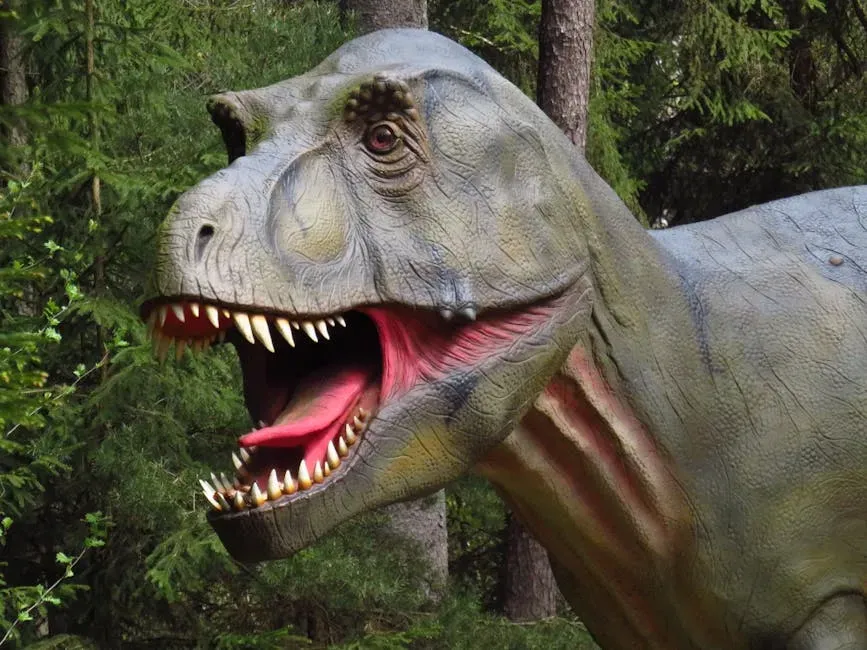
Hunting strategy, pack behavior, parenting style – nearly everything you’ve heard about “how dinosaurs acted” is a plausible story built on indirect clues, not direct observation. Scientists do have real tools here, just indirect ones.
Egg number and arrangement can reveal a dinosaur’s parenting strategy, while footprints reveal an animal’s size and whether it walked on two legs or four. That’s genuinely useful data. It’s also nowhere near a full behavioral picture.
Diet offers the clearest example of the gap between evidence and guesswork: tooth type may indicate an animal’s general diet, but hunting or foraging behavior is usually just a guess – and the same is true for mating behavior. Whether famous predators like Tyrannosaurus hunted in coordinated packs or lived as solitary ambush killers is still actively argued, with different research teams pointing to different bonebed evidence to support opposite conclusions.
#2 – The Line Between “Dinosaur” and “Bird” Is Blurrier Than You Think
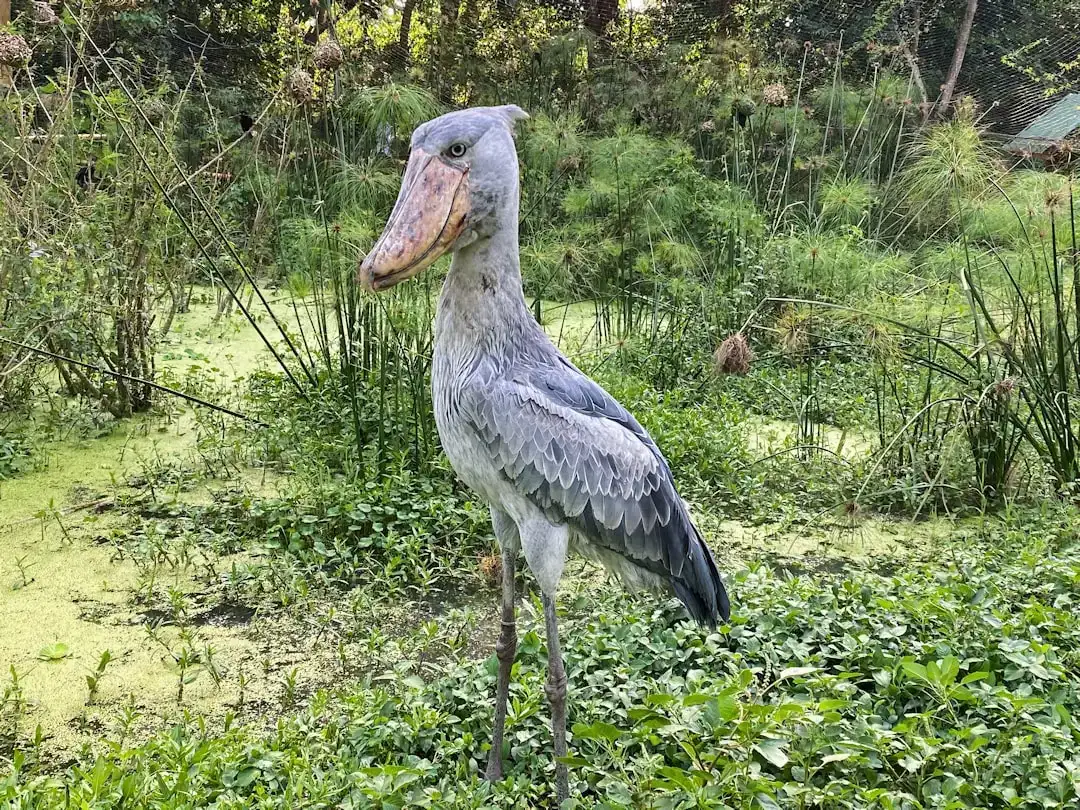
This one sounds like a technicality, but it’s actually one of the strangest unresolved questions in the entire field. Not all dinosaurs went extinct – modern birds are, in fact, dinosaurs, and the 15,000 species of birds alive today represent 15,000 different kinds of living dinosaurs.
That reframes basically everything. Every sparrow at a backyard feeder is a direct dinosaur descendant, part of the same lineage as Velociraptor.
But pinpointing exactly where “dinosaur” ends and “bird” begins is genuinely contested among specialists, because feathers, hollow bones, wishbones, and even nesting behavior all appeared gradually and independently across multiple related lineages, not in one clean evolutionary jump. There’s no single fossil universally agreed upon as “the first true bird.” Researchers keep reshuffling species back and forth across that boundary as new skeletons and CT scans emerge, which means the textbook family tree you memorized in school has almost certainly already changed.
#1 – Why Dinosaurs Actually Went Extinct Is Still Not Fully Solved
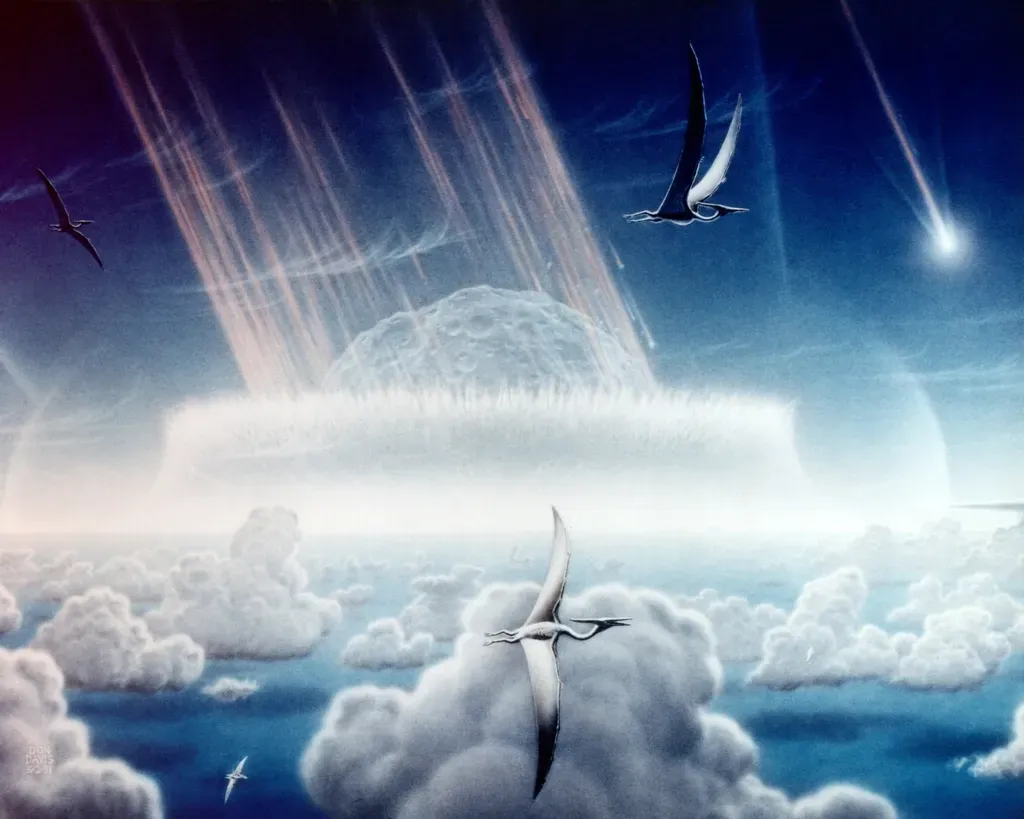
This is the question everyone assumes is settled. It absolutely is not – not in the way most people think. Yes, an asteroid hit. That part is real. But knowing the trigger isn’t the same as understanding the mechanism.
A massive asteroid struck the planet following a protracted period of global ecological change and intense volcanic activity in the Deccan Traps, but paleontologists haven’t fully pieced together how all these triggers translated into a mass extinction that killed off every non-avian dinosaur. One AMNH paleontologist put it bluntly: the question is unanswerable based on the fossil record alone – while there’s no doubt a massive meteorite hit Earth, it’s very hard to directly connect that event to the actual extinction.
At a Glance
- Confirmed trigger: a massive asteroid impact
- Complicating factor: an already ongoing period of ecological change and intense Deccan Traps volcanism
- 2023 finding: an infrared pulse from impact debris rapidly heated the planet’s surface
- 2023 finding: silicate dust lingered in the atmosphere for up to 15 years, blocking photosynthesis
- Still unresolved: exactly how these factors combined to wipe out every non-avian dinosaur
The single most famous scientific “fact” in popular culture might be the field’s biggest unresolved case. Researchers are still uncovering new details every year – in 2023 alone, a study found that debris from the impact created an infrared pulse that roasted the planet, and silicate dust lingered for as long as 15 years, hindering photosynthesis and driving global cooling. That’s new information from just a couple of years ago, about an event assumed to be fully explained for decades. If that’s still being revised, almost nothing about the extinction is truly closed.
The Bottom Line
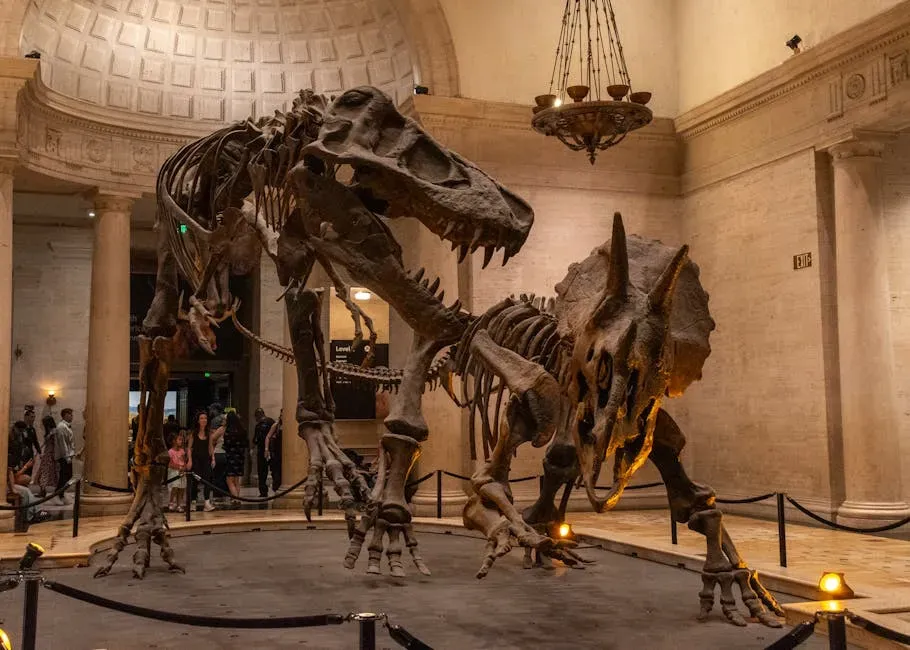
Here’s the uncomfortable truth: paleontology sells certainty in gift shops and documentaries, but the actual research is a field crawling with open questions. Color, sound, mating, metabolism, even the exact cause of extinction – all still genuinely contested. That’s not a failure of science; it’s honest science, working with an incomplete, 66-million-year-old evidence pile.
If anything, that should make dinosaurs more fascinating, not less. Every “fact” you learned as a kid is really just the best current guess, waiting for the next fossil to overturn it. Which of these surprised you the most? Drop it in the comments.