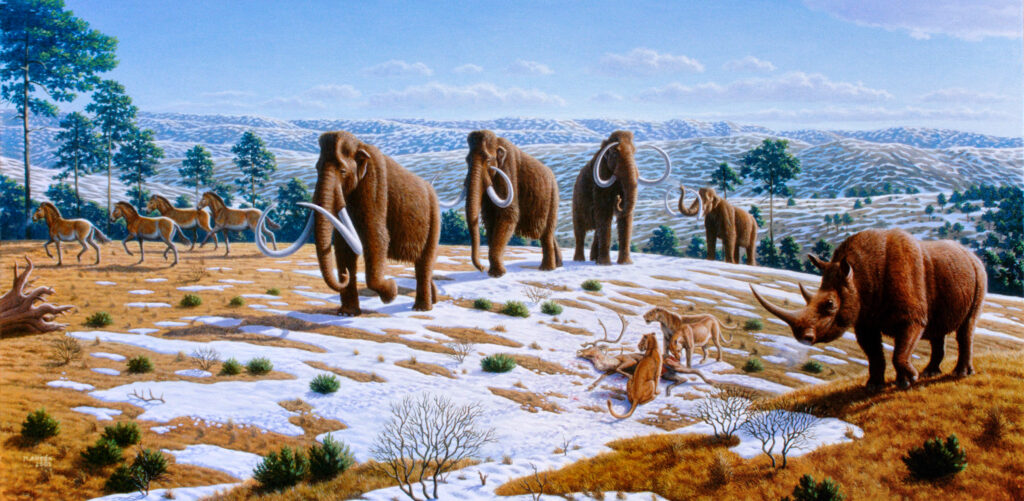
You were probably taught that the Ice Age ended in one big dramatic thaw – glaciers melted, mammoths dropped dead, and the world moved on. That version of events is comforting, tidy, and mostly wrong.
The real fossil record is messier and honestly a lot stranger. Tiny mammoth herds were still alive while Egyptians were stacking the pyramids. Giant sloths outlasted entire climate cycles on Caribbean islands. Some of these animals didn’t just survive the Ice Age – they walked straight into human history and, in a few cases, they’re still walking today. Here’s the list that rewrites the timeline.
#13 – The Last Woolly Mammoths Were Hiding on a Secret Arctic Island
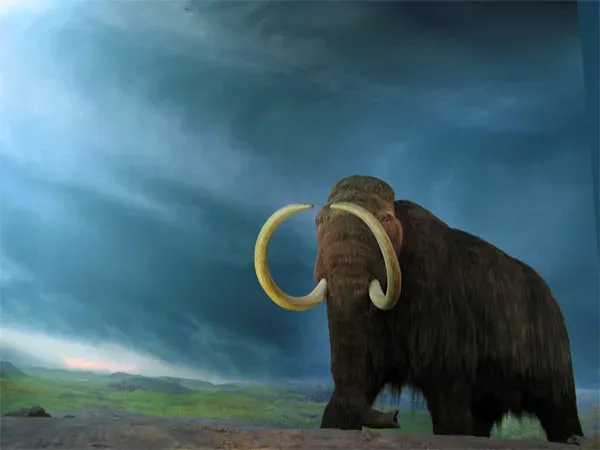
Most people picture woolly mammoths thundering across frozen tundra and then disappearing all at once. In reality, they clung to life on a remote Arctic island until about 4,000 years ago – long after mainland herds were already gone. On Wrangel Island, a tiny, inbred population of dwarf mammoths kept breathing while humans in Egypt were already building pyramids.
Genetic studies of these last survivors show their DNA was quietly falling apart – more harmful mutations, weaker immunity, even signs of fertility problems. These weren’t the mighty Ice Age titans from documentaries. They were the exhausted last chapter of a once-dominant species, stranded on a shrinking refuge with nowhere left to run. Researchers still argue over how much blame goes to human hunters versus rapid warming, but everyone agrees on one point: mammoths outlived the “Ice Age” label by thousands of years.
Fast Facts
- Last refuge: Wrangel Island, a remote patch of Arctic Russia
- Extinct there roughly 4,000 years ago – after the pyramids were built
- Population was small, isolated, and heavily inbred
- DNA shows a buildup of harmful mutations before their final disappearance
#12 – Mastodons Kept Living in a World That Had Already Warmed Up
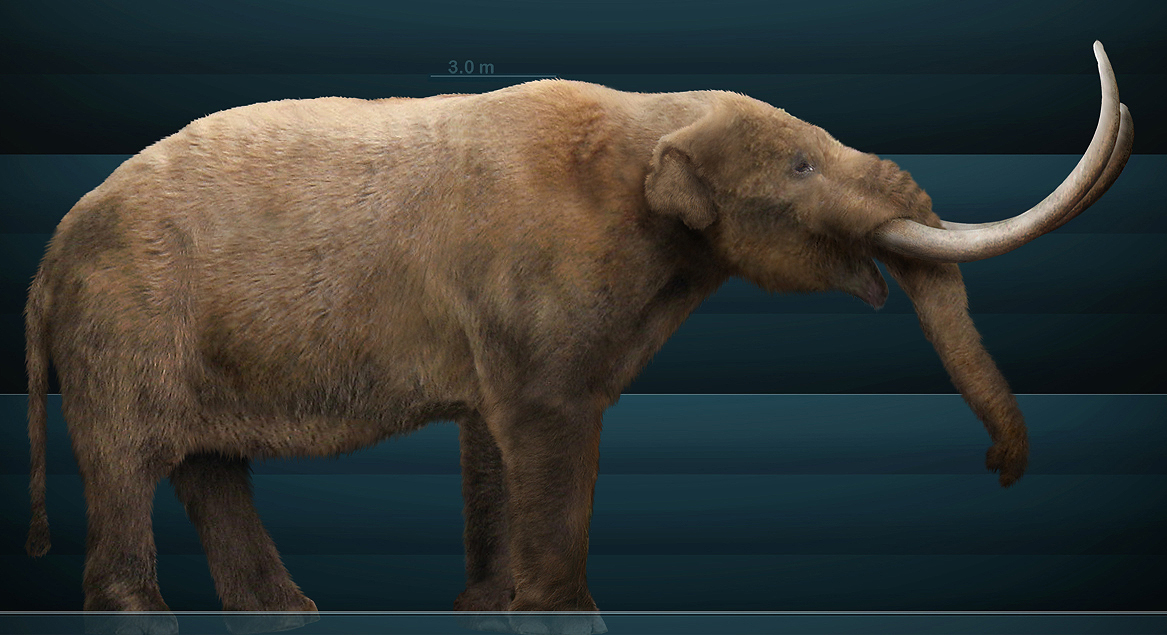
If you assumed mastodons vanished the second the ice sheets retreated, the fossil record says otherwise. These elephant relatives, with their shorter legs and cone-shaped tooth cusps, were still roaming North America while forests spread and the climate warmed around them.
Mastodons preferred woodlands and wetlands, browsing on twigs and leaves instead of grazing grass the way mammoths did. That one dietary difference let them hang on longer in scattered forest pockets as the open Ice Age steppe disappeared. Radiocarbon dates show some populations lasted surprisingly deep into the Holocene, especially around the Great Lakes and Northeast. They weren’t fragile relics that collapsed the moment things changed – they adapted, shifted range, and bought themselves extra time before habitat loss and human hunting finally caught up.
#11 – Giant Ground Sloths Survived Almost to the Bronze Age
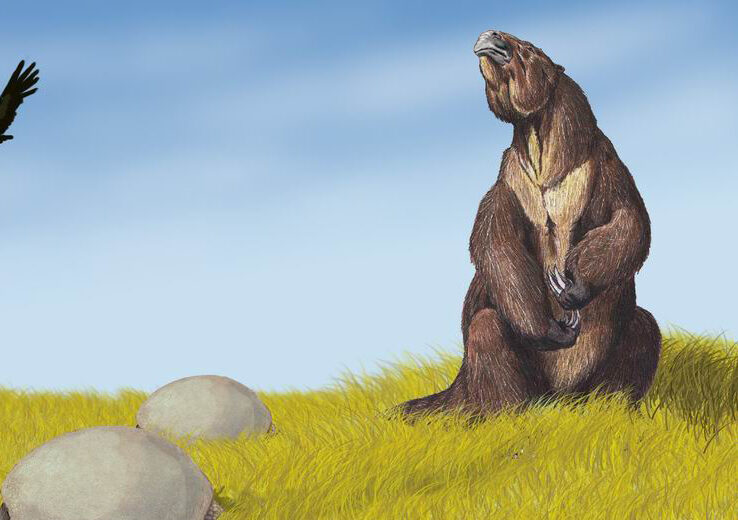
Picture a giant ground sloth and you probably imagine it lumbering next to mammoths and saber-toothed cats. But fossils from the Caribbean tell a wilder story: some giant ground sloths survived on islands until roughly 4,000 to 5,000 years ago, long after their mainland cousins had already died out.
On Cuba and Hispaniola, species like Megalocnus persisted in isolated pockets where humans either arrived late or in small numbers. They weren’t as massive as South America’s famous Megatherium, but they were still big, slow, unmistakably “Ice Age” animals living quietly in a post-Ice Age world. Their island isolation bought them thousands of bonus years – until human settlement finally caught up with them, closing out one of the longest megafauna holdouts on record.
#10 – Saber-Toothed Cats Outlasted the Ice Age Itself
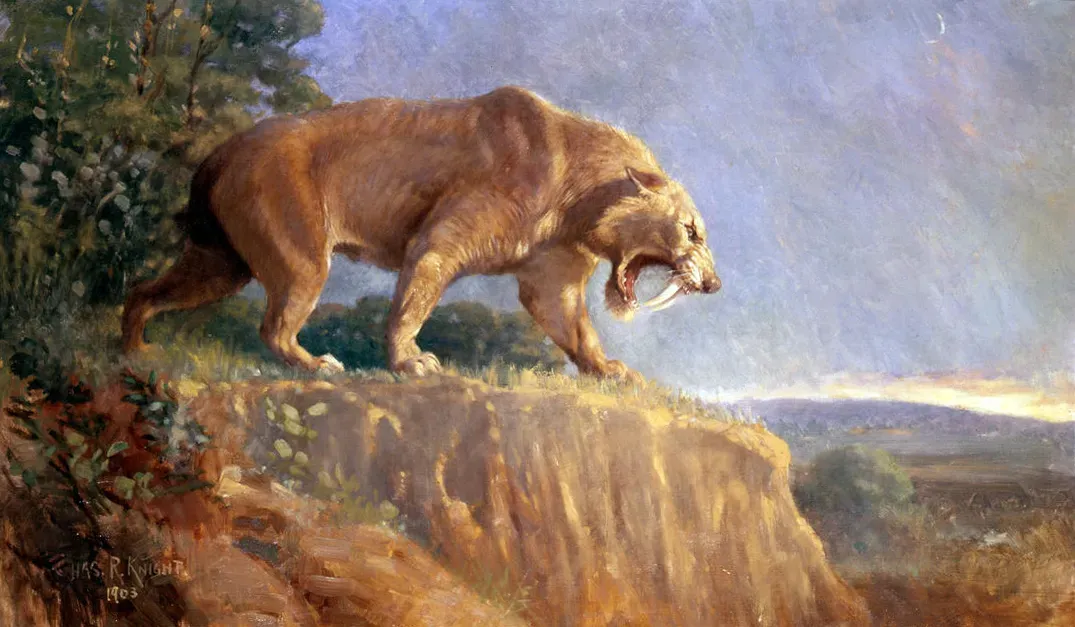
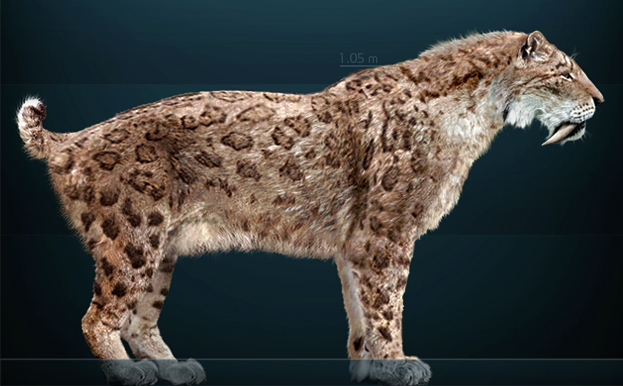
Ask most people when saber-toothed cats went extinct and they’ll say “when the Ice Age ended.” That’s an oversimplification. Smilodon fatalis survived several waves of warming and cooling before finally disappearing around 10,000 to 11,000 years ago – which already puts it inside the Holocene, the same epoch we’re living in right now.
These weren’t fragile animals wiped out by one cold snap; they were elite predators that had already ridden out previous warm spells and come out fine. Their real undoing seems to be the slow collapse of the megafauna community they depended on – mammoths, mastodons, giant bison – rather than temperature alone. Some researchers even suspect human-driven ecosystem changes quietly starved them out as their prey networks unraveled. Either way, saber-toothed cats lasted right up to the edge of the modern world before finally blinking out.
#9 – Steppe Bison Watched Humans Build the First Farms
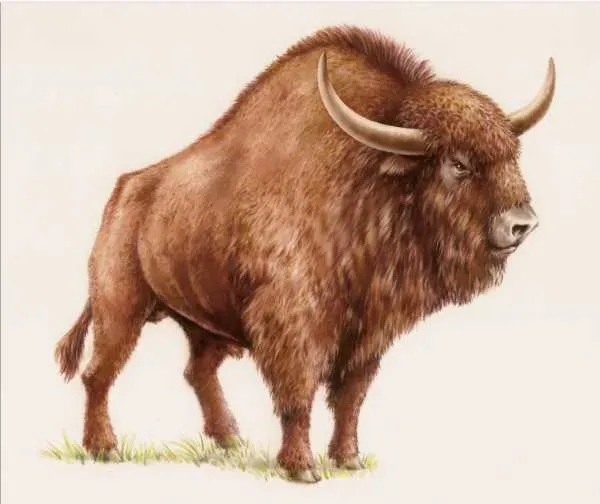
The classic Ice Age bison – heavier, hornier, built for brutal steppe winters – didn’t simply morph overnight into today’s American bison. Steppe bison held on in pockets across Eurasia and North America well into the Holocene, overlapping with early farming societies and expanding human populations.
DNA pulled from permafrost and ancient bone shows steppe bison were still present in parts of Alaska and Siberia after many other Ice Age icons had already disappeared. Their eventual fade looks less like a climate “kill switch” and more like a slow genetic and ecological handoff toward the modern species. Some researchers even argue today’s bison are partly hybrids descending from these Ice Age survivors rather than brand-new arrivals – which quietly upends the clean before-and-after story most of us were taught.
Worth Knowing
- Steppe bison overlapped with early farming societies in the early Holocene
- Permafrost DNA places survivors in Alaska and Siberia after many other megafauna vanished
- Some scientists view modern bison as partial genetic descendants, not clean replacements
- Their disappearance looks like a gradual handoff rather than a sudden die-off
#8 – Musk Oxen Are Ice Age Ghosts Still Walking Among Us
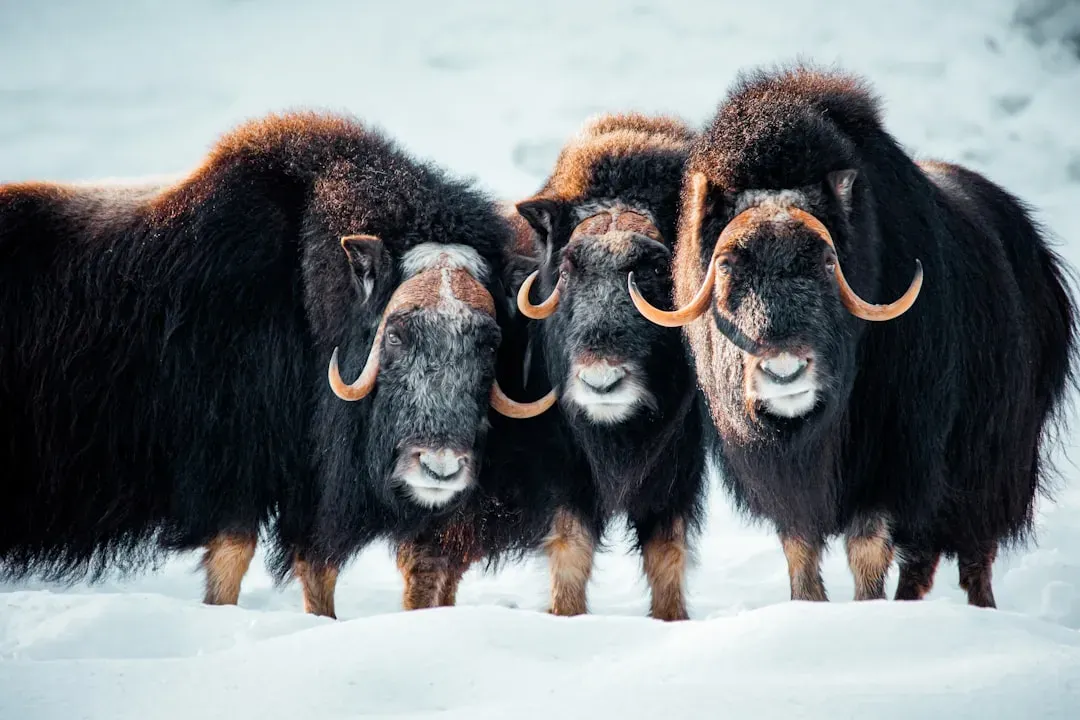
Unlike mammoths and mastodons, musk oxen never actually left the stage. These shaggy, horned survivors are one of the very few large Ice Age mammals still living wild in the Arctic today, from northern Canada to Greenland. Genetically and physically, they’re remarkably close to their Pleistocene ancestors.
They watched entire megafauna communities collapse around them and somehow kept going, thanks to extreme cold tolerance, a flexible diet of dry sedges and dwarf shrubs, and sheer stubbornness in places humans long avoided. Today they’re still out there, but the same pressures that finally finished off mammoths – warming plus human encroachment – are now closing in on musk oxen too. It’s an uncomfortable full-circle moment for a true Ice Age holdout.
#7 – Reindeer Are Ice Age Survivors Hiding in Plain Sight
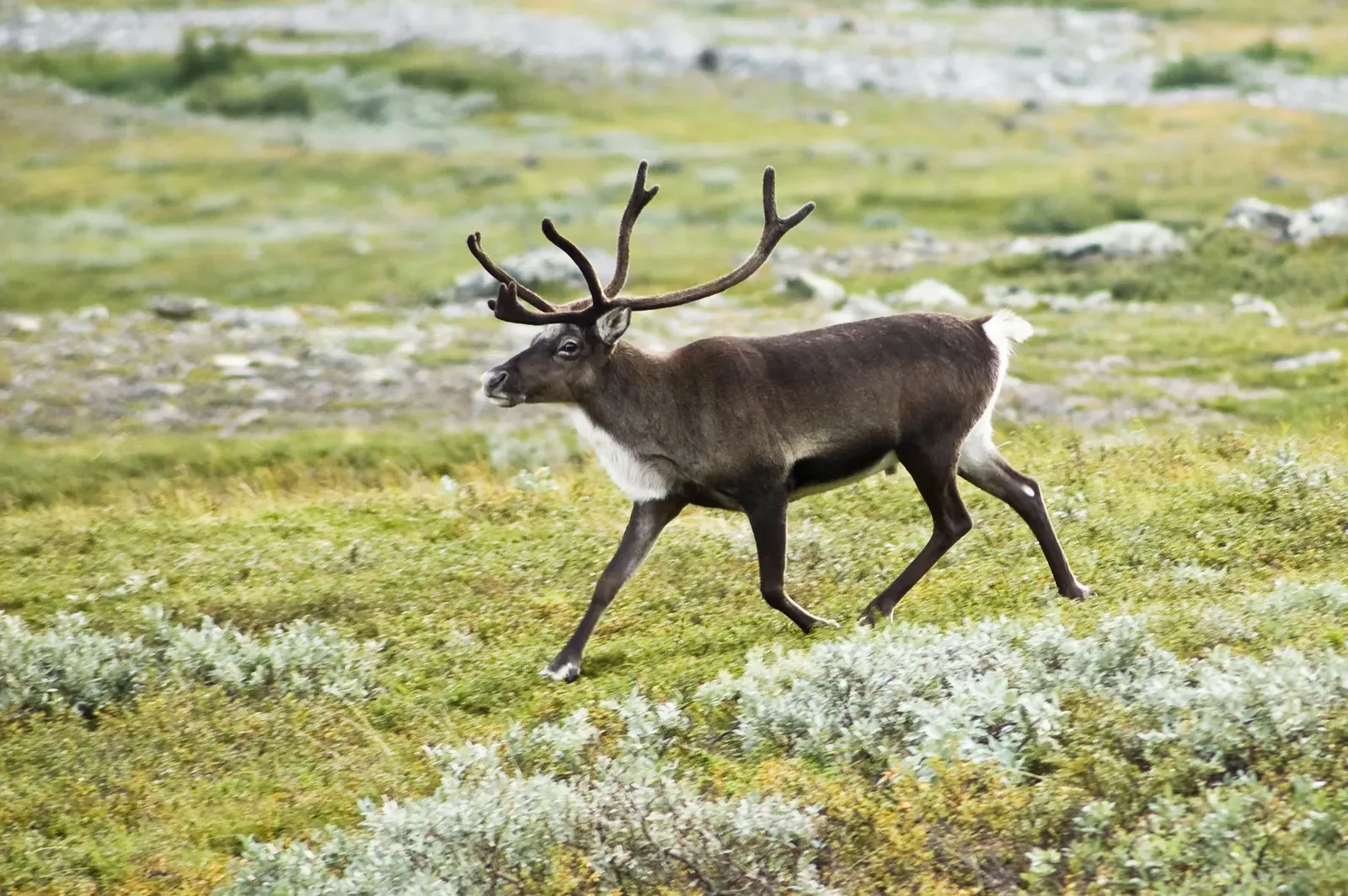
Here’s the part most people never connect: every time you see a reindeer or caribou, you’re looking at a species with deep Pleistocene roots. These are direct descendants of Ice Age reindeer that survived dramatic climate swings and are still doing the same seasonal migrations today.
Unlike most megafauna, reindeer adapted by tracking food across vast distances and eating tough tundra lichens that most other grazers can’t touch. Genetic evidence shows they’ve held onto Arctic and sub-Arctic territory since the Ice Age, shifting range as glaciers retreated but never truly leaving that ecological niche. In several Indigenous cultures, this wild Ice Age grazer eventually became semi-domesticated, turning into a foundation of human survival. Now climate warming and industrial development are hammering herds – meaning a species that outlasted the last Ice Age may not survive this one without real protection.
#6 – Saiga Antelope Outlived Mammoths, Then Almost Vanished Anyway
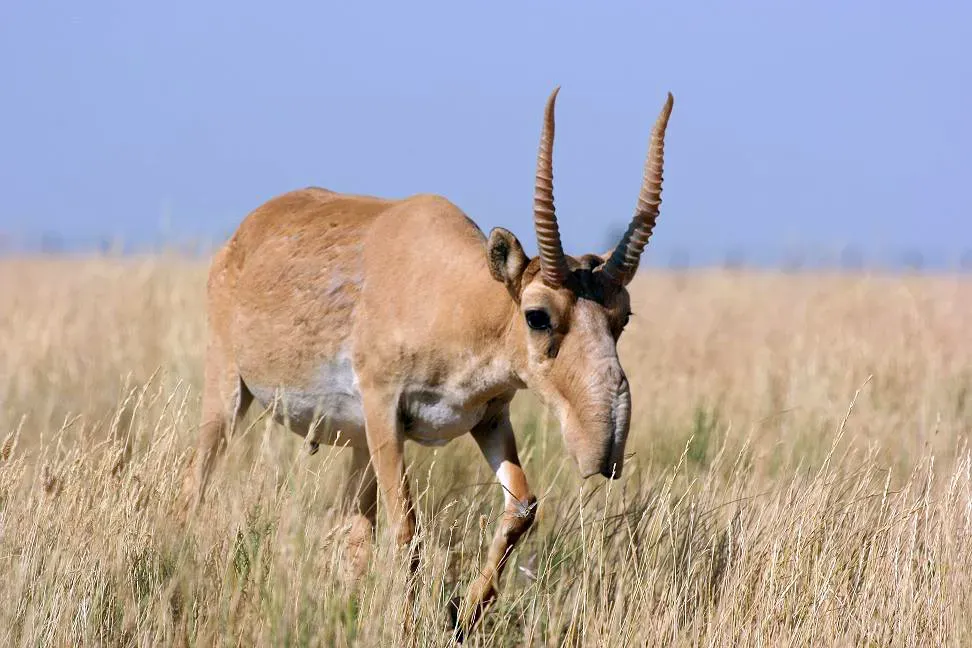
Most people outside Central Asia have never heard of saiga antelope, yet they’re one of the strangest Ice Age survivors still walking the planet. With their bulbous, downward-facing noses acting like built-in air filters, saiga are classic cold-steppe animals that outlived mammoths and are still alive today.
During the Pleistocene, they roamed huge stretches of Eurasia alongside woolly rhinos, horses, and bison. When the Ice Age ended, saiga didn’t vanish – they simply retreated to open grasslands in Kazakhstan, Russia, and Mongolia, their weird noses warming frigid winter air and filtering dust in scorching summers. Here’s the brutal irony: they survived actual glaciers, then nearly disappeared in the 20th and 21st centuries from overhunting, poaching, and sudden mass die-offs. Conservation biologists have quietly described them as one bad year away from disappearing for good.
At a Glance
- Population crashed to around 48,000 by 2005 after decades of poaching
- Rebounded dramatically to roughly 2.8 million by 2024, mostly in Kazakhstan
- IUCN status upgraded from Critically Endangered to Near Threatened in December 2023
- Their odd nose shape filters dust in summer and warms freezing air in winter
#5 – Woolly Rhinos Made It Almost to the End, Then Collapsed Fast
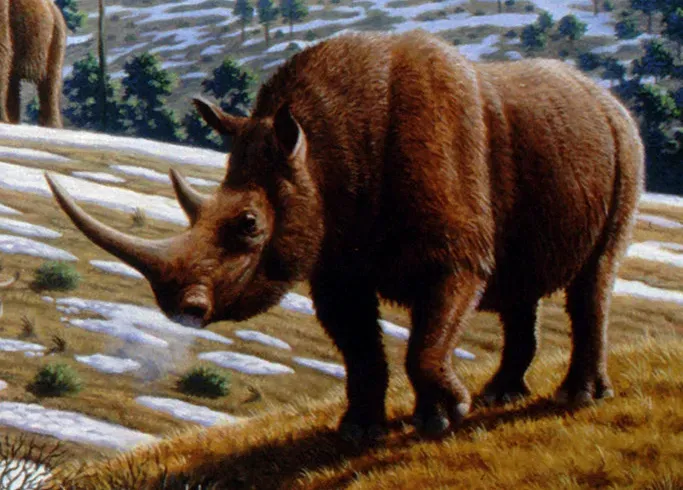
The woolly rhinoceros looks like pure fantasy – a huge, shaggy rhino with a massive forward-curving horn, trudging through snowstorms alongside mammoths. Most people assume it vanished the moment things warmed up. The evidence says otherwise: woolly rhinos survived until roughly 14,000 to 10,000 years ago in parts of Eurasia, well after peak glaciation had already passed.
Permafrost-preserved carcasses in Siberia show these animals were thriving right up until a relatively sudden climate shift altered their grassy habitat. Some genetic studies suggest their populations were stable before an abrupt downturn, meaning this wasn’t a slow fade – it was a tipping point that blindsided them. Unlike mammoths, woolly rhinos show little sign of heavy human hunting pressure in most regions, which makes them one of the clearest cases where climate, not people, may have delivered the final blow.
#4 – Cave Lions Prowled Into the Age of Farmers
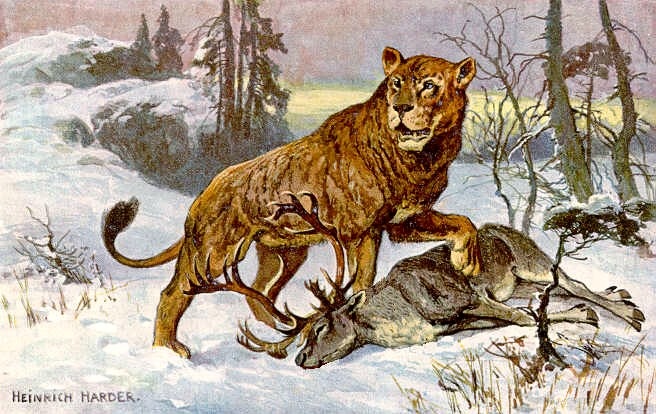
European cave lions were larger, more powerful relatives of modern lions, prowling Ice Age Europe and parts of Asia. They’re famous from cave art, but less well known is the fact that they survived until roughly 12,000 to 14,000 years ago – overlapping with the very earliest farming experiments and complex hunter-gatherer societies.
These weren’t mythical beasts confined to some distant prehistoric memory; they were apex predators shaping how early humans moved, camped, and hunted. In some regions, cave lion remains show up in late Paleolithic and early Holocene layers, proving they were still serious competition long after the ice sheets had already shrunk. Many paleontologists think humans helped push them out indirectly, by hunting shared prey and reshaping herbivore populations – meaning cave lions were still very much present as Europe shifted from wilderness to farmland.
#3 – The American Cheetah Haunted the Plains Long After Everything Changed
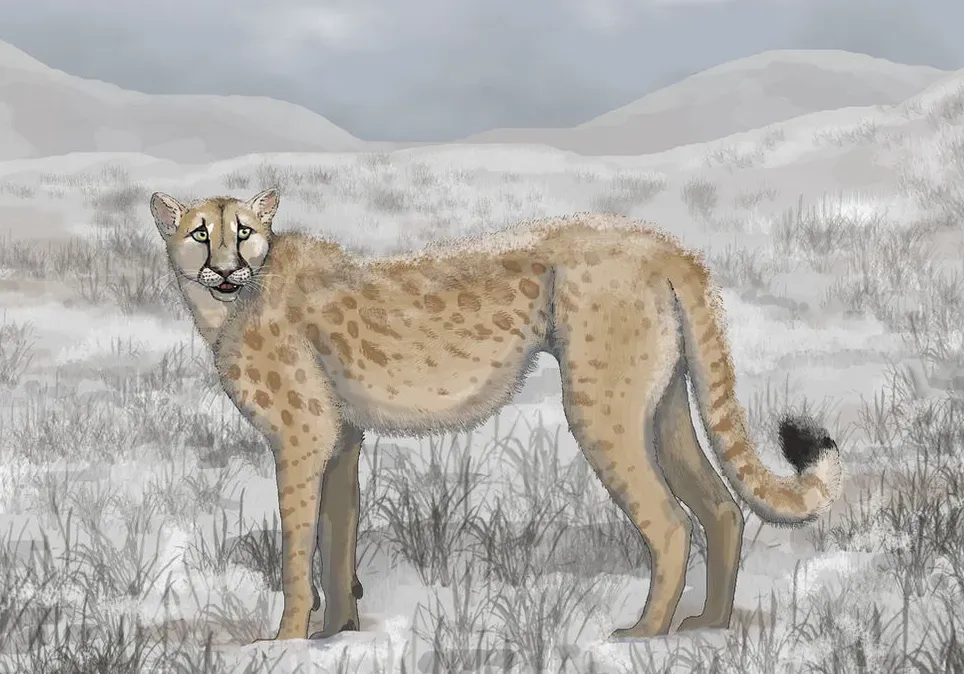
Here’s the one that always starts arguments: the so-called “American cheetah,” Miracinonyx. It wasn’t a true cheetah at all, but a cheetah-like big cat that evolved independently in North America. Fossils show it survived into the very late Pleistocene, about 11,000 to 12,000 years ago, still chasing pronghorns across open plains long after many big herbivores were already in trouble.
That timing matters. This hyper-fast predator kept hunting while ice sheets receded, human hunting pressure intensified, and prey communities shifted and shrank around it. Many biologists believe pronghorns are still “overbuilt” for speed today because they evolved alongside these almost-cheetahs, running from a threat that’s been extinct for 11,000 years. The cats themselves never made it into the Holocene, but they pushed right up to the edge before the North American megafauna web finally collapsed underneath them.
#2 – Giant Beavers Outlived Mammoths but Lost to Their Smaller Cousins
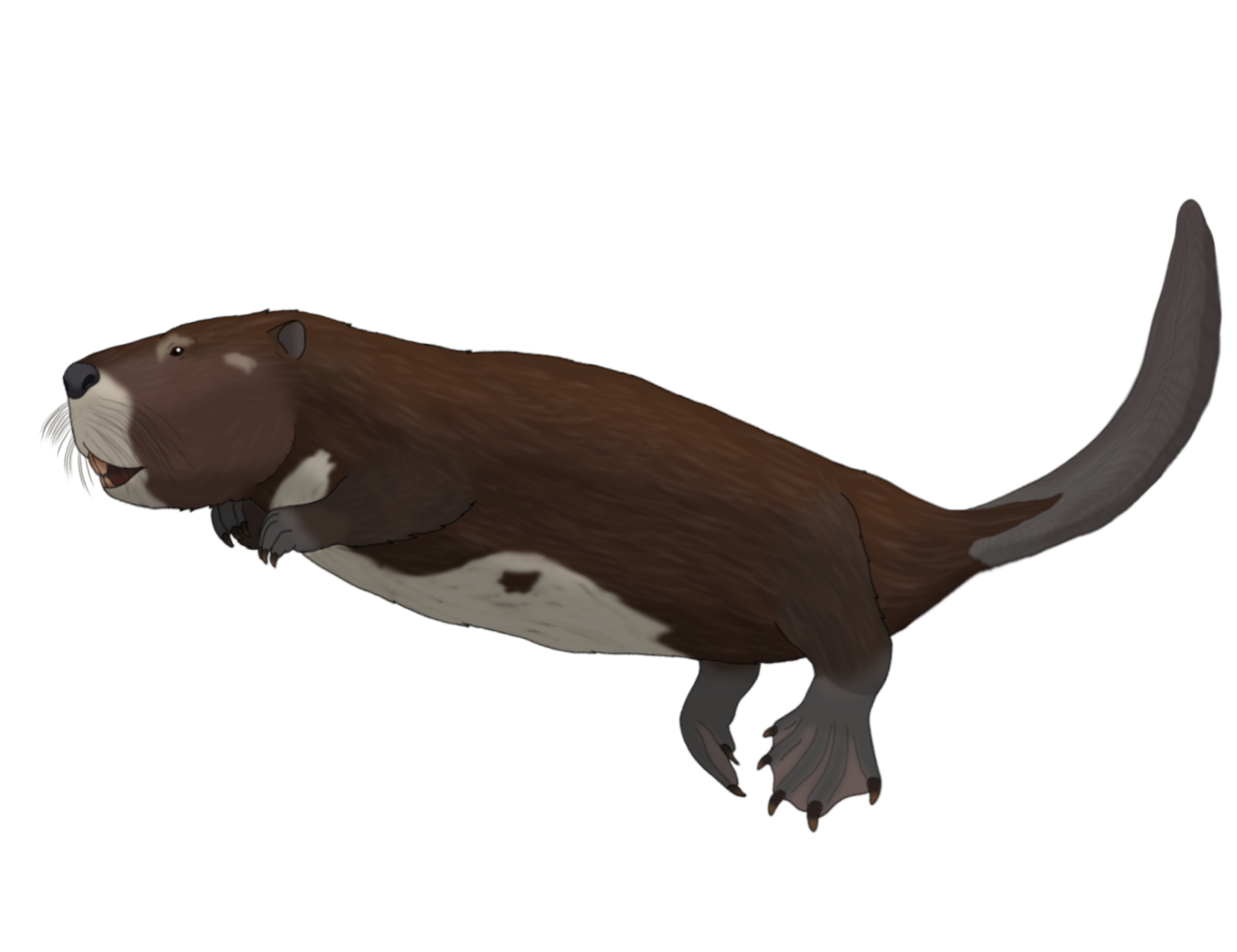
Giant beavers were exactly what they sound like – rodents roughly the size of a black bear, with massive incisors and semi-aquatic habits. Most people assume they disappeared alongside mammoths, but radiocarbon dating shows giant beavers survived in parts of North America until at least around 10,000 years ago, well into the early Holocene.
They weren’t just oversized versions of modern beavers. Their teeth suggest they ate more soft aquatic plants than wood, and there’s no strong evidence they built the large dams modern beavers are famous for. As wetlands shifted and the climate warmed, that specialized lifestyle may have backfired, leaving them with fewer refuges than their smaller relatives. Meanwhile, modern beavers – smaller, more adaptable, expert dam-builders – thrived in that same changing landscape. Giant beavers were the Ice Age holdovers; their tiny cousins were the ones who actually won the long game.
Quick Compare
- Size: giant beaver was bear-sized versus a modern beaver’s much smaller frame
- Diet: giant beaver favored soft aquatic plants; modern beavers gnaw wood and bark
- Dam-building: little evidence giant beavers built dams; modern beavers are famous for them
- Outcome: giant beavers died out around 10,000 years ago; modern beavers still thrive today
#1 – Humans Are the Ice Age Survivors Nobody Talks About
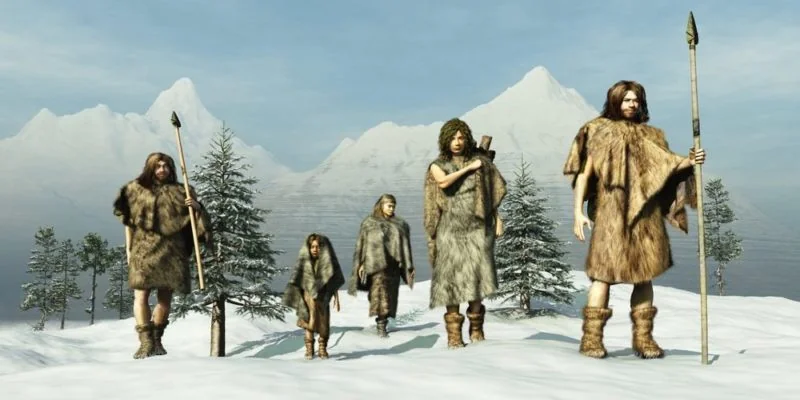
The most shocking “animal” on this entire list is us. Modern humans aren’t post-Ice Age newcomers who showed up after the megafauna cleared out – we’re Ice Age survivors ourselves. Our species coexisted for thousands of years with mammoths, cave lions, woolly rhinos, and giant sloths, then simply kept going long after they were gone.
For a huge stretch of time, people in Siberia hunted mammoths while musk oxen and saiga watched from the sidelines. In Europe, people painted cave lions on cave walls while reindeer herds crossed frozen valleys nearby. In the Americas, saber-toothed cats, giant beavers, and early human bands shared the same rivers and plains. When you actually line up the dates, humans and Ice Age animals overlapped far more than most textbooks let on – and our rise almost certainly helped decide who survived longest and who didn’t.
The Bottom Line
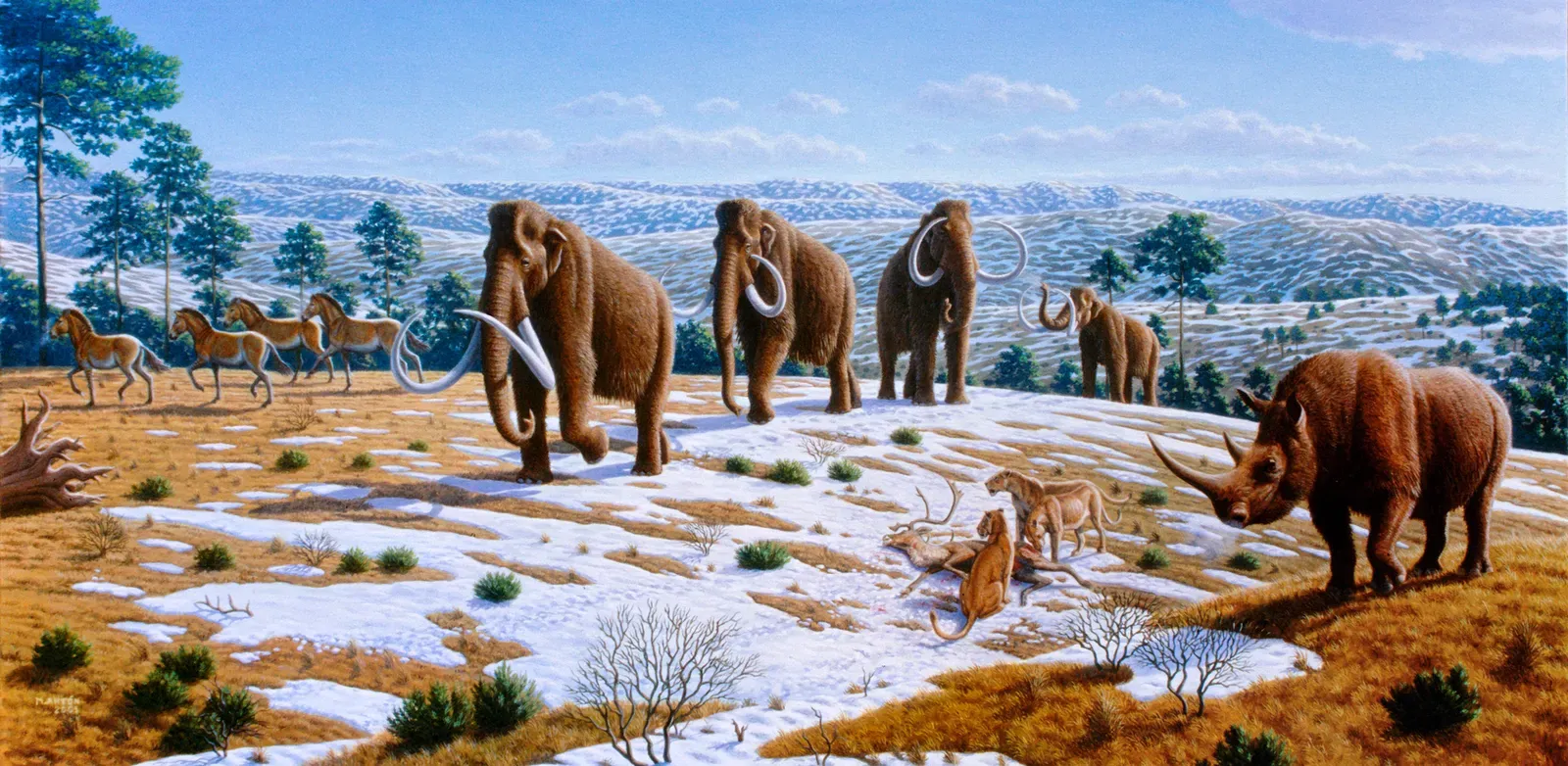
The end of the Ice Age wasn’t a clean, single extinction event where every “prehistoric beast” dropped dead on cue. It was messy and drawn out – mammoths surviving on Arctic islands while pyramids rose in Egypt, giant sloths hanging on in Caribbean forests long after the glaciers melted, cave lions still stalking Europe as humans began settling down for good.
Some of these animals are still with us in some form – musk oxen, reindeer, saiga. Others lingered shockingly late in isolated pockets before finally running out of road. A few only collapsed when climate change and human pressure hit at the same time, which is the least comfortable pattern of all, because it’s the same pattern we’re watching play out again right now with saiga, reindeer, and musk oxen. If there’s one honest takeaway here, it’s this: we’ve never been outside observers to extinction. We’ve been part of the story the entire time. So which one on this list surprised you the most – and do you think humans get too much blame for the die-offs, or nowhere near enough?