
If you grew up thinking dinosaurs were just giant lizards that went extinct and left some bones behind, the real story will knock you sideways. The fossils we’ve found over the last century are so strange, so vivid, and sometimes so emotional that they feel less like science and more like time travel caught in stone.
Some of these discoveries froze dinosaurs in their final moments, some preserved their last meal, and others forced scientists to rip up decades of assumptions and start again. What follows are 13 of the most extraordinary dinosaur fossils ever discovered, and the wild, very human stories that came with them.
1. The fighting dinosaurs locked in eternal combat
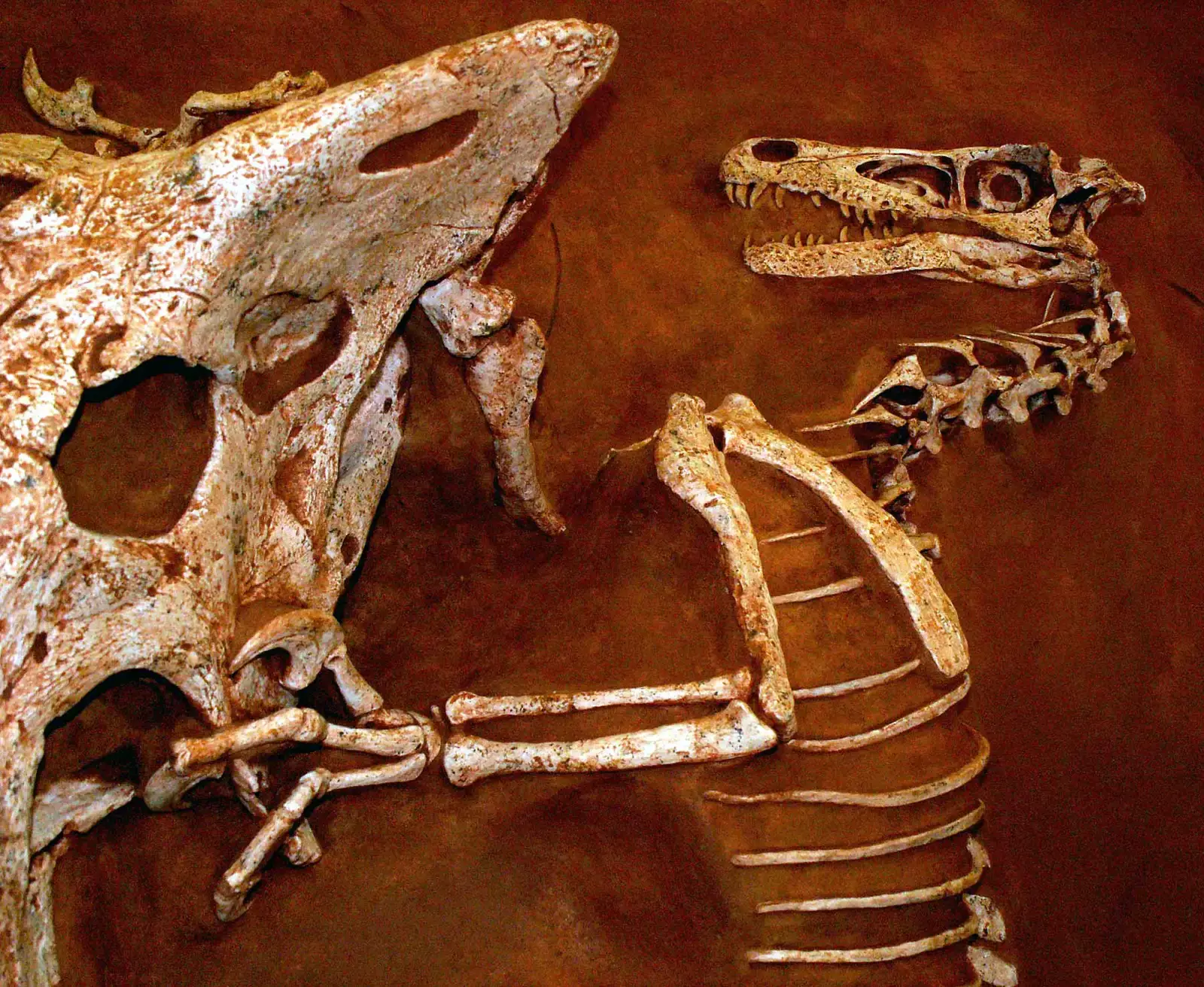
Imagine stumbling across two dinosaurs literally frozen mid-fight, claws sunk into flesh, jaws clamped down, like a paused action scene from a nature documentary. That is exactly what paleontologists found in Mongolia’s Gobi Desert: a Velociraptor tangled with a Protoceratops in what appears to be a life‑or‑death struggle that neither survived. The fossil captures the predator’s sickle‑shaped claw embedded near the herbivore’s neck while the Protoceratops seems to be biting down on its attacker’s arm.
This fossil is extraordinary because it is not just a skeleton; it is a moment. It gives scientists a rare snapshot of behavior, not just anatomy, supporting the idea that Velociraptor used its iconic claw in combat rather than just for climbing or display. For regular people like you and me, it turns dinosaurs from abstract monsters into real animals with split‑second choices, fear, and bad luck. Whenever I think about it, I can’t help picturing two modern lions frozen mid‑pounce and wonder what tiny twist of fate preserved this ancient brawl and not some peaceful afternoon of grazing.
2. Sue the T. rex and the courtroom drama that shook paleontology
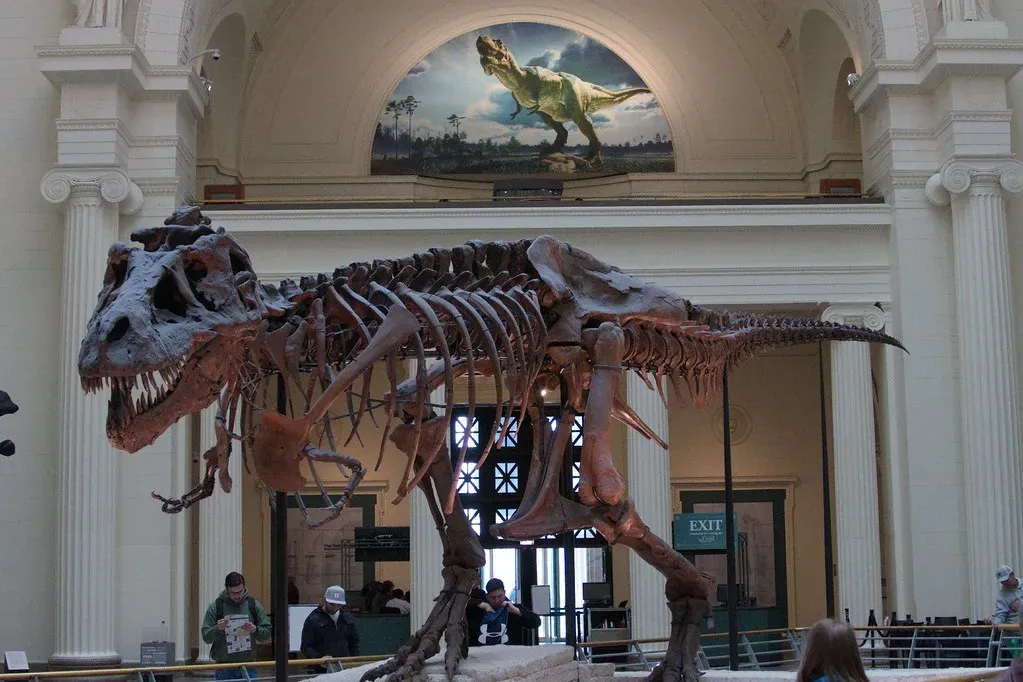
Sue is not just the most complete and one of the largest Tyrannosaurus rex skeletons ever found; she is also the center of one of the most intense legal battles in the history of paleontology. Discovered in South Dakota in 1990, Sue sparked a years‑long fight over who actually owned the fossil: the landowner, the discoverers, a local tribe, or the federal government. The case got so big it pulled in the FBI and turned a fossil into a headline‑dominating celebrity.
Scientifically, Sue is a treasure trove. Her bones show injuries, arthritis, and even possible bite marks from other tyrannosaurs, painting a picture of a tough, battered predator that lived a rough and physically demanding life. Standing in front of Sue today, you don’t just see an apex predator; you see an individual with a medical history and a legal file thicker than many humans. It’s one of those fossils that reminds me science is never just about bones in the ground – it is also about people, power, money, and who gets to tell the story of the past.
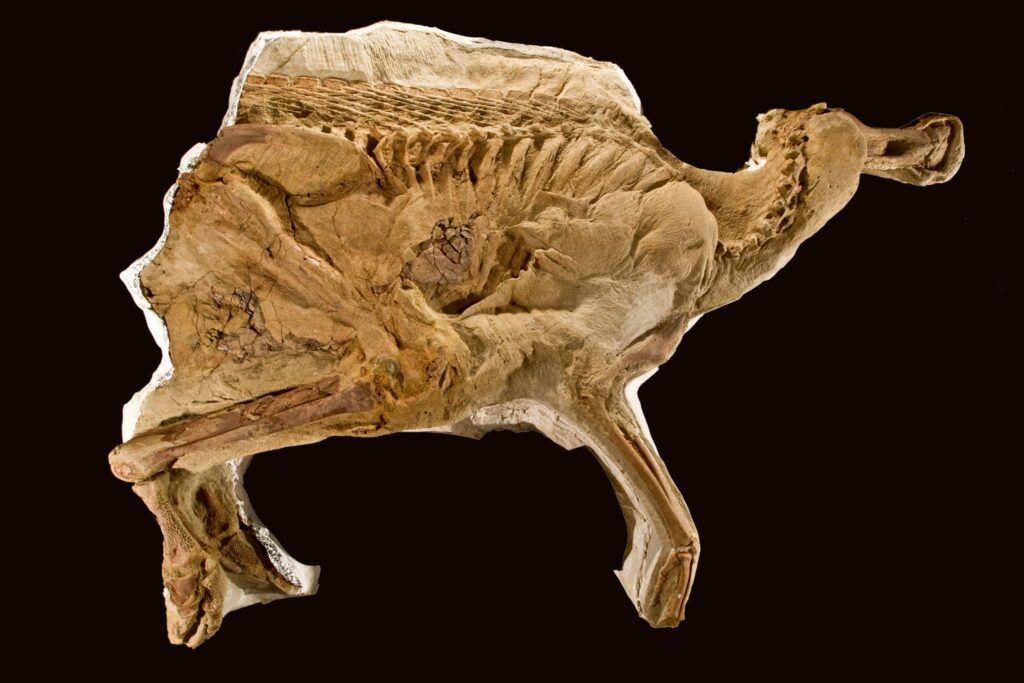
3. The Dakota “mummified” hadrosaur, with skin still wrapped around the bones
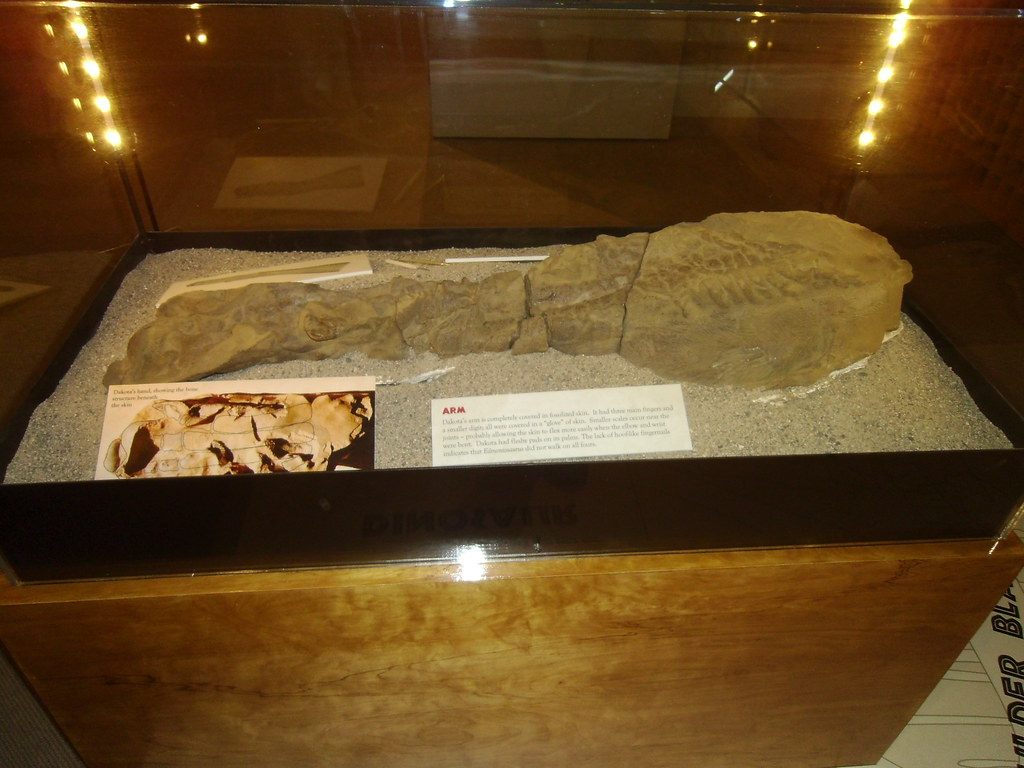
The fossil nicknamed Dakota looks less like a pile of bones and more like a shrunken, rock‑hard dinosaur body bag. Discovered in North Dakota, this hadrosaur (a duck‑billed dinosaur) is so astonishingly well preserved that large areas of its skin, and even impressions of scales, are still visible. Instead of just a skeleton, paleontologists got something closer to a full‑body scan from deep time.
Dakota helped scientists estimate muscle mass and body shape more realistically, suggesting some dinosaurs may have been leaner and more athletic looking than early reconstructions implied. For me, fossils like this close the emotional distance between us and them; you can almost imagine this animal’s skin stretching, its muscles moving, its weight shifting through mud. It’s one thing to picture dinosaur bones. It’s another to stare at a 66‑million‑year‑old skin texture and realize you’re basically looking at its outer “selfie.”
4. The feathered dinosaur that rewrote the book on birds: Archaeopteryx
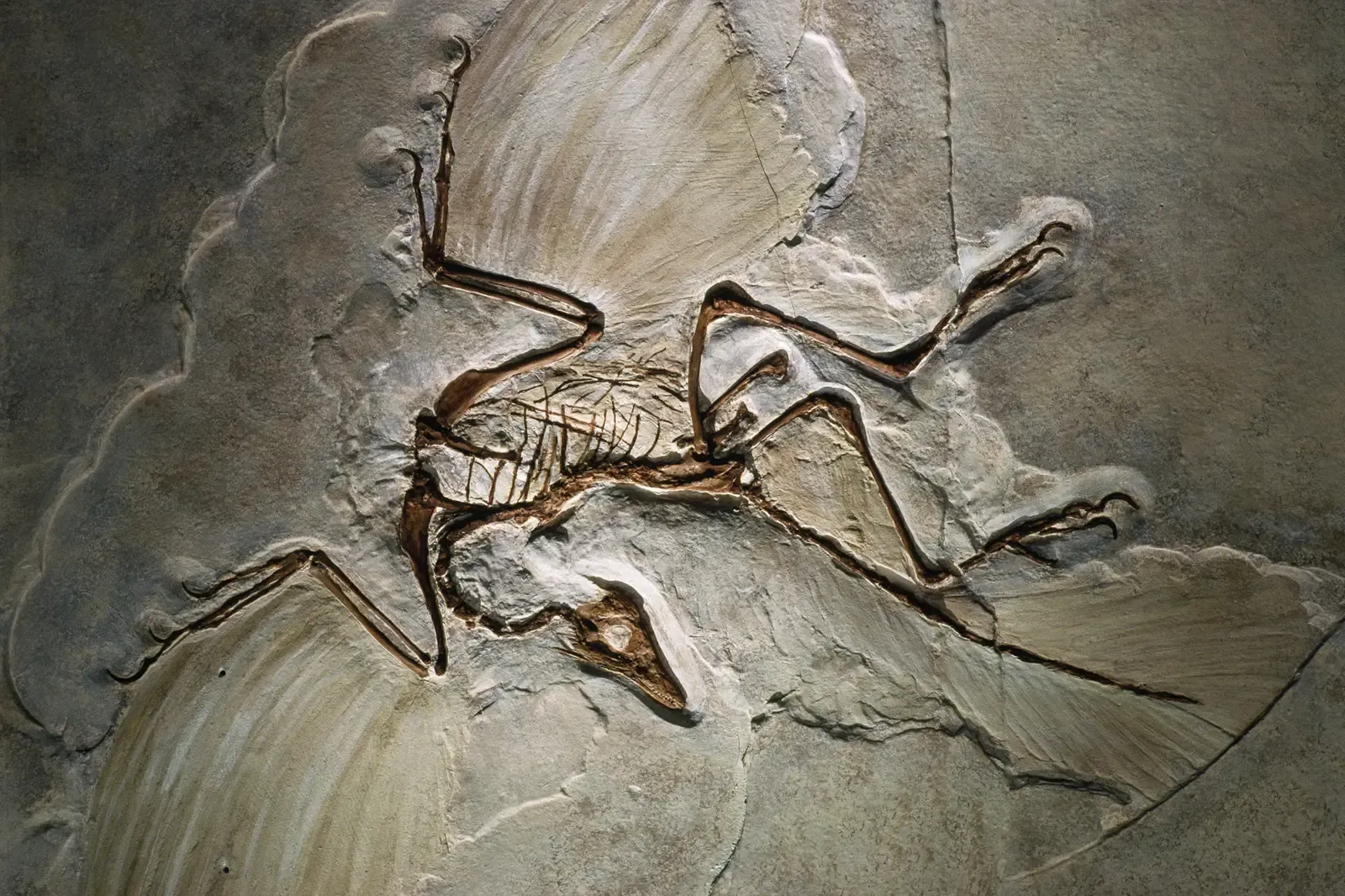
When the first Archaeopteryx fossils were found in the nineteenth century in the limestone quarries of Germany, they looked like something that should not exist – a creature with dinosaur‑like teeth and a long bony tail, but also wings and feathers like a bird. At the time, the very idea of evolution was under fierce debate, and here was a fossil that seemed to sit almost obnoxiously in between reptiles and birds, like it was trying to make a point.
Archaeopteryx has since become one of the most iconic “transitional” fossils ever. Its beautifully preserved feather impressions became a visual argument that birds evolved from small, feathered dinosaurs, an idea that is now backed up by many more discoveries from China and beyond. Personally, I find this fossil oddly comforting; it shows nature does not jump from one neat category to another but blurs the edges. If you have ever felt like you did not fit a clean label, Archaeopteryx is basically your prehistoric spirit animal.
5. The Nodosaur “dragon” so pristine it looks ready to wake up
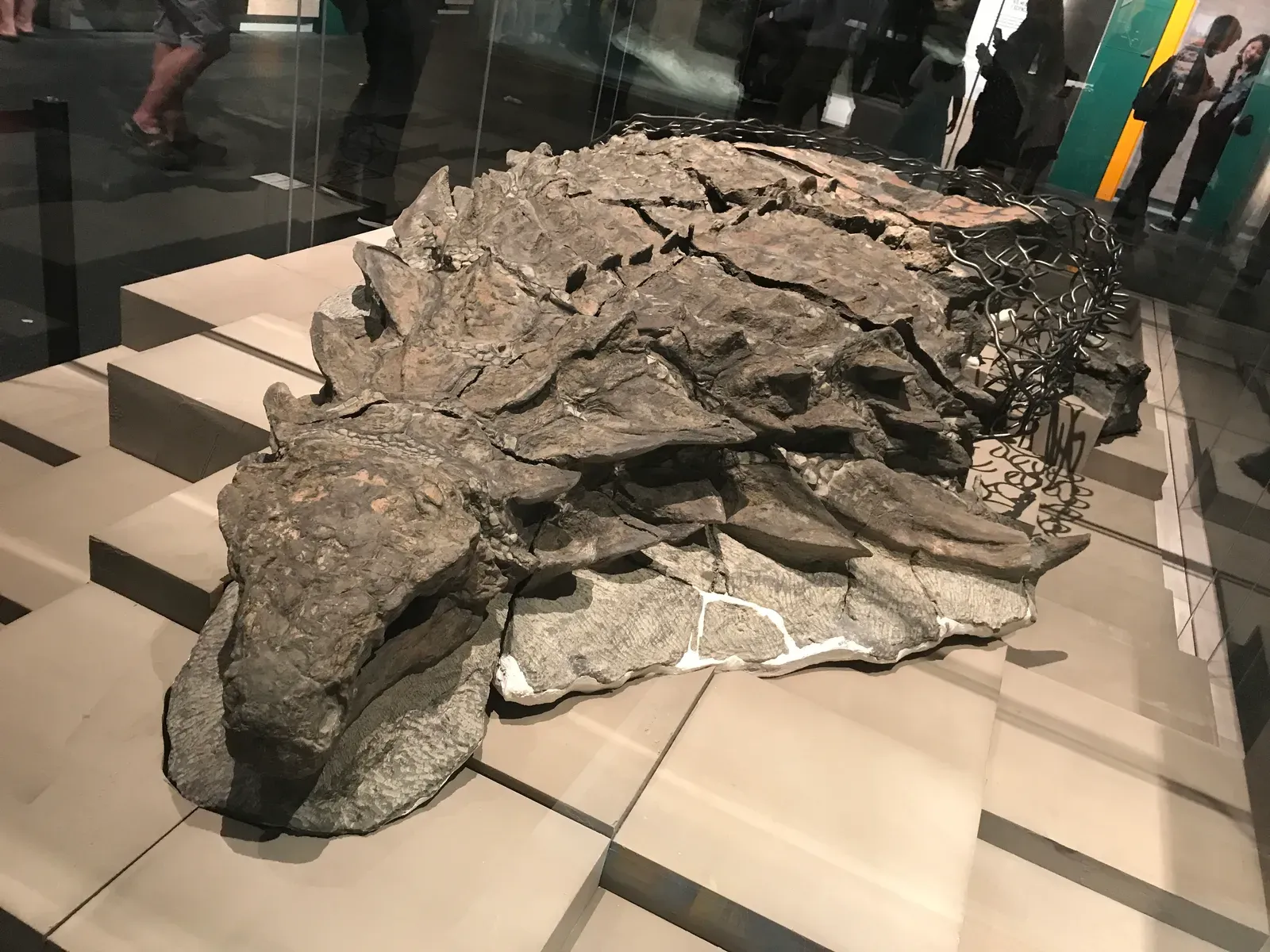
In a Canadian mine, workers uncovered what can only be described as a dinosaur that looks eerily intact: a nodosaur so perfectly preserved that its armor plates, spikes, and even hints of original color patterns survived. Instead of a flattened skeleton, this animal’s front half is three‑dimensional, like a sculpture someone carefully carved and then forgot in a museum basement for a hundred million years.
The nodosaur’s preservation is thanks to an incredibly lucky chain of events involving rapid burial and unique chemical conditions, locking in details that are usually lost, including the arrangement of its armored skin and possible pigment residues. Standing in front of photos of this fossil, I remember thinking it looked less like a fossil and more like a sleeping fantasy creature in a movie prop warehouse. It challenges the lazy idea that all dinosaurs were just gray, textureless reptiles and hints at a world of color and pattern we are only starting to glimpse.
6. The dinosaur tail in amber, complete with feathers
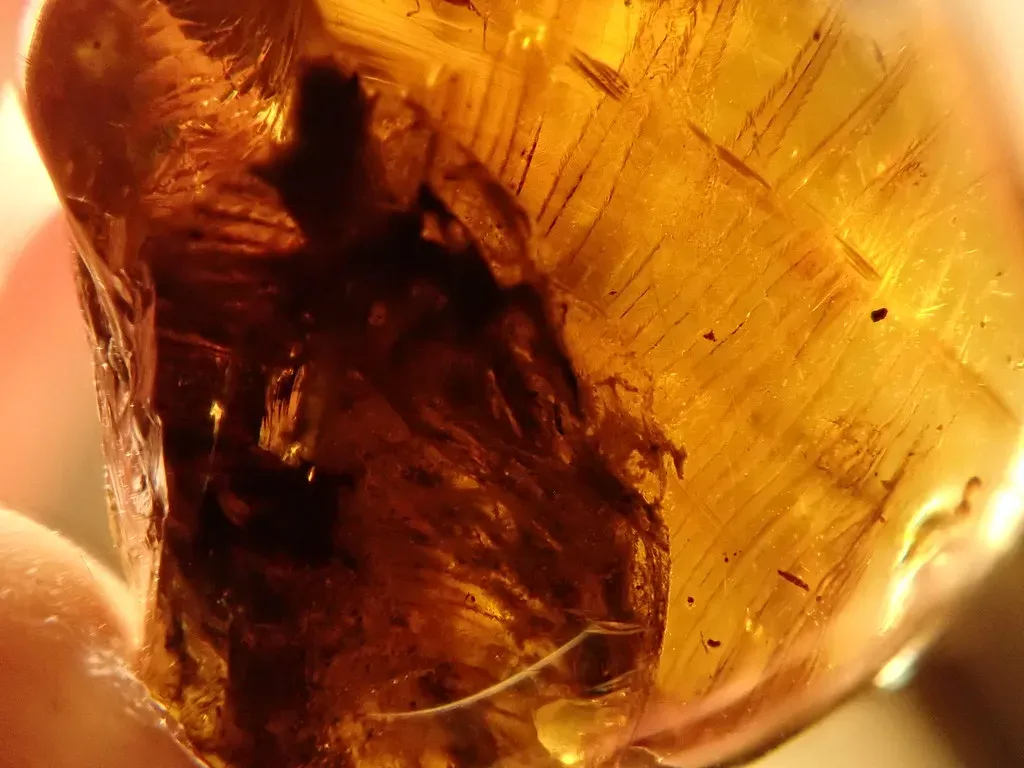
Sometimes the past is preserved not in stone but in honey‑colored resin. In Myanmar, a fragment of dinosaur tail was discovered encased in amber, with delicate feathers still attached, each tiny filament and branch visible under a microscope. This was not just a loose feather or an impression in rock; it was an actual piece of a small dinosaur’s body, trapped like a prehistoric time capsule.
This fossil showed that some non‑avian dinosaurs had complex, soft, flexible feathers rather than just simple filaments, reinforcing the idea that feathers originally evolved for insulation or display rather than flight. It also made the dinosaur‑bird connection feel incredibly tangible, like something you could almost hold in your hand (if it were not priceless and museum‑guarded). To me, this little tail in amber is a perfect example of how tiny fossils can have massive implications; it is like finding a single puzzle piece that suddenly makes the whole picture sharper.
7. The dinosaur death pose at Pompeii of the Cretaceous: the Tanis site
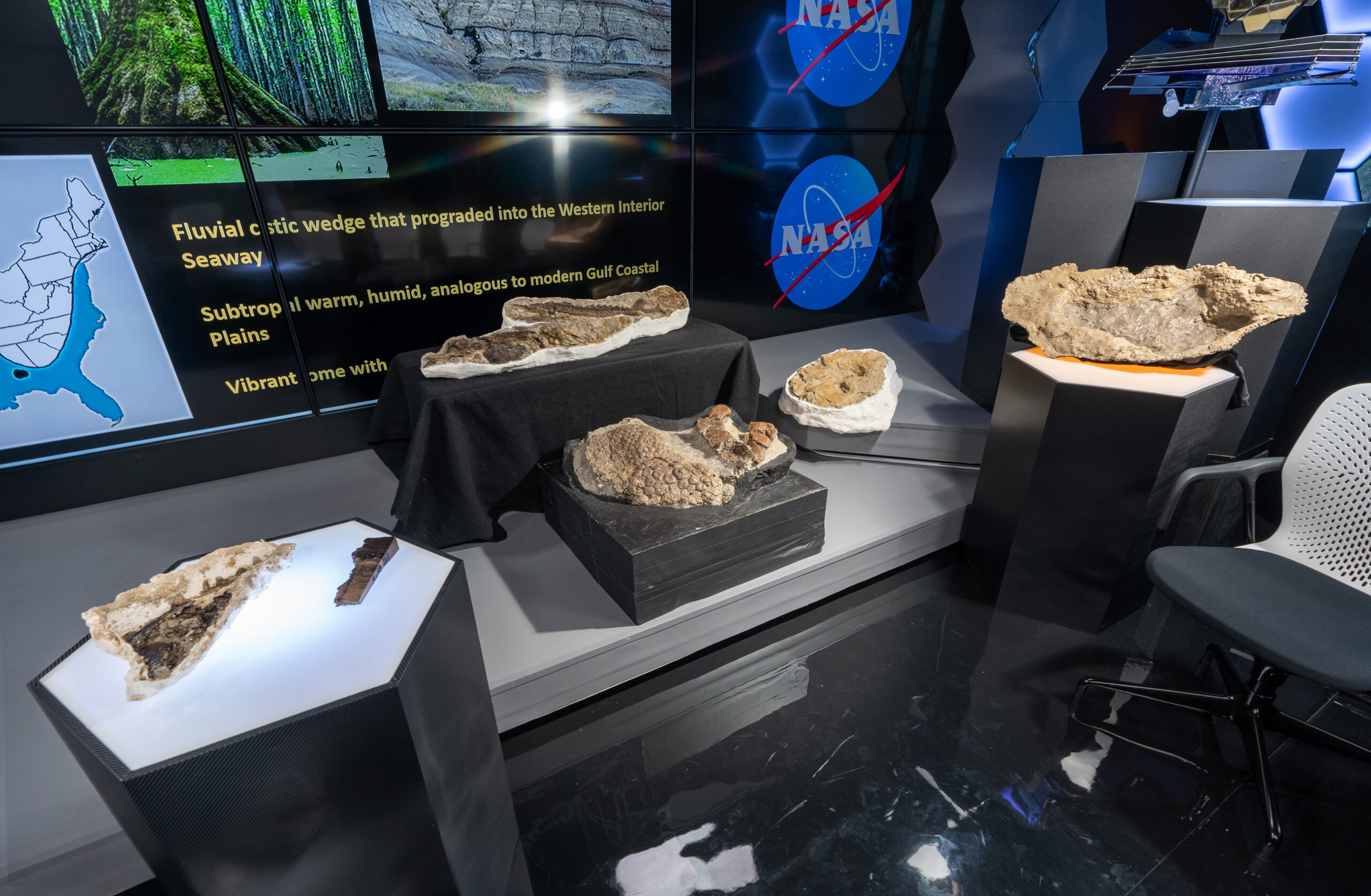
In North Dakota, at a site known as Tanis, researchers uncovered a chaotic jumble of fish, plants, and at least some dinosaur remains that may record the very day an asteroid slammed into Earth at the end of the Cretaceous. The layer is packed with tiny glassy beads thought to be impact debris and shows evidence of a violent surge of water that buried animals almost instantly. It is as if someone preserved the Cretaceous version of a disaster movie frame by frame.
The controversial but thrilling idea is that this deposit captures the immediate aftermath – possibly within hours – of the impact that ended the age of dinosaurs, not just a vague time around it. If that turns out to be fully supported by further research, it would mean we are literally looking at the fallout of one of the most important days in Earth’s history. When I read about Tanis, it felt less like paleontology and more like forensic science; you can almost feel the panic, the darkness, the sudden, horrifying end of a world.
8. Baby dinosaurs in the nest: the first solid evidence of parenting
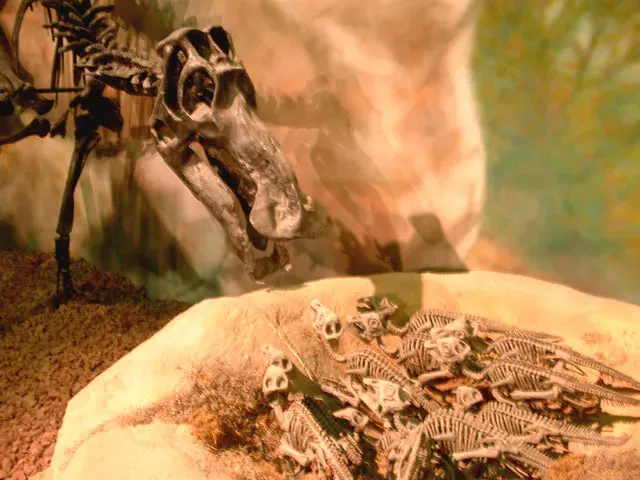
One of the most moving kinds of fossil discoveries are nests filled with eggs and tiny skeletons of baby dinosaurs. In Mongolia and elsewhere, paleontologists have found fossils where hatchlings appear to have remained in the nest, sometimes alongside adults, suggesting that at least some species engaged in care of their young. For a long time, dinosaurs were stereotyped as cold, indifferent reptiles that laid eggs and walked away; these nests told a different story.
Some fossils even show individuals that appear to have died while brooding over eggs, bodies spread protectively, like modern birds shielding their clutch from danger. This kind of evidence supports the idea that certain dinosaurs had complex social behaviors, including guarding and possibly feeding their young. Personally, I think this is one of the most quietly radical shifts in our view of dinosaurs: from solitary monsters to devoted parents. It hits differently to realize that, millions of years ago, a dinosaur parent might have felt some version of the same protective instinct a human does standing over a crib.
9. The “dinosaur mummy” with gut contents: Brachylophosaurus and its last meal
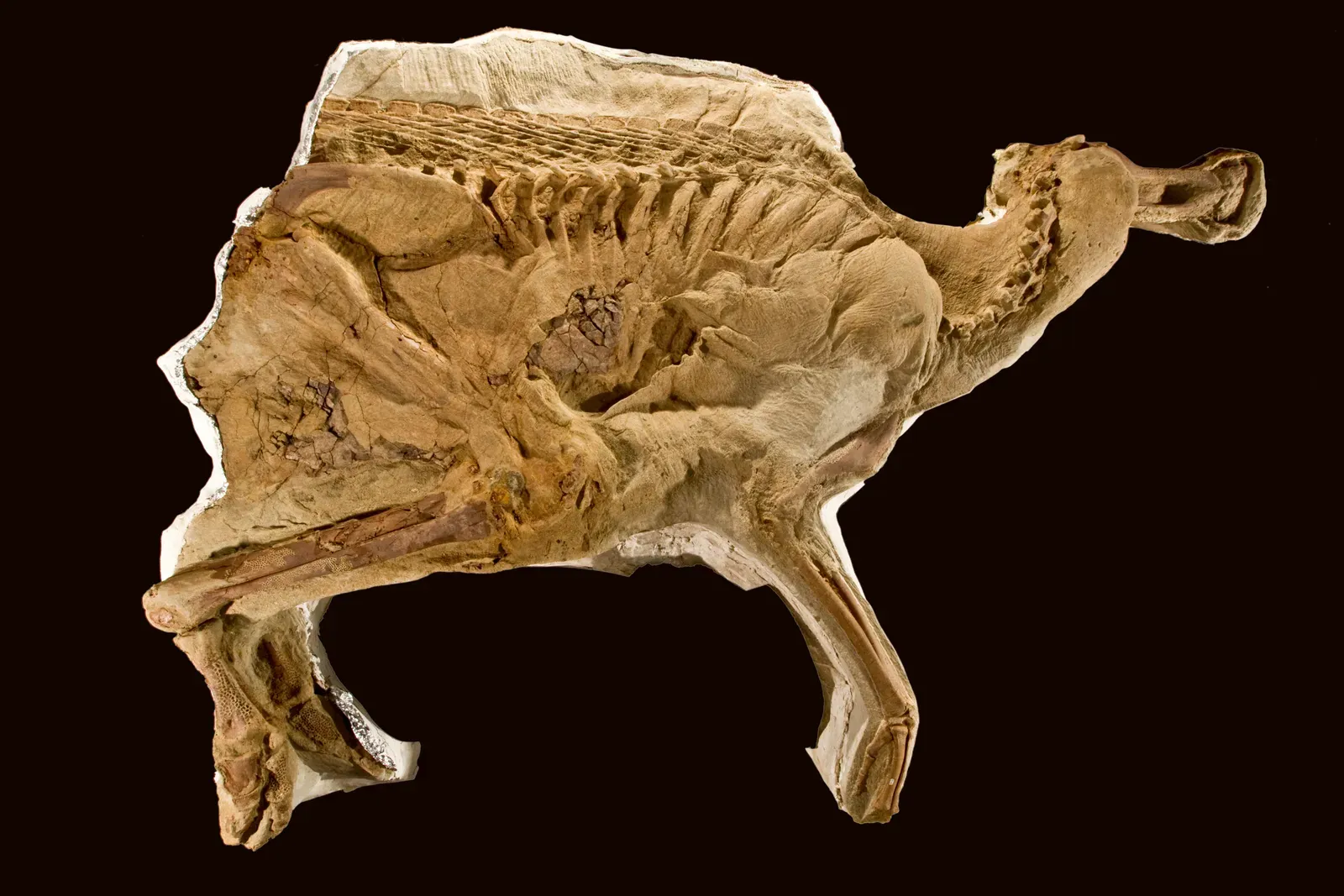
Some hadrosaurs have been found with not only skin impressions but also preserved stomach contents, giving us an almost intrusive look into their final meals. One particularly famous Brachylophosaurus specimen preserved plant material in the gut region, allowing scientists to study what kinds of leaves and twigs this animal was eating shortly before it died. Instead of guessing from tooth shape alone, researchers suddenly had a direct menu from the Cretaceous.
This sort of fossil helps refine our ideas of dinosaur diets, feeding behavior, and even the ecosystems they lived in, revealing what plants were around and how dinosaurs processed them. On a more human level, I find the concept surprisingly intimate; it is like peeking into someone’s fridge to understand their life, except that “someone” is a many‑ton herbivore from 76 million years ago. There is something both humbling and a little eerie about knowing what a creature’s final bite of food was long after its species vanished.
10. The tiny raptor with quill knobs: Velociraptor and the feather debate
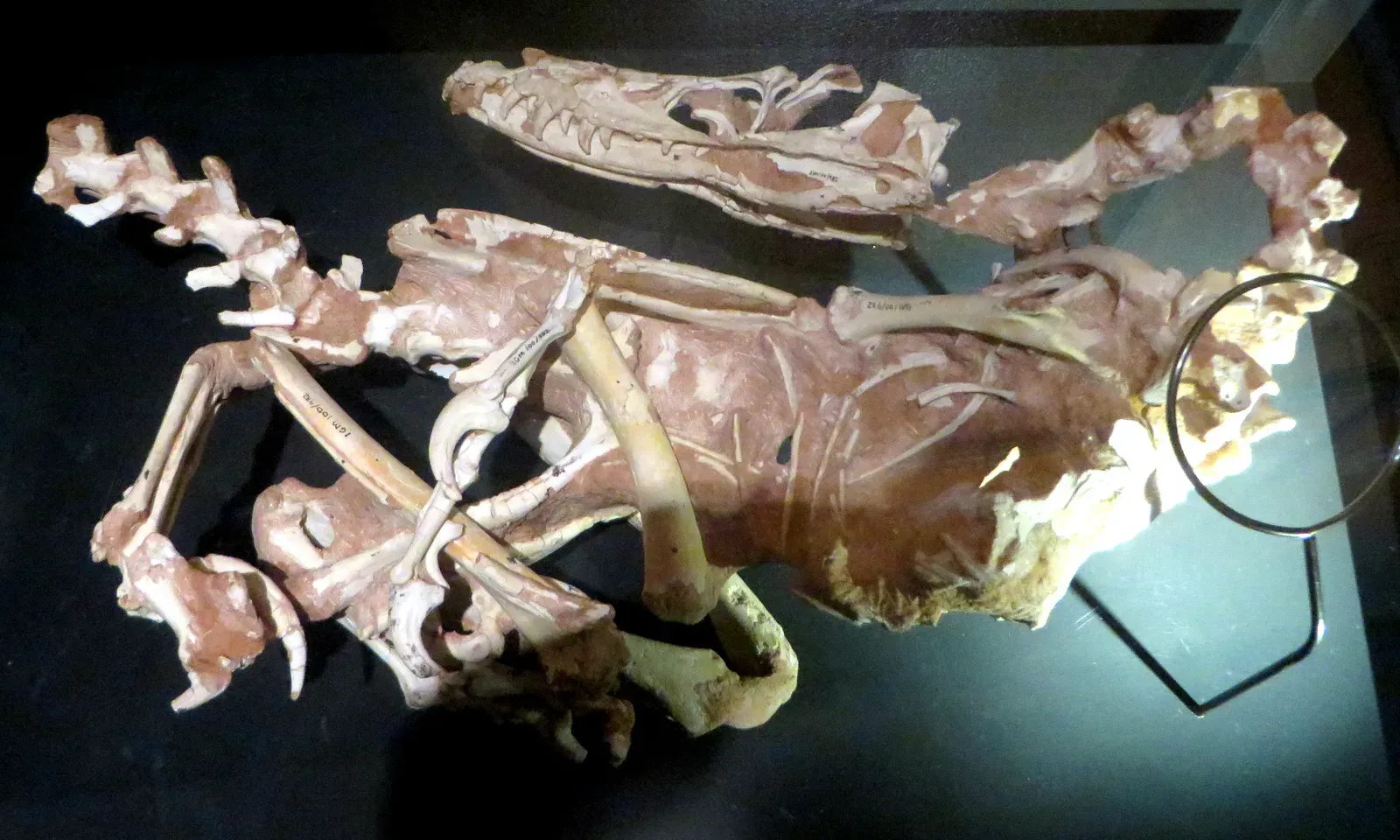
For years, popular culture insisted on showing Velociraptor as a scaly, lizard‑skinned predator, mostly thanks to blockbuster movies. Then a Velociraptor arm fossil was found with clear quill knobs – little bumps where large feathers attach to the bone in living birds. This was a smoking gun that at least some raptors had well‑developed feathers on their arms, even if they did not fly.
The discovery added to a mountain of evidence that many theropod dinosaurs were feathered, forcing artists, toy makers, and even filmmakers into a slow, sometimes reluctant redesign process. I love this fossil because it is a reminder that nature does not care about our cinematic expectations. If anything, it supports the opinion that the scientifically accurate versions are actually cooler: a pack of feathered, bird‑like predators is far stranger and more alien than the old scaly stereotypes.
11. The giant sauropod footprints that turned deserts into crime scenes
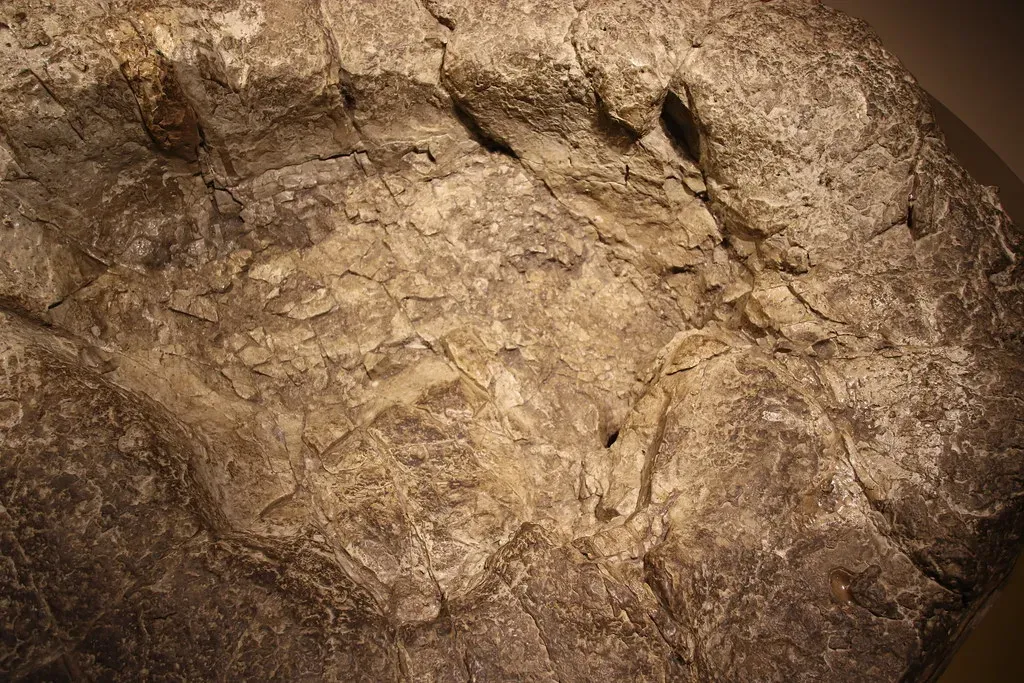
Not all extraordinary dinosaur evidence is made of bones; some of the most dramatic discoveries are trackways, where huge sauropods left crater‑sized footprints in ancient mud that later turned to stone. In several parts of the world, long lines of enormous footprints have been found, some parallel, some crossing, hinting at how these long‑necked giants moved across their landscapes. A single footprint can be big enough for a child – or honestly, an adult – to sit in.
These track sites are like prehistoric traffic reports, showing that some sauropods may have moved in groups and giving clues about speed, stride length, and even possible social behavior. Standing in one of these footprints is something people often describe as emotional; it turns abstract numbers about length and weight into a direct, physical connection. To me, these tracks feel like ghostly signatures saying, very simply: we were here, and we were huge.
12. The dinosaur with a heart of stone: soft tissue and organ clues
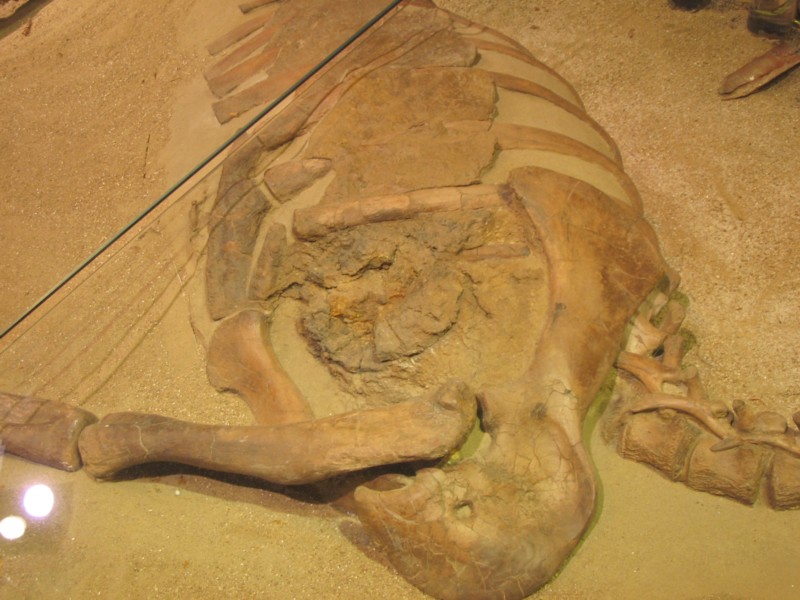
Every now and then, fossils preserve more than just bones and skin impressions; they hint at actual internal organs. There have been finds interpreted as fossilized hearts or other soft tissues in certain dinosaurs, preserved due to unusual chemical conditions. While some of these interpretations are debated and re‑examined, the very possibility that we can glimpse the outlines of a dinosaur heart or blood vessels feels almost unreal.
These specimens push the limits of what we think is possible in fossilization and open doors to questions about metabolism, blood pressure, and how active or warm‑blooded some dinosaurs might have been. I think this is where paleontology edges into something almost intimate and slightly unsettling. You are not just reconstructing how an animal moved but how its insides pumped, breathed, and lived. It tilts the discussion from “what did dinosaurs look like?” to “how did they feel to be inside that body?”
13. The unexpected Arctic dinosaurs that challenged everything about climate
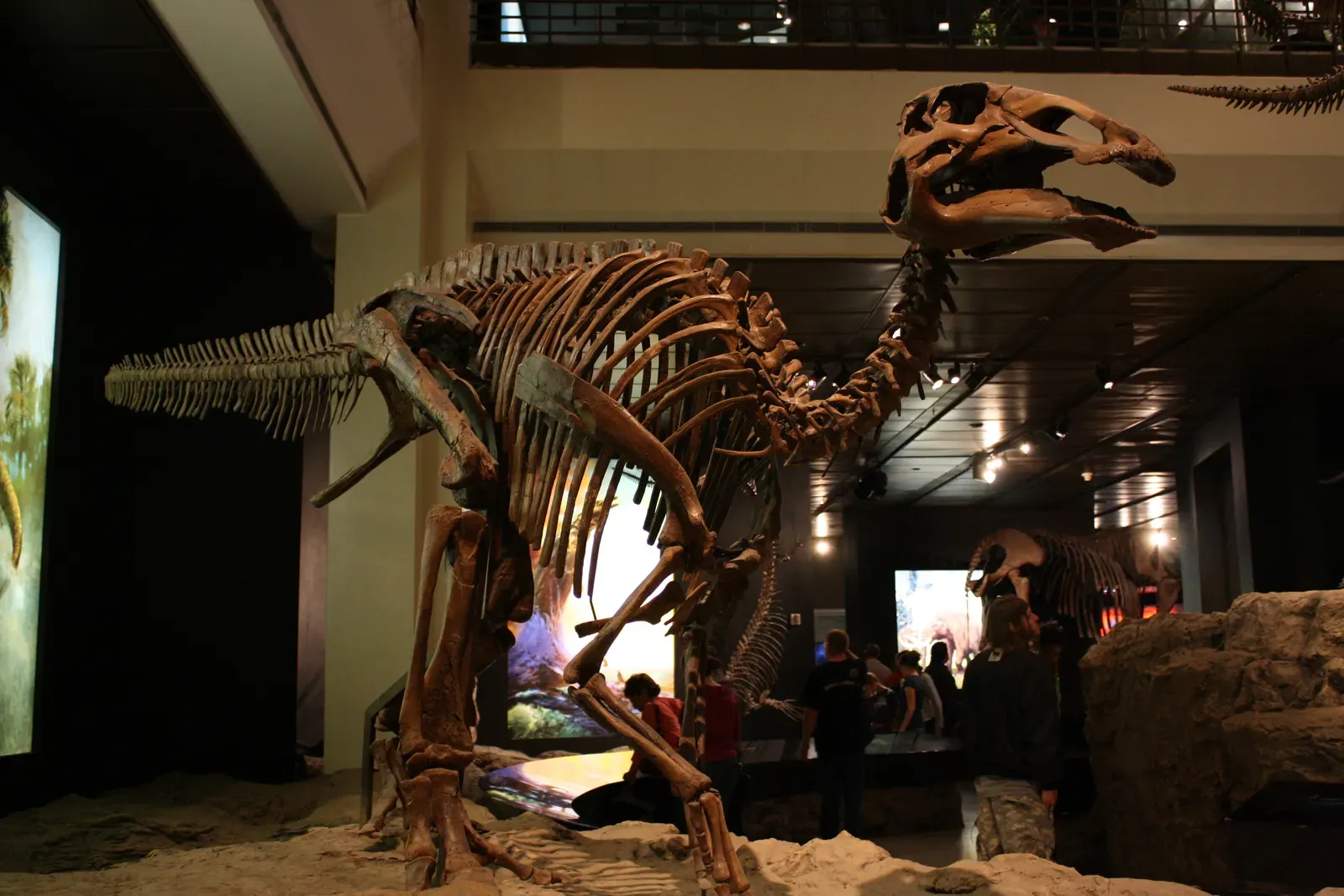
One of the most quietly shocking fossil finds of the last few decades has been dinosaur remains discovered in ancient polar regions, including what is now Alaska and Antarctica. These fossils, including bones and trackways, show that dinosaurs lived far north and south, enduring long periods of winter darkness and cooler temperatures than the classic tropical swamp stereotype. Some remains even belong to juveniles, suggesting they were not just seasonal visitors but year‑round residents.
These Arctic dinosaurs force scientists to rethink dinosaur physiology, behavior, and the climates they could tolerate, strengthening the case that many were warm‑blooded or at least capable of handling cold far better than modern reptiles. On a personal level, I find these discoveries weirdly inspiring; they paint dinosaurs not just as dominant, but as adaptable, tough survivors of harsh environments. It also quietly underlines a point that feels very relevant today: Earth’s climate has shifted dramatically over time, and life keeps finding ways to adapt – until, sometimes, it doesn’t.
Conclusion: What these fossils say about us as much as them
When you line up these thirteen extraordinary fossils – from the fighting dinosaurs locked in combat to the feathered tails in amber and the Arctic herds trudging through ancient snow – you get more than a highlight reel of cool museum pieces. You get a story of how our own understanding keeps evolving, sometimes reluctantly, as the rocks argue back against our favorite assumptions. Dinosaurs go from scaly monsters to caregiving parents, from swamp‑dwellers to polar residents, from movie villains to complex, living animals with injuries, stress, and families.
In my view, the most remarkable thing is not just what these fossils say about dinosaurs, but what they reveal about us: our willingness to be wrong, to redraw the picture, and to let go of comforting myths when the evidence demands it. Each new skeleton, skin imprint, or footprint is a quiet challenge asking if we are brave enough to update our story of the past. Maybe the real test is whether we can bring that same curiosity and humility to the present world we are busy reshaping. If a single bone in the desert can force us to rethink an entire era, what might we be missing in our own backyard right now?